



Kommunikation mit Eltern im Kindergarten – Schlüssel zur Schwimmförderung
Viele Eltern erleben es: Ihr Kind ist im Kindergarten neugierig auf das Wasser, aber die Schwimmfortschritte bleiben unklar. Die Zusammenarbeit zwischen Eltern und Erziehern entscheidet darüber, wie gut Kinder im Schwimmen unterstützt werden. Eine echte Erziehungspartnerschaft, geprägt von Respekt und Wertschätzung, hilft dabei, Missverständnisse zu vermeiden und gemeinsame Ziele zu erreichen. Dieser Artikel zeigt, wie elternorientierte Kommunikation mit Lehrern gelingt und warum sie für Schwimmförderung unverzichtbar ist.
Inhaltsverzeichnis
- Definition und Grundlagen elternorientierter Kommunikation
- Formen und Methoden der Eltern-Gespräche im Kindergarten
- Rollenverteilung zwischen Fachkräften und Eltern
- Typische Fehler und Missverständnisse vermeiden
- Praxisbeispiele: Schwimmförderung durch Beteiligung
Wichtige Erkenntnisse
| Punkt | Details |
|---|---|
| Elternorientierte Kommunikation | Sie ist entscheidend für die Zusammenarbeit zwischen Fachkräften und Eltern und fördert das Vertrauen und die gemeinsame Zielverwirklichung. |
| Klare Rollenverteilung | Sowohl Fachkräfte als auch Eltern sind Experten in unterschiedlichen Bereichen, was zu effektiverer Kommunikation und Zusammenarbeit führt. |
| Professionelle Gesprächsführung | Vorbereitung und empathisches Zuhören sind unerlässlich, um Missverständnisse zu vermeiden und den Austausch zu verbessern. |
| Sichtbare Erfolge | Dokumentation von Fortschritten motiviert Eltern und Kinder und fördert die aktive Beteiligung der Eltern an der Schwimmförderung. |
Definition und Grundlagen elternorientierter Kommunikation
Elternorientierte Kommunikation im Kindergarten ist mehr als Informationsaustausch. Sie bildet die Grundlage einer echten Erziehungspartnerschaft zwischen Fachkräften und Eltern.
Dabei geht es darum, gemeinsam an einem Strang zu ziehen – auch beim Thema Schwimmförderung. Respekt und Wertschätzung prägen diese Zusammenarbeit von Anfang an.
Was versteht man darunter?
Elternorientierte Kommunikation umfasst den regelmäßigen Austausch von Informationen zwischen Erziehern, Kindern und Eltern mittels verbaler und nonverbaler Mittel. Es geht nicht nur um Nachrichten weitergeben, sondern um echtes Verstehen.
Fachkräfte verfügen über spezialisiertes Wissen zur Kindesentwicklung. Eltern sind jedoch die Experten ihrer eigenen Lebensrealität und kennen ihre Kinder oft besser als jeder andere.
Wahrhafte Zusammenarbeit entsteht, wenn beide Seiten diese Expertise anerkennen. Das schafft Vertrauen für gemeinsame Ziele wie Schwimmfähigkeit.
Die Grundprinzipien dieser Kommunikation
Elternorientierte Kommunikation basiert auf wenigen, aber wesentlichen Säulen:
- Authentizität: Ehrliche, aufrichtige Gespräche ohne Fassaden
- Auf Augenhöhe: Gespräche führen, nicht über Eltern sprechen
- Offenheit: Bereitschaft, unterschiedliche Perspektiven zu hören
- Achtsamkeit: Aufmerksam zuhören, Bedürfnisse wahrnehmen
- Wertschätzung: Die Perspektive der Eltern ernst nehmen
Bei der Schwimmförderung bedeutet das: Ein Erzieher informiert nicht einfach, dass ein Kind “noch nicht schwimmen kann”. Stattdessen wird gemeinsam mit den Eltern überlegt, wie das Kind optimal unterstützt wird.
Warum ist das für Schwimmförderung besonders wichtig?
Kinder erleben Wasser an zwei verschiedenen Orten: im Kindergarten und zu Hause. Wenn die Kommunikation zwischen beiden Welten fehlt, entsteht eine Lücke. Das Kind erhält widersprüchliche Signale oder fühlt sich in seiner Entwicklung nicht wirklich unterstützt.
Mit guter elternorientierter Kommunikation können Erzieher und Eltern ein konsistentes Umfeld schaffen. Das Kind merkt: Alle arbeiten zusammen.
Eltern sind keine Zuschauer der Schwimmförderung – sie sind aktive Partner in einem gemeinsamen Prozess.
Unterschiedliche Gesprächssituationen
Probleme entstehen oft, weil Fachkräfte nicht immer auf unterschiedliche Gesprächssituationen vorbereitet sind. Es braucht verschiedene Herangehensweisen:
- Alltags-Smalltalk: Kurze, positive Austausche beim Abholen
- Entwicklungsgespräche: Strukturierte Talks über Fortschritte
- Schwierige Gespräche: Wenn es um Sorgen oder Konflikte geht
Bei jedem dieser Formate gilt: professionelle Distanz wahren, aber gleichzeitig empathisch bleiben. Das ist die Balance, die elternorientierte Kommunikation ausmacht.
Pro-Tipp: Laden Sie Eltern zu einem strukturierten Austausch ein, nicht nur beim Abholen – schaffen Sie Raum für echte Gespräche über die Schwimmfortschritte und Ziele des Kindes.
Formen und Methoden der Eltern-Gespräche im Kindergarten
Elterngespräche sind nicht alle gleich. Je nach Situation braucht es unterschiedliche Formen und Ansätze, um wirklich miteinander zu kommunizieren.
Die gute Nachricht: Es gibt bewährte Methoden, die funktionieren. Mit der richtigen Vorbereitung können Gespräche viel effektiver werden – besonders beim Thema Schwimmförderung.
Die verschiedenen Gesprächsformen
Verschiedene Formen von Elterngesprächen erfordern unterschiedliche Herangehensweisen:
- Tür- und Angelgespräche: Kurze Austausche beim Abholen oder Bringen. Perfekt für schnelle Updates zur Schwimmförderung.
- Strukturierte Entwicklungsgespräche: Geplante, ruhige Gespräche mit klarem Fokus auf die Fortschritte des Kindes.
- Erstgespräche: Beim Start in den Kindergarten oder beim Beginn von Schwimmkursen. Hier werden Erwartungen geklärt.
- Konfliktgespräche: Wenn es Herausforderungen gibt. Diese brauchen besondere Sorgfalt und Respekt.
- Elternabende: Informationen für mehrere Familien auf einmal.
Jede Form hat ihren Platz. Das Tür-und-Angelgespräch ersetzt nicht das strukturierte Entwicklungsgespräch – und umgekehrt.
Zur besseren Übersicht die wichtigsten Unterschiede der Gesprächsformen im Kindergarten:
| Gesprächsform | Ziel des Gesprächs | Typische Dauer | Geeigneter Anlass |
|---|---|---|---|
| Tür-und-Angelgespräch | Kurzes Feedback, informeller Austausch | 1-3 Minuten | Schnelle Info beim Bringen oder Abholen |
| Entwicklungsgespräch | Detaillierte Förderung, Reflexion | 20-40 Minuten | Geplante Entwicklung, Zielvereinbarungen |
| Konfliktgespräch | Klärung von Sorgen, Lösungsfindung | 30-60 Minuten | Schwierigkeiten, Missverständnisse, Konflikte |
| Elternabend | Information an die Gesamtheit | 60-90 Minuten | Vorstellung von Projekten, Schwimmförder-Updates |
Was macht gute Gesprächsführung aus?
Nicht nur die Form zählt, sondern auch wie Sie kommunizieren. Eine ruhige Atmosphäre ist das A und O.
Eltern sollten sich Zeit nehmen können, ohne gehetzt zu wirken. Das bedeutet: Gespräche nicht zwischen Tür und Angel führen, wenn es um wichtige Themen geht.
Zielgerichtete Vorbereitung und klare Ziele machen den Unterschied aus. Notieren Sie sich vorher, was Sie besprechen möchten.
Wertschätzung und ein dialogorientiertes Verhalten bauen Vertrauen auf. Das heißt: Fragen stellen, nicht nur berichten. Eltern als Partner behandeln, nicht als Probleme.
Praktische Methoden für bessere Gespräche
Es gibt bewährte Methoden, die die Gesprächsqualität erhöhen:
- Marte Meo-Methode: Fokus auf Stärken des Kindes und positive Momente
- Expertenkonzept: Eltern als Experten ihrer Kinder anerkennen
- Aktives Zuhören: Wirklich verstehen, was Eltern sagen
- Offene Fragen: “Wie geht es Ihrem Kind mit dem Wasser?” statt “Ihr Kind ist ängstlich, oder?”
Diese Methoden sind keine Hokuspokus. Sie funktionieren, weil sie auf gegenseitigem Respekt basieren.
Schwimmförderung konkret besprechen
Bei Schwimmgesprächen hilft eine Struktur:
- Eröffnen Sie das Gespräch positiv – was macht das Kind gut?
- Fragen Sie nach Beobachtungen der Eltern zu Hause
- Teilen Sie Ihre Beobachtungen aus dem Kindergarten
- Überlegen Sie gemeinsam: Wie unterstützen wir das Kind?
- Klären Sie konkrete nächste Schritte
Gute Gesprächsführung ist nicht kompliziert – sie erfordert nur Vorbereitung, Ruhe und echtes Interesse an der Perspektive der Eltern.
Pro-Tipp: Führen Sie Entwicklungsgespräche zur Schwimmförderung mindestens zweimal pro Jahr in einer ruhigen Umgebung – nicht beim Abholen unter Zeitdruck – um ein echter Austausch zu ermöglichen.
Rollenverteilung zwischen Fachkräften und Eltern
Klare Rollen sind wichtig. Ohne sie entstehen schnell Missverständnisse, Konflikte und gegenseitige Frustration.
Gute Nachricht: Die richtige Rollenverteilung ist nicht kompliziert. Sie basiert auf gegenseitigem Respekt und dem Verständnis, dass beide Seiten unterschiedliche, aber gleichwertige Kompetenzen mitbringen.
Das Expertenkonzept verstehen
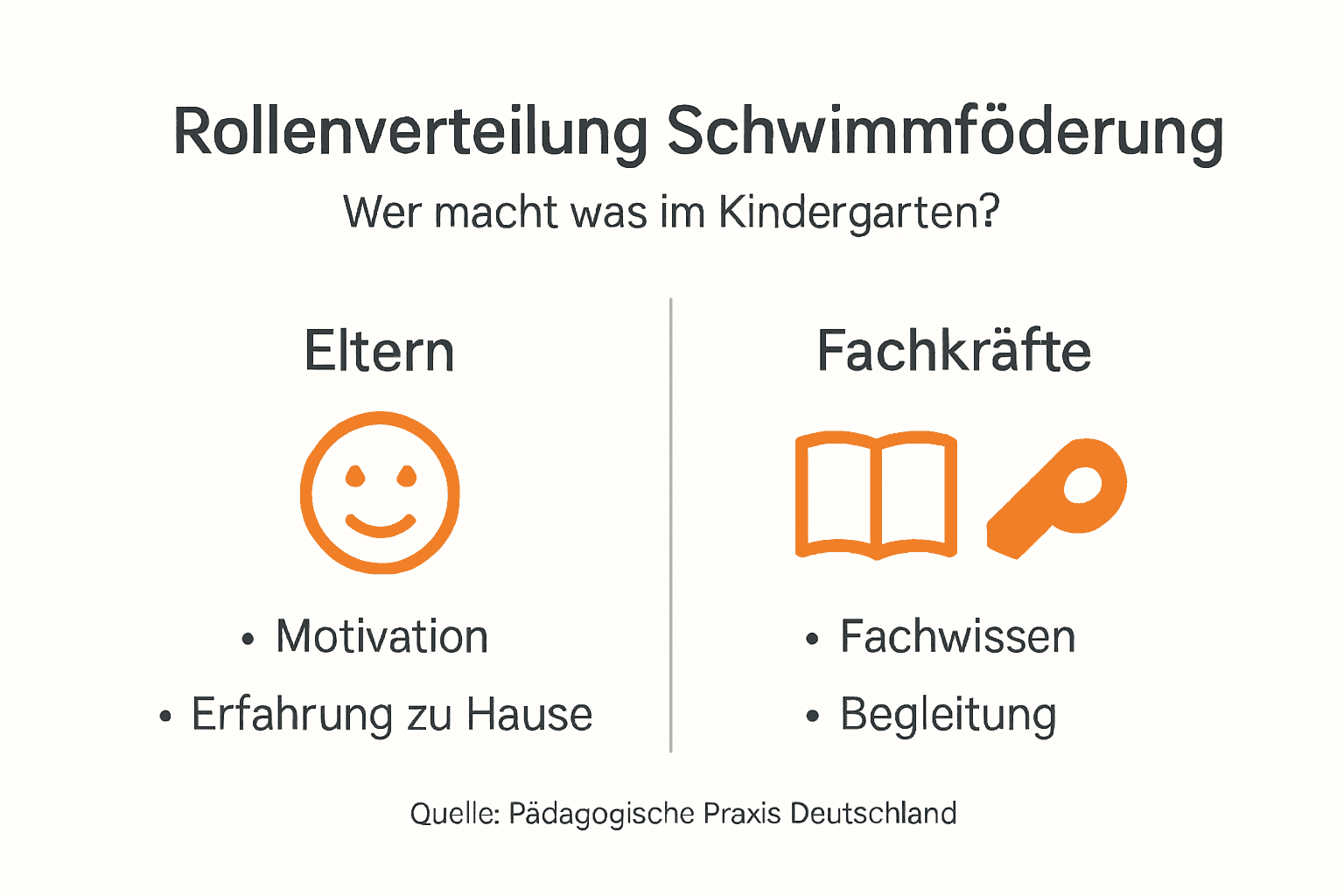
Fachkräfte und Eltern sind beide Experten – nur für unterschiedliche Dinge. Das Expertenkonzept beschreibt diese Balance perfekt.
Eltern sind die Experten für ihre Kinder. Sie kennen:
- Die Gewohnheiten und Vorlieben des Kindes
- Das familiäre Umfeld und die Lebensrealität
- Die emotionalen Reaktionen des Kindes außerhalb der Kita
- Langfristige Entwicklungsziele der Familie
Fachkräfte bringen institutionelle Expertise mit:
- Fachliches Wissen über Kindesentwicklung
- Erfahrung mit vielen verschiedenen Kindern
- Professionelle Beobachtungsfähigkeit
- Structured Methoden zur Förderung
Beim Schwimmen bedeutet das konkret: Eltern wissen, wie ihr Kind zu Hause mit Wasser umgeht. Fachkräfte wissen, wie das Kind in der Gruppe lernt und welche nächsten Schritte sinnvoll sind.
Klare Grenzen bewahren
Professionelle Rollenverteilung braucht auch klare Grenzen. Das heißt nicht, distanziert zu sein – sondern verantwortungsvoll.
Fachkräfte handeln neutral, reflektiert und mit professioneller Haltung. Sie sind nicht die Freundin der Mutter, sondern die Expertin für das Kind.
Das schafft Raum für echte Zusammenarbeit und verhindert Konflikte. Eltern wissen dann: Die Fachkraft kümmert sich professionell um mein Kind, nicht aus privater Zuneigung.
Die Balance zwischen Nähe und Distanz
Es geht nicht um Kälte oder Distanzierung. Es geht um professionelle Nähe.
Das bedeutet:
- Authentisch und empathisch sein
- Grenzen respektieren
- Kooperativ, nicht kontrollierend wirken
- Eltern als Partner behandeln, nicht als Probleme
Bei Schwimmthemen konkret: Ein Erzieher kann sagen: “Ich sehe, dass Ihr Kind Angst vor dem Wasser hat. Das ist normal. Lassen Sie uns gemeinsam überlegen, wie wir es unterstützen.” Das ist nah und doch professionell.
Eltern aktiv einbinden
Eltern sollten nicht passive Zuschauer sein. Sie werden in Problemlösungen aktiv eingebunden.
Statt: “Ihr Kind ist zu langsam beim Schwimmen” besser: “Wie können wir zusammen Ihr Kind ermutigen, sich ins Wasser zu trauen?”
Echte Zusammenarbeit entsteht, wenn Eltern ihre Kompetenzen als Familie einbringen und Fachkräfte ihre fachliche Expertise teilen – auf Augenhöhe.
Pro-Tipp: Klären Sie zu Beginn eines Kindergartenjahres in einem Gespräch, welche Rollen beide Seiten übernehmen – was leistet die Kita, was können Eltern unterstützen.
Typische Fehler und Missverständnisse vermeiden
Kommunikation mit Eltern scheitert oft nicht an böser Absicht, sondern an vermeidbaren Fehlern. Die gute Nachricht: Mit etwas Bewusstsein lassen sich die meisten Probleme verhindern.
Wer diese Fallstricke kennt, kommuniziert sofort besser – auch beim Thema Schwimmförderung.
Fehler 1: Zu viel reden, zu wenig fragen
Viele Fachkräfte berichten über das Kind, statt das Kind zusammen mit den Eltern zu besprechen. Das ist ein großer Fehler.
Statt “Ihr Kind ist ängstlich und traut sich nicht ins Wasser” besser: “Wie erleben Sie Ihr Kind, wenn es ums Wasser geht? Was beobachten Sie zu Hause?”
Dadurch werden Eltern aktive Partner statt passive Zuhörer. Sie fühlen sich ernst genommen.
Fehler 2: Unklare und wertende Aussagen
Häufige Fehler bei Elterngesprächen entstehen durch unscharfe Formulierungen. “Ihr Kind ist langsam” ist vage und wirkt abwertend.
Besser: “Beim Schwimmen braucht Ihr Kind mehr Zeit zum Üben. Das ist völlig normal in diesem Alter.”
Beobachtungsbasierte Aussagen wirken weniger verletzend und sind präziser. Eltern verstehen exakt, was gemeint ist.
Fehler 3: Mangelhafte Vorbereitung
Gespräche ohne Vorbereitung sind kaum professionell. Nehmen Sie sich Zeit, vorher zu überlegen:
- Was möchte ich besprechen?
- Welche Beobachtungen habe ich gemacht?
- Was sind konkrete nächste Schritte?
- Wie könnte das Gespräch schwierig werden?
Mit dieser Struktur läuft das Gespräch flüssiger und Missverständnisse sinken deutlich.
Fehler 4: Schwierige Themen vermeiden
Manche Fachkräfte drücken herum, statt Probleme direkt anzusprechen. Das schafft Vertrauen nicht, sondern zerstört es.
Wertschätzende und offene Kommunikation heißt, auch Herausforderungen klar zu benennen – aber konstruktiv.
Nicht: “Das Kind ist hoffnungslos beim Schwimmen.”
Sondern: “Wir sehen, dass Ihr Kind noch Unterstützung braucht. Lassen Sie uns gemeinsam einen Plan machen.”
Fehler 5: Hektik statt Ruhe
Gespräche beim Abholen unter Zeitdruck führen zu oberflächlichen Austausche. Eltern fühlen sich gehetzt, wichtige Punkte werden nicht besprochen.
Terminieren Sie Entwicklungsgespräche bewusst ein. Schaffen Sie Raum für echte Kommunikation.
Missverständnisse entstehen meist nicht aus Bösartigkeit, sondern aus Hektik, fehlender Vorbereitung und unbedachten Formulierungen.
Was stattdessen funktioniert
Einfache Regeln für bessere Kommunikation:
- Beobachten statt bewerten: “Das Kind sitzt ruhig am Rand” statt “Das Kind traut sich nicht.”
- Gemeinsam überlegen: Fragen stellen, nicht Urteile sprechen
- Konkrete Beispiele: Spezifische Situationen besprechen, nicht allgemein bleiben
- Aktiv zuhören: Verstehen, was Eltern sagen, nicht nur warten, bis man selbst reden darf
- Konflikte ansprechen: Offen, respektvoll, konstruktiv
Pro-Tipp: Notieren Sie vor jedem Entwicklungsgespräch drei konkrete, positive Beobachtungen zum Kind – das schafft eine vertrauensvolle Basis und verhindert, dass Gespräche nur negativ wirken.
Praxisbeispiele: Schwimmförderung durch Beteiligung
Theorie ist gut. Aber wie sieht Schwimmförderung in der Praxis aus, wenn Eltern und Fachkräfte wirklich zusammenarbeiten?
Es gibt erfolgreiche Modelle in Deutschland, die zeigen: Beteiligung funktioniert – und verändert alles.
Das Düsseldorfer Modell
Düsseldorf bietet ein gutes Beispiel. Eine Kooperation mit dem Sportamt ermöglicht es, dass Vorschulkinder zwei Jahre lang spielerisch Wassergewöhnung erhalten.
Das Besondere: Es kostet nichts. Aber die Beteiligung der Eltern ist zentral.
Kita-Mitarbeitende begleiten die Kinder zum Schwimmunterricht, helfen beim Umkleiden und Umziehen. Eltern kümmern sich um Transport und Aufsicht.
Das schafft echte Partnerschaft. Jeder trägt seinen Teil bei.
Das bayerische Programm “Mach mit – Tauch auf!”
Bayern zeigt, wie breite Unterstützung aussieht. Alle teilnahmeberechtigten Vorschulkinder erhalten einen Gutschein für Schwimmkurse.
Die Kita verteilt diese Gutscheine. Damit entfällt eine große Hürde für Eltern: finanzielle Belastung.
Aber auch hier ist Kommunikation wichtig. Enge Kooperation zwischen Kita-Fachkräften und Eltern sorgt dafür, dass Kinder kontinuierlich motiviert bleiben.
Was diese Modelle gemeinsam haben
Beiden Programmen gelingt etwas Wichtiges:
- Klare Aufgabenverteilung: Jeder weiß, was er zu tun hat
- Finanzielle Unterstützung: Kostenlose oder günstige Kurse
- Kontinuierliche Kommunikation: Zwischen Kita, Eltern und Schwimmlehrern
- Zeitliche Kontinuität: Nicht nur wenige Wochen, sondern langfristig (bis zu zwei Jahren)
- Praktische Unterstützung: Transport und organisatorische Hilfe
Diese Kombination funktioniert, weil sie echte Barrieren abbaut.
Wie Sie das in Ihrer Kita umsetzen können
Sie brauchen nicht unbedingt ein staatliches Großprogramm. Auch kleinere Lösungen funktionieren:
- Klären Sie mit Eltern, wo die Hürden liegen (Kosten? Zeit? Angst?)
- Suchen Sie lokale Unterstützung (Vereine, Kommunen, Sponsoren)
- Teilen Sie Aufgaben konkret auf
- Kommunizieren Sie regelmäßig über Fortschritte
- Motivieren Sie durch kleine Erfolge
Verschiedene Fördermöglichkeiten für Vorschulkinder zeigen, wo Unterstützung zu finden ist.
Erfolgreiche Schwimmförderung entsteht nicht durch Gesetze, sondern durch echte Zusammenarbeit, klare Kommunikation und gegenseitige Unterstützung.
Das Wichtigste: Sichtbare Erfolge
Eltern motivieren sich, wenn sie sehen, dass ihr Kind Fortschritt macht. Dokumentieren Sie diesen Weg:
- Fotos vom Schwimmtraining (mit Erlaubnis)
- Regelmäßige Berichte über kleine Erfolge
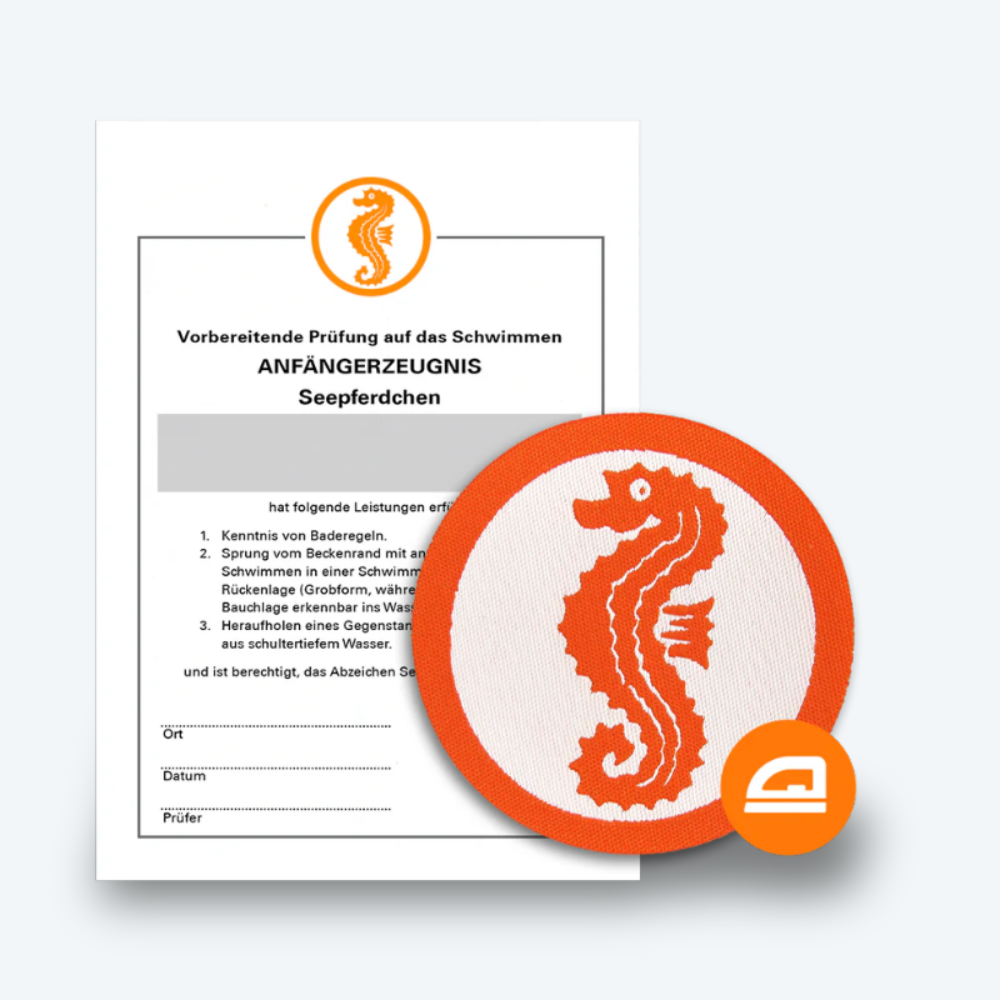
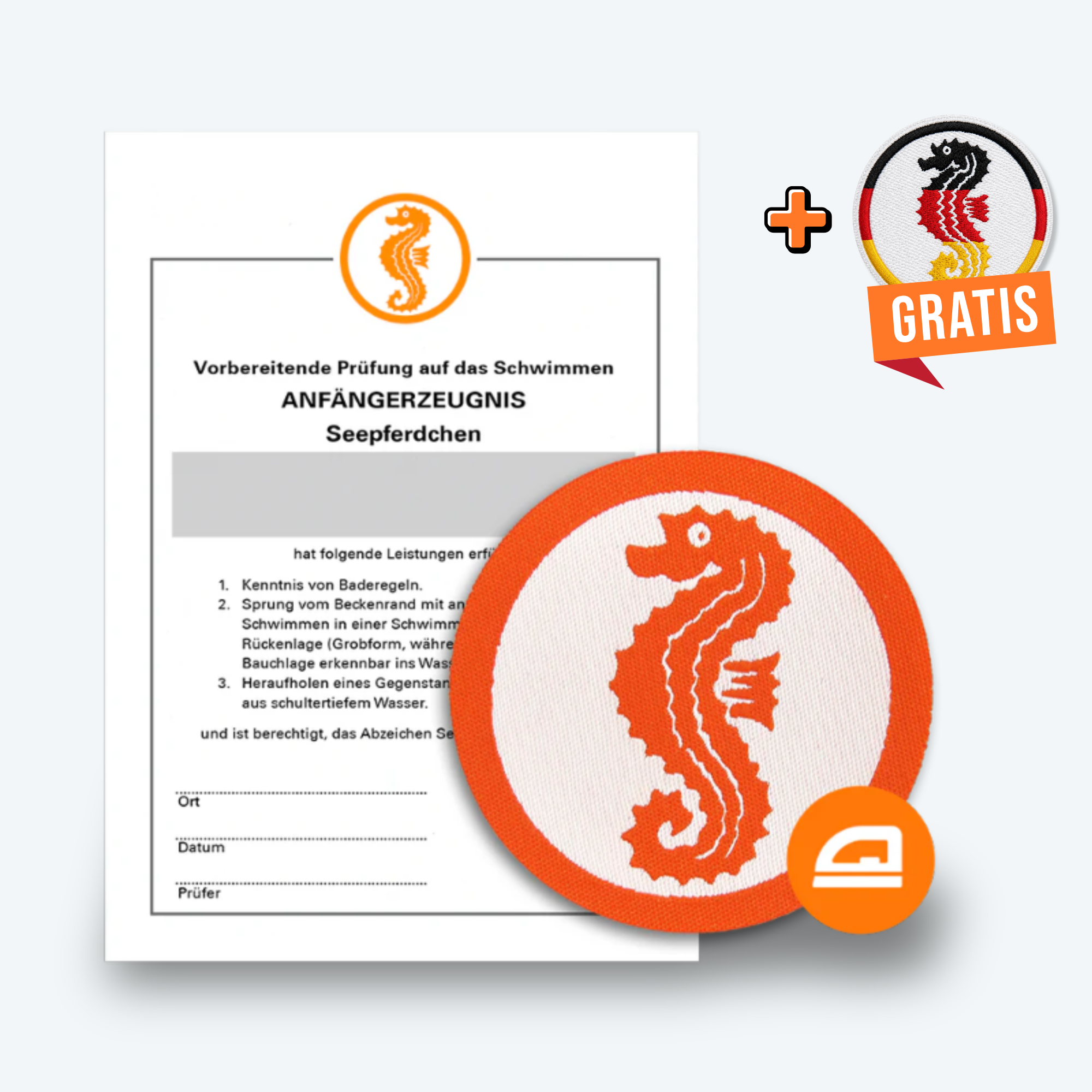
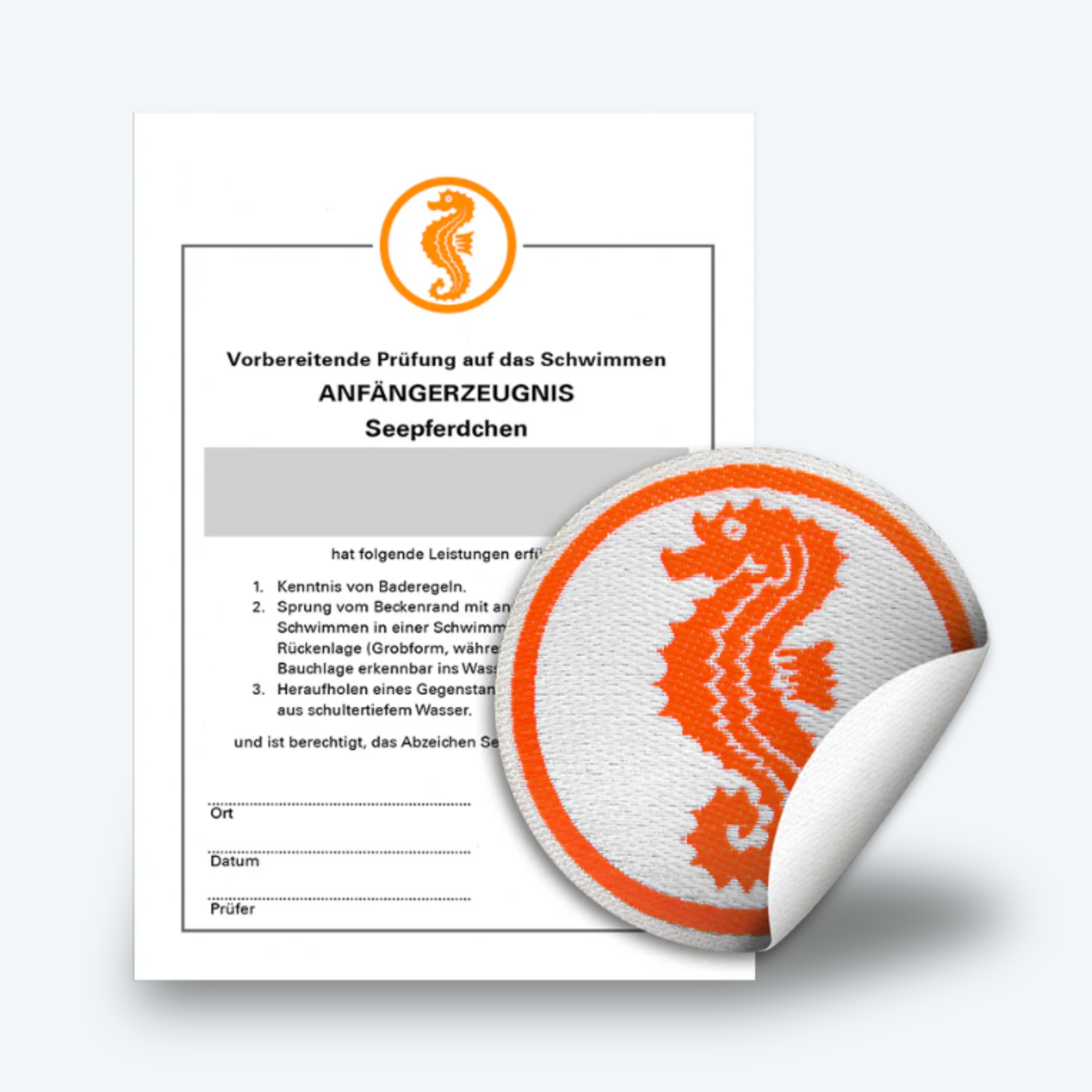
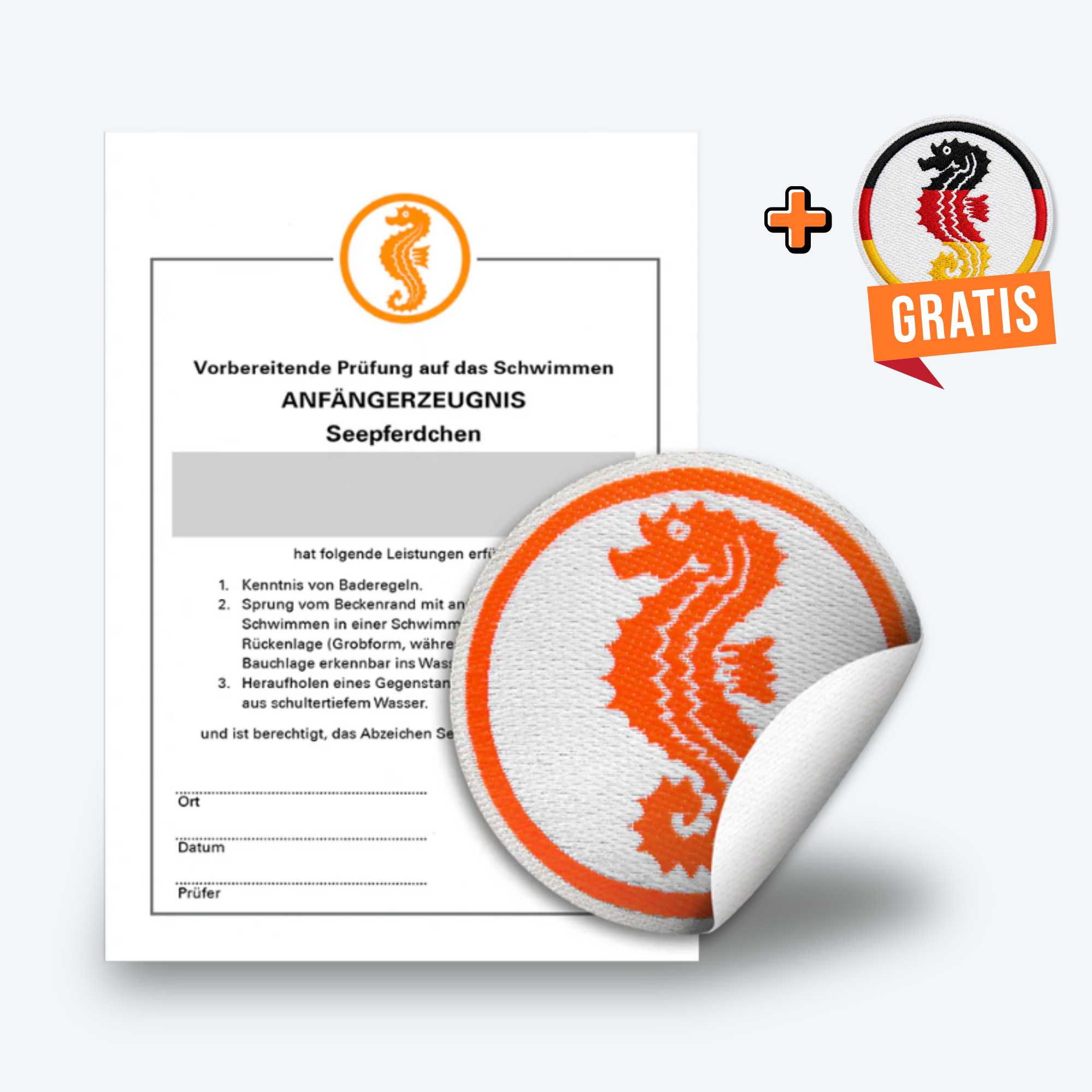
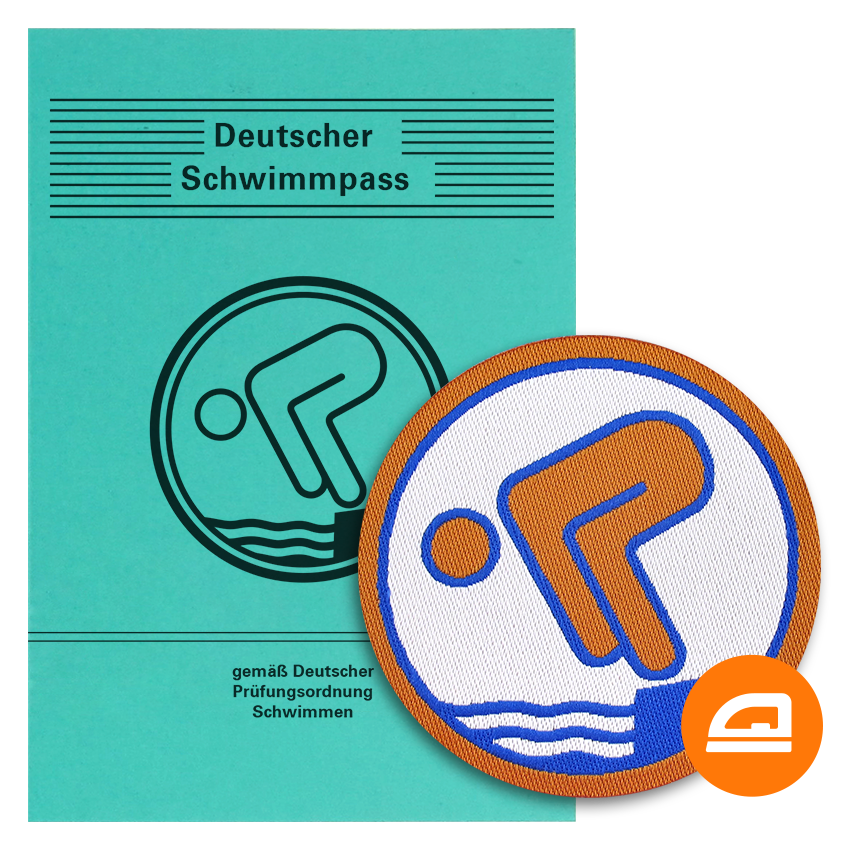
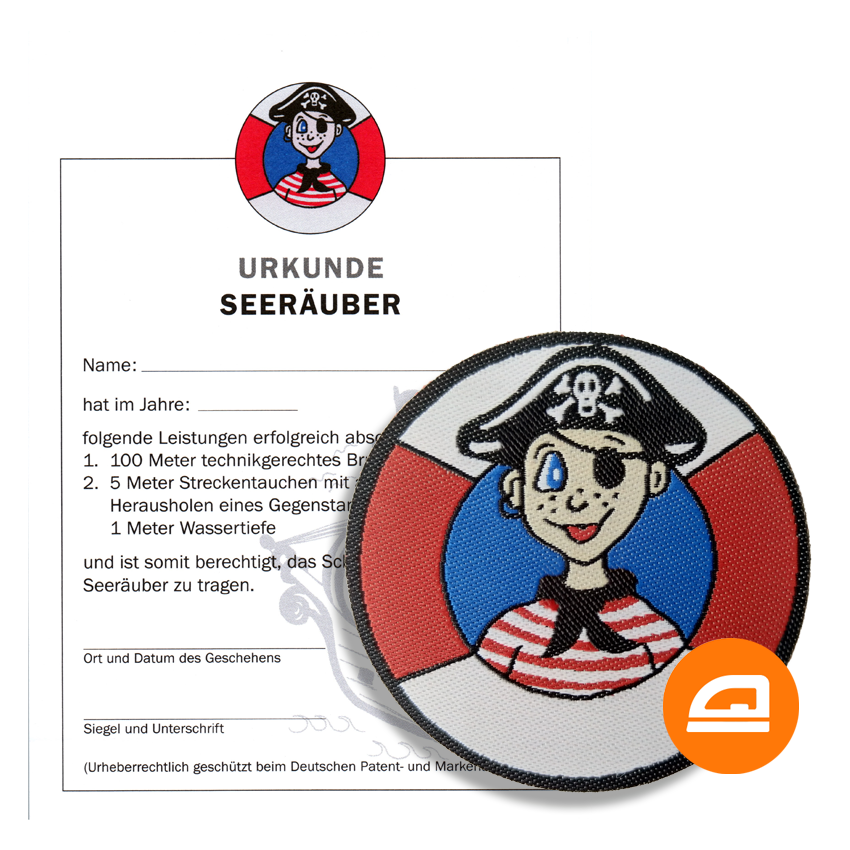
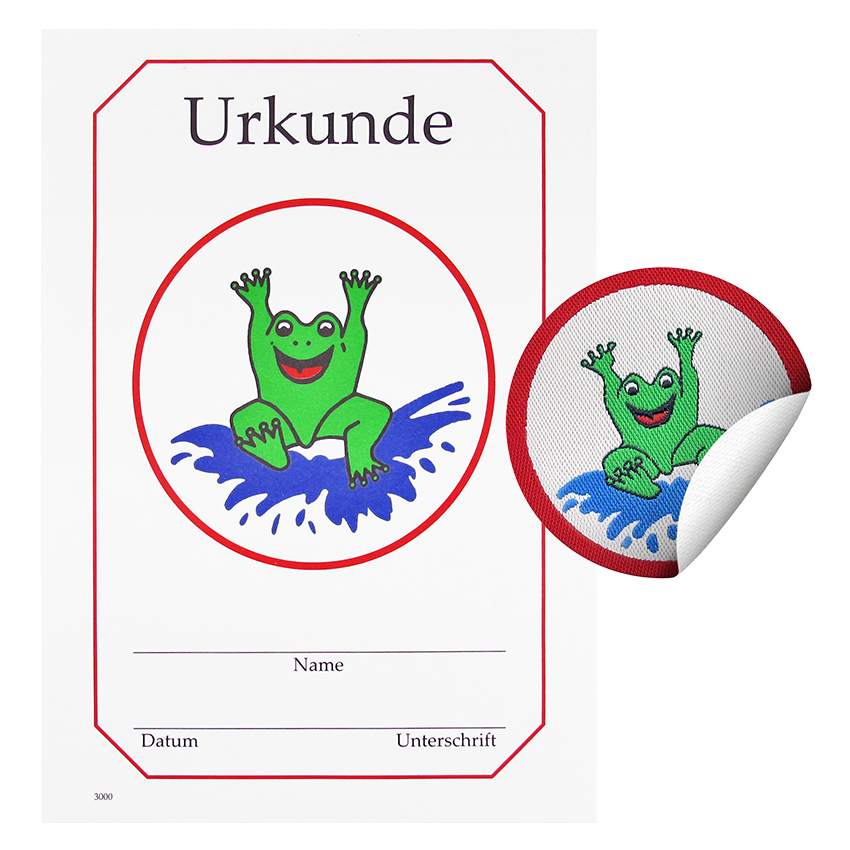
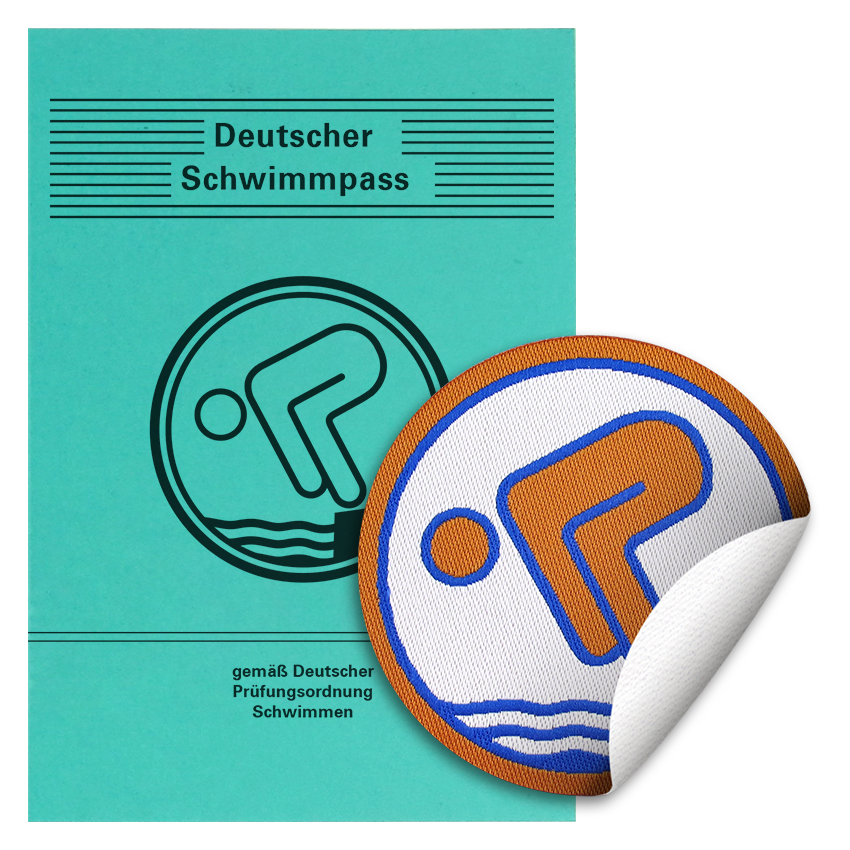
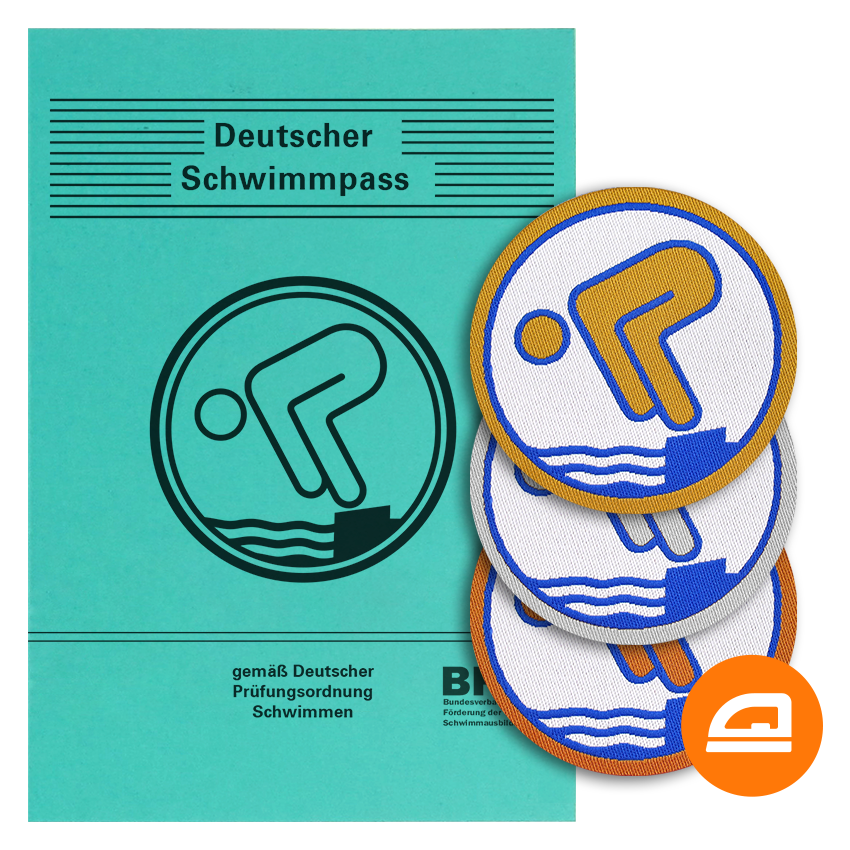
- Abzeichen oder Urkunden zum Feiern
- Offene Schwimmtage, bei denen Eltern zuschauen können
Dadurch wird Schwimmförderung nicht abstrakt, sondern greifbar und motivierend.
Die folgende Tabelle gibt einen schnellen Überblick über Erfolgsfaktoren gemeinsamer Schwimmförderung:
| Faktor | Praxisbeispiel aus dem Artikel | Wirkung auf Zusammenarbeit |
|---|---|---|
| Klare Aufgabenverteilung | Eltern organisieren Transport | Entlastet Erzieher und motiviert Eltern |
| Finanzielle Unterstützung | Kostenloser Schwimmkurs-Gutschein | Hürdenabbau für alle Familien |
| Fortlaufende Kommunikation | Regelmäßige Berichte an Eltern | Kontinuierliche Motivation der Kinder |
| Sichtbare Erfolge | Fotos, Urkunden, Schwimmtage | Steigerung des Selbstvertrauens |
Pro-Tipp: Organisieren Sie einmal pro Halbjahr einen informellen Schwimmtag, zu dem Eltern eingeladen sind – so sehen sie konkret, was ihre Kinder gelernt haben, und fühlen sich Teil des Erfolgs.
Gemeinsam mit Pimpertz die Schwimmförderung durch effektive Elternkommunikation stärken
Die elternorientierte Kommunikation im Kindergarten bildet den Grundstein für eine erfolgreiche Schwimmförderung. Eltern als aktive Partner einzubinden schafft Vertrauen und ermöglicht eine konstante Unterstützung der Kinder – sowohl zu Hause als auch im Kindergarten. Dabei sind klare Rollenverteilungen, wertschätzender Austausch und sichtbare Motivation zentrale Erfolgsfaktoren für die langfristige Schwimmförderung.
Entdecken Sie bei Pimpertz hochwertige und kindgerechte Schwimmabzeichen sowie passendes Zubehör, um gemeinsam mit Eltern und Fachkräften in der Kita die Erfolge Ihrer Schwimmförderprogramme sichtbar zu machen. Unsere personalisierten Urkunden und Sammelpakete eignen sich ideal, um positive Meilensteine zu feiern und Eltern aktiv einzubinden. Nutzen Sie unser Angebot um
- Kinder für ihre Fortschritte zu motivieren
- die partnerschaftliche Zusammenarbeit zu fördern
- und Schwimmkurse noch wirkungsvoller zu gestalten
Besuchen Sie jetzt pimpertz.de und sorgen Sie dafür, dass Schwimmförderung zum gemeinschaftlichen Erfolg wird. Mit unserer Unterstützung haben Sie das perfekte Werkzeug für professionelle und herzliche Elterngespräche sofort zur Hand.
Häufig gestellte Fragen
Wie wichtig ist elternorientierte Kommunikation für die Schwimmförderung?
Elternorientierte Kommunikation ist entscheidend, um ein konsistentes Umfeld für Kinder zu schaffen. Sie ermöglicht es Fachkräften und Eltern, zusammenzuarbeiten und die Fortschritte der Kinder optimal zu unterstützen.
Welche Gesprächsformen werden für Elterngespräche im Kindergarten empfohlen?
Es gibt verschiedene Gesprächsformen wie Tür- und Angelgespräche, strukturierte Entwicklungsgespräche und Konfliktgespräche. Jede Form hat ihren spezifischen Zweck und benötigt eine angepasste Herangehensweise.
Was sind die Grundprinzipien einer guten Kommunikation mit Eltern?
Die Grundprinzipien umfassen Authentizität, Augenhöhe, Offenheit, Achtsamkeit und Wertschätzung. Diese bieten eine Basis für ein vertrauensvolles Gespräch und fördern die Zusammenarbeit.
Wie kann ich Eltern in den Schwimmförderungsprozess aktiv einbinden?
Eltern sollten aktiv in den Prozess einbezogen werden, indem sie über die Entwicklung ihrer Kinder durch regelmäßige Kommunikation informiert werden. Diskussionen über Beobachtungen und gemeinsame Ziele helfen, die Eltern aktiv zu beteiligen.
Empfehlung
- Eltern-Lehrer-Kommunikation – So Unterstützt Sie Ihr Kind im Schwimmun
- Erfolgreiche Kommunikation mit Eltern: Tipps für Schwimmkurse & Verein
- Kommunikation mit Kindern – Wie Gespräche Vertrauen fördern
- Kommunikation bei Kindern: Schlüssel für Entwicklungserfolg
- Allergy Parent Communication Strategies for School Safety - Probe IT