






Sicherheitsaspekte im Hallenbad: 70% weniger Unfälle
Schwimmlehrer und Vereinsverantwortliche stehen täglich vor der Herausforderung, die richtigen Sicherheitsmaßnahmen für ihr Hallenbad auszuwählen. Über 70% der Badeunfälle betreffen Kinder unter 12 Jahren, was die dringende Notwendigkeit zielgerichteter Schutzkonzepte unterstreicht. Dieser Artikel zeigt Ihnen strukturiert, welche Auswahlkriterien, Ausrüstungen und Präventionsstrategien Unfälle nachweislich reduzieren und wie Sie diese je nach Zielgruppe optimal einsetzen.
Inhaltsverzeichnis
- Wichtigste Erkenntnisse zu Sicherheitsaspekten im Hallenbad
- Auswahlkriterien für Sicherheitsmaßnahmen im Hallenbad
- Sicherheitsausrüstungen und ihre Funktionen
- Unfallprävention und Überwachungstechniken im Hallenbad
- Hygieneaspekte und Wasserqualität
- Notfallmanagement und Ausbildungspflichten
- Praxisnahe Tipps für unterschiedliche Zielgruppen
- Zusammenfassung: Vergleich und situative Empfehlungen
- Optimieren Sie Ihre Hallenbad-Sicherheit mit Pimpertz Produkten
- Häufig gestellte Fragen
Wichtigste Erkenntnisse zu Sicherheitsaspekten im Hallenbad
| Point | Details |
|---|---|
| Gesetzliche Grundlagen | DIN 19643 Norm definiert verbindliche Sicherheits- und Hygienestandards für alle Hallenbäder in Deutschland. |
| Ausrüstung reduziert Risiken | Pool-Alarmanlagen erreichen über 90% Erkennungsrate und verkürzen Notfallreaktionen um 30%. |
| Personalschulung zentral | Rettungsschwimmer müssen alle zwei Jahre fortgebildet werden, um im Ernstfall kompetent zu handeln. |
| Hygiene beeinflusst Sicherheit | Chlor- und pH-Wert-Kontrollen verhindern Infektionen und schaffen gesunde Trainingsbedingungen. |
| Zielgruppenspezifisch handeln | Kinder benötigen niedrigere Wassertiefen und engere Beaufsichtigung als erwachsene Schwimmer. |
Auswahlkriterien für Sicherheitsmaßnahmen im Hallenbad
Bevor Sie in neue Sicherheitstechnik investieren, sollten Sie klare Kriterien definieren. Diese helfen Ihnen, wirksame von überflüssigen Maßnahmen zu unterscheiden.
Gesetzliche Vorgaben beachten: Die DIN 19643 Norm ist eine zentrale Grundlage für Sicherheits- und Hygienestandards in Hallenbädern. Sie regelt Wasseraufbereitung, Beckengestaltung und Überwachungspflichten. Verstöße können zu Haftungsrisiken führen. Prüfen Sie daher, ob geplante Maßnahmen den aktuellen Normen entsprechen.
Personalqualifikation sicherstellen: Selbst die beste Technik ersetzt keine ausgebildeten Aufsichtskräfte. Ihre Mitarbeiter müssen Gefahrensituationen schnell erkennen und richtig reagieren können. Regelmäßige Schulungen halten das Wissen frisch und steigern die Handlungssicherheit.
Technische Unterstützung integrieren: Moderne Überwachungssysteme ergänzen menschliche Aufsicht effektiv. Unterwasserkameras und Bewegungsmelder überwachen große Beckenbereiche kontinuierlich. Sie erkennen kritische Situationen oft früher als das Personal allein.
Kosten realistisch kalkulieren: Sicherheit hat ihren Preis, doch nicht jede Lösung passt zu jedem Budget. Vergleichen Sie Anschaffungs- und Folgekosten verschiedener Systeme. Ein Pool-Alarmsystem kostet zwischen 5.000 und 15.000 Euro, während einfache Rettungsgeräte oft unter 500 Euro liegen.
Pro-Tipp: Erstellen Sie eine Prioritätenliste basierend auf Ihrer Zielgruppe. Vereine mit vielen Kinderkursen sollten zuerst in engmaschige Beaufsichtigung und flache Wasserbereiche investieren, während Erwachsenenschwimmer von technischen Überwachungssystemen stärker profitieren.
Wichtige Auswahlkriterien auf einen Blick:
- Übereinstimmung mit DIN 19643 Norm und Sicherheitsstandards
- Nachweisbare Wirksamkeit durch Studien oder Praxiserfahrungen
- Verhältnis von Anschaffungskosten zu Unfallreduktion
- Benutzerfreundlichkeit für Personal und Schwimmer
- Wartungsaufwand und langfristige Betriebskosten
Sicherheitsausrüstungen und ihre Funktionen
Die richtige Ausrüstung bildet das technische Rückgrat Ihrer Sicherheitsstrategie. Hier erfahren Sie, welche Geräte welche Funktion erfüllen und was sie kosten.
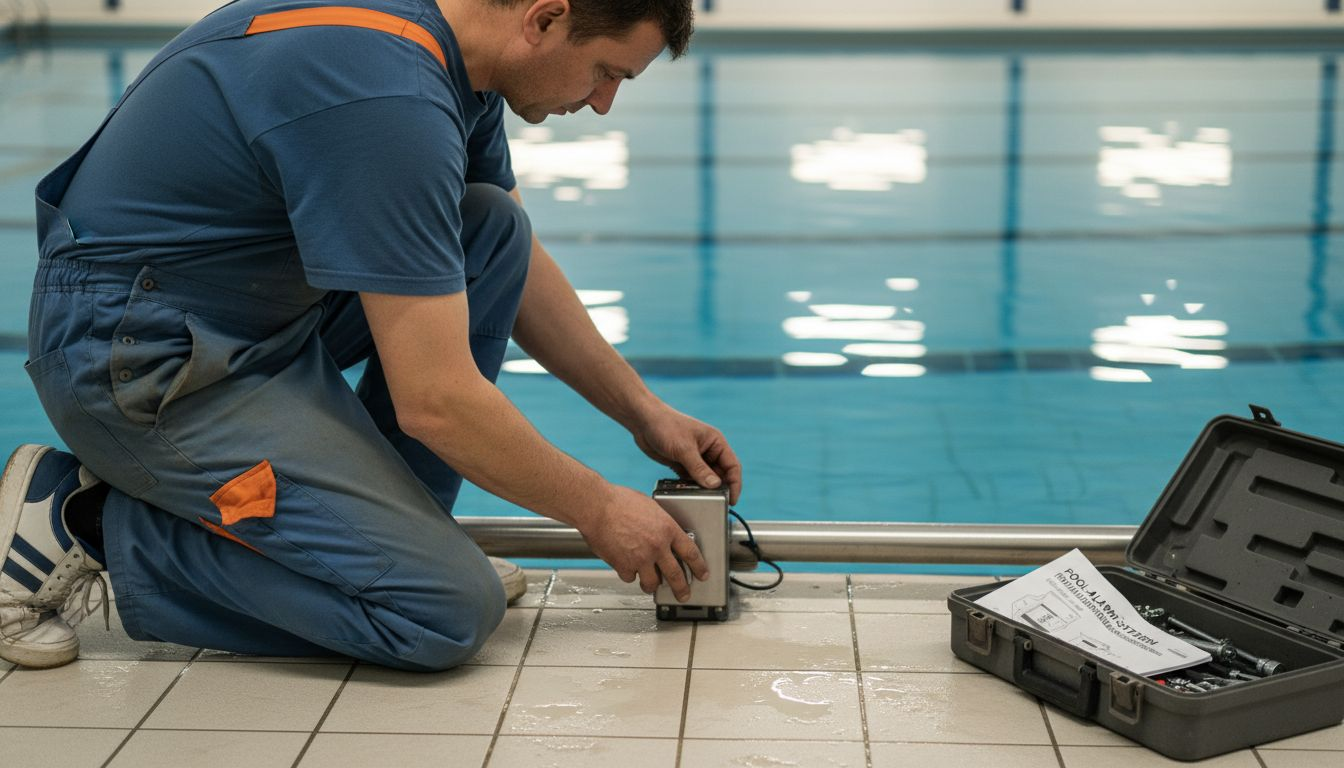
Pool-Alarmanlagen: Pool-Alarmanlagen erkennen Bewegungen unter Wasser mit über 90% Erkennungsrate und verkürzen die Notfallreaktion um 30%. Sie arbeiten mit Sensoren, die ungewöhnliche Wasserbewegungen registrieren. Bei Verdacht auf einen Notfall lösen sie sofort Alarm aus. Die Investition liegt zwischen 5.000 und 15.000 Euro, amortisiert sich aber durch verhinderte Unfälle.
Rettungsgeräte: Rettungsstangen, Wurfringe und Rettungsleinen sind Basisausstattung für jedes Hallenbad. Sie kosten meist unter 500 Euro und ermöglichen schnelle Hilfe ohne Eigengefährdung der Retter. Platzieren Sie diese Geräte an gut sichtbaren, leicht erreichbaren Stellen rund ums Becken.
Videoüberwachung: Kamerasysteme dokumentieren das Geschehen im Beckenbereich lückenlos. Sie unterstützen die Aufsicht bei der Überwachung toter Winkel und liefern bei Unfällen wichtige Beweismittel. Moderne Systeme mit KI-gestützter Bewegungserkennung kosten zwischen 3.000 und 8.000 Euro. Sie erkennen Gefahrenmuster automatisch und alarmieren das Personal.
Kommunikationssysteme: Funkgeräte oder Headsets ermöglichen dem Team, sich über größere Distanzen abzustimmen. In Notfällen beschleunigt direkte Kommunikation die Hilfe erheblich. Einfache Funksysteme gibt es ab 200 Euro pro Set.
Empfohlene Grundausstattung:
- Mindestens zwei Rettungsstangen pro Becken
- Ein Wurfring alle 15 Meter Beckenlänge
- Pool-Alarmsystem bei Becken über 25 Meter
- Videokameras für alle Beckenbereiche ohne direkte Sichtlinie
- Funkgeräte für alle Aufsichtskräfte
Denken Sie daran, dass Sicherheitsausrüstungen im Hallenbad regelmäßig gewartet werden müssen. Defekte Geräte gefährden Ihre Schwimmer genauso wie fehlende Ausrüstung.
Unfallprävention und Überwachungstechniken im Hallenbad
Vorbeugung wirkt besser als Nachsorge. Kombinieren Sie geschultes Personal mit moderner Technik, um Unfälle zu verhindern, bevor sie entstehen.
Personalbasierte Überwachung: Strukturiertes Bademeisterpersonal und technische Überwachungssysteme senken Unfallzahlen und verbessern Reaktionszeiten signifikant. Feste Positionen und klare Zuständigkeiten verhindern, dass Beckenbereiche unbeobachtet bleiben. Rotieren Sie Ihr Personal alle 30 Minuten, um Ermüdung vorzubeugen. Ein müder Bademeister übersieht kritische Situationen schneller.
“Die Kombination aus menschlicher Aufmerksamkeit und technischer Unterstützung reduziert die Reaktionszeit im Notfall um durchschnittlich 45 Sekunden. Diese Zeit kann Leben retten.”
Technische Überwachungssysteme: Moderne Sensortechnik überwacht das Becken 24/7 ohne Ermüdung. Unterwasserkameras erkennen reglose Körper am Beckenboden. Bewegungsmelder registrieren ungewöhnliche Aktivitätsmuster. Diese Systeme erhöhen die Überwachungseffizienz um bis zu 30%.
Optimale Präventionsstrategie in vier Schritten:
- Definieren Sie feste Beobachtungszonen für jede Aufsichtskraft.
- Installieren Sie technische Überwachung als Backup-System.
- Schulen Sie Ihr Personal in Gefahrenerkennung und Erstreaktion.
- Führen Sie regelmäßige Notfallübungen durch, um Abläufe zu verinnerlichen.
Praxisbeispiel: Ein mittelgroßer Schwimmverein reduzierte seine Beinahe-Unfälle um 60%, nachdem er Unfallprävention im Schwimmbad durch kombinierte Personal- und Technikmaßnahmen optimierte. Die durchschnittliche Reaktionszeit sank von 90 auf 45 Sekunden. Die Investition von 12.000 Euro amortisierte sich durch eingesparte Versicherungsprämien innerhalb von drei Jahren.
Vergleich der Überwachungsmethoden:
Personalüberwachung allein erreicht etwa 70% Erkennungsrate bei normaler Auslastung. Technische Systeme allein kommen auf 85% bis 90%. Die Kombination beider Ansätze steigert die Erkennungsrate auf über 95% und halbiert gleichzeitig Fehlalarme.
Hygieneaspekte und Wasserqualität
Sauberes Wasser ist mehr als eine Komfortfrage. Es schützt Ihre Schwimmer vor Infektionen und trägt entscheidend zur Gesamtsicherheit bei.
Wasserchemie im Griff behalten: Kontinuierliche Chlor- und pH-Wert-Kontrolle sowie regelmäßige Wartung sind entscheidend für sichere Hygienebedingungen im Hallenbad. Der ideale pH-Wert liegt zwischen 7,0 und 7,4. Chlor sollte 0,3 bis 0,6 mg/l freies Chlor aufweisen. Weichen Sie von diesen Werten ab, steigt das Infektionsrisiko oder die Haut Ihrer Schwimmer wird gereizt.
Regelmäßige Kontrollen durchführen: Messen Sie Chlor und pH-Wert mindestens dreimal täglich. Automatische Dosieranlagen erleichtern die Arbeit, ersetzen aber keine manuelle Kontrolle. Führen Sie ein Messprotokoll, das Sie bei Inspektionen vorlegen können.
Wartungsintervalle einhalten: Filteranlagen müssen wöchentlich rückgespült werden. Die komplette Beckentechnik benötigt halbjährliche Wartung durch Fachfirmen. Vernachlässigen Sie diese Termine, riskieren Sie Keimbildung und Geräteausfälle.
Wichtige Hygienemaßnahmen:
- Tägliche Sichtkontrolle von Wasserklarheit und Beckenrändern
- Dreimal täglich Chlor- und pH-Wert messen
- Wöchentliche Filterrückspülung
- Monatliche Stoßchlorung außerhalb der Nutzungszeiten
- Halbjährliche Inspektion der gesamten Wassertechnik
Rechtliche Anforderungen: Deutsche Hygienestandards gehören zu den strengsten weltweit. Die Trinkwasserverordnung und DIN-Normen definieren klare Grenzwerte. Überschreitungen können zur Schließung Ihres Bades führen. Dokumentieren Sie alle Messungen lückenlos.
Hygiene und Wasserqualität in Hallenbädern sind keine isolierten Themen. Sie beeinflussen direkt die Gesundheit Ihrer Schwimmer und die Betriebserlaubnis Ihrer Einrichtung. Investieren Sie in zuverlässige Messtechnik und schulen Sie Ihr Personal in korrekter Anwendung.
Notfallmanagement und Ausbildungspflichten
Schnelle, koordinierte Reaktion entscheidet im Notfall über Leben und Tod. Bereiten Sie Ihr Team systematisch vor.
Ausbildungsstandards erfüllen: Regelmäßige Fortbildung und strukturierte Notfallorganisation verkürzen Einsatzzeiten und sichern rechtliche Anforderungen ab. Rettungsschwimmer benötigen mindestens das Deutsche Rettungsschwimmabzeichen Silber. Diese Qualifikation muss alle zwei Jahre durch Fortbildungen erneuert werden. Ohne gültige Zertifikate drohen im Schadensfall erhebliche Haftungsrisiken.
Notfallpläne erstellen: Definieren Sie klare Abläufe für verschiedene Szenarien wie Ertrinkungsunfälle, Herzstillstand oder Wirbelsäulenverletzungen. Jedes Teammitglied muss seine Rolle kennen. Wer alarmiert den Rettungsdienst? Wer leitet Wiederbelebungsmaßnahmen ein? Wer kümmert sich um andere Badegäste?
Effektive Notfallorganisation in fünf Schritten:
- Erstellen Sie schriftliche Notfallpläne für alle wahrscheinlichen Szenarien.
- Weisen Sie jedem Teammitglied feste Rollen und Zuständigkeiten zu.
- Üben Sie diese Abläufe monatlich in realistischen Simulationen.
- Überprüfen Sie nach jeder Übung, wo Verbesserungsbedarf besteht.
- Aktualisieren Sie Pläne jährlich basierend auf neuen Erkenntnissen.
Kommunikationswege definieren: Im Notfall zählt jede Sekunde. Legen Sie fest, wie Ihr Team intern kommuniziert und wann externe Hilfe gerufen wird. Funkgeräte oder Headsets ermöglichen direkte Absprachen. Notfallnummern müssen an mehreren Stellen sichtbar aushängen.
Pro-Tipp: Führen Sie unangekündigte Notfallübungen durch. Nur so testen Sie, ob Ihr Team unter Stress richtig reagiert. Angekündigte Übungen zeigen Ihnen bestenfalls, wie gut Ihre Leute vorbereitet sind, nicht aber wie sie im echten Notfall handeln würden.
Rechtliche Absicherung: Dokumentieren Sie alle Schulungen, Übungen und Vorfälle schriftlich. Im Haftungsfall müssen Sie nachweisen, dass Sie Ihre Sorgfaltspflicht erfüllt haben. Notfallmanagement und Schulungen sind nicht nur ethische Pflicht, sondern auch rechtliche Notwendigkeit.
Praxisnahe Tipps für unterschiedliche Zielgruppen
Kinder und Erwachsene haben unterschiedliche Bedürfnisse. Passen Sie Ihre Sicherheitsmaßnahmen entsprechend an.
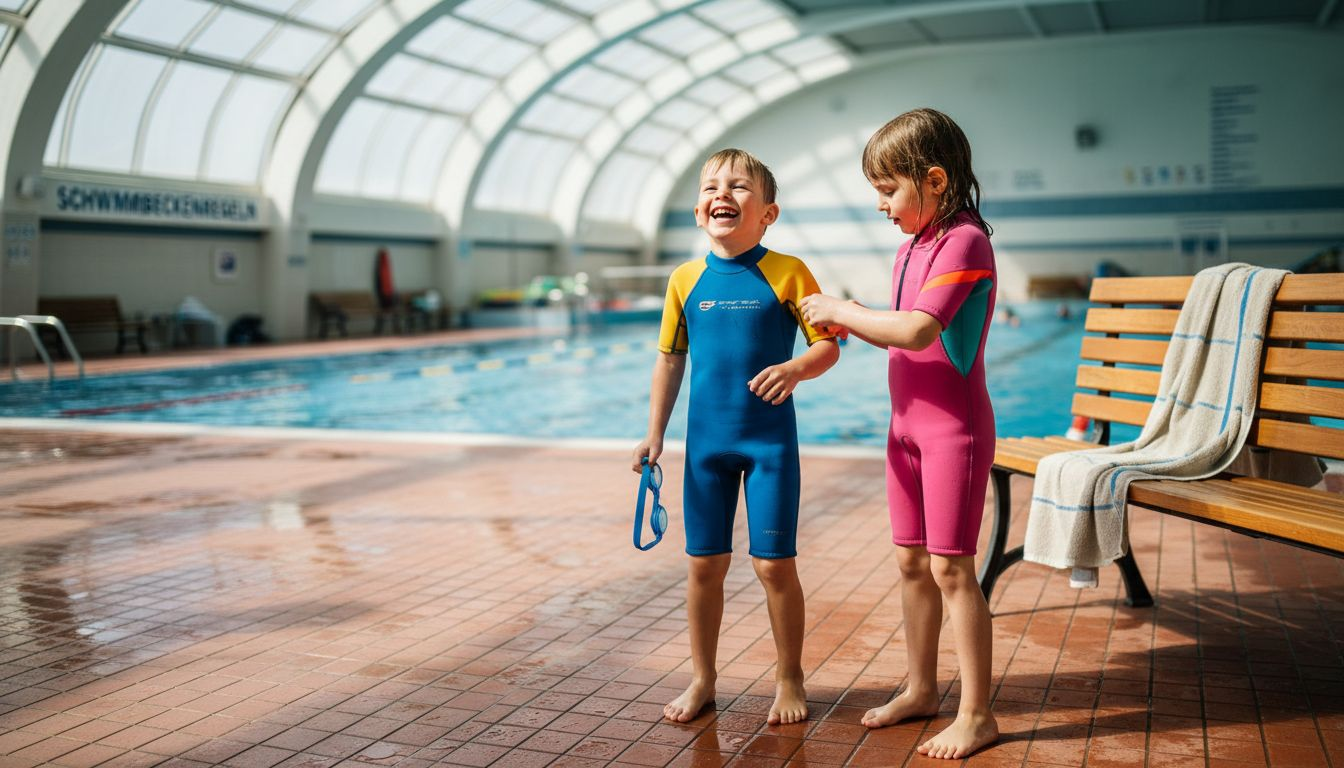
Sicherheit für Kinderkurse: 70% der Badeunfälle betreffen Kinder unter 12 Jahren, weshalb spezifische Maßnahmen für Kinderkurse unerlässlich sind. Kinder überschätzen ihre Fähigkeiten und ermüden schneller. Sie benötigen flache Wasserbereiche, in denen sie stehen können. Die Beaufsichtigung muss engmaschiger sein als bei Erwachsenen.
Empfohlene Maßnahmen für Kinderschwimmen:
- Maximale Wassertiefe 1,20 Meter für Anfängerkurse
- Ein Betreuer pro fünf Kinder bei Nichtschwimmern
- Farbige Schwimmhilfen zur besseren Sichtbarkeit
- Klare Beckenabgrenzungen durch Leinen
- Elternbereiche mit direktem Sichtcontakt zum Becken
Sicherheit für Erwachsenenschwimmer: Erwachsene Schwimmer sind oft selbstständiger, doch auch hier lauern Gefahren. Überschätzung der eigenen Fitness oder gesundheitliche Probleme führen zu Notfällen. Technische Überwachung und gut geschultes Personal sind hier besonders wichtig.
Unfallstatistik nach Altersgruppen:
| Altersgruppe | Unfallanteil | Hauptursachen | Empfohlene Betreuung |
|---|---|---|---|
| 0-6 Jahre | 35% | Ertrinken, Panik | 1:3 Betreuungsschlüssel |
| 7-12 Jahre | 35% | Übermut, Erschöpfung | 1:5 Betreuungsschlüssel |
| 13-17 Jahre | 15% | Leichtsinn, Tauchen | 1:10 Betreuungsschlüssel |
| Erwachsene | 15% | Gesundheit, Überlastung | Aufsicht plus Technik |
Besuchen Sie die Seite Badeunfälle Statistik für aktuelle Zahlen. Diese helfen Ihnen, Risiken realistisch einzuschätzen und Ressourcen gezielt einzusetzen.
Supervisionsdichte anpassen: Für zielgruppenspezifische Sicherheitstipps gilt: Je jünger und unerfahrener die Schwimmer, desto enger die Beaufsichtigung. Nichtschwimmerkurse benötigen mindestens eine Aufsichtskraft pro fünf Teilnehmer. Bei fortgeschrittenen Erwachsenen reicht oft eine Kraft pro 20 Personen, ergänzt durch technische Überwachung.
Zusammenfassung: Vergleich und situative Empfehlungen
Die Wahl der richtigen Sicherheitsmaßnahmen hängt von Ihrer spezifischen Situation ab. Dieser Vergleich hilft Ihnen bei der Entscheidung.
Sicherheitsausrüstung im Überblick:
| Ausrüstung | Kosten | Effektivität | Wartung | Beste Eignung |
|---|---|---|---|---|
| Pool-Alarmsystem | 5.000-15.000 € | 90-95% Erkennungsrate | Halbjährlich | Große Becken, Vereine |
| Rettungsgeräte | 200-500 € | 70% bei schneller Reaktion | Jährlich | Alle Hallenbäder |
| Videoüberwachung | 3.000-8.000 € | 85-90% Erkennungsrate | Jährlich | Komplexe Beckenformen |
| Kommunikationssysteme | 200-600 € | Verkürzt Reaktion um 40% | Alle 2 Jahre | Teams ab 3 Personen |
| Schulungen | 300-800 € pro Person | 95% bei regelmäßiger Auffrischung | Alle 2 Jahre | Pflicht für alle |
Empfehlungen nach Vereinstyp:
Kleiner Verein mit Kinderschwimmen: Investieren Sie zuerst in Personalschulung und einfache Rettungsgeräte. Ergänzen Sie durch flache Wasserbereiche und klare Beckenabgrenzungen. Budget: 2.000 bis 4.000 Euro für Grundausstattung.
Mittelgroßer Verein mit gemischtem Angebot: Die Kombination aus Personalschulung und technischer Überwachung bietet das beste Kosten-Nutzen-Verhältnis bei der Sicherheitsoptimierung. Investieren Sie in Videoüberwachung und Kommunikationssysteme zusätzlich zur Basisausstattung. Budget: 8.000 bis 15.000 Euro.
Großer Verein oder öffentliches Bad: Setzen Sie auf komplette technische Überwachung inklusive Pool-Alarmsystem. Kombinieren Sie dies mit hochqualifiziertem Personal und lückenloser Dokumentation. Budget: 20.000 bis 40.000 Euro für Vollausstattung.
Wichtige Auswahlkriterien:
- Ihre Hauptzielgruppe bestimmt die Prioritäten
- Beckengröße und Komplexität beeinflussen den Technikbedarf
- Personalstärke limitiert, was Sie ohne Technik leisten können
- Budget sollte Anschaffung und Wartung über fünf Jahre abdecken
Nutzen Sie die Möglichkeit, empfohlene Sicherheitsmaßnahmen zu vergleichen und finden Sie die optimale Lösung für Ihre Einrichtung.
Optimieren Sie Ihre Hallenbad-Sicherheit mit Pimpertz Produkten
Sicherheit im Hallenbad umfasst mehr als nur technische Ausrüstung. Motivieren Sie Ihre Schwimmer mit hochwertigen Schwimmabzeichen kaufen, die Leistungen würdigen und zum Weitermachen anspornen. Pimpertz bietet seit über 38 Jahren original zertifizierte Abzeichen von der DLRG und dem BFS. Ergänzen Sie Ihre Kurse durch professionelles Schwimmzubehör kaufen wie wasserdichte Etuis und Sammelalben. Bestellen Sie bequem online und profitieren Sie von schnellem Versand innerhalb von ein bis zwei Werktagen. Für größere Vereine bieten wir Schwimmabzeichen bestellen in praktischen Bundle-Angeboten mit attraktiven Rabatten.
Häufig gestellte Fragen
Was sind die wichtigsten Sicherheitsausrüstungen für Hallenbäder?
Pool-Alarmanlagen, Rettungsgeräte und Videoüberwachung bilden das Fundament moderner Hallenbad-Sicherheit. Pool-Alarme erkennen kritische Situationen mit über 90% Genauigkeit und verkürzen Reaktionszeiten um 30%. Rettungsstangen und Wurfringe ermöglichen schnelle Hilfe ohne Eigengefährdung und sollten alle 15 Meter platziert werden. Videoüberwachung dokumentiert lückenlos und unterstützt die Aufsicht bei der Überwachung toter Winkel.
Wie oft sollte das Personal im Notfallmanagement geschult werden?
Rettungsschwimmer- und Notfallschulungen müssen alle zwei Jahre erneuert werden, um die Zertifizierung aufrechtzuerhalten. Zusätzlich empfehlen sich vierteljährliche Auffrischungen und monatliche Notfallübungen. Regelmäßiges Training hält das Wissen präsent und verbessert die Handlungssicherheit im Ernstfall erheblich. Ohne aktuelle Qualifikationen drohen im Schadensfall rechtliche Konsequenzen und Haftungsrisiken.
Welche besonderen Sicherheitsmaßnahmen sind für Kinder im Hallenbad wichtig?
70% der Badeunfälle betreffen Kinder unter 12 Jahren, was spezielle Schutzmaßnahmen erforderlich macht. Kindgerechte Wasserbereiche mit maximal 1,20 Meter Tiefe ermöglichen sicheres Stehen. Ein Betreuungsschlüssel von mindestens 1:5 bei Nichtschwimmern gewährleistet engmaschige Beaufsichtigung. Farbige Schwimmhilfen verbessern die Sichtbarkeit, während klare Beckenabgrenzungen Orientierung bieten.
Wie wirkt sich Hygienemanagement auf die Sicherheit im Hallenbad aus?
Kontrollierte Wasserqualität verhindert Infektionen und schafft gesunde Trainingsbedingungen für alle Schwimmer. Chlor- und pH-Werte müssen täglich dreimal gemessen und protokolliert werden. Vernachlässigte Hygiene führt zu Hautreizungen, Atemwegsproblemen und im Extremfall zu bakteriellen Infektionen. Sauberes Wasser ist daher keine Komfortfrage, sondern essentieller Bestandteil Ihres Sicherheitskonzepts.
Empfehlung
- Schwimmbad Sicherheit: Wichtige Maßnahmen für alle Nutzer
- Sicherheit im Schwimmbad: Was Sie wissen sollten
- 7 kreative Tipps für den Badespaß mit Vorschulkindern
- Beco Schwimmhilfe: Mehr Sicherheit für Kinder
- Essential Childproofing Home Plumbing Tips For Safety - Legacy Plumbing & Drain - Emergency Plumbers Of Sacramento