


Teacher-Parent Communication: 40% More Learning Success by 2026
Regular conversations between parents and swimming instructors increase the learning motivation of preschoolers by up to 25%. Parents often wonder how they can best support their children's progress in swimming lessons. This guide shows you concrete ways to measurably improve your child's learning through structured communication with swimming instructors. You will receive practical methods and proven tips that can be applied immediately.
Table of Contents
- Key Findings on Communication Between Parents and Swimming Instructors
- Understanding and Building Effective Communication
- The Importance of Exchange for Preschoolers' Learning Success
- The Role of Swimming Badges and Feedback in the Communication Process
- Common Communication Pitfalls and How to Avoid Them
Key Findings on Communication Between Parents and Swimming Instructors
| Point | Details |
|---|---|
| Learning motivation significantly increases | Constructive conversations demonstrably increase motivation by 25% |
| Teachers confirm effectiveness | 75% see faster progress with open communication with parents |
| Self-confidence grows measurably | Swimming badges give children 80% more self-confidence in the water |
| Digital channels are effective | Feedback improves by 30% through regular updates |
| Conflicts are reduced | Clear goal agreements reduce misunderstandings by 35% |
Understanding and Building Effective Communication
Successful collaboration between parents and swimming instructors forms the foundation for your child's learning success. Regular conversations increase learning motivation by 25% and simultaneously build trust. This foundation allows you to precisely understand your child's progress and provide targeted support.
The first steps to making contact should be low-threshold. Briefly speak to the swimming instructor before or after class. An open offer to talk signals interest and appreciation. Communication with parents in kindergarten sustainably promotes swimming development and creates a common basis for developmental goals.
Pro-Tip: Prepare for each conversation with three to five targeted questions. Write down beforehand which aspects are important to you. This shows the teacher that you want to be actively involved.
Important foundations for successful conversations:
- Use clear and understandable language without jargon
- Listen actively and ask follow-up questions
- Schedule regular meeting times, at least once a month
- Show appreciation for the teacher's work
- Remain open to constructive feedback
Openness to dialogue significantly facilitates the exchange about learning progress. You will learn faster if your child needs support or achieves special successes. More learning success through teacher-parent communication results from continuous dialogue. The more transparent this exchange, the better you can motivate your child at home.
The Importance of Exchange for Preschoolers' Learning Success
Open and regular communication visibly accelerates your child's learning progress. 75% of teachers see faster progress with open communication with parents. This figure highlights how important your commitment is to swimming success. When teachers know that parents are interested and supportive, they tailor their lessons more specifically.
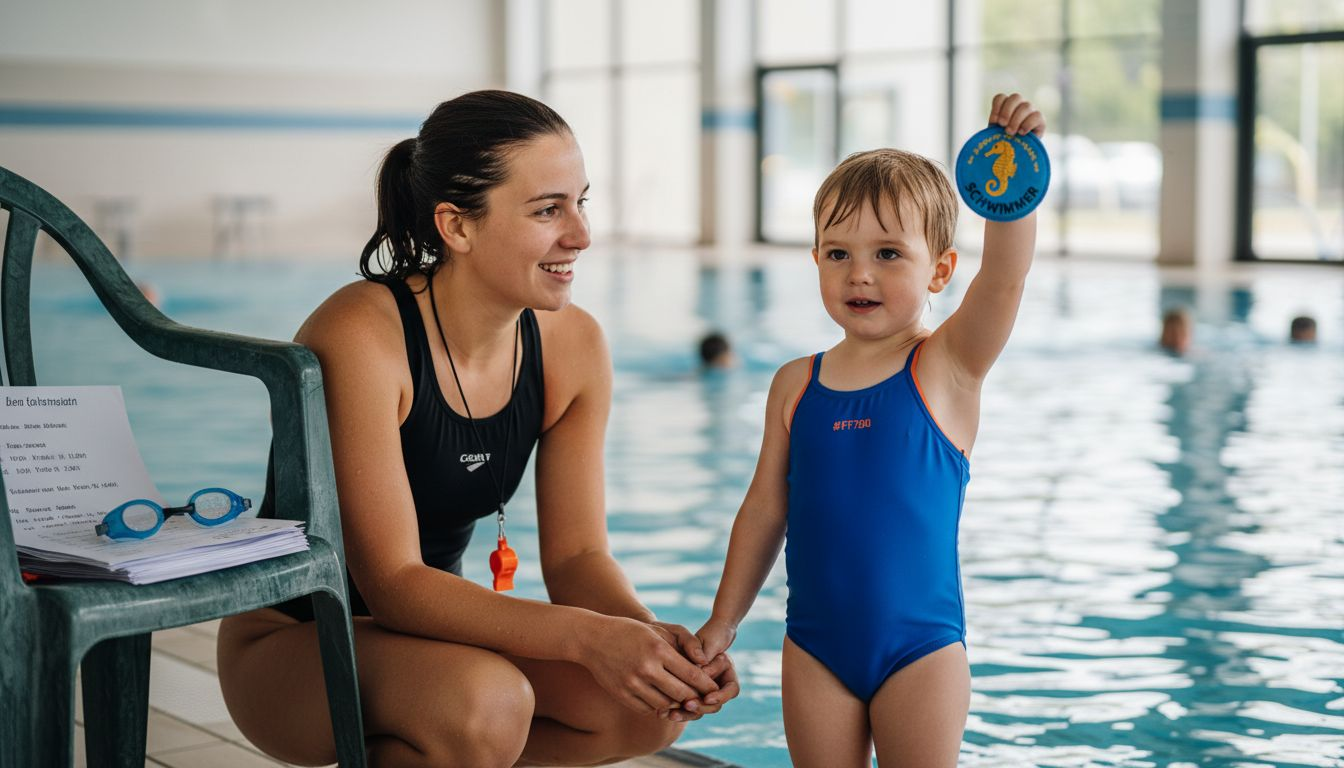
Emotional support from you strengthens the teacher-child relationship sustainably. Children feel more secure when they notice that parents and teachers are working together. This security directly translates into a willingness to learn in the water. Fear of new exercises decreases because the child feels that all adults are pulling in the same direction.
Regular updates help you understand your child's status precisely. You can specifically ask questions at home and celebrate successes. This further motivates your child. Support through parent-teacher communication is reflected in better learning outcomes and higher self-confidence.
Key benefits of regular exchange:
- You recognize learning blocks early and can counteract them
- Your child's individual strengths are better fostered
- Fears and concerns can be discussed promptly
- Progress is celebrated together, which boosts motivation
- Misunderstandings about learning goals do not arise in the first place
If you, as parents, actively inquire and get involved, your child benefits in multiple ways. The emotional bond to swimming is strengthened. At the same time, your child develops a healthy trust in their abilities. This combination of professional support and emotional security forms the best basis for long-term swimming success.
The Role of Swimming Badges and Feedback in the Communication Process
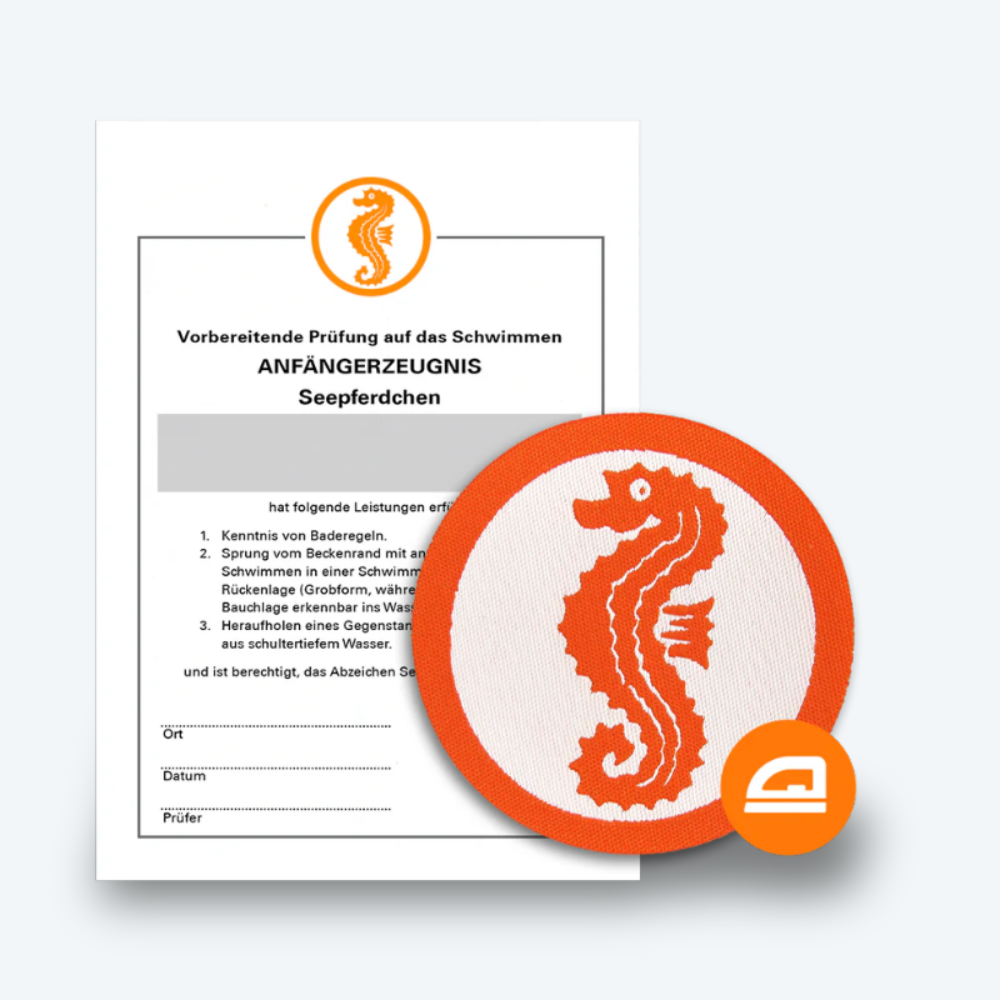
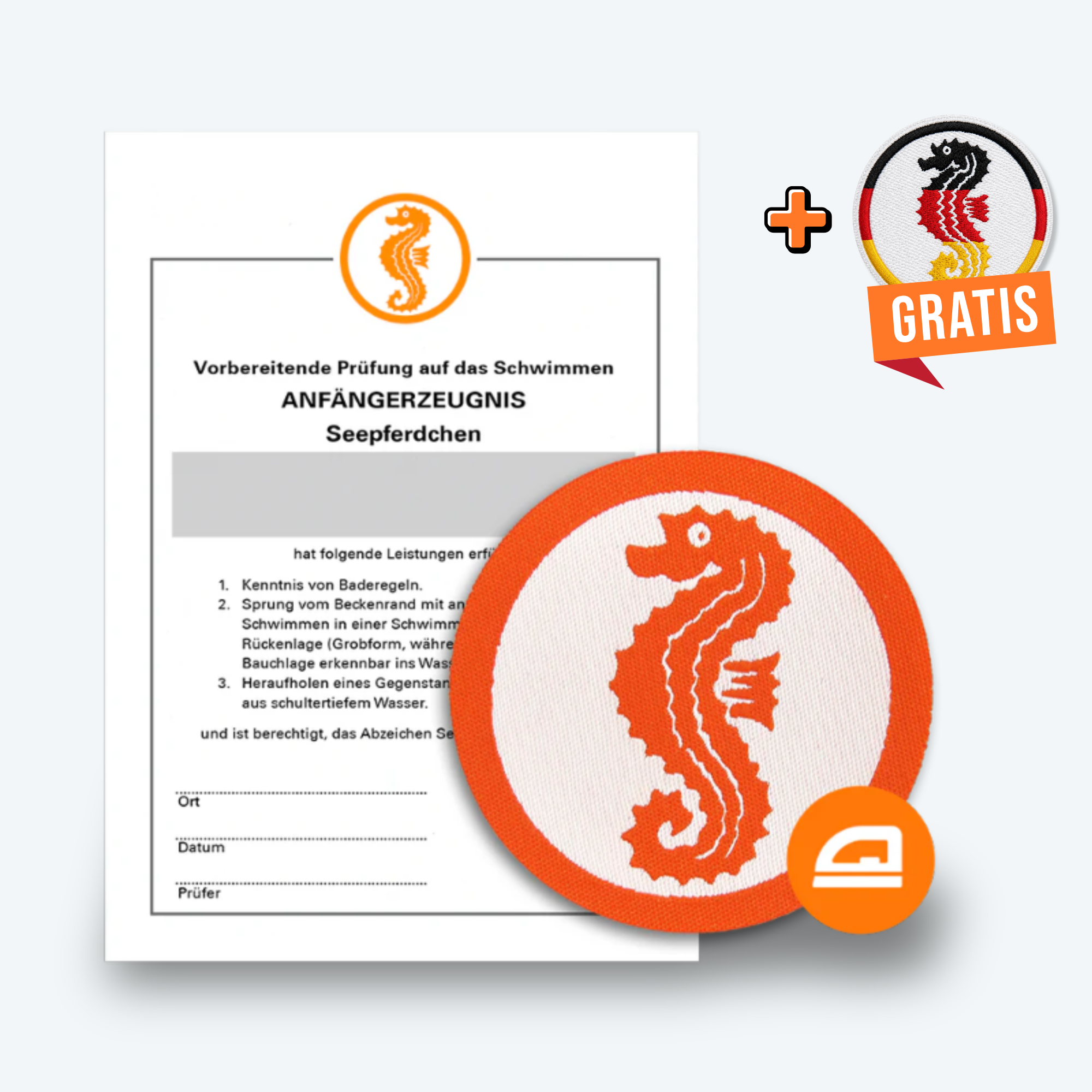
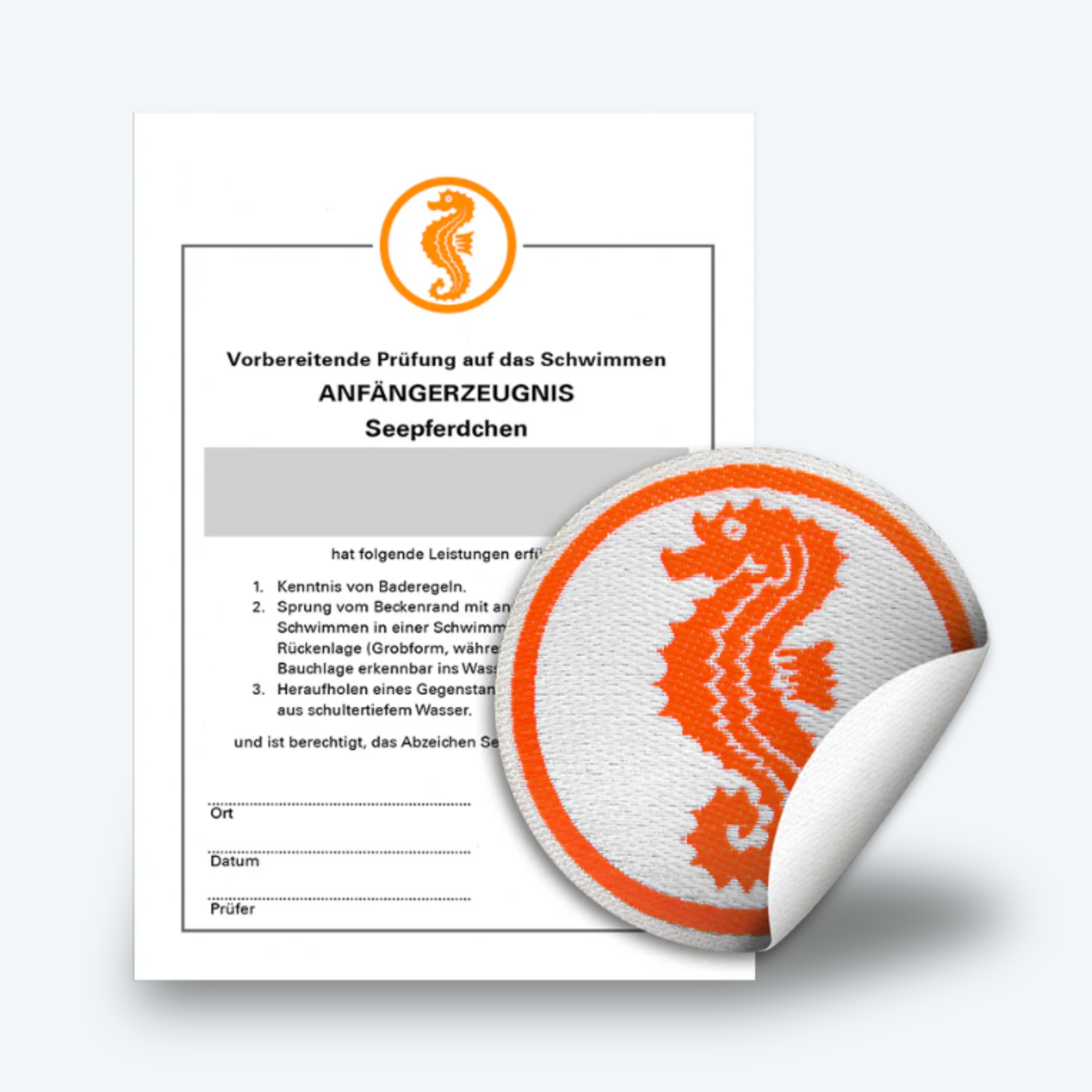
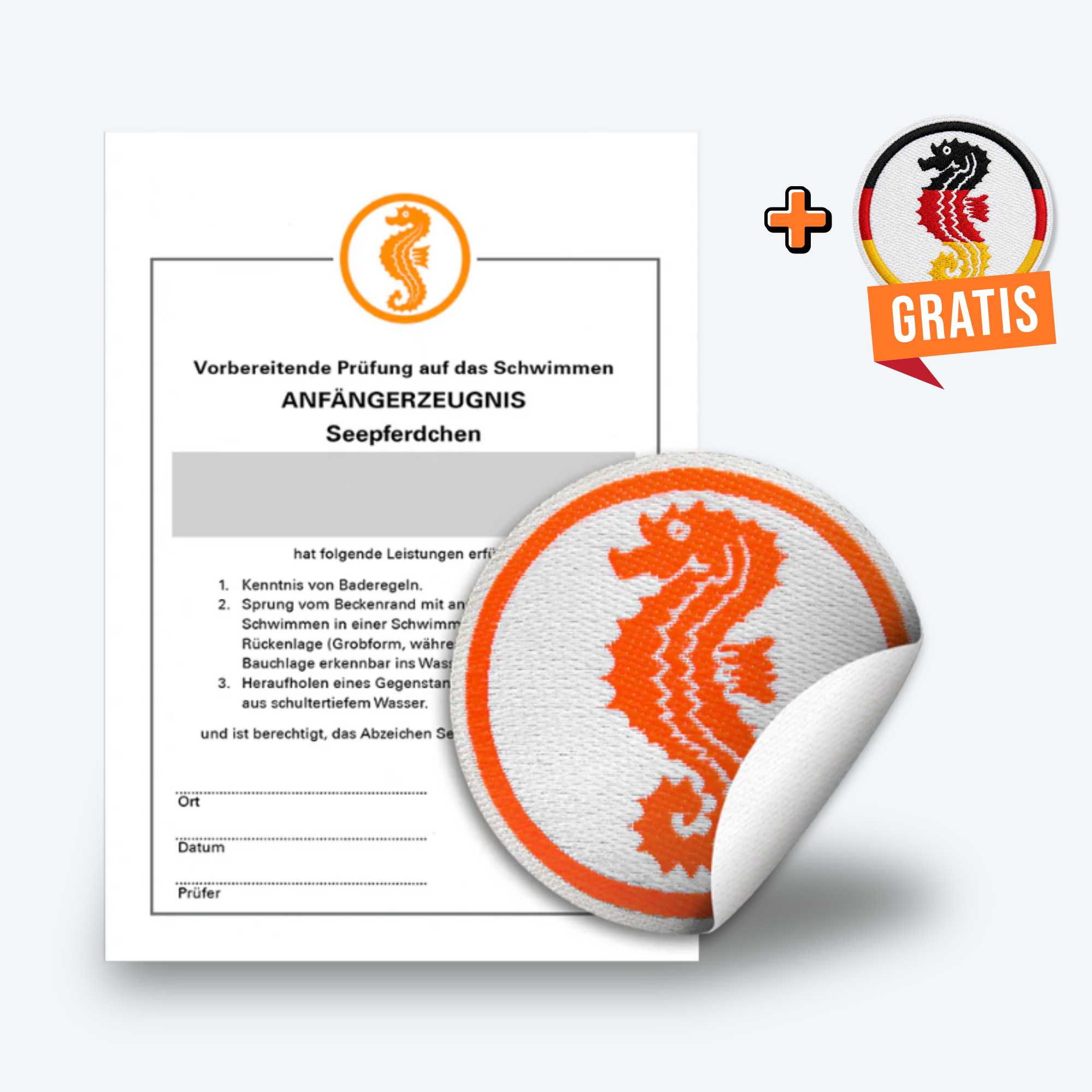
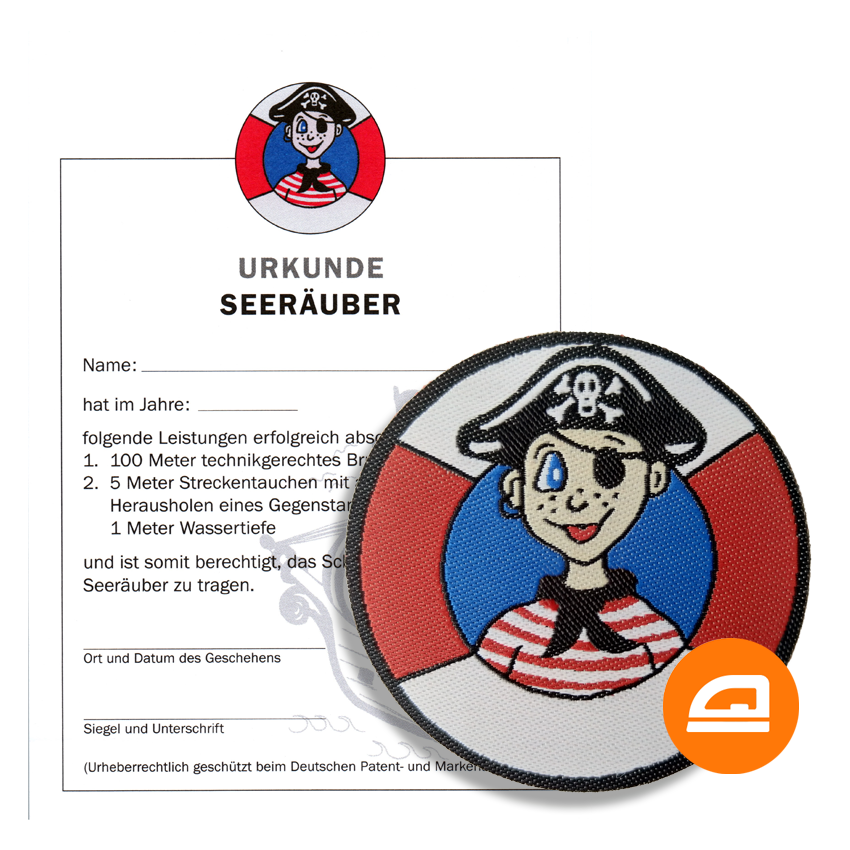
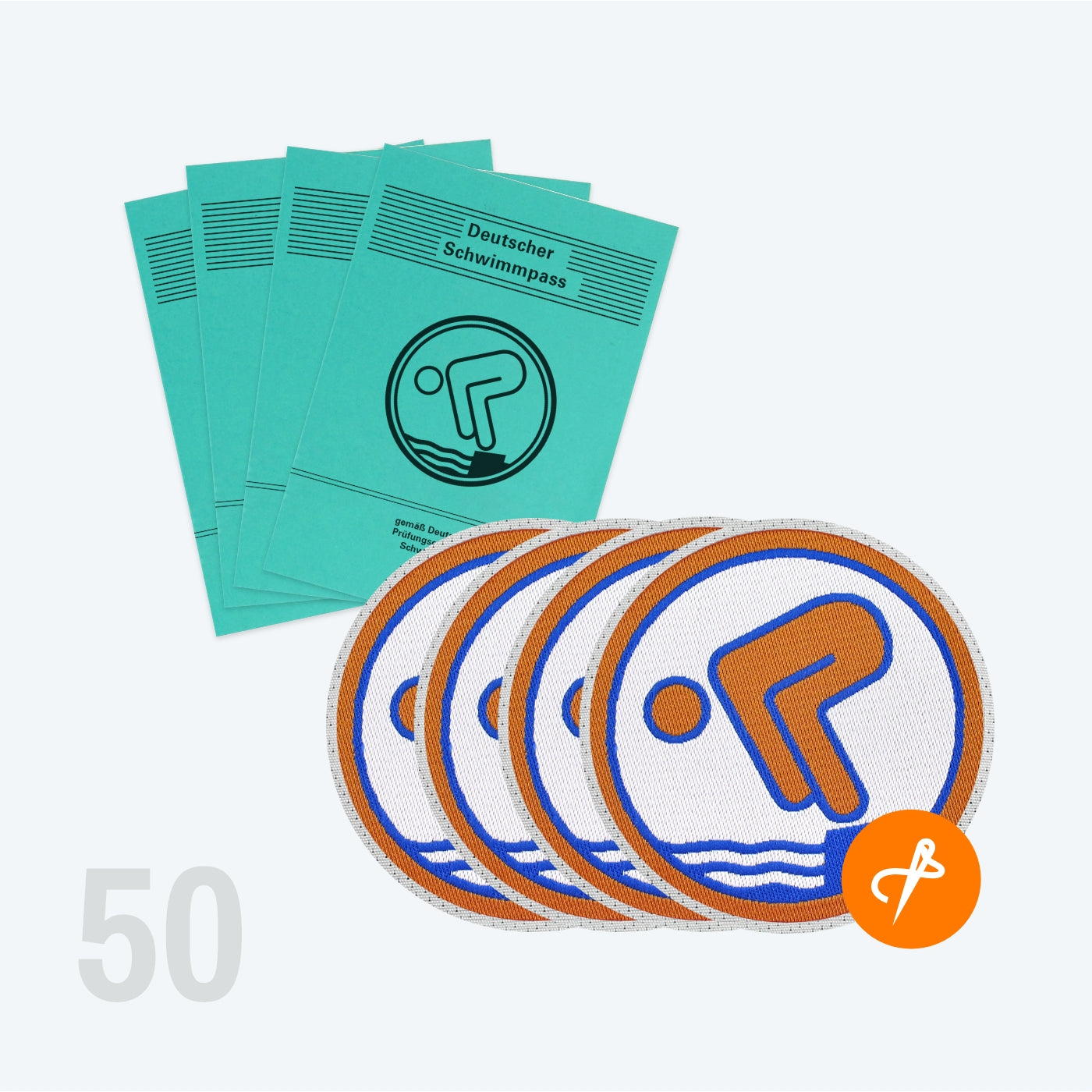
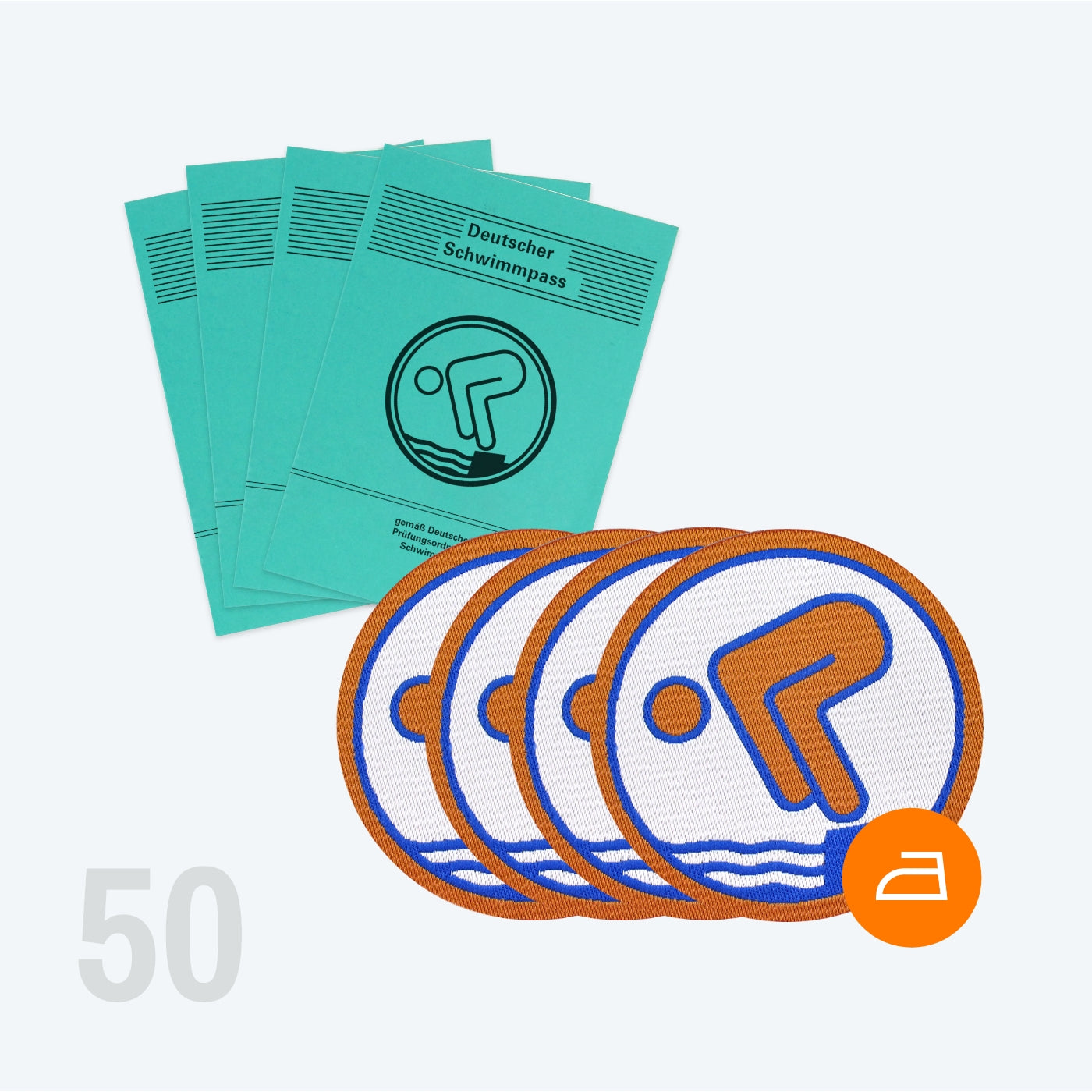
Swimming badges are important milestones for preschoolers. They make progress visible and tangible. 80% of children report more self-confidence through swimming badges. These awards serve as concrete feedback that children can understand and appreciate. A badge shows your child that they have achieved something.
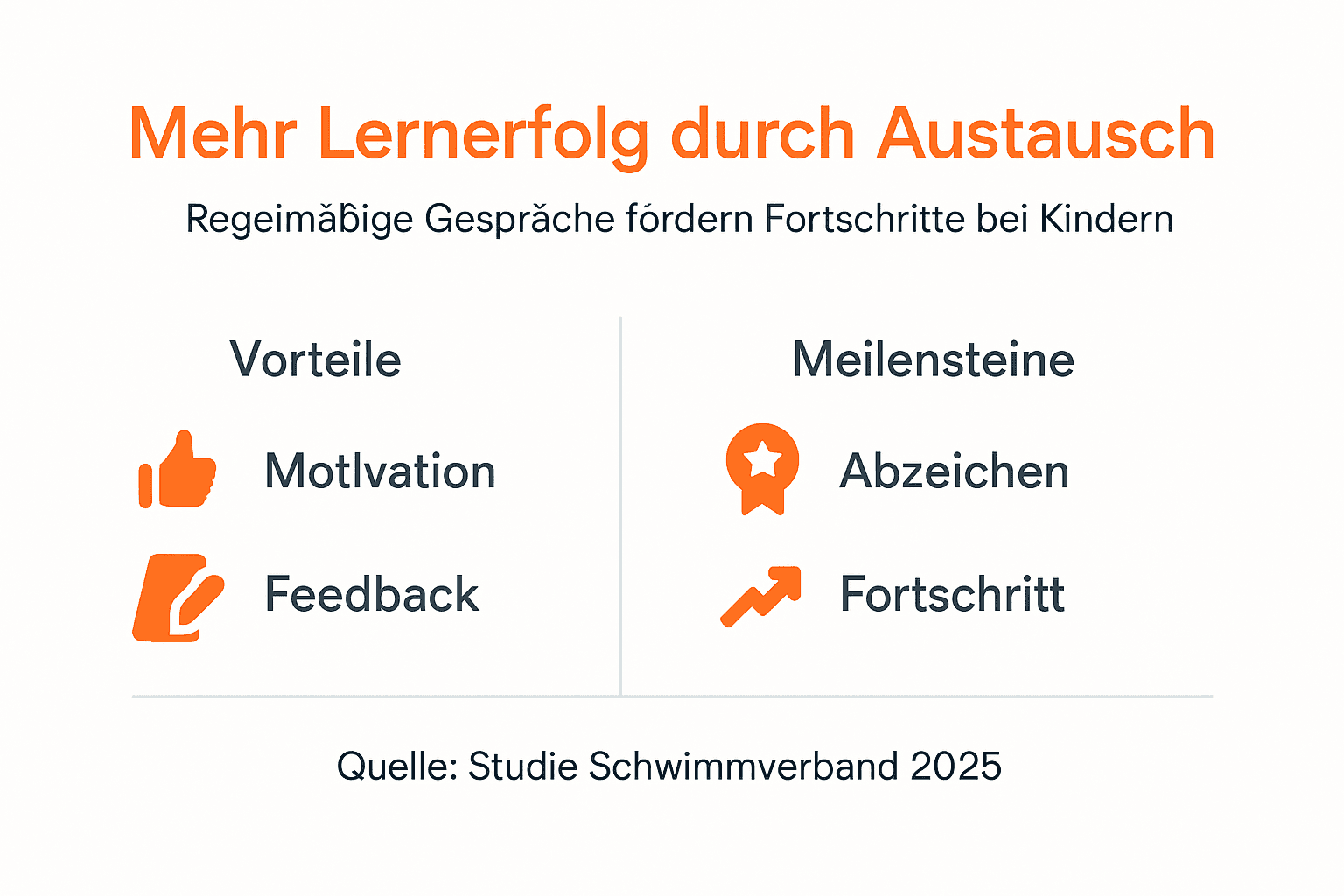
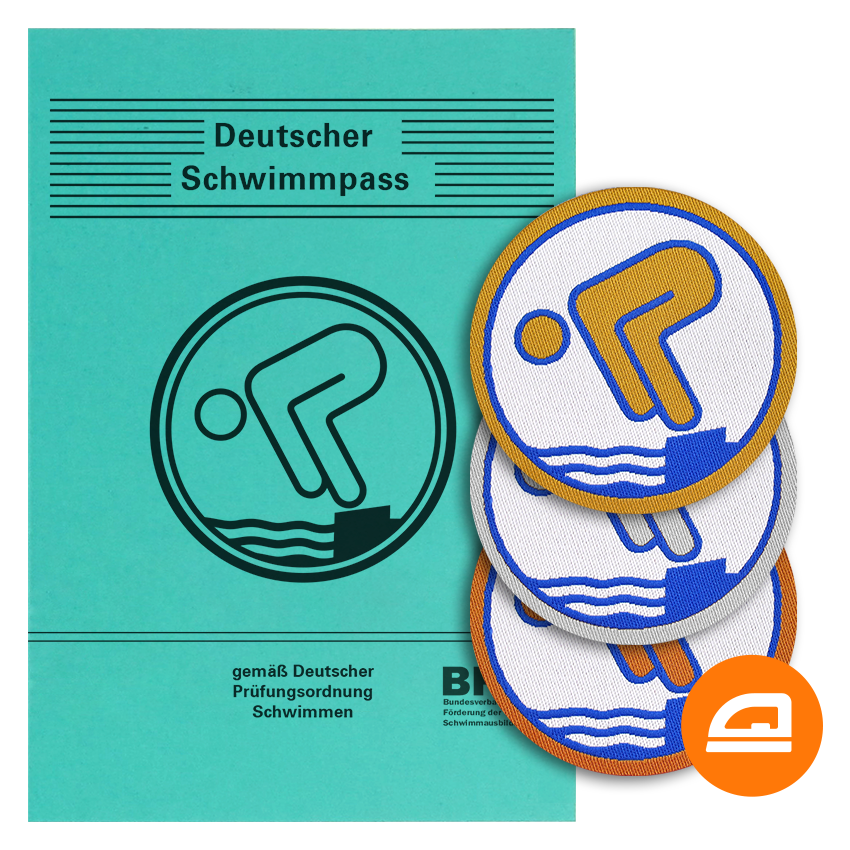
Badges provide positive feedback and motivate further learning steps. After the seahorse, comes bronze, then silver and gold. This clear structure gives children orientation. They know what they are working towards. Motivation through swimming badges arises from experiencing success and recognition.
Parents should discuss badges and feedback together with swimming instructors. Ask what skills your child still needs to practice for the next badge. Discuss how you can support at home. These conversations create a common goal that motivates all involved.
Important aspects when using swimming badges:
- Consciously celebrate each badge achieved with your child
- Use badges as a conversation starter with the teacher
- Avoid comparisons with other children
- Discuss realistic timelines for the next badge
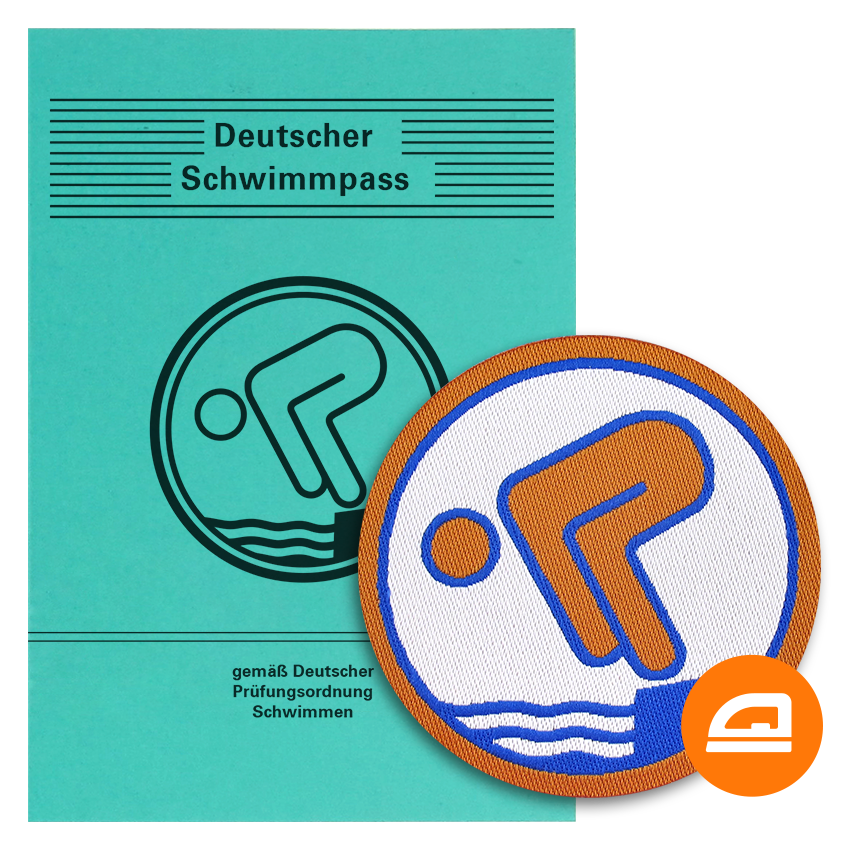
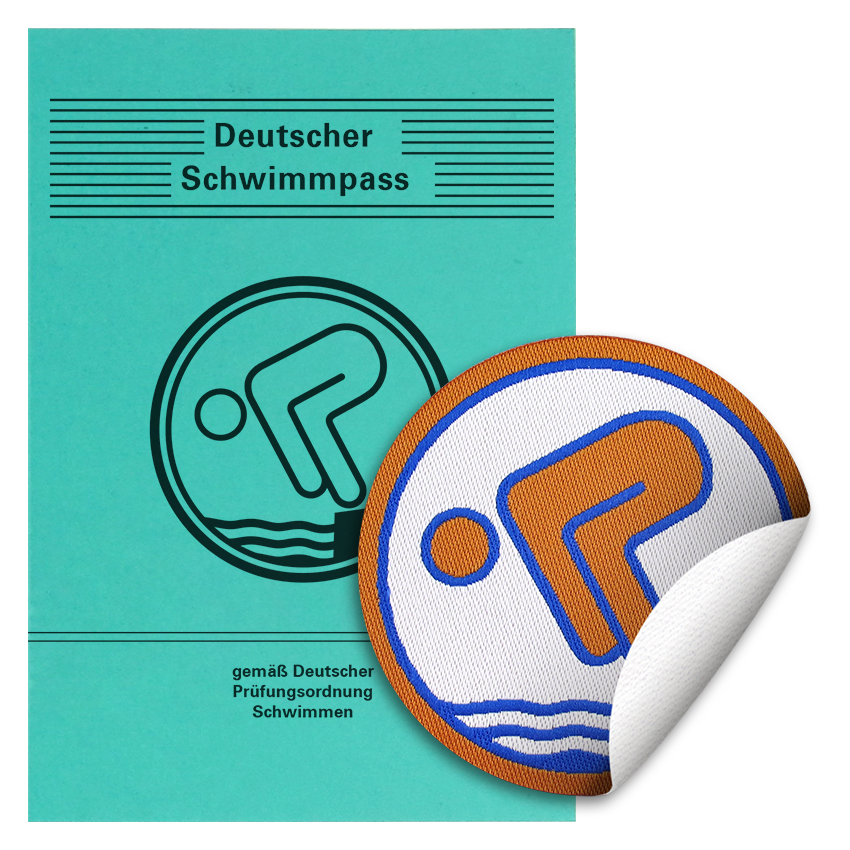
- Document progress in a swimming pass or album
Swimming badges function as a bridge between lessons and home. They give you, as parents, a clear point of reference for conversations. The teacher can explain exactly where your child stands based on the badges. You can ask specific questions and better understand which exercises are next. This clarity reduces uncertainties and strengthens cooperation.
Common Communication Pitfalls and How to Avoid Them
Misunderstandings often arise from unclear expectations between parents and swimming instructors. If both sides have different ideas about learning goals, it leads to frustration. Over 40% of parents miss regular feedback on their children's progress. You can close this gap by actively asking questions.
Clear goal agreements reduce communication conflicts by 35%. Sit down with the swimming instructor and define concrete, achievable goals for a specific period. This provides orientation for all involved. If you know what needs to be achieved by when, you can provide targeted support.
Pro-Tip: Avoid blaming in conversations. Focus on solutions rather than problems. Ask: "How can we help together?"


