

Teacher-Parent Communication: 40% More Learning Success by 2026
Many parents underestimate how crucial communication with swimming instructors is for their children's success. Transparent communication between parents and swimming instructors increases learning success by up to 40%. Clear agreements not only foster motivation but also create security and trust. This article shows how you, as a parent, can optimize cooperation with swimming instructors and help your child achieve more success in the water.
Table of Contents
- Key Findings on Teacher-Parent Communication
- Fundamentals of Teacher-Parent Communication in Swimming Lessons
- Transparency on Swimming Badge Criteria and Learning Objectives
- Strategies for Effective and Respectful Communication
- Typical Misunderstandings and Challenges in Communication
- The Role of Parental Support in Swim Training and Badge Acquisition
- Practical Tips for Dialogue with Swimming Instructors
- Summary and Outlook: More Safety and Fun Through Good Communication
- Optimal Swimming Badges and Certificates for Your Child at Pimpertz
- Frequently Asked Questions about Teacher-Parent Communication in Swimming Courses
Key Findings on Teacher-Parent Communication
| Point | Details |
|---|---|
| Regular Exchange | Clear, frequent communication significantly increases learning success and reduces misunderstandings. |
| Transparency for Badges | Parents understand criteria and can provide targeted support if they know the requirements. |
| Use Digital Tools | Messengers and email allow quick, uncomplicated exchange without appointment pressure. |
| Active Parental Role | You are a motivation coach and safety partner for your child in learning to swim. |
| Constructive Conversations | Preparation and clear questions create an open, solution-oriented atmosphere. |
Fundamentals of Teacher-Parent Communication in Swimming Lessons
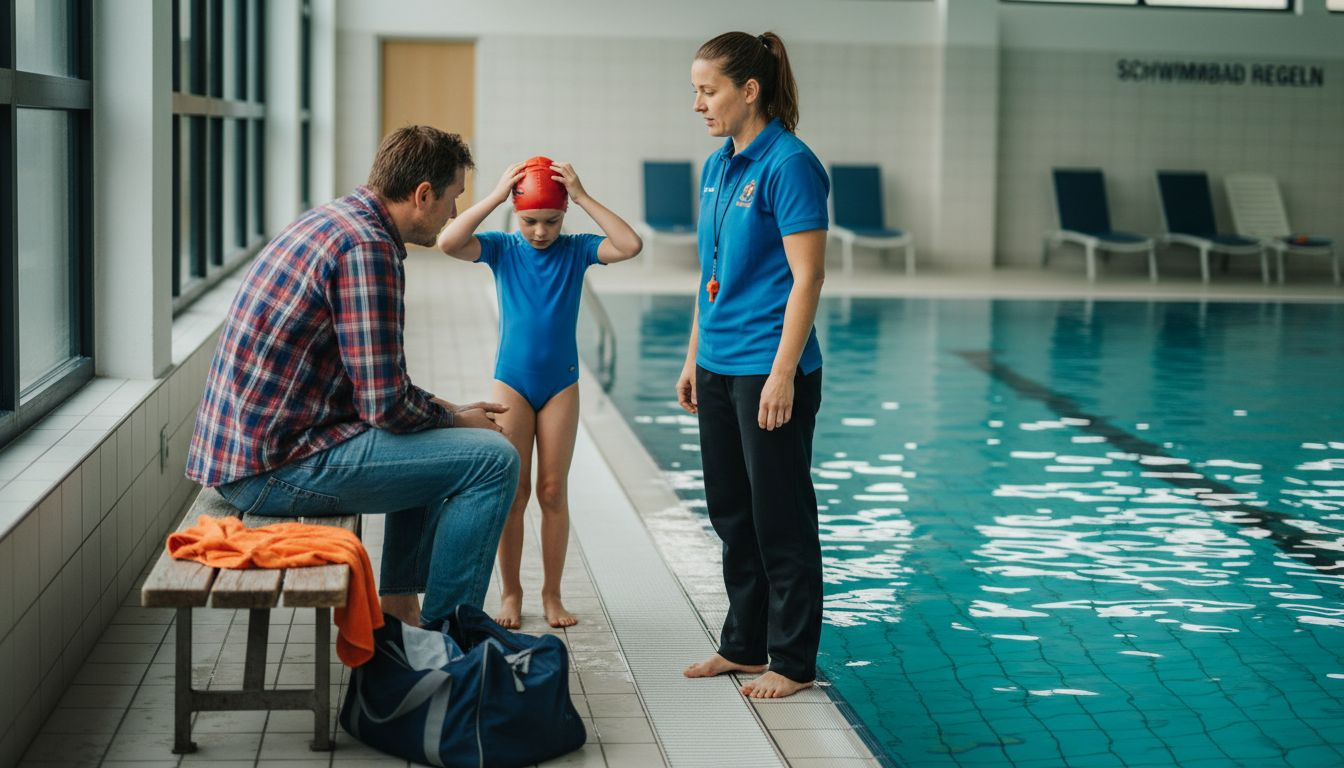
Communication between parents and swimming instructors forms the foundation for successful learning in the water. It builds trust, clarifies expectations, and enables both parties to work together on the child's progress. Without this exchange, important information remains unclear, which can impair the child's motivation and safety.
Experts emphasize communication as a key factor for learning success and safety in swimming lessons. Regular dialogue helps to identify progress and address challenges early. Personal conversations are as valuable as digital channels that allow for quick updates.
The most important forms of communication in swimming lessons include:
- Personal conversations before or after class for detailed exchange
- Digital messages via messenger or email for quick inquiries
- Written information such as progress reports or parent letters
- Parent evenings for comprehensive topics and group discussions
- Telephone consultations for urgent matters
The tips for swimming courses & clubs show that communication rests on three pillars: transparency about goals and methods, continuous feedback on progress, and mutual respect. Only when all three elements work together does a productive dialogue emerge.
“Open communication transforms uncertain swimming beginners into confident water sports enthusiasts.”
As a parent, you should actively ask how best to support your child. Swimming instructors appreciate your interest and are happy to give concrete tips for training at home. This collaboration significantly strengthens the learning curve.
Transparency on Swimming Badge Criteria and Learning Objectives
Knowing the requirements for the various swimming badges as a parent allows you to better assess your child's progress and motivate them specifically. Transparent goal setting helps parents understand swimming badges better and intervene supportively. Each badge has clear criteria that your child must meet.
In Germany, there are the following main badges:
| Badge | Requirements | Typical Age |
|---|---|---|
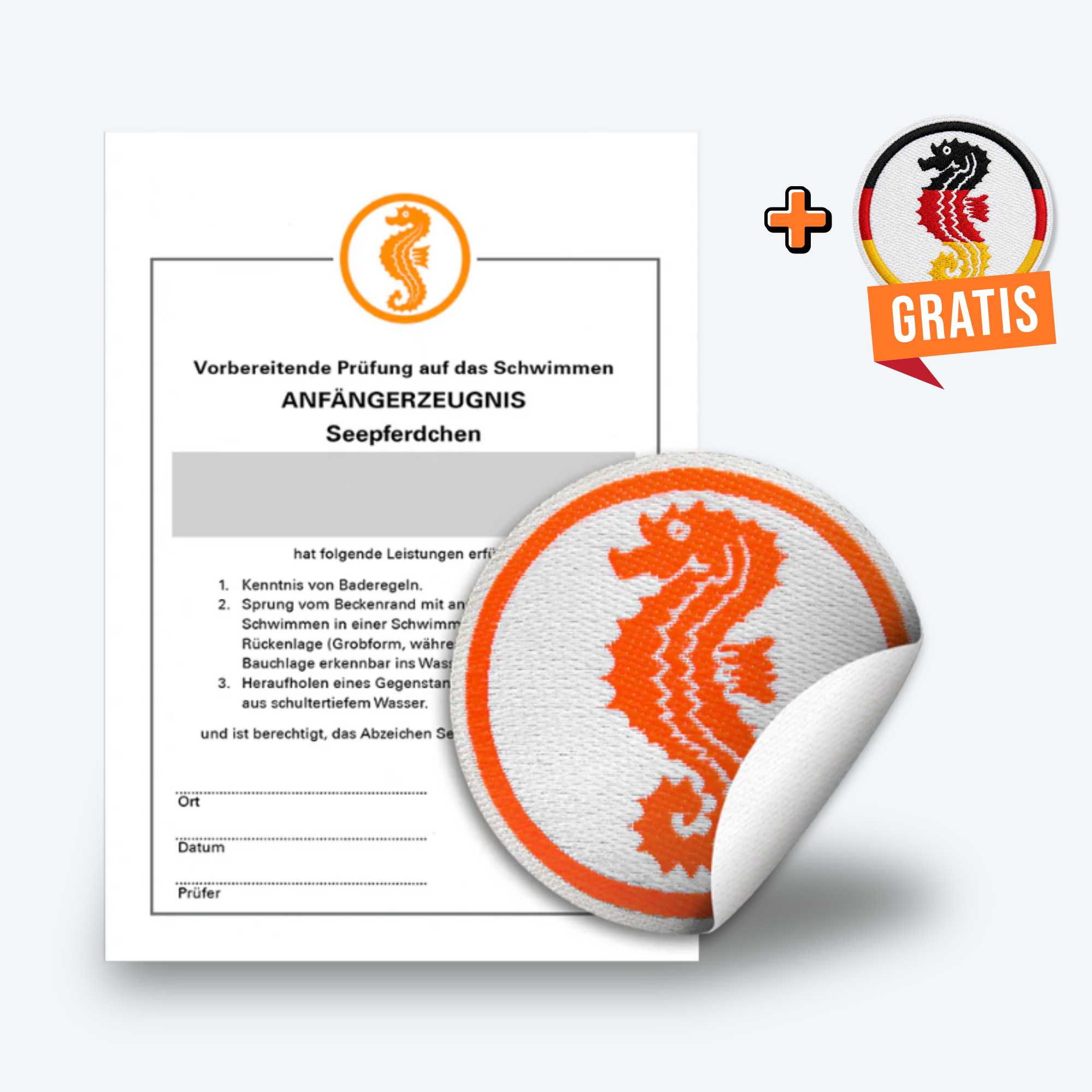
| Seepferdchen (Seahorse) | 25 m swimming, jump from the pool edge, retrieve object from shoulder-deep water | From 4-5 years |
| Bronze | 200 m in 15 minutes, 2 m diving, jump from the pool edge, bathing rules | From 6-7 years |
| Silber (Silver) | 400 m in 25 minutes, 2 m diving, racing dive, bathing and self-rescue rules | From 8-9 years |
| Gold | 600 m in 24 minutes, 3 m diving, racing dive, life-saving (50 m) | From 10-12 years |
The overview of swimming badges helps you plan your child's next steps. If you know what skills are required, you can practice specifically and encourage your child.
Transparency reduces uncertainty. Many parents are surprised by how concretely the requirements are formulated. This clarity allows you to have realistic expectations and not overwhelm your child. At the same time, you can quickly identify where additional practice is needed.
Methods for conveying this information:
- Information sheets with detailed criteria for each badge
- Digital overviews on the swimming club's website
- Personal parent meetings to assess individual progress
- Regular email updates on achieved partial goals
Actively ask your swimming instructor about the next milestones. This keeps you informed and allows you to optimally accompany your child. This openness strengthens trust and makes the learning process understandable for all involved.
Strategies for Effective and Respectful Communication
Choosing the right communication channel significantly influences the quality of the exchange. Personal conversations build trust and allow for in-depth discussions, while digital communication tools offer quick feedback without the need for an appointment. Both forms are justified and should be used depending on the situation.
| Method | Advantages | Disadvantages |
|---|---|---|
| Personal conversations | Trust, non-verbal cues, detailed exchange | Time-consuming, difficult to schedule |
| Messenger/Email | Quick, flexible, documentation possible | Misunderstandings due to lack of facial expressions |
| Parent evenings | All parents informed simultaneously, group dynamics | Less individual focus |
| Telephone coordination | Direct contact, quick clarification | No documentation, often difficult to reach |
Regular feedback discussions are the backbone of successful communication with swimming instructors. They should take place at least every four to six weeks to discuss progress and set new goals. It helps if both sides consider beforehand which topics they want to address.
Pro-Tip: Use messengers for quick inquiries and personal meetings for comprehensive discussions about development and goals.
Clear expectations from the beginning prevent later conflicts. Discuss with the swimming instructor what role you, as a parent, will play and where the instructor will lead. This division of roles creates clarity and avoids overlaps.
Important elements of respectful communication:
- Active listening without interruptions
- Appreciative language even when criticizing
- Concrete examples instead of general accusations
- Openness to different perspectives
- Binding agreements with clear responsibilities
The communication with parents in the educational sector shows that appreciation and clarity form the basis for productive cooperation. If you adhere to these principles, the exchange with swimming instructors will run much more smoothly.
Typical Misunderstandings and Challenges in Communication
Many parents mistakenly believe that communication is only necessary when problems arise. In fact, regular exchange reduces conflicts by 40% compared to reactive communication only when difficulties occur. Proactive dialogue builds trust and allows for early intervention.
Another myth: parents would need to understand technical details of swimming techniques to have a say. That's not true. Swimming instructors don't expect you to have specialized knowledge, but rather an interest in your child's progress. Observations from a parent's perspective are often more valuable than technical knowledge.
Some parents also think that swimming instructors hardly expect any communication and want their peace and quiet. The opposite is true. Instructors appreciate engaged parents who ask questions and provide feedback. This cooperation makes their work significantly easier.
Pro-Tip: Prepare for conversations by noting down concrete observations instead of asking technical questions that you cannot assess.
Common challenges and solutions:
- Lack of time for personal conversations: Use short exchanges before or after class.
- Uncertainty in phrasing: Speak about your observations, not assumptions.
- Fear of criticism of your own child: See feedback as an opportunity for improvement.
- Language barriers: Ask for written summaries or request simple explanations.
Open, regular communication measurably promotes safety and motivation in children. By addressing misunderstandings early, you prevent small problems from developing into major conflicts. The guide on avoiding communication errors provides concrete examples of typical pitfalls and how to overcome them.
The Role of Parental Support in Swim Training and Badge Acquisition
As a parent, you are more than just an observer at the poolside. You act as a motivational coach and safety partner for your child. Parents motivate children and significantly increase safety in swimming through their presence. Your positive attitude directly influences your child's willingness to learn.
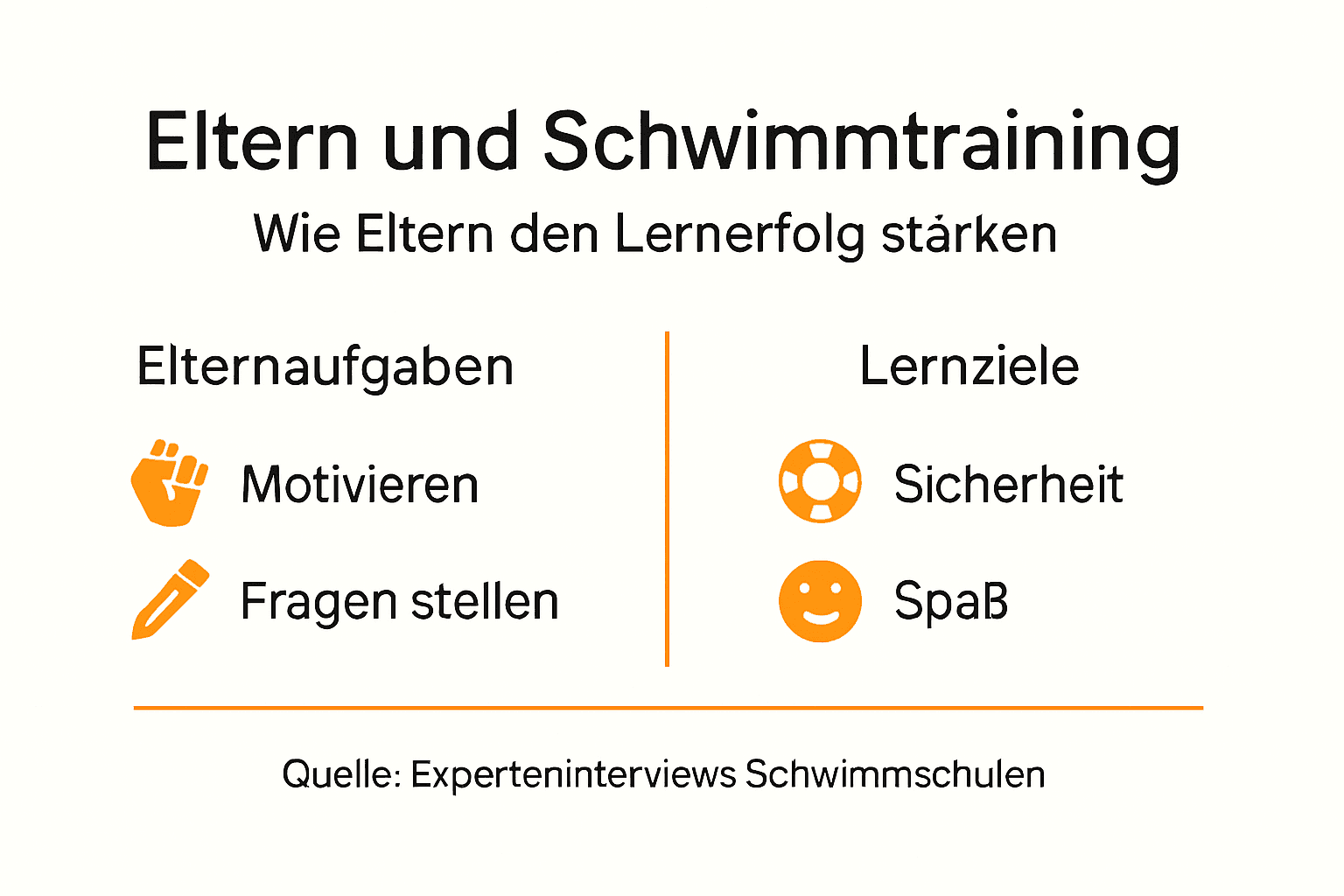
Celebrating successes together with swimming badges sustainably strengthens self-confidence. When your child receives a badge, show genuine enthusiasm. This recognition motivates further efforts and makes learning to swim a positive experience.
Active support at home measurably increases learning success. You can practice with your child, tell stories about successful swimmers, or introduce small reward systems. These measures reinforce what was learned in class.
“Children whose parents actively participate in the learning process show 30% faster progress in learning to swim.”
Five practical tips for parental support:
- Praise small progress immediately and concretely, not just big successes
- Practice playfully during family vacations at the beach or in the outdoor pool
- Speak positively about water and avoid instilling fear
- Attend swimming events together for inspiration
- Maintain regular contact with the swimming instructor for coordinated support
Motivating children in swimming lessons shows that parents have the greatest influence on their children's attitude towards swimming. Your enthusiasm is contagious. If you show enjoyment in the water yourself, it will transfer to your child.
Practical Tips for Dialogue with Swimming Instructors
Clear, specific questions lead to helpful answers. Instead of asking "How is it going?", it's better to ask "Which swimming technique should we practice at home?" or "Where is my child compared to the requirements for Bronze?". Good preparation and clear questioning significantly improve communication between parents and teachers.
Share your observations objectively. If you notice that your child is nervous before class or particularly exhausted afterward, mention it. This information helps the teacher adjust the lesson. Stick to facts and avoid interpretations.
Brief preparation makes conversations more efficient. Jot down two to three main points you want to discuss beforehand. This way, you won't forget anything important, and the exchange remains focused. Swimming instructors often have little time between classes.
Pro-Tip: Phrase concerns positively and solution-oriented, for example, "How can we collectively increase motivation?" instead of "My child no longer feels like it."
Important communication rules:
- Listen actively and ask clarifying questions
- Respect the professional expertise of the swimming instructor
- Seek solutions together instead of assigning blame
- Adhere to agreements strictly
- Also give positive feedback on successful lessons
The tips for conversations with swimming instructors emphasize that an open atmosphere arises through appreciative communication. If you follow these guidelines, your conversations will be more productive and pleasant for both sides.
Summary and Outlook: More Safety and Fun Through Good Communication
Communication between parents and swimming instructors is the key to your child's motivation, safety, and learning success. Regular, transparent exchange prevents misunderstandings and creates a trusting basis. You significantly strengthen the learning processes by actively participating in their progress.
Continuous communication builds trust between all involved parties. Children sense when parents and teachers are working together and thus feel more secure. This security is the foundation for courageous learning in the water.
“Successful swimmers emerge from the perfect combination of expert instruction and parental support.”
Participate actively and remain open to dialogue. Every conversation with the swimming instructor is an investment in your child's development. With the strategies presented here, you are well-equipped for a productive collaboration that will help your child achieve more success and joy in the water.
Optimal Swimming Badges and Certificates for Your Child at Pimpertz
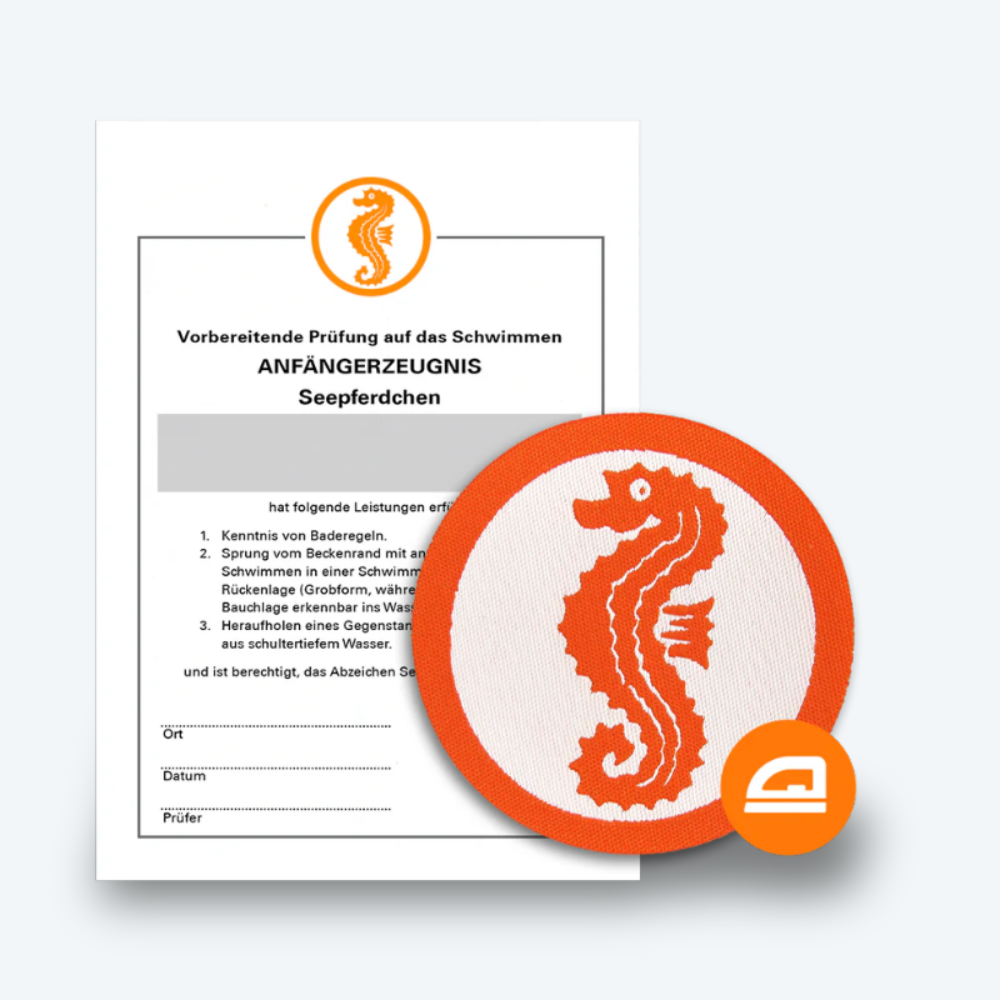
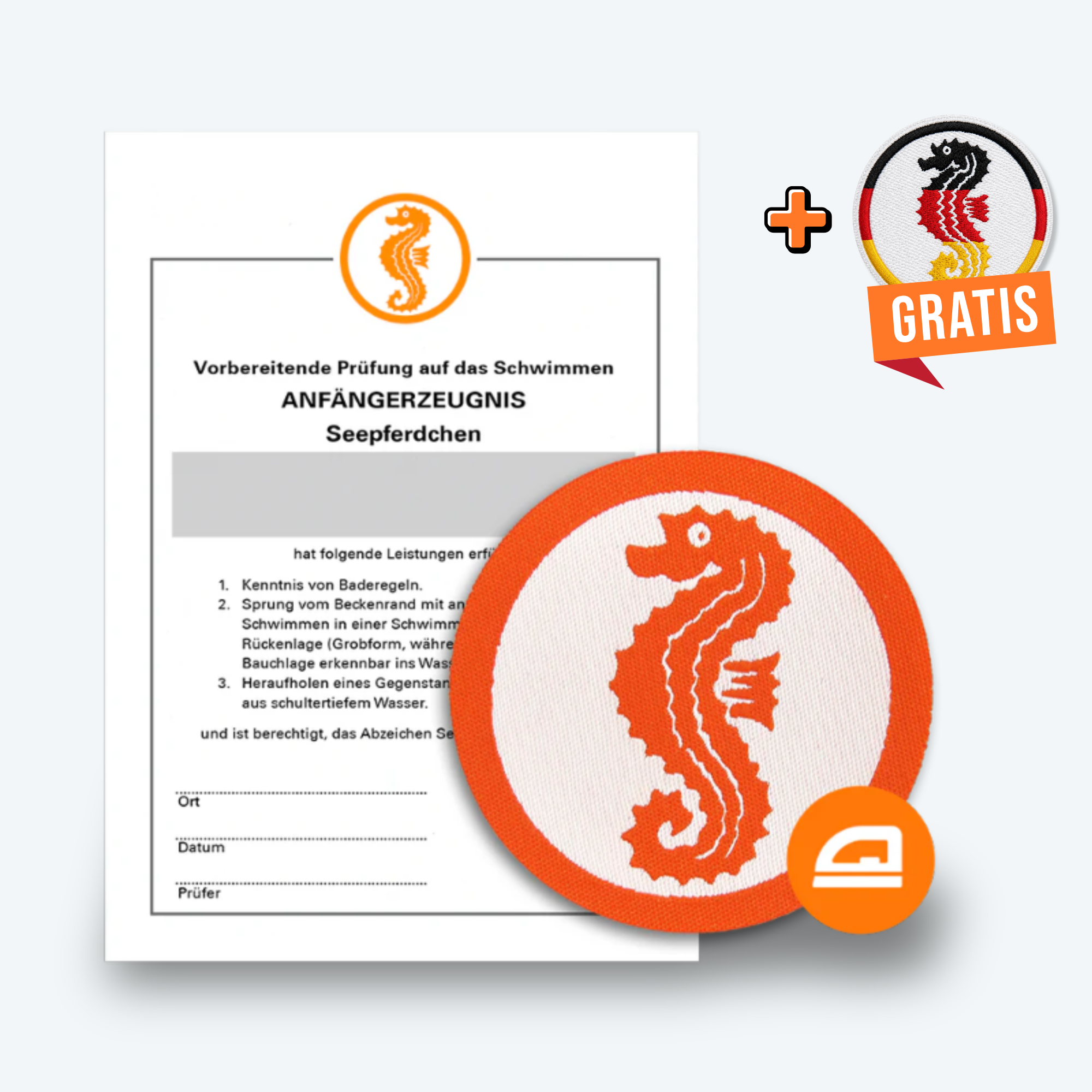
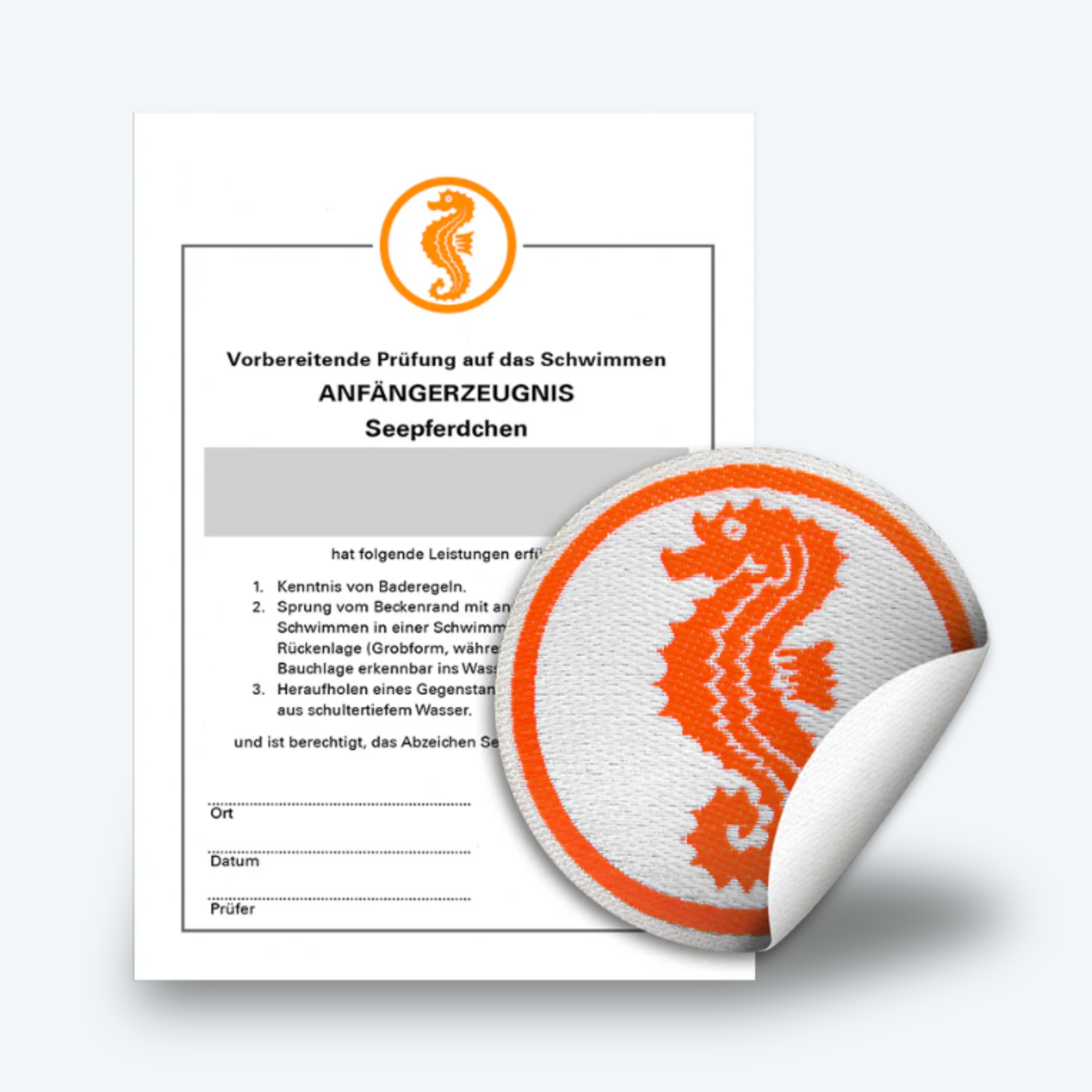
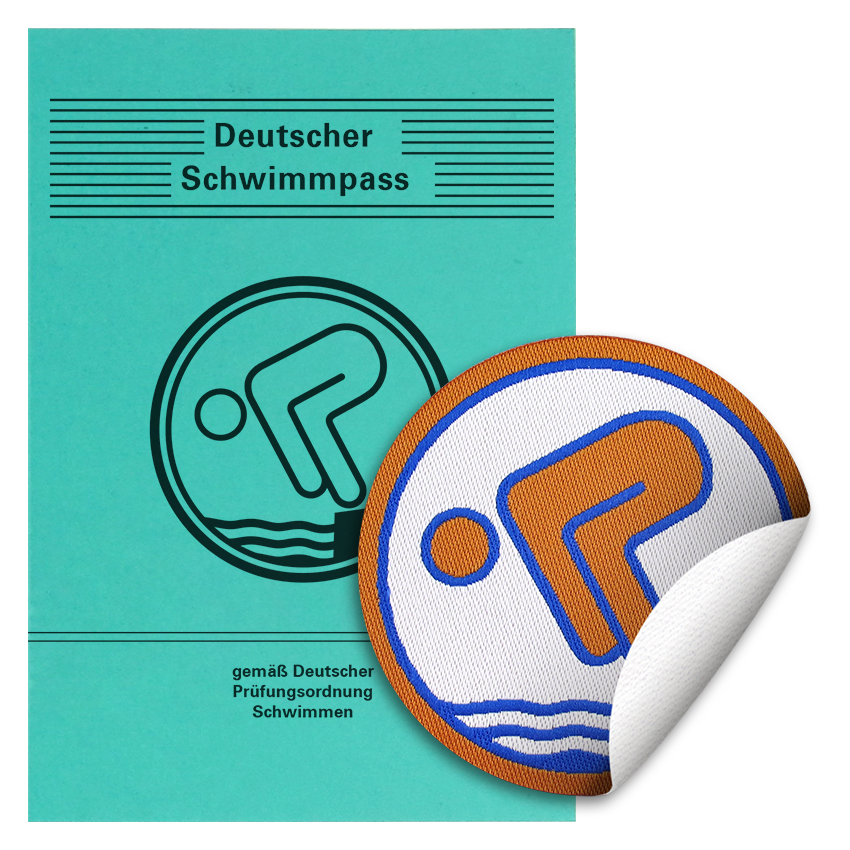
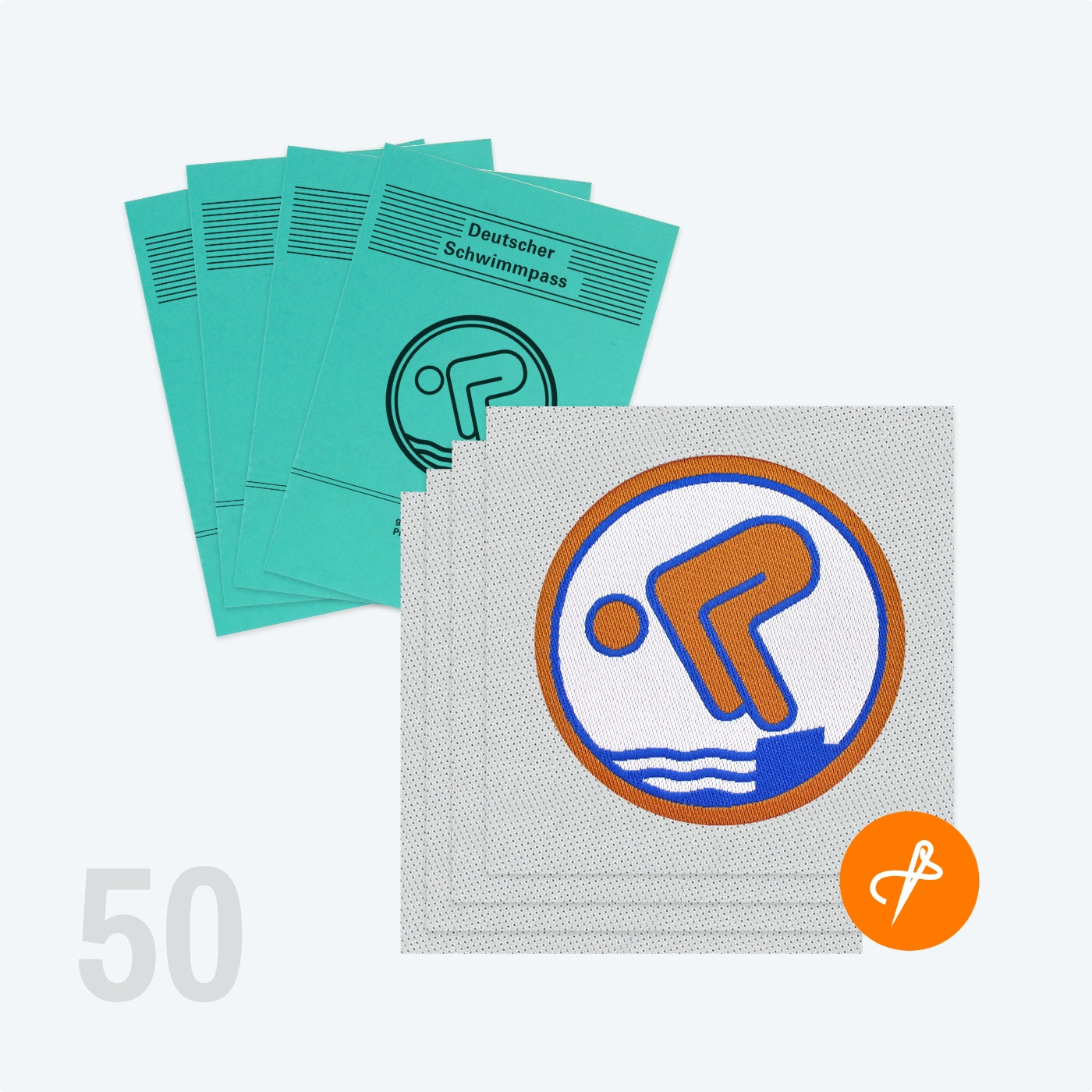
After successful swimming lessons, your child deserves appropriate recognition. Pimpertz offers swimming badges at Pimpertz for all skill levels, from Seepferdchen (Seahorse) to Gold badges. These official, high-quality products motivate your child and make every success visible. Supplement the badges with certificates for swimming badges that you can proudly hang up with your child. For home training, you will find practical swimming accessories for children that support the learning process. Order easily and securely online; delivery is fast and reliable. Personalized badges give every achievement a special touch and show your child how important their performance is.
Frequently Asked Questions about Teacher-Parent Communication in Swimming Courses
How often should I talk to the swimming instructor?
A brief exchange every four to six weeks is ideal for regular feedback. For special concerns or changes in your child's behavior, you should seek a conversation immediately. Also, use short opportunities before or after class for quick inquiries.
Which digital communication tools are useful?
Messaging services like WhatsApp are suitable for quick questions and appointment scheduling. Email is ideal for more detailed information or when you want to share documents. Some swimming schools also use special apps for parent communication that send automatic updates on progress.
How can I, as a parent, support my child's motivation?
Praise concrete progress immediately and visibly celebrate every milestone achieved. Practice playfully during family vacations and tell positive stories about swimming. You can find more ideas in the communication tips.
What should I do if there are communication problems?
Address problems directly and factually with the swimming instructor, preferably in a quiet moment. Phrase your concerns as a desire for improvement, not as an accusation. If that doesn't help, contact the swimming school management for mediation.
How can I best find out about my child's progress?
Ask the swimming instructor for regular brief updates via email or messenger. Many instructors also offer progress reports that are sent every few weeks. Personal conversations every four to six weeks give you a comprehensive overview of strengths and areas for development.
Recommendation
- Parent-Teacher Communication – How You Support Your Child in Swimming
- Effective Communication with Parents: Tips for Swimming Courses & Clubs
- Communication in Children: Key to Developmental Success
- Communication with Parents in Kindergarten – Key to Swimming Promotion
- Online Learning Engagement: Practical Strategies for Organisations|CS