
Motivation Through Swimming Badges: Understanding and Utilizing
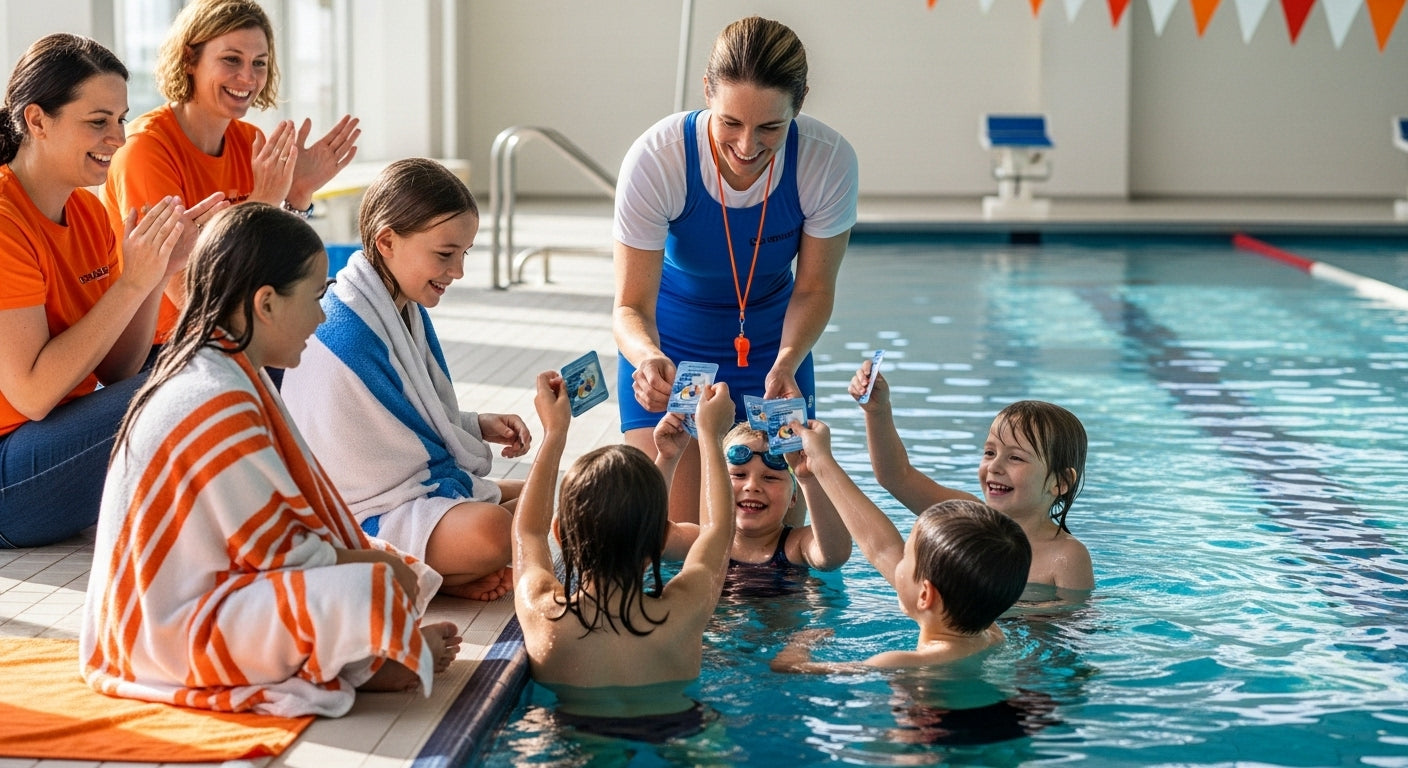
Swimming badges accompany many children from their first jump into the water to confident breaststroke swimming. This might sound like small, colorful patches that are quickly forgotten. In reality, they carry enormous weight, because over 70 percent of primary school children in Germany receive their first swimming badge before their tenth birthday, thereby creating the foundation for true water safety.
Table of Contents
- What are Swimming Badges and Their Significance?
- Why Motivation through Swimming Badges is Important
- How Swimming Badges Motivate Children and Build Confidence
- Theoretical Foundations of Motivation Research in Swimming
- Practical Applications and Experiences in Swimming Clubs
Quick Summary
| Takeaway | Explanation |
|---|---|
| Swimming badges document skills | They serve as official proof of swimming competence and safety knowledge. |
| Motivation through swimming badges is crucial | These badges promote children's willingness to learn and personal progress. |
| Badges represent personal development | Each badge symbolizes an important milestone in swimming ability and self-confidence. |
| Structured systems increase motivation | Swimming clubs use clear requirements and regular tests to promote swimming skills. |
| Community motivation is effective | Public praise and team goals foster cohesion and interest in swimming. |
What are Swimming Badges and Their Significance?
Swimming badges are official awards that document the swimming skills and safety knowledge of children and adults. These badges, issued by recognized associations such as the Deutsche Lebens-Rettungs-Gesellschaft (DLRG), are more than just decorative emblems.
The Importance of Swimming Badges
Swimming badges fulfill several important functions in swimming education and water safety:
- They document individual performance levels in swimming
- They motivate children and young people to improve their swimming skills
- They serve as proof of acquired swimming competencies
According to research by the German Swimming Association, these badges are crucial for the development of water safety and swimming competence in children.
Structure and Categories of Swimming Badges
Swimming badges are typically divided into different performance levels:
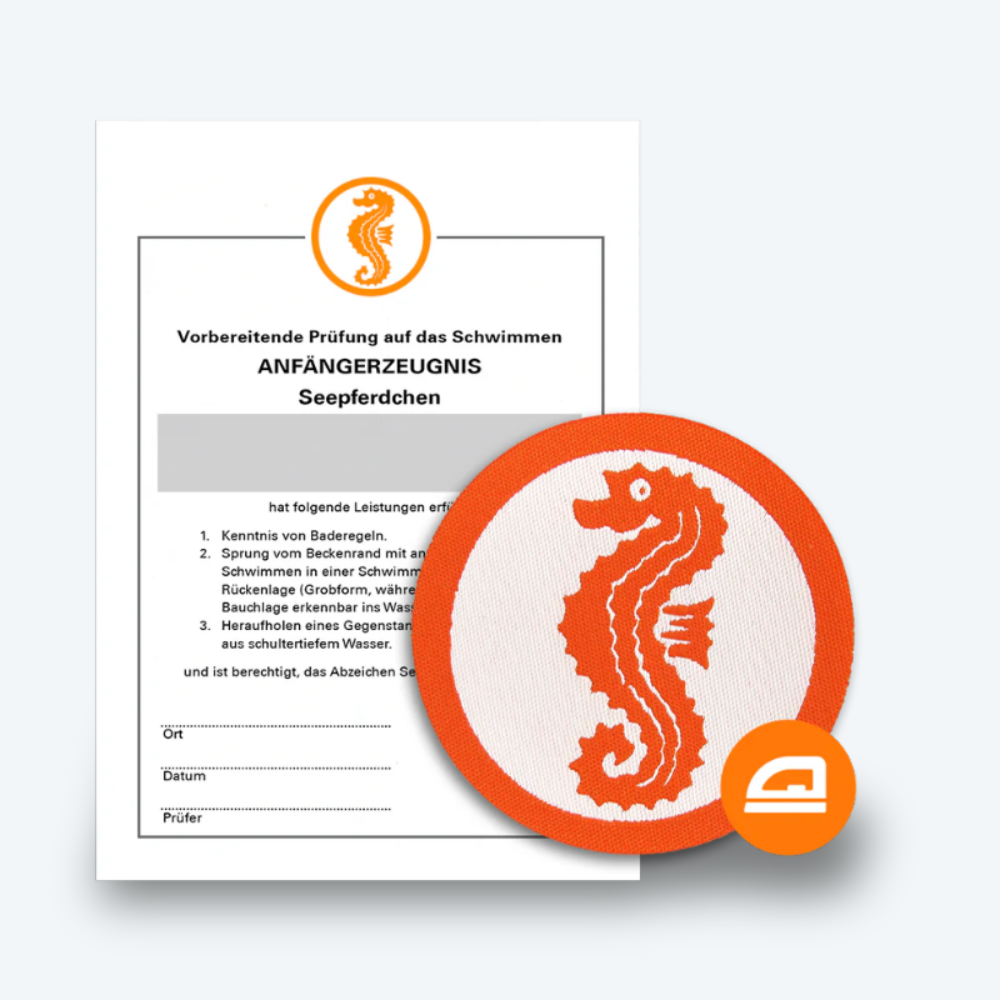
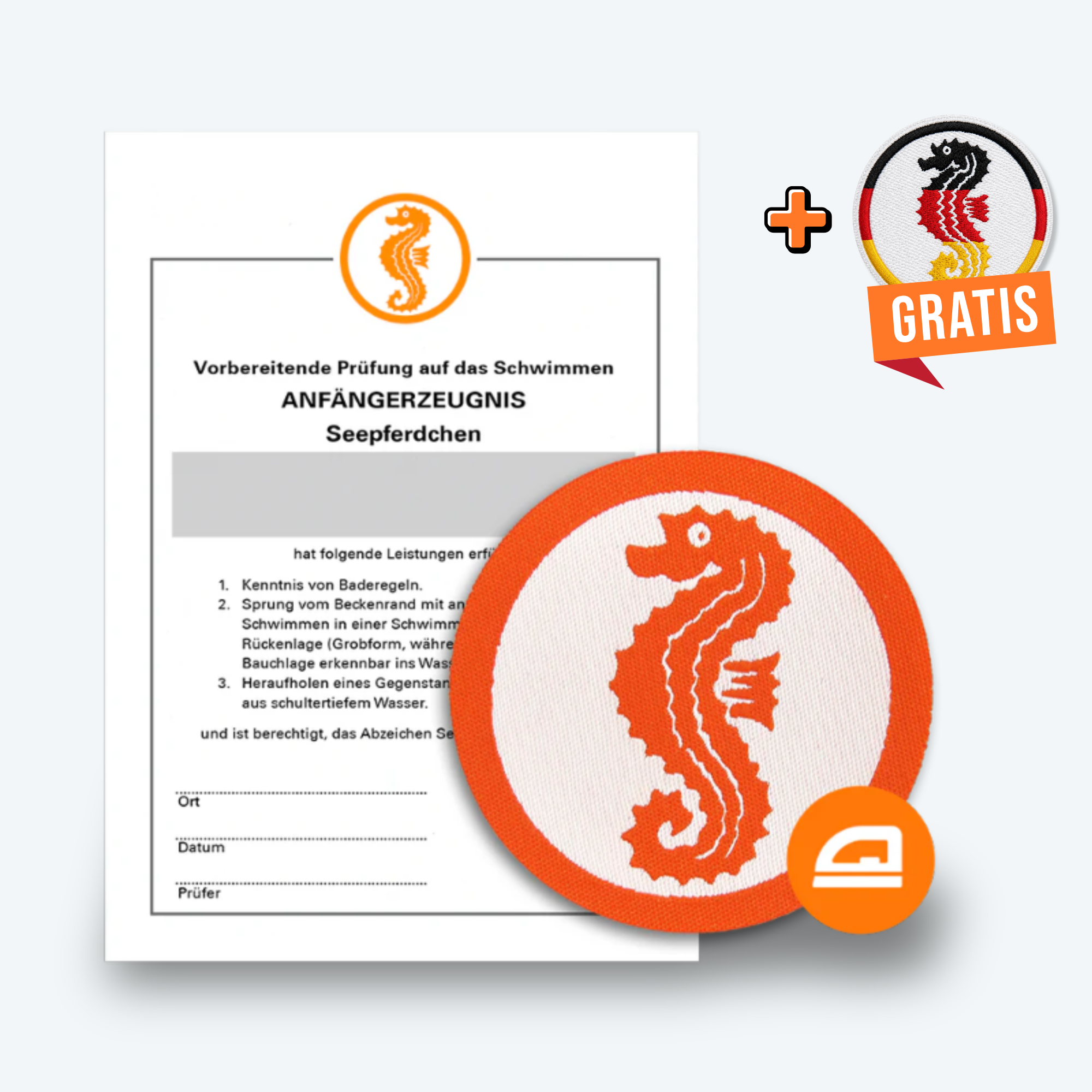
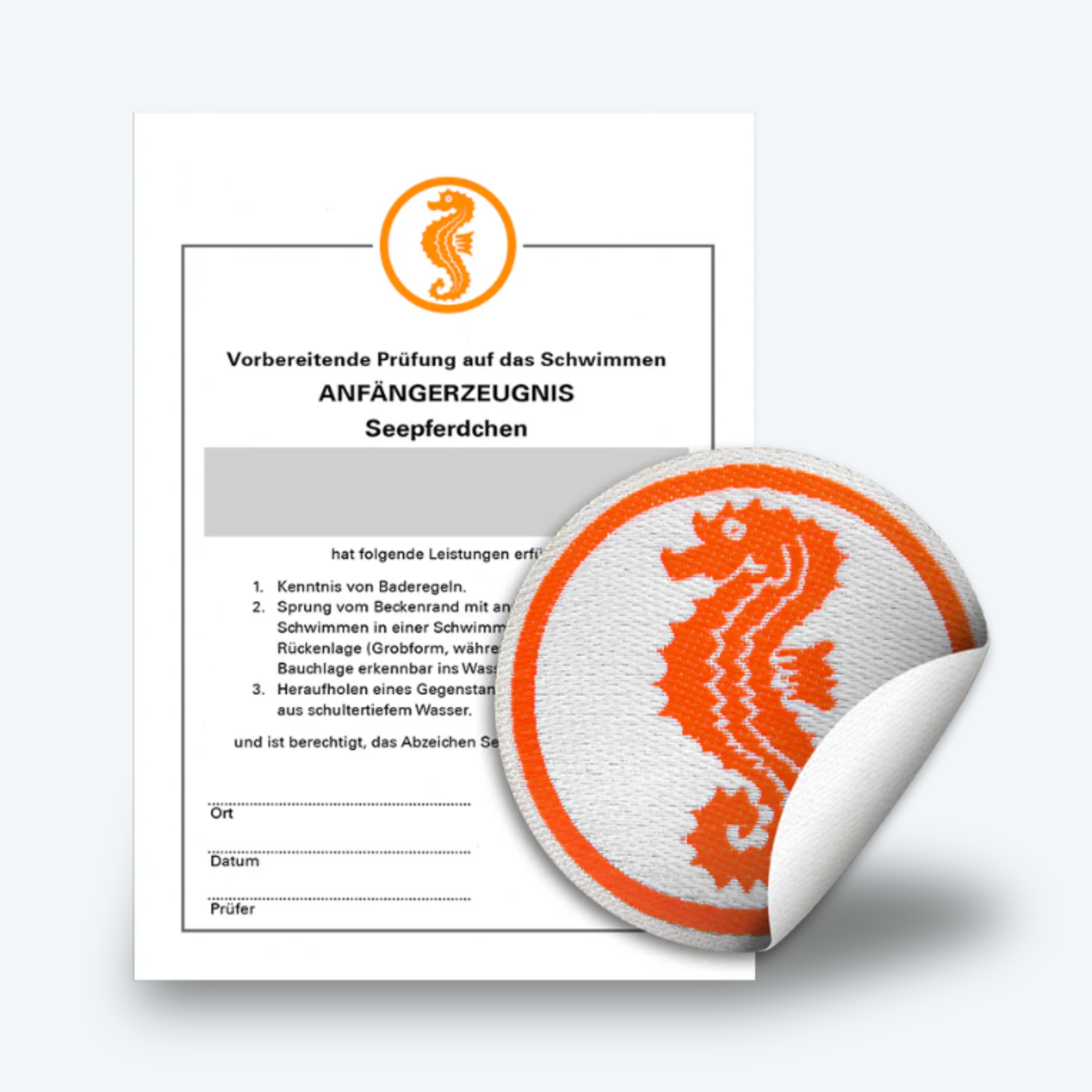
- Seepferdchen (Seahorse): First swimming skills for children
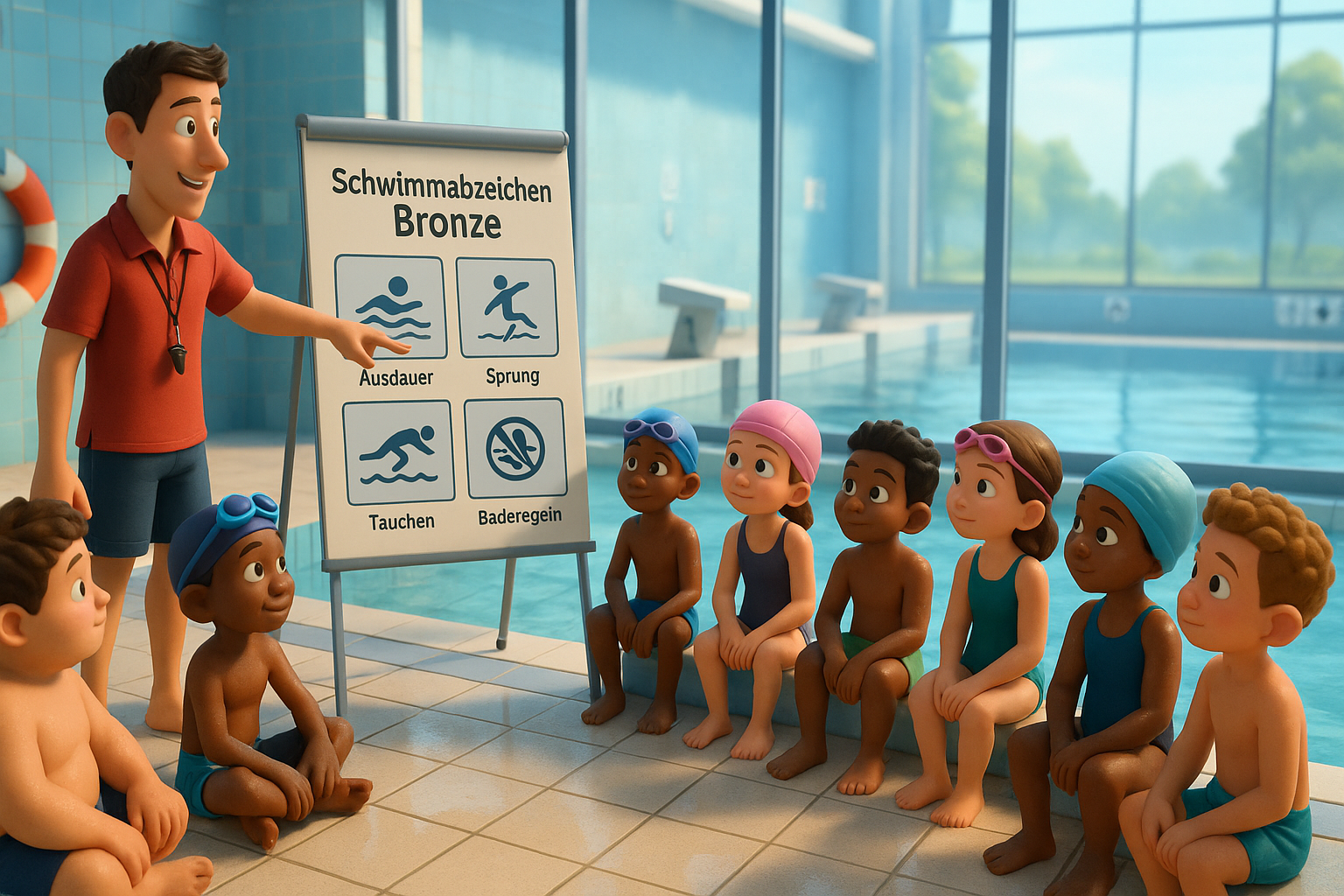
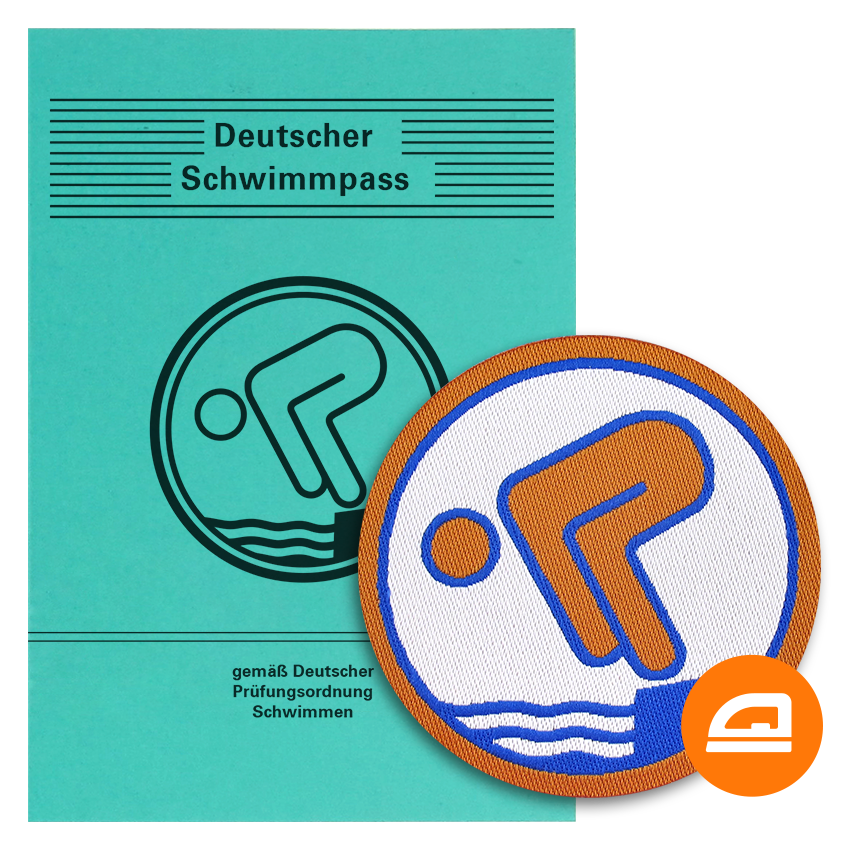
- Bronze: Basic swimming skills
- Silber (Silver): Advanced swimming techniques
- Gold: Highest performance level with complex lifesaving skills
This overview of swimming badges shows the variety and significance of the different categories.
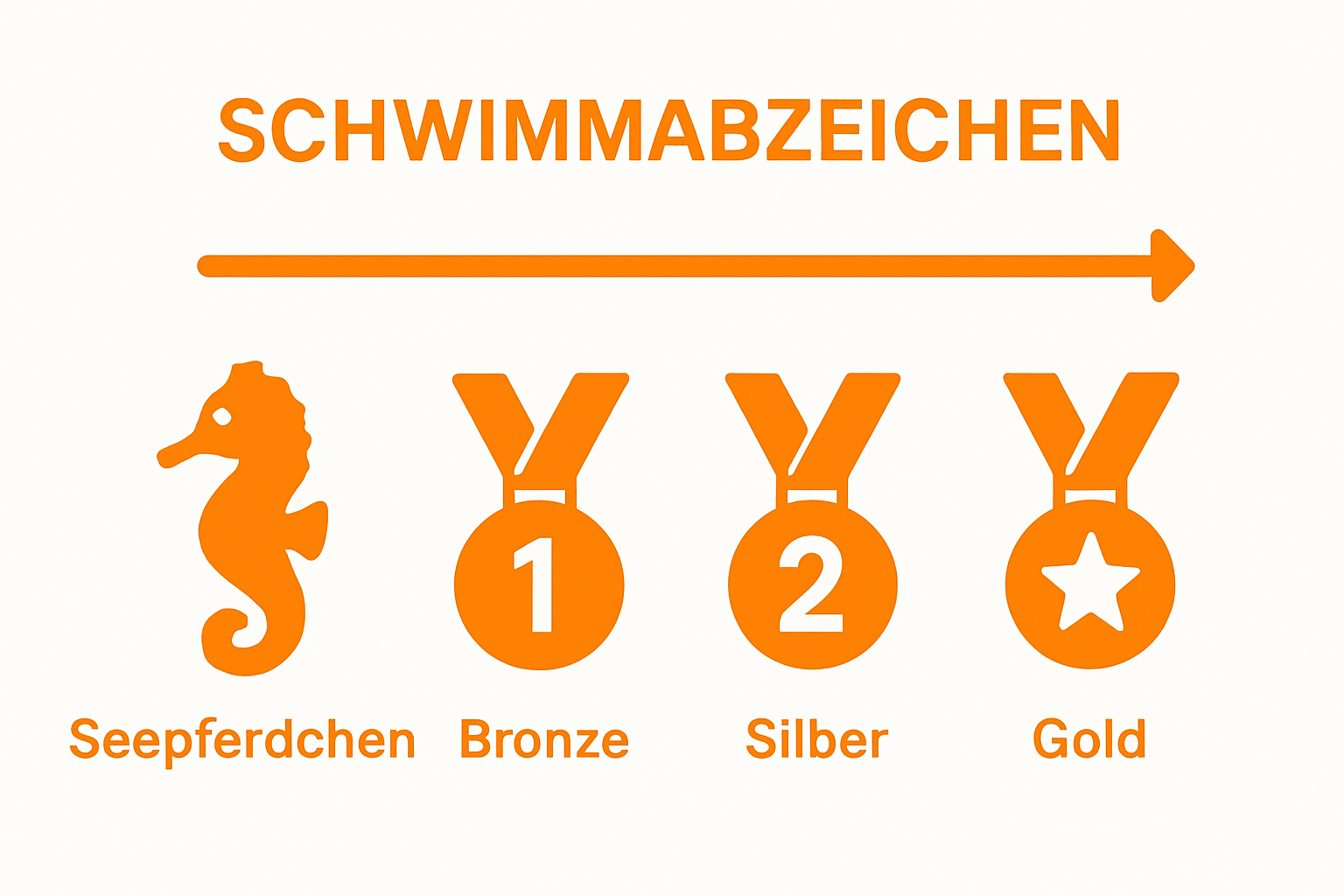
By collecting swimming badges, children not only learn to swim but also develop self-confidence, perseverance, and an understanding of water safety. Each badge represents an important milestone in the development of swimming abilities.
For a better overview, here is a compilation of the different swimming badges and their typical requirements according to the article:
| Swimming Badge | Target Group | Typical Requirements | Significance |
|---|---|---|---|
| Seepferdchen (Seahorse) | Children (Beginners) | First swimming skills | Entry-level, basic water competence |
| Bronze | Children (Advanced) | Basic swimming skills | Safety, fundamental skills reinforced |
| Silber (Silver) | Youth/Adults | Advanced swimming techniques | Deepening, more endurance & technique |
| Gold | Youth/Adults | Complex lifesaving skills | Highest level, comprehensive competence |
Why Motivation through Swimming Badges is Important
Motivation through swimming badges plays a crucial role in child development and water safety. These official awards are far more than just decorative emblems - they are powerful instruments for promoting a willingness to learn and personal growth.
Psychological Dimension of Motivation
Swimming badges act as external motivators that encourage children and young people to continuously learn and improve their swimming skills. Through the prospect of a new badge, children develop:
- An incentive for targeted practice
- A feeling of pride and self-confidence
- Measurable progress in their swimming competencies
According to research by the German Swimming Association, these motivational tools are particularly effective in increasing the willingness to learn.
Long-term Development Opportunities
Motivation through swimming badges goes far beyond merely learning to swim. It prepares children for important life skills.
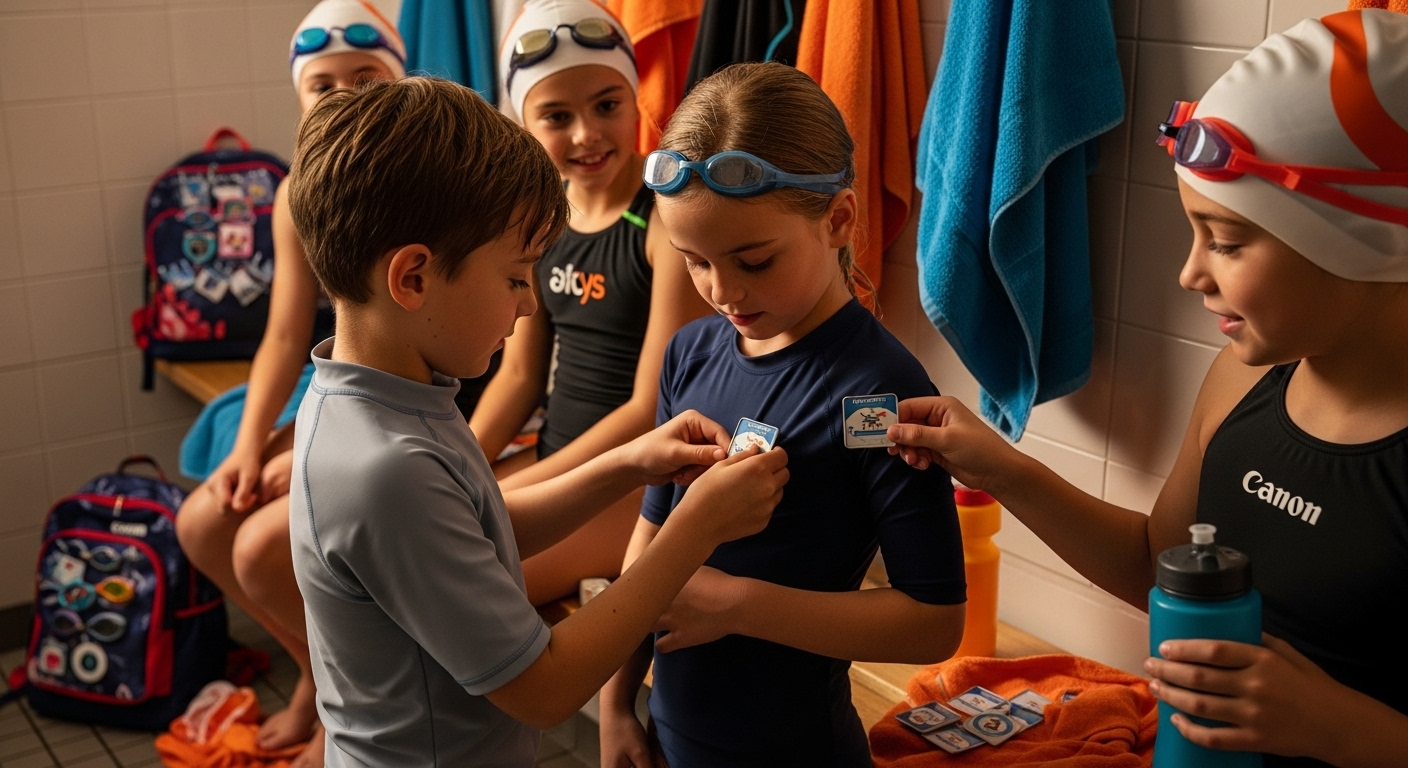 More details on swimming courses for children show how early motivation can have lasting effects.
By progressively collecting badges, children learn:
- Goal-oriented work
- Endurance and perseverance
- Self-assessment of their abilities
The systematic progression of swimming badges gives children a sense of building skills in a controlled and structured manner. Each new badge represents not only an achieved swimming level but also a personal developmental step.
How Swimming Badges Motivate Children and Build Confidence
Swimming badges are more than just decorative awards – they are powerful psychological tools that boost children's self-confidence and motivation in various ways. These official recognitions create a positive learning environment that encourages children to make further efforts and developments.
Psychological Mechanisms of Motivation
The badge award process is based on psychological principles of recognition and reinforcement.
Through swimming badges, children experience:
- An objective measurement of their progress
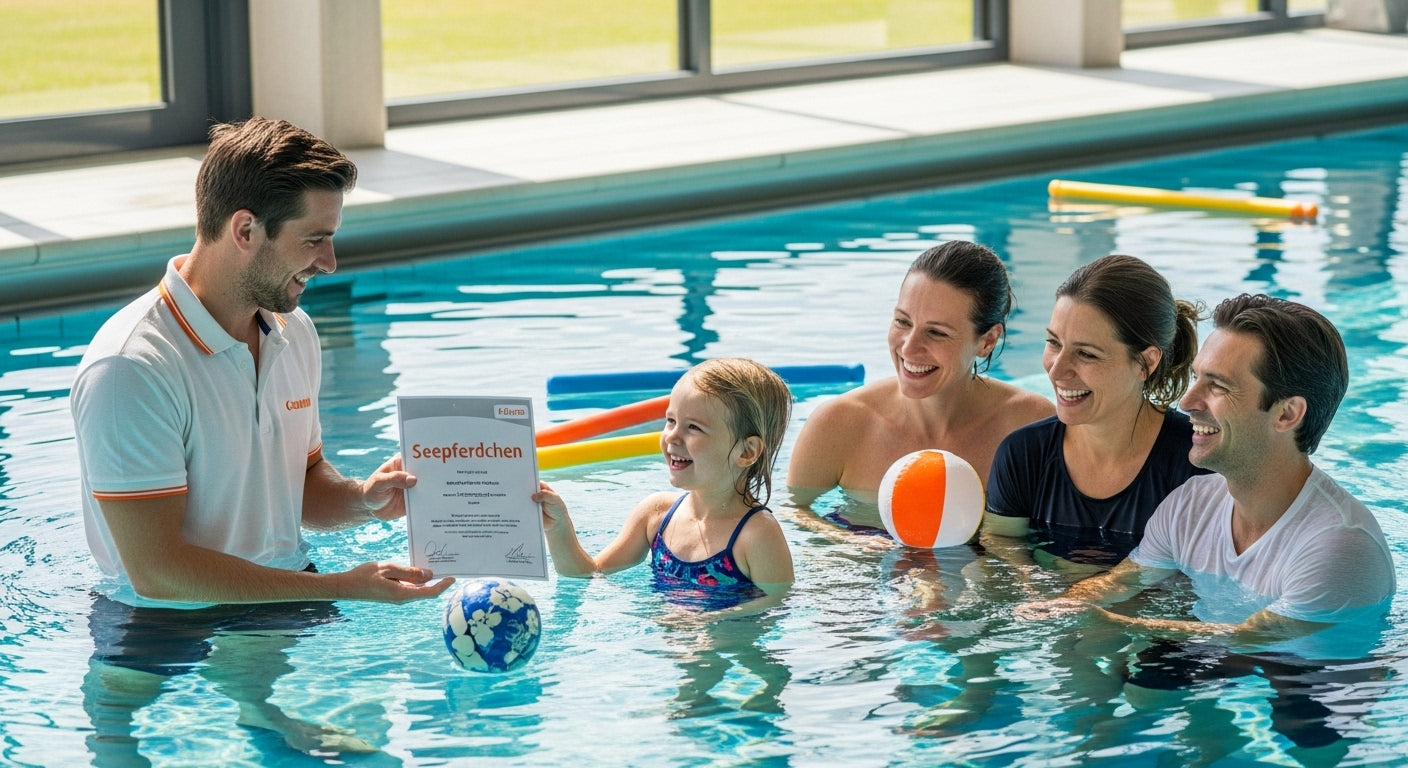
- Public recognition of their achievements
- A sense of personal competence and development
According to research on educational psychology, such recognition systems are crucial for motivational development in children.
Building Confidence through Challenges
Our primary school swimming badges show how systematic challenges help children build confidence. Each new swimming level represents not only a technical skill but also an emotional growth step.
By mastering increasingly complex swimming tasks, children develop:
- Strategic problem-solving thinking
- Resilience to challenges
- A healthy self-image based on real successes
The gradual progression of swimming badges allows children to experience success while simultaneously learning that progress is the result of continuous effort and practice.
Theoretical Foundations of Motivation Research in Swimming
Motivation research in swimming is based on complex psychological models that explain how athletes develop and maintain their performance. These scientific approaches help to understand what factors motivate children and young people to train continuously and improve their swimming skills.
Below, the self-determination theory of motivation with its three basic psychological needs and their relevance in swimming is contrasted:
| Basic Need | Description | Relevance in Swimming |
|---|---|---|
| Autonomy | Feeling of acting self-determined | Children choose goals and practice independently |
| Competence | Belief in being able to master challenges | Experiencing progress with badges |
| Social Relatedness | Experience of belonging/recognition | Praise in the club, group activities |
Self-Determination Theory of Motivation
Self-determination theory, developed by Deci and Ryan, forms a central framework for understanding athletic motivation. It identifies three basic psychological needs that are crucial for motivation:
- Autonomy: The feeling of acting self-determined
- Competence: The belief in being able to master challenges successfully
- Social Relatedness: The experience of belonging and recognition
According to research on sport psychology, these needs are fundamental for the development of intrinsic motivation in sport.
Motivational Mechanisms in Swimming
Swimming course costs and motivation show that material aspects have only a limited influence on long-term motivation. Psychological mechanisms are much more decisive:
- Positive experiences of success
- Individual feedback
- Gradual challenges
Research clarifies that motivation in swimming is a dynamic process that requires individual willingness to learn, emotional support, and systematic opportunities for progress. Swimming badges function as external motivators that specifically support and reinforce these internal motivational processes.
Practical Applications and Experiences in Swimming Clubs
Swimming clubs play a crucial role in implementing motivational systems that encourage children and young people to continuously learn and improve their swimming skills. The practical application of swimming badges is a central element of club work.
Structured Motivational Systems
Modern swimming clubs develop sophisticated strategies to use swimming badges as motivational tools. This is achieved through:
- Regular performance tests and badge examinations
- Transparently defined requirements for each badge level
- Individual training recommendations for achieving badges
According to the experiences of swimming coaches, such structured systems motivate children to specifically improve their swimming skills.
Community Motivation
Learning to swim at different ages shows that badges trigger not only individual but also group-dynamic motivational processes. Clubs use the following strategies:
- Public honors and awards
- Group-based training challenges
- Shared goal setting
The badge systems thus not only promote individual achievements but also strengthen cohesion and team spirit within the club. The combination of personal recognition and collective support creates a motivating learning environment that inspires children and young people for swimming in the long term.
Motivation, Pride, and Success with the Right Swimming Badges
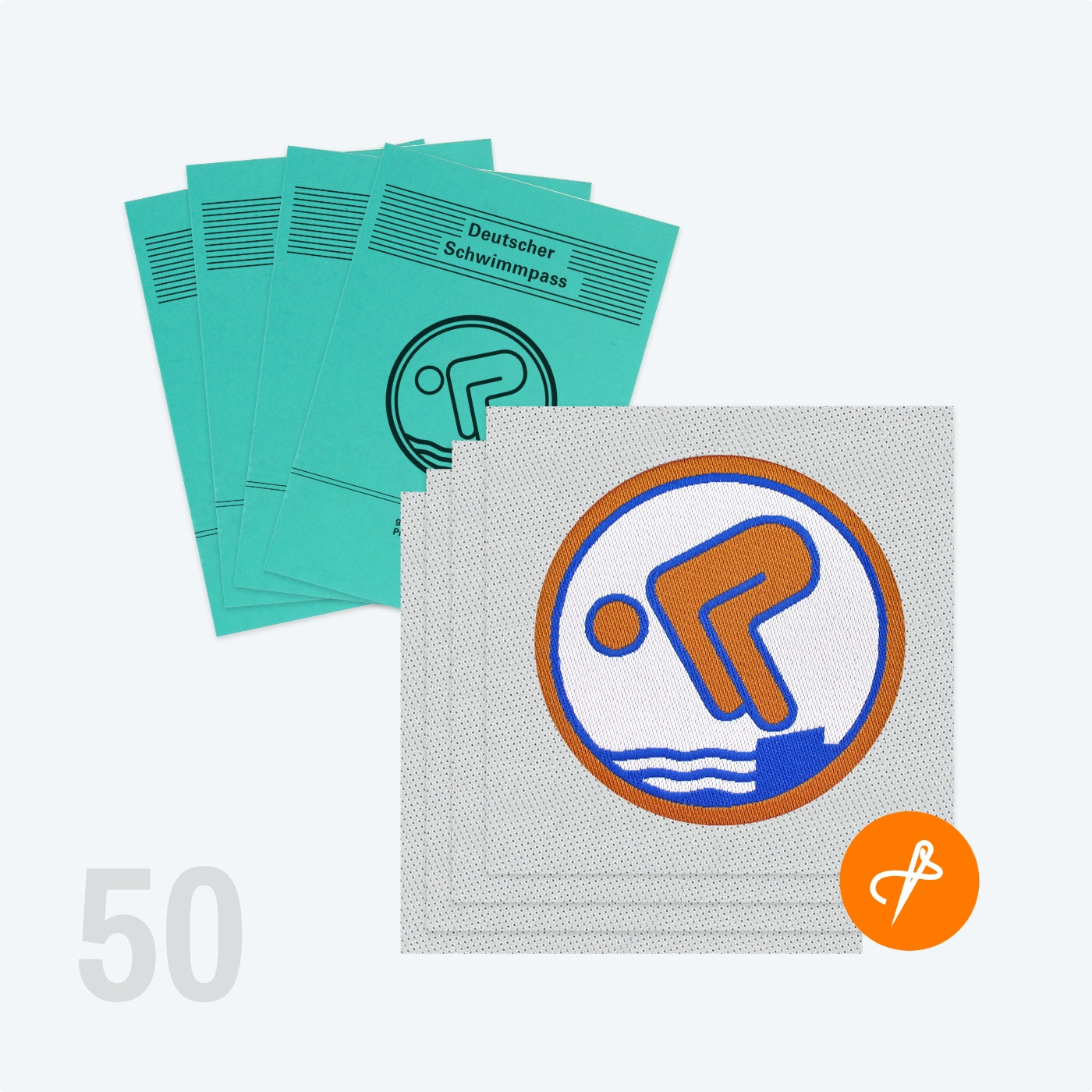
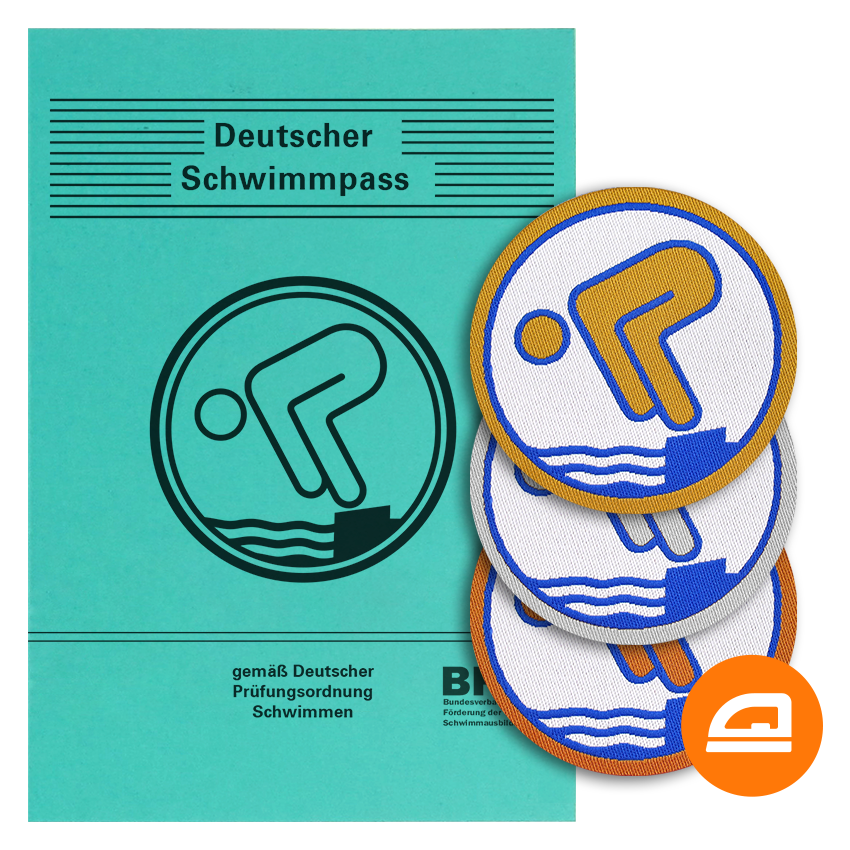
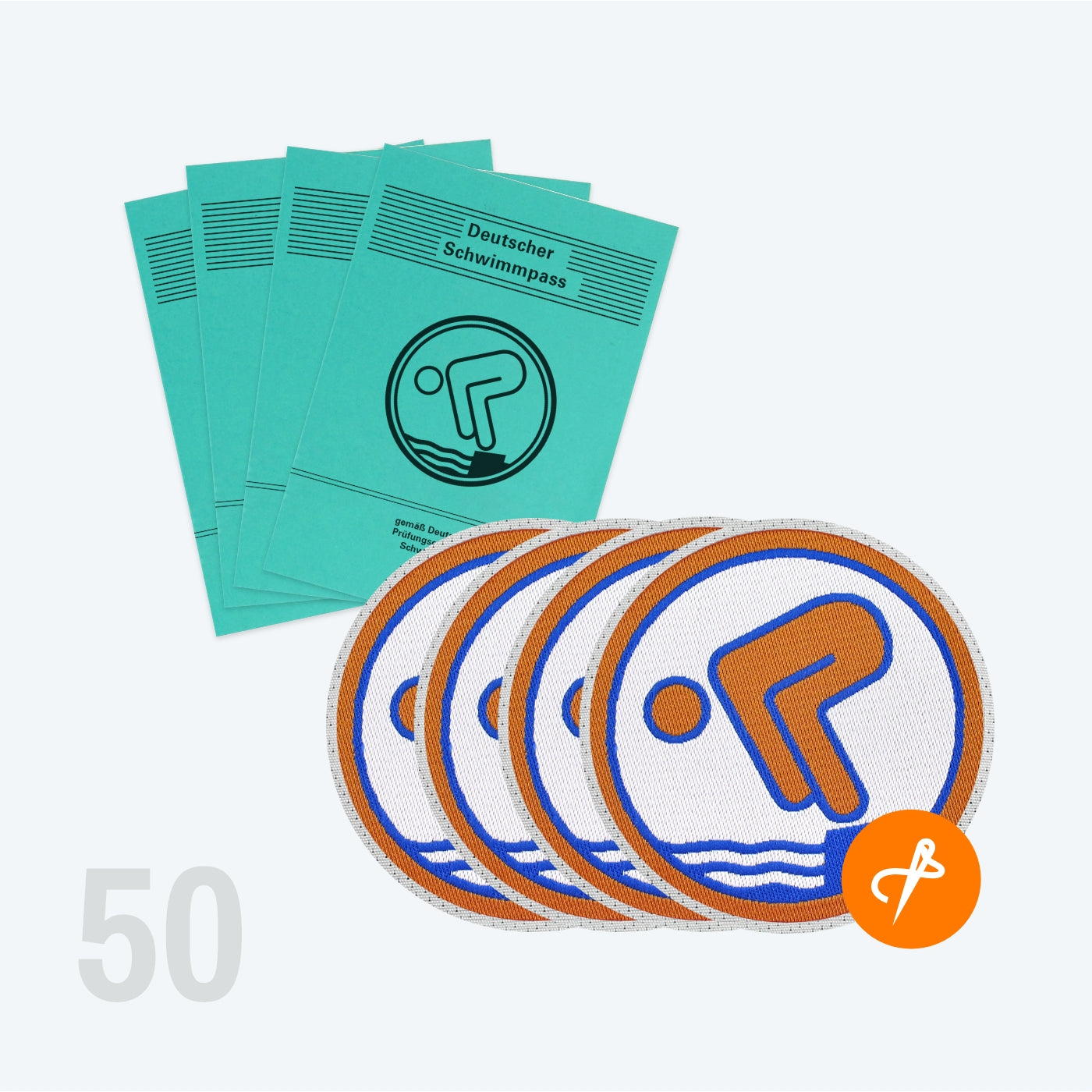
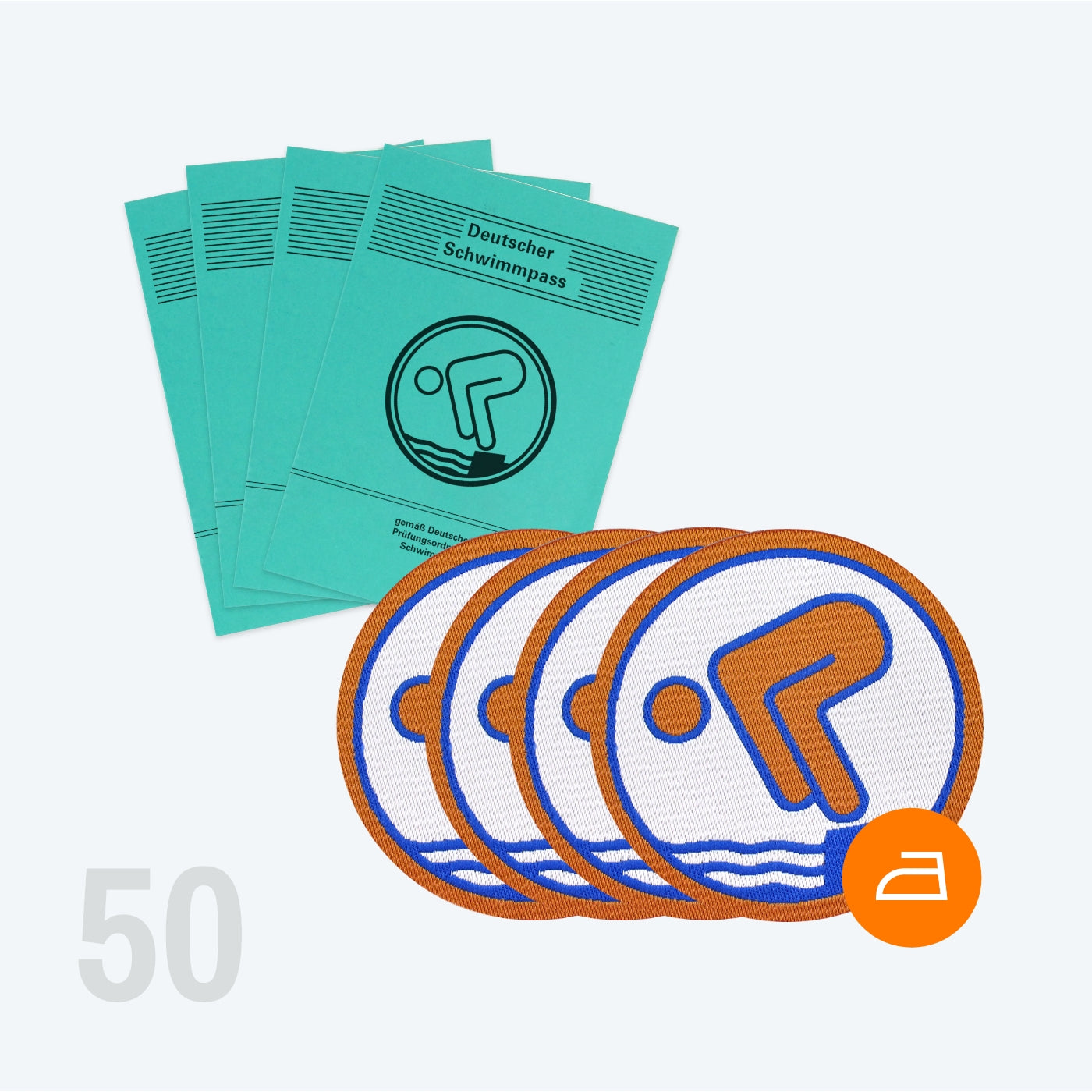
You have read how swimming badges specifically promote motivation and self-confidence in children. Many parents and clubs are looking for awards that both make learning progress visible and appeal emotionally to children. With our popular Seestern Stella swimming badges & certificates, you receive official, child-friendly badges that honor every developmental step and bring genuine joy. Our products meet the high standards of the DLRG and perfectly fit modern swimming course concepts.
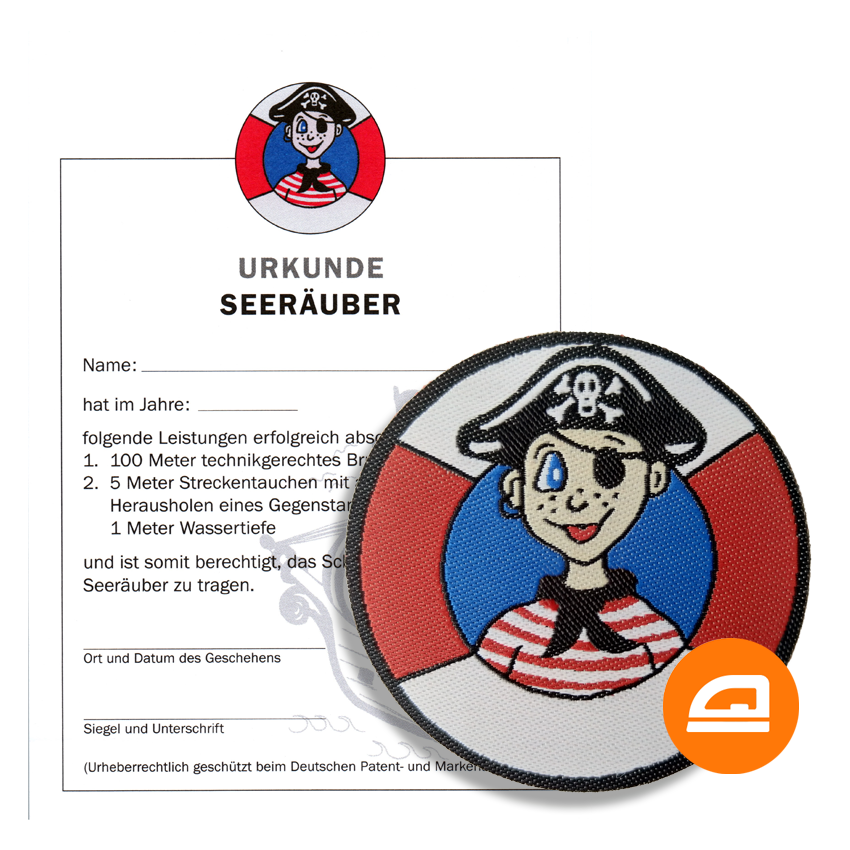
Choose now from a wide variety of authentic, durable swimming badges and find everything from motivating certificates to practical accompanying products directly at Pimpertz. Discover additional creative collecting ideas with the Pirat Pimpi® swimming badges & certificates or browse the Lele Pahu swimming badges & certificates. Experience how real motivation through quality and child-friendly design makes a difference – secure your personal motivation package now for more fun and learning success in the water.
Frequently Asked Questions
What are swimming badges?
Swimming badges are official awards that certify the swimming skills and safety knowledge of children and adults. They document the performance level in swimming and promote water safety.
How do swimming badges motivate children?
Swimming badges act as external motivators by encouraging children to improve their swimming skills. Through the prospect of new badges, they develop pride, self-confidence, and a sense of progress.
What types of swimming badges are there?
Swimming badges are divided into different categories, such as Seahorse (Seepferdchen), Bronze, Silver, and Gold, each representing different performance levels and swimming competencies.
Why are swimming badges important for children's development?
Swimming badges not only promote swimming skills but also life skills such as perseverance, goal orientation, and confidence in one's own abilities. Each badge represents an important developmental step.