
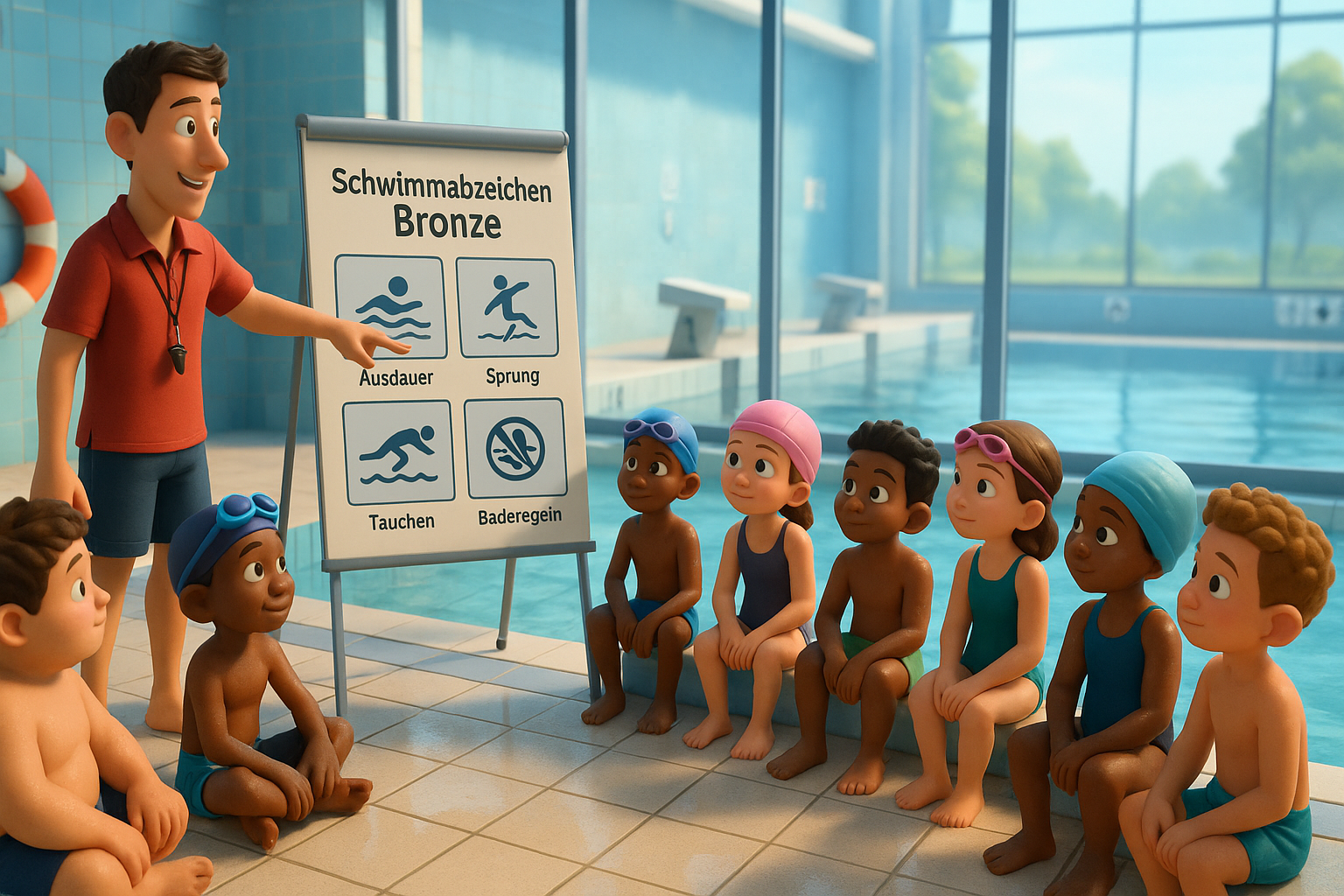
Requirements for the Bronze Swimming Badge: Key Test Content
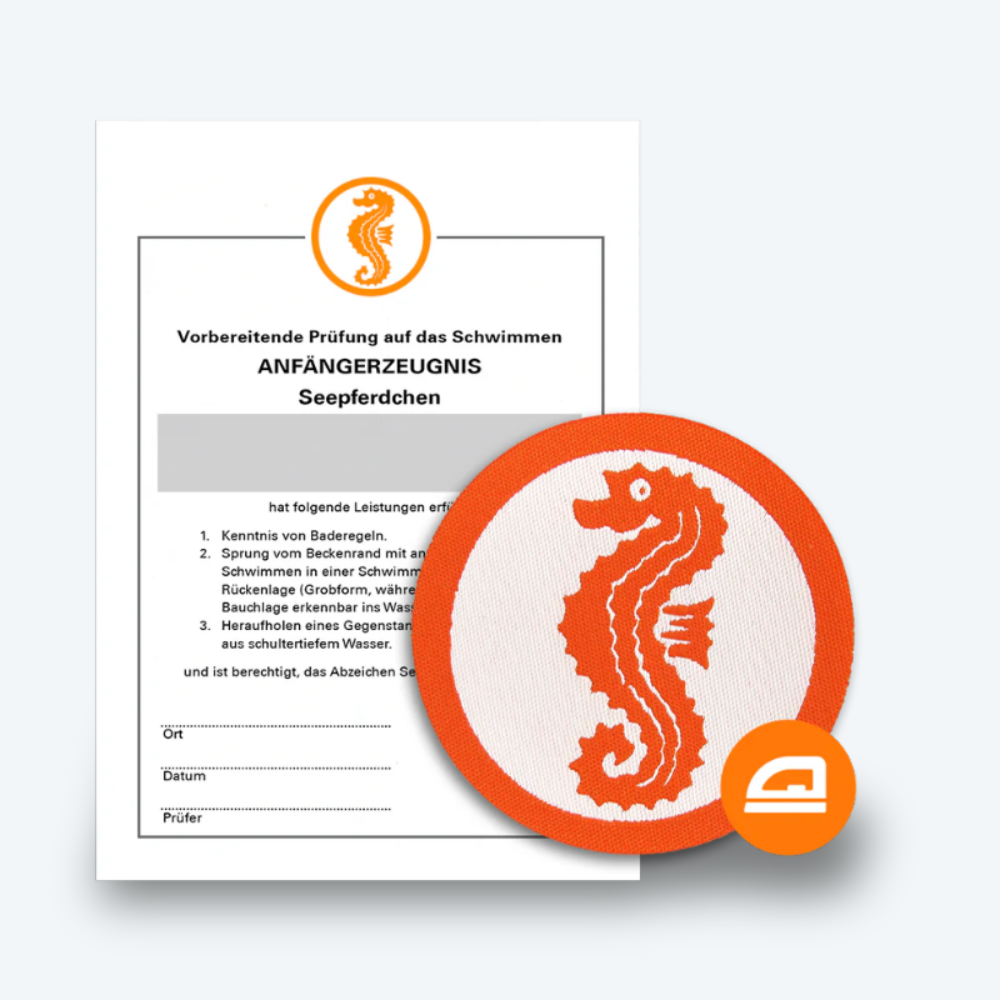
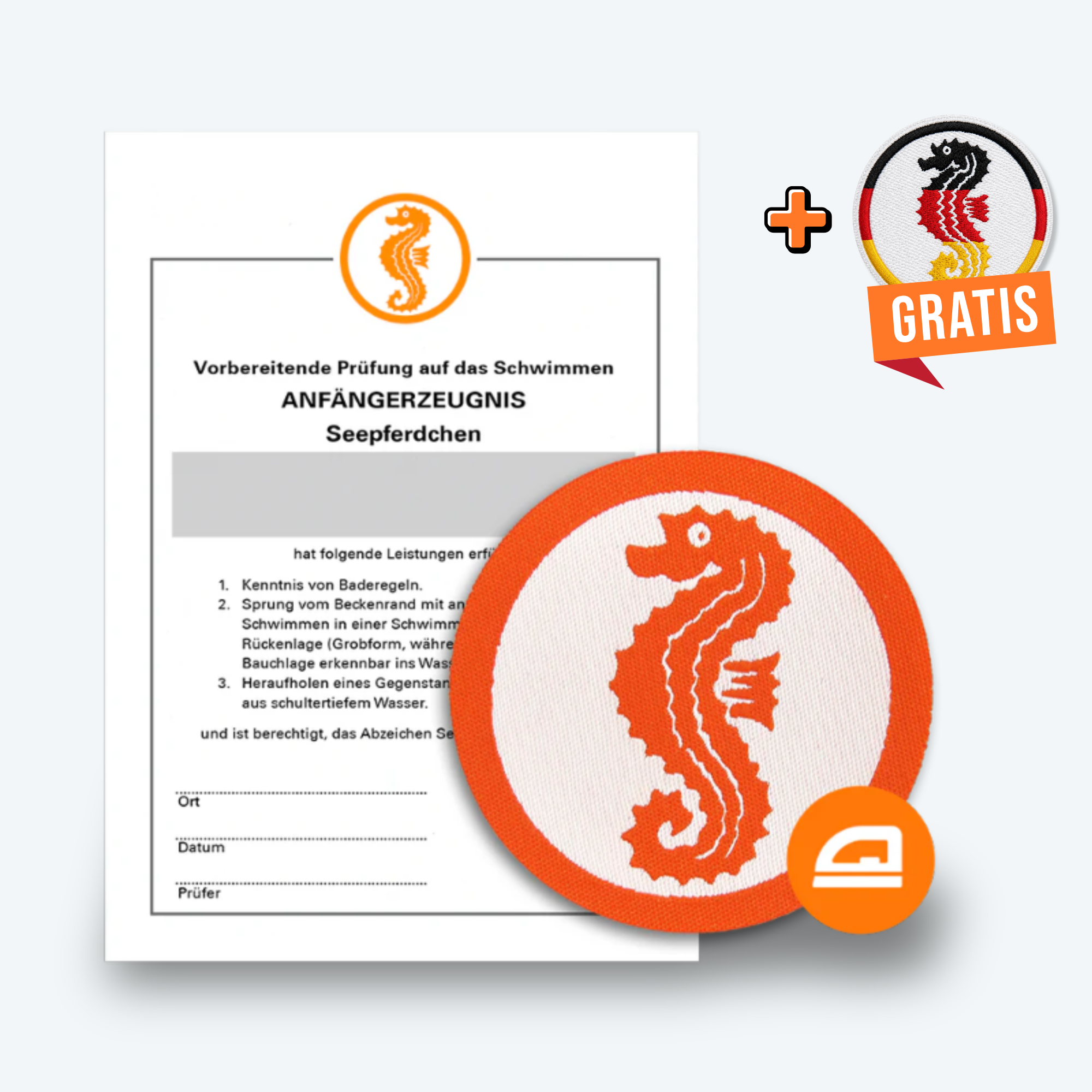
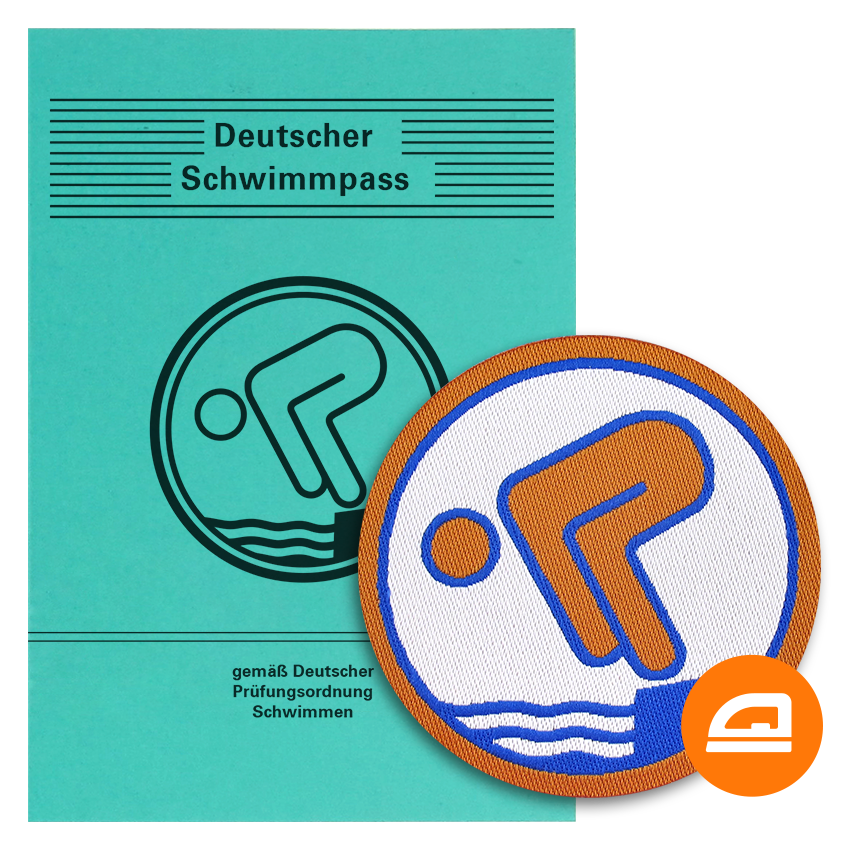
The requirement for the Bronze swimming badge is a central milestone for children and adults who want to develop safe swimming skills. It confirms basic skills such as swimming a lane on the stomach or back, diving from the water surface, and retrieving an object, e.g., a small diving ring. The examination takes place under the supervision of a swimming instructor in the swimming pool and includes practical examination performances such as a head-first dive and theoretical content. The Bronze badge marks the transition from the Seahorse to the Free Swimmer and is a decisive step in swimming training.
Significance of the Bronze Badge
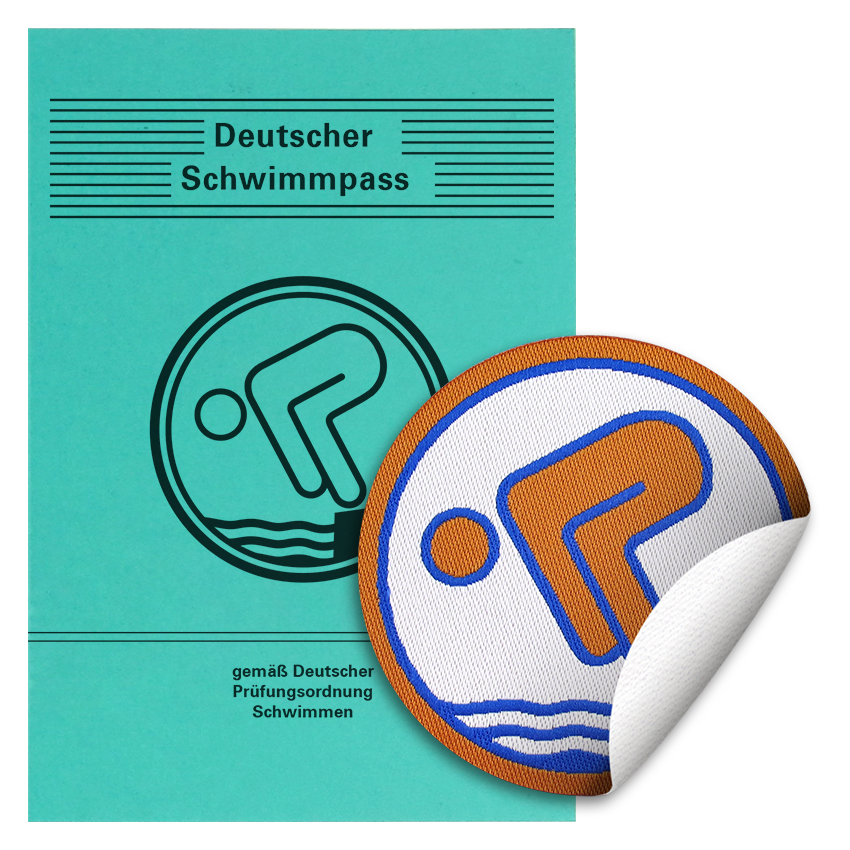
The Bronze badge is an official recognition for children and adults who can move safely in the water. It confirms basic swimming skills and water competence, which are documented in the swimming pass. For children from a minimum age of about 5 years, it is particularly important as it is often a prerequisite for school or sports swimming programs. The badge strengthens the confidence of the examinees and promotes their safety in the swimming lane without holding on.
German Bronze Swimming Badge
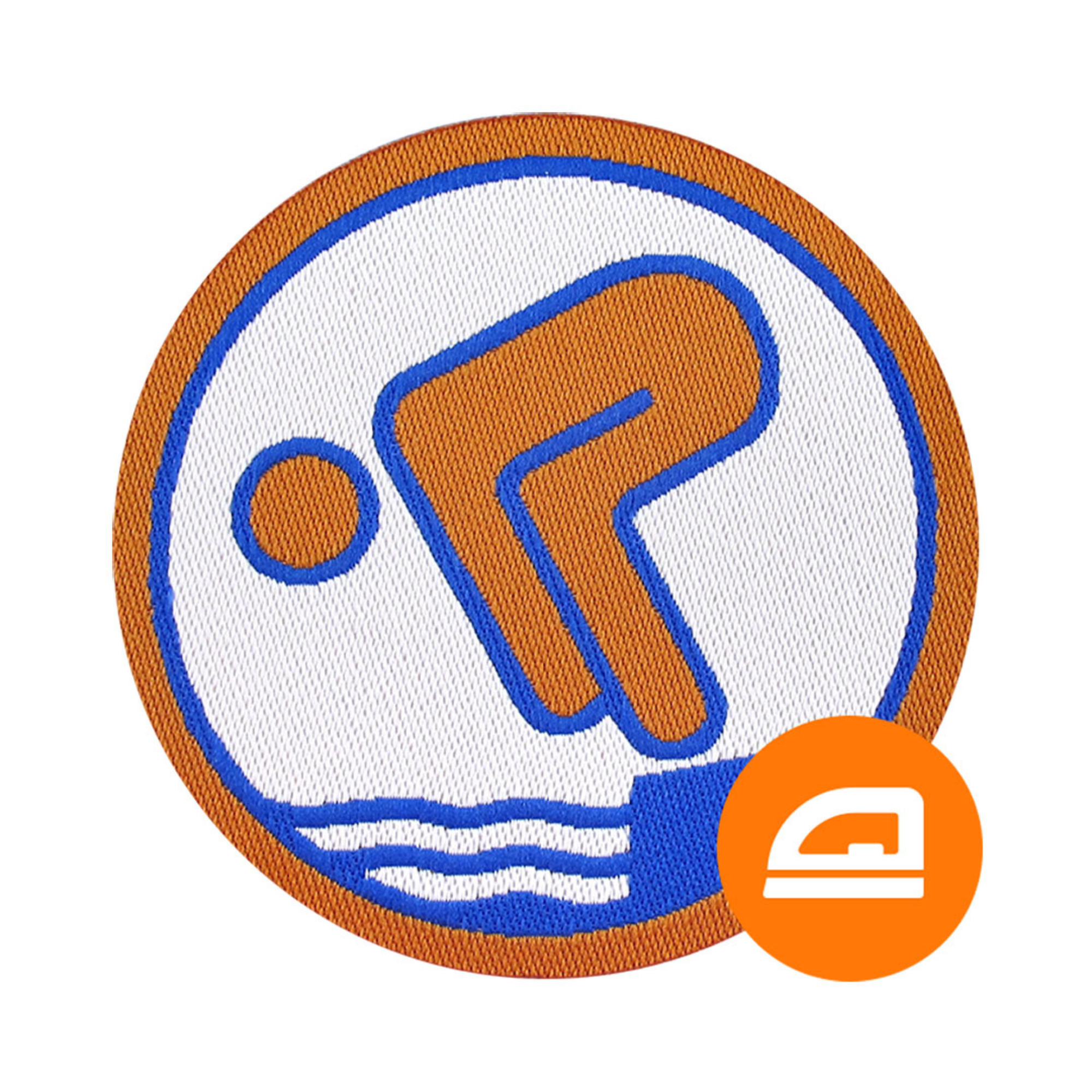
The German Bronze Swimming Badge is official proof of safe swimming skills and a central component of swimming training. It is the first step in a structured training that continues with the Silver and Gold swimming badges. The training improves swimming technique, endurance, and the ability to control body position while swimming, including changing body position. The Bronze badge forms the basis for further badges after the Seahorse badge.
Prerequisites and Requirements
The examination for the German Bronze Swimming Badge includes theoretical and practical requirements. Examinees must cover at least 200 m, 150 m of which in a prone position, and perform a head-first dive from the edge of the pool or from a 1 m board. In addition, about 2 m deep diving with the retrieval of an object, e.g., a small diving ring, is required. The passed examination is documented in the swimming pass and is often a prerequisite for further courses.
Overview of Examination Performances
The practical examination performances include:
-
Covering at least 200 m, 150 m of which in a prone position and the rest in another swimming style, such as backstroke in a recognizable technique.
-
A head-first dive from the edge of the pool or from a 1 m board.
-
Three times about 2 m deep diving with the retrieval of one object each, e.g., a small diving ring.
-
Swimming in the lane without holding on in a recognizable swimming style, with the body position during swimming needing to be clearly recognizable.
These requirements test the examinees' ability to move safely in the water and master changing body position.
Swimming Techniques
Safe swimming in prone and supine positions is a central requirement for the Bronze badge. The body position during swimming must be performed in a recognizable swimming style such as crawl or backstroke. Especially the backstroke in a recognizable technique is an important part of the examination. Examinees must demonstrate that they master the techniques safely to prove their swimming skills.
Theory
The theoretical examination includes knowledge of the most important bathing rules, which are taught in swimming courses or through self-study. Topics such as behavior in case of bathing, boating, and ice accidents, as well as assistance in case of bathing, boating, and ice accidents, are central. Examinees must understand and be able to apply the bathing rules to react appropriately in water emergencies.
Preparation and Course Offerings
Regular training in swimming courses is crucial for success in the examination. Preparation tips include intensive practice of diving from the water surface, practical examination performances such as a head-first dive, and retrieving an object, such as a small diving ring. Swimming courses offer targeted exercises to improve swimming skills and meet the requirements.
Silver Swimming Badge
The Silver swimming badge follows the Bronze badge and has higher requirements. These include covering at least 800 m, 650 m of which in one swimming style, as well as two times about 2 m deep diving. Silver is an important step in swimming training and opens doors to advanced offerings, such as the Youth Swimming Badge, which often has to be completed in a maximum of 1.15 minutes for certain exercises.
German Swimming Badges
The German swimming badges are a central component of swimming training in Germany. They offer structured training for children and adults to promote swimming skills and water competence. The badges, including Bronze, Silver, and Gold, are official proofs of acquired skills and an important step towards comprehensive swimming competence.
German Bronze Swimming Badge in Comparison
The German Bronze Swimming Badge is a decisive milestone compared to Silver and Gold. While Bronze requires basic swimming skills such as covering 200 m, 150 m of which in a prone position, Silver and Gold require more complex techniques, such as covering 800 m, 650 m of which in one swimming style, or 10 m underwater swimming with pushing off. Bronze forms the basis for these advanced badges.
Practical Tips for Swimmers
For aspiring swimmers, it is important to be specifically prepared for the examination. Exercises such as three times about 2 m deep diving, a package jump from the starting block or from a 3 m high board, and swimming in a recognizable swimming style and 50 m in another technique help to meet the requirements. A minimum age of about 5 years is recommended, and the examination should be completed in a maximum of 1.15 minutes for certain exercises to test endurance.
Bathing Rules and Practical Examination Performances
The bathing rules and practical examination performances, such as the dive, are an essential part of the examination for the German Bronze Swimming Badge. Examinees must not only know the bathing rules but also demonstrate practical skills such as a head-first dive from the edge of the pool or from a 1 m board. These exercises test the body position during swimming and the ability to safely dive into the water, which is crucial for the safety of swimmers.
Deep Diving Techniques
Retrieving an object, e.g., a small diving ring, is one of the most challenging tasks in the examination. Examinees must dive about 2 m deep three times and each time safely bring an object to the water surface. This exercise requires control over changing body position and good breathing technique to meet the requirements.
Swimming in Prone Position
A central part of the examination is swimming 150 m in a prone position as part of the requirement to cover at least 200 m, 150 m of which in a prone position. This discipline tests endurance and the ability to maintain a stable body position while swimming. Swimmers must master a recognizable swimming style such as crawl or breaststroke to successfully complete the examination performances.
Role of the German Swimming Federation
The German Swimming Federation (DLRG) plays a central role in the organization and implementation of the German Swimming Badges. The DLRG ensures that the examinations are held according to uniform standards and offers extensive resources for swimming courses. Their expertise guarantees that examinees are optimally prepared for the requirements and safely learn swimming skills.
A Story About the Bronze Badge
Lena, a young swimmer, dreamed of earning her German Bronze Swimming Badge. In her DLRG course, she diligently practiced swimming in the lane in prone and supine positions, perfecting her body position changes. She found diving from the water surface with the retrieval of an object, e.g., a small diving ring, particularly exciting.
One day, while practicing three times about 2 m deep diving, she managed to safely bring a small diving ring to the water surface each time. Her trainer praised her package jump from the starting block, which she performed from a 3 m high board. With these skills, Lena mastered the examination in a maximum of 1.15 minutes for certain exercises and proudly received her Bronze Badge, ready for the challenges of Silver and Gold. Anyone who wants can also train to retrieve an object, e.g., a weight, or simply swim 150 m in a prone position. And for the athletically inclined, with a change of body position and subsequent retrieval of an object, e.g., a small diving ring.
Conclusion
The German Bronze Swimming Badge is a significant step in swimming training. It confirms the swimming skills and water competence of examinees and prepares them for further badges. The comprehensive examination performances, such as swimming in the lane without holding on, a head-first dive, and retrieving an object, e.g., a small diving ring, make it an important milestone for children and adults.
Information and Resources
Further information on swimming badges, on the German swimming badges, and specifically on the Gold swimming badge can be found on the website of the German Swimming Federation (DLRG). The DLRG offers numerous resources and course offerings for preparing for the examination. Swimming courses and tips support examinees in successfully meeting the requirements, especially for children from a minimum age of about 5 years.