
Motivation in Swim Training: Fostering Preschoolers
Did you know that currently about 20% of children in Germany cannot swim? This alarming figure clearly indicates a need for action. Motivation and a fearless approach to water are crucial for sustained learning success. This guide shows you practical methods for playfully encouraging your preschooler to swim and how you, as a parent, can actively support them.
Table of Contents
- Key Findings on Motivation in Swim Training
- Fundamentals of Motivation in Swim Training for Preschoolers
- Playful Water Familiarization and Fear Reduction
- Goal Setting and Motivation through Swim Badges
- The Role of Parents: Positive Reinforcement and Support
- Practical Tips and Playful Exercises for Daily Training
- Challenges and Opportunities for the Future
- Swim Badges and Awards at Pimpertz
- Frequently Asked Questions about Motivation in Swim Training
Key Findings on Motivation in Swim Training
| Point | Details |
|---|---|
| Playful Water Familiarization | Building trust through age-appropriate water games and positive experiences without pressure. |
| Setting Intermediate Goals | Swim badges boost self-confidence and learning progress through visible achievements. |
| Parental Support | Patient, praising support creates a fear-free learning environment. |
| Fear Reduction | Transparent communication and gentle introduction effectively reduce fear of water. |
| Practical Exercises | Regular water games promote motor skills and increase the enjoyment of swimming. |
Fundamentals of Motivation in Swim Training for Preschoolers
Motivation forms the foundation for successful swimming lessons at preschool age. Children in this developmental phase respond particularly well to positive reinforcement and playful approaches. Without an intrinsic joy for water, sustainable learning success becomes difficult.
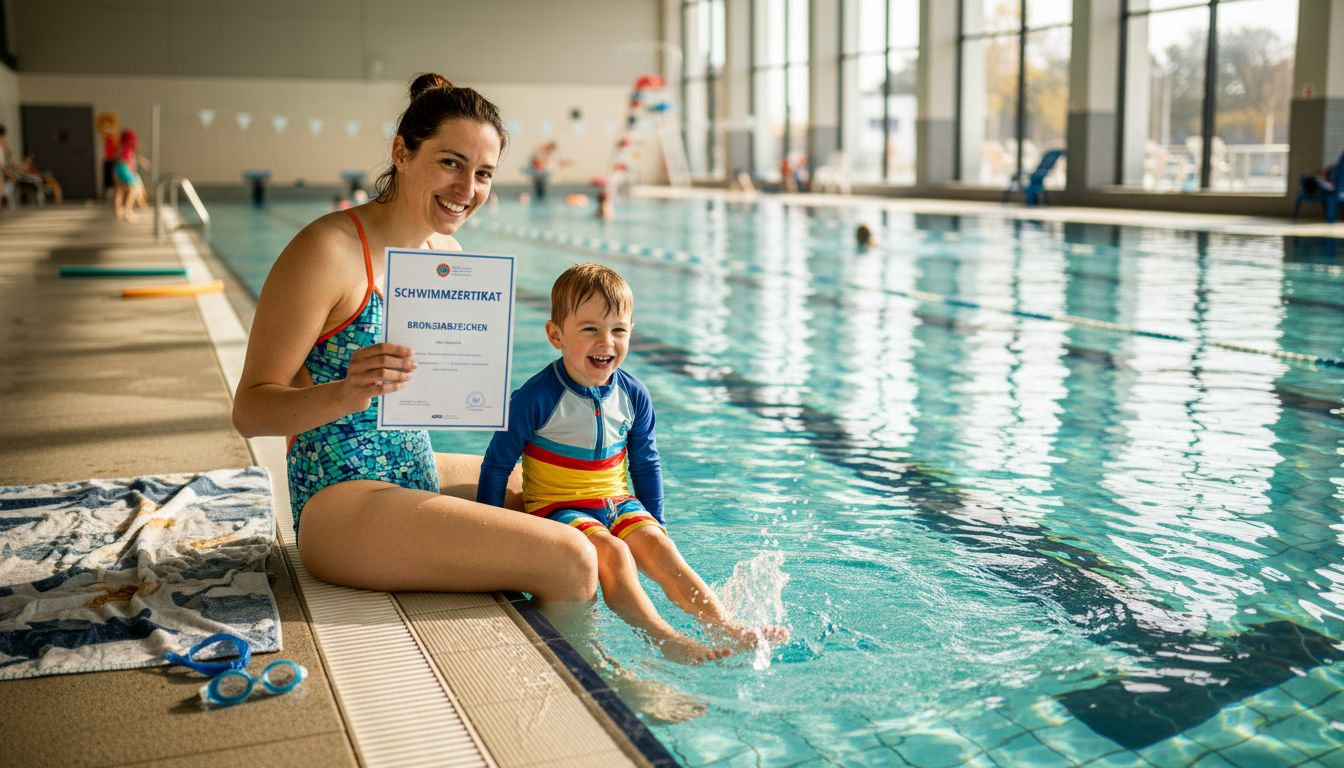
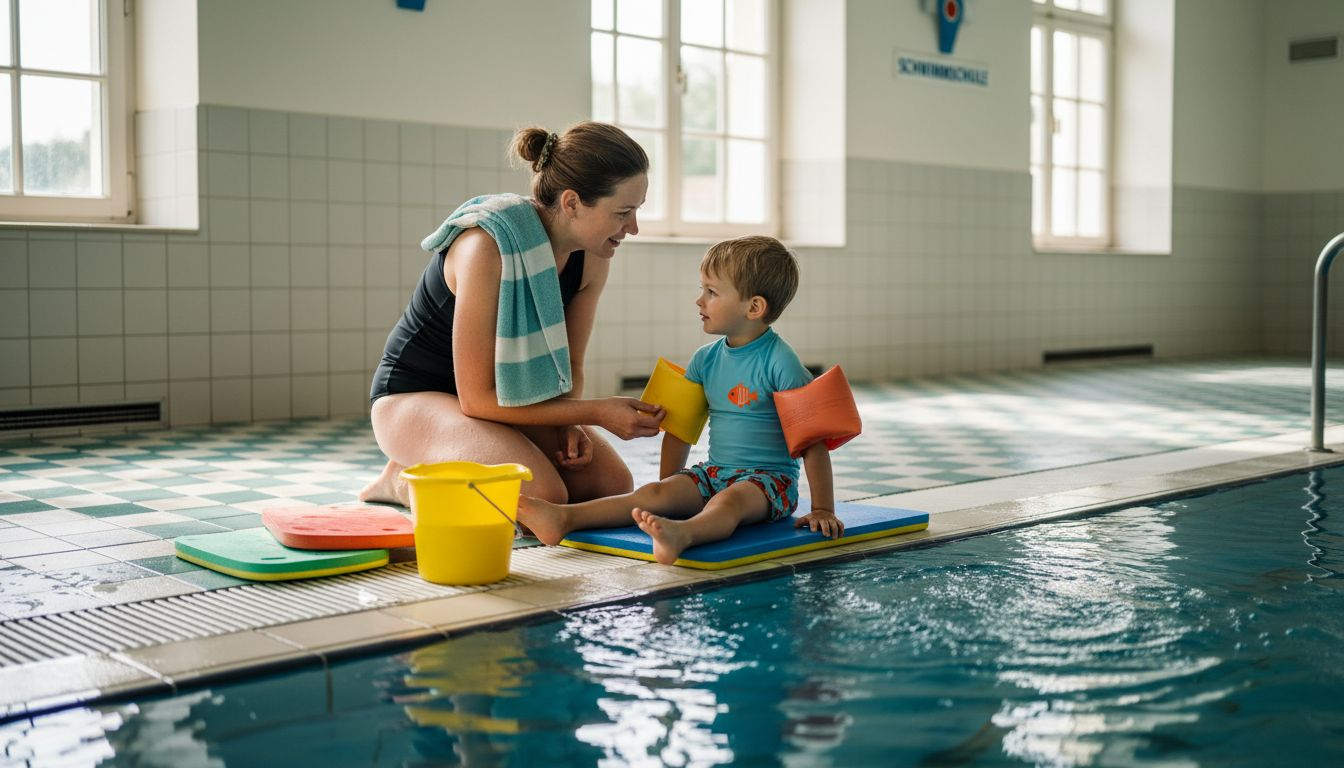
Playful water familiarization creates a basis of trust. Preschoolers learn through imitation and playful discovery. When you, as a parent, splash around and have fun in the water with your child, you automatically build trust. This positive association with the element of water motivates children to face further challenges.
Positive reinforcement from parents and coaches acts as a strong source of motivation. Praise, recognition, and visible successes like certificates boost self-confidence. Children quickly notice when their progress is valued and then show more engagement in training.
Age-appropriate goal setting is essential. Preschoolers cannot yet pursue long-term goals. Instead, they need small, quickly achievable successes:
- Water familiarization through splashing and frolicking
- First attempts at diving with toys
- Short gliding phases with support
- Simple leg movements at the pool edge
You can find more tips for progress in swimming in our detailed guide.
Pro-Tip: Focus on regular, short practice sessions instead of infrequent, long ones. Preschoolers have a limited attention span. Twice 20 minutes a week is more effective than one hour every two weeks.
Playful Water Familiarization and Fear Reduction
Fear of water often arises from ignorance or negative experiences. Perhaps water splashed in your child's face, or they were startled when they lost their footing. Such experiences are deeply ingrained and must be carefully addressed.
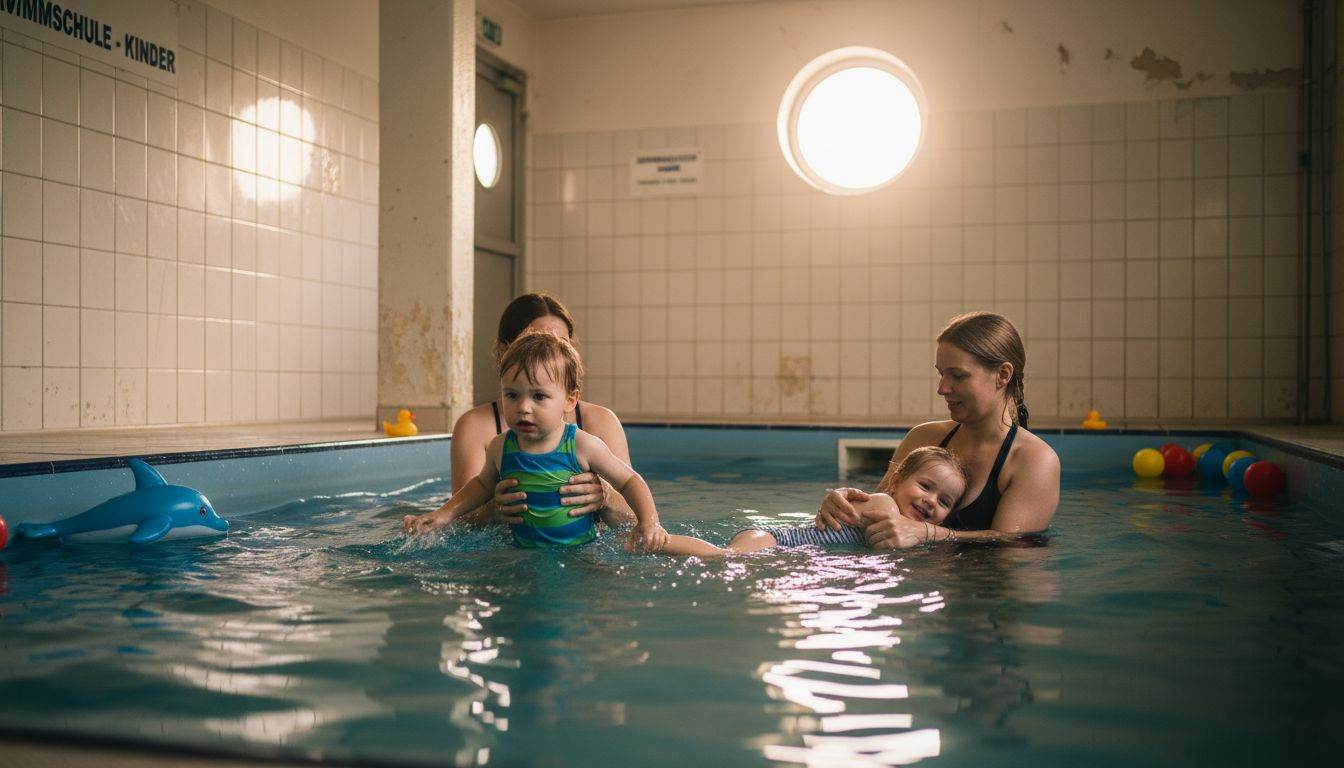
Early water familiarization can begin in infancy. Baby swimming is not only valuable for motor development but also builds early trust in the element of water. The more natural the interaction with water from the beginning, the lower the inhibition threshold will be later.
Playful water games increase water acceptance by over 50% and make training enjoyable. Turn every exercise into a game:
- Treasure hunt for colorful rings at the bottom of the pool
- Water polo with soft, floating balls
- Blowing and catching bubbles in shallow water
- Imitating animals like frogs, ducks, or dolphins
Transparency and patience sustainably reduce fear. Explain to your child what will happen next. Surprises in the water can be unsettling. If your child knows that you will dive underwater together, they can mentally prepare and exercise control.
A positive learning atmosphere is crucial. Studies show that water familiarization at preschool age increases long-term motivation by up to 60% if it takes place in a relaxed environment.
| Method | Effect | Duration to Success |
|---|---|---|
| Water Games | Building trust, joy | 2-4 weeks |
| Bathing Together | Sense of security | 1-2 weeks |
| Diving Exercises with Toys | Fear reduction | 3-6 weeks |
| Parental Support | Continuous motivation | Ongoing |
Further information on water familiarization for toddlers and tips for safe children's swimming will help you with practical implementation.
Pro-Tip: Use the bathtub at home for first diving attempts. Let your child pour water over their face with a cup until they get used to it. This gently prepares them for training in the swimming pool.
Goal Setting and Motivation through Swim Badges
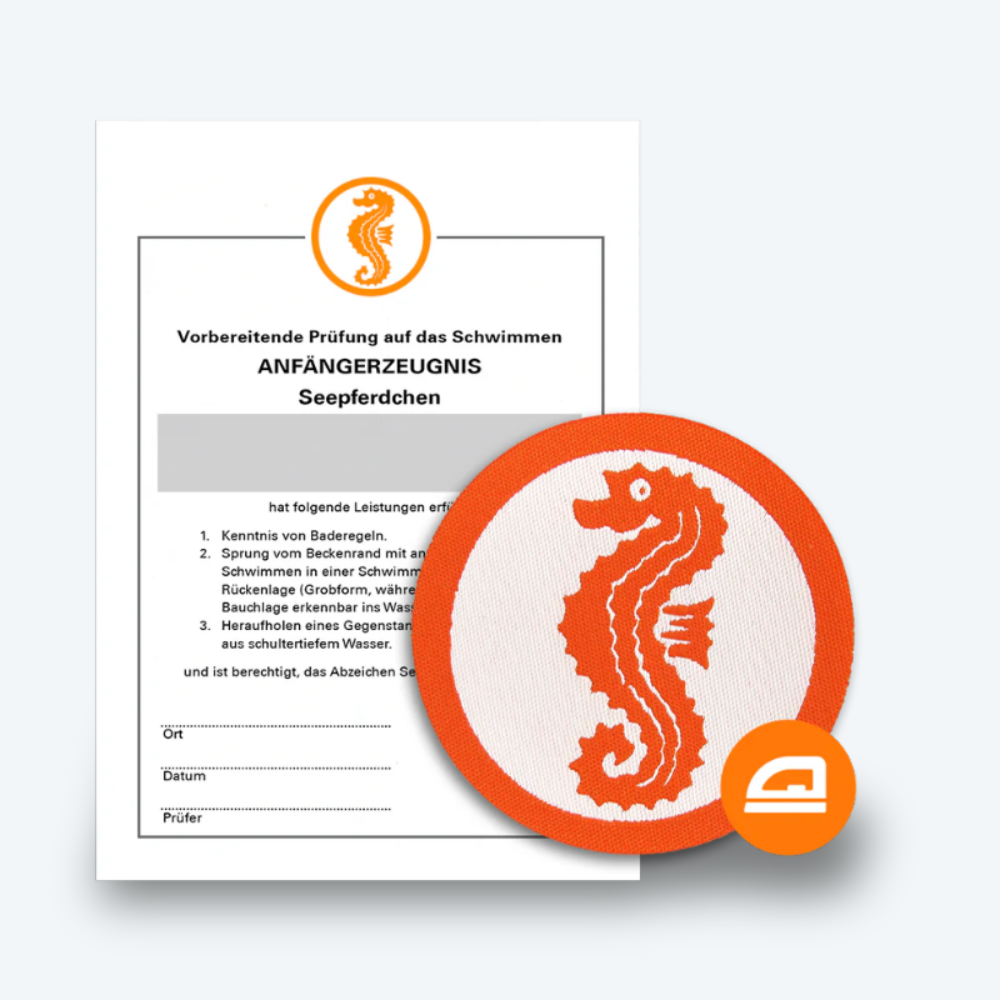
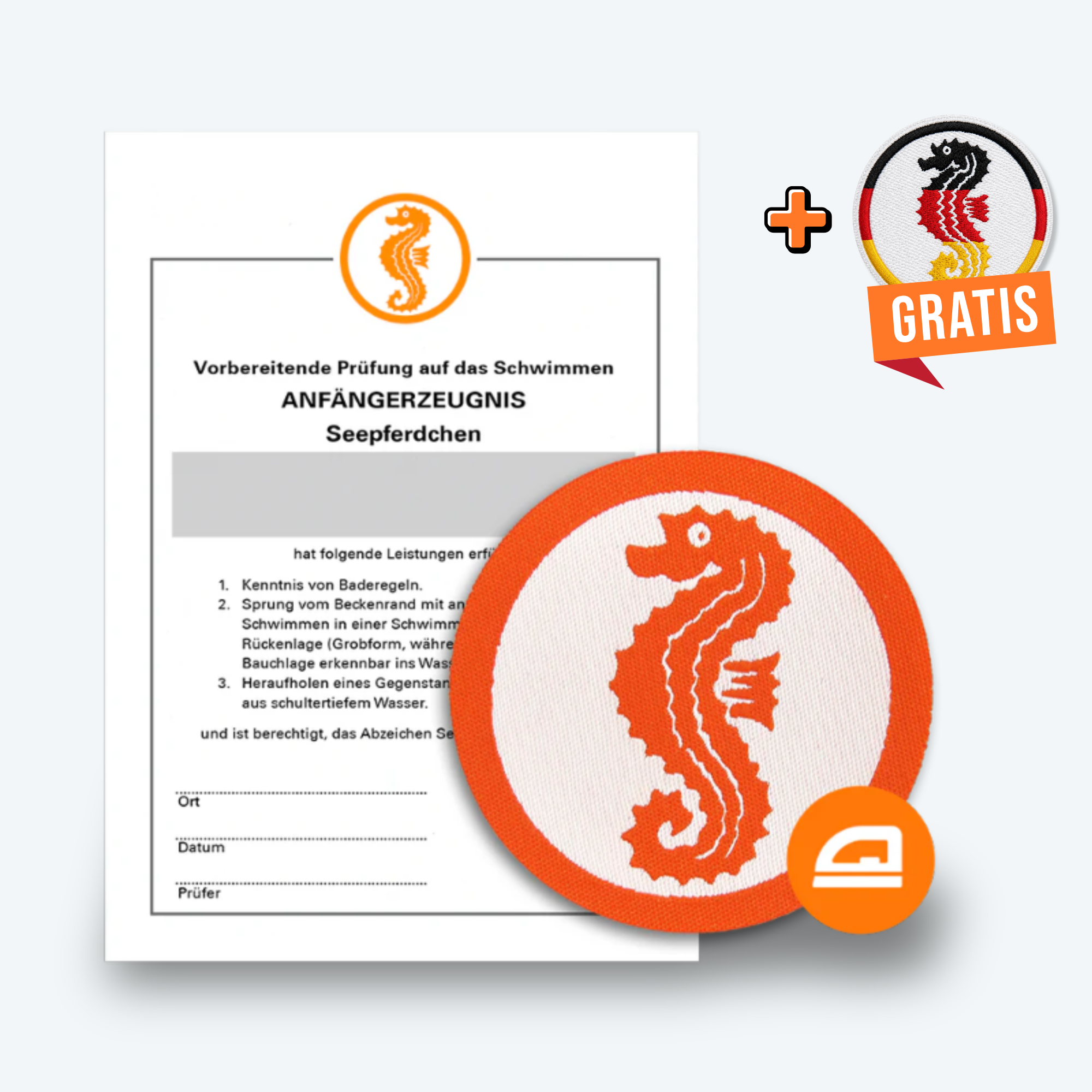
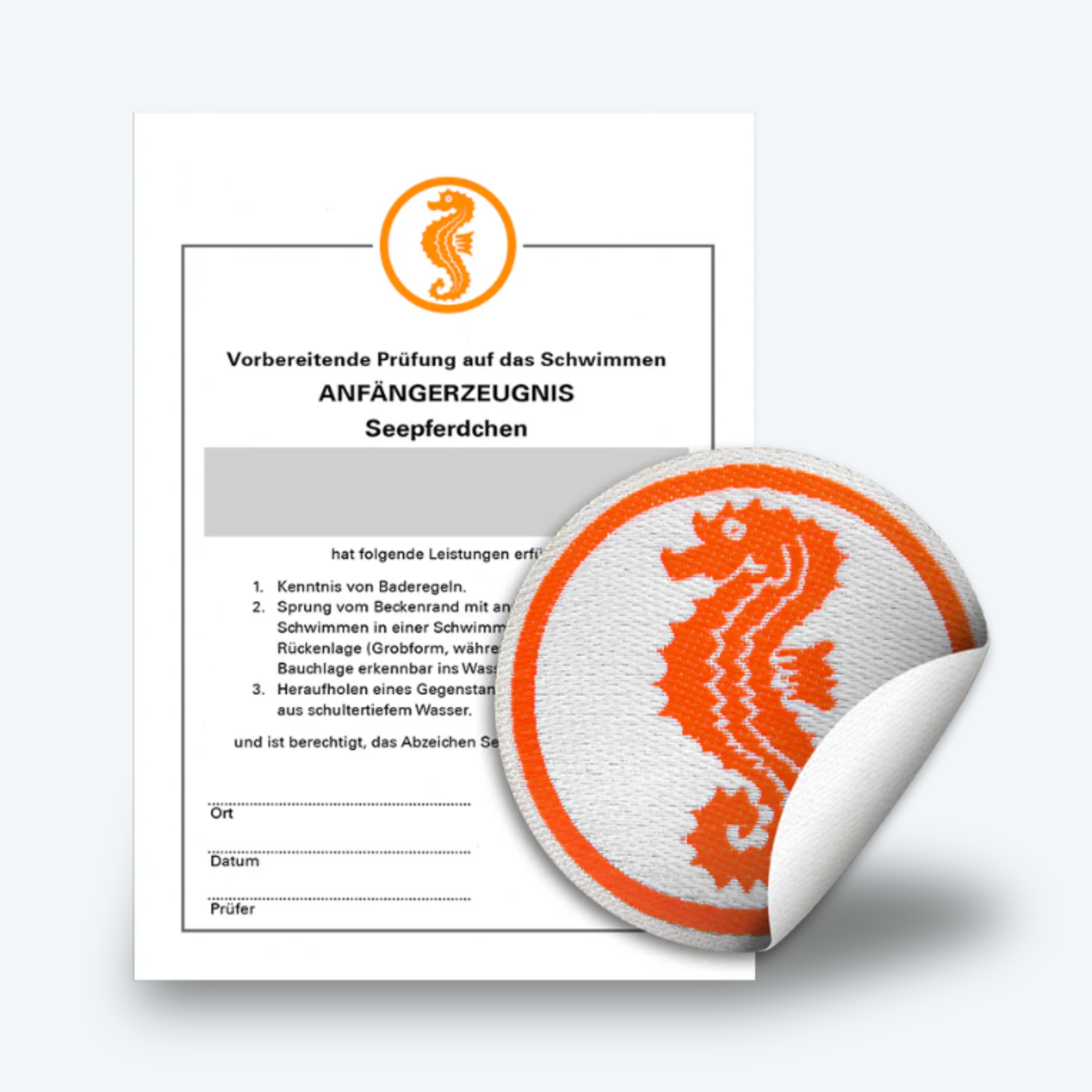
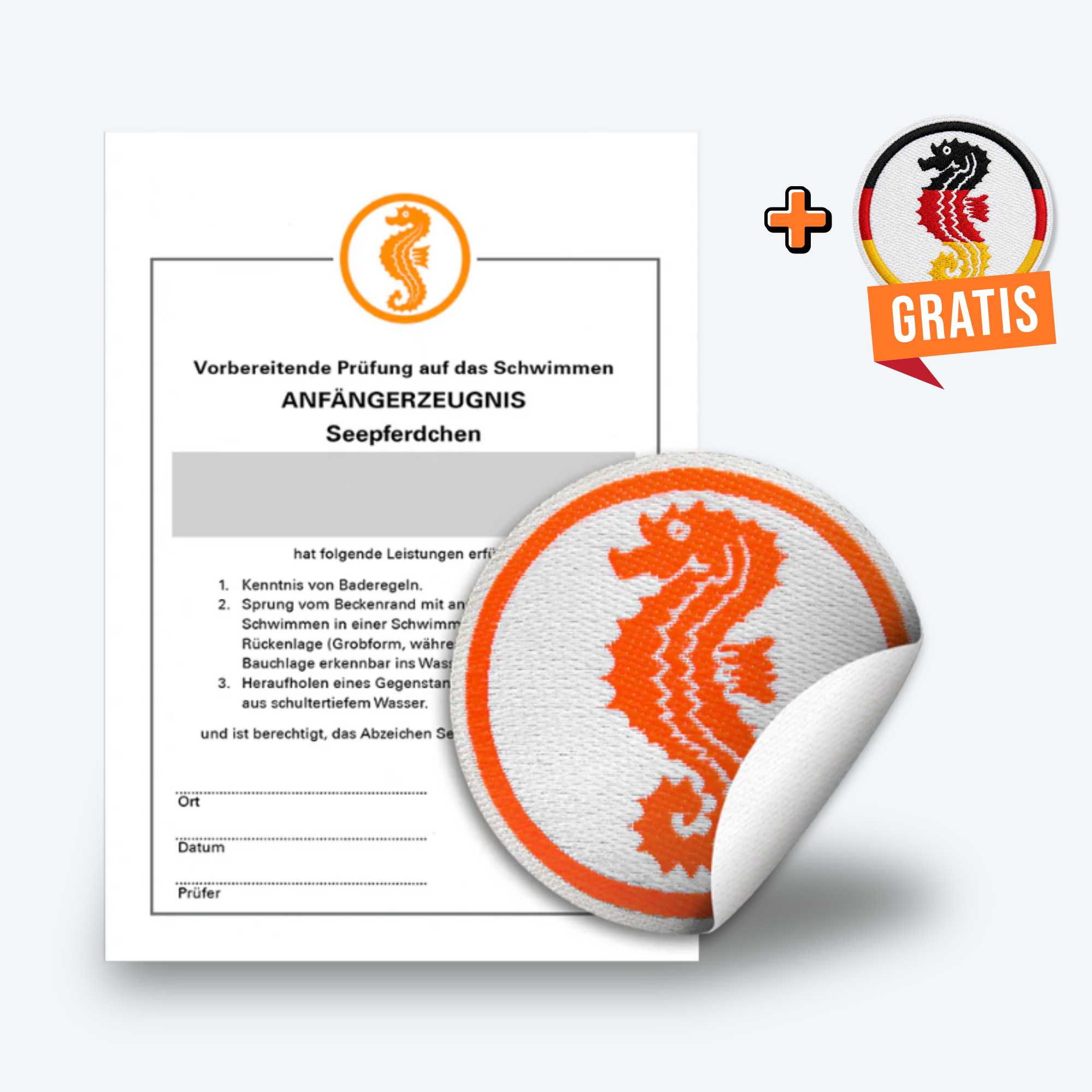
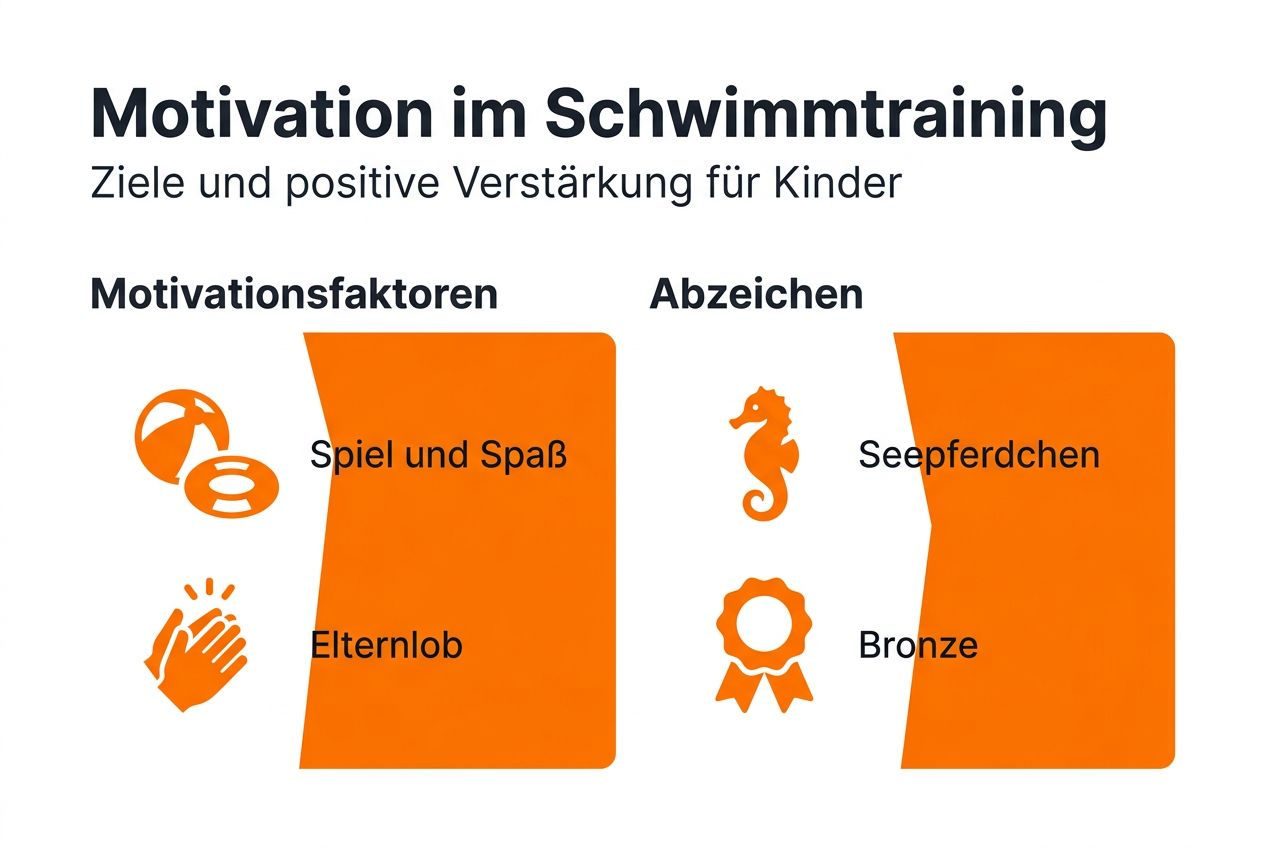
Clear, achievable intermediate goals greatly motivate preschoolers. Abstract goals like "being able to swim well" are not tangible for this age group. Concrete milestones like the Seepferdchen (Seahorse) badge provide orientation and create a sense of achievement.
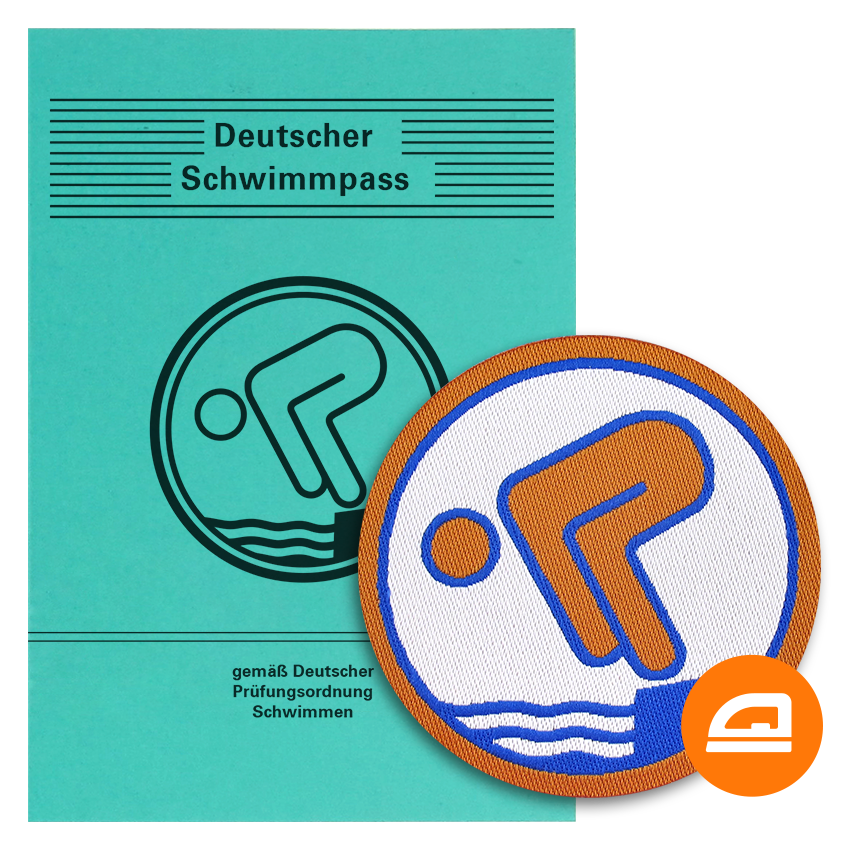
Swim badges serve as important motivational anchors in the learning process. They visualize progress and make it visible and tangible for children. A colorful fabric badge on the swimming trunks is a proud distinction and a reminder of one's own achievement.
It is concerning that the proportion of children with the Seepferdchen badge decreased from 69% to 54%, which increases the need for motivational incentives. This development clearly shows how important visible achievements are for maintaining the willingness to learn.
Badges increase sustained willingness to practice and self-confidence. When children can collect and present their awards, they develop pride in their achievements. This pride becomes an intrinsic motivation for further practice.
How to use swim badges optimally:
- Set realistic intermediate goals tailored to the developmental stage
- Celebrate each badge earned with a small ritual
- Let your child choose and attach the badges themselves
- Document progress in a swimming diary or album
- Connect badges with specific skills, not just time limits
| Badge | Motivation | Long-term effect |
|---|---|---|
| Seahorse | First major award | Very high |
| Bronze | Confirmation of further skills | High |
| Individual Stickers | Recognizing intermediate successes | Medium |
| Certificates | Official recognition | Very high |
Further information on motivation through swim badges and motivation through badges in swimming deepens the topic.
The Role of Parents: Positive Reinforcement and Support
As parents, you play a central role in your child's motivation process. Your attitude, patience, and type of support significantly determine learning success. Children mirror the emotions of their caregivers, especially in uncertain situations like learning to swim.
Patient support without pressure is essential. Do not compare your child with others and do not set unrealistic time limits. Every child learns at their own pace. Pressure creates stress, and stress blocks learning.
Visible achievements through praise and recognition sustainably promote motivation. Studies show that praise and a positive atmosphere increase learning motivation by up to 60%. Specifically, you should:
- Verbally acknowledge every small step of progress
- Give specific praise instead of general phrases
- Praise effort, not just results
- Reframe failures as learning opportunities
You create a fear-free, positive learning atmosphere through your own calmness. If you are relaxed and cheerful, this mood will transfer to your child. Show your own joy in the water and be a role model.
Trust between you and your child forms the basis for motivation. Your child needs to know that you will catch them if they get scared. This sense of security allows them to bravely try new movements.
Learn more about how to sustainably motivate swim students.
Pro-Tip: Keep a success diary where you and your child can write or draw what went well after each swimming session. This visual record shows progress and motivates during plateaus.
Practical Tips and Playful Exercises for Daily Training
Theory alone won't get anyone in the water. Here you'll find concrete, everyday exercises you can implement immediately:
Regular water games improve motor skills and fun simultaneously. Playful water games increase motor skills and water acceptance by over 50% and make every training session an experience:
- Blowing bubbles into the water and observing them
- Water fights with soft sponges
- Ring diving at various depths
- Obstacle courses with pool noodles and kickboards
Targeted exercises with positive feedback:
- Leg kicks at the pool edge with counting and cheering
- Gliding exercises while holding your hands
- Short underwater swims to colorful toys
- Backstroke with your support
- Treading water while standing to strengthen muscles
Use swim aids wisely, but don't overdo it. Swim wings provide security but should not distort the natural water position. Gradually reduce aids as your child gains confidence.
Celebrate successes with rituals and awards. After each milestone achieved, you can:
- Promise a special ice cream or an outing
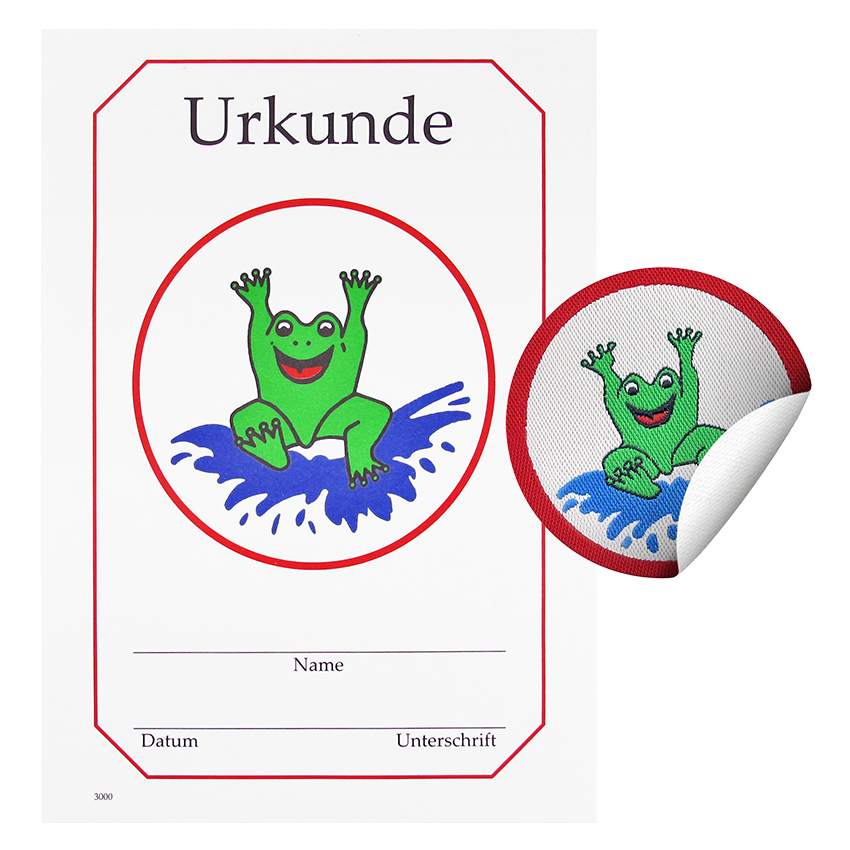
- Jointly design a certificate
- Ceremoniously sew on the new badge
- Take photos and create a swimming album
Further instructions on how to teach children to swim safely and tips for safe children's swimming complement these practical hints.
Challenges and Opportunities for the Future
The current situation of swimming education in Germany is cause for concern. At the same time, new opportunities are opening up through modern training methods and increased attention to the topic.
The increase in the non-swimmer rate and the decline in badges are alarming. While in 2017, 69% of children had the Seepferdchen (Seahorse) badge, in 2022 it was only 54%. Pandemic-related closures led to 20% non-swimmers in 2024 in Germany.
The pandemic as the main cause of educational gaps particularly affects preschoolers. Months of swimming pool closures interrupted important learning phases. Many children missed the optimal entry phase for water familiarization.
| Year | Seepferdchen Rate | Non-Swimmer Proportion |
|---|---|---|
| 2017 | 69% | 15% |
| 2022 | 54% | 18% |
| 2024 | Estimated 50% | 20% |
| 2026 | Forecast 48% | 22% |
New motivation methods are more urgent than ever. Digitally supported training programs, gamified learning apps, and virtual swim badges can appeal to younger generations differently. At the same time, personal, playful guidance from parents and coaches remains indispensable.
Parents and providers must collaborate more closely. Swimming clubs, swim schools, and private providers need more capacity. As parents, you can make important contributions through active support, patience, and the use of all available resources.
Further information on progress in swimming helps with orientation in these challenging times.
Swim Badges and Awards at Pimpertz
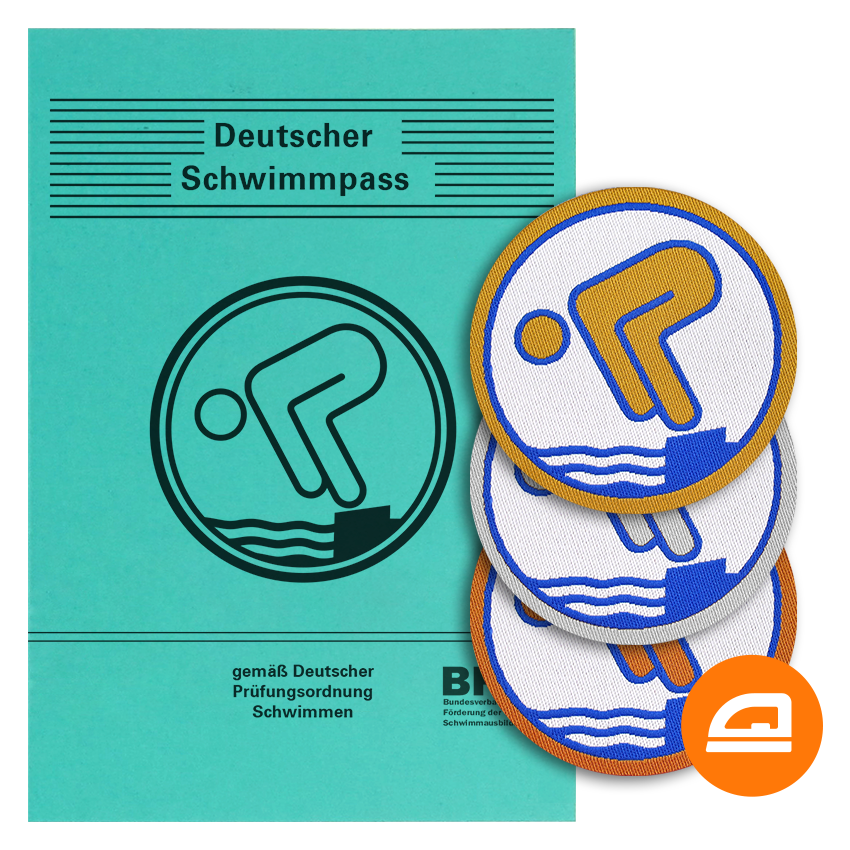
After all the tips on motivation, the practical question arises: where do you get high-quality swim badges and certificates for your child? Pimpertz has been offering a comprehensive range of officially certified awards for over 38 years.
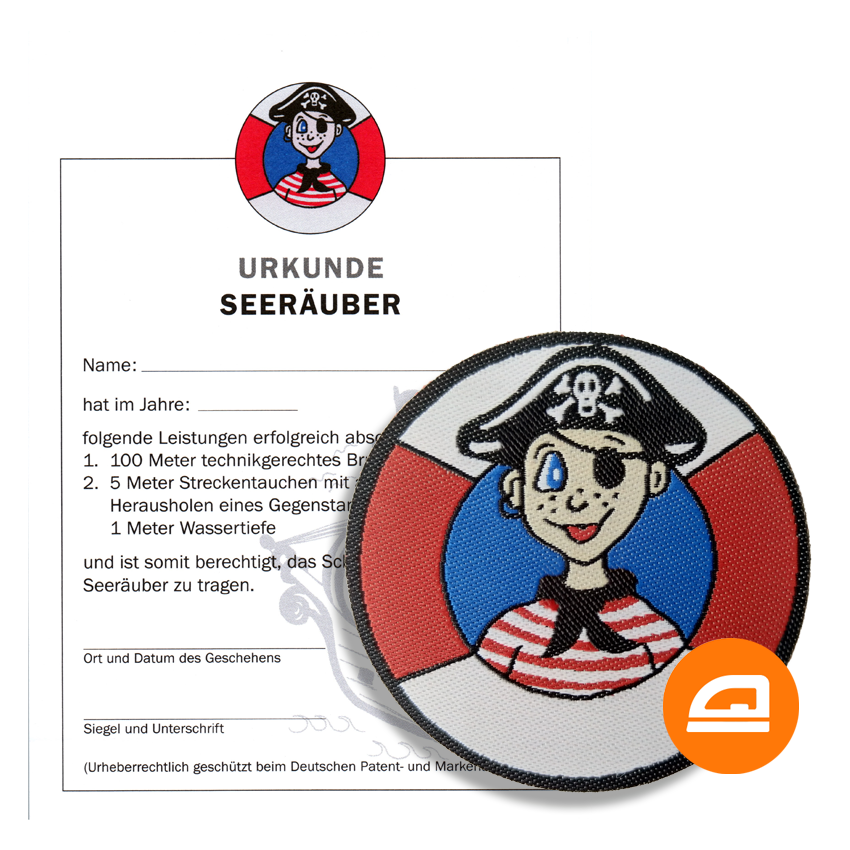
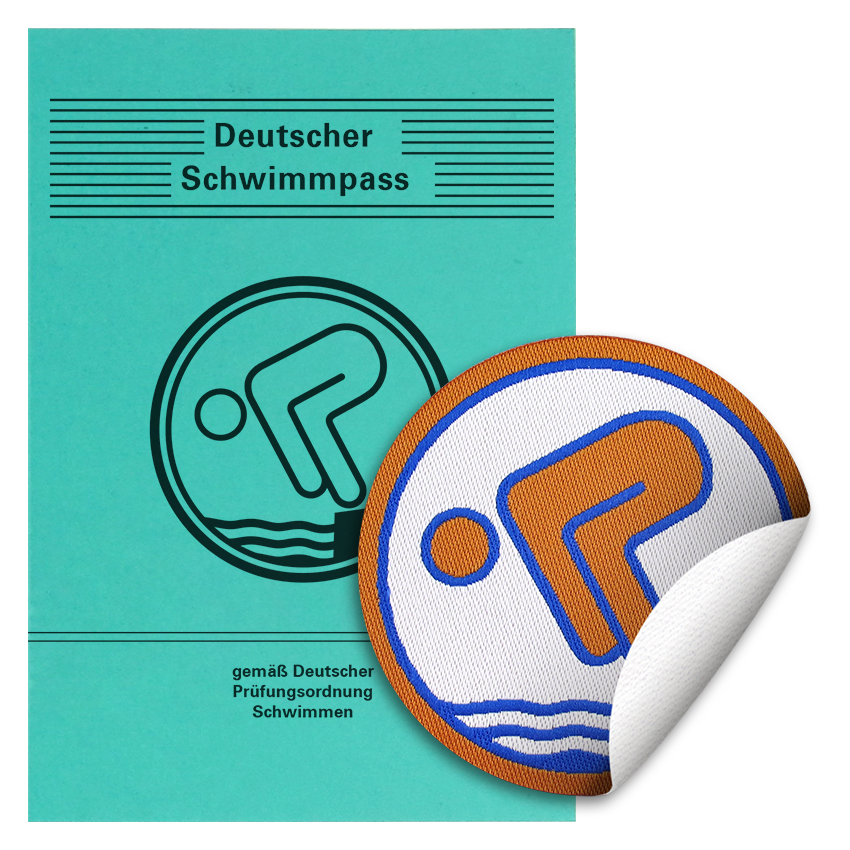
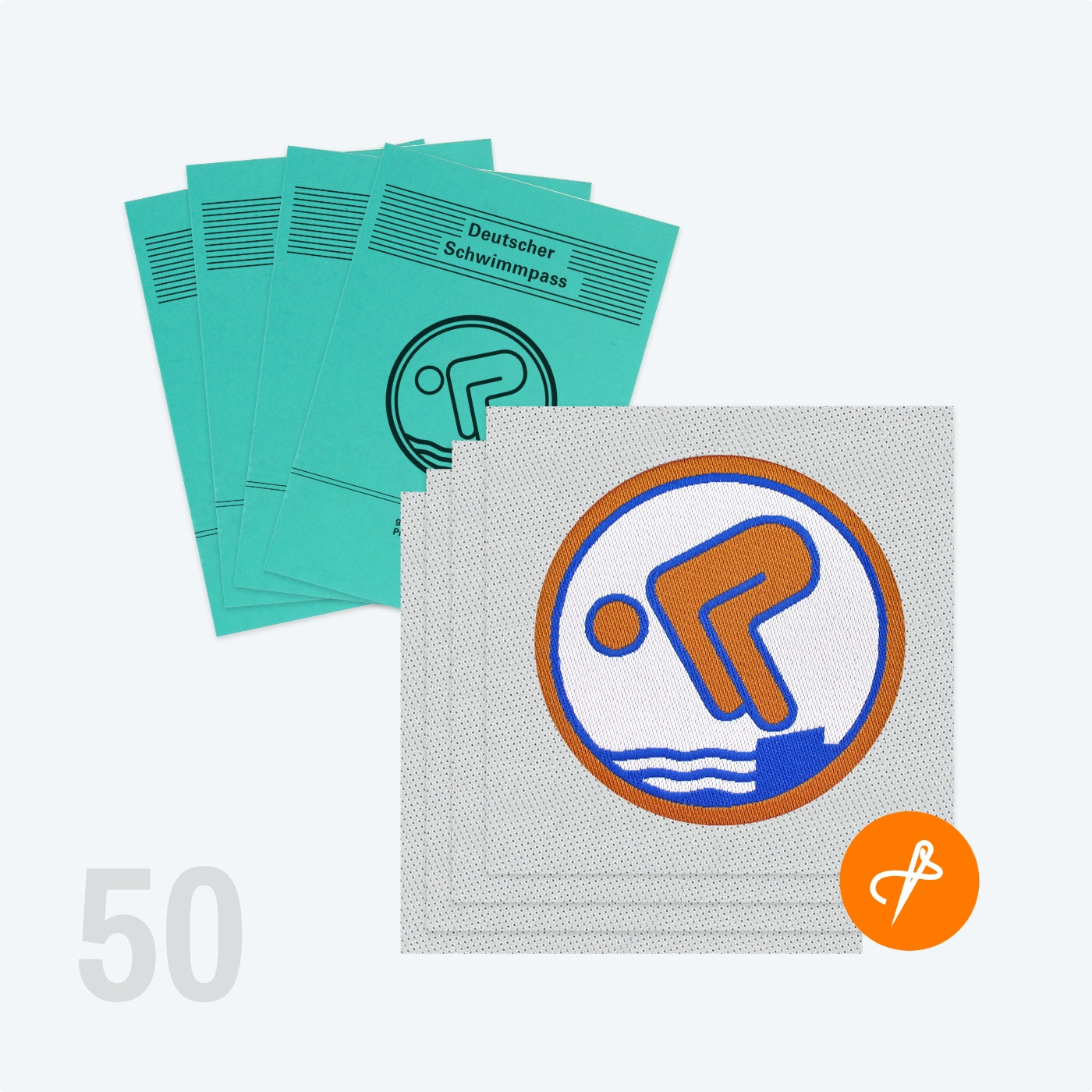
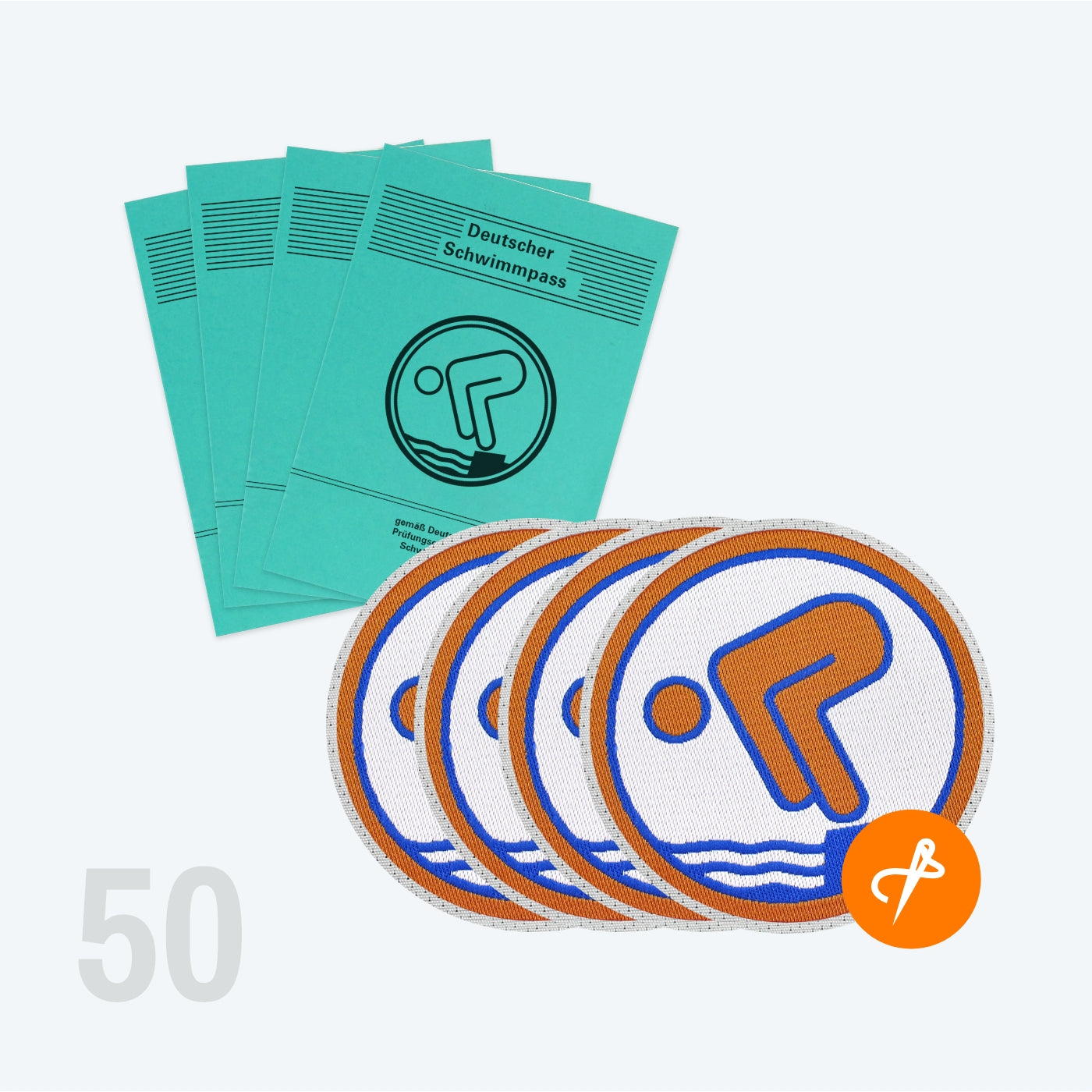
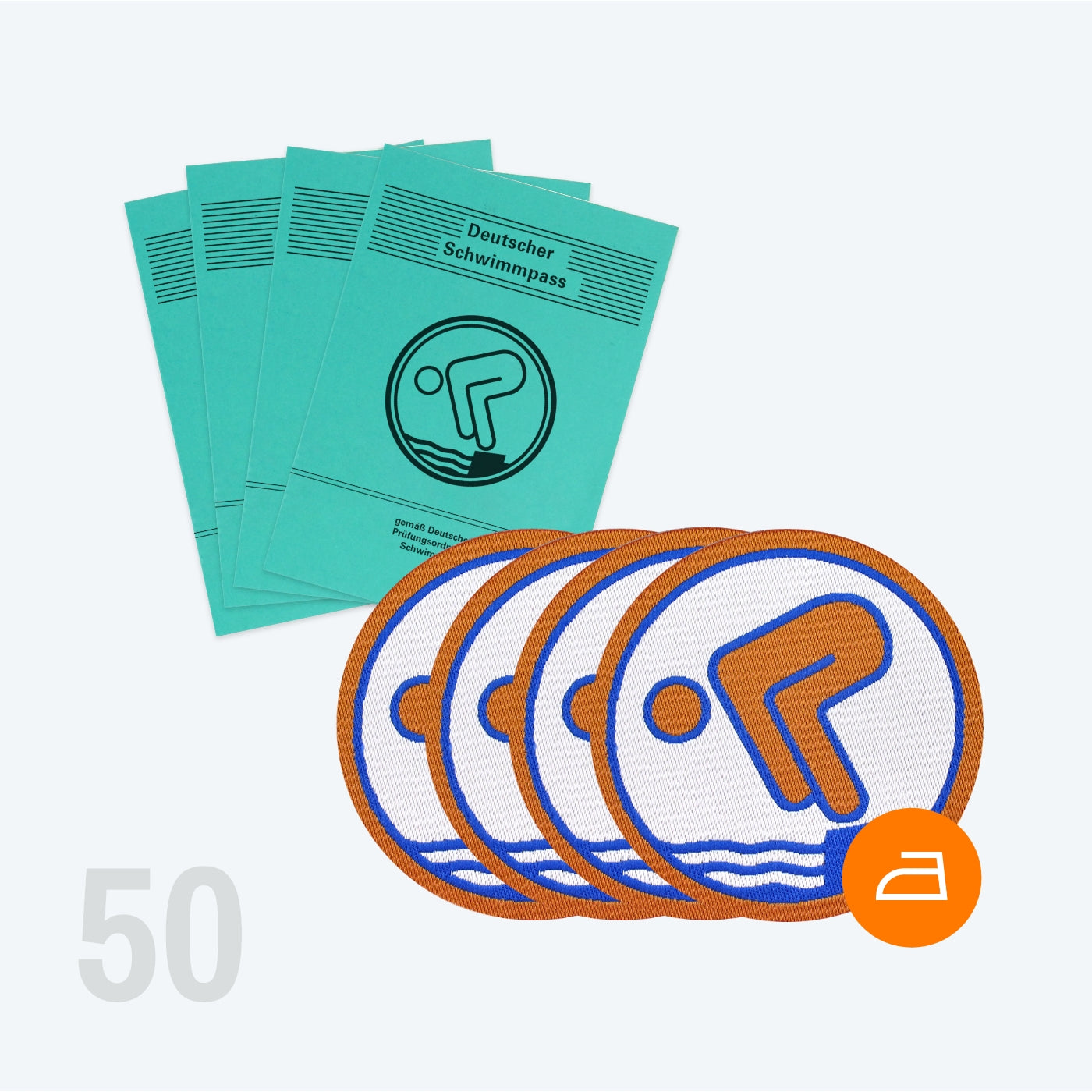
Here you will find everything for sustainable motivation: from the classic Seepferdchen (Seahorse) to Bronze, Silver, and Gold, and individual collection albums. Our products are DLRG and BFS certified, guaranteeing the highest quality. If you want to buy swim badges, you can expect brilliant colors and durable craftsmanship.
Our Seahorse certificates, which you can personalize, are particularly popular. Combine badges and certificates into motivating sets. Our express delivery guarantees delivery within 1 to 2 working days throughout Germany.
Discover our complete range now and order swim badges online. Reward your child's achievements with high-quality awards that sustainably foster pride and motivation.
Frequently Asked Questions about Motivation in Swim Training
How do I motivate my preschooler if they are afraid of water?
Use playful water games and patient guidance without time pressure. Avoid negative experiences and explain every step transparently. Bathing and splashing together in the bathtub at home build trust. Celebrate every small step of progress with praise.
What role do swim badges play in the training process?
Badges set clear, achievable intermediate goals and visualize progress. They sustainably increase joy, willingness to practice, and self-confidence. Children develop pride in their achievements and enjoy collecting further awards. Badges act as strong intrinsic motivators.
How can parents best support their child in swim training?
Patience and praising support are central to success. Create a fear-free, positive learning environment without comparing them to other children. Be relaxed and cheerful yourself in the water. Keep a success diary and celebrate milestones with small rituals.
At what age is water familiarization useful?
Water familiarization is possible and recommended from infancy. Baby swimming builds early trust in the element of water. The more natural the interaction from the beginning, the lower later inhibitions will be. Ideally, you should start playful familiarization before the age of three.
What can I do if my child shows no motivation despite efforts?
Set smaller, more easily achievable intermediate goals and reduce the training volume. Integrate more playful activities and fewer structured exercises. Avoid any pressure and do not force exercises. Take breaks and return later with fresh energy. Sometimes a change of coach or a new swimming group also helps.