
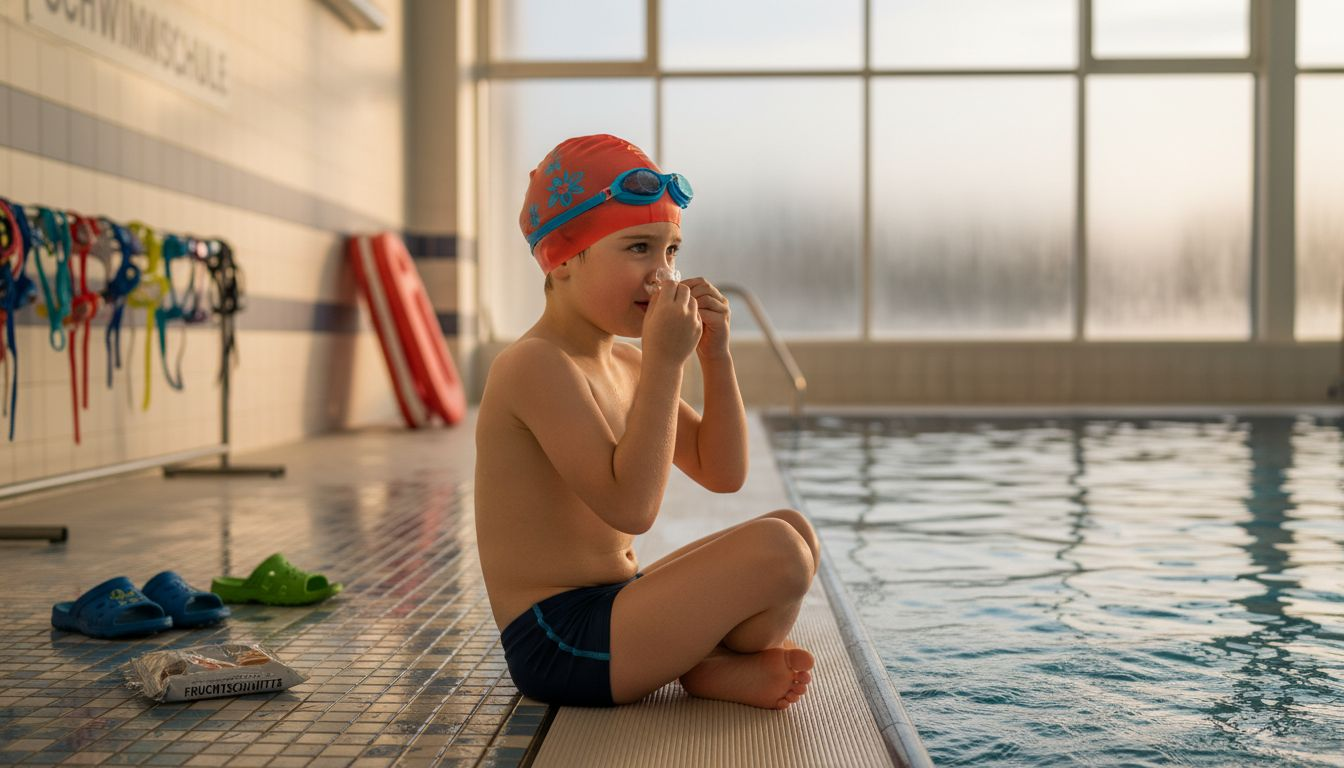
Nose Clip for Swimming – More Comfort for Children
Some children stand at the edge of the pool, ready to jump in, but the thought of water in their nose makes the anticipation disappear. For many preschoolers, this can lead to discomfort and anxiety while swimming. A nose clip reliably protects against water in the nose and simultaneously increases concentration and self-confidence in the water. Parents can find out here how to find the best solution for more safety and comfort for their children's swimming.
Table of Contents
- What is a nose clip for swimming?
- Types and materials of nose clips
- When do children benefit from nose clips?
- Tips for selection and use
- Risks, care, and alternatives to nose clips
Key Findings
| Point | Details |
|---|---|
| Advantage of the nose clip | A nose clip improves children's comfort and concentration while swimming by preventing water from entering the nose. |
| Material choice | High-quality materials such as silicone or thermoplastic rubber offer better comfort and durability for use during swimming. |
| Adaptability | A good fit is crucial; it should sit comfortably to avoid pressure marks and ensure safety. |
| Psychological security | Nose clips promote self-confidence in the water by reducing fears and motivating the child to actively participate in swimming. |
What is a nose clip for swimming?
A nose clip for swimming is a small but remarkably effective aid that prevents water from entering the nose. The device is simply placed on the outer nostrils and gently compresses them so that no water can enter. For children who are just learning to swim, water entering the nose can be frustrating and even frightening. With a nose clip, this problem is completely eliminated. The child can fully concentrate on the swimming movements instead of fearing water in their nose. Especially when diving or learning swimming techniques such as freestyle, where the head is turned to the side, the nose clip protects against water in the nose and thus avoids unnecessary distraction and discomfort.
Most modern nose clips consist of soft silicone or plastic and are equipped with a small metal element that adapts to the shape of the nose. The design is such that it sits comfortably and does not pinch or hurt. High-quality models are easy to adjust and remain securely in place during the entire training or competition. For preschoolers and younger primary school children, the correct fit is particularly important, as their noses are still smaller. A well-fitting nose clip feels so natural after a few minutes that the child quickly forgets it and concentrates entirely on swimming.
The greatest advantage lies in psychological safety. Many children develop discomfort with water if it gets into their nose. With a nose clip, this fear is simply switched off. The child only breathes through the mouth and can thus practice the correct breathing technique, which is fundamental for all swimming styles. At the same time, self-confidence in the water is significantly increased. Children who were previously hesitant to dive suddenly become braver and more joyful. This psychological component is often just as valuable as the purely physical protection.
When buying, you should consider 7 important swimming accessory recommendations and pay attention to the correct size and quality. A good nose clip quickly pays for itself by significantly accelerating your child's progress in swimming.
Pro tip: Try out the nose clip several times at home before buying it, so your child gets used to it before going to swimming lessons.
Types and materials of nose clips
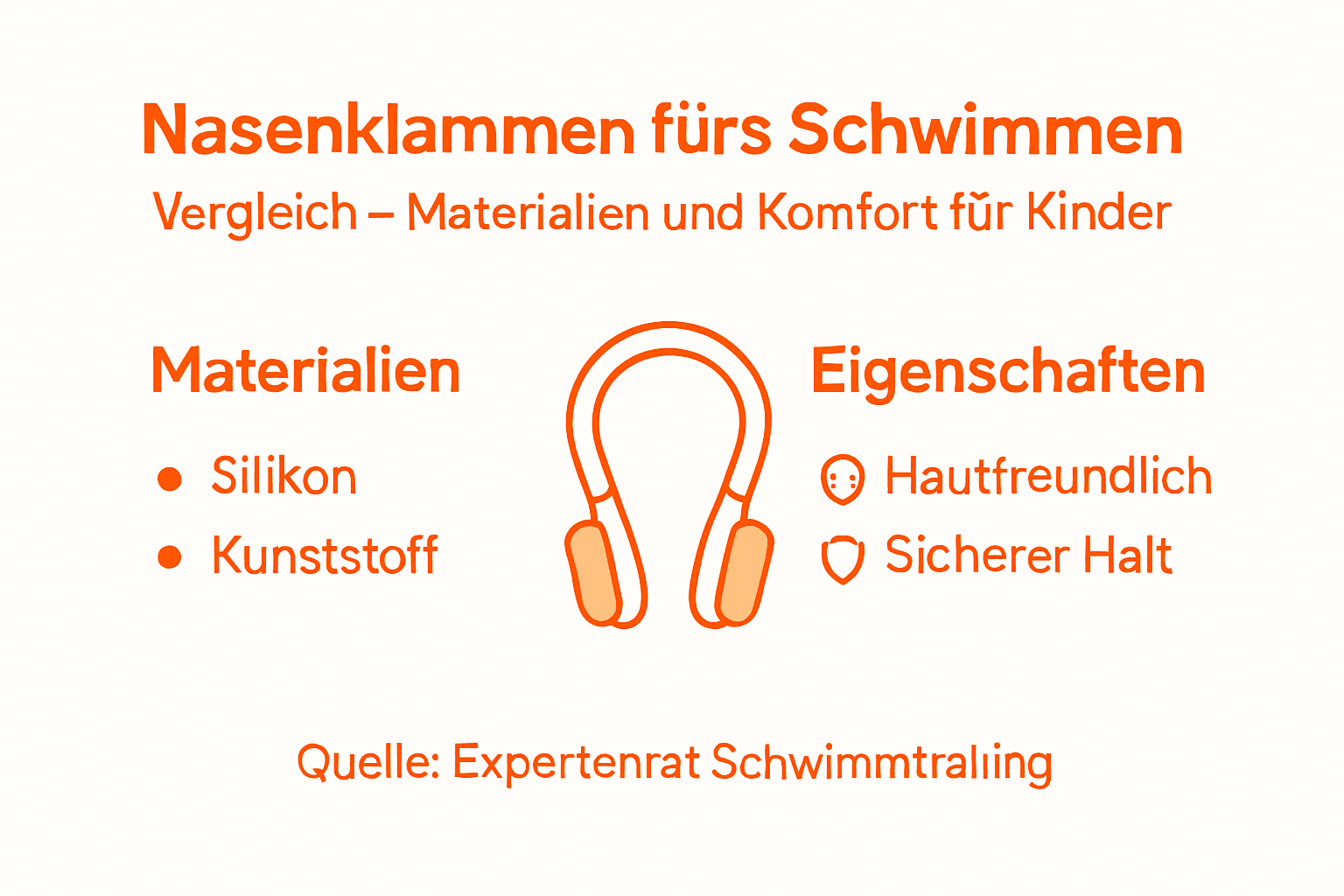
Nose clips differ significantly in their materials and construction, which directly affects comfort and durability. Most modern models consist of flexible plastic with a flexible arch that applies gentle pressure to the nostrils. In addition, there are variants made of silicone, thermoplastic rubber, and even steel with soft silicone pads. Each material has its own advantages. Plastic models are light and inexpensive, while high-quality silicone nose clips are particularly skin-friendly and comfortable for longer training sessions. PVC-free thermoplastic rubber offers the best combination of flexibility and long-term quality.
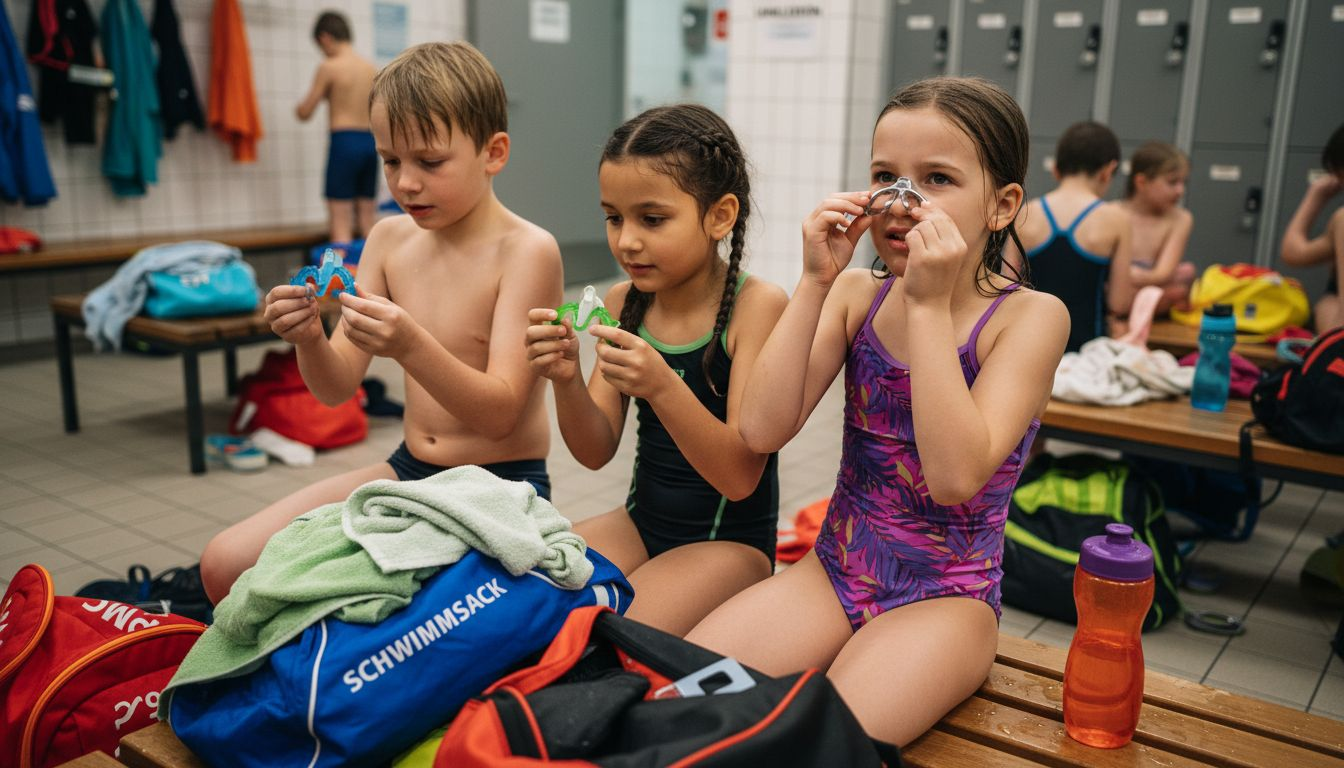
When choosing, padding and adjustability also play an important role. Models with soft padding distribute the pressure more evenly and avoid pressure points even after hours of intense training. The best nose clips can be individually adapted to the shape of the nose, as each child has different proportions. While some clips work with firm pressure, others offer the possibility to regulate the intensity. For preschoolers, smaller, specially designed models with lower adjustment pressure are ideal, as their noses are still more sensitive.
Quality is evident in several features. High-quality nose clips are non-slip, durable, and skin-friendly without slipping. Cheaper models can slip during swimming and then require constant readjustment. This not only disrupts the training flow but can also be frustrating. A good sign of quality is when the manufacturer offers the clip in different sizes. This means that the developers actually value the correct fit. Also, make sure that the materials are hypoallergenic, especially if your child has sensitive skin.
The following materials for nose clips offer different advantages and disadvantages for children:
| Material type | Comfort level | Durability | Skin-friendliness |
|---|---|---|---|
| Silicone | Very comfortable | Medium | Especially gentle on the skin |
| Plastic | Light and comfortable | Varying | Suitable for short-term use |
| Thermoplastic Rubber | Flexible and soft | Very durable | Allergy-friendly |
| Steel with silicone pads | Firm fit | High | Good cushioning |
Pro tip: Test different materials and sizes by ordering several inexpensive models and letting your child try them out during free play in the water before investing in an expensive premium model.
When do children benefit from nose clips?
Not every child needs a nose clip, but there are clear situations where they make a big difference. The most obvious situation is if your child frequently gets water in their nose and experiences discomfort or even pain as a result. Some children have more sensitive noses than others, or they simply haven't developed the correct breathing technique yet. If your child constantly surfaces coughing during swimming, rubs their nose, or hesitates when diving, these are sure signs that a nose clip could help. A nose clip increases comfort and acceptance while swimming, especially if water in the nose prevents the child from training.
Another important point is concentration on swimming technique. If a child is constantly worried about water entering, they cannot concentrate on the correct arm technique, leg kicks, or the right breathing position. With a nose clip, this mental block disappears. The child can fully concentrate on learning swimming styles instead of protecting themselves. This is particularly important in the first swimming lessons when the foundations are laid. Children who can train in a relaxed manner learn faster and make fewer mistakes.
Psychological factors also play a role. Some children develop fear of water because they have had negative experiences with water in their nose. A nose clip can break this vicious circle. If the child experiences several training sessions without unpleasant surprises, trust builds up. Over time, the child can even remove the clip and continue normally because the fear is gone. Especially colorful and child-friendly clips can also be a motivating factor, similar to the swimming badges that children collect.
A final practical point: If your child wants to participate in swimming competitions or trains in a performance-oriented club, a nose clip can make all the difference. Professional and ambitious young swimmers use them regularly to optimize their performance. Your child does not have to be "ready" for the competition. They can train with a nose clip from the beginning and later decide whether they need it.
Pro tip: Observe your child closely during the next swimming training: If they constantly rub their nose, have to cough, or lift their head out of the water, it's time to try a nose clip.
Tips for selection and use
When choosing a nose clip for your child, you should consider several practical criteria. The material is crucial, so look for skin-friendly options such as silicone or PVC-free thermoplastic rubber. The material should be soft and not cut into the skin. The size must fit exactly, especially for younger children of preschool age. A clip that is too large will slip, one that is too small will pinch and cause discomfort. Many high-quality manufacturers offer several sizes or have adjustable models. When buying, you should pay attention to skin-friendly material and flexible adaptability to ensure that your child enjoys wearing the clip. The fit is crucial: the clip should sit firmly, but not pinch or hurt.
The appearance is not insignificant. Children accept a colorful, child-friendly nose clip much better than a boring gray model. Some clips are available in bright colors, with patterns or even decorated with characters. This visual component can make the difference between "I don't want to wear that" and "That's cool". Compare it to swimming badges: children are motivated if their equipment looks appealing.
For correct use, you should first show your child how to put on the clip. It should be placed on the outer nostrils, not in the nostrils. It is best to practice this on land several times before going into the water. Let your child wear the clip during free play so that they get used to the feeling. When entering the water, the clip should already be firmly in place. Important: The clip should not slip even during active swimming, so check the fit regularly during training.
A familiarization process is normal and important. Some children accept the clip immediately, others need a few training sessions. Be patient and encouraging. Do not forbid your child to ask you immediately if something is wrong. After two to three weeks of regular use, your child will hardly notice the clip anymore. Clean the clip with fresh water after each swim and store it in a dry place. This way it lasts longer and remains hygienic.
Pro tip: Buy a spare nose clip as a backup in case your child loses the first clip, and let your child choose their favorite color to increase acceptance.
Risks, care, and alternatives to nose clips
While nose clips are generally safe, there are some risks you should be aware of. The main risk arises from a fit that is too tight, which can cause headaches, discomfort, or even pressure marks on the nose. If your child complains of pain or their nose looks red and irritated after swimming, the clip is probably too tight. Another risk is improper use: a clip that is pressed too deep into the nostrils can restrict breathing. This is particularly important to monitor in very young children. A fit that is too tight can cause pain and should be avoided. Regularly check that the clip is positioned correctly and that your child feels comfortable in it.
Care and hygiene are crucial for your child's health. After each swim, you should thoroughly clean the nose clip. Rinse it with fresh water and a little mild soap to remove chlorine, salt water, and bacteria. Then dry it carefully with a soft cloth. Nose clips should be cleaned with soap and water and thoroughly dried after each use. A poorly maintained clip can lead to skin irritation or infections. Store the clip in a dry, cool place, never in a damp swim bag. With good care, a high-quality nose clip can last several seasons.
There are also alternatives if a nose clip is not ideal. The best long-term solution is learning the correct breathing technique. Many children get water in their nose because they don't breathe correctly or position their face incorrectly. With targeted training and guidance from a good swimming instructor, most children can learn to keep water out of their nose. While this is a longer process, it makes your child independent of aids. Another option is diving with a snorkel, especially when learning swimming techniques. The snorkel allows free breathing without water entering. Foam nose clips are also a lighter alternative for children who find the firm clip uncomfortable.
Here is a structured overview of alternatives to the nose clip for swimming:
| Alternative | Area of application | Advantage | Typical limitation |
|---|---|---|---|
| Correct breathing technique | Swimming training | Independence | Repeated practice necessary |
| Snorkel | Technique and diving courses | Undisturbed breathing | Unsuitable for competitions |
| Foam nose clip | Leisure & play | Very light pressure | Less firm hold |
Pro tip: Use the nose clip as a transitional aid: After about 4 to 6 weeks of regular training with the clip, your child can try swimming short sequences without it to gradually develop independence.
More comfort and safety for small swimmers – Perfectly equipped with Pimpertz
Children who struggle with water in their nose while swimming can lose learning progress and enjoyment of training. The nose clip is a proven aid that solves exactly this problem. It protects the sensitive nose, promotes correct breathing technique, and strengthens children's self-confidence in the water. But comfort alone is not enough. So that children remain motivated and can visibly celebrate their successes, Pimpertz on pimpertz.de has been offering everything related to certified swimming badges and child-friendly swimming accessories for over 38 years – perfectly complementing the nose clip for a comprehensive swimming experience.
Benefit from high quality, official partnership with the DLRG, and fast delivery times. Also discover our collection albums and gift sets for sustainable motivation of your child. This way, you support the learning process sensitively and effectively and create lasting joy in swimming. Take the opportunity now to make it easier for your children to get started in the water and at the same time stylishly celebrate their progress. Visit pimpertz.de and see for yourself our attractive offers and expert advice.
Frequently Asked Questions
What is a nose clip and how does it work for swimming?
A nose clip prevents water from entering the nose by gently compressing the outer nostrils. This allows children to concentrate better on swimming without fear of water in their nose.
What materials are used for nose clips and what are their advantages?
Nose clips are usually made of flexible plastic, silicone, or thermoplastic rubber. Silicone is particularly skin-friendly and comfortable, while plastic models are often lighter and inexpensive. Thermoplastic rubber combines flexibility with durability.
At what age should children use a nose clip?
Not every child needs a nose clip. It is particularly helpful for children who frequently get water in their nose or have difficulty developing their breathing technique. Generally, children from preschool age can benefit from a nose clip.
How do I care for a nose clip and how long does it last?
After each use, the nose clip should be cleaned with fresh water and mild soap and thoroughly dried. With good care, a high-quality nose clip can last several seasons.