

Water Rescue Badges: The Path to Becoming a Successful Lifeguard
Introduction to Lifesaving Training
Lifesaving training is a comprehensive process that teaches both rescue techniques and water first aid. It plays a crucial role in training individuals who are capable of saving lives in emergencies. In Germany, the German Lifesaving Badge (DRSA) is a central component of this training.
Organizations such as the German Life Saving Society (DLRG) and the Wasserwacht offer systematic courses aimed at training competent lifeguards. This training is not only practice-oriented but also includes theoretical knowledge in areas such as water safety and risk management. The goal is to train lifeguards who are capable of acting effectively under difficult conditions and saving lives.
Prerequisites and Requirements
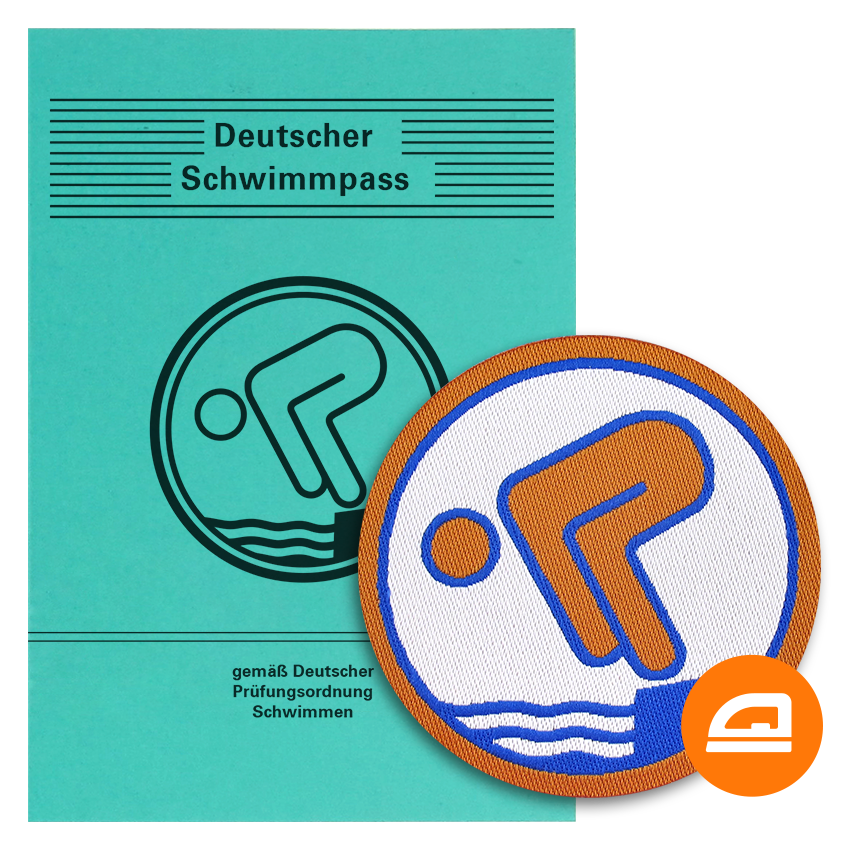
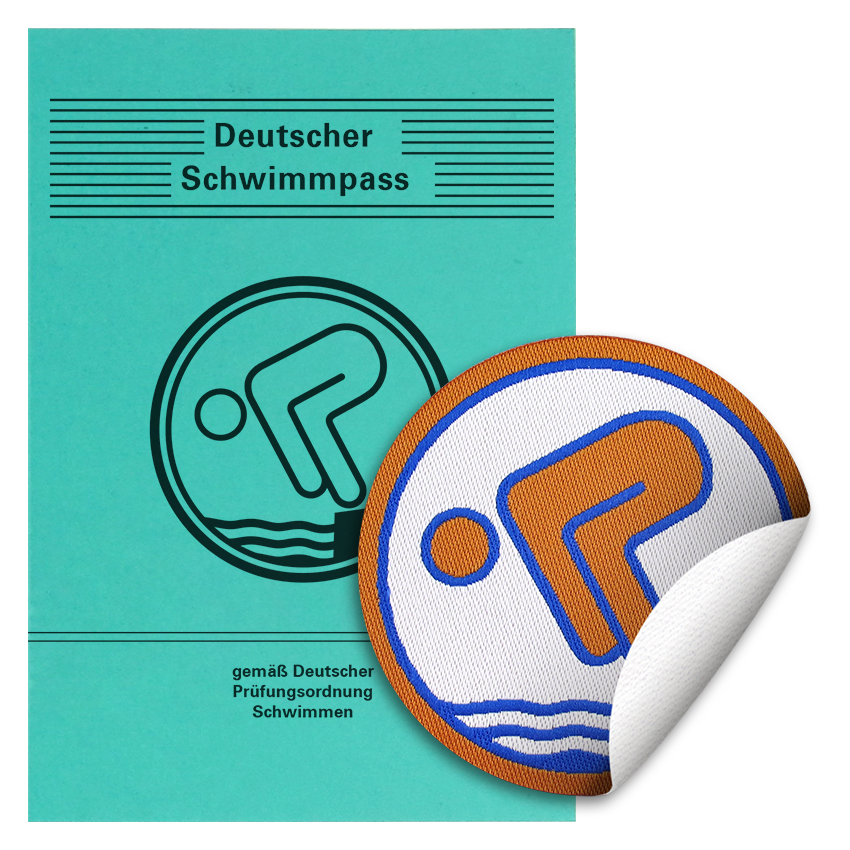
To participate in lifesaving training, certain prerequisites must be met. The minimum age is usually 12 years, and participants must hold the German Swimming Badge. This badge is proof of basic swimming skills and is required for further training.
The training itself is a combination of theoretical and practical modules. Participants must not only acquire theoretical knowledge but also demonstrate practical skills, such as swimming in clothes or rescuing people from the water. Experienced trainers, all of whom are experienced lifeguards themselves, lead the training and ensure that participants meet the required performance standards.
The German Swimming Badge
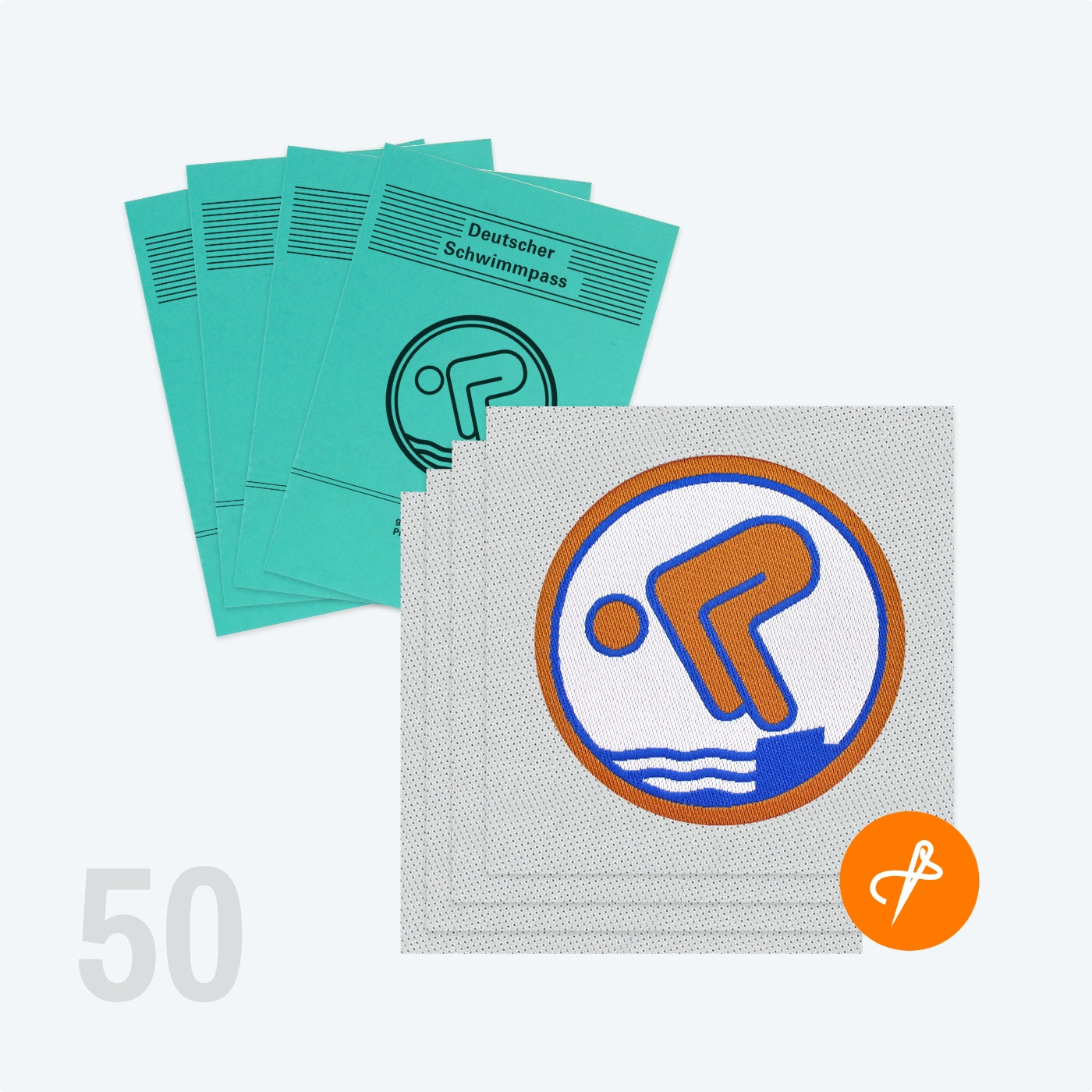
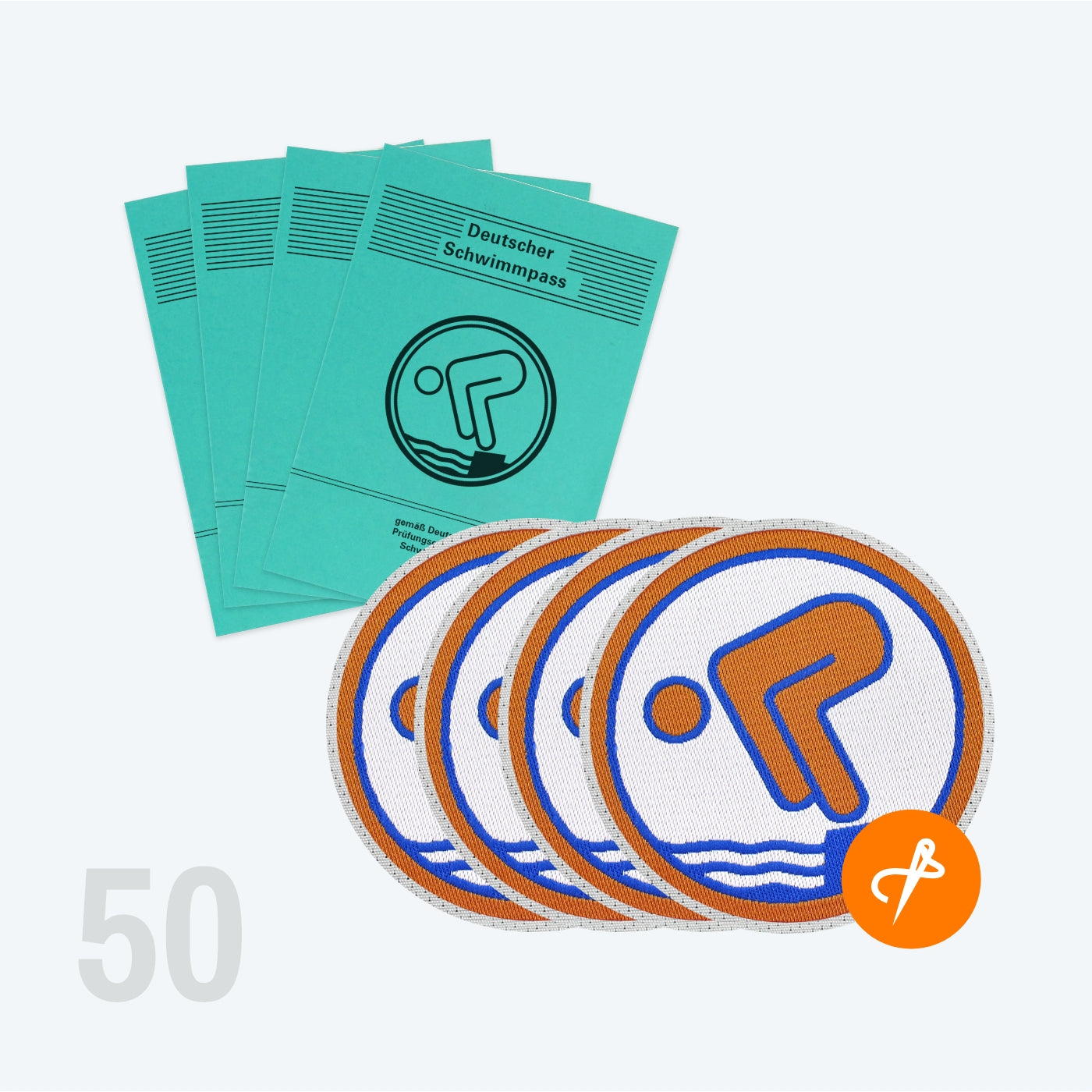
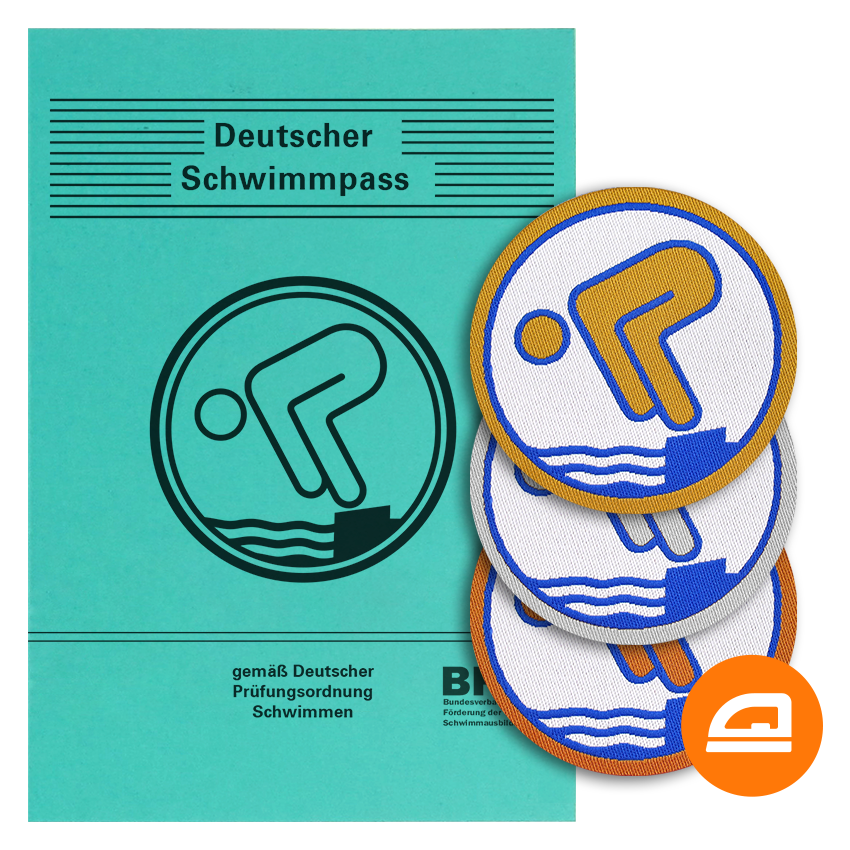
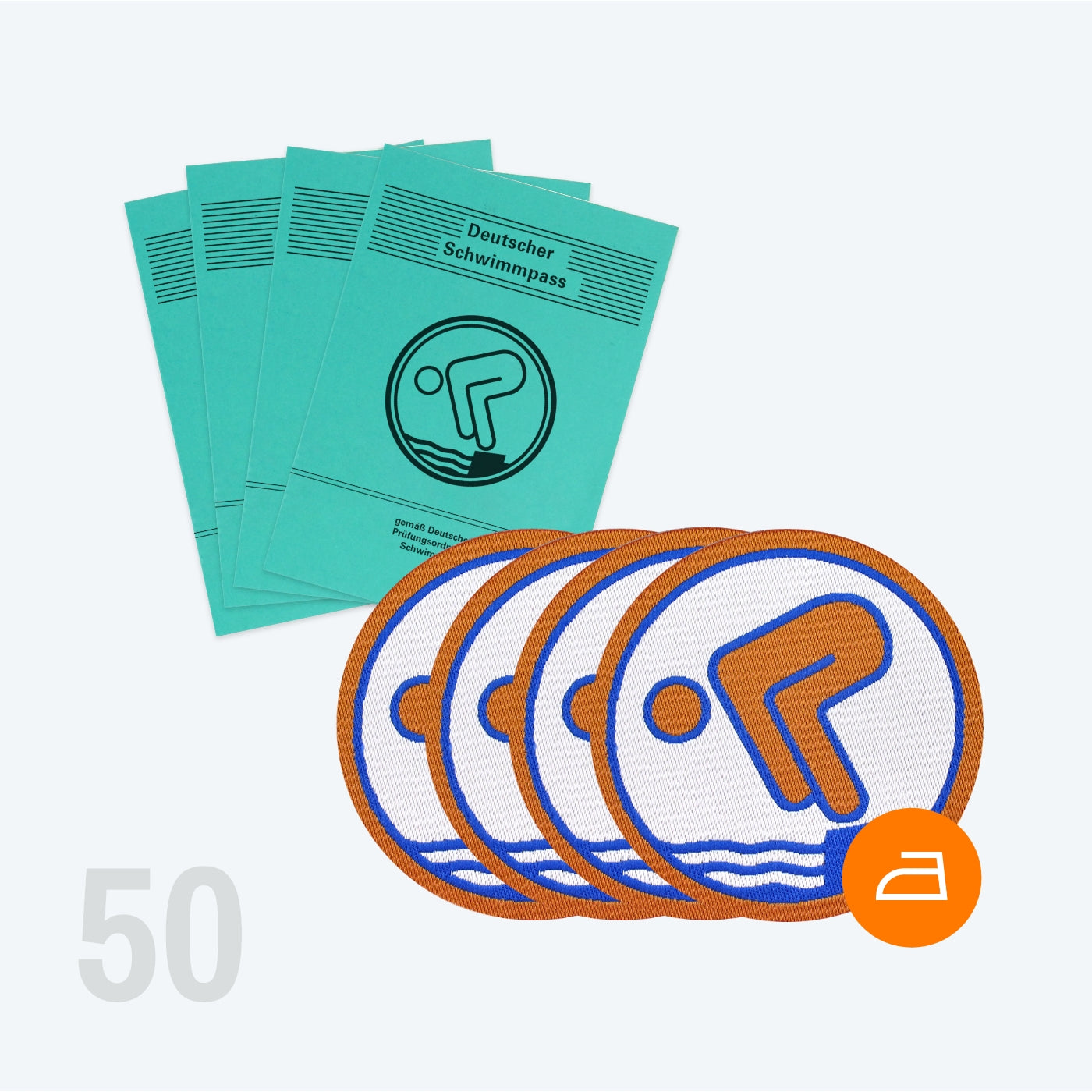
The German Swimming Badge represents an important milestone on the way to the Lifesaving Badge. It includes learning various swimming techniques and swimming in clothes, which is important preparation for an emergency. The test to obtain the badge also contains challenging elements such as retrieving a 5 kg object from the water.
There are different levels of the Swimming Badge, namely Bronze, Silver, and Gold. These levels reflect the increasing demands and skills expected of swimmers. The Swimming Badge is not only proof of swimming ability but also a prerequisite for participation in lifesaving training.
The German Lifesaving Badge Bronze
The first step in lifesaving training is the German Lifesaving Badge in Bronze. This badge is the entry into the world of lifesaving and includes basic rescue techniques as well as first aid in the water. It is an important part of the training and proof of lifesaving ability.
The requirements for the Bronze badge are diverse. Participants must be able to swim in clothes and retrieve a 5 kg object from deep water. These tests are designed to assess the participants' ability to act successfully in realistic rescue scenarios. The Bronze badge is also a prerequisite for further training for the Lifesaving Badge Silver and Gold.
Rescue Techniques and First Aid
Rescue techniques and first aid are the core competencies taught in lifesaving training. Participants learn how to effectively rescue people in need by applying a variety of techniques specifically developed for water rescue situations.
Another important aspect of the training is cardiopulmonary resuscitation (CPR) and avoiding being clutched by panicking individuals. The training aims to provide participants with the necessary knowledge and skills to make the right decisions in various emergency situations. These training sessions are conducted by experienced lifeguards who ensure that participants are well-prepared to save lives in an emergency.
The Role of the DLRG and Other Organizations
Organizations like the DLRG play an indispensable role in lifesaving training in Germany. They not only offer the necessary courses and certificates but also actively advocate for safety in and on the water. By developing and implementing safety standards, they contribute significantly to preventing water accidents.
In addition to training lifeguards, these organizations are also involved in educating the public about the dangers in the water. They promote awareness of safety measures and offer programs aimed at improving the swimming skills of the population. Through these comprehensive initiatives, the DLRG and other organizations significantly contribute to increasing water safety.
FAQ about the Wasserwacht Badge
What is the minimum age for participation in lifesaving training?
The minimum age for participation in lifesaving training is generally 12 years. This ensures that participants have the necessary physical and mental maturity to meet the demands of the training.
What requirements must participants meet?
Participants must possess the German Swimming Badge, which proves their basic swimming skills. In addition, they must be able to meet the practical requirements of the training, such as swimming in clothes.
What does the German Lifesaving Badge Bronze include?
The German Lifesaving Badge Bronze includes learning rescue techniques and first aid in the water. The test involves swimming in clothes and retrieving a 5 kg object from the water.
Which organizations offer lifesaving training?
The German Life Saving Society (DLRG) and the Wasserwacht are two of the main organizations that offer lifesaving training in Germany. They offer structured courses and certificates aimed at training competent lifeguards.
What role does first aid play in lifesaving training?
First aid is a central component of lifesaving training. Participants learn how to react effectively in emergency situations, including performing cardiopulmonary resuscitation and avoiding being clutched by panicking individuals.
Requirements: Lifesaving Badge Silver
The Lifesaving Badge Silver is an important milestone for every aspiring lifeguard. It not only shows that a person is safe in the water but also that they are able to rescue themselves and others in emergencies. The German Lifesaving Badges teach special skills for self-rescue and rescue of others, which are mandatory for active water rescuers. The examination requirements include, among other things, swimming 200m in a maximum specified time, swimming 100m in clothes, 15m underwater swimming, and various jumps from approx. 1m height. These requirements must be met in the specified order to successfully complete the examination.
Another important part of the training is the practical examination, in which both partners jump into the water in clothes and must demonstrate their skills. They must recover a similar object and safely bring it to shore. Another component is undressing in the water, where one must then undress in the water to prepare for further rescue measures. Diving for a 5 kg diving ring and swimming with an object and then dropping it are also among the challenges. These exercises prepare participants for real scenarios that can occur in bathing, boat, and ice accidents.
The Path to the Wasserwacht Badge
The practical examination for the Wasserwacht Badge is a demanding, combined exercise that tests all learned skills in one go. It requires mastering various disciplines, such as swimming 'm' in a maximum given time and swimming 'm' in clothes. These elements simulate real rescue situations in which the lifeguard must be able to react quickly. These tasks should be completed within 3 minutes to test the candidate's efficiency and endurance.
Another important component is deep diving from the water surface, where one must reach a certain depth within a given time, for example, to retrieve an object. Spending minutes subsequently in the water without losing control is also part of the examination. The ability to master 'm' towing within a maximum given time is crucial for rescuing people in an emergency. Avoiding clutches and assisting with bathing boats are further central aspects that must be trained to act safely and effectively in emergency situations.
Theoretical knowledge, for example, taught in a first aid course, is also important to be able to react appropriately in any situation. For the Lifesaving Badge Bronze, a minimum age of 12 years is required, while for the Silver Badge, one must be at least 14 years old. The Gold Badge requires a minimum age of 16 years and proof of DRSA Silver. Those interested in the underwater world can obtain the German Snorkeling Badge as a preliminary stage to scuba diving training.
The Path to the Practical Examination
To obtain the Wasserwacht Badge, one must take a practical examination that, as a combined exercise, challenges both partners. This examination ensures that all learned skills can be retrieved in one go. It is not just about demonstrating fast swimming but also mastering various rescue techniques. From 50 m transport swimming pushing to towing a partner, every technique must be perfect. Furthermore, the lifeguard is expected to be able to protect both themselves and others in ice accidents through self and foreign rescue.
Techniques and Skills
During 'm' approach swimming in prone position, the swimmer's speed and technique are tested. Equally important is the ability to swim on their back to safely bring the person to be rescued to shore during transport swimming pushing or pulling. A particular challenge is the rear chokehold, which is used in rescuing unconscious persons. This method requires a lot of practice and concentration to be effective.
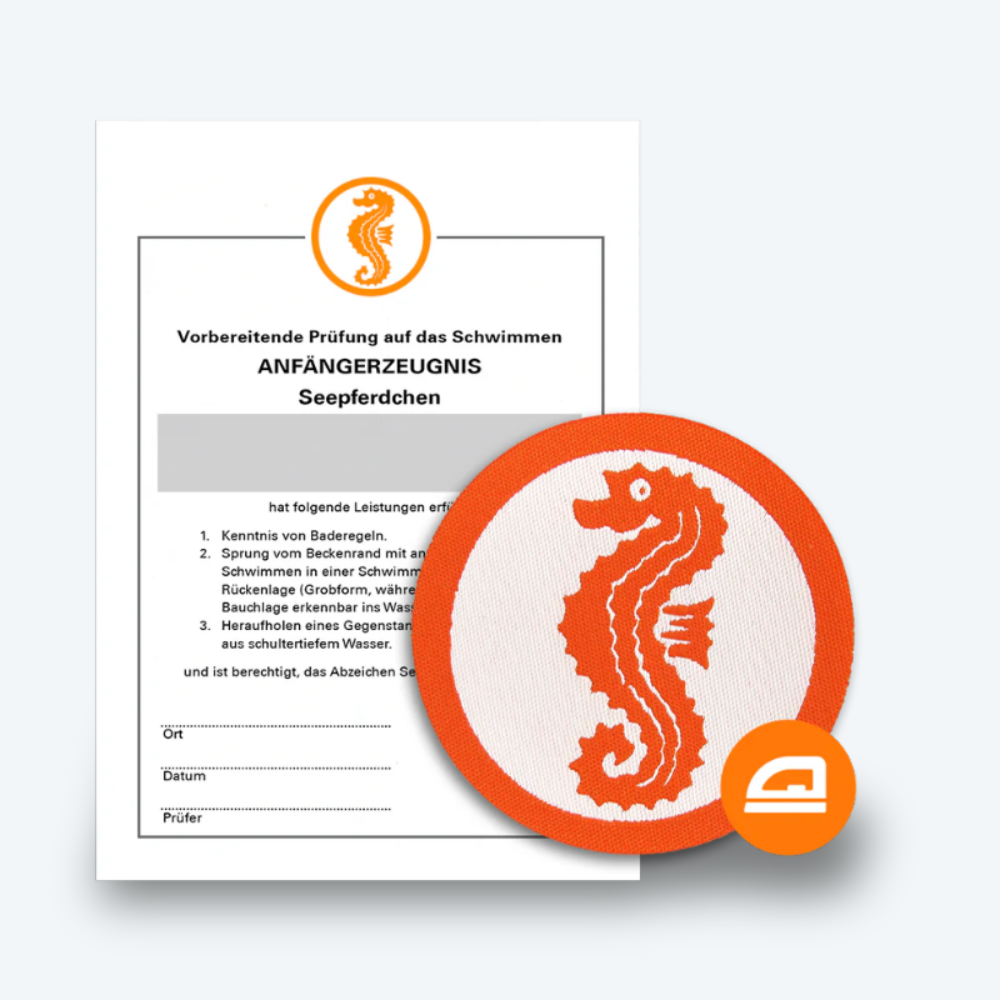
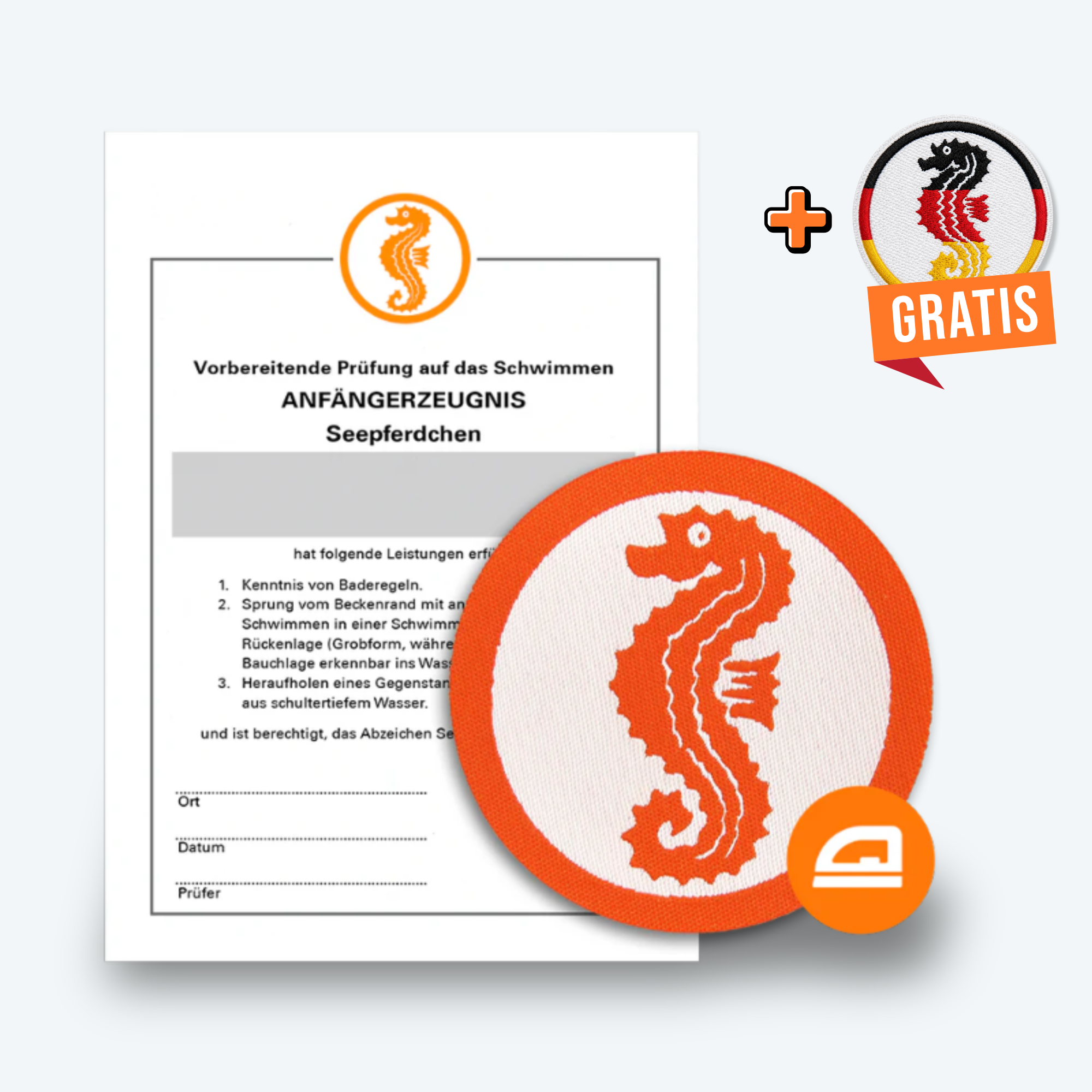
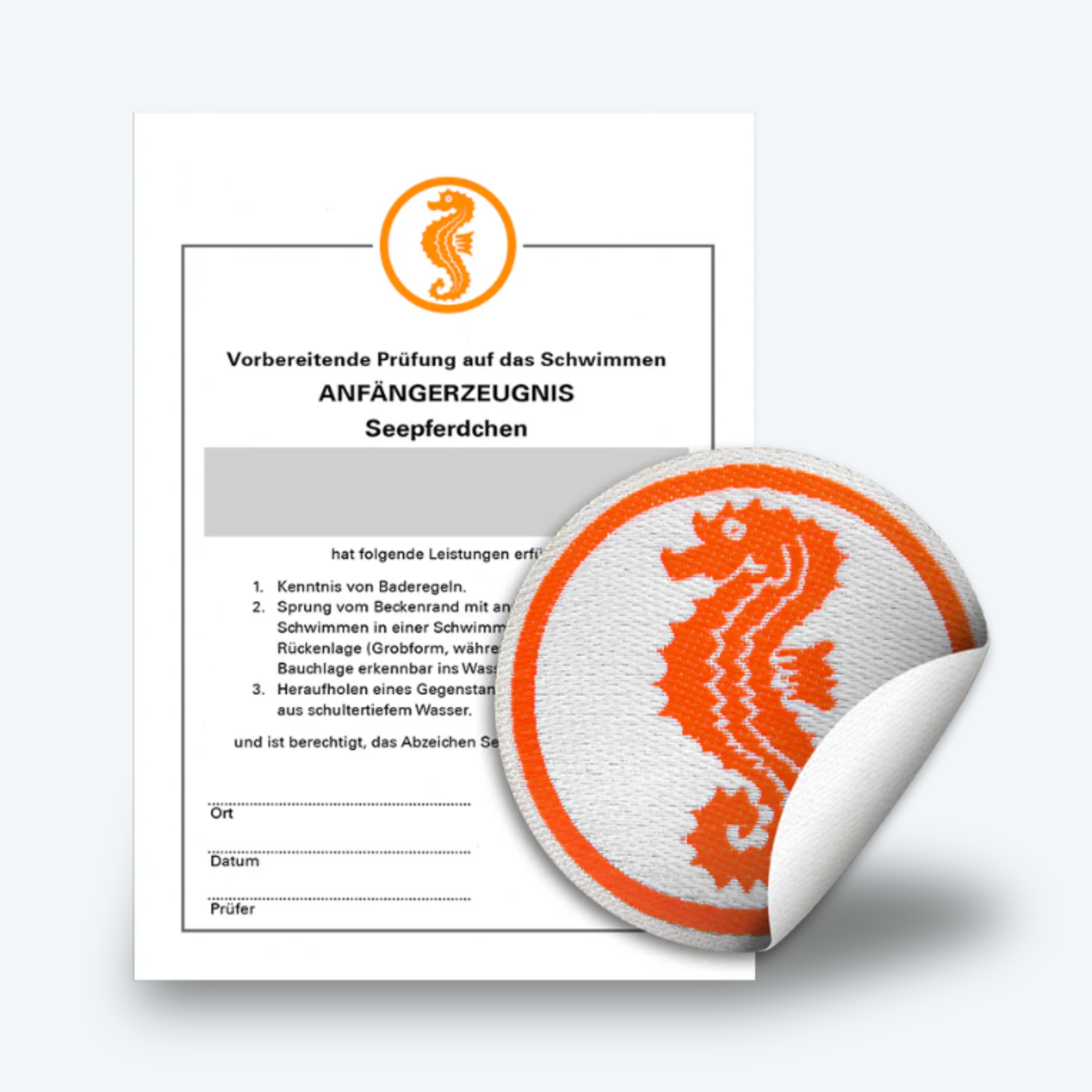
For many, the path to becoming a lifeguard begins with the Seepferdchen, an early swimming badge. It is the first step, but it only partially prepares for the demanding tasks of a lifeguard. Those who master the break in the specified examination have taken a big step towards becoming a professional lifeguard.
The Path to the Wasserwacht Badge
The path to becoming a successful lifeguard often begins with a jump into cold water. The starting jump is one of the first challenges to master. It doesn't matter which swimming style one prefers, the main thing is that one feels comfortable in the water. For lifesaving, it is important to master various techniques to be able to act quickly and effectively in any situation.
Another crucial aspect is towing people. In lifesaving, one must be able to tow a person 50 m, which requires a lot of strength and endurance. It is important to keep an eye on the breathing and circulation of the rescued person to ensure that he or she remains stable. Being freed from a clutch with a liberation grip is also one of the essential skills of a lifeguard.
Dealing with similar object water depths is also part of the training. Here, one learns how to act in different depths and which techniques are most suitable. The ability to assert oneself in clutches and for liberation is crucial to maintain control in emergency situations. Within a maximum of 1 minute 30 seconds, one should be able to successfully complete all required exercises to obtain the Wasserwacht Badge.
The Path to the DRSA Silver
To obtain the coveted Wasserwacht Badge, aspiring lifeguards must master various disciplines. One of the challenges is being able to tow 50 m. This involves pulling a partner over a defined distance, which requires both strength and technique. Here, correct breathing and blood circulation play a crucial role in optimally mastering the effort and adhering to the time limit.
Another important element is snorkeling, where participants learn to move efficiently in the water while using a snorkel. During training, swimmers must also understand how to position themselves distributed in an 'm' wide lane and how far apart they should be to avoid collisions. Another challenging exercise is 'm' transport swimming, where both partners must work together to move safely through the water.
Particularly challenging is mastering the sculling stroke without arm activity. This technique is important for moving quietly and efficiently in the water, especially when partners are 'm' apart in the water and the water depth varies. These skills are essential for acting successfully as a lifeguard in any situation.
The Path to Becoming a Lifeguard
Anyone interested in the Wasserwacht Badge faces the challenge of mastering numerous skills in the water. A central role is played by understanding breathing and blood circulation, as they are fundamental to physical performance in the water. The lifeguard must be able to maintain control over their abdomen and breathe effectively, even under strain.
An important part of the training is 'm' transport swimming, where both partners are separated. This exercise requires a certain water depth to be performed safely. In addition, there is the sculling stroke without arm activity, which allows for stable and efficient swimming in various situations. Another highlight of the training is the jump from a height of 3 m, which requires not only courage but also technique.
At the end of the training, there is the 25 m towing of a person, an exercise that must be performed without a break to test the swimmer's endurance and strength. The German Red Cross (DRK) includes proof of the following skills to ensure that every lifeguard is optimally prepared for emergencies. All these elements together form the basis for working as a successful lifeguard.
Mastering the Challenges of Lifesaving
The path to becoming a successful lifeguard requires not only physical fitness but also the ability to act quickly and effectively under various conditions. One of the most important skills learned during training is transport swimming. Here, both partners must be moved safely and efficiently through the water, which requires both strength and technique. This ability is crucial for quickly providing help to people in need.
Techniques and Strategies for Deployment
Another important aspect of lifeguard training is the ability to act in situations where people are separated. Especially in waters with different depths, this can be a challenge. Lifeguards must be able to quickly apply the correct technique to ensure the safety of everyone involved. These skills are trained through intensive training and practical exercises to be prepared for all eventualities.
Examination Requirements (Wording from Checklists)
The following terms correspond to the exact wording of various examination regulations:
Examination requirement: self and foreign rescue in ice accidents.
In the discipline 'm' towing a partner, the endurance and technique of the participants are tested.
In the discipline 'm' swimming in a maximum of, the endurance and technique of the participants are tested.
Examination requirement: sculling stroke without arm activity.
Time limit according to examination regulations: maximum 1 minute 30 seconds.
Partner exercise: combined exercise for both partners requires teamwork and precise coordination.
Examination requirement: includes proof of the following.
In the discipline transport swimming pushing or pulling, the endurance and technique of the participants are tested.
In the discipline 'm' approach swimming in prone position, the endurance and technique of the participants are tested.
In the discipline 25 m towing, the endurance and technique of the participants are tested.
In the jump from 3 m, a stable push-off and clean entry are important.
Examination scenario: clutches and for liberation – a safe liberation technique is required here.
Examination scenario: avoidance of clutches and – a safe liberation technique is required here.
Examination scenario: clutch with a liberation grip – a safe liberation technique is required here.
In the discipline 50 m transport swimming pushing, the endurance and technique of the participants are tested.
Examination requirement: similar object water depth.
In the discipline minutes subsequently in the water, the endurance and technique of the participants are tested.
In the discipline 'm' transport swimming both partners, the endurance and technique of the participants are tested.
Examination requirement: deep diving from the water surface.
Examination requirement: separated water depth.
In the discipline 'm' separated, the endurance and technique of the participants are tested.
Time limit according to examination regulations: within 3 minutes.
In the discipline 50 m towing, the endurance and technique of the participants are tested.
In the discipline 'm' towing in a maximum of, the endurance and technique of the participants are tested.