
Swimming Badge Requirements 2025: Understanding and Explaining
Swimming badges accompany many children on their first jump into the water and bring beaming smiles. But it's surprising that children with an official swimming badge have a significantly lower risk of being in danger in water accidents. What many don't realize: there's much more behind each of these badges than just colorful fabric and small achievements. Real safety counts here.
Table of Contents
- What are swimming badges and why are they important?
- The Differences Between Swimming Badge Levels
- How Swimming Badge Requirements are Assessed
- The Importance of Swimming Badges for Water Safety
- Future Outlook: Developments and Trends in Swim Training
Quick Summary
| Takeaway | Explanation |
|---|---|
| Swimming badges promote water safety. | They are crucial for developing safety knowledge and can prevent water accidents. |
| Badges document individual swimming skills. | Each badge reflects the progress and learned abilities of a swimmer. |
| Exams are based on standardized criteria. | Assessment is based on clearly defined requirements for safety and technical skills. |
| Digital tools revolutionize swimming lessons. | Innovative technologies improve teaching methods and enable personalized learning approaches. |
| Inclusion plays a central role in training. | Future training will consider individual needs and promote a diverse learning environment. |
What are swimming badges and why are they important?
Swimming badges are official proofs of achievement that document the swimming skills and safety knowledge of children and adults. They are much more than just a colorful badge – they are an important part of water safety and personal development.
The Importance of Swimming Badges
Swimming badges fulfill several crucial functions in swim training. They serve not only as a motivational tool but also as an important safety certificate. Each badge represents a specific level of competence in swimming, certifying standardized skills and knowledge.
The most important aspects of swimming badges include:
- Proof of individual swimming skills
- Documentation of safety knowledge in and around water
- Motivation for further athletic development
Safety and Development
Through the systematic structure of swimming badges, children and young people learn important water safety techniques step by step. Each badge requires specific skills such as swimming techniques, endurance, rescue skills, and theoretical knowledge about dangers in the water.
Interestingly, scientific studies show that children with official swimming badges have a significantly lower risk of getting into dangerous situations in the water. The badges are therefore not only proof of achievement but an active contribution to accident prevention.
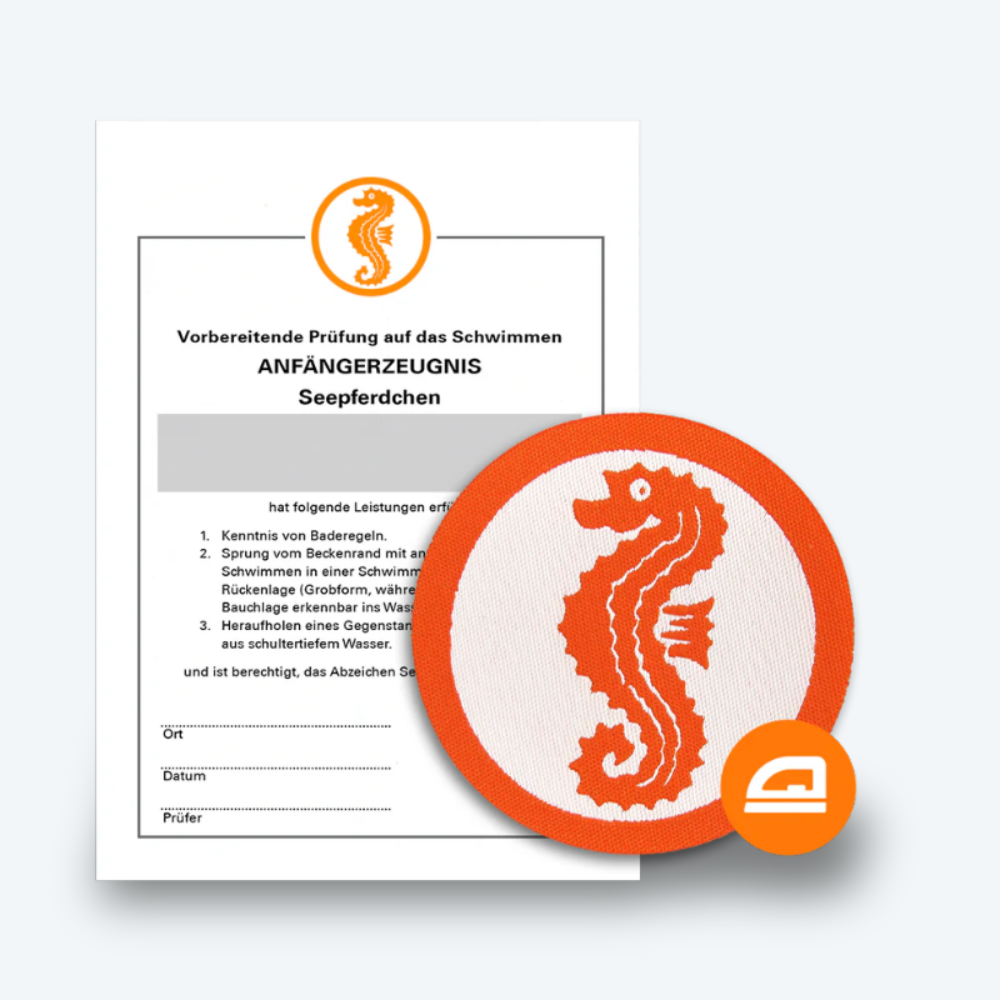
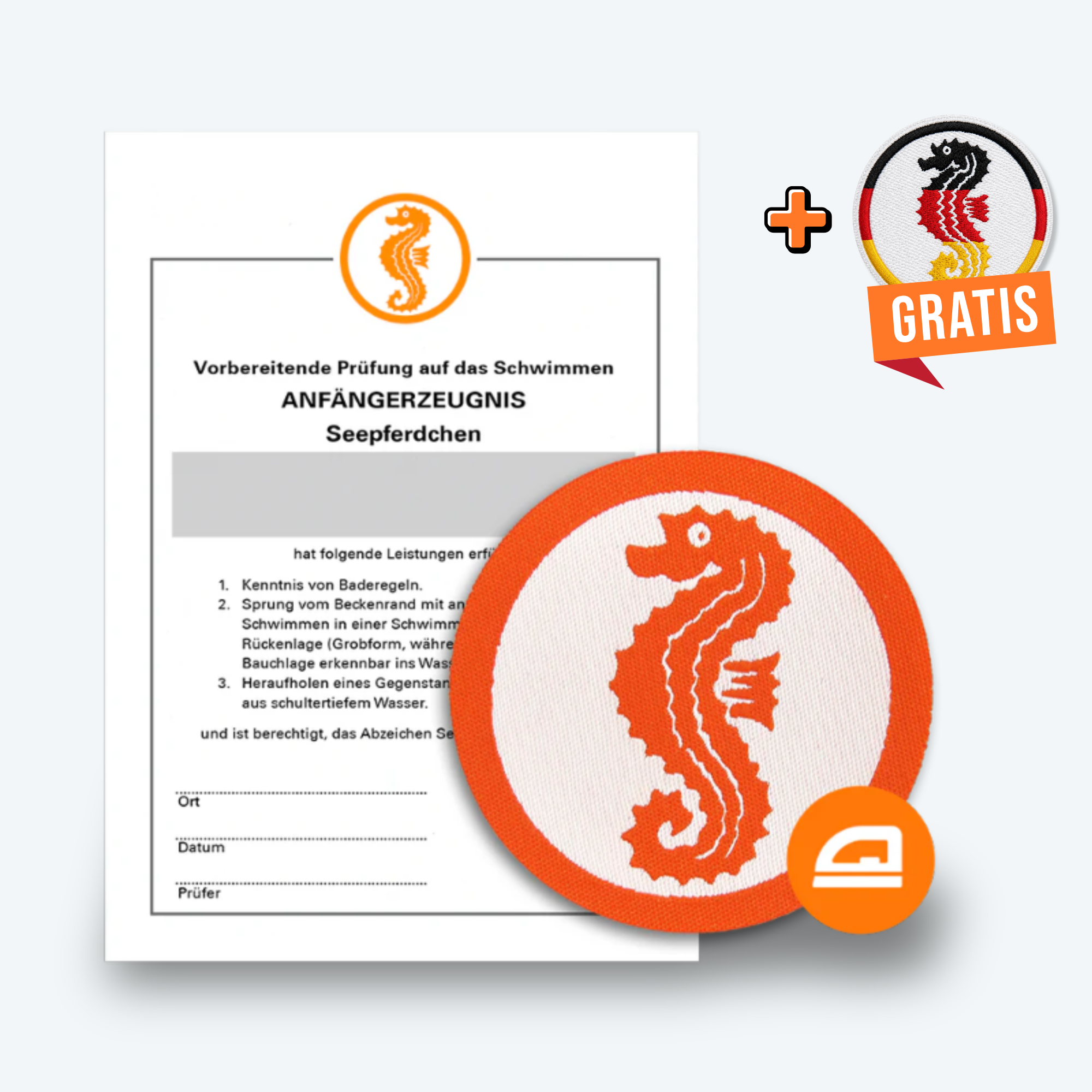
Whether it's the Seepferdchen for beginners or advanced badges like Bronze and Silver – each swimming badge marks an important milestone in personal development and water competence.
The Differences Between Swimming Badge Levels
Swimming badges are divided into various performance levels that systematically document the development and competence of swimmers. Each level represents specific progress in swimming skills and safety knowledge in and around water.
Basic Swimming Badges for Children
For children, there are several crucial swimming badges that mark the path from beginner to confident swimmer:
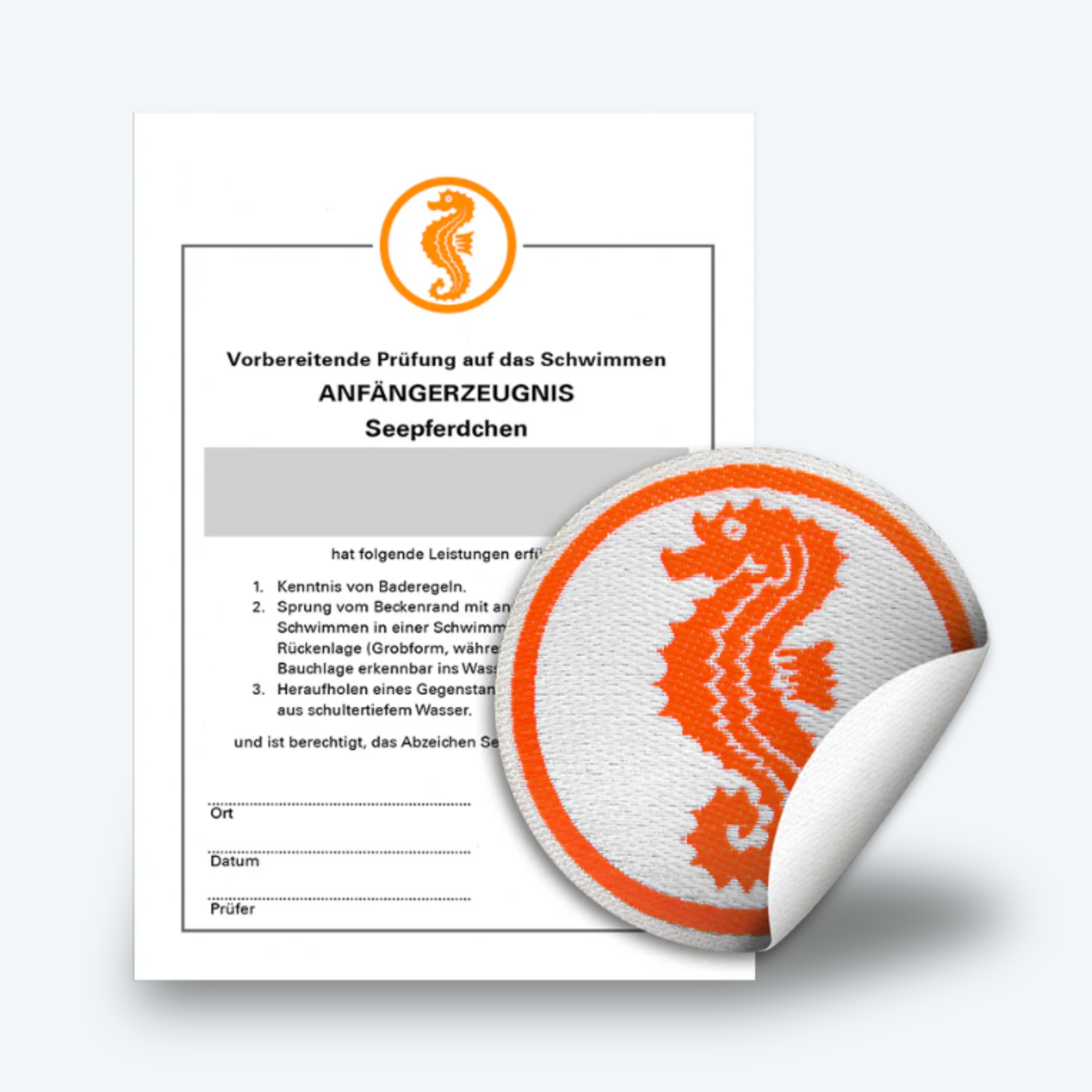
- Seepferdchen (Seahorse): The first official proof of basic water safety
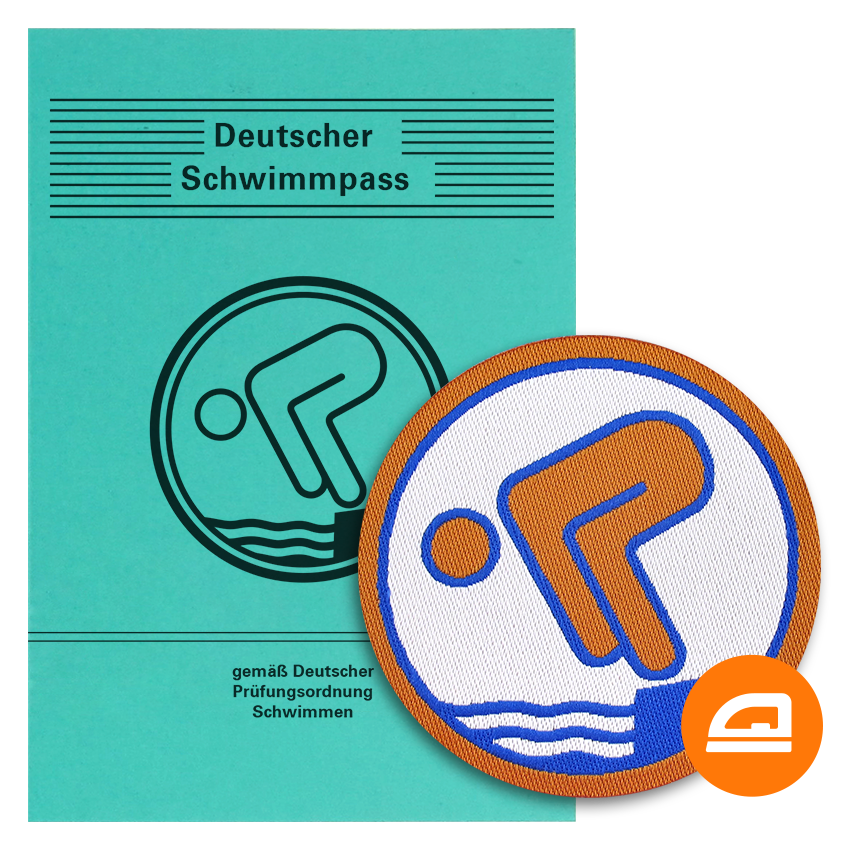
- Bronze: Advanced swimming techniques and extended water knowledge
- Silber (Silver): Deepened swimming skills and initial rescue elements
The Seepferdchen badge is particularly significant as it teaches children the first basic safety knowledge in water.
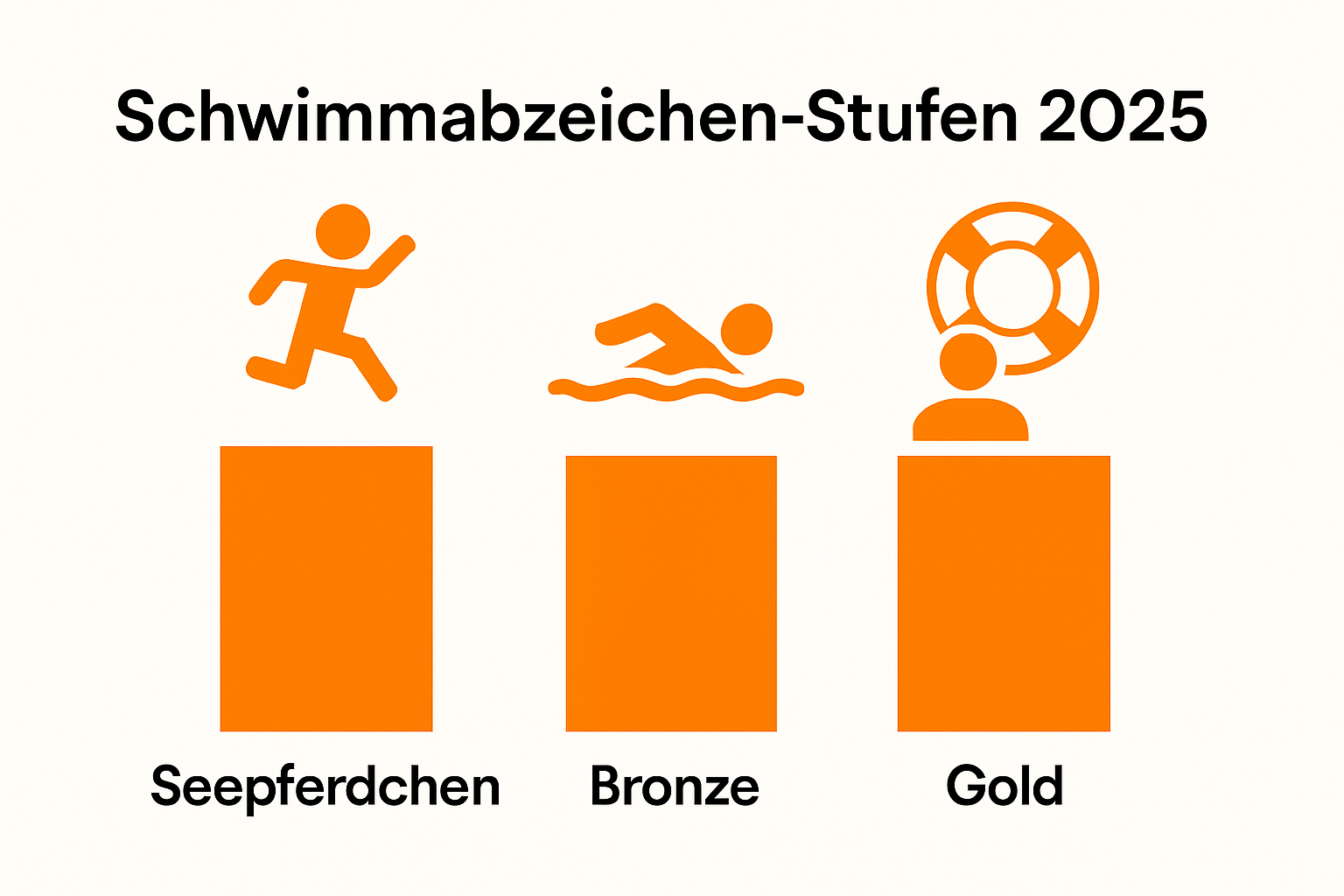 It marks the transition from simple water familiarization to active swimming.
Advanced Levels and Specializations
With increasing experience, swimmers can acquire more challenging badges. These levels differ not only in technical requirements but also in the expected safety and rescue skills.
According to DLRG guidelines, higher swimming badges include:
- Gold: Complex swimming techniques and comprehensive rescue competence
- Rettungsschwimmer (Lifesaver): Professional qualification for water rescue
- Jugendschwimmabzeichen (Youth Swimming Badge): Special proofs of achievement for young people
Each level requires not only better physical abilities but also a deeper understanding of water safety and first aid measures.
The following table provides a compact overview of the most important swimming badge levels for children and young people, as well as their respective requirements.
| Badge | Swimming distance | Additional Requirements |
|---|---|---|
| Seepferdchen | Swim 25 meters | Jump into water, dive for an object from shoulder-deep water |
| Bronze | Swim 200 meters | 50 meters backstroke, rescue exercise |
| Silber | Swim 400 meters | 100 meters backstroke, 100 meters breaststroke, knowledge of first aid measures |
| Gold | Complex swimming distances | Rescue elements, comprehensive water safety knowledge |
| Rettungsschwimmer | Professional requirements | Qualification for water rescue, extended first aid knowledge |
| Jugendschwimmabzeichen | Different distances per level | Proofs of achievement specifically for young people, including theory and practice |
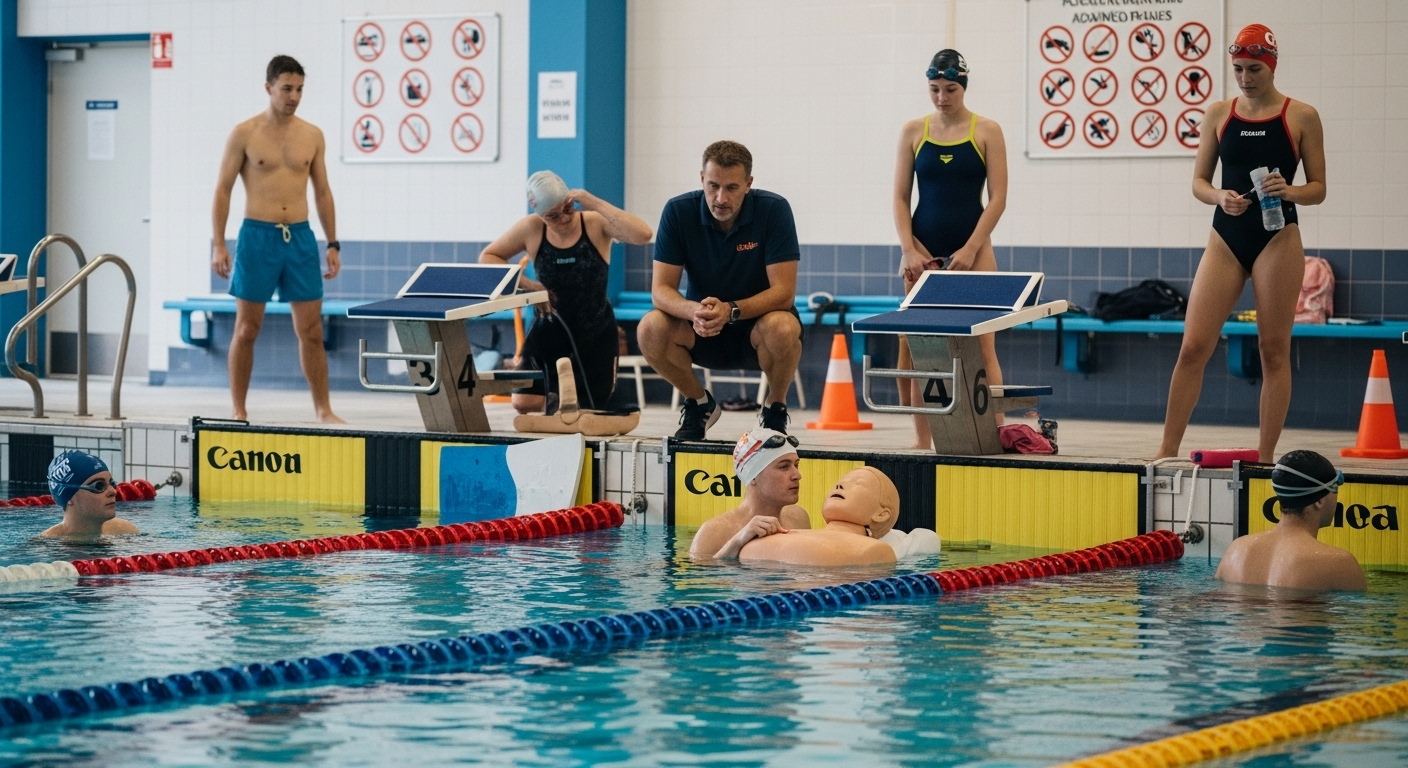 The badges thus document a continuous development from basic to highly specialized swimming knowledge.
How Swimming Badge Requirements are Assessed
The assessment of swimming badges is a structured and scientifically sound process that ensures swimmers actually acquire the necessary skills and safety knowledge. This process includes various methodological approaches to performance evaluation.
Standardized Examination Criteria
The assessment is based on clearly defined and nationally uniform criteria.
Each swimming badge level has specific requirements that are precisely measured:
- Technical swimming skills
- Endurance and fitness
- Safety knowledge and responsiveness
- Theoretical knowledge of water hazards
Official DLRG assessment guidelines define exactly what achievements must be made for each badge. The examinations are designed to cover both the physical and cognitive aspects of water safety.
Practical and Theoretical Examination Components
The assessment takes place in two essential components: a practical and a theoretical part. In the practical part, swimmers demonstrate their actual abilities through:
- Various swimming techniques
- Endurance tests
- Rescue exercises
- Jumps and water movements
The theoretical part checks the understanding of water safety through questions on hazard recognition, first aid measures, and theoretical background knowledge.
According to scientific studies on water safety, this comprehensive assessment approach guarantees that swimming badges actually reflect the safety and competence of the participants. The examinations are conducted by qualified swimming instructors and DLRG trainers, who ensure an objective and fair assessment.
The following table summarizes the main features of the practical and theoretical examination components for swimming badges in a clear overview.
| Examination Component | Content | Purpose |
|---|---|---|
| Practical | Swimming techniques, endurance tests, rescue exercises, jumps | Proof of actual abilities |
| Theoretical | Recognizing dangers, first aid, background knowledge | Imparting safety awareness |
| Assessment | By qualified examiners | Objectivity and fairness |
The Importance of Swimming Badges for Water Safety
Swimming badges are far more than just decorative awards – they are crucial instruments for water safety and accident prevention. They not only document swimming skills but also convey vital competencies for dealing with potential dangerous situations in and around water.
Accident Prevention and Risk Minimization
Swimming badges demonstrably reduce the risk of water accidents. They ensure that swimmers have essential skills:
- Assessment of one's own performance limits
- Mastery of various swimming techniques
- Control of panic in dangerous situations
- Basic rescue techniques
Statistical studies by the DLRG show that children and young people with official swimming badges act significantly safer in the water.
Competence Development and Hazard Awareness
Each swimming badge level not only expands physical abilities but also trains theoretical understanding of water safety. The badges convey:
- Recognition of potential danger zones
- First aid knowledge in water emergencies
- Understanding of hydrodynamic processes
- Mental strategies for hazard avoidance
According to scientific studies on water safety, swimming badges are a scientifically sound instrument for preventing water accidents. They not only document skills but create comprehensive awareness for safety in and around water.
Future Outlook: Developments and Trends in Swim Training
Swim training faces significant changes, characterized by technological innovations, societal challenges, and new pedagogical approaches. These developments aim to make swim lessons more effective, safer, and more inclusive.
Digital Transformation of Swim Training
Modern technologies are changing the way swimming is taught and learned. New approaches include:
- Digital performance tracking systems
- Virtual training sessions
- Artificial intelligence for individual technique analysis
- Interactive learning platforms for swimming techniques
Tips for Learning to Swim show how digital tools can revolutionize the learning process. Swimming instructors increasingly use smartphone apps and video analyses to precisely improve techniques.
Inclusion and Adaptability
Future swim training places increased emphasis on inclusion and individual learning needs. Important developments will be:
- Special courses for people with disabilities
- Culturally sensitive swim training concepts
- Flexible learning formats for different age groups
- Multilingual training offerings
According to scientific studies on water safety, swim training is becoming increasingly holistic and takes individual learning prerequisites into account more than ever before. The future of swimming lessons lies in personalized, technology-supported, and inclusive educational concepts.
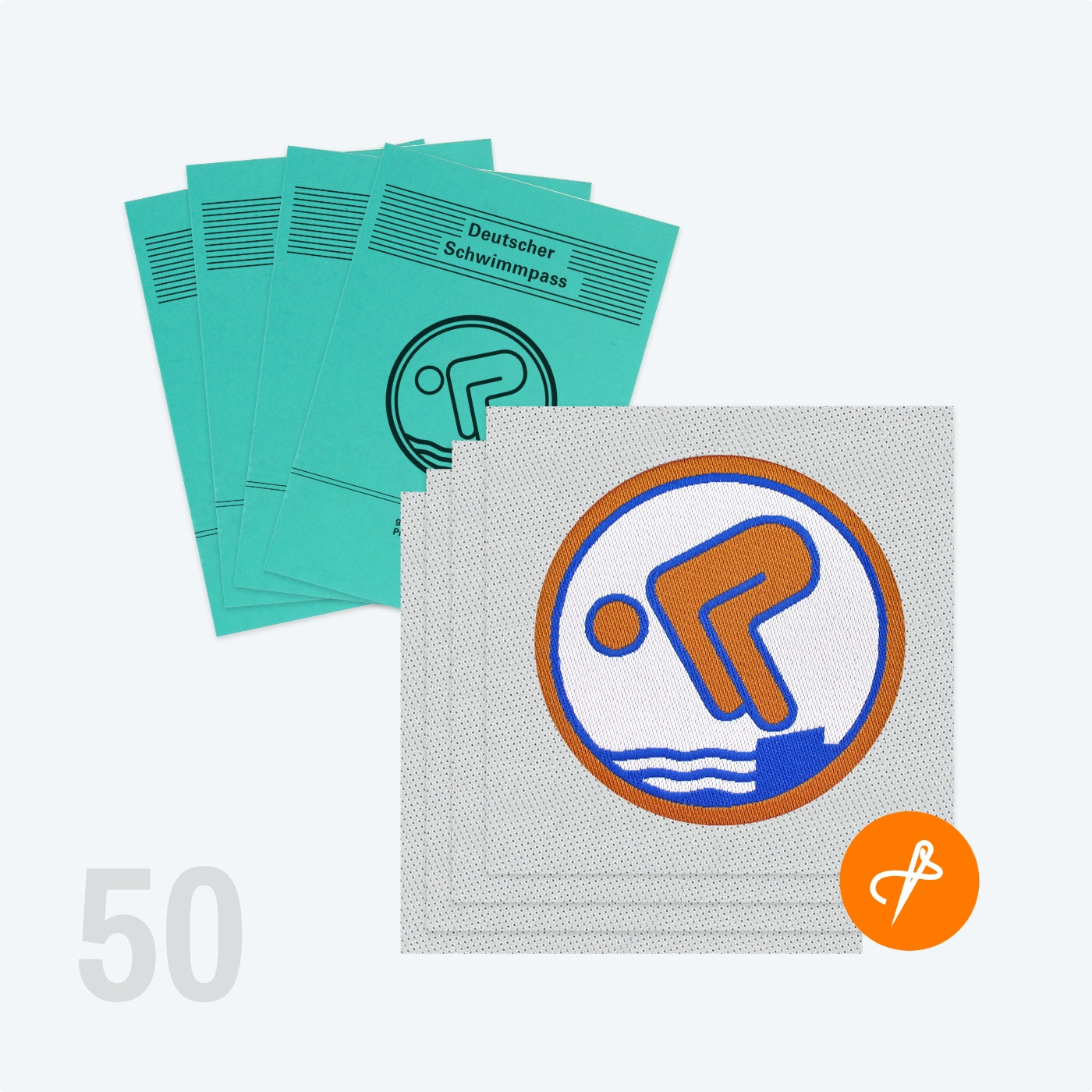
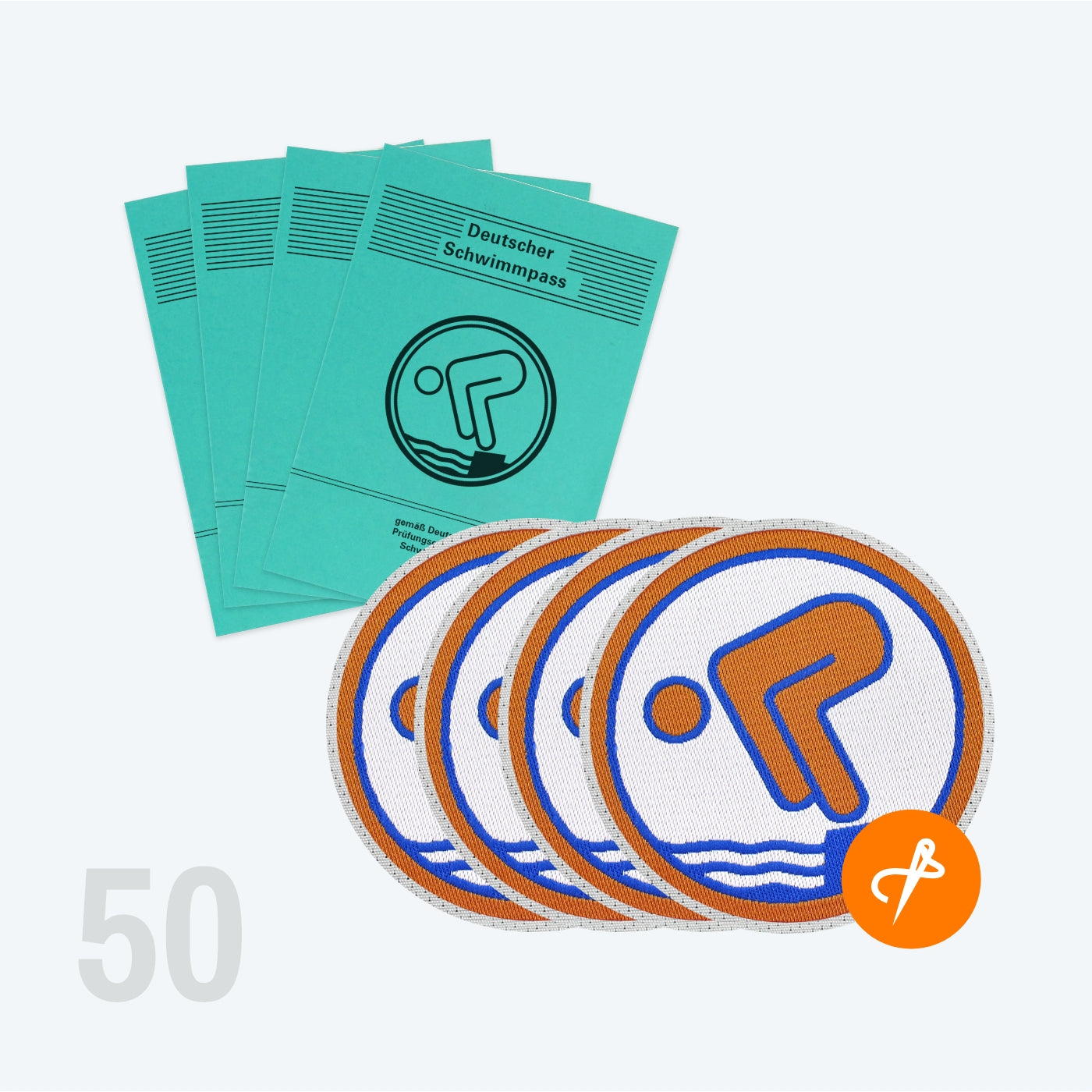
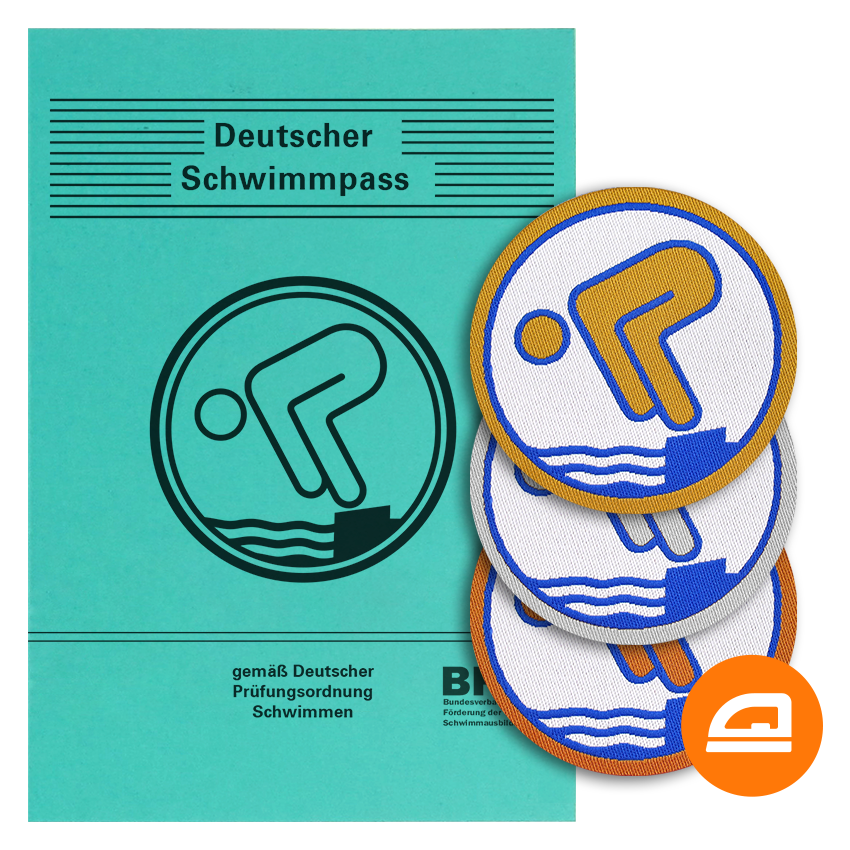
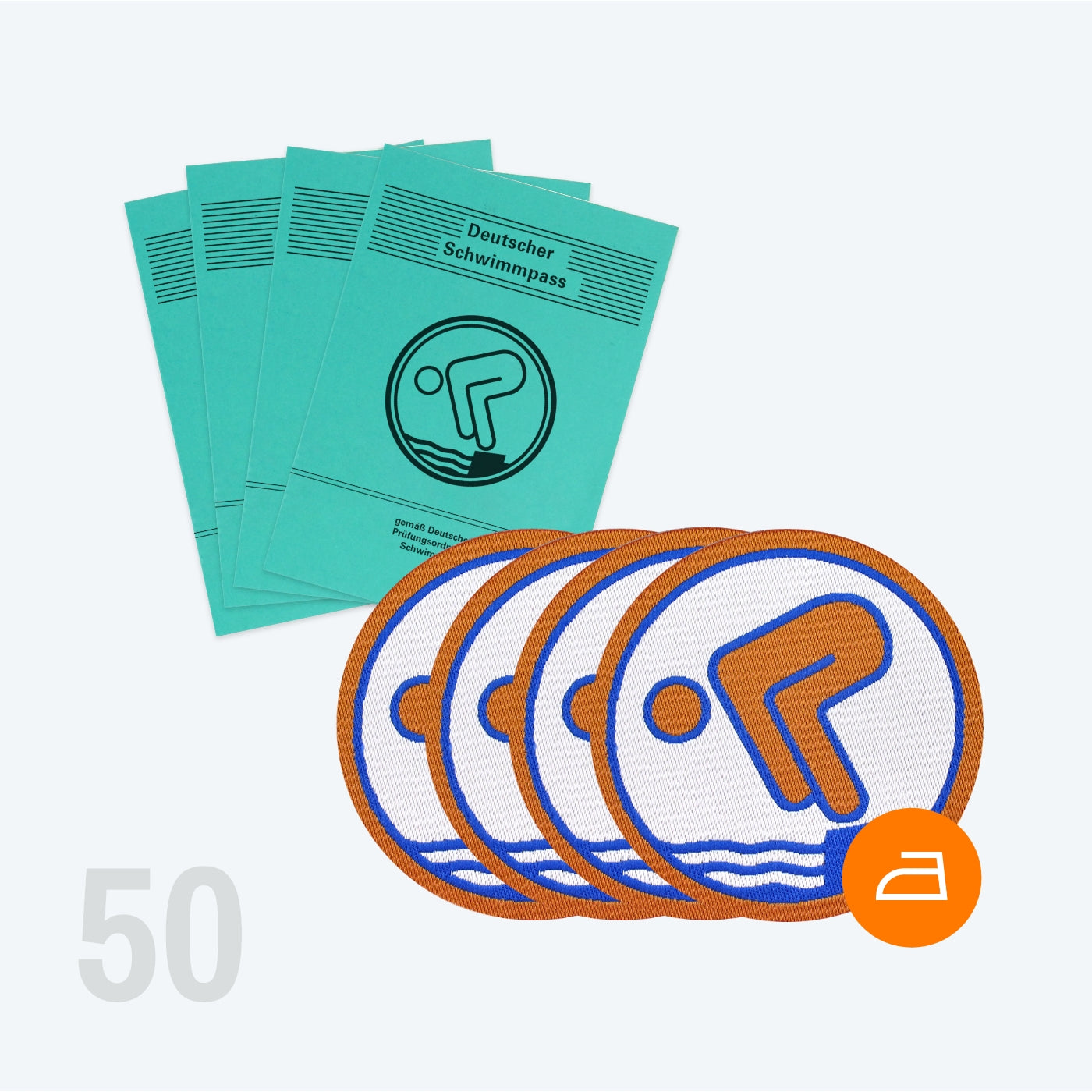
Your Swimming Badges 2025: Start Easily and Safely – with Pimpertz
The new swimming badge requirements for 2025 can be quite challenging for parents, clubs, and schools. Especially when it comes to clear assessment criteria, official recognition, and motivating designs, uncertainty often arises: How do you find the right badges and ensure that children can proudly and safely show their achievements? At Pimpertz, you will find original certified Seestern Stella swimming badges & certificates that are precisely tailored to the current levels and pedagogical goals.
Rely on tested DLRG and BFS quality now and benefit from fast service for individual solutions and bulk orders. Discover our entire range with suitable badges, accessories, and customizable certificates on https://pimpertz.de, so your swimming courses are optimally equipped for the upcoming season. Get the right support for the new swimming badge requirements today – making planning easier and reliably ensuring joy in learning to swim.
Frequently Asked Questions
What are the requirements for the Seepferdchen badge?
The Seepferdchen badge requires swimmers to be able to swim at least 25 meters and successfully complete a jump into the water and dive for an object from shoulder-deep water.
What skills are needed for the Bronze badge?
For the Bronze badge, swimmers must swim at least 200 meters, covering a distance of 50 meters on their back, and perform a rescue exercise.
What are the prerequisites for the Silver badge?
The Silver badge requires the swimmer to be able to swim 400 meters, including 100 meters backstroke and 100 meters breaststroke, as well as knowledge of first aid measures.
Why are swimming badges important?
Swimming badges are crucial for promoting water safety, as they document participants' swimming skills and safety knowledge and reduce the risk of water accidents.