
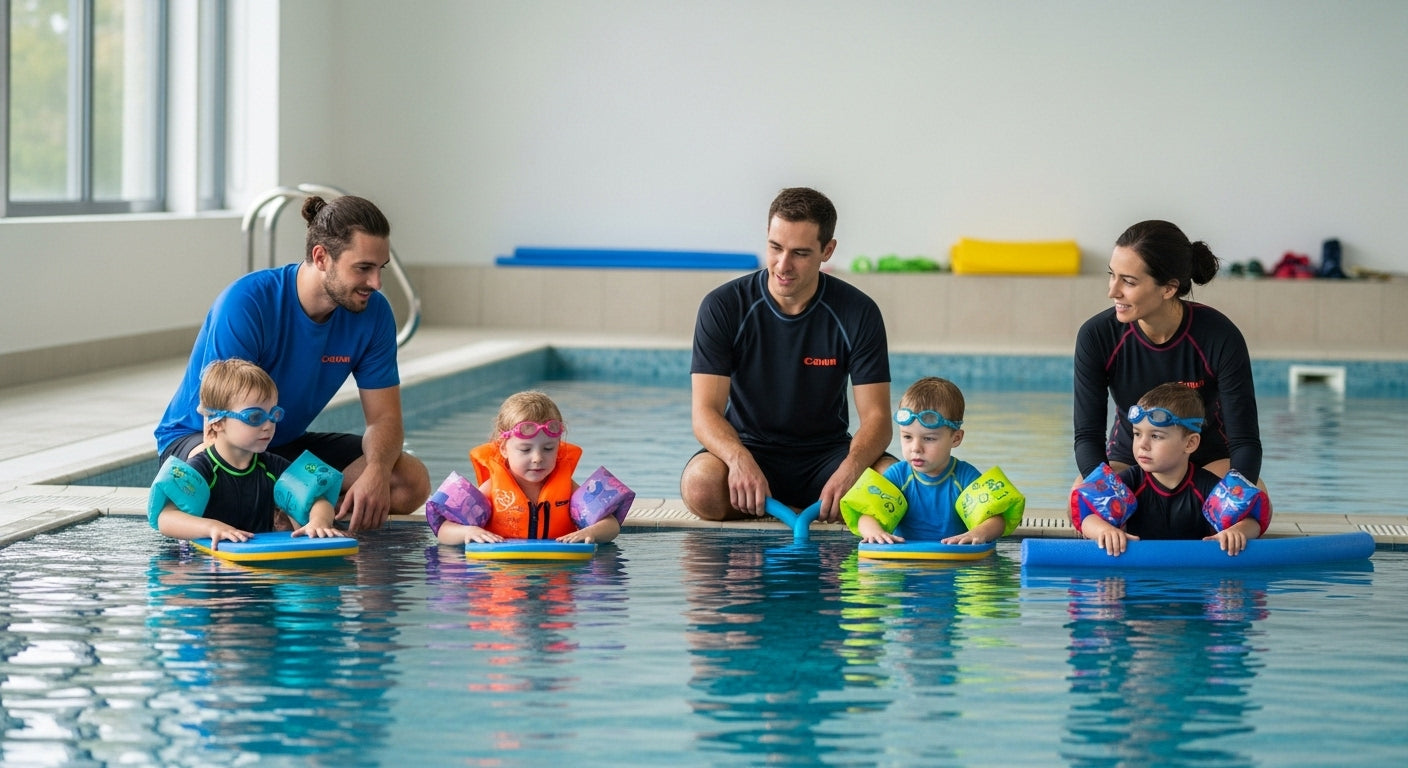
7 Swimming Accessories Recommended for Parents and Coaches
Learning to swim is on the wish list of many families. Over 60 percent of parents see their children's safety in the water as a top priority. Of course, swimming aids and colorful armbands are often considered the perfect solution. But hardly anyone knows how important a precise selection and regular checking of this equipment really is. This is precisely the great secret to real safety and fun in the water.
Table of Contents
- Swimming Aids for Beginners - Safety First
- The Best Armbands for Children
- Choosing the Right Swimsuit - Comfort and Fit
- Water Toys for Fun - Learning Through Play
- Kickboards and Snorkels for Technique Training
- Recommendations for Affordable and Effective Swimming Equipment
- Care and Storage of Swimming Equipment - Tips for Longevity
Quick Overview
| Takeaway | Explanation |
|---|---|
| Safety is paramount | Swimming aids should always be used under supervision and are not a substitute for professional instruction. |
| Choose the right swimming aids | Pay attention to quality, fit, and safety standards for children's swimming aids. |
| Select high-quality swimsuits | A well-fitting suit improves freedom of movement and swimming enjoyment. |
| Use water toys strategically | Use toys to playfully encourage swimming and build confidence. |
| Equipment care is crucial | Thorough care extends the lifespan and ensures the hygiene of swimming equipment. |
1: Swimming Aids for Beginners - Safety First
When it comes to learning to swim, the safety of children always comes first. Swimming aids are crucial pieces of equipment that not only make it easier for beginners to get into the water, but also make it safer. They give children and parents the necessary confidence to master the first steps in the water.
For beginners, there are various swimming aids that are suitable depending on age and swimming skills. Our experts recommend the following equipment for a safe start:
- Swim vests for children under 5 years old
- Swim noodles for additional support
- Kickboards for practicing body posture
When choosing the right swimming aid, parents should pay attention to quality, fit, and safety standards. According to recommendations from the German Life Saving Association (DLRG), the following aspects are particularly important:
- Consider the correct size and weight of the child
- Do not restrict freedom of movement
- Choose high-quality, breathable materials
The right swimming aid not only supports safety but also promotes confidence and enjoyment of water sports. It helps children to feel weightless and to learn the first swimming movements without fear. A good swimming aid is like an invisible guardian angel that gives the child support and security.
However, parents should note: Swimming aids never replace professional supervision. They are merely an additional safety measure. Children must always swim under direct adult supervision, regardless of the equipment used.
2: The Best Armbands for Children
Armbands are a popular and practical swimming aid for children that helps them gain confidence and security in the water. The right choice is crucial to provide optimal support for children while not restricting their freedom of movement.
When buying armbands, parents should pay attention to important criteria. Our guide to swimming courses offers additional assistance with the selection. The following aspects are particularly important:
- Appropriate size for the respective child's age
- High-quality, breathable material
- Secure fastening mechanisms
According to recommendations from Stiftung Warentest, there are different types of armbands that differ in quality and functionality. Important distinguishing features include:
- Inflatable models with additional buoyancy
- Solid foam armbands
- Adjustable armbands for longer use
Safety always comes first. Make sure that the armbands fit snugly and cannot slip. They should be made of soft material to avoid skin irritation. A good fit prevents water from entering and ensures optimal buoyancy.
Despite their advantages, armbands are not a substitute for swimming lessons. They are merely a transitional support to enable children to have their first water experiences. Parents should always supervise their children and gradually introduce them to independent swimming.
For children between 3 and 6 years old, armbands are particularly suitable for learning basic water movements and building confidence. The selection should be individually adapted to the needs and abilities of the child.
3: Choosing the Right Swimsuit - Comfort and Fit
A well-fitting swimsuit is more than just fashionable attire. It directly influences the swimming enjoyment and performance of children and swimmers. The right choice can make the difference between discomfort and optimal freedom of movement.
Our swimming course guide recommends the following important criteria when choosing the perfect swimsuit:
- Optimal fit without restricting movement
- Skin-friendly, quick-drying materials
- Chlorine and UV-resistant fabrics
When purchasing, parents and coaches should pay particular attention to the following aspects:
- Material elasticity
- Flat, non-chafing seams
- Durability for frequent use
According to recommendations from sports physicians, there are different types of swimsuits for various age groups and swimming levels. Comfort and functionality are crucial. A swimsuit that is too tight restricts freedom of movement, while one that is too loose creates additional water resistance.
For children, models with zippers or wide straps are particularly suitable. These make dressing and undressing easier and provide additional support. Special sun protection swimsuits offer a sun protection factor and protect sensitive children's skin from UV radiation.
Note: The size selection should not be too generous. A slightly snug but not constricting cut guarantees maximum swimming enjoyment and freedom of movement. Regular trying on and re-measuring are particularly important for fast-growing children.
4: Water Toys for Fun - Learning Through Play
Water toys are more than just a distraction - they are an important educational tool to teach children to swim playfully and with joy. Through specifically selected toys, children can naturally develop their water competence and safety.
Our swimming course experts recommend water toys that support various learning goals:
- Playful familiarization with water
- Development of water movements
- Strengthening self-confidence
According to recommendations from swimming pedagogues, the following aspects should be considered when making a selection:
- Age-appropriate difficulty level
- Safe and robust materials
- Promotion of motor skills
Different toy types support different learning goals. Diving rings help children gain underwater experience, while water balls train coordination and agility. Swim noodles enable initial buoyancy and freedom of movement.
It is important that water toys are always used under direct adult supervision. They serve as a supplement, not a substitute for professional swimming lessons. The motivation and joy of being in the water are paramount.
Parents and coaches should individually address the child's needs. Not every child learns at the same pace or in the same way. Flexibility and patience are the keys to success in learning to swim.
5: Kickboards and Snorkels for Technique Training
For ambitious swimmers, kickboards and snorkels are crucial training tools that can significantly improve technique and endurance. These pieces of equipment help swimmers refine their movements and develop new skills.
Our training recommendations show how versatile these aids can be:
- Focus on specific swimming movements
- Improvement of body posture
- Building muscle strength and endurance
Kickboards offer several important training functions:
- Isolation of leg movements
- Increased water resistance training
- Support in learning various swimming techniques
According to recommendations from swimming coaches, snorkels should be used especially for technique refinement. They enable:
- Precise head and body posture
- Improved breath control
- Focus on movement sequences
Important when using them: Both kickboards and snorkels require correct handling. Professional instruction is essential for beginners. The devices are not intended as safety aids, but as specific training support.
For advanced swimmers, these aids offer the opportunity to take swimming techniques to a new level. They help to refine movement sequences, identify weaknesses, and improve overall performance.
Parents and coaches should carefully select the equipment. Quality and fit are crucial for effective and safe training.
6: Recommendations for Affordable and Effective Swimming Equipment
Purchasing swimming equipment doesn't have to be expensive to be high quality and effective. Smart parents and coaches know how to find quality equipment at reasonable prices.
Our guide to swimming course costs offers valuable insights into cost-conscious procurement strategies. The following aspects are important in the selection:
- Durability of the equipment
- Functionality over brand name
- Consider individual needs
When buying swimming equipment, parents and coaches should pay attention to crucial quality features:
- Robust materials
- Good fit
- Affordable price
According to consumer recommendations, there are effective strategies for cost-conscious purchases:
- Take advantage of seasonal offers
- Buy larger sizes
- Choose multifunctional equipment
Important to note: Cheap is not always inexpensive. High-quality swimming equipment that lasts longer saves money in the long run. Investments in good materials pay off.
For swimming clubs and schools, bulk purchases offer additional savings opportunities. Significant discounts can be achieved through joint procurement. Cooperation is key to cost-effective, high-quality equipment.
Finally: Quality doesn't have to be expensive. With smart selection and targeted purchasing, parents and coaches can find optimal swimming equipment without significant financial outlay.
7: Care and Storage of Swimming Equipment - Tips for Longevity
Proper care of swimming equipment is crucial for longevity and hygiene. Professional swimmers and parents know that careful maintenance not only saves money but also preserves the performance of the equipment.
Our expert tips on swimming equipment recommend the following basic care steps:
- Rinse equipment thoroughly after each use
- Completely remove chlorine and salt water
- Dry in an airy place
When washing and drying swimming equipment:
- Never expose to direct sunlight
- Do not use heaters or tumble dryers
- Dry flat and in the shade
According to recommendations from textile experts, the following aspects are particularly important:
- Use chlorine-resistant materials
- Use special cleaning agents for sports equipment
- Regular inspection for wear and tear
Storage is just as important as cleaning. Swimming equipment should be stored in a cool, dry, and dark place. Sealable plastic boxes or ventilated mesh bags prevent mold growth and material damage.
For swimming clubs and schools, a central, systematic storage system is recommended. Labeling and categorization help to maintain an overview and manage equipment efficiently.
Additional tip: Document the purchase date and frequency of use. This way, you will know when a new purchase makes sense.
This table provides a comprehensive overview of the most important recommendations, effects, and tips for parents and coaches on swimming accessories from the article.
| Topic | Main Points & Recommendations | Benefit/Impact |
|---|---|---|
| Safety & Swimming Aids | Swimming aids like vests, noodles, boards – appropriate size & quality, regularly check, professional supervision required | Increases safety and confidence when learning to swim |
| Armbands for Children | Age-appropriate size, breathable material, secure closure, various types (inflatable/foam) | Optimal support for first water experience |
| Swimsuits: Comfort & Fit | Good fit, stretchy, skin-friendly, quick-drying, UV- & chlorine-resistant, robust seams, do not choose too large or too tight | Maximum freedom of movement and swimming enjoyment |
| Water Toys & Learning | Selection by age, safe and robust materials, promotes motor skills and self-confidence, always play under supervision | Playful learning, motivation and development in the water |
| Kickboards & Snorkels | For technique training: promotes correct movements, endurance, isolates specific swimming movements, use under guidance | More effective technique and endurance promotion, ideal for advanced swimmers |
| Affordable & Efficient Equipment | Long-term focus on quality, functionality over brand name, use offers, leverage club discounts, prefer larger sizes/multi-purpose items | Cost-effective and durable equipment options |
| Care & Storage | Rinse thoroughly after use, do not dry in sun/heater, store dry/cool, check, label and document usage | Extends lifespan, maintains hygiene and function |
Your Perfect Swimming Equipment – Safety and Motivation from the Start
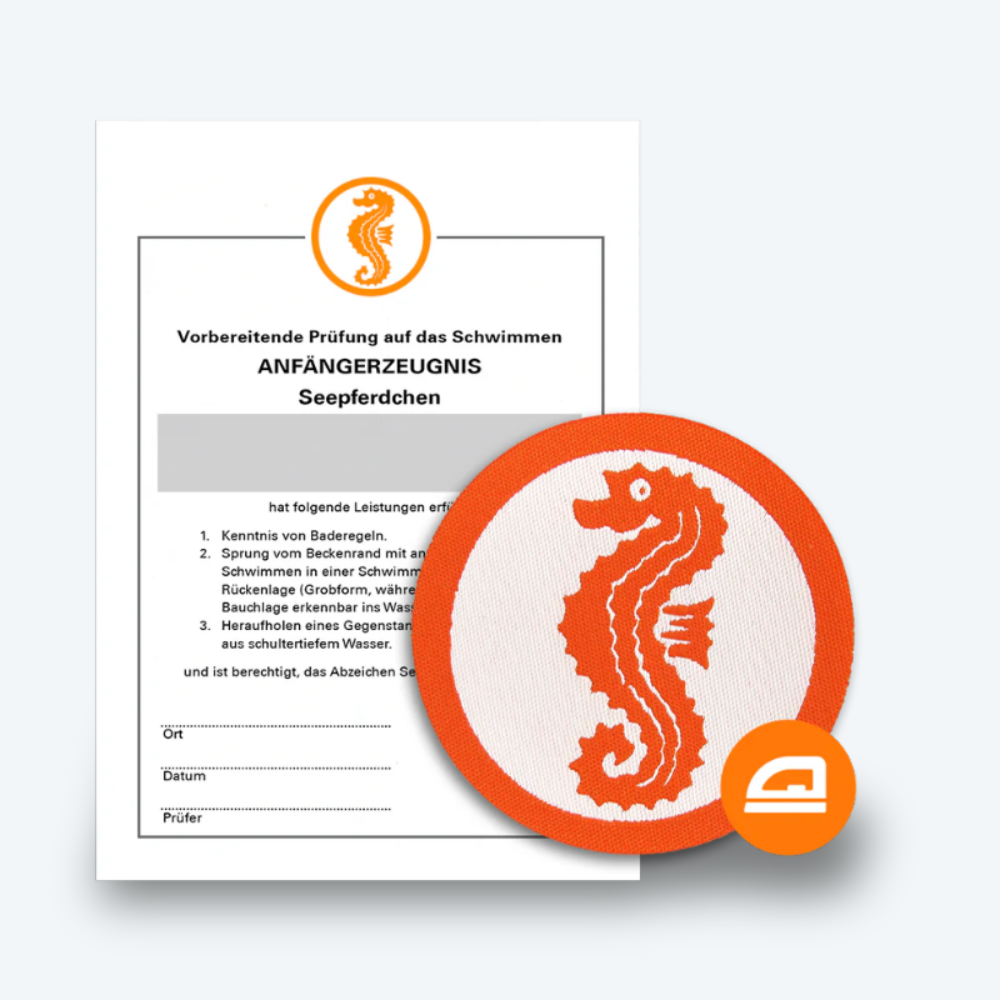
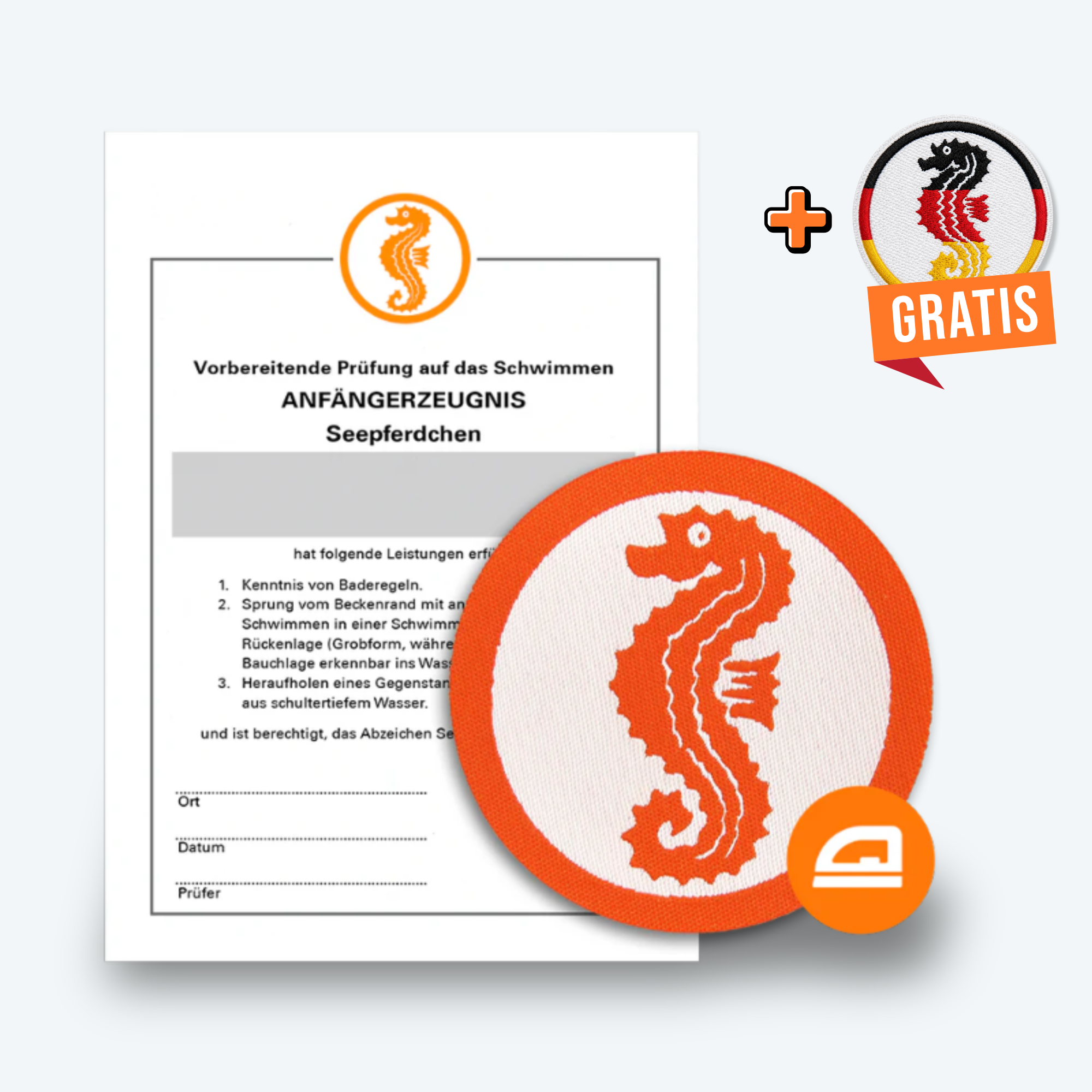
Parents and coaches know: The right swimming equipment determines learning success, safety, and long-term enjoyment of being in the water. Especially when it comes to swimming aids, armbands, or suitable accessories, not only the selection but also the motivation through recognition counts. At Pimpertz, you'll find everything for safe, durable equipment and certified swimming badges. Our Starfish Stella swimming badges & certificates are particularly popular, turning little swimmers into real water enthusiasts. Our products specifically address the challenges of your everyday life – whether it's about the right equipment for the first course or high-quality collector's albums.
Rely on over 38 years of experience and benefit from individual advice, official partnerships, and lightning-fast shipping. Browse now directly on pimpertz.de for the optimal accessories for your next swimming lessons or discover our Pirate Pimpi® swimming badges & certificates for swimming clubs and schools. Ensure that equipment, badges, and fun in swimming go hand in hand – start today and equip your children or group in the best possible way.
Frequently Asked Questions
Which swimming aids are best suited for beginners?
For beginners, swim vests, swim noodles, and kickboards are recommended. These pieces of equipment offer safety and help to learn the first swimming movements.
How do I choose the right size for armbands?
Make sure the armbands fit snugly and that the size is chosen according to the child's age and weight to ensure optimal buoyancy and safety.
What should I consider when buying a swimsuit for my child?
Choose a swimsuit with a good fit, made from skin-friendly, quick-drying materials. Pay attention to elasticity and robust seams to ensure comfort and freedom of movement.
How do I properly care for swimming equipment?
Rinse the equipment thoroughly after each use to remove chlorine and salt water. Store the equipment in a cool, dry place to prevent mold growth and material damage.