


Bronze Swimming Badge: Requirements, Examination & Training Tips
Introduction to Swimming Badges
-
The German Swimming Badge Bronze is an important milestone for children and adults in swimming.
-
It confirms swimming abilities in front crawl or backstroke, as well as diving to depth.
-
The test includes swimming a set distance and retrieving an object.
-
The achievements are tested under the supervision of a swimming instructor in the swimming pool.
Significance of the German Swimming Badge Bronze
-
The German Swimming Badge Bronze confirms that children can swim safely.
-
It is part of a structured swimming education along with Silver and Gold.
-
The training is conducted step-by-step to improve swimming abilities.
-
Bronze forms the basis for advanced swimming badges.
Requirements for the Bronze Badge
-
The test consists of theoretical and practical examination components.
-
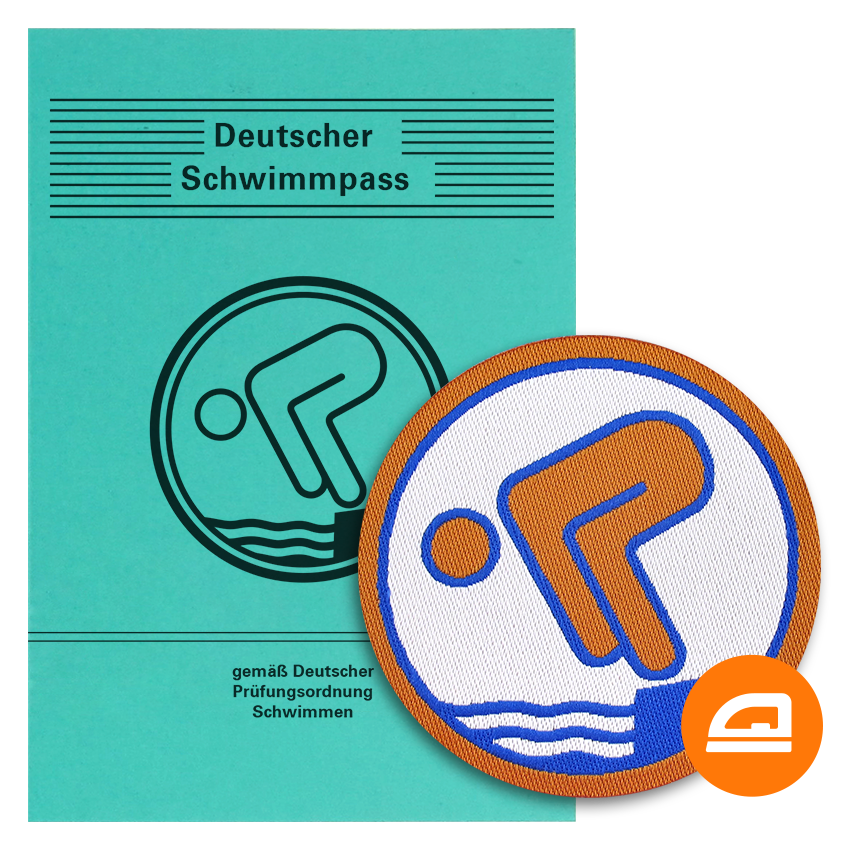
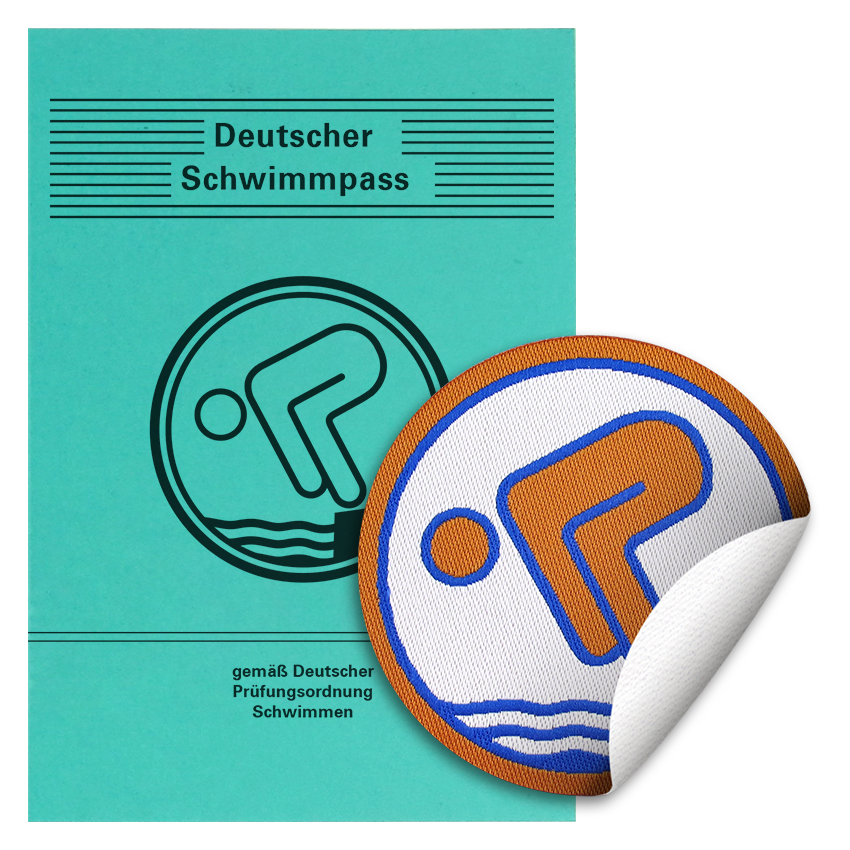
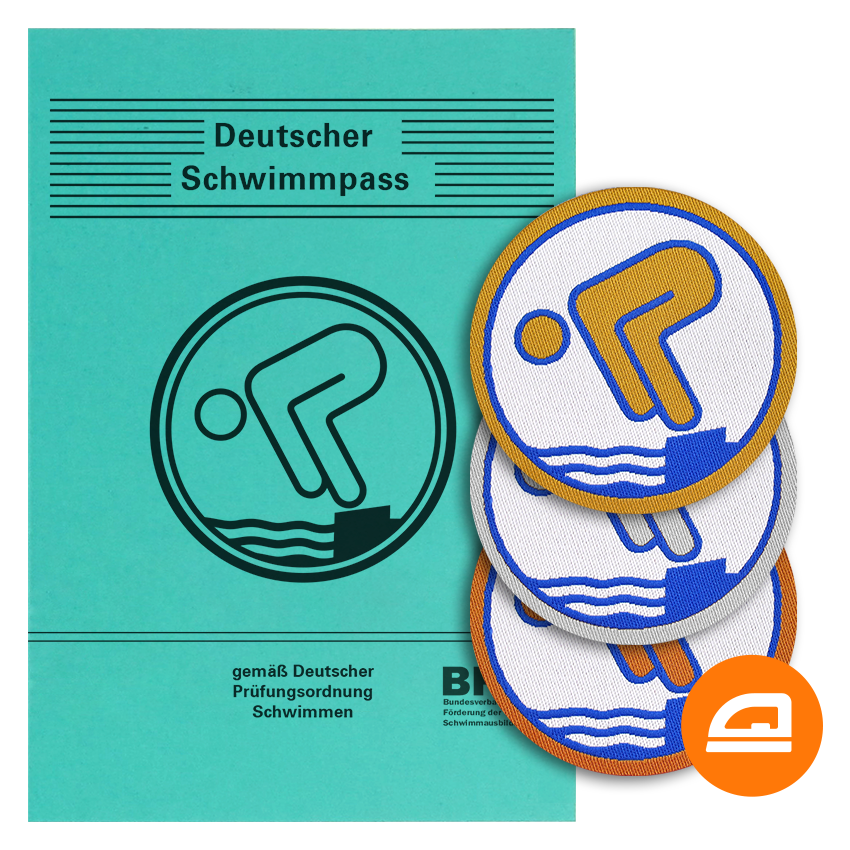
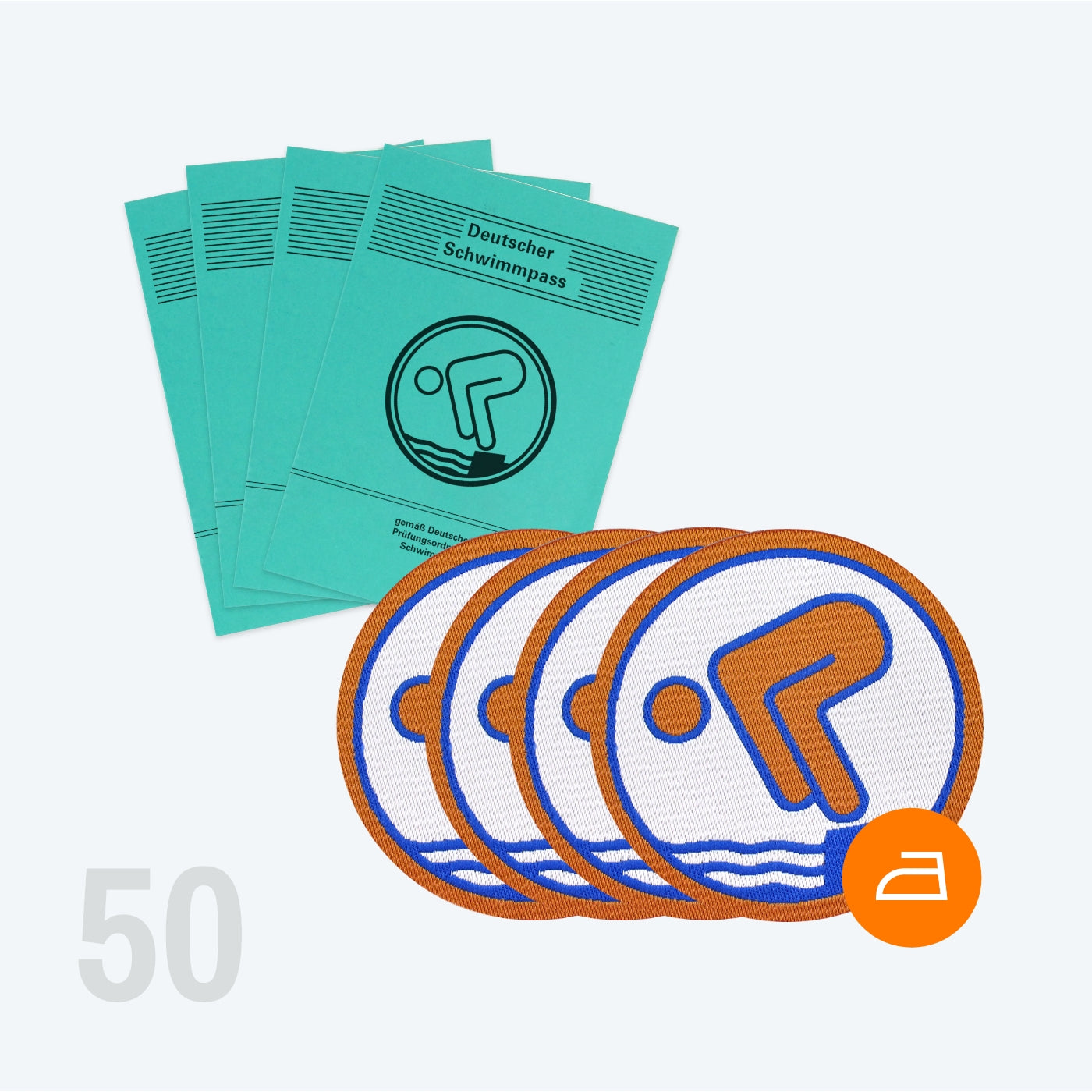
A passed test is documented in the swimming pass.
-
The Bronze Badge is a prerequisite for many school and sports activities.
-
The requirements ensure a comprehensive swimming education.
Theoretical Foundations
The Bronze swimming badge is not only proof of practical swimming skills but also requires sound theoretical knowledge. The theoretical examination covers central topics that are essential for safety in the water and form the basis for all other German swimming badges – from Silver to Gold.
An essential component is knowledge of the swimming rules. These rules are identical for every swimming badge, whether Bronze, Silver, or Gold, and must be understood by every swimmer. They teach how to behave correctly in and around water to avoid accidents and ensure one's own safety as well as that of others. This includes, for example, children knowing why wearing swimming trunks is important, why one should only swim in shoulder-deep water, and why jumping into unknown waters can be dangerous.
Another focus of the theoretical examination is behavior in emergencies. Here, candidates learn how to react correctly in case of bathing, boating, or ice accidents and how to help in an emergency without putting themselves in danger. This knowledge is of great importance not only for the Bronze swimming badge but also for the higher levels of Silver and Gold.
Understanding of different swimming styles is also tested. Children must know how to swim safely in front crawl or backstroke and how to change body position while swimming. Recognizing and applying a recognizable swimming style is an important part of the examination and contributes to safe movement in the water.
The theoretical foundations thus not only impart knowledge but also promote awareness of one's own responsibility in the water. They are an indispensable part of swimming education and help children develop into safe and confident swimmers. Those who master the theory lay the foundation for successfully acquiring further badges such as Silver and Gold and can enjoy swimming to the fullest.
Examination Performance and Theory
The examination requirements for the Bronze Badge are precisely prescribed and test the essential skills of a swimmer in practical and theoretical areas. These include practical and theoretical examination components. The examination is conducted under the supervision of a qualified swimming instructor and documents successful participation in the swimming pass.
-
Children must cover at least 200 m, of which 150 m must be in front crawl (200 m to cover, of which 150 m in front, m to cover, of which 150 m, 150 m in front). The entire swim must be completed in under 15 minutes (15 minutes swimming). A certain basic endurance is required for swimming 200 m without a break.
-
Swimming takes place in the swimming lane. During swimming in the lane, a change of body position without holding on is required (swimming lane, swimming lane without holding on, swimming in the swimming lane).
-
Swimming in front crawl or backstroke in a recognizable swimming style.
-
The head-first dive from the pool edge and a tuck jump from the starting block or 1-meter board are the diving components of the examination.
-
Diving to a depth of approx. 2 m and retrieving an object, e.g., a small diving ring, is a core skill tested for the Bronze swimming badge.
-
Knowledge of the ten swimming rules is required as a theoretical examination component for the Bronze badge.
It is important to note that excitement can cause children to swim worse in the examination situation than before.
Practical Requirements
The practical requirements for the German Swimming Badge Bronze are designed to comprehensively check basic swimming skills and water safety. The focus is on securely mastering various swimming styles and confidently moving in the water under realistic conditions.
A central element of the examination is swimming at least 200 meters, of which 150 meters must be in front crawl and 50 meters in backstroke in a recognizable swimming style. While swimming in the lane, the body position must be controllable at all times and changeable without holding on. This shows that the candidate not only possesses endurance but also the technique and flexibility to move safely in the water.
Another important criterion is the head-first dive from the pool edge or alternatively from the 1-meter board. This dive demonstrates that the swimmer is able to enter the water in a controlled and safe manner – a skill that is of great importance in many everyday situations in the swimming pool or at the lake.
Diving to a depth of approx. 2 meters and retrieving an object, such as a small diving ring, are further examination performances required for the Bronze swimming badge. This checks whether the candidate is able to dive underwater, maintain orientation, and safely bring an object to the surface. This ability is not only relevant for the swimming badge but also an important safety aspect.
Throughout the entire examination, particular attention is paid to the body position during swimming. Whether in front crawl or backstroke – the swimming style must be clearly recognizable and technically clean. Changing body position in the swimming lane without holding on is another criterion that emphasizes the versatility and safety of the swimmer.
All practical examination performances are taken under the supervision of a qualified swimming instructor or examiner. They are a central part of swimming education and ensure that the candidate meets the requirements of the German Swimming Badge Bronze. By successfully passing this examination, the swimmer proves that they master the basic swimming techniques and can move safely in the water – an important step on the way to higher badges such as Silver and Gold.
Swimming Techniques
-
Safe swimming in front crawl or backstroke is the fundamental prerequisite for passing the Bronze swimming badge.
-
The body position during swimming must be recognizable.
-
The backstroke must be performed in a recognizable swimming technique.
-
These techniques are part of the examination for the Bronze Badge.
Role of the "Freischwimmer" Level
The Bronze swimming badge is the first official badge in German swimming education and marks the transition from beginner to "Freischwimmer" (free swimmer). This level opens up new opportunities in the water and is an important prerequisite for advanced swimming courses and activities.
-
With the Bronze Badge a child is officially considered a "Freischwimmer."
-
Earlier swimming badges like the Frog swimming badge are a good preparation and prerequisite for many leisure activities and swimming courses.
-
The Bronze Badge strengthens swimming competence and safety in the water.
-
It opens doors to further swimming offers.
Preparation and Tips
Proper preparation is crucial for successfully acquiring the Bronze swimming badge. Structured training planning, targeted exercises, and professional guidance from a swimming instructor help to master the required skills confidently. Regular training and focused practice significantly increase the chances of success.
-
Regular training in a swimming course is crucial for exam success.
-
Diving to depth from the water surface is practiced intensively.
-
The head-first dive from the pool edge is practiced multiple times.
-
Retrieving an object, e.g., a small diving ring, is practiced.
Finding Course Offers
-
Many clubs and swimming schools offer courses for the German Swimming Badge Bronze.
-
Courses include exercises for swimming, diving, and theory.
-
Special trainings specifically prepare for the examination components.
-
Courses promote safe swimming education for children.
German Swimming Badge
The German Swimming Badge system is a structured progression that develops swimmers from beginners to advanced swimmers. The Bronze swimming badge is the first official level and forms the basis for the higher levels of Silver and Gold. After Bronze comes the German Swimming Badge Silver, which places higher demands, such as longer swimming distances, different swimming disciplines, and additional techniques that further promote swimming safety and competence. Each level builds on the skills of the previous one and requires increasingly difficult techniques and endurance.
-
The German Swimming Badge is an important part of swimming education.
-
There are different levels, from Bronze to Gold.
-
Each level has its own requirements and examination components.
-
The German Swimming Badge is an official mark of swimming skills.
Silver and Gold Badges
-
After Bronze, Silver and Gold follow with higher demands on technique and endurance.
-
Silver requires at least 400 m swimming, 50 m in another swimming style, and approx. 2 m diving to depth.
-
Gold includes underwater swimming and safe change of body position while swimming.
-
Both badges require advanced knowledge of swimming rules and promote swimming education.
German Swimming Badge Silver
-
The German Swimming Badge Silver is the next level after Bronze.
-
It requires a higher swimming ability and endurance.
-
The examination components for the German Swimming Badge Silver are more demanding than for Bronze and include longer swimming distances as well as different swimming disciplines.
-
The Silver Badge is an important step towards the Gold Badge and underlines the importance of swimming safety and competence.
Benefits for Young and Old
-
All age groups benefit from structured swimming education.
-
The Bronze Badge shows commitment and responsibility.
-
Official swimming badges stand for quality and safety.
Conclusion
-
The German Swimming Badge Bronze stands for safety, technique, and enjoyment of swimming.
-
Clear examination components and structured preparation are crucial.
-
Motivation and training make the Bronze Badge an unforgettable experience.
-
It is an important step in swimming education for every child.
The current examination requirements for the German Swimming Badge Bronze are valid from 01.01.2020 and have been standardized by the German Life Saving Association. This regulation ensures that all candidates are assessed according to uniform criteria.
For the practical examination components of the head-first dive from the pool edge and 15 minutes of swimming, clear guidelines apply. The candidate must cover at least 200 meters within the specified time, with endurance playing an important role.
The theoretical examination includes knowledge of swimming rules, which are mandatory for all swimming badges. This knowledge of swimming rules is essential for safety in the water and must be demonstrated by every candidate.
Diving to depth from the water surface and retrieving a small diving ring tests the ability to navigate underwater. Retrieving an object from approx. 2 meters depth is a central requirement.
The combination of swimming rules, practical examination components, and a head-first dive from the starting block or 1 m board forms the foundation of the examination. Alternatively, the dive can also be performed from the starting block or 1 m board.
While swimming in front crawl, visibly exhaling into the water is required. Visibly exhaling into the water demonstrates correct breathing technique when swimming in front crawl.
Special rules apply to retrieving an object with the hands from shoulder-deep water (shoulder depth relative to the candidate). The depth is measured according to the swimmer's height.
The swimming rules, practical examination components, and the head-first dive are central elements of every test. Visibly exhaling into the water while swimming in front crawl demonstrates the correct breathing technique.
Exhaling visibly into the water in the front crawl position is particularly important for endurance. The practical examination components, head-first dive, and swimming rules together form the basis of certification.
The combination of swimming rules, practical examination components, a head-first dive from the pool edge, and diving to depth together form the foundation of a successful examination for the Bronze badge.
For the Bronze badge, it is necessary to already have the Seepferdchen certificate. The swimming badges start with the Seepferdchen and lead up to the Gold badge, although the Seepferdchen is not proof of safe swimming. The Bronze badge is the first great success in swimming education and marks the transition from beginner to safe "Freischwimmer."
When preparing for the swimming badge, it is advisable to start with shorter distances and then gradually increase them. Diving to depth requires a strong leg kick for propulsion to safely reach the necessary depth of approx. 2 meters. The cost of taking the Bronze swimming badge test is usually between 5 and 10 Euros at clubs, the DLRG, or swimming schools.