
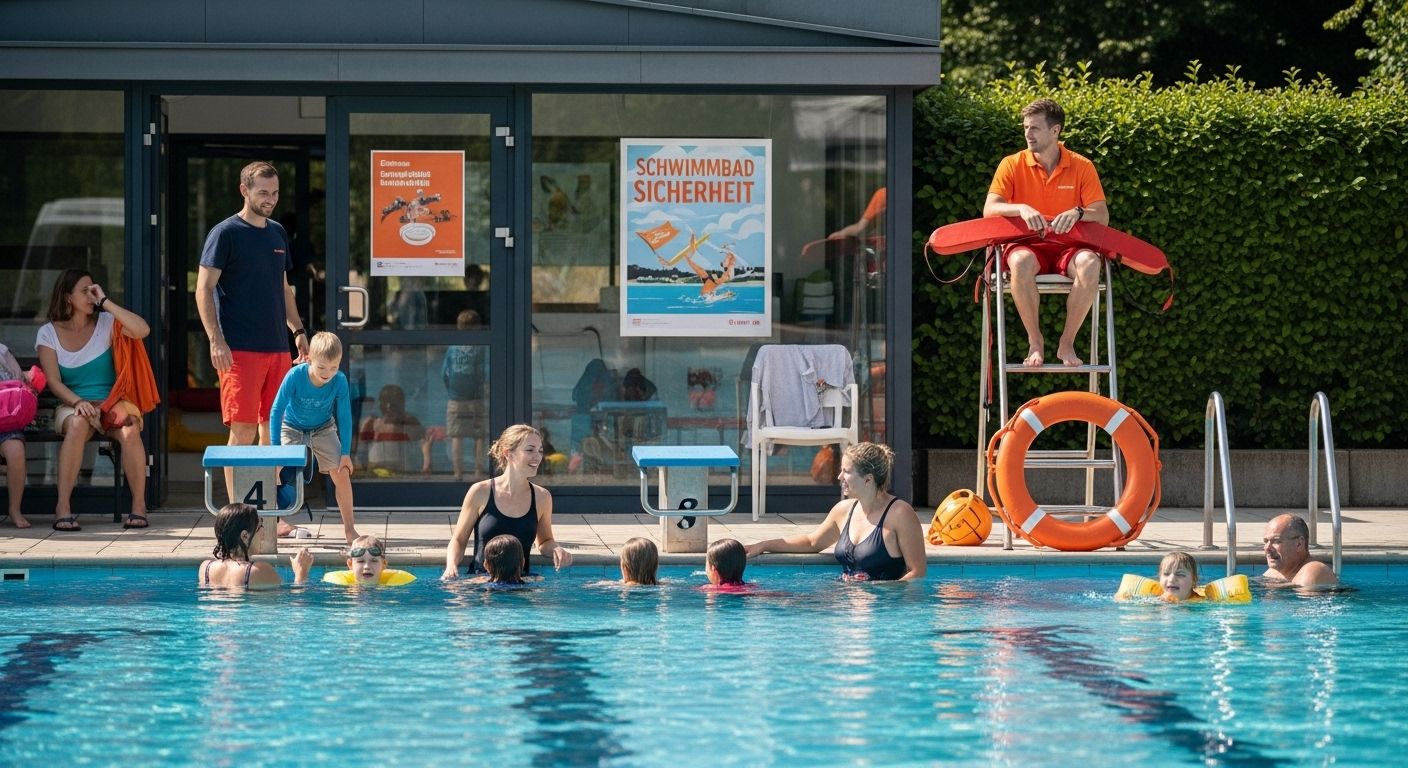
Swimming Pool Safety: Important Measures for All Users
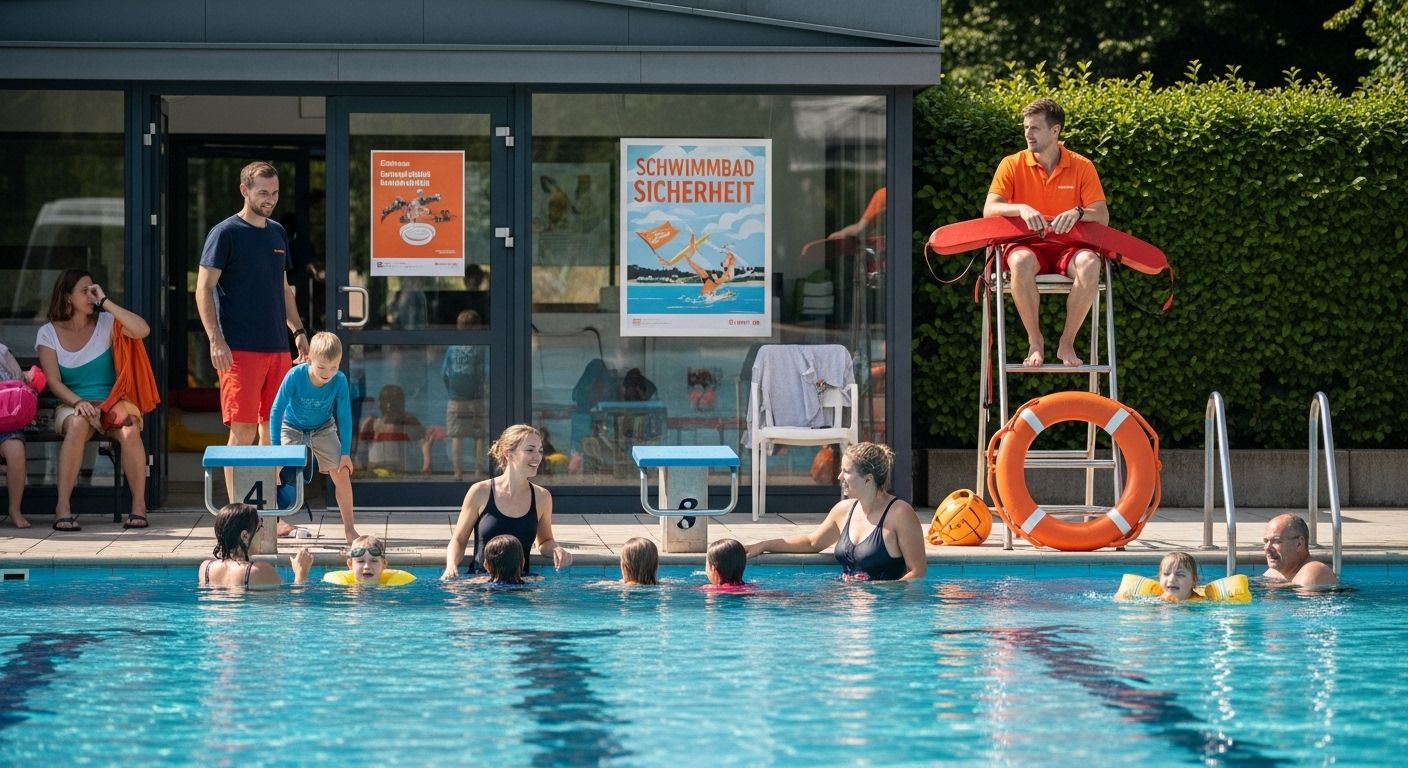
Every summer, thousands of people flock to swimming pools, seeking refreshment, fun, and relaxation. Nevertheless, accidents still happen in swimming pools, even though water is generally considered harmless. What many don't expect: Even a brief moment of inattention can lead to hundreds of children drowning or suffering severe injuries from slips and hygiene problems every year. True swimming pool safety doesn't begin in the water, but before—with clear rules, trained staff, and clever protective measures.
Table of Contents
- Identifying and Avoiding Hazards in Swimming Pools
- Important Safety Rules for Children and Adults
- Safety Equipment and Its Proper Use
- Organizing Swimming Pool Safety: Tips for Operators and Clubs
Quick Summary
| Takeaway | Explanation |
|---|---|
| Supervision of children is essential | Children should always be supervised by an adult to prevent drowning accidents. |
| Promote swimming skills early | Children should learn to swim to increase their safety in the water. |
| Use non-slip surfaces | Wet areas should be non-slip to prevent fall injuries. |
| Ensure availability of rescue equipment | Rescue equipment must always be functional and within reach to provide quick assistance. |
| Regular staff training | Pool staff must be continuously trained to act correctly in an emergency. |
Identifying and Avoiding Hazards in Swimming Pools
Swimming pools are places of joy and recreation, but they also pose numerous potential risks that should not be underestimated. The safety of all bathers requires a vigilant eye and a clear understanding of potential hazards.
Water-Related Risks and Accident Hazards
The risk of water accidents is one of the most serious challenges in swimming pools. According to the U.S. Consumer Product Safety Commission, several critical safety aspects must be systematically addressed.
Unsupervised access to the swimming pool is particularly dangerous. Children can quickly and unnoticed approach the water, which can lead to life-threatening situations. Structural safety measures such as fences at least 4 meters high with self-closing gates can be crucial here.
Another significant danger is suction systems and drain channels. Modern swimming pools must be equipped with special covers to minimize entrapment risks. These covers prevent body parts or clothing from being drawn into the suction systems.
Slip and Fall Hazards
Wet surfaces in and around the pool significantly increase the risk of fall injuries. Pool visitors should always pay attention to non-slip areas and walk carefully. Areas with special anti-slip coatings or non-slip mats are ideal for providing safety.
Children and the elderly are particularly at risk, having a higher chance of slipping on wet tiles. Wearing swimming shoes with good tread can provide additional protection.
Hygiene and Health Risks
In addition to physical accident hazards, there are also significant health risks. Improperly maintained swimming pools can become breeding grounds for bacteria and pathogens. Regular water checks and correct chlorination are essential to minimize infection risks.
Parents and pool supervisors should pay particular attention to behavioral rules such as showering before swimming and avoiding water contact with open wounds. These simple measures significantly reduce the risk of cross-contamination.
To effectively ensure swimming pool safety, a combination of structural measures, clear behavioral rules, and continuous attention from all involved is required. Only through preventive safety concepts can we make swimming pools places of relaxed and hazard-free enjoyment.
Important Safety Rules for Children and Adults
Swimming pools offer fun and recreation, but at the same time require the highest level of attention and strict safety measures. The safety of children and adults largely depends on conscious behavior and clear rules of conduct.
Supervision and Monitoring
According to the Centers for Disease Control and Prevention, drowning often happens silently and within seconds. This underscores the absolute necessity of uninterrupted and active supervision. Parents and adults must constantly keep an eye on their children in the water, without distractions like smartphones or conversations.
The American Academy of Pediatrics recommends "rotational water watch." Adults take turns supervising, so one person is always solely responsible for monitoring those swimming. This method minimizes inattention and reduces accident risks.
Swimming Skills and Protective Measures
Learning swimming skills is fundamental for water safety. Children should receive systematic swimming lessons early on, which teach not only swimming techniques but also safety strategies. Lifesaving, dealing with panic, and self-rescue techniques are essential components of such courses.
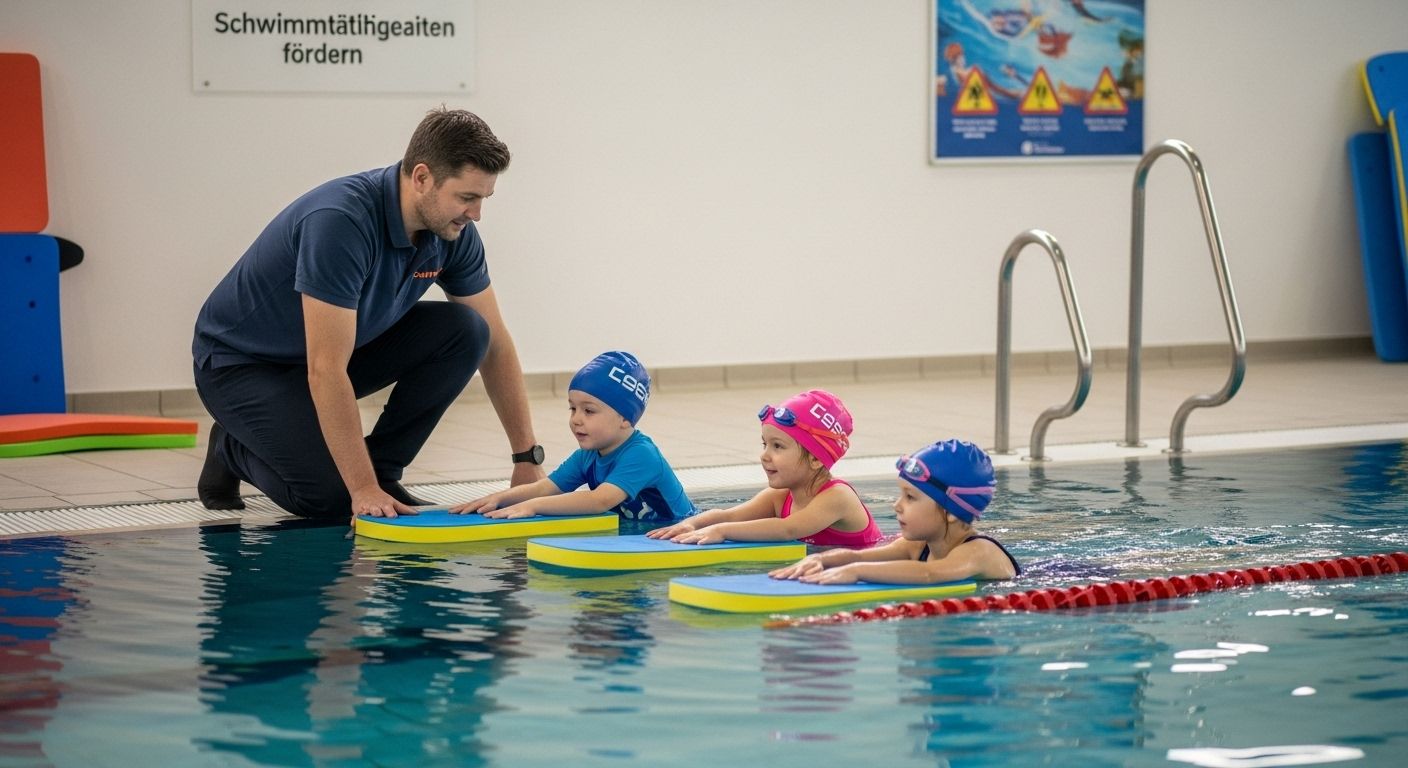
Nationwide Children’s Hospital emphasizes the importance of structural safety measures. A four-sided fence, at least 1.2 meters high, with a self-closing and self-latching gate prevents unintentional access by children to the pool area.
Behavioral Rules and First Aid Knowledge
Every pool visitor must know and adhere to basic rules of conduct. Important aspects include:
- No Running: Wet tiles are extremely slippery
- No Pushing: Avoid dangerous situations in the water
- Avoid Alcohol: Alcohol consumption and swimming are a dangerous combination
Additionally, adults should possess basic first aid and resuscitation skills. A resuscitation course can save lives in an emergency. The ability to react quickly and professionally can make the difference between life and death.
Swimming pool safety is a shared responsibility. Only through mutual consideration, constant vigilance, and preventive measures can we make swimming pools safe places of enjoyment.
Safety Equipment and Its Proper Use
Safety equipment in swimming pools is more than just extra gear – it forms the backbone of a comprehensive safety concept. The correct selection, installation, and application of safety equipment can save lives in an emergency.
Rescue Equipment and First Aid Materials
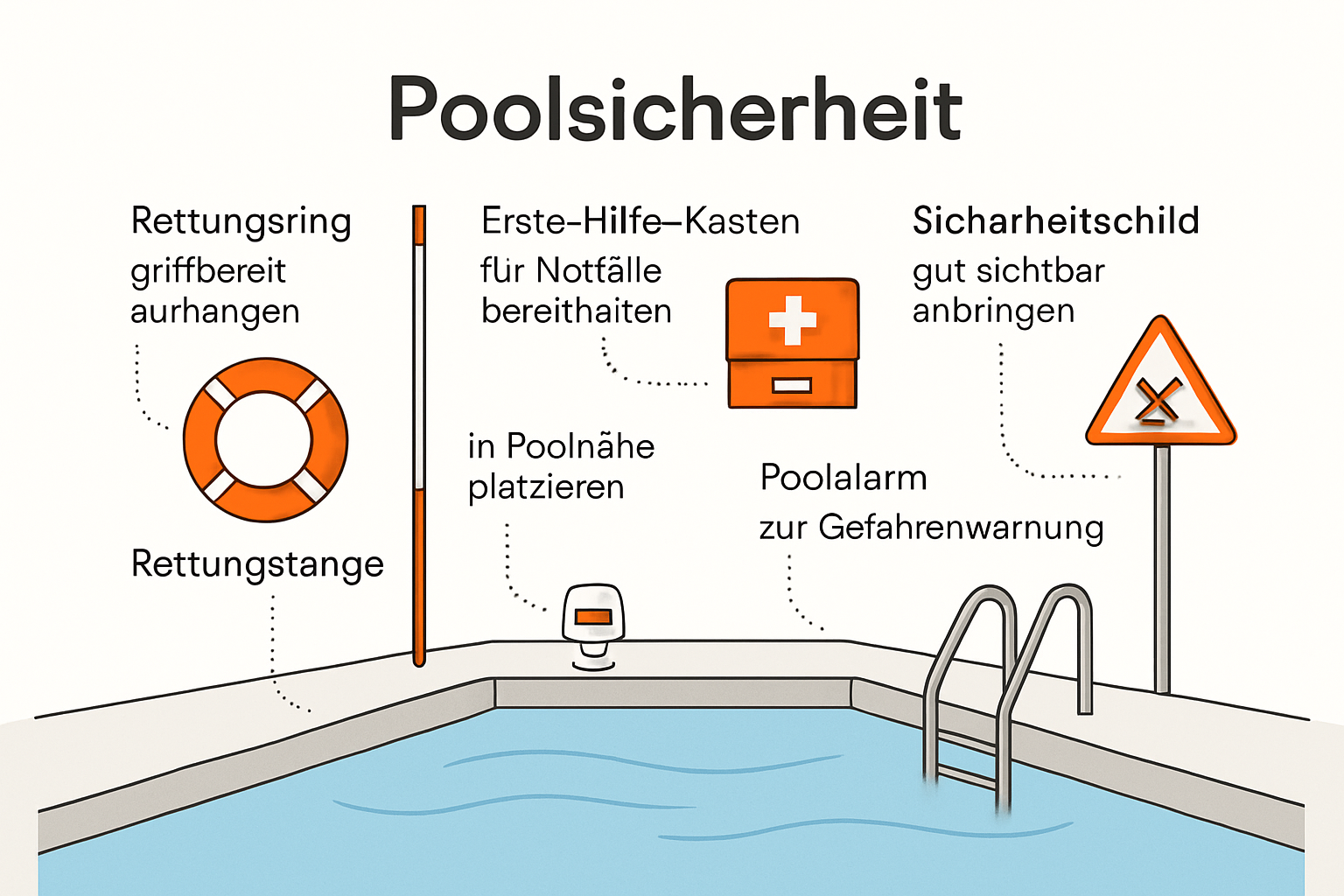
According to the US Consumer Product Safety Commission, rescue equipment must not only be present but also in perfect condition and easily accessible. Basic equipment includes:
- Lifebuoys: Should be placed in clearly visible locations and regularly checked for damage
- Rescue poles: At least 3-4 meters long to quickly assist those in distress
- First-aid kit: Fully stocked with waterproof bandages, disinfectants, and wound dressings
All staff and supervisors must be trained in the use of this equipment. Regular training and drills are essential to be able to react professionally in an emergency.
To help readers quickly compare the various types of safety equipment discussed, the following table summarizes standard safety devices found in swimming pools, their recommended usage, and important notes regarding their maintenance and application.
| Equipment | Recommended Usage | Key Notes |
|---|---|---|
| Lifebuoys | For swimmers in distress | Place in visible locations, regularly inspect |
| Rescue poles | Water rescue | 3-4 meters long, easily accessible |
| First-aid kit | Treatment of injuries | Completely and waterproof stocked, accessible |
| Life jackets | For children and non-swimmers | Adjust size, regularly check |
| Armbands | For beginner swimmers | Correct fit is crucial |
| Pool alarm system | Pool area monitoring | Regular maintenance, immediate signaling |
Technical Safety Installations
Modern swimming pools feature various technical safety systems. Important components include:
- Pool alarm systems that signal unintentional entry into the pool area
- Video camera systems for monitoring critical areas
- Automatic water depth gauges and warning devices
These systems must be continuously maintained and checked for functionality. Regular inspection by specialists prevents failures and ensures reliable protection.
Personal Safety Equipment
In addition to general equipment, individual safety gear also plays a crucial role. For children and non-swimmers, this includes:
- Life jackets in the correct size
- Armbands for beginners
- Visible, brightly colored swimwear
Correct sizing and fit are particularly important. Ill-fitting swimming aids can do more harm than good. Parents and supervisors should always check the quality and functionality of the equipment.
Safety equipment is an investment in human lives. Only through well-thought-out, professionally installed, and maintained systems can we make swimming pools safe places for recreation and enjoyment.
Organizing Swimming Pool Safety: Tips for Operators and Clubs
For swimming pool operators and clubs, safety is not only a legal obligation but a moral responsibility towards all bathers. Professional safety organization requires a systematic approach and continuous commitment.
Staff Training and Qualification
According to the California Department of Education, well-trained staff form the foundation of swimming pool safety. Operators must ensure that all employees are thoroughly trained. This includes:
- Lifeguard qualifications: At least two qualified lifeguards per shift
- First aid certificates: Current resuscitation and first aid courses
- Regular safety training: Annual mandatory training on emergency protocols
Documenting these qualifications is as important as acquiring them. Regular reviews and refresher courses guarantee a consistently high level of safety.
Chemical and Water Hygiene
The Centers for Disease Control and Prevention emphasize the critical importance of water hygiene. Professional swimming pools must:
- Store and handle chemicals properly
- Conduct daily water quality checks
- Maintain documented maintenance logs
- Continuously monitor pH value and chlorine levels
Professional water analysis prevents health risks and ensures a safe swimming experience.
Infrastructure and Emergency Management
The CDC Healthy Swimming recommends comprehensive safety concepts that go beyond mere water supervision. Operators should:
- Install clear signage with safety instructions
- Set up clearly visible escape routes and first aid stations
- Develop detailed emergency plans and make them known to all employees
- Conduct regular emergency drills
Well-thought-out emergency management can save lives in a critical moment. Every action must be precisely planned and practiced.
The table below summarizes core responsibilities and critical routines for swimming pool operators and club managers. Use it as a reference checklist to ensure compliance with safety and hygiene demands.
| Responsibility | Essential Action | Frequency/Requirement |
|---|---|---|
| Lifeguard qualification | At least two per shift | At all times |
| First aid certificates | Complete current courses | Regularly update |
| Safety training | Mandatory training on emergency management | Annually |
| Water quality checks | Daily inspection, maintain maintenance log | Daily |
| Chemical handling | Store safely and handle professionally | Continuously, as needed |
| Signage & escape routes | Clear instructions, visible at all times | Ongoing, with structural changes |
| Emergency plan and drills | Develop emergency concept, conduct drills | Regularly (recommendation: annually) |
Swimming pool safety is a dynamic process that requires constant attention, training, and adaptation. Only through holistic safety thinking can operators and clubs ensure the highest level of safety for all bathers.
Frequently Asked Questions
How can I ensure my child's safety in the swimming pool?
Parents should always actively supervise their children and ensure they take swimming lessons. Learning to swim significantly increases safety.
What safety equipment is necessary in a swimming pool?
Important safety equipment includes lifebuoys, rescue poles, and first-aid kits. These should always be functional and easily accessible.
What are the most common dangers in a swimming pool?
The most common dangers in swimming pools include drowning accidents, fall risks on slippery surfaces, and health risks due to inadequate hygiene in the water.
How often should safety checks be carried out in a swimming pool?
Safety checks should be carried out regularly, at least once a year. This includes checking water quality, inspecting safety equipment, and staff training.
Make Your Swimming Pool Experience Safe and Motivating
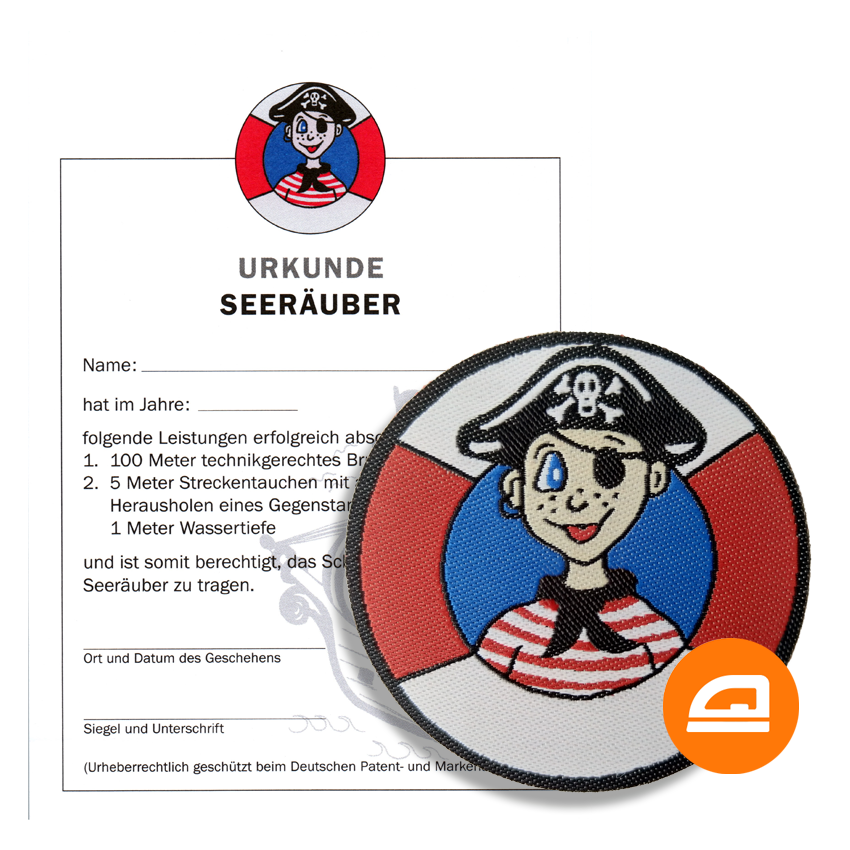
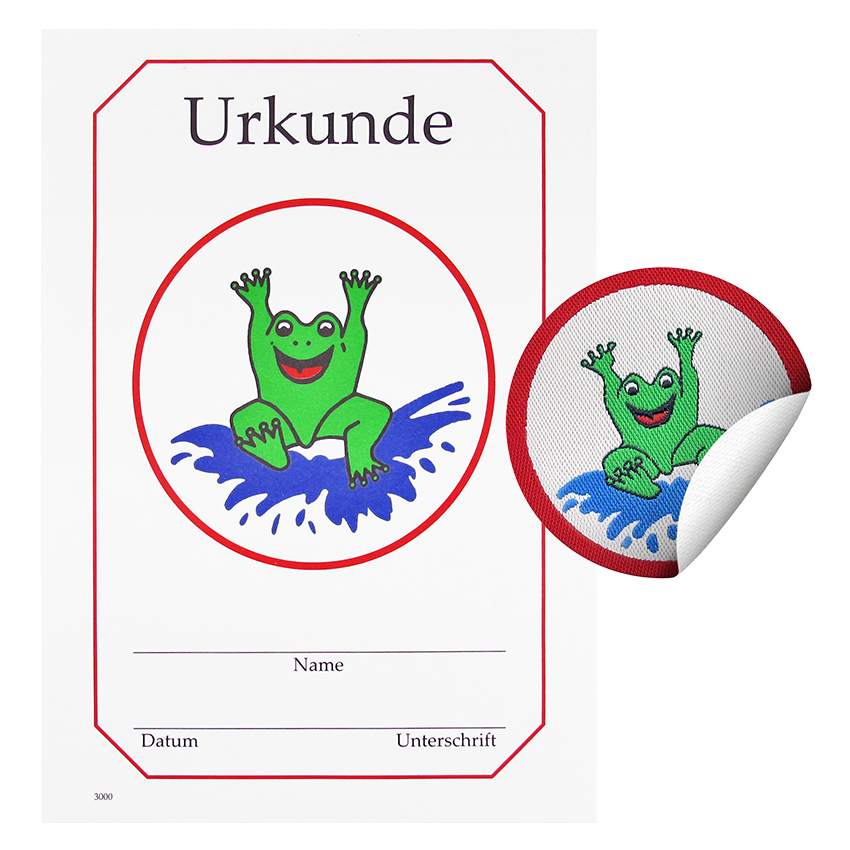
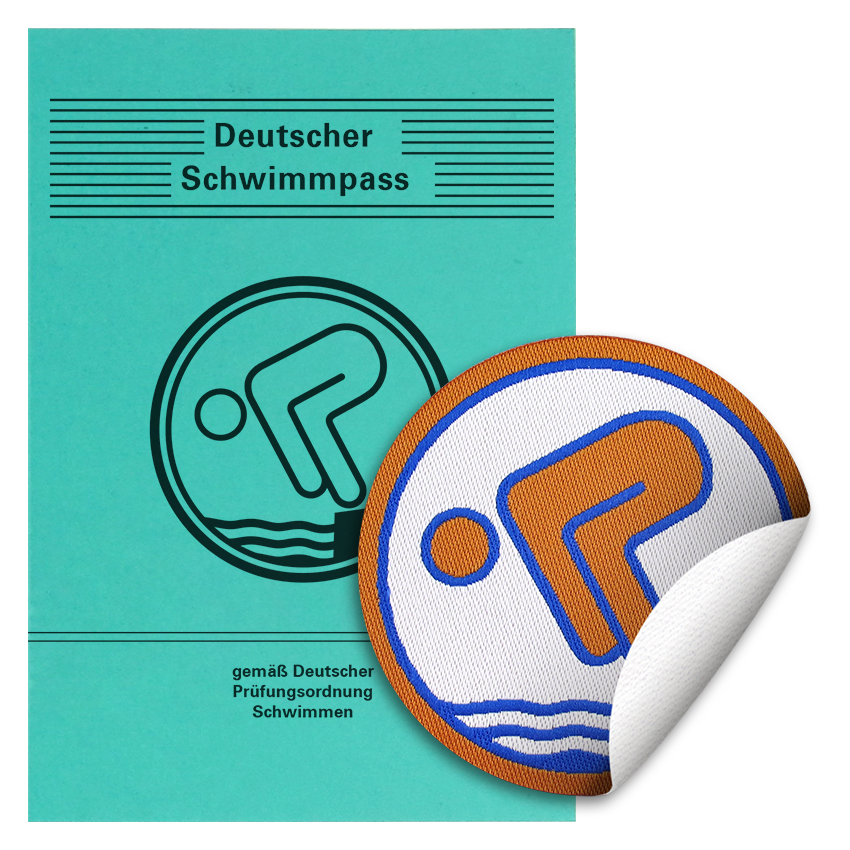
Swimming pool safety begins with good habits, clear rules, and strong motivation for children and adults. Perhaps you recognize the problem: you worry about the well-being of your children or your swimming group. You want to prevent accidents and make progress in learning to swim visible and recognized. Especially genuine swimming badges create a sense of achievement and motivate greater responsibility in the water—making the consistent implementation of important safety rules much easier. The safety measures and didactic tips discussed in the article only work really well in practice if swimmers receive a tangible goal and a clear reward for each learning stage.
With the Seestern Stella Swimming Badges & Certificates from Pimpertz, you start exactly here. Our officially certified and child-friendly designed badges are perfect for swimming courses, clubs, and families who want to combine safety and fun. Benefit from over 38 years of experience, official partnership with DLRG and BFS, and lightning-fast shipping. Get everything you need for motivating and safe swimming now—visit Pimpertz – Your Partner for Swimming Badges and ensure more safety and success in the water today.
Recommendation
-
Swimming Badge Bronze–Gold | Easy 3-piece Set with Swim Pass -
50x Silver Badge for Sticking & Swim Pass – easy & fast -
Set Gold Swimming Badge & German Swim Pass | Easy Plus -
Seestern Stella Swimming Badges & Certificates
If you want to delve deeper into the most important aspects of water quality and proper pool maintenance, you can find more practical tips in this French guide to Conseils entretien piscine.