
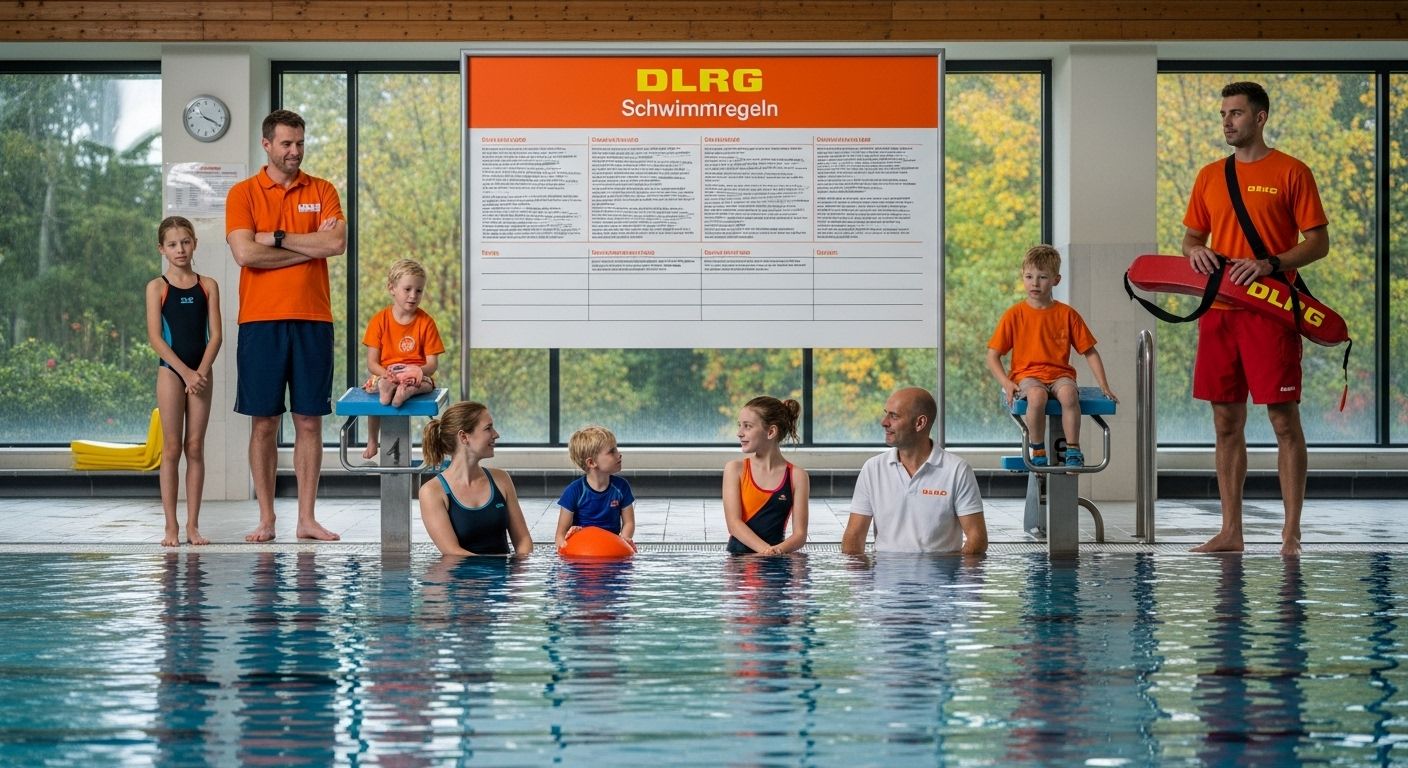
DLRG Swimming Rules: Swimming Safety Explained Simply
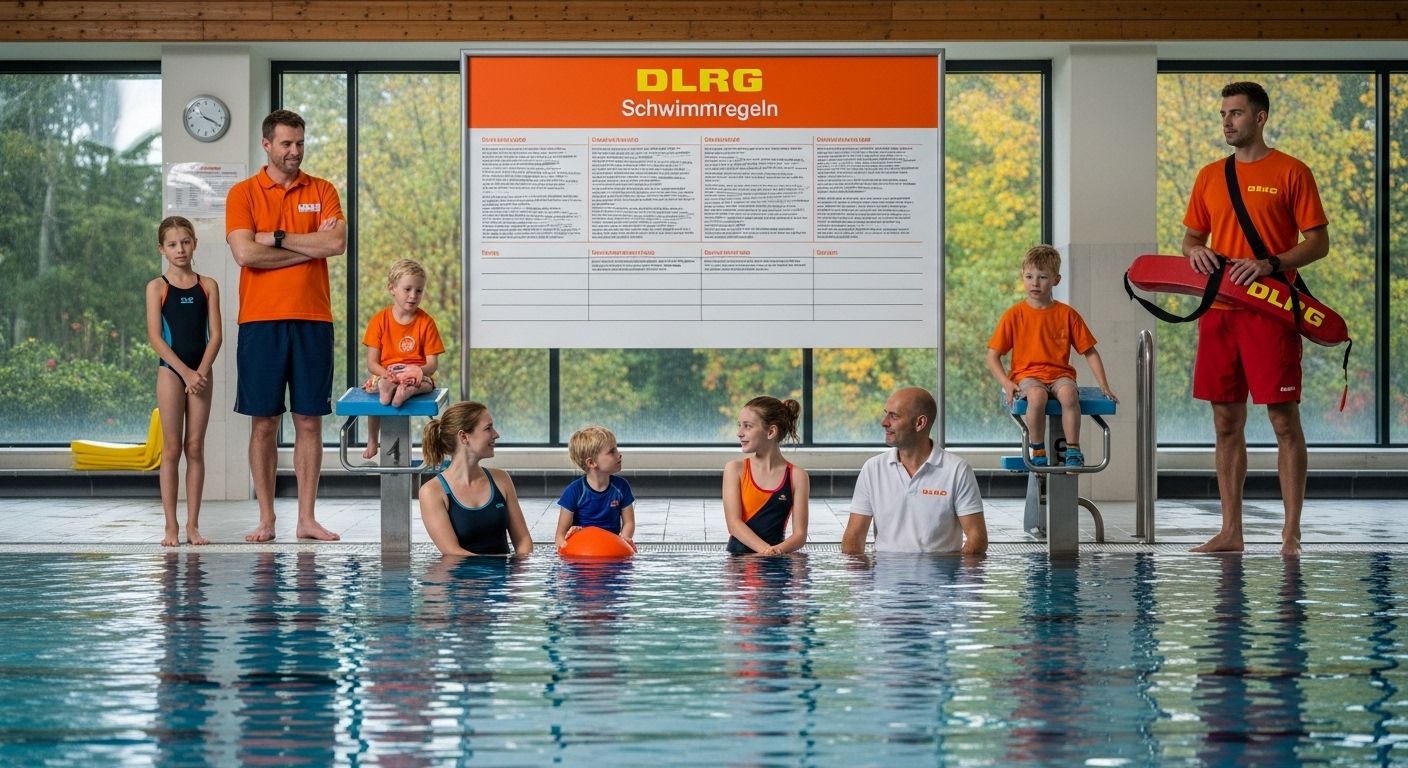
When swimming, every second counts, and often a moment of inattention is enough to change everything. Many people think that rules in the water are only important for beginners, but the opposite is true. According to statistics, over 236,000 people worldwide die from drowning annually, and often it is experienced swimmers who overlook warning signs. The DLRG swimming rules are therefore not just recommendations, but save lives – sometimes in surprisingly different ways than one might think.
Table of Contents
- What are the DLRG Swimming Rules and to whom do they apply?
- Overview of the Most Important Swimming Rules
- Tips for Implementing Swimming Rules in Everyday Life
- DLRG Swimming Rules: Recommendations for Organizations and Schools
Quick Overview
| Takeaway | Explanation |
|---|---|
| Never swim alone | Always swim accompanied or supervised, especially children. This minimizes the risk of drowning accidents. |
| Honest self-assessment | Do not overestimate your swimming abilities. Stay in water situations that match your skill level to avoid dangers. |
| Heed warning signs | Respect warning signs and instructions from lifeguards. This information is crucial for your safety in the water. |
| Prepare yourself | Pay attention to suitable swimming aids, weather conditions, and training. Good preparation minimizes risks and increases safety. |
| Parents should supervise children | Never leave children unsupervised near or in the water. Constant supervision and early swimming lessons are essential for their safety. |
What are the DLRG Swimming Rules and to whom do they apply?
The DLRG swimming rules form the foundation of water safety in Germany and are more than just simple guidelines for behavior. They represent a comprehensive safety system designed to protect people of all ages from the dangers in and around water.
The Core Principles of the DLRG Swimming Rules
The foundations of the DLRG swimming rules are based on decades of experience in lifeguarding and the systematic analysis of water accidents. According to the Centers for Disease Control and Prevention, comparable safety guidelines are crucial worldwide for the prevention of drowning accidents. The most important principles include:
- Never swim alone: The absolute rule to always swim accompanied or supervised.
- Assess your own abilities: An honest self-assessment of individual swimming competence is essential.
- Respect water conditions: Accurately analyze the nature and current situation of the water body.
These rules apply universally to swimming pools, lakes, rivers, and oceans. They are aimed at children, adolescents, and adults alike and form a crucial basis for safe water sports behavior.
Scope and Significance
The DLRG swimming rules have a comprehensive scope. They are not just recommendations but practiced safety standards in all public and private swimming areas. As confirmed by the Federal Highway Administration’s Aquatic Safety Handbook, such safety protocols are crucial for accident prevention.
Their goal is to minimize risks and create awareness of potential dangers in the water. This includes not only technical aspects such as swimming techniques but also mental preparation and risk assessment.
The rules are particularly important for:
- Children and adolescents in swimming pools
- Recreational swimmers at lakes and beaches
- Club and competitive swimmers
- Water sports enthusiasts of various disciplines
The DLRG swimming rules are a living system that continuously adapts to new insights and changing environmental conditions. They are the result of decades of research, practical experience, and tireless commitment to water safety.
Overview of the Most Important Swimming Rules
Safety in and around water requires clear and consistently implemented rules. The DLRG has therefore developed a comprehensive catalog of swimming rules designed to help swimmers of all ages avoid dangers and behave responsibly in the water.
Basic Rules of Conduct for Swimming
According to the Centers for Disease Control and Prevention, swimming accidents are one of the leading causes of death in children. Therefore, the following basic rules are essential:
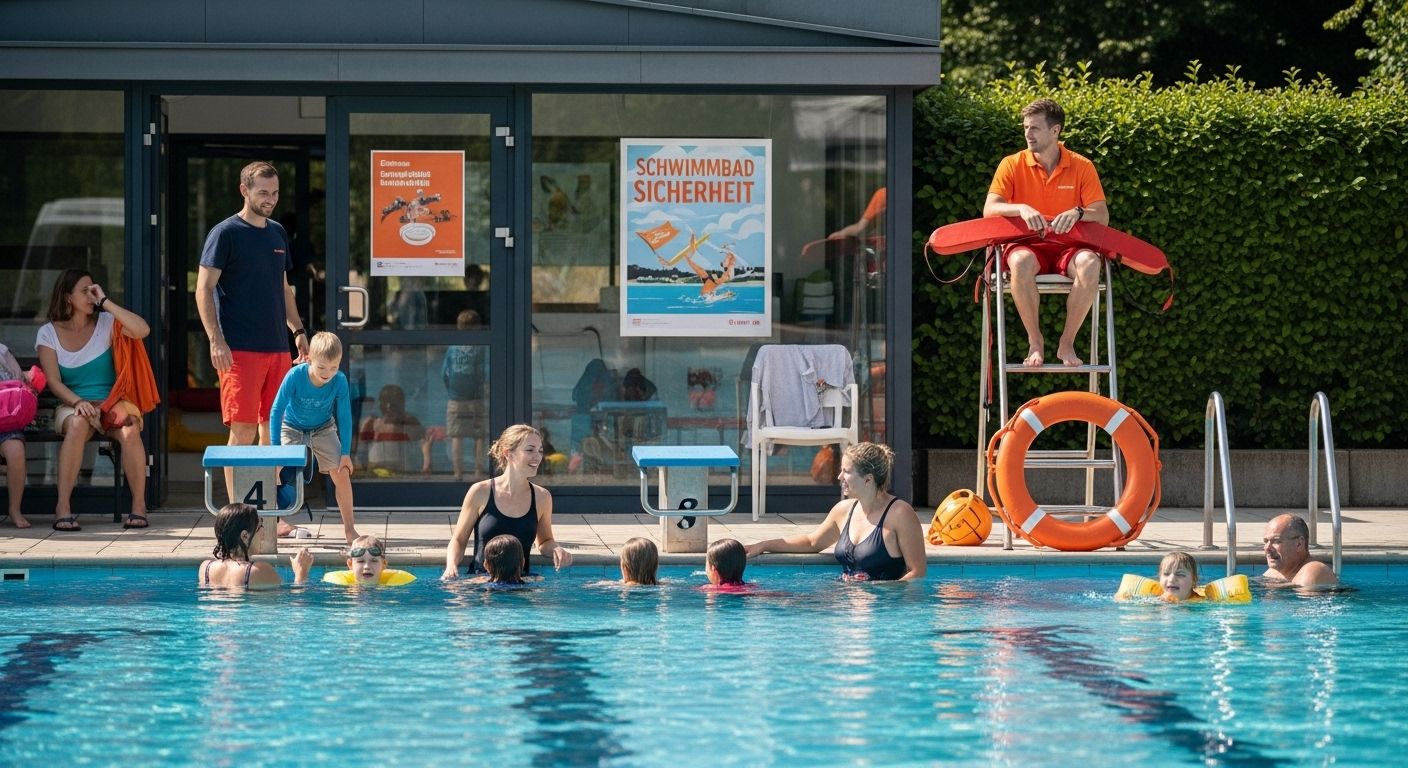
- Never swim alone: Always swim accompanied or supervised. This applies particularly to children and beginners.
- Honestly assess swimming abilities: Do not overestimate your abilities. Stay in areas that match your skill level.
- Heed warning signs: Respect warning signs, flags, and instructions from lifeguards.
Safety Aspects for Different Waters
The United States Lifesaving Association recommends specific safety measures for different types of water bodies. Additional rules of conduct apply to lakes, rivers, and oceans:
- For lakes and rivers: Closely observe currents and water depth
- At beaches: Only swim in designated swimming areas
- In swimming pools: Observe jumping and lane rules
Here is a summary table comparing the key DLRG swimming safety rules and the specific advice provided for different aquatic environments. This table helps illustrate the unique safety considerations needed for lakes, rivers, oceans, and swimming pools.
| Environment | Key Safety Rule/Aspect | Details |
|---|---|---|
| Lakes & Rivers | Observe currents and water depth | Closely observe currents and water depth |
| Beaches (Meere) | Swim in designated swimming areas | Only swim in designated swimming areas |
| Swimming Pools | Follow jumping and lane rules | Observe jumping and lane rules |
| All Environments | Never swim alone | Always swim accompanied or supervised |
| All Environments | Assess own swimming abilities honestly | Do not overestimate abilities, stay within your own capacity |
| All Environments | Respect warning signs and lifeguard instructions | Follow warning signs, flags, and instructions |
Additional Safety Measures
In addition to the basic rules, there are other important aspects for safe swimming. The CDC emphasizes the importance of:
- Sufficient preparation and physical condition
- Avoiding alcohol before and during swimming
- Using swimming aids when necessary
- Paying attention to weather conditions
- Regularly learning and improving swimming skills
The DLRG swimming rules are not a rigid collection of prohibitions, but a dynamic safety system. They continuously adapt to new insights and changing environmental conditions. The goal is to balance water fun and safety and minimize risks.
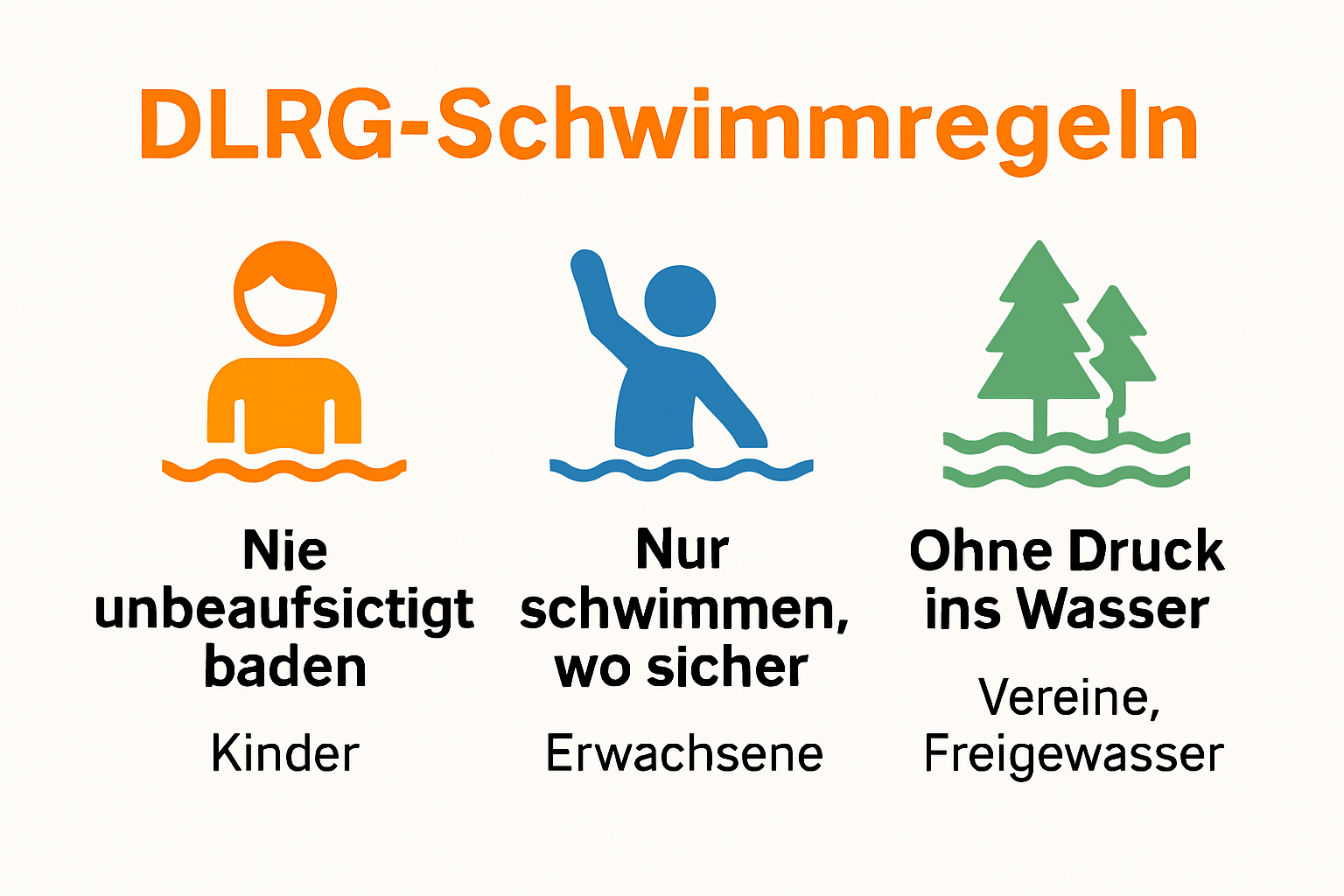
The most important thing remains: stay alert, respect your own limits and the environment, and enjoy swimming responsibly.
Tips for Implementing Swimming Rules in Everyday Life
Implementing the DLRG swimming rules requires continuous commitment and practical strategies for everyday life. Safe interaction with water begins with awareness, preparation, and consistent application of safety measures.
Safety for Children and Families
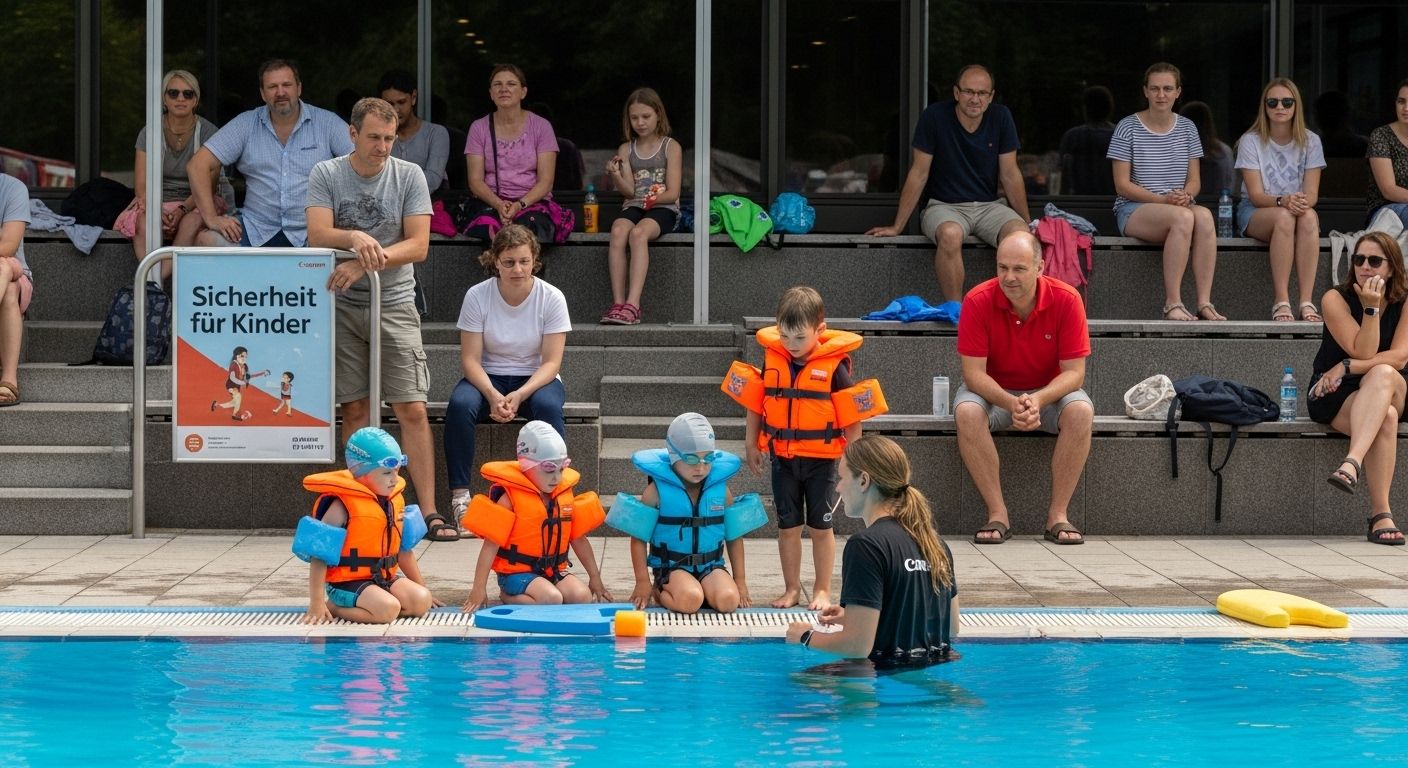
According to Children’s Hospital Pittsburgh, supervision of children in and around water is crucial. Parents and caregivers should implement the following strategies:
- Constant supervision: Never leave children unsupervised, even for short moments
- Buddy system: Teach children to always swim with a partner
- Swimming lessons: Early and regular swimming lessons for children
- Safe environment: Make home swimming pools childproof
This checklist table presents practical strategies for child and family water safety, reflecting essential points raised in the article. Use this table to quickly review best practices for supervising and protecting children around water.
| Water Safety Strategy | Recommended? | Description |
|---|---|---|
| Constant supervision | Yes | Never leave children unsupervised, even briefly |
| Buddy System | Yes | Teach kids to always swim with a partner |
| Early swim lessons | Yes | Enroll children in swimming courses early and regularly |
| Safe pool environments | Yes | Make home pools childproof and safe |
| Use of swim aids | Yes | Use life jackets and swim aids when appropriate |
| Emergency planning | Yes | Learn first aid and create emergency plans |
| Monitor weather conditions | Yes | Check weather before swimming |
| Abstain from alcohol | Yes | Avoid alcohol before and during swimming |
Practical Safety Measures
The Centers for Disease Control and Prevention recommend multi-layered safety strategies for different life situations:
- Swimming equipment: Always use appropriate life jackets and safety equipment
- Emergency planning: Acquire first aid knowledge and develop emergency plans
- Weather observation: Check current weather conditions before swimming
- Alcohol abstinence: Refrain from alcohol before and during swimming
Continuous Safety Training
Water safety is an ongoing learning process. Important aspects include:
- Regular refreshers of swimming skills
- Participation in lifeguard courses
- Developing awareness of individual limits and abilities
- Gathering information about local water conditions
The consistent implementation of these tips significantly contributes to water safety. It's not just about knowing the rules, but actively and responsibly living them in everyday life. Swimming should be fun – but always with the highest priority on safety.
The DLRG swimming rules are more than theoretical guidelines. They are a practical guide that can save lives. Every individual is responsible for their own safety and that of the people around them.
DLRG Swimming Rules: Recommendations for Organizations and Schools
The DLRG swimming rules set clear standards for water safety for organizations and schools. They form a comprehensive concept that goes far beyond simple behavioral guidelines and pursues a holistic approach to preventing water accidents.
Structural Safety Measures
The Centers for Disease Control and Prevention emphasize the importance of systematic safety concepts. For organizations and schools, this specifically means:
- Clear supervision regulations: Establishing binding supervision ratios for swimming
- Qualified supervisors: Training of swimming supervisors with lifeguard qualifications
- Documentation requirement: Thorough documentation of swimming activities and safety measures
- Regular safety inspections: Continuous review of swimming facilities and safety equipment
Education and Prevention
An academic study on water safety shows how crucial systematic educational concepts are. Schools and organizations should:
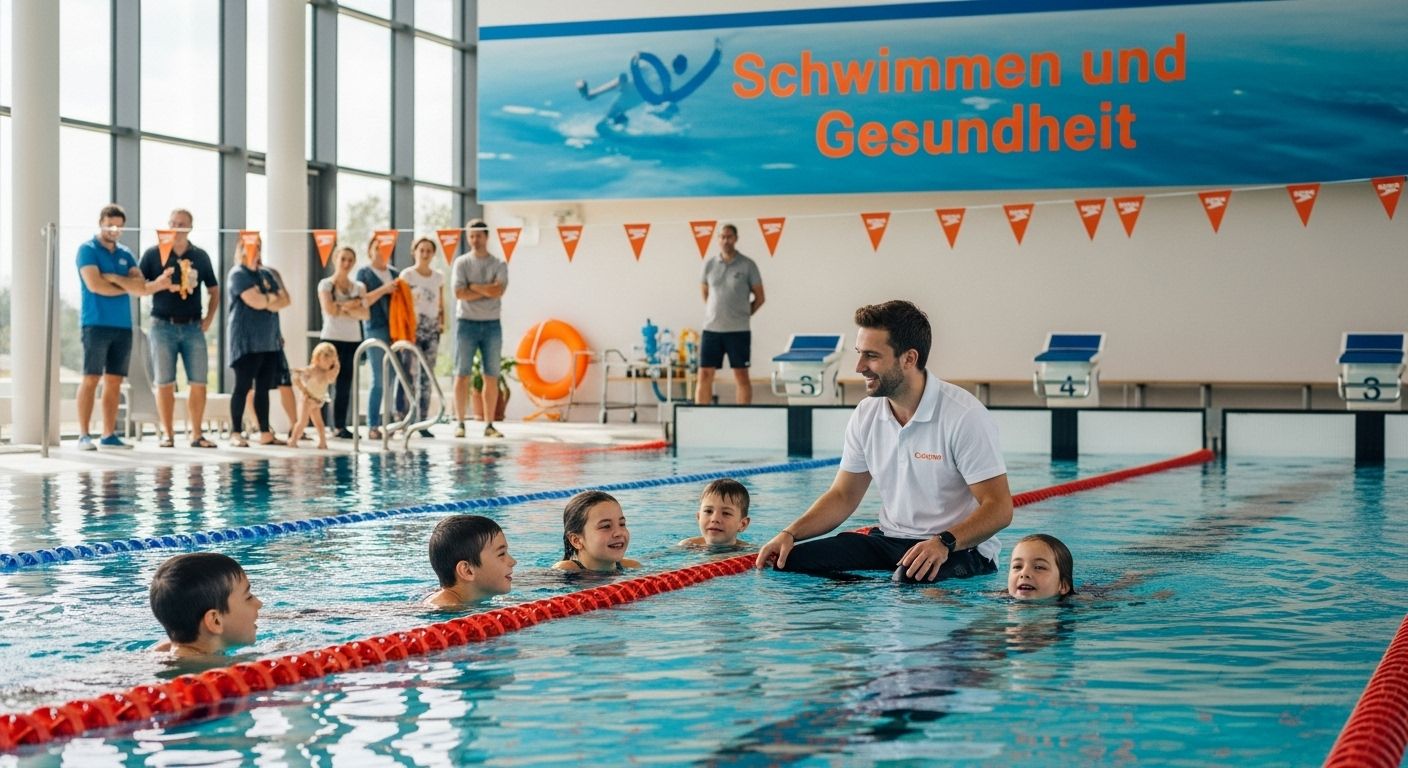
- Offer mandatory swimming courses for all age groups
- Conduct theoretical and practical water safety training
- Consider age and skill levels in activities
- Develop special courses for high-risk groups
Legal and Organizational Aspects
The implementation of the DLRG swimming rules requires a comprehensive prevention concept:
- Development of binding safety guidelines
- Integration of emergency plans into school concepts
- Regular further training of personnel
- Clear communication of safety standards to participants
The DLRG swimming rules are more than administrative regulations. They represent a philosophy of active hazard prevention. Every organization, every school bears responsibility for the safety of the people entrusted to it.
Crucial is not only knowledge of the rules but also their consistent and active implementation. Only in this way can water accidents be effectively prevented and a safe swimming experience be guaranteed.
Frequently Asked Questions
What are the DLRG swimming rules?
The DLRG swimming rules are a comprehensive safety system designed to protect people of all ages from the dangers in and around water. They include behavioral guidelines based on decades of experience in lifeguarding.
Why are DLRG swimming rules important?
The DLRG swimming rules are important to prevent drowning accidents and promote safe interaction with water. Every year, many people die from drowning, often due to carelessness or ignoring warning signs.
What safety aspects should be observed when swimming in different waters?
When swimming in different waters such as lakes, rivers, or swimming pools, special safety aspects should be observed, such as monitoring currents, using designated swimming areas, and respecting rules and warning signs.
How can parents ensure the safety of their children while swimming?
Parents should ensure their children are never left unsupervised near or in the water, take regular swimming lessons, and implement a buddy system where children always swim with a friend. It is also important to childproof the home, especially if there is a private pool.
Live Swimming Rules – Consolidate Safety with Official Badges
Especially when it comes to the safe application of DLRG swimming rules in everyday life, many families and organizations reach their limits. Uncertainty in children, lack of visible learning progress, and motivation for further practice are common challenges. The goal of naturally embedding water safety into daily life is easier to achieve when successes are made visible and rewarded with official recognition.
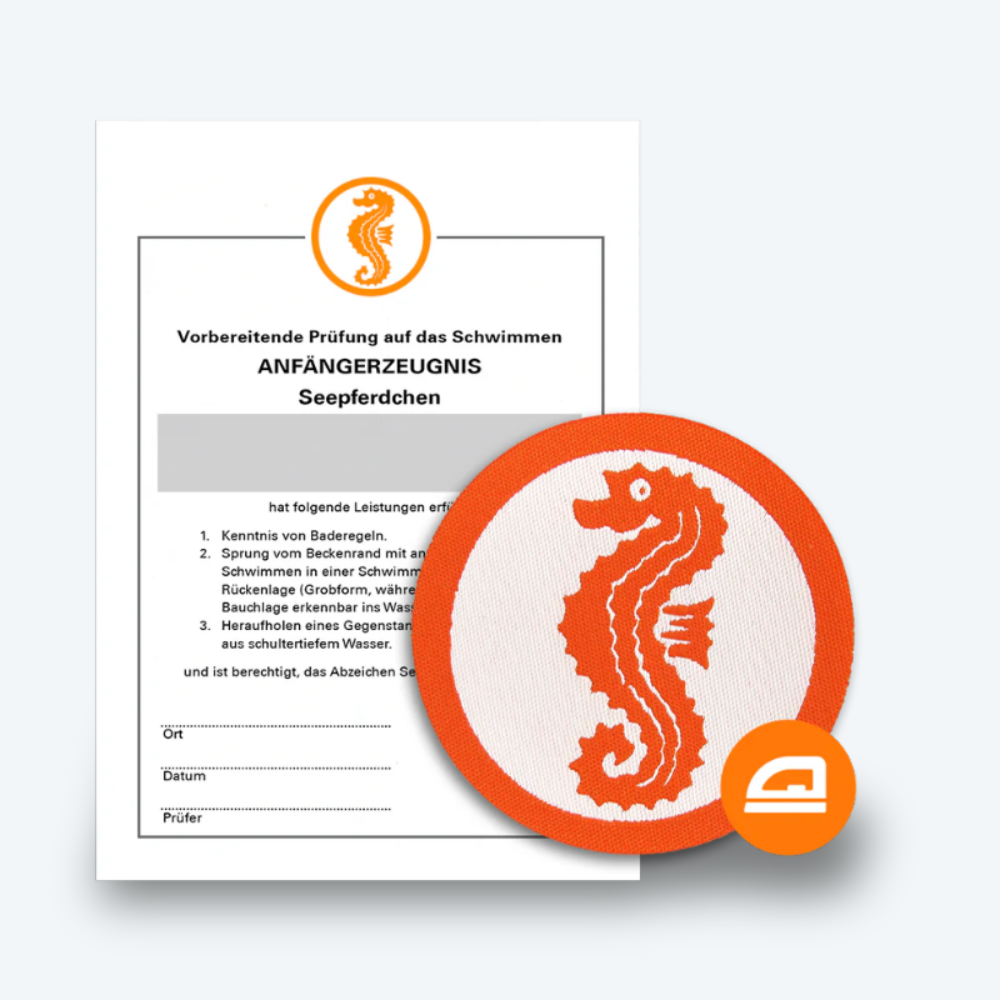
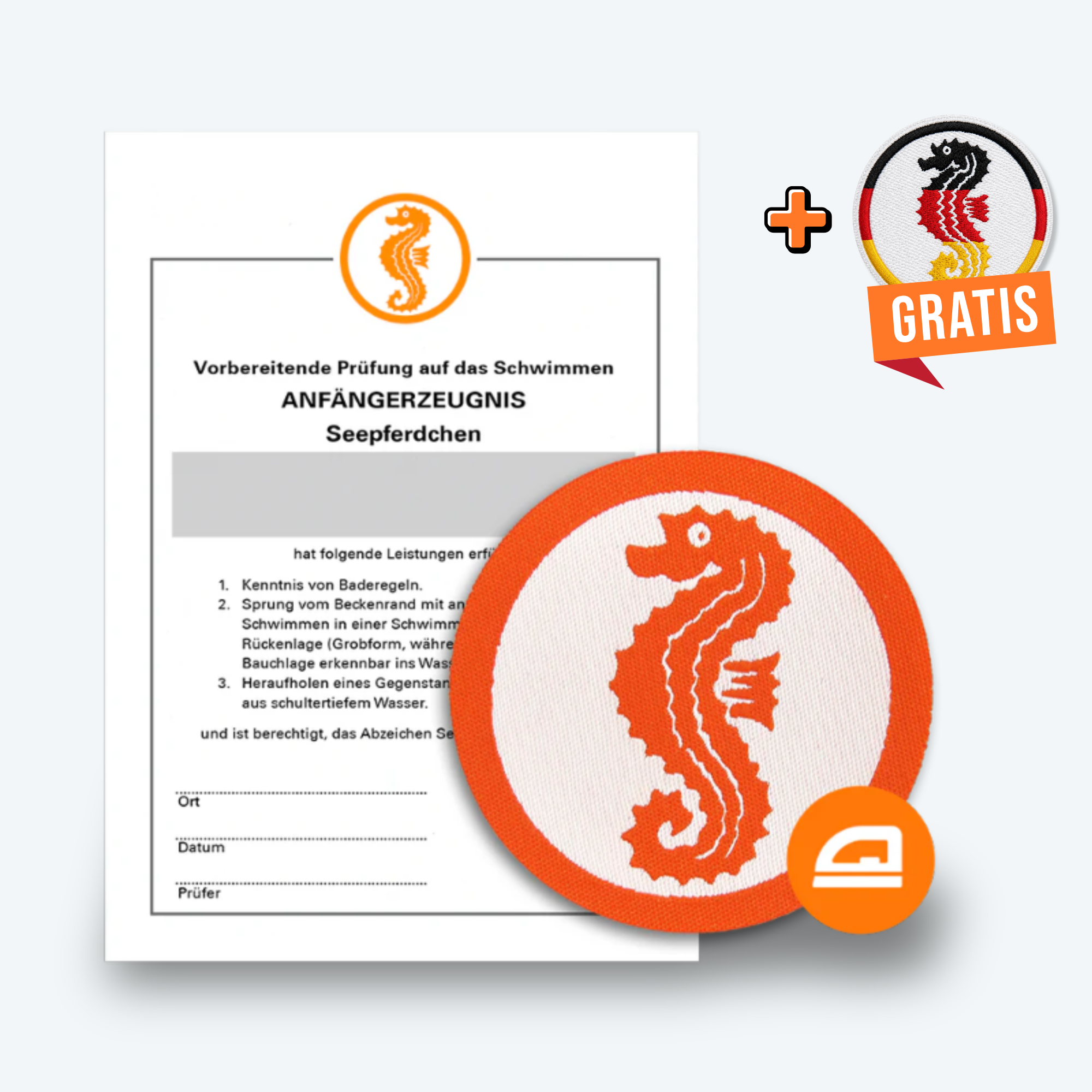
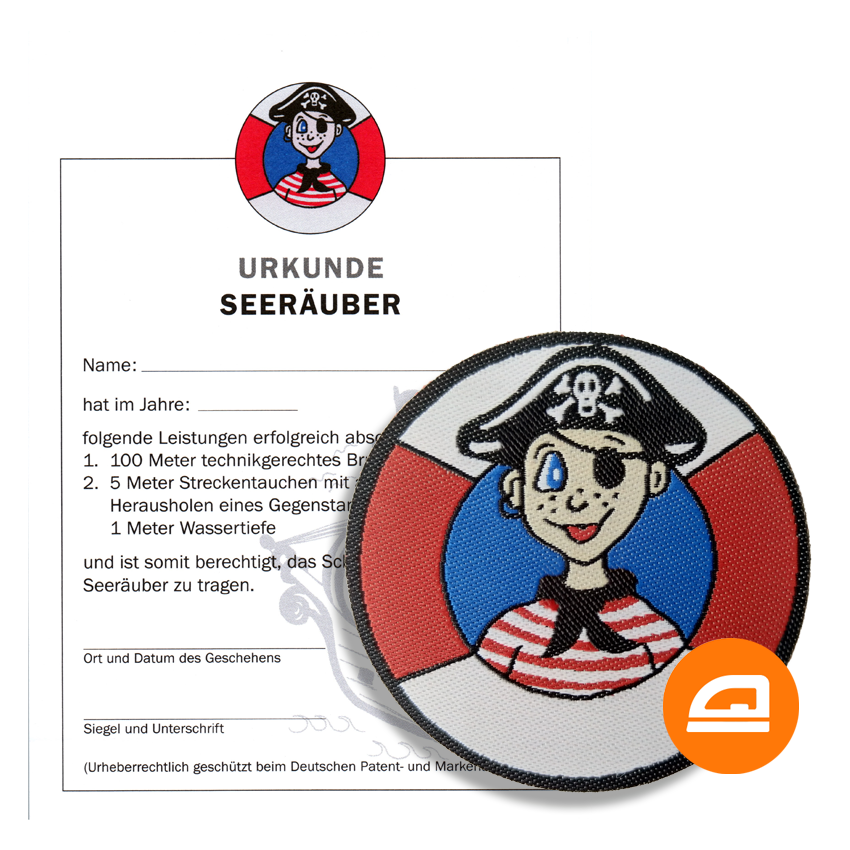
With the Seestern Stella Swimming Badges & Certificates from Pimpertz, you send a strong signal for safety and recognition. All badges are officially approved by the DLRG and aligned with current swimming rules. Promote motivation and safety in children through high-quality, child-friendly badges and certificates directly from the market leader.
Equip your swimming group, course, or your own children with certified badges now and make swimming rules tangible. Discover our complete range and benefit from expert advice and lightning-fast shipping at pimpertz.de. Take the next step and ensure genuine, lasting safety while swimming.