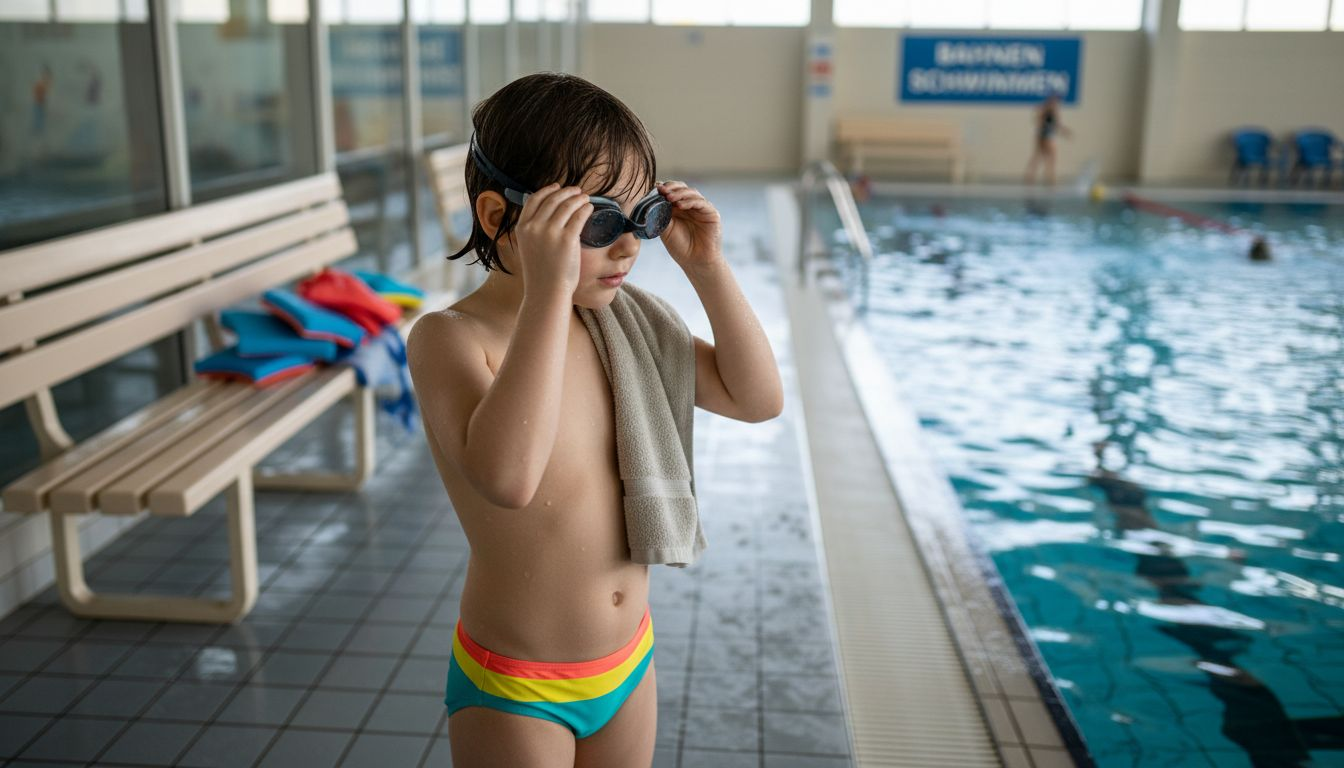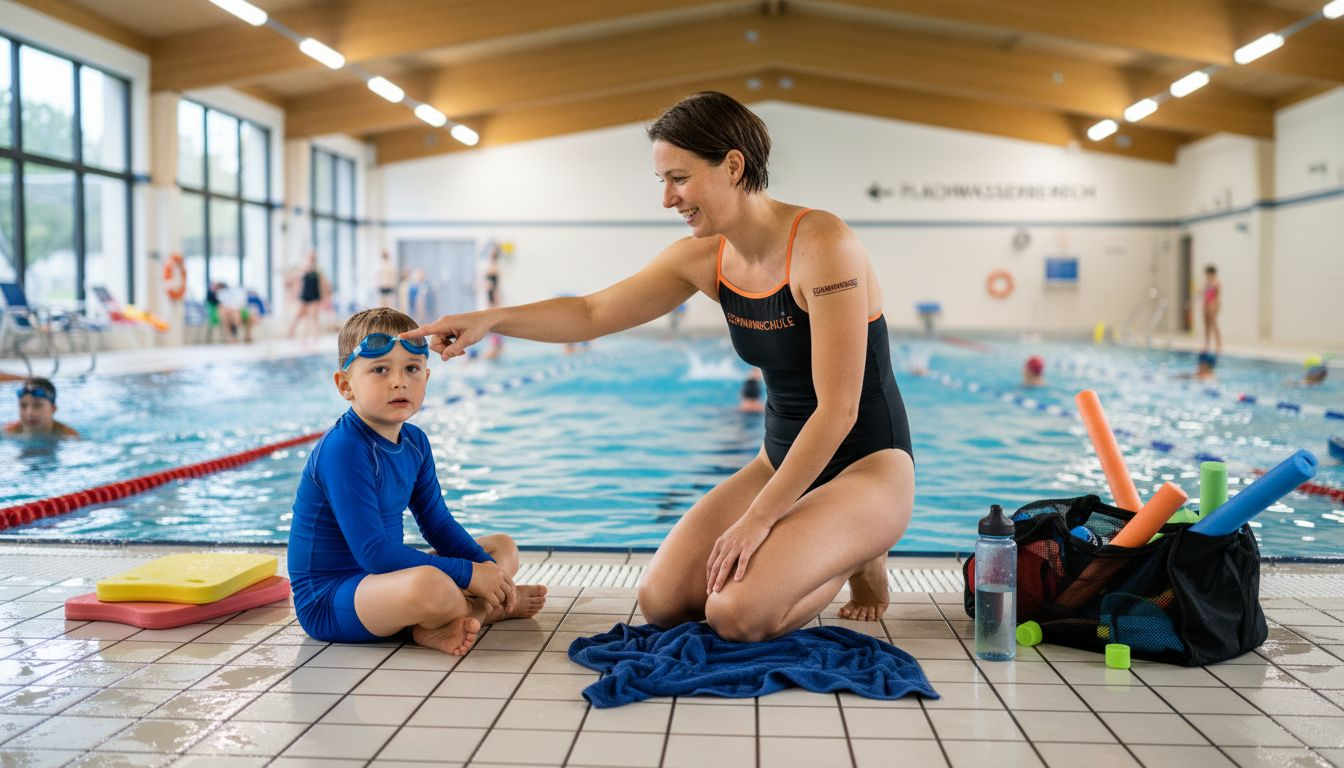

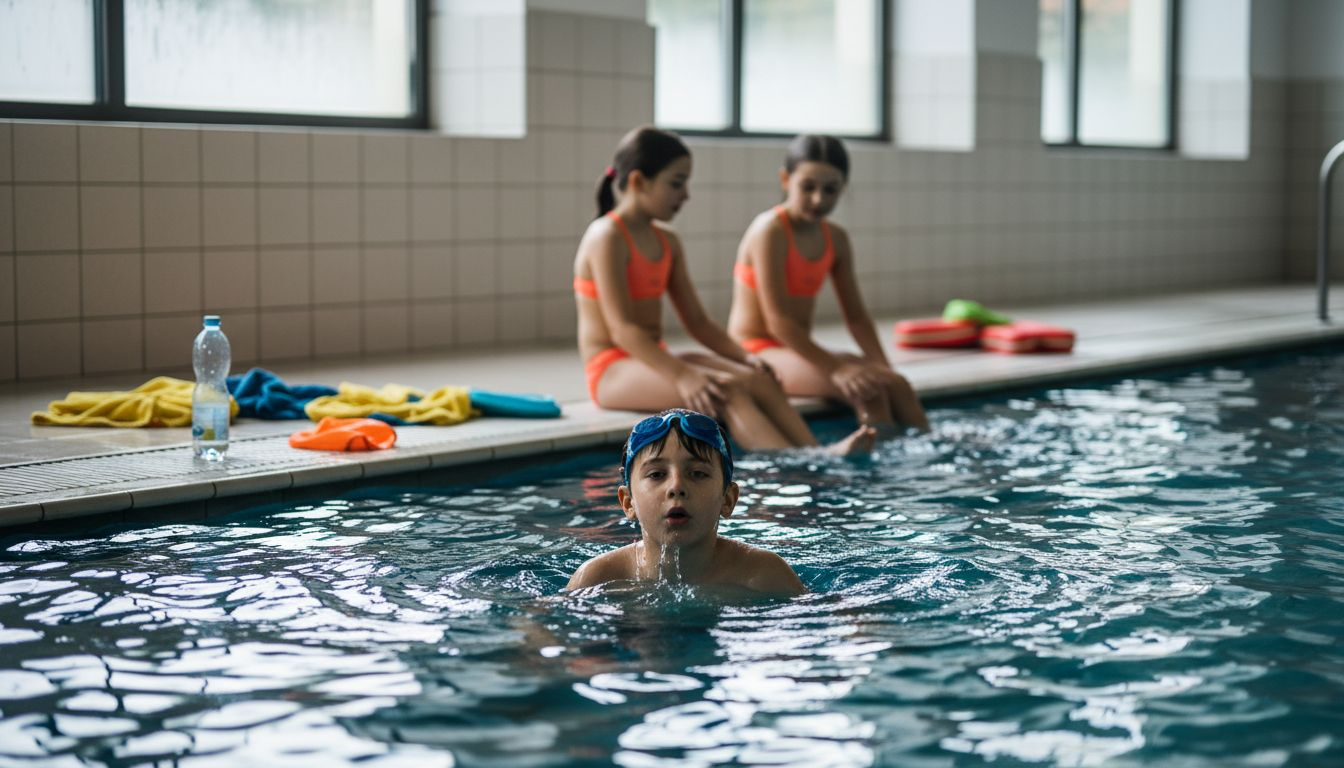
Many parents underestimate the enormous impact regular swimming has on their children's development. Even in preschool, being in the water promotes cardiovascular health and strengthens self-confidence. Visible successes such as swimming badges or child-friendly accessories are particularly motivating. This way, healthy exercise, joy and important safety skills can be combined in a playful way.
Table of Contents
- Swimming and the cardiovascular system explained
- Different swimming styles and their effects
- How regular swimming strengthens children
- Swimming badges as motivation and goal
- Risks, safety and correct technique
Key Takeaways
| Point | Details |
|---|---|
| Swimming strengthens the cardiovascular system | Regular swimming improves cardiovascular fitness and promotes oxygen supply to organs. |
| Diverse swimming styles | Different swimming techniques engage various muscle groups and offer specific benefits for motor development. |
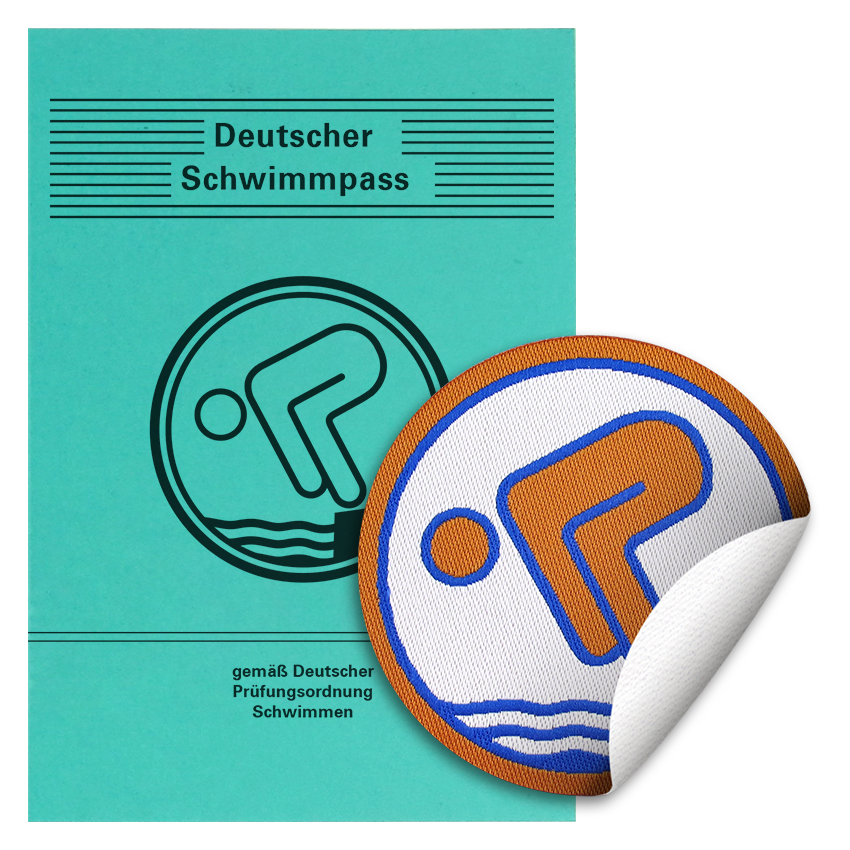
| Swimming badges as an incentive | The German Swimming Pass motivates children to continuously improve their swimming skills and strengthens self-confidence. |
| Safety in water | Safe and age-appropriate swimming instruction is crucial to minimize the risk of accidents and learn the correct technique. |
Swimming and the cardiovascular system explained
Swimming is an exceptional sport that comprehensively trains and strengthens the cardiovascular system. Water offers a unique training environment where almost all muscle groups are engaged simultaneously. For children, regular swimming improves cardiovascular fitness in a gentle and effective way.
The cardiovascular system includes the heart, blood vessels, and blood, and is responsible for the vital transport of oxygen and nutrients. When swimming, arteries and veins are particularly challenged, as water resistance creates a natural training intensity. The closed circulatory system is optimally stimulated by movement in the water, which improves blood circulation and oxygen supply to the organs.
For children, swimming offers particularly diverse benefits. It not only strengthens the cardiovascular system but also supports motor development and general well-being. The rhythmic movements stimulate metabolism, increase lung capacity, and reduce stress.
Pro tip: Start your child's swimming training slowly and playfully to build joy and motivation.
Different swimming styles and their effects
The German Swimming Federation defines various swimming styles, each offering different challenges for the child's body. Four main swimming styles characterize swimming education: breaststroke, freestyle, backstroke, and butterfly. Each of these techniques trains specific muscle groups and engages the cardiovascular system in a unique way.
Breaststroke primarily engages the chest, shoulder, and back muscles. Freestyle is considered the most energy-intensive swimming style and particularly challenges the arm and leg muscles. Backstroke spares the spine and strengthens the back muscles, while butterfly requires the highest coordination and trains almost all muscle groups simultaneously.
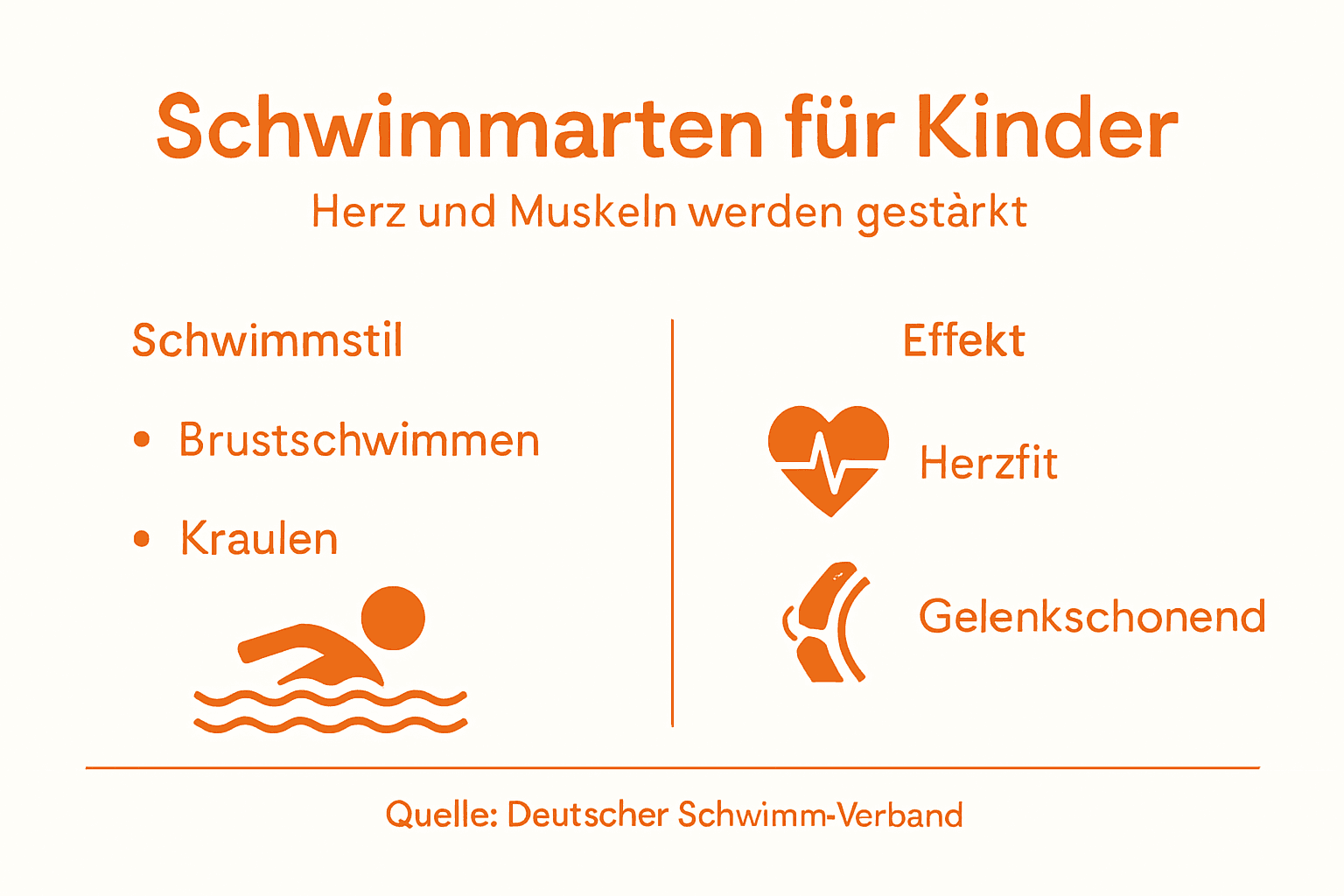
The aquatic environment offers a decisive advantage: it relieves the joints and enables gentle cardiovascular training. Swimming speed and technique directly influence how intensely the cardiovascular system is trained. Children can thus playfully improve their physical performance while developing enjoyment in movement.
Here is a comparison of the most important swimming styles and their specific benefits for children:
| Swimming Style | Main Muscles Engaged | Difficulty Level | Typical Benefit for Children |
|---|---|---|---|
| Breaststroke | Chest, shoulders, back | Medium | Muscle building & technique |
| Freestyle | Arms, legs, core | High | Endurance & speed |
| Backstroke | Back, glutes, legs | Easy | Spine protection |
| Butterfly | Full body musculature | Very high | Coordination & strength |
Pro tip: Let your child try different swimming styles to achieve the most versatile training effects.
How regular swimming strengthens children
Regular swimming is an excellent way to comprehensively promote the physical and health development of children. The cardiovascular function is strengthened in a playful way, by improving the pumping power of the heart and increasing lung capacity. This holistic form of exercise helps children develop a healthy and active lifestyle.
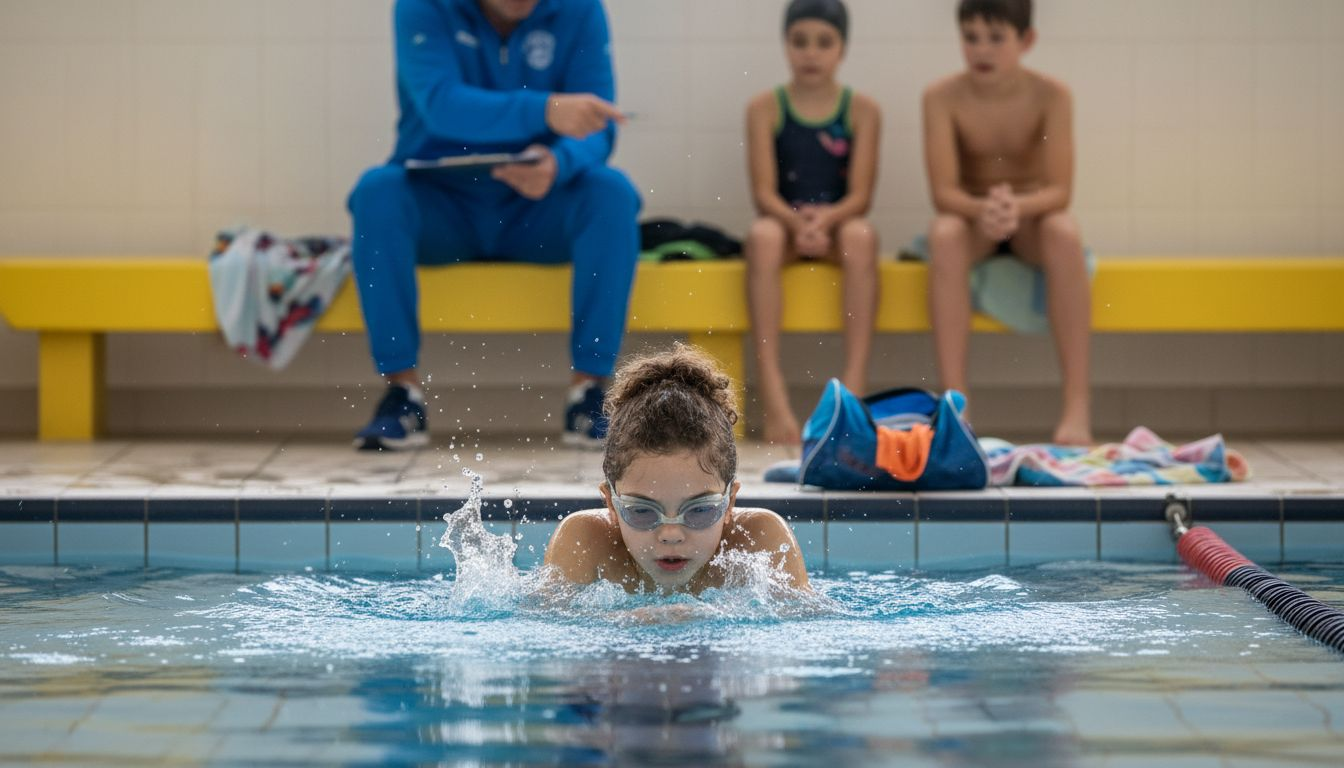
Through continuous swimming, children not only improve their cardiovascular fitness but also develop important motor skills. The joint-friendly movement in water reduces the risk of overweight, stimulates metabolism, and simultaneously strengthens muscle groups that are difficult to train on land. Particularly valuable is the fact that swimming positively influences self-confidence and body coordination.
Furthermore, swimming offers a unique benefit for mental health. The calming effect of water can reduce stress and help children become more emotionally balanced. Regular training promotes not only physical but also psychological resilience, thus supporting holistic development.
Pro tip: Integrate swimming as a regular activity into family life to experience the positive effects together.
Swimming badges as motivation and goal
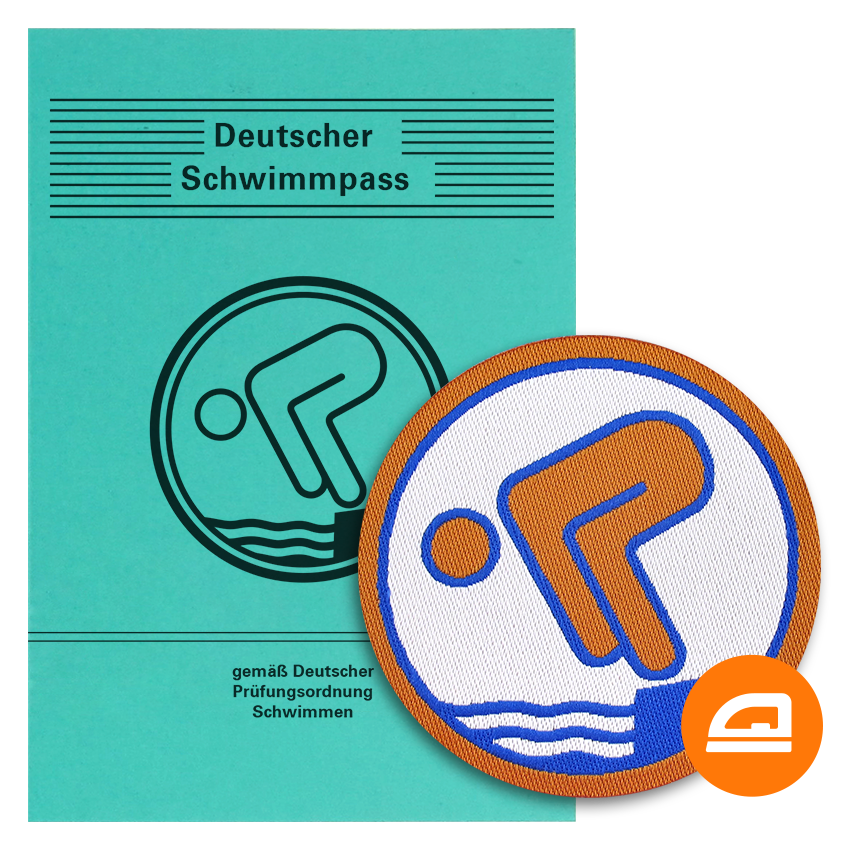
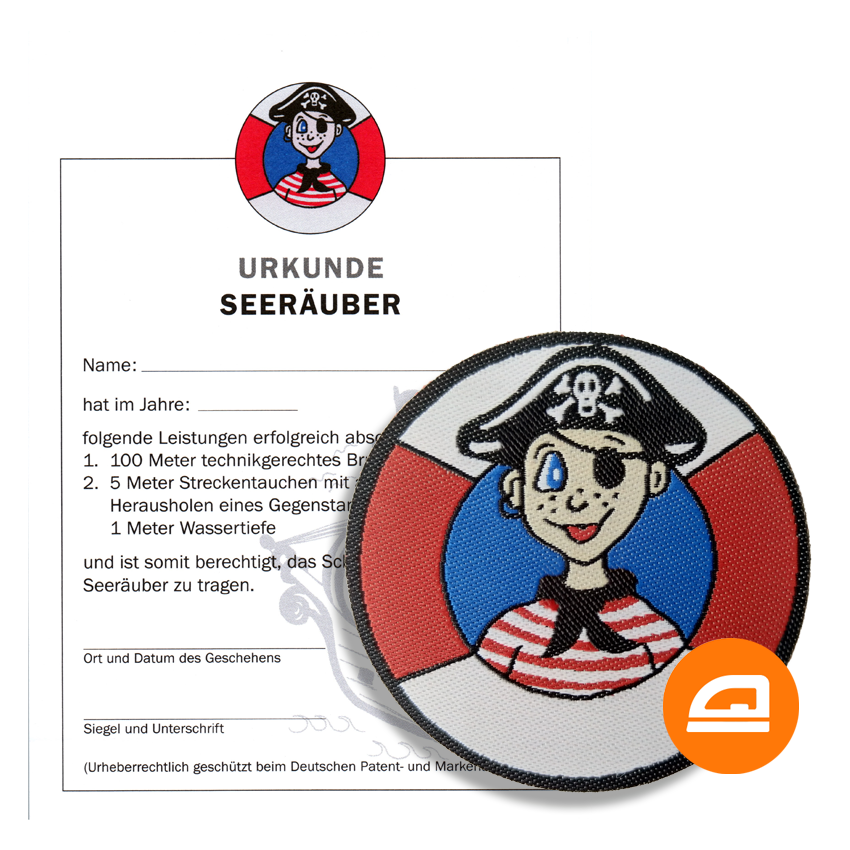
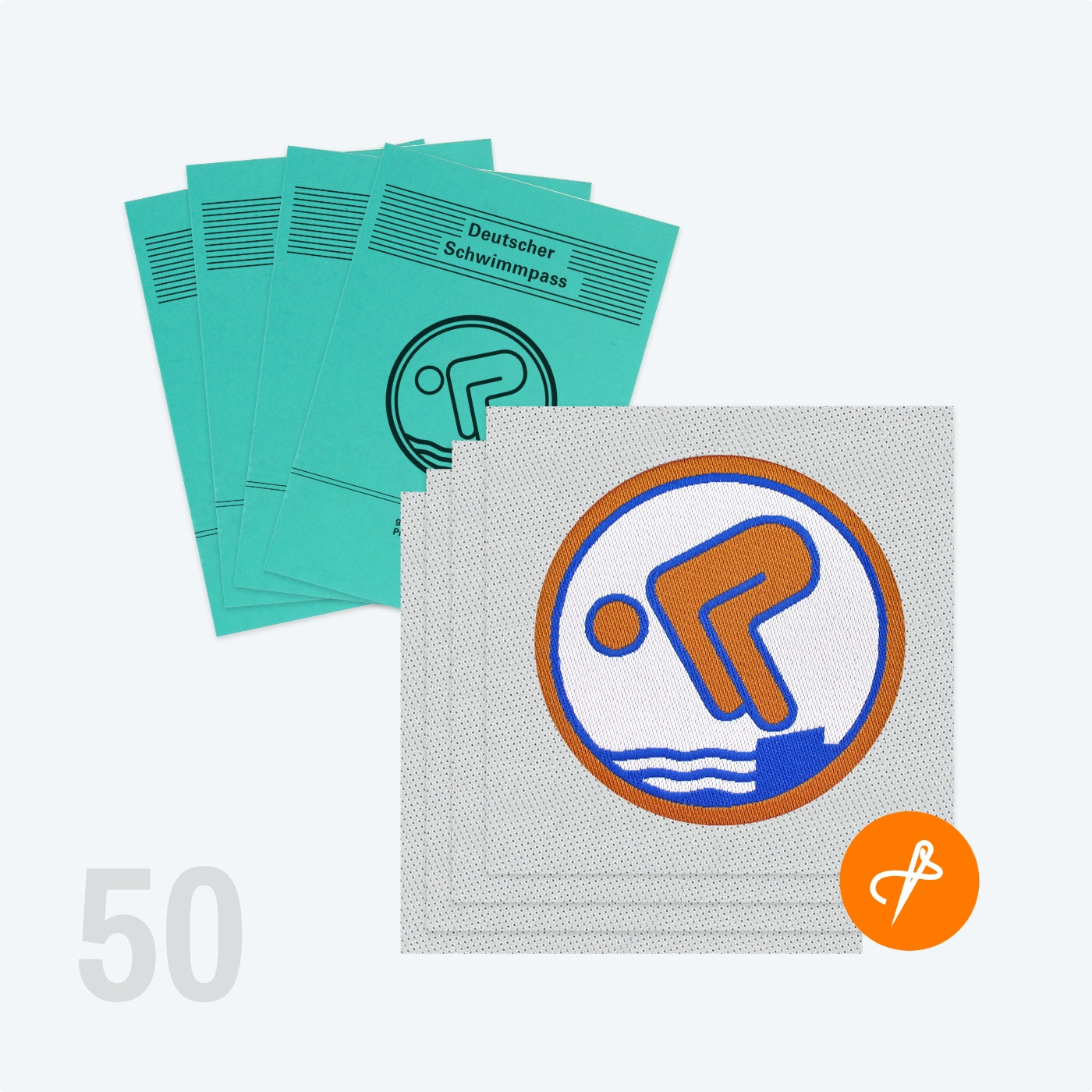
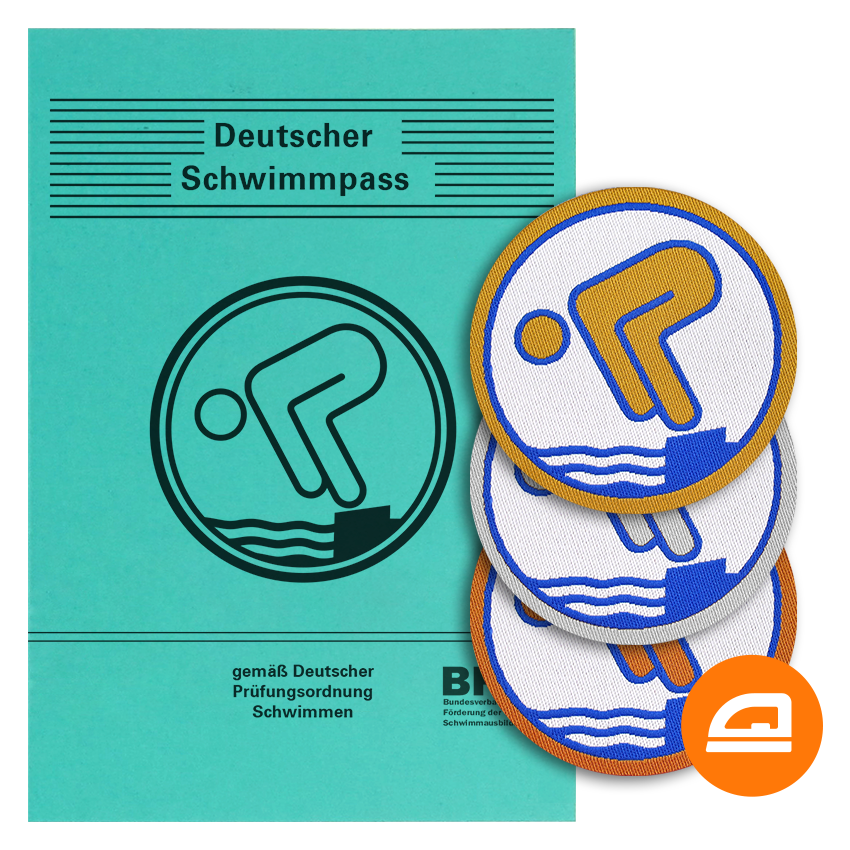
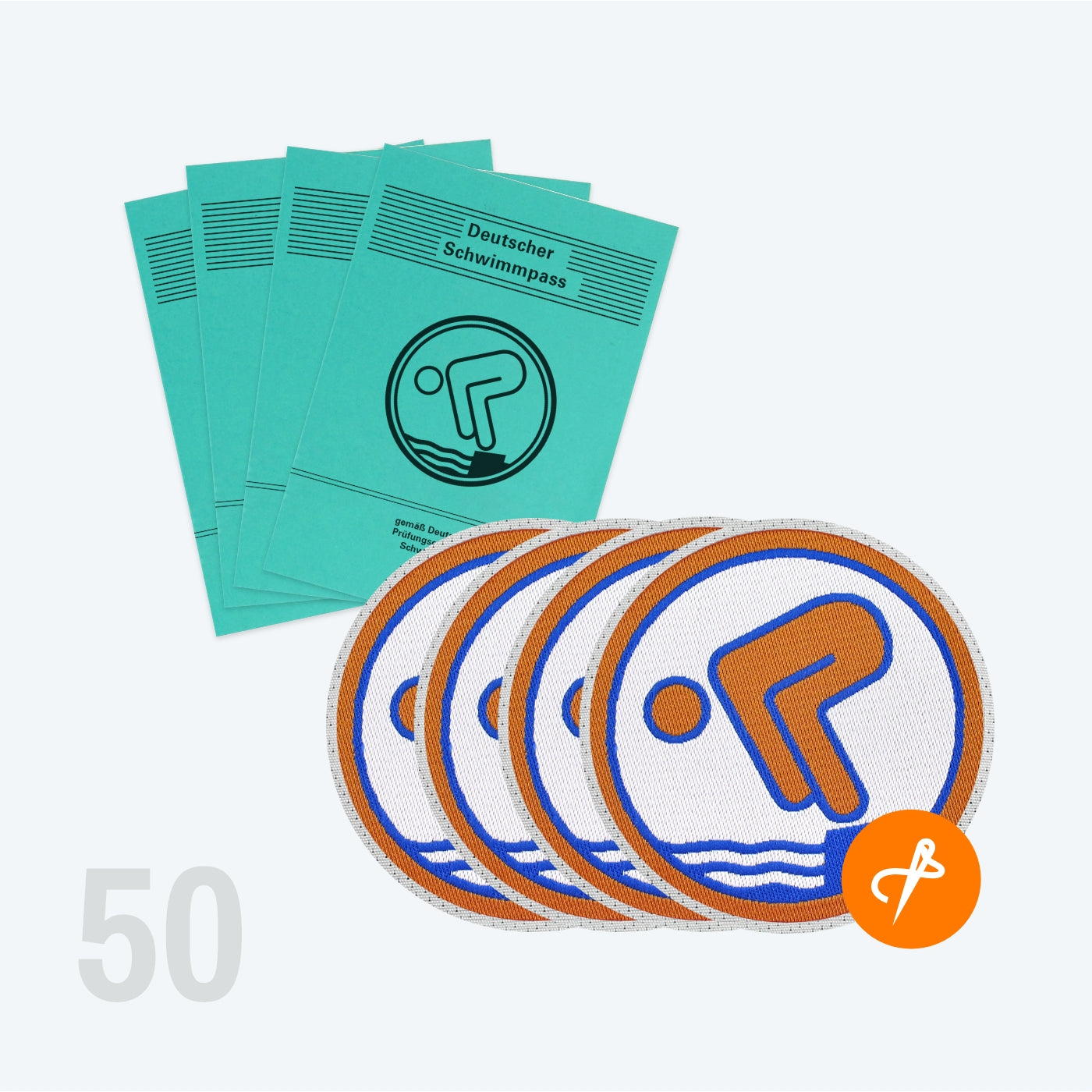
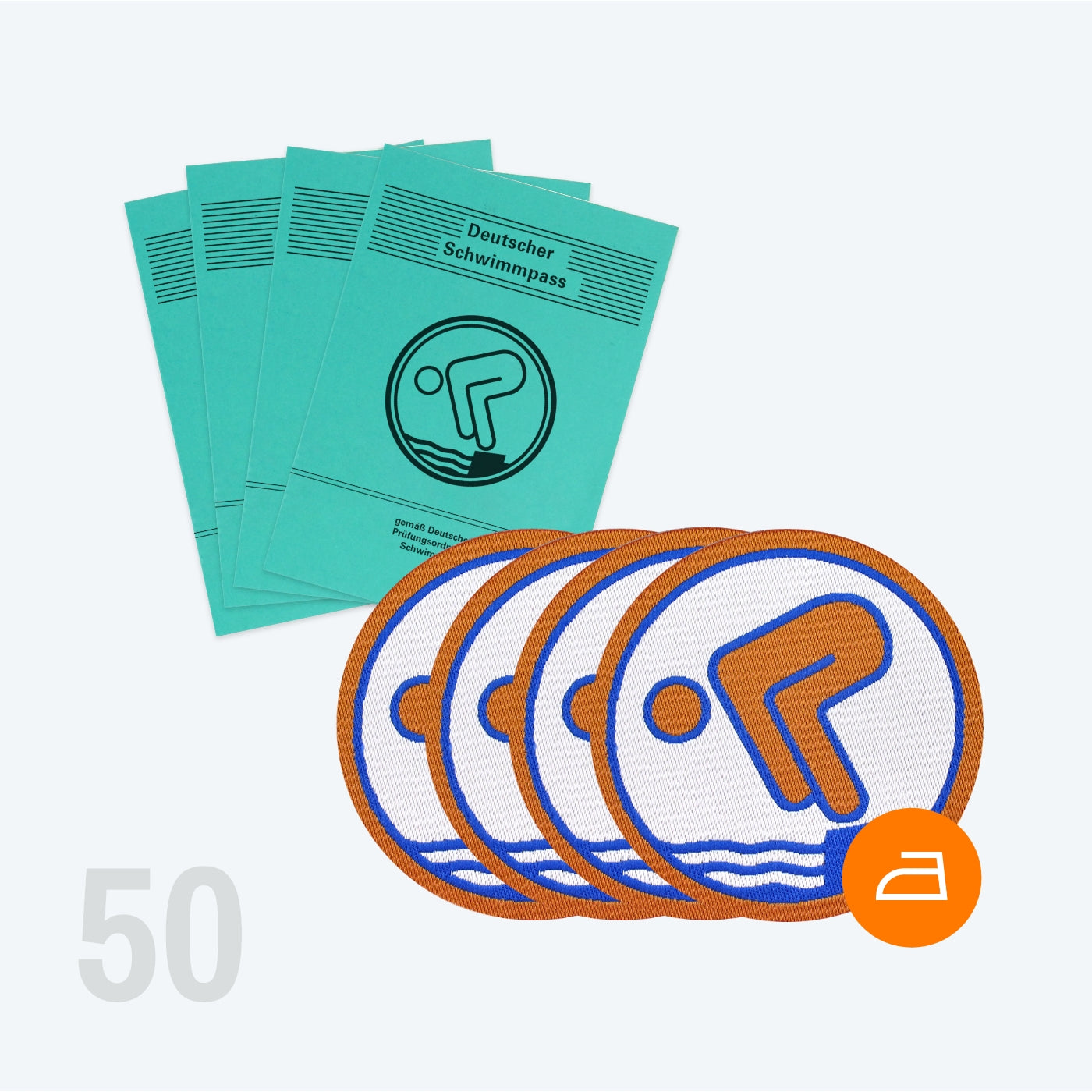
The German Swimming Pass offers children a structured incentive system for their swimming development. This three-stage qualification system with bronze, silver, and gold badges motivates children to continuously improve their swimming skills. Each stage not only represents achieved progress but also poses an exciting challenge that encourages children to further develop.
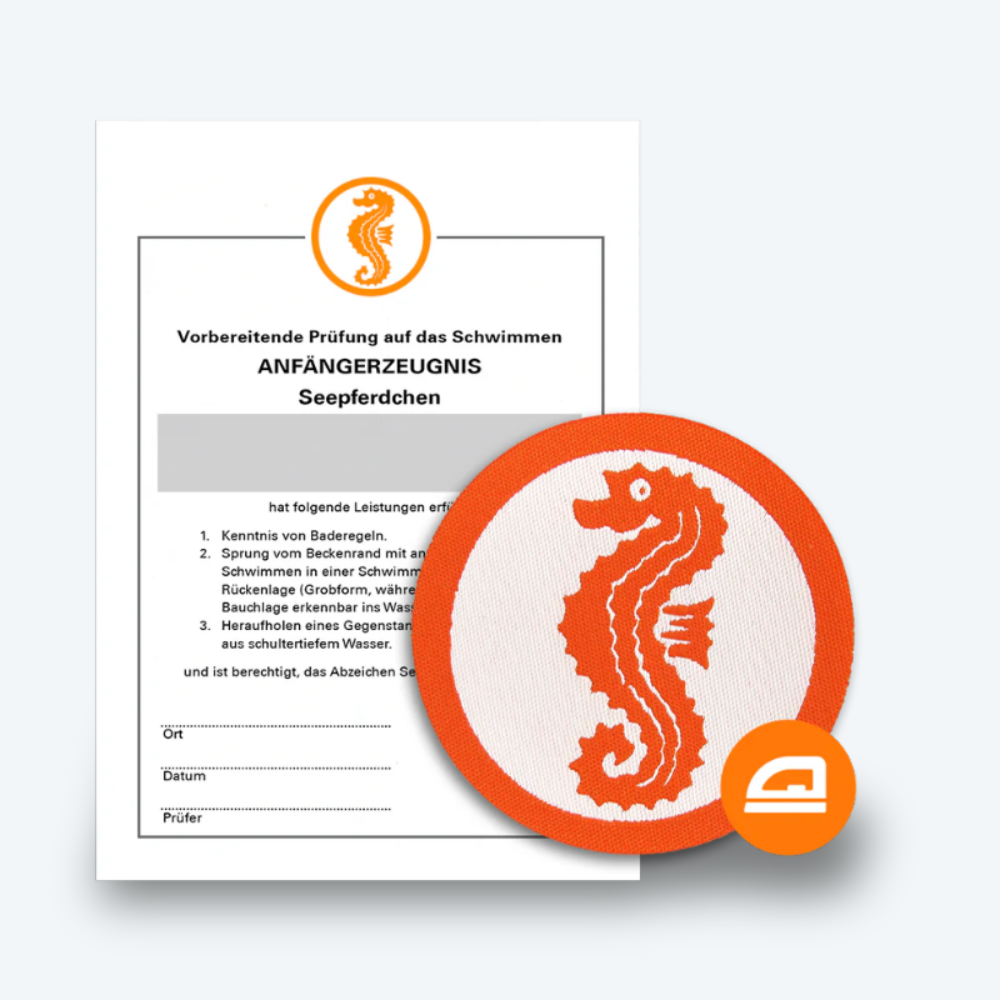
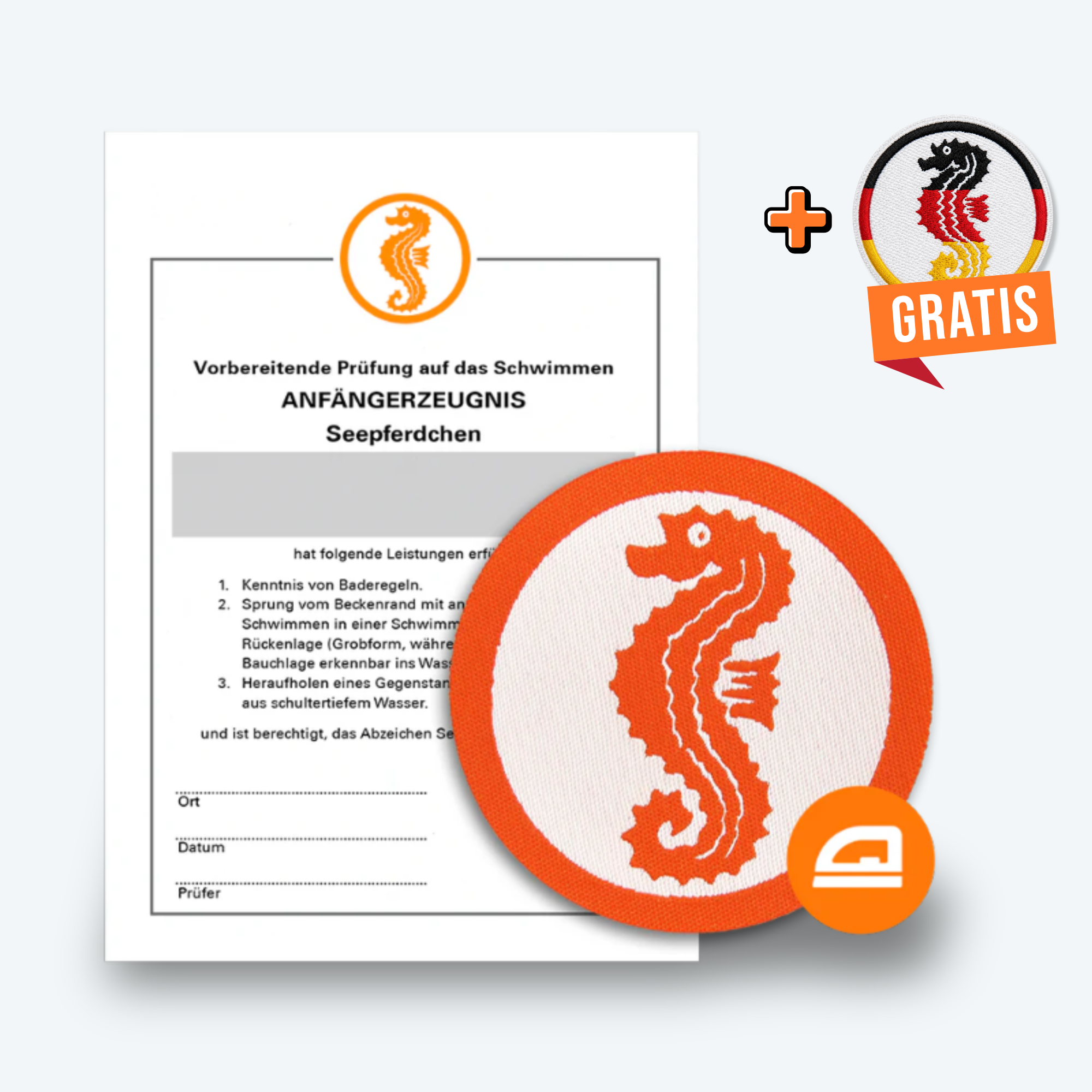
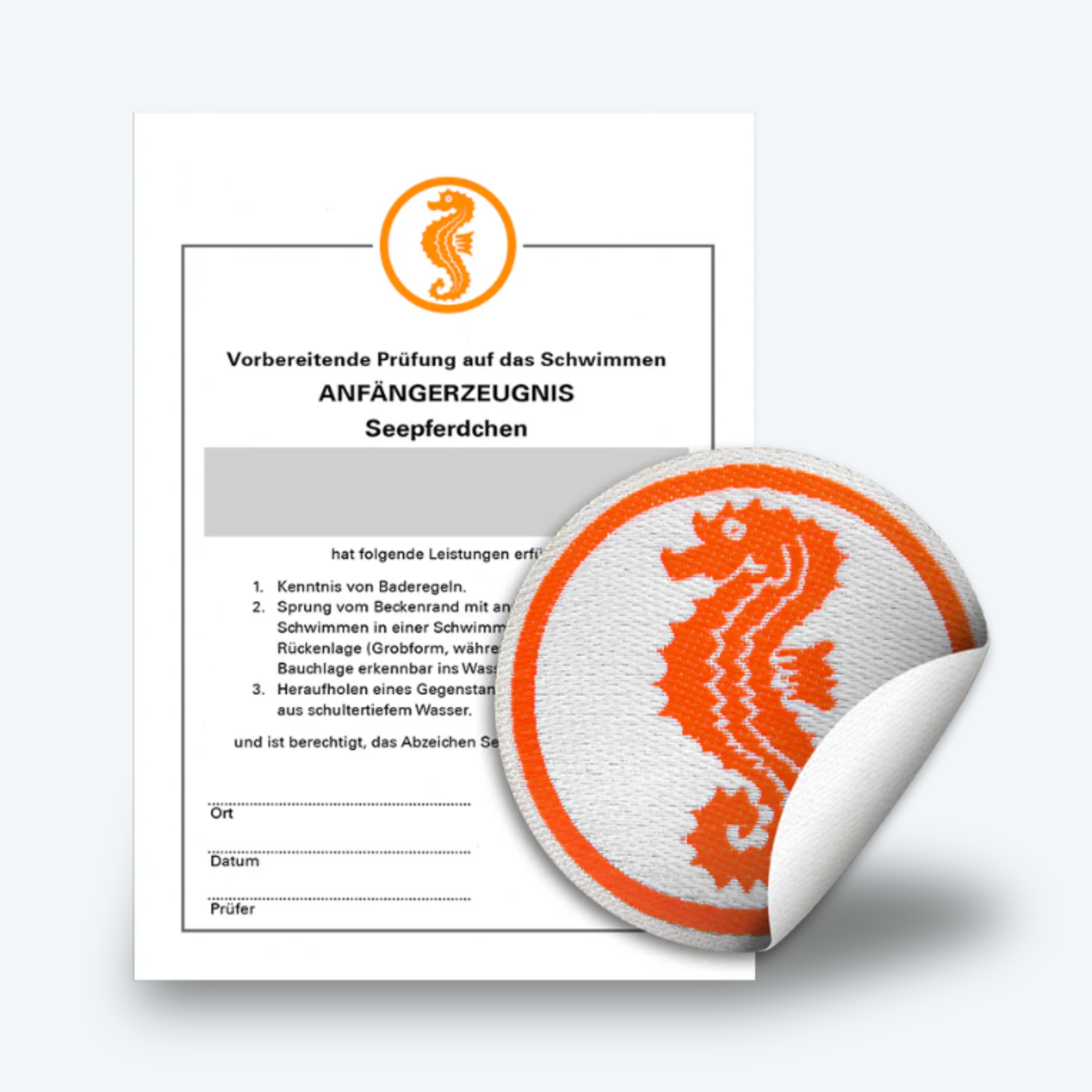
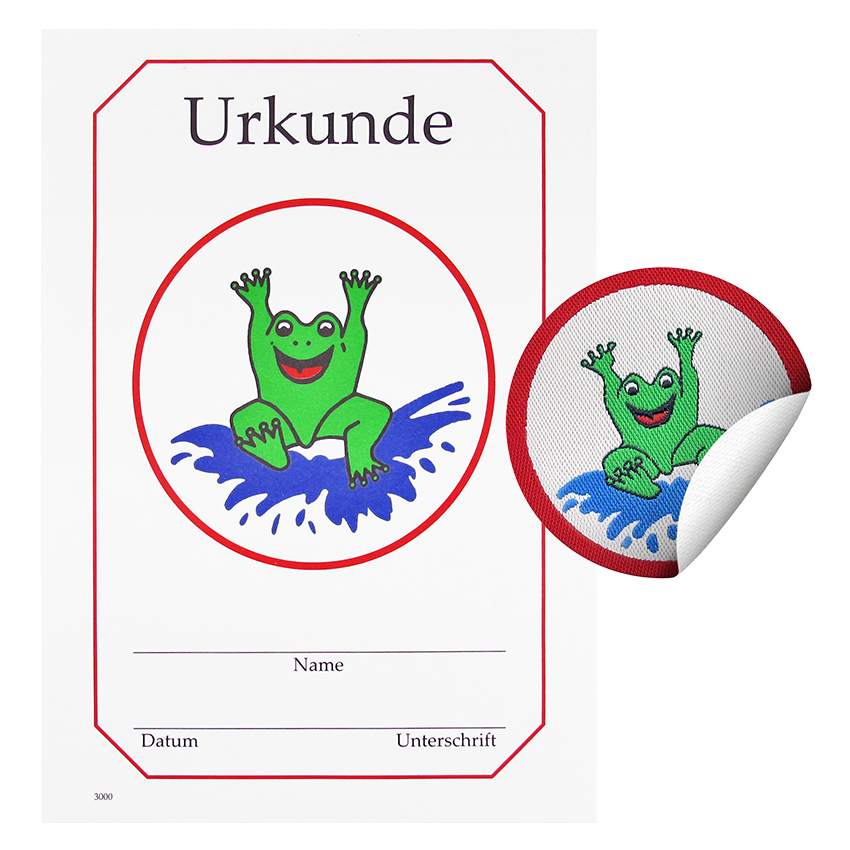
The swimming badges serve as more than simple awards. They are important proofs of water safety and document specific swimming competencies. Through this system, children learn discipline, set tangible goals, and develop growing self-confidence. Badges like Seepferdchen (Seahorse), Bronze, Silver, and Gold reflect different levels of performance and test not only technical swimming skills but also knowledge such as diving, jumping, and pool rules.
For parents and children, swimming badges provide transparent progress documentation. They show which skills have already been mastered and which development potentials still exist. This playful approach makes learning to swim a motivating process where every badge achieved can be celebrated as a success.
The following table summarizes the various German swimming badges and their central requirements:
| Badge | Required Performance | Core Competence |
|---|---|---|
| Seepferdchen (Seahorse) | 25 m swimming, jump, diving ring | Water safety |
| Bronze | 200 m swimming, diving maneuver | Endurance & basic technique |
| Silver | 400 m swimming, rescue tasks | Advanced technique & rescue |
| Gold | 600 m swimming, rescue grips | Excellent technique & self-rescue |
Pro tip: Celebrate each new swimming badge your child earns as an important milestone and motivate them with small rewards.
Risks, safety, and correct technique
The water safety of children requires a careful and systematic approach. Newborns have an innate diving reflex, which regulates heart rate and breathing when submerged, yet they are not able to swim independently or consciously control their breathing. Drowning remains one of the leading causes of death in young children, which is why preventive safety measures are absolutely crucial.
For parents and swimming instructors, this means being particularly attentive and enabling children to receive age-appropriate swimming instruction. The correct swimming techniques must be taught gently and playfully to avoid overstimulation and panic. A safe swimming environment, constant supervision, and learning correct breathing and movement techniques significantly reduce the risk of accidents.
The development of swimming skills is a gradual process that must be individually adapted to the child's developmental stage and abilities. Important aspects include continuous improvement of technique, learning safety strategies, and strengthening self-confidence in the water. Technical aspects such as posture, breathing, and movement sequences should be trained systematically and patiently.
Pro tip: Enroll your child in professional swimming courses specifically designed for safety and age-appropriate technique.
Strengthen Your Children's Cardiovascular System with Pimpertz
Regular swimming promotes children's health and development particularly effectively. Swimming badges are an important motivational factor to make acquired skills visible and strengthen your child's self-confidence. If you are looking for high-quality certificates and swimming badges that are child-friendly and officially recognized, Pimpertz is the right place for you.
Discover our extensive range of swimming badges & certificates as well as useful accessories for swimming courses, clubs, and schools. Rely on over 38 years of experience and official partner status with DLRG and BFS. Start now with Pimpertz and support your child on their way to greater safety and joy in the water. Visit Pimpertz.de and get child-friendly badges that reward true achievement and progress.
Frequently Asked Questions
How does swimming strengthen the cardiovascular system in children?
Regular swimming improves the heart's pumping power and increases lung capacity, leading to better cardiovascular fitness.
Which swimming styles are most beneficial for children?
The four main swimming styles – breaststroke, freestyle, backstroke, and butterfly – offer various benefits such as muscle building, endurance, and coordination.
What are the benefits of swimming badges for children?
Swimming badges motivate children to continuously improve their skills, foster discipline, and document progress in water safety.
Why is water safety important for children?
Water safety is crucial to minimize the risk of drowning. Age-appropriate swimming instruction and constant supervision are essential.