
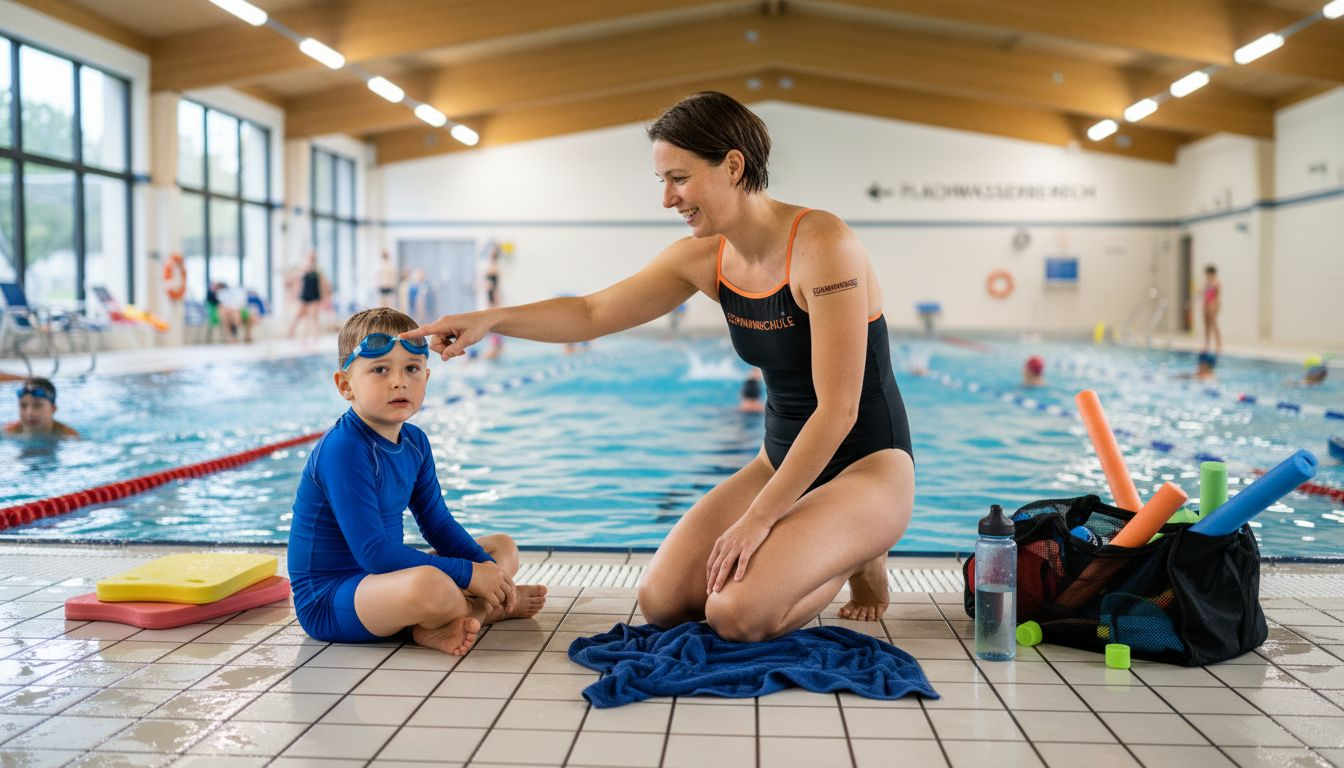
Motivated swim students achieve significantly more – studies show that targeted goal setting increases training performance by up to 25 percent. For swim coaches in Germany, the right motivation is the key to better results and satisfied students. Clear goals, individual feedback, and creative methods make the difference between daily routine and real learning success. Here you will find tried-and-tested approaches that make swim training lively and effective.
Table of Contents
- 1. Set and Communicate Clear Goals
- 2. Give Praise and Constructive Feedback
- 3. Make Individual Progress Visible
- 4. Use Badges, Certificates, and Rewards
- 5. Integrate Playful Elements Effectively
- 6. Promote Group Dynamics and Team Spirit
- 7. Involve Parents Specifically
Quick Summary
| Key Insight | Explanation |
|---|---|
| 1. Formulate clear goals | Define SMART goals to increase swim students' motivation and progress. |
| 2. Give effective feedback | Provide specific and constructive feedback to boost students' self-confidence. |
| 3. Make progress visible | Use visual documentation like progress charts to show individual achievements. |
| 4. Integrate playful elements | Use games and fun exercises to increase learning motivation. |
| 5. Actively involve parents | Involve parents through information and events to support their children's motivation. |
1. Set and Communicate Clear Goals
Motivation is the key to success in any swimming course. Precise goal setting not only helps swim students improve their performance but also gives them direction and self-confidence.
Goal-setting theory shows that goals are immediate regulators of human action and directly influence motivation. For swim students, this specifically means: the clearer and more challenging the goals are defined, the more focused and engaged they will be in training.
When defining goals, the SMART method is recommended. Concrete goals should be specific, measurable, achievable, relevant, and time-bound. For example: instead of saying "I want to swim better," define a goal like "By the end of the month, I will learn the front crawl with correct arm technique and swim 50 meters without error."
Communication of these goals is also important. Regularly talk to your swim students about their individual progress, give constructive feedback, and motivate them to achieve their self-set goals.
Pro-Tip: Visualize goals for swim students with a personal progress chart where they can color-code and visualize their development.
2. Give Praise and Constructive Feedback
Feedback is more than just an evaluation. It is a powerful tool for motivation and learning promotion in every swimming course. Effective feedback can not only support students in their development but also strengthen their self-confidence.
Praise and feedback should always be specific, helpful, and targeted. Instead of general statements like "well done," it is more important to name concrete progress: "Your arm technique in the front crawl has significantly improved. The movement is now smoother and more energy-efficient."
The feedback culture is not just about criticism. It is crucial to view swim students as active learners and involve them in the feedback process. Encourage them to reflect on their own progress and identify areas for improvement.
In addition to verbal feedback, visual aids such as video analyses or movement comparisons can be very valuable. They help swim students to objectively view their technique and understand developmental steps.
Pro-Tip: Conduct regular short individual discussions where students can assess their goals and progress themselves, and you can provide additional feedback.
3. Make Individual Progress Visible
Every swim student has their own learning rhythm and individual strengths. The art of motivation lies in making these individual development processes specifically visible and tangible.
Making progress visible is more than just an evaluation. It's about recognizing each swim student as an individual and valuing their development. Individual progress documentation can take various forms: a progress card, personal video analyses, or an individual learning diary.
An effective strategy is the use of visual representations. Create a progress wall where each swim student can document their development with stickers or colored markers. This visible progression not only motivates the individual swimmer but also inspires the entire group.
It is important to adapt the assessment criteria to the individual performance level. A beginner should be evaluated differently from an advanced swimmer. Focus on personal improvements and learning progress instead of standardized comparisons.
Pro-Tip: Maintain a digital progress file for each swim student, in which you collect video recordings, technique evaluations, and personal development notes.
4. Use Badges, Certificates, and Rewards
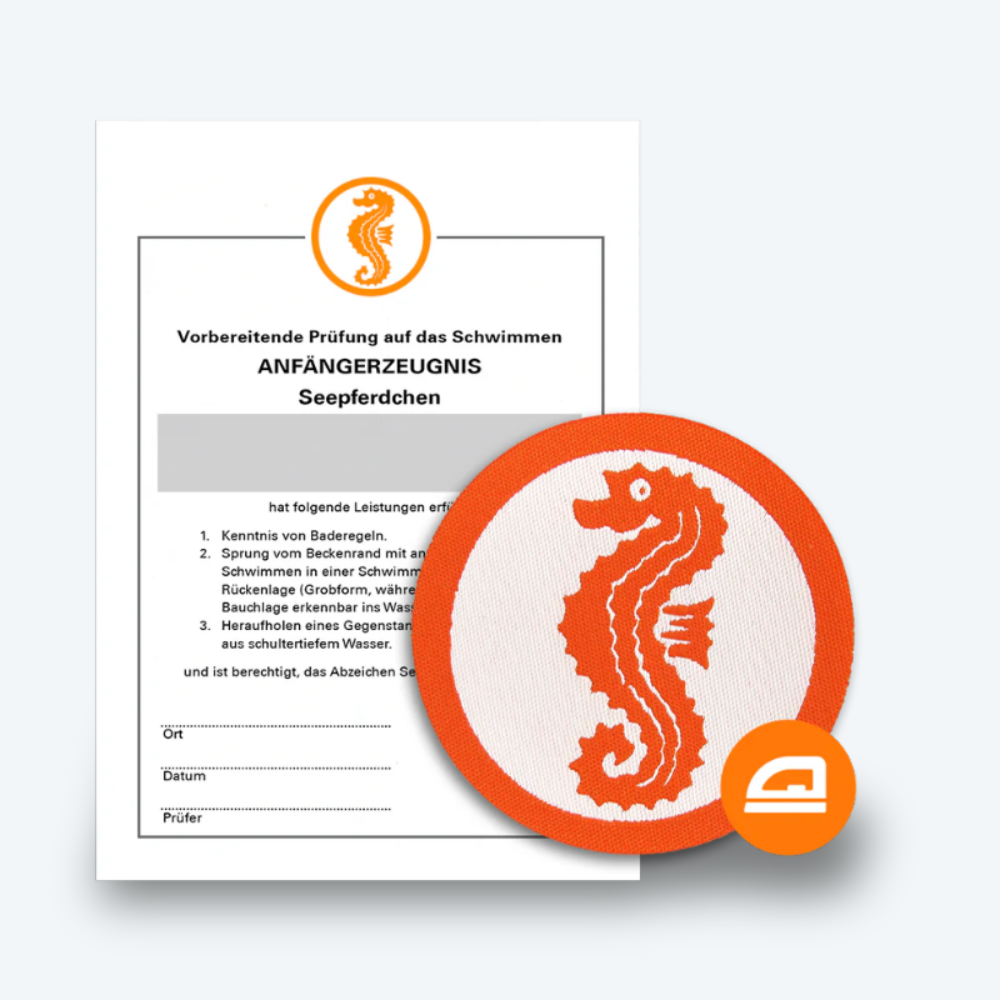
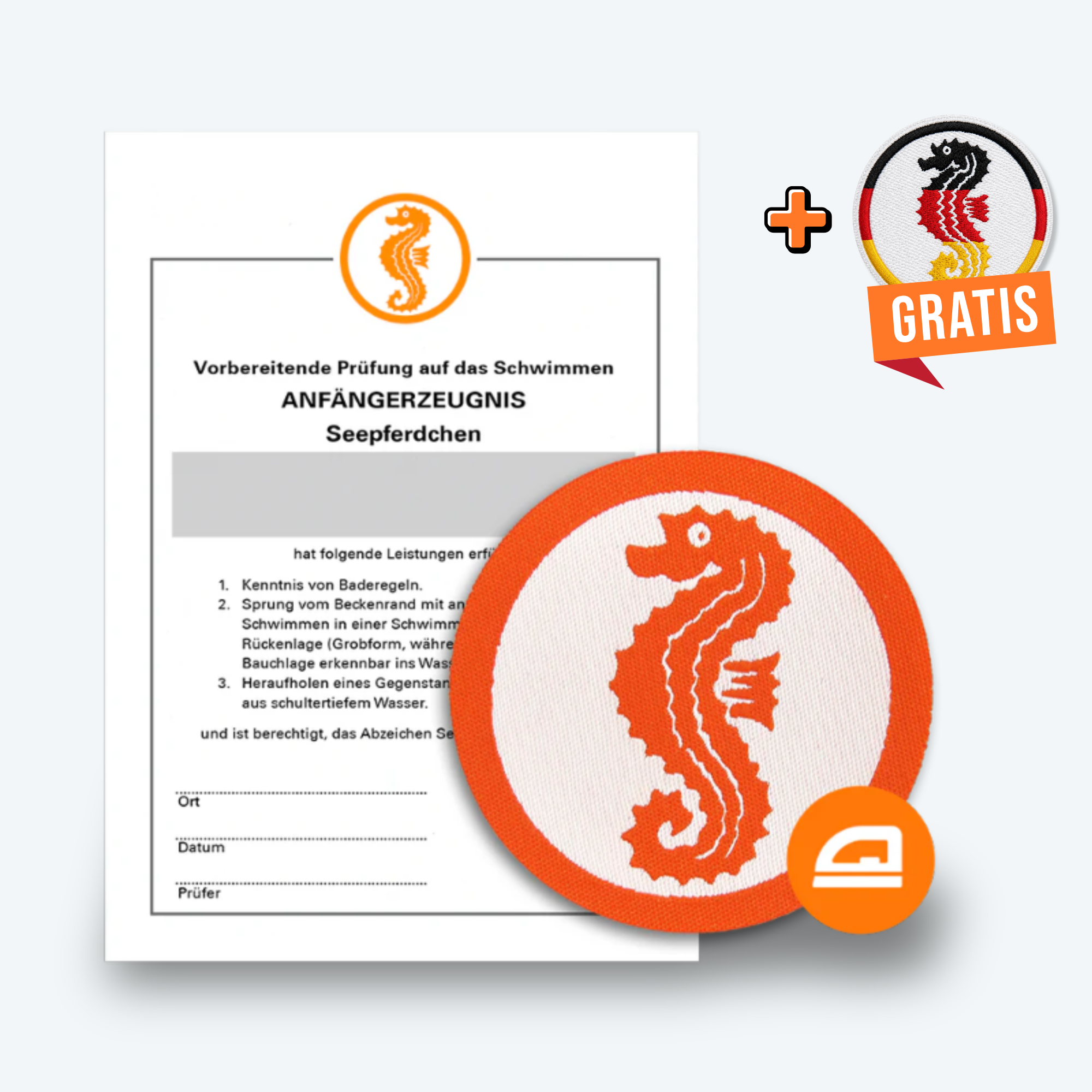
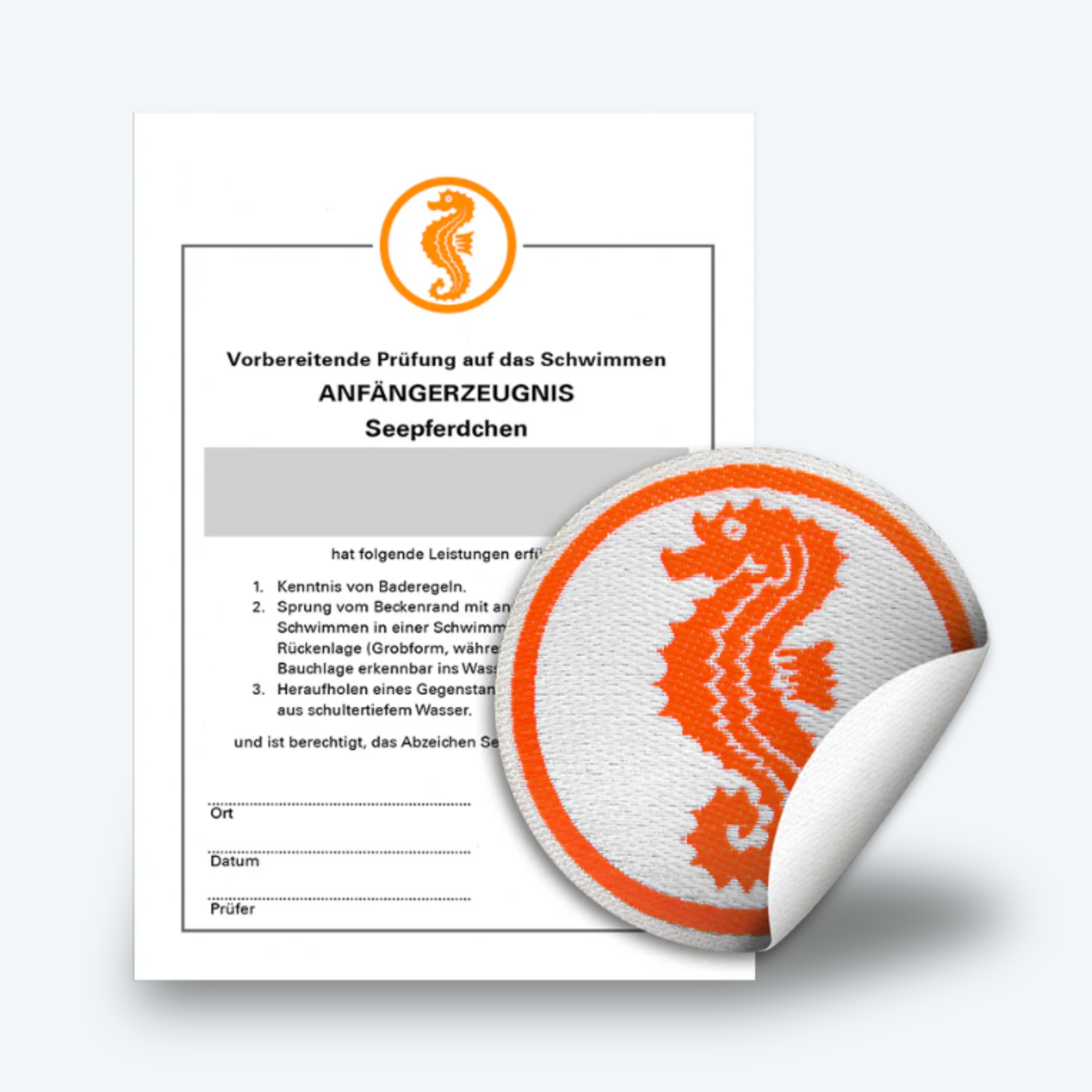
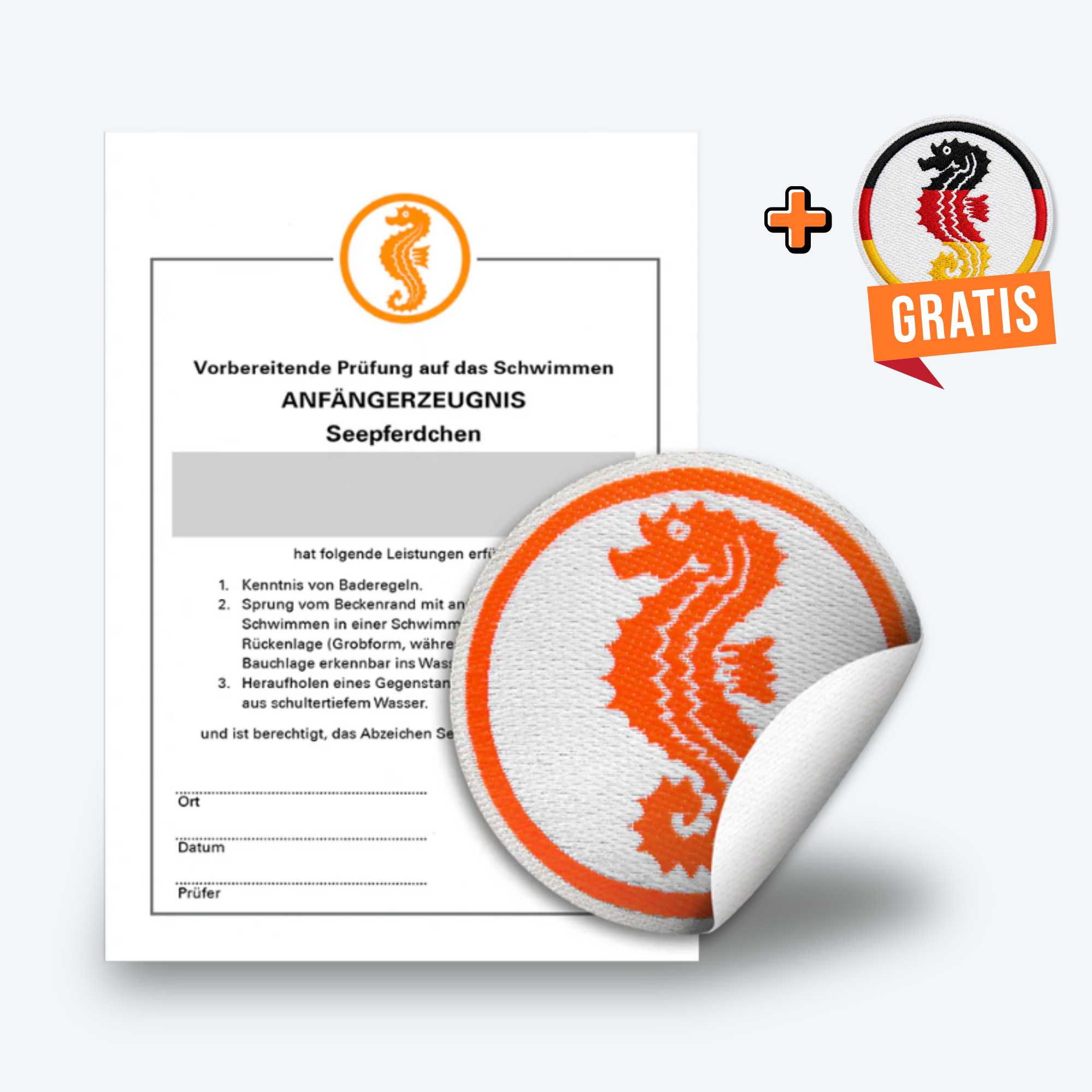
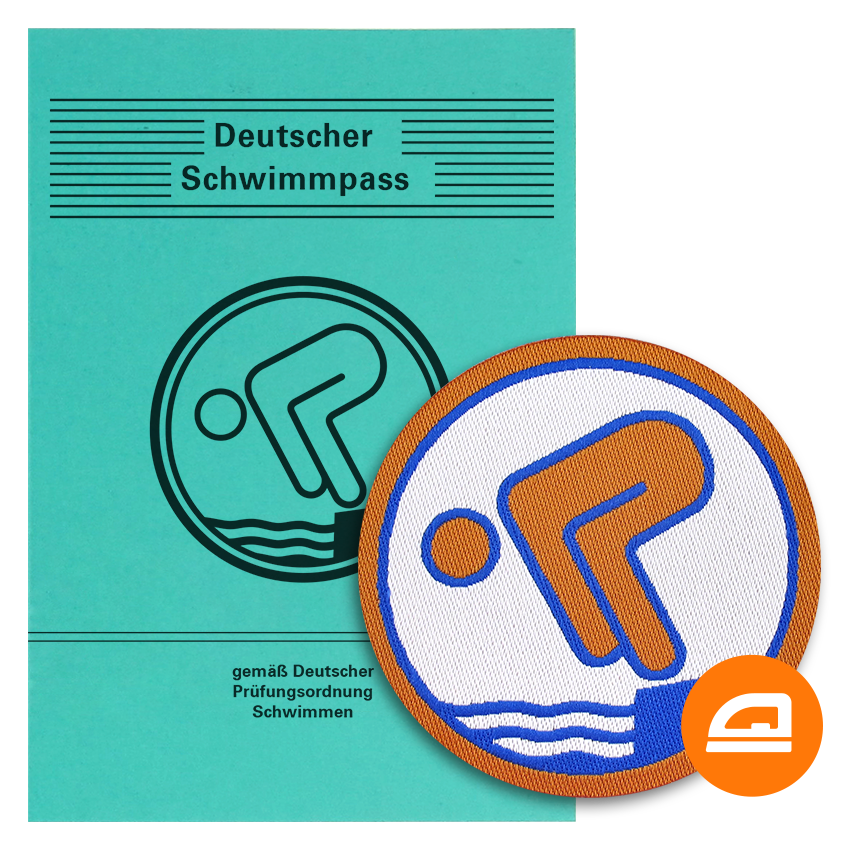
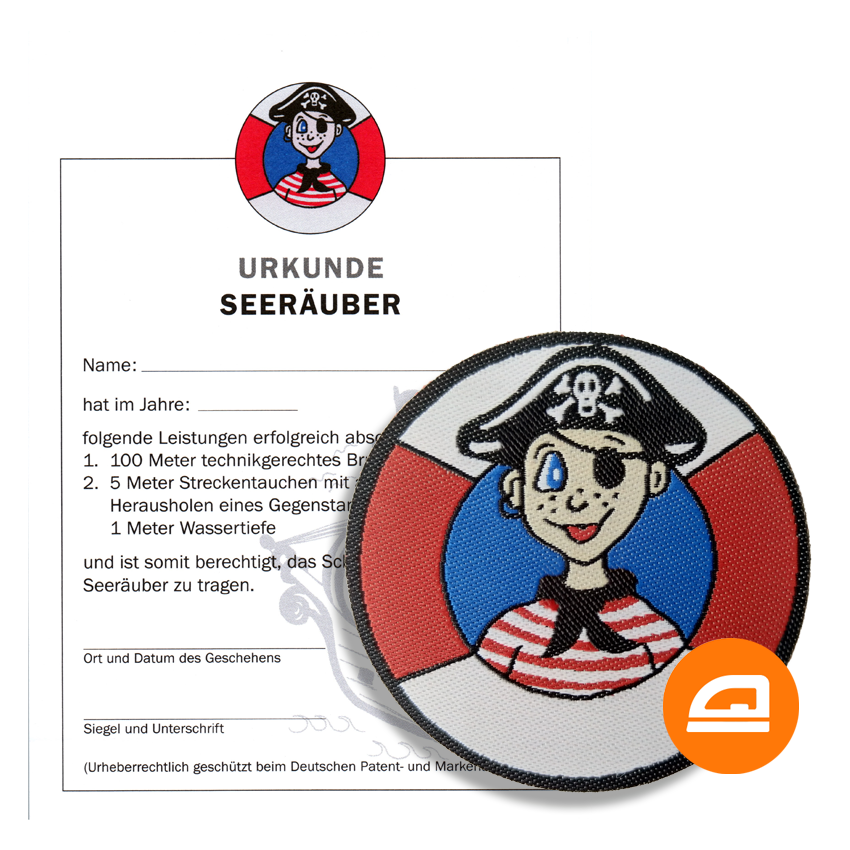
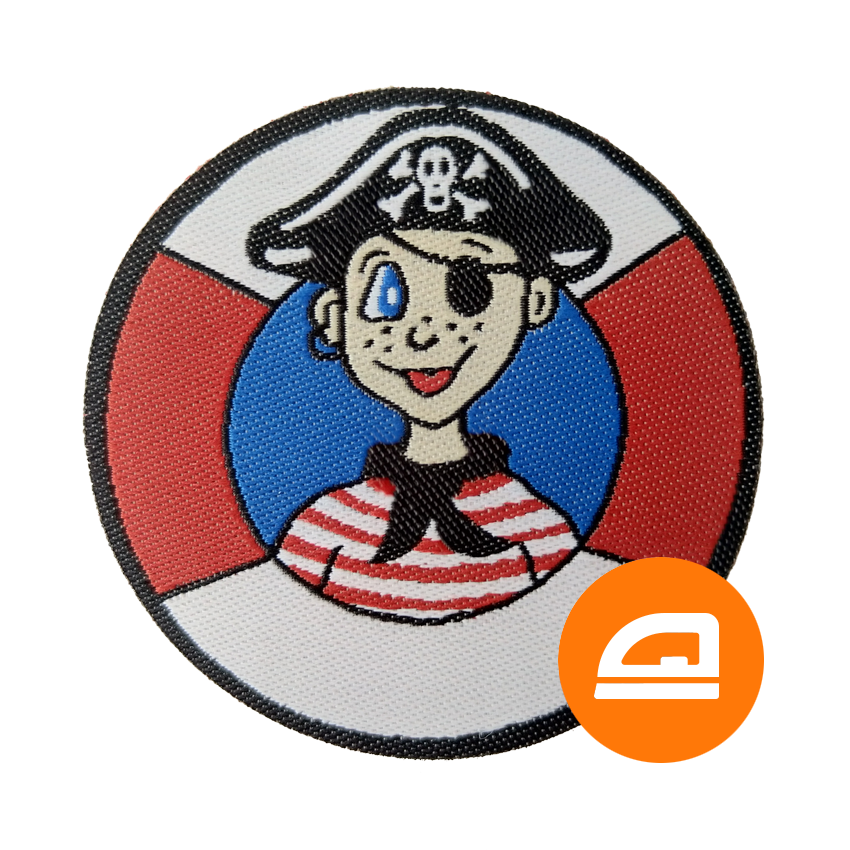
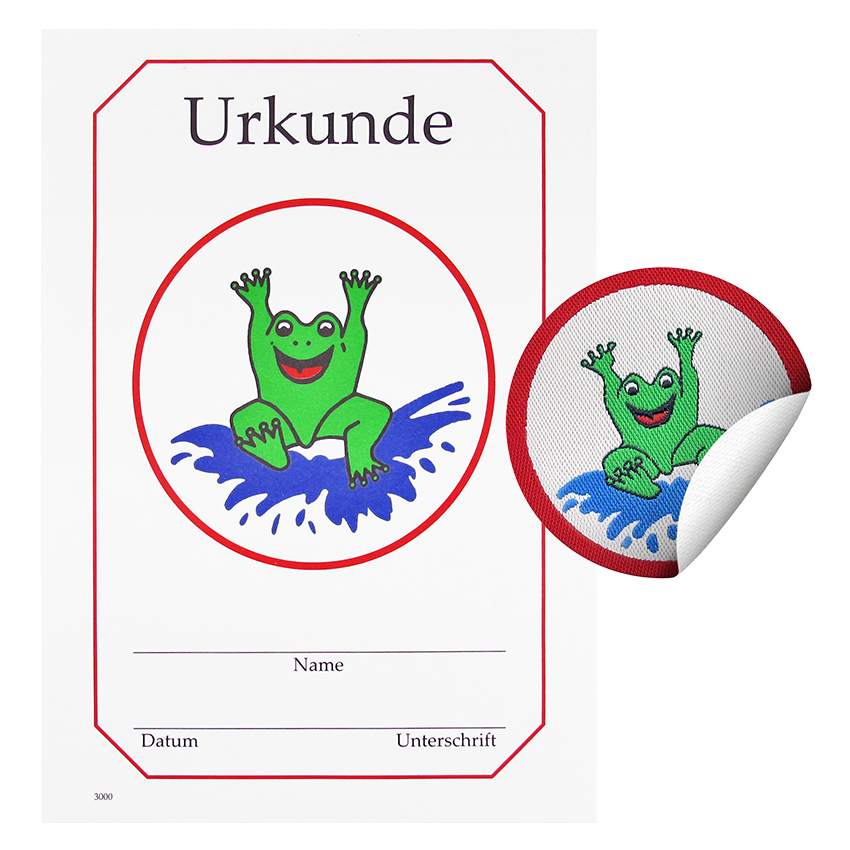
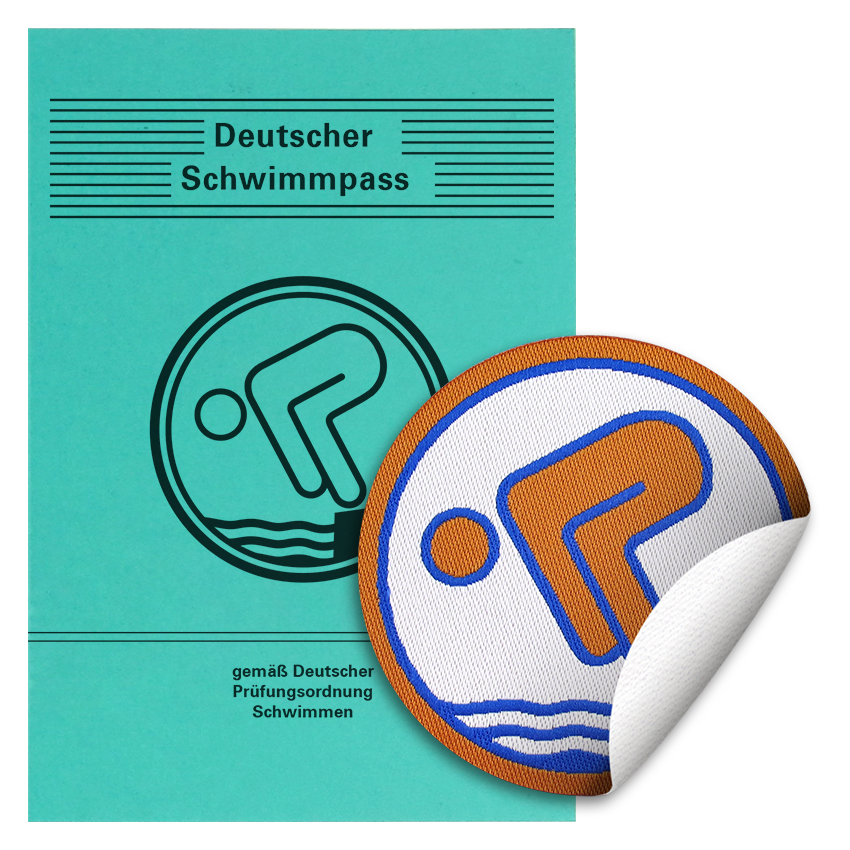
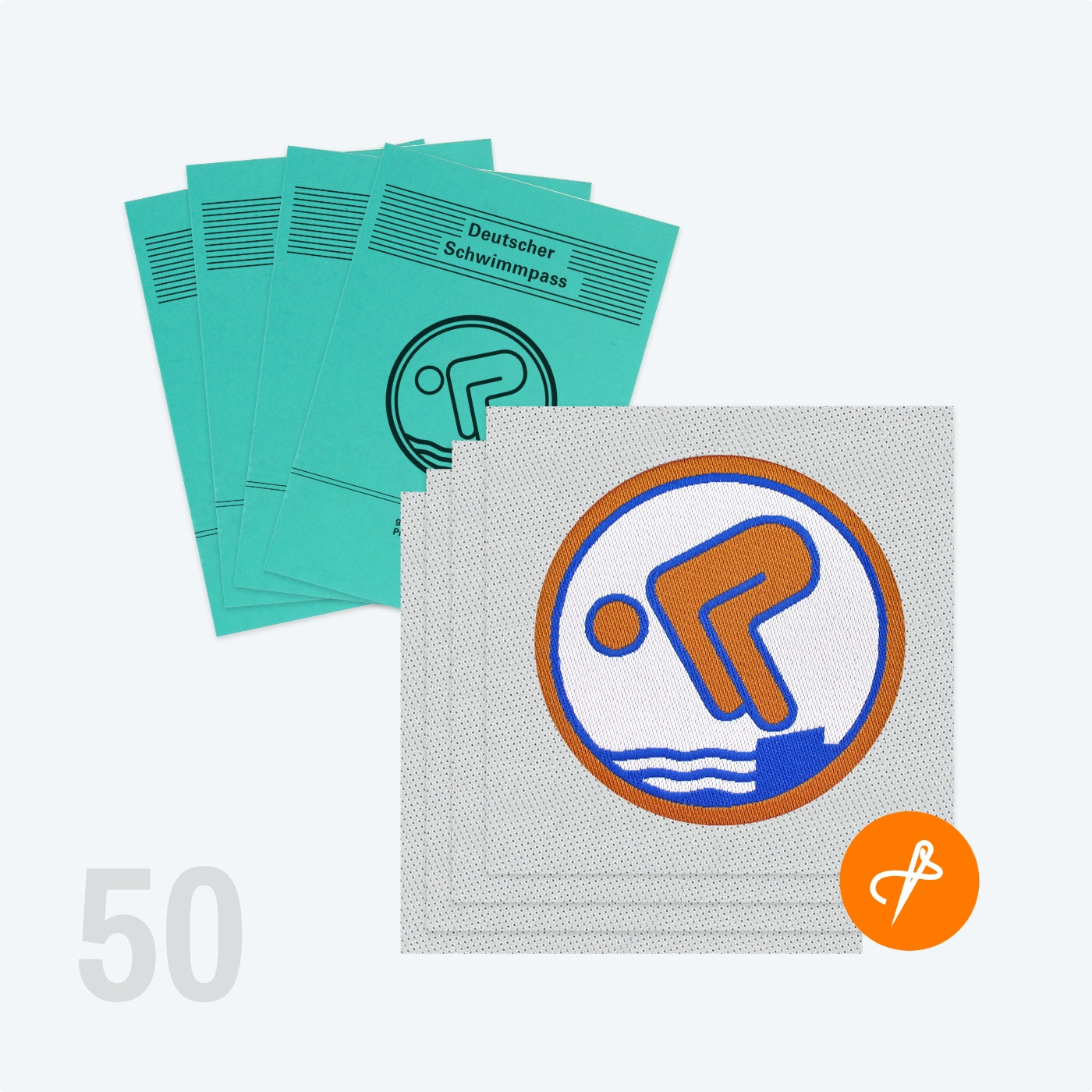
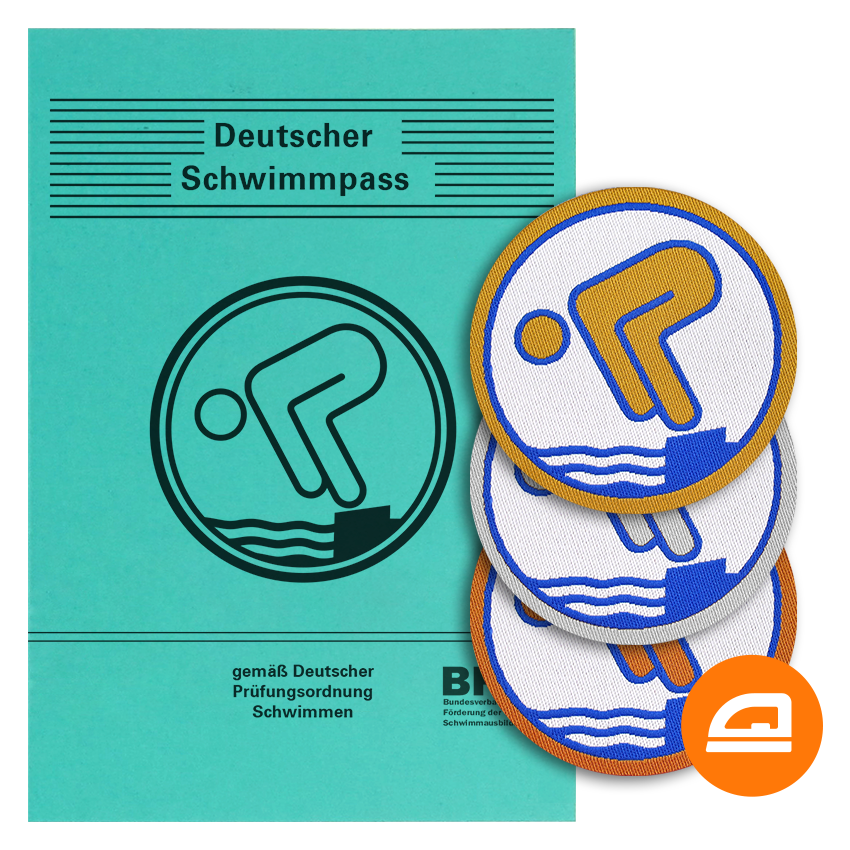
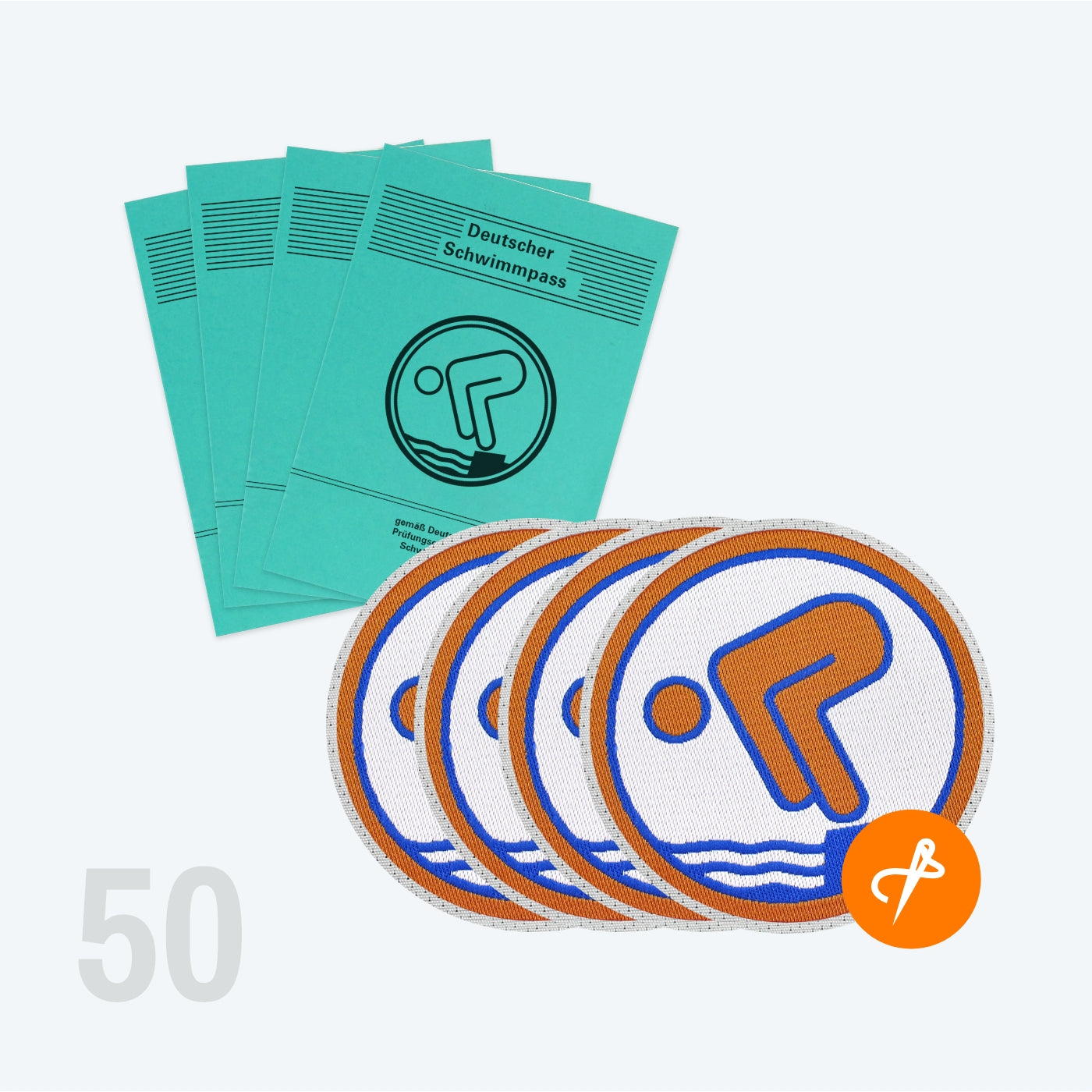
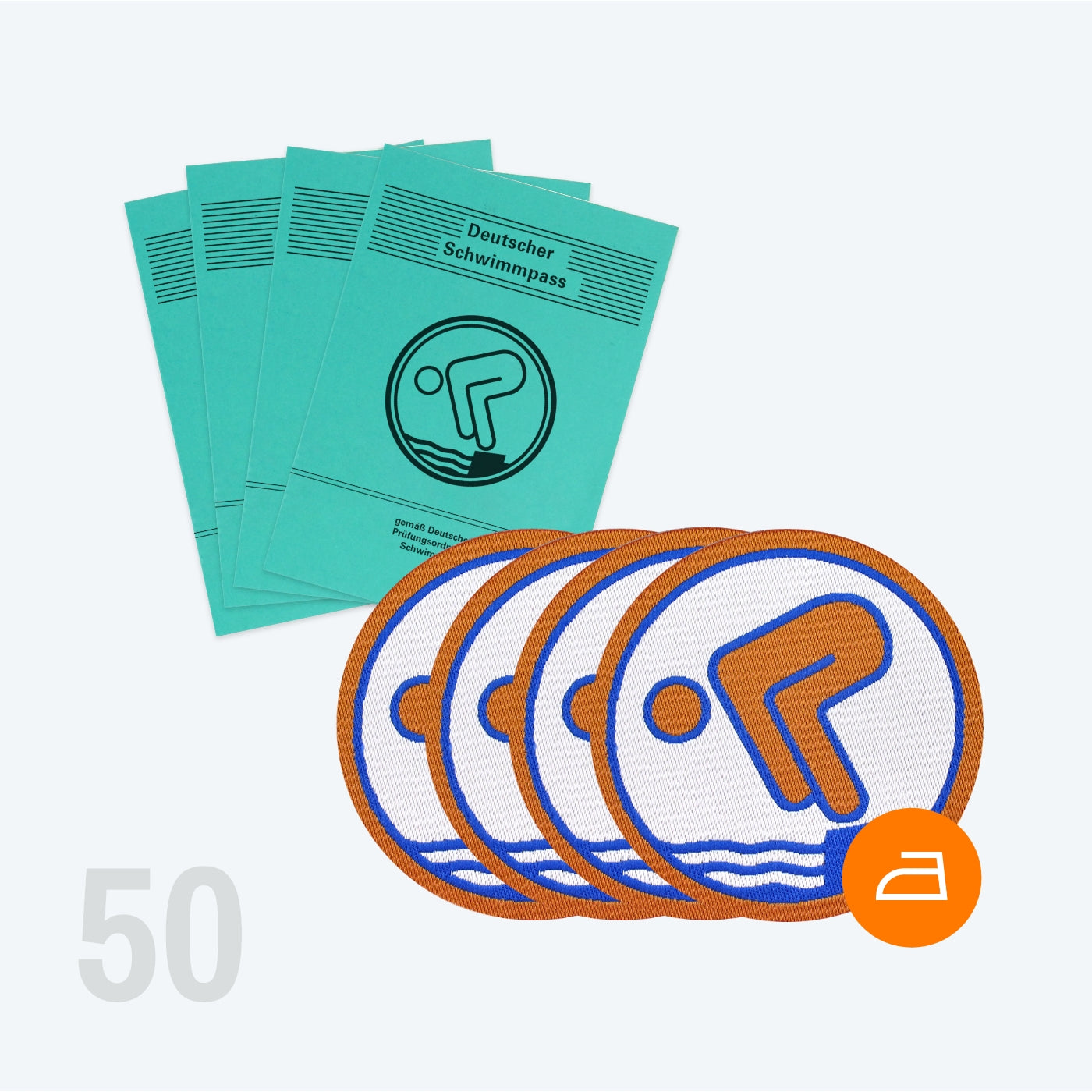
Badges and certificates are more than just paper. They are powerful motivational tools that give swim students recognition, pride, and an incentive for further development. The German Swimming Pass shows how significant such awards can be for athletic motivation.
Using badges in swimming courses requires a well-thought-out strategy. Individualization is important: each badge should reflect the specific progress of the swim student. Bronze, silver, and gold are not just categories but milestones of personal development.
Presenting the badges is about more than a formal handover. Create a celebratory event where each swim student can present and honor their achievement. Encourage the group to celebrate successes together and applaud each other.
The design of the certificates should be appealing and age-appropriate. Use colorful designs, personalized texts, and space for individual comments from the swimming instructor. A well-designed certificate will not only be kept but will also motivate long-term.
Pro-Tip: Document the badge ceremony with photos and create a digital portfolio for each swim student that makes progress and successes visible.
5. Integrate Playful Elements Effectively
Learning to swim doesn't have to be serious and rigid. Playful elements can not only make swimming lessons more entertaining but also significantly increase learning motivation.
Playful motivation works because it combines two essential aspects: fun and learning progress. Develop swimming exercises that feel like games but also train important technical skills. Examples include relay races to improve swimming technique, underwater treasure hunts for diving practice, or ball games that promote coordination skills.
Make sure to design the games to be age-appropriate and suitable for the performance level. For beginners, this means simple, trust-building games. For advanced swimmers, more complex challenges that combine team spirit and technical perfection can be motivating.
Variability is also important. Regularly change the playful elements to avoid boredom and always create new incentives. Let the swim students develop their own ideas or suggest games.
Pro-Tip: Keep a "game diary" with successful playful exercises and document which elements are particularly well-received by which age groups.
6. Promote Group Dynamics and Team Spirit
A strong team spirit can motivate swim students more than individual incentives. Team dynamics create an environment of mutual support and shared learning.
Trust and communication are the key elements of successful group interaction. Design exercises that promote collaboration rather than competition. Examples include partner-based rescue drills, joint technique analyses, or group goals where all swimmers must achieve progress together.
Not every team exercise needs to be complex. Simple rituals such as a shared starting circle before training, cheering on individual progress, or sharing learning experiences can create a sense of community. Authentic appreciation of each team member is crucial.
When working in groups, difficulty levels should vary. Set tasks that involve both beginners and advanced swimmers and exclude no one. Foster a culture of mutual respect and helpfulness.
Pro-Tip: Introduce a monthly "Team Spirit Day" where swim students reflect on their group performance and set goals together.
7. Involve Parents Specifically
Parents are more than just spectators in swimming. They are strategic partners who can significantly contribute to their children's motivation and development. Parental support can make the difference between perseverance and giving up.
Communication is key to successful involvement. Offer regular parent evenings where you not only discuss progress but also convey strategies for support at home. Show parents how they can constructively motivate without creating performance pressure.
Practical involvement opportunities include joint information materials, digital progress reports, or special parent workshops. Encourage parents to support their children through positive feedback and to present learning to swim as an adventure.
Organize occasional family swimming events where parents and children can experience playful water sports activities together. This not only strengthens motivation but also the bond between parents and children.
Pro-Tip: Develop a parent guide with specific tips on how they can emotionally and practically support their children in swimming lessons.
This table provides a comprehensive overview of the strategies discussed in the article for effectively conducting swimming courses and highlights the essential techniques and approaches.
| Key Aspect | Details |
|---|---|
| Clear Goal Setting and Communication | Apply the SMART method, define goals clearly, and provide regular feedback. |
| Praise and Constructive Feedback | Give precise and individually tailored feedback, actively involve students in the process. |
| Making Individual Progress Visible | Document progress, highlight individual achievements, and use visual aids. |
| Badges and Rewards | Use personalized awards, recognize achievements, and organize celebratory presentations. |
| Integrating Playful Elements | Design age-appropriate games, incorporate varied exercises, and promote group activities. |
| Promoting Group Dynamics and Team Spirit | Use exercises for cooperation, communication, and shared goals, establish rituals. |
| Parental Involvement | Organize parent evenings, encourage constructive support, and promote family participation. |
Boost Swim Students' Motivation with Suitable Badges and Certificates
Sustaining the motivation of swim students is a significant challenge. Setting clear goals, making individual progress visible, and incorporating playful elements helps children learn with fun and pride. This is where badges and certificates play a crucial role. They provide valuable recognition for each learning step and boost swim students' self-confidence.
With the lovingly designed Starfish Stella Swim Badges & Certificates from Pimpertz, you bring motivating companions directly into your course. As an official partner of DLRG and BFS, we offer the highest quality and genuine recognition that excites children. Discover our extensive range at pimpertz.de and create real success stories with appropriate awards. Start today and make your swimming course a motivating adventure for every swim student.
Frequently Asked Questions
How do I set clear goals for swim students?
Set clear and challenging goals that are specific, measurable, achievable, relevant, and time-bound. Use the SMART method and make it easier for swim students to track their progress by introducing visual aids such as a progress chart.
How do I give effective feedback to swim students?
Give specific and helpful feedback based on individual progress. Encourage students to assess their own progress, and use visual aids such as video analyses to clarify technique.
How do I make individual progress of swim students visible?
Introduce personal progress documentation, such as progress cards or learning diaries. Create a progress wall where students can visibly document their development to promote motivation and team spirit.
What types of rewards are effective for swim students?
Use badges and certificates that reflect the individual progress of swim students. Make the presentation of these awards a celebratory event to strengthen the sense of community and further motivate students.
How do I incorporate playful elements into swimming lessons?
Integrate games and playful tasks that also train essential swimming techniques. Make sure to design the games to be age-appropriate and suitable for the students' skill level to combine fun and learning.
How do I involve parents in motivating swim students?
Organize regular parent evenings to discuss students' progress and convey strategies for support. Encourage parents to provide positive feedback and create shared swimming experiences like family swim events.