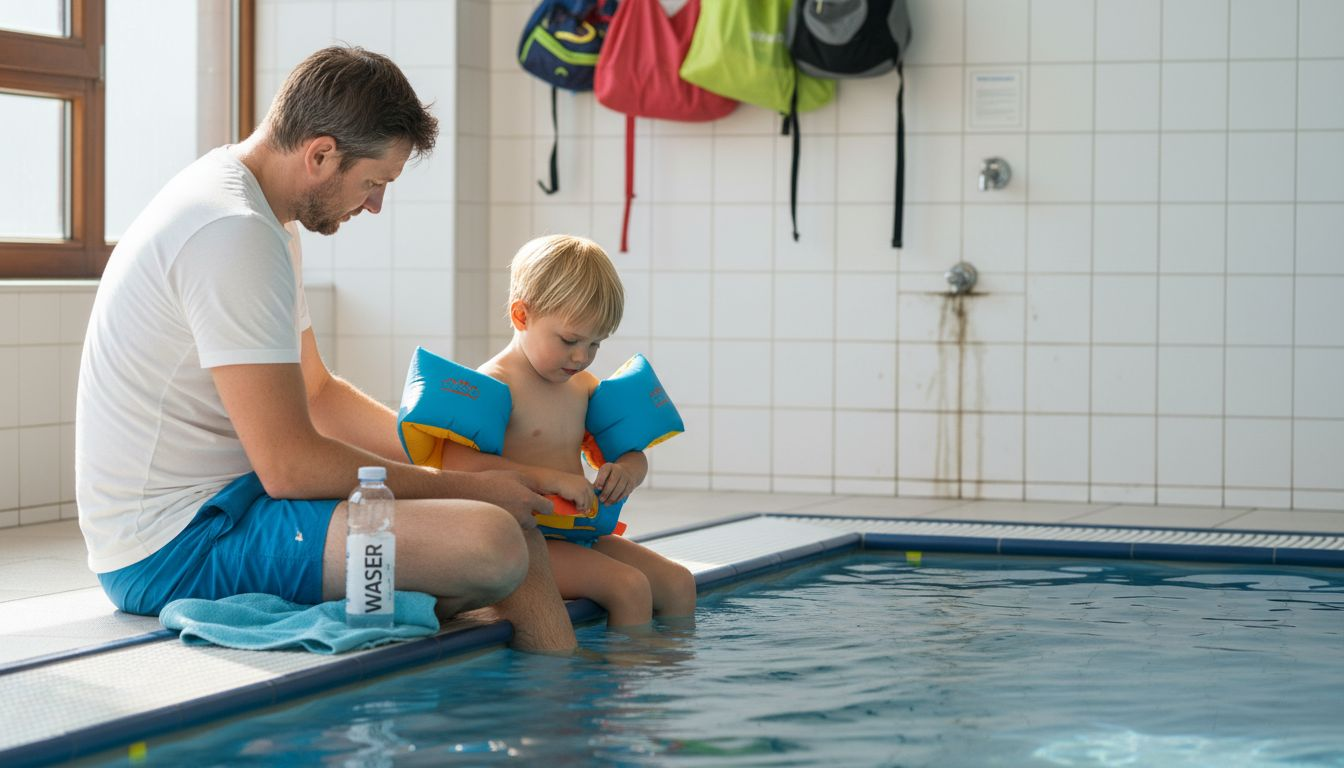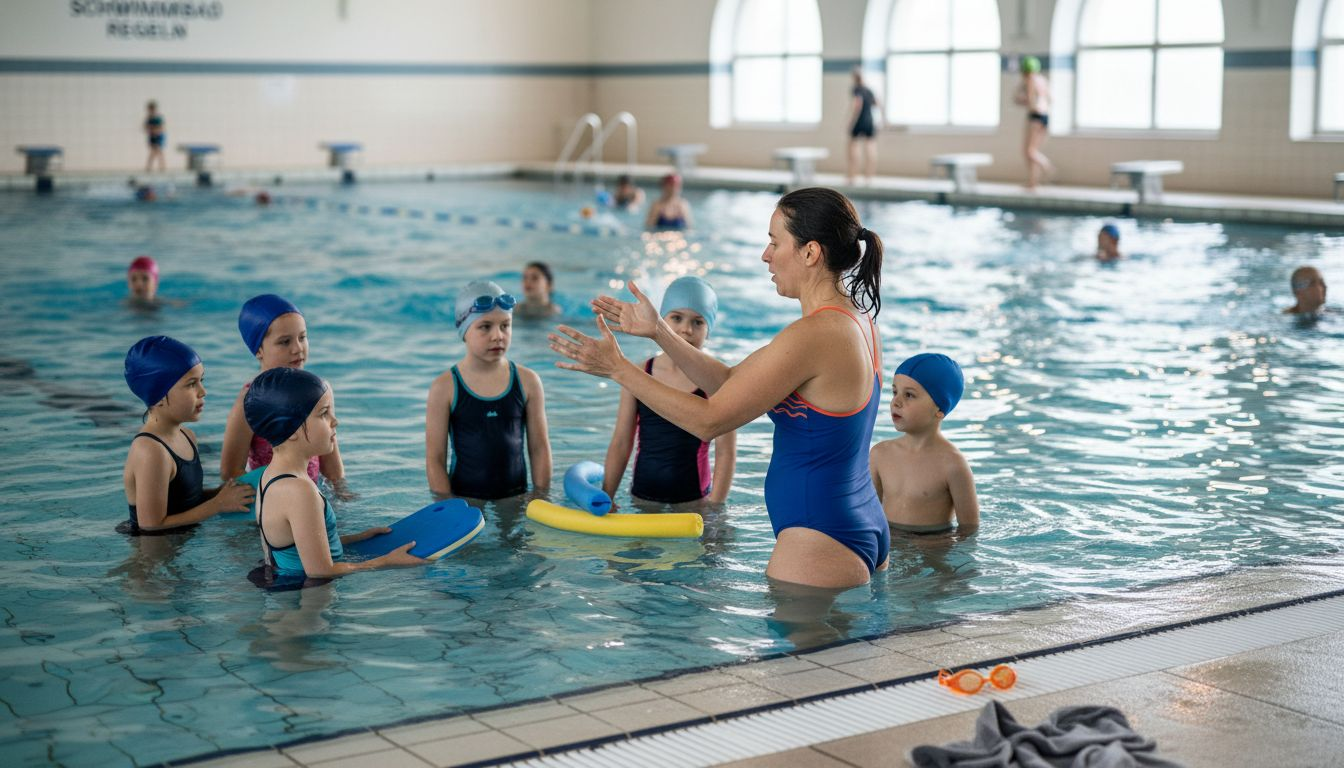

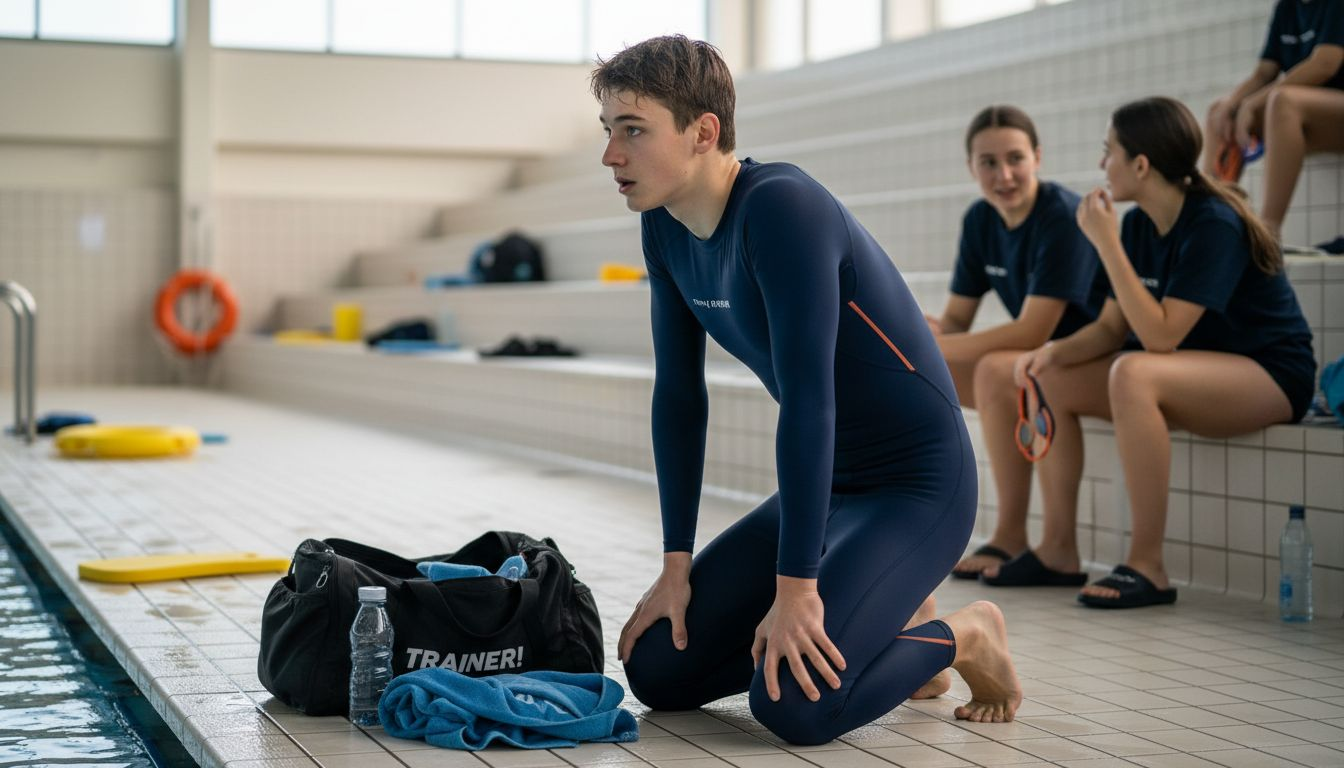
With over 2,300 swimming clubs in Germany, parents today have many opportunities to actively support their child's swimming career from the very beginning. Many wonder how they can not only recognize progress in the water but also record it in a motivating way. Swimming badges provide clear orientation and make every level of skill tangible for children – this gives young talents valuable recognition and strengthens their self-confidence.
Table of Contents
- What does competitive swimming mean?
- Important Competitive Swimming Badges for Children
- From Seahorse to Competitive Sport: Levels, Content, and Goals
- Support Structures, Clubs, and Coach Training
- Parental Role: Support and Motivation for Children
- Risks, Challenges, and Common Mistakes in Children's Competitive Sports
Key Insights
| Point | Details |
|---|---|
| Swimming as a competitive sport | Success in swimming requires structured training and continuous participation in competitions. |
| Badge system for children | The German Competitive Swimming Pass offers a clear progression to encourage young swimmers. |
| Role of parents | Parents should provide emotional support to their children and encourage open communication. |
| Risks in competitive sports | Pay attention to physical and psychological stresses, and the development of healthy training habits. |
What does competitive swimming mean?
Competitive swimming goes far beyond swimming as a recreational activity. It is a highly professional competitive discipline that focuses on intensive training methods and technique optimization. Unlike recreational sports, the focus here is not on relaxation or health promotion, but on systematic performance enhancement.
The most important characteristics of competitive swimming include:
- Continuous and structured training
- Mathematical precision in movements
- Regular participation in competitions
- Focus on improving times and optimizing technique
International competitions such as World and European Championships, as well as the Olympic Games, represent the highlights of this sport. Young swimmers go through a multi-stage development system, where club and association structures systematically foster talent and prepare them for the highest performance levels.
Pro Tip: Parents should introduce their children to structured swimming training early on and strengthen their motivation through regular recognition and support.
Important Competitive Swimming Badges for Children
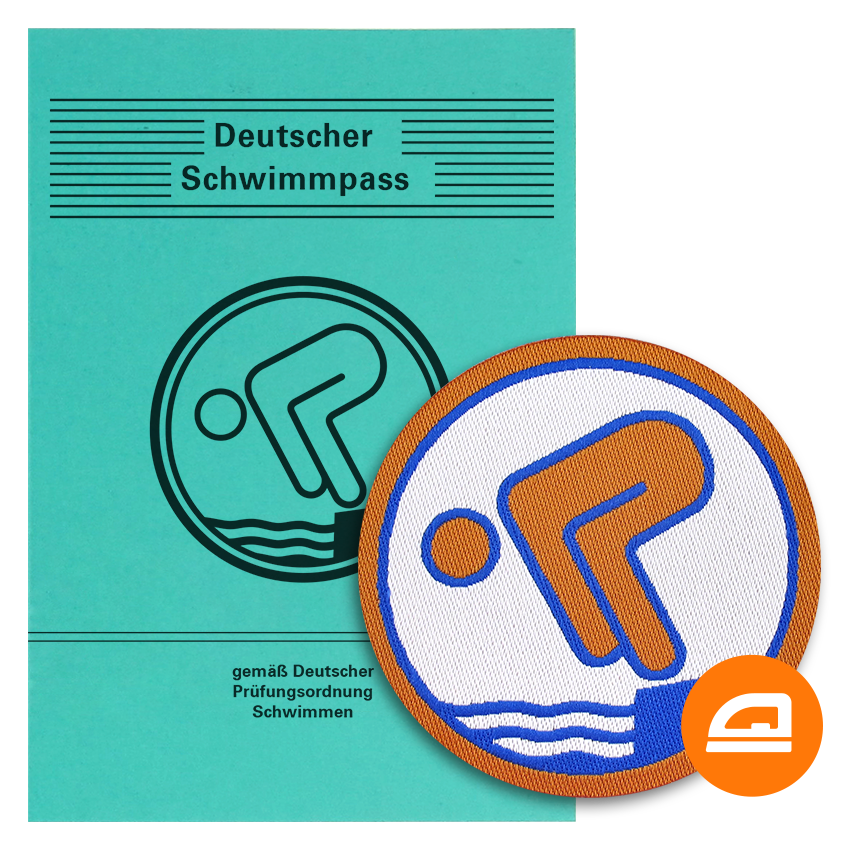
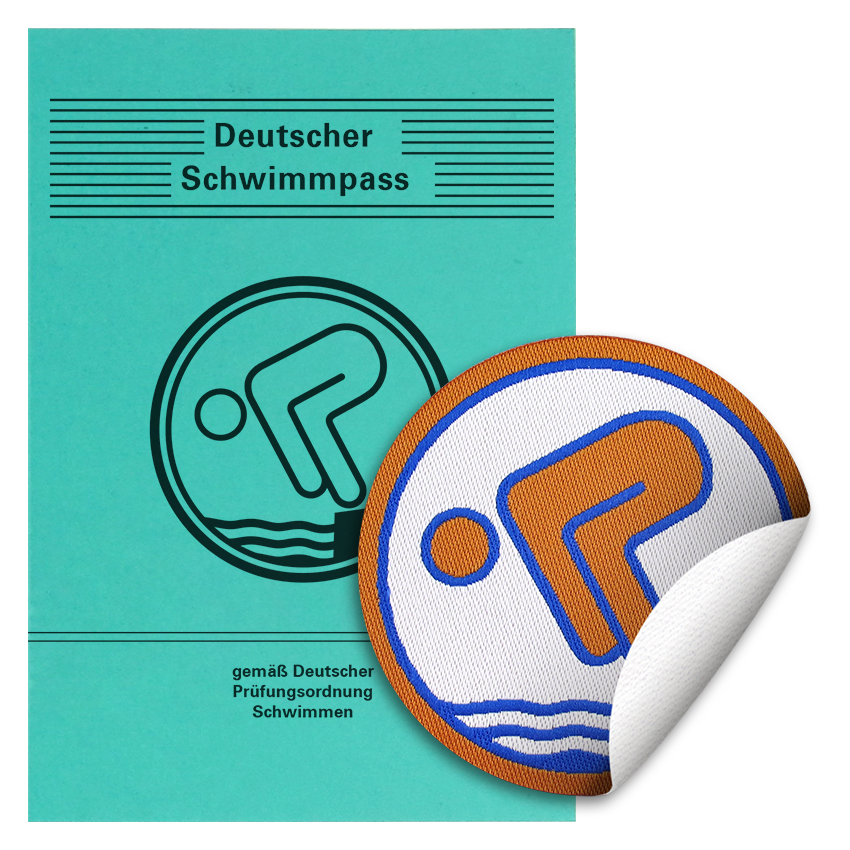
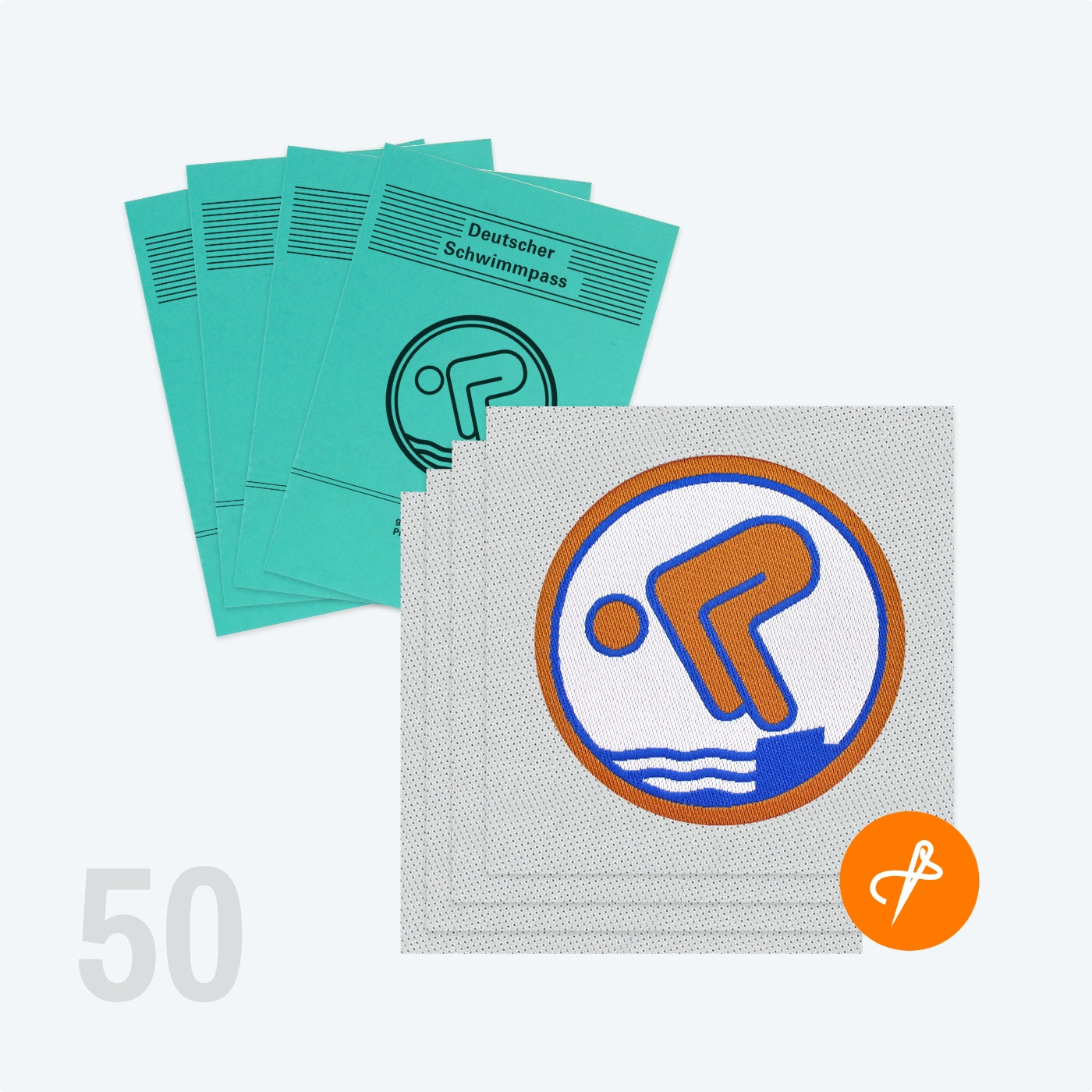
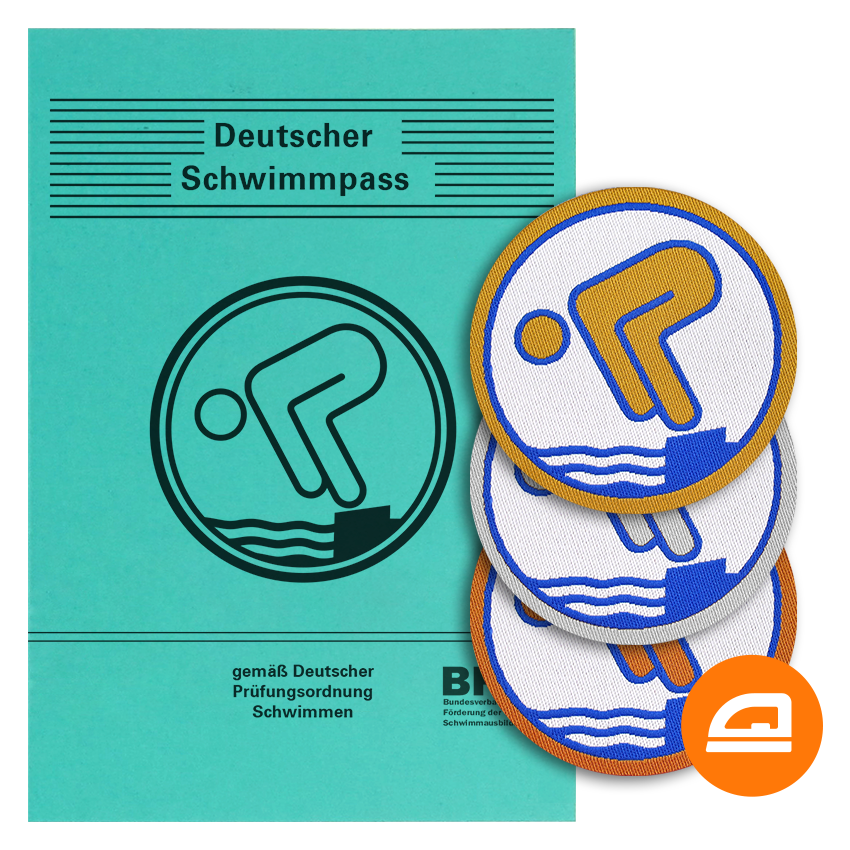
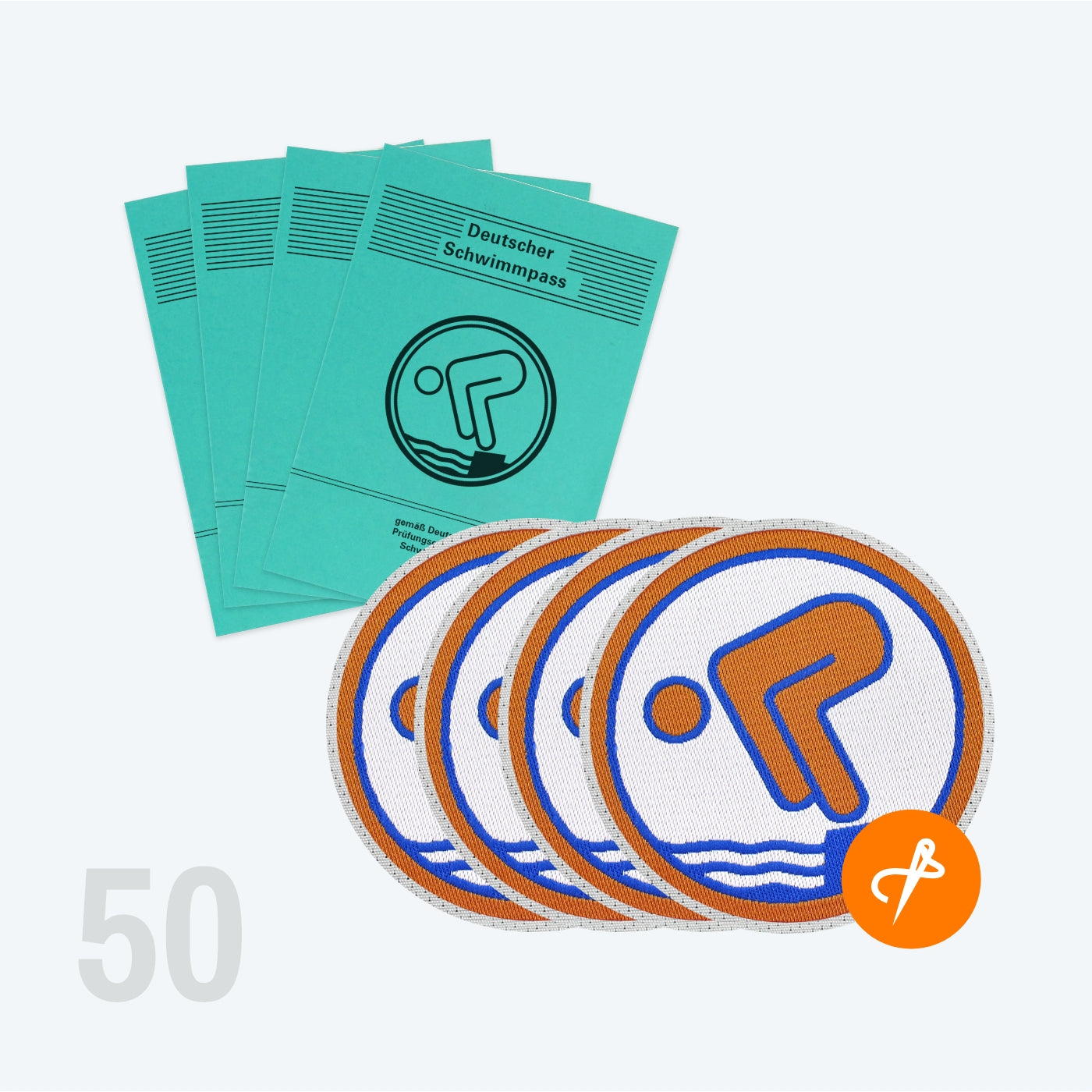
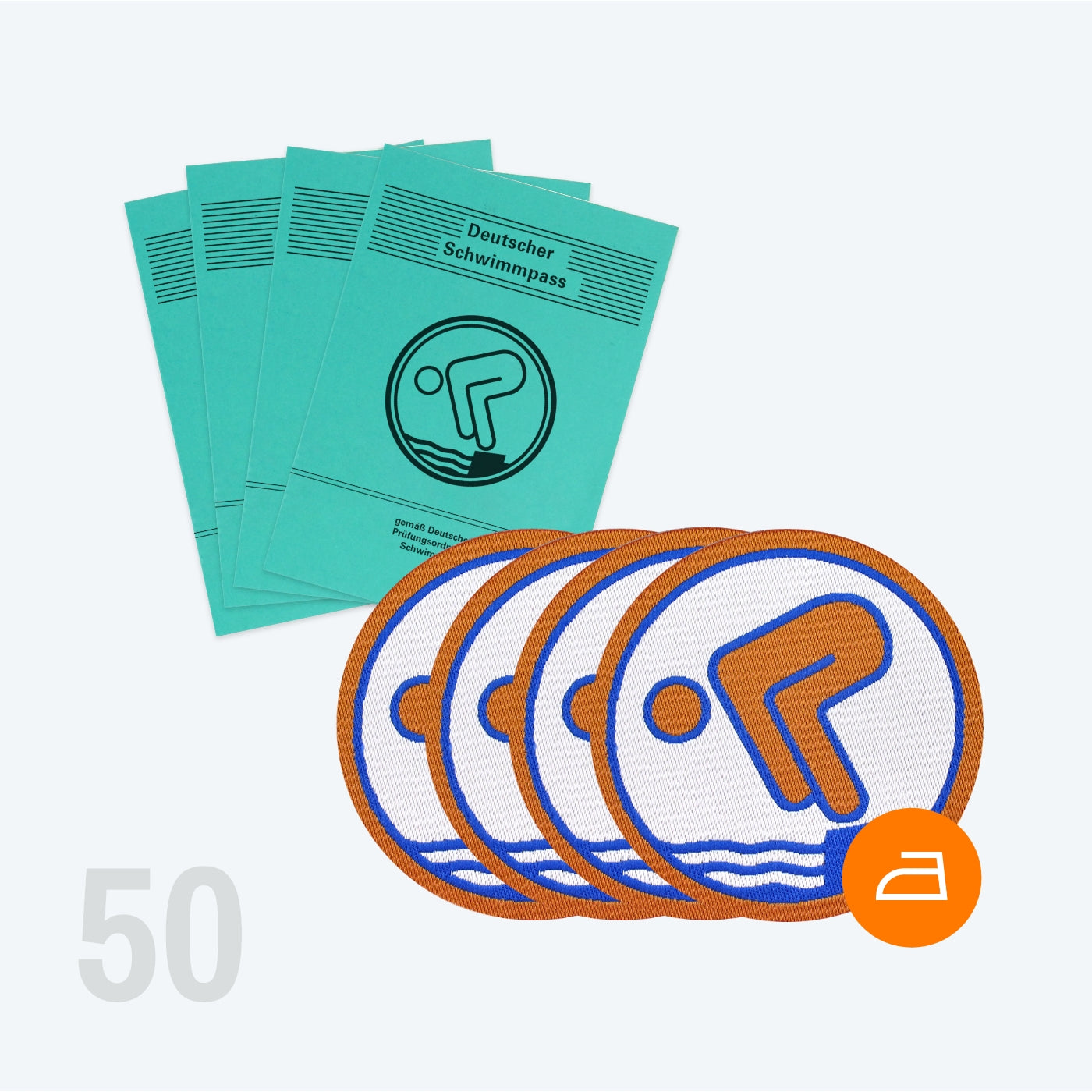
For children who aspire to competitive swimming, there is a structured badge system that systematically documents their development. The German Competitive Swimming Pass offers a clear progression with three central performance levels: Shark, Silver, and Gold.
The different badges are defined by specific requirements:
- Shark Badge: First level for young competitive swimmers
- Silver Badge: Advanced technical skills
- Gold Badge: Highest performance level for young swimmers
Each of these badges requires not only achieving certain swimming times but also mastering various swimming techniques such as crawl, breaststroke, backstroke, and butterfly. Additionally, children must demonstrate special skills such as water polo dribbling and complex diving variations.
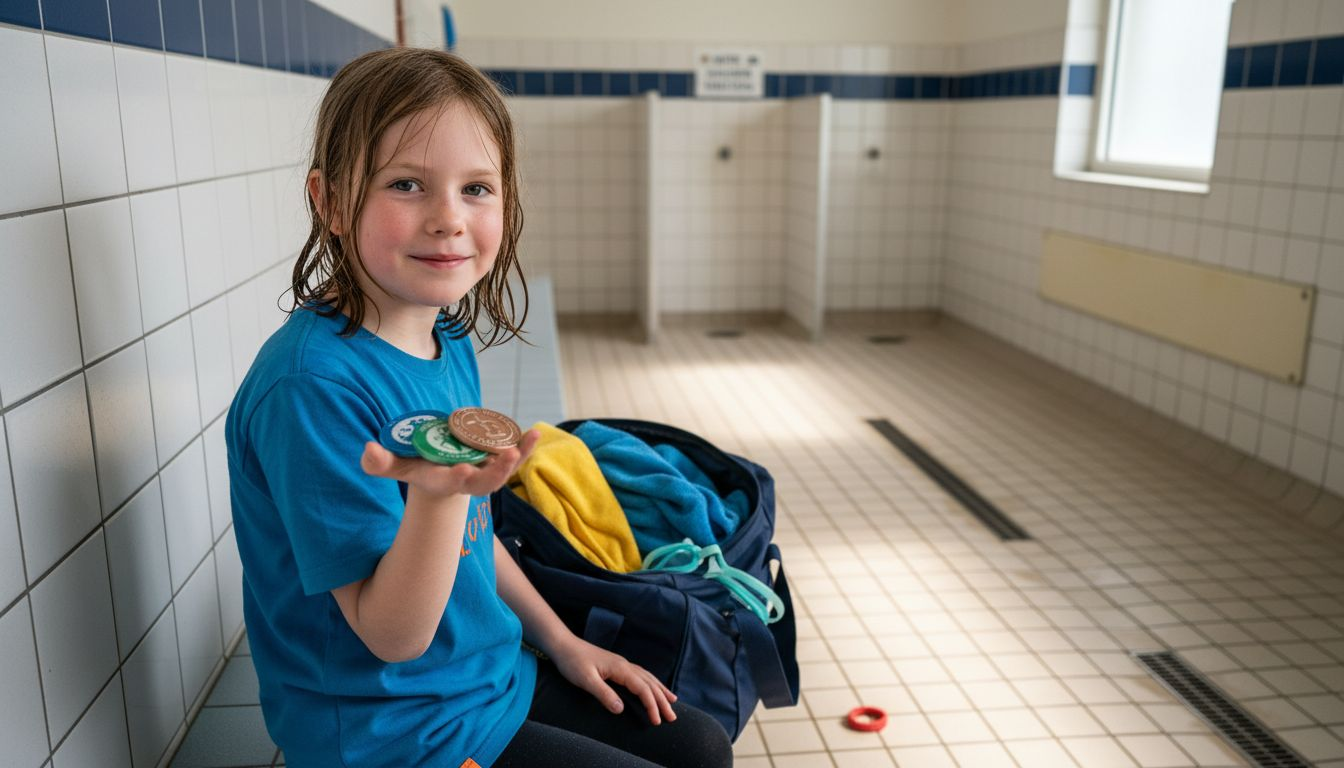
Pro Tip: Document your child's progress with regular photos and badge collections to preserve motivation and memories long-term.
From Seahorse to Competitive Sport: Levels, Content, and Goals
The path to competitive swimming is a systematic process that begins in childhood. The swimming badges form a clear progression from first water experiences to competitive sports, offering children orientation and motivation.
The most important developmental stages include:
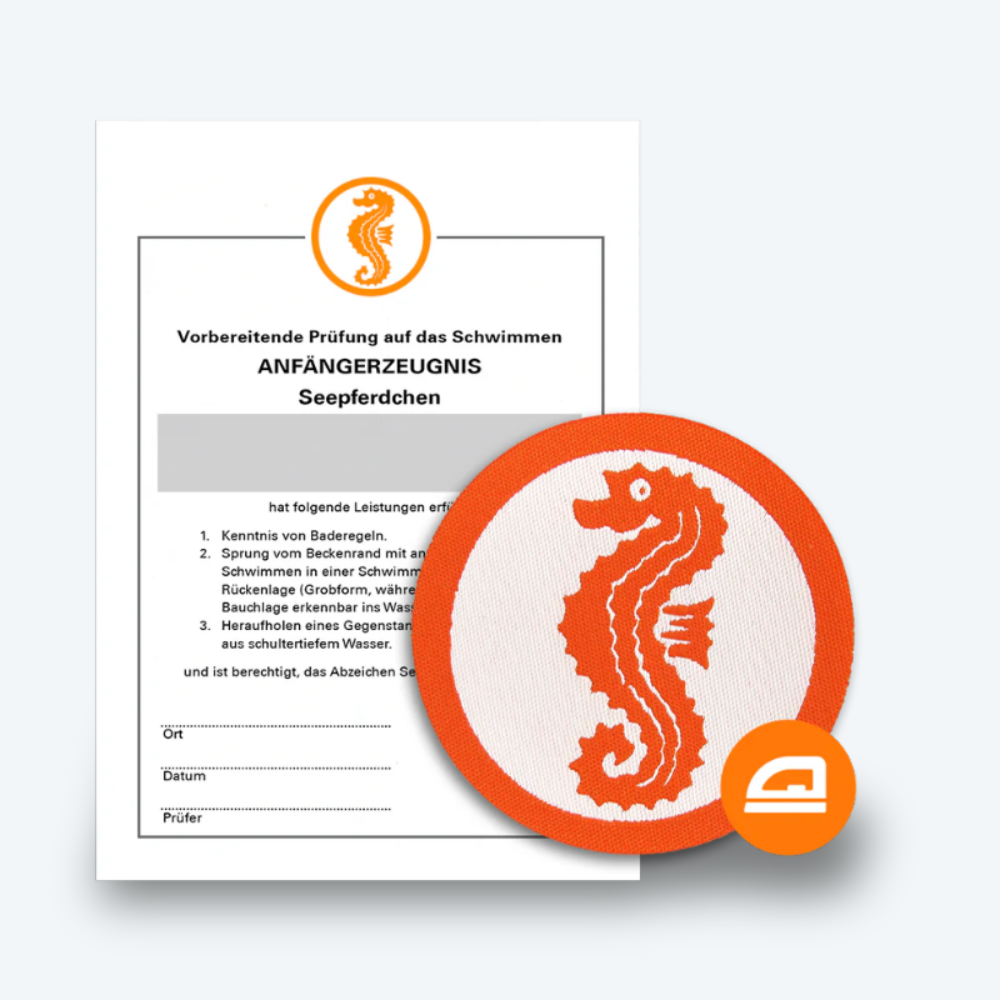
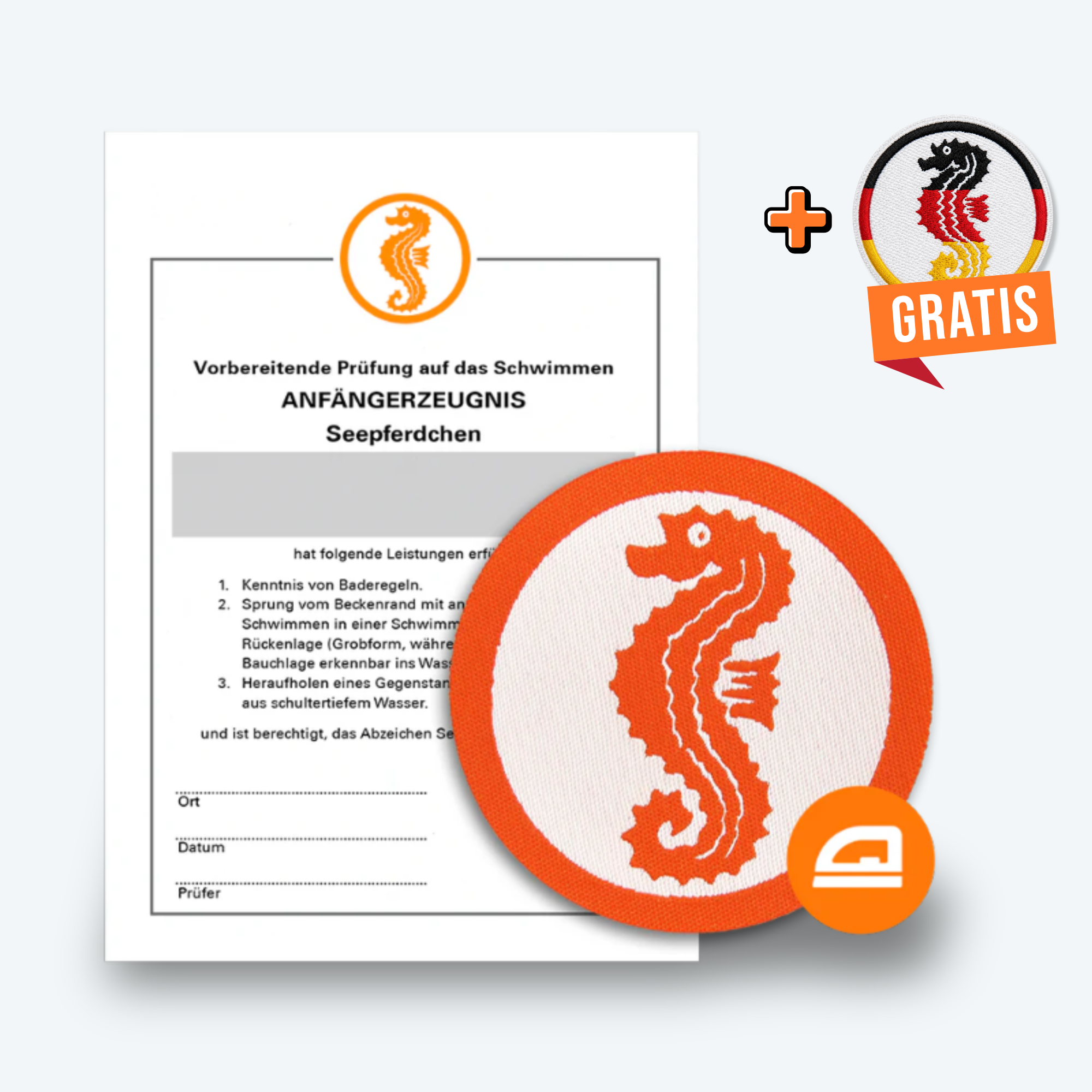
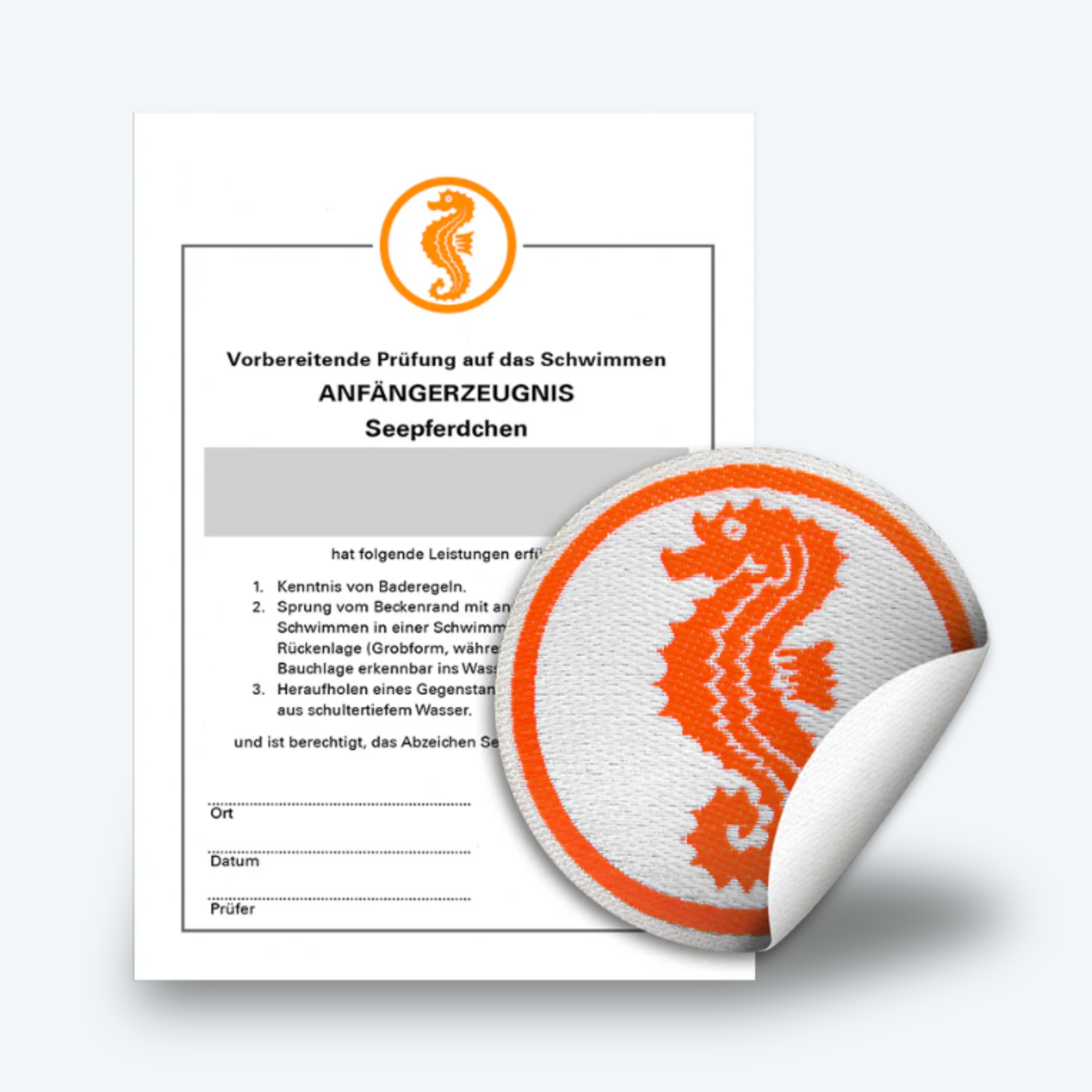
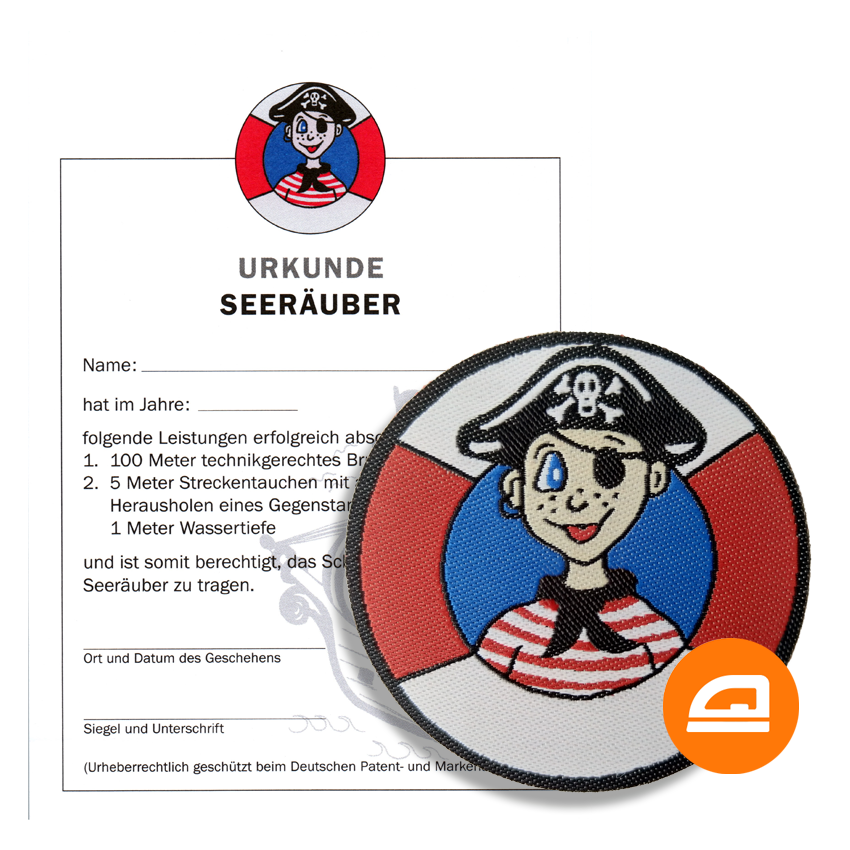
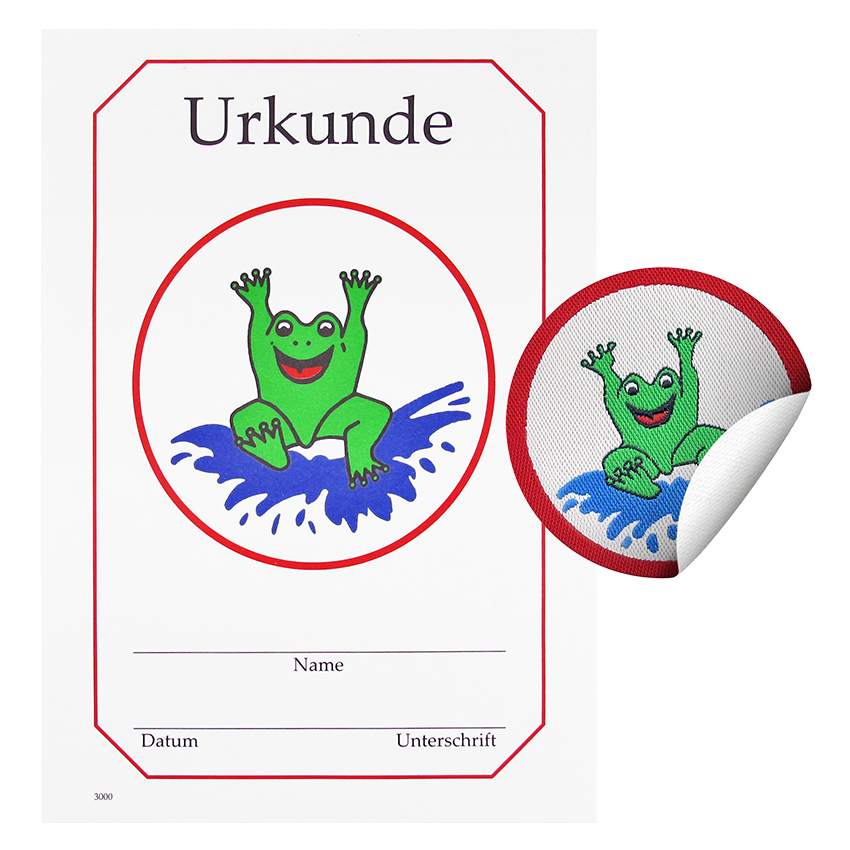
- Seepferdchen (Seahorse): First water familiarization and basic skills
- Trixi Badge: Versatility training
- Bronze, Silver, Gold: Classic swimming badges with increasing requirements
- Competitive Swimming Pass: Specialization for ambitious young swimmers
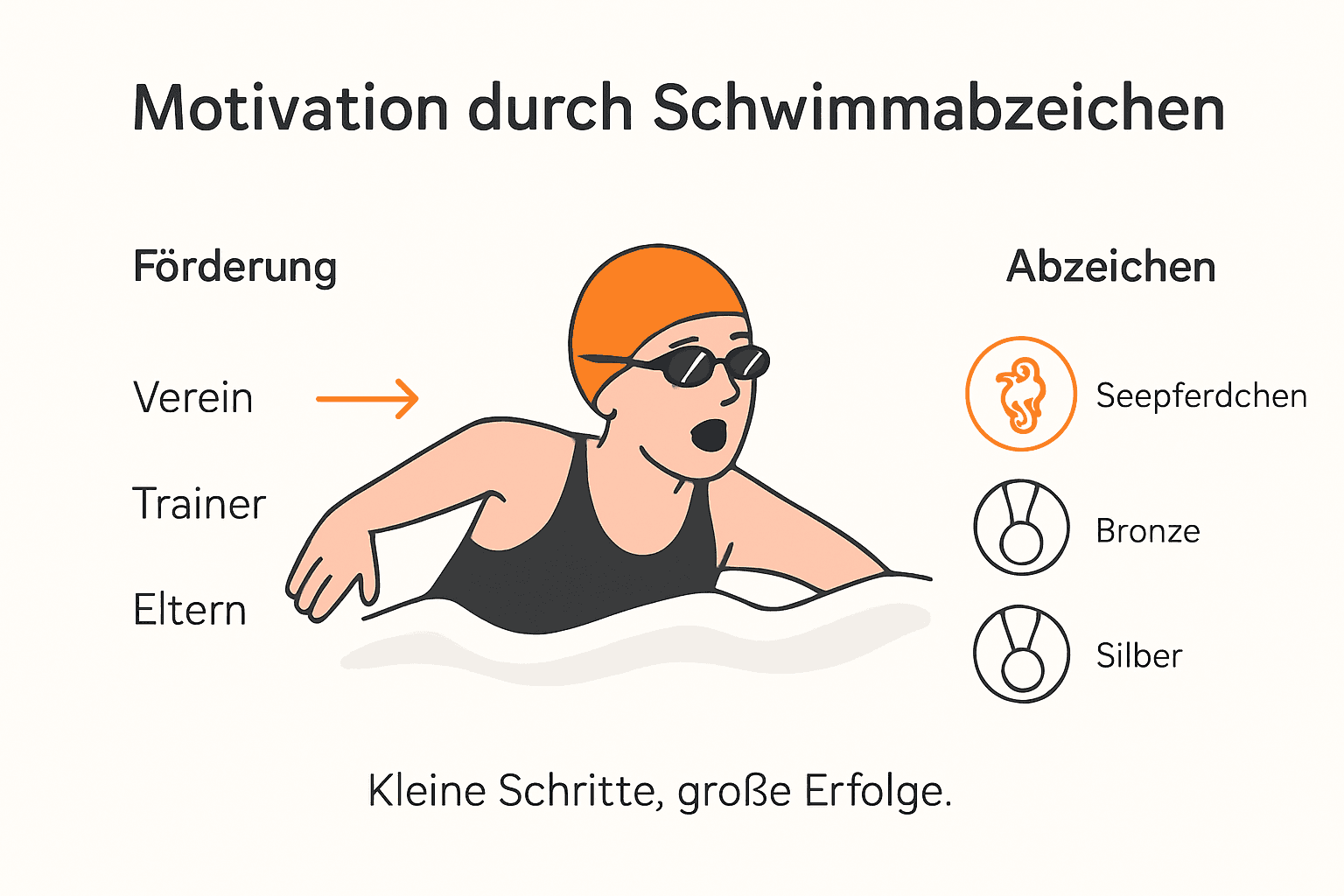
Each level defines specific competencies regarding swimming distance, swimming styles, diving performance, and safety knowledge. The badges motivate children by making measurable progress visible and simultaneously setting clear training goals.
Here is an overview of the structure and specifics of the most important swimming badges:
| Level/Badge | Recommended Age Group | Focus/Skills | Significance for Swimming Development |
|---|---|---|---|
| Seepferdchen | 4-7 years | Water familiarization, first basic forms | Basis for water confidence and safety |
| Trixi Badge | 6-8 years | Versatility, first diving exercises | Promotes fun and comprehensive swimming abilities |
| Bronze/Silver/Gold | 7-12 years | Technique, endurance, swimming styles | Building stamina and swimming safety |
| Leistungsschwimmpass | from 10 years | Competition techniques, time improvement | Entry into competitive swimming |
Pro Tip: Accompany your child's progress with praise and recognition at every badge level to maintain their enjoyment of swimming.
Support Structures, Clubs, and Coach Training
The German Swimming Federation (DSV) plays a crucial role in systematic youth development. Over 2,300 German swimming clubs organize talent identification and youth development in close cooperation with state swimming associations, offering structured development opportunities for children and young people.
Coach training includes various qualification levels:
- Assistant Coach: First training level
- C-License: Basic coaching qualification
- B-License: Advanced coaching competence
- A-License: Highest coaching license for competitive sports
Training follows cross-state guidelines with mandatory content in methodology, training theory, and pedagogical aspects. State and federal support centers offer additional programs that enable targeted specialization and development of young swimming talents.
Pro Tip: Inform yourself early about local swimming clubs and their youth programs to find the best support opportunities for your child.
Parental Role: Support and Motivation for Children
Parents play a crucial role in their children's athletic development. Scientific studies show that parents, as role models, supporters, and motivators, have a significant influence on performance motivation.
The most important aspects of parental support include:
- Emotional support and unconditional acceptance
- Logistical support for training and competitions
- Realistic expectations
- Constructive and appreciative communication
A balanced approach between engagement and letting go is crucial for long-term motivation, with collaborative work between coaches and clubs playing a central role. Parents should encourage their children without pressuring them, and appreciate their individual progress.
Pro Tip: Have regular, open conversations with your child about the joys, challenges, and goals in swimming, without creating performance pressure.
Risks, Challenges, and Common Mistakes in Children's Competitive Sports
Competitive sports in childhood involve complex physical and psychological challenges that must be carefully considered. The development of young athletes requires a balanced and sensitive approach.
The most important risks include:
- Physical overexertion: Risk of growth delays
- Psychological strain: Performance pressure and potential burnout risks
- Social challenges: Limitations in social life
- Medical risks: Injuries and developmental disorders
Preventive measures are crucial to minimize negative effects. These include individually tailored training concepts, regular medical check-ups, and holistic care that considers not only athletic but also personal development.
The following table shows typical risks and associated preventive measures in children's competitive swimming:
| Risk | Typical Impact | Preventive Measure |
|---|---|---|
| Physical overexertion | Possible growth disturbances | Age-appropriate training and regeneration |
| Psychological pressure | Lack of drive/burnout | Realistic goals and open communication |
| Social restriction | Fewer leisure contacts | Balanced training-leisure ratio |
| Medical problems | Injuries, poor posture | Regular sports medical examinations |
Pro Tip: Ensure sufficient regeneration phases and a balanced approach between athletic development and childhood development.
Motivation and Progress with High-Quality Swimming Badges from Pimpertz
The article demonstrates how important structured swimming badges and certificates are for motivating children sustainably and making their achievements in competitive swimming visible. Especially for parents and coaches, it is a great challenge to document children's progress appreciatively while maintaining the fun of training. Swimming badges like Seahorse, Bronze, Silver, and the Competitive Swimming Pass offer clear goals and recognition – and this is exactly where Pimpertz, as your certified partner, comes in.
With over 38 years of experience as an official supplier to the DLRG and BFS, you will find a large assortment of original certified swimming badges and certificates in child-friendly designs at Pimpertz. Our waterproof cases, collection albums, and customizable sets are perfectly suited to record your children's training successes and maintain their motivation. Take advantage of lightning-fast shipping and individual advice for your swimming club or swimming school.
Start your personal motivational journey now and support your child's ambitious swimming education with high-quality materials from Pimpertz – your German partner for swimming badges and accessories. Discover our diverse range now at https://pimpertz.de and set new accents in swimming training. This way, performance and joy are perfectly combined!
Frequently Asked Questions
What are the advantages of swimming badges for children?
Swimming badges offer children clear goals and motivating progress, documenting their swimming skills and encouraging further development.
How do the performance levels work in competitive swimming?
The performance levels range from the Seahorse to the Competitive Swimming Pass, with each level defining specific requirements and competencies that children must achieve.
How can I support my child's motivation in swimming?
Parents should regularly provide praise and recognition, and offer balanced support to maintain the fun and enjoyment of swimming.
What are the risks in competitive sports for children, and how can they be minimized?
Risks include physical overexertion and psychological strain. Preventive measures such as age-appropriate training and open communication are crucial to avoid negative effects.