
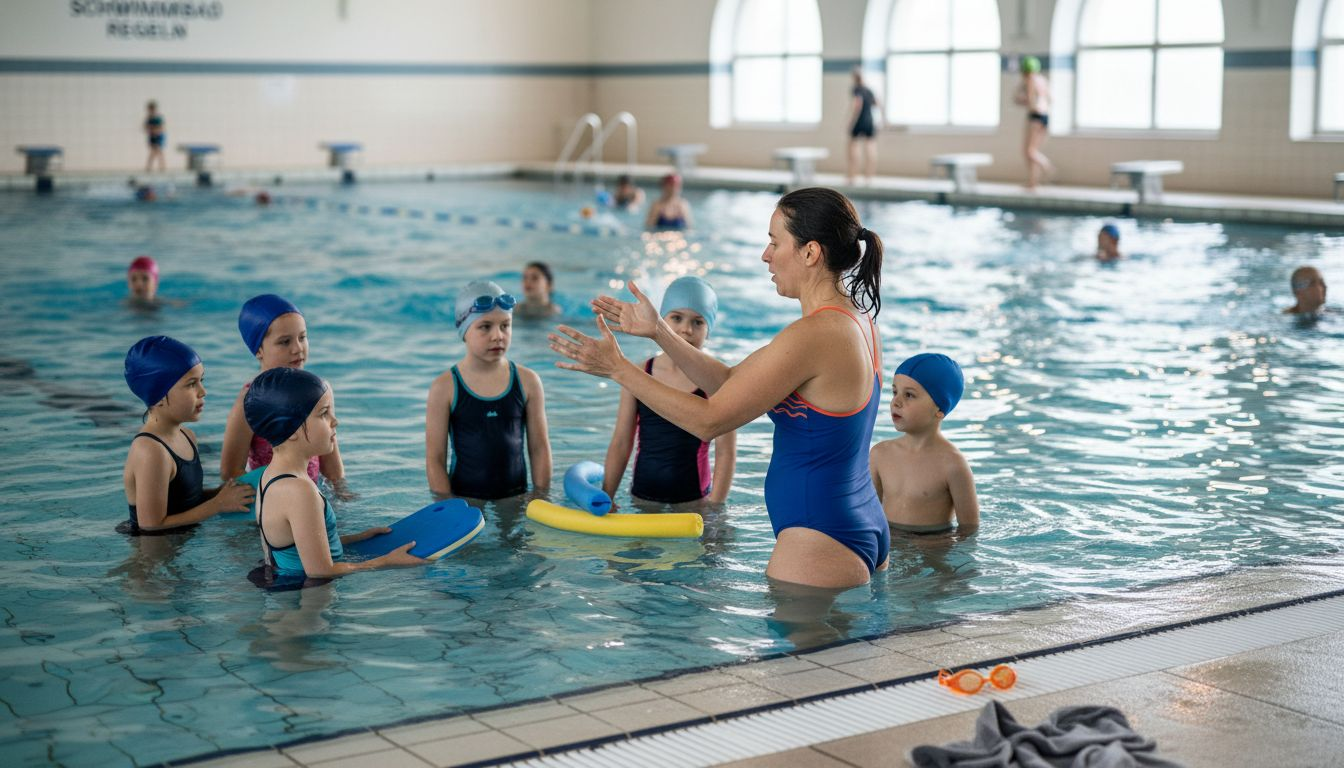
According to current studies, almost one in three children in Germany has difficulties learning to swim safely. For swimming coaches and club leaders, creative teaching methods are crucial to introduce children to water without fear and with motivation. This overview shows practical approaches on how you can achieve sustainable learning success with new exercises, digital tools, and individualized support.
Table of Contents
- Playful Water Familiarization with Simple Exercises
- Using Swimming Badges as a Motivational Aid
- Methodical Sequences for Structured Swimming Learning
- Group Work and Cooperative Learning Forms
- Individualized Feedback for Every Swimming Student
- Digital Tools and Video Analysis in Swimming Lessons
- Integration of Parents into the Learning Process
Quick Summary
| Key Insight | Explanation |
|---|---|
| 1. Promote Playful Learning | Integrate water games to reduce fear and foster enjoyment. |
| 2. Swimming Badges as Motivation | Use badges to make progress visible and motivate children. |
| 3. Structured Swimming Learning Methods | Use methodical sequences for a systematic learning process from simple to complex. |
| 4. Actively Involve Parents | Inform parents regularly to integrate them into the learning process. |
| 5. Provide Individual Feedback | Give targeted feedback to promote specific strengths and areas for improvement. |
1. Playful Water Familiarization with Simple Exercises
Playful water familiarization forms the crucial foundation for every successful swimming lesson. The goal is to make children's first encounter with the element of water positive and fearless, so they develop trust and joy.
According to findings from the teaching material on water familiarization, playful exercises are key to gently introducing children to water. The focus is not on perfect swimming techniques, but on gaining basic movement experiences in water.
Important exercises for water familiarization:
- Water games: Small games like tag, throwing balls, or collecting objects make children happy and distract them from potential water fears.
- Breathing relaxation: By playfully blowing small objects on the water surface, children learn breath control.
- Body posture: Simple gliding and floating exercises help build confidence in their own swimming ability.
In all these exercises, it is important to respond individually to each child and avoid overwhelming them. Positive reinforcement and a relaxed atmosphere are crucial.
Pro-Tip: Start each swimming session with a short game that is fun and gently introduces the children to the water.
2. Using Swimming Badges as a Motivational Aid
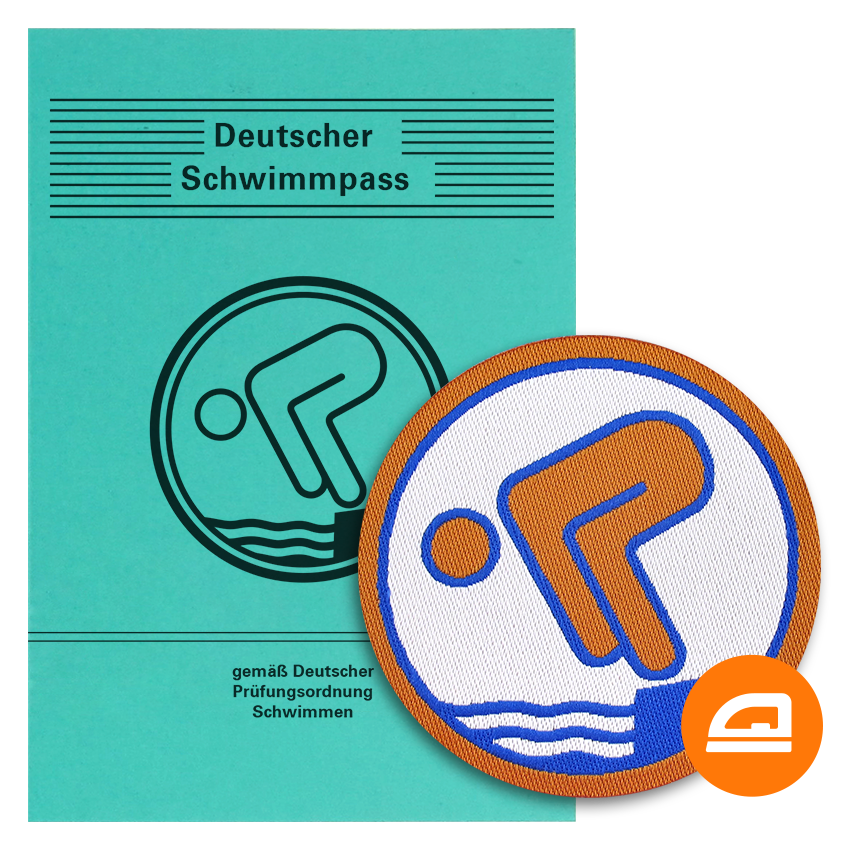
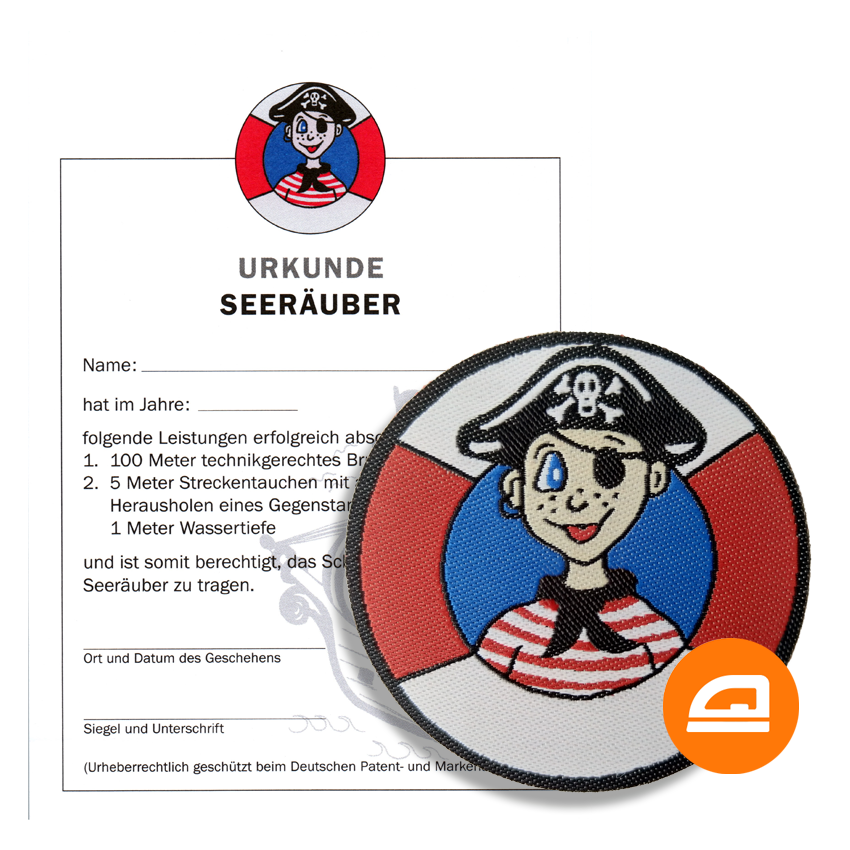
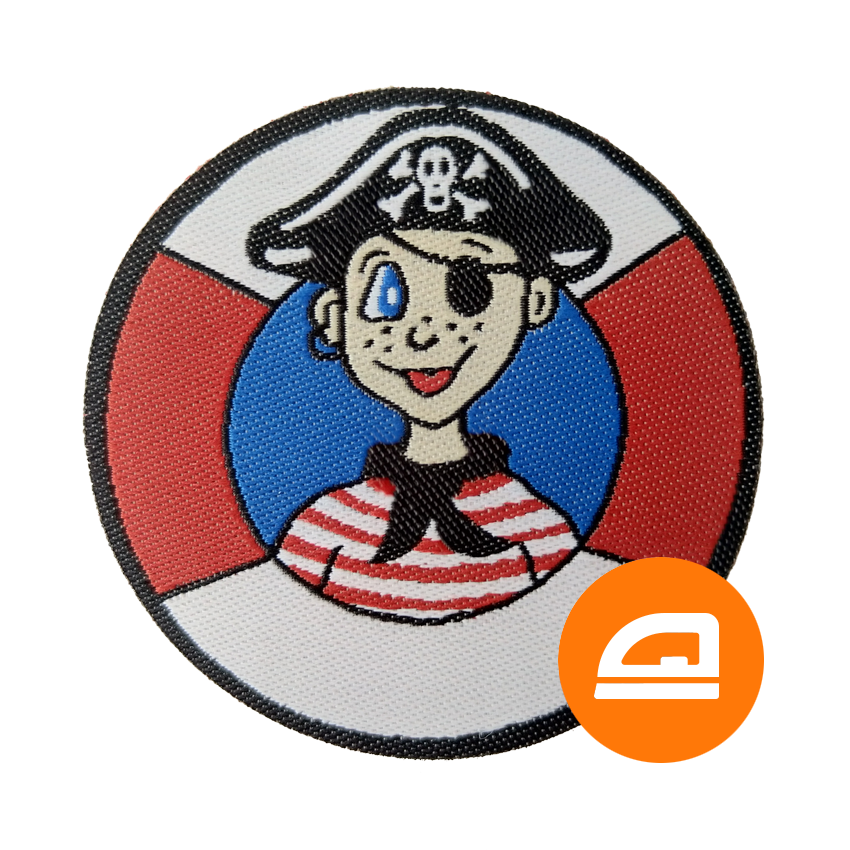
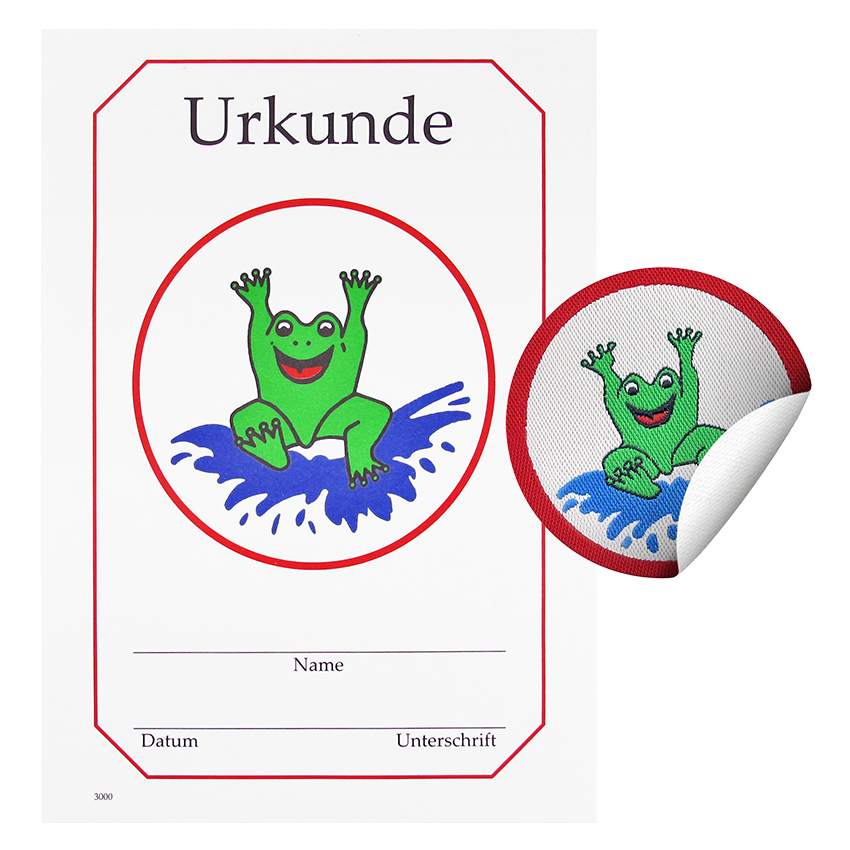
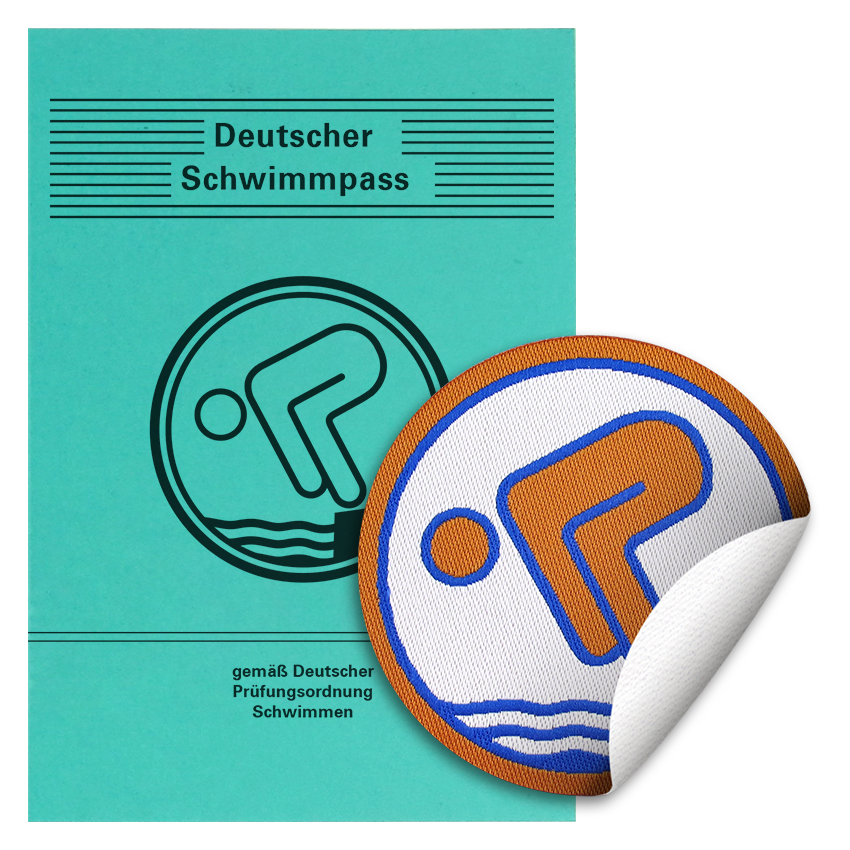
Swimming badges are more than just decorative souvenirs – they are powerful motivational tools in swimming lessons. They document progress and give children a sense of pride and achievement.
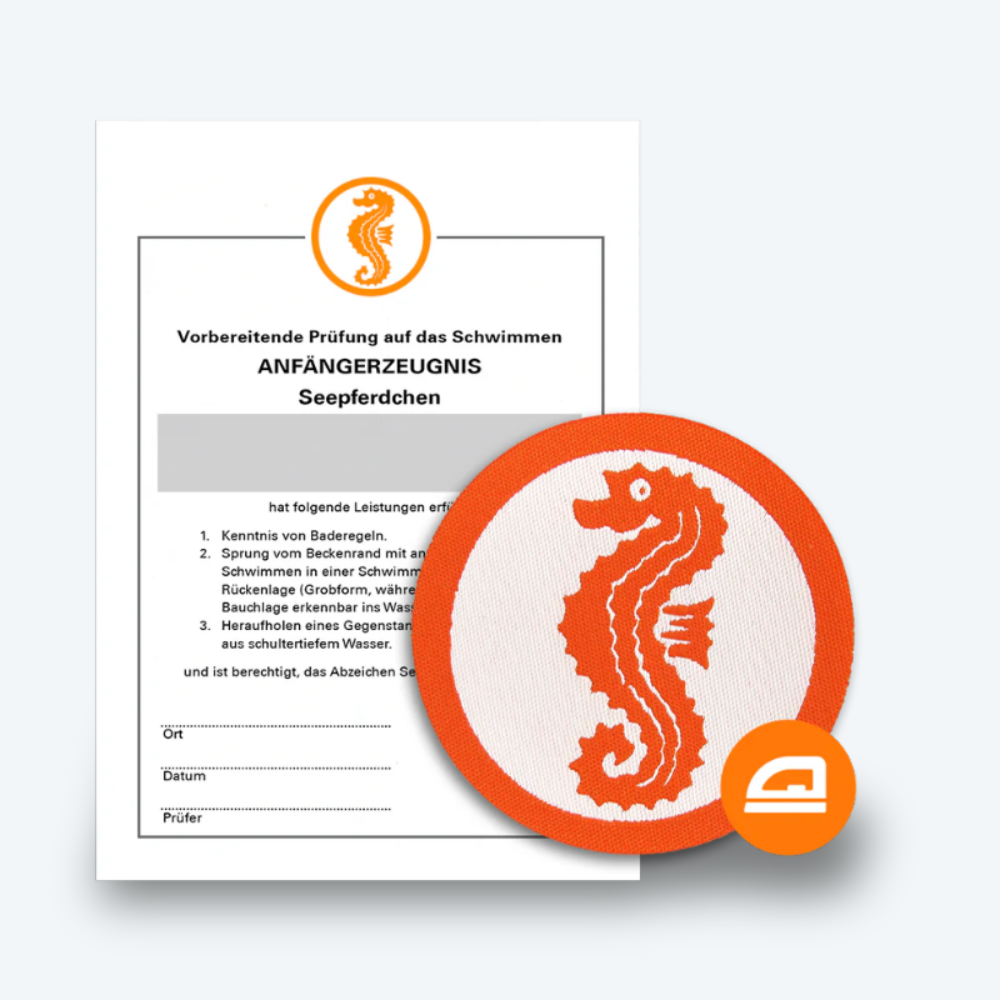
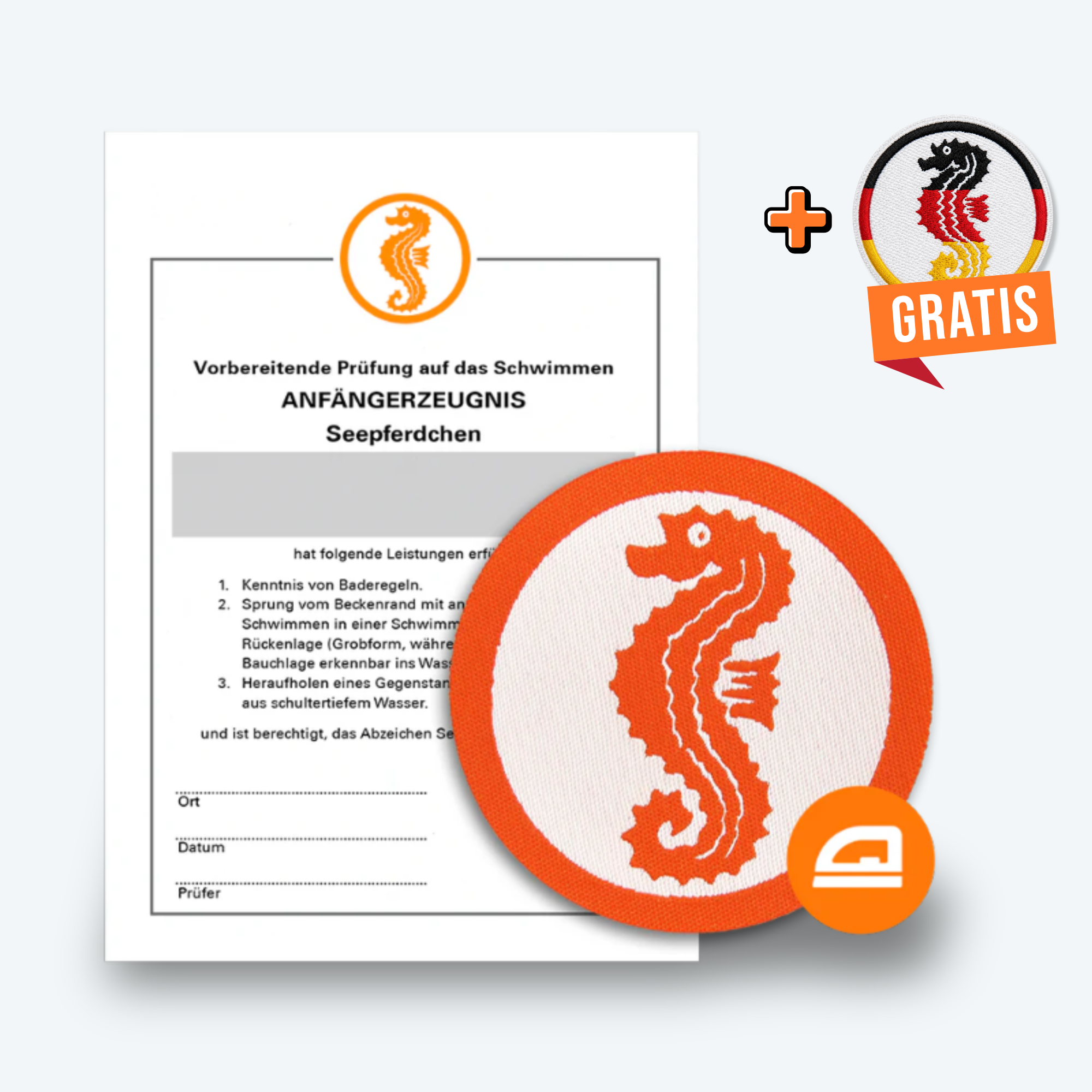
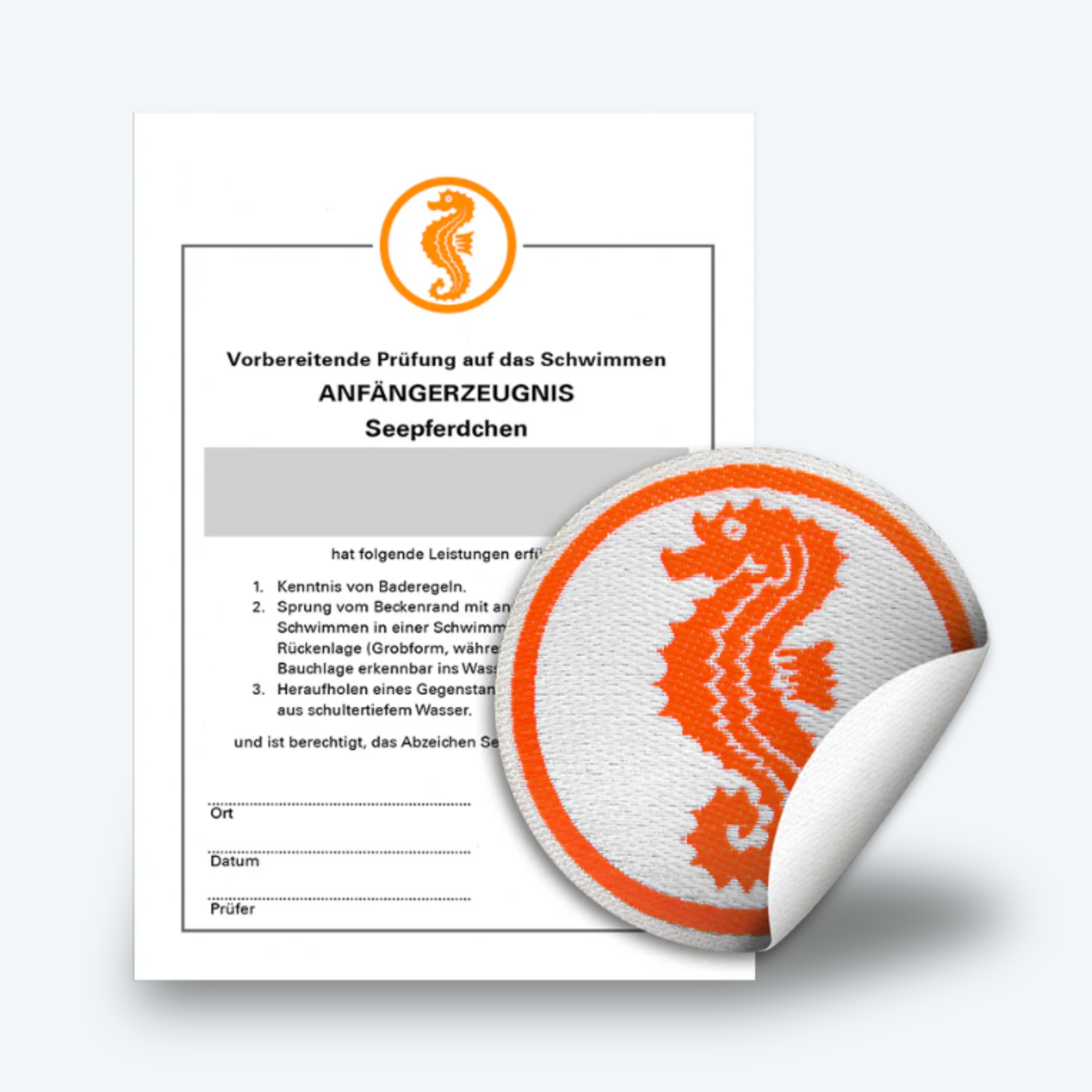
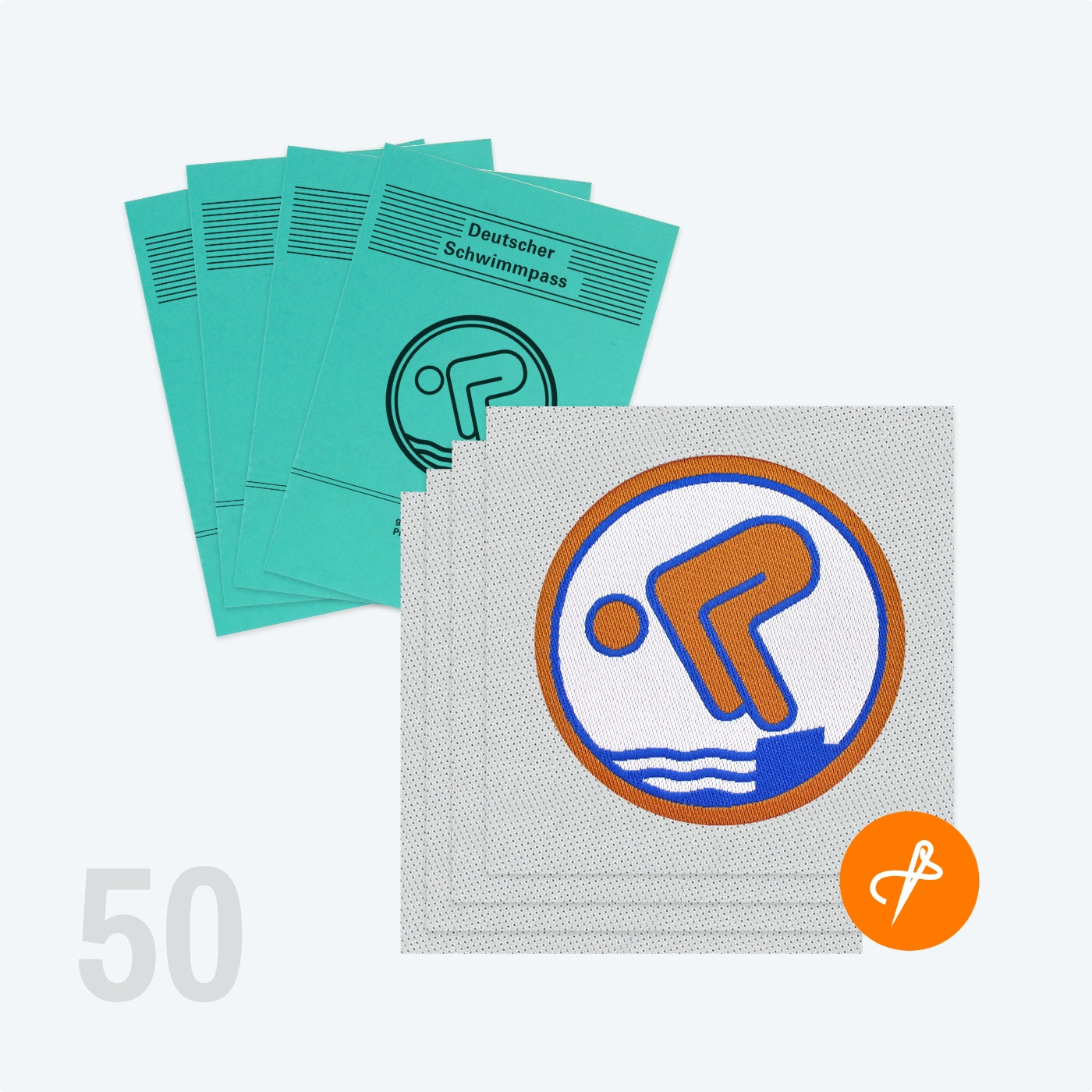
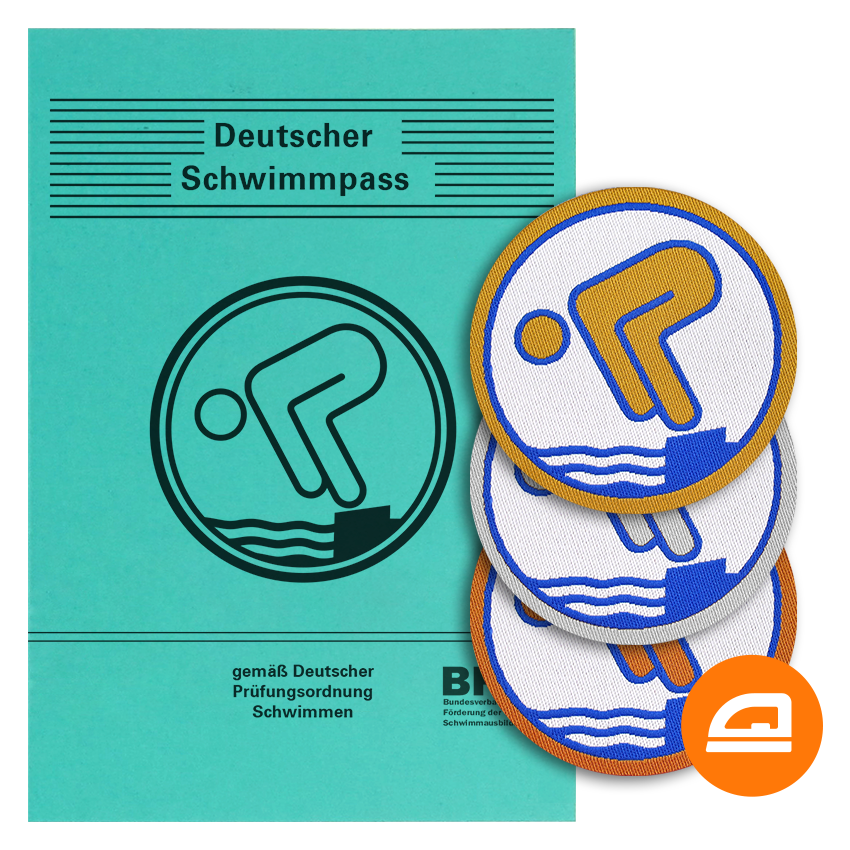
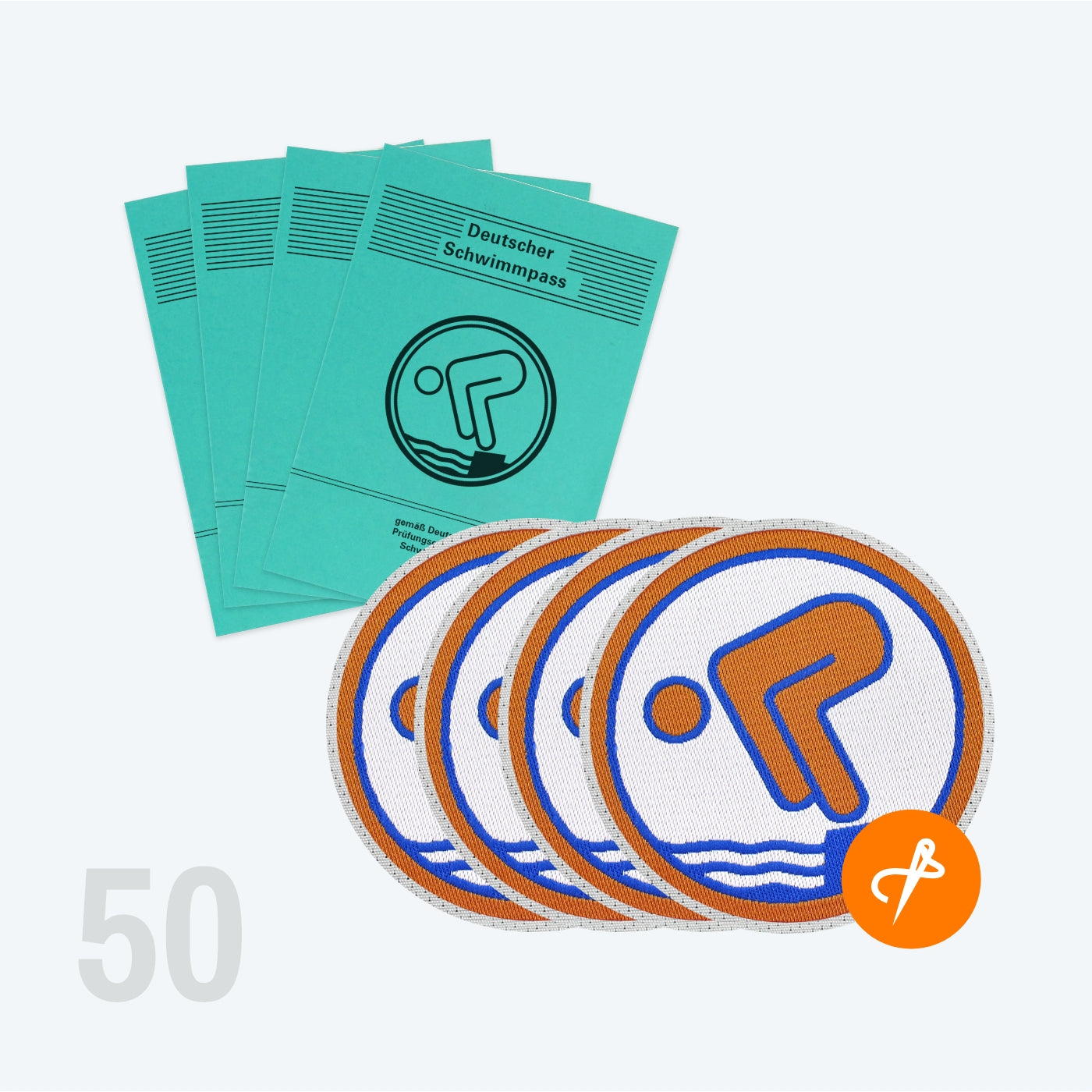
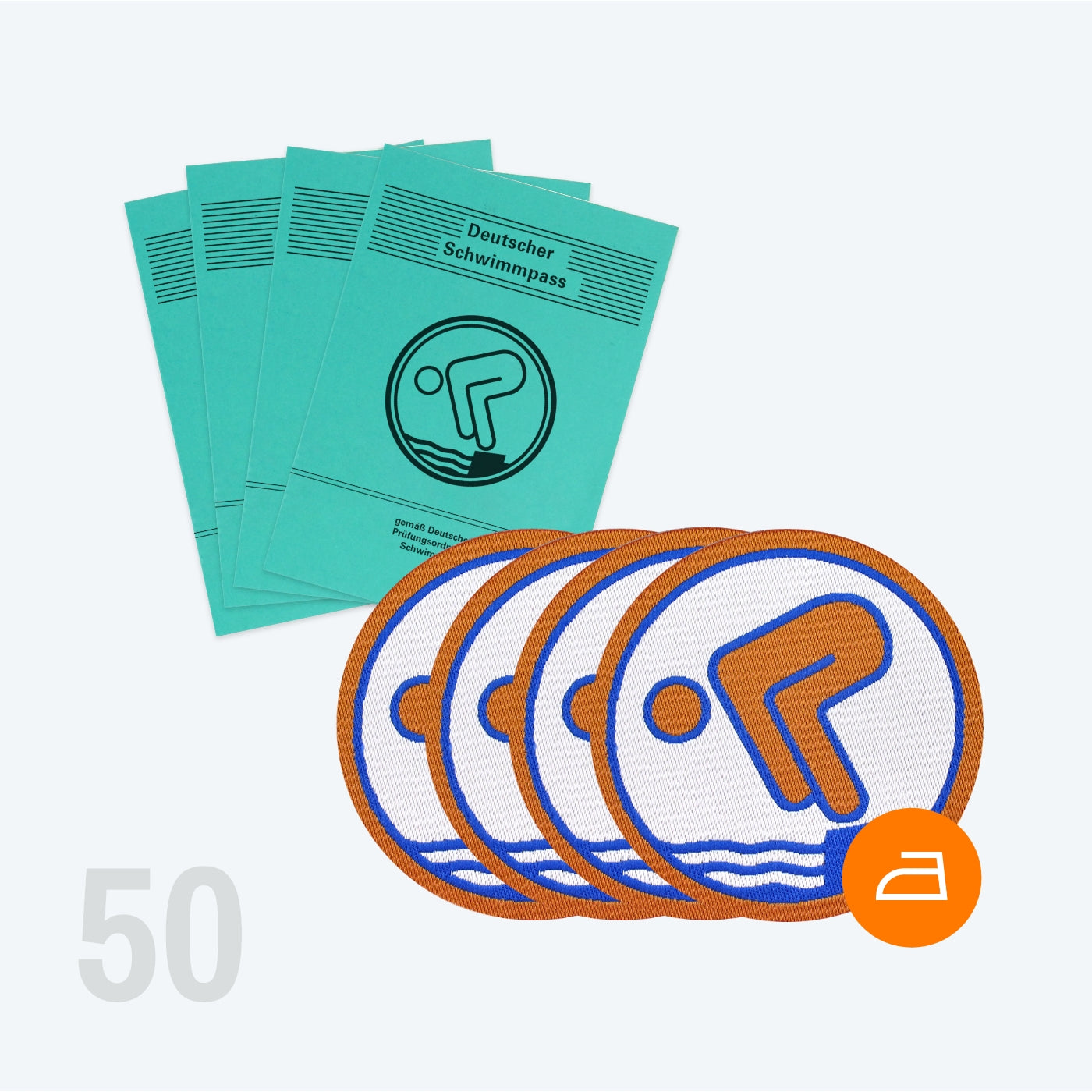
According to a detailed analysis of children's swimming ability, the "Seepferdchen" (seahorse badge) in particular proves to be an important motivational booster. The badge marks a crucial developmental step and strengthens the self-confidence of young swimmers.
Strategies for promoting motivation with swimming badges:
- Clear learning goals: Define specific skills for each badge
- Visible progression: Display badges visibly or present them in small ceremonies
- Individual recognition: Acknowledge the personal progress of each child
The psychological effect of badges is based on recognition and the desire for further development. They motivate not only through what has been achieved but also through what is yet to be achieved.
Pro-Tip: Organize a small awards ceremony for each successfully completed swimming badge and make the event special.
3. Methodical Sequences for Structured Swimming Learning
Methodical sequences form the foundation of successful swimming instruction. They enable a systematic development of swimming skills through targeted and coordinated learning.
According to the principles of methodical sequence planning, effective swimming learning follows the basic principle from simple to complex. This means a step-by-step progression of exercises from familiar to unfamiliar movement patterns.
Core elements of methodical sequences:
- Building structure: Each exercise builds on the previous one
- Age-appropriate adaptation: Learning content is adapted to the developmental phase
- Clear learning goals: Defined intermediate goals for each developmental step
The key lies in individual adaptation. Not every child learns at the same pace or in the same way.
Pro-Tip: Document the individual progress of each child in a personal learning pass and adapt the methodical sequences accordingly.
4. Group Work and Cooperative Learning Forms
Group work is more than just learning together. It is a strategic tool to increase motivation and develop social skills in swimming lessons.
Research on cooperative learning forms convincingly demonstrates their potential for improving performance and social development.
Advantages of cooperative learning forms in swimming lessons:
- Mutual support: Children help and motivate each other
- Social competence development: Learning teamwork and empathy
- Anxiety reduction: Learning together lowers individual inhibitions
The targeted composition of groups is crucial. Make sure to mix different performance levels and personalities in a balanced way.
Pro-Tip: Regularly change the group composition to promote social learning and flexibility.
5. Individualized Feedback for Every Swimming Student
Every child learns differently. Individualized feedback is the key to recognizing and specifically fostering the unique learning needs and developmental potential of each swimming student.
Research at the German Sport University Cologne shows innovative ways for individual movement diagnostics in swimming, which enable teachers to provide precise and differentiated feedback.
Strategies for effective individual feedback:
- Observation: Accurately document individual progress
- Personal strengths: Identify and acknowledge individual learning approaches
- Constructive feedback: Provide specific and encouraging feedback
The goal is not perfection, but continuous improvement and increased motivation.
Pro-Tip: Maintain a personal learning diary for each swimming student, documenting progress and individual developmental steps.
6. Digital Tools and Video Analysis in Swimming Lessons
Digital technologies are revolutionizing modern swimming instruction. Video analysis and technology-supported learning methods enable precise and individual movement diagnosis.
Latest research results confirm the effectiveness of digital media for motor competence development in sports education and show new perspectives for innovative swimming instruction.
Effective digital analysis strategies:
- Movement recordings: Detailed video recordings of swimming movements
- Slow-motion feedback: Precise technique analysis in slow motion
- Comparison recordings: Juxtaposition of actual and desired states
Crucial is the qualified interpretation of the recordings by experienced swimming instructors.
Pro-Tip: Use short video sequences of a maximum of 30 seconds to avoid overwhelming swimming students and to specifically identify areas for improvement.
7. Integration of Parents into the Learning Process
Parents play a crucial role in their children's swimming learning. They are not only observers but active supporters of the learning process.
A pilot study shows that the targeted involvement of parents in swimming education is a key factor for learning success, especially for children from different social backgrounds.
Strategies for parent integration:
- Information exchange: Regular discussions about learning progress
- Joint activities: Involve parents in swimming exercises
- Building trust: Open communication between coach and family
When parents understand the importance of learning to swim, they become valuable learning companions.
Pro-Tip: Organize a parent-child swimming day once per semester to build trust and make learning processes transparent.
Here is a comprehensive table summarizing the main points of the article on approaches to effective swimming instruction for children.
| Topic | Description | Important Aspects |
|---|---|---|
| Playful Water Familiarization | Promoting confidence and joy in dealing with water | Adapt exercises to individual needs |
| Swimming Badges for Motivation | Boosting self-confidence through tangible successes | Use badges as goal setting and recognition of individual progress |
| Methodical Sequences | Systematic progress through structured learning | Develop exercises building on one another |
| Group Work and Cooperation | Promoting social skills and mutual support | Strategic composition of groups |
| Individualized Feedback | Personalized feedback to promote individual goals | Highlight strengths and adapt suggestions for improvement |
| Use of Digital Tools | Using modern technologies for movement analysis | Precise feedback through video recordings and slow motion |
| Parental Involvement | Active support for children through regular exchange | Promote open communication and joint activities |
This table provides an overview of the most important methods and approaches to make swimming lessons for children successful and effective.
Greater Learning Success in Swimming Lessons Thanks to Proven Badges and Accessories
The seven new teaching methods presented for increasing learning success underscore the importance of playful water familiarization, individualized support, and clear motivation. Especially the integration of swimming badges as visible achievements helps children to continue learning with joy and self-confidence. High-quality and officially recognized badges as well as suitable accessories are crucial components to perfectly support these educational goals.
At Pimpertz, you will find over 38 years of experience as an official partner of the DLRG and BFS, combined with an extensive range of originally certified swimming badges and child-friendly accessories. Use our exclusive personalization services for individual badge kits and motivating certificate packages. This sustainably increases motivation and learning success for every swimming student. Discover now how you can professionally combine swimming lessons and motivation and benefit from fast shipping and competent service from https://pimpertz.de.
Start today and make every child a proud swimming hero with exclusive Pimpertz products.
Frequently Asked Questions
How can I make water familiarization playful?
Start with simple water games like tag or throwing balls to build children's confidence. Introduce each swimming session with a short, fun game to reduce fear of the water.
What role do swimming badges play in the learning process?
Swimming badges serve as important motivational aids and document the progress of each child. Set clear learning goals for the badges and organize small ceremonies to recognize achievements.
How do I plan effective methodical sequences for swimming lessons?
Create a structured learning sequence where each exercise builds on the previous one and is adapted to the children's age. Document progress in a learning pass to make individual adjustments.
What are the benefits of group work in swimming lessons?
Group work promotes mutual support and helps develop social skills. Mix groups regularly to bring together different personalities and performance levels and diversify learning.
How do I give individualized feedback to my swimming students?
Individual feedback should be based on the specific progress of each child and acknowledge their personal strengths. Keep a personal learning diary for each student to record development and provide constructive feedback.
How do I actively involve parents in swimming lessons?
Regular discussions about your children's learning progress and joint swimming activities promote parent integration. Organize a parent-child swimming day once per semester to build trust and make the learning process transparent.