
Learning to swim from what age: Recommendations 2025
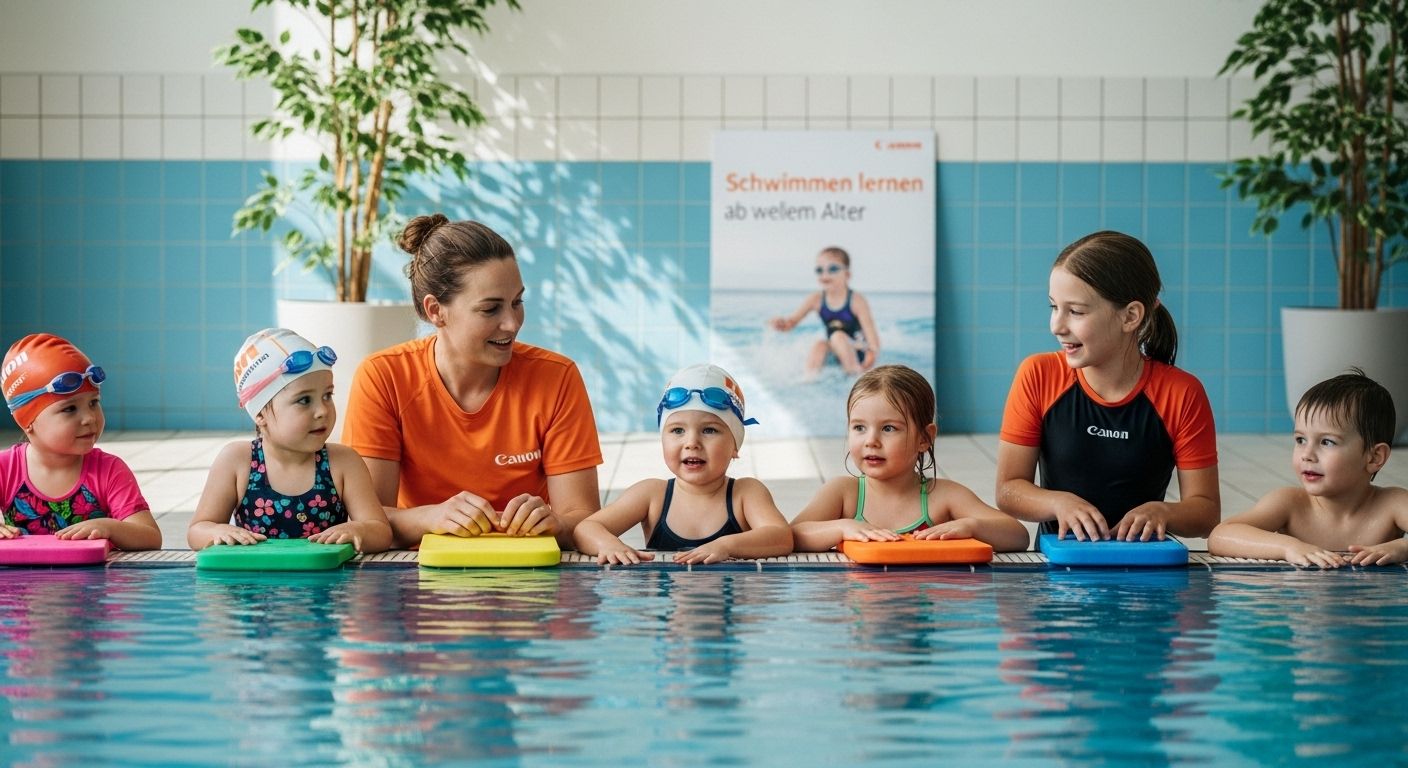
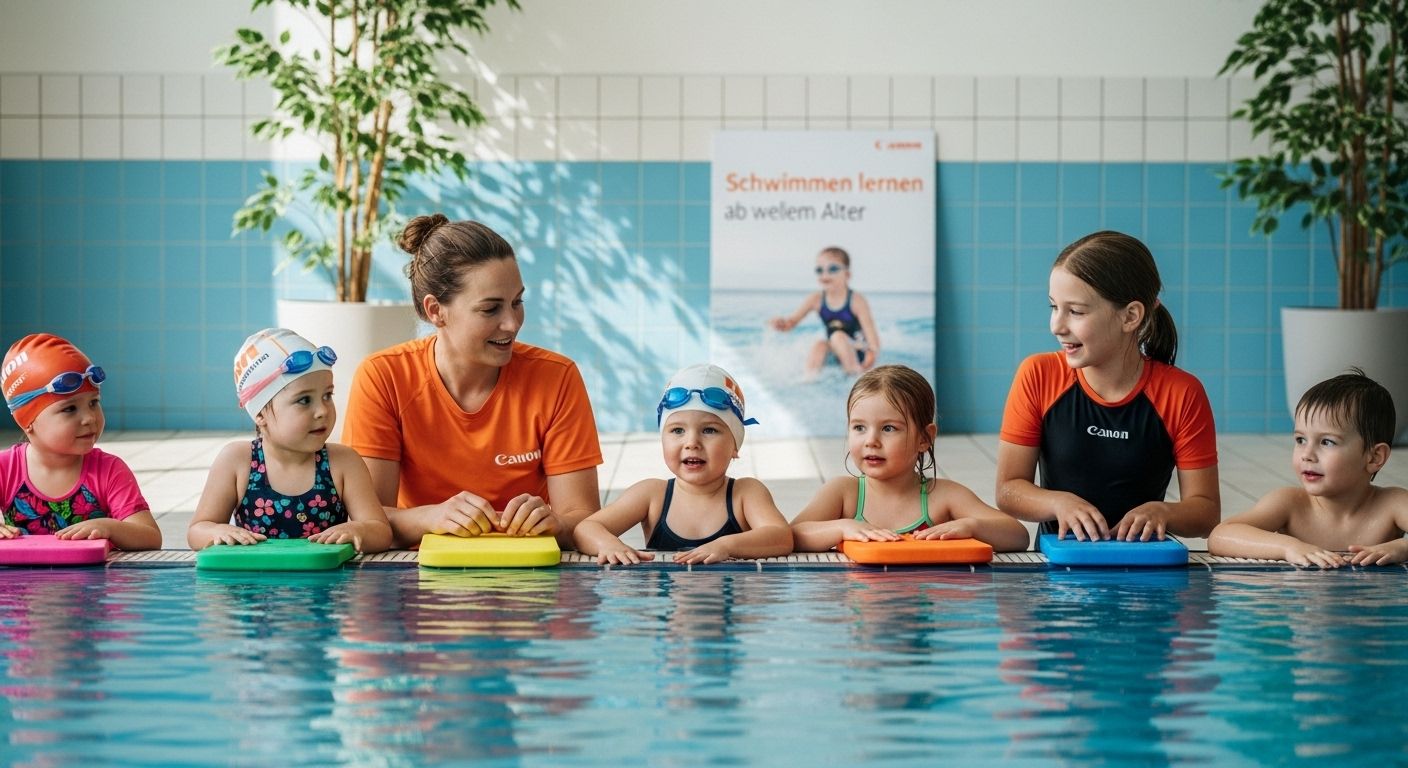
Being able to swim saves lives and opens up many new opportunities for children early on. It sounds obvious, yet in Germany, only about 40 percent of ten-year-olds can swim safely. Surprisingly few, isn't it? Because experts recommend that children are often ready to learn to swim properly from the age of four and benefit enormously from it in their development.
Table of Contents
- When is the best time to learn to swim?
- Benefits of early swimming for children
- Important tips for parents and swim schools
- What equipment is suitable for beginners?
Quick overview
| Takeaway | Explanation |
|---|---|
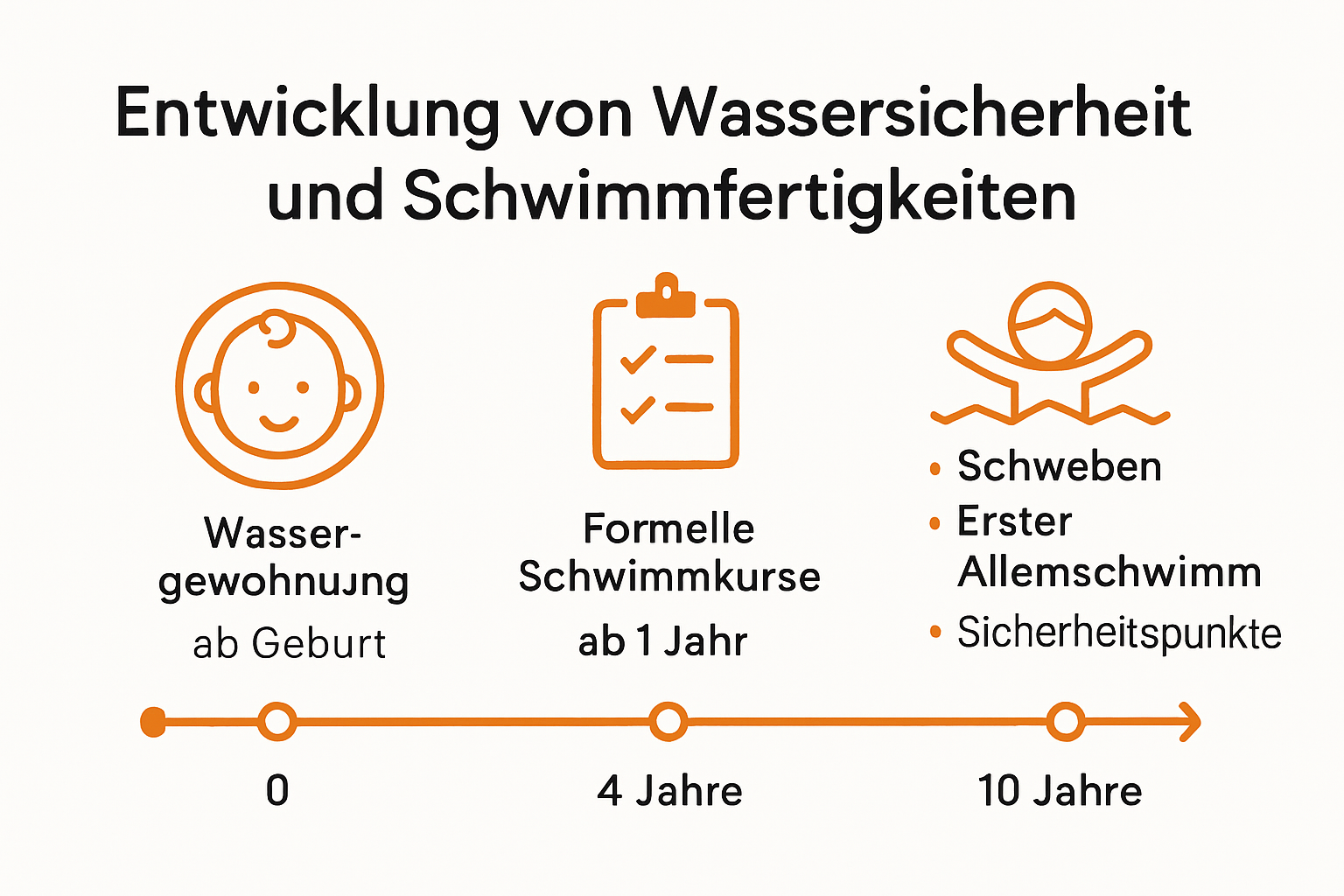
| Early water exposure | Children should have playful contact with water from their first year of life. |
| Optimal Age: Four Years | Starting swim lessons is recommended around four years of age. |
| Safety is the top priority | Qualified instructors and a positive learning atmosphere are crucial. |
| Parents support preparation | Parents should help by fostering a positive attitude and regular water acclimatization. |
| Equipment is crucial for safety | The right swimming equipment ensures safety and increases enjoyment during learning. |
When is the best time to learn to swim?
Learning to swim is an important skill for children that is not only fun but also teaches vital safety knowledge. The right time to learn to swim varies depending on the child's individual development and environment.
First water experiences at a young age
Early contact with water is crucial for developing swimming skills. According to the American Academy of Pediatrics, children can begin to have their first playful water experiences as early as their first year of life. The key is a gentle and positive introduction that builds joy and trust in the water.
The first water contacts should always take place under direct adult supervision. Baby swimming classes offer a great opportunity to gently introduce children to water. These courses not only promote motor development but also help to reduce fears and gain confidence in the water.
Optimal age for learning to swim
Experts at the Cleveland Clinic recommend that most children are ready for systematic swim lessons around their fourth birthday. At this age, children typically have the necessary physical and mental maturity to learn swimming techniques and understand basic safety rules.
Several factors are decisive:
- Physical Development: Coordination and muscle strength must be sufficiently developed.
- Emotional Readiness: The child should enjoy water and not show excessive fear.
- Attention Span: The ability to follow instructions is important for effective learning.
However, there is no universal rule. Every child develops individually, and parents should be sensitive to their child's needs and abilities. Sometimes children are ready earlier, sometimes they need a little longer.
Safety is the top priority
Regardless of age, swim lessons should always be conducted by qualified instructors who have experience working with children. Safety is paramount. A positive learning atmosphere that combines fun and trust is important.
Parents should never make their child feel pressured. Every progress, no matter how small, should be praised and valued. This way, children develop a love for swimming and build self-confidence.
In conclusion: The best time to learn to swim is when the child is ready – physically, mentally, and emotionally. With the right support and a playful approach, learning to swim becomes a positive experience.
Benefits of early swimming for children
Swimming is far more than just a sport or leisure activity. Early water experiences offer children numerous developmental benefits that go far beyond simply learning a swimming technique.
Physical development and motor skills
According to a systematic review, early water activities can significantly support children's motor development. Swimming is a holistic form of movement that trains almost all muscle groups simultaneously. Even infants and toddlers benefit from the water environment, which allows them to learn movements in a unique way.
Movement in water is a joint-friendly and body-friendly form of exercise. Unlike land activities, the body becomes virtually weightless in water, allowing children to try out movements that would still be difficult on land. This promotes not only muscle development but also coordination, balance, and body awareness.
Safety and prevention
The Centers for Disease Control and Prevention emphasize the crucial importance of swimming lessons for accident prevention. Children who learn to swim early develop a better understanding of water safety and can better assess potentially dangerous situations.
Acquiring basic swimming skills demonstrably reduces the risk of drowning. Important aspects include not only swimming itself but also learning survival techniques such as treading water, floating, and finding a safe exit point. These skills can save lives in an emergency.
Psychosocial and cognitive benefits
Swimming offers far more than just physical benefits. The American Academy of Pediatrics confirms that early swimming courses promote children's self-confidence and social development.
By learning new skills and overcoming challenges, children build self-confidence. Group activities such as swimming lessons also offer excellent opportunities for social interaction. Children learn to communicate in groups, pay attention to each other, and achieve goals together.
In addition, swimming stimulates cognitive development. Learning movement sequences, remembering instructions, and coordinating complex body movements challenge the brain in many ways.
The benefits of early swimming are diverse and long-lasting. They range from physical fitness to safety competence and psychosocial development. Parents who introduce their children to water early invest in holistic development that goes far beyond swimming.
Here is a summary table listing the main physical, safety, and psychosocial benefits for children who start learning to swim at an early age, as described in the article.
| Benefit Area | Description |
|---|---|
| Physical Development | Strengthens muscles, improves coordination, balance, and flexibility |
| Motor Skills | Encourages overall motor skill advancement in babies and children |
| Safety/Prevention | Reduces drowning risk, teaches survival skills (treading, floating) |
| Confidence | Builds self-esteem through skill mastery and overcoming challenges |
| Social Skills | Promotes group interaction, teamwork, and communication |
| Cognitive Skills | Enhances memory, focus, and ability to follow instructions |
| Emotional Growth | Fosters trust in self, reduces water anxiety, encourages independence |
Important tips for parents and swim schools
Learning to swim is a critical process that requires careful planning and support from both parents and swim schools. A professional and caring approach can significantly influence success and enjoyment in swimming.
Choosing the right swim school
According to the American Red Cross, qualified swim instruction begins as early as six months. When choosing a swim school, parents should pay attention to several important criteria:
- Trainer Qualification: Certified and experienced swim instructors specializing in child training
- Group Size: Small groups guarantee individual attention
- Safety Standards: Clear safety concepts and trained rescue personnel
A good swim school distinguishes itself by its pedagogical competence and child-friendly teaching methods. Instructors should be able to build trust and alleviate fears.
Preparation and support at home
The Centers for Disease Control and Prevention emphasize that parents play a key role in water safety. Important preparatory measures include:
- Instilling a positive attitude towards water
- Considering the child's age and individual development
- Regular water familiarization outside of formal lessons
Parents should not scare their child, but rather awaken their joy and curiosity about water. Shared activities such as family swim days can playfully promote water competence.
Safety and progress
The American Academy of Pediatrics recommends considering swim lessons as an additional safety measure. Important aspects are:
- Constant supervision in and around water
- Setting realistic expectations for learning progress
- Respecting individual learning paces
Every child learns differently. Comparisons and performance pressure are counterproductive. Instead, progress should be celebrated and children encouraged.
The key to successful swimming instruction lies in combining professional training, parental support, and a positive, fear-free learning atmosphere. With patience, understanding, and the right motivation, children can not only learn to swim but also develop a lifelong enjoyment of this important sport.
What equipment is suitable for beginners?
For children who want to learn to swim, the right equipment is crucial. It not only contributes to safety but also makes swimming more enjoyable and motivating.
Safety equipment
According to the Centers for Disease Control and Prevention, parents should be particularly cautious with swimming aids. Traditional armbands or water wings do not offer reliable safety and can even be dangerous. Instead, experts recommend an official life jacket approved by the US Coast Guard.
A good life jacket is characterized by the following features:
- Perfect fit: Not too big or too small
- Official certification: Coast Guard or comparable safety standards
- Comfortable padding: Prevents chafing
Johns Hopkins Medicine emphasizes that inflatable swimming aids do not provide reliable safety and should not be used as a substitute for supervision or swimming lessons.
To help parents and caregivers quickly compare different types of swim safety equipment discussed, the following table summarizes recommended and discouraged types for beginner swimmers, highlighting their features and safety considerations.
| Equipment Type | Recommended | Key Features | Safety Considerations |
|---|---|---|---|
| Swim Vest (certified) | Yes | Proper fit, Coast Guard-certified, padded | Reliable safety, prevents slipping, supports floating |
| Traditional Arm Floats | No | Inflatable, slips onto arms | Not reliable, can deflate/slip off, false sense of security |
| Inflatable Rings | No | Round, varied sizes | Not life-saving equipment, offers minimal support |
| Wetsuits/Swim Shirts | Yes* | Provides warmth, comfortable fit | Useful for temperature control, not a safety device |
| Swim Belts | Limited | Multiple foam blocks, strap around waist | Some support, not enough for non-swimmers |
| *Wetsuits/swim shirts are apparel, not safety devices; used for comfort not flotation. |
Swimwear and accessories
According to children's health experts, optimal swimming equipment for beginners includes:
- Swimwear: Snug-fitting, comfortable swim gear
- Goggles: Protect eyes and improve underwater vision
- Swim cap: Keeps hair out of the face and reduces water resistance
When choosing swimwear, parents should look for high-quality, chlorine-resistant materials that feel comfortable and do not cause chafing.
Additional accessories for beginner swimmers
For a pleasant and safe swimming experience, experts recommend additional accessories:
- Non-slip bathing shoes: Protection from slippery surfaces
- Small towel: Quick drying after swimming
- Water toys: Makes swimming more fun for children
The right equipment makes learning to swim safer, more enjoyable, and more motivating. It helps children develop confidence in the water and find joy in this important sport. It is always important to customize it to the individual child and seek professional advice from swimming instructors.
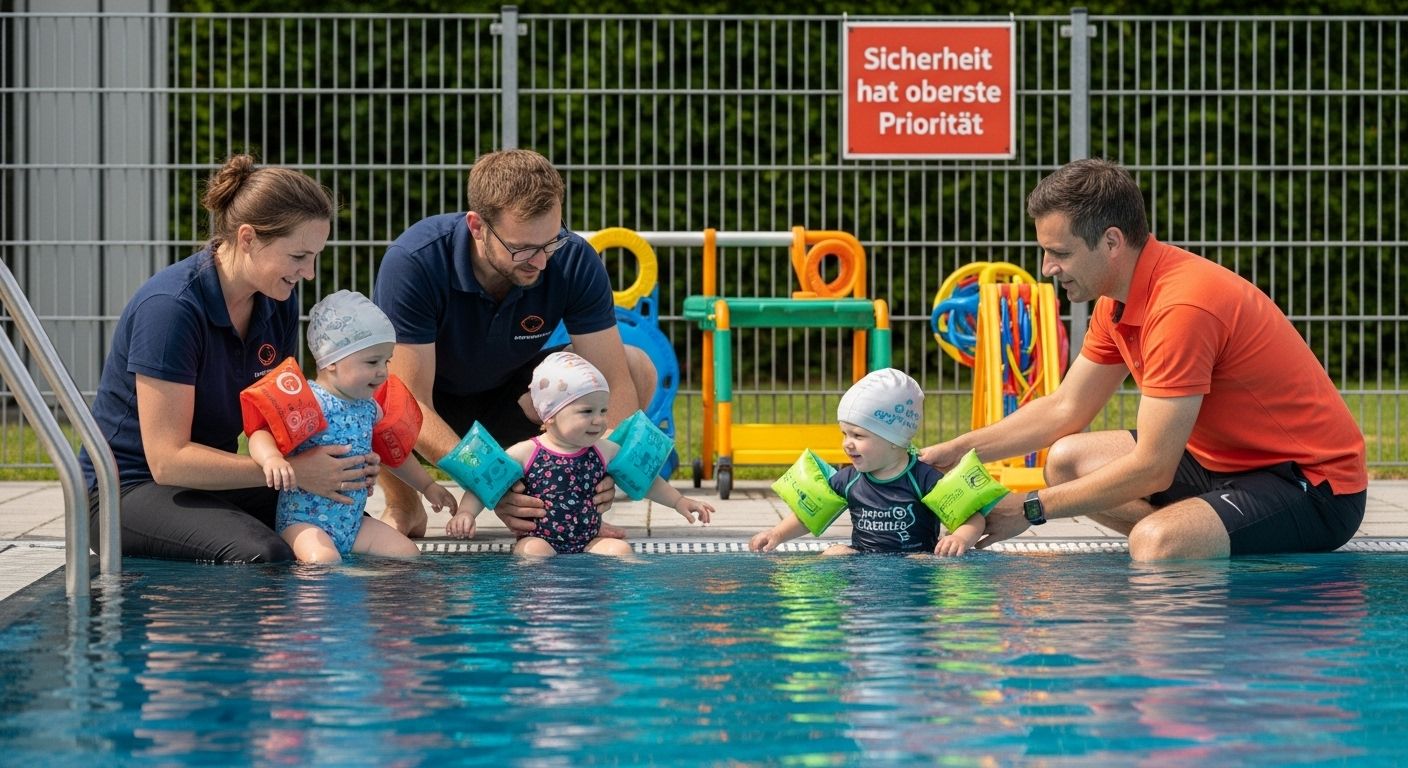
Finally, no equipment in the world can replace parental supervision and professional swimming lessons. The best swimming aids are only supplements to a comprehensive water safety strategy.
Frequently asked questions
When should children start learning to swim?
Experts recommend that children are ready to begin systematic swim lessons from the age of four. Before that, they should already have had playful water experiences.
What are the benefits of early swimming for children?
Early swimming not only promotes physical development and motor skills but also boosts self-confidence, fosters social skills, and reduces the risk of drowning accidents.
What swimming equipment is recommended for beginners?
For beginners, a certified swim vest is ideal to ensure safety. In addition, comfortable swimwear, goggles, and non-slip bathing shoes should be used.
How can parents support their children in learning to swim?
Parents should convey a positive attitude towards water, offer regular water familiarization, and help their children overcome fears. Important support also comes from choosing qualified swim schools and instructors.
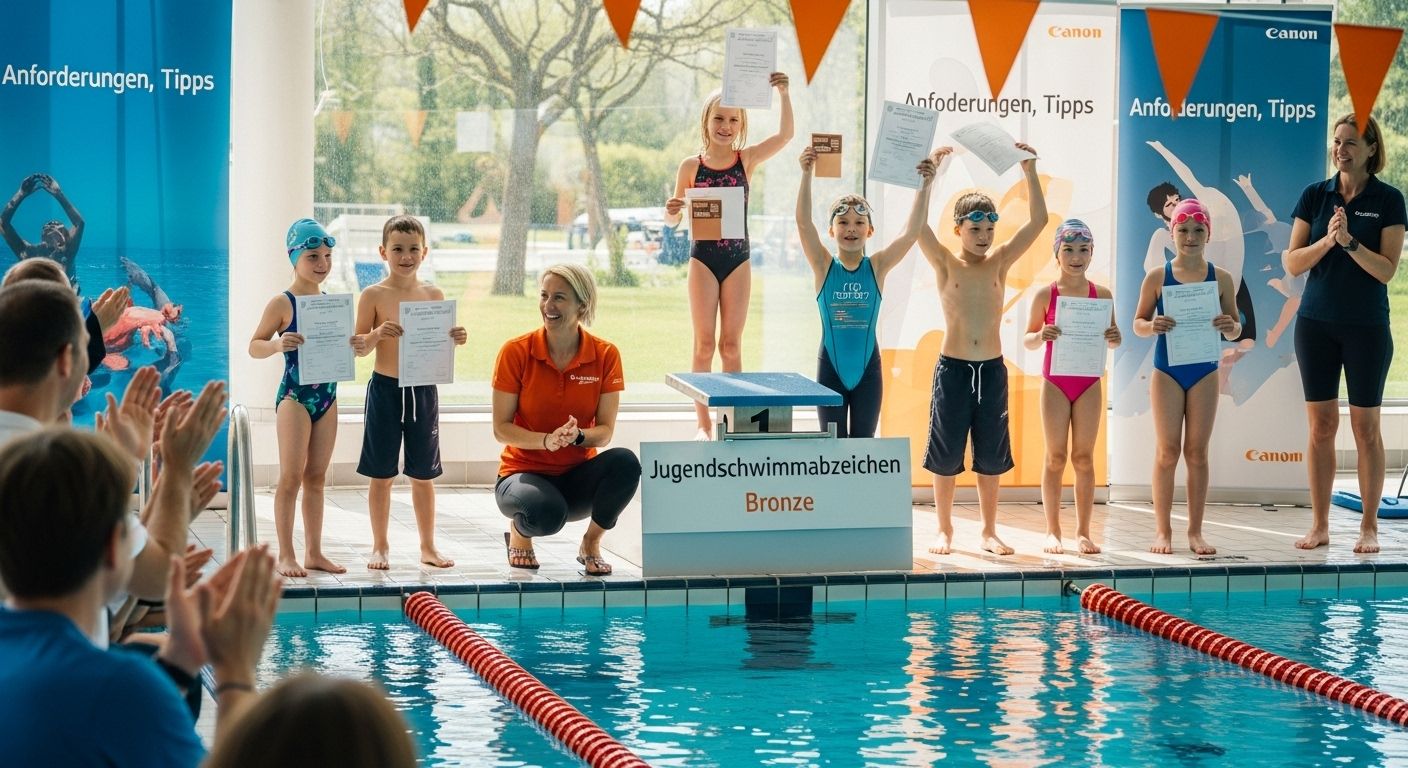
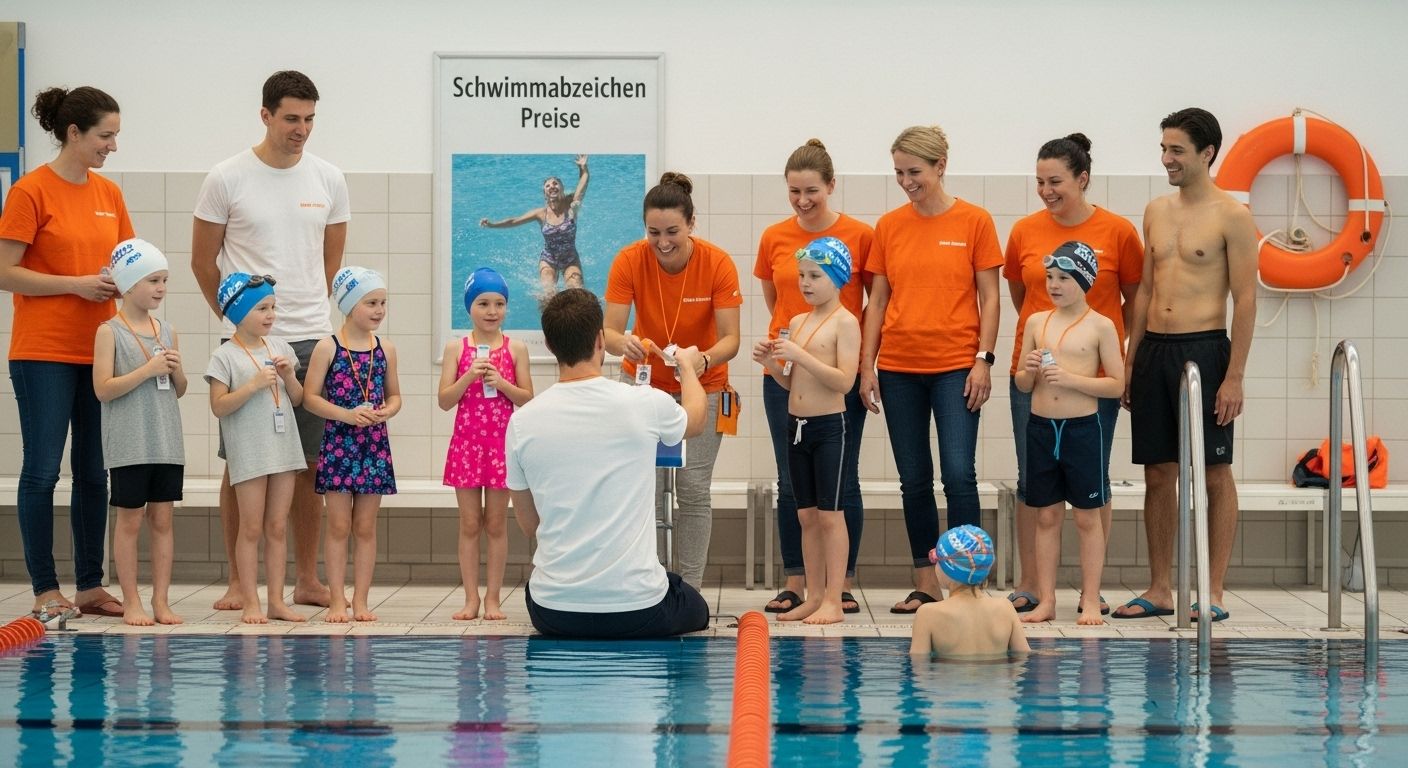
Strong start: Swim badges as motivation for your child
Many parents face the challenge of safely and motivatedly introducing their children to swimming. Perhaps you too are wondering about the best ways to make progress visible, overcome fears, and maintain the joy of learning. A transparent, measurable goal like the swim badge offers valuable support here – whether you are just starting with playful water experiences or specifically practicing first swimming techniques.
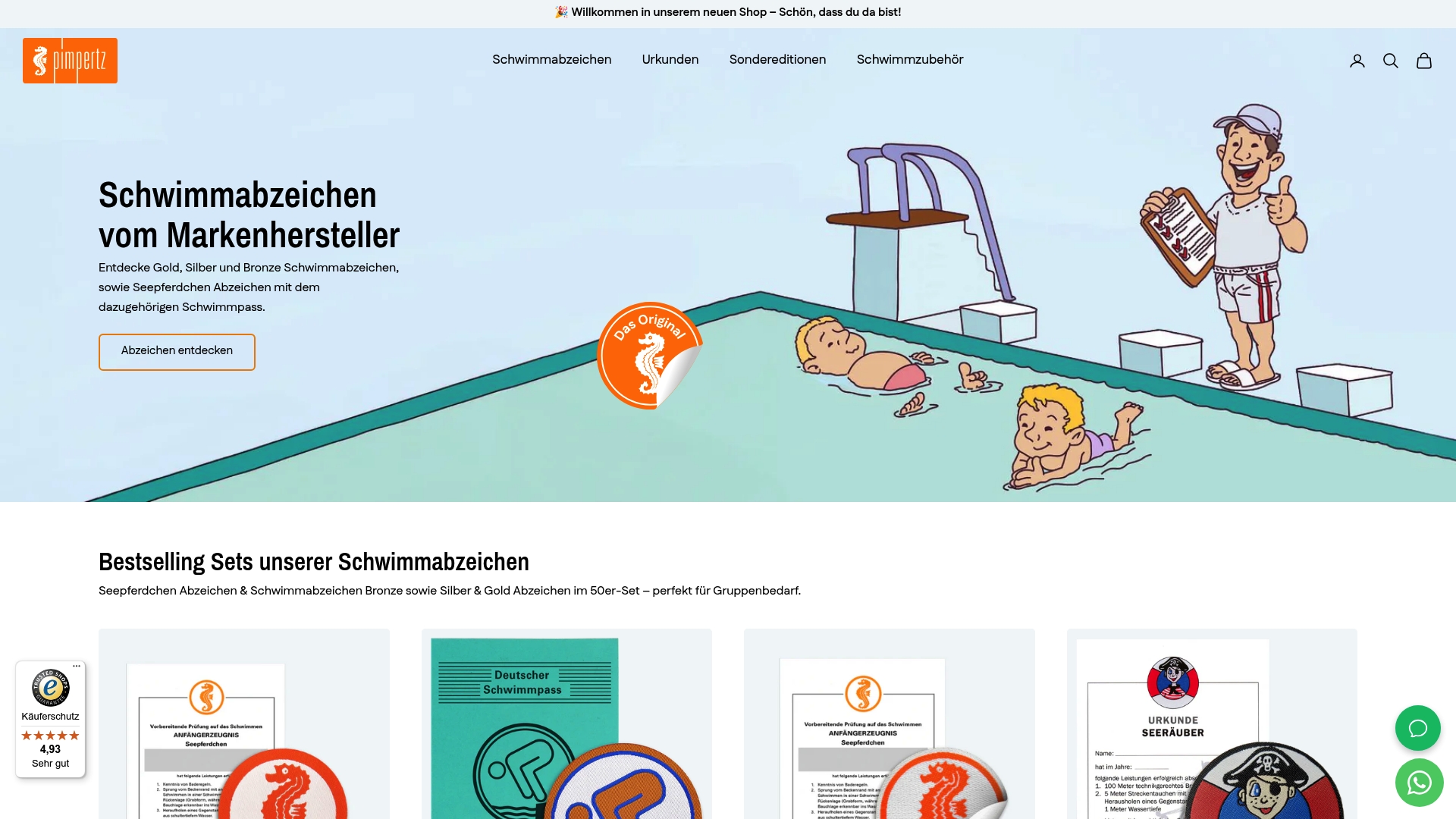
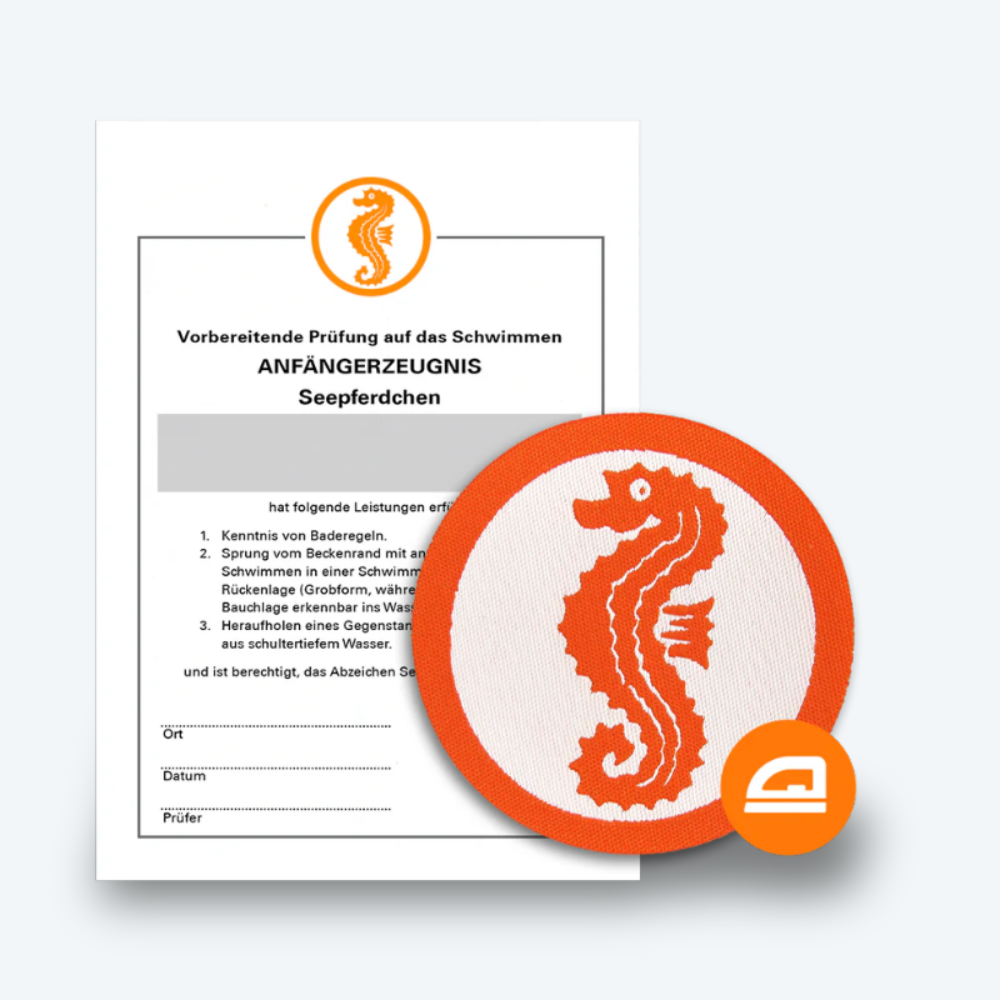
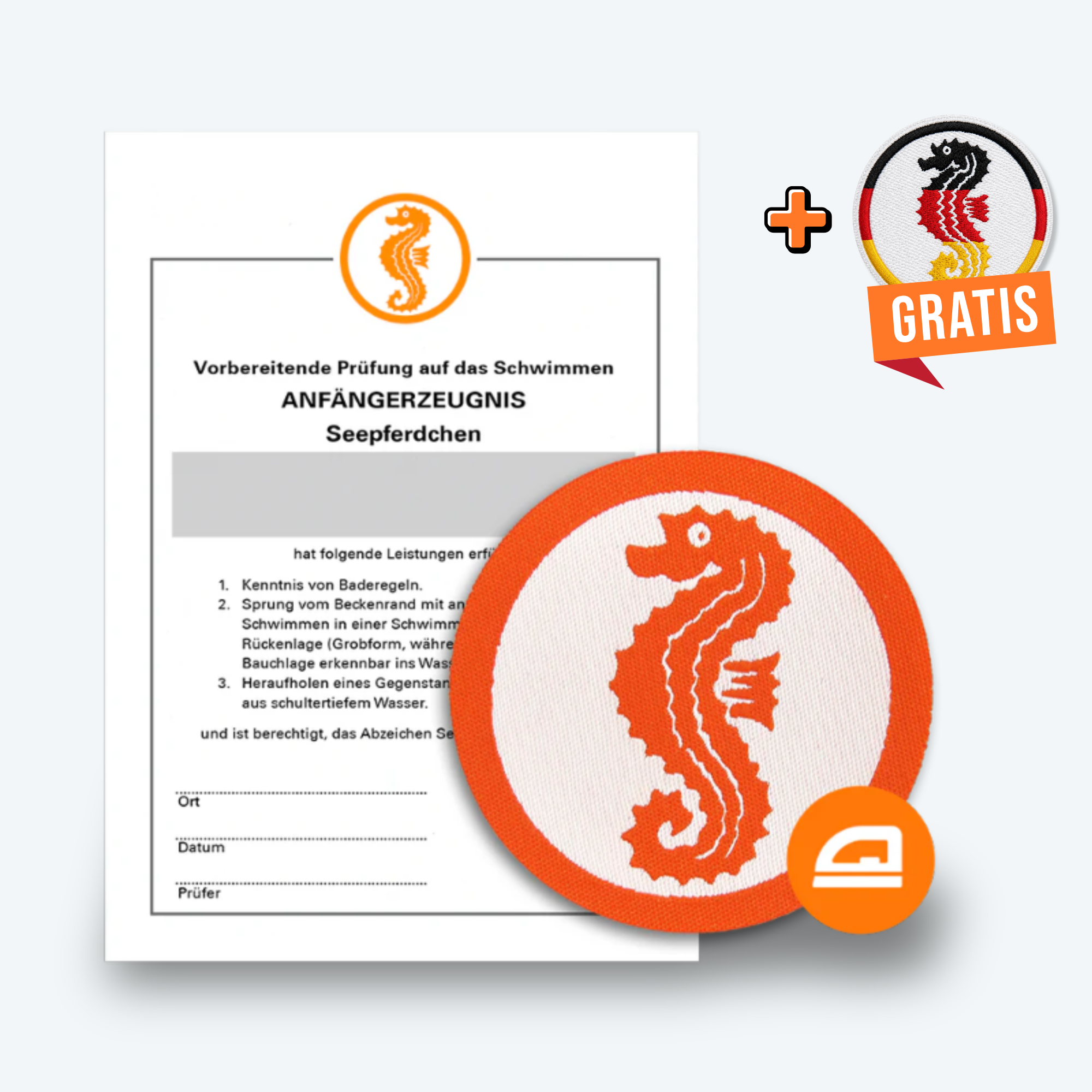
Now give your child's swimming achievements real meaning and unforgettable memories. With original certified certificates and badges from our range, such as the popular Seahorse badge, you create small milestones and promote pride and motivation. Discover everything that accompanies learning to swim on pimpertz.de: from robust cases and collector's albums to personalized gift sets. What are you waiting for? Start your child's swimming career with safety, quality, and years of experience.