
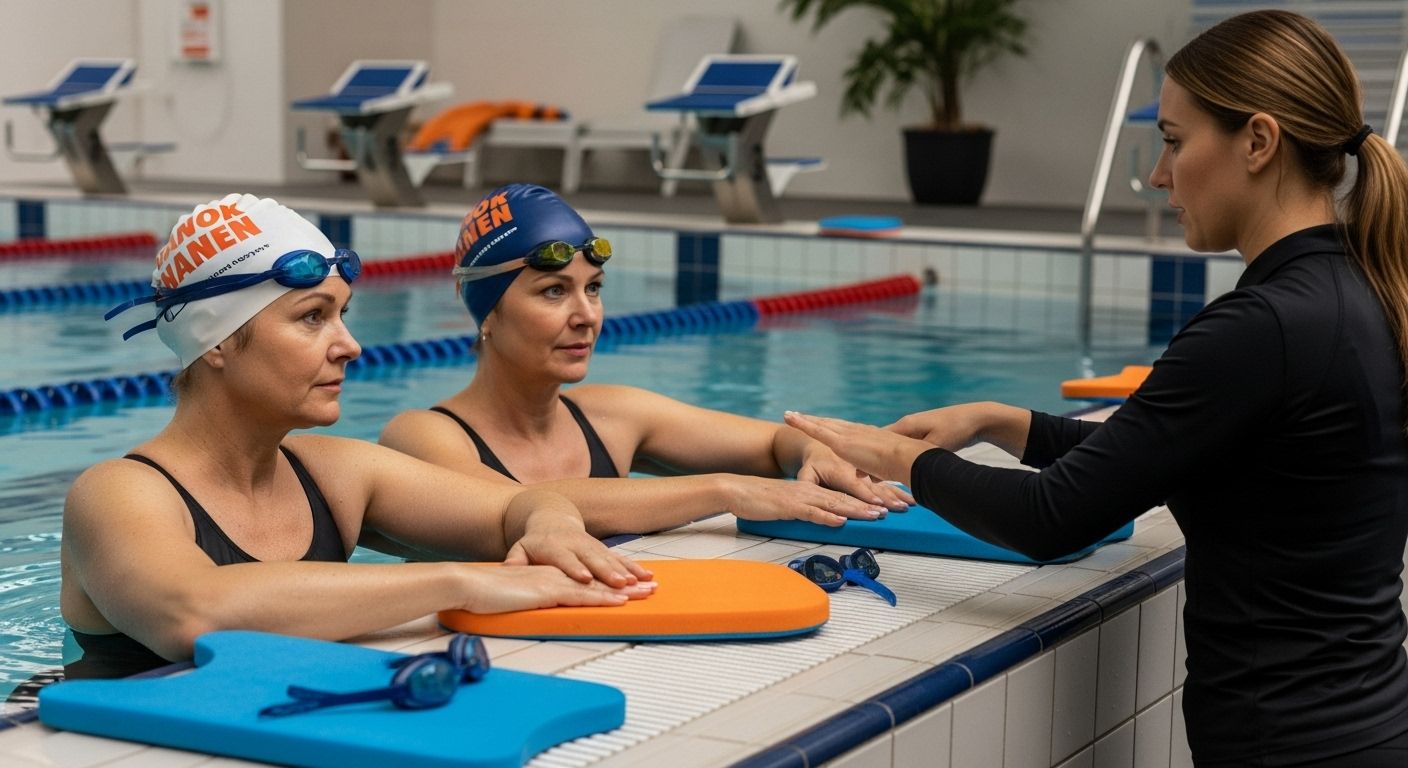
Learning to swim in old age: Step-by-step to success
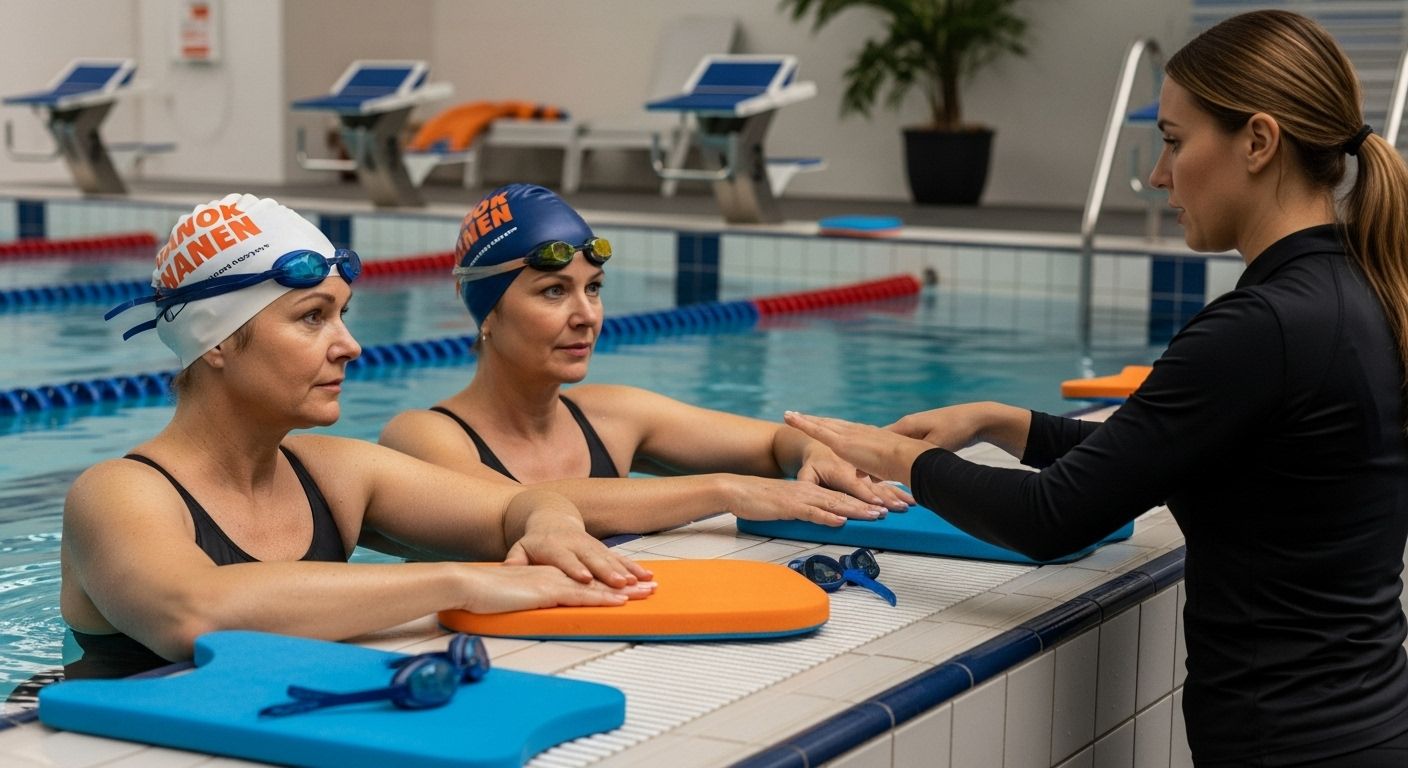
Many adults dream of finally learning to swim. The desire to move freely and safely in the water knows no age. And there's a surprising statistic: Almost 60 percent of adults in Germany feel insecure in the water or avoid it completely. Why is that? Most of the time, it's not due to age or lack of fitness. The real challenge often begins even before the first swim stroke – with one's own self-assessment and the courage to take the first step.
Table of Contents
- Step 1: Evaluate Individual Prerequisites
- Step 2: Choose the Right Swimming Course or Instructor
- Step 3: Prepare the Necessary Swimming Equipment
- Step 4: Develop Basic Water and Breathing Techniques
- Step 5: Practice Regularly in a Controlled Environment
- Step 6: Test Progress in Open Waters
Quick Summary
| Key Point | Explanation |
|---|---|
| 1. Honest self-assessment is crucial | Before you start swimming, assess your health and any fear of water. |
| 2. Choose the right swimming course | Pay attention to the instructor's qualifications and group size for individual attention. |
| 3. The right equipment is important | Well-fitting swimwear and swimming aids increase your comfort and safety in the water. |
| 4. Regular practice is essential | Plan at least two to three sessions per week to continuously improve your skills. |
| 5. Test your skills in open waters | Start in protected areas and pay attention to water temperature and currents for your safety. |
Step 1: Evaluate Individual Prerequisites
Learning to swim in old age begins with an honest self-assessment. Before venturing into the water, you need to understand your personal prerequisites precisely. Every person brings different physical and psychological conditions that influence the swimming learning process.
First, it's about realistically assessing your current physical condition. Health aspects play a crucial role. People with pre-existing conditions, joint problems, or cardiovascular issues should consult a doctor beforehand. A medical certificate can not only provide reassurance but also offer individual recommendations for your swimming training.
Another important component is your mental state. Our swimming course recommendations show that fear of water is very common among adults. Be honest with yourself: Do you have a fear of water? Do you feel uncomfortable when your face gets wet? These aspects are completely normal and no reason to give up.
According to Alexander Gallitz, President of the German Swimming Instructors Association, water acclimatization is the key to success. Take your time to slowly get used to the element of water. Start with simple exercises like standing in the water, submerging your face, and feeling the buoyancy. These first steps help build confidence and reduce fears.
An honest assessment of your swimming abilities is also important. Can you already swim, but very unsteadily? Or are you an absolute beginner? The more accurately you know your starting situation, the more targeted you can design your swimming training.
Checklist for self-assessment:
- Health status
- Current physical fitness
- Presence of water fears
- Previous swimming experience
This self-assessment forms the basis for your further swimming learning process. It helps you set realistic goals and find the right swimming course.
Step 2: Choose the Right Swimming Course or Instructor
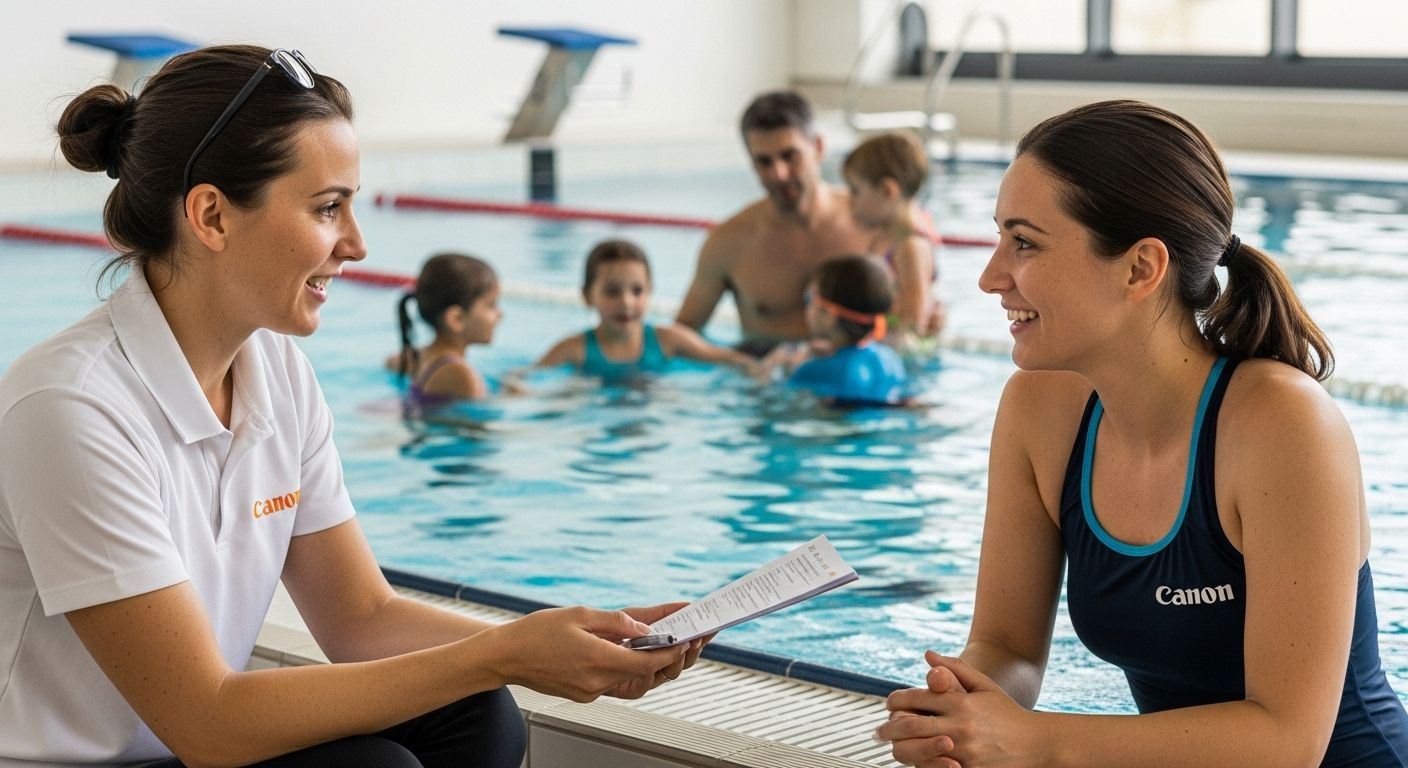
After careful self-assessment, the next decisive step begins: choosing the appropriate swimming course or instructor. This decision can make the difference between frustration and success. Not every course is suitable for everyone, especially if you are an adult learning to swim.
When selecting an instructor, you should pay attention to qualifications and experience. A good swimming instructor for adults differs fundamentally from a children's instructor. Specifically look for instructors who have experience with adult beginners. Many swimming schools offer special courses for adults that are tailored to individual needs and learning speeds.
Our swimming course recommendations show that group size is a crucial factor. Smaller groups allow for more individual attention and personal support. Courses with a maximum of 6-8 participants are ideal, so the instructor has enough time for each individual participant.
According to recommendations from the Robert Koch Institute, it is important to choose a course that considers your physical abilities. Look for courses that offer flexible learning paces and individual adaptations. Some swimming schools even offer individual lessons or courses specifically for seniors.
Important criteria for course selection:
- Instructor's qualifications
- Experience with adult beginners
- Small group sizes
- Flexible learning methods
- Individual attention
A trial lesson can be very helpful. Many swimming schools offer taster sessions where you can get to know the atmosphere, the instructor, and the teaching method. Use this opportunity to check if you feel comfortable and safe.
Don't hesitate to ask questions. A good instructor will take your concerns seriously and give you confidence. Look for trustworthy communication and a positive feeling. The right course will increase your motivation to learn and help you improve your swimming skills step by step.
Step 3: Prepare the Necessary Swimming Equipment
After choosing the right swimming course, preparing the appropriate equipment is the next crucial step. Correct swimming equipment can significantly facilitate and make your learning process more enjoyable. Remember that the right equipment not only provides comfort but also conveys safety and confidence.
Start by choosing a well-fitting swimsuit or swimming trunks. For adults learning to swim, we recommend close-fitting models that do not offer unnecessary freedom of movement in the water. Our swimming course recommendations show that comfortable, but not too loose, swimwear significantly improves movement in the water.
Swimming goggles are more than just an accessory. They protect your eyes from chlorine and provide clear vision underwater. Look for a soft, tight silicone strap and a fit that suits your face. Try on different models to find the perfect pair. A good fit prevents water from entering and ensures comfort while swimming.
Towels, showering essentials, and a changing bag are also part of the basic equipment. Choose a large, absorbent towel and pack shower gel, shampoo, and changing items. A pair of swim sandals protects your feet from slippery indoor pool floors.
For beginners, additional aids can be very useful:
- Swim noodle for support
- Kickboard for exercises
- Swim belt for additional buoyancy
According to recommendations from swimming experts, it is advisable to discuss these aids with your instructor. Not every aid is suitable for every learning level.
Don't forget to bring a bathrobe or towel to warm up and dry off.
The following table provides a compact overview of helpful swimming aids and accessories for adult beginners, their main purpose, and special notes.
| Accessory | Purpose | Notes |
|---|---|---|
| Swimsuit/Trunks | Comfort and freedom of movement | Close-fitting, not too loose |
| Swimming goggles | Eye protection, clear underwater vision | Soft silicone strap, good fit |
| Towel/Bathrobe | Drying off, keeping warm | Large and absorbent |
| Swim noodle | Support during practice | Discuss usage with instructor |
| Kickboard | Technique training, buoyancy | Suitable for targeted exercises |
| Swim belt | Additional buoyancy | Recommended for beginners with instructor |
| Swim sandals | Protection against slippery floor | Especially useful in indoor pools |
| Changing bag | Organizing equipment | Pack everything the night before |
Finally, we recommend packing all your essentials the night before. This way, you avoid stress on the morning of the swimming course and can fully concentrate on your learning goals.
Step 4: Develop Basic Water and Breathing Techniques
Mastering basic water and breathing techniques is crucial for your swimming success. Breathing is the basis of every swimming movement, and those who breathe correctly gain safety and control in the water. This step focuses on overcoming your natural fear of water and developing an intuitive understanding of your movements.
Our swimming course recommendations emphasize the importance of gradual water acclimatization. Start with simple exercises at the edge of the pool. First, practice inhaling through your mouth and exhaling underwater. This may seem unusual at first, but it will become more natural over time. Initially, submerge your face only briefly, then slowly increase the duration.
According to recommendations from swimming experts, relaxation is the key to success. The calmer you are, the easier it is to breathe. Practice breathing exercises first while standing, then in the water with ground contact. Focus on breathing evenly and calmly.
An effective exercise is the so-called "face washing". Lean over the water and inhale deeply. Then slowly lower your face into the water, exhale evenly, and lift it out again to inhale. Repeat this movement several times until it feels natural.
Important exercises for water safety:
- Even inhaling and exhaling
- Holding your face underwater
- Feeling and controlling buoyancy
- Practicing relaxation techniques
The next step is floating. Hold on to the edge of the pool, extend your legs, and let the water carry you. Focus on breathing calmly and feeling how the water supports you. This exercise helps build confidence and understand how your body reacts in the water.
Pay special attention to your breathing during movements. Correct breathing technique prevents tension and panic. Breathe rhythmically and consciously. If you feel uncomfortable, return to the edge of the pool and take your time.
The goal is to feel safe and relaxed in the water. Every small exercise brings you closer to your goal. Be patient with yourself and celebrate every progress.
Step 5: Practice Regularly in a Controlled Environment
Regular practice is the key to success in learning to swim, especially in adulthood. This step focuses on systematically and safely consolidating your newly acquired skills. A controlled environment offers you the opportunity to refine techniques and build confidence without feeling pressured.
Our swimming course recommendations underline the importance of consistent practice. Plan at least two to three training sessions per week. Shorter but regular practice sessions are more effective than sporadic, long training sessions. Initially, focus on short periods of 30 to 45 minutes to avoid overexertion.
Deliberately choose a swimming area where you feel safe. Start in shallow water where you can always touch the bottom. This gives you a sense of security and control. Use aids such as swim noodles or kickboards to support and stabilize your movements.
According to expert opinions on swimming training, it is important to structure your exercises systematically. Divide each training session into three phases: warm-up, main exercises, and cool-down. Start with light stretching and water walking, then increase the intensity with targeted swimming techniques and finish the session with gentle movements.
Important exercise elements for progress:
- Repeat breathing techniques
- Improve body posture in the water
- Train balance and buoyancy
- Try different swimming techniques
Document your progress in a training diary. Note which exercises you find easy and where you still see room for improvement. This self-reflection helps you to specifically work on weaknesses and maintain your motivation.
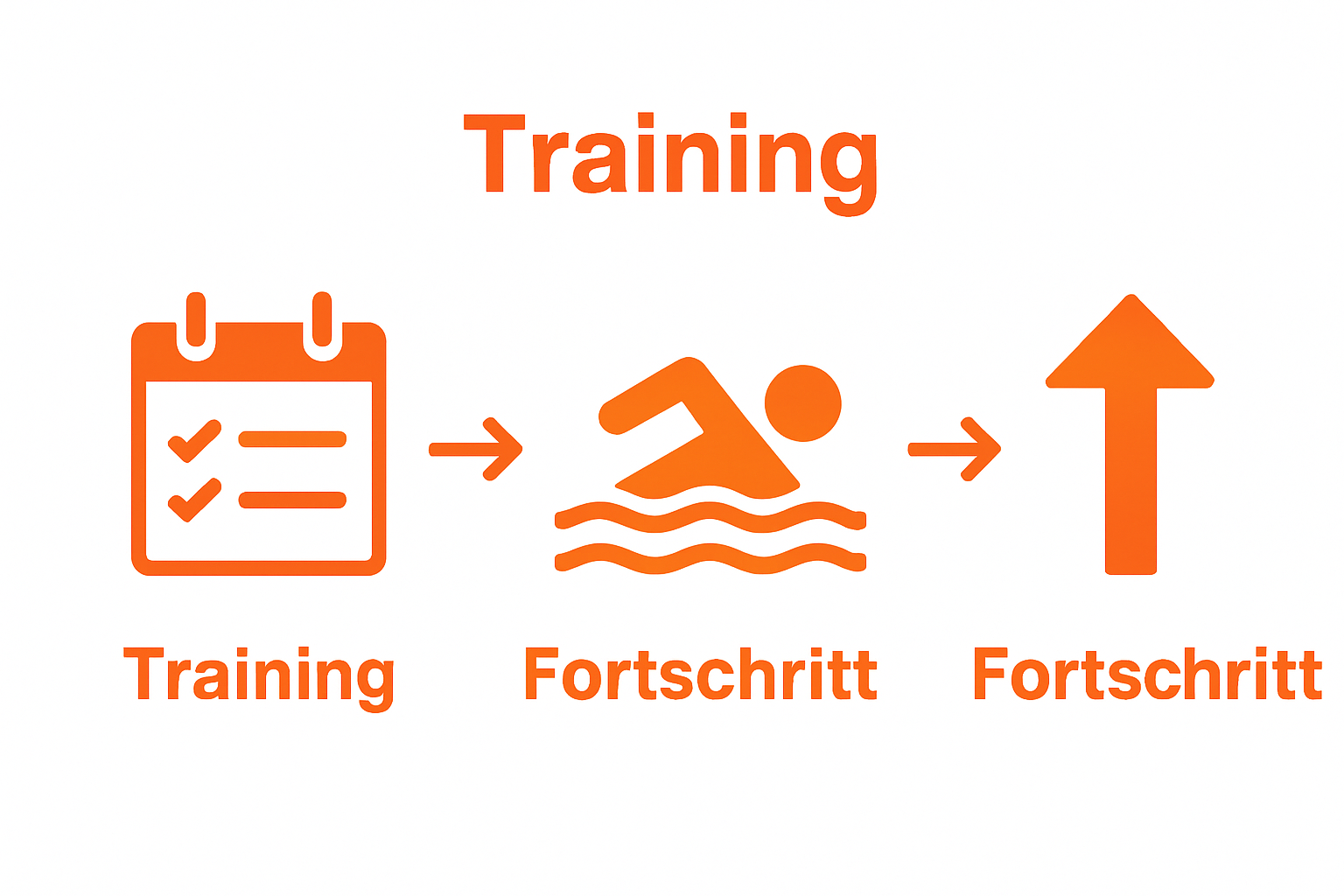
Be patient with yourself. Progress in learning to swim is not a linear development. Sometimes you will advance faster, sometimes it will seem as if you are stagnating. This is completely normal. The important thing is to practice continuously and think positively.
Pay attention to your body signals. If you feel pain or extreme exhaustion, take a break.
This table summarizes the most important training components for effective adult swimming lessons – with a focus on training goals and individual tips.
| Training Element | Purpose | Special Recommendation |
|---|---|---|
| Repeat breathing techniques | Safety and control in the water | Breathe calmly and rhythmically |
| Improve body posture | Better swimming technique and efficiency | Core and back tension |
| Balance and buoyancy | Increased water safety | Practice in shallow water |
| Various swimming techniques | Versatility, increases self-confidence | Try variants slowly |
| Regular training | Faster progress, building routine | 2-3 sessions per week |
| Documentation of progress | Motivation and targeted training | Keep a training diary |
| Breaks and recovery | Avoiding overexertion | Pay attention to body signals |
Step 6: Test Progress in Open Waters
The transition from controlled swimming pools to natural waters is a significant milestone in your swimming journey. This step requires not only technical skills but also mental preparation and safety awareness. Open waters differ fundamentally from swimming pools due to unpredictable currents, varying temperatures, and other challenges.
Our swimming course recommendations emphasize the importance of a gradual approach. Start with calm, shallow waters such as swimming lakes or very sheltered coastal sections. Choose locations with good infrastructure, lifeguards, and clear safety markings.
According to Norwegian research findings, conditions in open waters differ significantly from swimming pools. Water temperature, currents, and bottom conditions can completely alter your swimming techniques. Inform yourself in advance about local water conditions, water quality, and potential danger zones.
Preparation is crucial for your safety. Never swim alone in open waters. Take an experienced swimmer or lifeguard with you who can observe your progress and help in an emergency. If possible, wear a brightly colored swim cap or a signal vest to be more easily seen by boats and other water sports enthusiasts.
Important safety aspects for open waters:
- Check water temperature
- Observe currents and wind conditions
- Bring safety equipment
- Always swim accompanied
- Know and respect your own limits
Observe your reactions and feelings while swimming. Is your breathing calm? Do you feel controlled and safe? Pay attention to signs of overexertion such as rapid exhaustion, disorientation, or panic. This self-awareness is crucial for your safety.
Limit your first attempts in open waters to short periods. Initially, swim only a few meters and stay close to the waterline. Gradually build up your distance and confidence. Every successful swim stroke is progress.
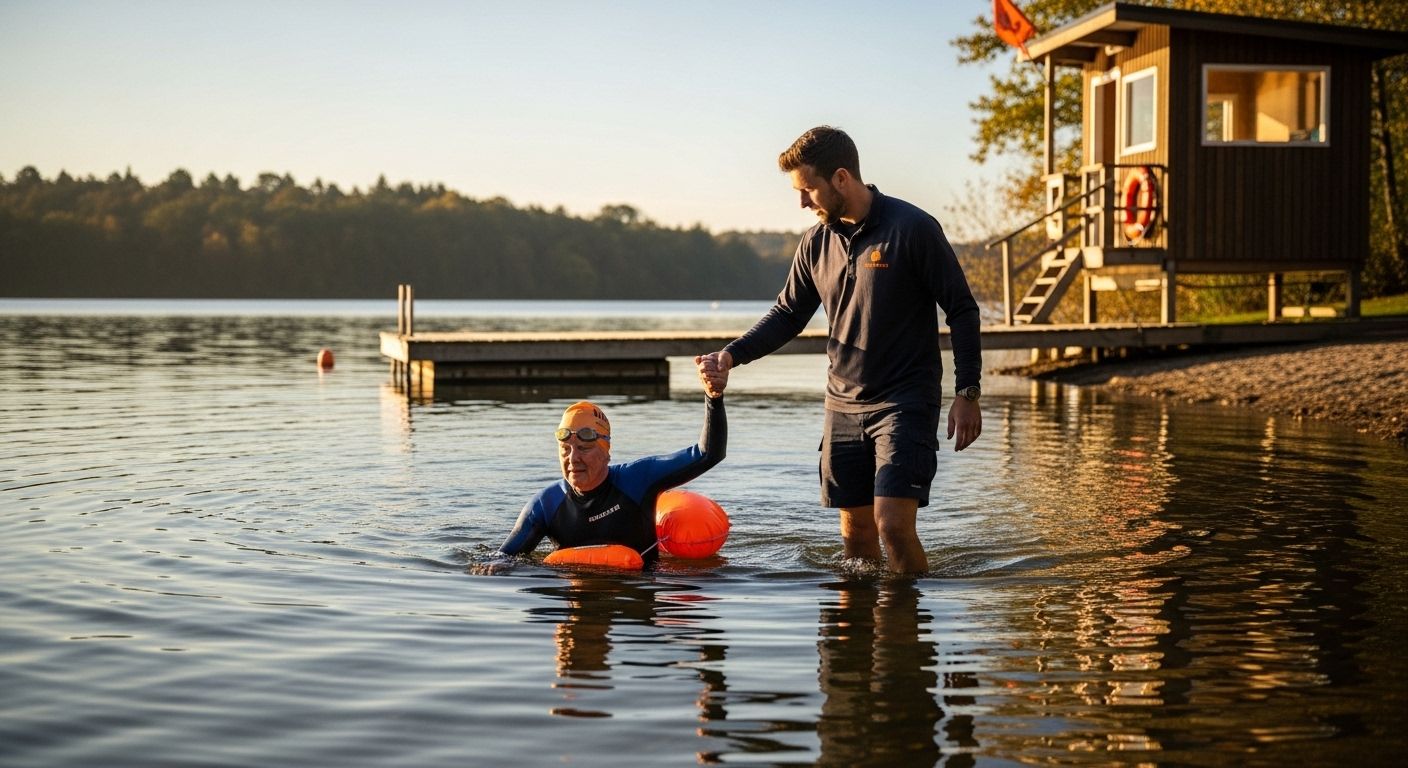
Finally: Celebrate your successes, but never underestimate the challenges of open waters. Respect for the water and continuous learning are your best companions on this journey.
Achieve Swimming Goals with Pimpertz – Quality That Motivates
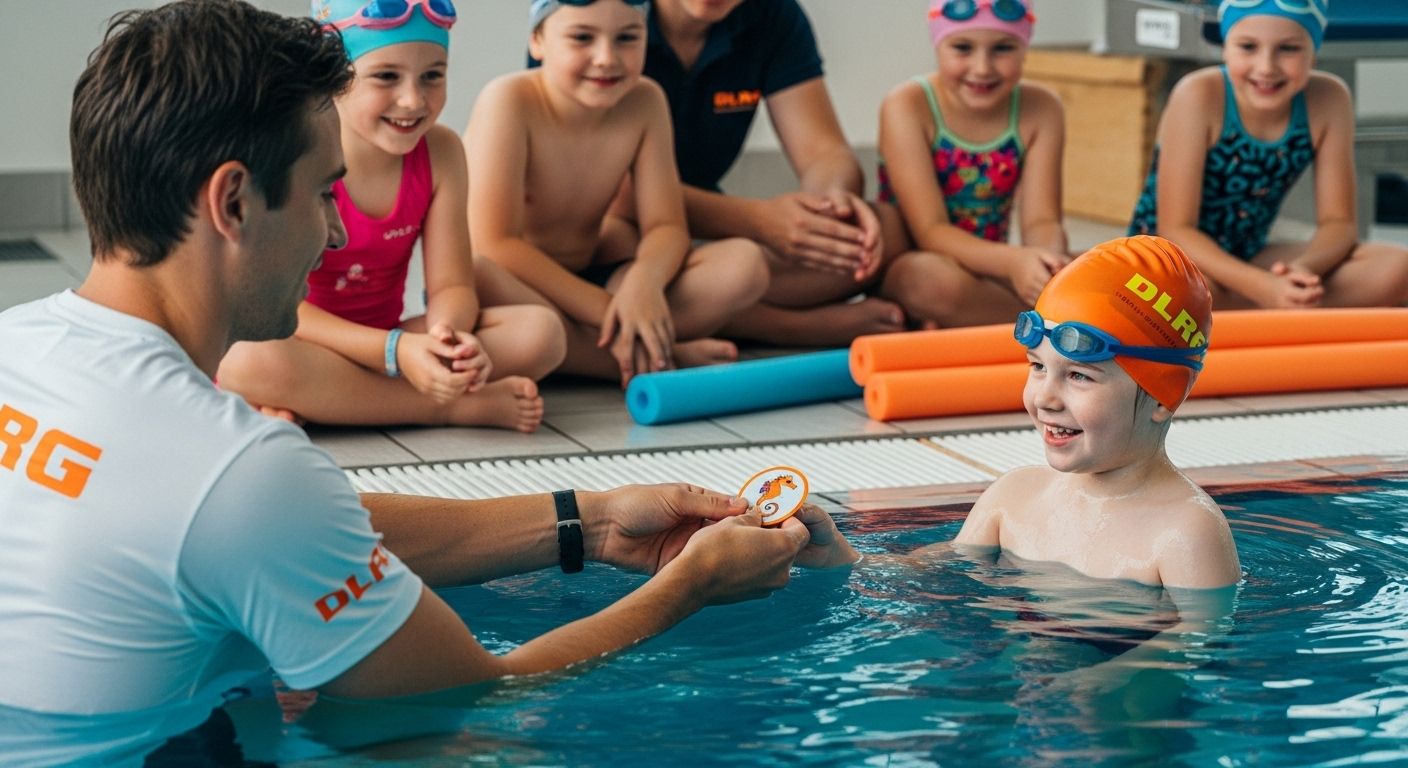
In this article, you have learned how important perseverance, the right equipment, and targeted motivation are when learning to swim in old age. Adults often encounter hurdles such as insecurity, lack of routine, or insufficient recognition for their learning success. In addition to good preparation and course selection, pride in achieved milestones is paramount. Lasting motivation comes from visible progress and genuine appreciation for your achievements.
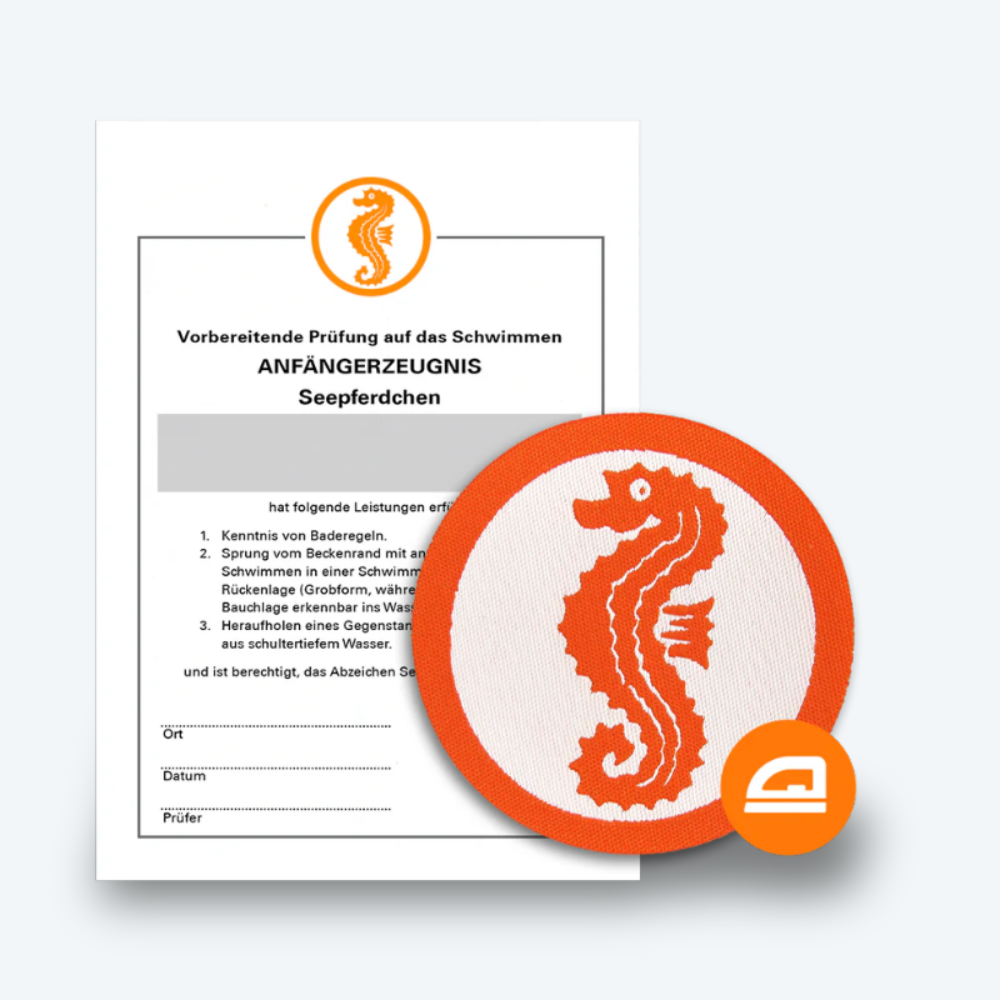
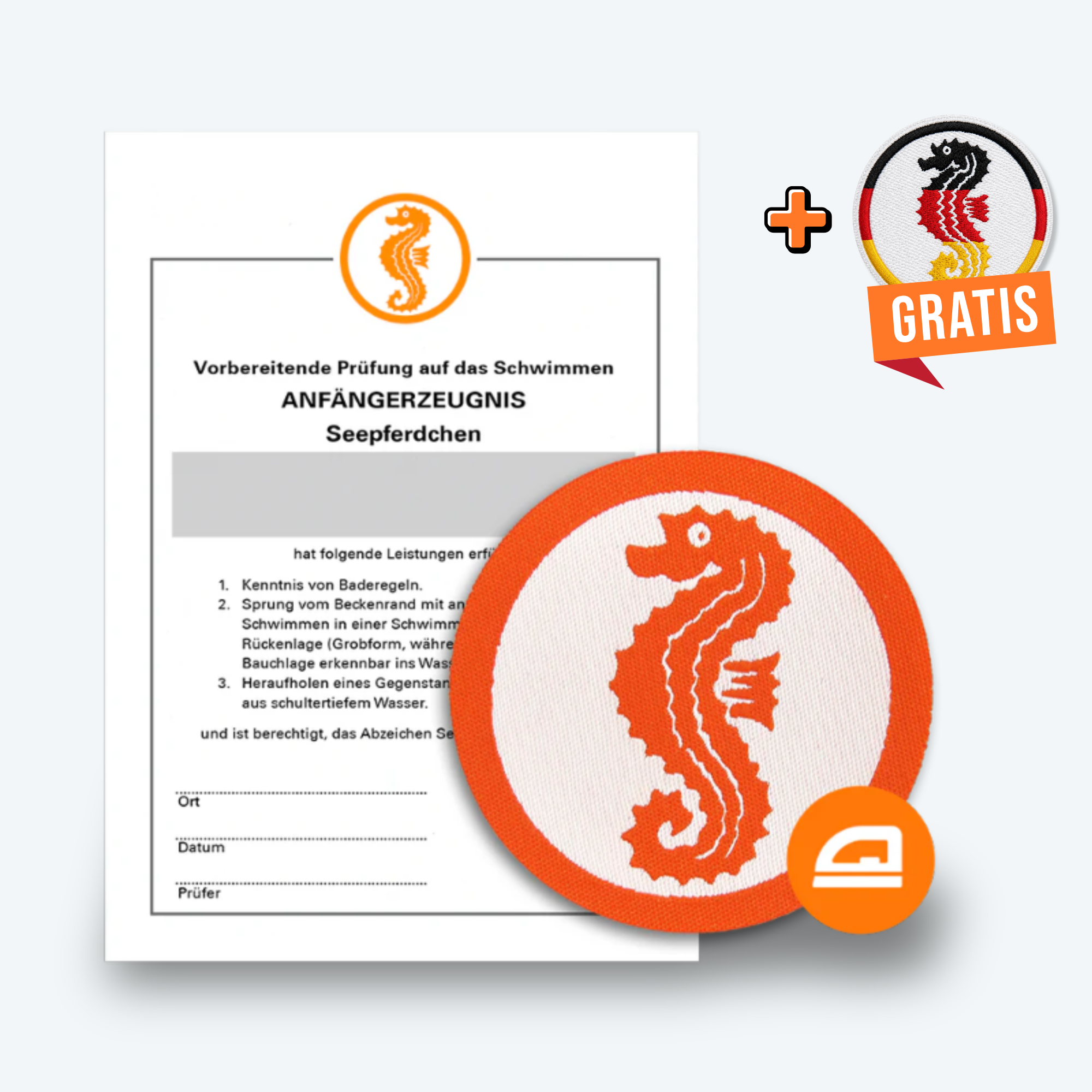
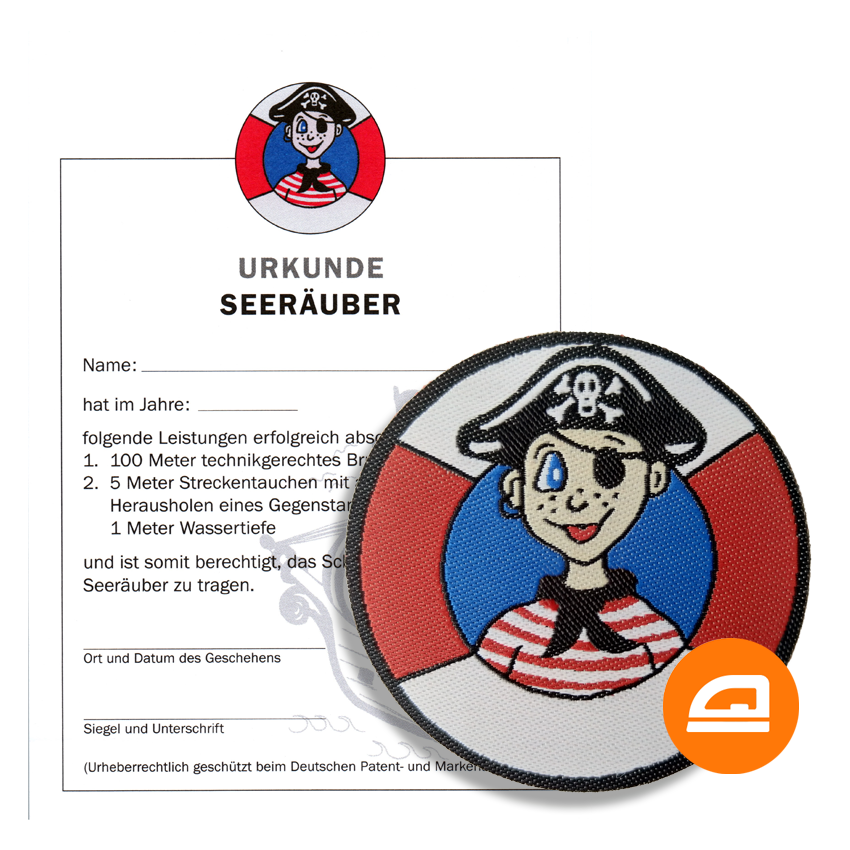
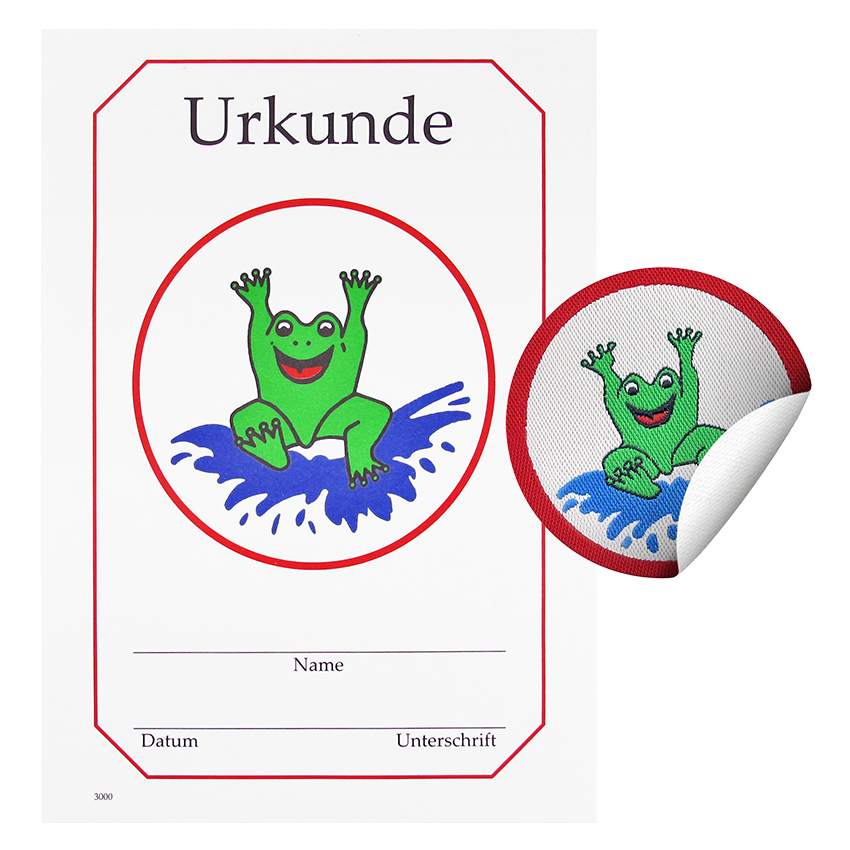
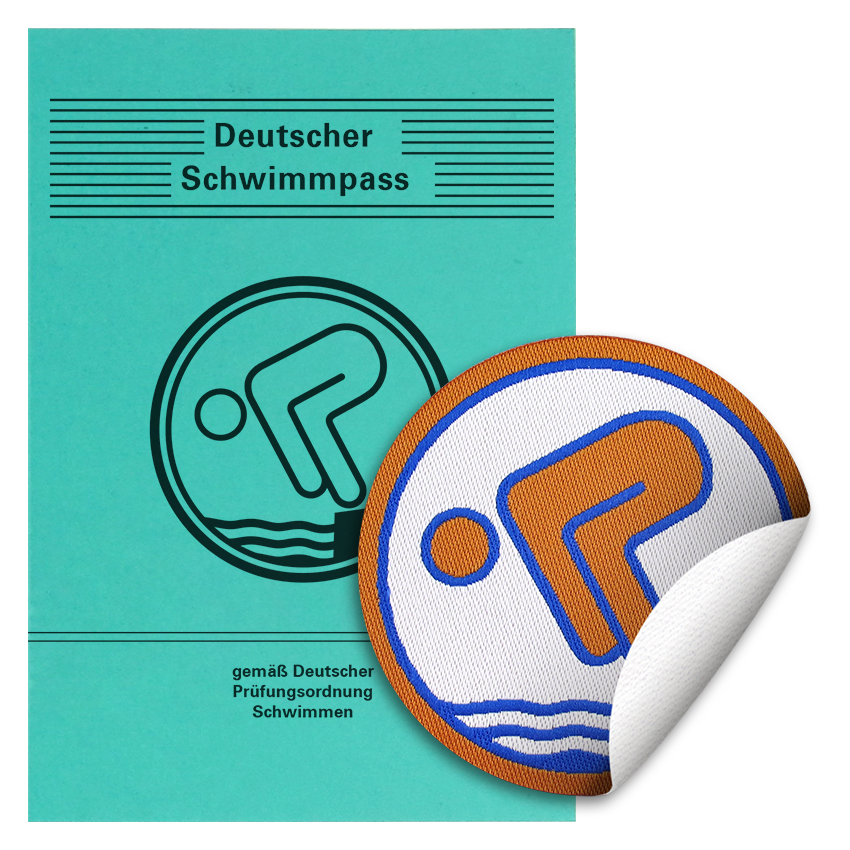
Discover solutions at Pimpertz that effectively support your swimming training. From certified swimming badges and certificates to practical accessories and individual sets, you will find everything you need for training success in adulthood. Secure original swimming pins or personalized certificates for yourself or your training group today – make your next course visit a real win. Browse pimpertz.de and bring more recognition to your progress. Start now and experience how appreciation creates new motivation.
Frequently Asked Questions
How do I start learning to swim in old age?
To start learning to swim, first evaluate your health and physical prerequisites, then find a suitable swimming course or instructor specialized in adults.
What equipment do I need to learn to swim?
For starters, you will need a well-fitting swimsuit or swimming trunks, swimming goggles, towels, and possibly aids like swim noodles or kickboards.
How can I overcome my fear of water?
Overcome your fear by gradually getting used to the water and performing regular breathing exercises and simple water familiarization exercises to build confidence.
What techniques are important for swimming success?
Important techniques include breath control, body posture in the water, balance, and buoyancy. Practice regularly and systematically to solidify these fundamentals.