
How Much Does a Swimming Course Cost? Understanding for Parents and Providers
Swimming lessons are often considered an expensive leisure activity for children and families, especially when many providers charge triple-digit amounts per course. The situation looks quite different when you know that some German federal states greatly facilitate access to swimming lessons with vouchers of up to 50 euros per child. Suddenly, what seemed like an expensive hurdle becomes an easily accessible start to a skill that not only brings fun but can also save lives.
Table of Contents
- What Influences the Cost of a Swimming Course?
- Why is Swimming Instruction Important for Children?
- How Do Prices Vary by Offering and Region?
- What Are the Long-Term Benefits of a Swimming Course?
- How Can Parents Choose the Best Swimming Courses?
Brief Summary
| Takeaway | Explanation |
|---|---|
| Prices vary greatly. | The costs for swimming lessons depend on the course type, region, and provider. |
| Choose early swimming lessons. | Learning to swim early reduces the risk of drowning accidents and promotes safety. |
| Prioritize quality over price. | Good training and safety are crucial for learning success, not just the price. |
| Prefer small groups. | Fewer participants per group allow for individual attention and improved learning. |
| Consider additional offers. | Offers such as advanced courses or badges contribute to children's motivation and safety. |
What Influences the Cost of a Swimming Course?
The cost of a swimming course varies depending on various factors that parents and interested parties should understand precisely. To get a realistic overview, several important aspects influence the price.
Course Type and Difficulty Level
Depending on the target group and skill level, prices change significantly. A baby swimming course differs fundamentally in price from an advanced swimming course for teenagers. Small children require more individual attention, which increases costs. More complex courses with advanced techniques generally cost more.
Infrastructure and Providers
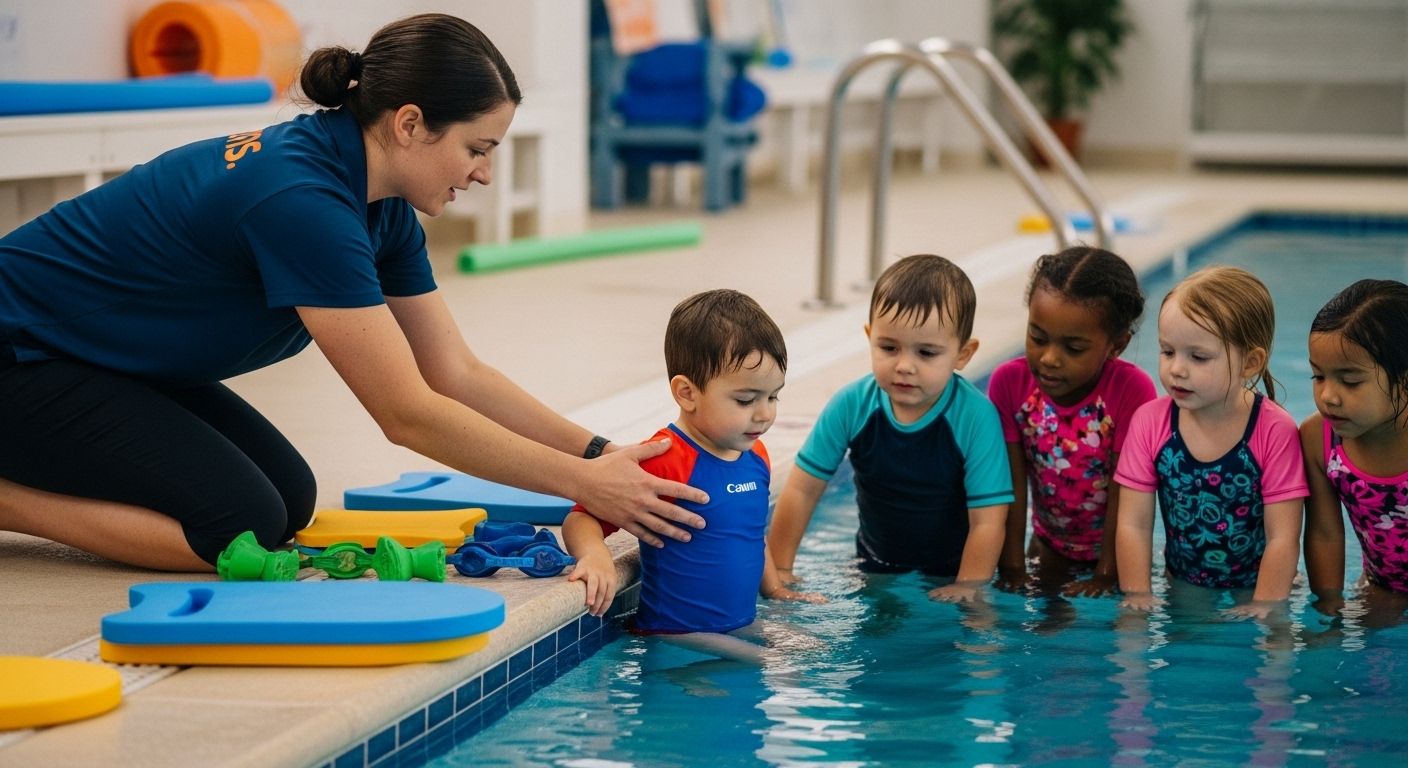
The venue plays a crucial role in swimming course costs. Public swimming pools often offer cheaper courses, while private swimming schools or exclusive facilities charge significantly higher prices. Our swimming course options for children show the range of possible offers.
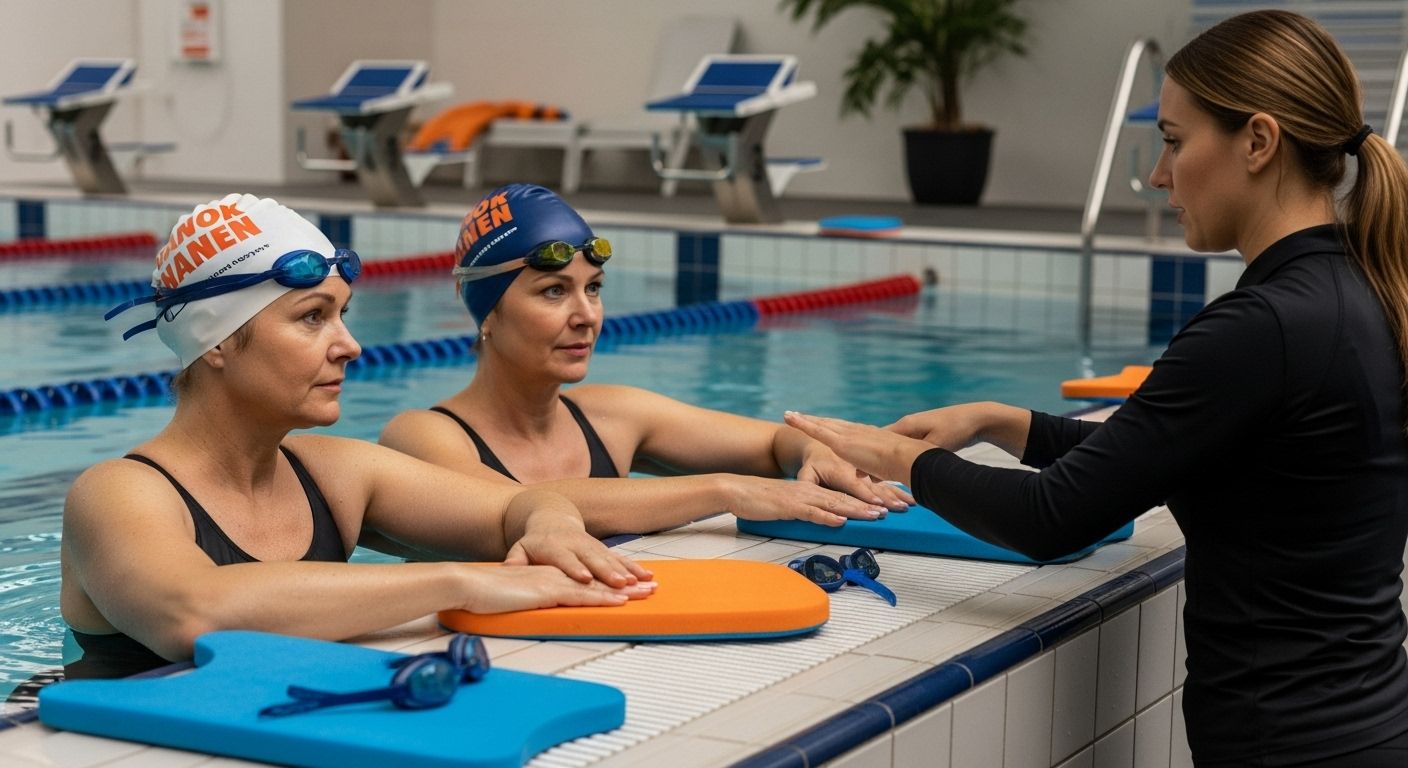
The qualification of the swimming instructors also influences the price. Experienced, certified trainers with many years of expertise charge higher fees than beginners or temporary staff.
Course Scope and Additional Services
Other price-determining factors include:
- Course duration (weeks/months)
- Group size
- Number of training units per week
- Additional materials
- Insurance coverage
A comprehensive course with small groups, highly qualified trainers, and modern equipment will be significantly more expensive than a standard course in a public facility.
To provide a quick overview of the most important factors determining the cost of a swimming course, this table shows the key influencing variables at a glance.
| Feature | Description |
|---|---|
| Course Type & Difficulty Level | Different prices depending on age, goal, and training level (babies, beginners, advanced) |
| Infrastructure & Providers | Public pools and clubs usually cheaper than private swimming schools or exclusive facilities |
| Trainer Qualification | Certified, experienced trainers charge higher fees than beginners or temporary staff |
| Course Duration & Units | Longer or more intensive courses as well as more units per week increase total costs |
| Group Size | Smaller groups mean more individual attention and usually higher prices |
| Additional Services | Materials, badges, insurance coverage, and special offers influence the final price |
Parents should not only pay attention to the price but also, and most importantly, to the quality and safety of swimming education. A good investment in early swimming skills can be life-saving.
Why is Swimming Instruction Important for Children?
Swimming lessons are much more than just a leisure activity. They are a crucial skill that can literally save children's lives. The importance of learning to swim extends far beyond athletic aspects.
Safety and Lifesaving
Learning swimming skills is a central competence for self-protection. Swimming Course from 3: Teaching children to swim safely illustrates how important early water familiarization is. According to the German Social Accident Insurance (DGUV), many swimming accidents occur because children cannot swim safely. Early swimming lessons significantly reduce the risk of drowning accidents.
Physical and Mental Development
Swimming offers numerous benefits for child development:
- Holistic muscle development
- Improvement of coordination skills
- Strengthening of the cardiovascular system
- Promotion of self-confidence
- Social interaction in group activities
VIACTIV Krankenkasse emphasizes that swimming is an effective muscle endurance training that engages all muscle groups. It can also help overweight children, as the buoyancy of water facilitates movement.
Long-term Health Benefits
Swimming is a sport that can accompany children throughout their lives. It is easy on the joints, promotes endurance, and can be practiced as a lifelong form of exercise. Furthermore, swimming lessons impart important life skills such as discipline, perseverance, and dealing with challenges.
It is crucial for parents to understand: swimming lessons are not an optional activity but a necessary investment in their child's safety and development.
How Do Prices Vary by Offering and Region?
Swimming course prices are not uniform but vary greatly depending on regional circumstances, provider structure, and local educational initiatives. To get a comprehensive overview, it is important to understand various price factors.
Regional Price Differences
The costs for swimming courses differ significantly between federal states and even between individual cities. Swimming Course 4 Years: Learning to swim safely for children shows that urban areas tend to have higher prices than rural regions. Metropolitan areas like Munich or Frankfurt often charge significantly more for swimming courses compared to smaller cities.
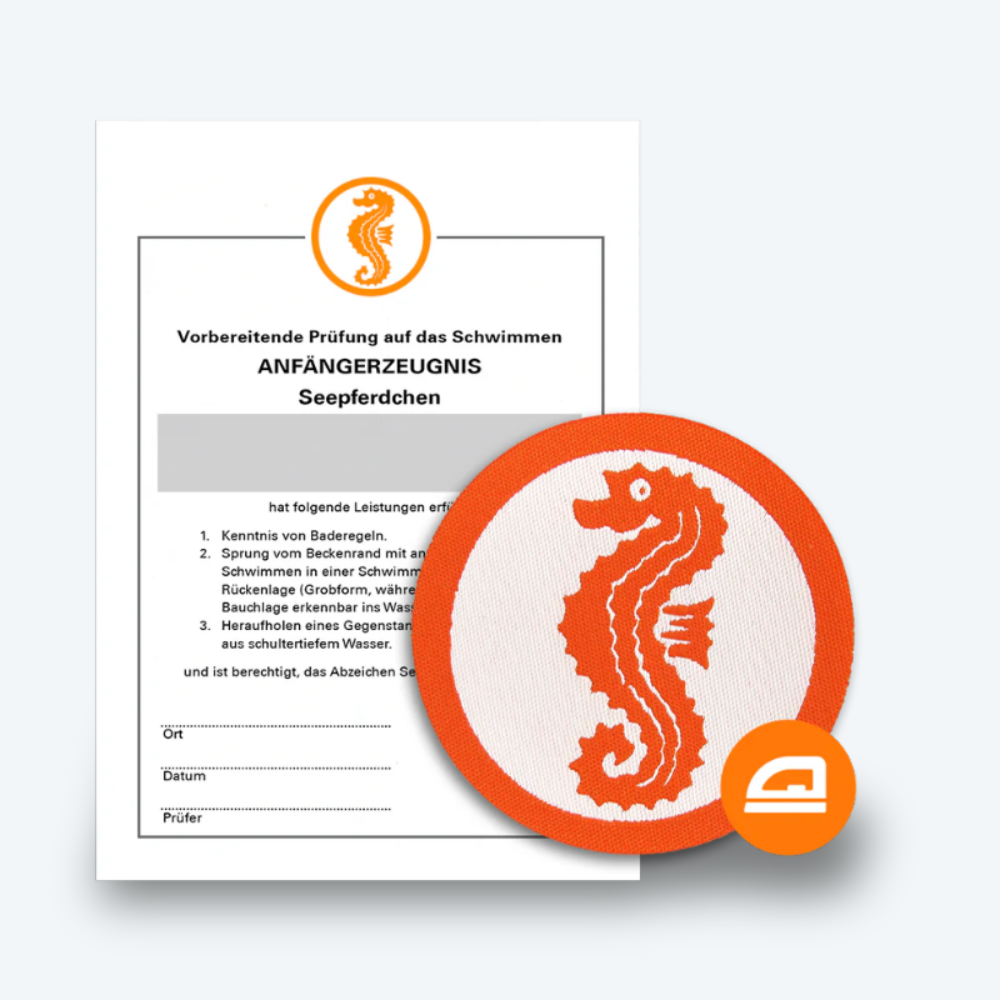
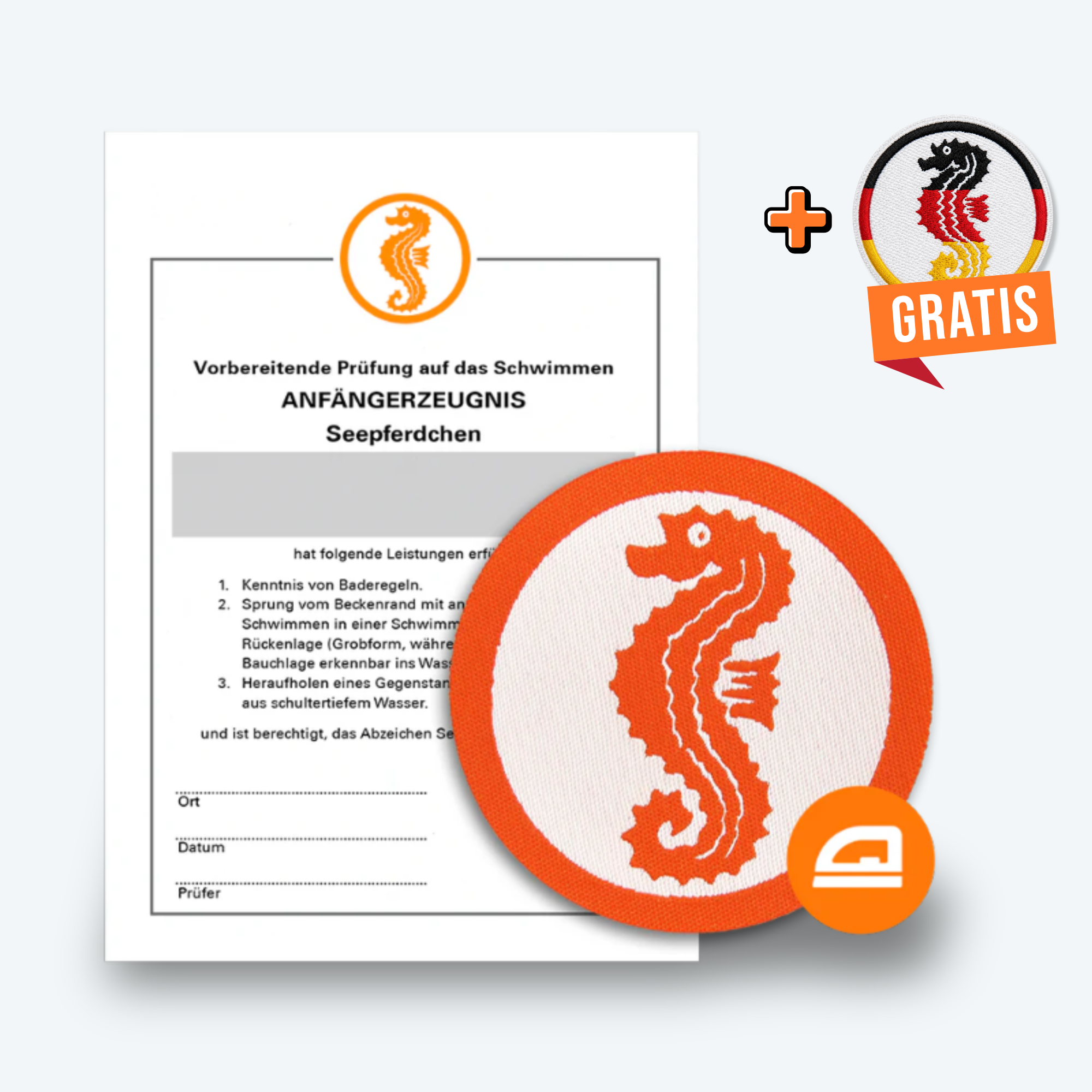
Interestingly, some federal states offer financial support. In Bavaria, for example, first-graders and preschool children receive a voucher worth 50 euros for a swimming course to earn the "Seepferdchen" (seahorse) badge.
Municipal and Club Offers
Pricing varies depending on the provider of the swimming course:
- Municipal swimming pools
- Private swimming schools
- Sports clubs
- Community colleges
- Commercial swimming academies
Sports clubs often offer cheaper courses, while private swimming schools have higher prices. Additional costs can arise from:
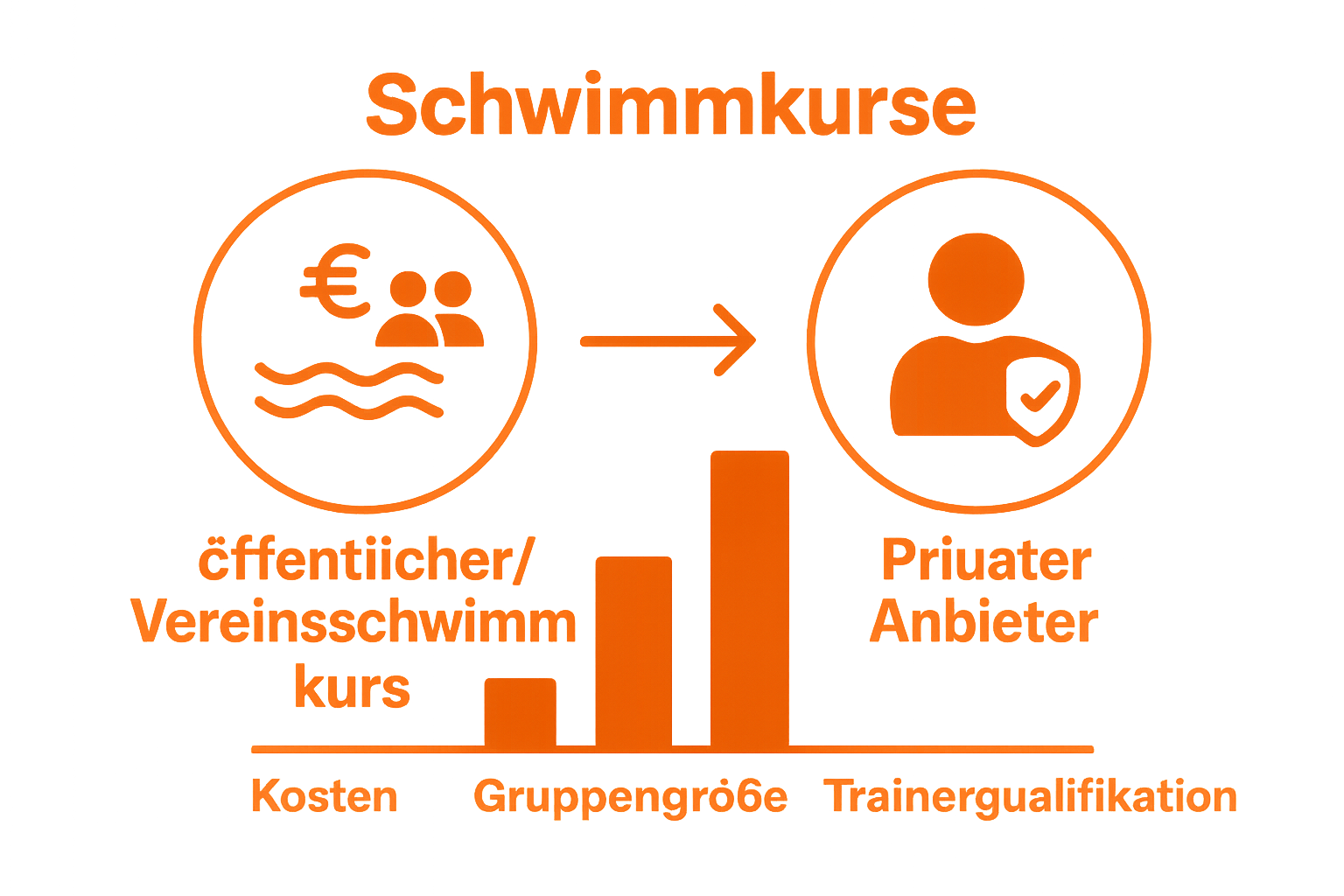
This table clearly contrasts various swimming course providers and their pricing and structural characteristics to help parents make a choice.
| Provider Type | Average Price | Membership/Enrollment Fee | Special Features |
|---|---|---|---|
| Public Swimming Pool | Low | None | Large groups, basic equipment |
| Sports Club | Low to Medium | Yes (club membership) | Part of club life, group-oriented |
| Private Swimming School | Medium to High | None | Small groups, individual attention |
| Commercial Swimming Academy | High | None | Exclusive infrastructure, additional services |
| Community College | Low to Medium | Course fee | Open groups, wide range of offers |
- Enrollment fees
- Club memberships
- Additional equipment
- Insurance
Government Funding and Vouchers
Several federal states actively support learning to swim. In Saxony, for example, students in grades 2 to 4 who cannot yet swim receive vouchers for swimming courses. These initiatives aim to provide children with access to swimming lessons regardless of family income.
Parents should consider not only the price but also the quality and safety of the course. A cheaper course is not automatically the best course for their child.
What Are the Long-Term Benefits of a Swimming Course?
A swimming course goes far beyond merely learning a sport. It is an investment in a child's physical, mental, and social development, which can have lifelong effects.
Physical Health and Development
Swimming Course from 4 Years: Learning to Swim Safely 2025 emphasizes the comprehensive physical benefits of swimming. The holistic form of movement demonstrably strengthens:
- Muscle development in all body regions
- Cardiovascular system
- Lung capacity
- Flexibility and coordination
- General physical fitness
In the long term, regular swimming can prevent postural damage, improve metabolic activity, and strengthen the immune system.
Mental and Social Skills
Swimming develops far more than just physical abilities. It promotes crucial mental and social skills:
- Self-confidence and resilience
- Concentration ability
- Stress reduction
- Teamwork skills
- Perseverance
According to the Robert Koch Institute, regular swimming has positive long-term effects on social behavior and mental health.
Lifesaving Safety Skills
Perhaps the most important long-term benefit of a swimming course is safety competence. Being able to swim means more than mastering a sport. It is a vital skill that can save lives in dangerous situations.
Children who learn to swim early develop:
- A better awareness of danger in water
- Control and orientation skills
- Self-rescue techniques
- Reaction safety in stressful situations
These skills remain for life and can be crucial in critical moments. A swimming course is therefore not an expense, but an important investment in a child's future and safety.
This table summarizes the most important long-term benefits of swimming courses for children by area of impact.
| Area of Impact | Benefit |
|---|---|
| Physical | Full-body strengthening, cardiovascular training, better posture |
| Mental | More self-confidence, stress reduction, concentration enhancement |
| Social | Teamwork skills, social interaction, group integration |
| Safety | Danger recognition, self-rescue, responsiveness |
| Health | Active lifestyle, prevention of obesity, strong immune defense |
How Can Parents Choose the Best Swimming Courses?
Choosing the right swimming course is crucial for a child's learning success and safety. Parents must carefully consider various aspects to find an optimal course.
Qualification and Infrastructure
Swimming Course for 5-Year-Olds: Learning to Swim Safely 2025 emphasizes the importance of professional conditions. When making a selection, parents should pay attention to the following criteria:
- Qualification of swimming instructors
- State-recognized training
- Experience with children's training
- Current lifeguard certifications
- Child-friendly teaching methods
Infrastructure also plays an important role. A suitable teaching pool should be warm, clean, and child-friendly.
Group Size and Age Structure
According to the recommendation of Stiftung Deutschland Schwimmt, group size is a decisive quality feature. Small groups allow for more individual attention and safe learning:
- Maximum 6-8 children per group
- Homogeneous developmental stage of participants
- Age-appropriate group division
- Appropriate supervision ratio
- Flexible course scheduling
Children should feel comfortable in their group and receive individual support.
Safety and Additional Services
Safety is paramount. Parents should pay attention to the following aspects:
- Lifeguards on site
- First aid equipment
- Clear safety concepts
- Transparent communication
- Opportunities for observation
Additional offers such as badge acquisition, advanced courses, and parent information are also important selection criteria. A good swimming course offers more than just swimming lessons – it builds trust and safety for children and parents.
Your Child Deserves the Best Swimming Success – Make a Difference with Pimpertz
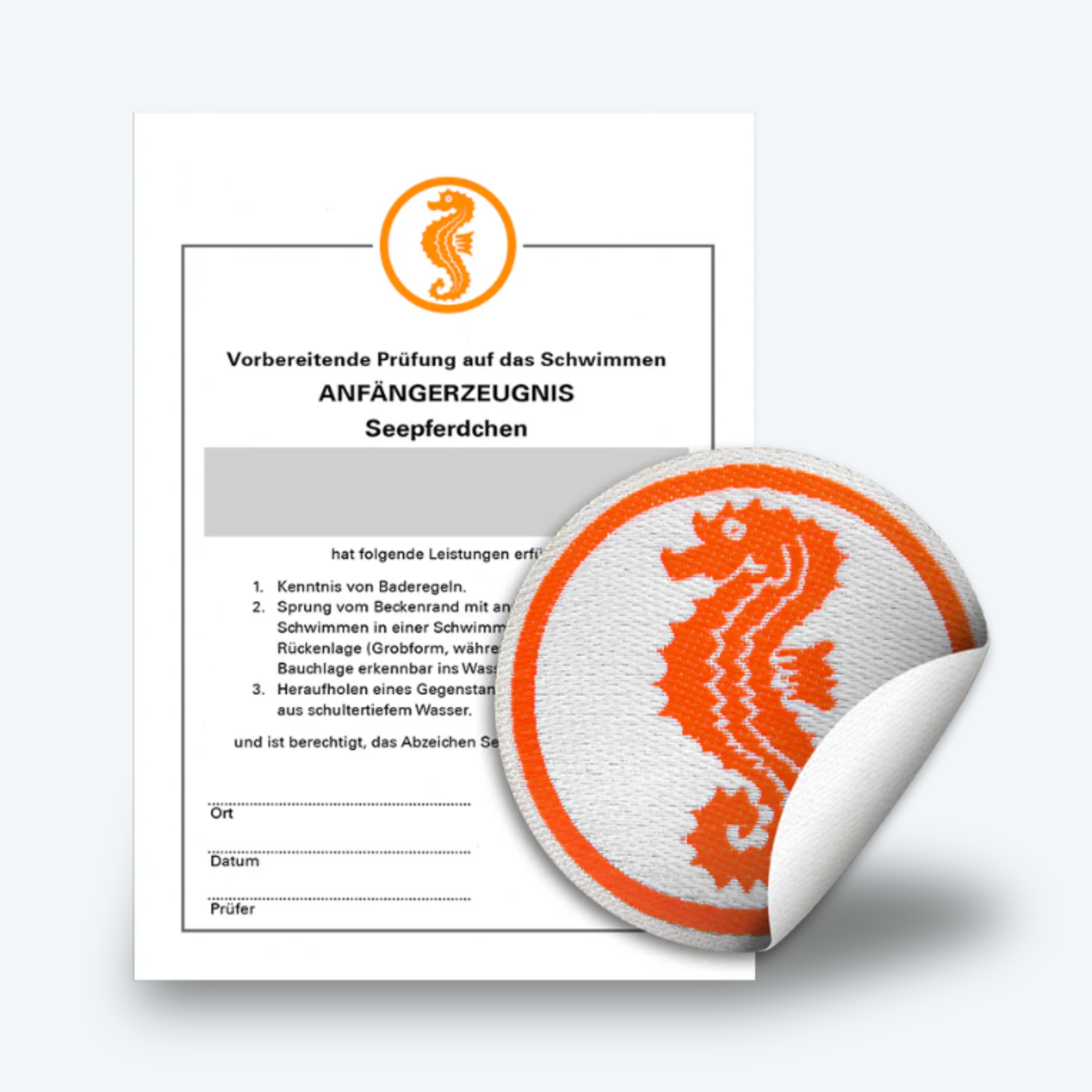
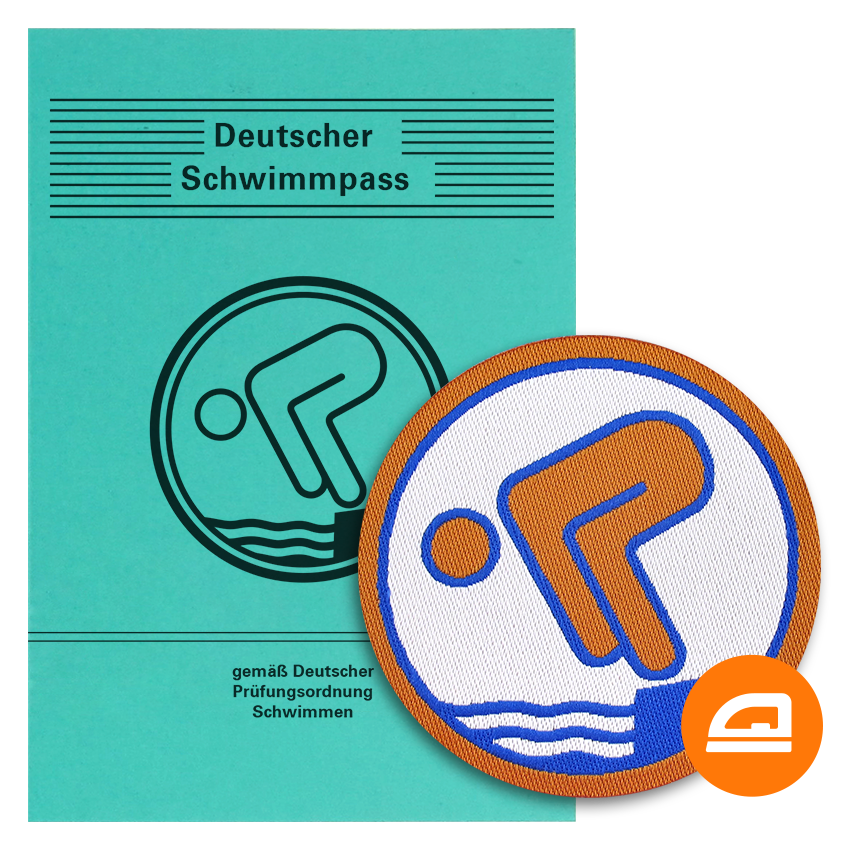
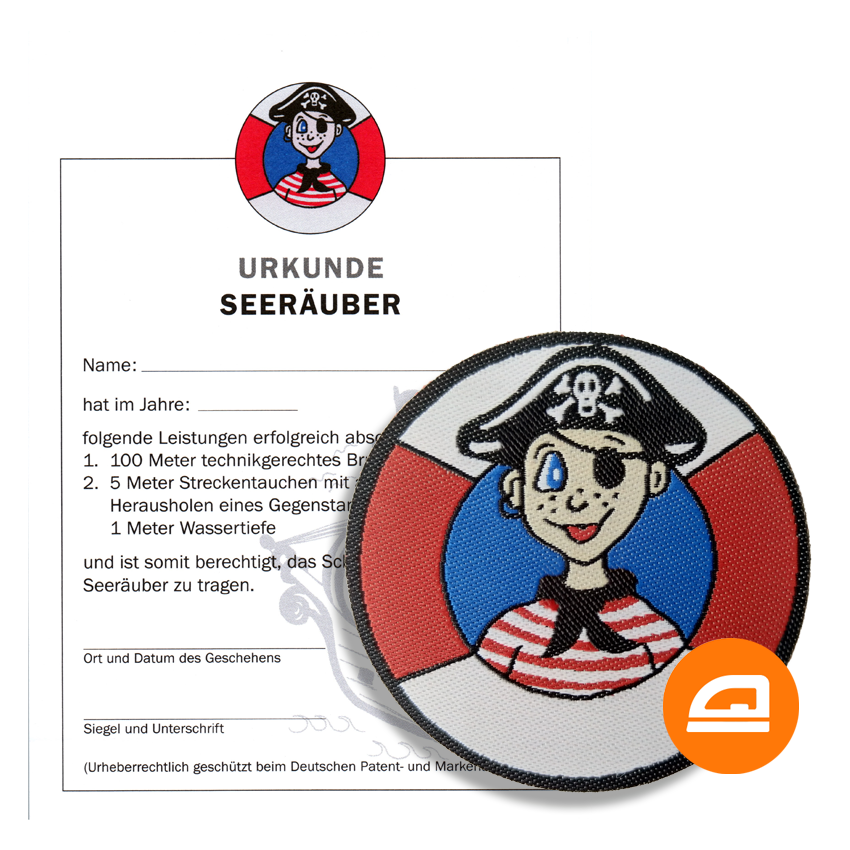
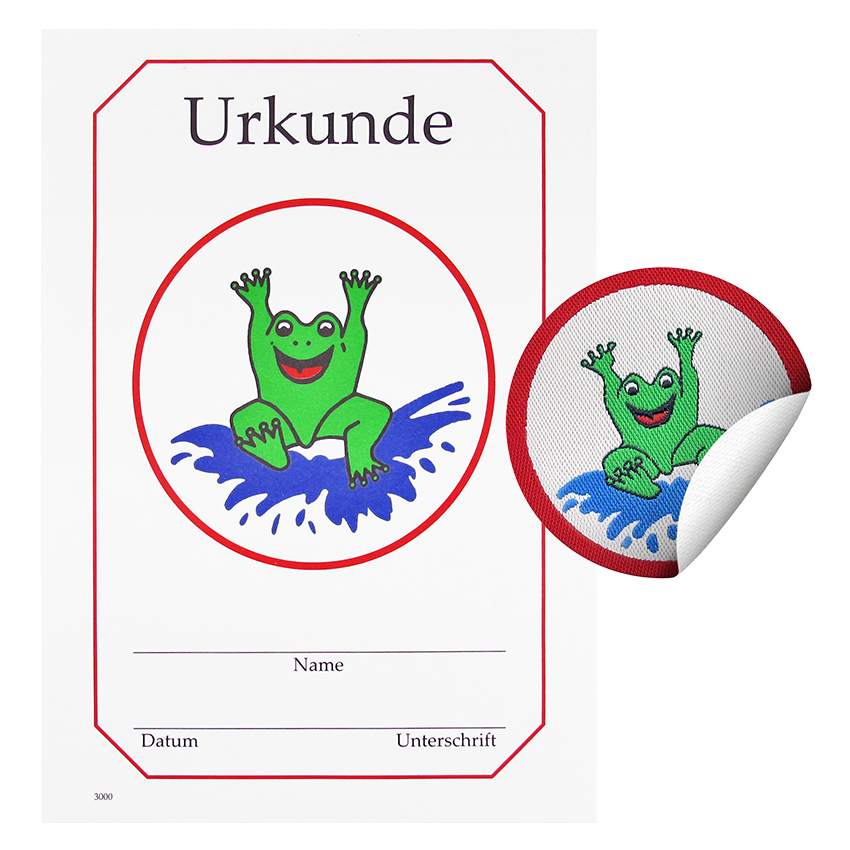
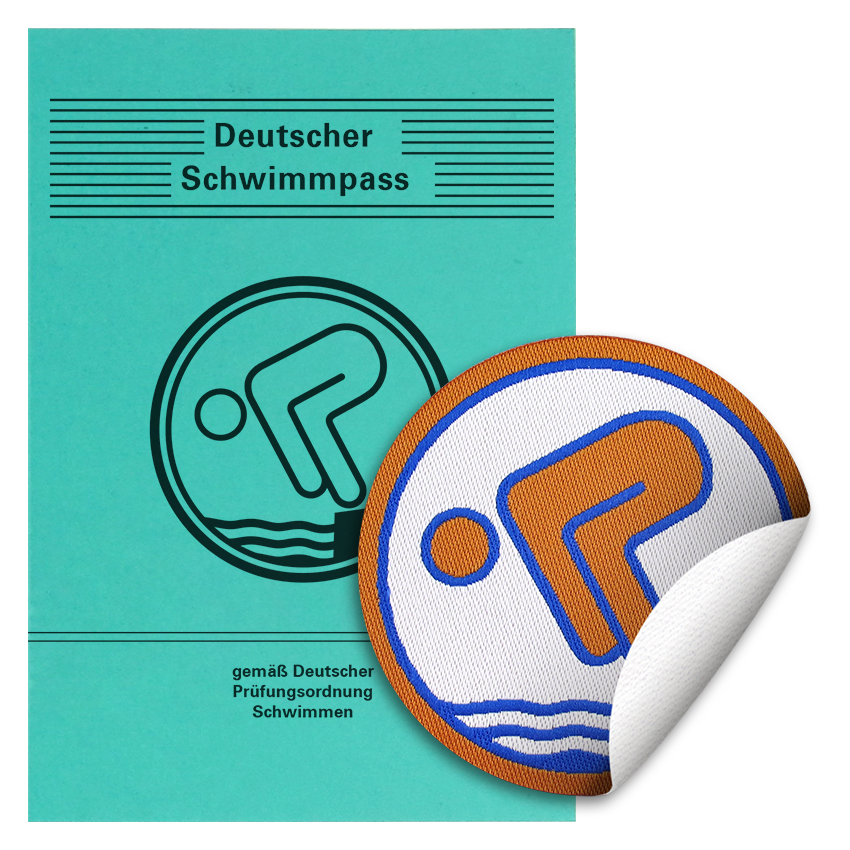
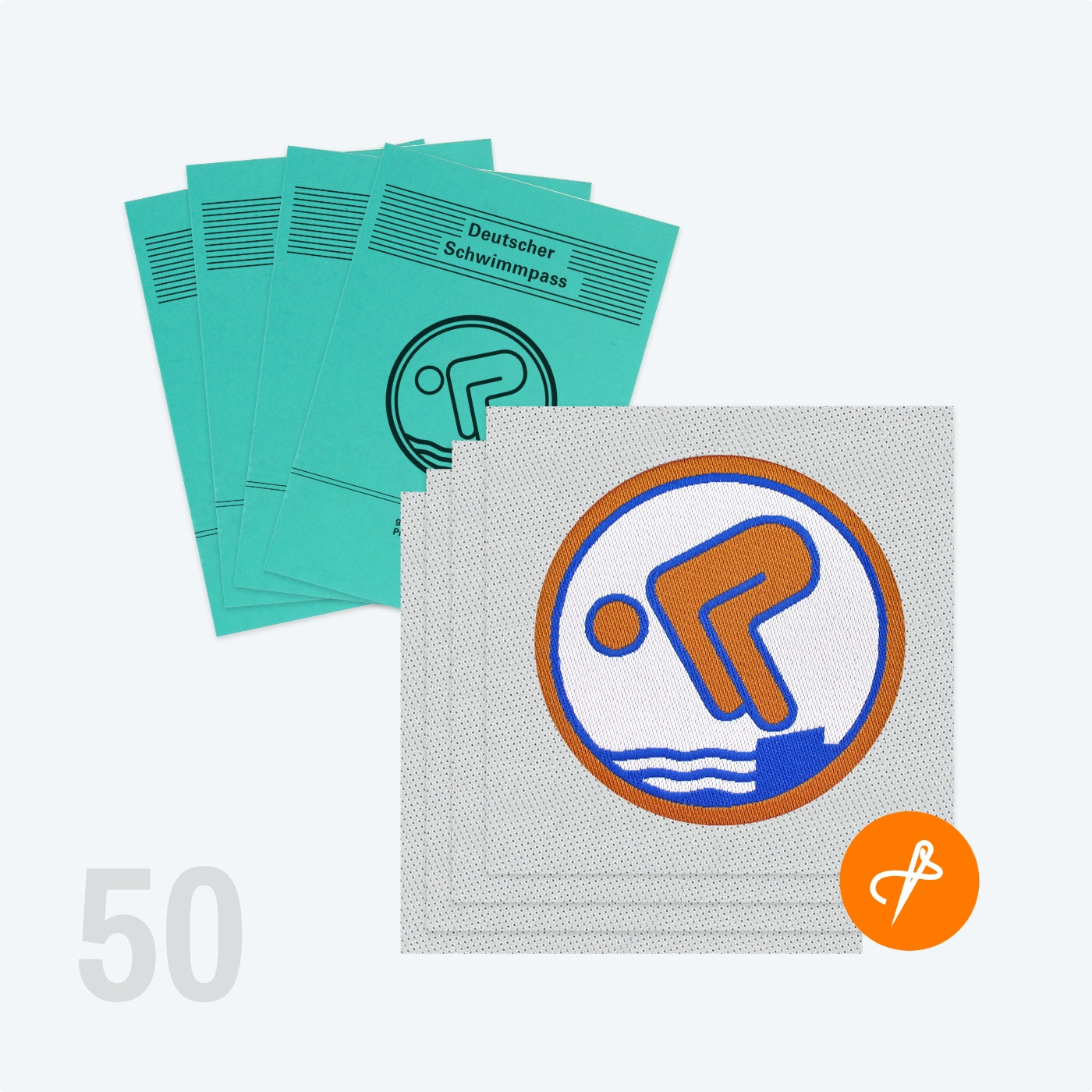
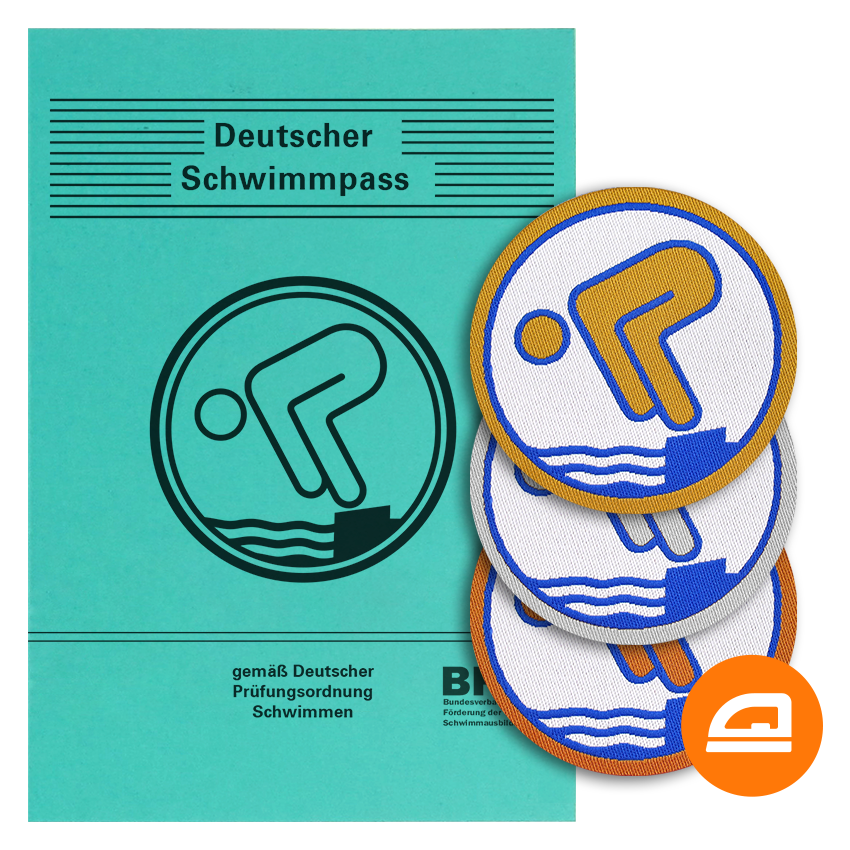
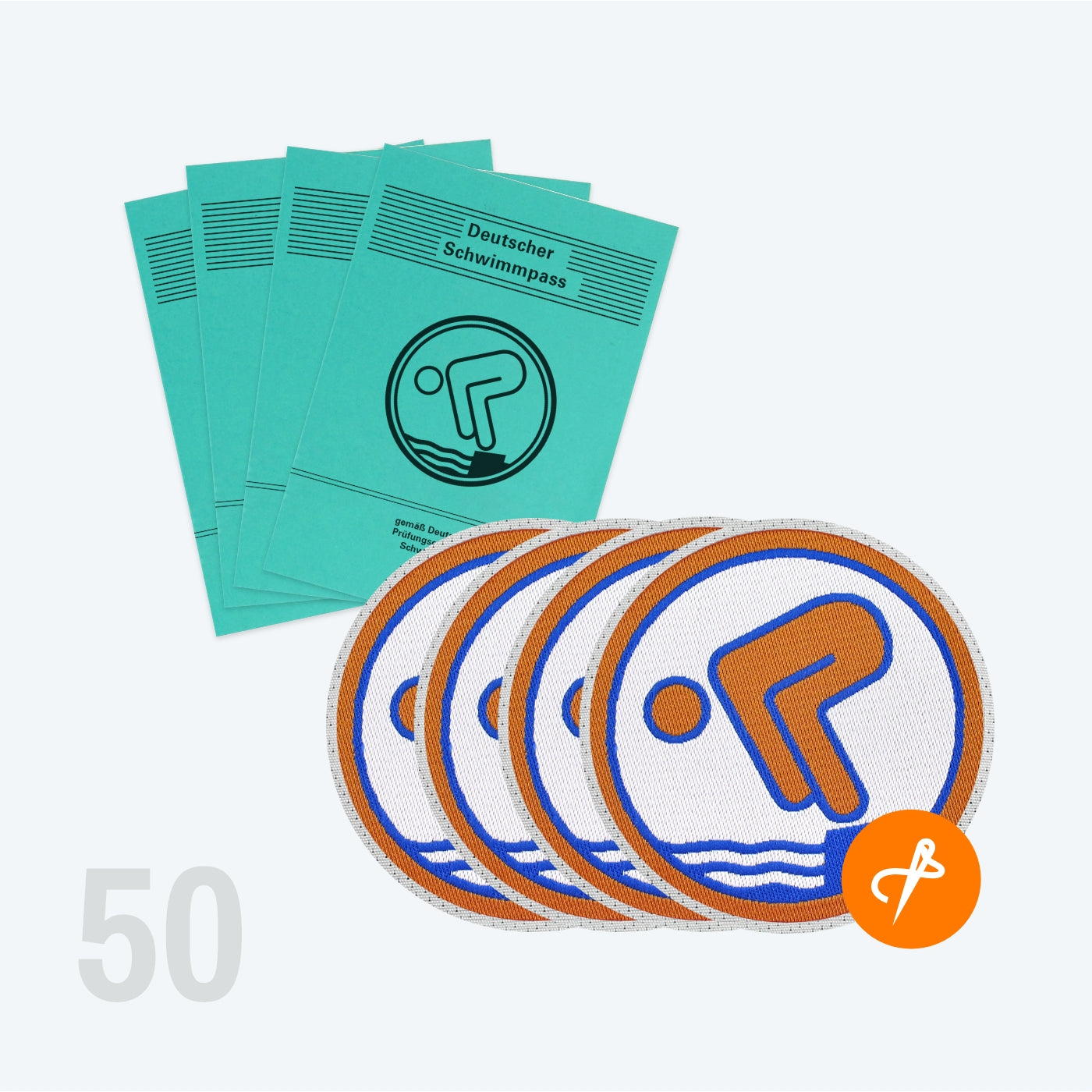
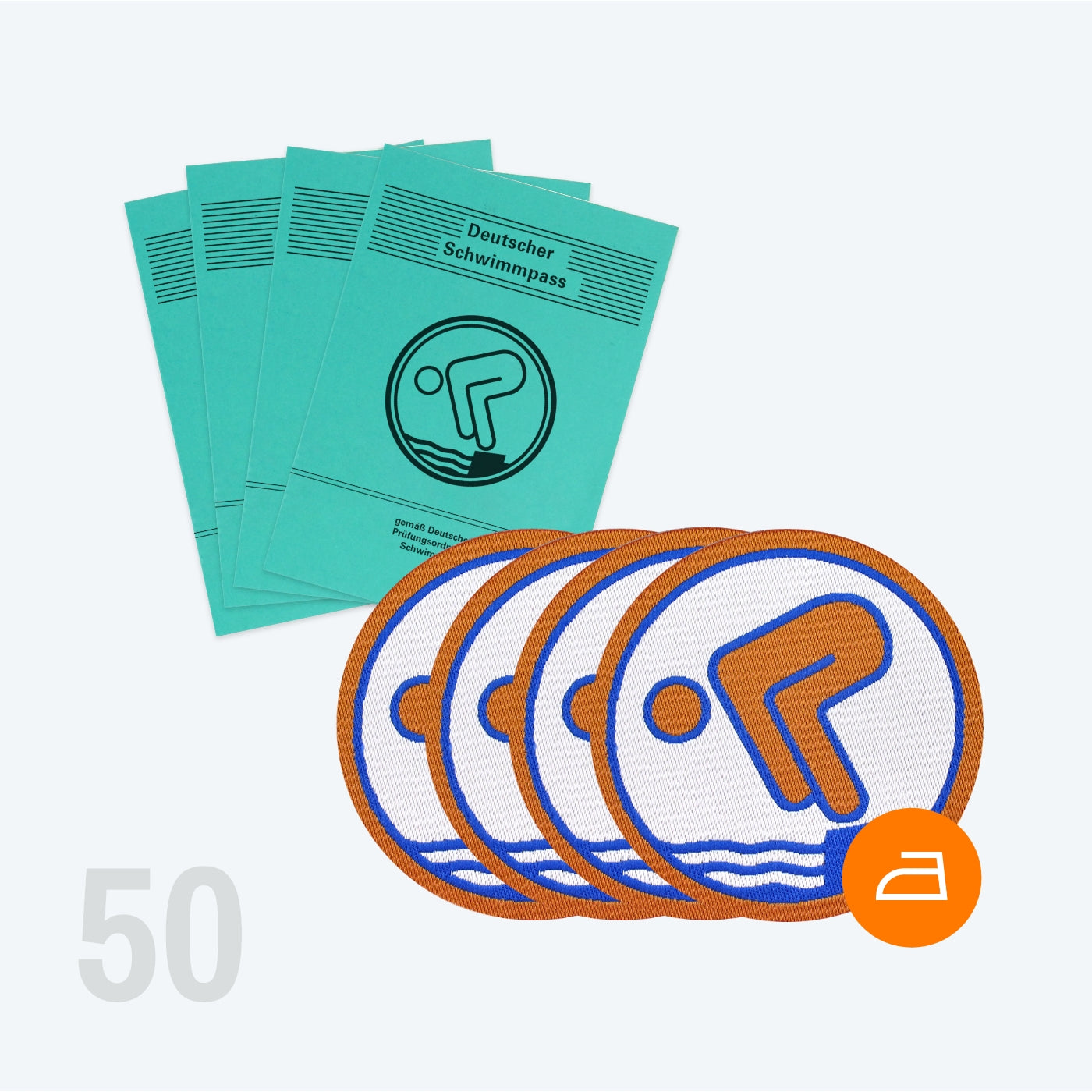
Costs, quality, and safety in swimming courses raise many questions. Parents not only want fair prices but also sustainable learning success and visible progress for their children. This is where Pimpertz comes in. As an official partner of the DLRG and the BFS, we offer everything you need to reward and motivate your child. From certified swimming badges and certificates in child-friendly designs to practical accessory sets for swimming courses and clubs, you will find the right products for every learning level. Our products give learning success the visibility your child deserves and demonstrably strengthen self-confidence.
Gain an advantage in swimming education now and use our professional range. Order directly at https://pimpertz.de and benefit from 38 years of experience, lightning-fast shipping, and official quality. Ensure that your child can proudly look back on their swimming achievements with high-quality badges, certificates, and accessories.
Frequently Asked Questions
How much does a swimming course for children cost?
The costs for swimming courses vary depending on the course type, provider, region, and additional services. Prices can range from approximately 50 euros to over 200 euros.
What influences the prices for swimming courses?
Prices are determined by factors such as course type, difficulty level, infrastructure, qualification of swimming instructors, as well as course scope and group size.
Are there regional differences in swimming course prices?
Yes, prices can vary greatly. Urban areas and large cities often have higher prices than rural regions. Different federal states also offer various funding opportunities for swimming courses.
Why is swimming instruction important for children?
Swimming instruction is crucial for children's safety and development. It helps them learn swimming skills, promotes physical and mental development, and teaches important life-saving skills.