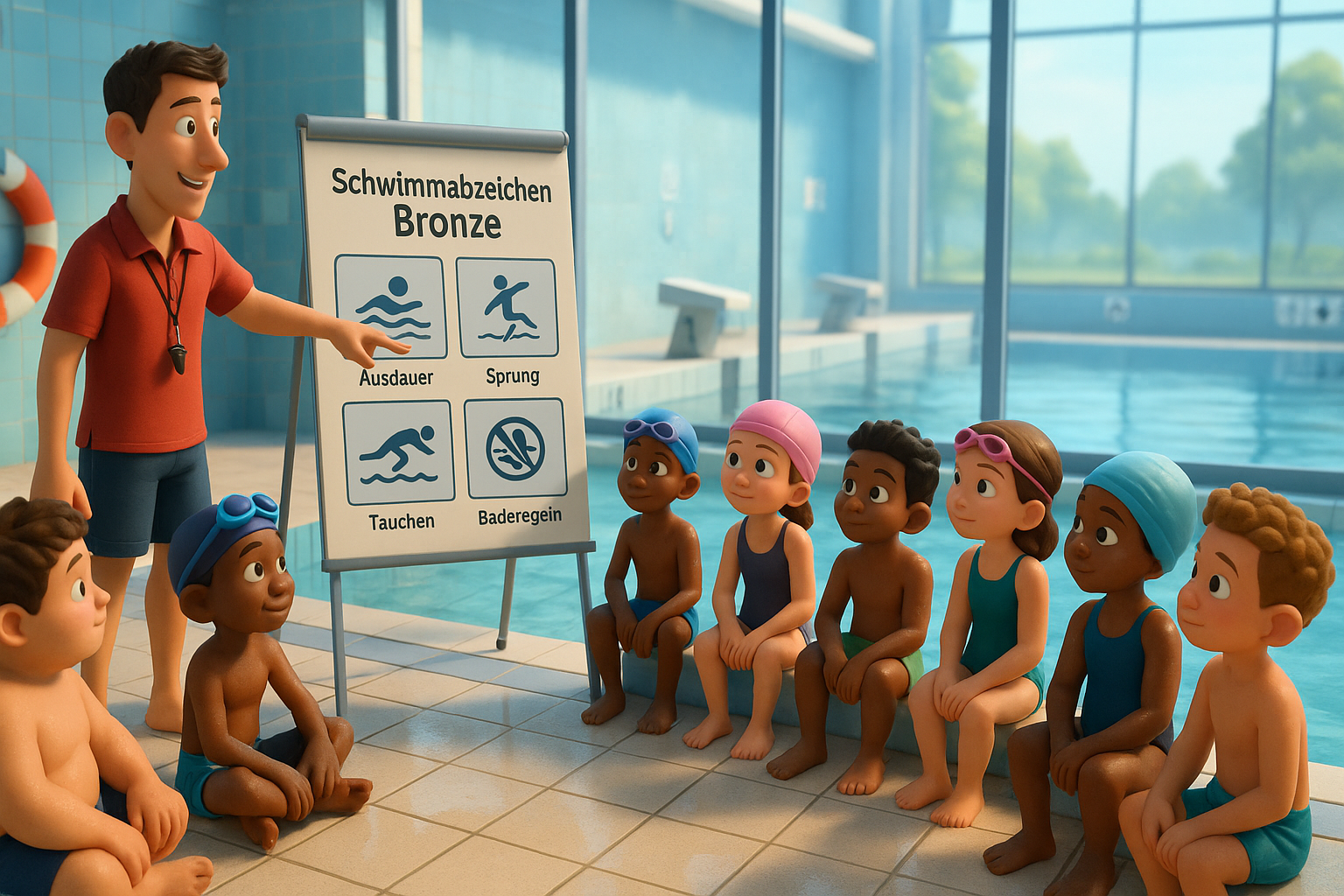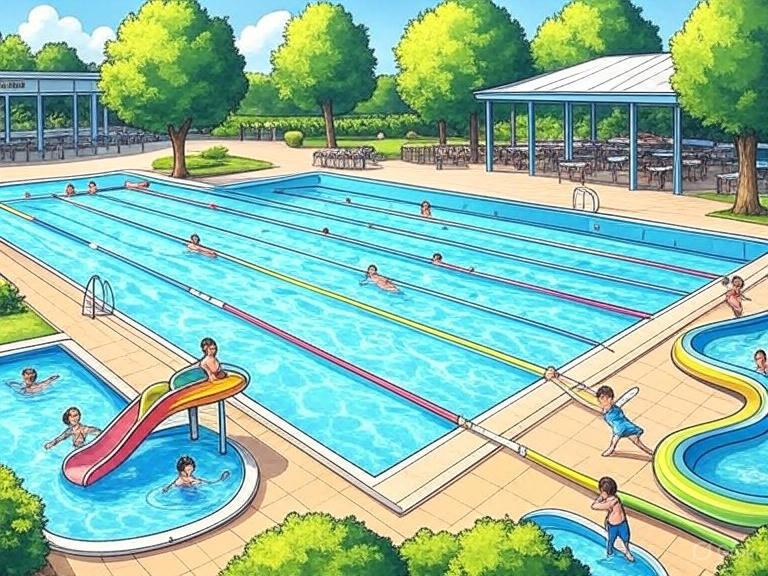

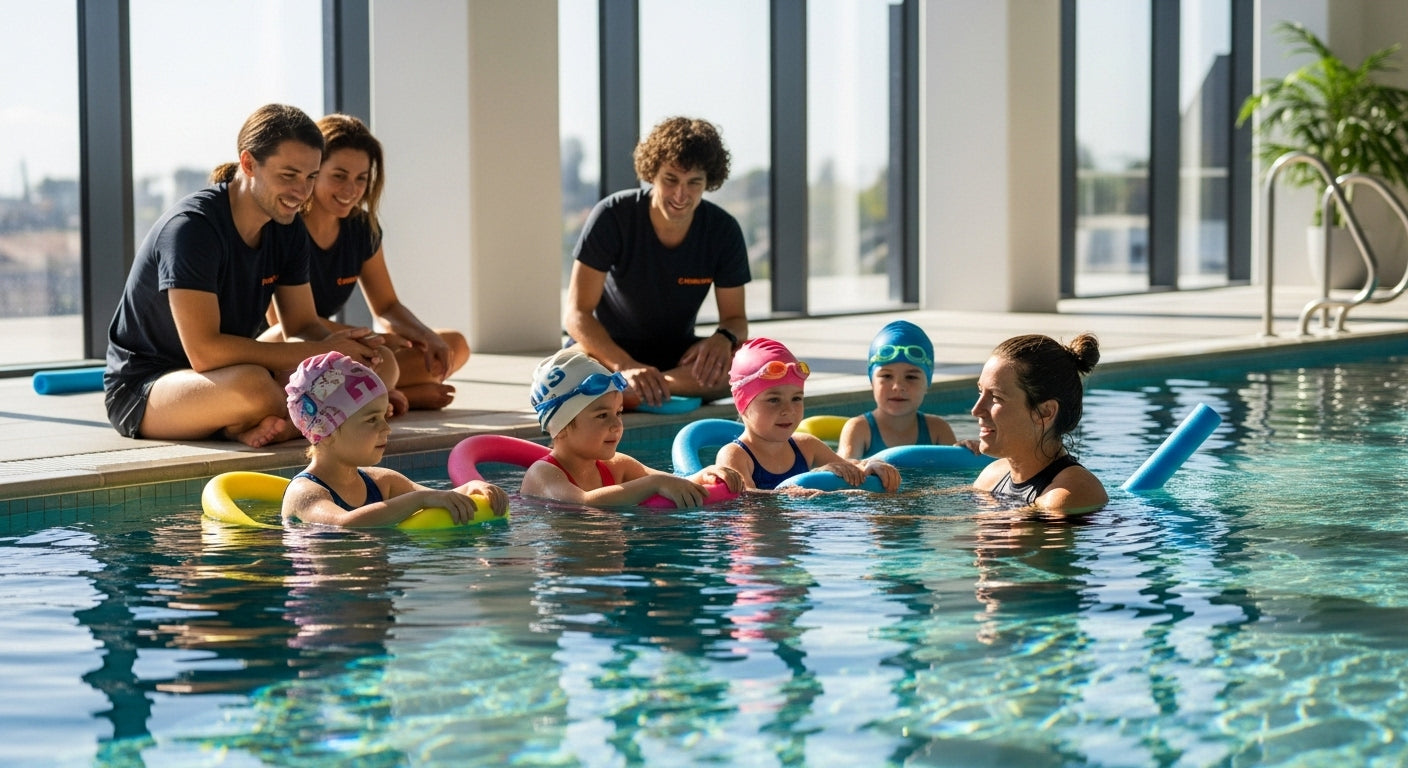
7 Important Tips for Parents and Coaches to Teach Swimming
Learning to swim is the first step towards more independence in the water for many children. But did you know that a well-fitting pair of swimming goggles and chlorine-resistant clothing can measurably increase learning success? Nevertheless, the choice of equipment is not a top priority for many families. Yet it is precisely this that determines whether fear turns into joy and whether children genuinely enjoy going into the water.
Table of Contents
- Choosing the right swimming equipment
- Ensuring safety in the water
- Explaining basic swimming techniques
- Step-by-step guide to practice
- Using games to promote swimming
- Planning regular swimming times
- Giving feedback and tracking progress
Quick Overview
| Key Insights | Explanation |
|---|---|
| Choose appropriate swimming equipment | Pay attention to fit, material, and freedom of movement to support the learning process. |
| Water safety is a priority | Constant supervision and awareness of dangers are crucial to prevent accidents. |
| Learn basic techniques step-by-step | Teach swimming styles age-appropriately and foster confidence and joy in the water. |
| Use games for encouragement | Playful learning is effective to boost motivation and develop skills. |
| Plan regular swimming times | Continuity through weekly swimming sessions strengthens children's self-confidence and abilities. |
1: Choosing the Right Swimming Equipment
Learning to swim begins with the right equipment. For parents and coaches, it is crucial to focus not only on safety but also on comfort and freedom of movement. The selection of appropriate swimming equipment can significantly influence the learning process and boost young swimmers' confidence.
When choosing swimming equipment, you should pay attention to the following aspects:
- Fit: Swimwear must fit perfectly, without pinching or slipping.
- Material: Chlorine-resistant and quick-drying fabrics are ideal.
- Freedom of movement: No restrictive cuts or overly tight fits.
For beginners, experts recommend special swimming aids that support learning without excessively hindering natural movement. Armbands can be helpful but should never replace supervision and professional guidance.
Important equipment for beginner swimmers includes:
- Well-fitting swimming goggles
- Comfortable swimsuit or swim trunks
- Soft swimming noodle
- Practical swimming aids like kickboards
When purchasing swimming equipment, it is advisable to consult our expert selection for swimming lessons to find the optimal equipment for various age groups. Quality and safety should always come first.
For parents and coaches: Invest in high-quality, age-appropriate equipment that combines fun and safety. The right equipment can make the difference between frustration and enthusiasm when learning to swim.
2: Ensuring Safety in the Water
Safety is the top priority when learning to swim. Children must not only learn the correct techniques but also develop an understanding of potential dangers in the water. Constant and attentive supervision is key to accident prevention.
For parents and coaches, water safety means more than just preventing accidents. It's about instilling confidence in children and respect for the element of water. The German Federal Association for More Child Safety recommends a structured approach to water safety.
Important safety aspects when learning to swim:
- Constant supervision by qualified adults
- Learning basic swimming techniques and rescue holds
- Conveying danger awareness and self-assessment
The selection of suitable practice environments is particularly important. Start with shallow, warm water and gradually increase the difficulty. Our guide to swimming courses provides further helpful information on age-appropriate water safety.
Additional safety measures include:
- Using age-appropriate swimming aids
- Regularly checking swimming abilities
- Learning emergency responses and basic first aid
Important to know: Armbands or other aids never replace direct supervision and professional guidance. They can provide additional safety but should not be considered the primary protection.
Through systematic and patient training, children can not only learn to swim but also develop a lifelong understanding of water safety and self-protection.
3: Explaining Basic Swimming Techniques
Learning basic techniques is crucial for every beginner swimmer. Children must be systematically and patiently introduced to the different swimming styles. The focus is not only on technique but also on enjoyment and confidence in the water.
According to expert opinions from school sports, swimming techniques should be taught step-by-step and age-appropriately. The goal is for children to be able to move in the water without fear and with confidence.
Basic elements of swimming techniques include:
- Correct leg kick for crawl and backstroke
- Coordination of arms and legs
- Breathing techniques and head position
- Body position and core tension in the water
A playful approach is important, helping children learn movement sequences intuitively. In our guide to swimming lessons, you will find further tips for age-appropriate instruction.
Initially, coaches and parents should follow these steps:
- Demonstrate movements on land first
- Break down complex techniques into individual steps
- Show positive reinforcement and patience
- Respect individual learning paces
Advanced swimming techniques such as crawl, backstroke, breaststroke, and butterfly require different movement patterns. It is important for children to first develop fun and confidence in the water before complex techniques are taught.
Through structured and motivating training, children can not only learn to swim but also develop self-confidence and joy in this vital skill.
4: Step-by-Step Guide to Practice
Systematic practice is the key to successful swimming instruction. Every child has an individual learning pace, so it is important to be patient and encouraging. The practice process should be playful and free of performance pressure.
According to expert recommendations, children best start with backstroke, as this swimming style is the easiest to learn. This is followed by crawl and finally the more complex breaststroke technique.
Practice steps for beginners:
- Water familiarization and building trust
- Learning body tension in the water
- Practicing basic movements
- Training breathing techniques
A structured approach is important, offering children security and a sense of achievement. Our guide to swimming lessons supports parents and coaches in targeted practice design.
Additional practice tips:
- Short but regular training sessions
- Positive reinforcement and praise
- Varied practice forms
- Patience and respecting individual progress
Focus on fun and confidence, not on perfect technique. Children learn best when they develop joy in movement in the water. Every small success strengthens their self-confidence and motivates them to continue practicing.
Always consider the child's individual needs and fears. A supportive, fear-free learning approach is crucial for long-term success in learning to swim.
5: Using Games to Promote Swimming
Playful learning is the key to successful swimming instruction. Children learn best when they are having fun and don't feel performance pressure. Targeted swimming games can increase motivation and simultaneously teach important water techniques in a playful way.
According to pedagogical studies, movement experiences in water are crucial for a successful learning process. Games help children overcome inhibitions and develop confidence in their abilities.
Effective swimming games for beginners:
- Playing "Waterman" (or "mermaid")
- Seahorse race
- Collecting diving rings
- Swimming noodle obstacle course
Choosing the right games is important, being both entertaining and educational. Our guide to swimming courses offers additional inspiration for age-appropriate activities.
Additional game tips for coaches and parents:
- Adapt games to swimming abilities
- Create a positive atmosphere
- Encourage children without overwhelming them
- Regularly introduce new games
Creativity and variety are crucial. The more fun children have while swimming, the faster and more sustainably they learn. Try to incorporate at least one motivating game into each training session.
Always consider the individual needs and abilities of each child. A playful approach can alleviate fears and sustainably promote joy in swimming.
6: Planning Regular Swimming Times
Consistency is the key to success in learning to swim. Regular swimming times help children develop confidence and continuously improve their skills. The more frequently children are in contact with water, the faster and more naturally they will move.
According to expert recommendations, children should be given sufficient opportunities to practice and consolidate their swimming skills. Structured time planning is crucial for learning success.
Recommended swimming time planning:
- Swim at least 1-2 times per week
- Training sessions of 30-45 minutes
- Choose consistent training times
- Plan sufficient rest breaks
A balanced and flexible approach is important. Our guide to swimming courses offers additional support for time planning.
Additional planning tips for parents and coaches:
- Consider individual learning paces
- Prioritize motivation and fun
- Adjust swimming times to age and abilities
- Conduct regular progress assessments
Consider the child's needs and limits. Not every child learns at the same pace, and pressure can be counterproductive. A positive, supportive atmosphere that fosters joy and confidence is important.
Thoughtful and consistent time planning helps children experience swimming as a natural and joyful activity. Remain patient and motivating on the way to becoming a confident swimmer.
7: Giving Feedback and Tracking Progress
Constructive feedback is key to motivation when learning to swim. Parents and coaches play a crucial role in encouraging children and positively guiding their development. The right way to handle progress can sustainably strengthen self-confidence and joy in swimming.
According to expert recommendations, it is important to focus on successes and individual progress rather than making comparisons. Every child learns at their own pace.
Effective feedback strategies:
- Give specific and positive feedback
- Acknowledge small progress
- Emphasize personal development
- Present mistakes as learning opportunities
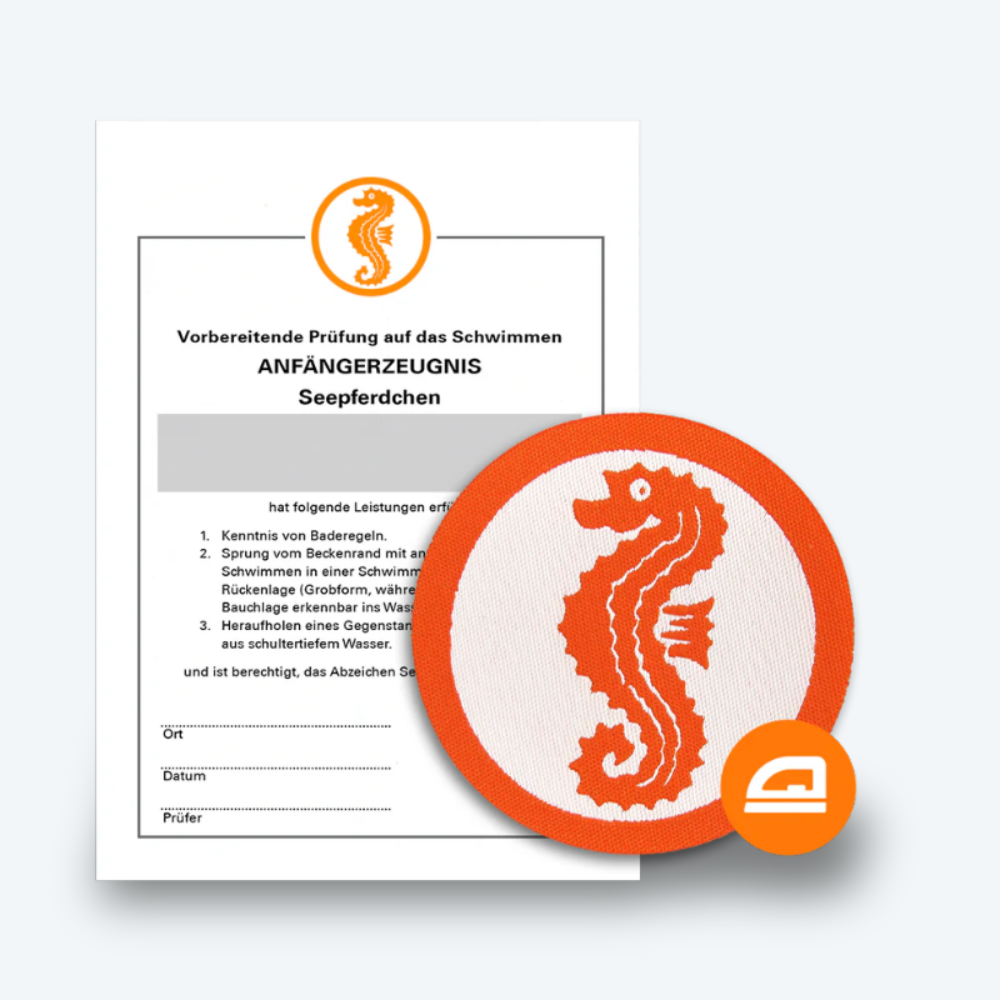
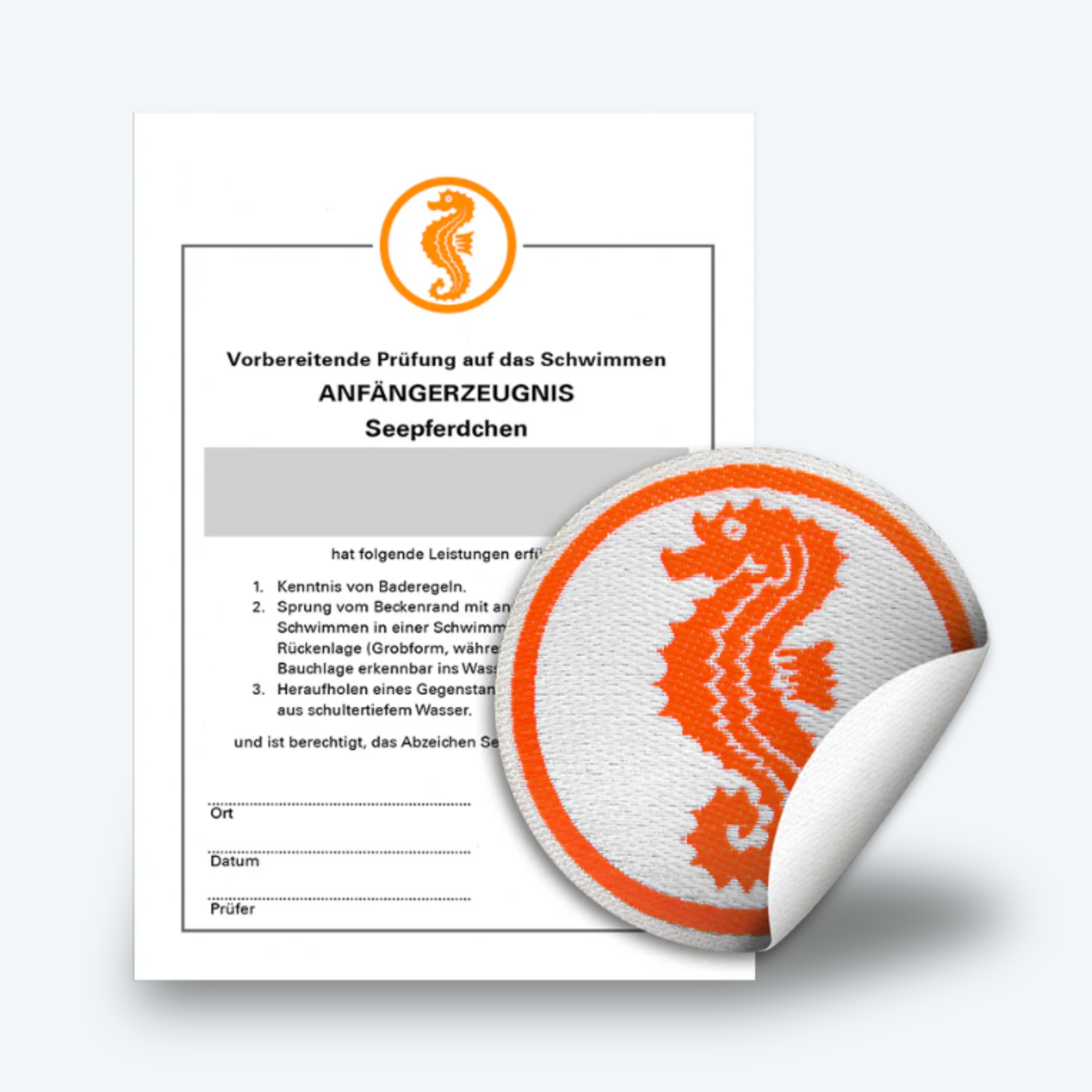
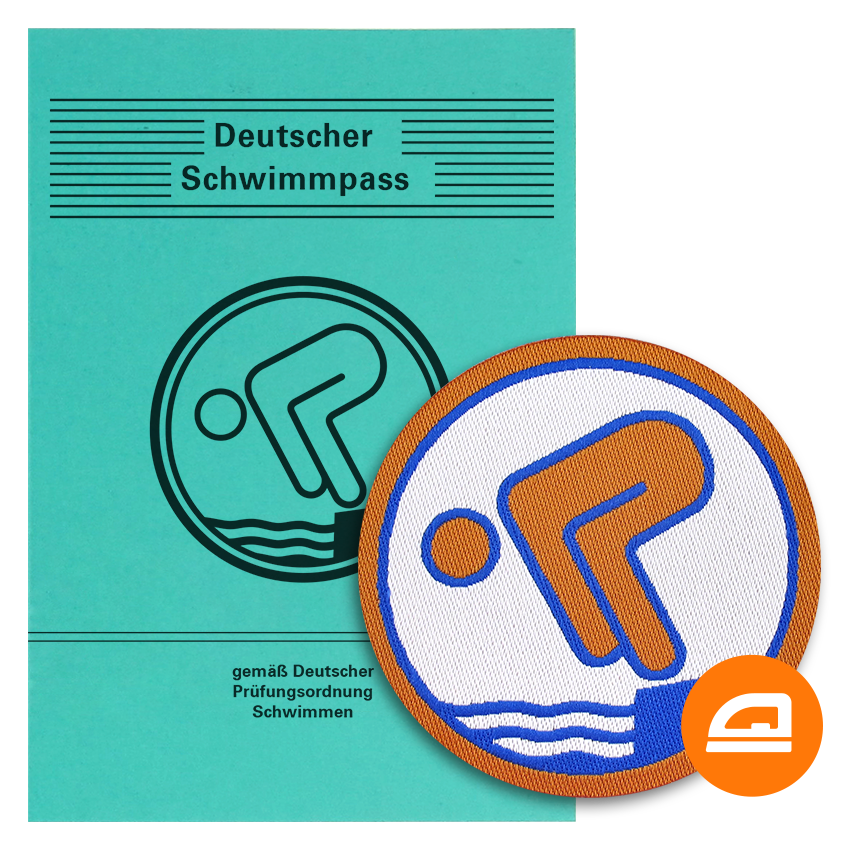
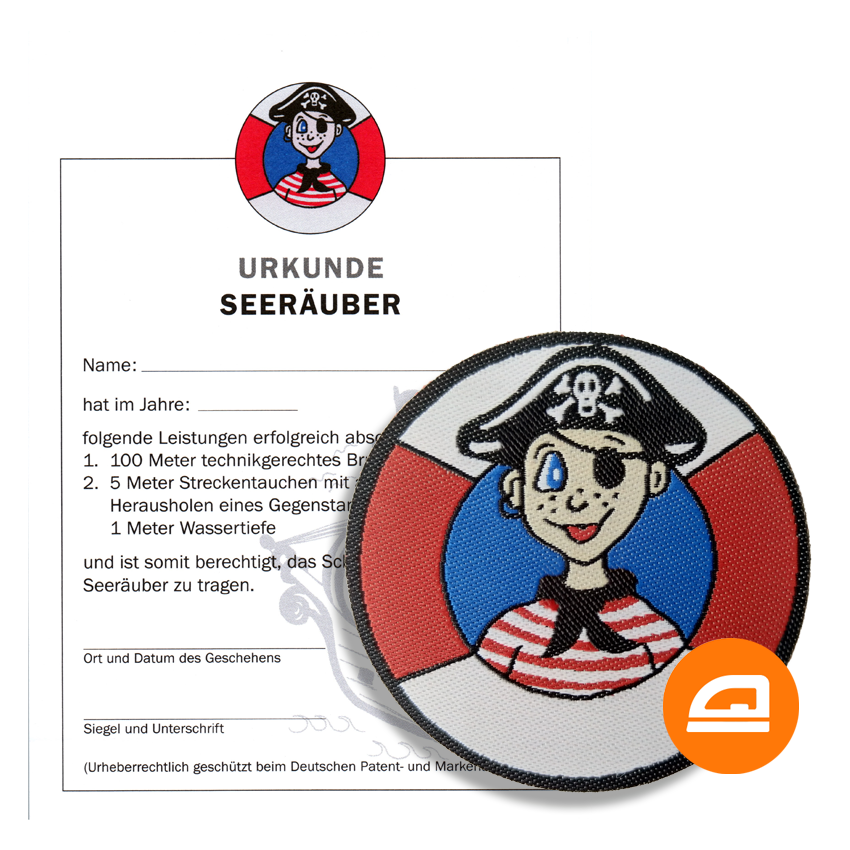
Documenting progress is crucial. Our guide to swimming badges offers ways to record developmental steps.
Tips for tracking progress:
- Conduct regular development talks
- Photo documentation or video recordings
- Create individual development curves
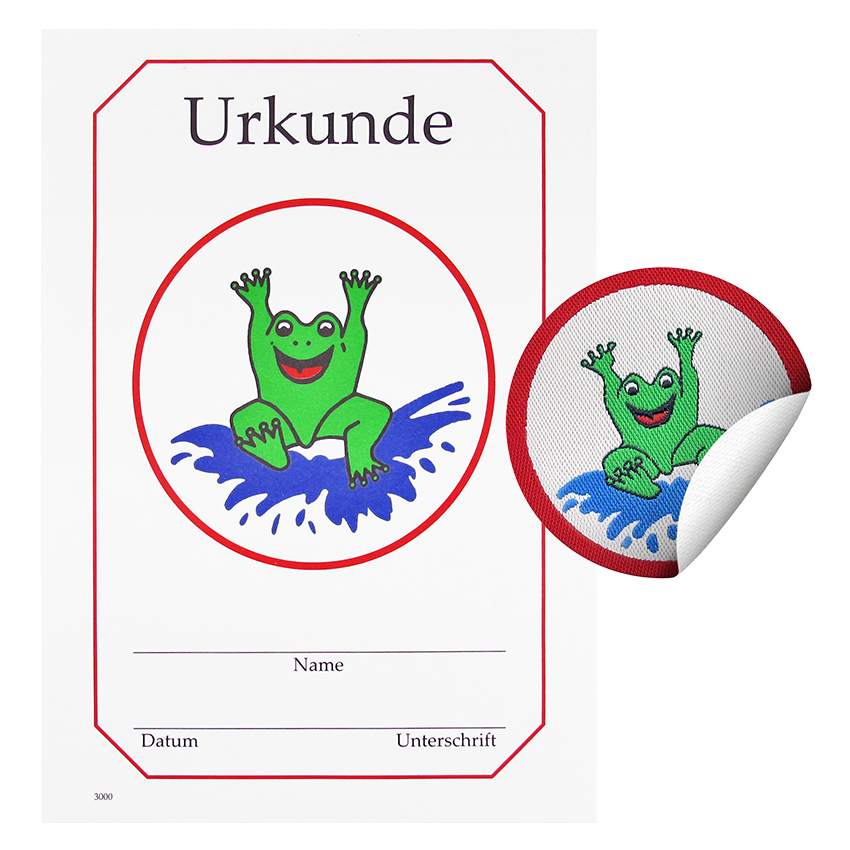
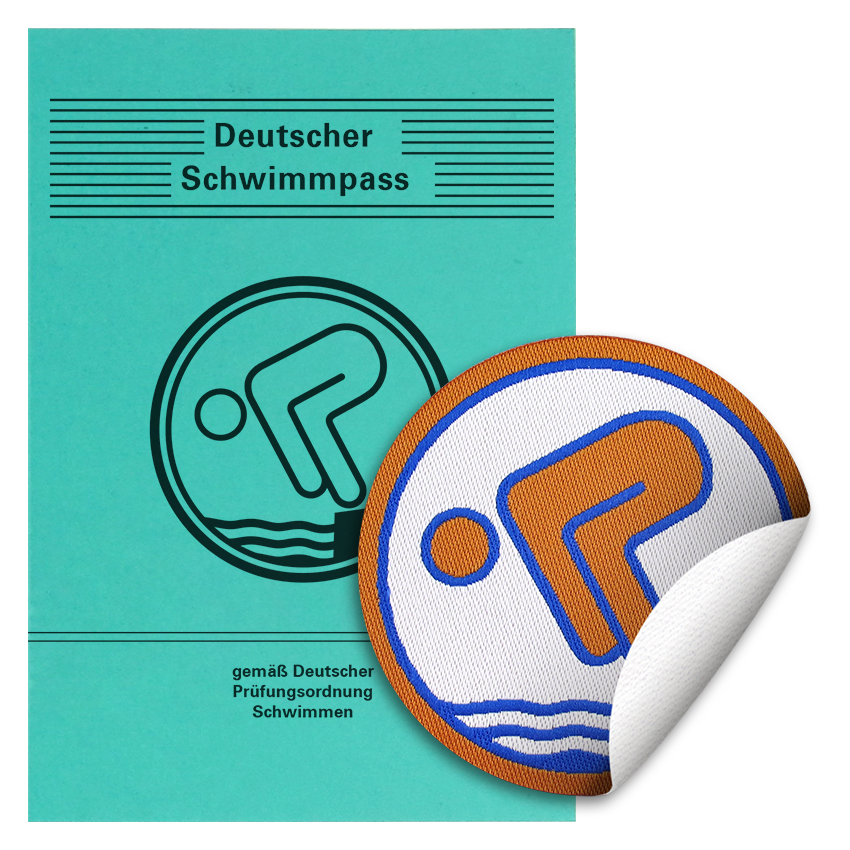
- Use badges and certificates as motivational aids
Avoid criticism that could undermine self-confidence. Instead, parents and coaches should create a supportive atmosphere that encourages and instills joy in learning.
The goal is to motivate children and foster their enthusiasm for swimming. Regular, constructive feedback helps them overcome challenges and enjoy their development.
Below you will find a comprehensive table summarizing the most important content and recommendations of the article, so you can quickly get a complete overview of all swimming learning tips.
| Topic | Key Insights | Practical Implementation and Benefits |
|---|---|---|
| Choosing appropriate swimming equipment | Well-fitting, chlorine-resistant clothing and swimming goggles promote comfort, self-confidence, and willingness to learn | Purchase quality products, focus on freedom of movement, and seek expert advice |
| Ensuring safety in the water | Constant supervision, danger awareness, and age-appropriate environment are fundamental | Adult supervision, practicing rescue holds, knowing emergencies and swimming abilities |
| Teaching basic techniques step-by-step | Playful, patient approach, age-appropriate swimming styles, breaking down techniques into sub-steps | First foster fun and confidence, explain techniques on land, respect individual learning paces |
| Guiding systematic practice | Structured approach without pressure, short and regular units increase motivation and learning progress | Water familiarization, practicing core tension and breathing, giving praise |
| Using games to promote swimming | Fun and playful learning reduce fears, make technique training motivating | Varied games (Waterman, races), create a positive atmosphere |
| Planning regular swimming times | Consistency through 1-2 times per week, constant times, individually adaptable | Structure training units, plan breaks, regularly check learning status |
| Feedback and tracking progress | Constructive, positive feedback and documentation promote self-confidence and development | Recognize small goals, conduct development talks, use badges and certificates |
Your Next Step: Guiding Swimming Learning Safely and Motivatingly
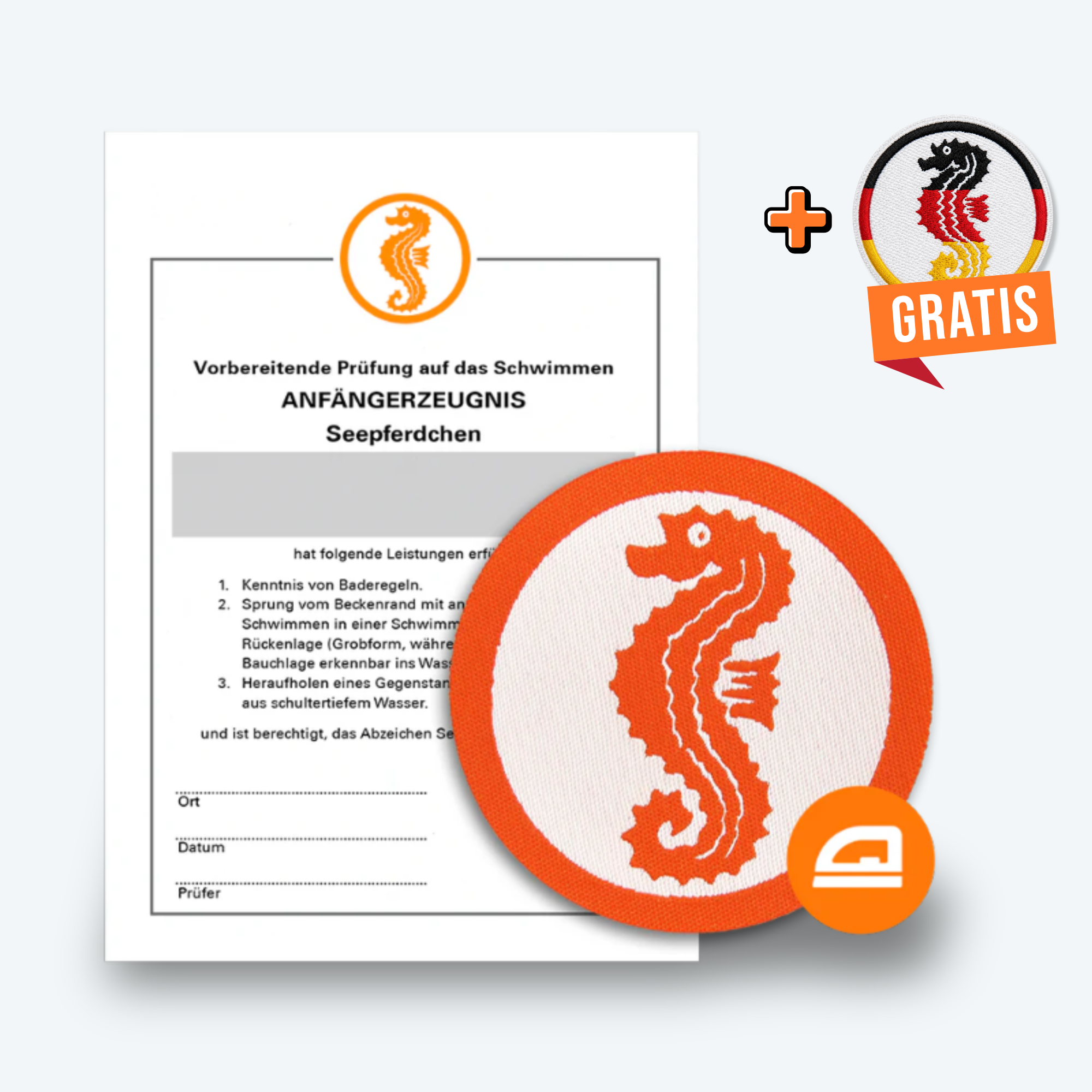
Many parents and coaches wonder how to teach children to swim safely and with joy. Besides the right equipment and continuous motivation, sustainable recognition like a swimming badge is often a crucial driver. By making learning progress visible, you create pride and strengthen children's confidence in their abilities. The tips on safety, feedback, and game motivation described in the article can be optimally implemented by supporting the joint learning journey with badges, certificates, and age-appropriate accessories.
Use the proven solutions from Pimpertz for your swim training now. Discover originally certified swimming badges and child-friendly certificates for your swimming courses or as a rewarding motivation after every challenge. Benefit from personal advice, fast delivery times, and over 38 years of experience. Choose the right products today and make every swimming experience a lasting success.
Frequently Asked Questions
How do I choose the right swimming equipment for my child?
The right swimming equipment should fit well, be made of chlorine-resistant materials, and offer sufficient freedom of movement. Pay attention to suitable swimwear, swimming goggles, and appropriate swimming aids.
What are effective tips for ensuring safety when learning to swim?
Constant supervision by adults, learning basic swimming techniques, and an awareness of potential dangers in the water are essential for children's safety when learning to swim.
How can I track my child's swimming progress?
Document progress through regularly held development talks, photo documentation, or by creating individual development curves to acknowledge achievements.
What games can I use to promote my child's swimming skills?
Games like Waterman, seahorse races, and swimming noodle obstacle courses are effective in playfully introducing children to swimming and improving their skills.