

Swimming in Physical Education: Why It's So Crucial for Children
According to studies, over 50 percent of primary school children in Germany leave school without being able to swim safely. This figure highlights the importance of targeted swimming lessons for children. Swimming in lessons not only means technical training but also imparts essential life skills such as safety, self-confidence, and teamwork. The following overview sheds light on what contemporary swimming lessons truly entail and why they are indispensable for children's development.
Table of Contents
- What exactly does swimming in lessons mean?
- Variants and learning levels in school swimming
- Prerequisites & legal framework
- Safety and supervisory duties in swimming lessons
- Challenges and possible solutions
Key Insights
| Point | Details |
|---|---|
| Swimming instruction as a holistic process | Swimming in lessons not only promotes swimming techniques but also physical fitness and social skills. |
| Differentiation in instruction | Teachers should divide students into performance groups to address individual abilities. |
| Importance of safety | Strict legal frameworks and supervisory duties are essential to ensure the safety of children in the water. |
| Resource management and cooperation | Innovative approaches and external collaborations can help optimize limited resources and enrich instruction. |
What exactly does swimming in lessons mean?
Swimming in sports education means much more than just learning swimming techniques. It is a comprehensive process that combines physical abilities, safety knowledge, and motor development. Swimming lessons aim to teach children fundamental water movements, breathing techniques, and safety strategies.
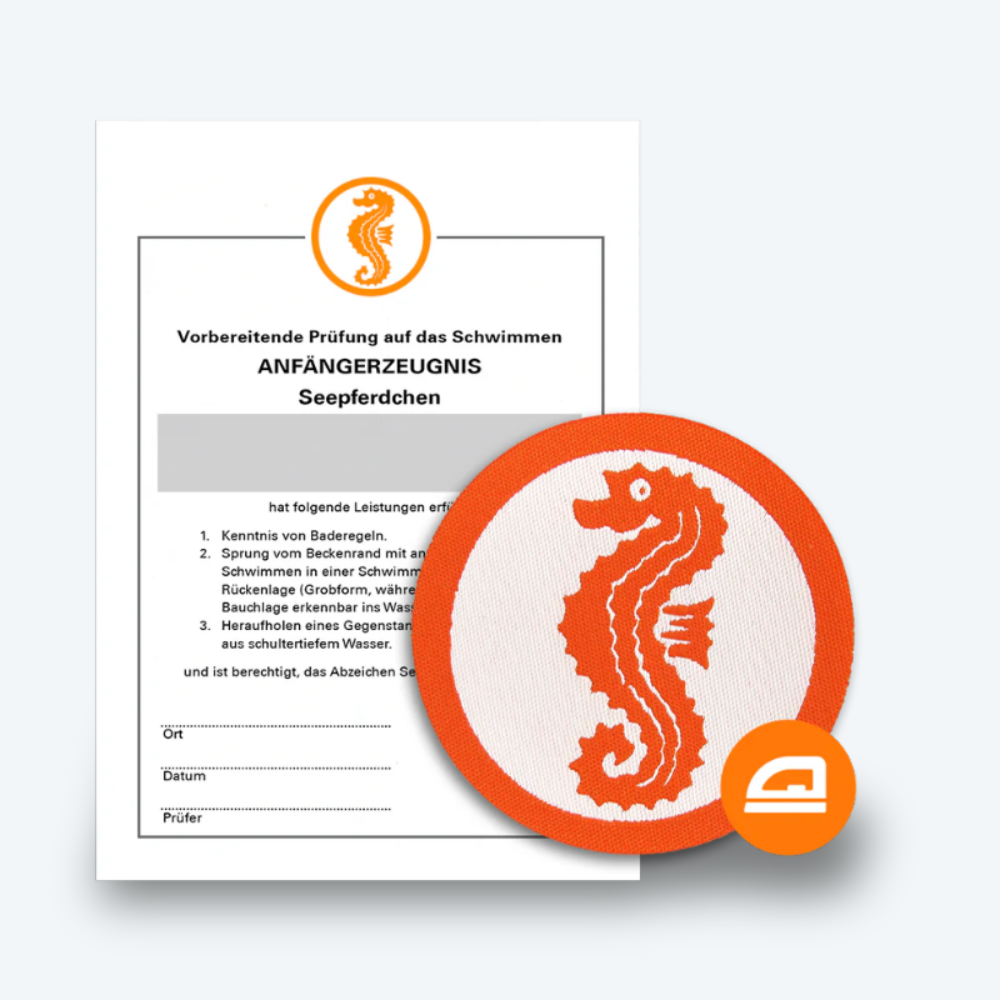
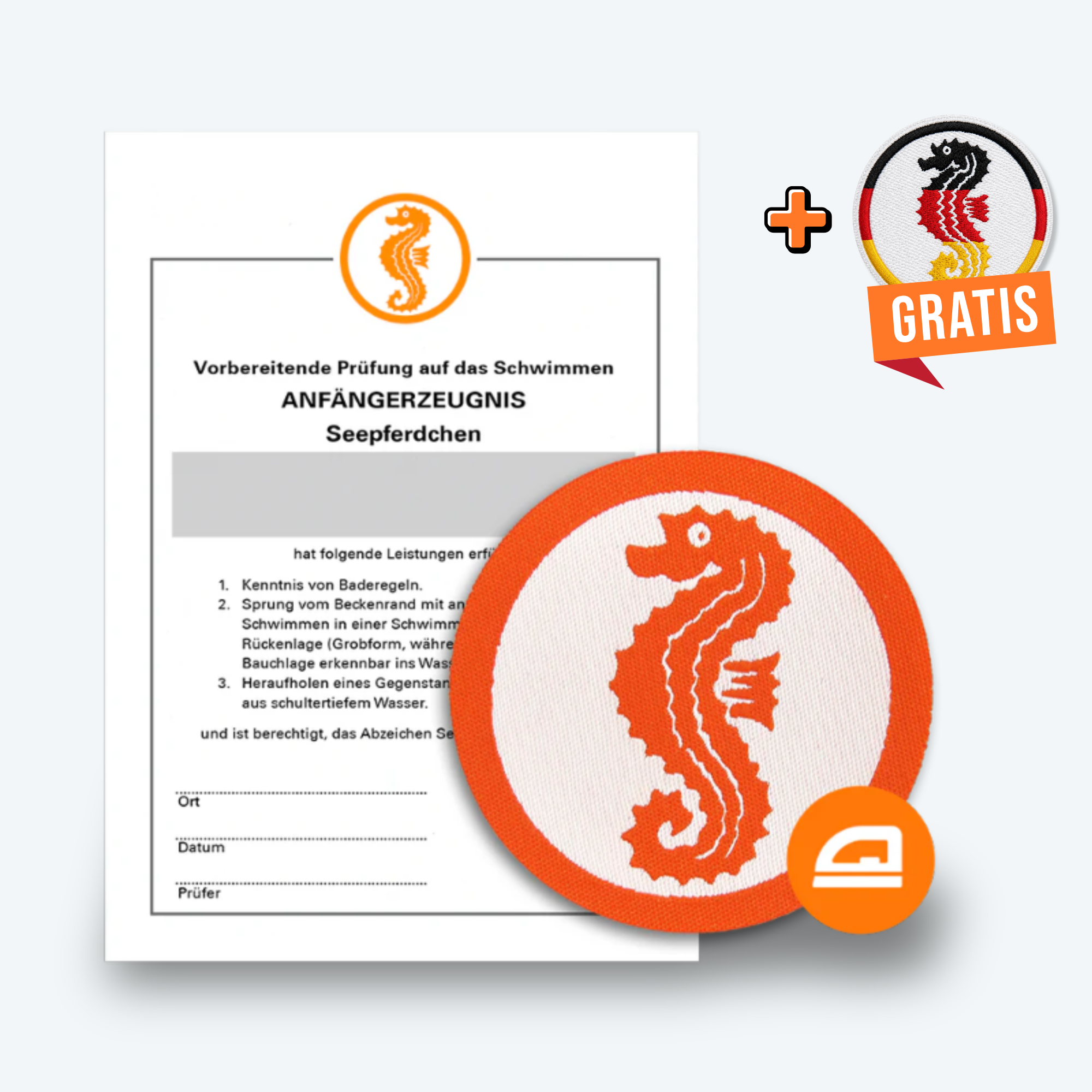
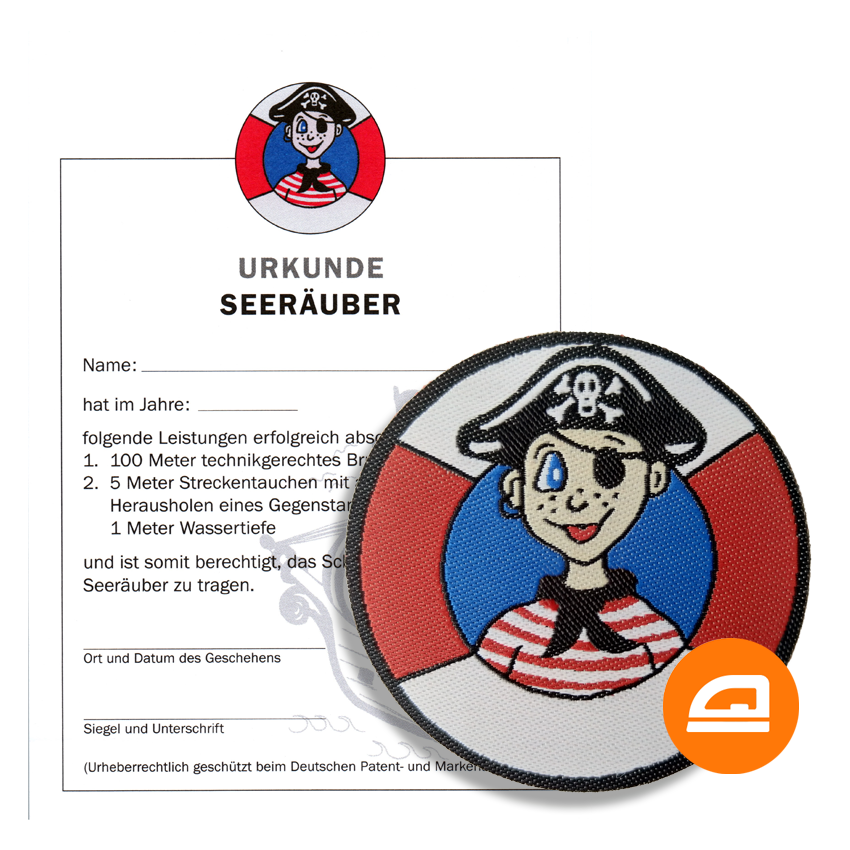
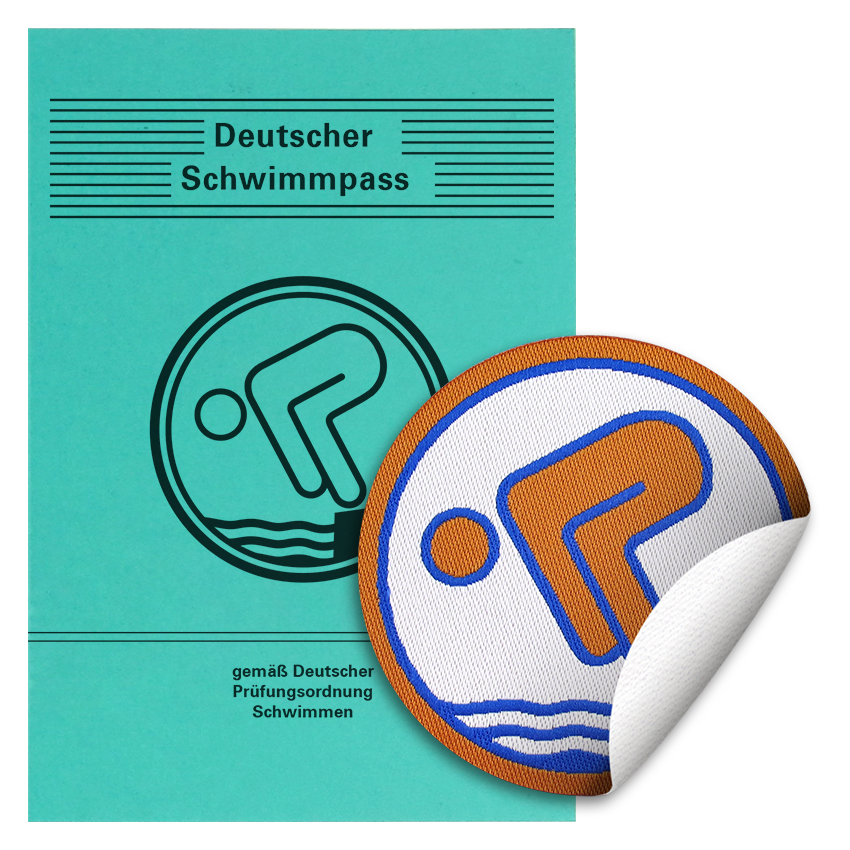
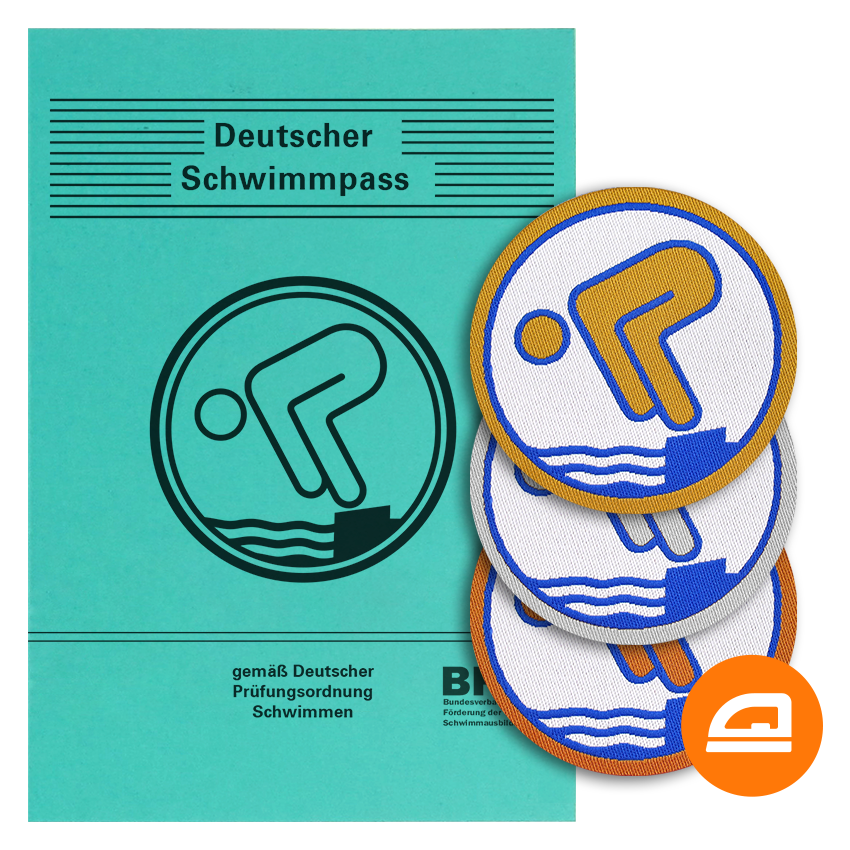
In practice, swimming in lessons includes several key aspects: First, children learn the basics such as water entry, gliding movements, and elementary swimming styles like breaststroke or backstroke. For primary school children, there are specific swimming badges that document progress and motivate them.
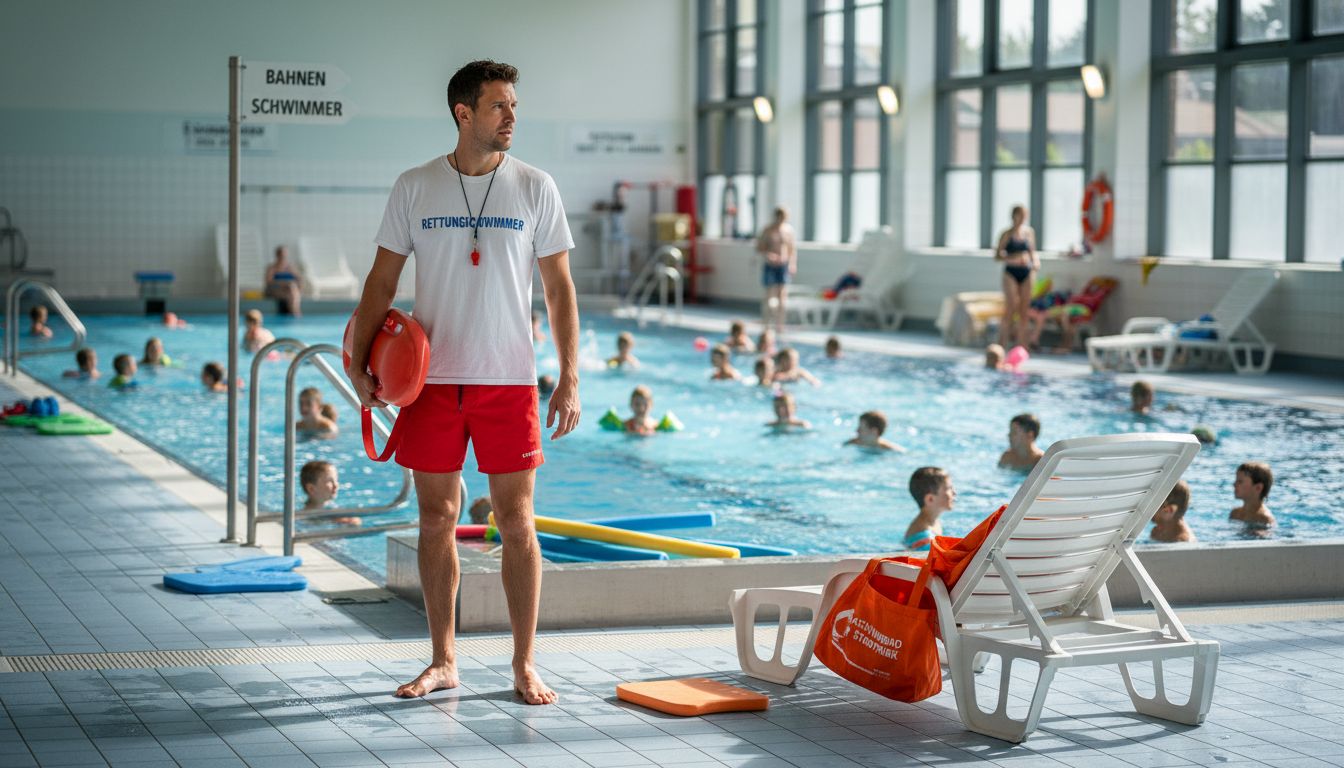
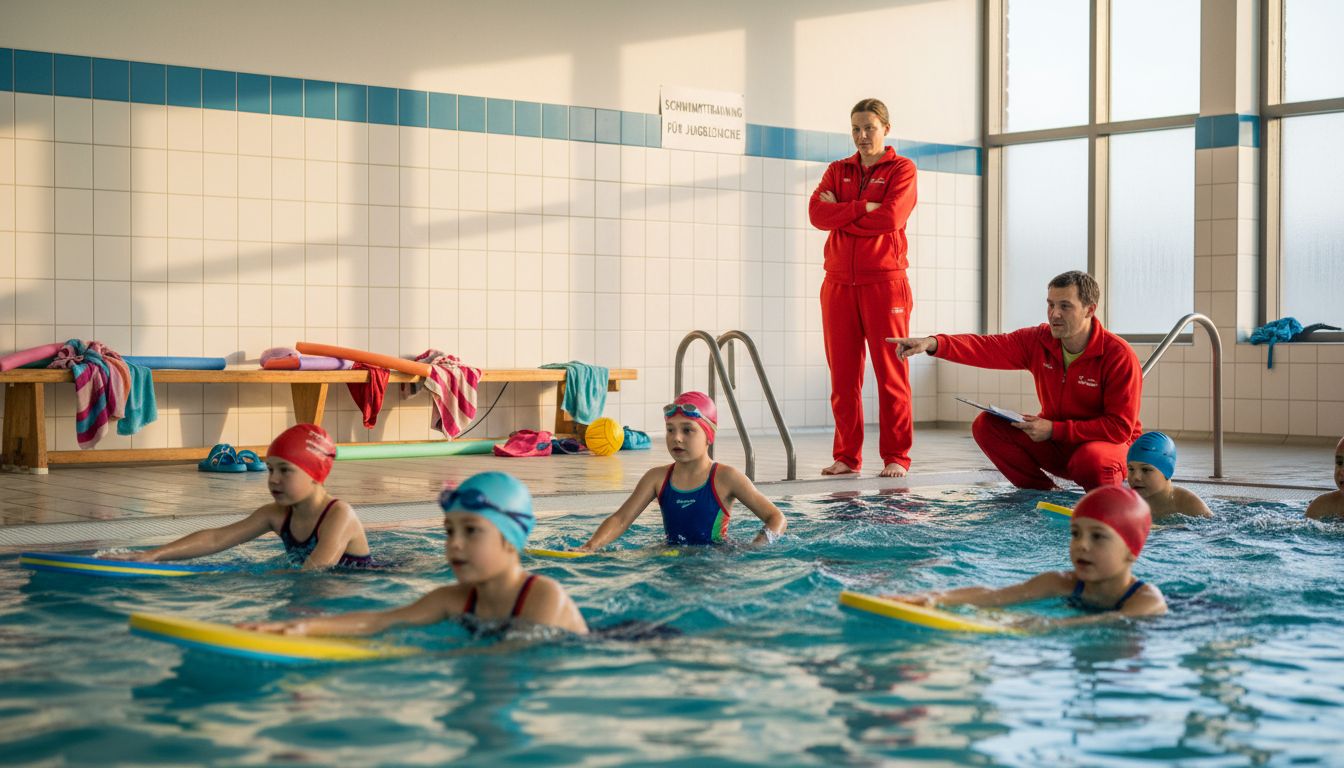
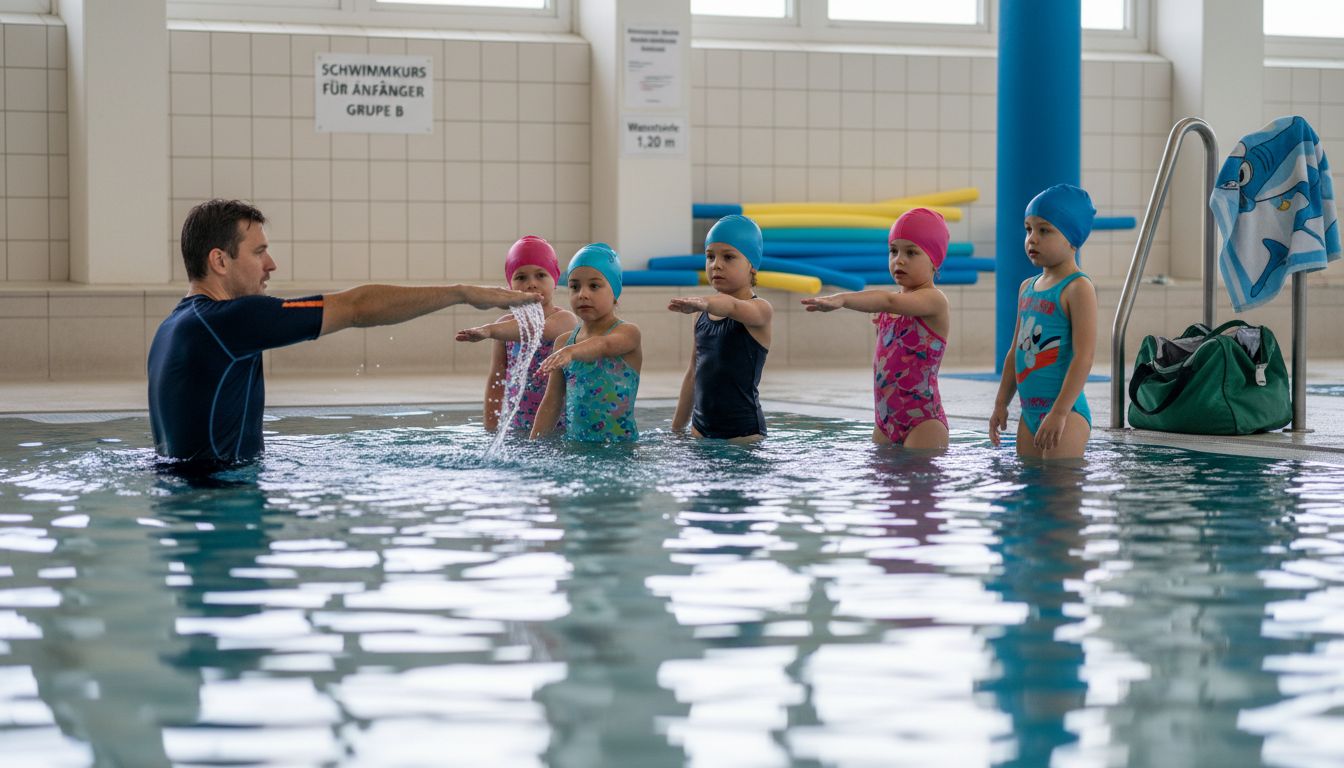
Swimming lessons are typically conducted in specially equipped indoor pools or school pools. Professional swimming instructors work with small groups to ensure individual learning pace and safety. In addition to technical skills, important aspects such as water safety, rescue techniques, and self-confidence in the water are also taught. Teachers pay particular attention to creating a positive and fear-free learning atmosphere where children feel safe and motivated.
For children, swimming lessons mean not only learning a sport but also holistic development. They not only train their physical fitness but also develop social skills such as teamwork, discipline, and perseverance. The skills learned extend far beyond swimming lessons and can have positive lifelong effects.
Variants and learning levels in school swimming
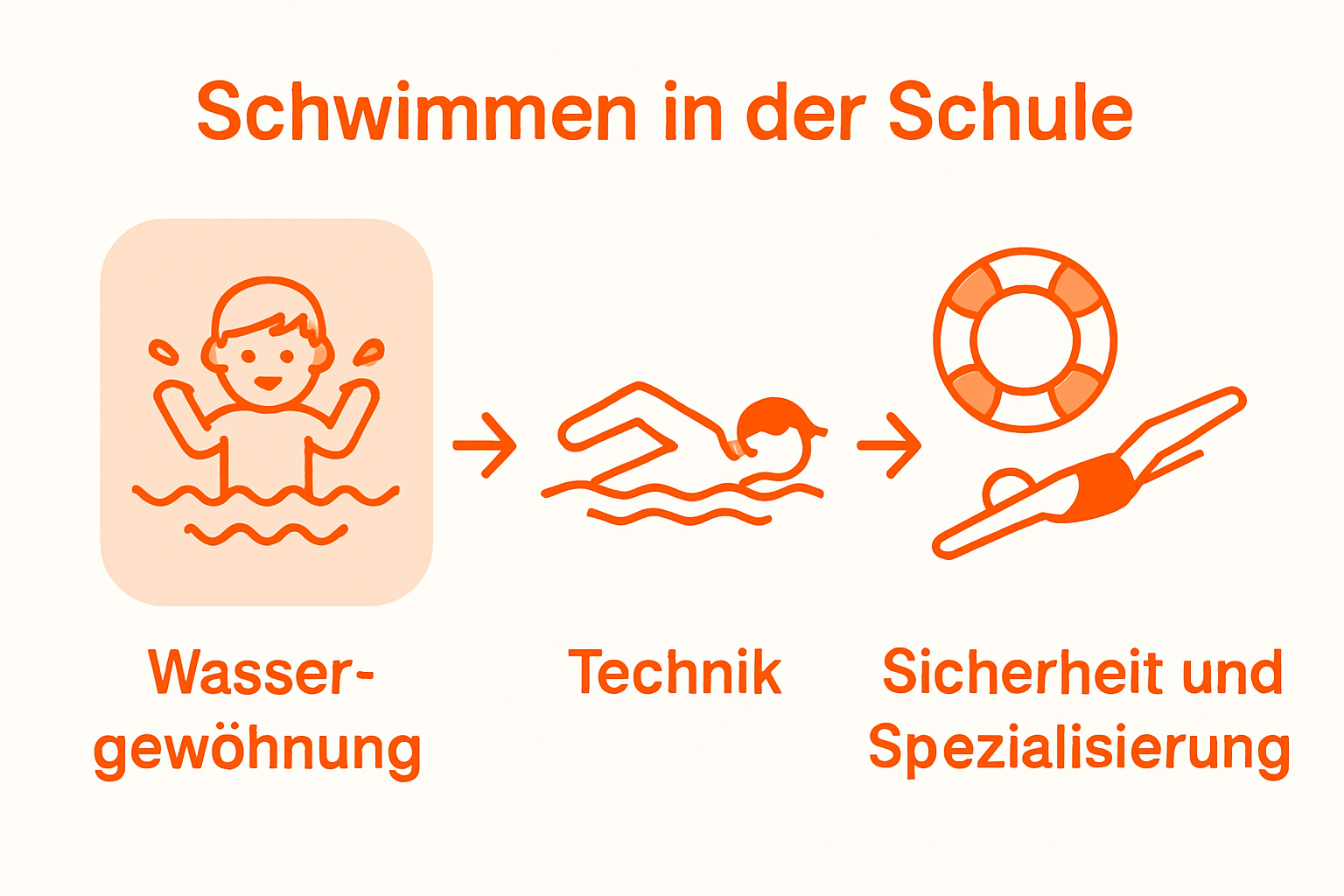
School swimming instruction is a systematic process that gradually introduces children to various water sports and swimming techniques. The learning levels in school swimming differ depending on age and individual abilities and comprise several basic phases.
The first stage is water familiarization. Here, children learn to move safely and relaxed in the water. They acquire basic skills such as water entry, diving, gliding, and buoyancy techniques. The second stage, water mastery, involves learning initial swimming techniques. Children begin with simple movements such as breaststroke and develop confidence in their own abilities.
After water mastery, the phase of technical swimming follows. Here, advanced swimming techniques such as backstroke and freestyle are taught. Additionally, rescue techniques, diving, and jumping are integrated into the lessons. In many primary schools, swimming lessons comprise two hours a week in the third and fourth grades to ensure comprehensive training.
The final stage focuses on specialization and safety. Children learn to combine different swimming styles, improve their stamina, and master basic rescue techniques. The goal is not only to train technically proficient swimmers but also to strengthen self-confidence and safety in the water. Swimming instruction is therefore much more than a sporting activity – it is an important life skill.
Prerequisites & legal framework
School swimming instruction is subject to strict legal regulations that ensure the safety and quality of swimming education. Teachers must possess verifiable rescue skills to be allowed to conduct swimming lessons. This specifically means that they must have at least the German Lifesaving Certificate in Bronze or a comparable qualification.
Among the most important personal prerequisites, in addition to rescue skills, are regular professional development courses. Swimming instructors must demonstrate not only theoretical knowledge but also practical skills. They must be able to teach children of various performance levels, recognize dangerous situations, and react quickly. The Accident Insurance Fund NRW emphasizes the importance of continuous training to guarantee the safety of students.
In addition to personal requirements, there are also infrastructural framework conditions. Swimming pools must meet certain safety standards, such as sufficient rescue equipment, clear visibility, and age-appropriate water depths. In addition, schools must obtain consent forms from parents and develop detailed safety concepts. This includes aspects such as group size, supervision ratios, and individual support.
Ultimately, the legal framework aims to ensure the highest possible protection and optimal education. It not only protects the children but also provides teachers with a clear framework for action. Swimming lessons are thus much more than a sporting activity – they are a complex pedagogical and legally regulated educational offering with the highest safety standards.
Safety and supervisory duties in swimming lessons
The duty of supervision in swimming lessons is a responsible and complex task that goes far beyond simple supervision. Teachers must continuously and actively act preventively to ensure the safety of all students and to avoid potential dangerous situations.
Preventive safety measures include several central aspects. Teachers must first know and assess the individual swimming abilities of each child. This means dividing children into performance groups, identifying at-risk students, and developing appropriate support measures. Safety measures in school swimming always take into account the individual abilities of the students to create a safe learning environment.
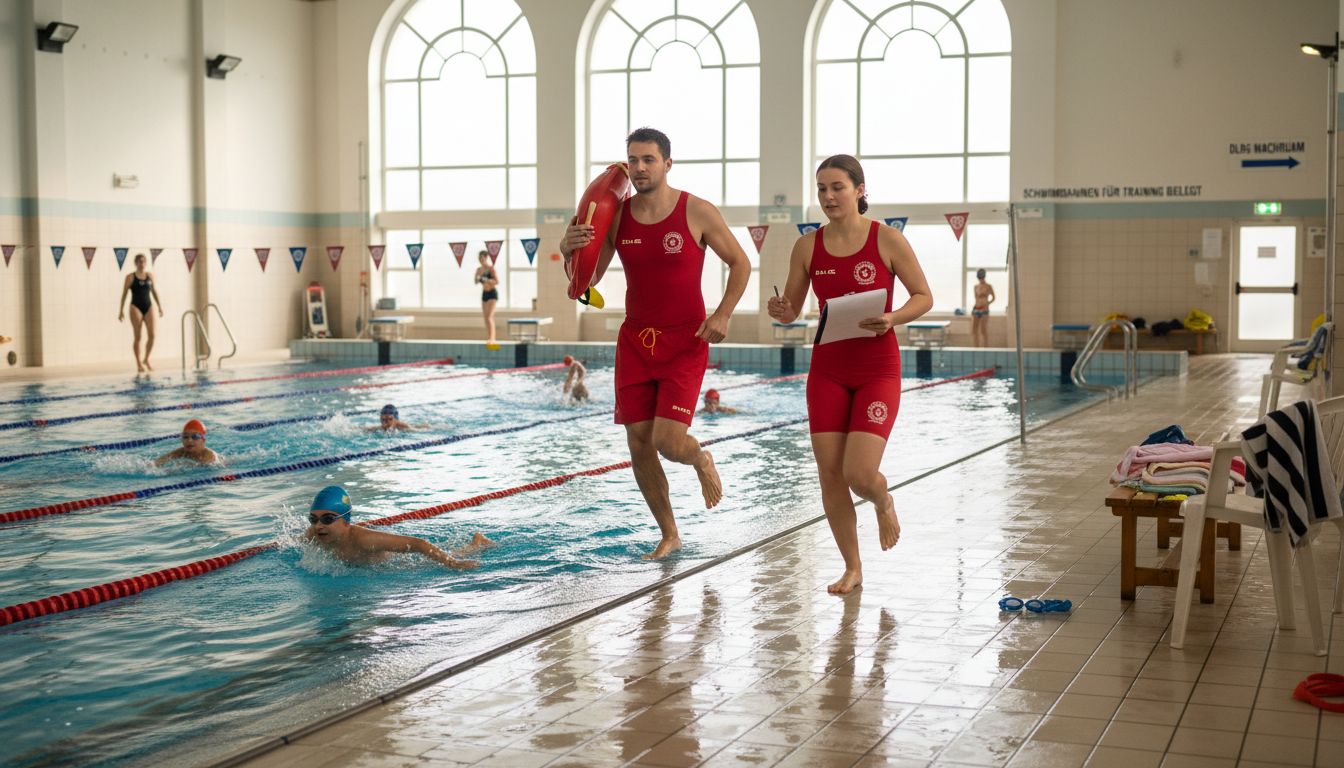
Specific supervisory duties include constant visual control of the entire water area, recognizing dangerous situations, and the ability to react quickly and professionally. Teachers must not only be able to swim but also master rescue techniques. They bear full responsibility for the physical integrity of the children and must be able to manage even complex rescue situations.
The legal and pedagogical requirements for the duty of supervision are enormous. They require not only technical skills but also psychological dexterity to motivate children while ensuring their safety. Responsible swimming instruction means minimizing risks, building trust, and simultaneously imparting joy and safety in the water to children.
Challenges and possible solutions
Swimming lessons in schools face diverse challenges that require a creative and individual approach. One of the biggest difficulties is the differing starting points of the children - from absolute beginners to already confident swimmers, all must be supported in the same lesson.
A central solution strategy lies in differentiating instruction. Teachers can divide students into different performance groups and develop targeted exercises that challenge both beginners and advanced learners. Individualized support can be additionally motivated by the use of special swimming badges for various performance levels.
Another challenge is the often limited resources such as water space, budget, and personnel. Here, innovative solutions such as tandem principles, mutual coaching among students, and the use of digital learning media can help. Additionally, external collaborations with swimming clubs or professional swimming coaches can enrich instruction and bring in expertise.
In the long term, overcoming these challenges requires a holistic approach. This means continuous teacher training, open communication with parents and students, and a willingness to flexibly adapt teaching concepts. Only in this way can it be ensured that each child is individually supported and develops a love for swimming.
Effectively promoting and securing swimming in lessons
Swimming lessons in sports education present teachers and schools with major challenges, such as the individual promotion of children with very different swimming abilities and compliance with high safety standards. Especially the teaching of swimming techniques and the strengthening of self-confidence in the water are crucial for children to move fearlessly and competently. Official swimming badges play an important role in making progress visible and promoting motivation.
With Pimpertz, you support schools, swimming clubs, and parents in successfully achieving these goals. Trust in over 38 years of experience as a partner of the DLRG and the BFS. We offer original certified swimming badges and suitable accessory items that ideally complement swimming lessons. Benefit from customizable sets, fast shipping times, and high quality that brings long-term joy.
Start now and provide your children with the best conditions for safe swimming and lasting learning fun. Discover all possibilities on Pimpertz – your partner for swimming badges and accessories, and make swimming lessons a motivating experience. More information can be found in our practical swimming badge explanations, in addition to the main offer.
Frequently Asked Questions
What are the main goals of swimming lessons in sports education?
Swimming lessons aim to teach children basic swimming techniques, water movements, breathing techniques, and safety strategies to promote their physical fitness and social skills.
What learning levels are there in school swimming?
School swimming instruction comprises several learning levels: water familiarization, water mastery, technical swimming, and specialization. Each level teaches specific skills and techniques adapted to the children's performance level.
What requirements must teachers meet for swimming lessons?
Teachers in swimming lessons must have a verifiable rescue skills certificate, such as the German Lifesaving Certificate in Bronze, and undergo regular professional development.
How is children's safety ensured in swimming lessons?
Safety is ensured through constant visual monitoring of the children, adapting instruction to individual swimming abilities, and teachers mastering rescue techniques. A detailed safety concept is also part of school swimming instruction.
Recommendation
- 7 Important Swimming Learning Tips for Parents and Coaches
- How much does a swimming course cost? Understanding for Parents and Providers
- Swimming Course from 3: Children learn to swim safely
- Swimming Course 3 Years: Children learn to swim safely
- How Beach Runs Improve Cardiovascular Fitness? - LeanAndFit
- The perfect recovery after sports – Kühlkern natural cooling – Kühlkern UG (haftungsbeschränkt)