

Swimming Rules: Why the 10 Bathing Rules Are Vital
More than 400 fatal drowning accidents each year in Germany show how serious the danger near water is. Swimming seems harmless, but a moment of inattention can have fatal consequences. The bathing rules of the German Life Saving Association therefore not only provide orientation but are a vital foundation for safety in and around water. Here you will learn which rules truly protect and how to optimally address different age groups.
Table of Contents
- What are DLRG Bathing Rules?
- Variants and Target Groups Compared
- How Do the 10 Bathing Rules Work?
- Essential Rules and Their Importance
- Risks of Non-Compliance
- Alternatives and Additional Safety Tips
Key Insights
| Point | Details |
|---|---|
| DLRG Safety Guidelines | The DLRG bathing rules are essential guidelines based on decades of experience that can save lives. |
| Specific Rules for Target Groups | There are adapted bathing rules for children, adults, and seniors to meet different needs. |
| Prevention and Self-Responsibility | The bathing rules promote active risk assessment and awareness of one's own limits when swimming. |
| Extended Safety Strategies | In addition to bathing rules, modern technologies and additional training sessions can increase water safety. |
What are DLRG Bathing Rules?
The German Life Saving Association (DLRG) has developed specific bathing rules that serve as the foundation for safe swimming and water sports. These rules are not recommendations but existential guidelines that can save lives. The DLRG Swimming Rules PDF offers a comprehensive guide for swimmers of all ages.
The bathing rules are based on decades of expertise and were specifically developed to prevent accidents in and around water. They consider various situations and environments such as swimming pools, lakes, rivers, and seas. Important aspects include rules of conduct before swimming, during swimming, and in potentially dangerous situations.
The fundamental principles of the DLRG bathing rules include:
- Never swim unsupervised
- Realistically assess your own swimming abilities
- Alcohol and swimming are incompatible
- Pay attention to warning signs and notices
- Stay calm and call for help in case of danger
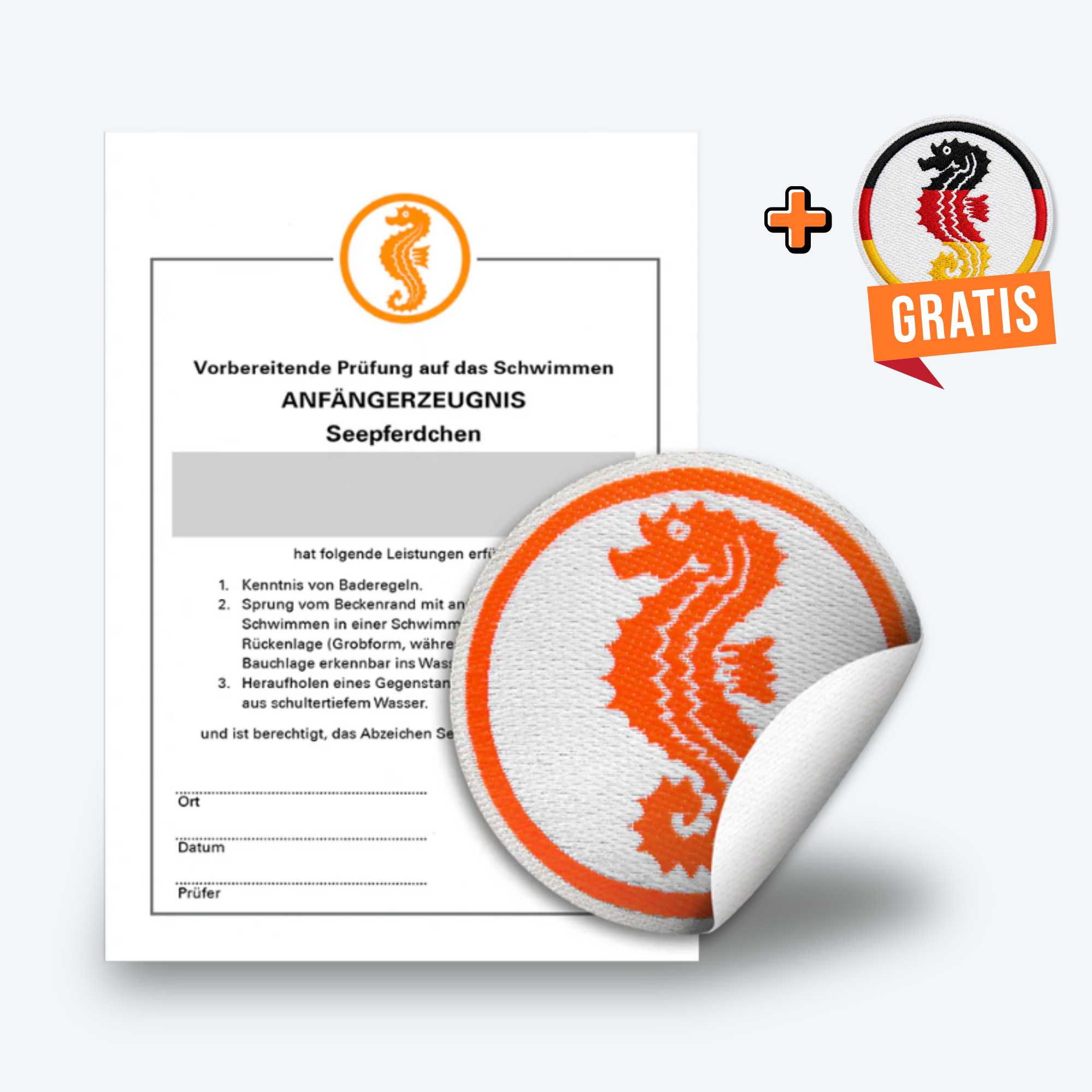
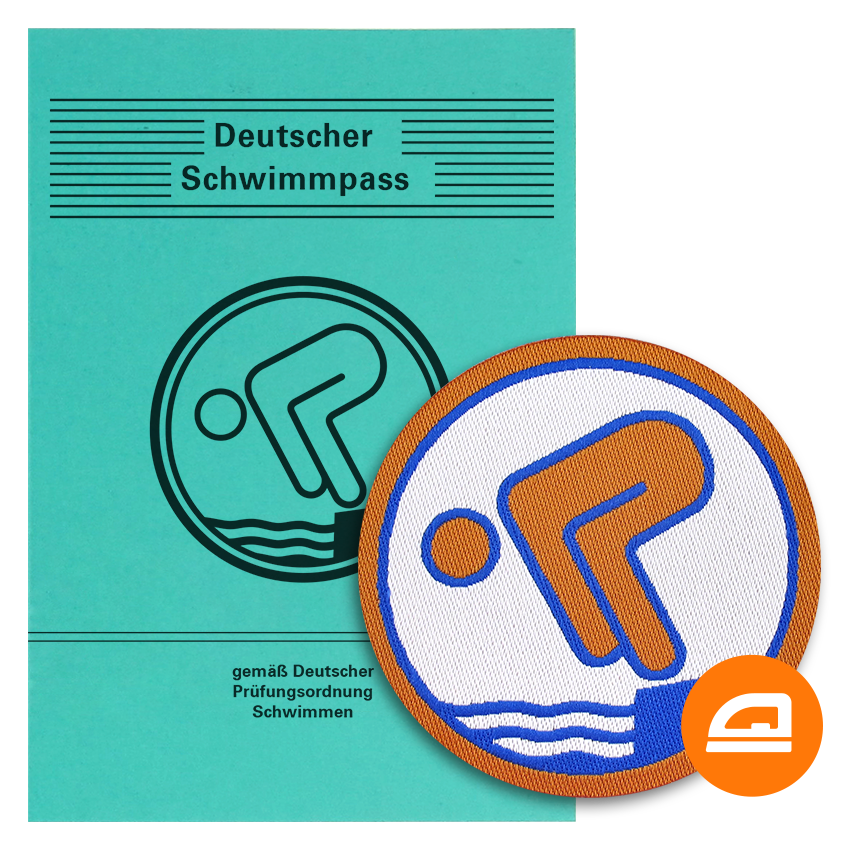
The DLRG Swimming Badge Overview illustrates the importance of systematic swimming instruction and learning safety standards. These rules are not just theoretical constructs but practical guidelines that protect lives annually.
Variants and Target Groups Compared
The DLRG develops its bathing rules not as a rigid construct, but as dynamic guidelines that take into account various target groups and swimming environments. Multilingual bathing rules, for example, show how inclusive and accessible these safety instructions are designed.
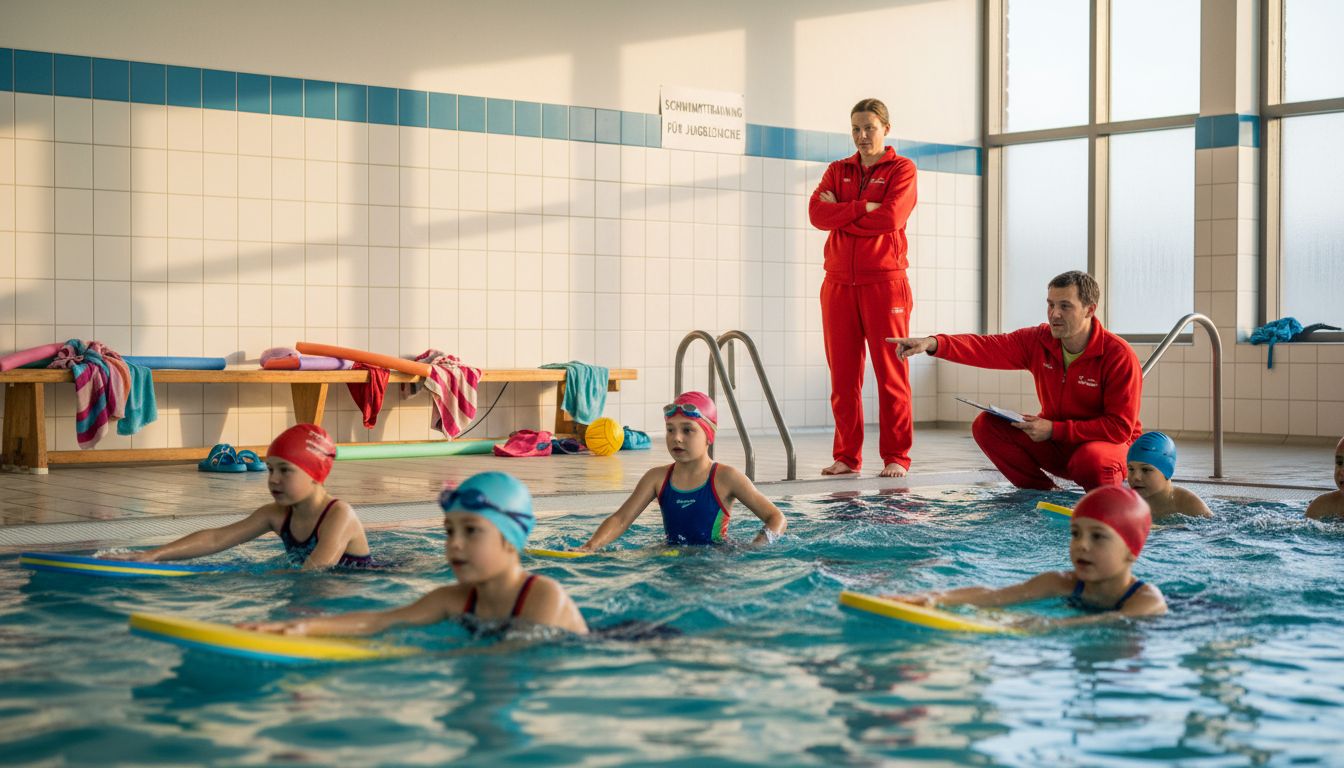
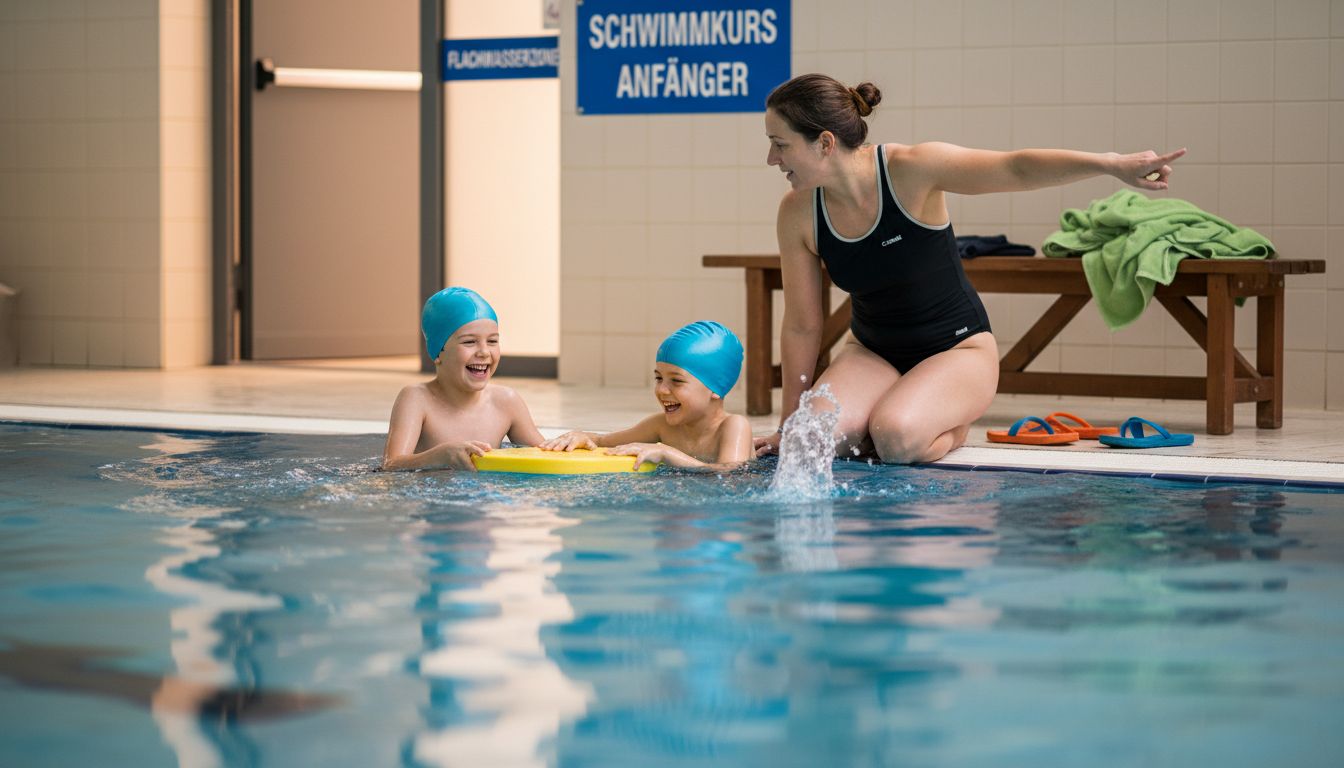
For children, there are special versions of the bathing rules that are taught in a playful and age-appropriate manner. The children's bathing rules differ fundamentally from rules for adults and are tailored to the specific perceptual and comprehension abilities of children. Playful teaching methods such as coloring pages and learning songs help to communicate safety aspects in a child-friendly way.
The different variants can be distinguished as follows:
- Children's Bathing Rules
- Simple, easy-to-understand language
- Visual support with pictures and symbols
- Focus on basic safety aspects
- Adult Bathing Rules
- More complex explanations
- Detailed safety instructions
- Consideration of technical aspects
- Bathing Rules for Seniors
- Adapted to physical limitations
- Special attention to health risks
- Recommendations for individual fitness
Each variant of the bathing rules pursues the overarching goal of guiding people of different age groups and abilities safely through water situations. The DLRG continuously adapts these rules to social changes and new insights to ensure maximum safety.
How Do the 10 Bathing Rules Work?
The 10 DLRG bathing rules are a systematic guide based on practical safety aspects. Practical guidelines for bathers help to identify and avoid potential dangers in and around water early on. They operate on a clear principle of prevention and self-responsibility.
The basic mechanism of these rules is to empower swimmers to independently identify risks and react appropriately. This is achieved through a combination of prevention, self-assessment, and situational awareness. The rules are designed not just as theoretical instructions, but as practical recommendations for action in various water situations.
The most important functional principles can be summarized as follows:
- Risk assessment before swimming
- Continuous self-monitoring
- Recognizing one's own performance limits
- Awareness of environmental factors
The bathing rules for different environments make it clear that there is not one universal rule, but an adaptive system that adjusts to the respective circumstances. Whether a swimming pool, bathing lake, or sea – the fundamental safety principles remain constant, while specific aspects vary.
The central philosophy of the DLRG bathing rules is based on the principle of active prevention. They aim not only to prevent accidents but also to create an awareness of responsible behavior in the water. Each rule is a building block in a comprehensive safety concept that protects lives and makes water experiences safer.
Essential Rules and Their Importance
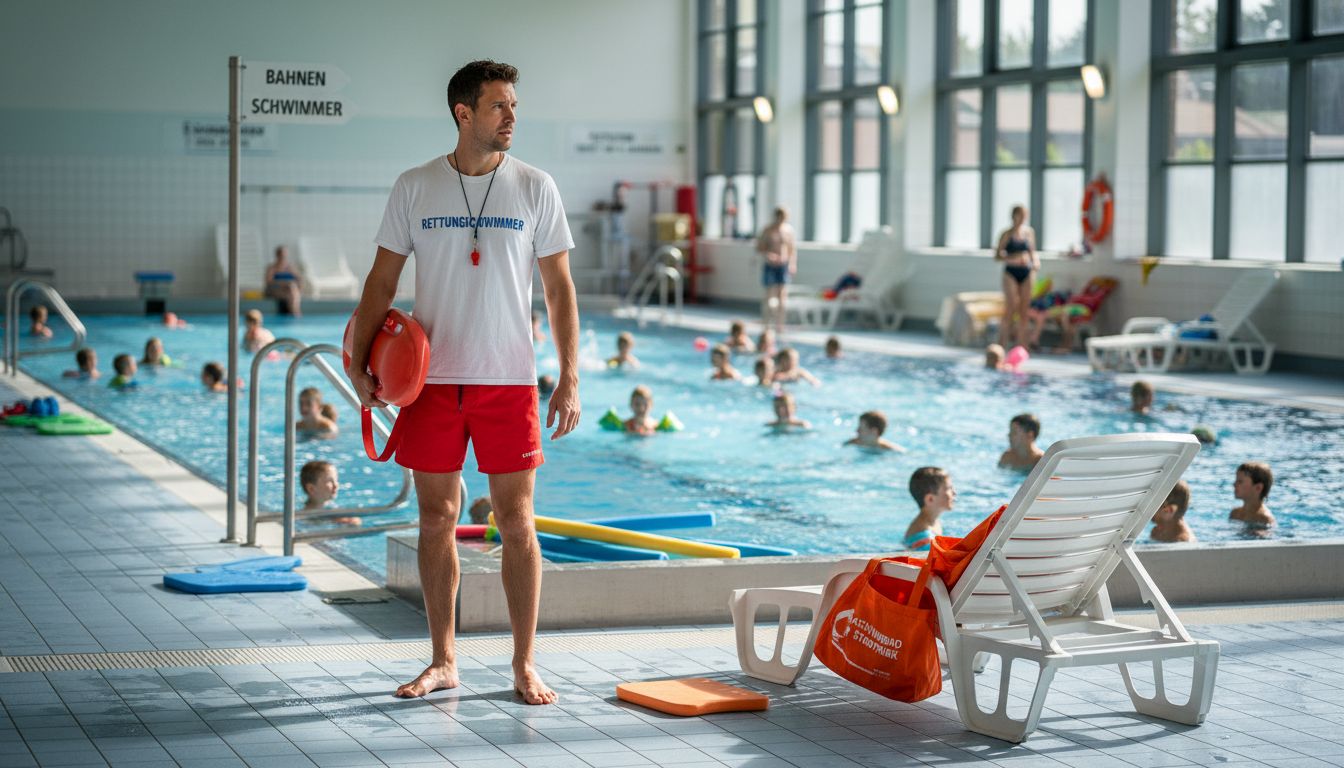
The DLRG has developed central bathing rules based on decades of safety research. Basic rules of conduct for water safety underscore the importance of mutual support and caution when swimming. One of the most important rules is never to go into the water alone.
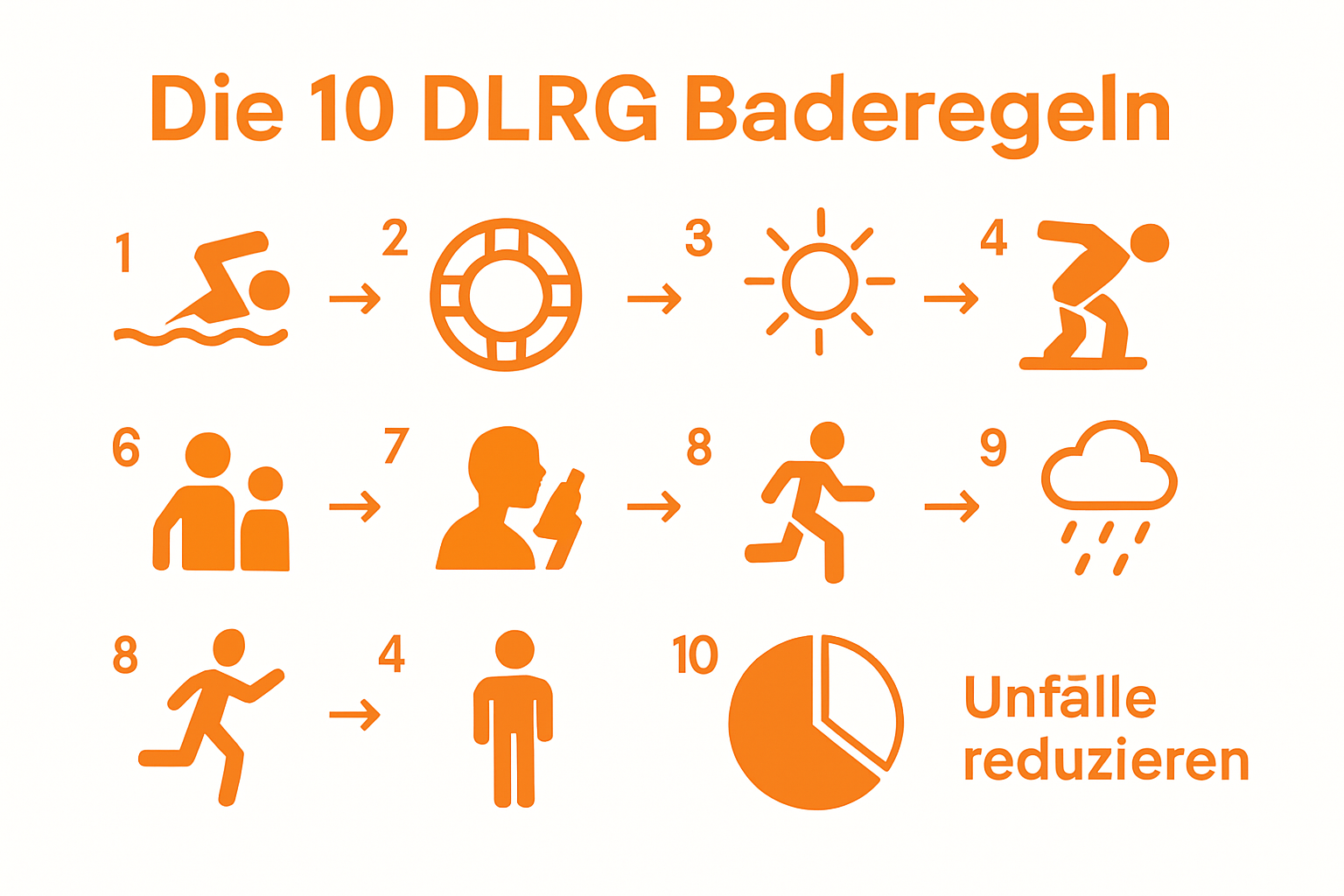
The essential safety aspects cover several critical areas intended to minimize the risk of water incidents. These include assessing one's own swimming abilities, recognizing potential hazards, and adhering to specific rules of conduct. Guidelines for safe bathing areas illustrate the importance of swimming only in officially approved and supervised areas.
The most important rules can be summarized as follows:
- Never swim alone
- Only swim at supervised bathing areas
- Realistically assess your own swimming abilities
- Pay attention to warning signs and notices
- Stay calm and call for help in case of danger
Each of these rules is the result of years of experience and analysis of water sports accidents. They aim not only to ensure individual safety but also to create a collective awareness of responsible behavior in the water. The DLRG bathing rules are more than just recommendations – they are a comprehensive safety concept that protects lives and makes water enjoyment safer.
Risks of Non-Compliance
Disregarding the DLRG bathing rules can have fatal consequences. Serious dangers from rule violations can include life-threatening situations such as drowning or severe injuries from reckless jumps into unknown waters.
The potential risks are diverse, ranging from immediate physical dangers to complex emergency situations. Life-threatening weather conditions when swimming illustrate, for example, how dangerous ignoring safety instructions can be, especially during thunderstorms with an increased risk of lightning strikes.
The most serious risks of non-compliance with bathing rules include:
- Drowning due to overestimation of one's own swimming abilities
- Hypothermia due to incorrect behavior in the water
- Lightning strike during a thunderstorm
- Injuries from uncontrolled jumps
- Underwater cramps without assistance
Every rule violation exponentially increases the risk of a potentially life-threatening situation. The DLRG emphasizes that prevention and caution are the most important protective measures to avoid water sports accidents and ensure the safety of all bathers.
Alternatives and Additional Safety Tips
Beyond the classic DLRG bathing rules, there are numerous supplementary safety strategies that swimmers and water sports enthusiasts can apply. Safety tips for swimming pool visitors provide an important addition to the basic rules of conduct.
The extended safety measures include technical and personal preparations that can significantly increase water safety. Modern technologies and additional training methods complement traditional bathing rules and offer a comprehensive safety approach.
Additional safety strategies:
- Use of personal swimming equipment
- Regular safety training
- Use of swimming tracking devices
- Expanding first-aid knowledge
- Using digital safety apps
For parents and swimming instructors, swimming lesson tips offer valuable additions to the classic bathing rules. These include special training methods, psychological preparation, and age-appropriate safety training that go beyond the basic DLRG guidelines.
Understand Swimming Rules and Safely Earn Badges
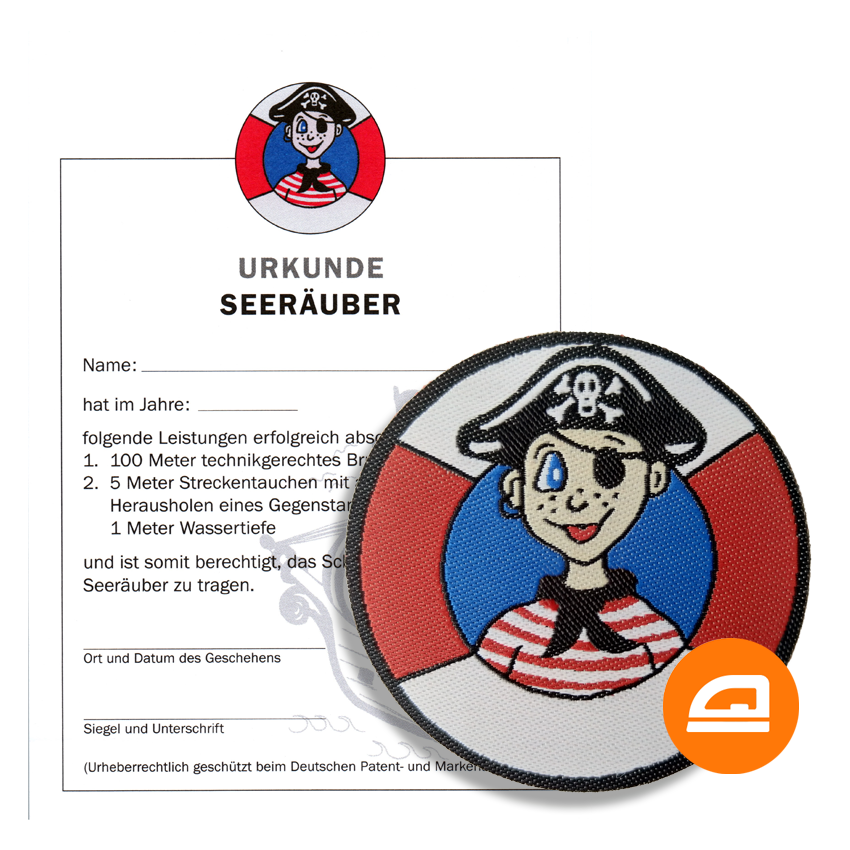
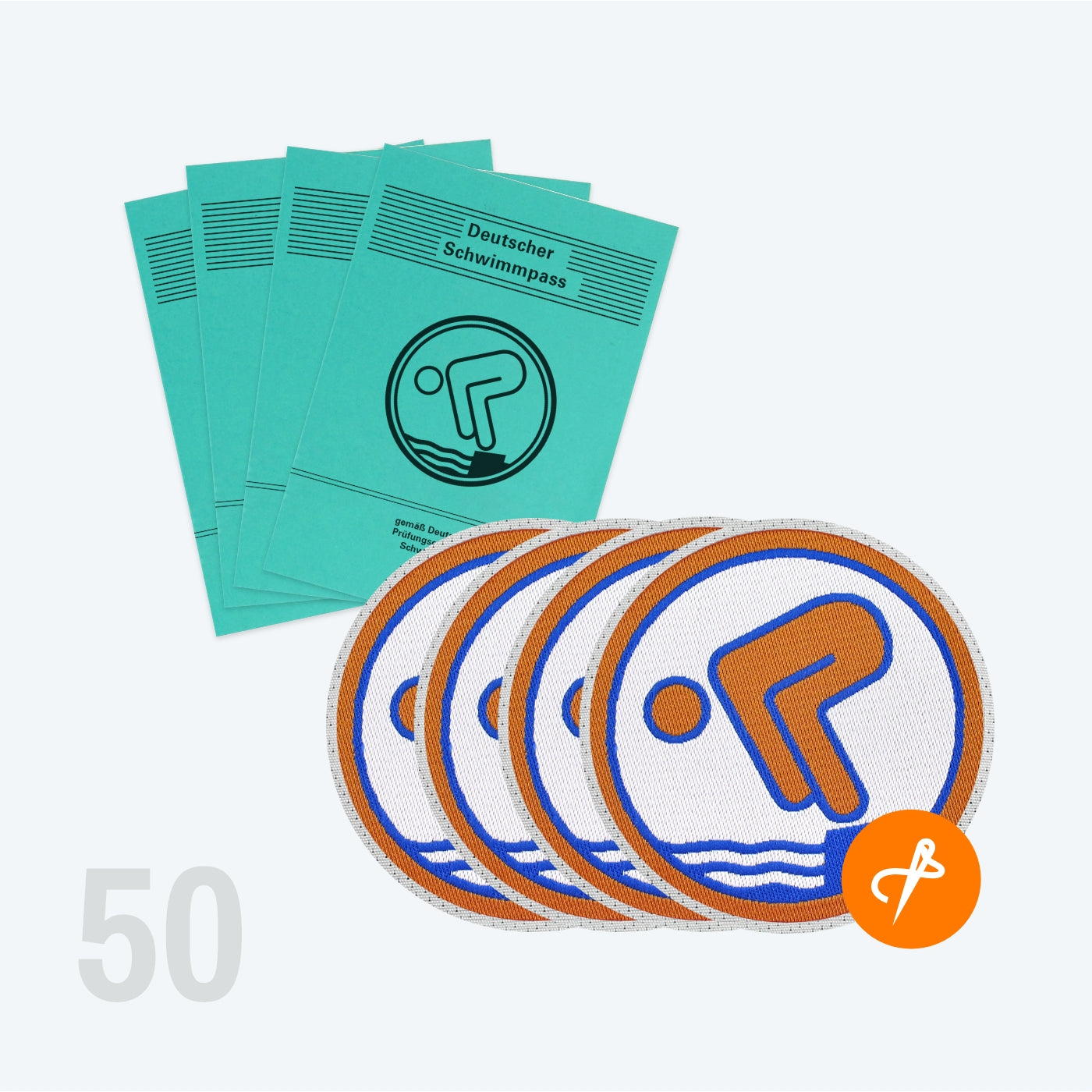
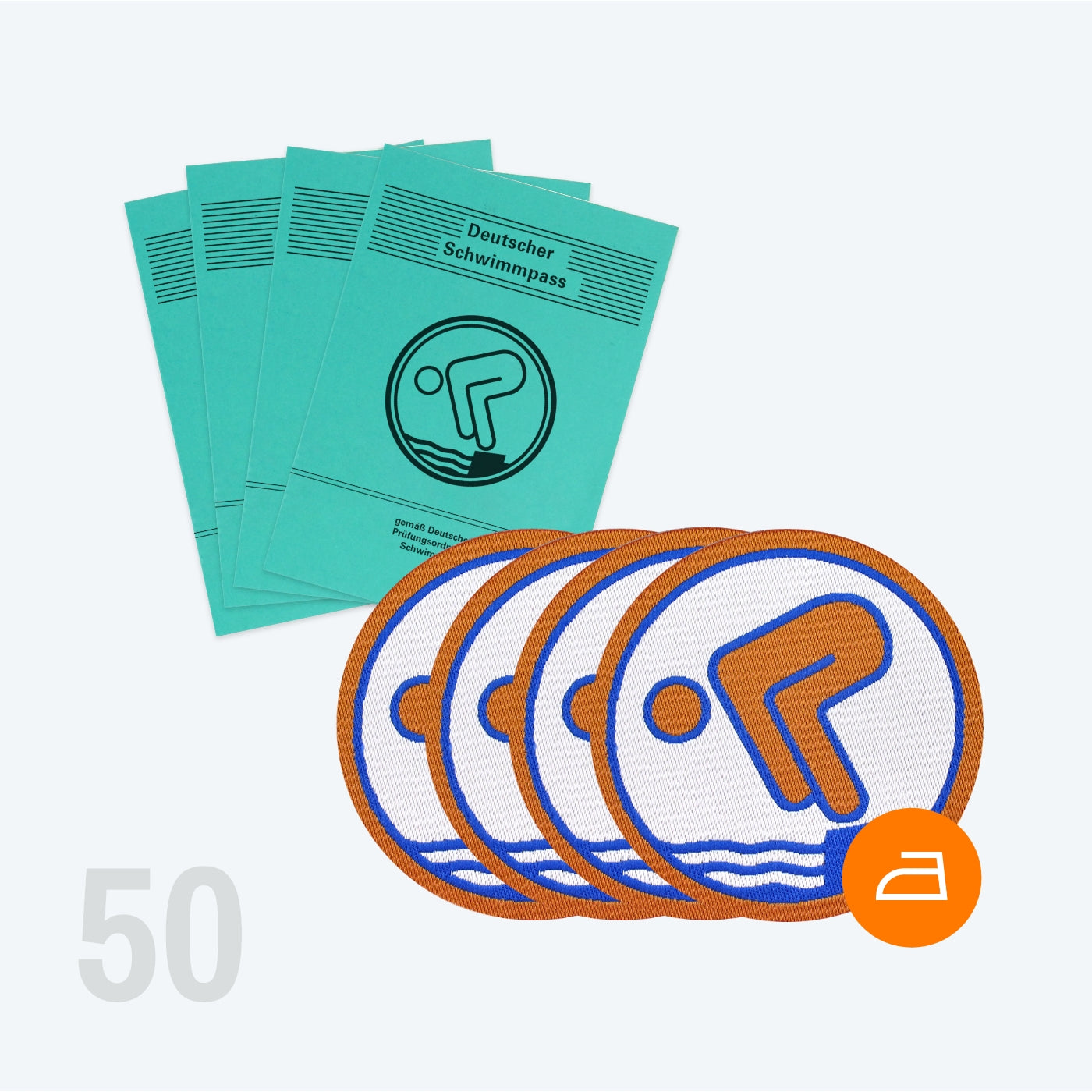
Safe water situations depend crucially on adherence to the 10 DLRG bathing rules. Many parents and swimming instructors face the challenge of not only explaining these vital rules to children and teenagers but also conveying them practically. This is where Pimpertz comes in with its high-quality swimming badges and certificates. Our products such as the Seestern Stella Swimming Badges & Certificates help motivate children to embrace the importance of safety and responsibility in the water.
Benefit from our decades of experience and official partnerships with the DLRG and the BFS for qualitatively convincing and child-friendly awards. This not only promotes swimming ability but also personally and effectively strengthens awareness of the vital bathing rules. Start now and secure practical complete offers and personalized sets – for more safety and joy in swimming.
Frequently Asked Questions
What are the 10 DLRG bathing rules?
The 10 DLRG bathing rules are fundamental safety guidelines that aim to educate swimmers about potential dangers in the water and encourage self-responsibility. These include rules such as 'Never swim alone' and 'Pay attention to warning signs'.
Why are the bathing rules different for children?
The bathing rules for children are formulated in an age-appropriate manner, using simple language and visual support. They aim to convey safety aspects playfully and strengthen children's perception.
What are the risks of ignoring the bathing rules?
Ignoring the bathing rules can lead to life-threatening situations such as drowning, injuries from impulsive actions, and the risk of hypothermia. Safety precautions are crucial to minimize such dangers.
How can one additionally increase one's own safety in the water?
In addition to bathing rules, extra safety measures such as using swimming equipment, regular safety training, and first-aid knowledge can help reduce the risk of accidents in the water.
Recommendation
- Learning to swim in old age: Step-by-step to success
- 7 Important Swimming Learning Tips for Parents and Coaches
- Swimming Course 3 Years: Children learning to swim safely
- How much does a swimming course cost? Understanding for Parents and Providers
- Waterproof Mat Types: Complete Practical Guide – Just Mats