



Swimming and Health: Benefits for Children, Schools, and Clubs
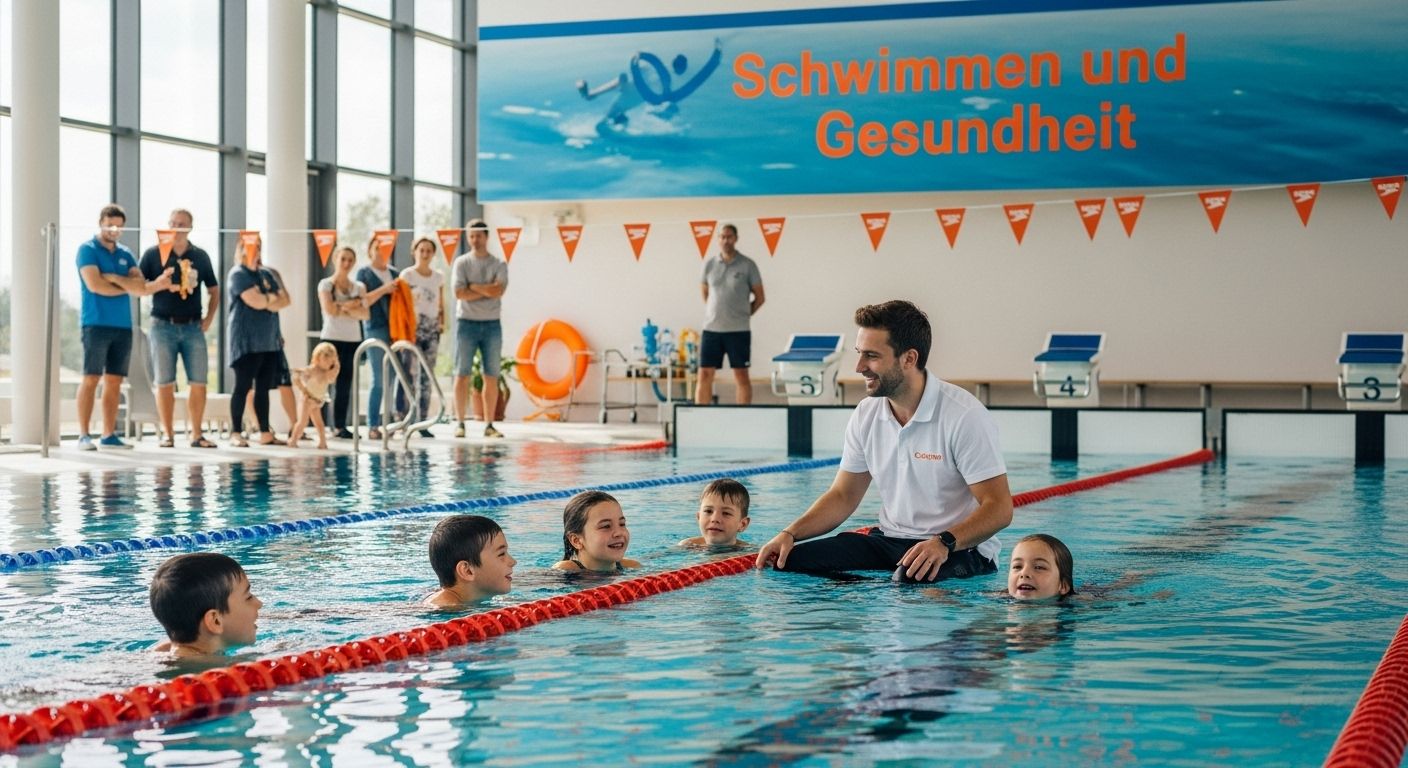
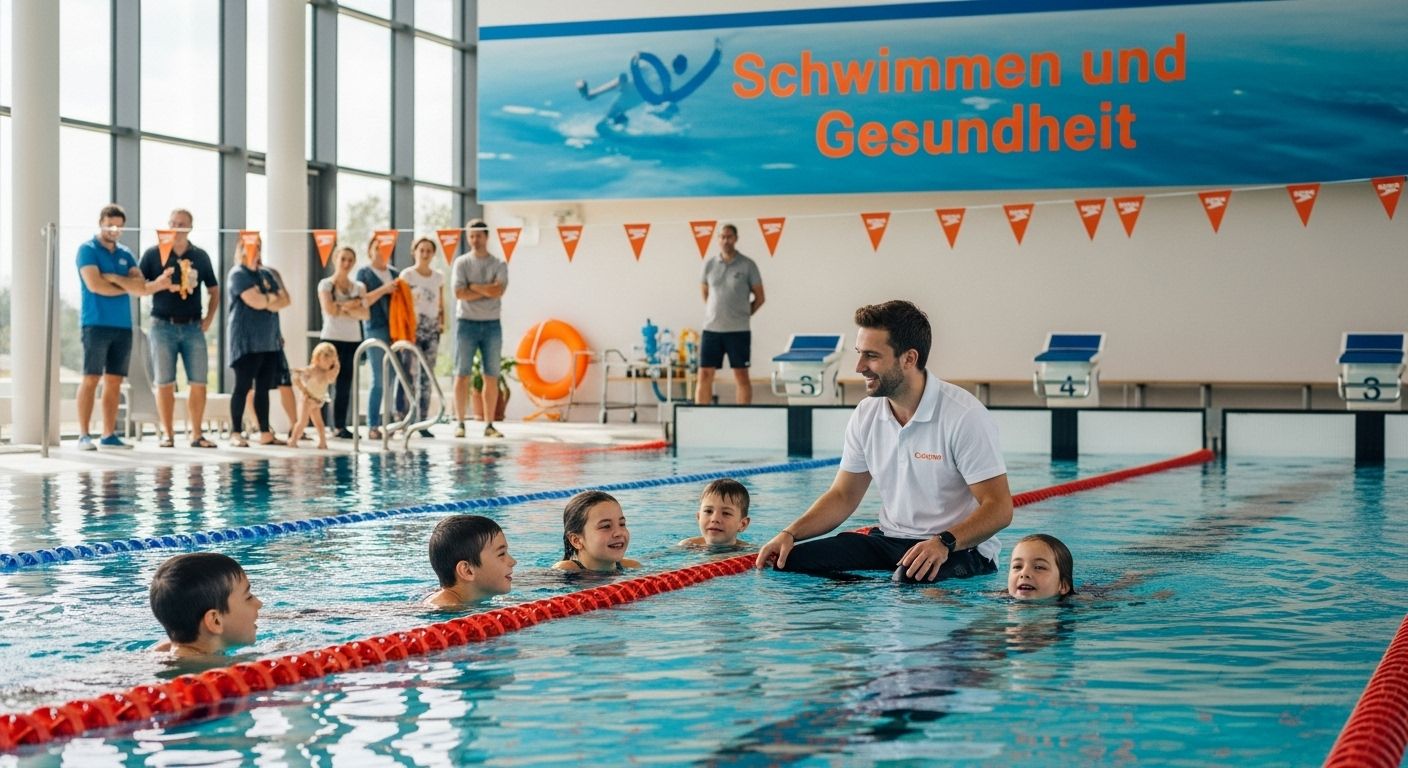
Swimming offers far more than just splashing in the water. Children who learn to swim early boost their self-confidence and benefit from a workout that engages up to 90 percent of their muscles simultaneously. Surprisingly many parents underestimate how much regular swimming promotes not only the physical health but also the mental development and social skills of their children. But most astonishingly, swimming as a school or club sport builds bridges and creates true equal opportunities.
Table of Contents
- Why Swimming Boosts Health
- Swimming in Childhood: Opportunities and Recommendations
- Tips for Swim Instruction and Safety
- The Role of Clubs and Schools in Swimming
Quick Overview
| Insight | Explanation |
|---|---|
| Swimming promotes physical health | It's a gentle full-body workout that's easy on joints and strengthens muscles. |
| Mental benefits of swimming | Regular swimming reduces stress and improves concentration and well-being. |
| Early swimming builds self-confidence | Children who learn to swim gain self-confidence by overcoming challenges. |
| Swim lessons improve social skills | In swimming classes, children develop teamwork and communication skills through shared activities. |
| Clubs and schools bear responsibility | They promote swimming as an important life skill and advocate for inclusive education and integration. |
Why Swimming Boosts Health
Swimming is more than just a sport or leisure activity. It is a holistic form of movement that uniquely strengthens body and mind and offers numerous health benefits. The special feature of swimming lies in its low stress on joints and muscles while maintaining high training intensity.
Full-Body Workout with Minimal Joint Stress
In water, movements are performed much more gently than on land. Buoyancy relieves the joints and allows for intensive training without the risk of injury. Studies by the German Sport University Cologne show that swimming is an ideal sport particularly for people with joint problems or obesity. Water temperature and resistance also support muscle work and promote blood circulation.
Through uniform movement, almost all muscle groups are trained. Unlike other sports, the upper and lower body are engaged simultaneously. This leads to symmetrical muscle development and improves posture.
Stress Reduction and Mental Health
Swimming has not only physical but also significant psychological benefits. Psychological studies prove that regular swimming reduces stress hormones and promotes the release of endorphins. The rhythmic breathing and meditative movement in the water have a calming effect on the nervous system.
The effect is comparable to meditation: Swimmers report increased mental clarity, improved concentration, and enhanced well-being. Children and adolescents particularly benefit from this positive mental effect, as it helps them cope better with challenges and regulate stress more effectively.
For children, swimming means more than physical activity. It is a key to developing self-confidence, coordination, and social skills. Learning and mastering various swimming techniques not only strengthens the body but also the psyche.
In summary: Swimming is a unique sport that holistically trains body and mind. It combines physical fitness with mental health and offers a gentle yet effective path to greater well-being.
Swimming in Childhood: Opportunities and Recommendations
Swimming is more than just a sport for children. It is a crucial developmental opportunity that extends far beyond physical activity. Learning to swim early opens up a world of possibilities for personal development and health promotion for children.
Motor and Health Development
Scientific studies show that swimming in childhood uniquely supports motor development. The complex movements in water promote coordination, balance, and body awareness. Even in infancy, regular swimming can positively influence muscle development, flexibility, and spatial orientation.
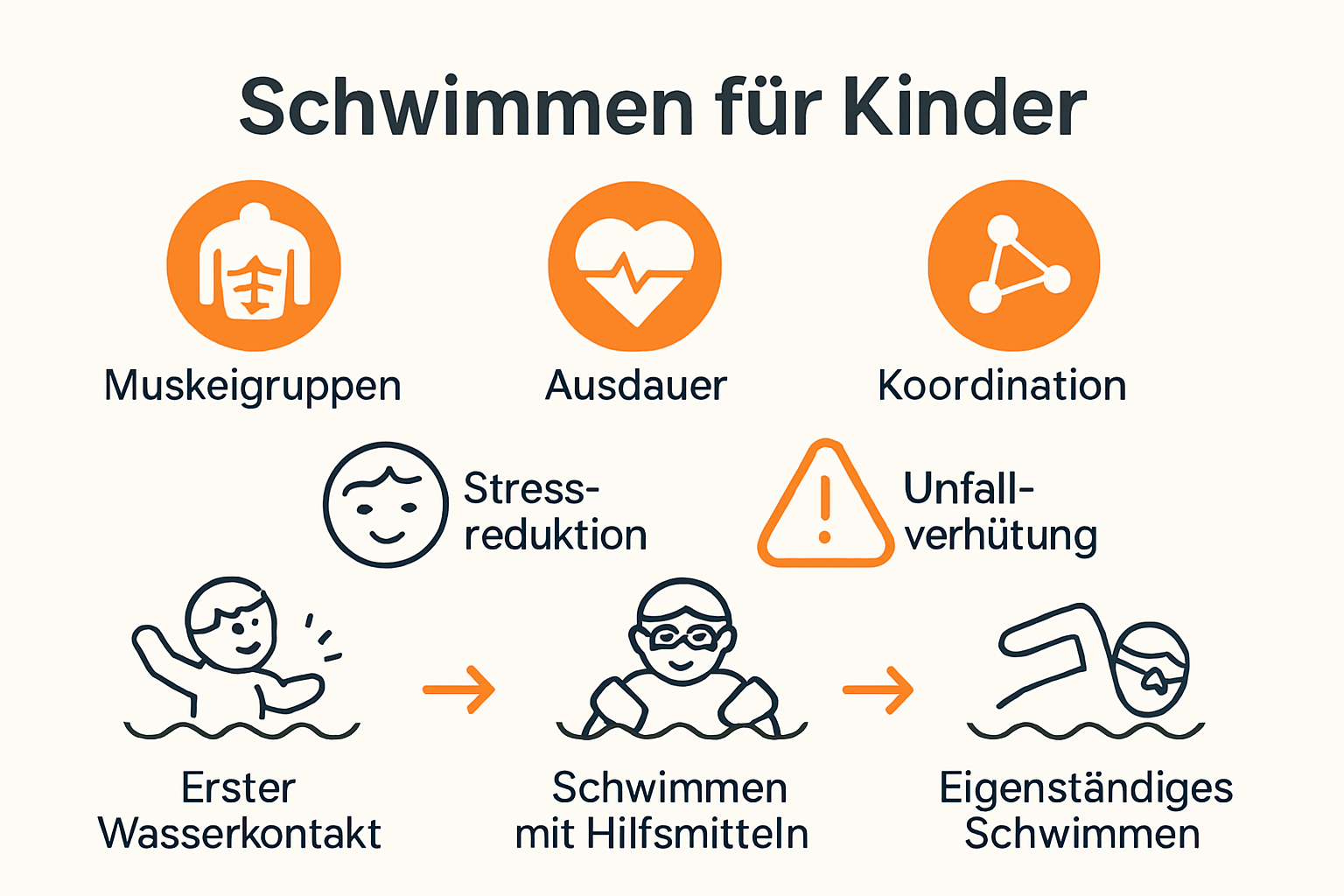
Particularly significant is the role of swimming in preventing a lack of physical activity. In an era where children increasingly engage in digital activities, swimming offers a holistic form of movement. It strengthens the cardiovascular system, improves endurance, and supports healthy weight development.
Safety and Self-Confidence
Learning to swim means more than just mastering a sport. It is a life-saving skill. Experts from the German Swimming Federation emphasize the importance of early swimming education for accident prevention. Children who can swim safely significantly reduce the risk of water accidents.
Furthermore, children develop immense self-confidence by learning to swim. Every new swimming technique, every challenge overcome in the water, strengthens self-esteem. This has a positive impact on other areas of life and helps children face challenges with courage.
Social Skills and Inclusion
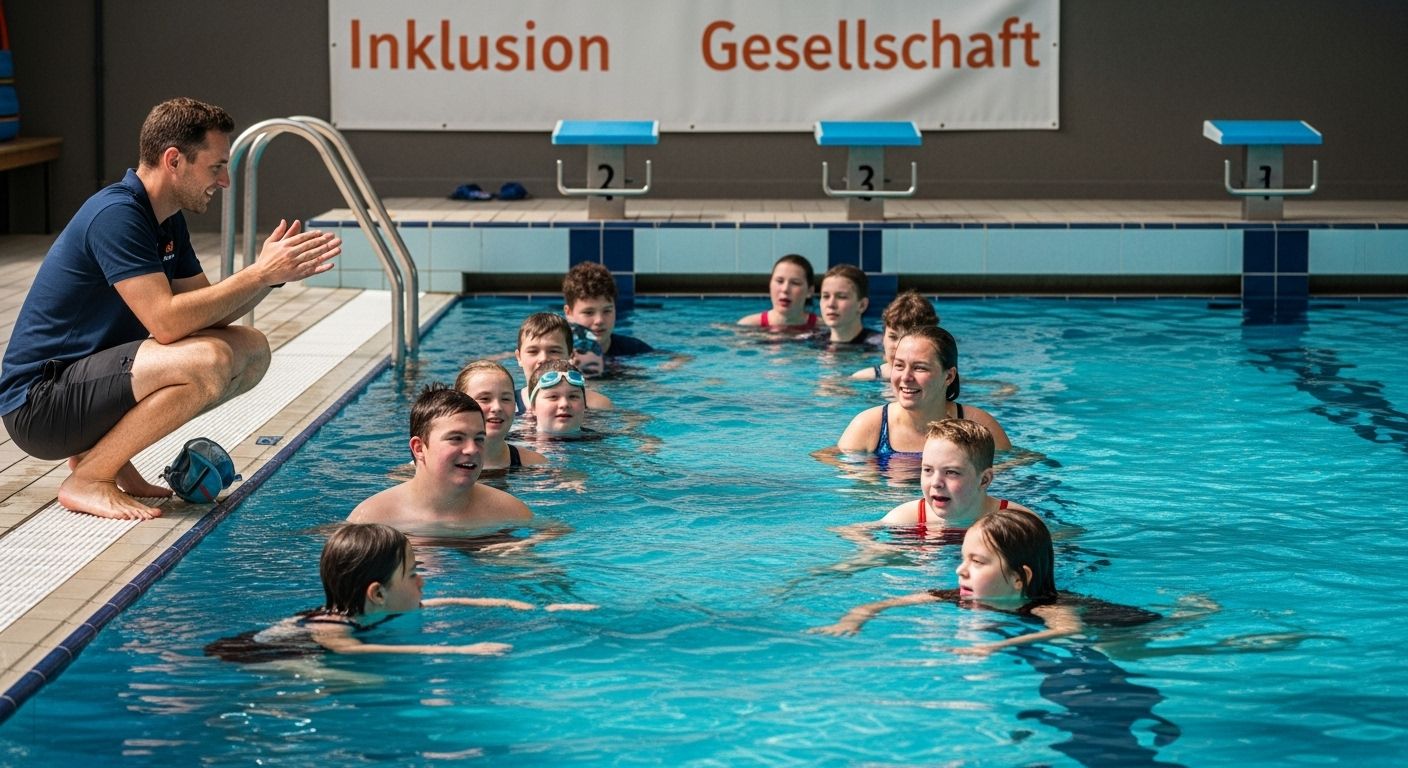
Swimming lessons are more than just exercise classes. They are social learning spaces where children develop important interpersonal skills. Collaborative learning, support from coaches and peers promote teamwork, communication skills, and social integration.
The inclusive effect of swimming is particularly significant. Children with diverse abilities and backgrounds can learn together and experience success. Water knows no barriers and offers all children the same chance for movement and development.
For parents and educators, this means: Swimming is an investment in the holistic development of children. It promotes health, safety, self-confidence, and social skills. The best time to introduce children to swimming is as early as possible – always under professional guidance and with joy in the water.
To help parents and educators quickly understand the unique benefits of swimming at a young age, the table below summarizes the main areas of development supported by swimming, with examples based on the article’s content.
| Development Area | How Swimming Supports | Example/Explanation |
|---|---|---|
| Physical Health | Full-body, low-impact exercise | Strengthens muscles, improves endurance and posture |
| Motor Skills | Enhances coordination, balance, and spatial awareness | Complex water movement develops coordination |
| Safety & Confidence | Builds life-saving skills and self-assurance | Reduces risk of accidents; overcoming fears boosts confidence |
| Social Integration & Team Skills | Encourages teamwork and communication in group learning | Children learn with peers, develop teamwork |
| Inclusion | Provides equal opportunities regardless of ability or background | Water environment enables all children to participate |
Tips for Swim Instruction and Safety
Swim instruction is much more than learning swimming techniques. It is a complex process that requires safety, pedagogical competence, and individual support. Qualified swim instructors play a crucial role in creating positive and safe learning experiences.
Qualification and Training Standards
Scientific studies highlight the importance of highly qualified swim coaches. Professional instructors not only possess technical swimming knowledge but also pedagogical skills. They must be able to instill a sense of security in children, address fears individually, and apply age-appropriate learning methods.
The German Swimming Federation (DSV) defines clear training standards for swim instructors. These include comprehensive lifeguard qualifications, pedagogical training, and regular safety drills. These standards ensure that coaches can work competently and responsibly with children of different age groups and abilities.
Safety Concepts and Risk Management
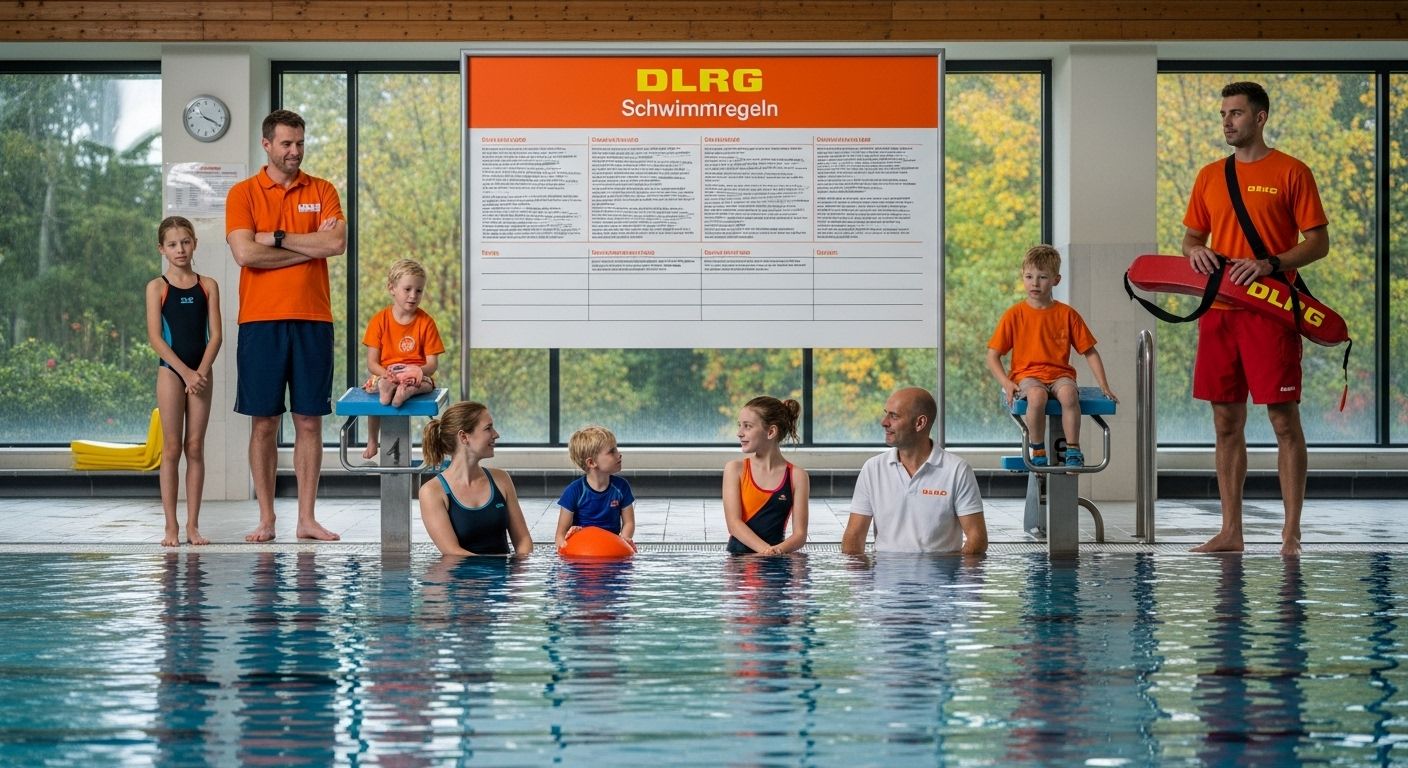
Safety experts from the DLRG recommend a multi-layered safety concept for swim instruction. This includes precise supervision regulations, clear communication structures, and regular safety briefings. Every swim session should begin with a safety briefing explaining rules of conduct and emergency procedures.
Special attention is given to group size and supervision ratios. Depending on the children's age and swimming ability, a maximum of 8-10 participants should be supervised by a qualified instructor. For beginners and younger children, even closer supervision is required.
Psychological Aspects and Individual Support
Swim instruction involves more than technical instructions. It requires a sensitive and motivating approach. Coaches must address individual fears, insecurities, and learning paces. A trusting atmosphere is crucial to encourage children and positively shape their relationship with water.
For parents and swim schools, this means: When choosing swim courses, look for qualified instructors, transparent safety concepts, and a child-friendly learning environment. A good swim course not only teaches swimming techniques but also strengthens children's self-confidence and safety in and around water.
In summary: Professional swim instruction is an investment in children's safety and development. It requires highly qualified instructors, well-thought-out safety concepts, and an individual, empathetic pedagogy.
The following table outlines essential elements that make professional swim instruction both effective and safe, based on the recommendations and best practices described in the article.
| Element | Key Points from Article |
|---|---|
| Trainer Qualifications | Certified in swimming and teaching methods; rescue training; ongoing education |
| Safety Protocols | Detailed supervision, clear rules, safety briefings before each session |
| Student-to-Trainer Ratio | Max 8–10 per trainer; fewer for young or beginner children |
| Individual Support | Adapt instruction to fears, speed, and abilities of each child |
| Positive Learning Environment | Encourage trust, motivation, and enjoyable water experiences |
The Role of Clubs and Schools in Swimming
Clubs and schools play a crucial role in promoting swimming as a sport, health prevention, and an important life skill. They are not only places of learning but also centers for social integration and personal development.
Swimming as a School Sport and Educational Mandate
Education researchers emphasize the importance of swim instruction as part of the school curriculum. Swimming is more than a sport – it is a vital skill. Schools have a responsibility to teach all children basic swimming skills, regardless of their background or social situation.
Swim instruction in schools pursues several key goals: accident prevention, motor development, and fostering a lifelong understanding of movement. Modern educational concepts integrate swimming not just as a sports lesson, but as a holistic educational experience that strengthens coordination, self-confidence, and social skills.
Sports Clubs as Talent Incubators and Integration Engines
The German Society for Sports Medicine highlights the social significance of sports clubs. Swimming clubs are much more than training facilities. They are places of encounter, personal development, and social integration. Children and young people from diverse backgrounds learn to communicate respectfully and function as a team.
For talented swimmers, clubs offer professional training structures. Qualified coaches develop individual support programs that go beyond pure swim training. They support young athletes not only in their sports development but also in their personal and academic growth.
Inclusion and Social Responsibility
Swimming clubs and schools bear a special responsibility for inclusive education. They must create opportunities that provide children with different abilities and backgrounds access to swimming. This means accessible facilities, specially trained coaches, and individually adapted training concepts.
Work with children from socially disadvantaged families or with migration backgrounds is particularly important. Swimming offers can create equal opportunities, strengthen self-confidence, and break down integration barriers. Many clubs and schools therefore offer discounted or free swimming courses.
In summary, clubs and schools are key players in swim education. They not only impart athletic skills but also make an important contribution to the personal, social, and health development of children and young people. Their work goes far beyond mere swim instruction and contributes to social participation and integration.
Frequently Asked Questions
How does swimming strengthen children's health?
Swimming is an effective full-body workout that strengthens muscles, is gentle on joints, and improves endurance. Additionally, it promotes motor development and helps prevent physical inactivity.
What mental benefits does swimming offer children?
Regular swimming reduces stress, promotes concentration, and improves overall well-being. Children develop more self-confidence by overcoming challenges in the water.
Why is swimming in childhood important for social skills?
In swimming lessons, children learn teamwork, communication, and social integration. Collaborative learning and support from coaches and peers strengthen social skills.
What role do schools and clubs play in swimming?
Schools and swimming clubs promote swimming as a vital skill and social integration. They provide structures for swim instruction and support the personal development of children and young people.
Make Swimming Achievements Visible and Motivating
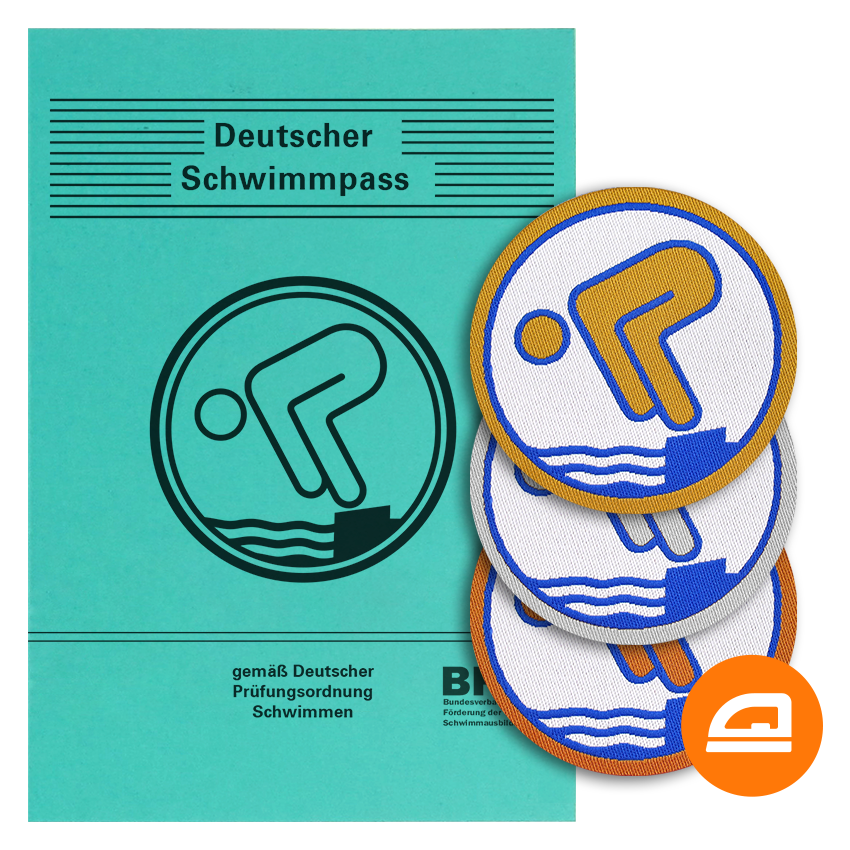
Children, clubs, and schools invest a lot in swim education. The biggest hurdles are often a lack of motivation and uncertainty about learning progress. Especially after the many examples in the article, it is clear: swimming badges and certificates not only give children confidence and pride, they are also a strong signal to parents and coaches that effort pays off.
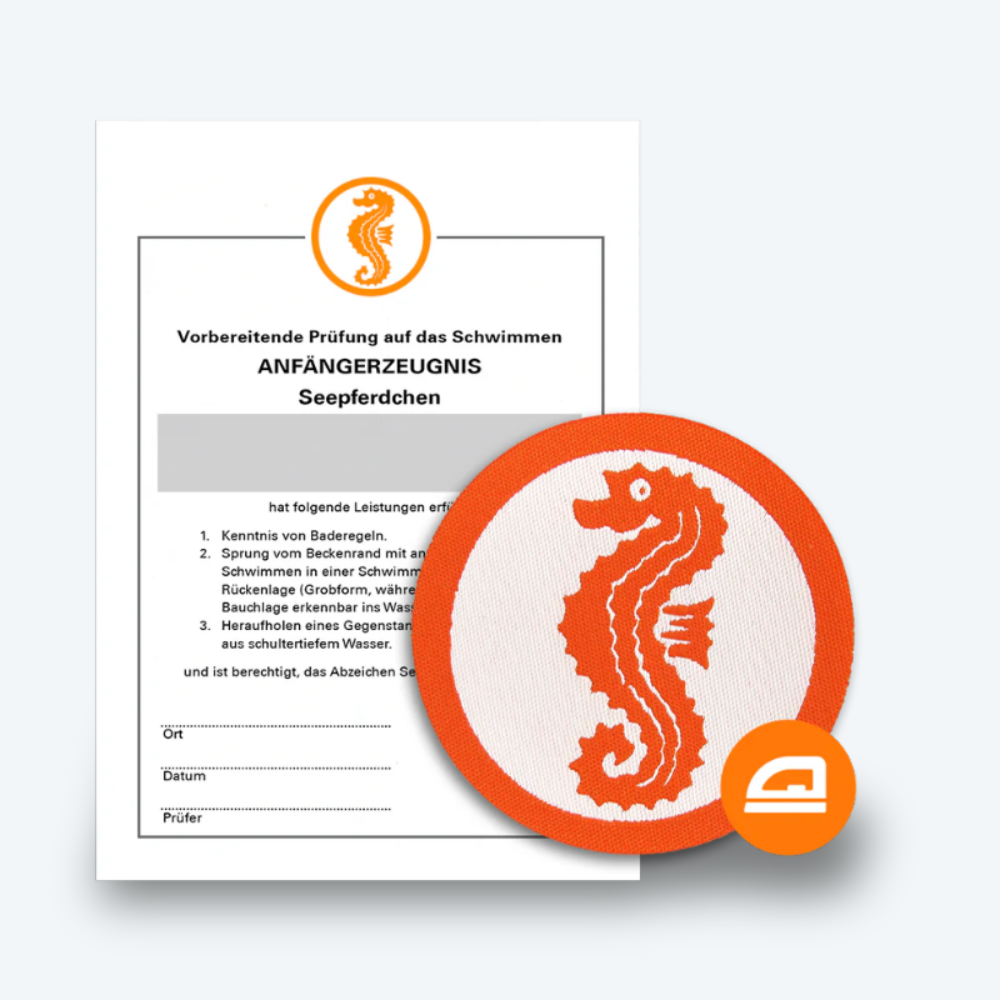
Turn every mastered swimming lesson into a celebrated success. With officially certified swimming badges, certificates, and accessories from Pimpertz, you facilitate the recognition of learning achievements, boost self-esteem, and encourage new goals – whether for beginners, advanced learners, or entire groups. Ensure now that no learning success goes unnoticed. Discover our complete range and order directly online at pimpertz.de for safe and motivating swim training. Become part of the success story and support your swimmers holistically – from the first certificate to high-performance team completion.