

Swimming Course 3 Years: Children learn to swim safely
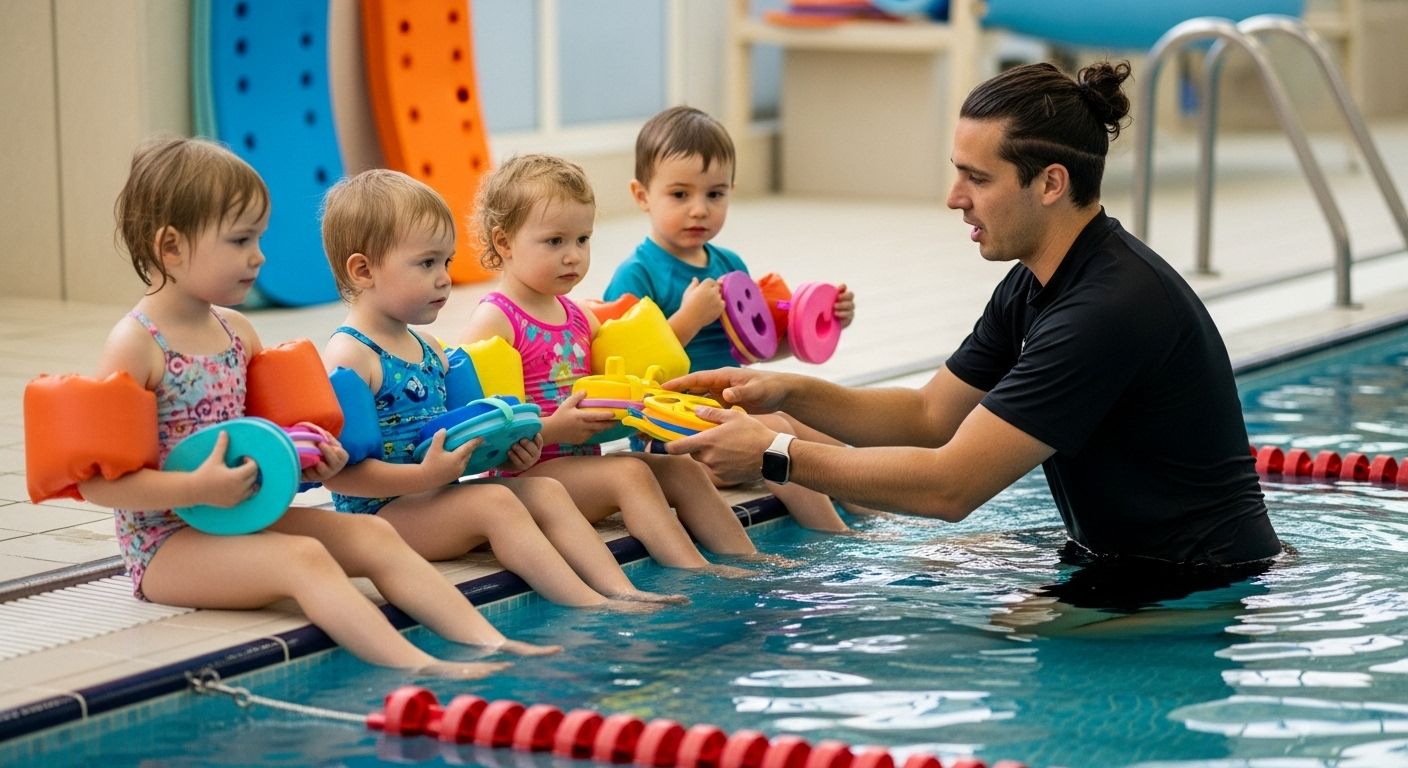
For many parents, learning to swim at the age of three sounds like a real challenge and is full of uncertainties. However, it's surprising that children at this age can develop water confidence and a sense of safety particularly quickly. What many don't expect: with the right course, clever preparation, and a lot of fun, learning to swim can become an exhilarating experience that opens up new possibilities for young children and their families in the long term.
Table of Contents
- Step 1: Choose the Right Swimming Course
- Step 2: Prepare Your Child for the Course
- Step 3: Plan a Safe and Pleasant Environment
- Step 4: Incorporate Playful Learning into Lessons
- Step 5: Monitor Progress Regularly
- Step 6: Celebrate Successes and Encourage Further Learning
Quick Overview
| Main Point | Explanation |
|---|---|
| 1. Choose the right course | Look for age-appropriate courses with small groups for individual attention. |
| 2. Prepare your child emotionally | Use playful activities to build water confidence and avoid your own fears. |
| 3. Create a safe swimming environment | Ensure shallow pools and child-friendly facilities for a safe learning environment. |
| 4. Incorporate playful learning | Lessons should be fun and teach safety concepts playfully. |
| 5. Celebrate small successes | Recognition for progress motivates and builds your child's confidence in the water. |
Step 1: Choose the Right Swimming Course
The first step to successful swimming for three-year-olds is carefully selecting the right swimming course. Not every course is equally suitable for young children, and the right choice can make the difference between joy and frustration.
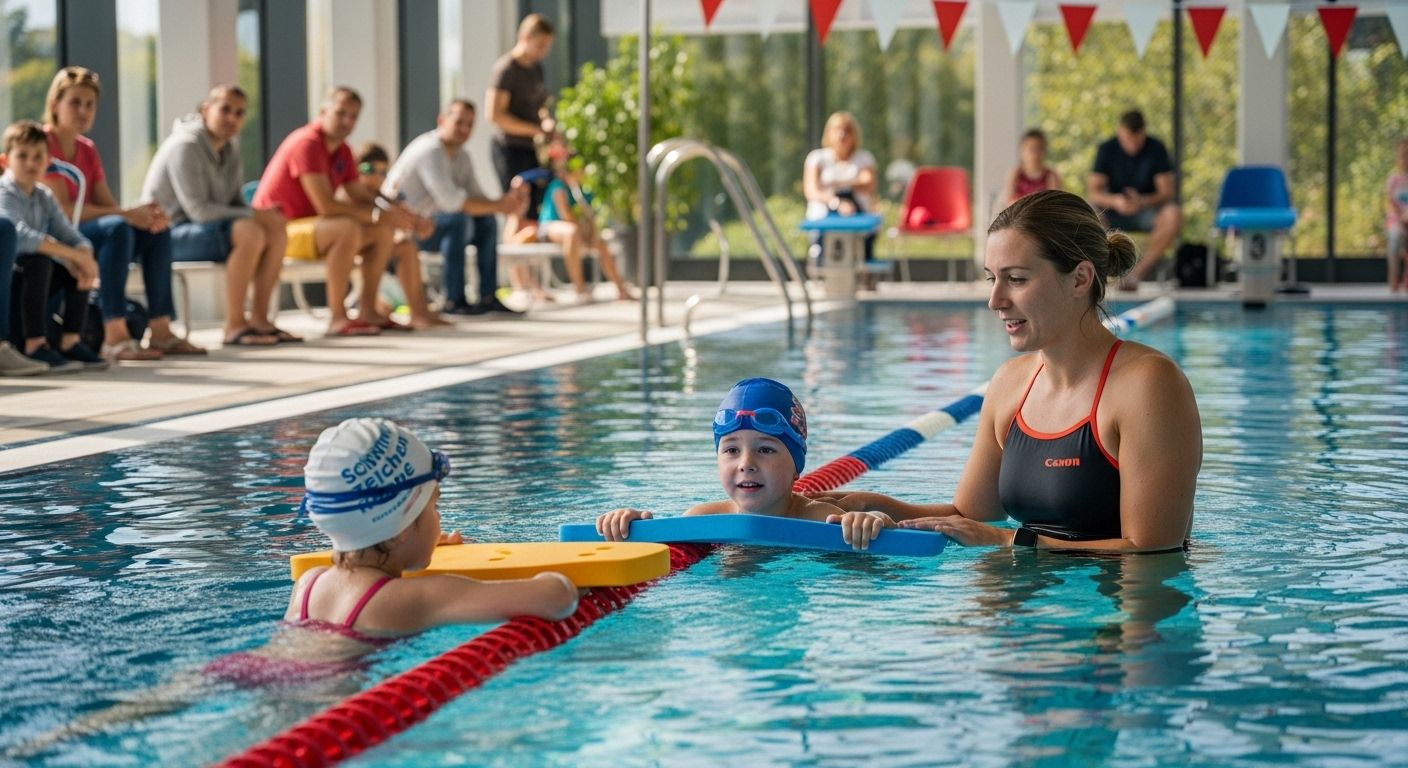
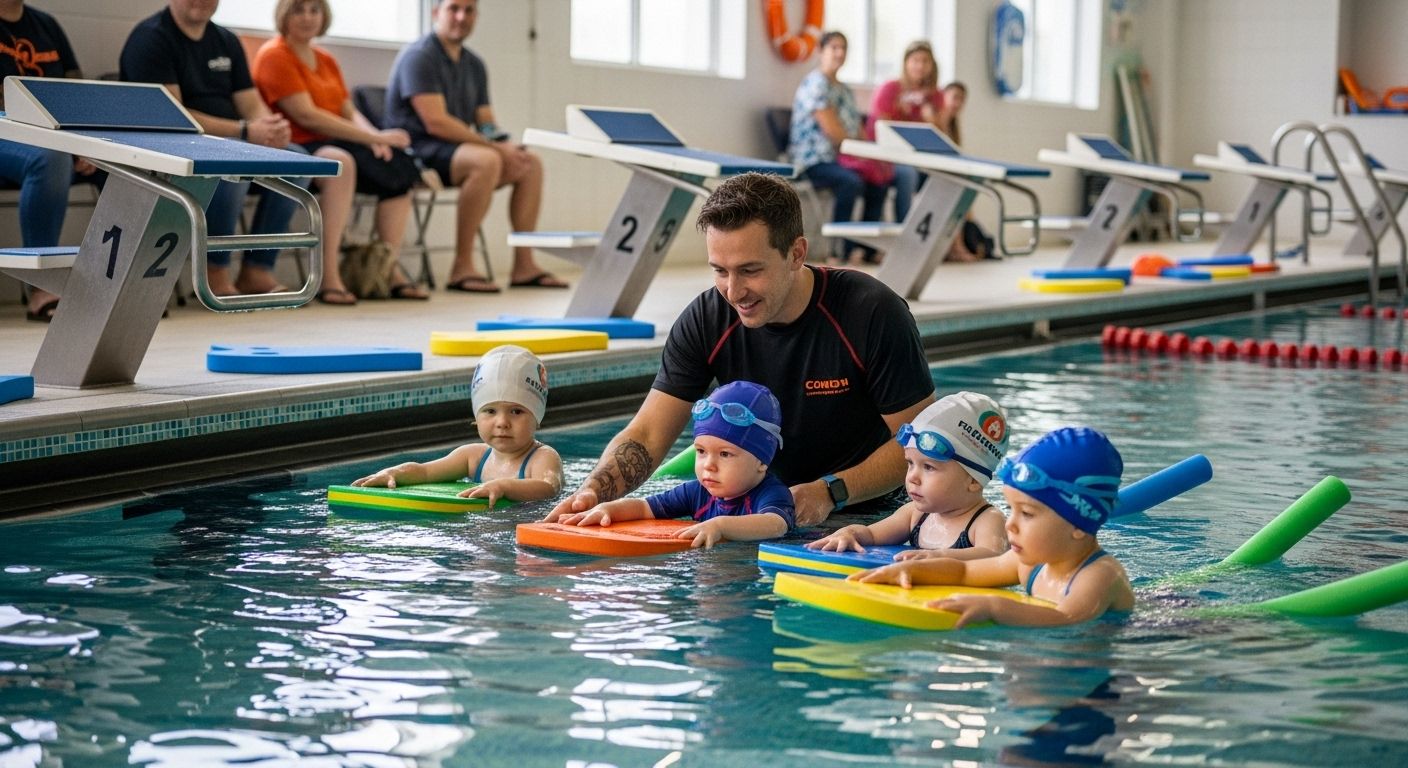
When choosing a course, parents should pay particular attention to the age group and group size. Courses for three-year-olds must be specifically tailored to this age group. Groups of a maximum of 5-6 children are ideal, allowing the swimming instructor to give individual attention to each child. Group size is crucial for the little ones' attention and safety.
Look for qualified swimming instructors with experience working with young children. They should not only teach technical swimming skills but also create a playful, trusting atmosphere. Instructors who are patient, take fears seriously, and instill a love for water in children are important.
According to the recommendations of the American Academy of Pediatrics, swimming courses for three-year-olds should teach more than just swimming techniques. They must offer water familiarity, safety concepts, and emotional support.
Check course times and locations. Courses should be short (30-45 minutes) and at a convenient time of day when your child is rested and receptive. Avoid times directly after daycare or just before bedtime.
A good swimming course for three-year-olds lays the foundation for life-saving skills. It should be fun, build confidence, and harness children's natural curiosity. The core goals are water confidence, safety, and initial basic swimming techniques.
Step 2: Prepare Your Child for the Course
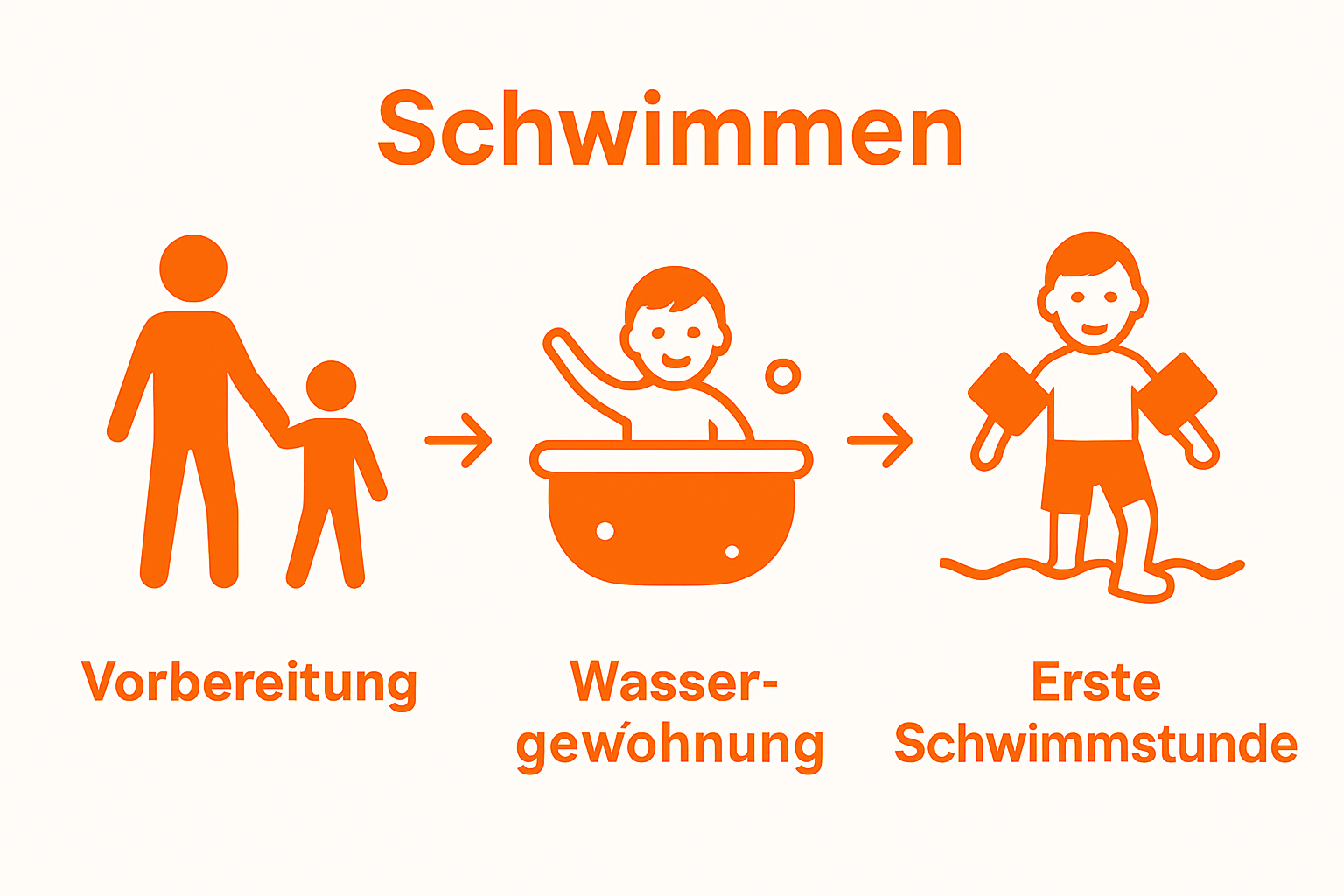
Preparing your three-year-old for the swimming course is crucial for their success and safety. A positive lead-up can reduce anxiety and increase anticipation for swimming. The goal is to build a trusting relationship with water.
Start with playful activities that build water confidence. Use the bathtub as a first practice area. Let your child experiment with water toys, play small water games, and explore the sensation of water. Show joy and relaxation in the water yourself to convey a sense of security to your child.
According to the recommendations of the American Academy of Pediatrics, it's important to introduce children to water experiences gradually. Speak positively about swimming and avoid transferring your own fears. Encourage your child and praise small progress.
Prepare the swimming equipment together. Let your child try on swimwear, armbands, or swimming aids beforehand. Make dressing a fun ritual. A special towel, swimming goggles, or a swimming cap can enhance the feeling of anticipation and specialness.
Practice basic water safety rules before the course. Explain in a child-friendly way how to behave in the water, not to swim unsupervised, and to call for help. Convey rules without causing fear – the goal is understanding, not insecurity.
Psychologically, it's important to be realistic. Not every child will be immediately enthusiastic. Accept fears and proceed gently. Swimming badges and small achievements can later serve as motivation.
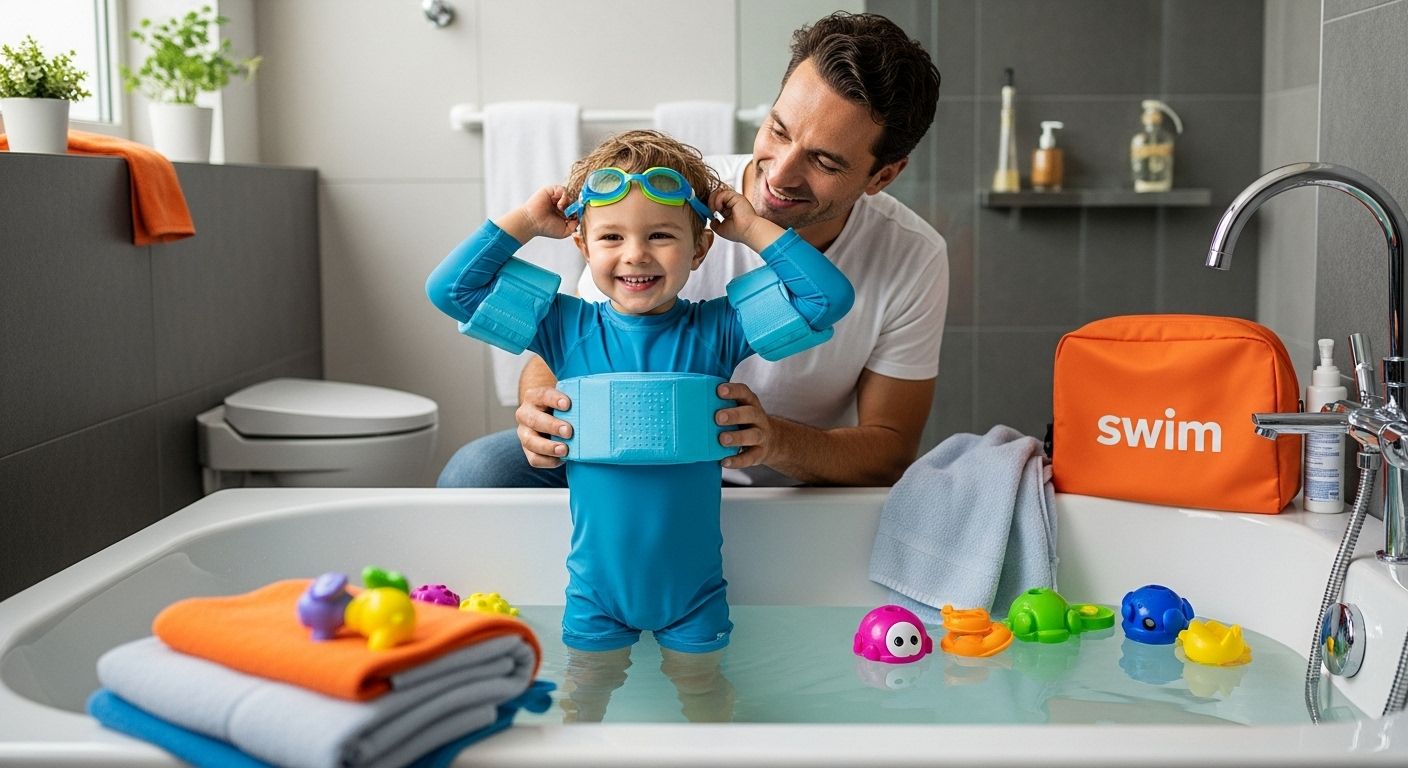
A successful preparation strategy ends with confidence, anticipation, and the certainty that your child is emotionally ready for the swimming course.
Below is a compact overview table of recommended equipment and materials for a swimming course with three-year-olds, along with their respective purposes.
| Material / Equipment | Purpose |
|---|---|
| Swimwear | Comfort and hygiene |
| Armbands/Swimming aids | Additional safety in the water |
| Special towel | Warms and creates a comfortable atmosphere |
| Swimming goggles | Eye protection and increased comfort |
| Swimming cap | Hygiene and fun factor |
| Water toys (e.g., rings, balls) | Playful approach, reduces fears |
| Shower gel/soap | Hygiene after the course |
Step 3: Plan a Safe and Pleasant Environment
Creating a safe and inviting swimming environment is crucial for the success of swimming lessons for three-year-olds. A well-thought-out environment can minimize fears and maximize readiness to learn.
Choose a swimming facility with child-friendly infrastructure. This means shallow pools with a constant, pleasant water temperature between 32 and 34 degrees Celsius. Water that is too cold can quickly deter children and create learning blocks. The water depth should reach a maximum of the child's shoulders to ensure safety.
Pay attention to the pool's surface. Smooth, non-slip surfaces and rounded edges are important. Avoid pools with smooth, tiled areas that can be slippery for small children. Ideal swimming pools have special children's areas with pedagogically sound design.
The environment should also have other child-friendly elements. Adequate changing facilities, warm showers and towels, and a friendly atmosphere are important. Visual stimuli such as colorful wall designs or child-friendly decorations can lower the anxiety threshold.
According to the recommendations of the American Academy of Pediatrics, emotional safety is just as important as physical safety. Make sure your child feels comfortable and respected. A friendly, patient swimming instructor can work wonders.
Plan practical details such as changing facilities, parent waiting areas, and visibility of the course. Some swimming pools offer observation windows, allowing parents to watch their children during the course, which provides additional reassurance.
Checklist for the ideal swimming environment:
- Warm water temperature
- Shallow, safe pool area
- Non-slip surfaces
- Friendly atmosphere
- Child-friendly equipment
Swimming badges and moments of success begin with a safe, trusting environment. Thoughtful preparation creates the foundation for positive water experiences.
Step 4: Incorporate Playful Learning into Lessons
Play-based learning is key to successful swimming instruction for three-year-olds. Children learn best when activities are fun and spark their natural curiosity. Lessons must be designed to convey water experiences positively and playfully.
The swimming instructor should develop games that subtly teach swimming techniques and water safety. For example, the “Seahorse Game” can teach children how to hold onto the pool wall or move gently in the water. Small water toys like balls, swim noodles, or diving rings make the exercises interesting and distract from potential fears.
According to scientific findings, entertaining swimming programs can significantly improve children's water skills while increasing their joy of learning. The balance between fun and targeted skill training is important.
Motor skill games should cover various aspects of water movement. Crawling like a crab, gliding like a dolphin, or spinning like a starfish – such playful movements train coordination and water feeling. The instructor must adapt the exercises to the developmental stage of the three-year-olds.
Interactive group games also promote social skills. A game like "Water Frog" can teach children to support each other and build trust. Group dynamics can reduce fears and increase motivation.
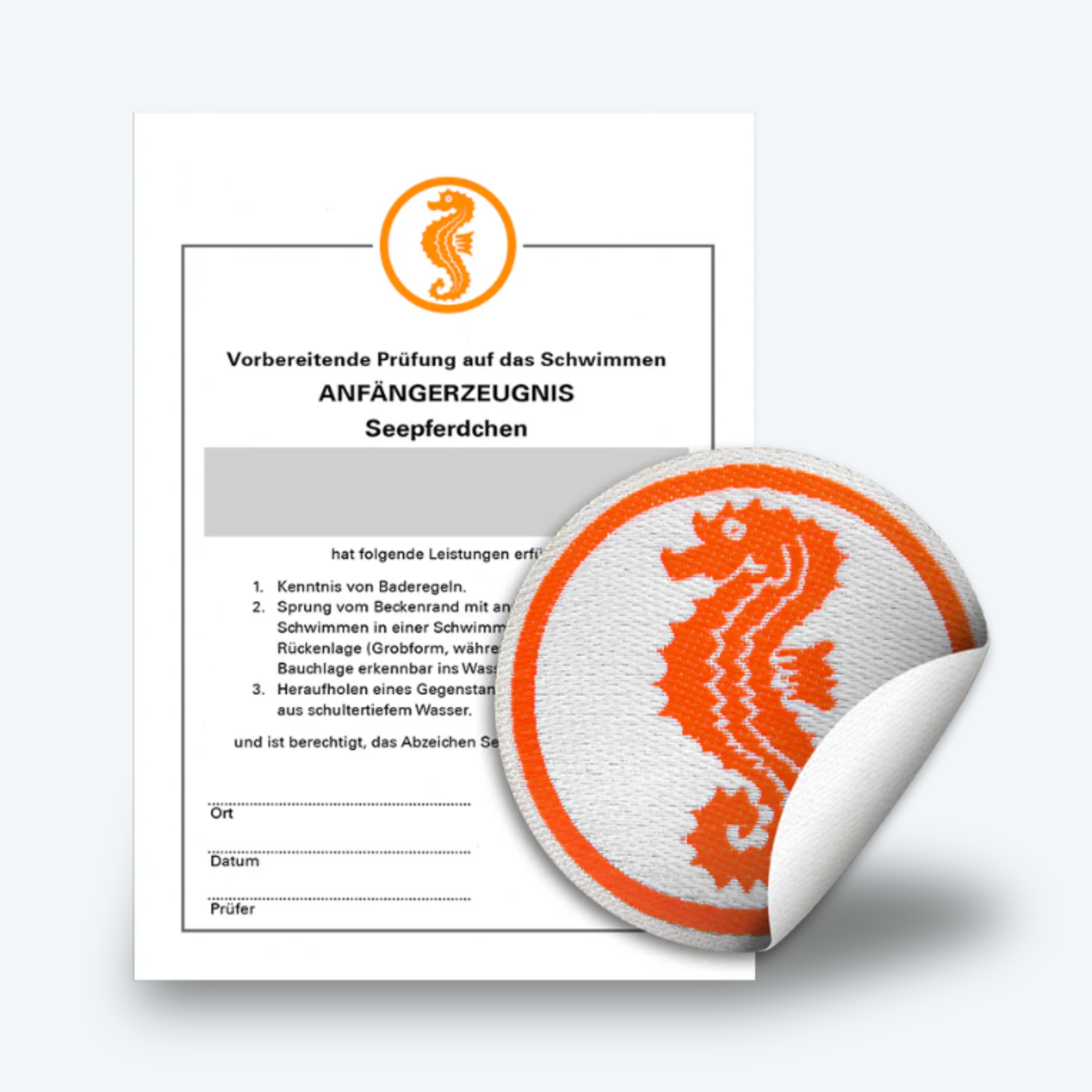
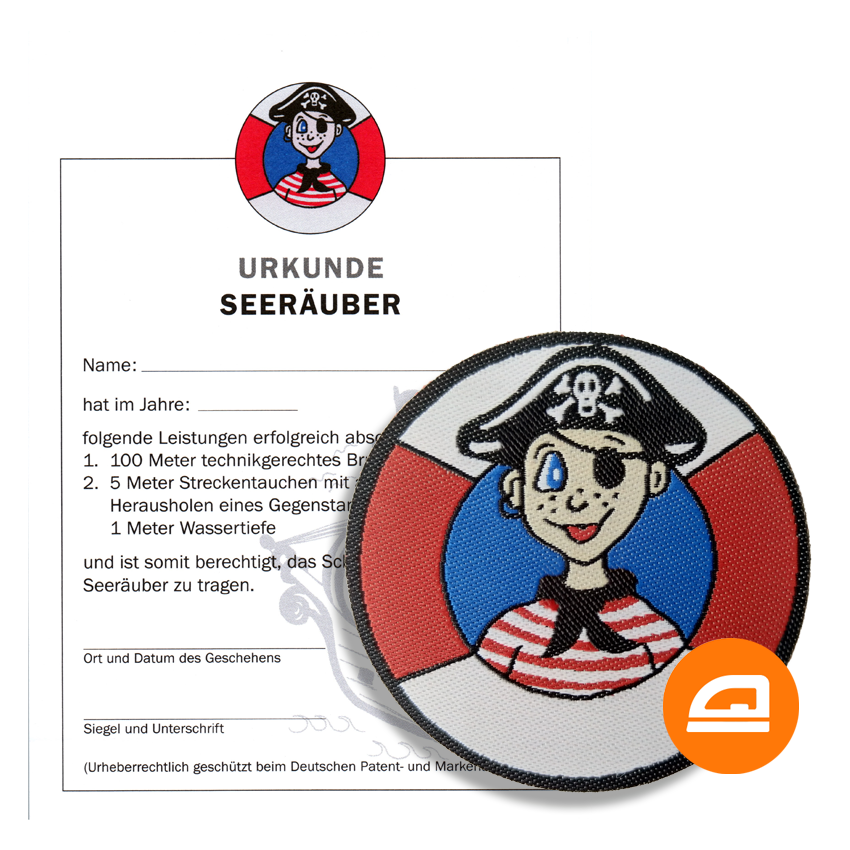
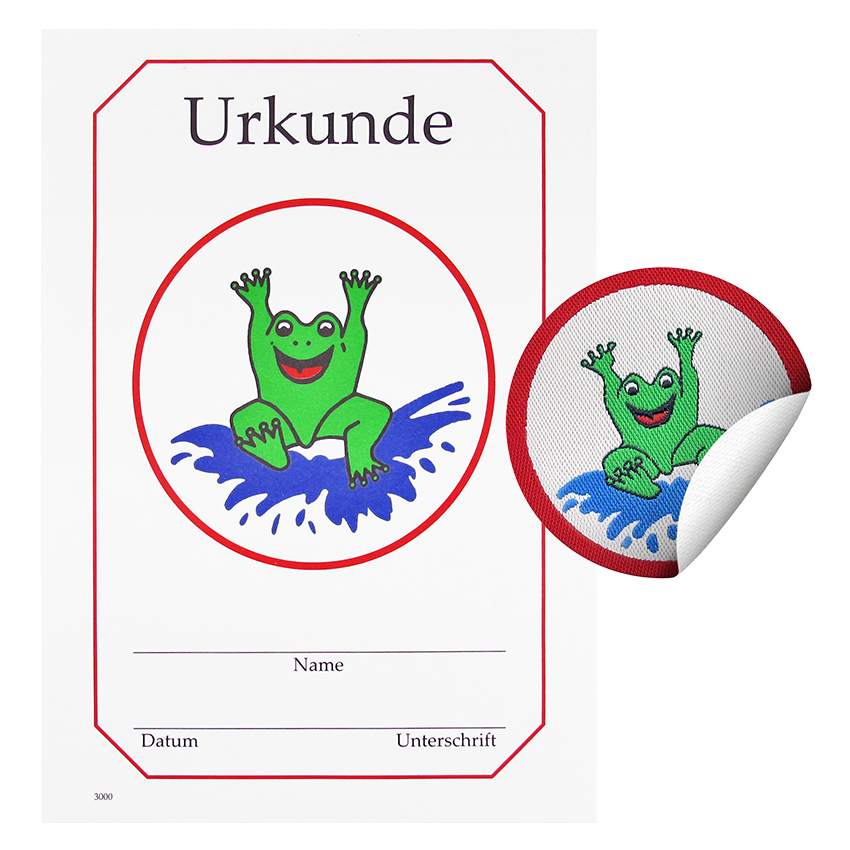
Visual success markers serve as additional motivation. Swimming badges and small certificates can encourage children and make their progress visible.
Checklist for playful swimming:
- Age-appropriate games
- Positive reinforcement
- Varied exercises
- Balance of fun and safety
The goal is not perfect swimming, but water confidence and joy in movement. Every smile, every small step forward counts.
Step 5: Monitor Progress Regularly
Regularly monitoring swimming progress in three-year-olds is crucial for successful development. Progress observation means more than just technical assessment – it's about holistic development and building trust.
A structured progress report should encompass several dimensions. Observe not only technical swimming skills but also emotional development. How does your child behave in the water? Does he show growing self-confidence? Are fears decreasing? These qualitative aspects are at least as important as measurable swimming techniques.
According to the recommendations of the American Academy of Pediatrics, parents and swimming instructors should document progress together. Keep a simple progress diary with notes on water confidence, learned movements, and individual challenges.
Specific progress indicators for three-year-olds include:
- Independently holding onto the pool wall
- Submerging the face
- Short gliding movements
- Basic breathing techniques
- Emotional safety in the water
Set realistic expectations. Every child learns individually. Compare progress not with other children, but with your own child's previous achievements. Even the smallest progress deserves recognition and encouragement.
Joint reflection discussions with the swimming instructor are crucial. Ask about specific observations, strengths, and potential areas for development. A professional instructor can provide valuable insights into individual development.
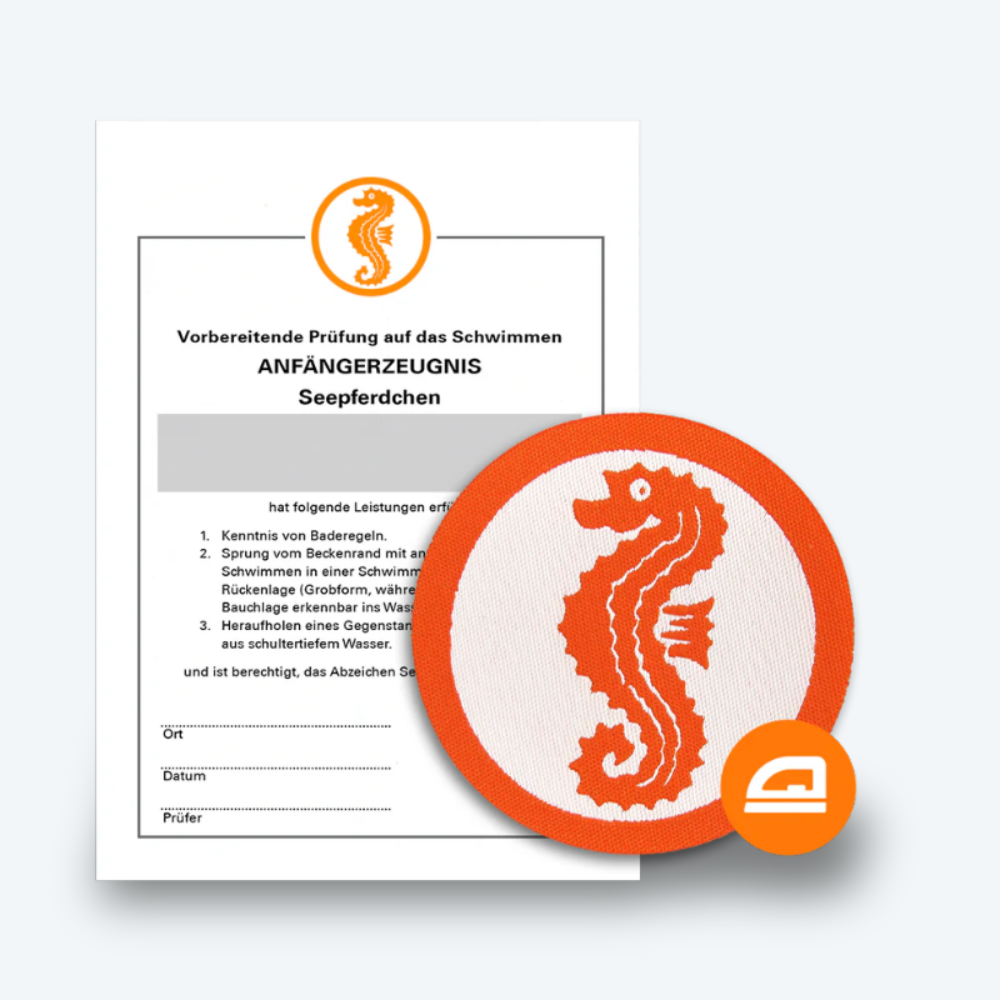
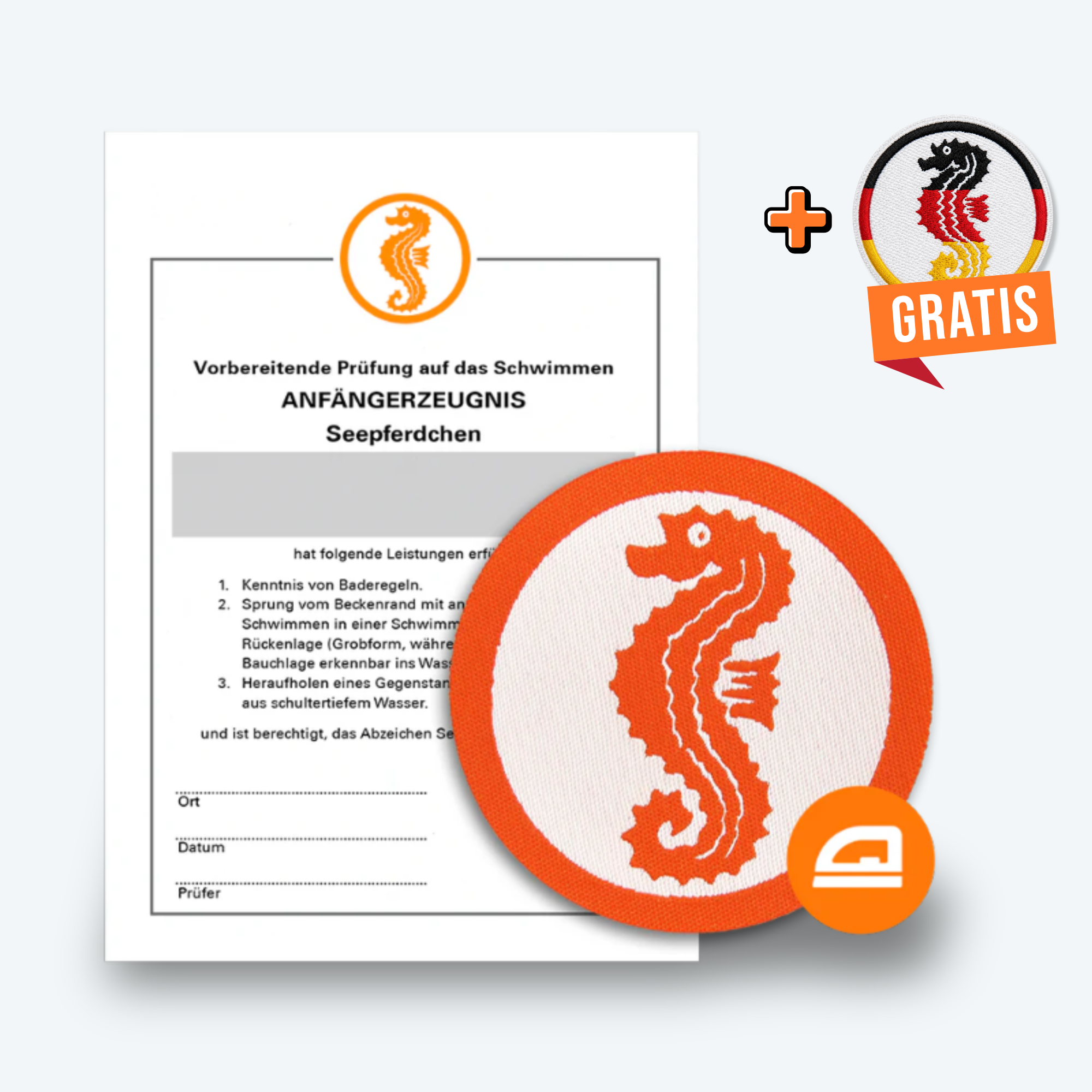
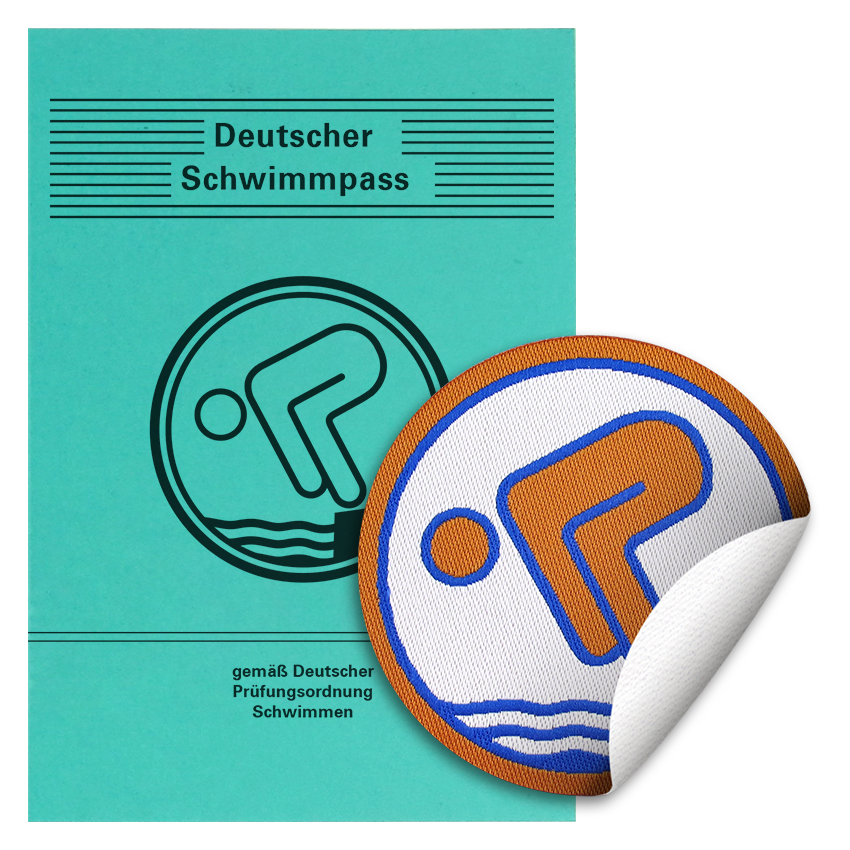
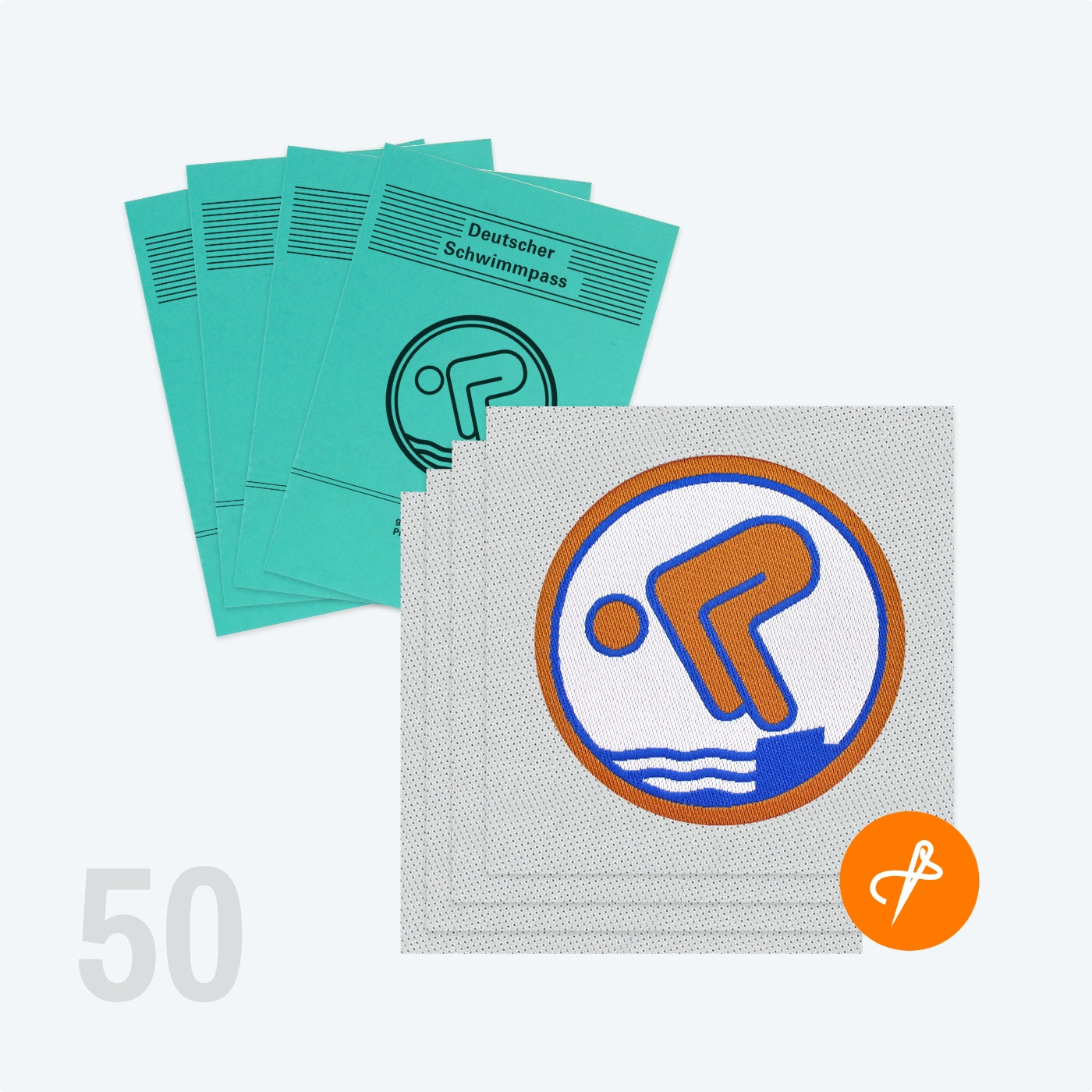
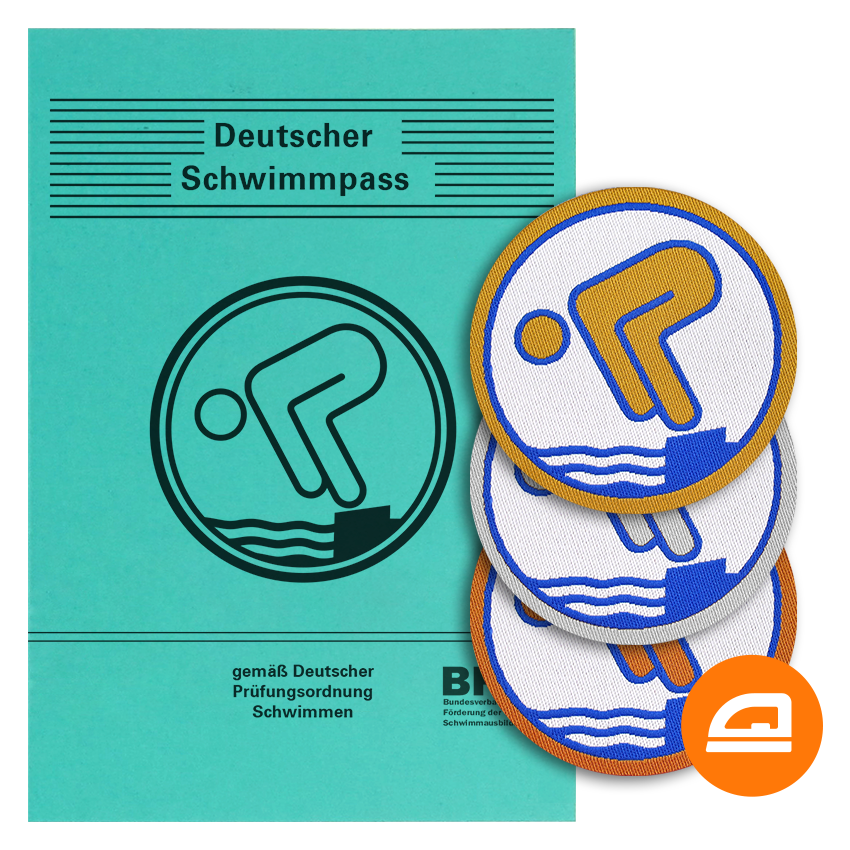
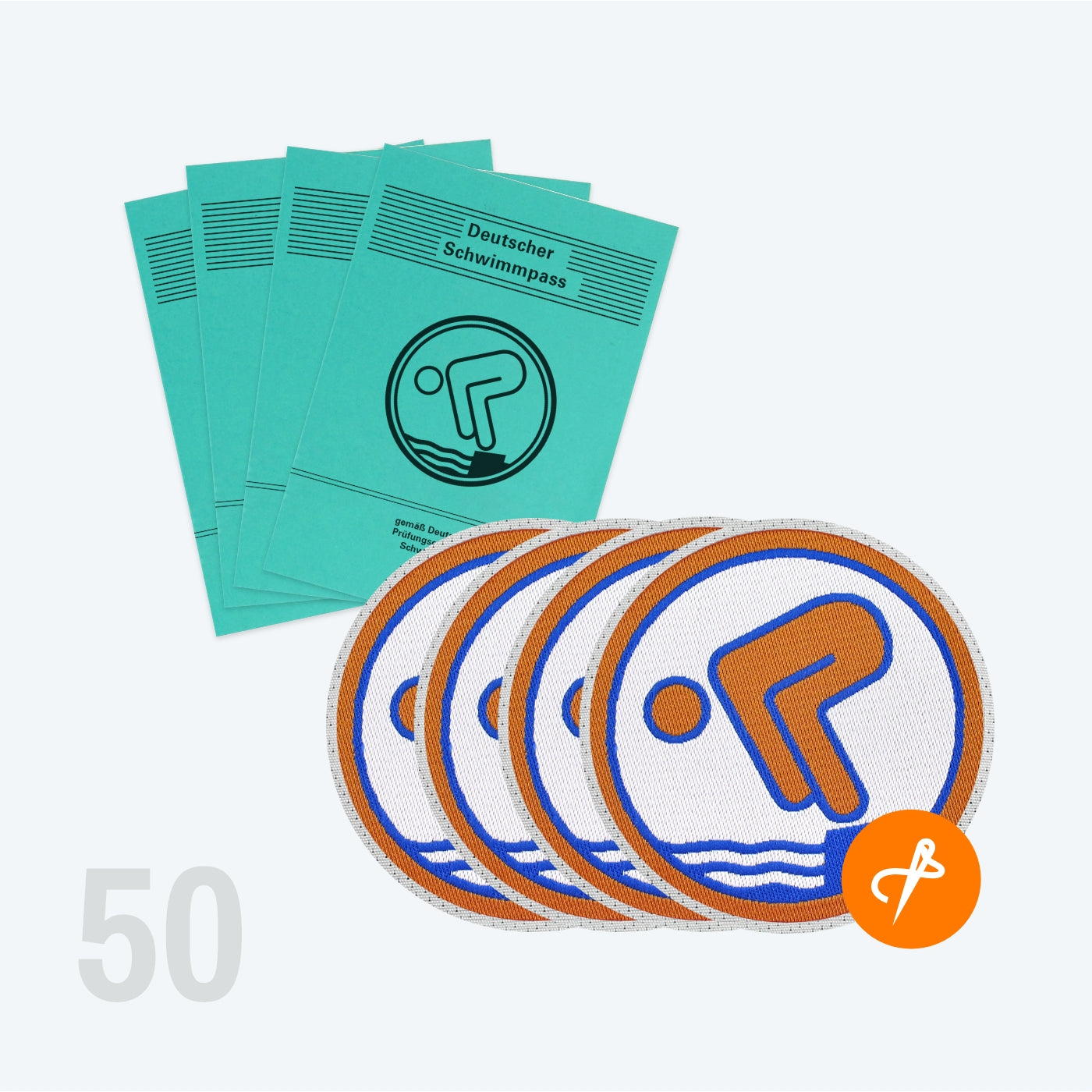
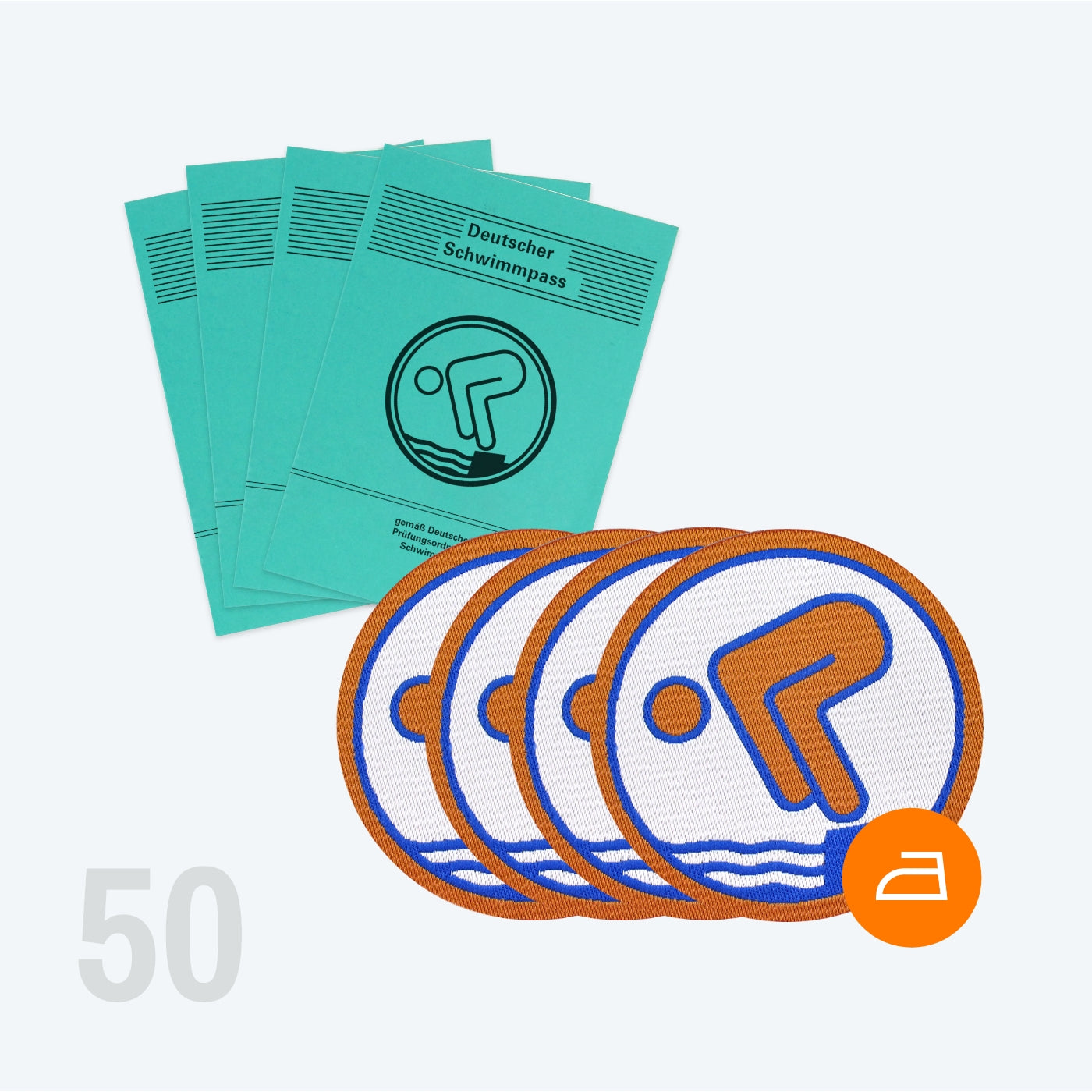
Swimming badges like the "Seepferdchen" (Seahorse) can serve as motivating intermediate goals. They not only document progress but also increase motivation.
The most important progress remains your child's growing confidence. A smiling face, joy in the water, and increasing safety are the best indicators of successful swimming development.
The following table summarizes the most important progress indicators that help to observe and evaluate your child's development during the swimming course in a structured way.
| Progress Indicator | Description |
|---|---|
| Independently holding onto the pool wall | Child grasps securely and independently |
| Submerging the face | Face is voluntarily submerged in water |
| Short gliding movements | Gliding movements in the water are practiced |
| Basic breathing techniques | Inhaling and exhaling in water succeeds |
| Emotional safety in the water | Child appears relaxed and fearless |
Step 6: Celebrate Successes and Encourage Further Learning
Completing a swimming course for three-year-olds doesn't mean the end, but the beginning of an exciting water sports journey. Celebrating successes is crucial for your child's motivation and further learning.
Every small step forward deserves recognition. A first submersion, independently holding onto the pool wall, or a short glide are milestones that deserve great attention and praise. Material rewards are less important than emotional reinforcement. Enthusiastic applause, a proud smile, or a special family outing can work wonders.
According to the recommendations of the American Academy of Pediatrics, parents should actively acknowledge swimming achievements. Document progress, for example, with photos, short video recordings, or a swimming diary. These memories not only motivate your child but also create precious family moments.
Plan activities that playfully reinforce what has been learned. Family outings to lakes, swimming pools, or beaches can naturally expand water skills. Let your child experiment and try new movements under supervision.
An important aspect of celebrating success is reflection. Talk to your child about their feelings, fears, and joys during the course. Show understanding for challenges and emphasize personal progress.
An excellent motivational method is official swimming badges. The "Seepferdchen" (Seahorse) badge is not just a certificate, but a visible symbol of courage and development.
Checklist for celebrating success:
- Have positive conversations
- Document progress
- Give small rewards
- Plan further water activities
- Show pride and joy
The ultimate goal is to encourage your child to remain curious and develop a love for water sports activities. Every success is a step towards greater safety and self-confidence.
Lay the Foundation for Safe Swimming – with Pimpertz
Your child is at the beginning of their swimming journey, and you want to make every small success visible? In our article, you've learned how valuable positive reinforcement and playful learning are in swimming courses for three-year-olds. Especially when your child shows initial progress and perhaps even overcomes their fear of water, it's important to celebrate these moments and continuously motivate them. An official swimming badge or a child-friendly certificate can become a true courage booster. Appreciation works when it becomes visible – this way, new water confidence remains firmly anchored.
At Pimpertz, you'll find a wide selection of swimming badges and certificates, specifically for children aged three and up. Our high-quality badges are not only durable but make every swimming success tangible. Boost your child's motivation with an individual reward package that creates memories and fosters a desire for further learning. Discover the right accessories now and ensure your child embarks on their next swimming adventure with joy and pride – ideally right away at Pimpertz, the reliable partner for safe swimming success.
Frequently Asked Questions
How do I choose the right swimming course for my three-year-old child?
Parents should choose a course specifically tailored to the age group, ideally with a maximum of 5-6 children, to ensure individual supervision.
What can I do to prepare my child for the swimming course?
Start with playful water activities at home that build confidence. Discuss swimming rules playfully and choose swimming equipment together.
What environment is best suited for a swimming course for three-year-olds?
The ideal environment features shallow pools, comfortable water temperatures (32–34 degrees Celsius), and child-friendly infrastructure such as non-slip surfaces and a friendly atmosphere.
How can my child benefit from playful learning in a swimming course?
Play-based learning not only promotes the acquisition of swimming techniques but also confidence and enjoyment of water. Interactive games integrate motor exercises and social skills into the lesson.