
Swimming course from 3 years: Children learn to swim safely
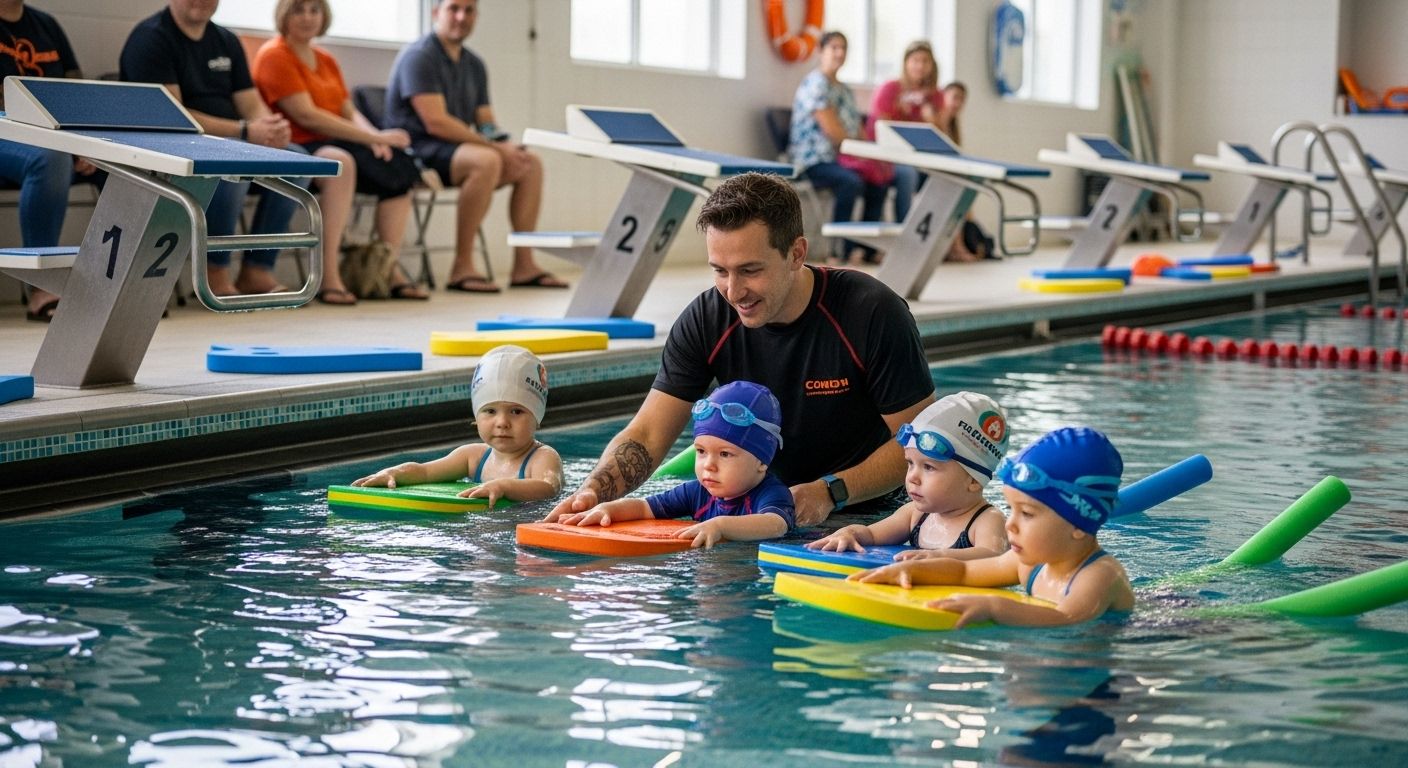
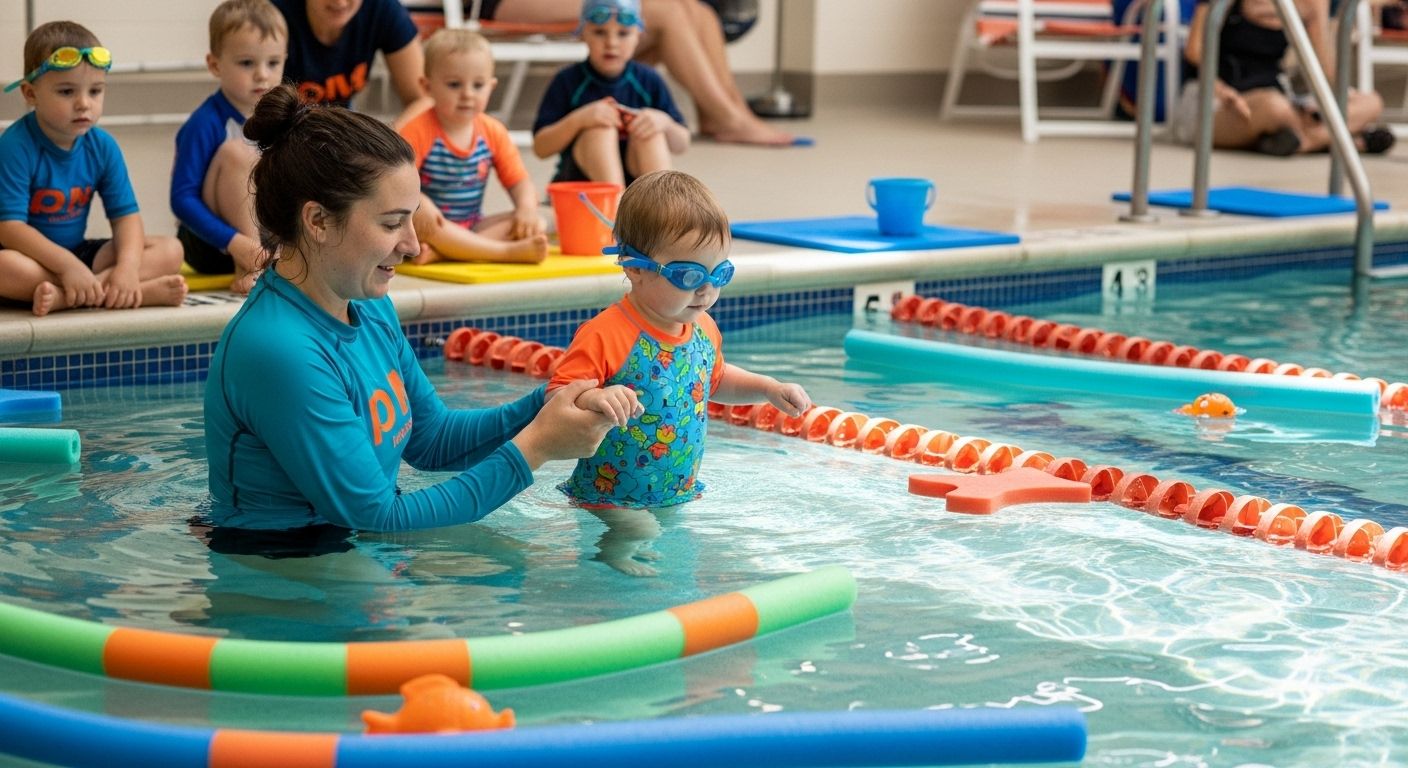
Learning to swim is an exciting adventure for many children and an important life skill. In fact, research shows that small group sizes of a maximum of 6 to 8 children significantly increase learning success. What many parents find surprising, however, is that the correct swimming style or speed is not what matters most. It is emotional security and joy in the water that determine a lasting enthusiasm for water.
Table of Contents
- Step 1: Choose the Right Swimming Course
- Step 2: Prepare Your Child for the Course
- Step 3: Attend the First Swimming Lesson
- Step 4: Teach Swimming Techniques Playfully
- Step 5: Monitor Your Child's Progress
- Step 6: Celebrate Achievements and Set New Goals
Quick Summary
| Key Point | Explanation |
|---|---|
| 1. Choose Qualified Swimming Instructors | Trained instructors are crucial for addressing children's needs and overcoming fears. |
| 2. Small Groups for Individual Learning | Group sizes of 6-8 children allow for targeted support and personal attention. |
| 3. Create a Positive, Motivating Environment | Fear-free communication and positive experiences strengthen your child's confidence in the water. |
| 4. Fun Through Playful Techniques | Children learn best through games; integrate swimming movements into entertaining activities. |
| 5. Document and Celebrate Progress | Record developments and acknowledge even small successes to foster motivation. |
Step 1: Choose the Right Swimming Course
The first and most important step in teaching children aged 3 and up to swim is carefully selecting the right swimming course. Not every course is equally suitable, and the right choice significantly determines your child's learning success and enjoyment of the water.
Several crucial factors play a role in choosing a swimming course. First, you should pay attention to the qualifications of the swimming instructors. Trained instructors with experience in children's training are essential. They understand age-specific needs and can introduce swimming in a playful and patient manner. A good swimming instructor recognizes each child's individual strengths and fears and can address them specifically.
According to scientific studies, other important aspects in course selection are:
- Small group sizes (maximum 6-8 children)
- Age-appropriate teaching methods
- Child-friendly learning environment
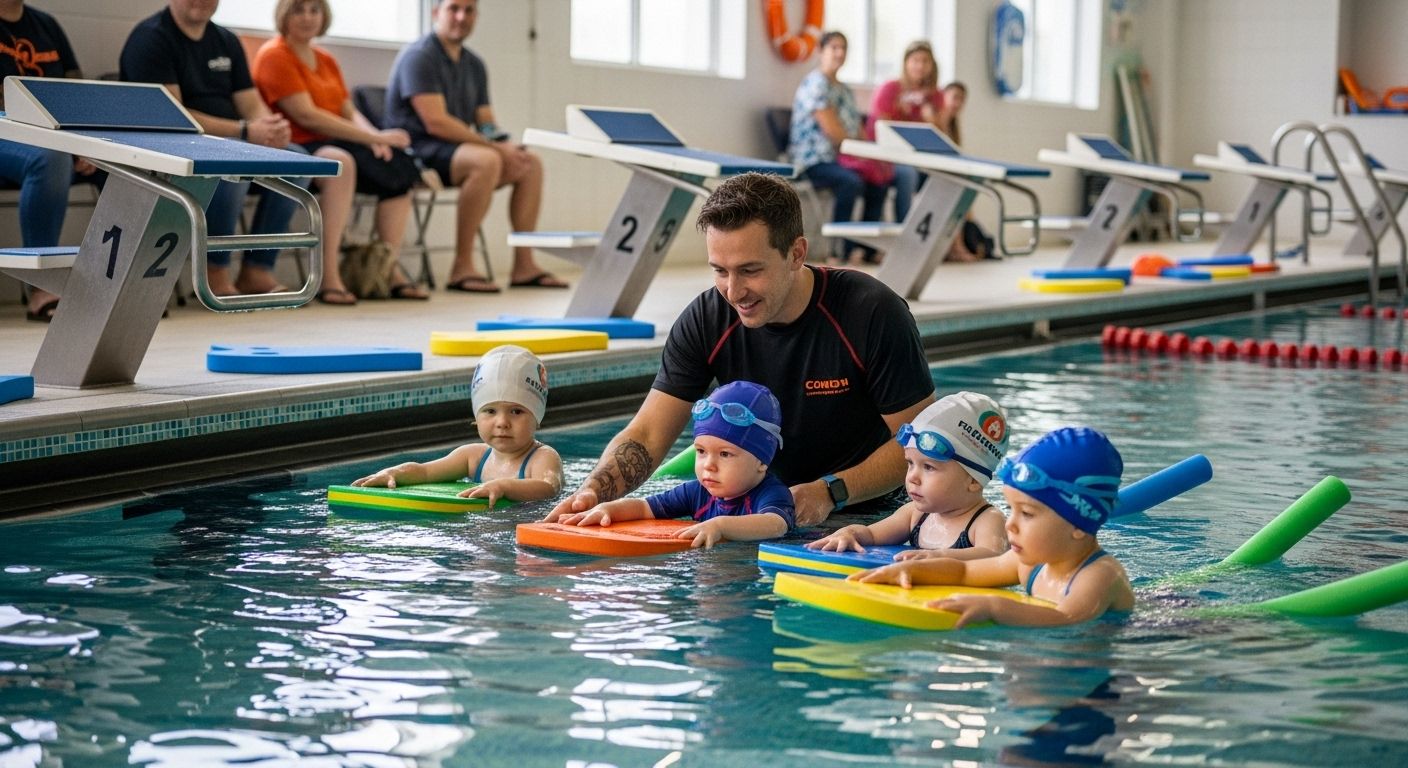
Also, pay attention to the atmosphere and facilities of the swimming pool. An inviting, warm pool with child-friendly aids such as kickboards, swimming noodles, and diving rings makes the course attractive. Our guide to swimming courses offers additional tips for optimal selection.
Observe your child closely during the first lesson. A positive reaction, curiosity, and slowly growing confidence in the water are good signs. Do not hesitate to change courses if your child shows persistent fears or feels uncomfortable. The goal is not just to learn to swim, but also to enjoy and have fun in the water.
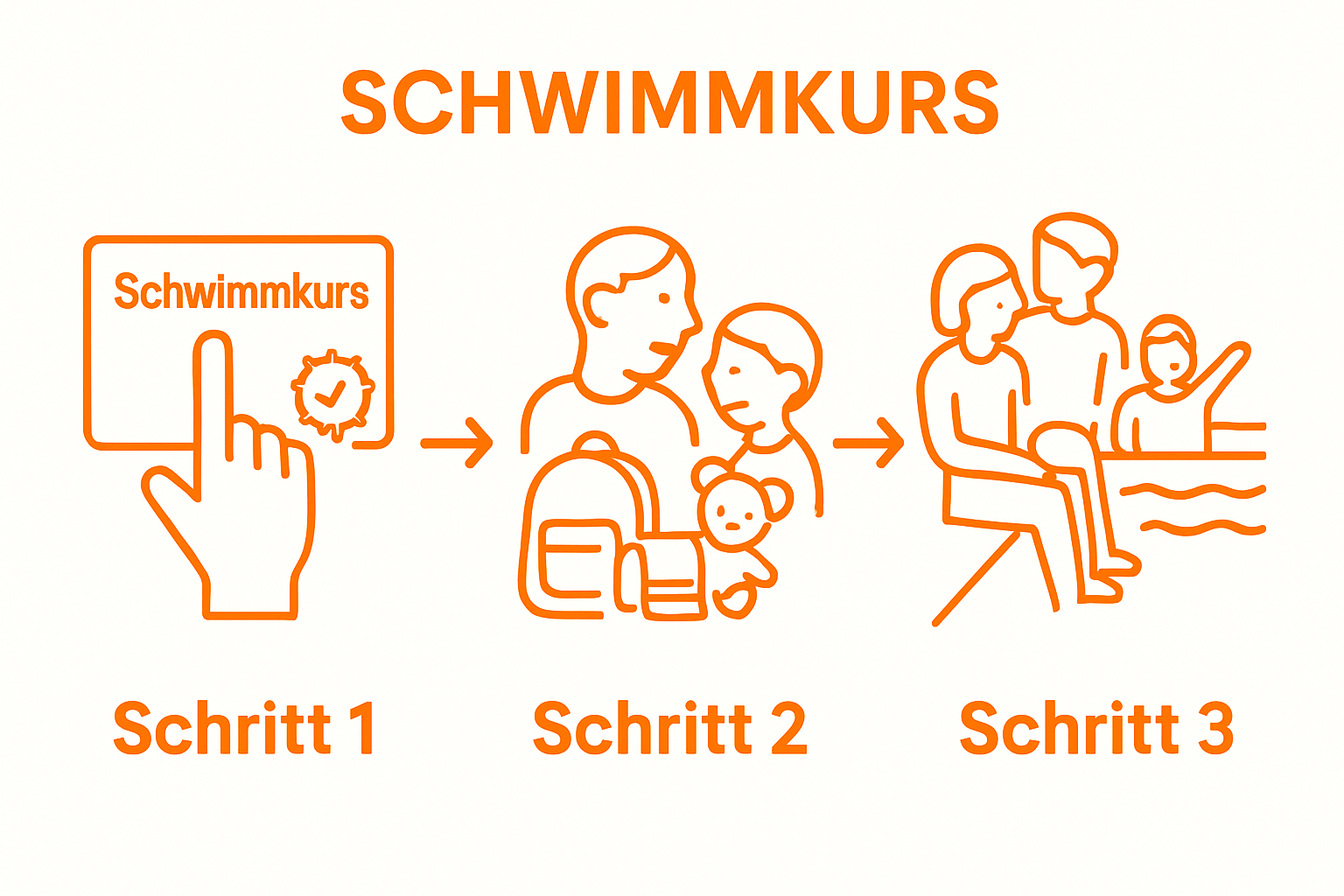
Step 2: Prepare Your Child for the Course
Preparation for the swimming course is crucial for your child's success and emotional security. This step goes far beyond merely packing swim gear and requires a sensitive, trusting approach.
Talk positively and motivatingly about swimming. Children sense their parents' emotions, so enthusiastic, fear-free communication is important. Tell your own positive swimming experiences or show your child entertaining swimming videos that convey joy and fun. Avoid stories or remarks that could trigger fear.
Our swim course preparation guide helps you prepare your child optimally for the course. Let your child gain initial water experience before the course begins. This can happen in the bathtub, a paddling pool, or during a joint visit to the swimming pool. Show joy and relaxation in the water yourself to give your child a sense of security.
Prepare practical items that give your child security:
- Comfortable swimwear
- Soft terry towels
- Warm changing clothes
- Non-slip bathing shoes
- A small cuddly toy as a confidence anchor
Observe your child's emotional state in the days leading up to the course. If signs of anxiety appear, speak calmly and empathetically. Take fears seriously; do not trivialise them. At the same time, signal confidence and support. A successful swimming course begins with emotional preparation and trust.
Below you will find a practical checklist for helpful items and preparations that will give your child more security when starting the swimming course.
| Item | Purpose/Why Important |
|---|---|
| Comfortable swimwear | Ensures freedom of movement and well-being |
| Soft terry towels | Warms after swimming and provides comfort |
| Warm changing clothes | Keeps the child warm after swimming |
| Non-slip bathing shoes | Prevents slipping at the pool edge |
| Small cuddly toy | Provides emotional support and security |
Step 3: Attend the First Swimming Lesson
The first swimming lesson is a crucial moment for your child. This moment shapes their attitude towards swimming and can determine future enthusiasm or fear of water. Your presence and support are absolutely vital during this phase.
Enter the swimming area calmly and positively. Children immediately sense their parents' emotions. A relaxed, encouraging attitude helps your child gain confidence. Position yourself so that your child can see you – as an invisible anchor of security.
According to recommendations from child swimming experts, you should observe closely during the first lessons without intervening too much. Give the swimming instructor space for professional guidance. Important: Avoid giving your child instructions or commenting on the lesson.
Our guide to the first swimming course offers additional support for this important step. Pay attention to your child's body language:
- Does it show curiosity and cautious interest?
- Does it seem relaxed or tense?
- Does it seek eye contact with you?
After the lesson, an open conversation is important. Don't just ask, "How was it?", but be specific. "What did you enjoy most?" or "What new movement did you learn today?" motivates your child to share their experiences. Praise small progress and show understanding for any uncertainties. The key lies in unconditional support and positive reinforcement.
Here is an overview table of all the main steps of the swimming course, focusing on the goal, recommended accompaniment, and the respective difficulty level.
| Step | Goal/Result | Recommended Accompaniment | Difficulty Level |
|---|---|---|---|
| Choose the right swimming course | Suitable course for learning success and fun | Parents | Medium |
| Prepare child emotionally and practically | Build security and joy | Parents | Low |
| Attend the first swimming lesson | Positive first experience, gain trust | Parents (passively present) | High |
| Practice swimming techniques playfully | Learn techniques through fun and motivation | Swimming instructor/Parents | Medium |
| Regularly monitor progress | Recognize and document development | Parents | Low |
| Celebrate successes and set new goals | Maintain motivation, strengthen joy | Parents | Low |
Step 4: Teach Swimming Techniques Playfully
Learning swimming techniques doesn't have to be boring. Children learn best through play and joy, so a playful approach is crucial for success in learning to swim. The key is to transform technical movements into entertaining activities that excite and motivate children.
Start with simple water games that subtly integrate basic swimming movements. For example, "Seahorse Races" can help children practice gliding and kicking. Let them glide through the water like little seahorses, which simultaneously improves body posture and water position. Our swim course strategy recommends always embedding techniques in playful contexts.
According to scientific findings, games with clear rules are particularly effective for learning swimming techniques. Develop challenges like "Pirates in the Water," where children have to perform various swimming movements to "rescue treasures." This not only trains technical skills but is also incredibly fun.
Important game elements for effective swimming lessons:
- Short, clear game instructions
- Positive reinforcement and encouragement
- Varied movement tasks
- Consideration of individual learning paces
Make sure to support each child individually. Not all children learn at the same pace or have the same movement talents. Be patient, praise, and create an atmosphere where mistakes are allowed and seen as learning opportunities. Fun and self-confidence are paramount – technical perfection comes with time.
Step 5: Monitor Your Child's Progress
Progress in learning to swim is more than just technical skills. It's about emotional development, water safety, and growing self-confidence. As parents, you are the most important observers and supporters on this journey.
Have regular, relaxed conversations with your child about their swimming lessons. Ask not just about techniques, but also about feelings. "What did you enjoy most today?" or "How did you feel in the water?" are much more insightful than technical inquiries. Our guide to swim course progress offers additional insights into the development of young swimmers.
Observe concrete progress in various areas:
- Water safety and body posture
- Emotional attitude towards water
- Technical swimming movements
- Confidence and independence
Pay special attention to subtle changes. A child who initially feared splashes and now confidently splashes around has made enormous progress. Technical perfection is secondary at this age. Emotional security and joy in the water are the true measures of success.
Document the progress. Keep a small diary with notes on swimming lessons, occasionally record videos, or take photos. This not only helps with progress tracking but will also be a valuable memory later. Share your observations constructively with the swimming instructor and remain patient. Every child learns at their own pace.
Step 6: Celebrate Achievements and Set New Goals
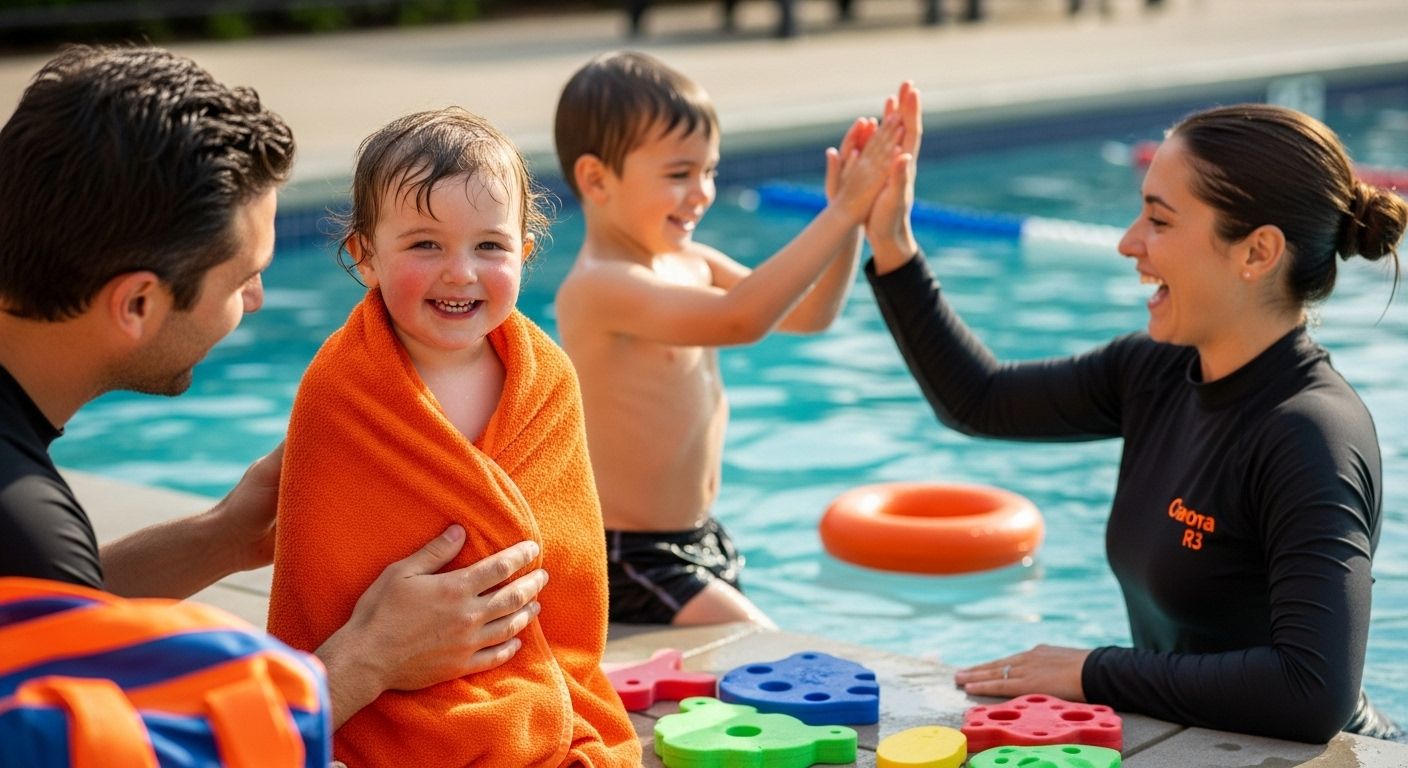
Celebrating achievements is more than a nice gesture—it's a crucial motivator for children. Every small step forward in learning to swim deserves recognition and appreciation. The way you celebrate successes can significantly influence your child's future willingness to learn and enthusiasm for water.
Start with individual celebration rituals that bring joy to your child. This could be a special family activity, a specific ice cream, a handmade badge, or a special outing. Our swim course recommendations emphasize the importance of personal achievements.
According to educational insights, goals should be realistic and age-appropriate. Set new challenges together that motivate your child without overwhelming them.
Important aspects for goal setting:
- Define concrete, achievable swimming micro-skills
- Respect individual pace
- Focus on fun and joy
- Visualize progress
The most important thing is a positive atmosphere. Avoid comparisons with other children. Every child develops differently. Focus on individual progress and growing confidence in the water. An encouraging smile, a warm hug, or an encouraging phrase can achieve more than any material reward. Create an environment where your child develops a love for learning and discovery.
Swimming Badges as the Next Milestone – Guiding Your Child with Motivation and Safety
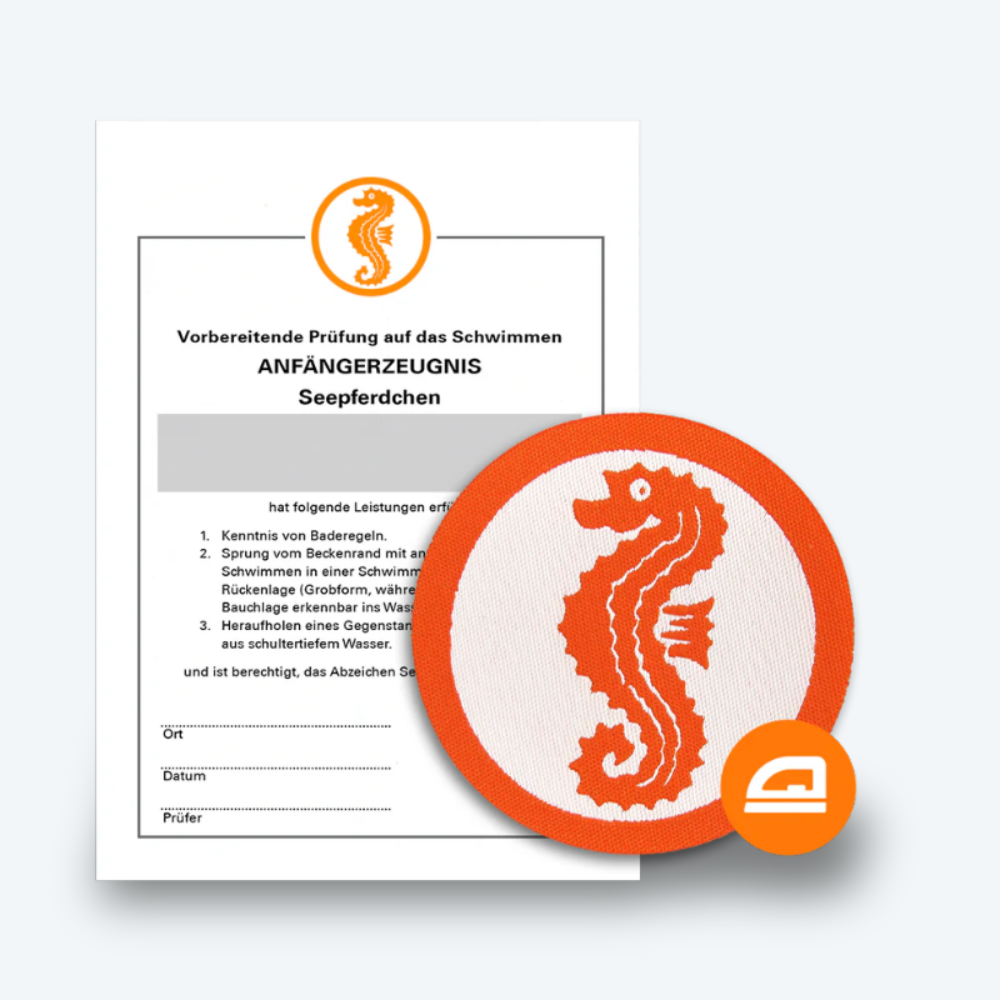
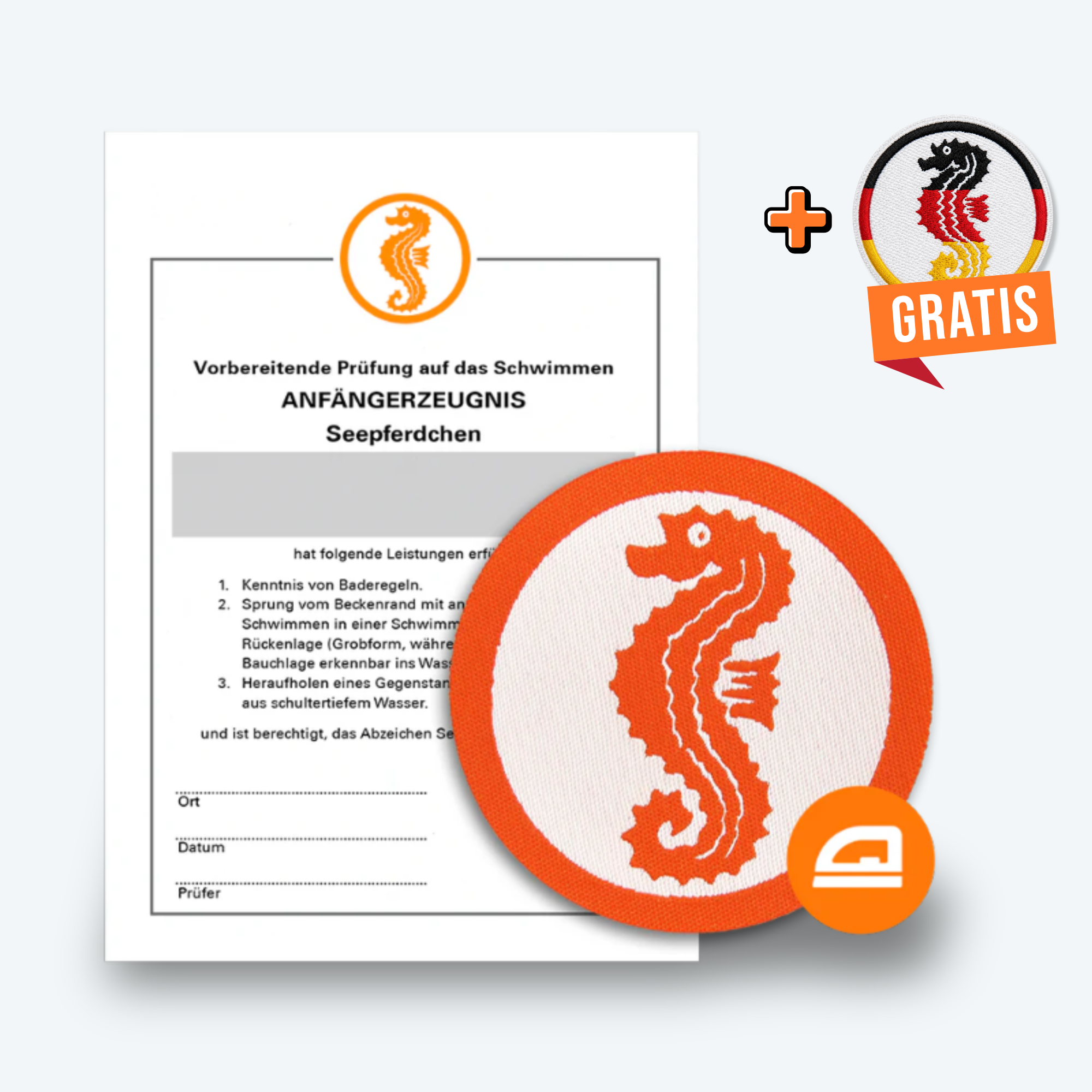
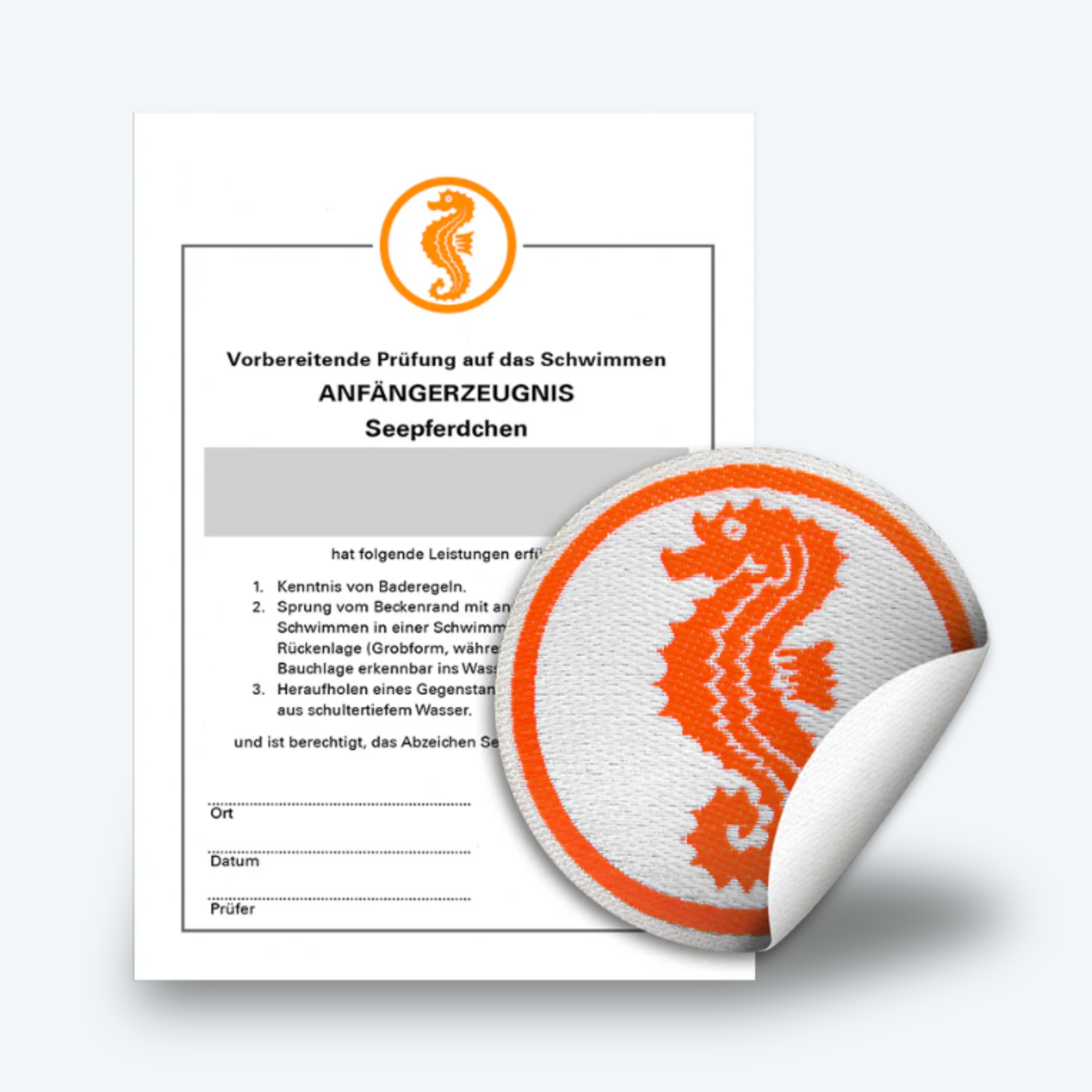
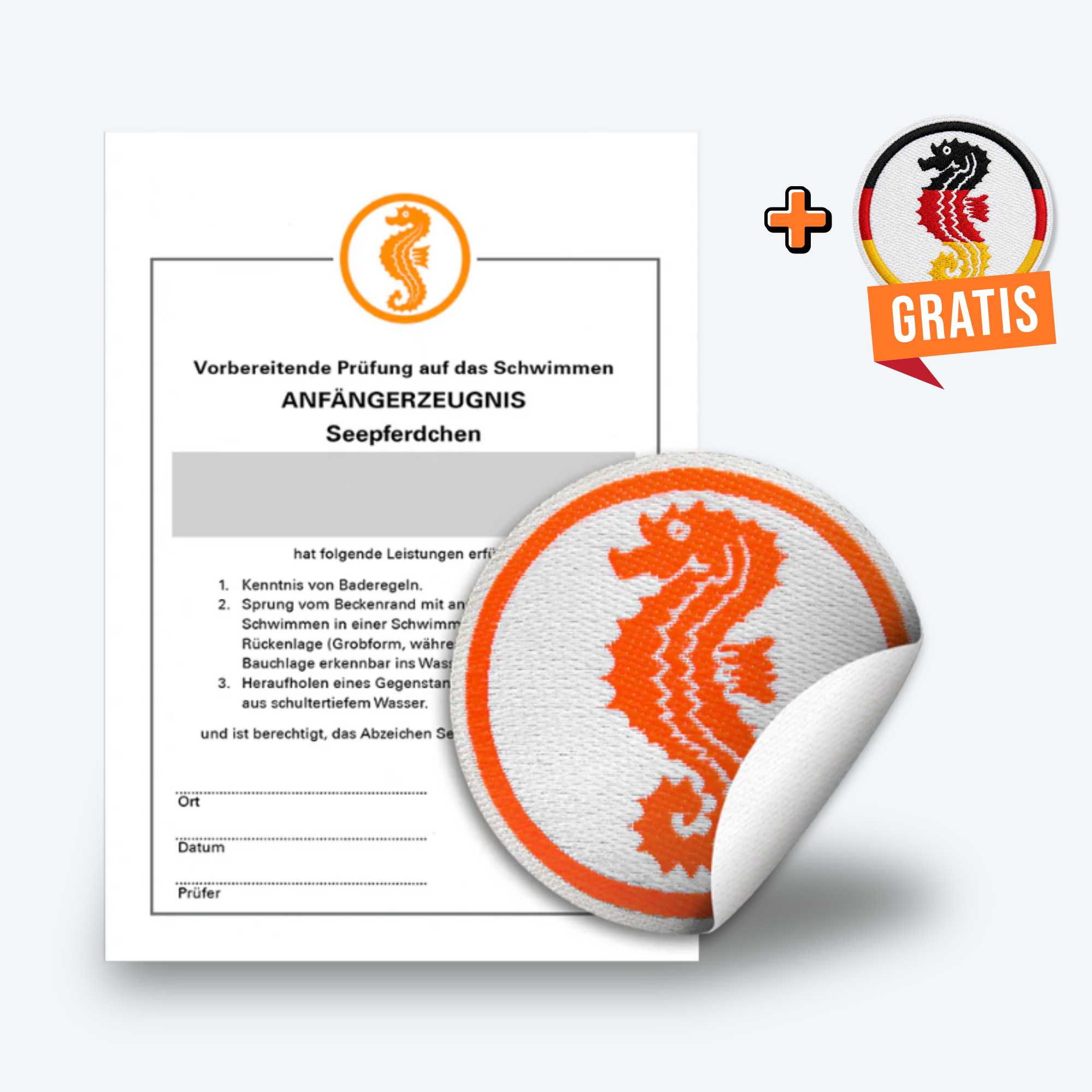
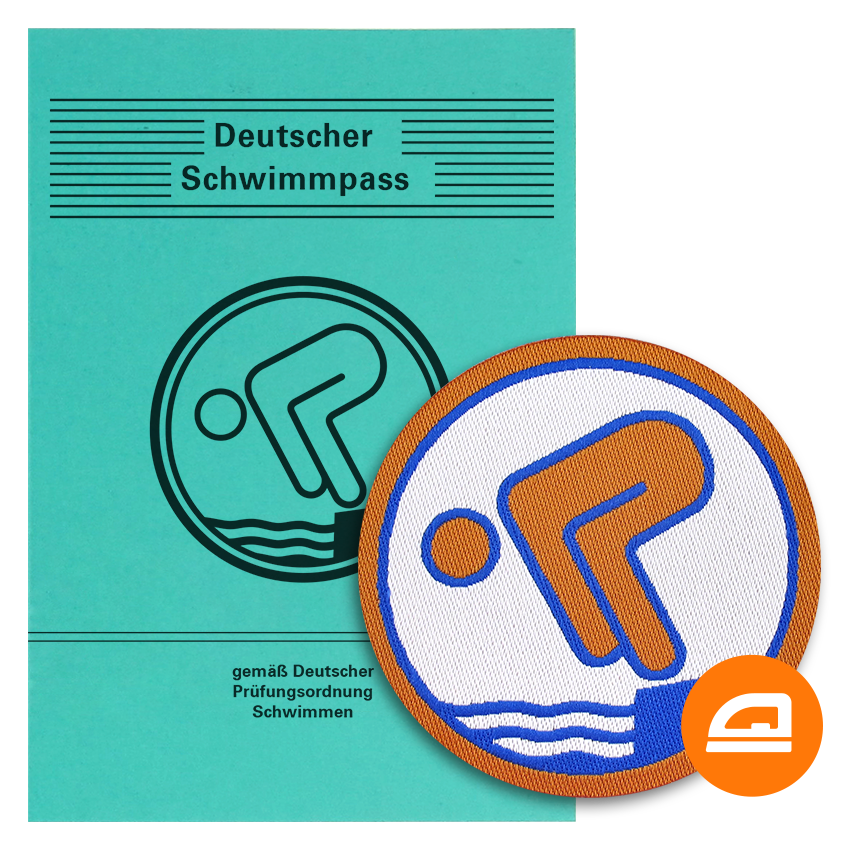
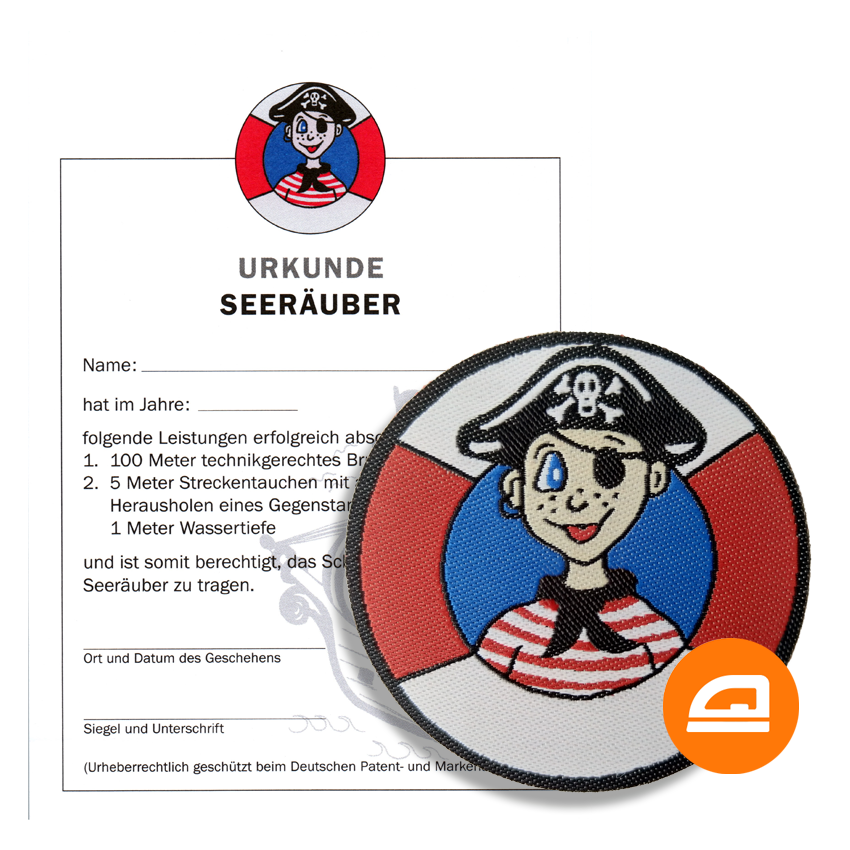
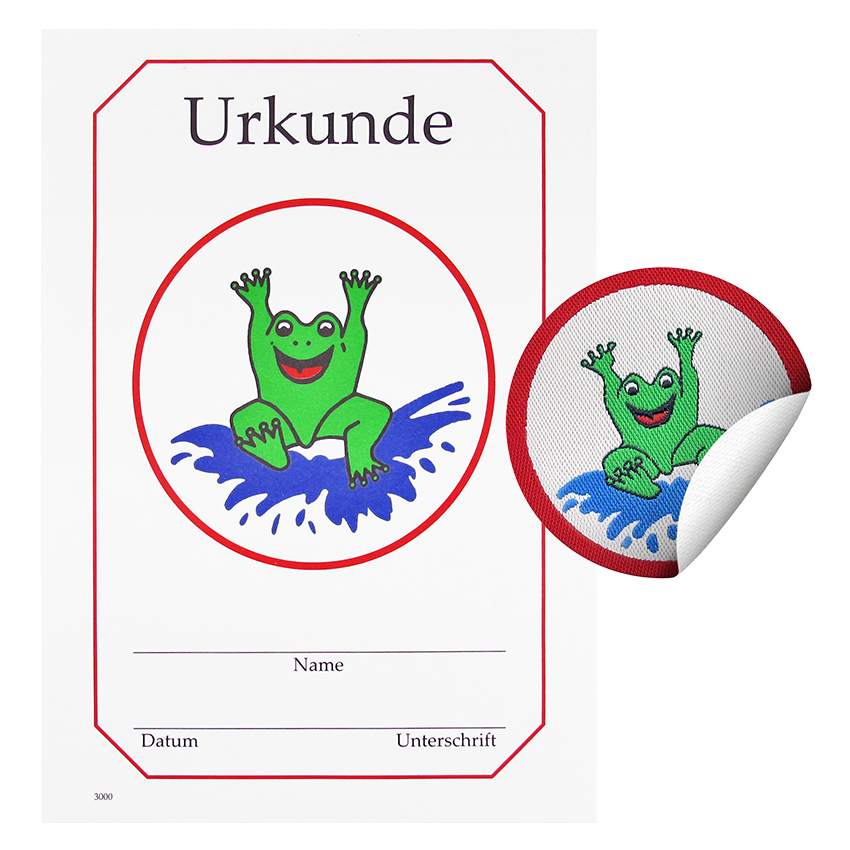
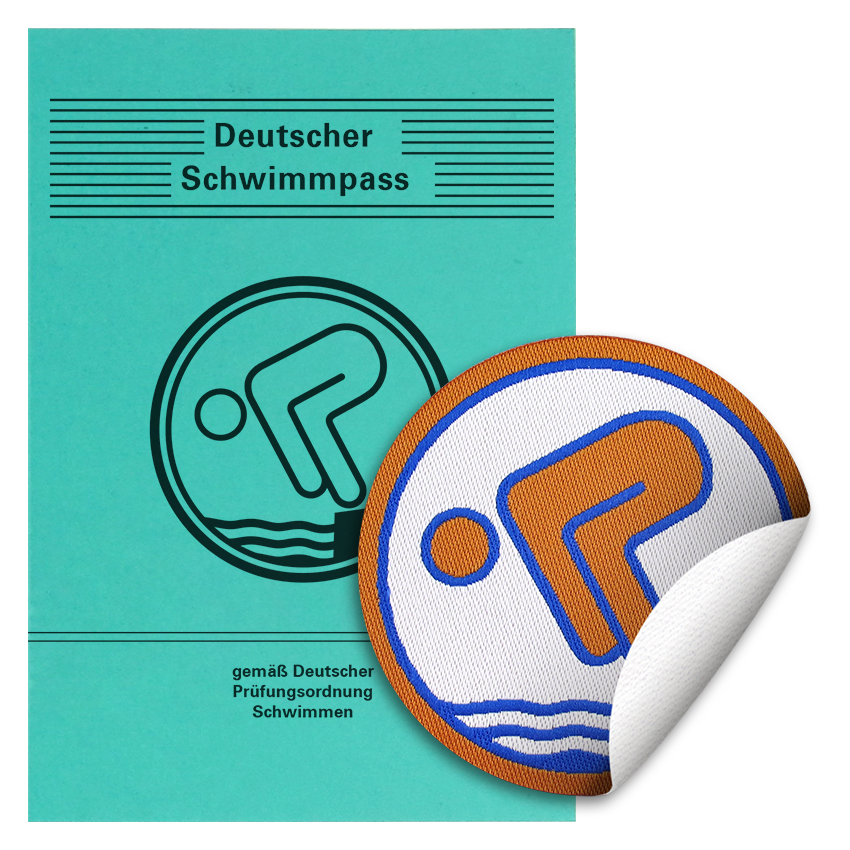
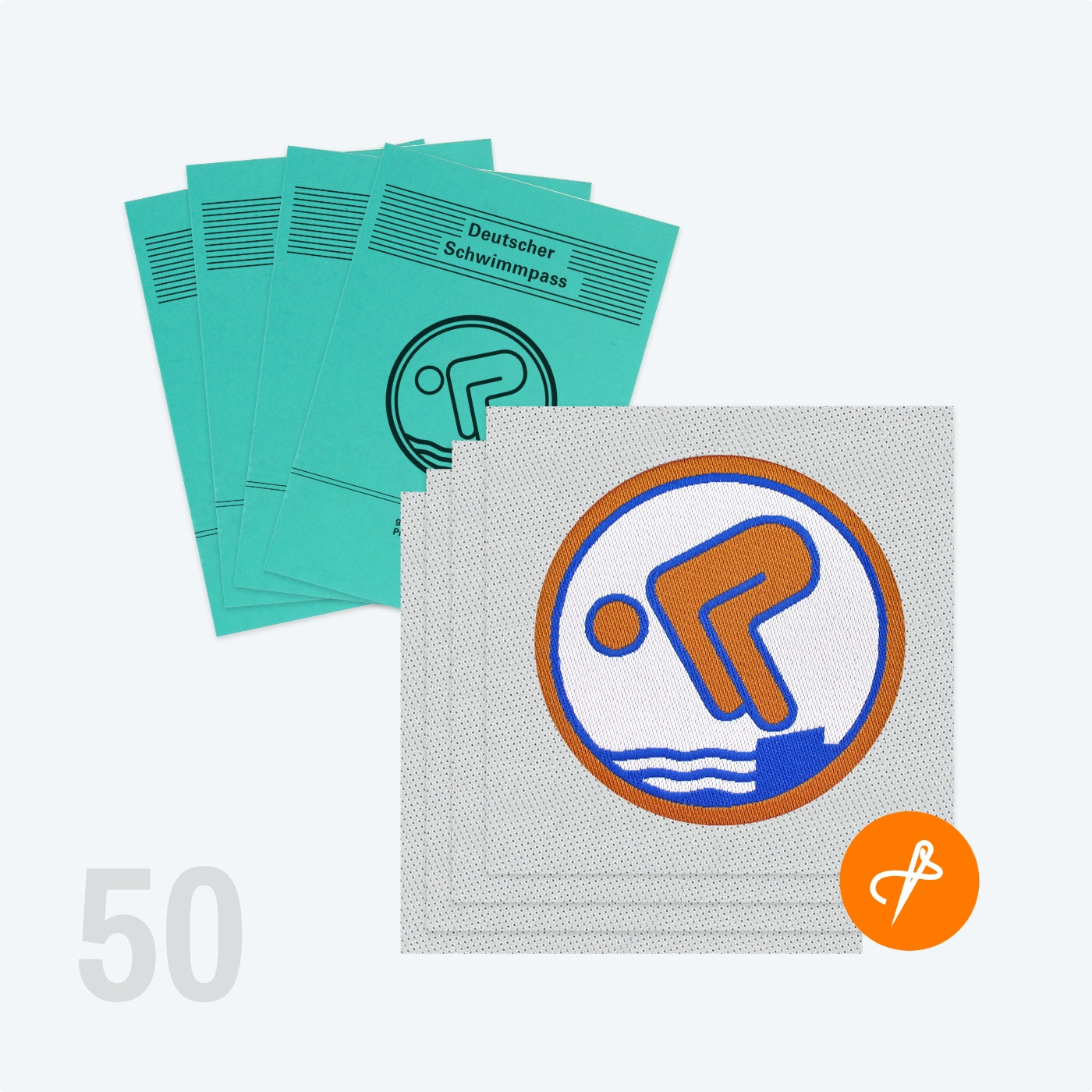
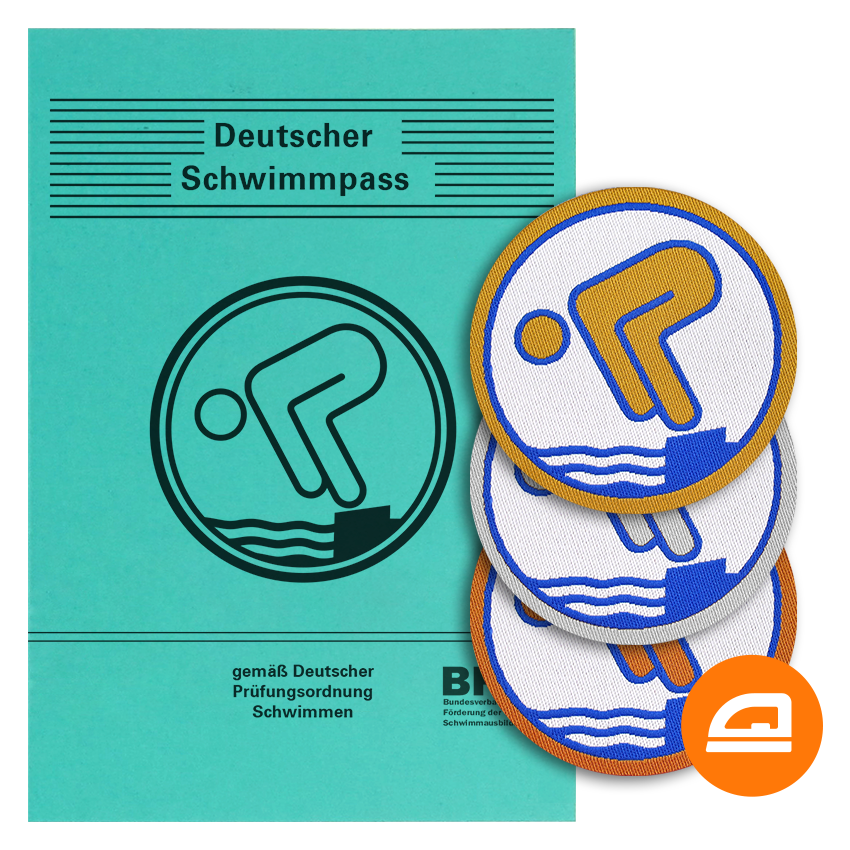
After the first steps in a swimming course from age 3, the question often arises: How do I maintain my child's enthusiasm and self-confidence? Many parents want to see concrete progress that can be made visible. Motivating feedback such as certificates and badges supports emotional development and gives your child the feeling of having achieved something. This is exactly where Pimpertz comes in.
Make a strong statement after every success in the water. Discover high-quality swimming badges and child-friendly certificates at Pimpertz – officially certified and lovingly designed. Use our range of swimming accessories and personalized gift sets to celebrate the next goal together and further motivate your child. Discover now and set milestones together – for lasting memories and greater safety in learning to swim.
Frequently Asked Questions
How do I choose the right swimming course for my child?
When making your selection, pay attention to the qualifications of the swimming instructors, small group sizes, and age-appropriate teaching methods. Also, inquire about the atmosphere and facilities of the swimming pool.
What should I do to prepare my child for the swimming course?
Talk positively about swimming, show anticipation, and help your child gain initial water experience before the course. Also, prepare practical items such as comfortable swimwear and non-slip bathing shoes.
How do I support my child during the first swimming lesson?
Be calm and positive while observing your child. Position yourself so they can see you and avoid interfering with the swimming instructor. After the lesson, ask open, specific questions to encourage your child's experiences.
How can I monitor my child's progress in learning to swim?
Have regular conversations about the swimming lessons, observe emotional developments, and document progress. Pay attention to subtle changes in behavior and attitude towards the water.