
Swimming course from 5 years old: Learn to swim safely with a certificate
Around 60 percent of parents in Germany want their child to be able to swim safely by the age of five. The search for a suitable swimming course is often accompanied by uncertainty, as the right choice lays the foundation for safety and lifelong enjoyment of the water. Here you will find out what to look out for when making your selection and how to optimally prepare your child for their first swimming badges.
Table of Contents
- Step 1: Choose the right swimming course and provider
- Step 2: Optimally prepare your child for swimming training
- Step 3: Conduct the first water familiarization exercises
- Step 4: Get to know relevant swimming techniques and badges
- Step 5: Review progress and receive swimming badges
Quick Overview
| Important Point | Explanation |
|---|---|
| 1. Choosing the right swimming course | Pay attention to the qualifications of the instructors and the group size to ensure individual support. |
| 2. Playful preparation at home | Use dry-land exercises and positive conversations to strengthen your child's confidence in the water world. |
| 3. Conducting water familiarization exercises | Start with simple exercises to reduce anxiety and build trust. |
| 4. Importance of swimming badges | Badges like the Seepferdchen motivate children and document their swimming progress. |
| 5. Encouraging progress | Show interest in your child's achievements and make the awarding of badges a positive experience. |
Step 1: Choose the right swimming course and provider
For parents, choosing the right swimming course is a crucial decision for their child's safety and enjoyment in the water. To find the optimal course for your five-year-old, you need to consider various aspects. The extensive database of swimming schools can be very helpful.
When making your selection, pay attention to key criteria such as instructor qualifications, group size, and pedagogical concept. A small group of maximum 6 to 8 children allows for more individual attention. Full-time trained swimming instructors with additional qualifications in child training are also important. Ask specifically about the training level of the instructors and their experience with beginner courses.
The course design should be playful and child-friendly. Make sure that the focus is not only on swimming techniques, but also on water familiarization and fun. A good swimming course teaches children self-confidence and enjoyment of movement in the water.
The following table summarizes key criteria and their importance for choosing the right swimming course:
| Criterion | Description | Why is it important? |
|---|---|---|
| Instructor Qualification | Special training for child instruction | Targeted promotion of learning steps |
| Group Size | Maximum 6-8 children per group | Individual supervision possible |
| Pedagogical Concept | Playful and age-appropriate instruction | Motivation and fun in learning |
| Atmosphere | Friendly and safe environment | Anxiety reduction and trust building |
This overview helps parents to pay attention to the crucial factors when choosing a swimming course.
Pro tip: Visit a trial lesson beforehand to get a feel for the atmosphere and methodology of the course.
Step 2: Optimally prepare your child for swimming training
Preparing your five-year-old for swimming lessons is crucial for a successful start in the water. It's about building trust and developing a positive attitude towards the aquatic world. Dry-land exercises at home can be very helpful.
Start with playful movements that mimic swimming motions. Let your child practice swimming movements on the floor or carpet and make it a fun game. Mental preparation is also important. Talk positively about swimming and tell them about enjoyable water experiences. Convey to your child that swimming is fun and a great skill.
Ensure a relaxed atmosphere and do not show nervousness. Children are very sensitive to their parents' emotions. Accompany the preparation with positive conversations and encourage your child to approach the matter with curiosity and an open mind. A playful approach to learning to swim can work wonders.
Pro-tip: Practice water contact at home in the bathtub through small games like diving or scooping water.
Step 3: Conduct the first water familiarization exercises
The first water familiarization exercises are crucial for your child's positive attitude towards swimming. The goal is to build confidence and gently reduce fears. Playful water familiarization exercises help to create a relaxed atmosphere.
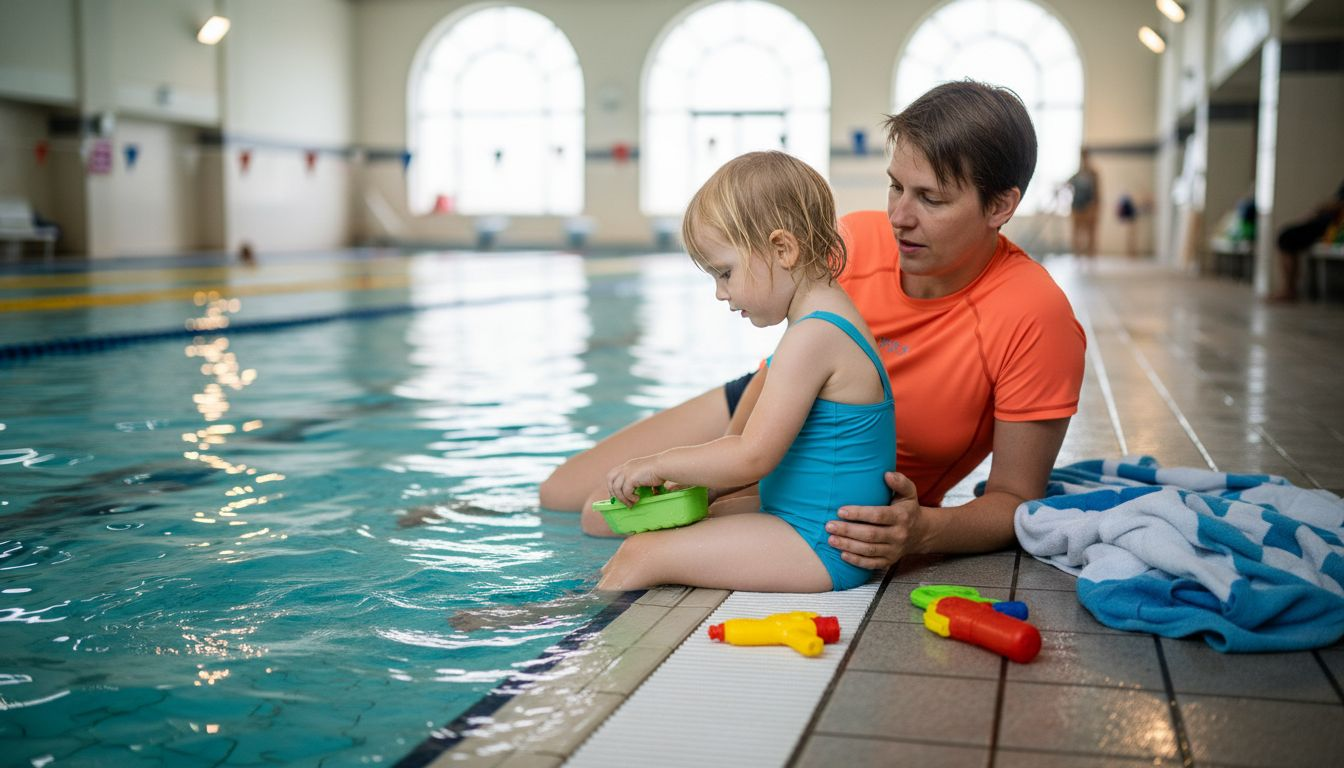
Start with simple exercises in chest-deep water. Let your child try activities such as clapping hands or holding onto the edge of the pool. Encourage them to briefly dip their face in the water and playfully make bubbles. These small successes strengthen self-confidence and are fun. Make sure not to convey any fear and to keep the exercises relaxed and easy-going.
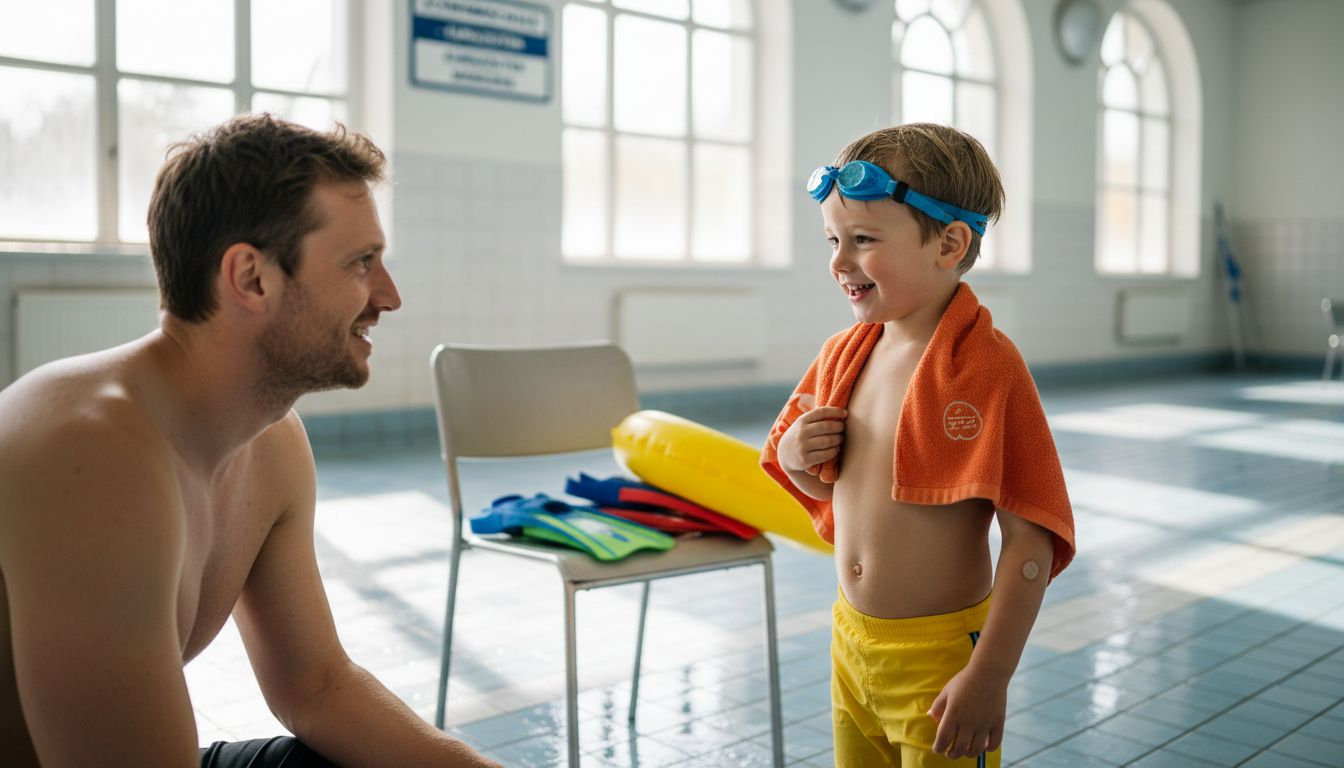
Patience and positive motivation are the keys to success. Praise every small effort and show understanding. Make water familiarization a shared adventure. Swimming courses for five-year-olds can also help to playfully learn the basics.
Pro-tip: Bring favorite toys into the water to generate additional motivation and fun.
Step 4: Get to know relevant swimming techniques and badges
For five-year-olds, swimming instruction begins with fundamental techniques and motivating badges that document safety and progress. Swimming badges from the German Swimming Federation provide clear guidance for learning progress.
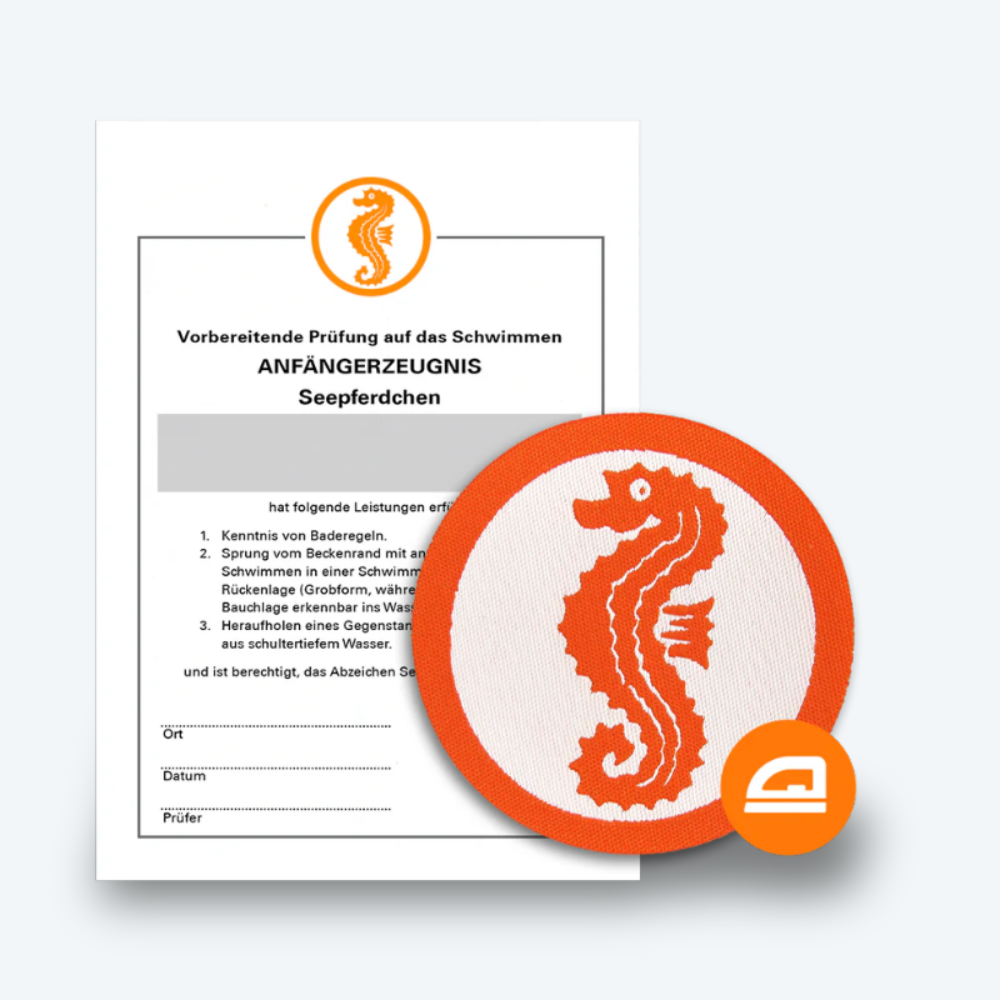
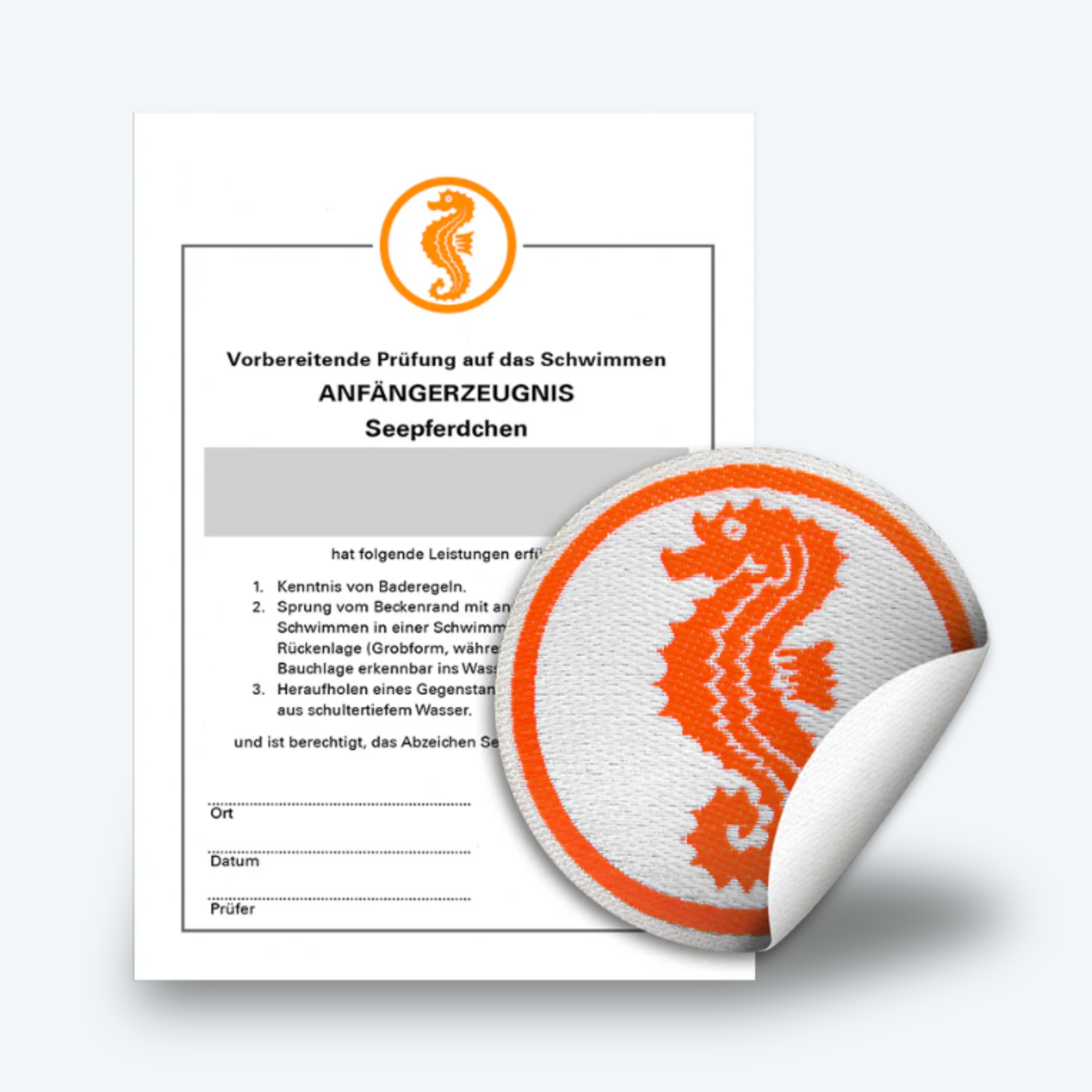
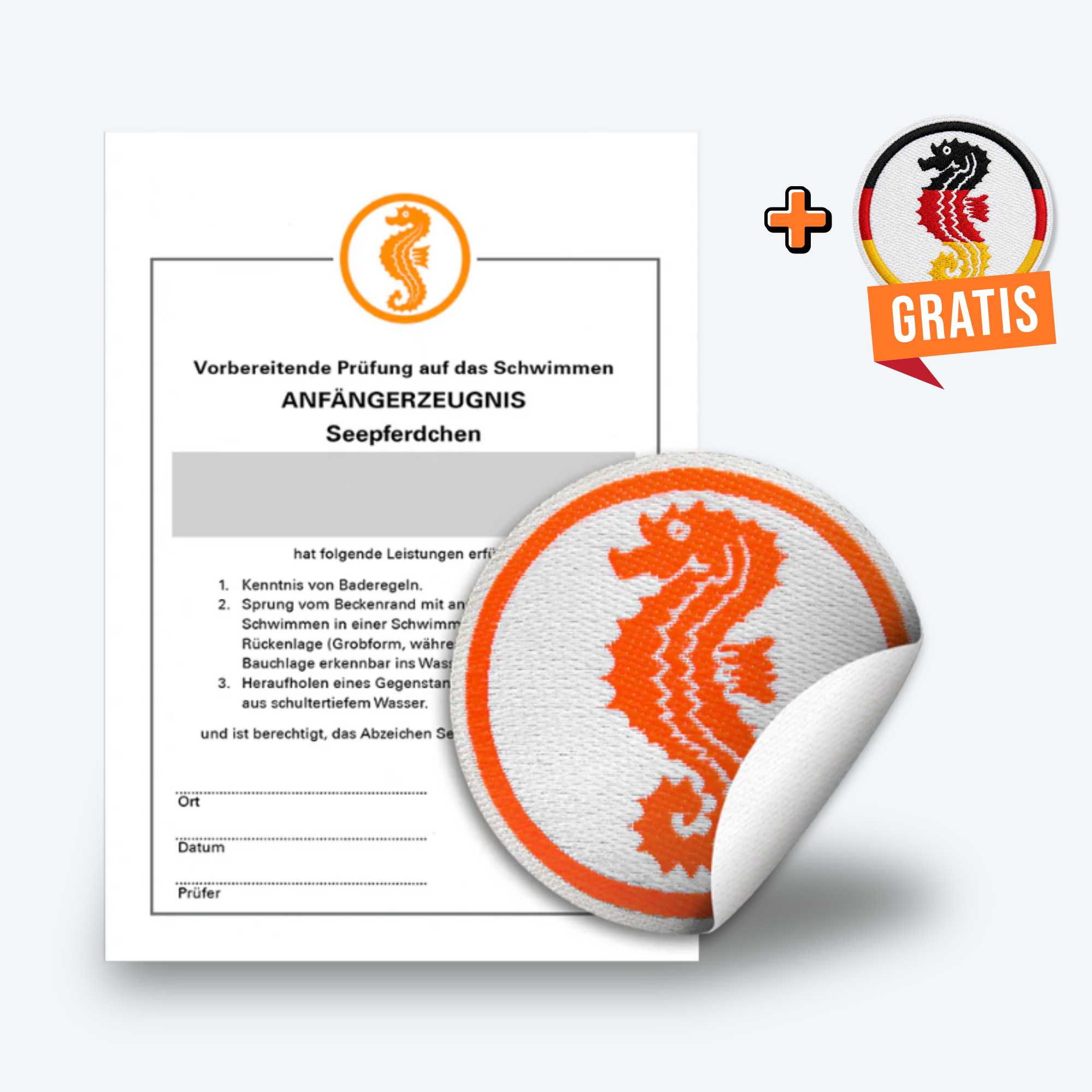
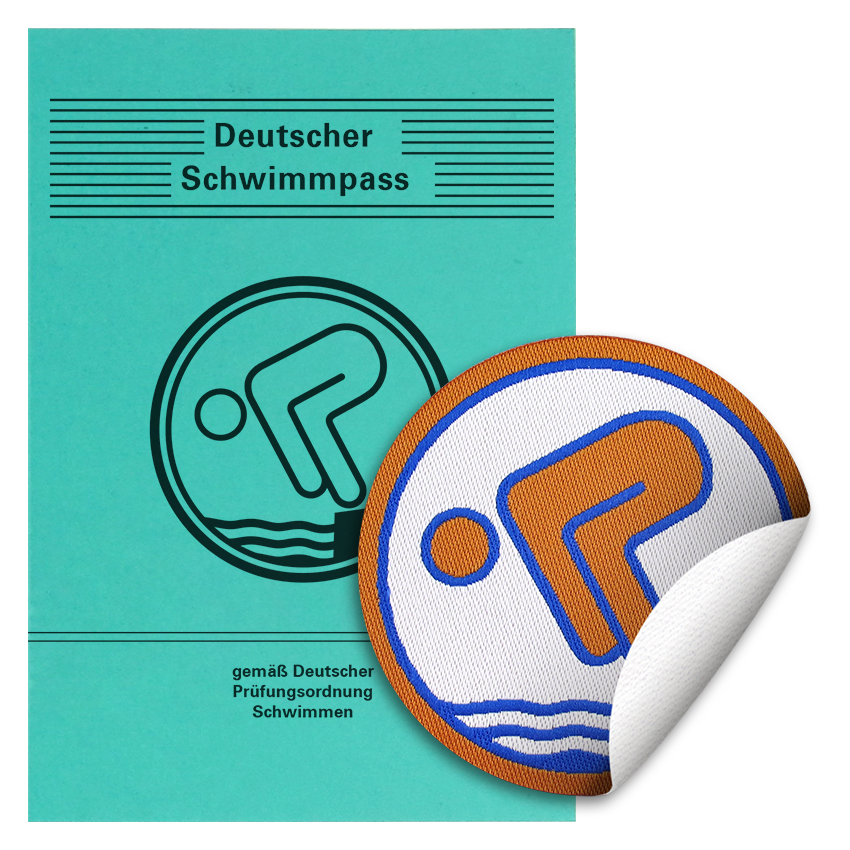
The Seepferdchen (Seahorse) is the first important badge. It requires basic skills such as swimming 25 meters on the front or back, and safely retrieving an object from shoulder-deep water. This is followed by the Bronze, Silver, and Gold badges, which demand increasingly complex swimming techniques and safety knowledge. Each badge represents a milestone in your child's development.
Ensure that the techniques are taught playfully and without pressure. Swimming badges in elementary school are more than just tests; they are motivational incentives and documents of growing self-confidence.
Below is an overview of the most important swimming badges for children:
| Badge | Requirements | Age Group | Special Benefit |
|---|---|---|---|
| Seepferdchen (Seahorse) | 25m swimming, diving, jump | From 5 years | First milestone, motivation |
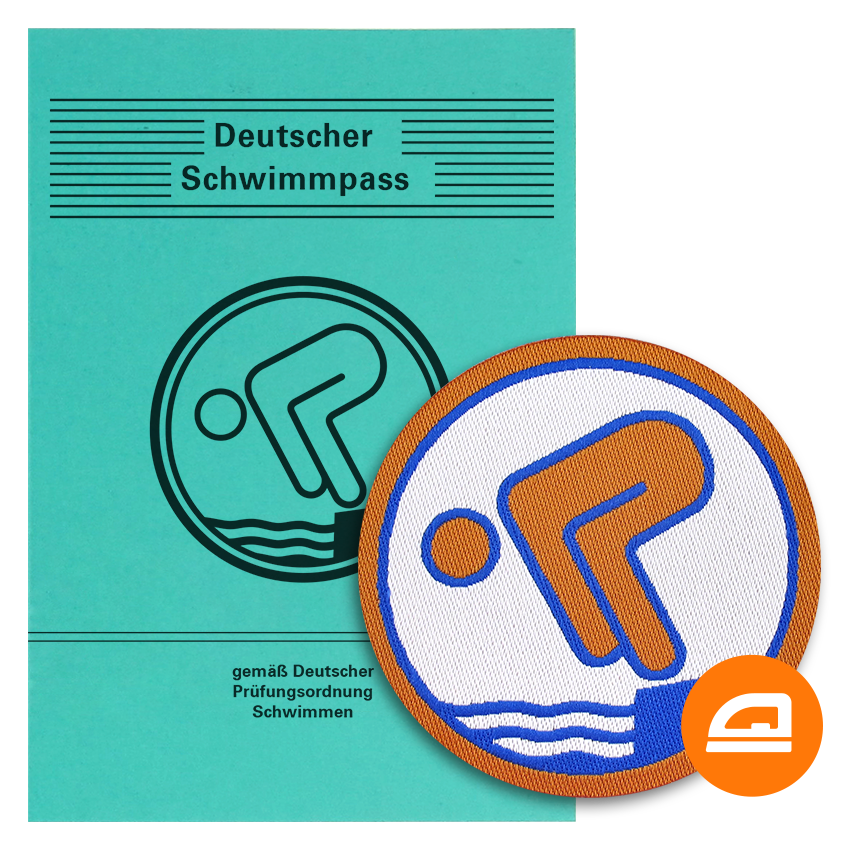
| Bronze | 200m swimming, deep diving | From approx. 6 years | Promotion of safety |
| Silver | 400m swimming, diving tasks | From approx. 7 years | Higher swimming proficiency |
| Gold | 600m swimming, rescue grips | From approx. 8 years | Advanced safety knowledge |
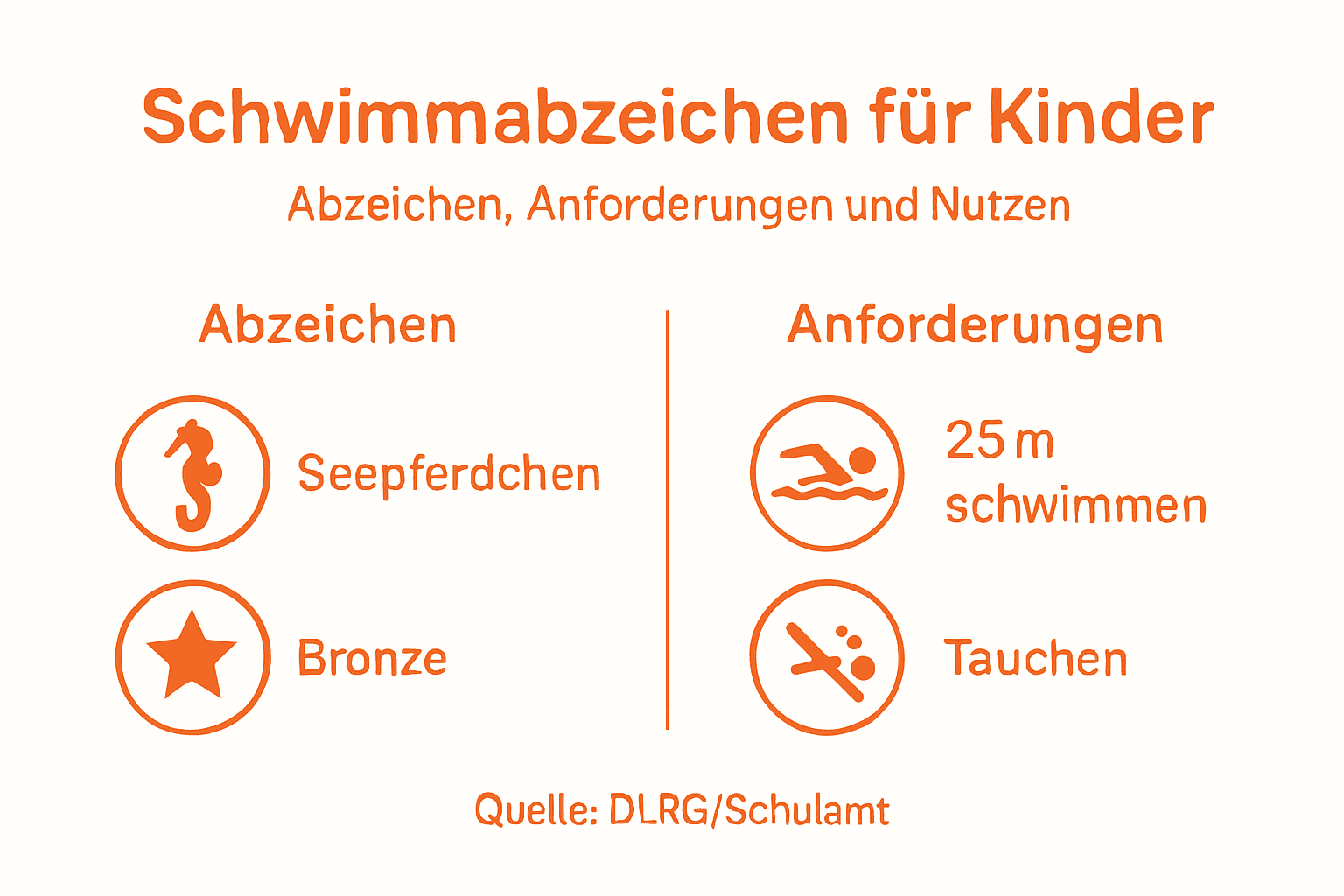
This table will help you better assess your child's progress and specifically encourage it.
Pro-tip: Make every badge earned a special family event that is celebrated together.
Step 5: Review progress and receive swimming badges
Reviewing swimming progress is an important moment for your child and an exciting milestone in their swimming education. Swimming badges for children not only document acquired skills but also motivate them to continue.
The coaching team assesses your child's individual progress during the course. Depending on their developmental stage and safety, the badge assessment can be flexible. Make sure your child perceives the examination situation not as stress but as an exciting adventure. The coaches will make the assessment playful and child-friendly.
Accompany your child and show interest in their progress. Sports badges in swimming are valuable motivational incentives that promote self-confidence and enjoyment of movement.
Pro-tip: Prepare small surprises to celebrate earning the badges appropriately.
Optimally Supplement Children's Swimming Courses with Pimpertz Swimming Badges
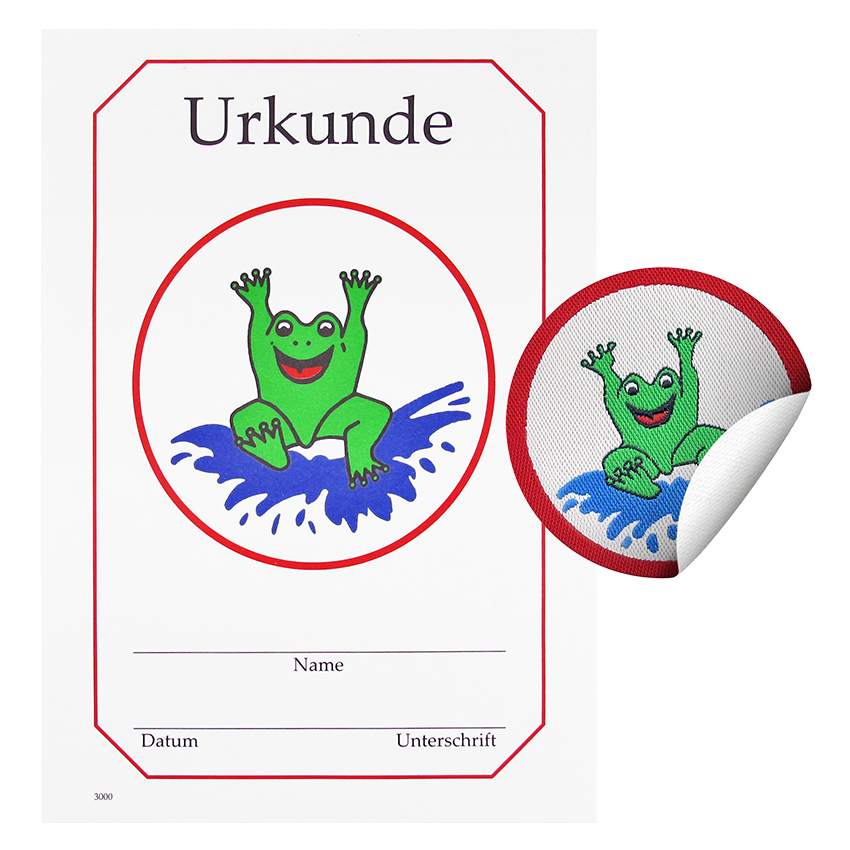
Successfully learning to swim for five-year-olds requires playful encouragement and clear goals. A central anchor in this process are the swimming badges, which make progress visible and motivate children. Especially for parents who have carefully chosen their child's swimming course, it is important to honor their achievements with child-friendly, high-quality certificates and badges and to promote them sustainably.
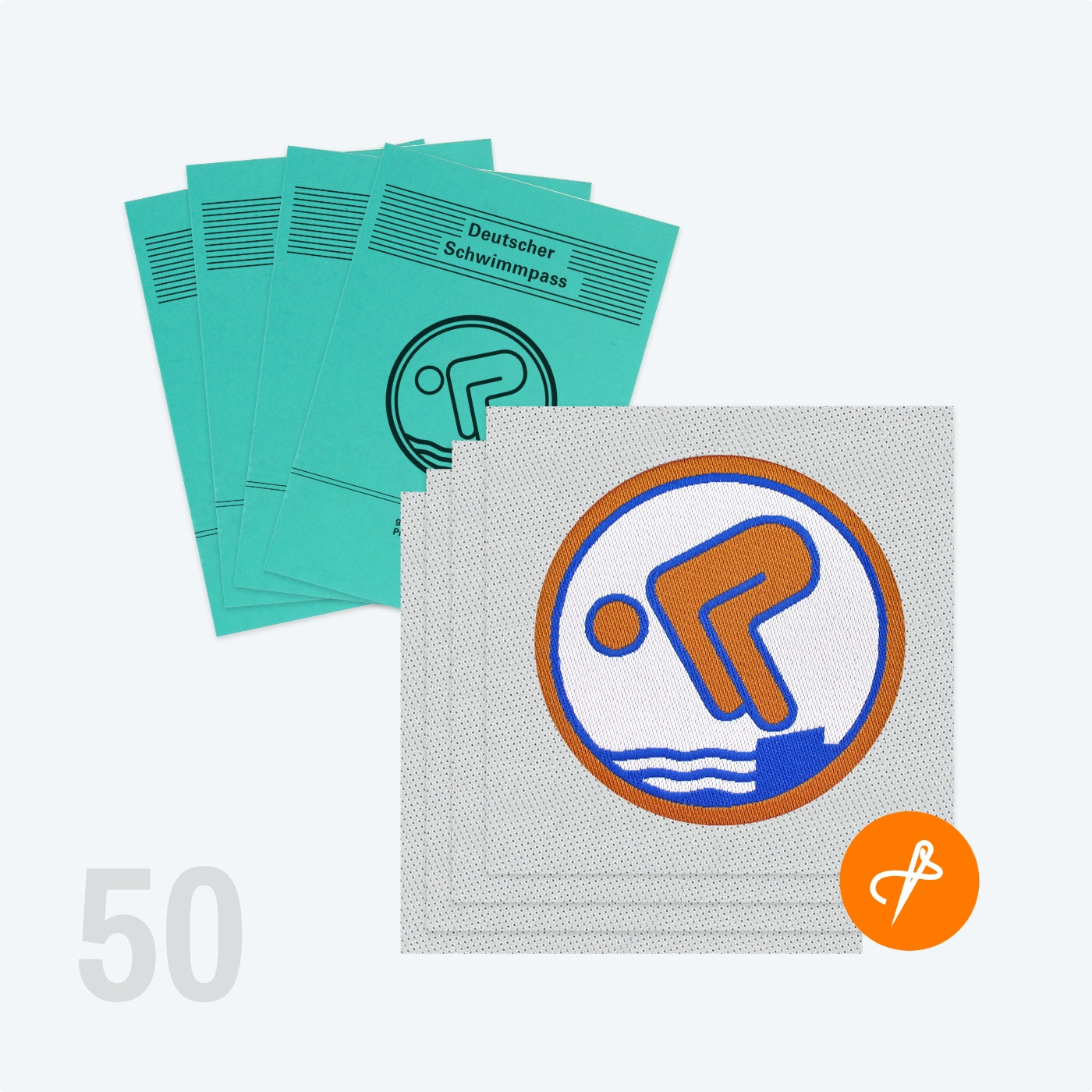
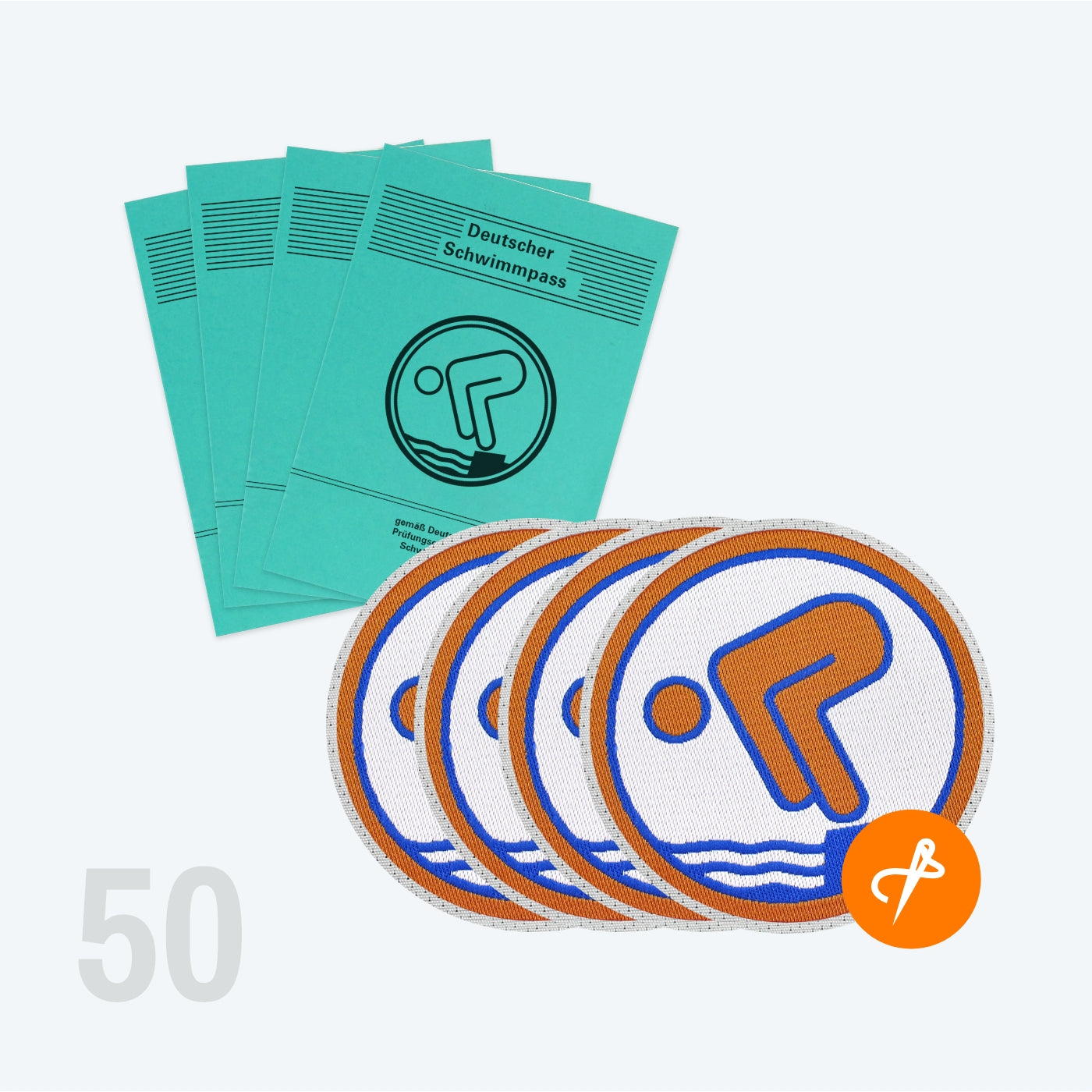
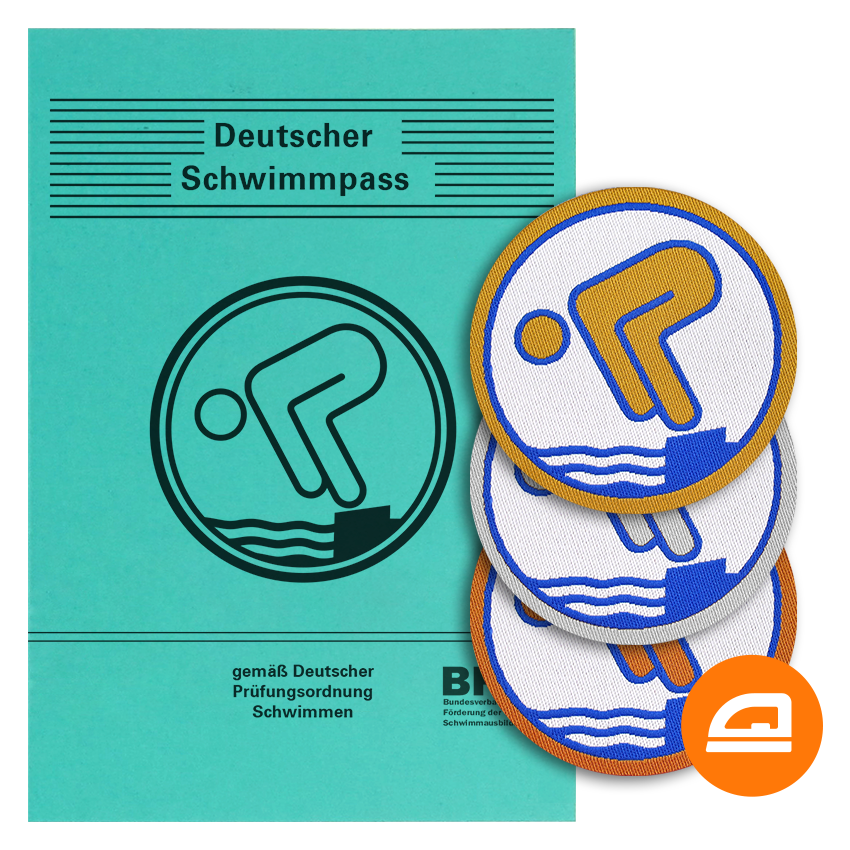
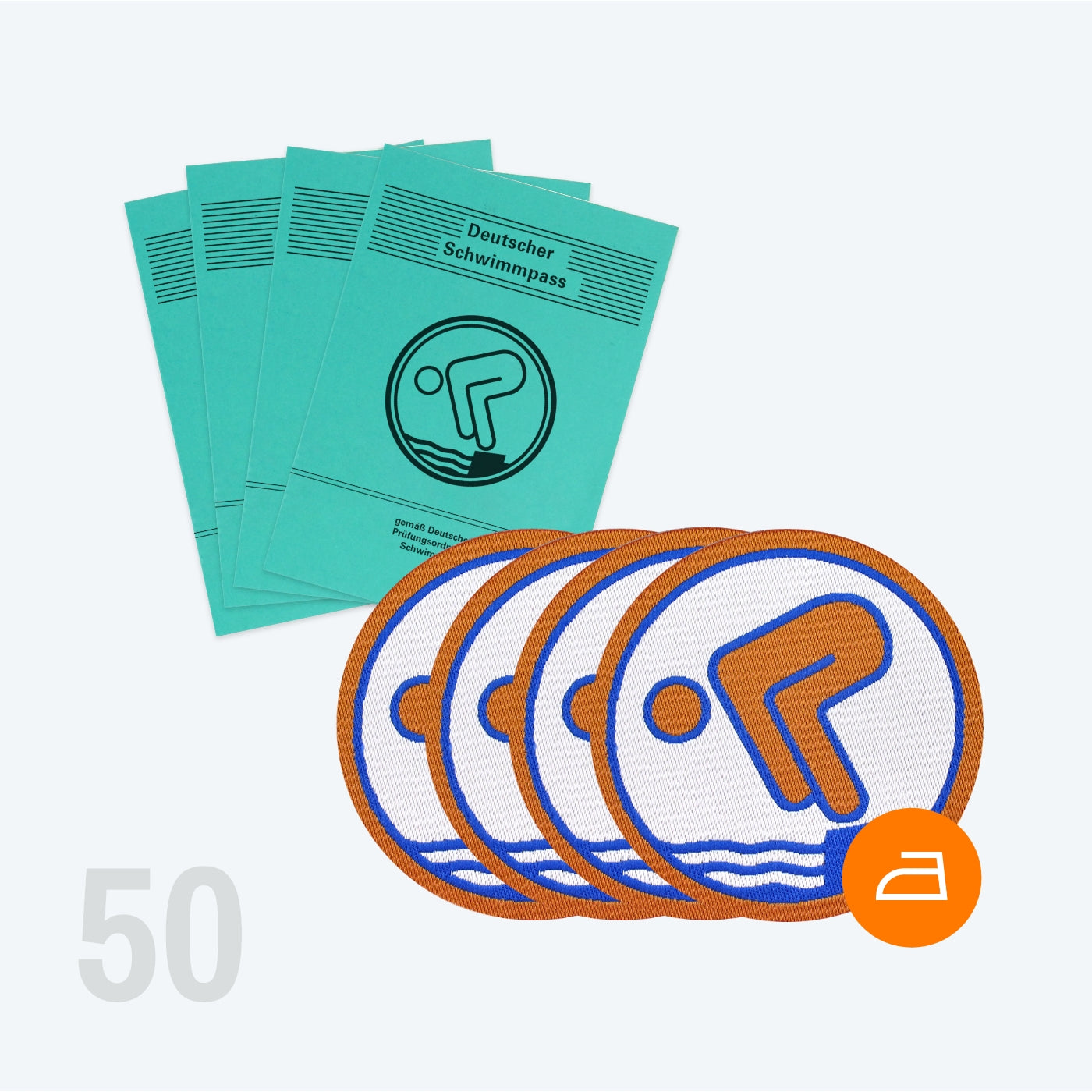
With over 38 years of experience, Pimpertz offers original certified swimming badges that are precisely tailored to the needs of young swimmers. Trust in tested quality and official recognition by the DLRG and the BFS. Supplement your child's swimming course with motivating awards and practical accessories such as waterproof cases or collection albums. Discover our comprehensive range now at pimpertz.de and set the perfect incentive for continuous swimming with our personalized bundles.
Start encouraging your child now and celebrate every milestone together playfully and proudly with the right badges from Pimpertz. Visit our website and secure high-quality products and fast shipping for a sustainable swimming adventure.
Frequently Asked Questions
When can my child start a swimming course?
Your child can start a swimming course from the age of 5. Look for courses specifically designed for this age group to ensure appropriate care.
Which swimming badges are relevant for five-year-olds?
For five-year-olds, the "Seepferdchen" (seahorse) is the first important swimming badge. It involves swimming 25 meters and retrieving an object from shoulder-deep water. Ensure that the course teaches these requirements playfully.
How can I prepare my child for the swimming course?
Prepare your child by conducting playful dry-land exercises at home. Practice movements that mimic swimming techniques and foster a positive attitude towards water.
What should I consider when choosing a swimming course?
Pay attention to the qualifications of the instructors, the group size, and the pedagogical concept of the course. A small group of 6 to 8 children allows for individual attention and promotes learning.
How can I support my child's progress during the swimming course?
Show interest in your child's progress and praise every small improvement. Plan small surprises for earning swimming badges to increase motivation.
What atmosphere is important during water familiarization exercises?
Create a relaxed and friendly atmosphere to reduce fears. Avoid stress and show understanding so that your child enjoys learning in the water.