






Swimming and the Psyche – Why Water Makes Us Happy
Many parents are amazed at how swimming helps not only their children's bodies but also their minds. Studies show that regular exercise in water can reduce stress in children and significantly boost self-confidence. Especially in Central Europe, more and more families are recognizing the importance of emotional development in preschool age. In this post, you'll learn how swimming contributes to well-being and how motivating certificates inspire little swimmers to persevere.
Table of Contents
- What Does Swimming Mean for the Psyche?
- Psychological Benefits for Children and Adults
- Stress Reduction and Increased Well-being
- Promoting Concentration and Learning Ability
- Social, Emotional, and Health Aspects
Key Findings
| Point | Details |
|---|---|
| Holistic Benefits | Swimming not only improves physical fitness but also has lasting positive effects on mental health. |
| Stress Reduction | Regular swimming lowers stress hormones and promotes a feeling of relaxation and inner calm. |
| Promoting Self-Confidence | Children, in particular, benefit from learning swimming techniques, which boost self-esteem. |
| Social Interaction | Participation in swimming groups supports emotional bonds and increases motivation through group dynamics. |
What Does Swimming Mean for the Psyche?
Swimming is more than just a physical activity – it's a holistic experience with profound psychological effects. The mental dimension of swimming goes beyond simple movement and touches upon fundamental aspects of our emotional well-being.
Scientific research shows that swimming has a remarkable impact on our mental health. Studies on psychological well-being confirm that this sport can promote meditative states, which are accompanied by a significantly improved mood. The rhythmic glide through the water creates an almost hypnotic state that reduces stress and fosters inner peace.
The psychological benefits of swimming are diverse. The calming water environment has been shown to lower stress hormones and support emotional balance. The weightlessness in the water conveys a unique feeling of freedom and lightness, making everyday worries disappear for a moment. Especially for children, swimming can be an important resource for stress regulation and self-awareness.
Pro-Tip: Integrate regular swimming sessions into your family routine to reduce stress together and strengthen mental health.
Psychological Benefits for Children and Adults
Swimming is a holistic activity that extends far beyond physical fitness, having profound psychological effects on both children and adults. The mental dimension of swimming can be seen as a kind of emotional resource that fosters self-confidence, stress reduction, and personal growth.
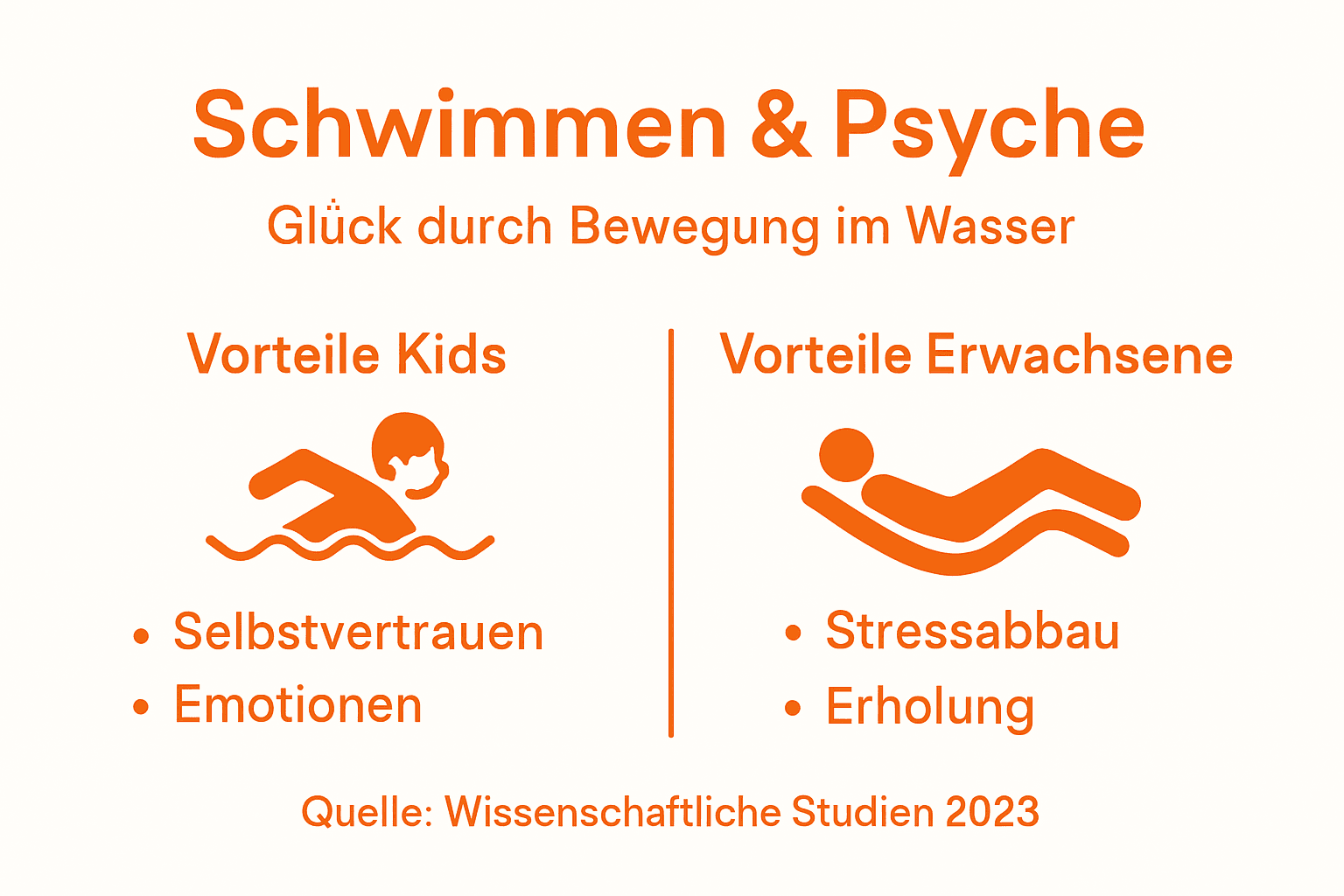
For children, swimming offers particularly significant psychological advantages. Promoting self-confidence and emotions is evident in several aspects: learning new swimming techniques strengthens self-esteem, while social interactions in swimming lessons develop important emotional competencies. Children learn to overcome challenges, conquer fears, and build confidence in their own abilities.
For adults, swimming offers equally significant psychological benefits. Stress reduction and mental recovery are central aspects. The joint-friendly training allows for a form of exercise that is simultaneously mentally relaxing. The rhythmic movement in the water can create almost meditative states, causing everyday worries to recede into the background temporarily. Furthermore, regular swimming promotes discipline, endurance, and a positive self-image.
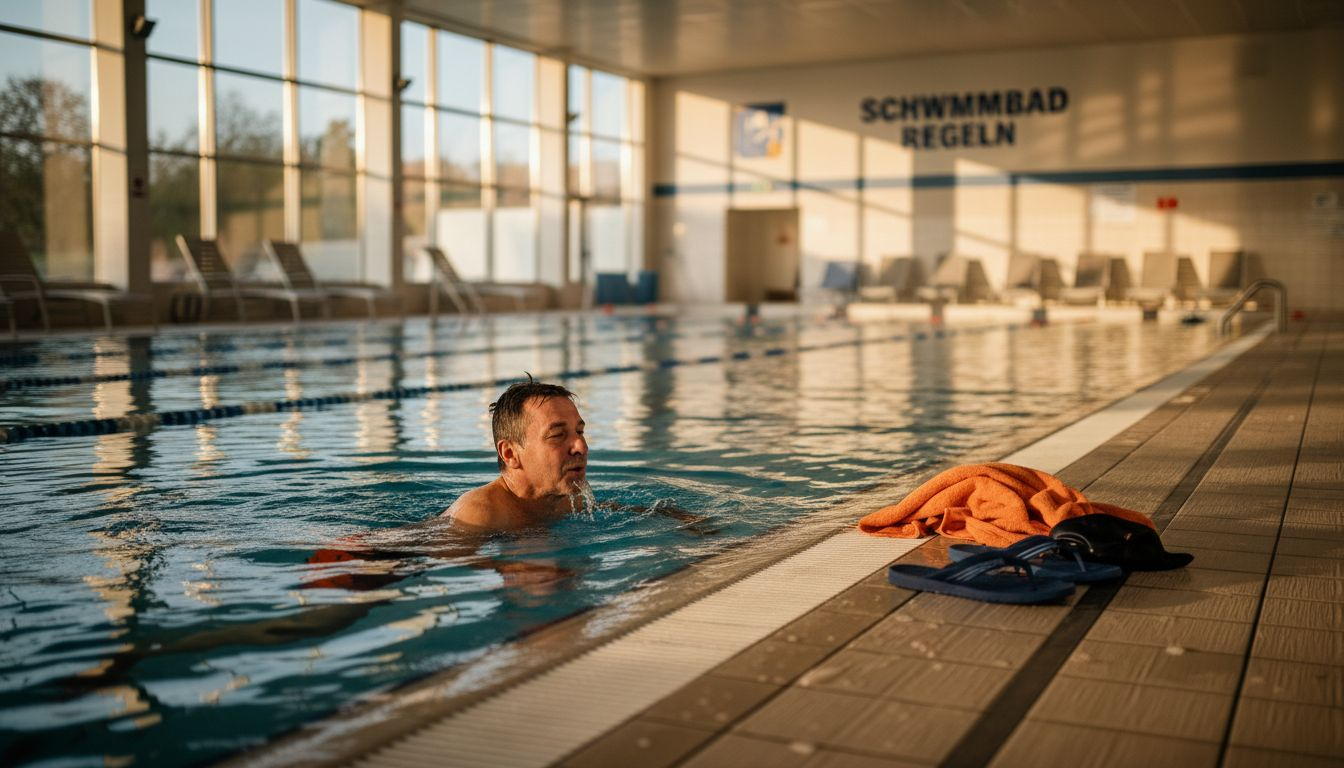
Pro-Tip: Schedule regular swimming appointments for the whole family to jointly enjoy the psychological benefits and reduce stress.
The following table provides an overview of the psychological benefits of swimming for different age groups:
| Age Group | Typical Benefit | Example of Positive Effect |
|---|---|---|
| Children | Self-confidence, social competence | Strengthening self-esteem through new swimming styles |
| Adults | Stress reduction, mental recovery | Relaxation through rhythmic movement in water |
| Seniors | Emotional stability, social participation | Sense of community in swimming classes for older people |
Stress Reduction and Increased Well-being
Swimming is a unique form of movement that offers far more than just physical activity. It is a holistic stress management strategy that positively influences both the physical and psychological levels of our well-being. The gentle, rhythmic movement in water can act like a natural healing mechanism.
Water as a natural therapy functions on a deep neurological level. When swimming, endorphins are released, and stress hormones are simultaneously reduced. This hormonal transformation creates an almost meditative state that temporarily makes everyday worries disappear. The aquatic environment itself has a calming effect and creates a space for relaxation where mental burdens can be reduced.
The scientific mechanisms of stress reduction are remarkable. Happiness hormones and relaxation are specifically stimulated by movement in water. Dopamine and serotonin, known as neurotransmitters of satisfaction, are increasingly released during swimming. Muscular tension dissolves, and the focus on movement effectively distracts from worries and anxieties.
Pro-Tip: Schedule at least two swimming sessions per week to consistently benefit from the stress-reducing effects in the long term.
Promoting Concentration and Learning Ability
Swimming is far more than a physical activity – it's a complex mental training that stimulates our cognitive abilities in remarkable ways. The neurological dimension of swimming allows for a unique combination of physical movement and mental development.
Neuronal development through swimming shows fascinating scientific insights. Endurance sports specifically stimulate neurogenesis by promoting the production of the growth factor BDNF. This factor is crucial for neuronal connections and supports learning processes at a cellular level. The complex movements in the water challenge the brain and create new neural connections.
The coordination demands of swimming are particularly noteworthy. Improving cognitive performance means more than just mental training. The synchronization of breath, movement, and posture requires maximum concentration and thus promotes the development of cognitive skills. Regular swimming has been proven to increase attention span, memory performance, and mental flexibility.
Pro-Tip: Deliberately incorporate swimming exercises that require complex movement sequences to playfully train concentration skills.
Social, Emotional, and Health Aspects
Swimming is a holistic activity that goes far beyond physical exercise. It combines physical fitness with emotional development and social interaction in a unique and profound way.
Mental training and group dynamics play a crucial role in swimming. The sport not only promotes individual skills but also strengthens cohesion in training groups. Through shared exercises and mutual support, emotional bonds are formed that extend far beyond the poolside. Swimming offers a space for motivation, stress reduction, and personal growth.
The health benefits are equally impressive. Holistic health promotion includes both physical and psychological aspects. Movement in water strengthens the cardiovascular system, supports the immune system, and improves motor skills. At the same time, swimming acts as an emotional stabilizer that reduces stress and increases overall well-being.
For a better overview, here are key factors influencing well-being through swimming:
| Influencing Factor | Effect on the Psyche | Example of Impact |
|---|---|---|
| Water Environment | Promotes inner peace | Stress reduction through weightlessness |
| Rhythmic Movement | Creates a meditative state | Worries fade into the background |
| Social Interaction | Building emotional bonds | Motivation through group dynamics |
| Neurotransmitter Release | Increase in happiness hormones | Improvement in mood |
Pro-Tip: Look for swimming groups or courses that promote not only athletic but also social and emotional development.
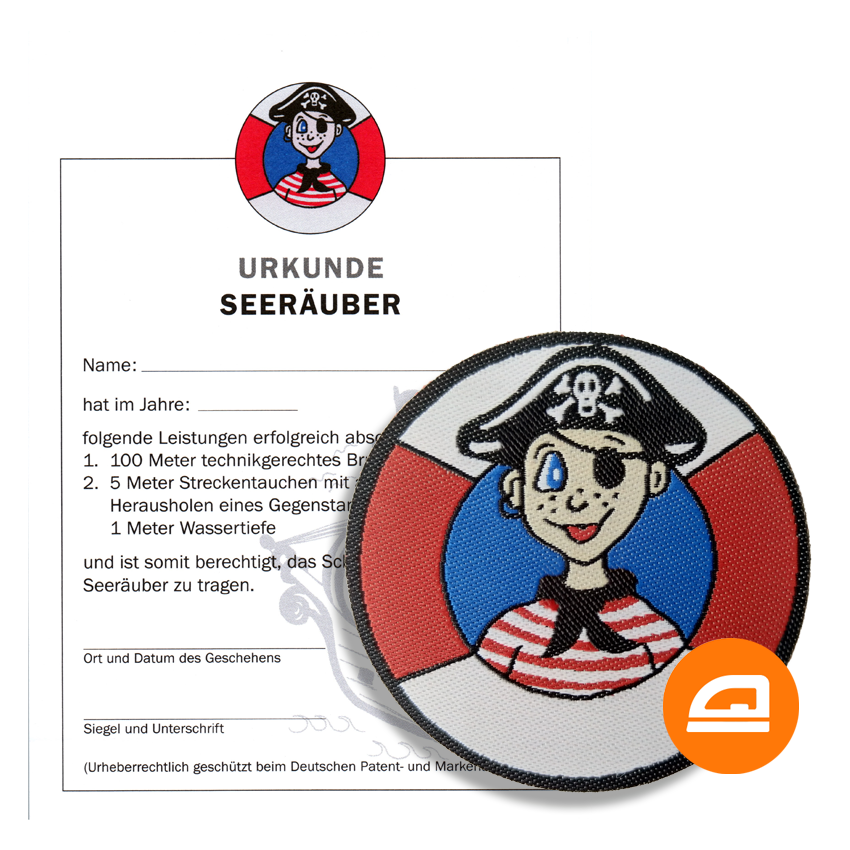
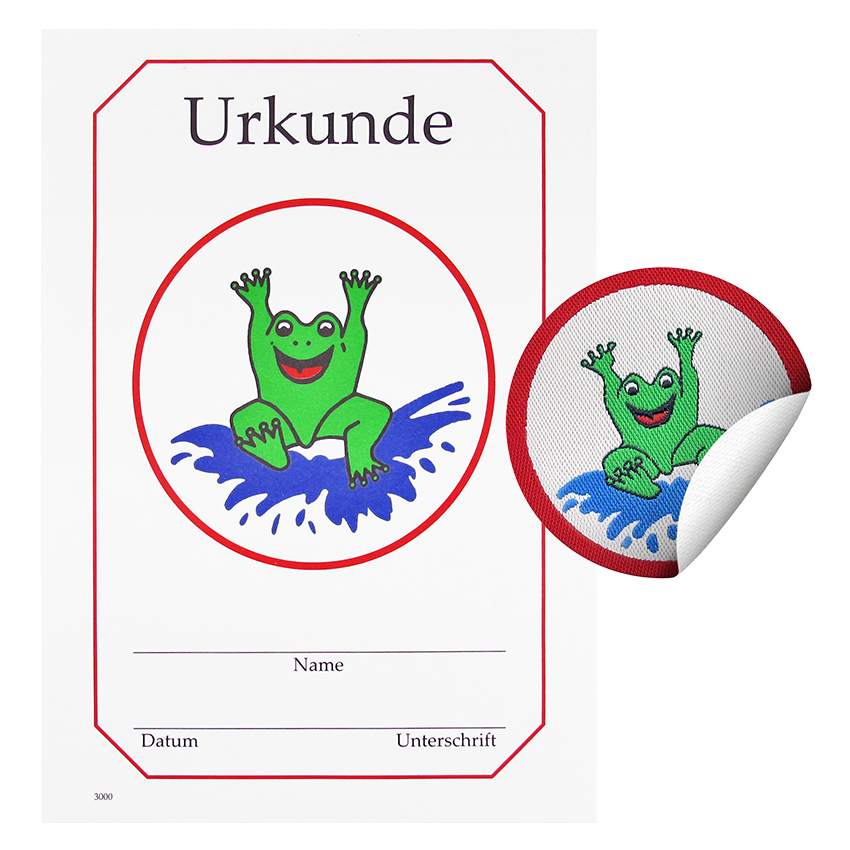
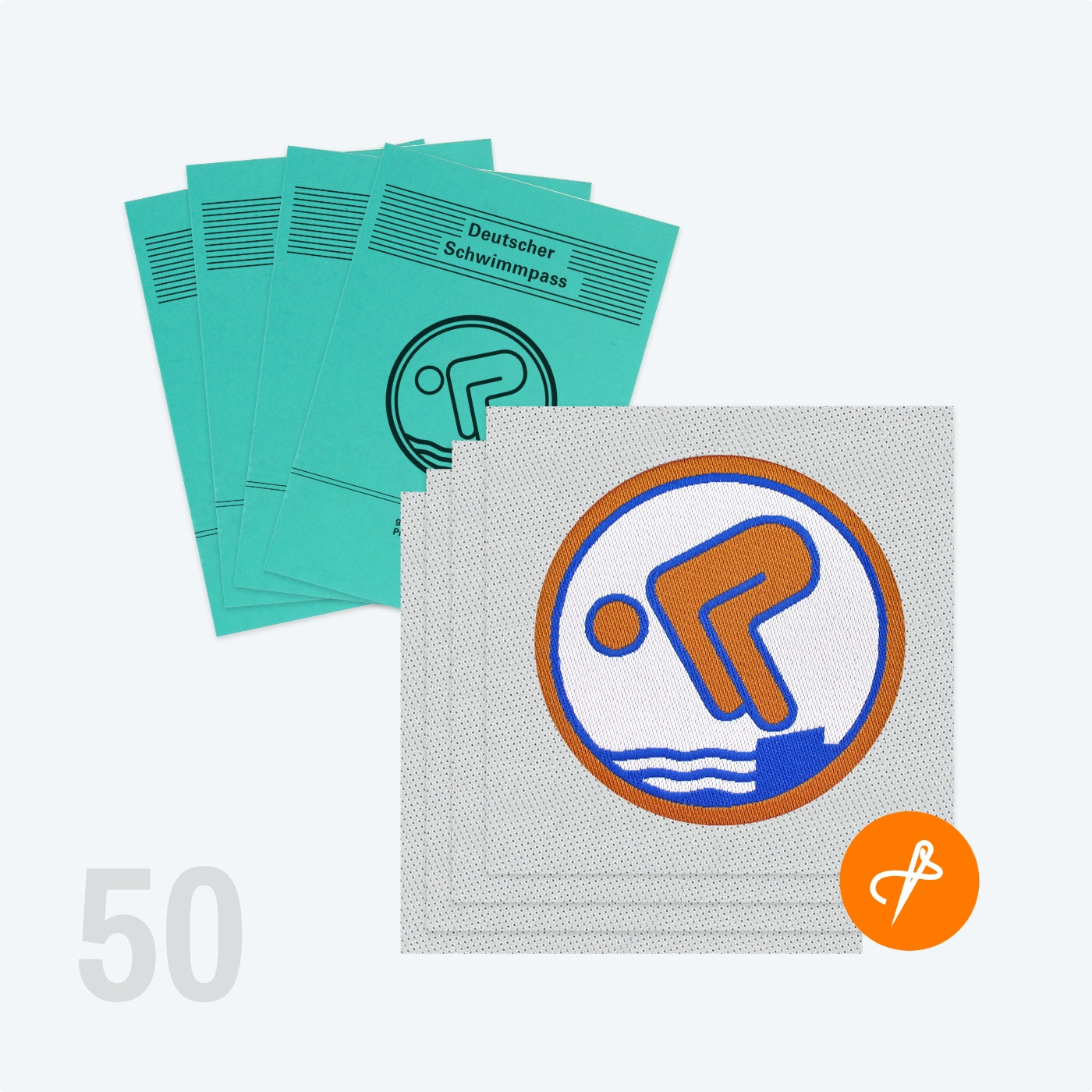
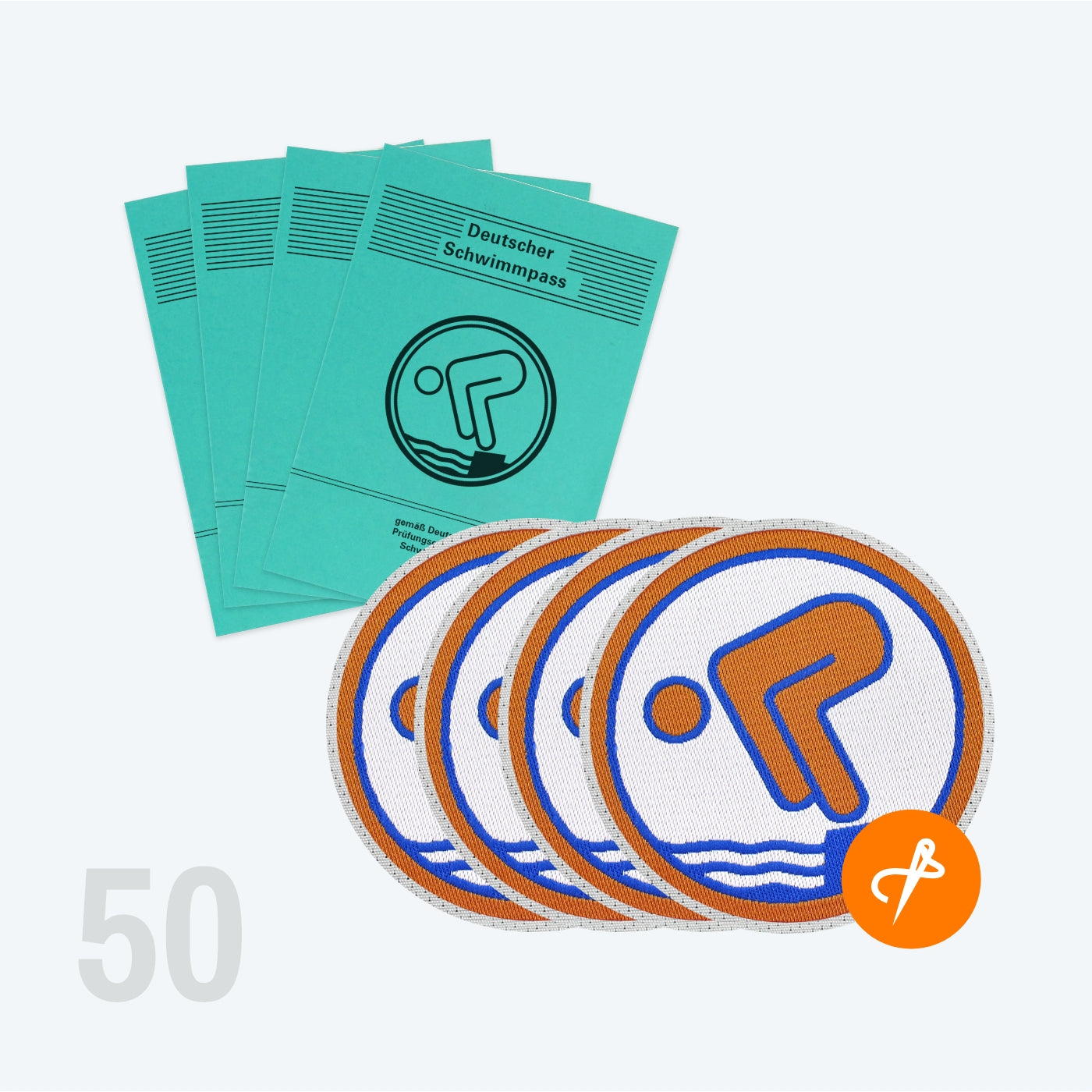
Strengthen Psyche and Motivation with the Right Swimming Badges from Pimpertz
The article topic clearly shows how swimming strengthens not only the body but also the psyche and reduces stress. For parents and swim instructors, it is therefore particularly important to support children with motivating certificates and swimming badges. Because self-confidence and emotional stability grow through visible successes in the water and social recognition. With our original certified swimming badges and certificates, you address these psychological "emotional resources" precisely and promote long-term joy and perseverance.
Discover our diverse swimming badges & certificates specifically for children and adults at Pimpertz. Benefit from over 38 years of experience in swimming and the highest quality. Now is the perfect time to enhance your swimming courses or club work emotionally and equip them professionally at the same time. Visit Pimpertz.de and secure high-quality, child-friendly awards for the next swim training – because happy swimmers are stronger.
Frequently Asked Questions
What are the psychological benefits of swimming?
Swimming offers numerous psychological benefits, including stress reduction, fostering self-confidence in children, emotional stability in adults, and increasing overall well-being.
How does swimming influence my concentration and learning ability?
The coordinated demands of swimming promote concentration and enhance memory performance by supporting neurological development and creating new neural connections.
Why is the aquatic environment so calming?
The aquatic environment has a calming effect on the psyche, as weightlessness conveys a feeling of freedom and lightness, contributing to stress reduction and promoting inner peace.
How can I integrate swimming into my daily life to utilize its psychological benefits?
Plan regular swimming sessions, either alone or with family, to reduce stress and strengthen mental health in the long term.