
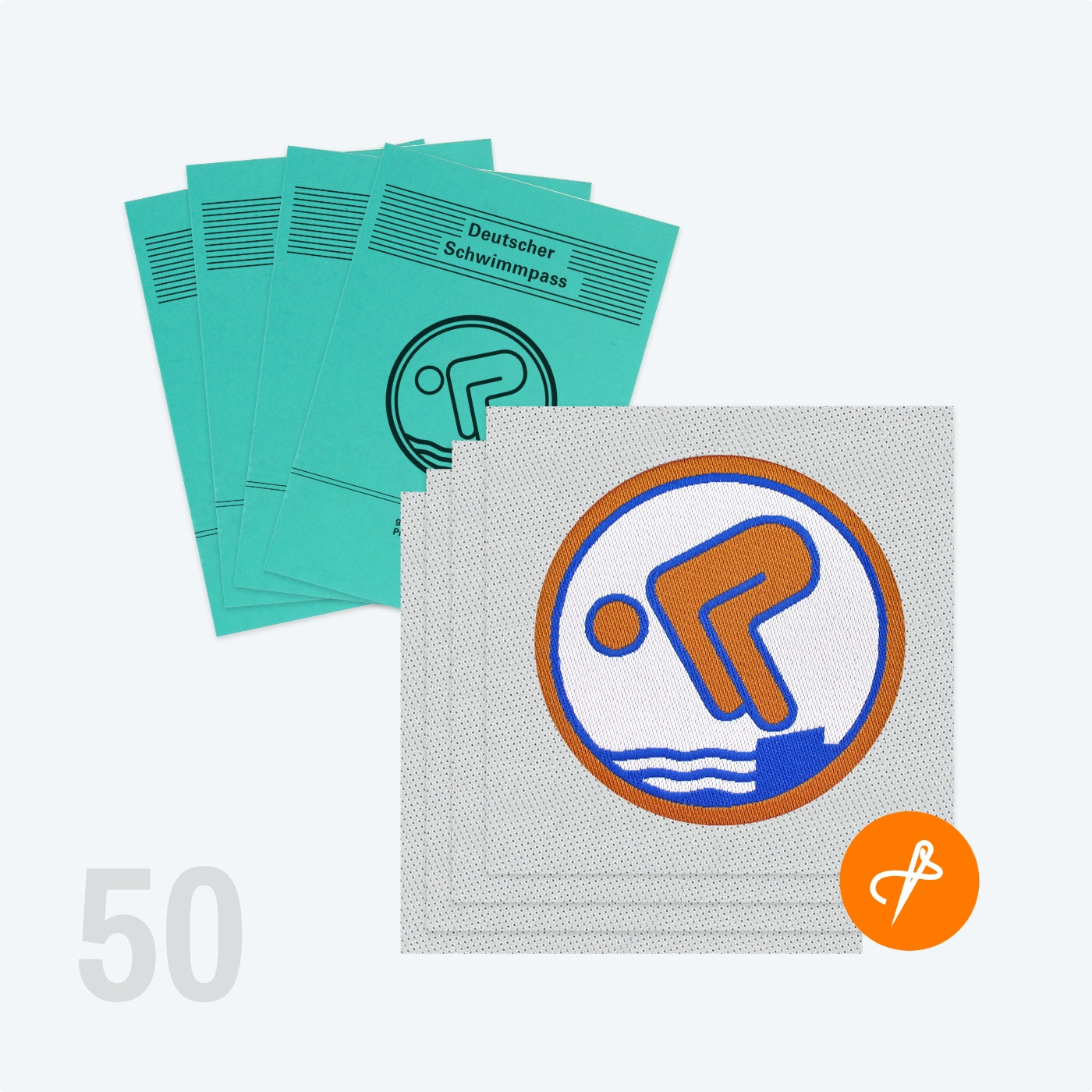
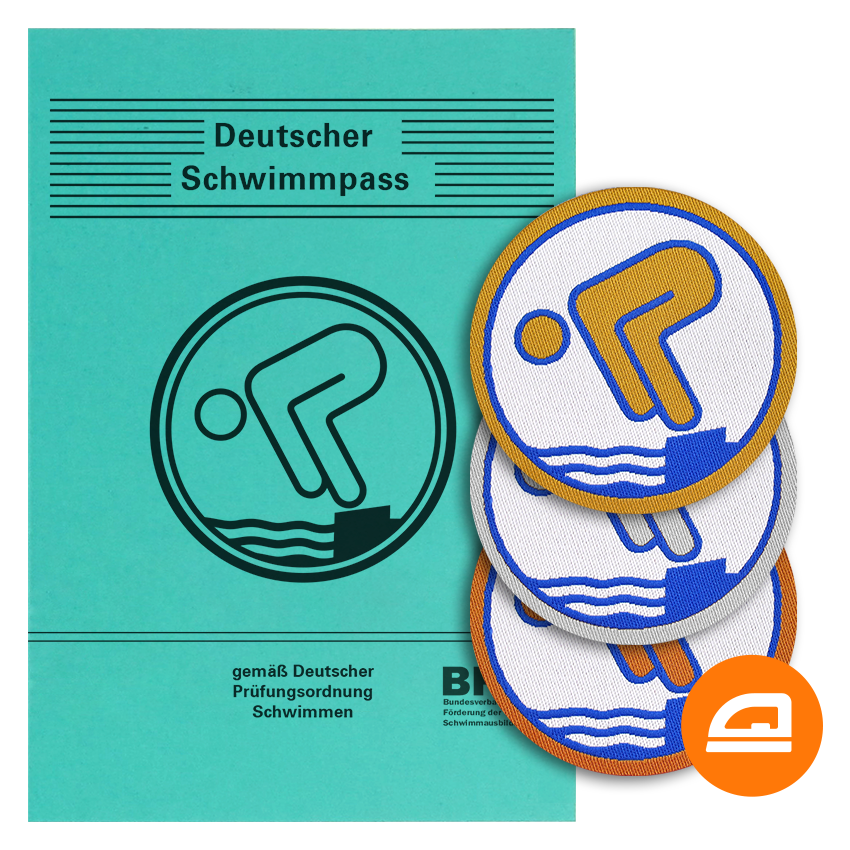
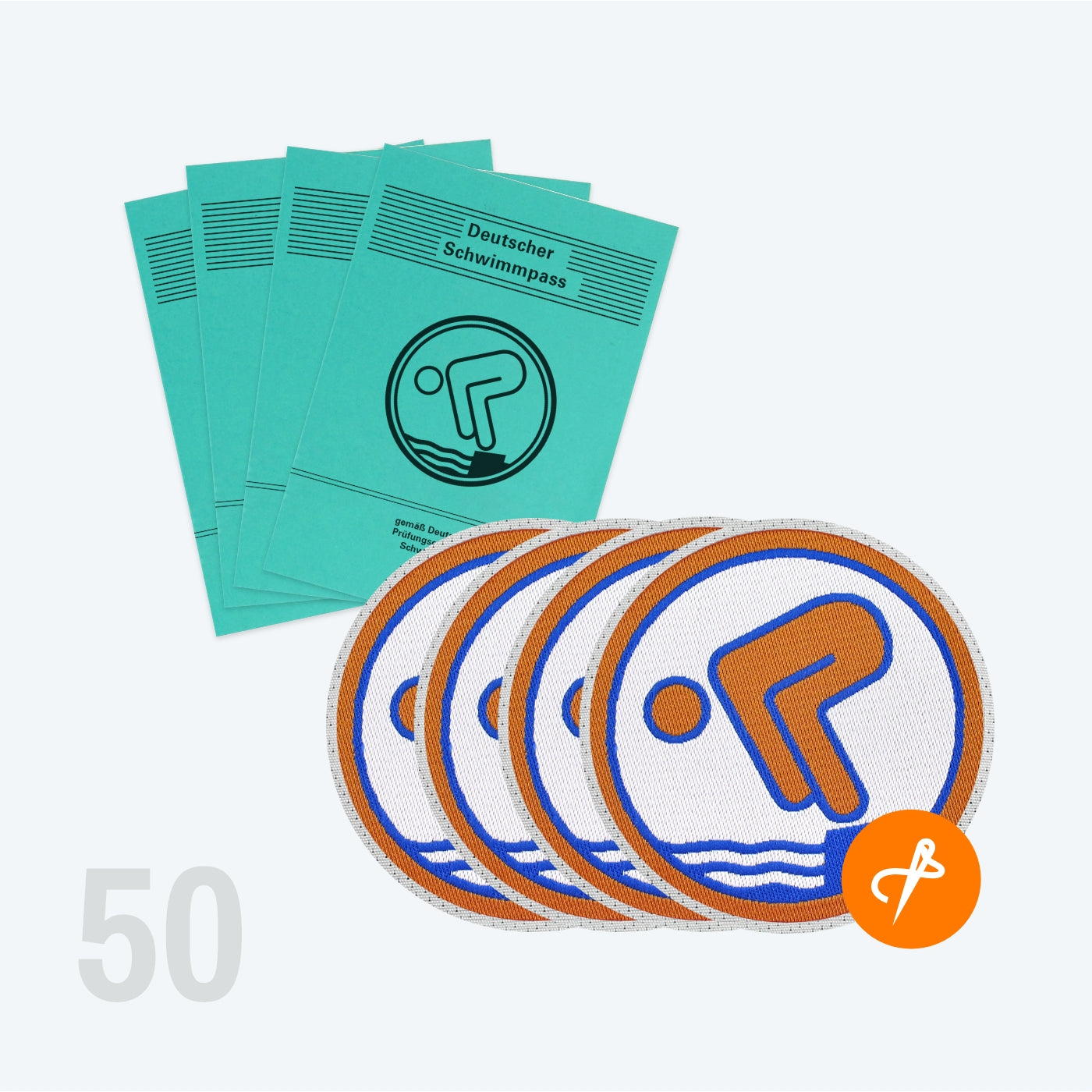
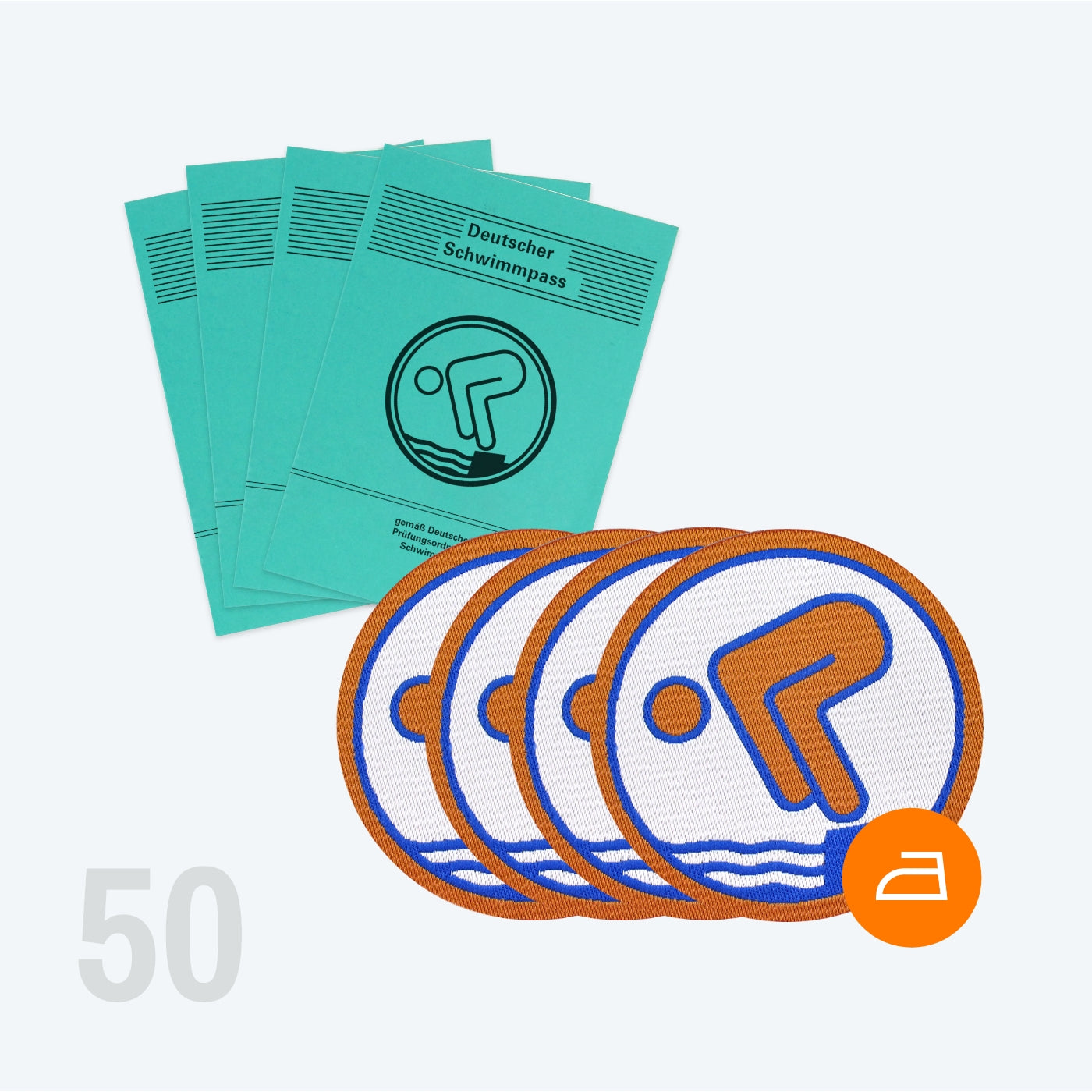
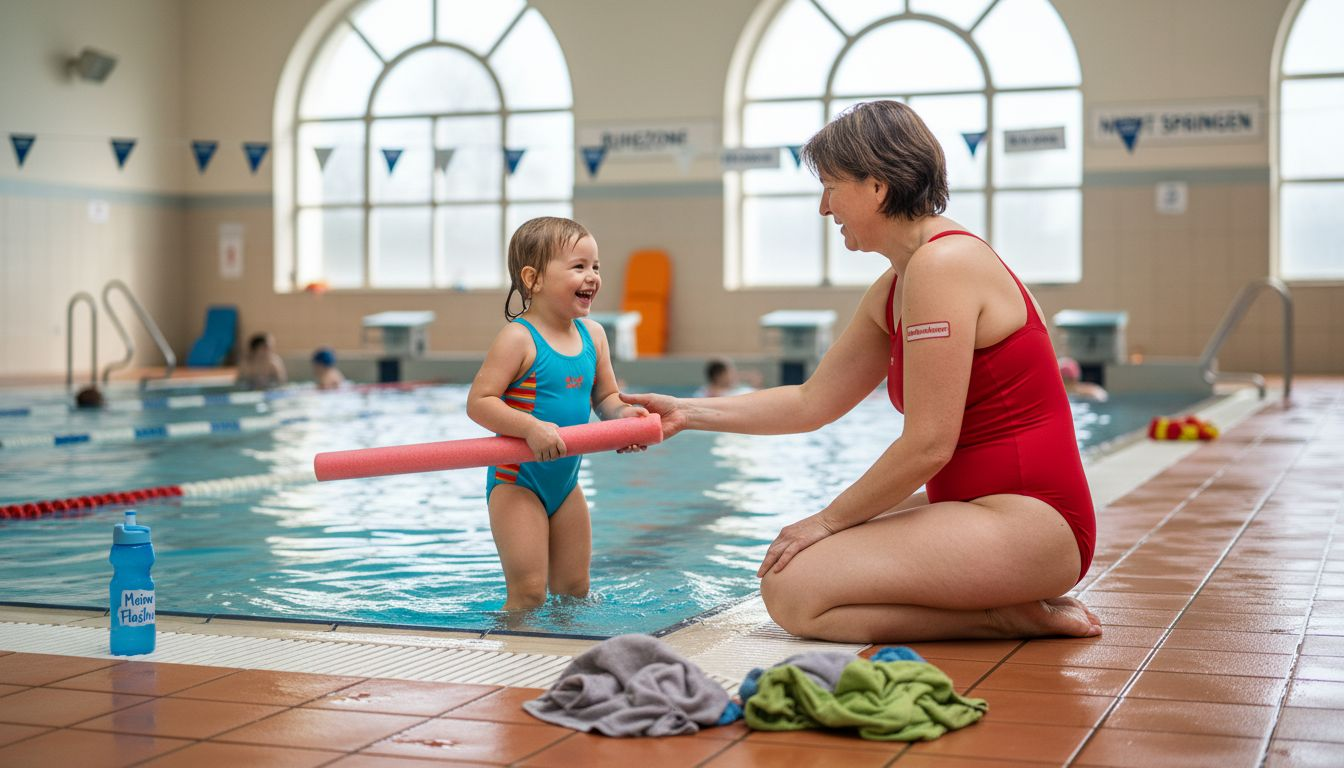
More than 60 percent of all parents in Germany specifically look for a suitable swimming course for their four-year-olds. The right choice is crucial, as important foundations for safety and enjoyment in the water are laid at an early age. In this guide, you will find practical tips to find a swimming course that optimally supports your child and playfully reduces fears.
Table of Contents
- Step 1: Choose the right swimming course
- Step 2: Prepare your child and equipment optimally
- Step 3: Playfully introduce water acclimatization
- Step 4: Learn the swimming basics purposefully
- Step 5: Test skills and achieve the badge
Brief Summary
| Important Point | Explanation |
|---|---|
| 1. Qualification of Swimming Instructors | Look for trained instructors with experience working with 4-year-olds. |
| 2. Child-friendly conditions | Water temperatures of at least 32 degrees and shallow pools promote well-being. |
| 3. Positive preparation of the child | Prepare your child mentally and use positive reinforcement to reduce fears. |
| 4. Playful water acclimatization | Start with simple water games to build trust and instill fun. |
| 5. Patient swimming basics | Practice essential swimming techniques playfully and patiently without pressure on your child. |
Step 1: Choose the right swimming course
A swimming course for 4-year-olds is more than just a sporting adventure – it's an important step for your child's safety and development. When choosing the right course, there are some crucial factors you should consider.
First, you should pay attention to the qualifications of the swimming instructors. Look for trainers who are specifically trained in working with children and have experience with four-year-olds. A child-friendly atmosphere is crucial. The trainers should have patience, empathy, and the ability to teach children water acclimatization playfully and without pressure. A good swimming course for 4-year-olds is characterized by small groups and an individual supervision ratio.
When choosing a course, also pay attention to child-friendly conditions. This means warm water temperatures around 32 degrees, shallow pools, and a relaxed learning atmosphere. Courses that convey both water safety and joy in swimming are important. Many swimming schools offer free trial lessons – use these to experience the atmosphere and methodology.
Pro tip: Talk to your child about the swimming course beforehand and take any fears seriously. Convey anticipation and positivity without exerting pressure.
Here you will find an overview of important criteria for choosing a suitable swimming course:
| Criterion | Meaning for the child | What to look for? |
|---|---|---|
| Group size | Individual supervision possible | Maximum 6 children per course |
| Teacher qualification | Safety and learning success | Documented pedagogical training |
| Water conditions | Comfort and less fear | Water temperature at least 32 degrees |
| Didactic concept | Promote joy in learning | Playful, pressure-free approach |
Step 2: Prepare your child and equipment optimally
The right preparation is the key to success in the swimming course for your 4-year-old child. Careful planning helps your child feel comfortable and develop a love for swimming.
Start with the equipment. Important swimming accessory recommendations include child-sized swimming fins, well-fitting swimming goggles, and a comfortable swimsuit or swim shorts. Make sure the clothing fits snugly but does not restrict movement. Wetsuits can also provide warmth and buoyancy, making water acclimatization more pleasant.
Psychologically preparing means taking fears seriously and creating positive expectations. Watch swimming videos together, read books about water fun, and play water games at home in the bathtub. Talk openly about the course and convey anticipation. It is also important to set realistic expectations and show your child that learning to swim is a process.
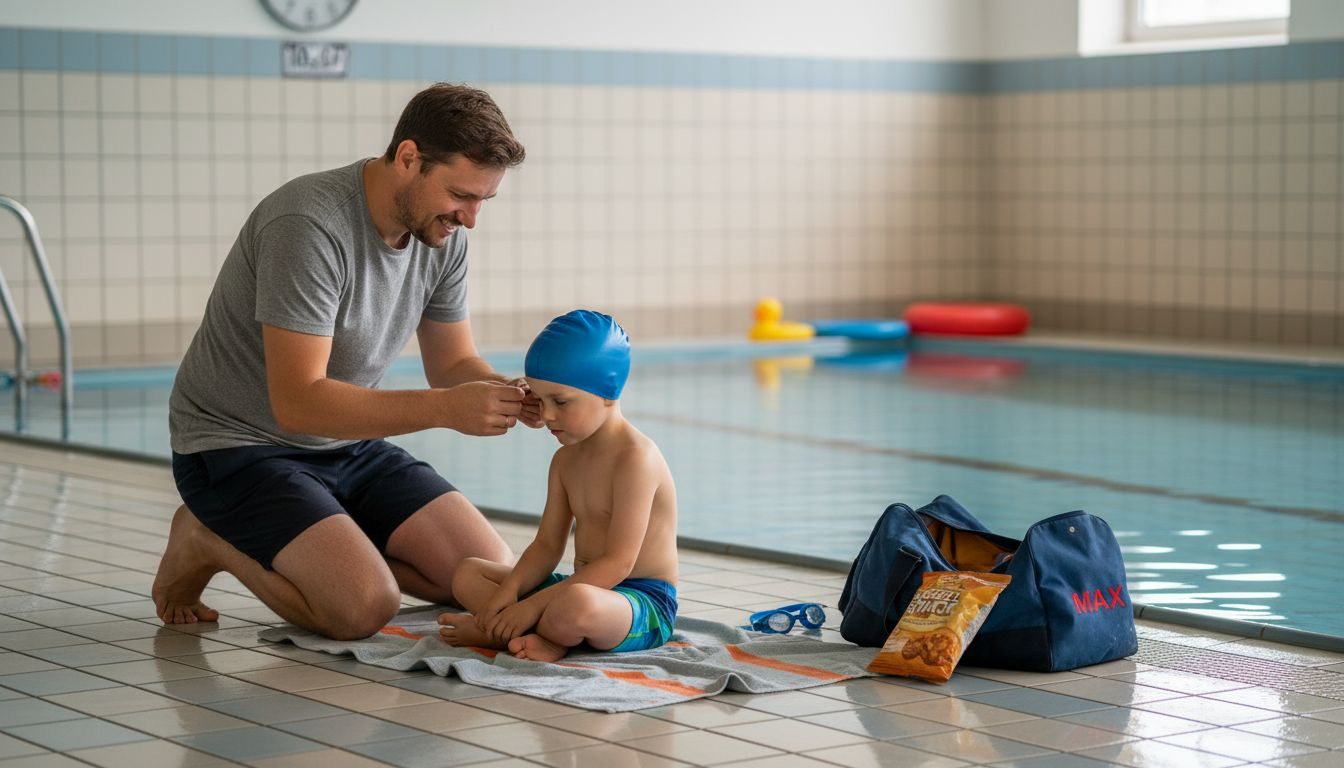
Pro tip: Pack an extra bag with a towel, shower essentials, dry clothes, and a small comfort snack for after the course. Good preparation reduces your child's excitement and makes the swimming course a positive experience.
This table shows typical challenges and suitable solutions in swimming lessons:
| Challenge | Possible Cause | Recommended Approach |
|---|---|---|
| Fear of water | Insecurity, bad experience | Slow acclimatization and patience |
| Concentration problems | Overload, restlessness | Frequent breaks and short play situations |
| Unsuitable equipment | Poor fit, too cold | Adjustment of clothing, possibly wetsuit |
| Lack of motivation | Lack of success experiences | Positive reinforcement and small goals |
Step 3: Playfully introduce water acclimatization
Water acclimatization is a crucial moment for children aged four. The goal is to build a positive and fearless relationship with water, conveying both fun and safety.
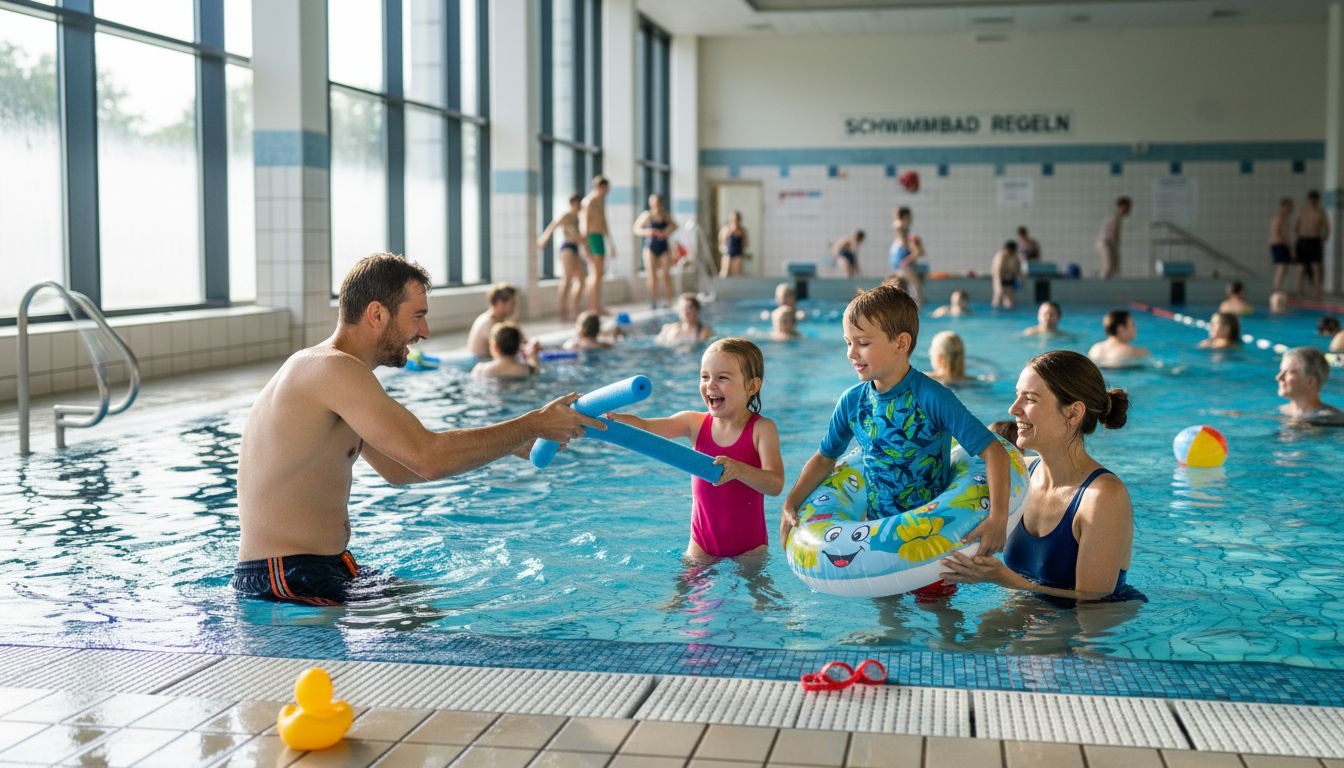
Start with simple games that strengthen confidence in the water. Safe water acclimatization for toddlers requires creative and playful approaches. Let your child first just dip their feet in the water, play games like scooping water with small cups, or have competitions like who can hold their toes underwater the longest. It's important not to rush and to give the child time.
Motivate through rewards and positive reinforcement. Praise every small movement and every step forward. Show your own joy in the water and demonstrate that swimming is a great activity. Avoid pressure or criticism, but create a relaxed atmosphere where your child can develop trust and enjoyment.
Pro tip: Prepare small water toys for your child to discover underwater. This distracts from possible fears and makes water acclimatization an exciting adventure.
Step 4: Learn the swimming basics purposefully
Swimming basics are key to water safety for your four-year-old. In this section, we focus on methodical and playful techniques that teach your child to swim safely and confidently.
Start with body posture and breathing. Learning to swim at any age first requires familiarity with the water position. Practice holding the face underwater, gentle exhaling, and floating in the water. Playful exercises such as collecting diving rings or imitating water animals help to reduce fear and improve coordination.
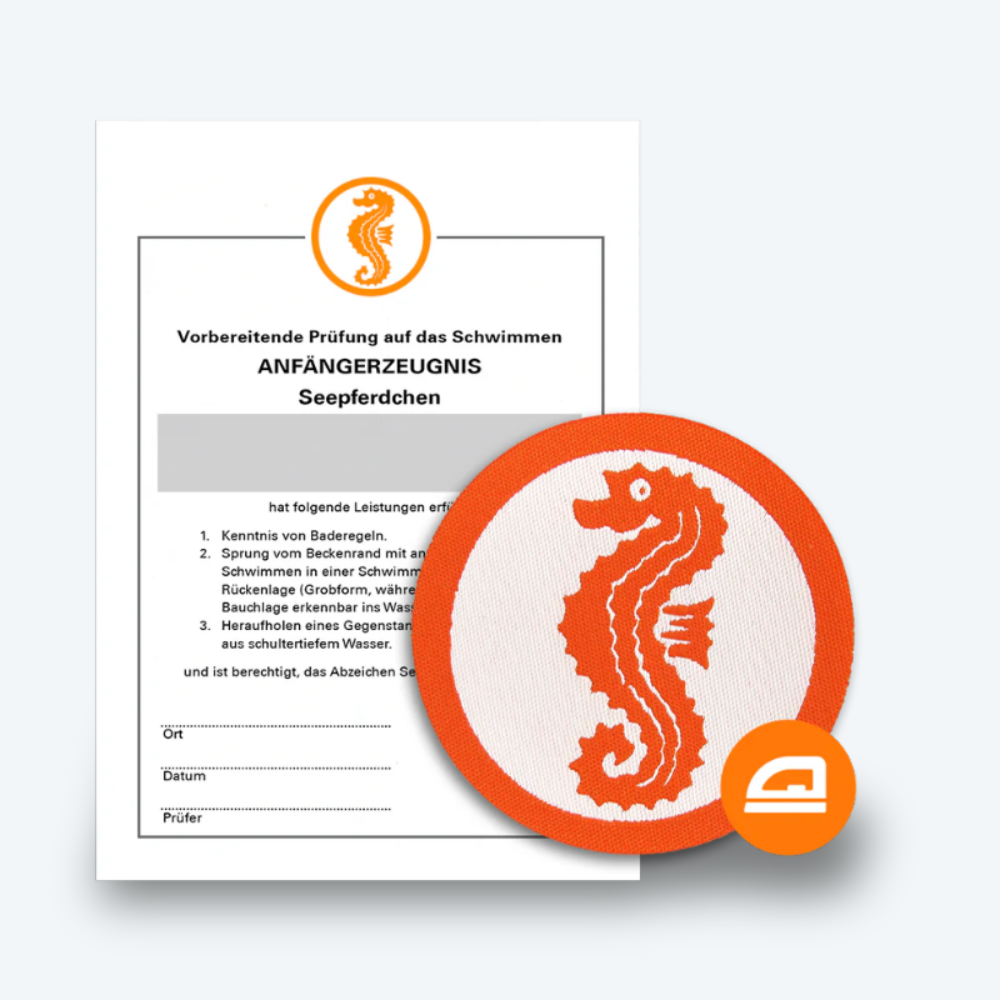
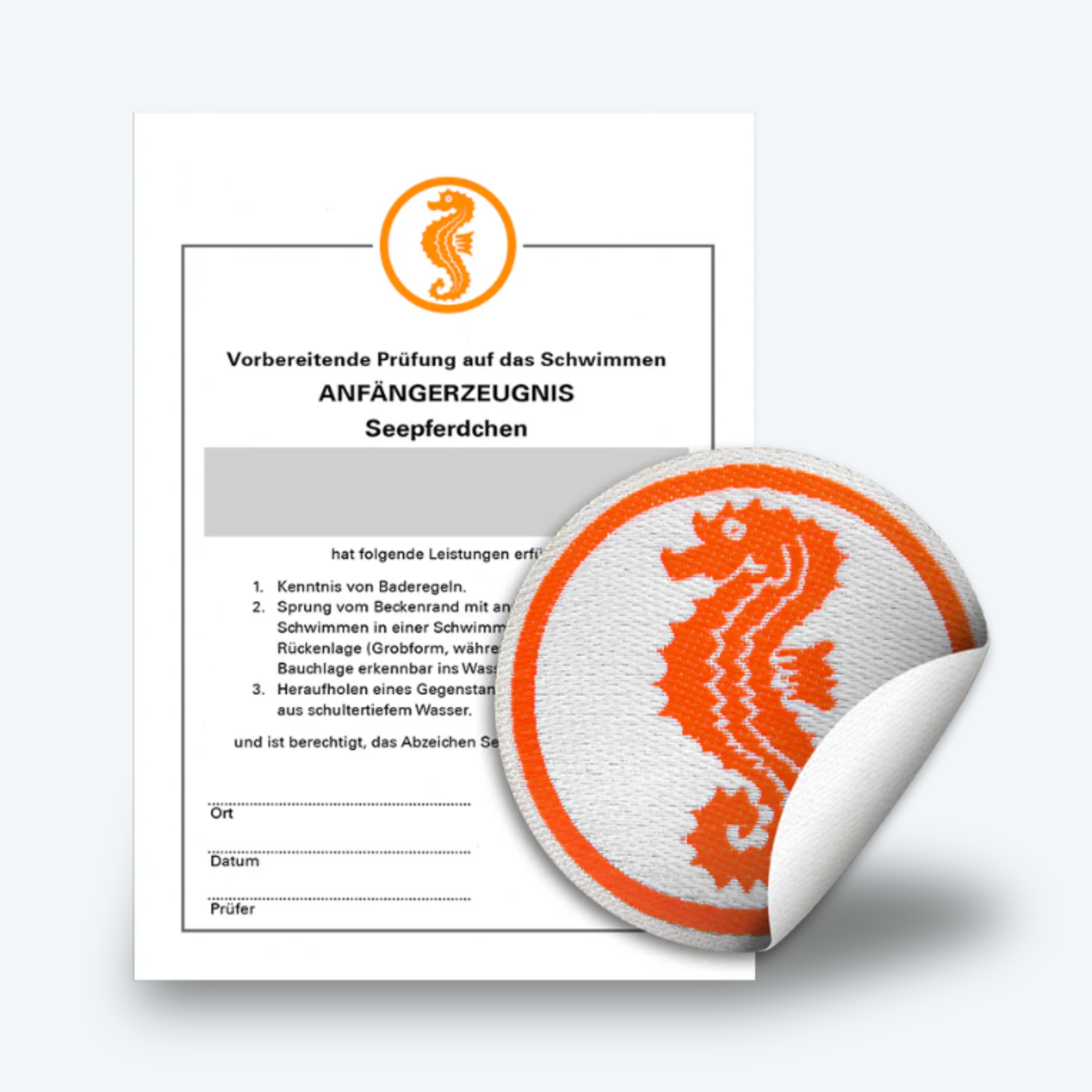
Focus on basic swimming techniques. First, teach the gliding phase, where the child learns to move horizontally in the water. Then you can start with simple leg kicks and arm strokes. Positive reinforcement and a patient approach are important. The Seepferdchen (Seahorse) badge is a first step, but not yet a guarantee for safe swimming.
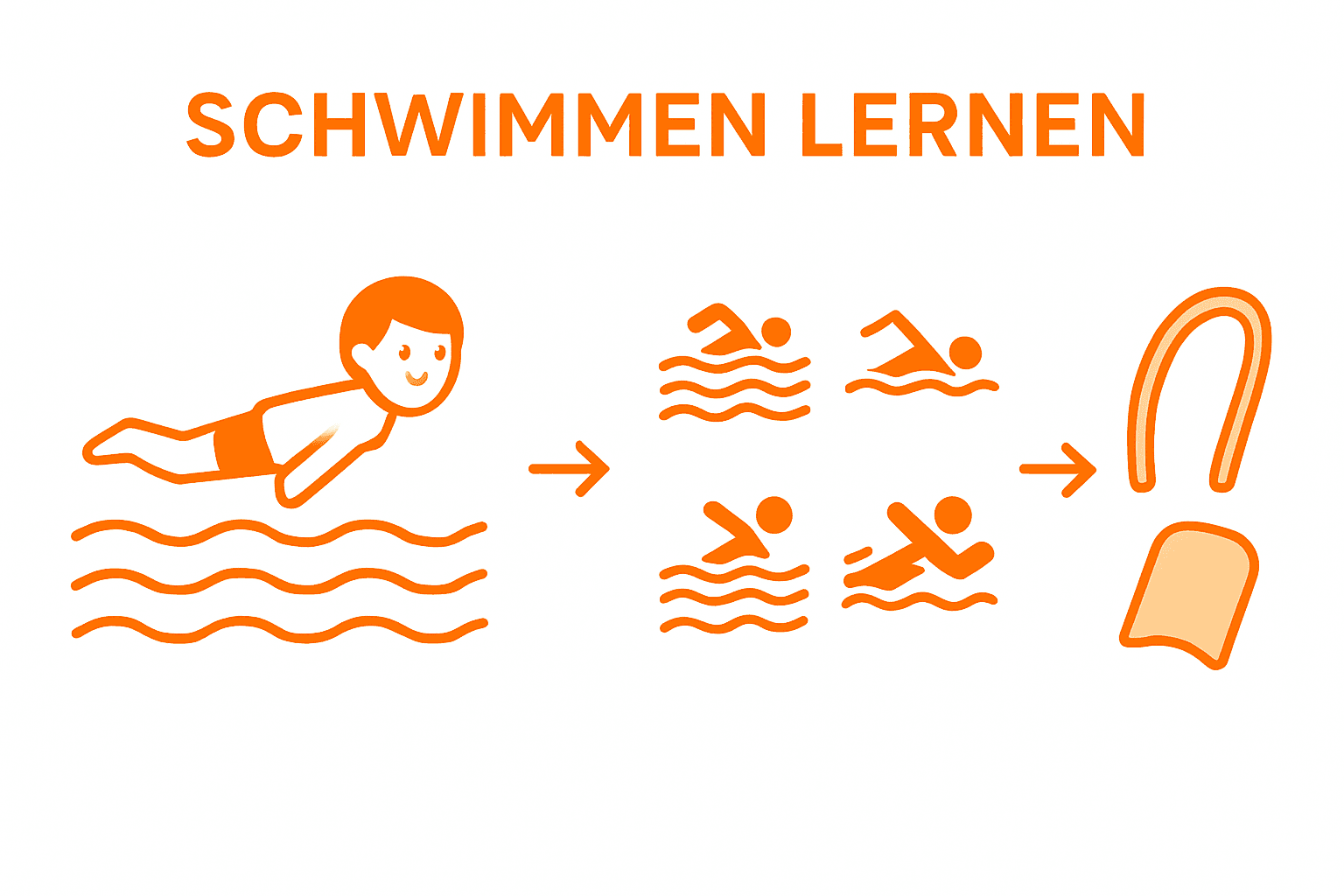
Pro tip: Use swimming noodles or kickboards as aids to give the child safety and buoyancy. These aids make learning to swim playful and motivating.
Step 5: Test skills and achieve the badge
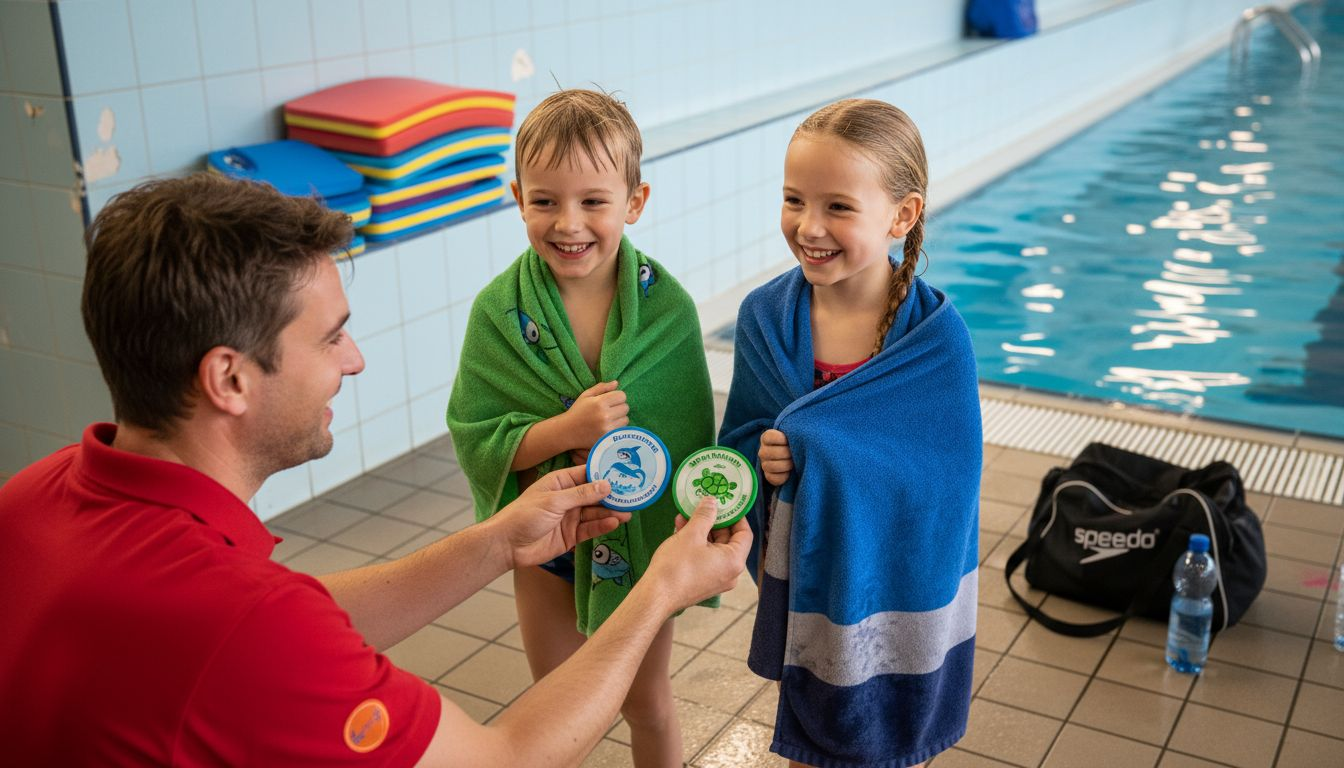
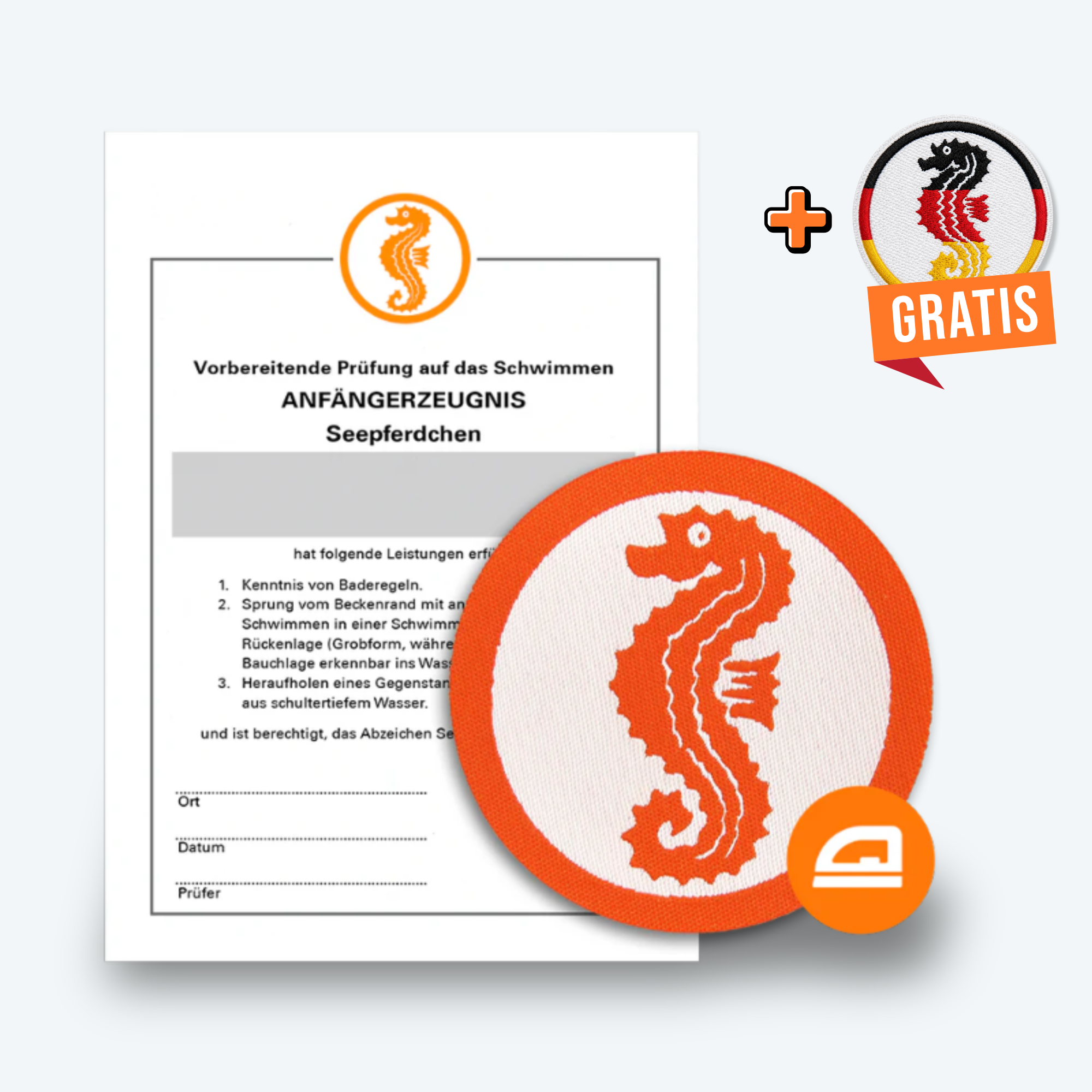
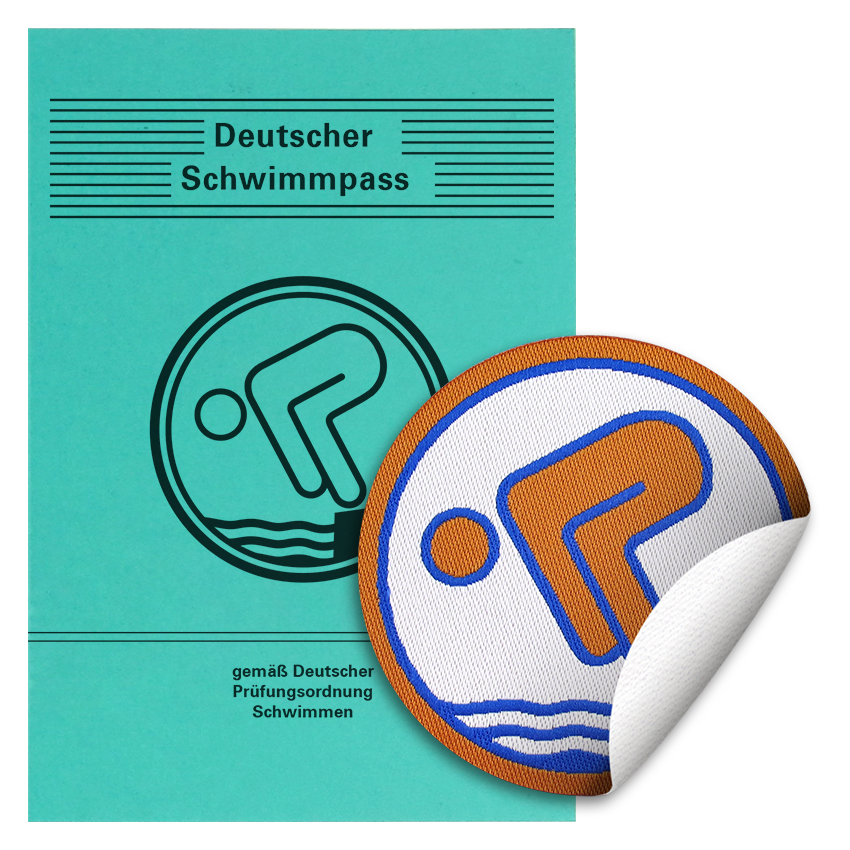
The Seahorse badge is an important milestone in your four-year-old child's swimming development. It marks the first step towards water safety and should be celebrated with pride and joy.
Prepare your child for the test by going through the swimming badge requirements together. The test typically includes basic skills such as swimming 25 meters, jumping into the water, and diving. Practice these elements playfully and without pressure to perform. Show your child that it's not about perfection, but about fun and progress.
During the test, it is important to remain calm and encouraging. The swimming instructor will gently test your child's abilities. Focus on appreciating your child's performance regardless of the outcome. The Seahorse badge is a starting point, not the end goal of swimming development.
Pro tip: Prepare a small surprise for your child regardless of whether they passed the badge or not. Positive reinforcement helps to maintain motivation and enjoyment of swimming.
Learning to Swim Successfully and Safely with Pimpertz
A swimming course for 4-year-olds comes with important challenges: overcoming fears, using the right equipment, and playfully promoting water acclimatization. Motivational swimming badges and child-friendly accessories are crucial to positively reinforce the child and accompany the learning process with joy. This is precisely where Pimpertz, as an experienced partner with over 38 years of expertise, offers optimal support.
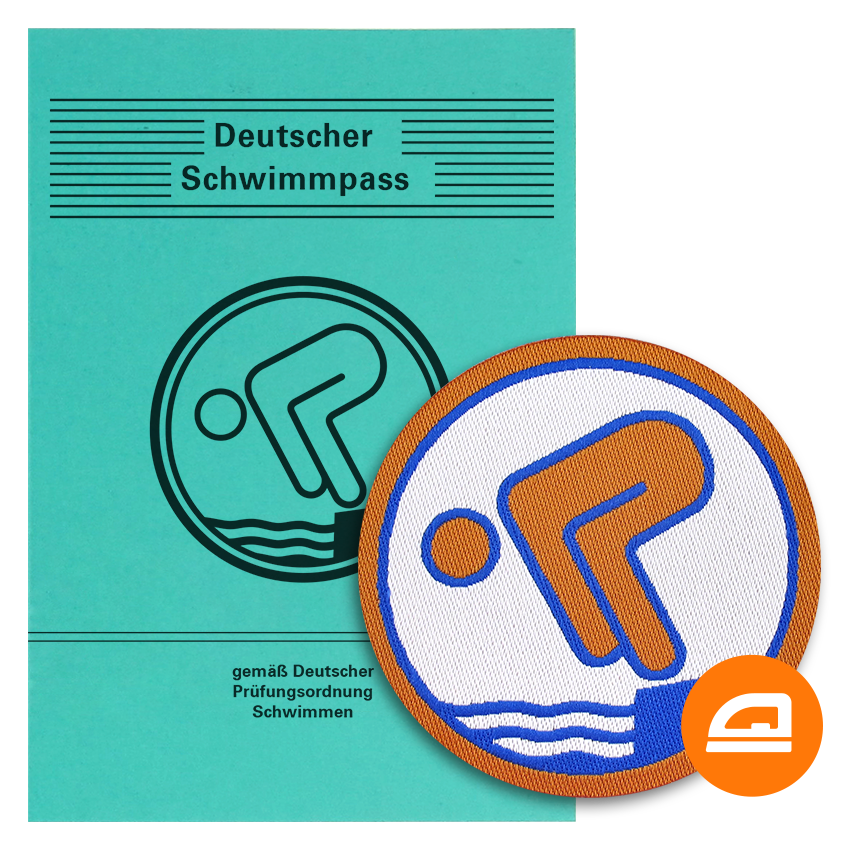
Discover a large selection of official swimming badges, customizable certificates, and practical accessories at Pimpertz. Our high-quality products help to instill pride in young swimmers for their first successes and provide parents and swimming instructors with a valuable tool. Use our offer for swimming course supplies and ensure your child has the best possible start to safe swimming. Visit our website now and take the next important step in your child's swimming education with swimming badges and accessories from Pimpertz, as well as our product ranges specially designed for children.
Frequently Asked Questions
How do I choose the right swimming course for my 4-year-old child?
To choose the right swimming course, pay attention to the qualifications of the swimming instructors and the group size. Look for courses with a maximum of 6 children for individual supervision and a playful, pressure-free approach.
What equipment does my child need for the swimming course?
For the swimming course, your child needs well-fitting swimming goggles, a comfortable swimsuit or swim shorts, and possibly swimming fins in the appropriate size. Make sure the clothing fits snugly but does not restrict movement to increase comfort in the water.
How can I psychologically prepare my child for the swimming course?
Prepare your child by watching swimming videos together and creating positive expectations. Talk about the course and convey anticipation to reduce fears and increase interest.
What games are suitable for water acclimatization for toddlers?
Simple games like scooping water with cups or toe dipping help build confidence in the water. Start slowly and encourage playful learning to build a positive relationship with water.
What does the test for the Seahorse badge include?
The test for the Seahorse badge typically includes swimming 25 meters, jumping into the water, and diving. Practice these skills playfully, without performance pressure, to strengthen your child's self-confidence.
How can I maintain my child's motivation while learning to swim?
Encourage motivation by praising your child's small successes and progress and reinforcing them with rewards. Prepare a small surprise, regardless of whether the badge was passed or not, to support the joy of swimming.