
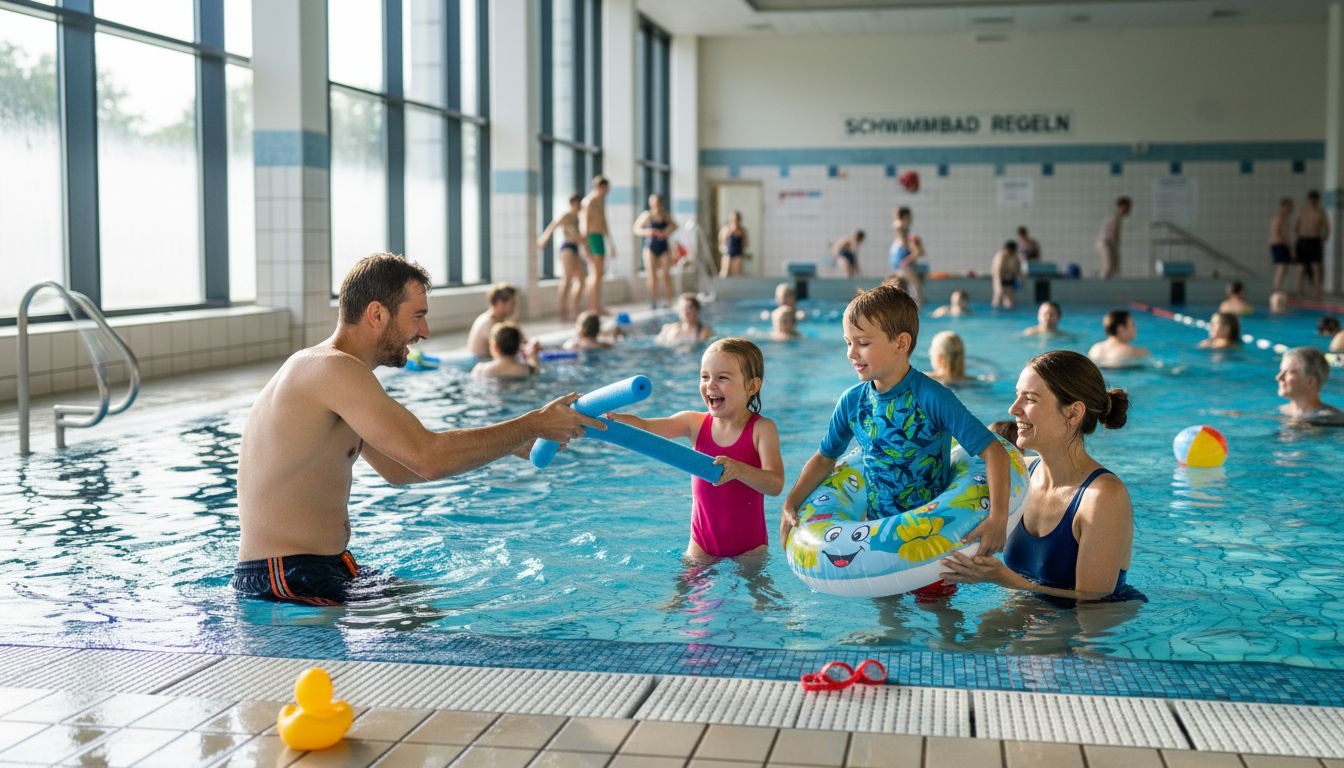
One in three children in Germany feels unsafe in the water. For many families, learning to swim is therefore a particularly important experience that not only provides safety but also a lot of fun. With the right games, motivating badges, and cleverly chosen accessories, children can improve their skills and glide through the water with confidence. Here's how to use swimming as a shared adventure and to promote motor skills, self-confidence, and community.
Table of Contents
- Experience Swimming Playfully with Children
- Use Swimming Badges as a Motivational Aid
- Diverse Swimming Games for All Ages
- Water Safety Explained Simply
- Swimming as a Shared Group Experience
- Choose Suitable Accessories for More Swimming Fun
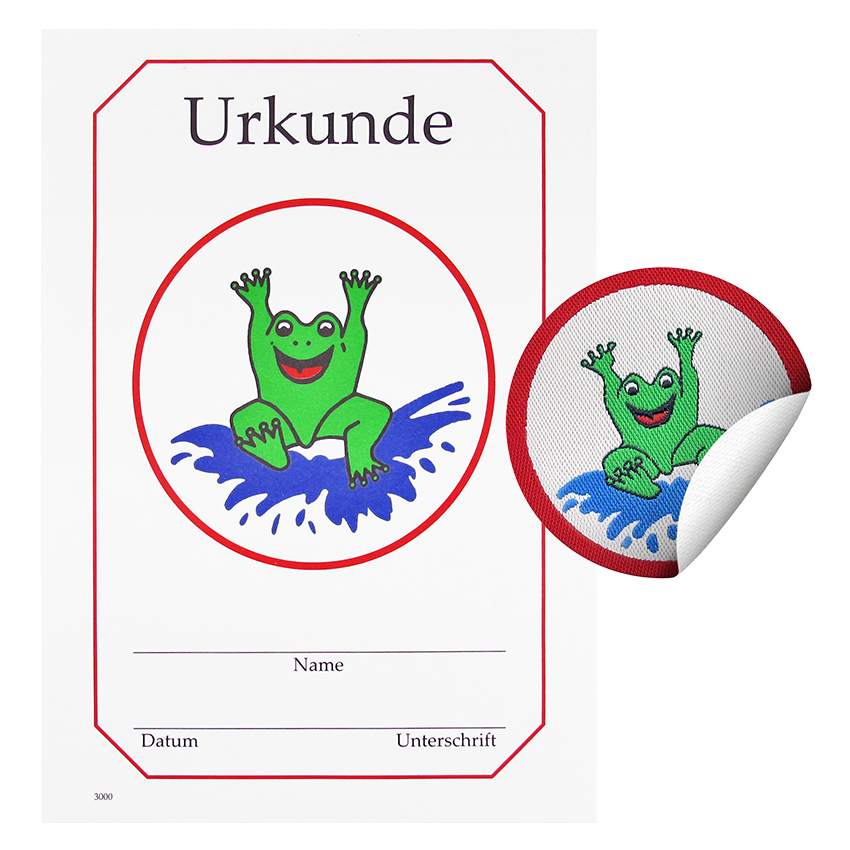
- Celebrate Successes with Certificates and Badges
Brief Summary
| Key Insight | Explanation |
|---|---|
| 1. Playful Learning is Crucial | Children enjoy water when they learn through games and activities. This fosters trust and safety in the water. |
| 2. Swimming Badges Motivate | The awarding of swimming badges documents progress and motivates swimmers of all ages to further develop their skills. |
| 3. Safety First | Always ensure supervision and teach children the basics of water safety. |
| 4. Group Activities Promote Social Bonds | Group swimming strengthens social skills and promotes enjoyment of water, thereby increasing motivation. |
| 5. The Right Equipment is Important | Choose age-appropriate swimming accessories to ensure safety and maximize the fun of learning. |
1. Experience Swimming Playfully with Children
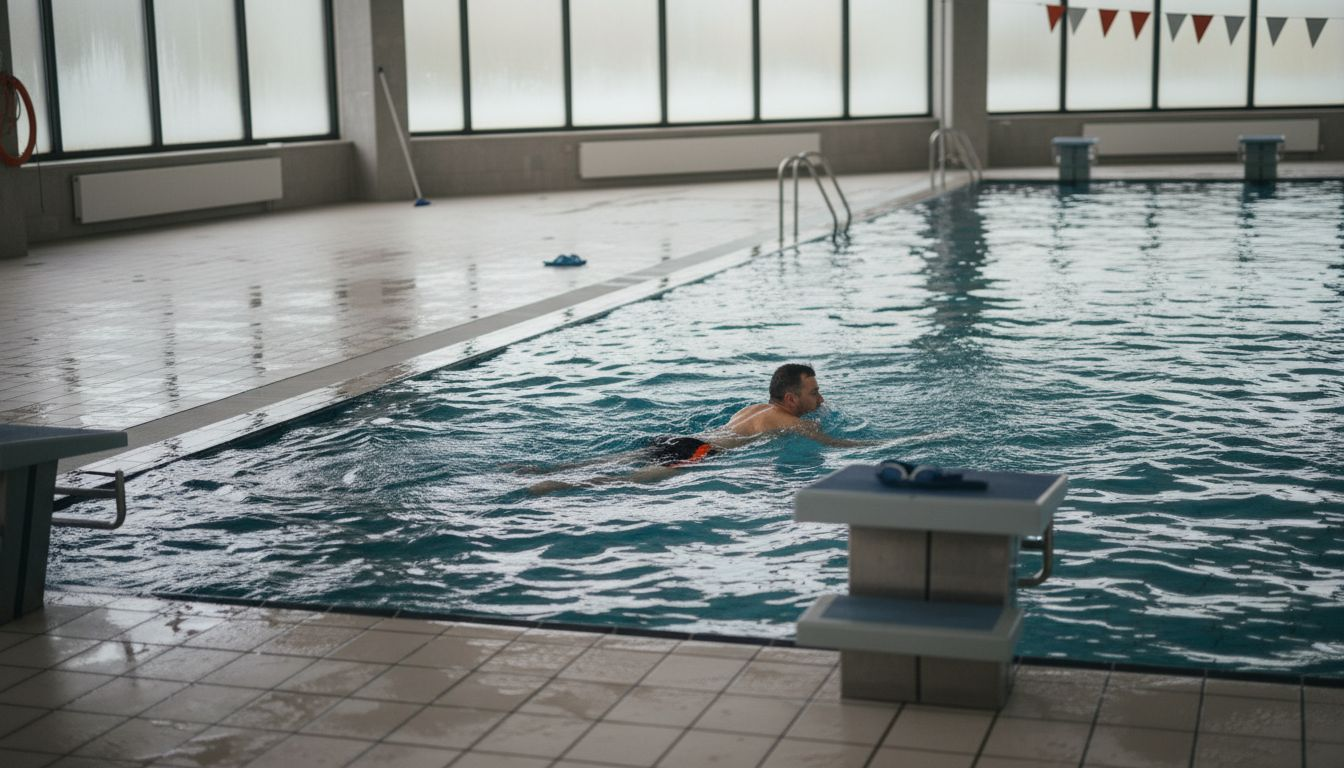
Swimming with children can be a magical moment full of joy and discovery. It's important to frame the water environment not as a challenge, but as an exciting playground. Water games help children playfully get used to the element of water and reduce fears.
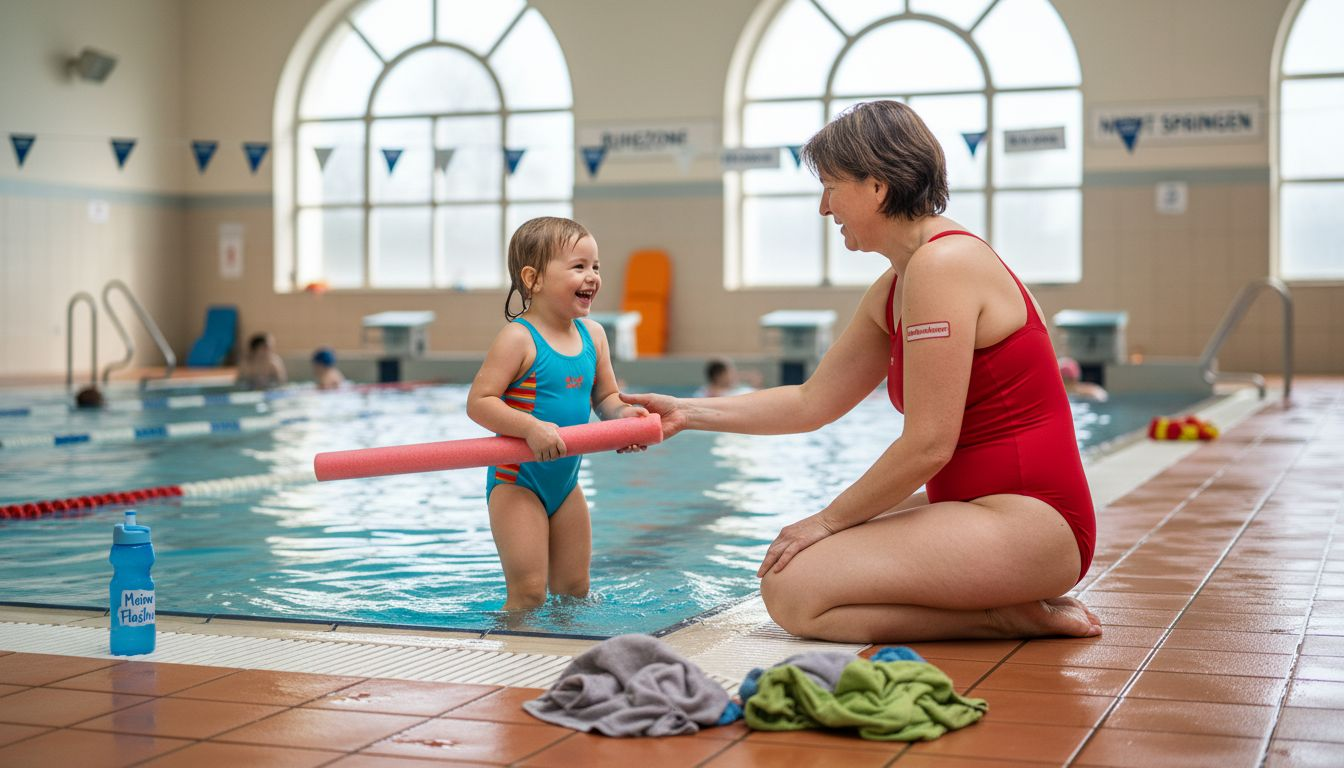
Children learn best through movement and fun. Introduce simple exercises that strengthen confidence in the water, such as splashing, throwing water balls, or small diving games. A positive atmosphere without performance pressure is important. Give your child time to gain their own experiences and develop a love for water.
Games that promote motor skills are particularly popular. Gliding like a dolphin, jumping from the edge, or playfully diving for objects bring great joy to children. Always ensure absolute safety and stay within shouting distance.
Pro Tip: Use colorful swimming noodles, water balls, or diving rings to make games more interesting and motivating. The more positive the experience, the greater the chance that children will develop a long-term enjoyment of swimming.
2. Use Swimming Badges as a Motivational Aid
Swimming badges are more than just small acknowledgments – they are powerful motivational tools for swimmers of all ages. Official documentation of swimming progress can inspire children and adults alike.
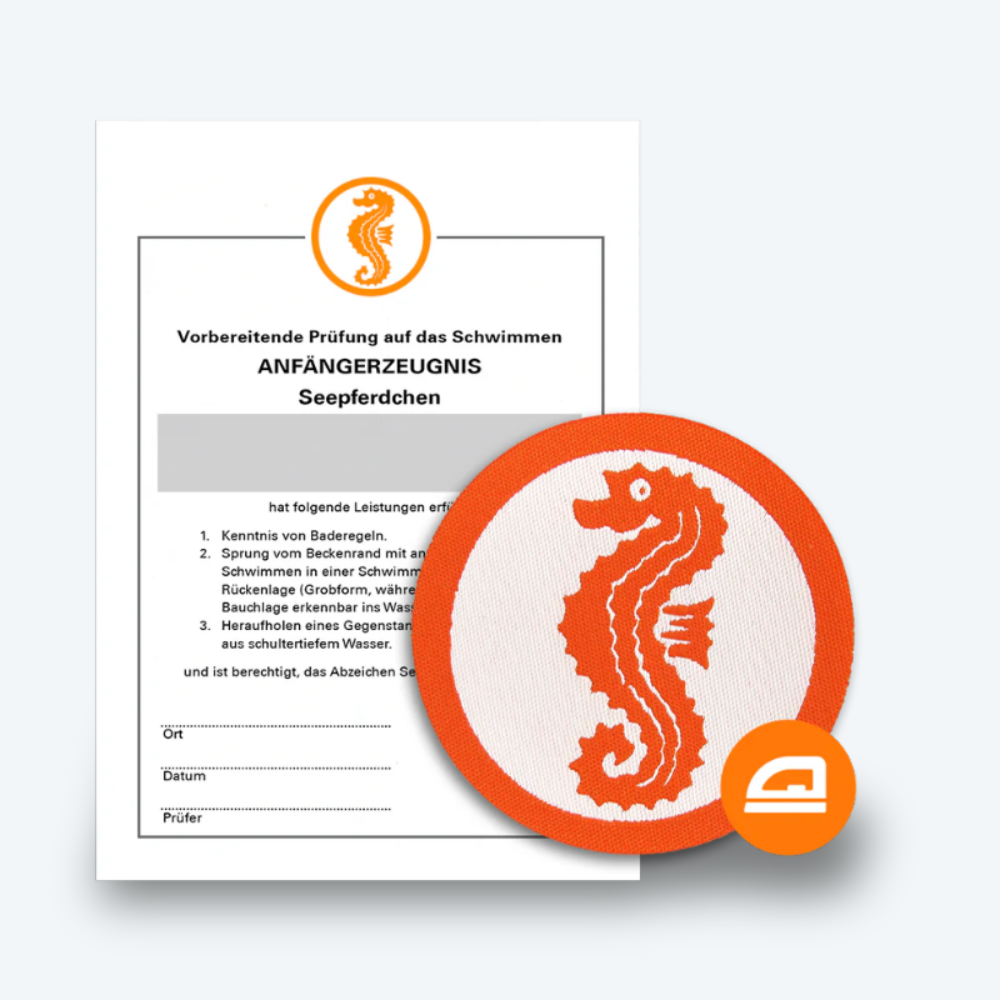
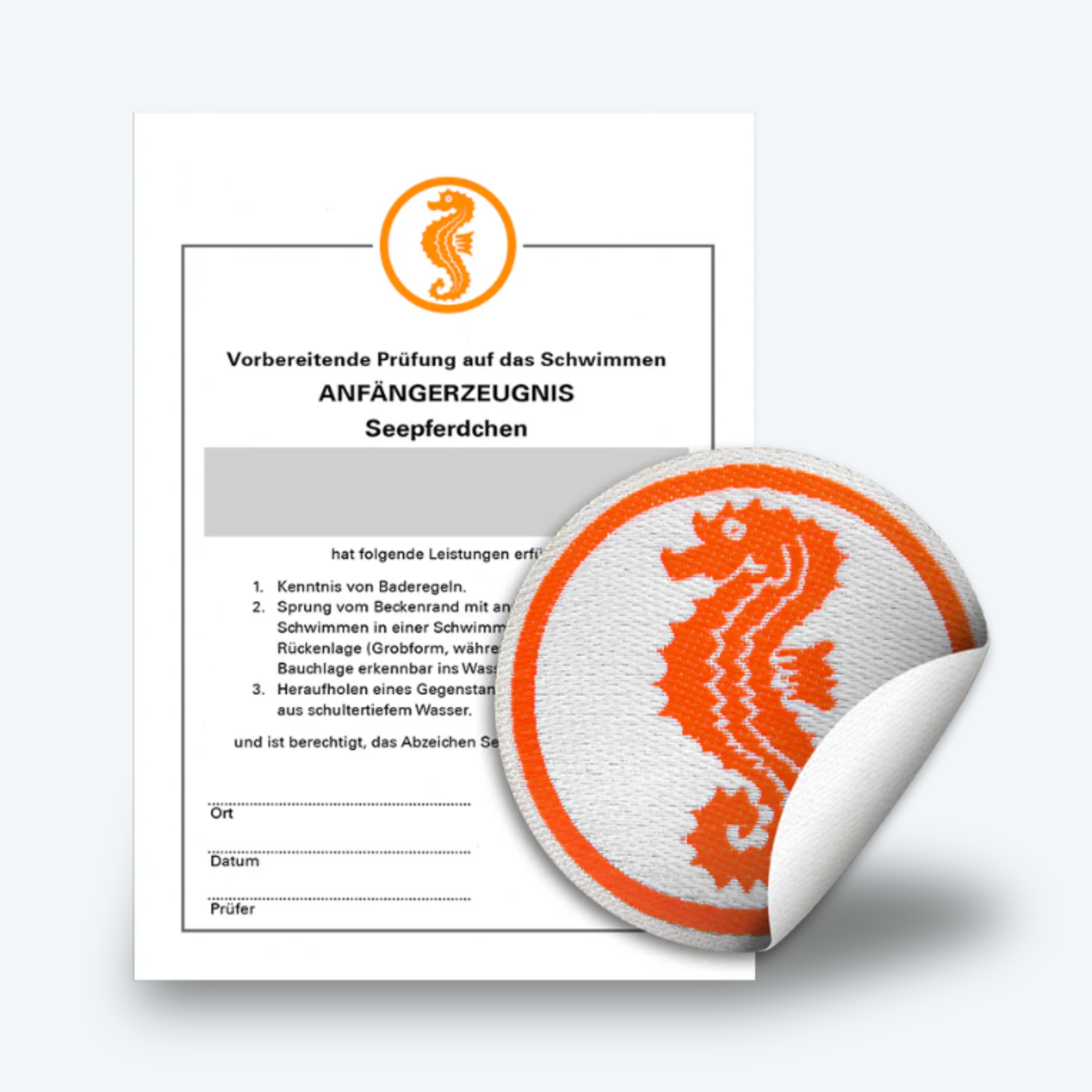
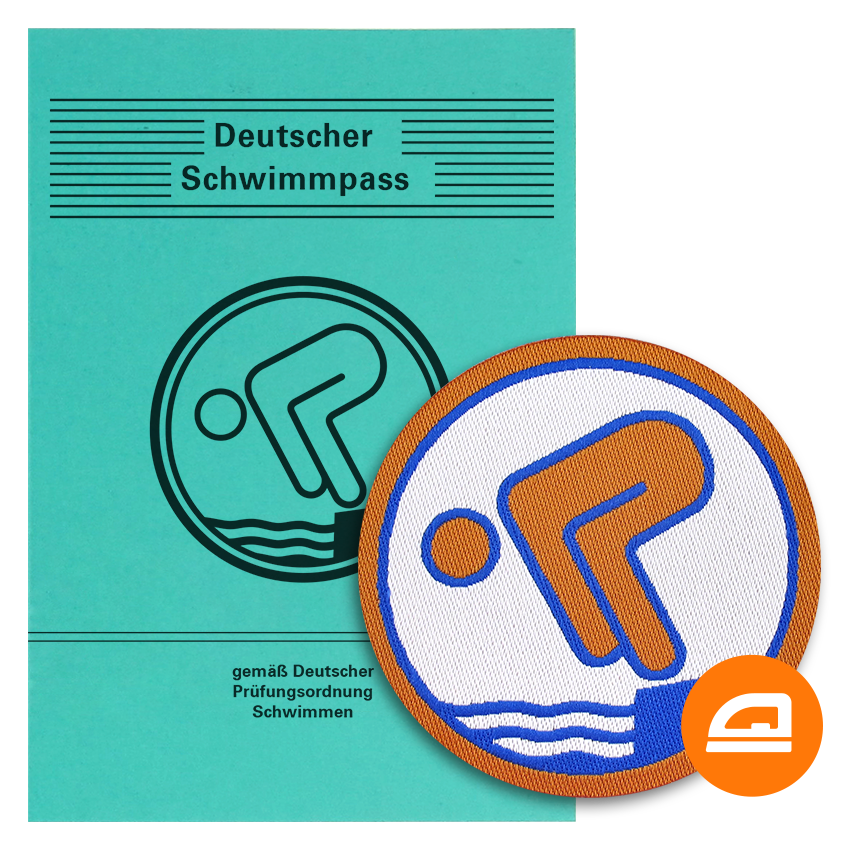
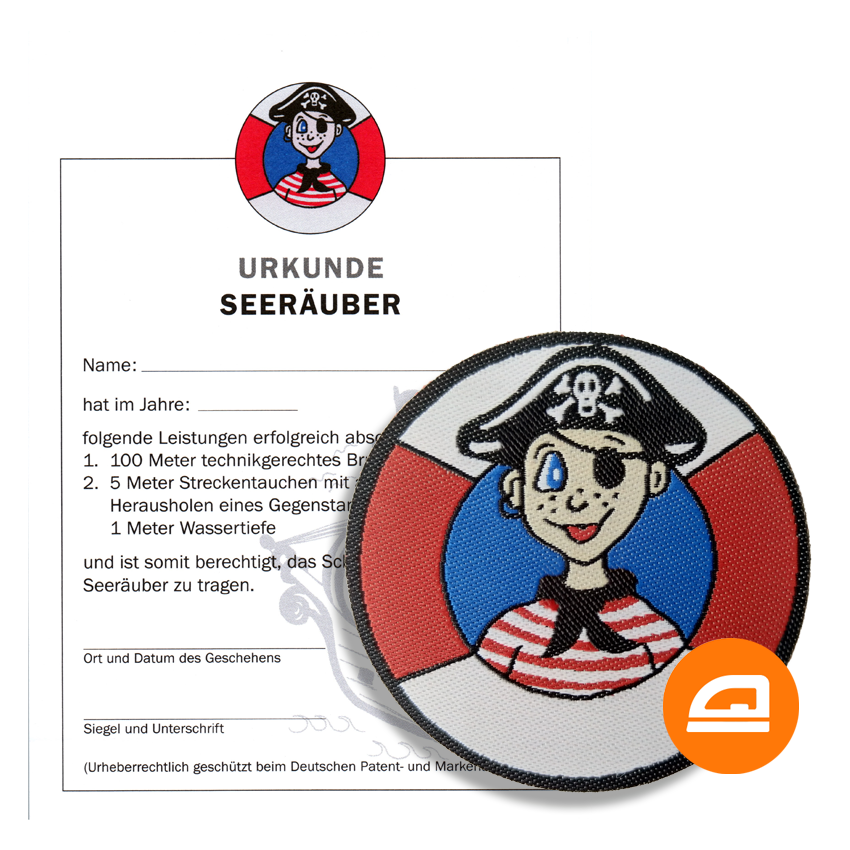
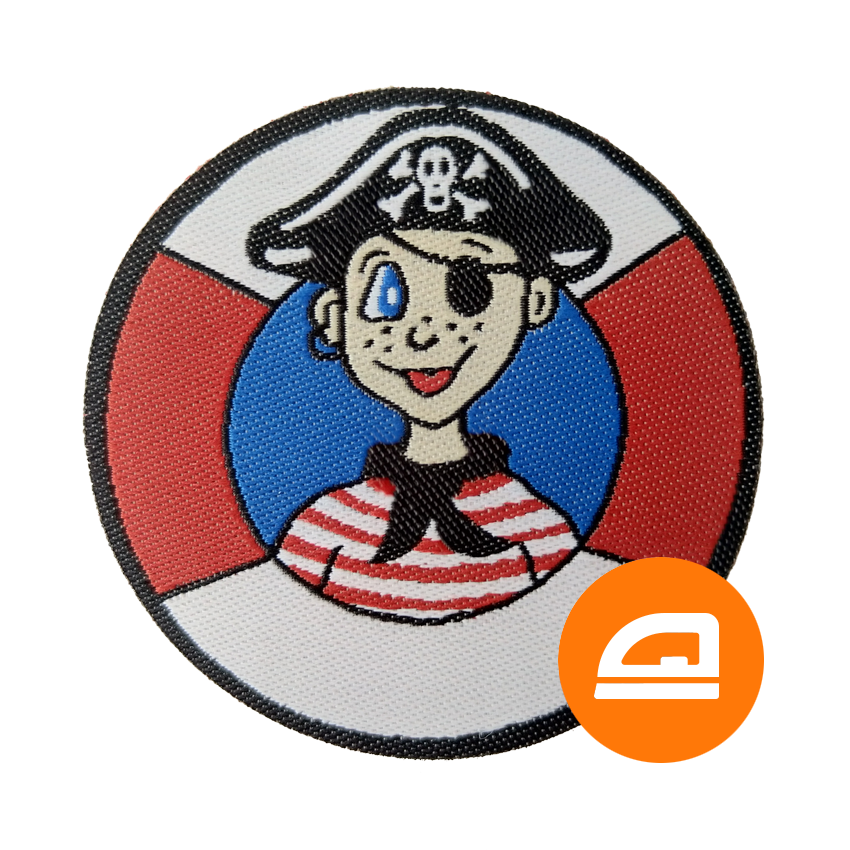
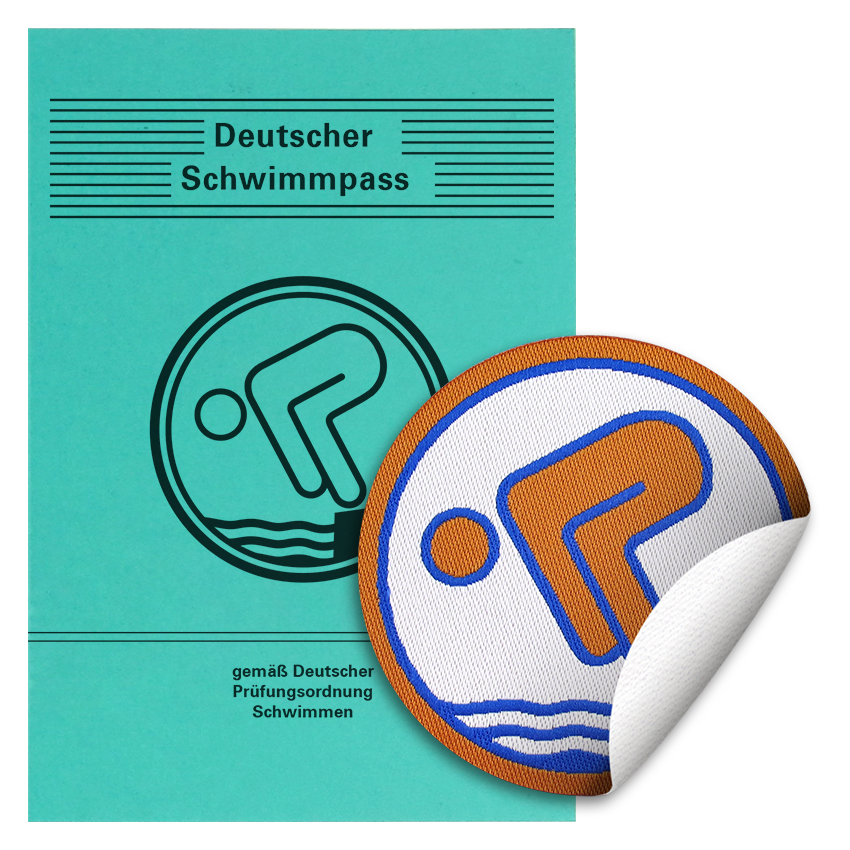
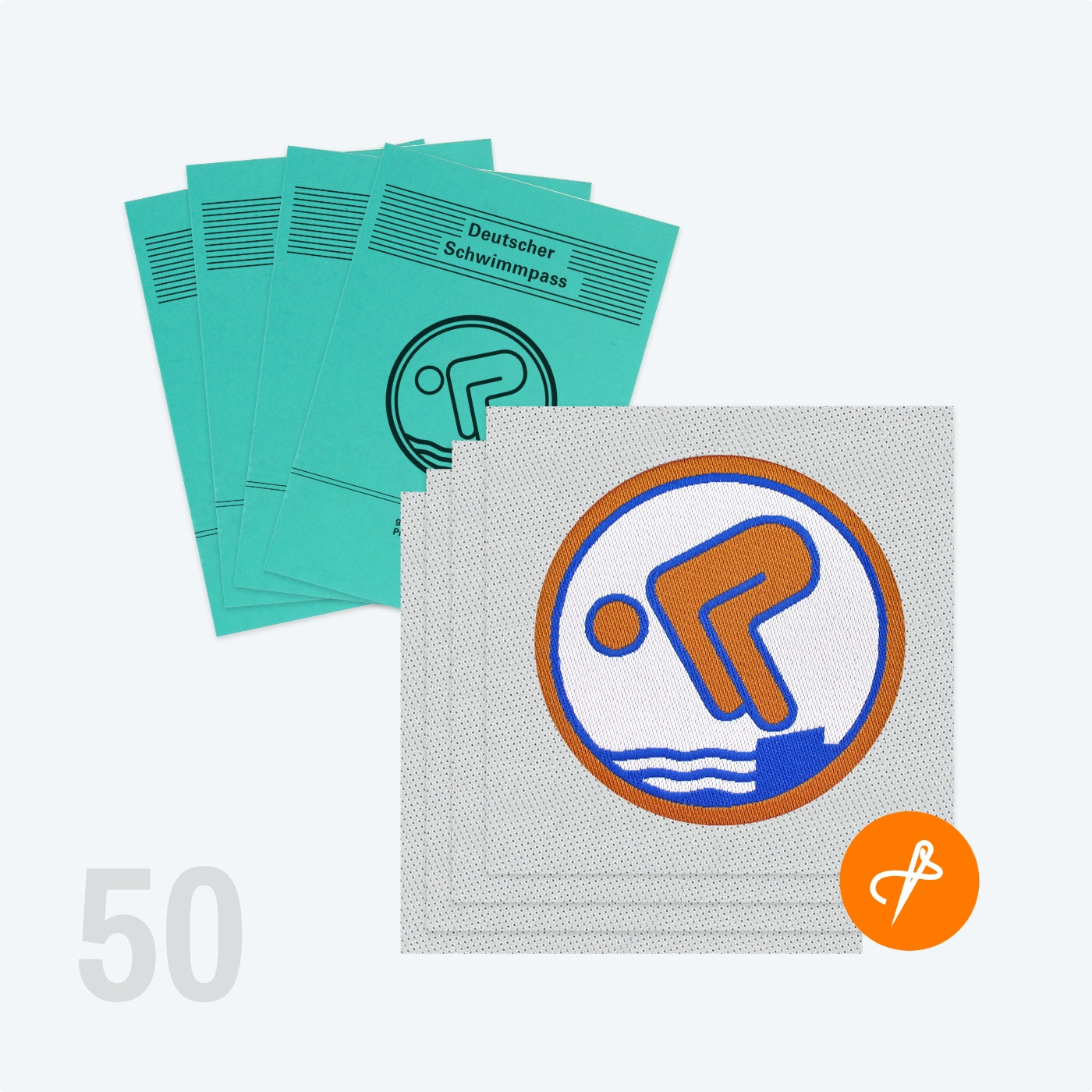
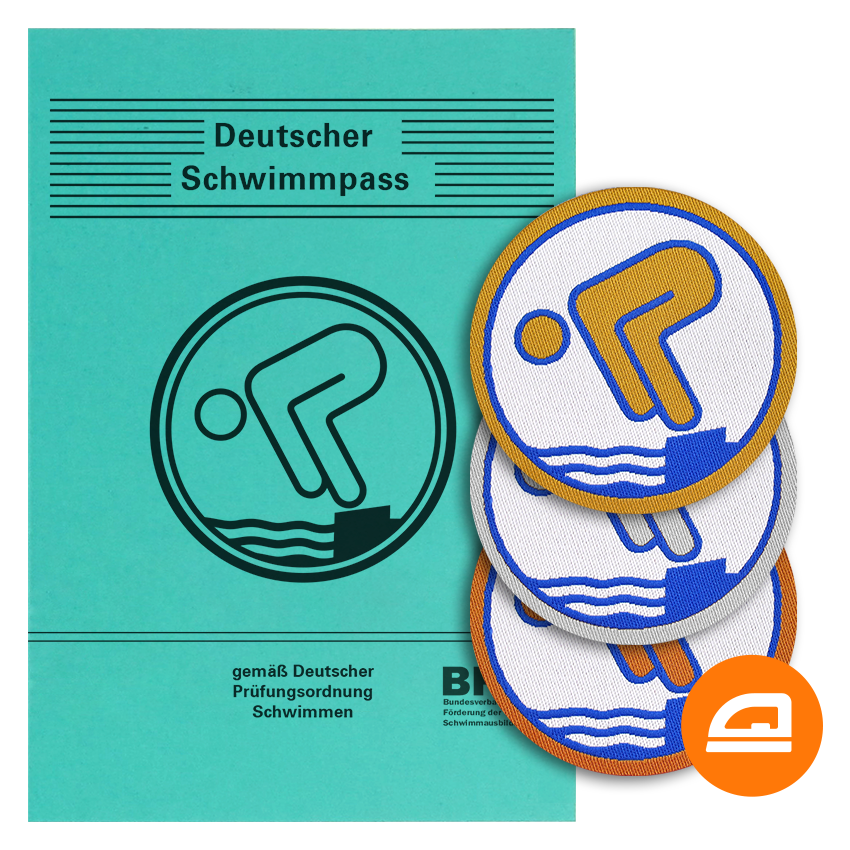
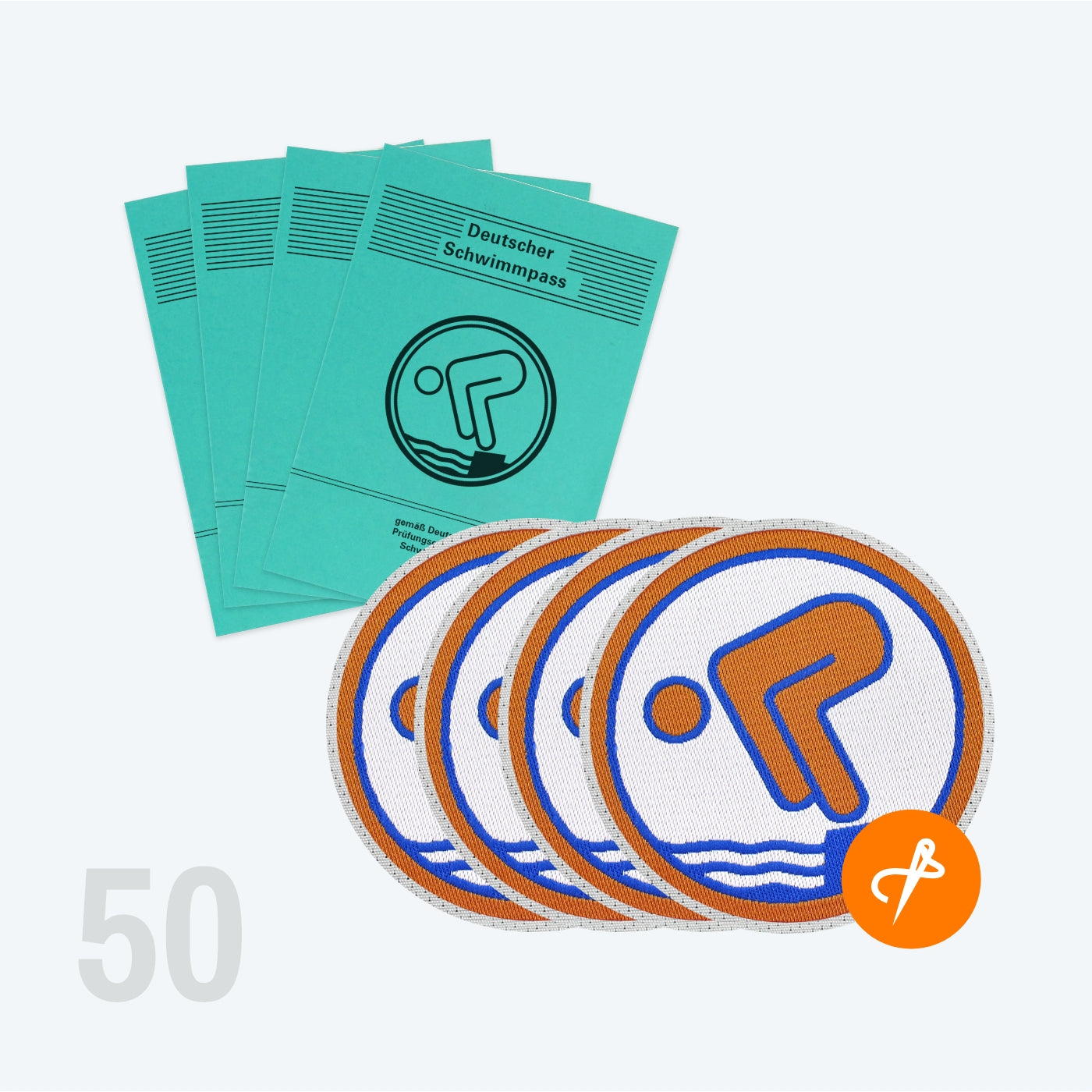
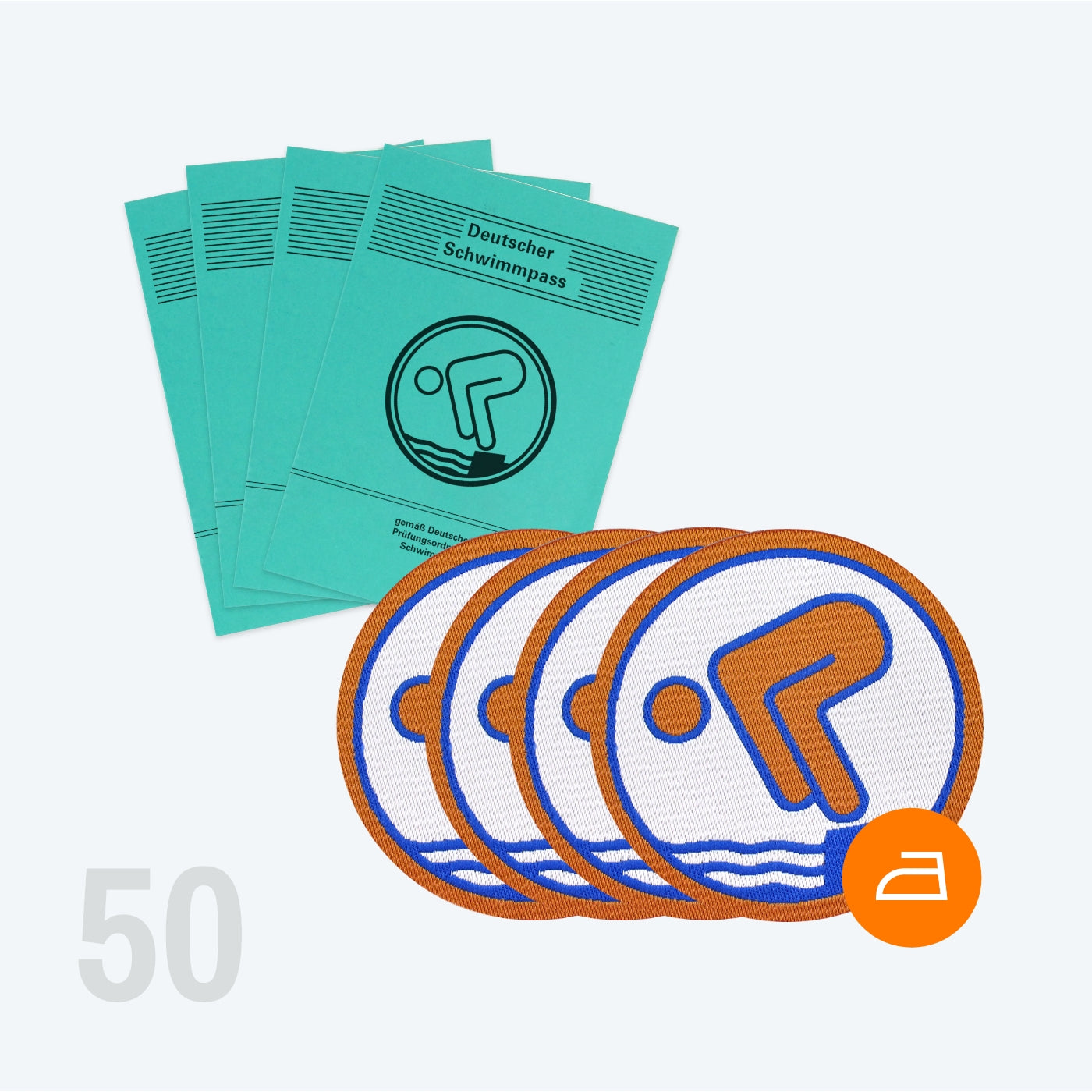
The variety of swimming badges offers a suitable challenge for every skill level. From the "Seepferdchen" (seahorse) to the German Swimming Badge Bronze, there are various levels that motivate swimmers and make their developmental progress visible. In 2024, an impressive 95,273 swimming badges were awarded nationwide – proof of sustained motivation.
Strategies for Increasing Motivation: • Set realistic goals • Celebrate every badge level achieved • Document progress • Use badges as visible markers of success
A structured badge system like the Euroschwimmpass with its 11 different levels can systematically challenge and motivate swimmers from 25m to 1000m. The variety of levels allows for individual development opportunities.
Pro Tip: Create a positive culture of remembrance around swimming badges. Frame the certificates or create a progress board to visibly and appropriately celebrate achievements.
3. Diverse Swimming Games for All Ages
Swimming games are more than just a pastime. They are a powerful tool to develop swimming skills and increase the enjoyment of water. The Spass im Wasser swimming cards offer over 50 exercises of varying difficulty that perfectly serve this purpose.
For children, water games can be a fantastic way to playfully learn swimming techniques. NIVEA recommends games that promote skills like diving, jumping, and gliding in an entertaining way. These activities are not only fun but also help with motor development.
Swimming Games for Different Age Groups: • Toddlers: Throwing water balls, collecting objects • Schoolchildren: Water treasure hunt, relay races • Teenagers: Water polo elements, underwater obstacle courses • Adults: Aqua fitness games, synchronized swimming exercises
It is important to adapt the intensity and complexity of the game to the respective age group. Always pay attention to safety and supervision.
Pro Tip: Prepare game materials such as swimming noodles, diving sticks, or colorful rings in advance. The variety of materials makes swimming games even more interesting and motivating.
4. Water Safety Explained Simply
Water safety is not a complicated science, but a basic skill that can be taught playfully and relaxed. NIVEA recommends parents to introduce children to safe swimming through targeted water games.
The basics of water safety are based on three core aspects: familiarity with water, body control, and awareness of danger. Children must learn that water is a great play element, but also requires respect and attention.
Important Safety Aspects: • Always an adult supervisor within reach • Build swimming skills age-appropriately • Never leave children alone • Teach basic lifeguard principles • Use equipment such as life jackets
The goal is not to instill fear, but to build self-confidence and competence. The more relaxed children and adults are in water situations, the safer they will be.
Pro Tip: Introduce water safety exercises such as controlled breathing, floating, and slow gliding. These small exercises build confidence and reduce unfounded fears.
5. Swimming as a Shared Group Experience
Swimming is more than just a sporting activity – it is an excellent way to strengthen social bonds and create shared experiences. The German Life Saving Society organizes swimming courses that promote exactly this sense of community.
Group swimming can take various forms. Families can play water games, groups of friends can arrange swimming meetups, or clubs can organize joint training sessions. The Spass im Wasser swimming cards offer a great way to design swimming activities for groups.
Benefits of Group Swimming: • Motivation through mutual support • Strengthening social skills • Fun and joy in the group • Mutual learning • Improvement of swimming techniques
It is crucial to create a positive and supportive atmosphere. Every group member should feel comfortable and safe.
Pro Tip: Plan regular group swims with fixed dates. Alternate between games, technical training, and relaxed swimming to inspire all participants.
6. Choose Suitable Accessories for More Swimming Fun
NIVEA recommends various swimming accessories that can increase swimming fun and learning enjoyment. The right equipment makes swimming not only safer but also more entertaining.
When choosing swimming accessories, you should pay attention to quality, safety, and age-appropriateness. Each age group requires different equipment that combines fun and development.
Recommended Swimming Accessories by Age Group: • Toddlers: Swimming noodles, water balls, armbands • Schoolchildren: Diving rings, kickboards, aqua fitness equipment • Teenagers: Water polo sets, swim paddles, snorkeling equipment • Adults: Aqua fitness devices, resistance bands, aqua jogging belts
Make sure the equipment is high-quality, safe, and adapted to individual needs. Not all accessories are suitable for everyone.
Pro Tip: Always buy swimming accessories together with your child. This way, they can develop interest and joy in the selection themselves and identify with the equipment.
7. Celebrate Successes with Certificates and Badges
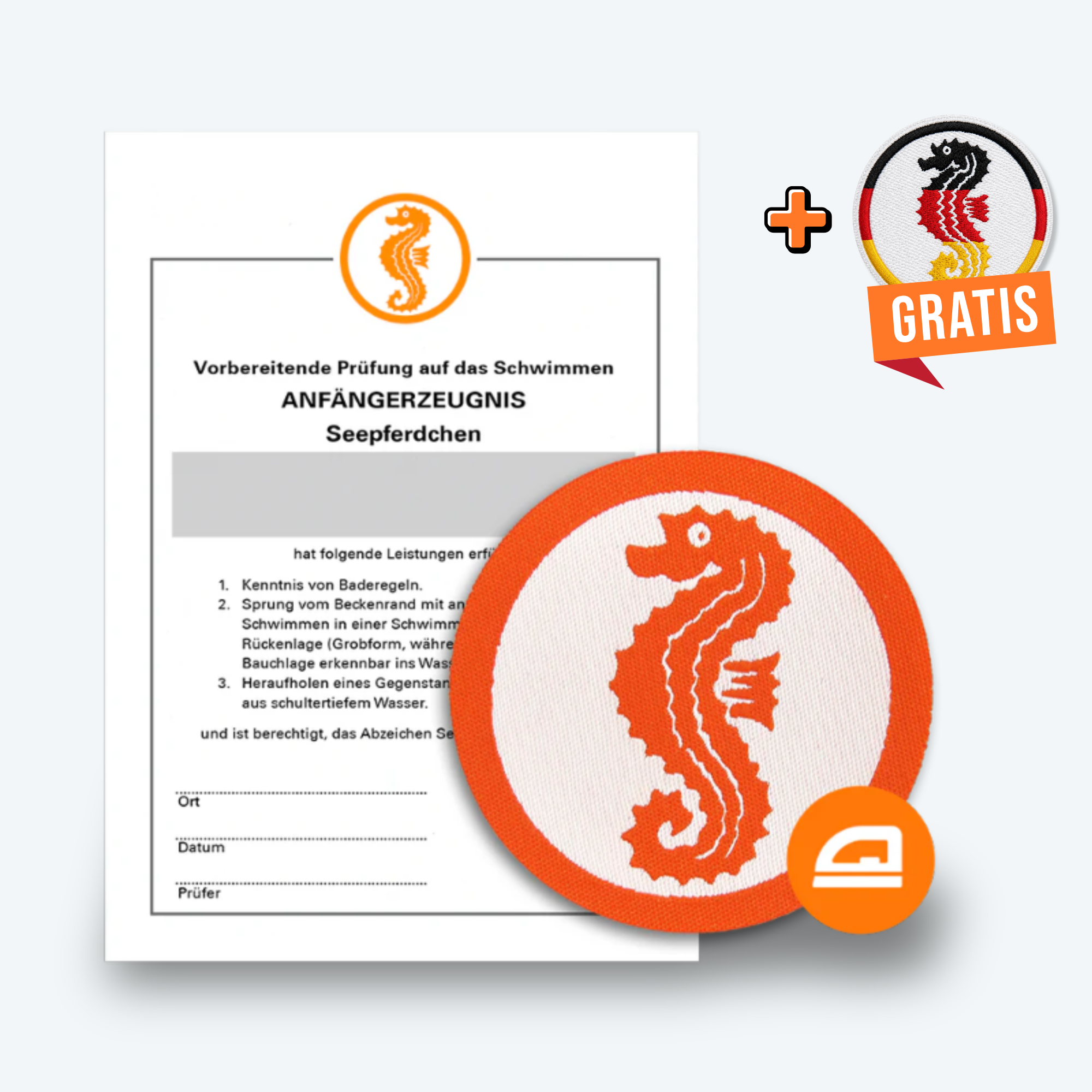
The German Life Saving Society awards official swimming badges as special recognition of individual swimming progress. These badges are more than just small awards – they are valuable motivational tools.
Celebrating successes strengthens self-confidence and the joy of swimming. Whether it's a "Seepferdchen" or a Bronze badge, each award documents an important developmental step and deserves special recognition.
Strategies for Celebrating Success: • Organize a small ceremony • Invite family members • Take a photo with the badge • Frame and hang the badge • Prepare a small reward
The emotional value of such moments goes far beyond the paper or badge. It's about instilling pride and strengthening motivation for further swimming achievements.
Pro Tip: Create a progress poster or a collection book for swimming badges. This way, you document the journey and create a lasting memory of the development.
This table summarizes the main points of the article on creatively experiencing swimming with children, the importance of swimming badges, and promoting water safety.
| Topic | Description | Key Aspects |
|---|---|---|
| Playful Swimming | Children playfully get used to water, without performance pressure. | Positive atmosphere, play materials like swimming noodles. |
| Swimming Badges | Motivational aids for swimmers of all ages through proof of performance. | Realistic goals, documenting progress, creating memories. |
| Diverse Swimming Games | Development of swimming skills and enjoyment of water through games. | Age-appropriate games, ensuring safety. |
| Water Safety | Playfully teach basic water safety principles. | Supervision, age-appropriate swimming skills, lifeguard knowledge. |
| Group Swimming Experience | Swimming strengthens social bonds through shared experiences. | Motivation through support, improving techniques. |
| Swimming Accessories | Age-appropriate accessories increase swimming fun and learning enjoyment. | Quality, safety, adaptation to age group. |
| Celebrating Successes | Certificates and badges strengthen self-confidence and motivation. | Small ceremonies, progress documentation. |
Increase Swimming Fun and Optimally Support Motivation with Pimpertz
The article topic "7 Tips for More Swimming as a Leisure Activity in Everyday Life" clearly shows the importance of playful encouragement and motivating experiences for children and adults. In this context, swimming badges as visible successes, diverse swimming games, and safe accessories are crucial building blocks for creating long-term joy and confidence in the water. This is exactly where Pimpertz, as a long-standing, official partner of the DLRG and BFS, comes in, offering you a comprehensive range of swimming badges, personalized certificates, and high-quality accessories that perfectly match your goals.
Take advantage of the benefits at Pimpertz for high-quality and child-friendly swimming badges from the Seepferdchen to performance swimming plaques. Reinforce learning success with lovingly designed sticker albums and individual sets for clubs or schools. This way, you transform swimming into an inspiring experience for young and old. Start now and find exactly the right equipment for more swimming fun, motivation, and safety in everyday life at https://pimpertz.de.
Discover our exclusive bundle offers today and benefit from lightning-fast shipping and expert advice. Take the next step and transform swimming lessons into unforgettable moments full of joy and shared successes!
Frequently Asked Questions
How do I integrate swimming as a regular leisure activity into my daily life?
To integrate swimming into your daily life, schedule fixed swimming times in your weekly calendar. Visit a swimming pool or a nearby lake at least once a week and stick to these appointments.
Which swimming games are suitable for different age groups?
Choose games that match the children's abilities. For toddlers, water balls or collecting objects are ideal, while schoolchildren will have a lot of fun with water treasure hunts and relay races.
How can I ensure the safety of my children in the water?
Make sure an adult is always nearby and teach children basic safety rules. Practice simple safety exercises such as controlled breathing and swimming near the shore to build confidence.
What equipment do I need for more swimming fun?
Invest in age-appropriate swimming accessories that increase the joy of learning. For toddlers, swimming noodles and water balls are useful, while teenagers can use swim paddles and snorkeling equipment.
How do I motivate my children for regular swim training?
Set clear, achievable goals and celebrate progress with small ceremonies. Positive feedback after passing swimming badges can significantly boost motivation and promote the joy of swimming.
What are the benefits of swimming together as a family?
Swimming together strengthens social bonds within the family and promotes shared learning. Plan regular family visits to the swimming pool and combine technical training with fun water games.