





Understanding Swimming Instructor Requirements: Key Facts
Swim instructors are true multi-talents. They not only have to teach swimming but also ensure safety and motivation. Did you know that a lifeguard certificate is mandatory and regular training demonstrably improves the quality of instruction? Many think of athletic fitness and technique. But it is precisely the psychological skills and the responsibility for human lives that make this profession unique.
Table of Contents
- What are the requirements for swim instructors?
- Why are swim instructor requirements important?
- How are swim instructors trained and certified?
- What skills and knowledge are crucial for swim instructors?
- What roles do swim instructors play in society?
Quick Summary
| Takeaway | Explanation |
|---|---|
| Swim instructors need a lifeguard certificate | Obtaining a lifeguard certificate is a prerequisite for working as a swim instructor. |
| Pedagogical skills are crucial | Swim instructors must be able to motivate students individually and help them overcome fears. |
| Regular continuing education is necessary | Continuous training ensures the quality of swimming lessons and the up-to-dateness of safety standards. |
| Safety knowledge must be mastered | Swim instructors must be able to identify potential dangers and react quickly to them. |
| Societal responsibility of swim instructors | They contribute to water safety and promote a healthy lifestyle in society. |
What are the requirements for swim instructors?
Swim instructors play a crucial role in learning and improving swimming skills. The demands of this profession are comprehensive and multifaceted, requiring not only athletic competence but also pedagogical and safety-related skills.
Formal Qualifications
Several important formal qualifications are required for the profession of swim instructor. First, interested individuals need a lifeguard certificate, typically at least the German Lifesaving Certificate Bronze. This certificate guarantees basic safety knowledge and the ability to react professionally in dangerous situations.
In addition, training or licensing by recognized associations such as the German Swimming Federation (DSV) or the German Life-Saving Association (DLRG) is usually required. These trainings include detailed swimming techniques and teaching methods.
Practical and Social Skills
Beyond formal qualifications, the profession requires specific skills. Swim instructors must:
- Be patient and have strong communication skills
- Be able to motivate children and adults of different age groups
- Be physically fit and a very good swimmer themselves
- Possess first-aid knowledge
- Be stress-resistant and quick to react
The psychological component is crucial: a good swim instructor not only imparts technical skills but also builds trust and confidence in their students.
Continuous Professional Development
The profession of swim instructor requires continuous professional development. Current studies show that regular training significantly improves the quality of swimming lessons. Modern swim instructors regularly update their knowledge of new teaching methods, safety techniques, and pedagogical approaches.
In conclusion, the profession of swim instructor is more than just a job – it is a calling that requires responsibility, commitment, and a genuine passion for swimming. Those who want to learn more about swimming badges and training standards can find information here.
Why are swim instructor requirements important?
The high demands placed on swim instructors are not just a formal necessity, but a crucial factor for the safety and development of swimming students. They form the foundation for high-quality and safe swimming instruction.
Safety and Risk Management
Swim instructors bear immense responsibility for the lives and physical well-being of their students. Professional requirements ensure that swim instructors not only impart technical swimming skills but also can identify and prevent potential dangerous situations. Studies show that well-trained swim instructors significantly reduce the risk of swimming accidents.
The most important safety aspects include:
- Immediate identification of dangerous situations
- Quick and professional reaction in emergencies
- Preventive safety measures in swimming lessons
- Comprehensive first-aid knowledge
Quality of Swim Training
High requirements not only guarantee safety but also high-quality swim training. A professional swim instructor can effectively impart swimming techniques in an age-appropriate manner. Research proves that the qualification of the instructor directly influences the learning success of the students.
Pedagogical competence means more than just technical instruction. It involves:
-
Individual motivation and building trust
-
Adapting teaching methods to different learning types
-
Psychological understanding of fears and challenges
Societal Importance
Swim instructors fulfill an important social function. They contribute not only to individual protection but also make a significant contribution to water safety. Those who want to learn more about the standards and training for swimming badges can consult our detailed guide.
The strict requirements ensure that every swim instructor is not only a sports coach but also a professional safety expert and educator. This makes the profession a responsible and important profession in our society.
How are swim instructors trained and certified?
The training and certification of swim instructors is a systematic and demanding process that involves several stages and qualification proofs.
The goal is to develop highly professional and safe swim instructors who demonstrate both technical and pedagogical competencies.
Basic Training and Prerequisites
The path to becoming a swim instructor begins with several basic prerequisites. Interested individuals must first have solid swimming skills and possess a lifeguard certificate. According to official DLRG guidelines, at least the Bronze lifeguard certificate and extensive practical swimming knowledge are required.
The most important basic requirements include:
- Minimum age of 16 years
- Very good personal swimming techniques
- Physical fitness
- Mental resilience
- Basic pedagogical suitability
Training Phases and Certification
Professional training takes place in several structured phases. Prospective swim instructors undergo extensive theoretical and practical training, conducted by recognized associations such as the German Swimming Federation (DSV) or the German Life-Saving Association (DLRG). Current studies show that these trainings significantly improve the quality of swimming instruction.
The training phases typically include:
- Theoretical training on swimming techniques
- Didactic and methodological training
- Practical teaching units
- First-aid courses
- Final theoretical and practical examinations
Continuous Professional Development
Certification does not end with the completion of basic training. Modern swim instructors must regularly continue their education to maintain their license. For those interested, we offer further information on swimming badges and training standards.
Continuing education typically includes:
- Regular refresher courses
- Participation in professional conferences
- Learning new swimming techniques
- Updates on safety standards
The process of training and certification ensures that swim instructors are not only technically proficient but also pedagogically competent.
What skills and knowledge are crucial for swim instructors?
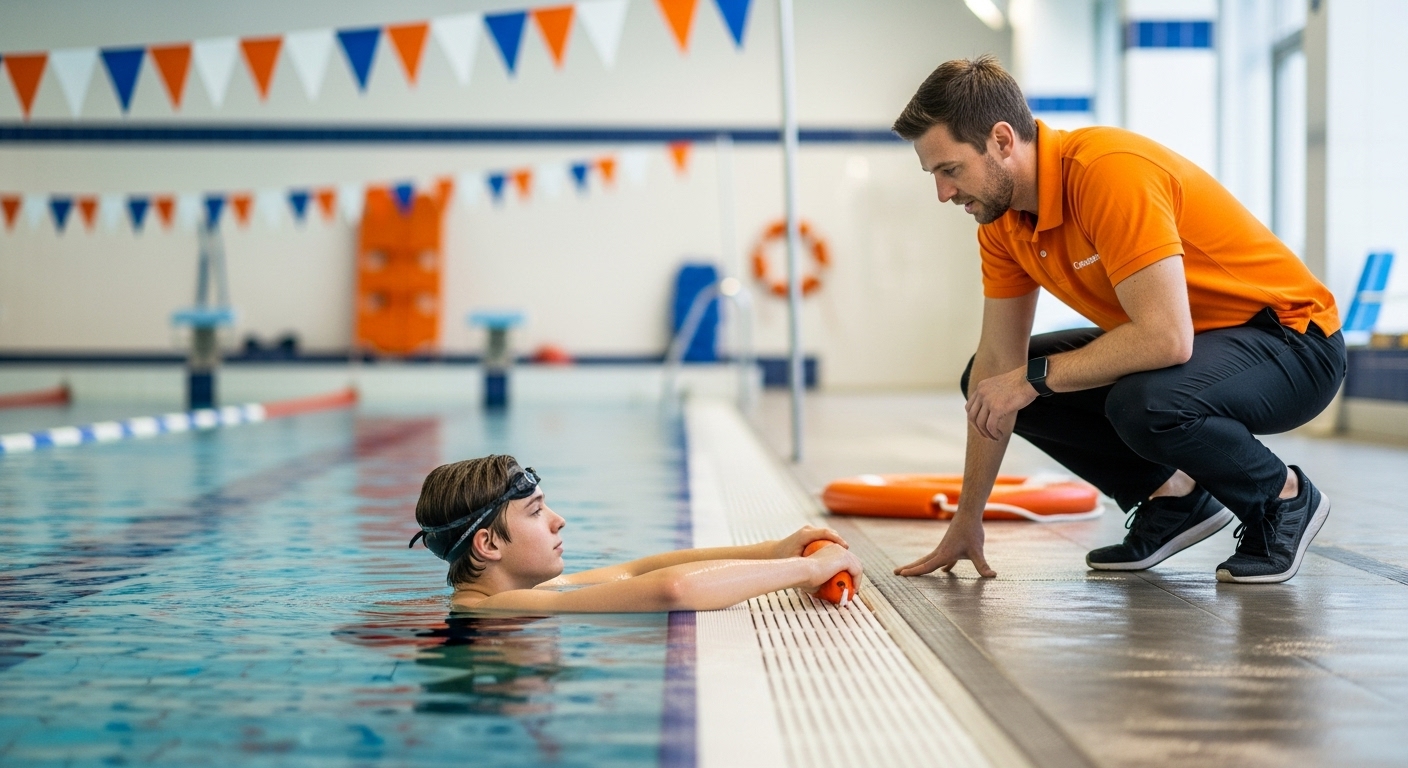
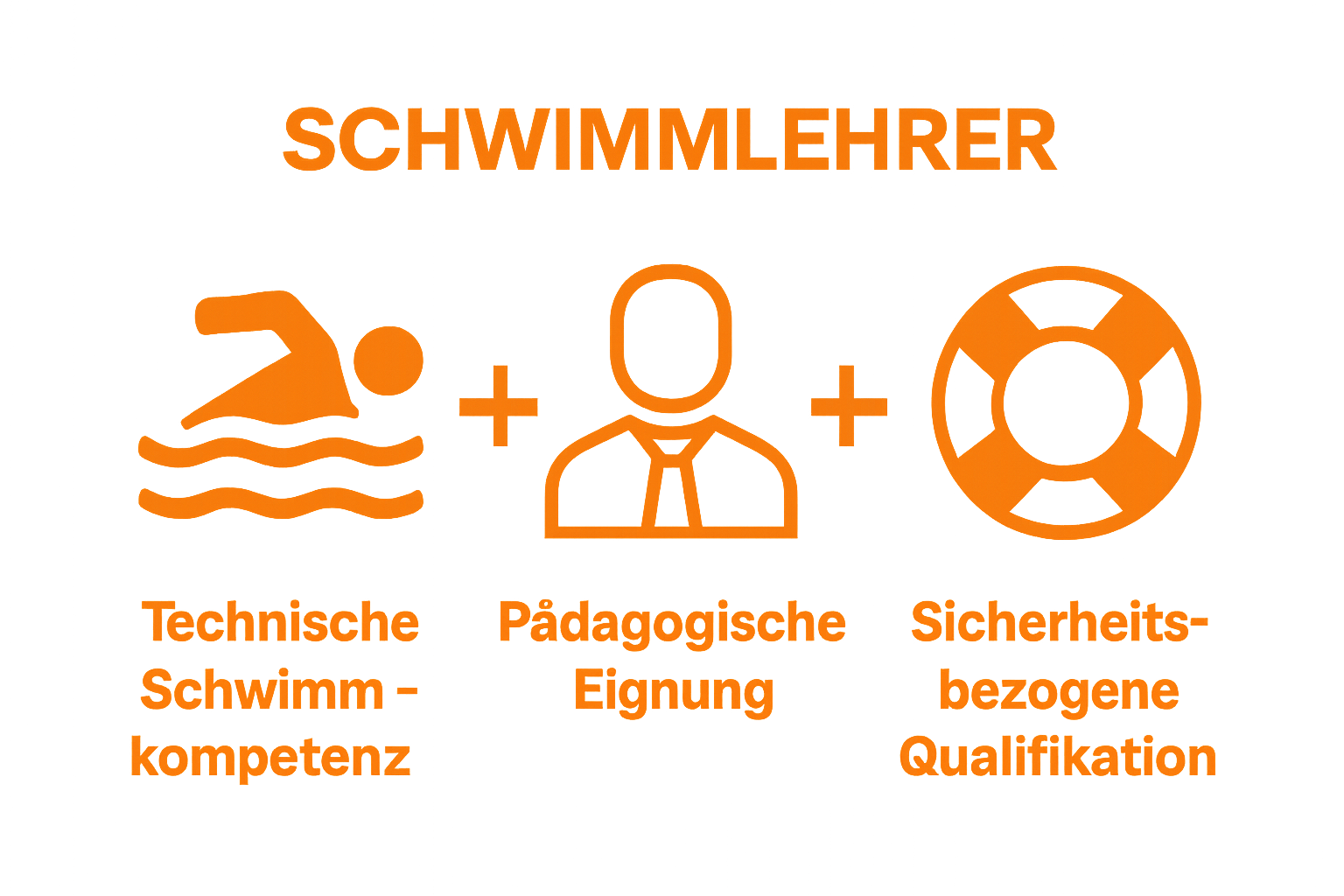
Swim instructors need a complex spectrum of skills that go far beyond mere swimming techniques. They must seamlessly combine physical, technical, pedagogical, and psychological competencies to ensure effective and safe swimming instruction.
Technical and Physical Competencies
Highly professional swimming techniques form the basis of their work. Swim instructors must not only master perfect swimming styles themselves but also be able to demonstrate and correct them precisely. Current studies by the German Swimming Federation emphasize the importance of technical perfection.
Key technical skills include:
- Perfection in various swimming styles
- Precise movement analysis
- Error correction and technique optimization
- Powerful and enduring swimming competence
- Safe mastery of rescue techniques
Pedagogical and Communication Skills
Technical competence alone is not enough. Swim instructors must be true educators who can individually address the needs and fears of their students. Research shows that emotional intelligence significantly influences learning success.
Important core pedagogical competencies include:
- Empathy and patience
- Age-appropriate communication
- Motivational skills
- Individualization of teaching methods
- Conflict and fear management
Safety and Emergency Competence
The safety of swimming students is an absolute priority. Swim instructors must not only recognize potential dangers but also be able to react quickly and professionally. For parents and interested parties, we offer further insights into safe swimming methods.
Safety-relevant core competencies include:
- Comprehensive first-aid knowledge
- Immediate danger recognition
- Professional rescue techniques
- Psychological de-escalation
- Permanent attention and concentration
The combination of these skills makes an outstanding swim instructor: technically proficient, pedagogically competent, and above all: a guarantee for safety and trust.
The following table provides an overview of the various competencies and qualities that a successful swim instructor must possess.
| Competence Area | Important Qualities |
|---|---|
| Technical/Physical | Perfect swimming styles, movement analysis, technique optimization, endurance |
| Pedagogical/Communicative | Empathy, patience, age-appropriate communication, motivation |
| Safety Competence | Comprehensive first-aid knowledge, quick danger recognition |
| Psychological | Building trust, fear and conflict management |
| Organizational | Stress resistance, ability to concentrate |
What roles do swim instructors play in society?
Swim instructors are much more than just sports coaches. They are safety experts, lifeguards, educators, and important developmental companions who make a crucial contribution to individual and societal safety.
Safety and Lifesaving
The prevention of water accidents is a central societal task. Swim instructors play a key role in this by not only imparting swimming skills but also developing danger awareness and rescue competence. Current DLRG statistics show that professional swim training significantly reduces the risk of drowning.
Their safety-relevant tasks include:
- Imparting water safety competence
- Training in rescue techniques
- Raising awareness of dangerous situations
- Promoting a preventive safety culture
- Developing risk awareness
Pedagogical and Development-Oriented Role
Swim instructors are important developmental companions in various life stages. They not only support learning a sport but also promote holistic personal development. Research proves the positive influence of swimming lessons on self-confidence and motor skills.
Their core pedagogical tasks include:
- Strengthening self-confidence
- Promoting motor development
- Supporting fear management
- Imparting teamwork skills
- Holistic personality development
Social Integration and Health Promotion
Swim instructors contribute to social health and integration. For those interested, we offer further insights into the importance of swimming courses.
Their societal contributions include:
- Promoting public health
- Integration through sports offers
- Inclusive educational offers
- Prevention of water fears
- Social networking of different population groups
Swim instructors are therefore much more than sports coaches. They are safety experts, educators, and important actors in social development.
The following table summarizes the different social roles of swim instructors.
| Role in Society | Core Tasks / Contribution |
|---|---|
| Safety and Lifesaving | Imparting water safety, preventing water accidents |
| Pedagogical/Development | Strengthening self-confidence, promoting motor development |
| Integration and Health | Promoting public health, social networking, inclusion through sport |
Strengthening Quality Swim Instructors – How We Support True Professionals
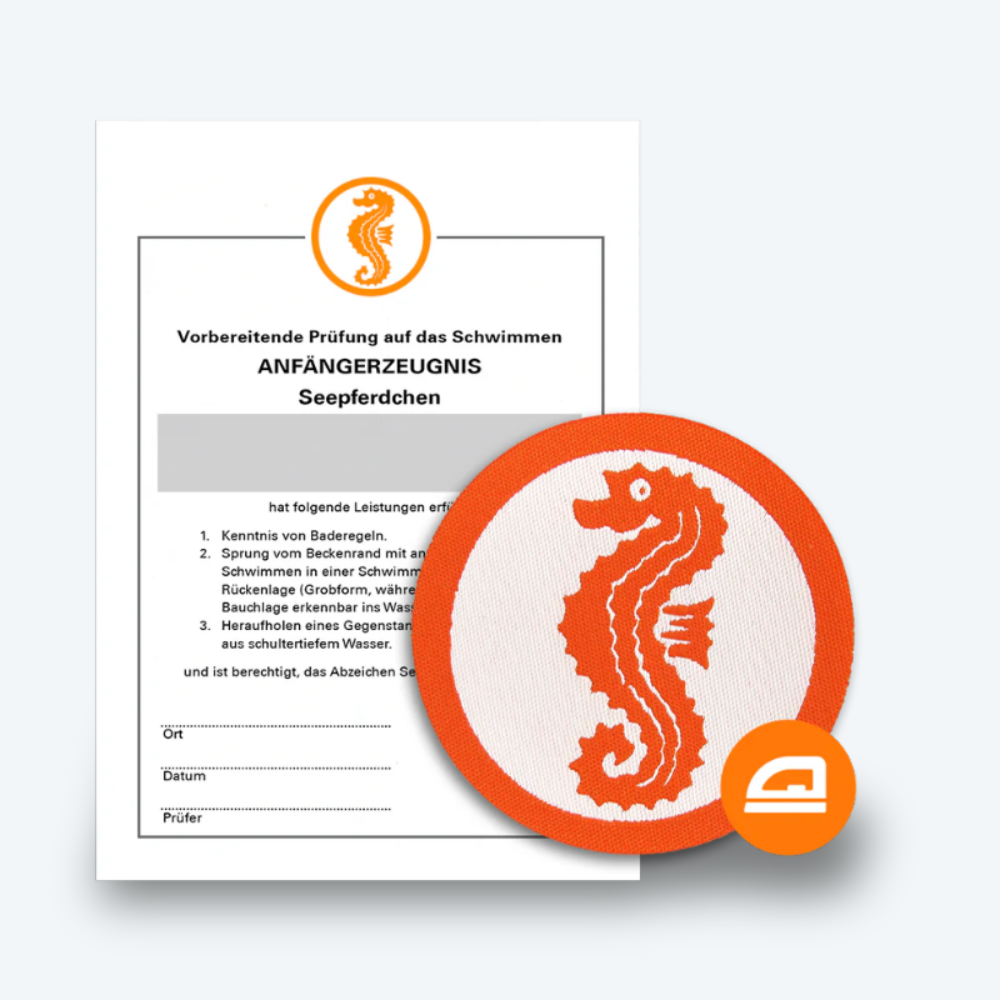
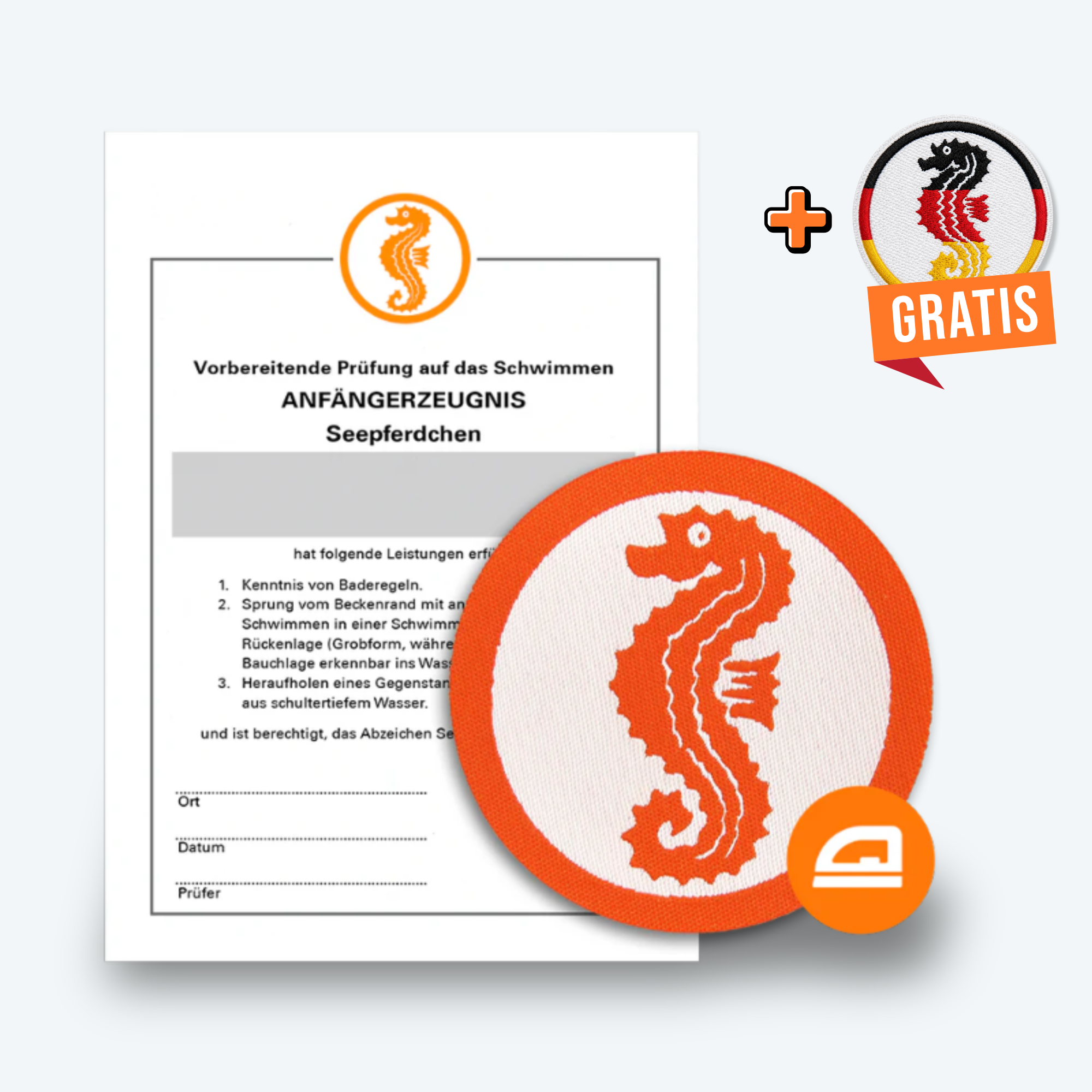
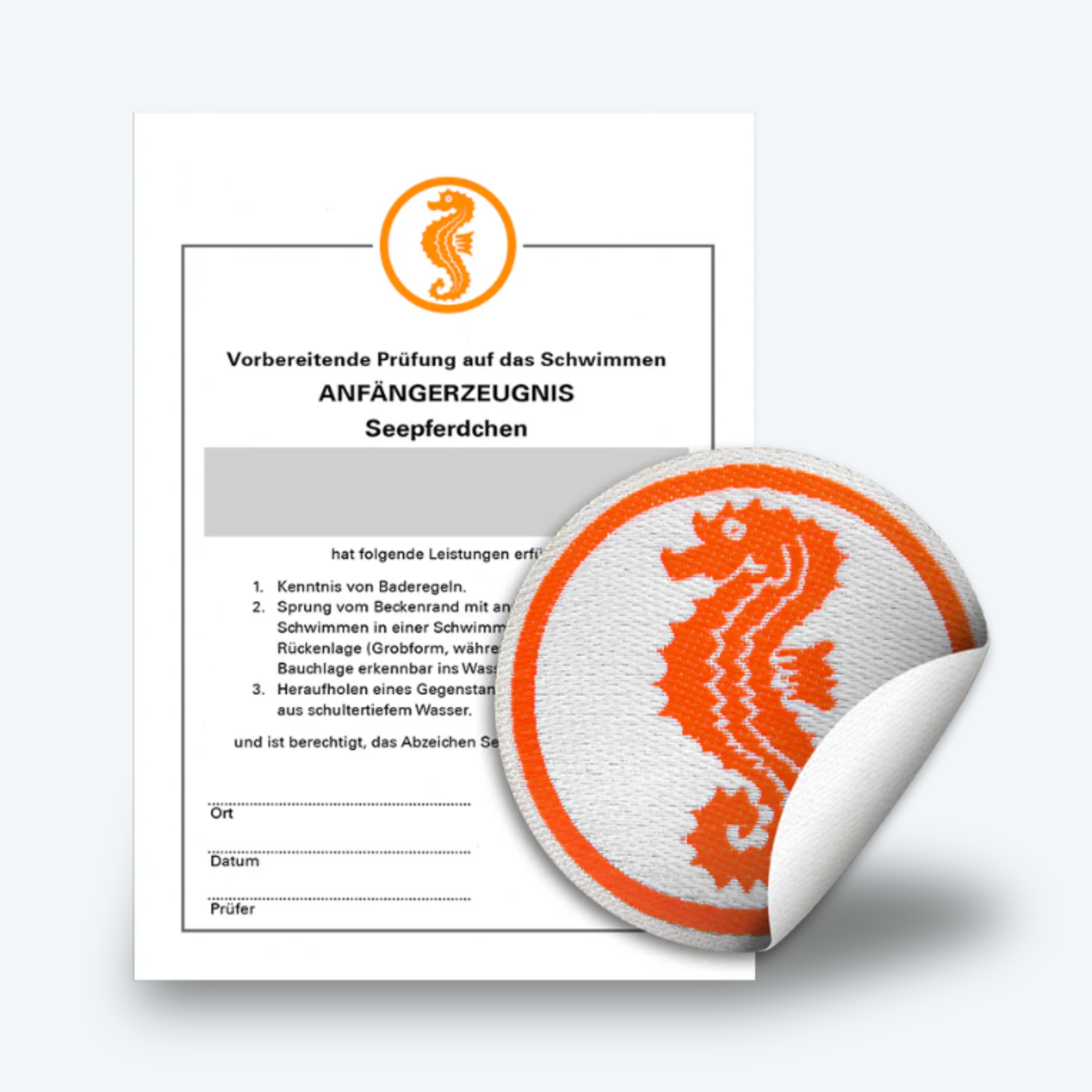
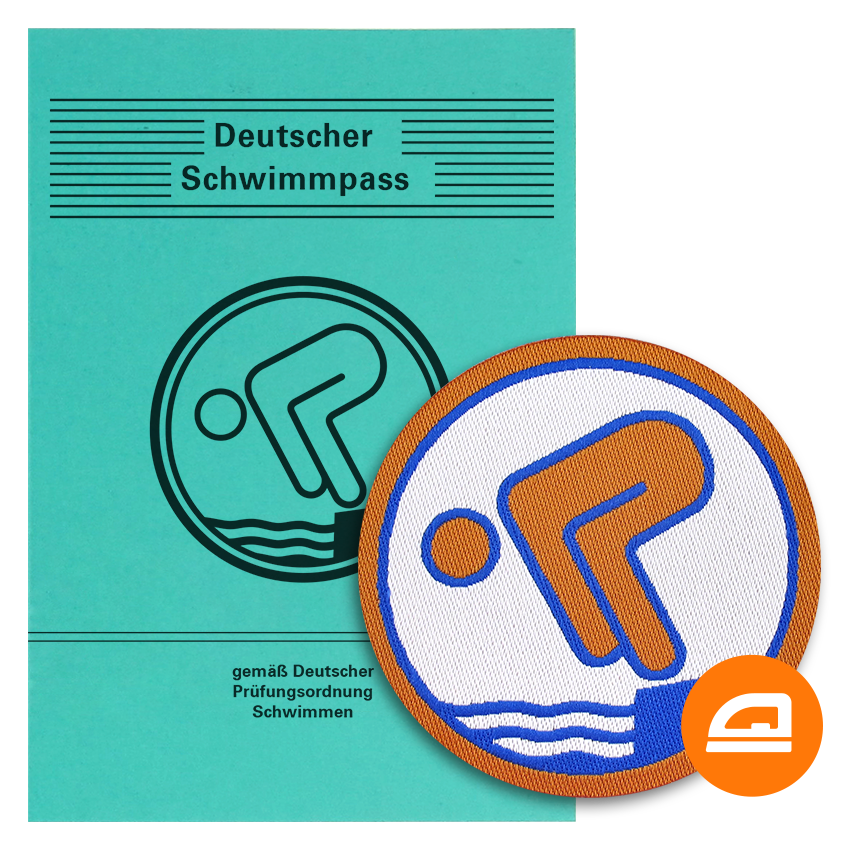
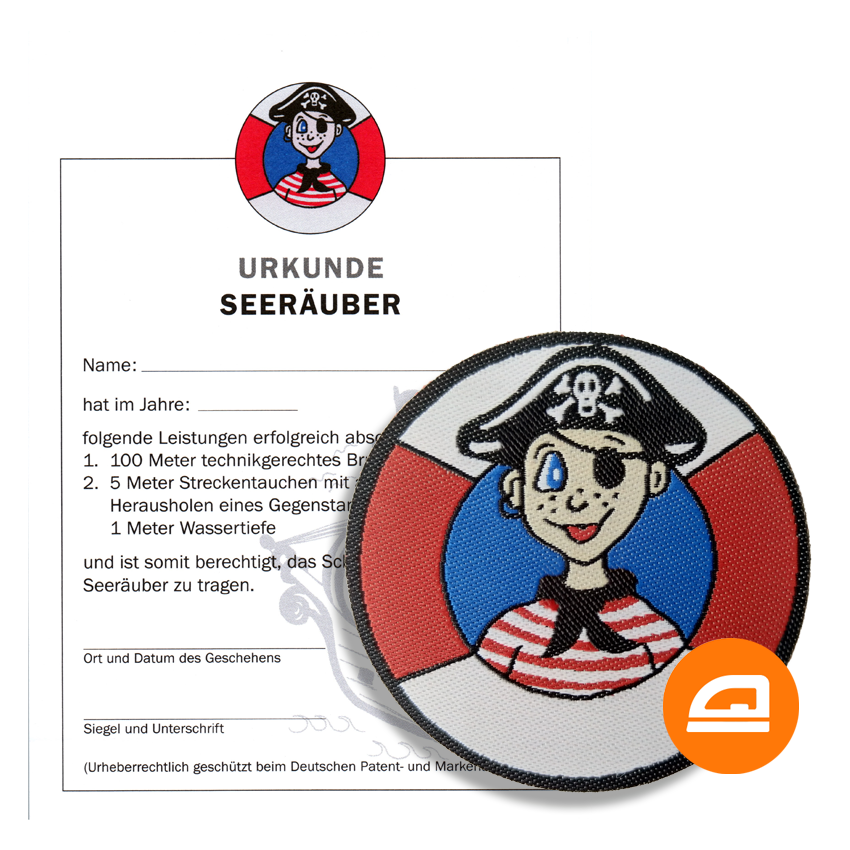
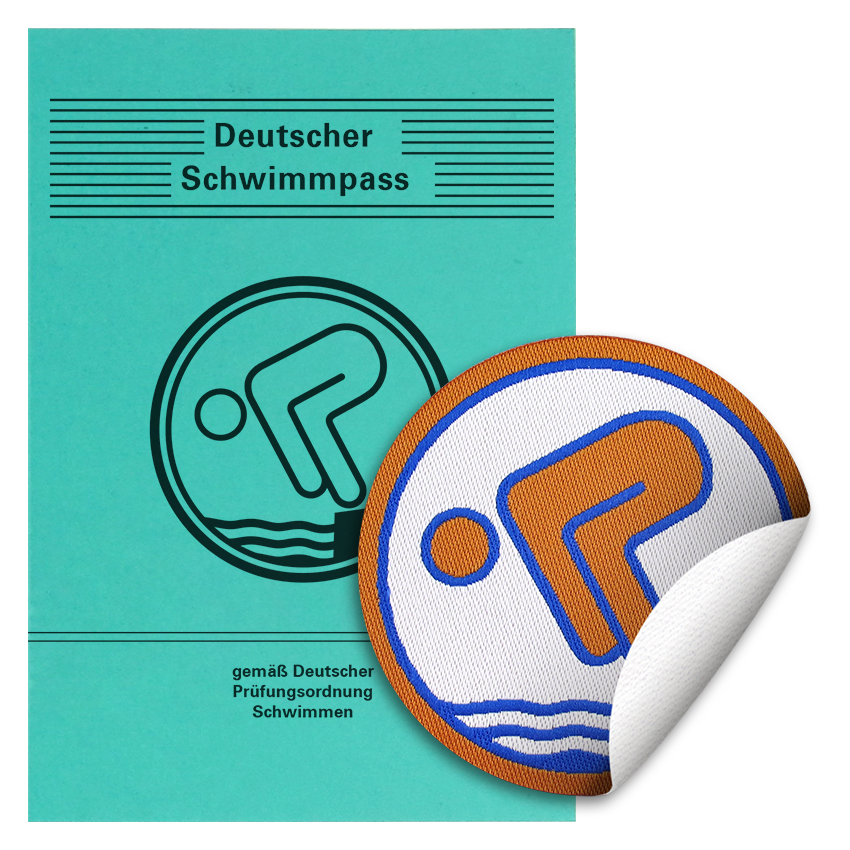
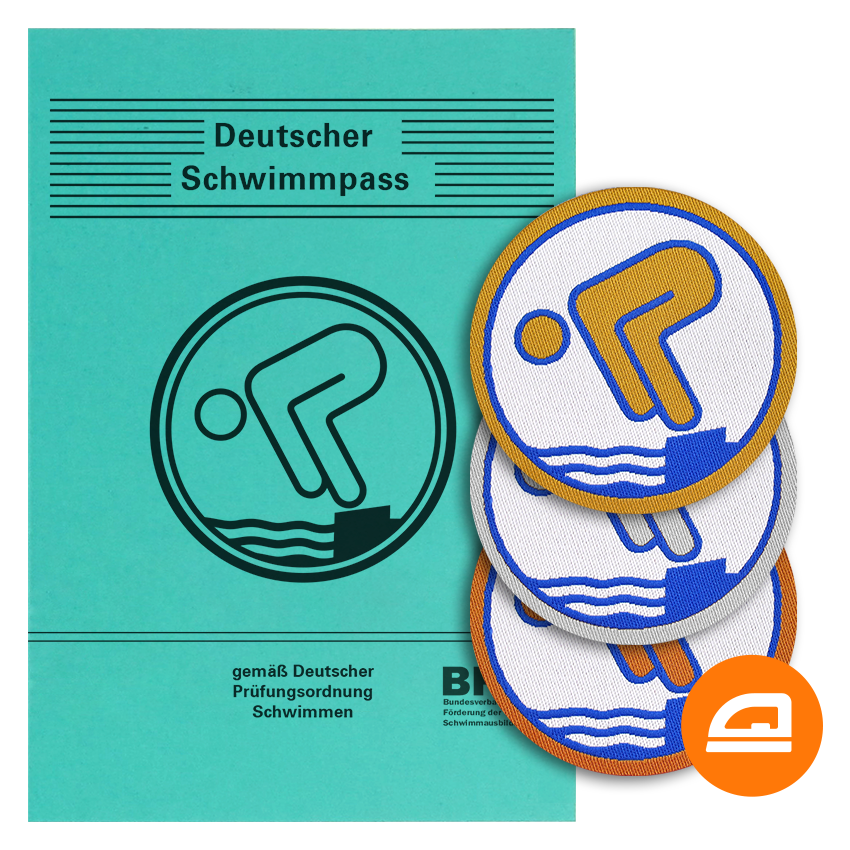
As a swim instructor, you bear a lot of responsibility and place high demands on yourself. You know how important official proof and child-friendly motivation are. In your daily work, you meet parents, clubs, and children who expect safety and excellent swimming training from you. Every progress counts, and every passed badge motivates your swimming students tremendously. Rely on originally certified Seestern Stella swimming badges & certificates to make learning successes visible and increase the joy of being in the water.
Are you planning the next course or looking for reliable swimming accessories for your club or school? Pimpertz is a quality partner of the DLRG and delivers quickly, reliably, and compliantly. Discover our complete range of badges, certificates, and personal swimming accessories for every target group at www.pimpertz.de. Ensure now that your competence as a swim instructor is supported by the appropriate original materials and give your swimming students the next motivational boost. Get informed and order directly – your success will show in the water and on the badge.
Frequently Asked Questions
What are the most important requirements for swim instructors?
The most important requirements for swim instructors include a lifeguard certificate, licensing by recognized associations, as well as pedagogical and psychological competencies.
What qualifications are necessary for training as a swim instructor?
For training as a swim instructor, solid swimming skills, a lifeguard certificate, a minimum age of 16, and physical fitness are required.
Why is continuing education important for swim instructors?
Continuing education is crucial to learn current teaching methods, safety techniques, and pedagogical approaches. Regular training improves the quality of swimming lessons.
What role do swim instructors play in society?
Swim instructors are safety experts and educators who contribute to the prevention of water accidents and promote personal development and water safety in society.
Recommendation
- 7 Important Swim Learning Tips for Parents and Coaches
- Learning to swim in old age: Step-by-step to success
- Elementary School Swimming Badges: Understanding, Meaning, and Process
- Swimming Badge Requirements 2025: Understanding and Explaining
- The Relevance of Waterproof Mats: A Comprehensive Explanation – Just Mats