
Understanding German Swimming Badge Traditions
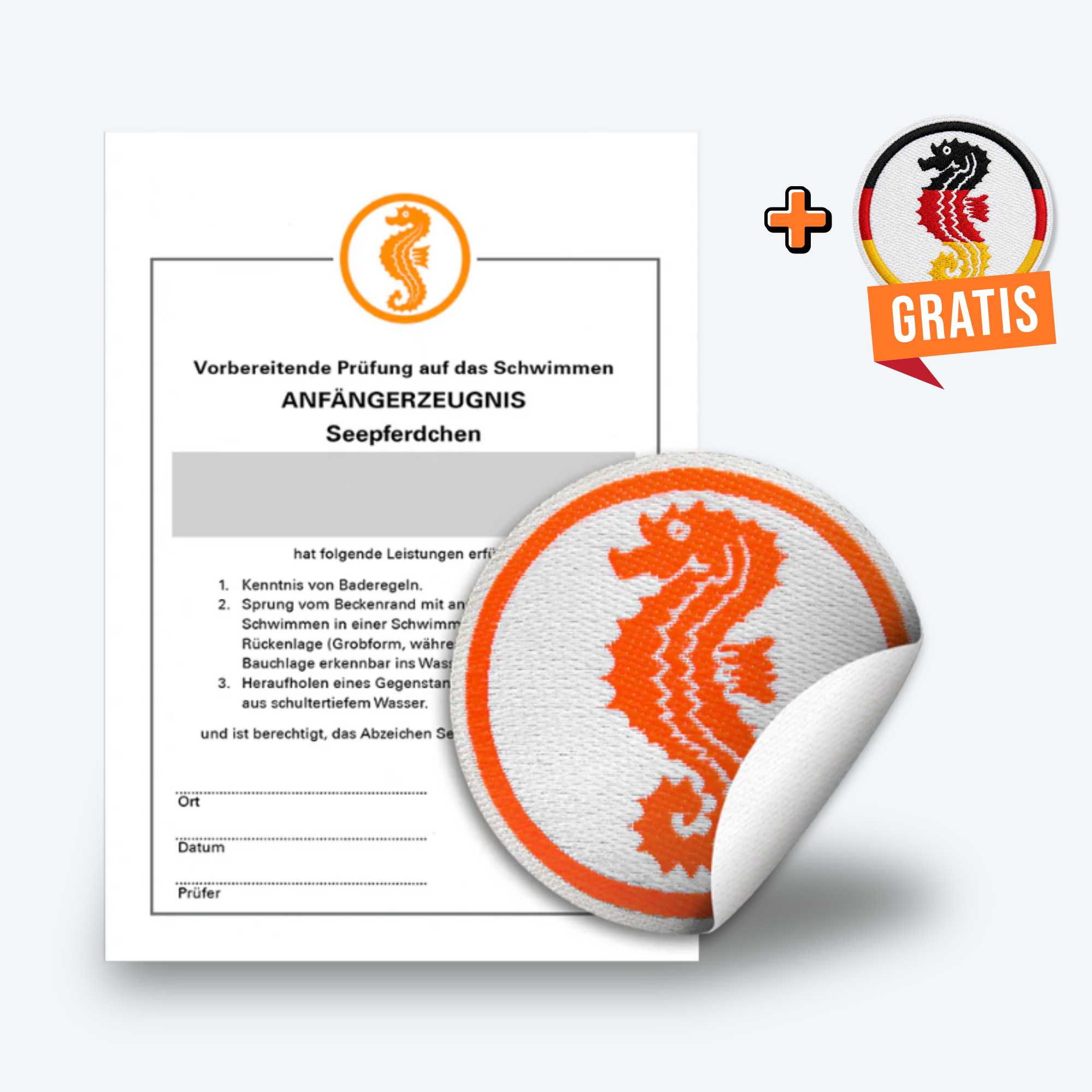
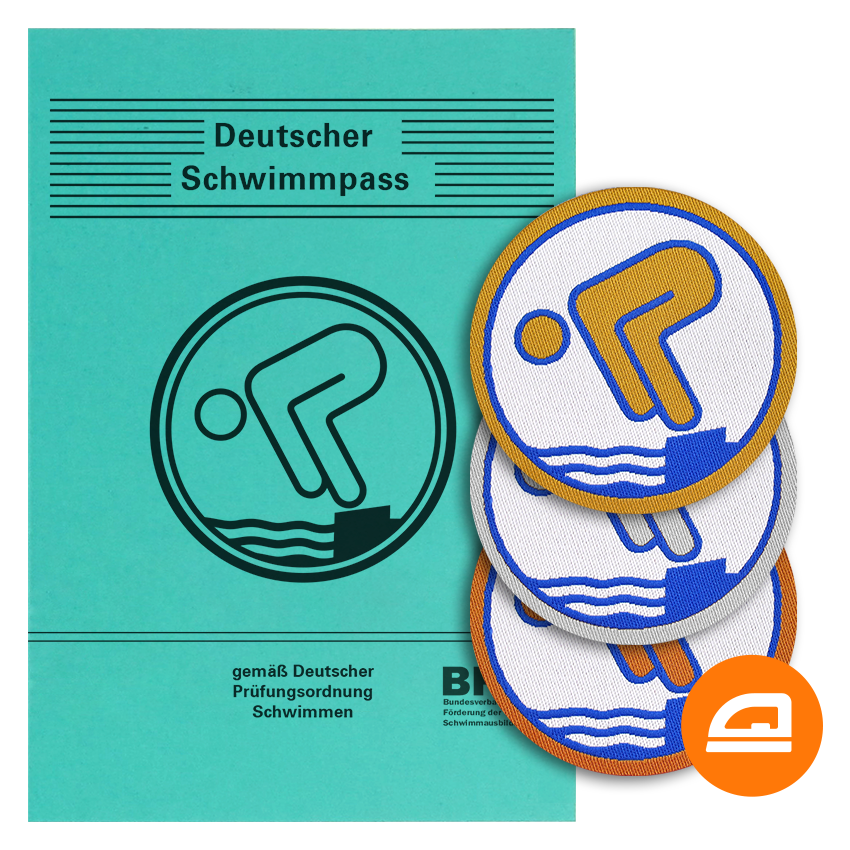
Almost every child knows swimming badges from school or their club. Nearly nine out of ten parents in Germany consider them indispensable, and over 80 percent of primary schools require the Seepferdchen (Seahorse) badge as proof of swimming ability. However, many people think it's just about a colorful badge on a swimsuit. In reality, there's a much longer tradition behind it that means far more than just learning to swim.
Table of Contents
- What are Swimming Badges and Their History in Germany?
- Why are Swimming Badges Important for Children and Swimming Lessons?
- How Do the Different Swimming Badges Work in Germany?
- What Are the Differences Between Swimming Levels and Badges?
- What Role Do Swimming Badges Play in German Swimming Culture?
Quick Summary
| Takeaway | Explanation |
|---|---|
| Swimming badges promote water safety. | They help children learn important techniques for water safety and enable them to behave responsibly. |
| Motivation through swimming badges boosts self-confidence. | Children experience their progress in developing swimming skills, which strengthens self-confidence and encourages further development. |
| Different categories of swimming badges exist. | The badges are divided into levels, including Seepferdchen and youth swimming badges, which cater to different age groups and abilities. |
| Swimming badges are part of German culture. | They are not only awards but also means of promoting water safety and health education in society. |
| Examination procedures are standardized. | The requirements for individual badges include practical and theoretical tests that systematically evaluate swimming abilities. |
What are Swimming Badges and Their History in Germany?
Swimming badges are official certificates of achievement that document a person's swimming abilities and mark their development in swimming. They not only serve as motivating recognition but also have important safety significance.
The Origins of Swimming Badges
The tradition of swimming badges in Germany dates back a long way and is closely linked to water rescue and popular sports. According to historical documents of the German Life Saving Society (DLRG), these badges developed at the beginning of the 20th century as a systematic method to increase the swimming competence of the population.
Originally, swimming badges were conceived by swimming clubs and rescue organizations to:
- Standardize the assessment of swimming abilities
- Create motivation to improve personal swimming technique
- Develop an awareness of water safety
Significance and Development
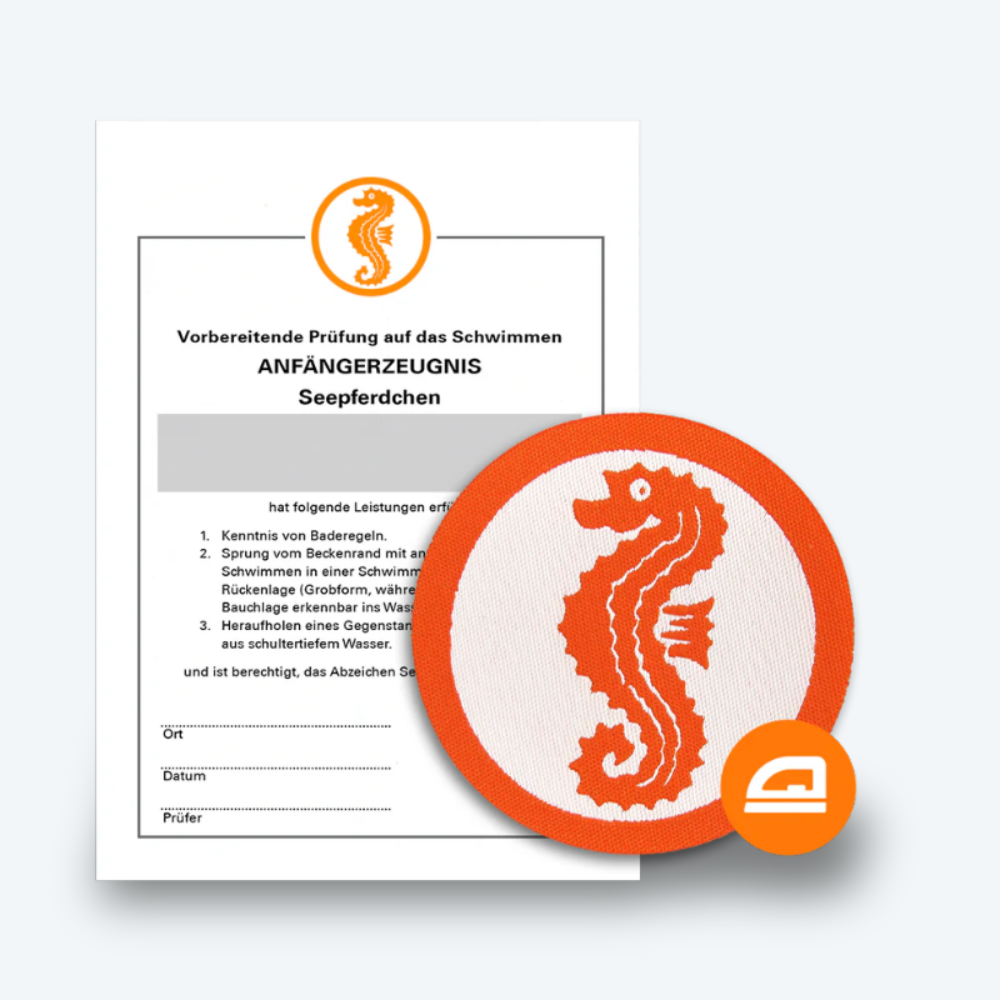
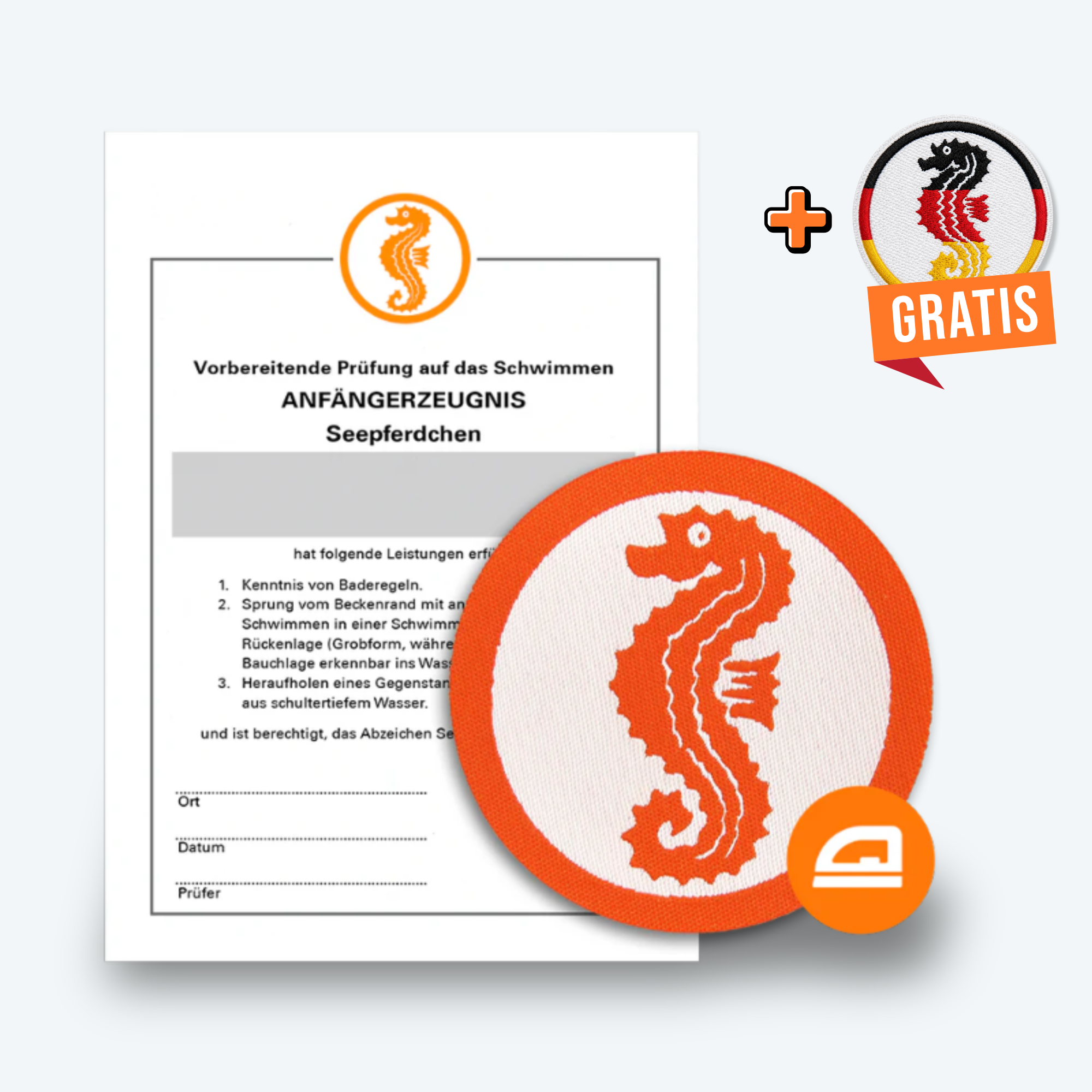
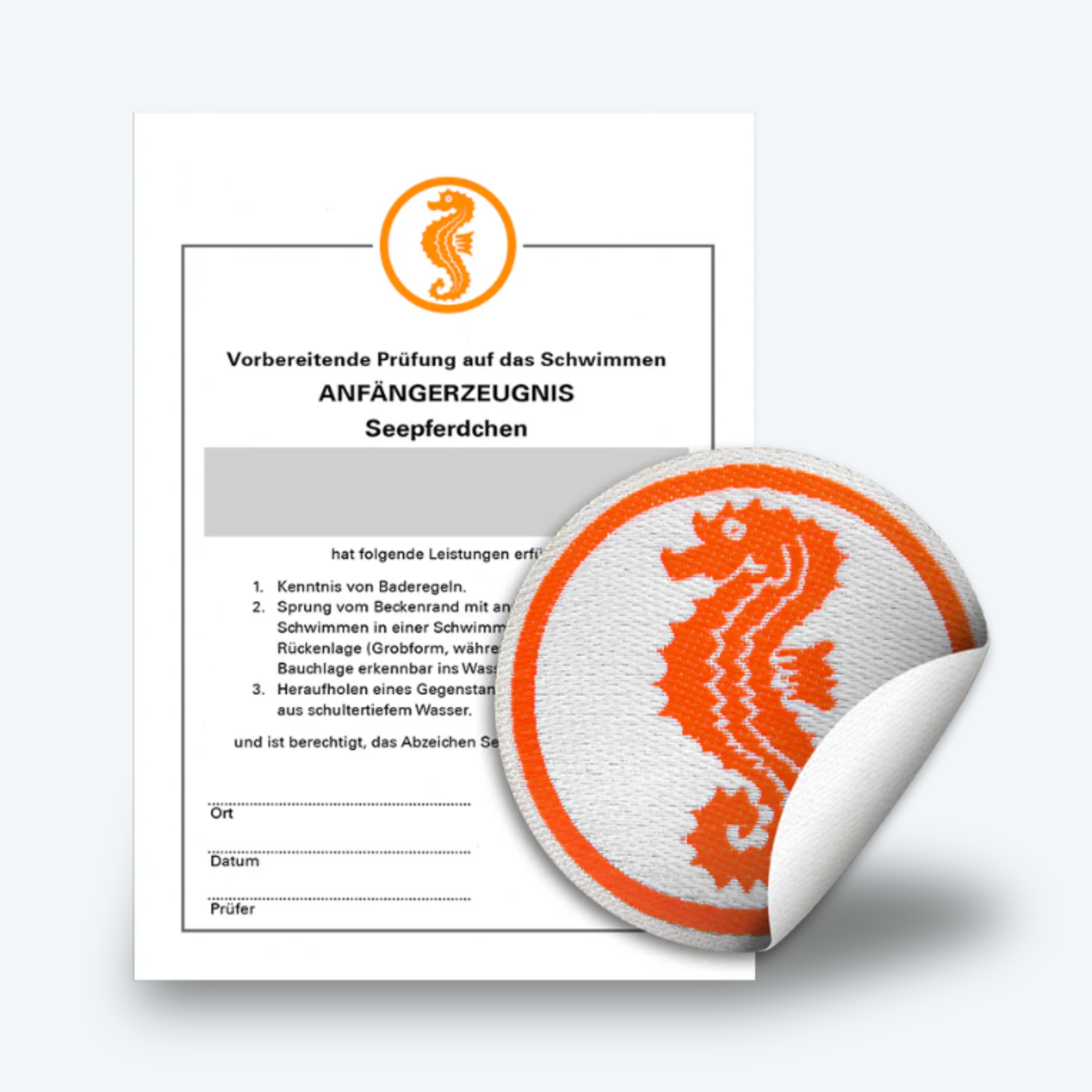
Swimming badges have evolved from simple performance certificates to complex assessment systems. Today, they are divided into various categories such as early swimmer (Seepferdchen), youth swimming badges, and performance swimming badges. [More details on the various swimming badges can be found in our Guide to Swimming Badges in Primary School].
Each badge represents a specific level of competence and documents the continuous development of swimming skills. They not only motivate children and young people but also serve as an important tool for checking water safety.
Why are Swimming Badges Important for Children and Swimming Lessons?
Swimming badges play a crucial role in children's development and in swimming lessons. They are far more than just decorative awards and have profound meanings for the safety, motivation, and personal development of young swimmers.
Safety and Water Competence
The main reason for swimming badges lies in water safety. According to studies by the German Society for Rescue Medicine, numerous children drown every year because they lack basic swimming skills. Swimming badges ensure that children gradually learn important safety techniques:
- Correct swimming techniques
- Behavior in dangerous situations
- Self-rescue skills in the water
Motivation and Personal Development
Swimming badges function as motivating learning systems. Through the various badge levels, children experience a clear path of progress that makes their development visible. [More information on the development stages can be found in our DLRG Swimming Badge Overview].
Each badge represents a milestone and strengthens children's self-confidence. They not only learn to swim but also develop important qualities such as:
- Perseverance
- Goal orientation
- Independence
Through this structured recognition system, children are encouraged to continuously work on their skills and take on new challenges.
How Do the Different Swimming Badges Work in Germany?
The German swimming badge system is a complex and well-structured assessment procedure that systematically documents and classifies swimming abilities. It offers swimmers various performance levels that accurately reflect their development and competence in the water.
Levels and Categories of Swimming Badges
The system divides swimming badges into different categories that correspond to age group and performance level. According to the guidelines of the German Swimming Federation, the following main categories typically exist:
- Seepferdchen (Seahorse) for children aged 5 and over (basic level)
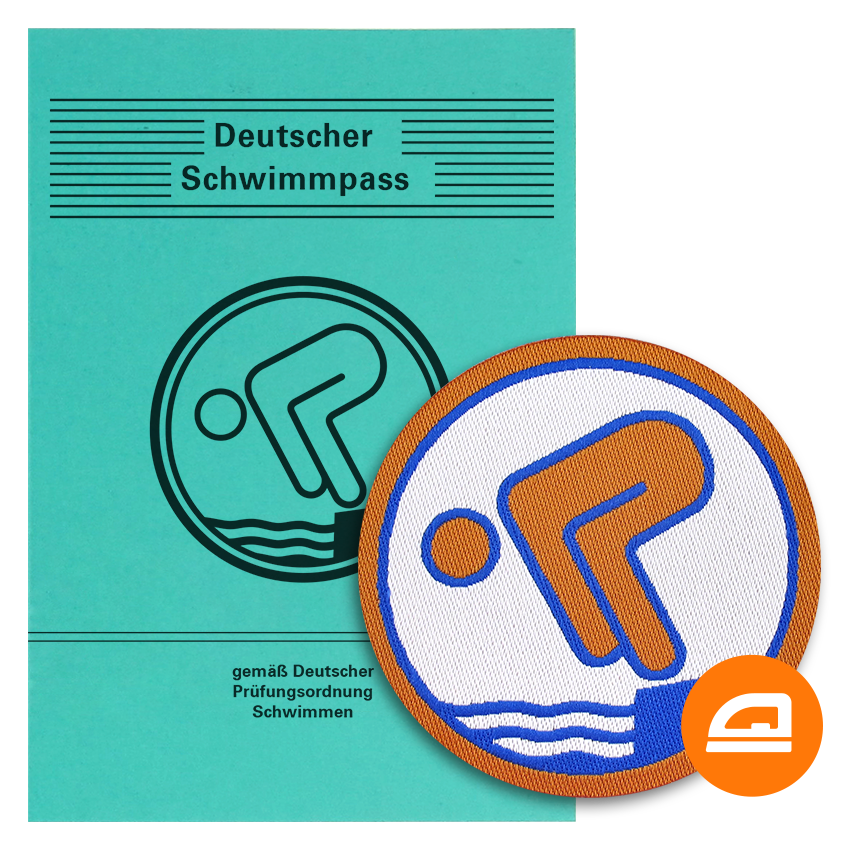
- Jugendschwimmabzeichen (Youth Swimming Badges) (Bronze, Silver, Gold)
- Erwachsenenschwimmabzeichen (Adult Swimming Badges)
- Rettungsschwimmabzeichen (Lifesaving Badges)
Examination Procedures and Requirements
Each swimming badge requires passing specific practical and theoretical examinations. [Further information on the examination requirements can be found in our FAQ on Swimming Badges]. The assessment criteria typically include:
- Swimming techniques
- Endurance
- Safety competencies
- Theoretical water safety knowledge
The examinations are conducted by qualified swimming instructors or lifeguards who assess performance according to standardized criteria.
Each level systematically builds on the previous one and increases the complexity of the requirements.
What Are the Differences Between Swimming Levels and Badges?
The German swimming system is diverse and complex, with different levels and badges, each documenting specific swimming skills and safety competencies. This differentiation allows for a precise assessment of individual water competence.
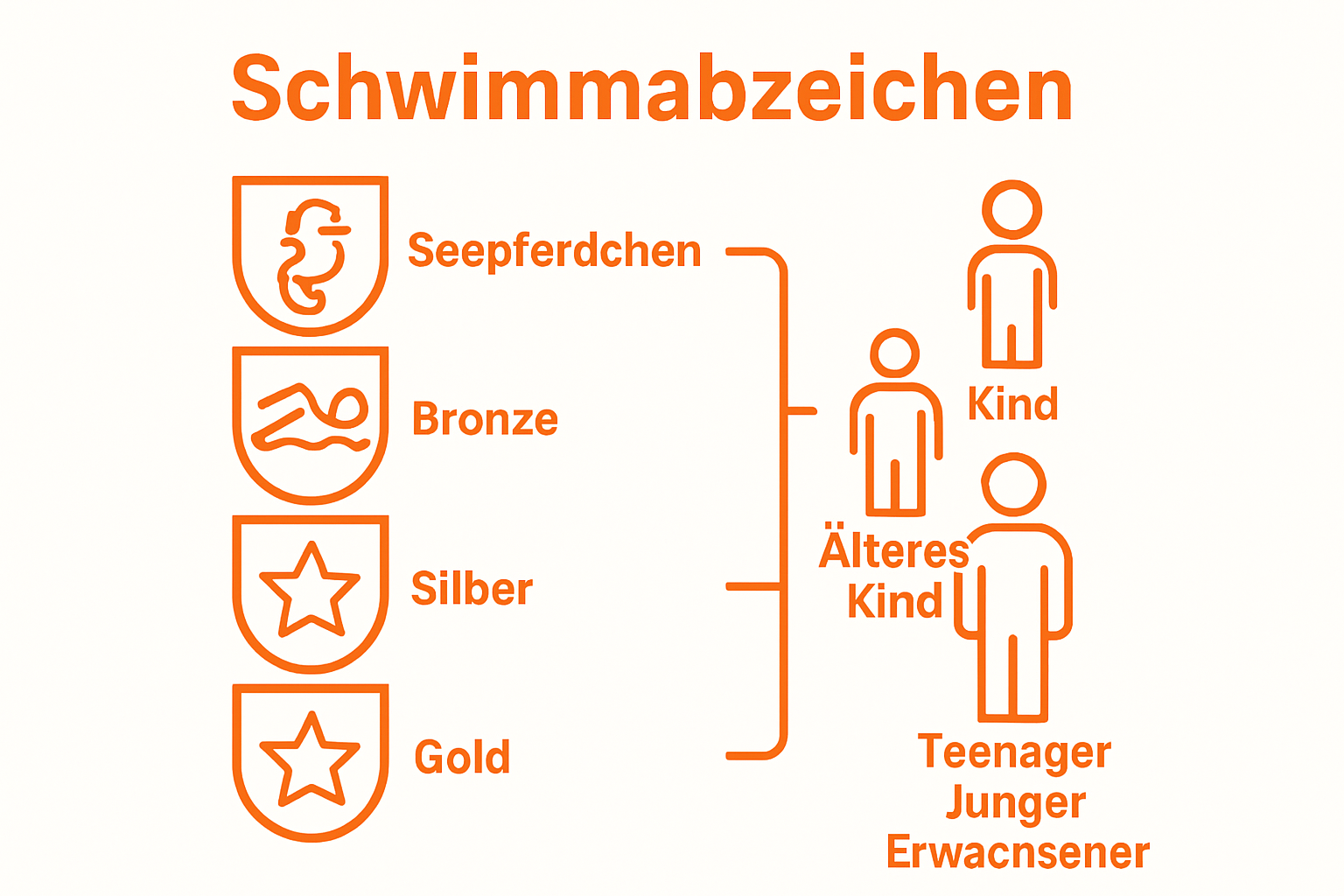
Swimming Levels by Age Group
According to the guidelines of the German Life Saving Society (DLRG), swimming levels differ primarily by age groups and developmental phases. The most important categories include:
- Seepferdchen (Seahorse) (Children 5-7 years)
- Jugendschwimmabzeichen Bronze (Youth Swimming Badge Bronze) (Children 7-10 years)
- Jugendschwimmabzeichen Silber (Youth Swimming Badge Silver) (Children 10-14 years)
- Jugendschwimmabzeichen Gold (Youth Swimming Badge Gold) (Adolescents 14-18 years)
Badge-Specific Requirements
Each swimming badge defines specific performance requirements that go far beyond basic swimming techniques. [More details on current requirements can be found in our Guide to Swimming Badge Requirements]. The main differences lie in:
- Complexity of swimming techniques
- Endurance and distance requirements
- Safety and lifesaving competencies
- Theoretical water safety knowledge
While Seepferdchen teaches basic water safety, higher badges focus on advanced techniques, endurance, and rescue skills. Each level represents a significant developmental step in swimming competence.
To clearly illustrate the differences and requirements of the most important swimming badges in Germany, here is a comparison table of the levels and their characteristics.
| Badge | Age Group | Swimming Technique (Examples) | Endurance/Distance | Further Requirements |
|---|---|---|---|---|
| Seepferdchen | 5-7 years | Breaststroke | 25 meters | Jump into water, retrieve an object |
| Jugendschwimmabzeichen Bronze | 7-10 years | Breaststroke, Backstroke | 200 meters | Deep diving, knowledge of bathing rules |
| Jugendschwimmabzeichen Silber | 10-14 years | Various swimming styles | 400 meters | Diving, 2m deep diving, distance diving |
| Jugendschwimmabzeichen Gold | 14-18 years | Advanced swimming techniques | 600 meters | Rescue grip, clothes swimming, combined tasks |
What Role Do Swimming Badges Play in German Swimming Culture?
Swimming badges are more than just athletic awards - they are deeply rooted in German culture and represent a long tradition of water safety, personal development, and collective responsibility.
Cultural Significance and Tradition
According to studies by the German Swimming Federation, swimming badges have a historical dimension that goes far beyond individual performance records. They symbolize a societal commitment to water safety and lifelong learning. The badges function as:
- Cultural educational instrument
- Community-promoting element
- Standardized proof of competence
Social Integration and Education
Swimming badges play a central role in the German educational landscape. Further insights into their pedagogical significance can be found in our [Primary School Swimming Badge Guide]. They serve not only as athletic awards but as:
- Instrument of health education
- Mechanism for promoting water safety
- Method for strengthening self-confidence
Through this system, not only swimming skills are taught, but also important life skills such as discipline, perseverance, and teamwork are fostered.
Here is a tabular overview of the functions and benefits of swimming badges for children and society in Germany.
| Benefits of Swimming Badges | Explanation |
|---|---|
| Water Safety | Children learn essential self-rescue techniques |
| Motivation and Personal Development | Progress through badges strengthens self-confidence |
| Structured Learning Process | Step-by-step requirements promote continuous learning |
| Health Education | Creates awareness for sports and health |
| Social Integration and Tradition Transfer | Fosters team spirit and social engagement |
Experience the Swimming Badge Tradition in a Modern Way – with Pimpertz
The significance of swimming badges in Germany extends far beyond athletic achievements. They convey values, document progress, and ensure that children and adults alike experience safety and pride in swimming. However, when it comes to passing on traditions, many schools, clubs, and parents encounter the following challenges:
- Difficult procurement of certified badges
- Uncertainties regarding designs and requirements
- Desire for child-friendly certificates and durable materials
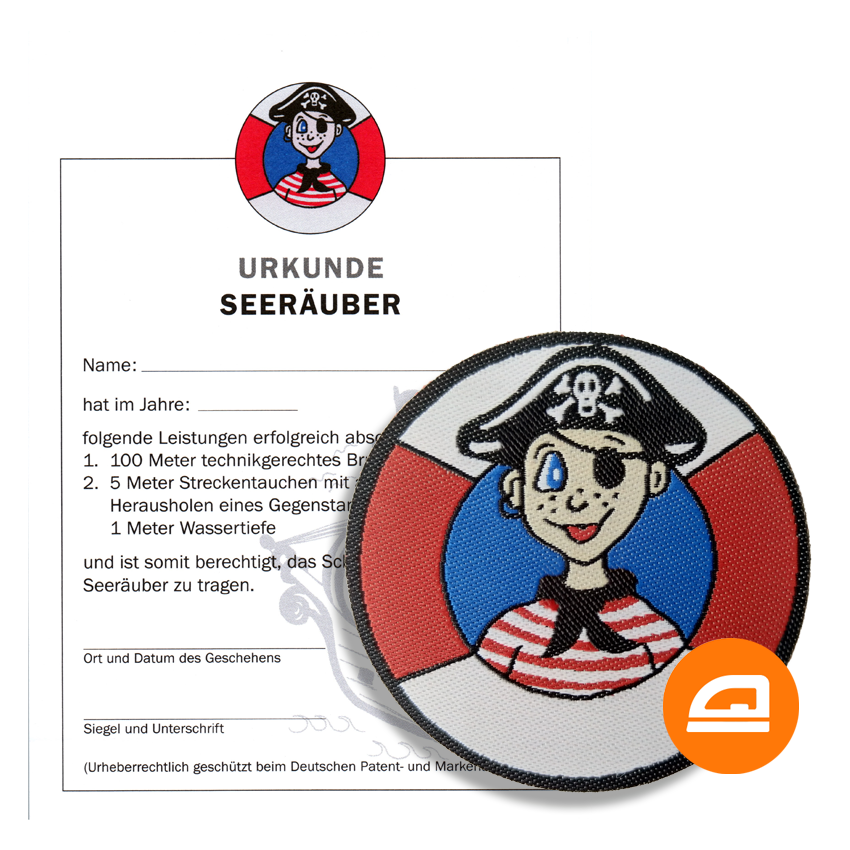
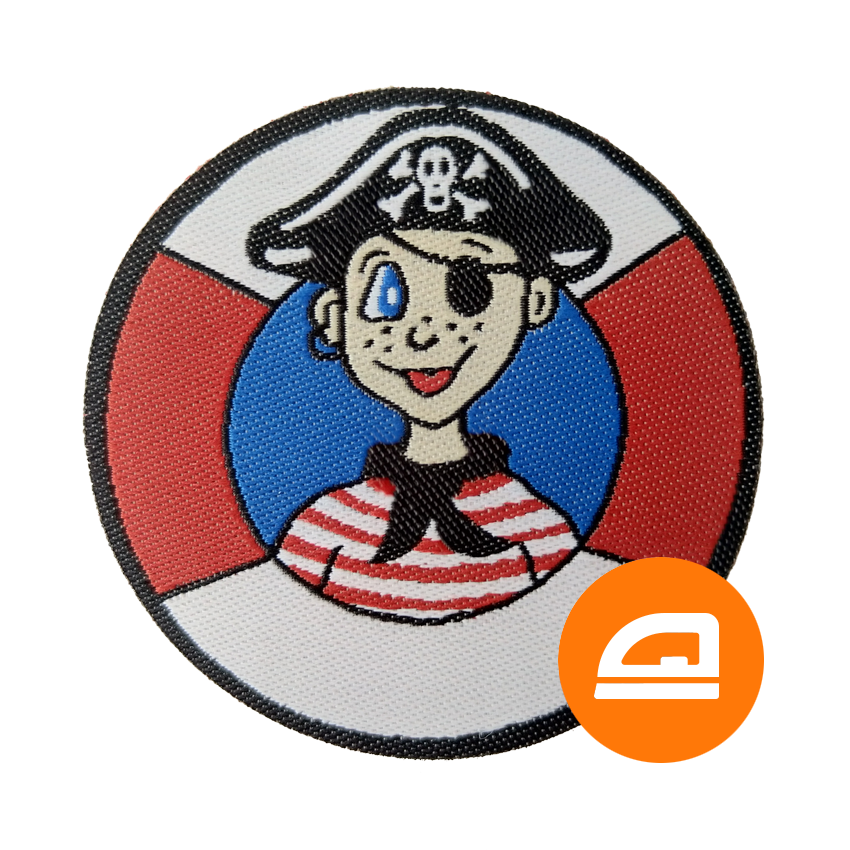
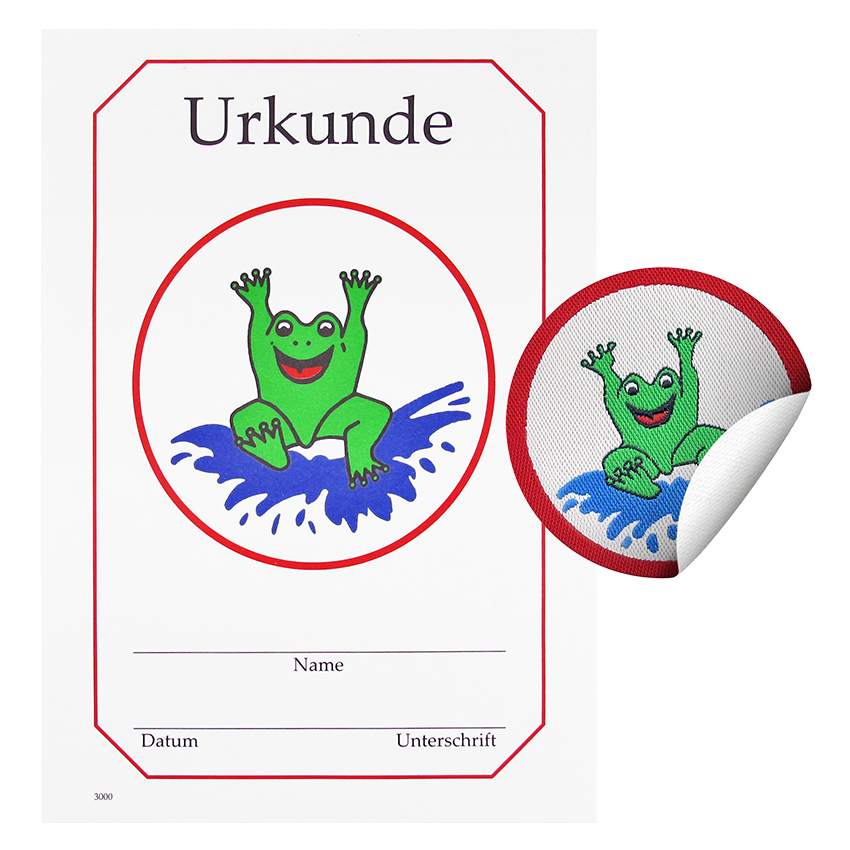
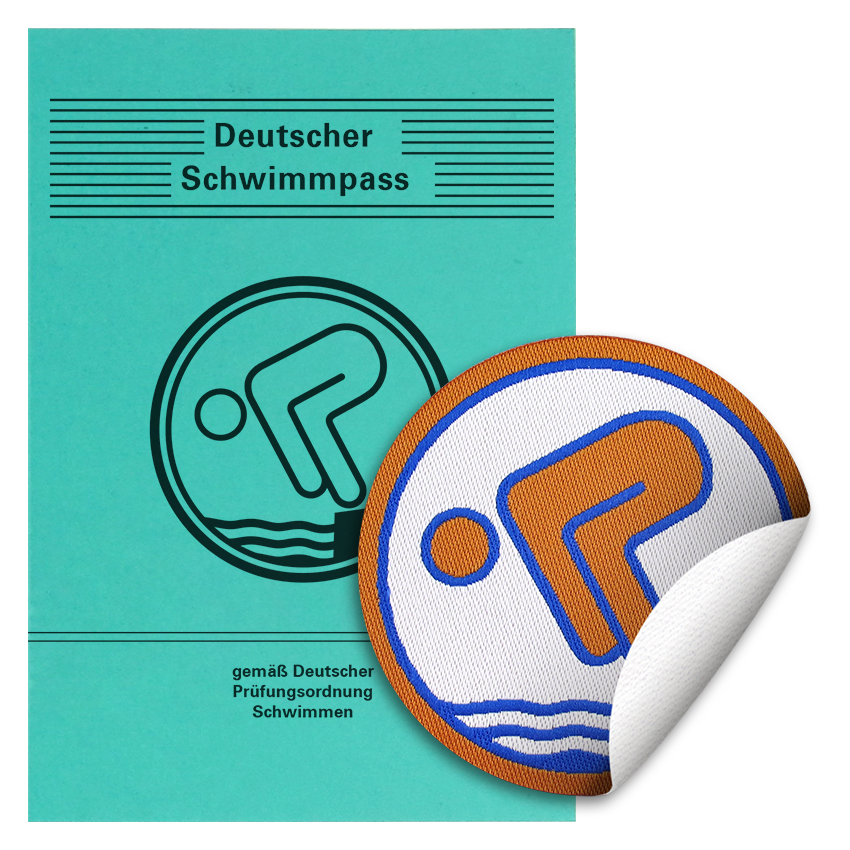
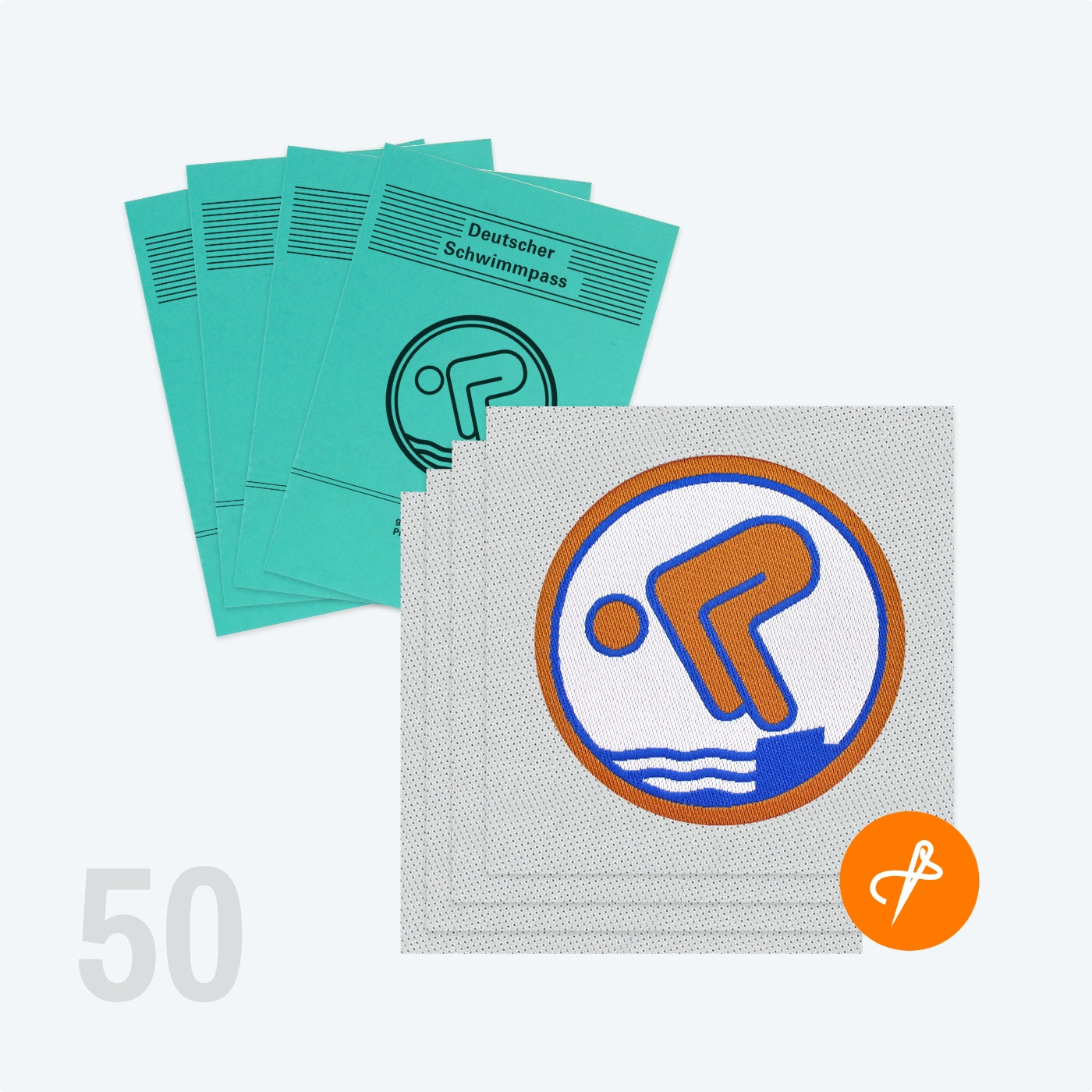
As an official partner of the DLRG and the BFS, Pimpertz offers authentic swimming badges and certificates in versatile designs. For example, discover the popular Seestern Stella swimming badges & certificates or bring playful variety to lessons with the Pirat Pimpi® swimming badges & certificates. Each product is of high quality and keeps memories of important milestones alive.
Secure support for your next swimming test now and set a special sign for tradition. Visit pimpertz.de directly and order tested badges or individual sets for your swimming event. See for yourself – start a new chapter of your swimming tradition today.
Frequently Asked Questions
What are swimming badges?
Swimming badges are official certificates of achievement that document a person's swimming abilities and mark their development in swimming.
Why are swimming badges important for children?
Swimming badges promote water safety, motivate children to improve their swimming skills, and support personal development by strengthening self-confidence and perseverance.
How do the different swimming badges work in Germany?
The German swimming badge system divides badges into categories such as Seepferdchen, youth swimming badges, and adult badges, which have different requirements and examinations.
What role do swimming badges play in German culture?
Swimming badges represent a long tradition of water safety and are embedded in the German educational landscape; they promote health education and social integration.