
DLRG Swimming Rules PDF: The Complete Guide
More than 60 percent of swimming accidents in Germany happen because basic swimming rules are not observed. Water safety begins with knowledge and clear rules that provide guidance not only for children but also for adults. Knowing the DLRG's guidelines strengthens swimming abilities, avoids risks, and lays the foundation for relaxed swimming enjoyment – whether in the swimming pool or at the bathing lake.
Table of Contents
- What are DLRG swimming rules?
- Official DLRG badges and regulations
- Requirements for the respective swimming tests
- Duties and role of examiners and participants
- Common mistakes and tips for conducting exams
Key Insights
| Point | Details |
|---|---|
| Comprehensive Swimming Rules | The DLRG swimming rules provide a structured basis for water safety and swimming training for all age groups. |
| Official Swimming Badges | The DLRG offers a system of swimming badges that documents and promotes the development of swimmers. |
| Exam Requirements | The swimming tests combine theoretical knowledge and practical skills to test water competence. |
| Preparation and Tips | Careful preparation is crucial to avoid common mistakes and meet the exam requirements. |
What are DLRG swimming rules?
The DLRG swimming rules form a comprehensive framework for water safety and swimming training. They include detailed guidelines and requirements aimed at teaching people of all ages how to swim safely and behave in the water.
The swimming rules are divided into different categories and are based on DLRG swimming training. They include:
- Practical swimming techniques
- Theoretical knowledge of bathing rules
- Safety aspects of swimming
- Diving exercises and rescue techniques
- Examination requirements for various swimming badges
The rules are not only a guide, but also an important tool for accident prevention. They define precise requirements for each swimming badge like Bronze, starting with basic techniques and extending to advanced rescue skills. The goal is to systematically train swimmers and ensure their safety in and around the water.
Official DLRG badges and regulations
The German Life Saving Society (DLRG) offers a comprehensive system of official swimming badges that systematically supports and promotes swimmers in their development. These badges are more than just awards - they document acquired skills and safety standards in dealing with water.
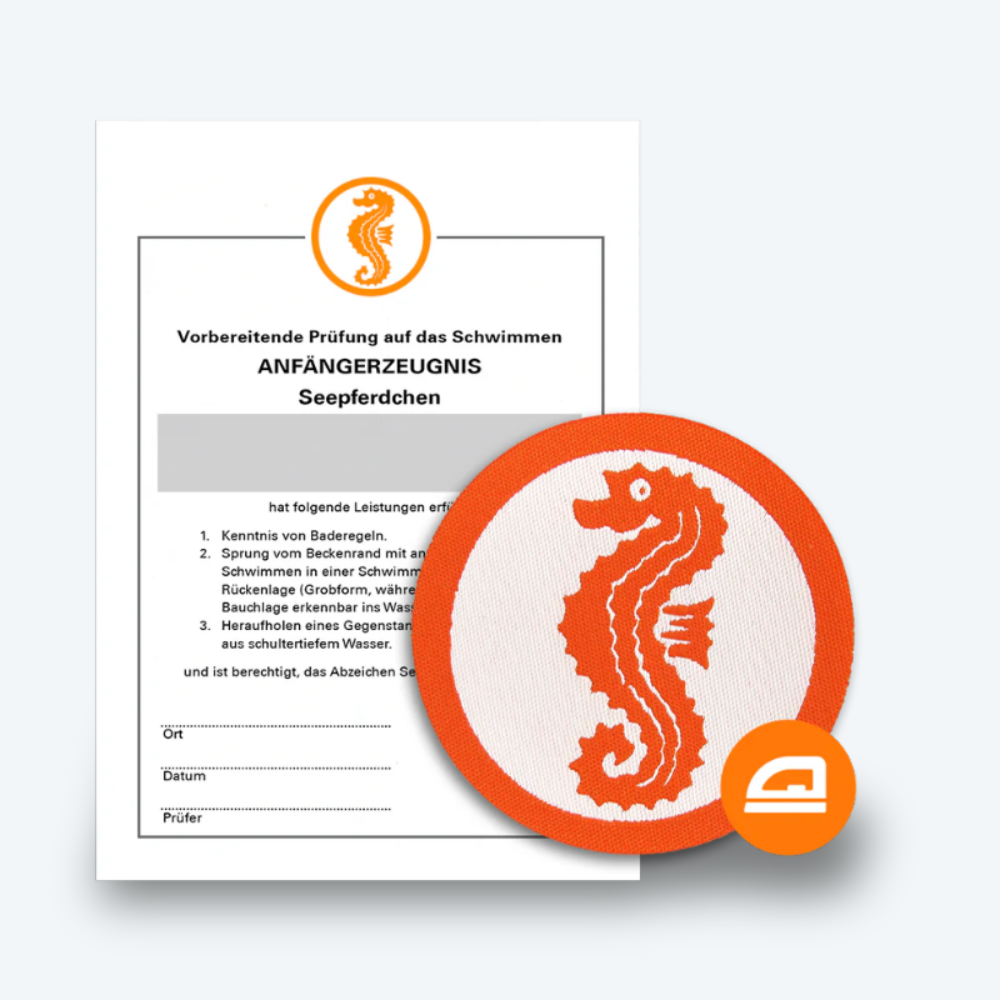
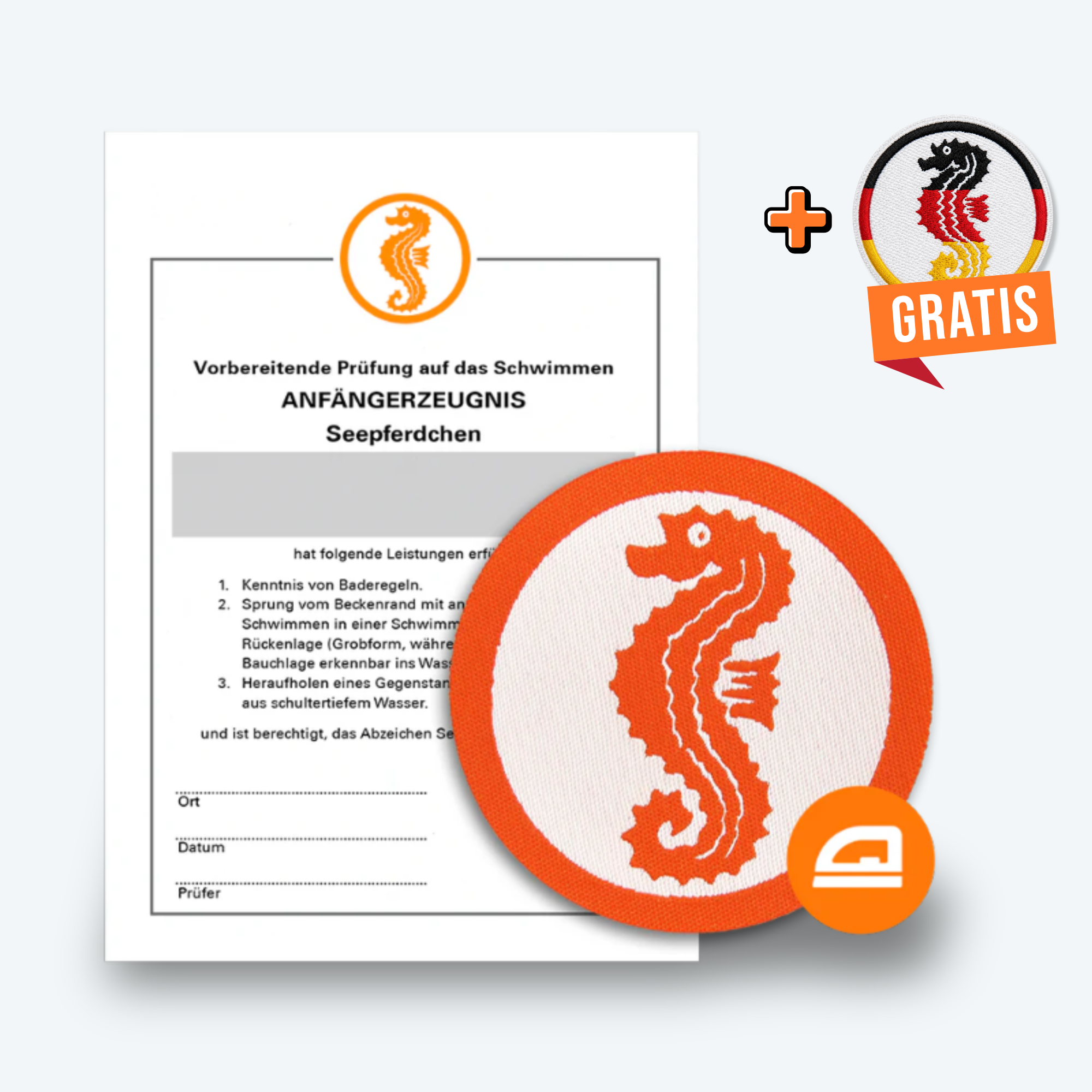
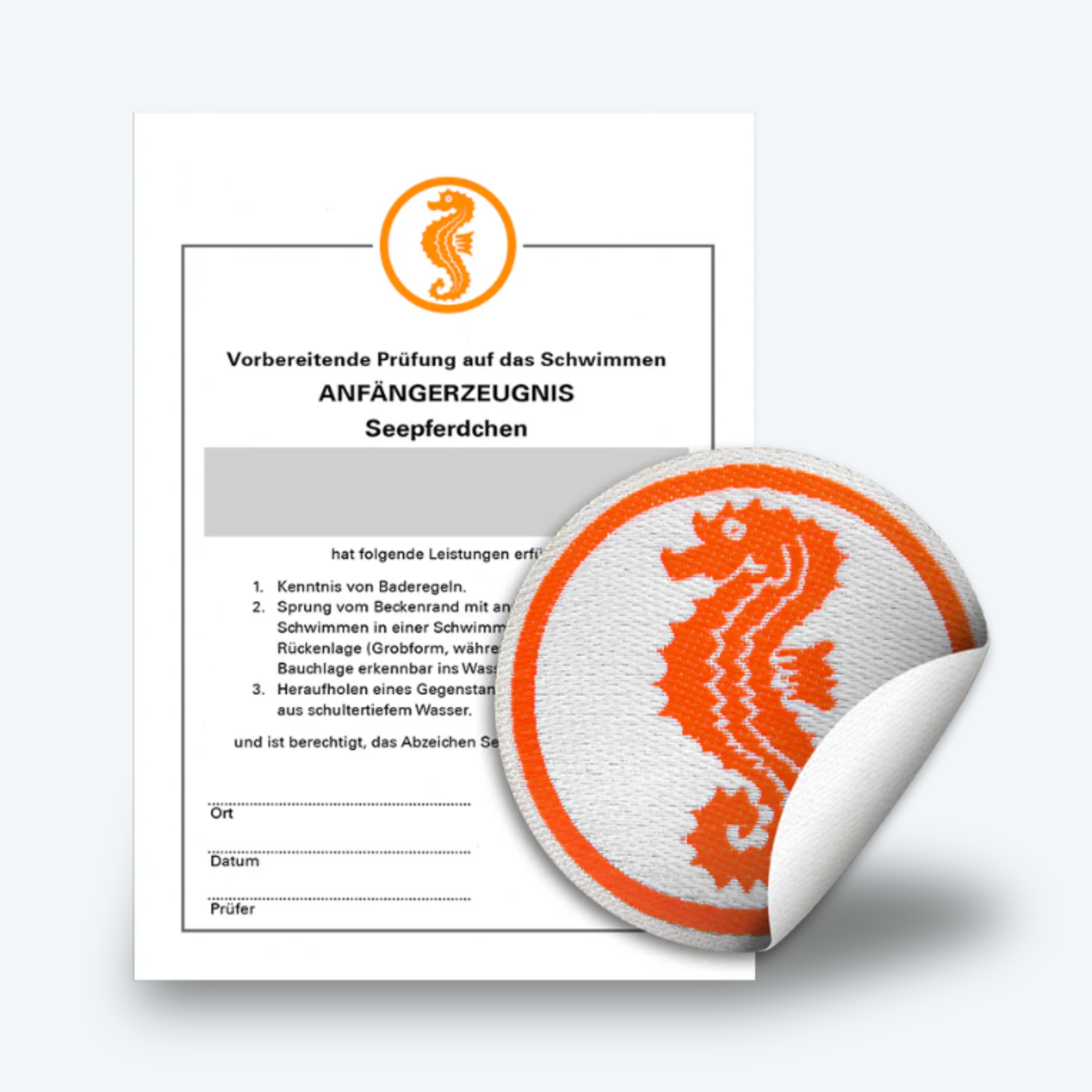
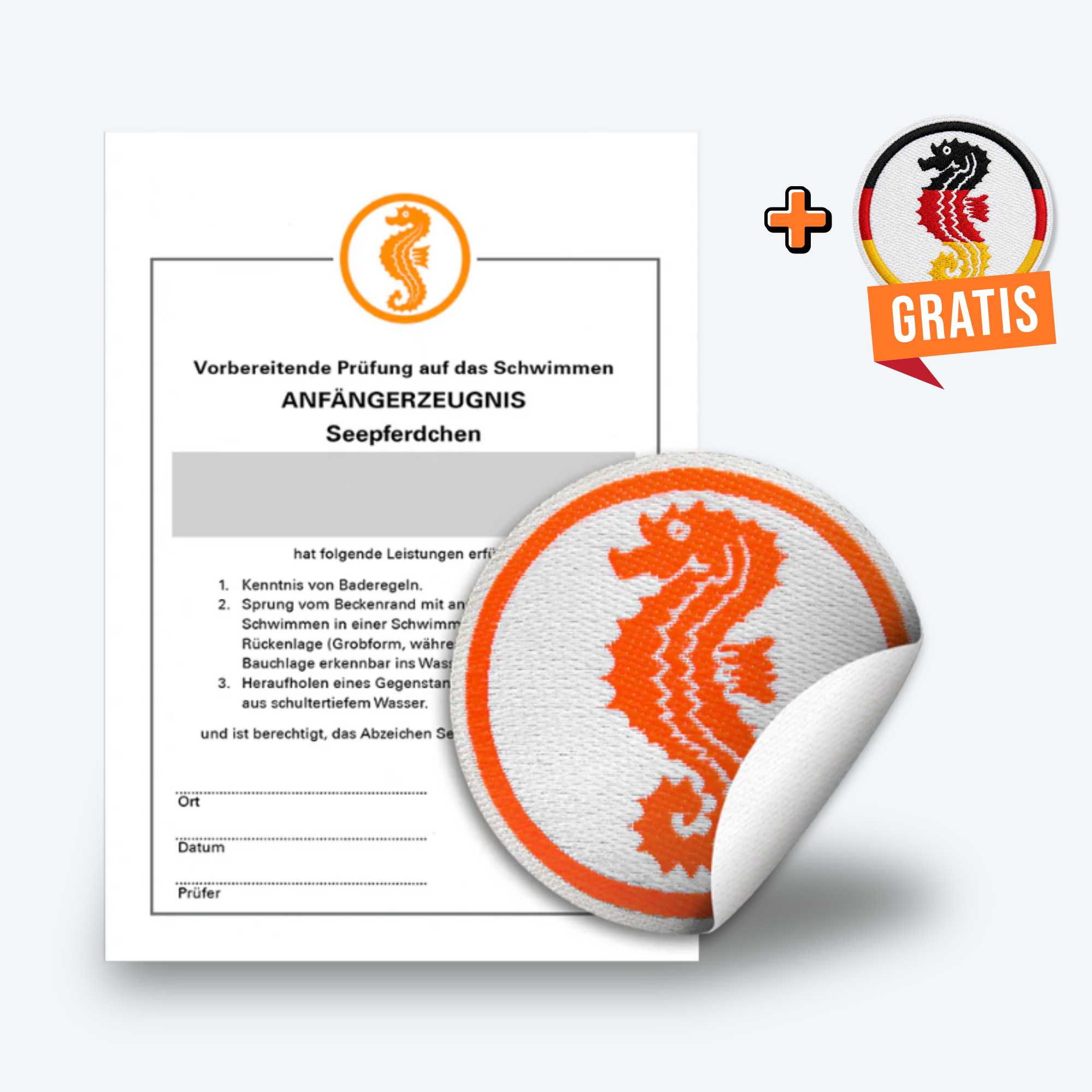
The official badge system includes various levels, starting with the popular Seepferdchen (Seahorse) swimming badge for children up to advanced performance badges. DLRG swimming badges are divided into several categories:
- Seepferdchen (Seahorse): First swimming skills for children
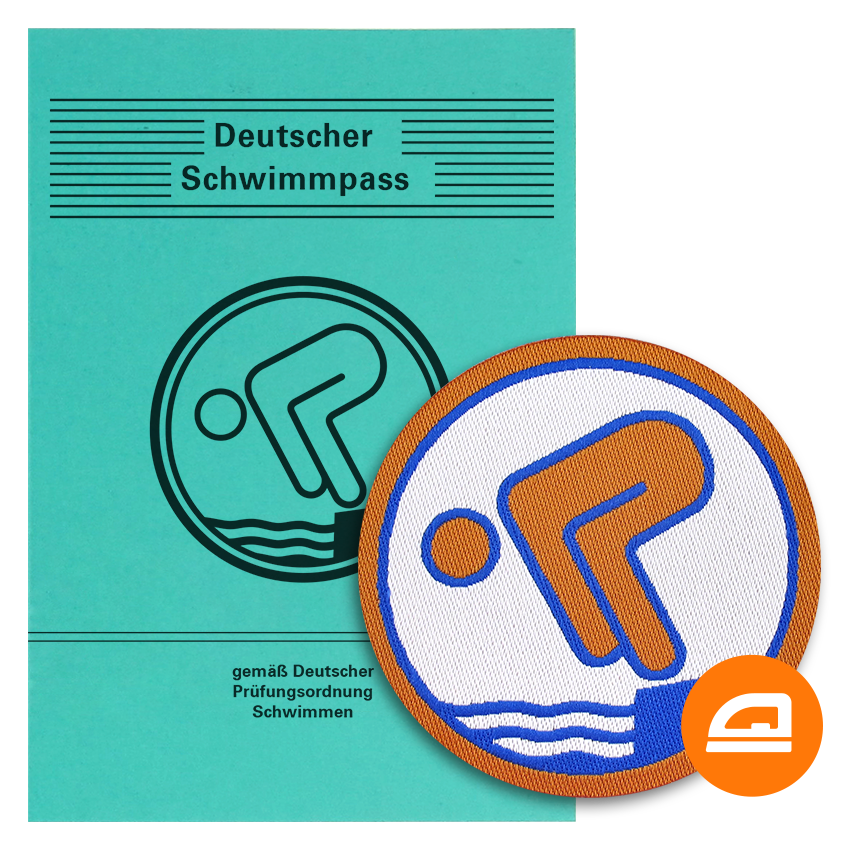
- Bronze: Basic swimming techniques
- Silver: Advanced swimming skills
- Gold: Complex swimming and rescue techniques
In addition to the classic swimming badges, the DLRG also offers specialized training, such as snorkeling badges, which prepare watersports enthusiasts for the safe use of snorkeling equipment and diving activities. Each badge has precisely defined requirements that include theoretical knowledge, practical skills, and safety aspects.
Requirements for the respective swimming tests
The DLRG swimming tests are carefully designed performance tests that comprehensively examine swimmers for their water competence and safety. They cover various levels of difficulty and swimming badge requirements, combining theoretical and practical skills.
For the DLRG exam requirements, participants must demonstrate various competencies:
- Theoretical exam: Knowledge of bathing rules and water safety
-
Practical performance:
- Various swimming distances
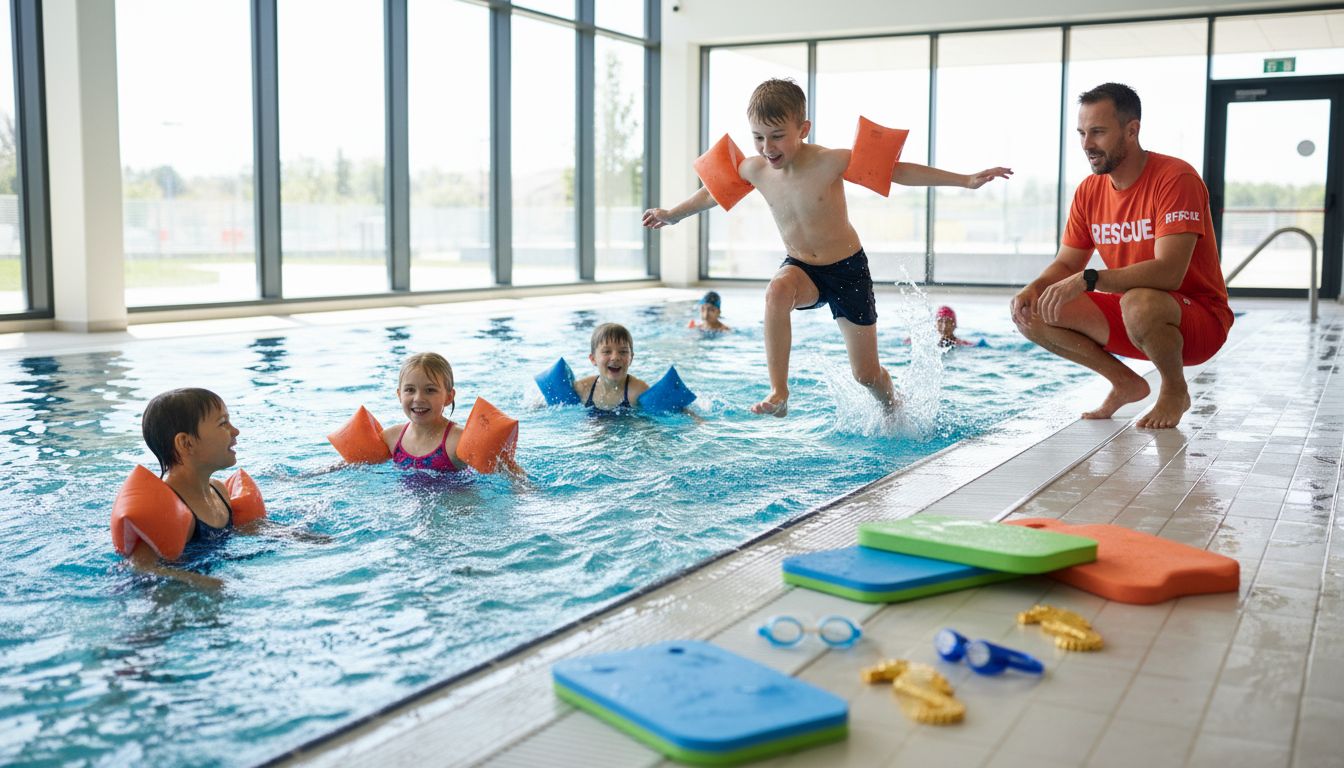
- Jumps from the edge of the pool
- Diving exercises
- Rescue techniques
For the German Bronze swimming badge, for example, very specific requirements apply. These include a headfirst jump from the edge of the pool, a swimming duration of 15 minutes, and the safe retrieval of an object from about two meters of water depth. These precise examination criteria ensure that swimmers demonstrate not only technical skills, but also safety competence and endurance.

Duties and role of examiners and participants
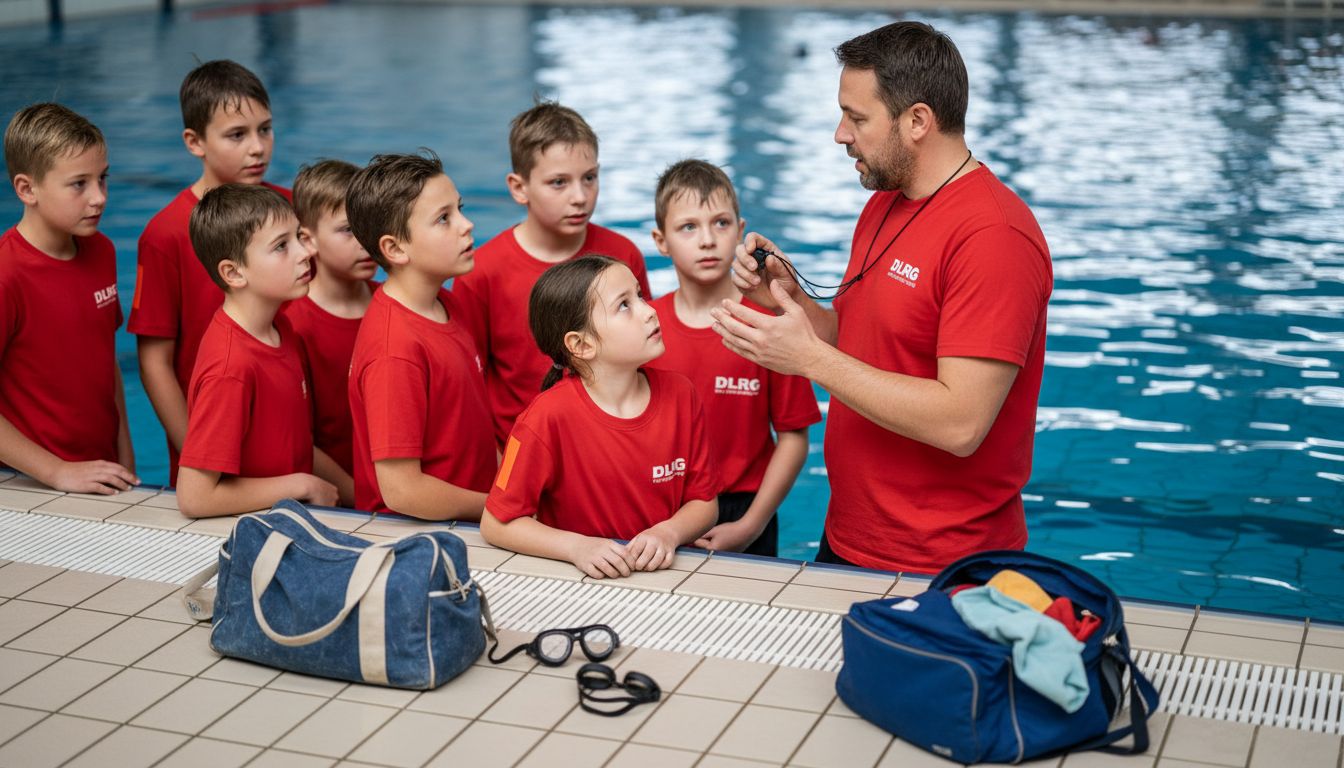
The DLRG has defined clear guidelines for examiners and participants to ensure that swimming tests are conducted professionally, safely, and in a standardized manner. Examination requirements are implemented with the utmost precision and care.
Duties of examiners:
- Neutral and objective evaluation of participants
- Exact control of theoretical and practical performance
- Ensuring compliance with all examination standards
- Documentation of examination results
Responsibilities of participants:
- Thorough preparation for theoretical and practical exam parts
- Compliance with safety regulations
- Demonstration of required swimming abilities
- Respectful treatment of examiners and fellow examinees
The German Sports Badge Swimming Requirements underline the importance of a fair and transparent examination process, where both examiners and participants have clear roles and expectations.
Common mistakes and tips for conducting exams
In DLRG swimming tests, there are typical stumbling blocks that participants should know and avoid. Swimming techniques and bathing rules require careful and systematic preparation.
Common sources of error:
- Insufficient theoretical knowledge of bathing rules
- Lack of mastery of basic swimming techniques
- Lack of stamina for longer swimming distances
- Unsafe jumping and diving exercises
Recommendations for preparation:
- Regular training of swimming techniques
- Thorough study of theoretical exam content
- Building endurance and strength
- Mental preparation and stress reduction
The Tips for Learning to Swim show that successful exam participation requires more than just physical abilities - it needs preparation, concentration, and self-confidence.

Mastering Swimming Rules Safely with Pimpertz – Your Partner for Swimming Badges
The DLRG swimming rules provide clear guidance for safe swimming tests and effective water competence. Especially with the diverse requirements of tests like Bronze, Silver, and Gold, it is crucial to accompany them with precise materials and child-friendly certificates. If you are looking for high-quality and officially recognized swimming badges that not only motivate but also fully comply with the DLRG's requirements, then Pimpertz is the right place for you.
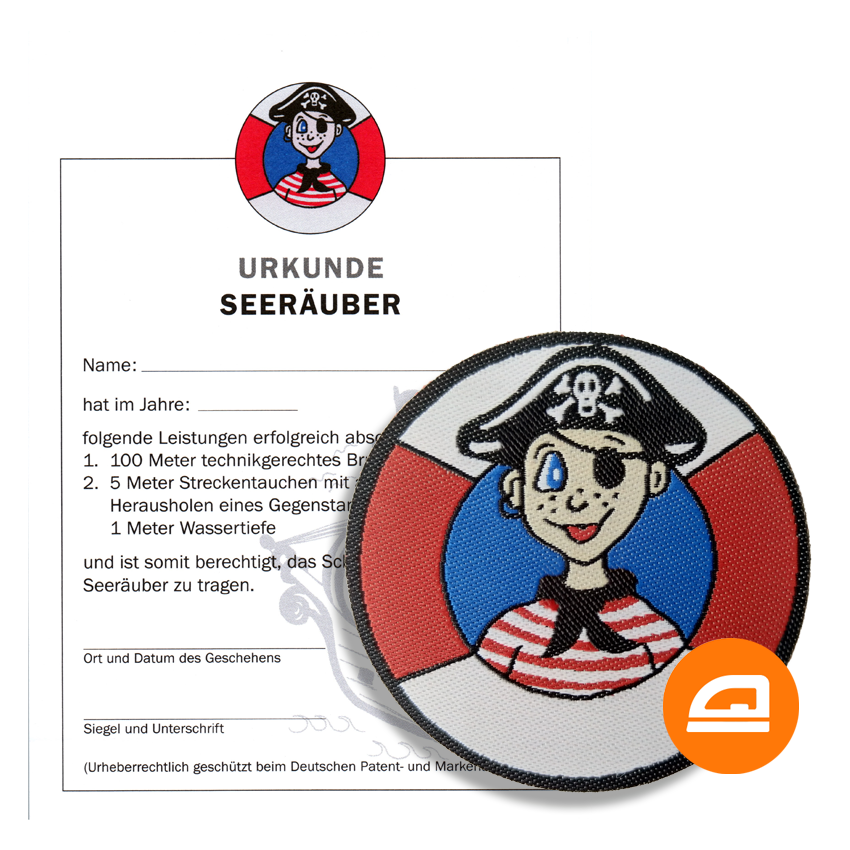
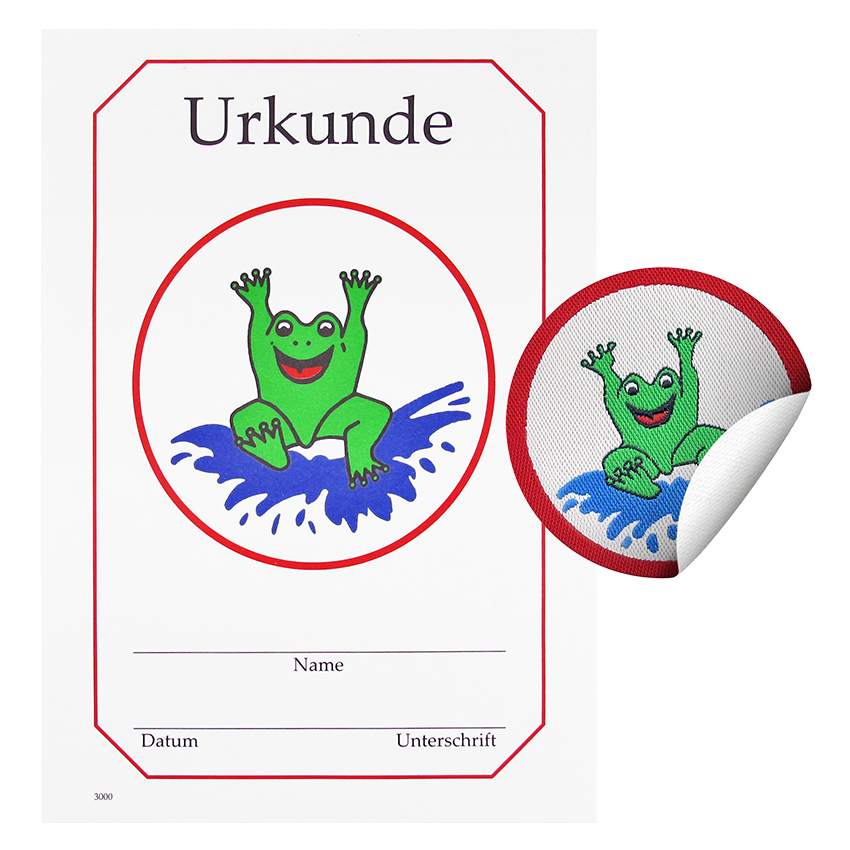
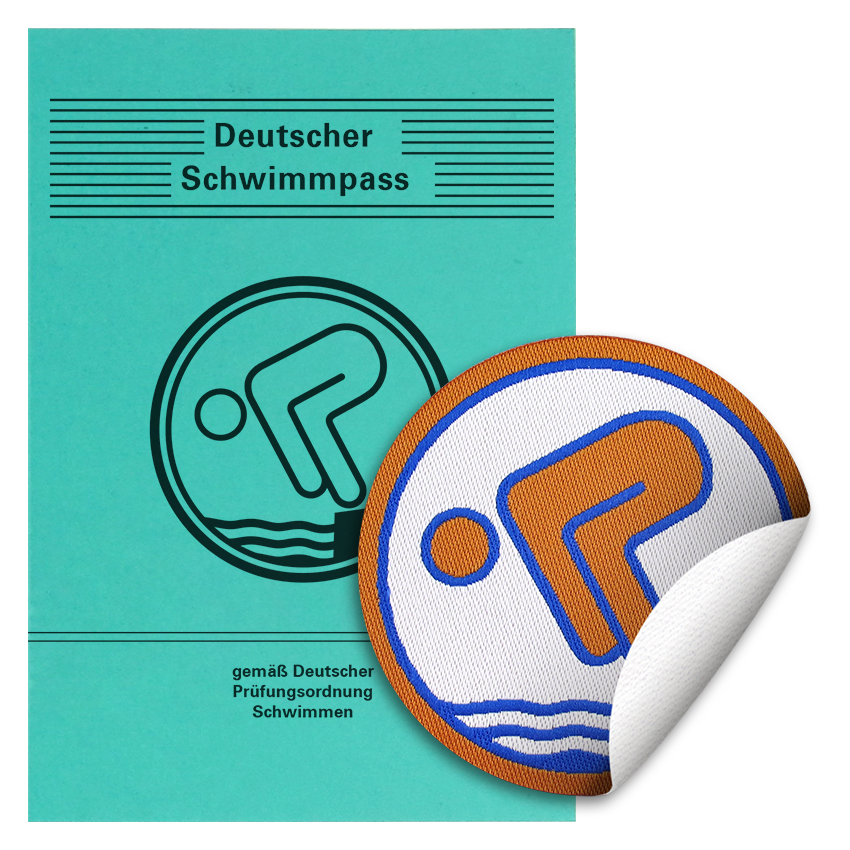
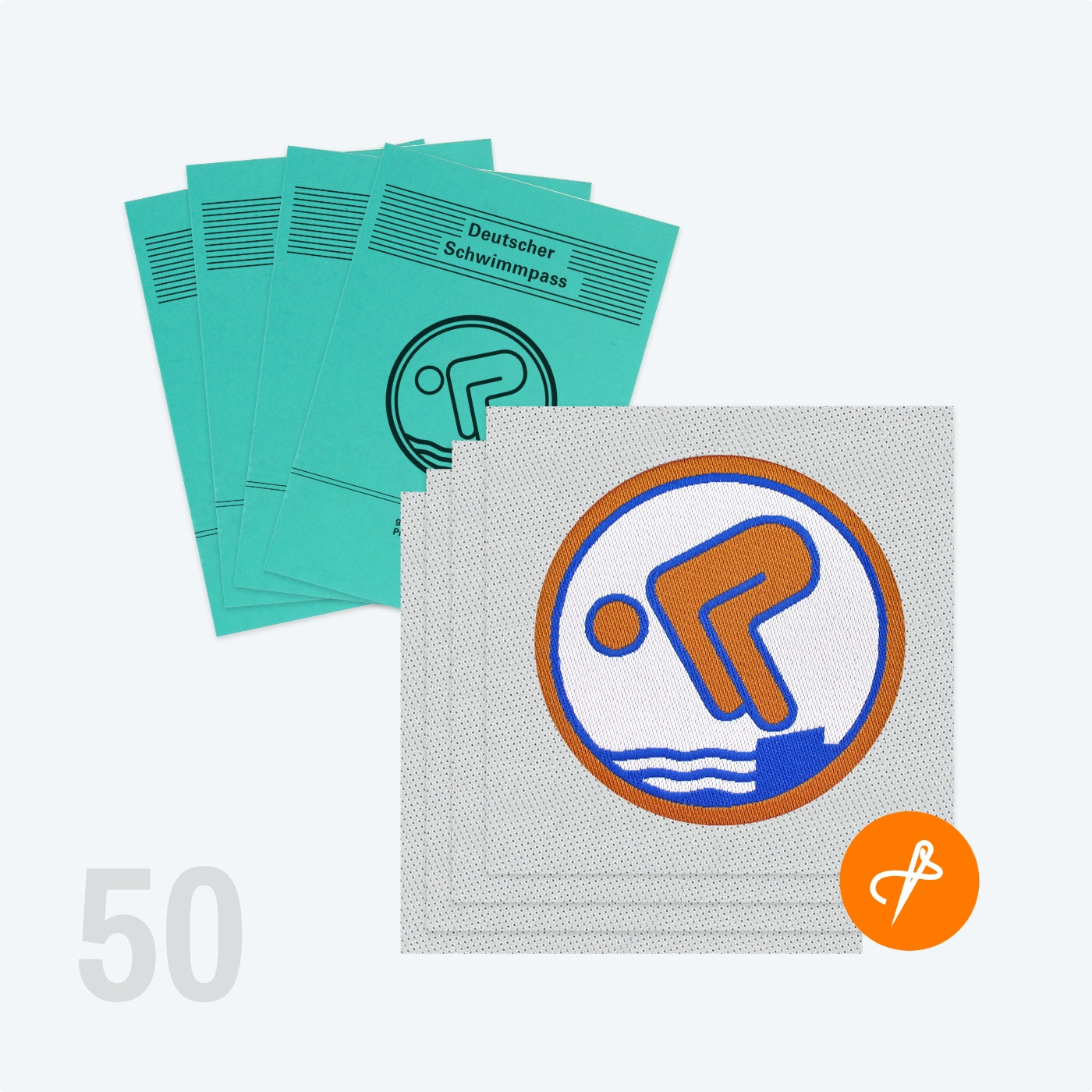
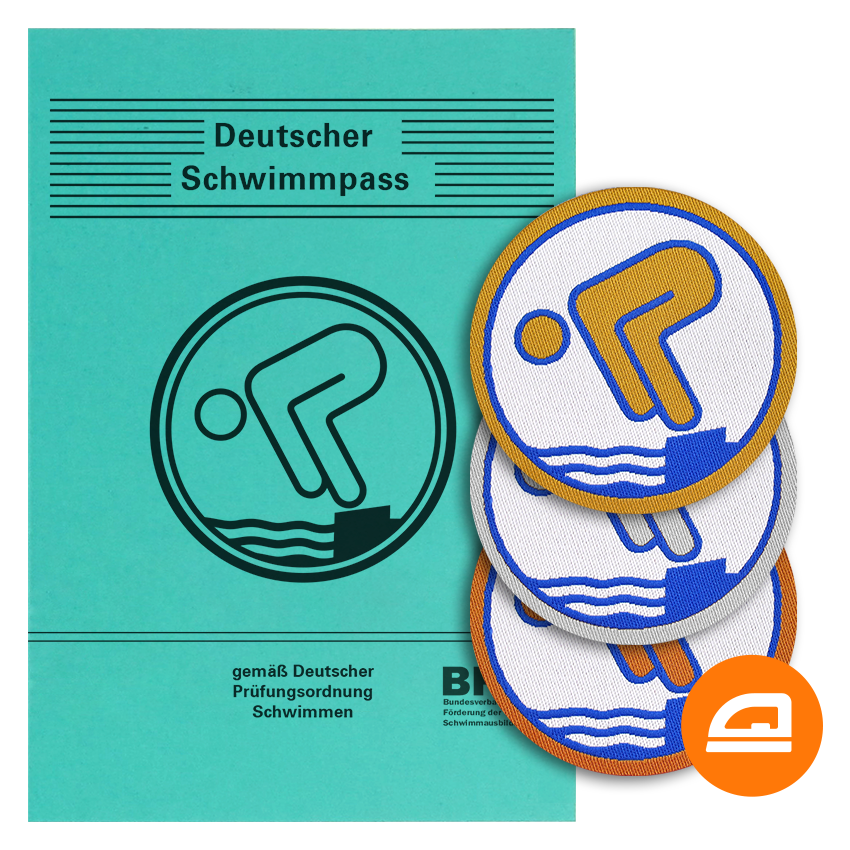
Discover our diverse range of German Swimming Badges Bronze, Silver, Gold & German Swimming Passport and beautiful Starfish Stella Swimming Badges & Certificates for children. Benefit from our many years of experience, official partnerships, and fast shipping for your next swimming test. Start your visit now at pimpertz.de and secure certified products for more safety and fun in the water.
Frequently Asked Questions
What are the most important DLRG swimming rules?
The DLRG swimming rules include practical swimming techniques, theoretical knowledge of bathing rules, safety aspects, diving exercises, and rescue techniques. They aim to ensure safety in the water.
What swimming badges does the DLRG offer?
The DLRG offers several swimming badges, including the Seepferdchen (Seahorse), Bronze, Silver, and Gold. Each badge has specific requirements that include both practical skills and theoretical knowledge.
How do the examination requirements for the DLRG swimming badges work?
The examination requirements combine theoretical knowledge of bathing rules with practical performance, such as swimming, jumps, and rescue techniques. Participants must demonstrate specific competencies to receive a badge.
What are common mistakes made in DLRG swimming tests?
Common mistakes in DLRG swimming tests include insufficient theoretical knowledge, lack of mastery of swimming techniques, lack of stamina, and uncertainties in jumps or diving exercises. Thorough preparation can help avoid these mistakes.