




What to do about exam anxiety: Step-by-step to success
More than 86 percent of all students in Germany experience exam anxiety. For many, the pressure begins long before the actual exam day. Those who recognize the first signs early can counteract them specifically and regain control. This guide shows you how to interpret typical warning signs and develop your personal strategies against exam anxiety to navigate the next exam phase with more composure.
Table of Contents
- Step 1: Recognize signs of exam anxiety early
- Step 2: Talk openly about fears and worries
- Step 3: Develop individual stress management strategies
- Step 4: Integrate relaxation exercises into your preparation
- Step 5: Regularly review learning progress together
Quick Summary
| Important Point | Explanation |
|---|---|
| 1. Early detection of exam anxiety | Pay attention to physical and psychological symptoms to recognize exam anxiety in time. |
| 2. Open communication about fears | Talk to trusted people about your exam fears to get support. |
| 3. Individual stress management strategies | Develop tailored techniques to reduce your exam anxiety and prepare yourself. |
| 4. Integration of relaxation techniques | Use simple relaxation methods to reduce stress in everyday learning and promote concentration. |
| 5. Regular review of learning progress | Break down the learning material into small sections and monitor progress with a trusted person. |
Step 1: Recognize signs of exam anxiety early
Exam anxiety can often overwhelm students before they properly notice the first warning signs. A study by IU International University shows that an impressive 86.8% of respondents have already experienced exam anxiety.
The typical signs of exam anxiety manifest on various levels. Physically, you may notice symptoms such as a racing heart, sweating, trembling, and muscle tension. Psychologically, concentration difficulties, excessive nervousness, and a feeling of paralysis often occur. These emotional reactions are identified by the University of Siegen as typical stress symptoms.
Further important warning signs include sleep disturbances, negative thought patterns, and excessive self-criticism. If you notice that you are avoiding exam dates, constantly worrying, or postponing study materials due to fear of failure, you should take these signs seriously. Early recognition allows you to develop countermeasures in time and seek professional support.
The next step is not to view these signs as weakness, but as an opportunity for self-reflection and improvement of your coping strategies.
Step 2: Talk openly about fears and worries
The first step to overcoming exam anxiety is not to bear the situation alone. Only 14.1% of those affected have sought professional help so far, which shows how important it is to break down barriers of silence.
Start by identifying people you trust. These could be fellow students, friends, family members, or mentors. The University of Siegen expressly recommends not suppressing exam anxiety but actively communicating about it. Describe specifically how your fears feel. Are they worries about failure? Doubts about your own abilities? The more precisely you name your feelings, the more helpful the exchange will be.
When talking, ensure open and honest communication. Avoid sugarcoating or downplaying your feelings. Specifically seek out people who can give you constructive feedback. Professional counseling centers at universities or psychological services also offer qualified support. The most important aspect is not to be ashamed and to understand that exam anxiety is a widespread phenomenon.
The next step is to jointly develop concrete strategies to cope with your fears.
Step 3: Develop individual stress management strategies
Everyone experiences exam anxiety differently, so it's crucial to develop tailored coping strategies that fit your individual personality and needs.
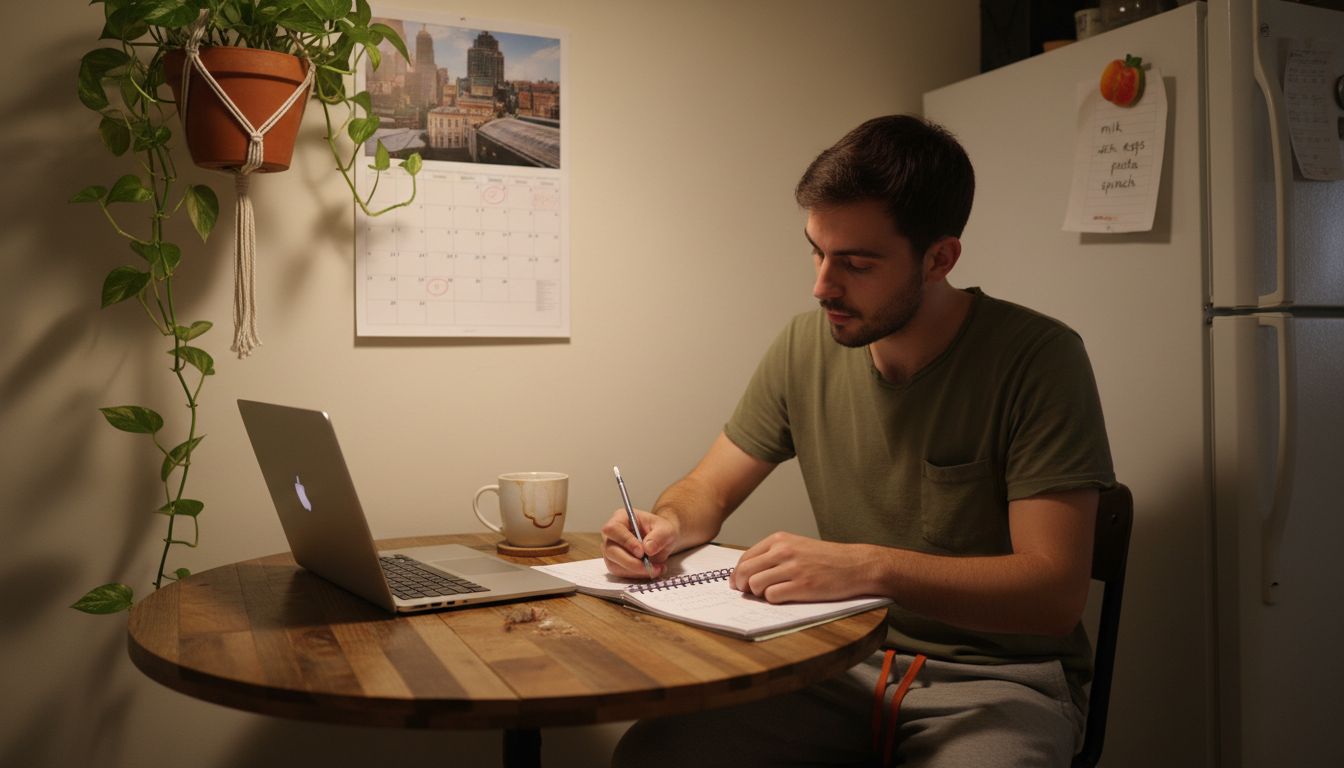
Start with an honest self-analysis. What situations trigger your anxiety? Is it time pressure, the exam format, or lack of self-confidence? Document your triggers in a personal journal. NOVA NEXUS's relaxation techniques specifically recommend methods such as breathing exercises, progressive muscle relaxation, or meditation. These help you stay calm and focused in stressful situations.
Develop a structured study plan that takes into account your individual strengths and weaknesses. Set realistic goals, plan regular study sessions with breaks, and reward yourself for reaching milestones. Positive thinking plays a central role here. Replace negative thought patterns with constructive self-talk and visualize your success.
The next step is to practically test your developed strategies and adapt them if necessary.
Step 4: Integrate relaxation exercises into your preparation
Barmer health insurance recommends the consistent integration of relaxation techniques to effectively reduce tension and optimize your mental performance.
Start with simple relaxation methods that you can easily incorporate into your daily study routine. Start Akademie suggests integrating progressive muscle relaxation specifically into the preparation phase to reduce body tension and improve concentration. Practice these exercises in the morning after waking up or during your study breaks. Begin by systematically tensing and relaxing different muscle groups from your toes to your head.
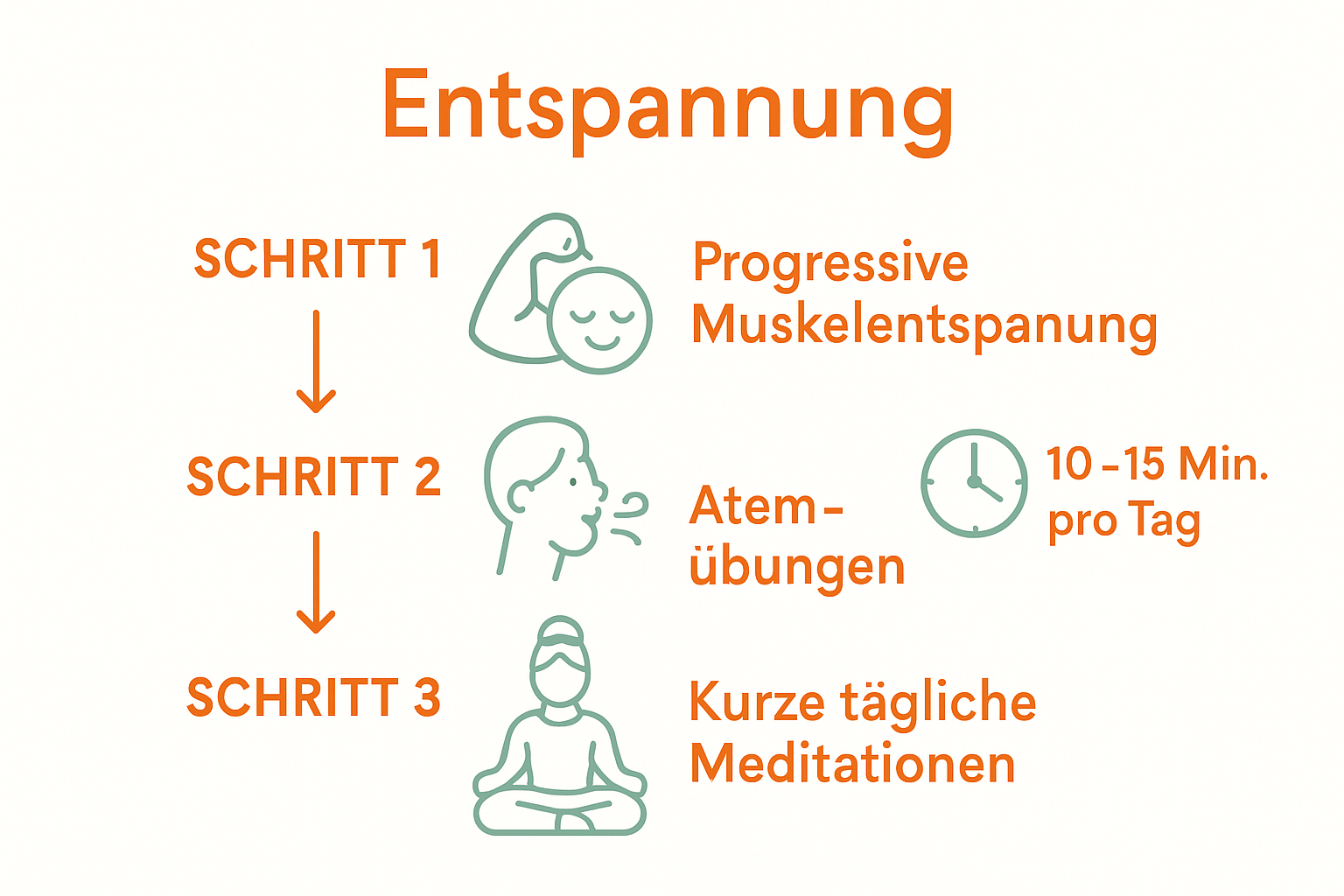
Supplement progressive muscle relaxation with breathing exercises and short meditations. Plan 10 to 15 minutes daily to practice breathing techniques. Breathe deeply into your abdomen, count while inhaling and exhaling, and concentrate fully on your breath. These methods help you reduce stress and develop inner calm.
In the next step, we will explore how you can continuously improve your relaxation techniques and adapt them to your individual needs.
Step 5: Regularly review learning progress together
The Bundeswehr University Munich recommends systematically reviewing study material to track your progress and continuously reduce exam anxiety.
Divide your study material into manageable sections and arrange regular review appointments with a trusted person. The Euro Akademie emphasizes the importance of smaller study units that are easier to manage and evaluate. Keep a study journal where you document your progress, challenges, and successes. Discuss these records every two weeks with a fellow student, mentor, or family member.
During these discussions, ensure a constructive atmosphere. Focus not only on knowledge gaps but also acknowledge your progress. Jointly develop strategies for areas where you feel insecure. Important is appreciative feedback that strengthens your motivation and reduces self-doubt.
In the next step, we will explore methods to flexibly adapt and optimize your learning strategies.
Overcoming exam anxiety and strengthening self-confidence with Pimpertz
Exam anxiety is a challenge that accompanies many people and diminishes self-confidence. Stress-related blockages often arise exactly when it matters, but a clear head and a strong self-image help to overcome these hurdles. Pimpertz supports you in achieving goals with ease, because success arises not only from knowledge and preparation but also from motivation and recognition.
Discover a diverse range of swimming badges and certificates at Pimpertz that can make an important contribution to strengthening your perseverance as visible awards. Whether as a reward for progress or motivation in the learning process – our high-quality badges are official seals of approval that help children and young people build self-confidence. Also, use practical collector albums and personalized sets to make everyday learning a positive experience.
Don't let exam anxiety be an obstacle any longer; start now and experience how small successes with swimming badges and certificates sustainably boost your self-confidence. Visit pimpertz.de today and secure the highest quality and fast service for your personal learning success.
Frequently Asked Questions
What are the first signs of exam anxiety?
Exam anxiety can manifest through physical symptoms such as a racing heart, sweating, and trembling, as well as psychological symptoms such as difficulty concentrating and nervousness. Pay attention to recognize these signs early to counteract them in time.
How can I talk openly about my exam anxiety?
Talk to people you trust, such as friends, family members, or mentors. Specifically name the fears you feel and seek constructive exchange.
What strategies help against exam anxiety?
Develop individual coping strategies based on an honest self-analysis of your fears. Use relaxation techniques like breathing exercises and keep a study journal to document your progress.
How do I integrate relaxation exercises into my exam preparation?
Schedule time daily for relaxation exercises, such as progressive muscle relaxation or meditation. Practice these techniques regularly, ideally integrated into your study breaks, to effectively reduce stress.
How do I regularly review my learning progress?
Divide your study material into smaller sections and arrange review appointments every two weeks with a trusted person. Document your progress and discuss it to clearly identify both gaps and successes.
What can I do if I feel that my anxiety is affecting my learning?
Recognize your exam anxiety as a challenge and actively seek support. Talk to professionals or use local support options to develop coping strategies.