
Seal Trixi Badge: Fun and Safety in the Water
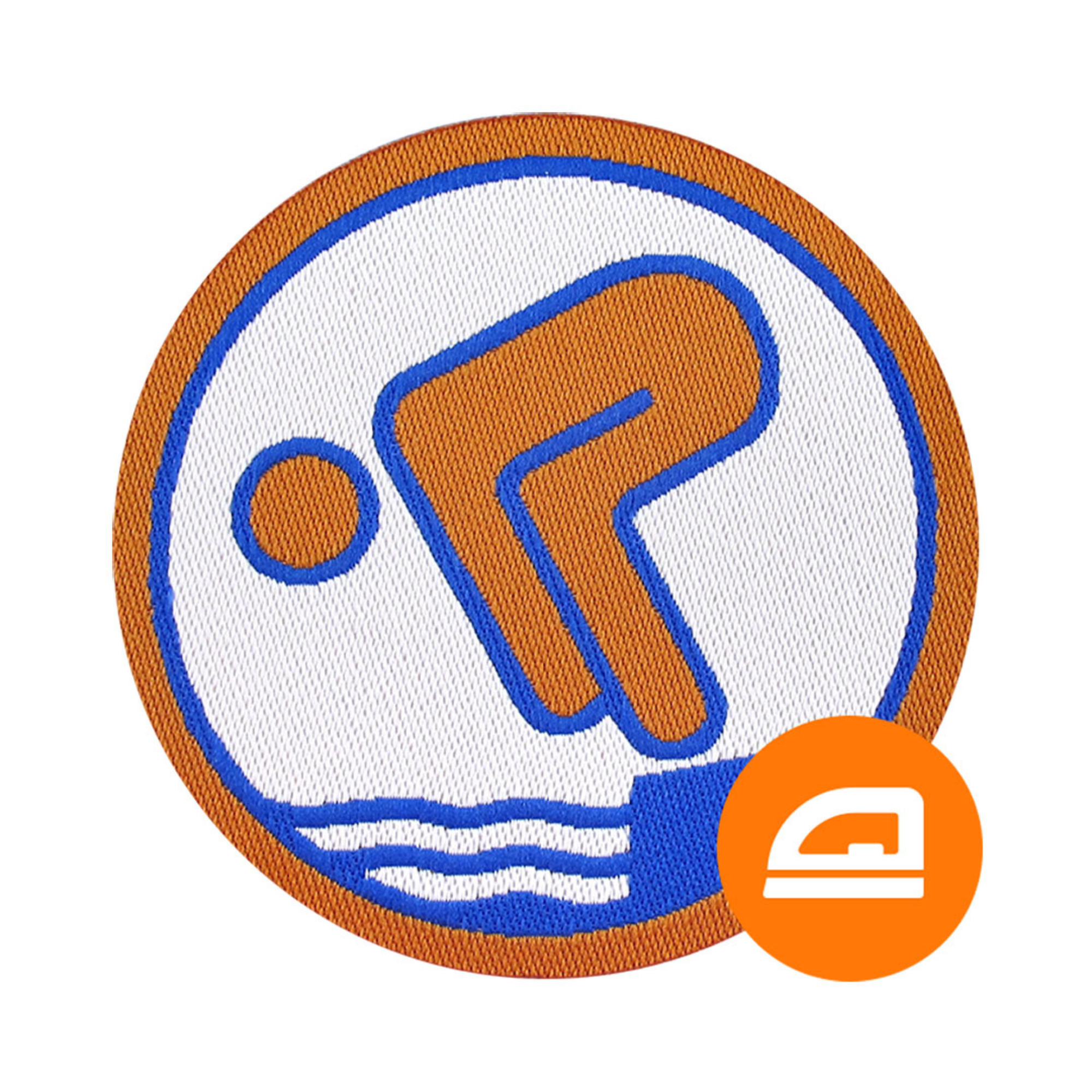
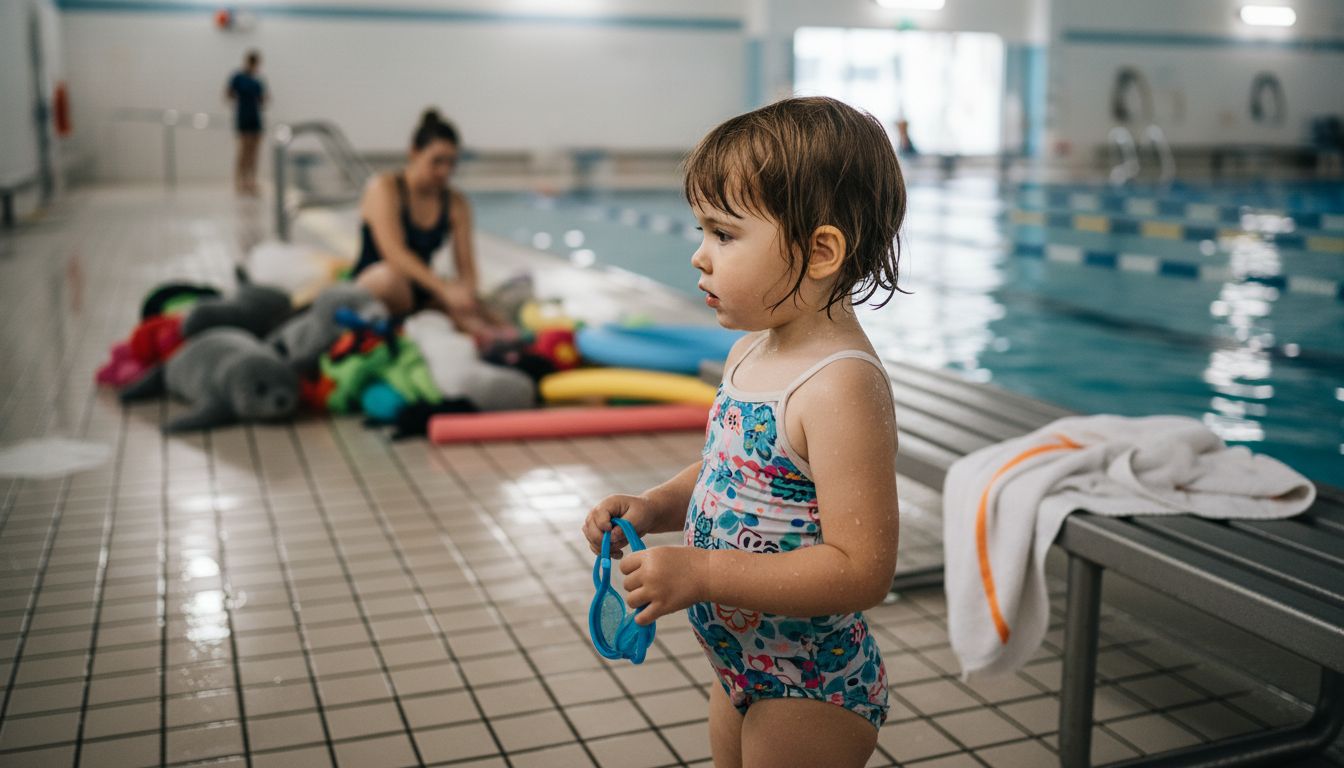
More than 60 percent of children in Germany receive their first swimming badge at preschool age. Water safety can be vital and lays the foundation for confident behavior in the water. The Seal Trixi badge makes the introduction particularly child-friendly and lets children happily discover basic swimming techniques. Anyone looking for a mixture of fun, motivation, and important safety rules will find the perfect bridge to safe swimming here.
Table of Contents
- What is the Seal Trixi Badge?
- Requirements: Swimming and Diving
- Additional Mobility Exercises in the Water
- Why Seal Trixi as a Transition?
- Without Aids: Rules and Notes
Key Insights
| Point | Details |
|---|---|
| Seal Trixi Badge | A special swimming badge for children that teaches water safety and swimming skills playfully. |
| Child-friendly Approach | Focus on fun, trust, and safety in the water, not just technical skills. |
| Requirements | Includes swimming and mobility tasks that promote important skills like endurance and coordination. |
| Transition between Badges | Serves as a gentle transition from simple to more complex swimming techniques to reduce fear and build confidence. |
What is the Seal Trixi Badge?
The Seal Trixi Badge is a specially designed swimming badge for children of preschool and early primary school age, which teaches water safety and swimming skills in a playful way. It was developed to enable children to have a positive first encounter with swimming and to provide them with basic water knowledge.
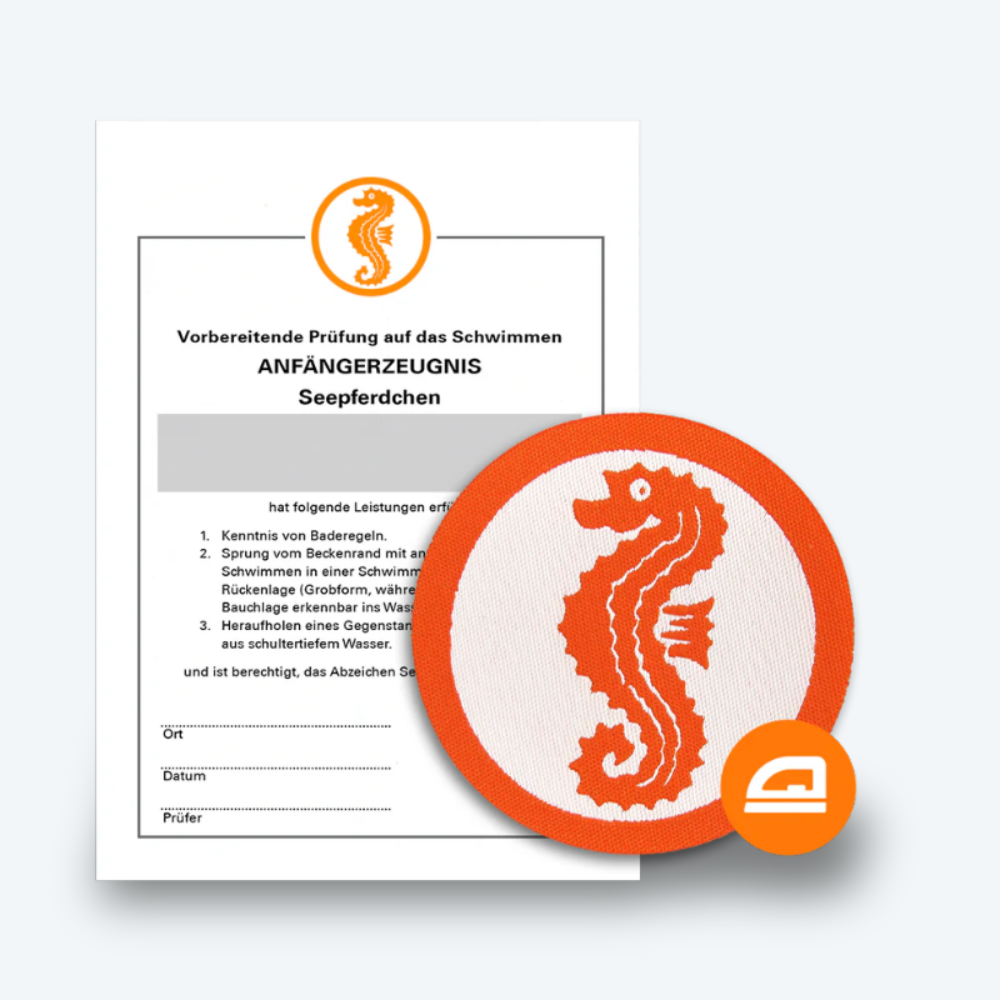
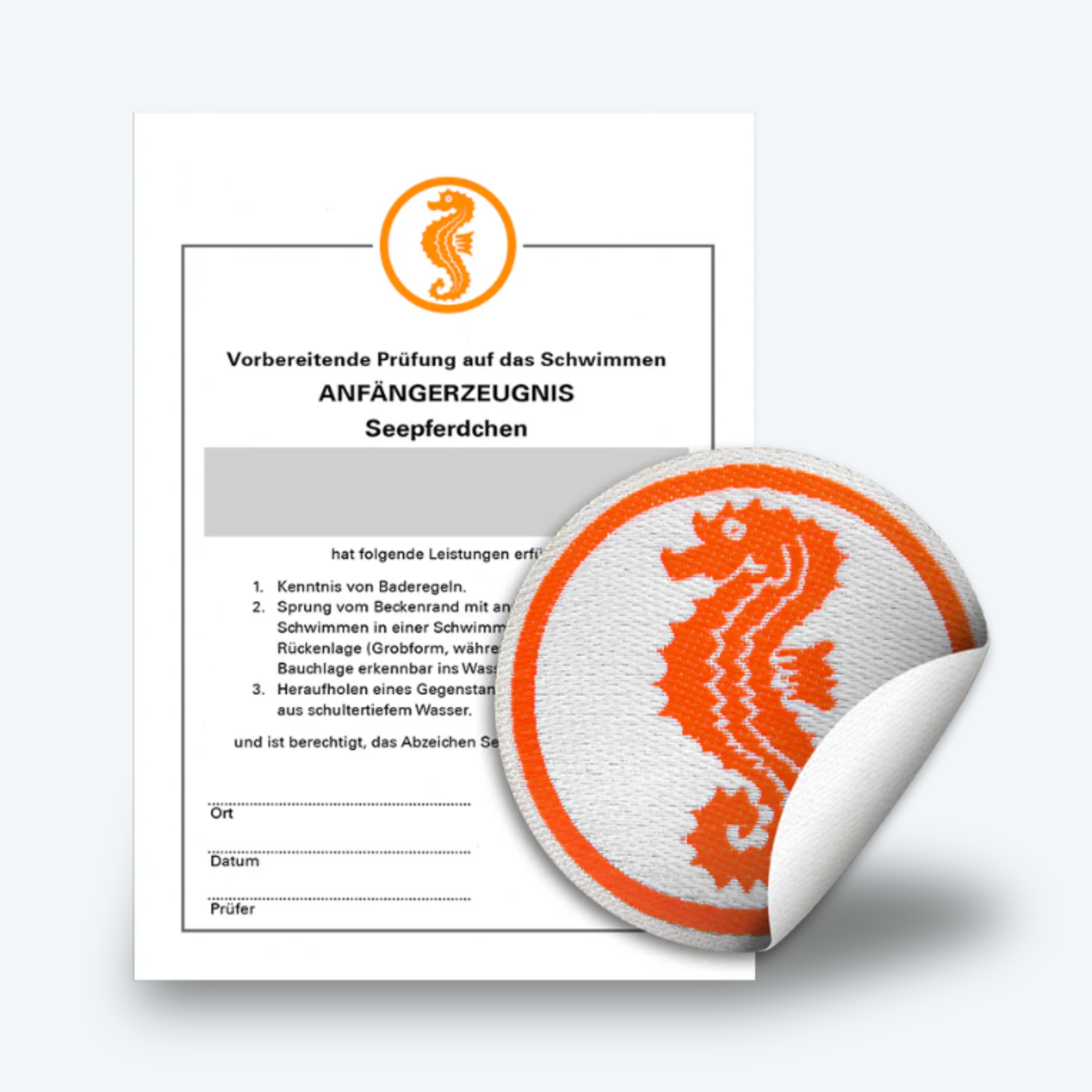
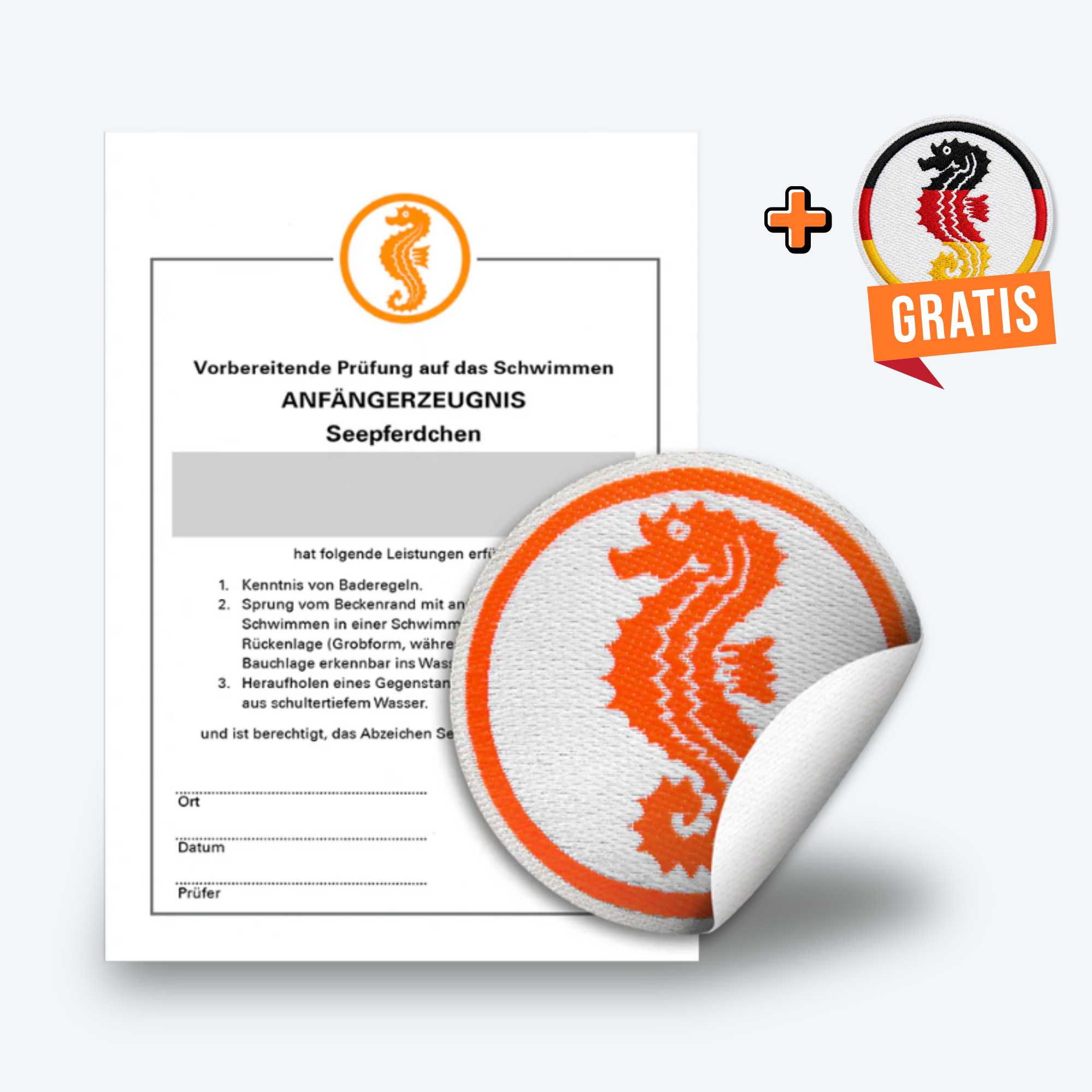
The badge differs from other swimming badges due to its child-friendly approach. It focuses not only on technical swimming skills but also places particular emphasis on fun, trust, and safety in the water. Seahorse badge requirements show how important a gradual and playful learning approach is for children.
The core goals of the Seal Trixi Badge include:
- Overcoming fear of water
- Learning basic swimming techniques
- Developing self-confidence in the water
- Teaching important safety rules
For parents and swimming instructors, the badge offers a structured way to teach children important water competency and safety skills in a motivating and age-appropriate manner.
Requirements: Swimming and Diving
For the Seal Trixi Badge, children must master several challenging but child-friendly swimming tasks. Swimming badge requirements show how important structured learning goals are. The test includes various disciplines that test both the children's technical swimming skills and their water safety.
The specific requirements of the Seal Trixi Badge include:
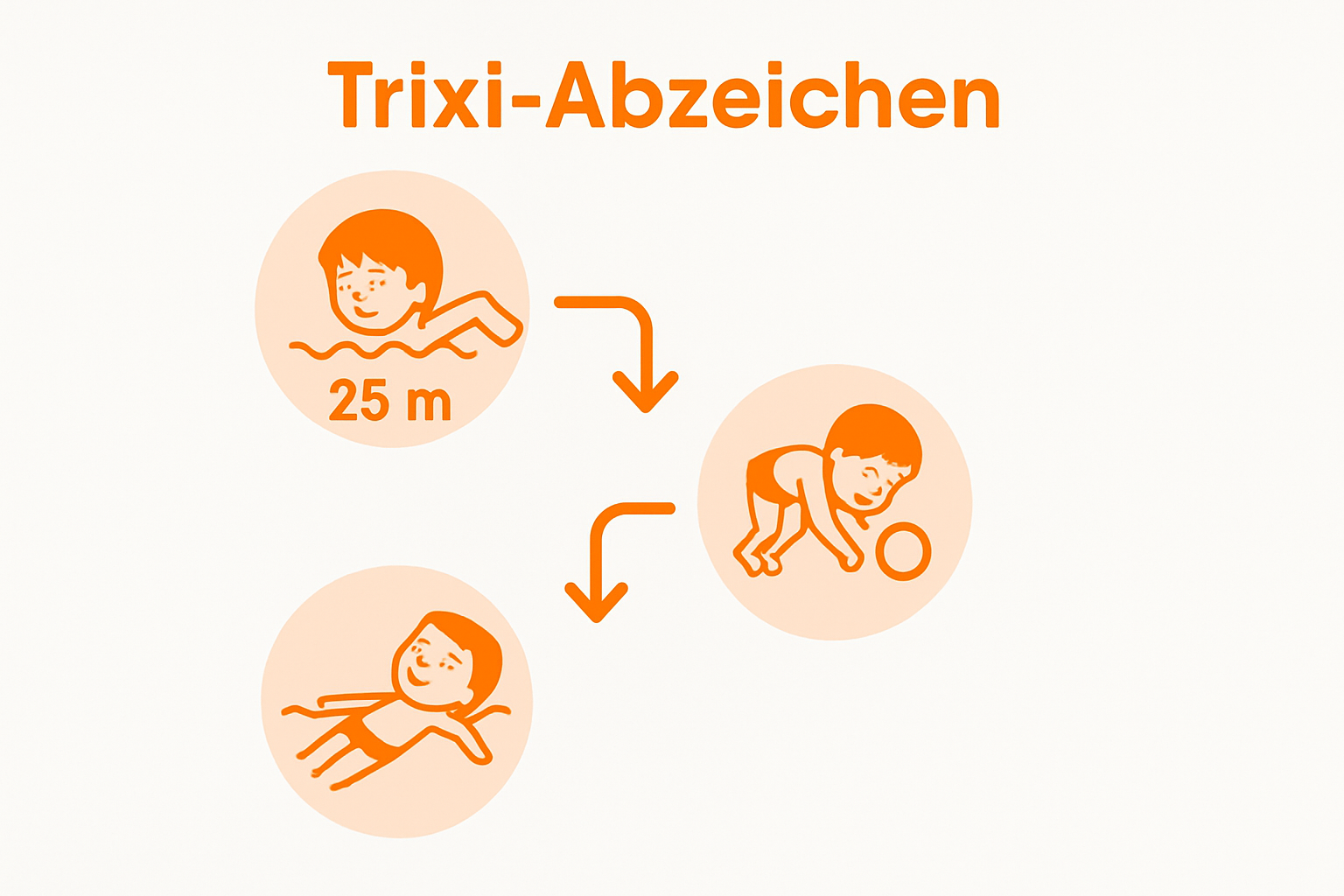
- 25 meters breaststroke
- 25 meters backstroke or crawl
- 15 meters dribbling with a water polo ball
- A head-first dive
- 7 meters underwater swimming
- A forward or backward roll along the transverse or longitudinal axis in the water
These requirements were specifically developed to teach children basic swimming techniques and water safety in a playful and motivating way. They not only promote physical fitness but also strengthen children's self-confidence and water mastery.
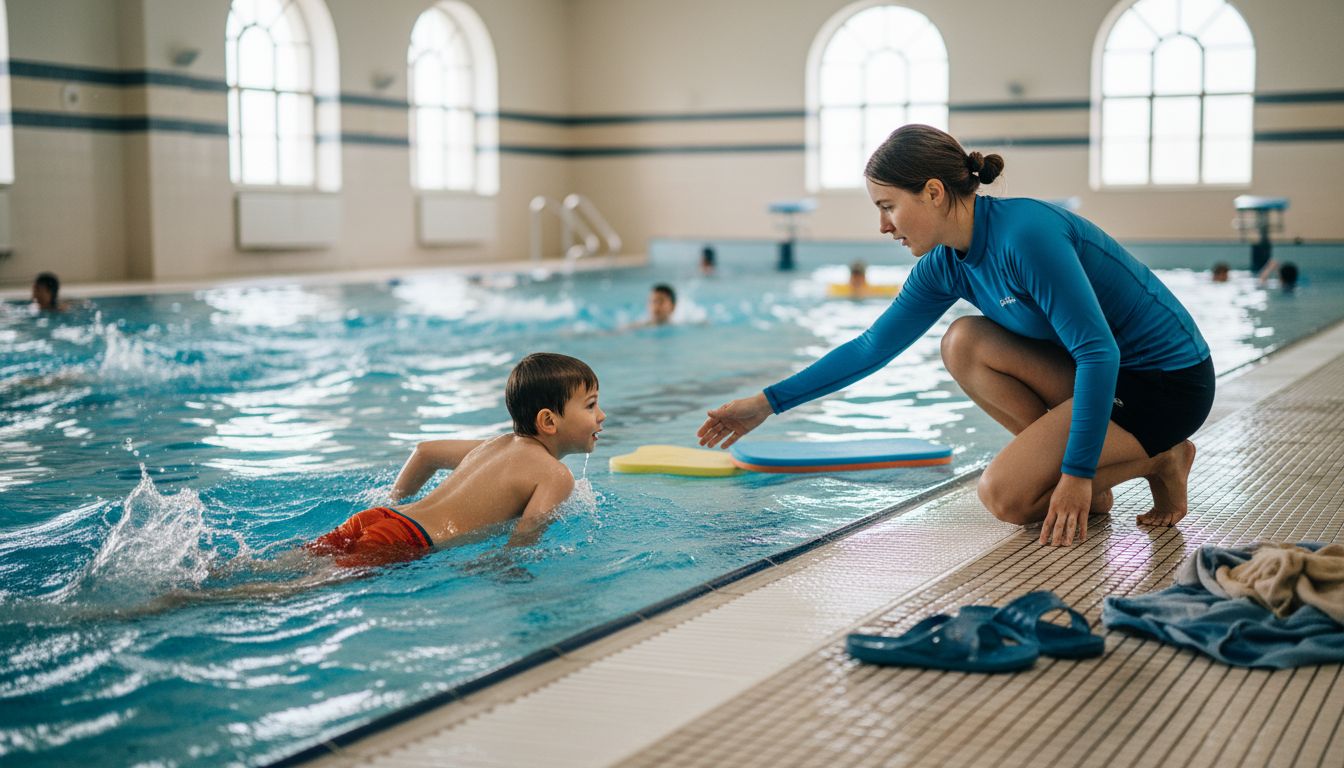
Through these comprehensive test requirements, children learn important skills such as endurance, coordination, and safety awareness in the water. The badge serves as a motivating goal and recognition for the acquired swimming knowledge.
Additional Mobility Exercises in the Water
The Seal Trixi Badge includes not only swimming tasks but also special mobility exercises that playfully promote children's coordination skills in the water. Swimming course from 3 years emphasizes the importance of early motor development in water.
Additional mobility exercises include:
- Gliding exercises in various body positions
- Water games with coordinative challenges
- Balance and orientation exercises
- Playful diving tasks
- Underwater movements
These exercises help children improve their physical perception and develop confidence in their own movement abilities. They learn to move safely and controlled in the water, which is important not only for swimming skills but also for general motor development.
Through the diverse movement tasks, children are motivated to explore their limits while playfully learning important water safety competencies. The exercises are designed to be fun and help children build agility, coordination, and self-confidence in the water.
Why Seal Trixi as a Transition?
The Seal Trixi Badge serves as a crucial developmental step for children between the Seahorse and the next swimming badge. Shark swimming badge illustrates the importance of progressive swim education.
As a transition badge, Seal Trixi offers important advantages:
- Gentle increase in difficulty levels
- Building water safety and self-confidence
- Playful introduction to more complex swimming techniques
- Motivating intermediate stage in swimming development
- Individual promotion of motor skills
The transition is deliberately designed to be child-friendly, so as not to overwhelm children, but to continuously introduce them to new challenges. The gradual increase in requirements helps to reduce fears and spark enthusiasm for swimming.
Through its balanced design, the Seal Trixi Badge supports children in discovering and developing their individual potential in the water. It is more than just a badge – it is an important milestone on the way to becoming a safe and confident swimmer.
Without Aids: Rules and Notes
For the Seal Trixi Badge, clear rules apply for execution without aids. Tips for learning to swim highlights the importance of natural water experience for children.
The most important rules without aids are:
- No swimming goggles allowed
- No diving masks usable
- No swimming fins allowed
- No swimming aids such as kickboards or noodles
- Examination exclusively with natural swimming abilities
The abandonment of aids serves an important pedagogical goal: children should learn to move safely in the water using their own physical abilities. This approach not only promotes motor development but also strengthens self-confidence and natural water competency.
By consistently performing without technical aids, children are encouraged to discover and expand their individual movement possibilities. The badge thus supports a holistic and natural swimming development that goes far beyond mere swimming techniques.
More Safety and Fun in Swimming with Pimpertz
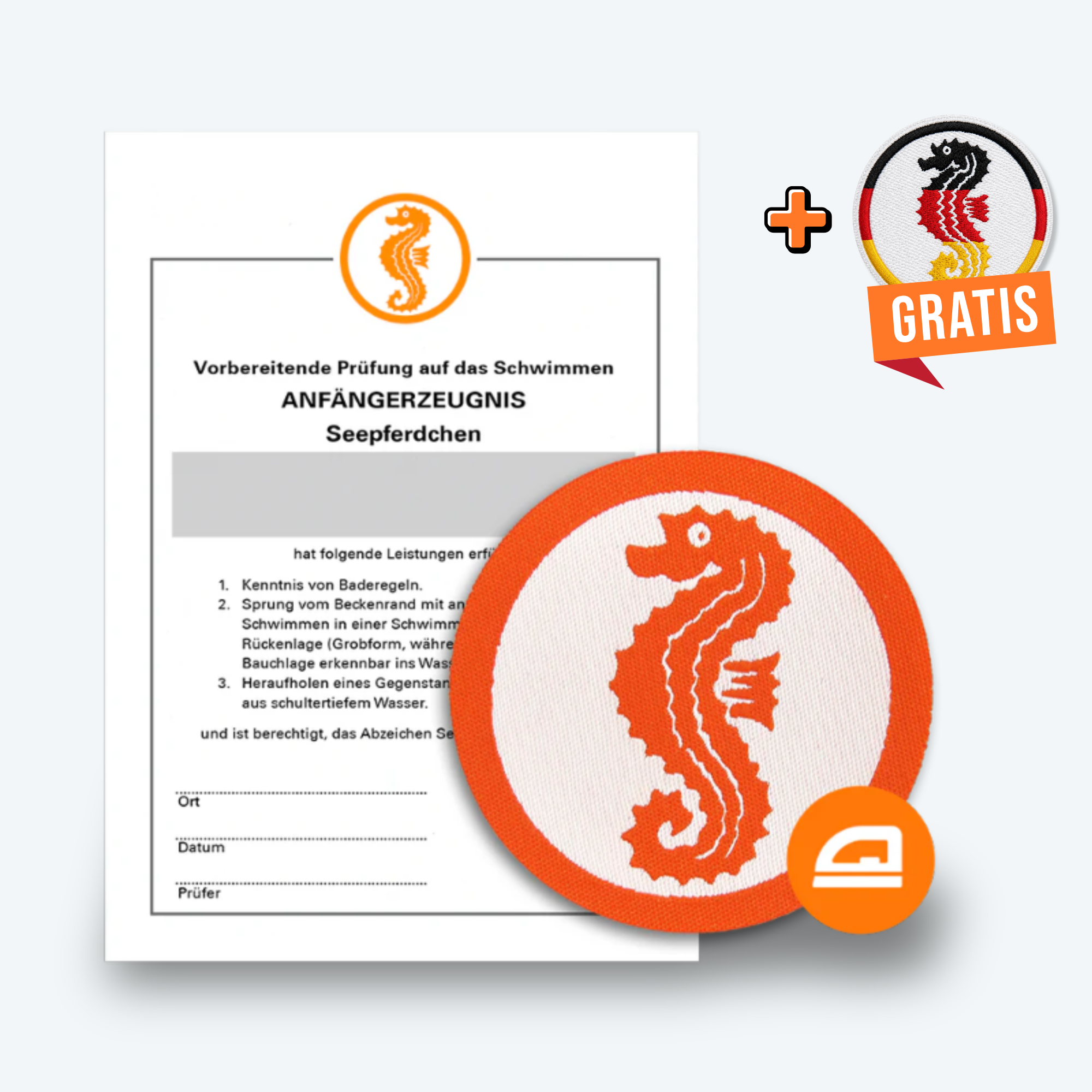
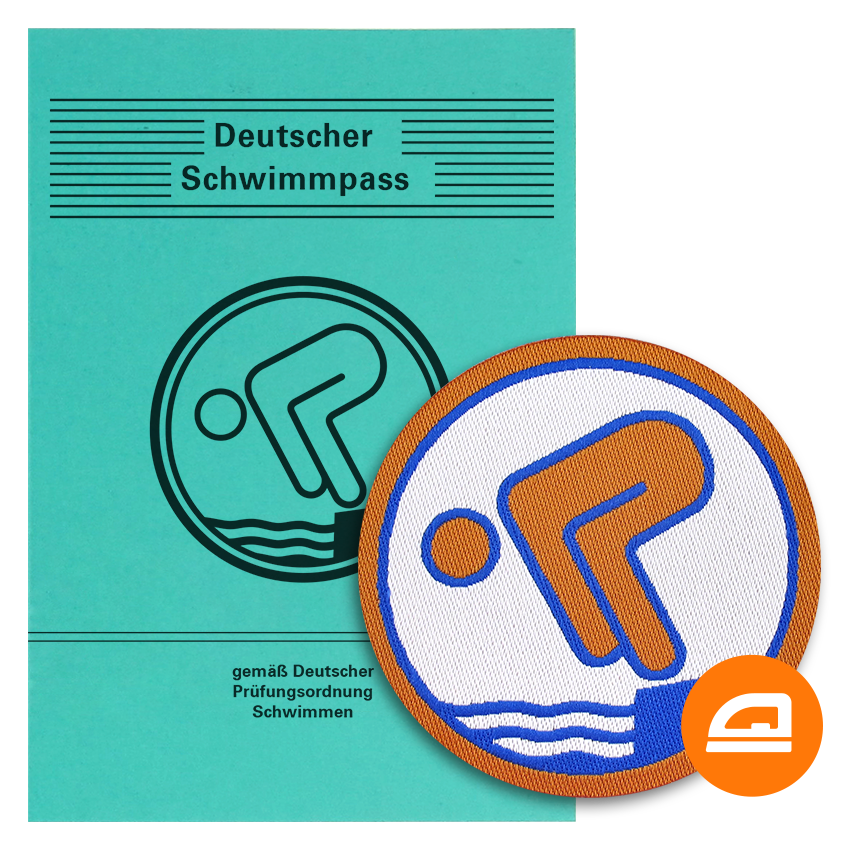
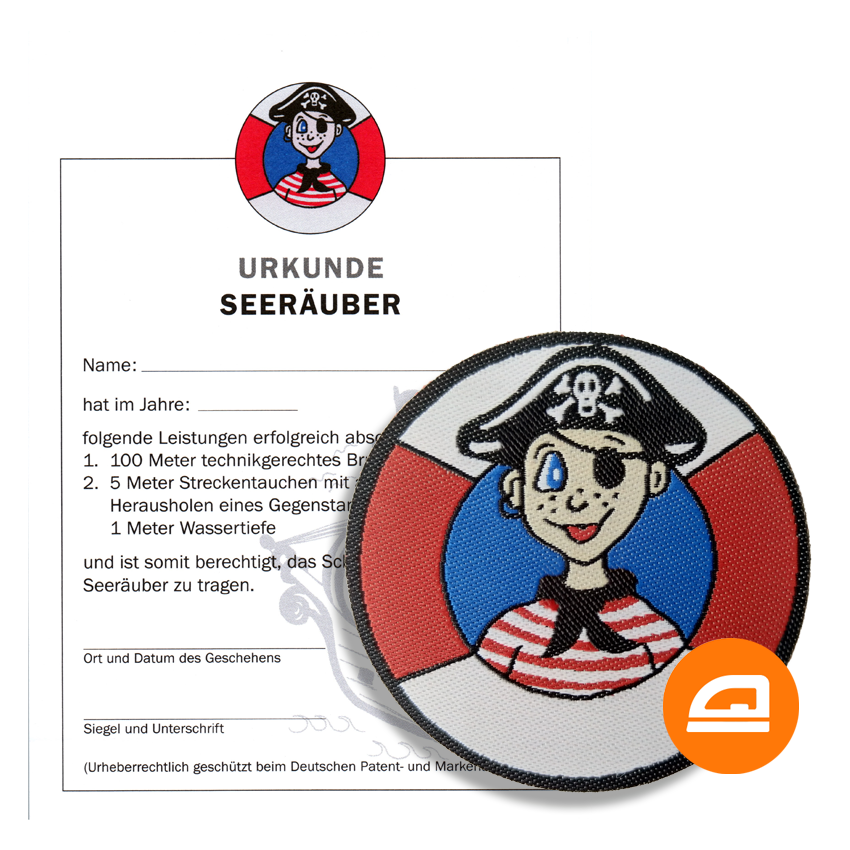
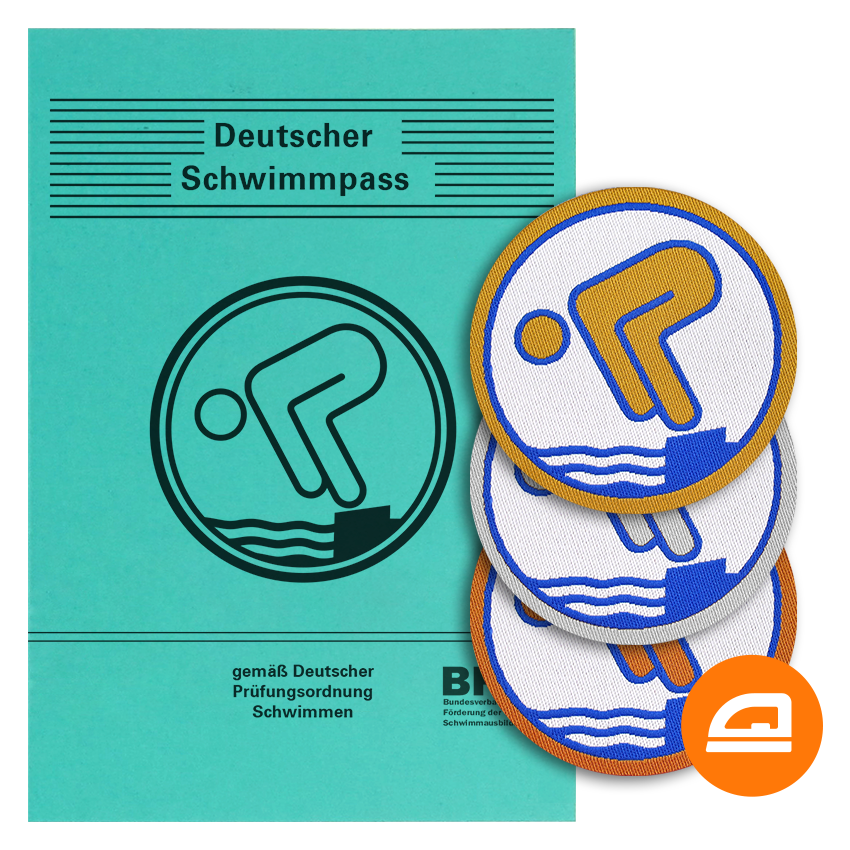
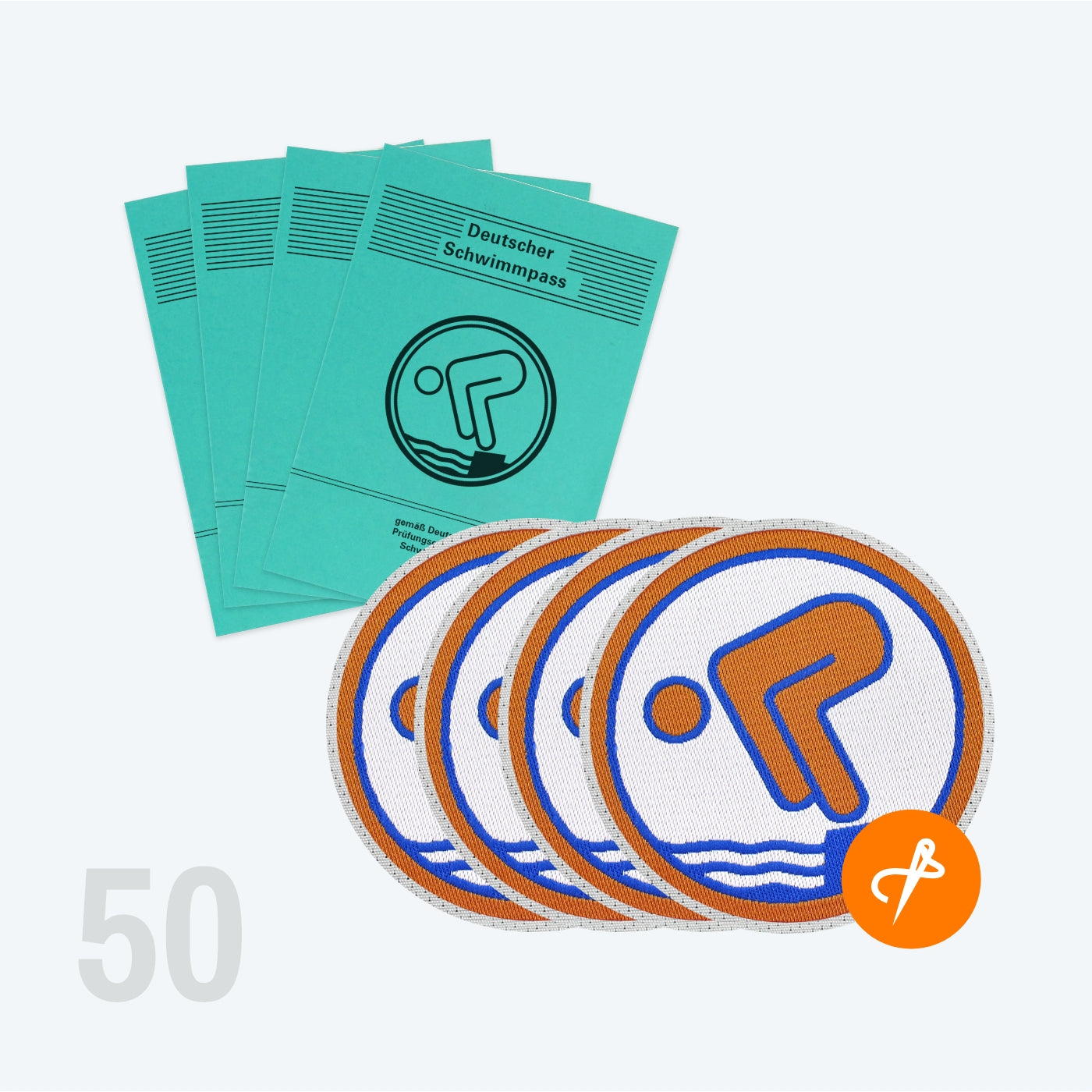
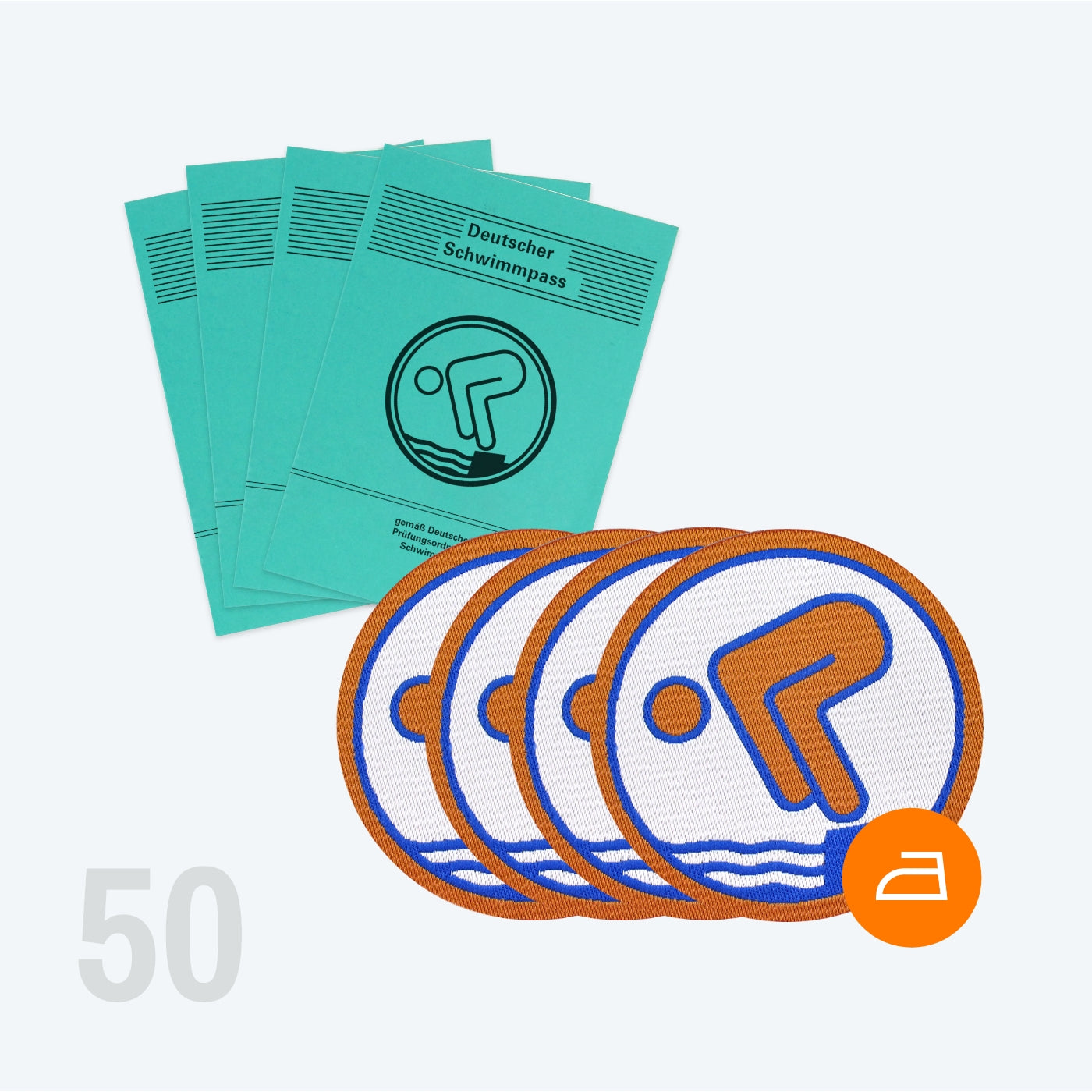
The Seal Trixi Badge helps children playfully develop self-confidence and water safety. Parents and swimming instructors face the challenge of accompanying the child-friendly increase in swimming skills without building pressure. This is where Pimpertz comes in with its high-quality swimming badges, such as the Starfish Stella swimming badges & certificates, which are perfectly tailored to age-appropriate learning goals.
Trust in over 38 years of experience and the official partnership with DLRG and BFS to offer your child a motivating and safe swimming experience. Discover individual certificates, badges, and practical accessory sets on pimpertz.de that make every swimming test an unforgettable success. Start now with the right materials for the Seal Trixi Badge and playfully promote swimming fun and safety.
Frequently Asked Questions
What is the Seal Trixi Badge?
The Seal Trixi Badge is a swimming badge specially developed for children of preschool and early primary school age, which teaches water safety and basic swimming skills playfully.
What requirements must children meet for the Seal Trixi Badge?
Children must, among other things, complete 25 meters breaststroke, 25 meters backstroke or crawl, and 15 meters dribbling with a water polo ball, as well as other specific tasks such as a head-first dive and underwater swimming.
What is the significance of the Seal Trixi Badge in swimming education?
The badge functions as an important developmental step between the Seahorse and the next higher swimming badge and promotes water safety, self-confidence, and technical skills in a playful way.
What rules apply to the performance of the Seal Trixi Badge without aids?
For the badge, no swimming goggles, diving masks, swimming fins, or other swimming aids may be used to enable children to develop their natural swimming abilities.