
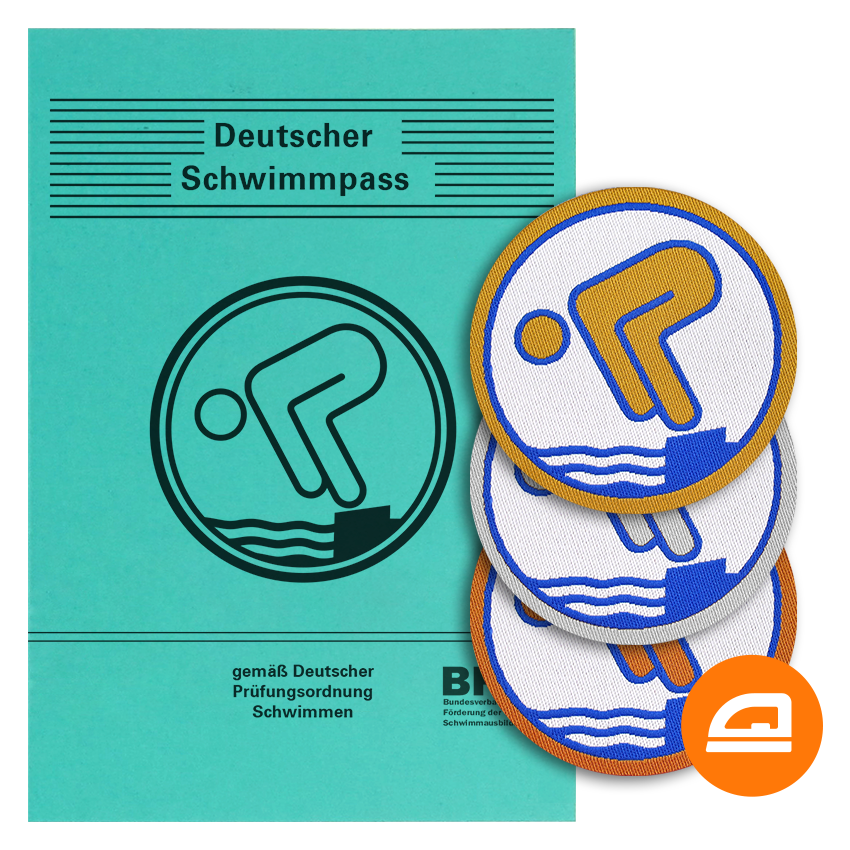
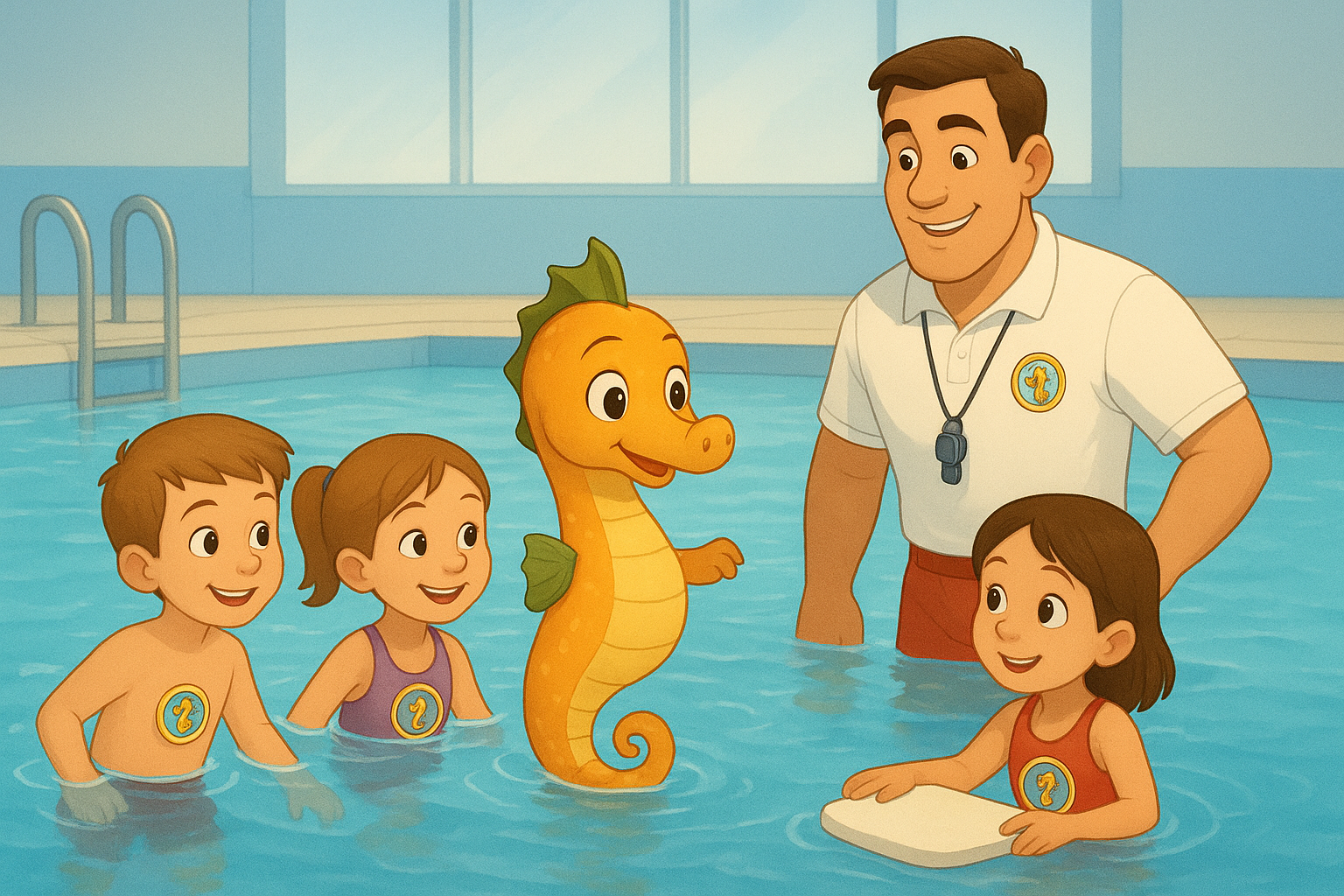
Seahorse Badge requirements are a central component of swimming education in Germany. They promote swimming skills, increase safety in the water, and motivate children to improve their swimming abilities. The Seahorse Badge is the first step for young swimmers to develop basic swimming skills and move safely in the water.
Significance of the Seahorse Badge
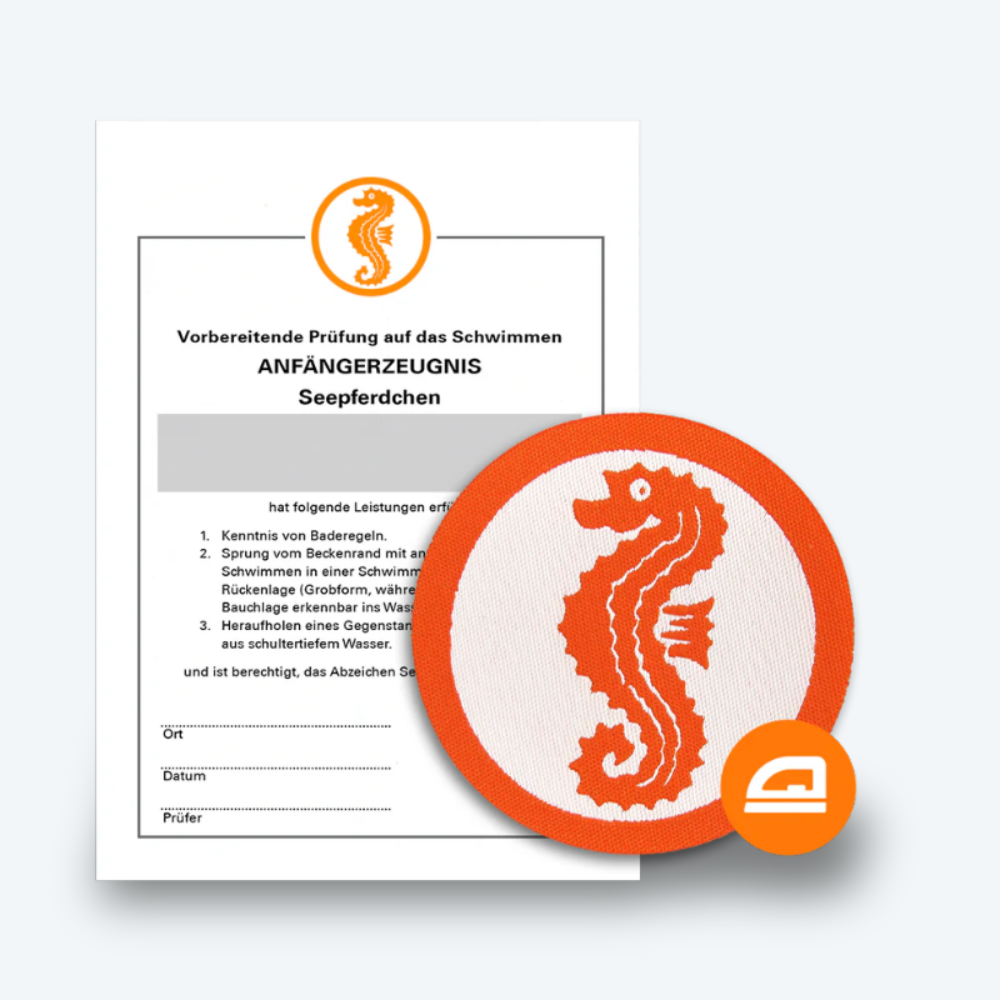
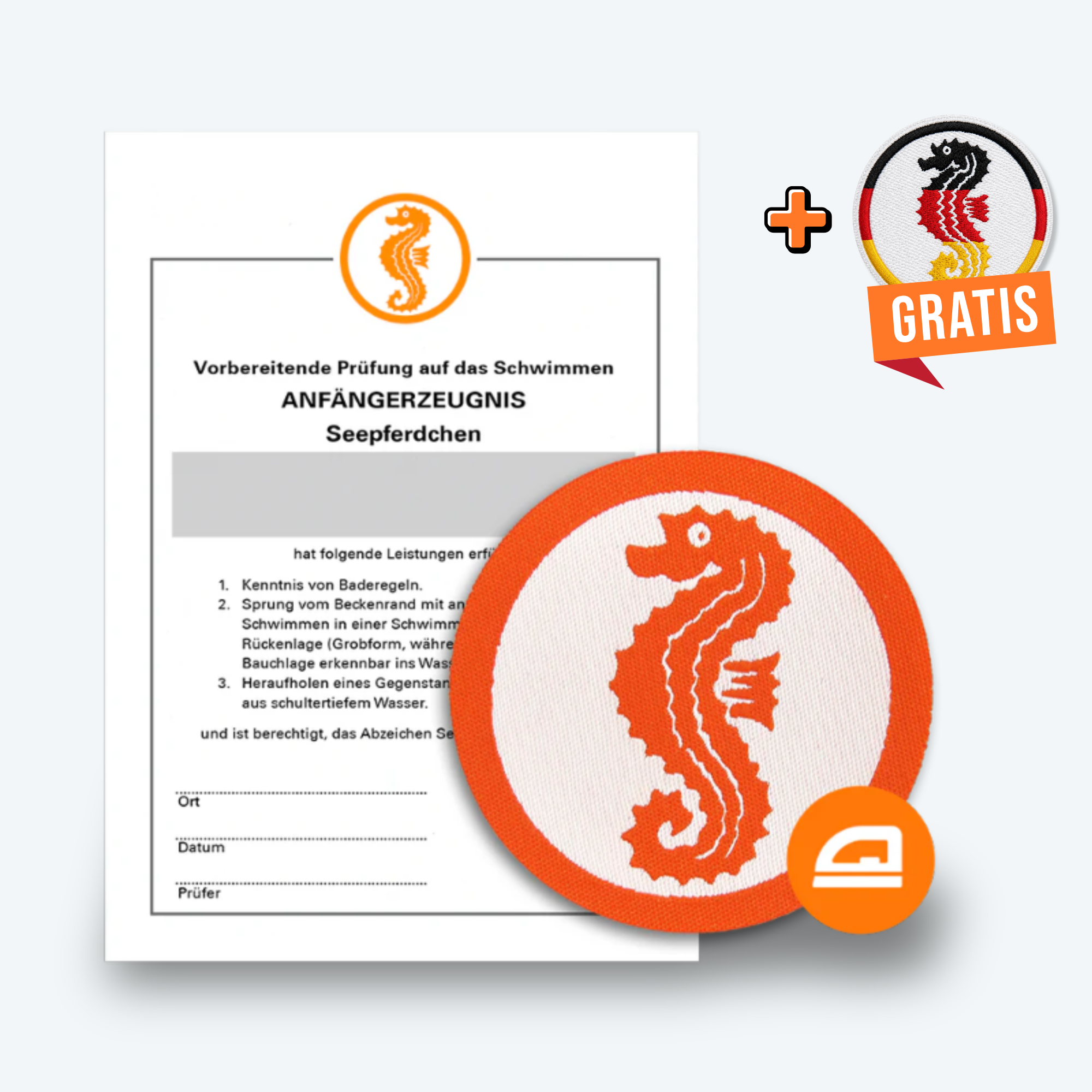
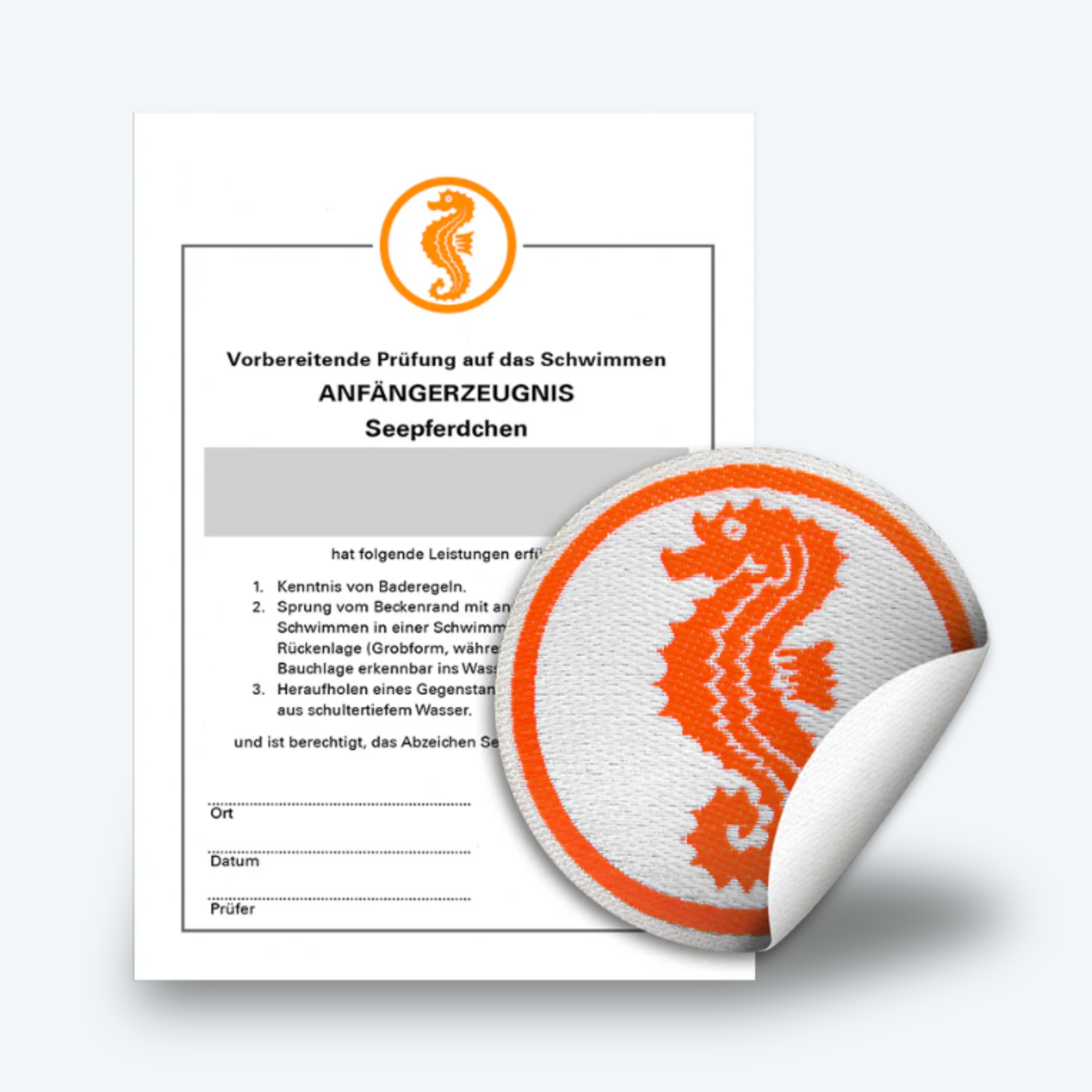
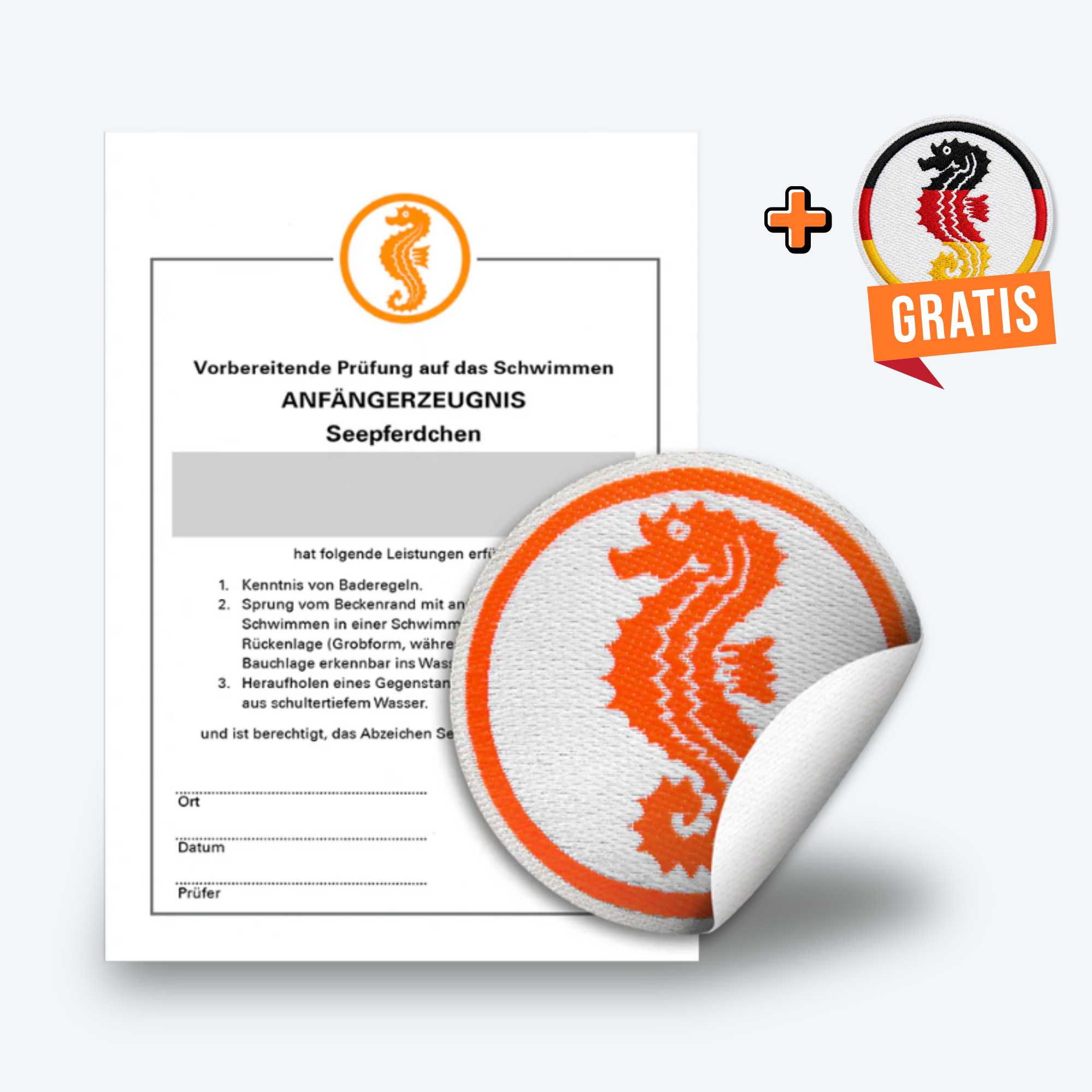
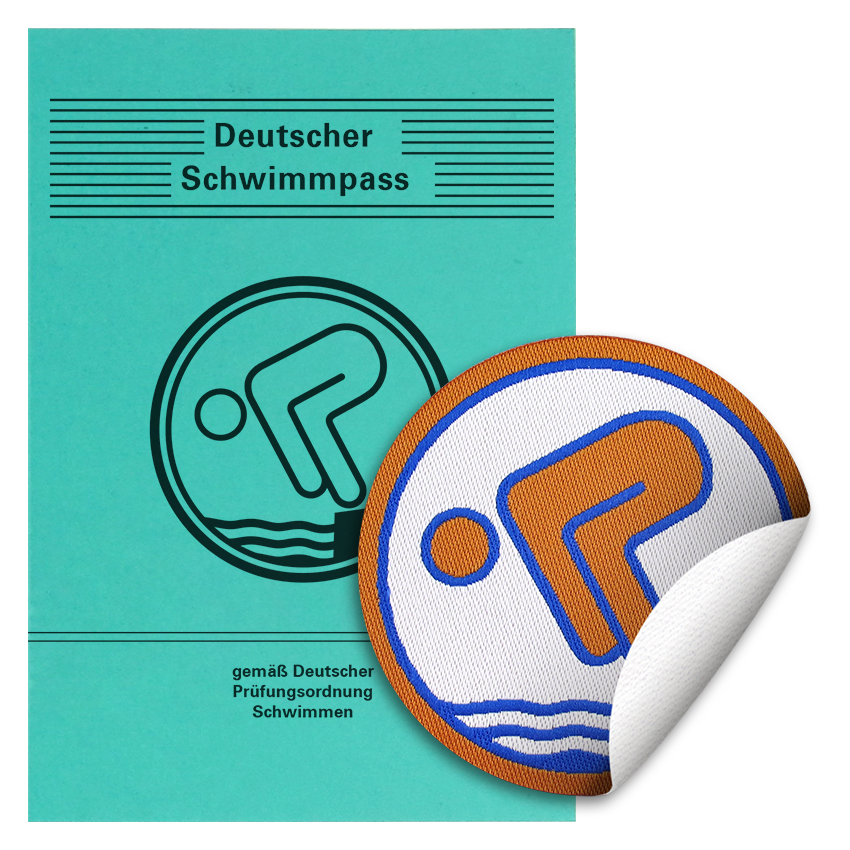
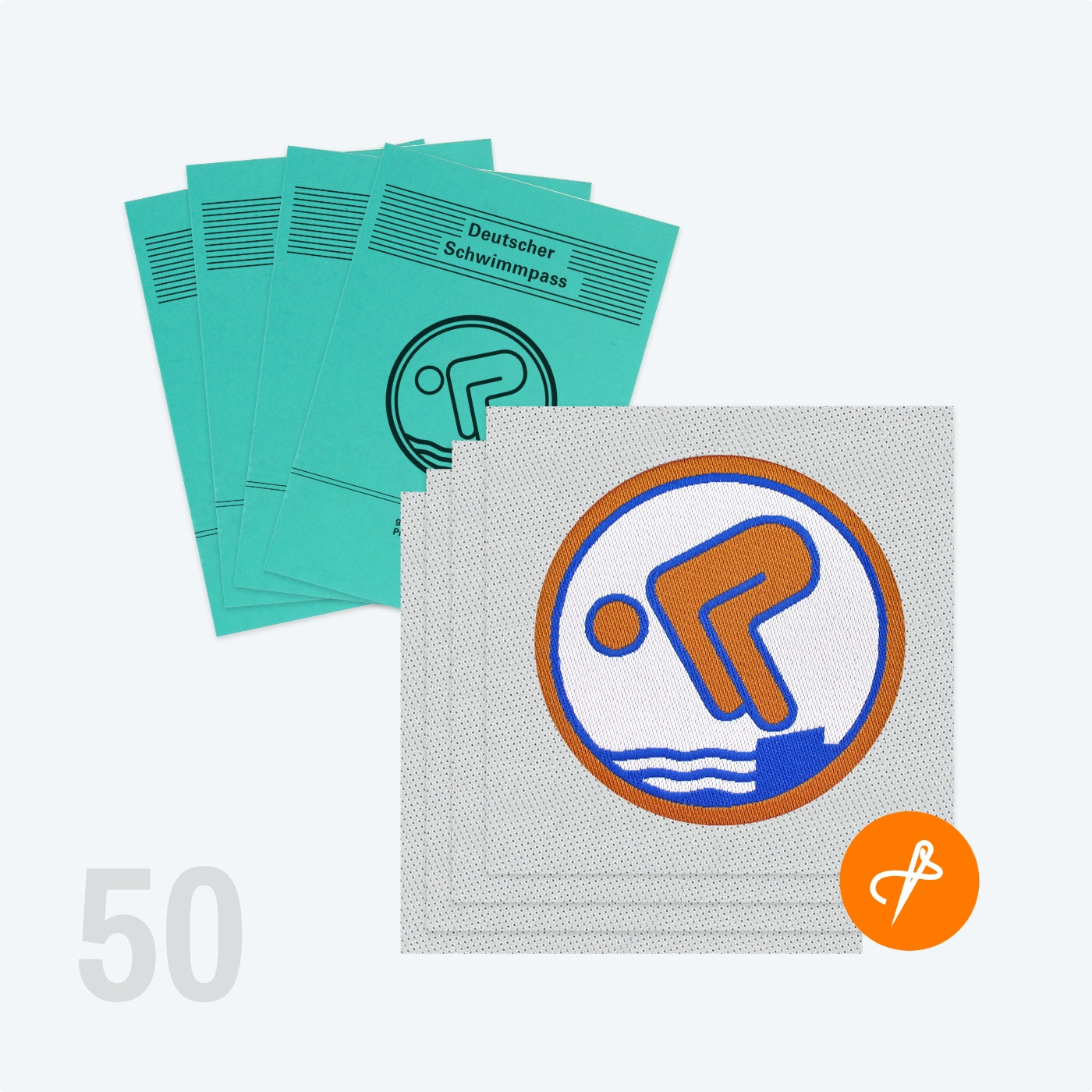
The Seahorse Badge, also known as the Early Swimmer Seahorse Badge, confirms basic swimming skills and water competency. It is a proud moment for children when they receive this badge. The Seahorse Badge requirements prepare children for the German Swimming Badge through Bronze, Silver, and Gold.
Seahorse Badge Requirements
The Seahorse Badge requirements include:
-
25 meters swimming in prone or supine position, recognizable in basic form (prone or supine position basic form)
-
Diving from the water surface to retrieve an object from shoulder-deep water
-
Jumping from the pool edge followed by 25 m of swimming
These examination performances promote safety in the water and knowledge of pool rules, such as safe behavior at the pool edge.
Further Swimming Badges: Bronze, Silver, and Gold
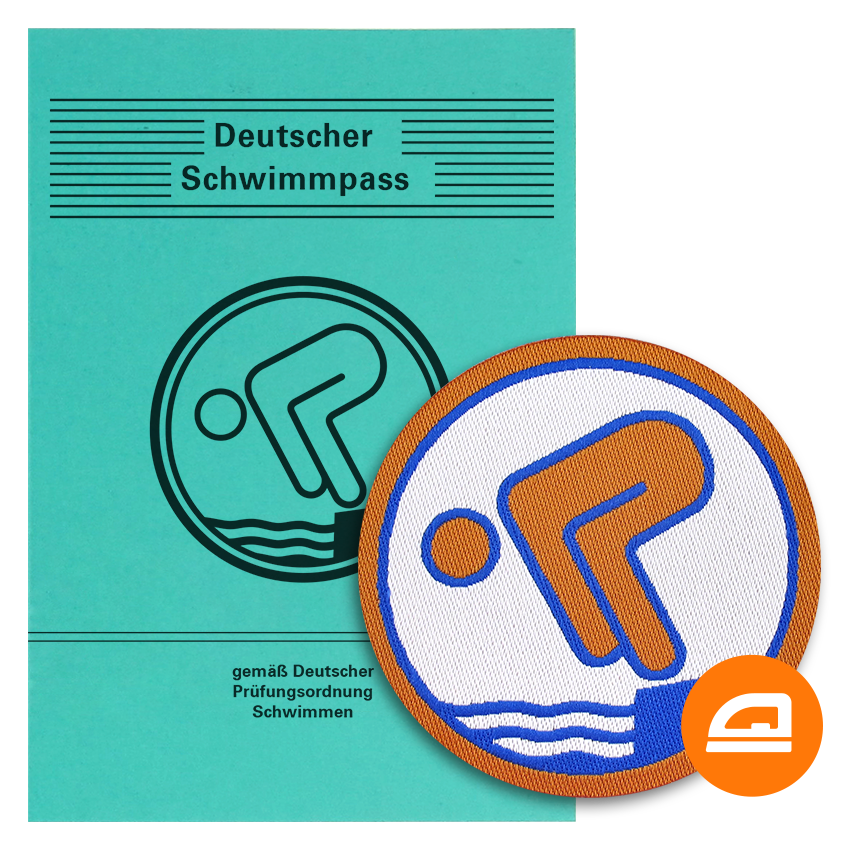
After the Seahorse Badge, the swimming badges Bronze, Bronze Swimming Badge, Gold, known as Bronze, Silver, and Gold, follow. These badges offer increasing challenges:
-
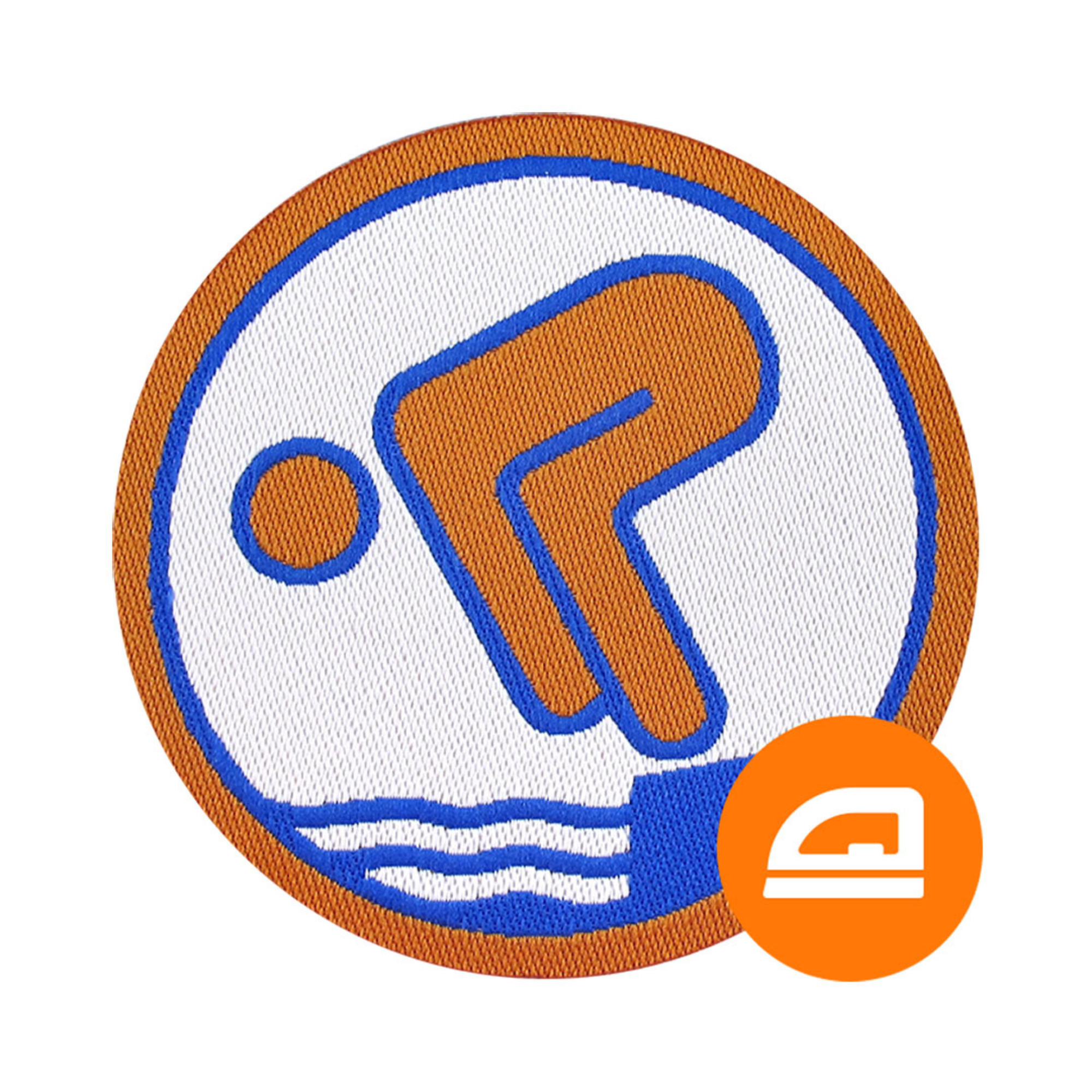
Bronze: At least 200 m to cover, of which 150 m in prone position and 50 m in supine position, as well as diving from the water surface to retrieve an object.
-
Swimming Badge Silver: 400 m to cover, of which 300 m visibly in the water in prone position and 100 m in supine position in a recognizable form, as well as a head-first jump from the pool edge (approx. 1 m height).
-
Swimming Badge Gold: 600 m to cover, of which 450 m in prone position and 150 m in supine position, as well as various jumps from 1 m height and knowledge of swimming, boating, and ice accidents. For particularly persistent swimmers, there is also the unofficial "Skull 2 Hours" swimming badge.
The Path to the German Swimming Badge
The German Swimming Badge begins with the Early Swimmer Badge (Seahorse) and progresses through Bronze, Silver, and Gold. Each level requires specific requirements, such as swimming in a particular stroke, diving, and jumping from the pool edge. The swimming test checks body position during swimming, e.g., prone position visibly in the water or supine position.
Preparation for the Seahorse Test
Preparation for the Seahorse test is crucial. A swimming course with an experienced instructor helps children improve their swimming skills. Parents can support their children by encouraging regular swimming. Exercises such as pushing off the pool edge or swimming in the lane without holding on strengthen technique.
Training for Swimming Badges: Early Swimmer Badge
Training for swimming badges should gradually improve water safety and swimming skills. Instructors use targeted exercises, such as diving from the water surface to retrieve an object with their hands or swimming in a particular stroke. Regular practice in the lane without holding on promotes endurance and knowledge of pool rules.
Swimming Pools and Clubs
Swimming badges can be obtained in swimming pools, clubs, the Wasserwacht (water rescue service), or the DLRG (German Life Saving Association). Authorized examiners confirm the examination performances and support swimming education. The examination can be organized in cooperation with swimming pools to test children's swimming skills. Official swimming badges can be used as proof of acquired skills. For questions, you can use the contact option.
Role of Pool Rules: Early Swimmer Seahorse Badge
Knowledge of pool rules is a central component of the swimming test. Children learn how to behave safely at the pool edge and avoid swimming, boating, and ice accidents. These pool rules are taught in swimming education and checked during the examination to ensure safety in the water.
Promotion by the BFS
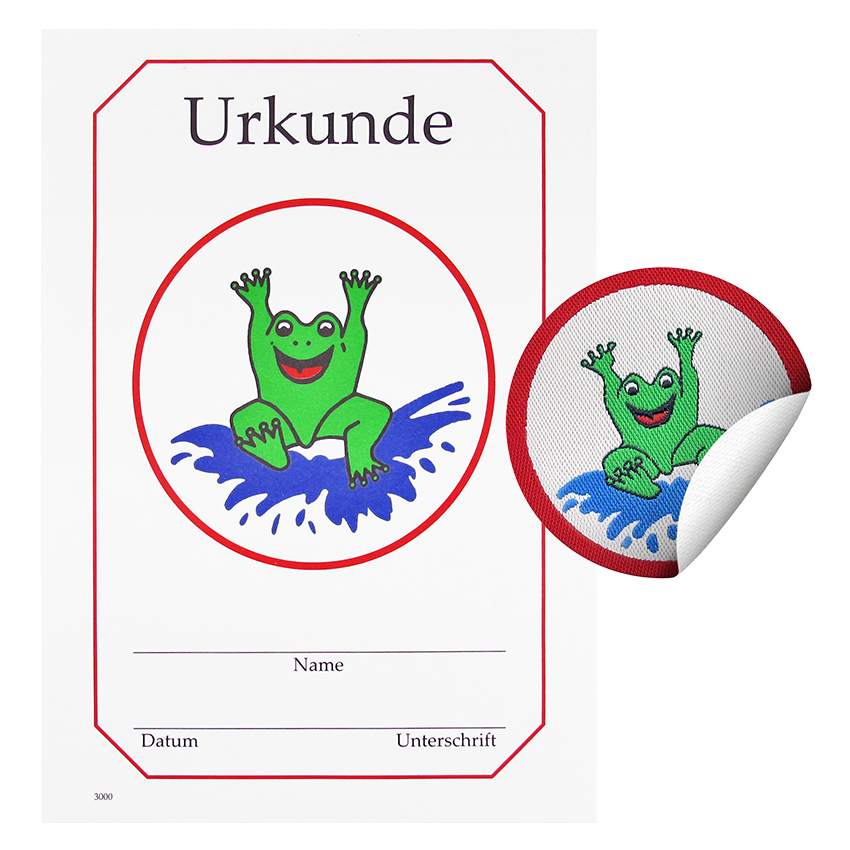
The promotion of swimming education by the BFS supports the development of swimming skills and water safety. Various swimming badges, such as the Frog Badge for beginners, serve as a motivating award and help document learning progress. The website of the Federal Association for the Promotion of Swimming Education (BFS) provides information on swimming badges, guidelines, and preparation. Instructors and examiners use these resources to optimize swimming education.
Bronze Swimming Badge
The Bronze Swimming Badge requires covering 200 m, of which 150 m in prone position and 50 m in supine position, as well as diving from the water surface to retrieve an object. A jump from the pool edge followed by 25 m of swimming is part of the examination performances.
Silver Swimming Badge
The Silver Swimming Badge requires covering 400 m, of which 300 m visibly in the water in prone position and 100 m in supine position in a recognizable form, as well as a head-first jump from the pool edge (approx. 1 m height). Knowledge of pool rules is required.
Gold Swimming Badge
The Gold Swimming Badge is the highest level. It requires covering 600 m, of which 450 m in prone position and 150 m in supine position, as well as various jumps from 1 m height. Knowledge of swimming, boating, and ice accidents is an important part of the examination.
Practical Examination Performances
The pool rules practical examination performances for jumping include swimming in prone or supine position, diving, and jumping from the pool edge. Candidates must control their body position during swimming, e.g., by changing body position from prone to supine. These examination performances test swimming skills and water safety.
Water Safety
Water safety is the main goal of swimming badges. Exercises such as diving from the water surface to retrieve an object with the hands promote water competency. Pool rules help minimize risks such as swimming, boating, and ice accidents.
Role of Parents
Parents play an important role in swimming education. They can encourage their children to participate in a swimming course and prepare for the Seahorse test. Regular swimming strengthens swimming skills and water safety.
Benefits of Swimming Badges
Swimming badges such as [the Seahorse Badge](https://pimpertz.de/blogs/schwimmabzeichen-abc/wo-kann-man-seepferdchen-machen), Bronze, Silver, and Gold promote swimming skills and water safety. They offer a structured way to learn swimming and deepen knowledge of pool rules. Each step brings children closer to the German Swimming Badge.
Tips for Preparation
A good swimming course is crucial for success. Instructors should include exercises such as pushing off the pool edge, swimming in a particular stroke, and diving from the water surface to retrieve objects. Parents can encourage their children to practice regularly.
Where to get Swimming Badges?
Swimming badges can be obtained in swimming pools, clubs, the Wasserwacht (water rescue service), or the DLRG (German Life Saving Association). Authorized examiners check the examination performances and issue the badges. The examination takes place in a swimming lane without holding on.
Further Information
Further information about the Seahorse Badge requirements can be found on the BFS website. There you will find details on pool rules, examination authorization, and preparation. Instructors and examiners offer support for swimming education.
Story: Emma's Seahorse Badge
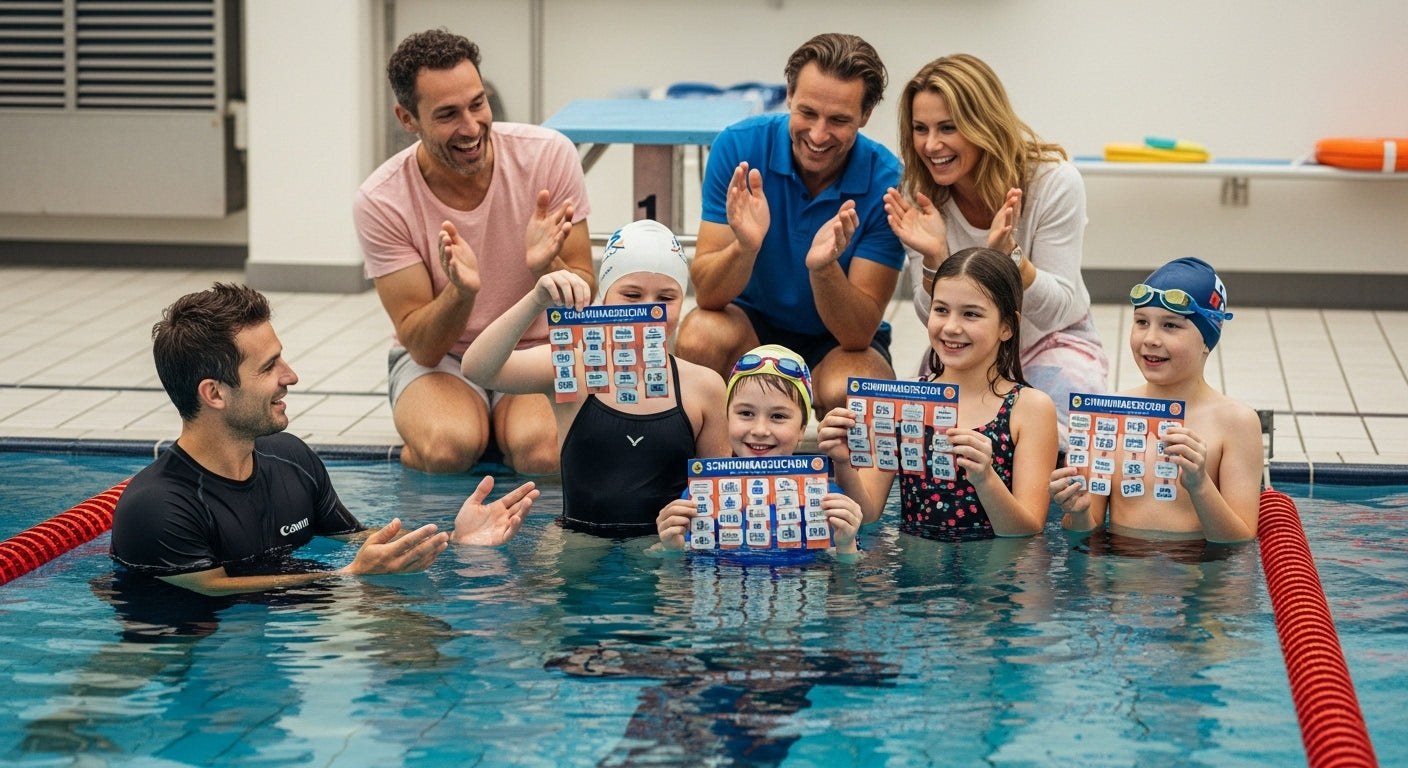
In a swimming pool in Germany, young swimmer Emma trained for her Early Swimmer Seahorse Badge. Her instructor implemented clear measures: 25 meters swimming visibly in the water in prone position, diving from the water surface to retrieve an object, and a jump from the pool edge followed by 25 m of swimming. Emma practiced in the lane without holding on, supported by her parents.
On the day of the Seahorse test, Emma jumped from the pool edge, swam 25 meters in prone position, dived for an object with her hands, and visibly exhaled into the water. "Emma, you did it!" her instructor exclaimed. The Seahorse Badge and certificate were her pride, and she dreamed of Bronze, Silver, and Gold. This step strengthened her swimming skills and water safety.
Conclusion: Important Details of the Seahorse Test
The Seahorse Badge requirements include precise exercises, such as swimming 25 m in prone or supine position, diving from the water surface to retrieve an object, e.g., a small diving ring, and a jump from the pool edge from a certain height or two different jumps. These examination performances take place in shoulder-deep water, ensuring safety. From the side of the pool, instructors and parents observe progress, while knowledge of pool rules strengthens water competency. When diving about 2 m deep for an object, e.g., a small diving ring, with the hands from shoulder-deep water, a change of body position occurs.
Facts about the Seahorse Badge requirements
With the acquisition of the Seahorse Badge, one is officially no longer considered a non-swimmer.
The Early Swimmer Seahorse Badge is not proof of safe swimming.
Swimming is one of the most popular leisure activities and offers numerous benefits for physical health and well-being.
Swimming badges offer a variety of benefits for swimmers of all ages.