
DLRG Swimming Competitions Explained
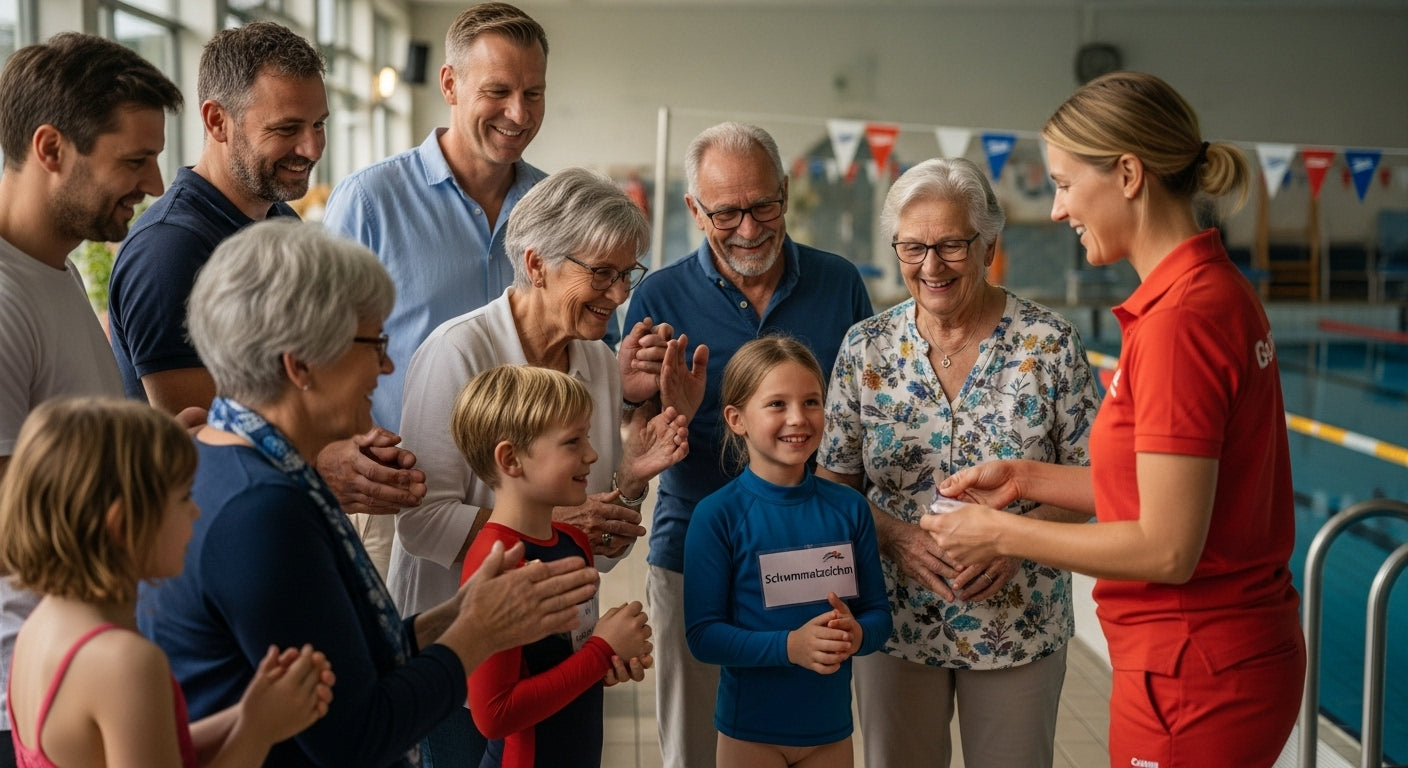
DLRG swimming competitions are known throughout Germany as athletic challenges for children and teenagers. Many associate them with fast lanes and medals, which sounds exciting and sporty. But the truly surprising thing is that these competitions don't just focus on speed; water safety and rescue techniques are equally central. More than 500,000 children and young people participate annually because they learn skills here that can truly save lives.
Table of Contents
- What Are DLRG Swimming Competitions and Their Purpose?
- Why Are DLRG Swimming Competitions Important for Children?
- How Do DLRG Swimming Competitions Work?
- What Are the Fundamental Concepts of DLRG Swimming Competitions?
Quick Summary
| Takeaway | Explanation |
|---|---|
| Promoting Swimming Competence | DLRG swimming competitions improve children's and young people's swimming skills, increasing their safety in the water. |
| Learning Rescue Techniques | Participation in the competitions teaches important rescue skills that can save lives in an emergency. |
| Developing Social Skills | Competitions promote teamwork and discipline, supporting the personal development of participants. |
| Structured Evaluation Systems | Participants are evaluated on technical and theoretical skills to assess comprehensive competencies. |
| Water Safety as a Core Goal | The competitions aim to raise awareness of water safety and teach vital rescue competencies. |
What are DLRG swimming competitions and their purpose?
DLRG (Deutsche Lebens-Rettungs-Gesellschaft - German Life Saving Society) swimming competitions are more than just athletic challenges. They are an important part of swimming education and water rescue in Germany. The aim of these competitions is to promote swimming skills, develop rescue competence, and inspire young people for water safety.
The Importance of Swimming Competitions
DLRG swimming competitions have several key functions:
- Promoting swimming competence in children and young people
- Training rescue techniques and water rescue skills
- Motivating active participation in water rescue activities
- Strengthening community spirit in swimming and rescue sports teams
These competitions are not just about speed, but primarily about technique, endurance, and precise rescue skills. According to official DLRG guidelines, participants are tested in various disciplines that include both athletic and life-saving elements.
Structure and Categories of Competitions
The swimming competitions are divided into different age groups and performance levels. All age groups, from children to adults, can participate. Important competition categories include:
- Lifesaving swimming
- Swimming with rescue equipment
- Team rescue exercises
- Theoretical tests on water rescue techniques
In addition to the athletic aspect, these competitions also serve to train qualified lifeguards.
The following table provides an overview of the most important competition categories in DLRG swimming competitions and their content.
| Category | Content/Description |
|---|---|
| Lifesaving Swimming | Swimming and rescuing simulated victims in the water |
| Swimming with Rescue Equipment | Use of aids such as rescue tubes or rescue boards |
| Team Rescue Exercises | Joint rescue scenarios as a team |
| Theoretical Tests | Questions on water rescue techniques and safety rules |
They prepare participants to save lives in an emergency and are an essential part of public water safety in Germany.
Why are DLRG swimming competitions important for children?
DLRG swimming competitions play a crucial role in children's development. They are much more than just athletic events and offer comprehensive learning opportunities that go far beyond mere swimming.
Physical and Safety Aspects
Swimming competitions promote children's physical development and water safety on several levels:
- Building endurance through regular training
- Improving coordination skills
- Developing life-saving rescue techniques
- Strengthening self-confidence in dealing with water
According to the Bundesjugendspiele (Federal Youth Games), these competitions expand children's movement experiences and help them improve their motor skills.
Social and Psychological Development
Participation in DLRG swimming competitions offers children important social learning experiences:
- Teamwork skills through shared training and competitions
- Learning discipline and perseverance
- Developing social competencies through group activities
- Stress management and dealing with challenges
The comprehensive guide to swimming badges emphasizes that these competitions are far more than just sporting events.
They are an important building block in the holistic development of children, helping them build self-confidence and learn vital skills.
Through the combination of physical challenge, safety training, and social interaction, DLRG swimming competitions are an indispensable part of children's education and water safety education.
How do DLRG swimming competitions work?
DLRG swimming competitions are complex events that are precisely organized and executed. They follow strict rules and evaluation criteria to thoroughly test the participants' safety and performance.
Preparation Phase and Categories
Every swimming competition begins with a careful categorization of participants. Important aspects include:
- Age group division
- Performance level
- Specialized competition disciplines
- Medical fitness tests
According to rescue sport experts, the disciplines include tasks in the swimming pool and on the beach, suitable for children aged 10 and older.
Competition Procedure and Evaluation Criteria
DLRG swimming competitions evaluate participants according to complex criteria:
- Technical swimming skills
- Rescue technical skills
- Endurance and speed
- Theoretical rescue knowledge
The guide to swimming badges clarifies that not only athletic performance, but also safety competence is crucial.
The competitions are designed to comprehensively challenge and promote both the physical and mental abilities of the participants.
What are the fundamental concepts of DLRG swimming competitions?
DLRG swimming competitions are based on a comprehensive concept that includes much more than just athletic performance. They are a complex system for training and testing lifeguards, evaluating both practical and theoretical competencies.
Core Principles of Competition Philosophy
The fundamental concepts of DLRG swimming competitions are based on several central principles:
- Safety as the highest priority
- Holistic training of lifeguards
- Promoting teamwork and responsibility
- Continuous education and competence development
According to DLRG guidelines, it's not just about speed, but about qualified water rescue competence.
Components of Competition Evaluation
The evaluation includes various crucial aspects:
- Technical swimming skills
- Rescue technical knowledge
- Theoretical expertise
- Physical and mental endurance
The swimming badge guide for primary schools clarifies that these concepts are already embedded in early educational phases.
Through this comprehensive approach, the DLRG develops not only athletes but trained lifesavers who can act competently and safely in an emergency.
This table contrasts the core principles of DLRG swimming competitions with the respective components of competition evaluation to illustrate the holistic approach.
| Core Principle | Evaluated Component | Brief Description |
|---|---|---|
| Safety | Rescue Technical Knowledge | Application of correct rescue and safety rules |
| Holistic Training | Technical Swimming Skills | Precise swimming style and technique |
| Teamwork | Team Performance/Exercises | Collaboration in groups and teams |
| Further Training | Theoretical Expertise | Knowledge about water rescue and behavior in emergencies |
Perfect Support for Participants in DLRG Swimming Competitions
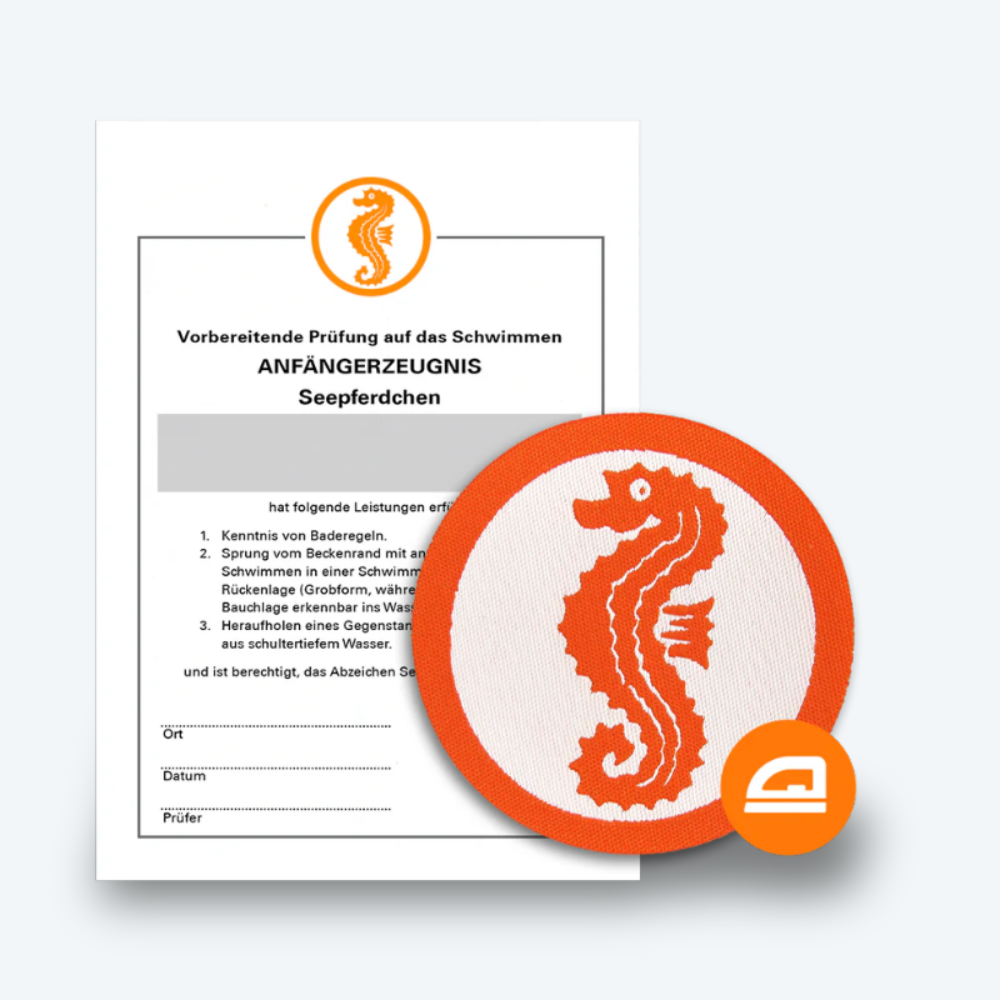
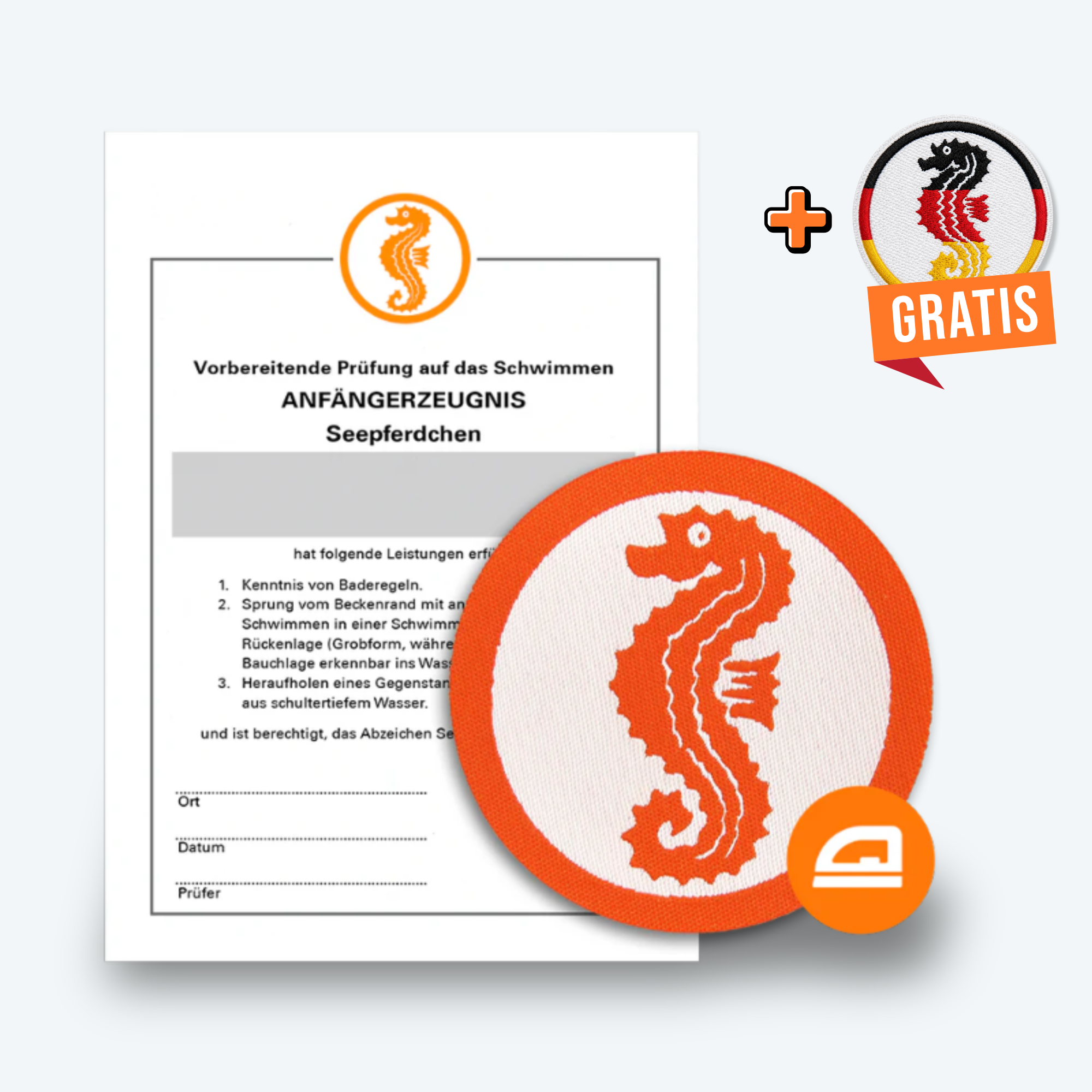
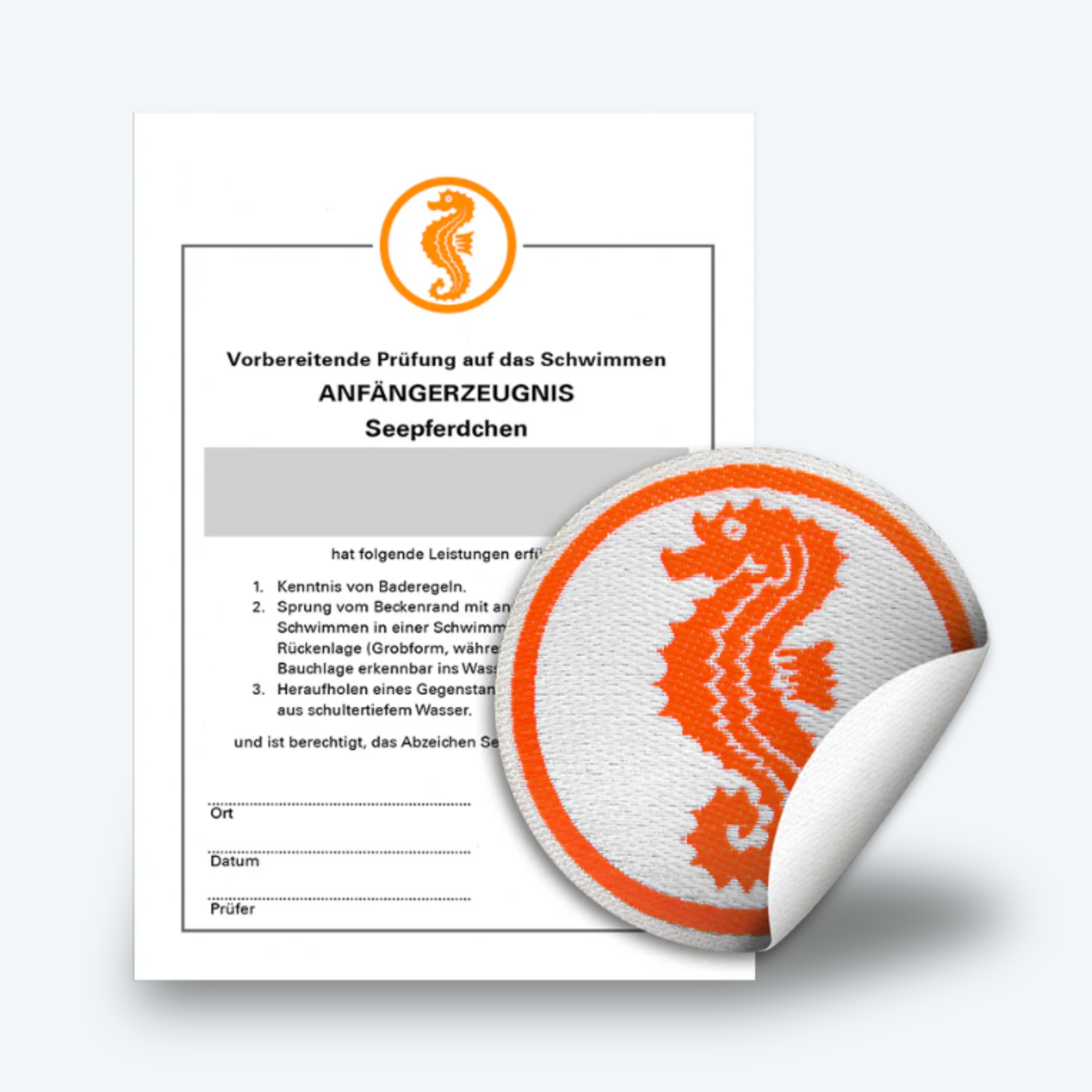
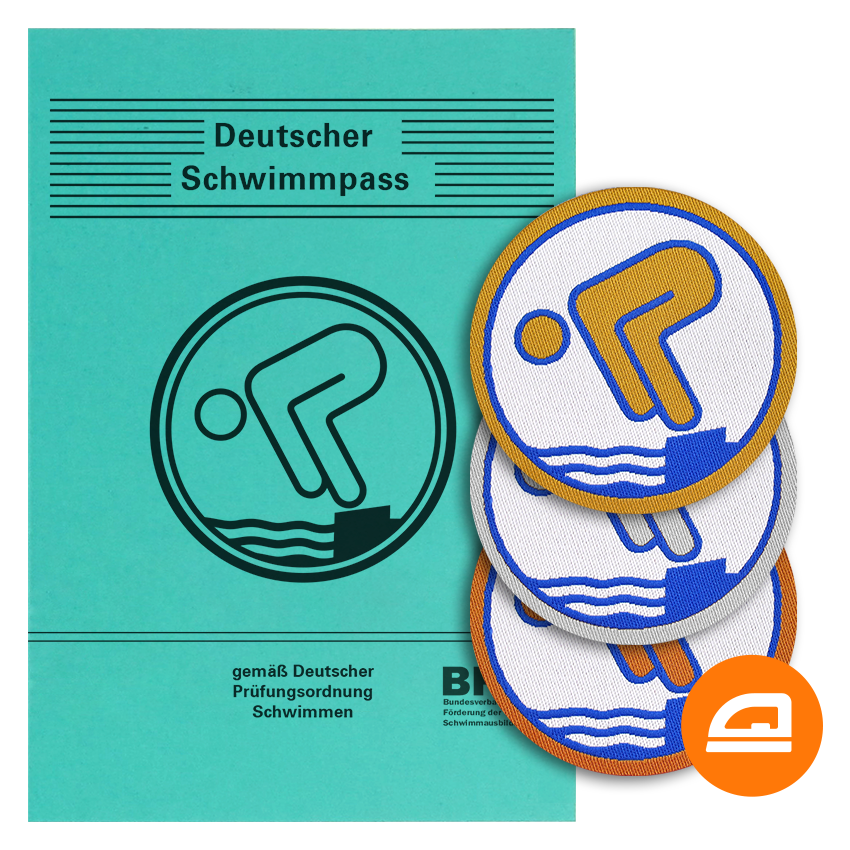
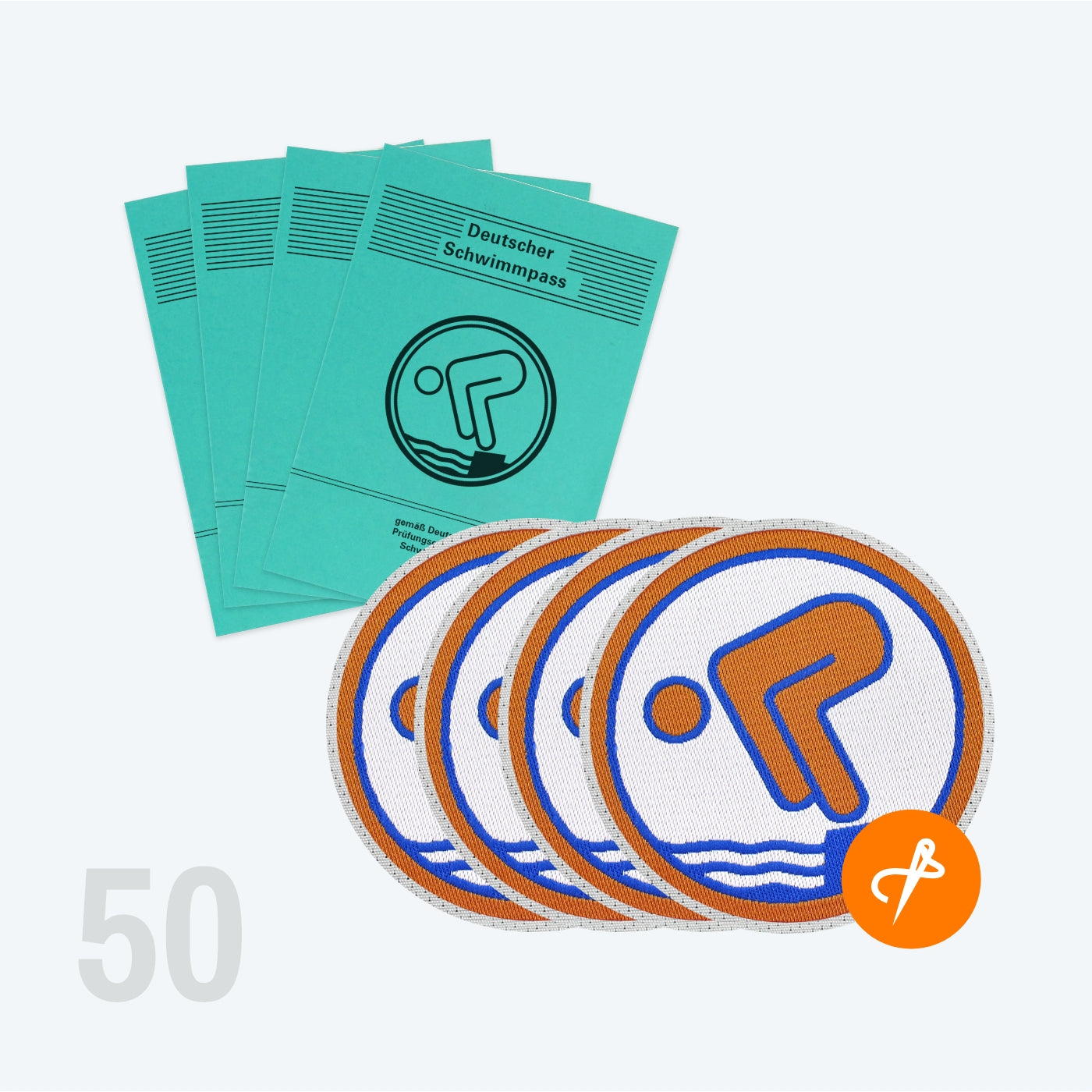
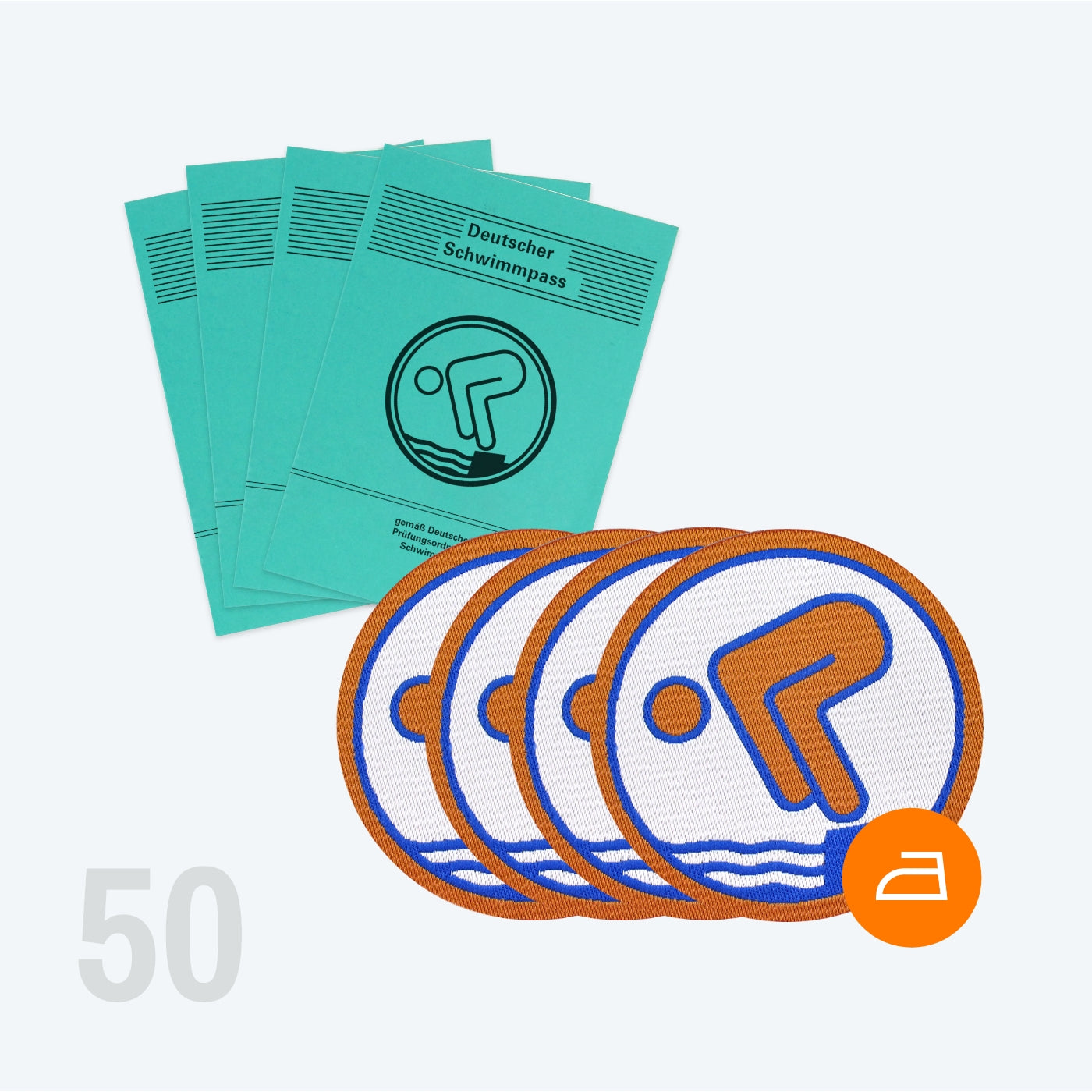
DLRG swimming competitions often present children, parents, and clubs with important challenges. They want to award swimming badges and certificates securely and officially correctly. At the same time, the motivation of the children should be strengthened – especially after intensive preparation training and theoretical rescue exercises. At Pimpertz, you will find original certified swimming badges, high-quality certificates, and suitable accessories, all tailored to the requirements of the DLRG and the needs of your children or swimming groups.
Secure learning success and shared perseverance with exclusive badge sets and gift ideas on pimpertz.de. Discover specially curated bundles for clubs and schools, with personalized options and fast delivery. Make the next swimming test a strong experience for children and benefit from over 38 years of experience. Browse now and secure your suitable offer on pimpertz.de.
Frequently Asked Questions
What are DLRG swimming competitions?
DLRG swimming competitions are athletic events that promote swimming skills, rescue competence, and water safety.
What is the purpose of DLRG swimming competitions?
The purpose of these competitions includes promoting swimming skills, training rescue techniques, and strengthening the community spirit among participants.
What categories are there in DLRG swimming competitions?
The competitions are divided into different age groups and include disciplines such as lifesaving swimming, team rescue exercises, and theoretical tests.
How are DLRG swimming competitions evaluated?
Evaluation is based on technical swimming skills, rescue techniques, endurance, and theoretical knowledge of water rescue techniques.