



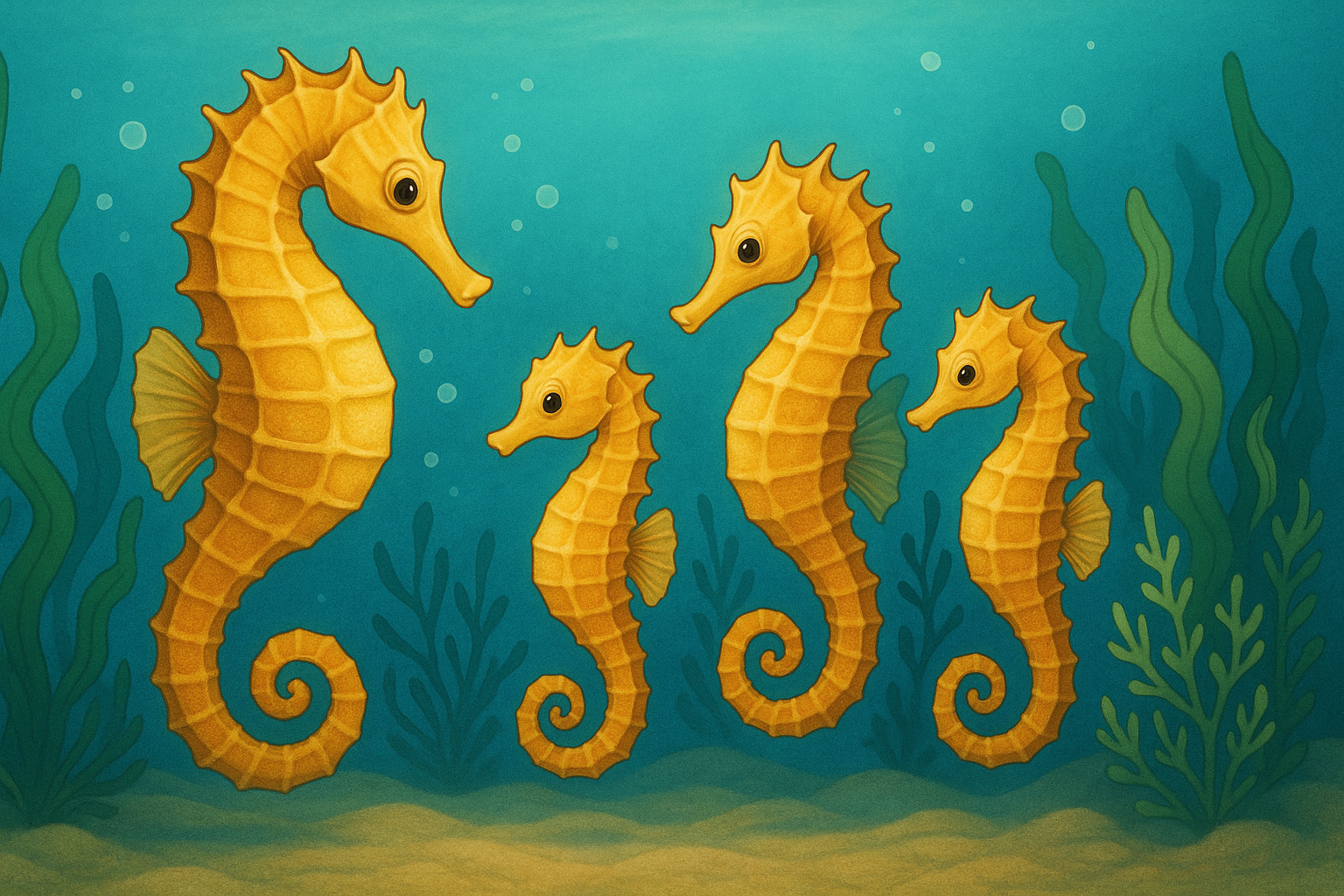
Seahorses: Fascinating Marine Life and Their Significance for Swimmers
Introduction to the World of Seahorses
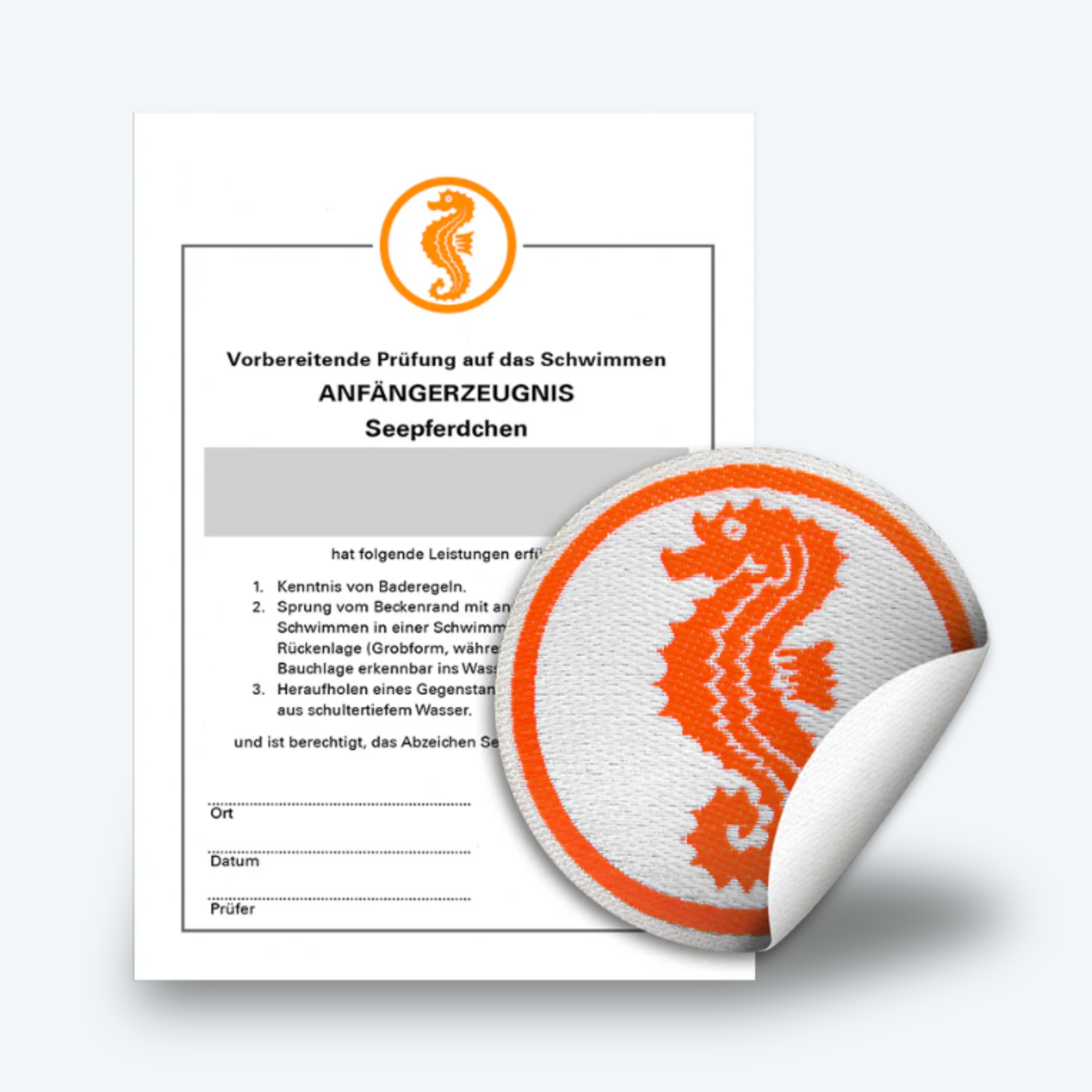
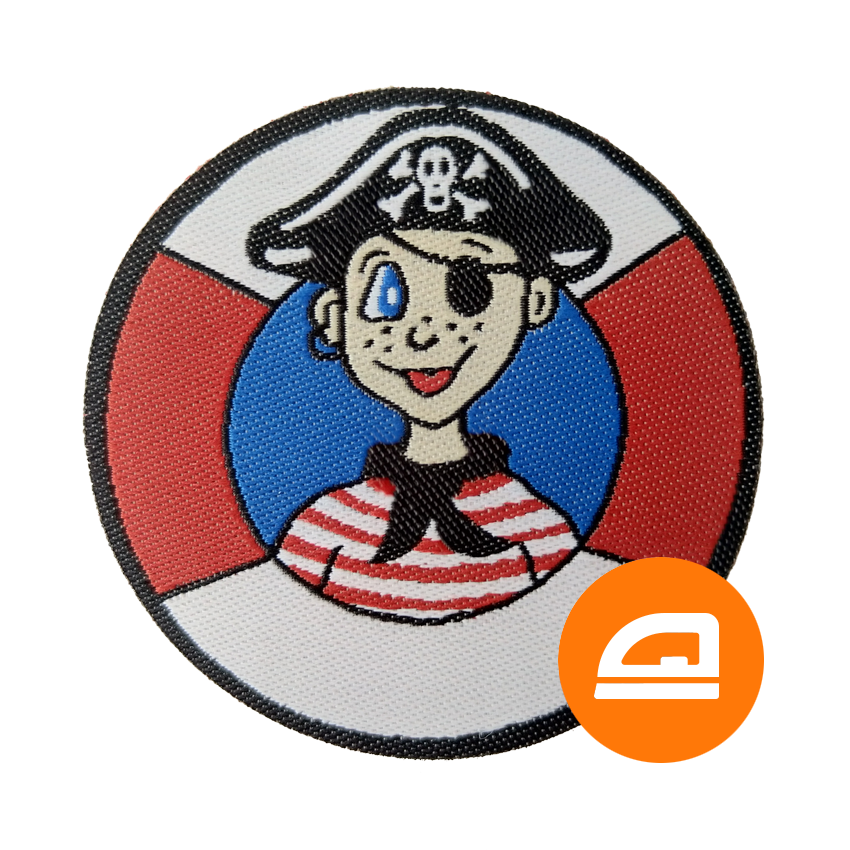
Seahorses are extraordinary fish that play a special role in both nature and swimming education. These mythological creatures have fascinated people for centuries and appear in literature and art. As a symbol for beginner swimmers, they have important meaning for children learning to swim. The seahorse motif is frequently used on children's products, such as swimming badges or swimwear.
The Genus Hippocampus: Unique Bony Fish
Seahorses belong to the genus Hippocampus in the family Syngnathidae (pipefishes). These remarkable bony fish are characterized by their distinctive head, which somewhat resembles a horse. The family Syngnathidae includes various species of pipefishes and their relatives.
Anatomy and Body Structure of Seahorses
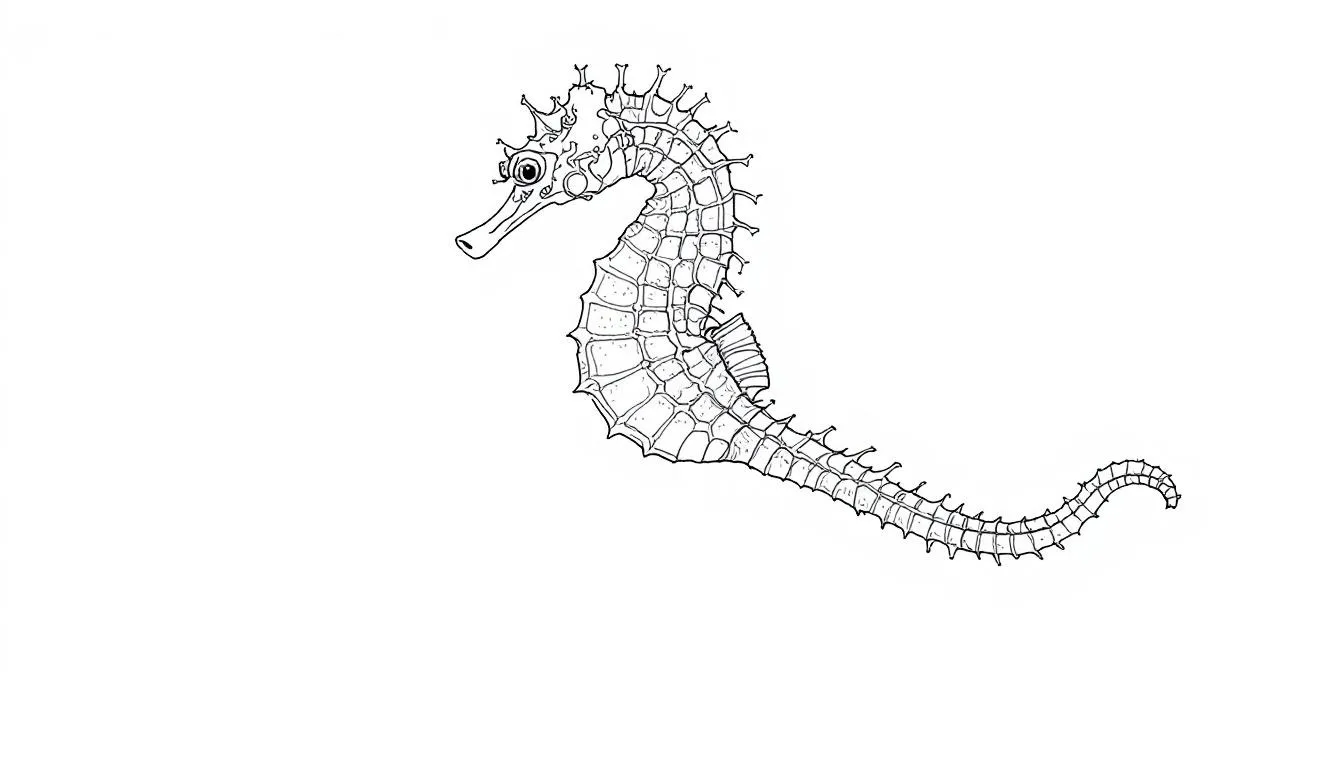
The seahorse's body consists of ring-shaped bony plates that provide protection. These bony plates are arranged in up to 15 rings on the torso and about 30 on the tail. Unlike other fish, seahorses do not have scales but these characteristic bone structures.
Special Anatomical Features
The seahorse's tail serves as a grasping organ, allowing them to cling to seagrasses and corals. Above their eyes are two prominent bony ridges that distinguish them from other fish. The number of dorsal fin rays is an important characteristic for distinguishing between different species.
Interestingly, seahorses occasionally perform courtship or mating rituals by retreating or interrupting the mating chain.
Distribution and Habitat
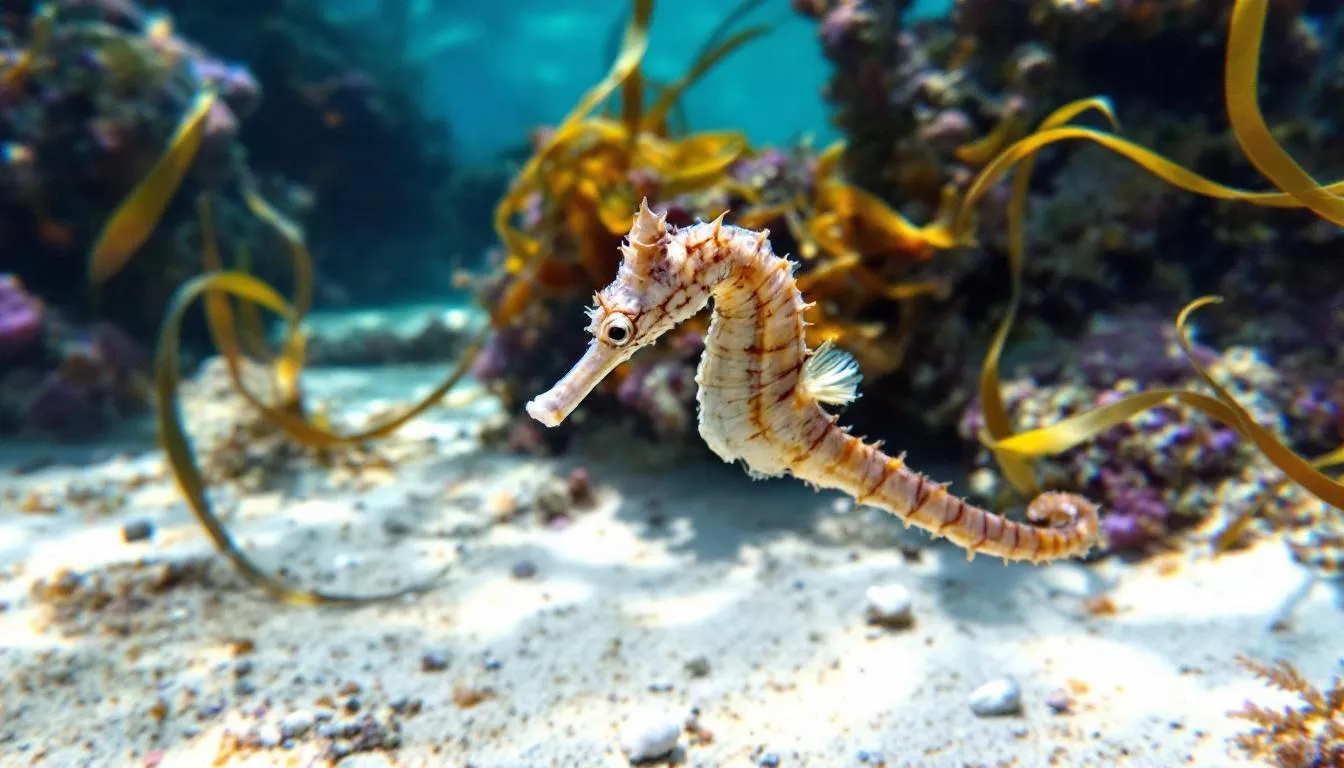
Seahorses live in warm-temperate waters from the Mediterranean to the southern North Sea. They are increasingly found in the Wadden Sea. These fish prefer sandy or gravelly shallow water areas with dense growth of seagrasses and algae.
Habitats in Detail
Seagrass meadows provide ideal living conditions for seahorses and their offspring. Here, they find protection from predators and sufficient food. Long-snouted seahorses are particularly common in the Mediterranean, Black Sea, and on the west coast of Europe.
Locomotion and Swimming Behavior
Seahorses are slow swimmers, moving by undulating movements of their dorsal fin. The pectoral fins are used for steering in the water. Their locomotion is a combination of swimming and climbing on plants.
Unique Movement Abilities
Like monkeys, seahorses have a prehensile tail that is used to cling to seagrasses and corals. Additionally, they can move their eyes independently to better observe prey.
Diet and Feeding
Seahorses are predatory, feeding on small crustaceans, small fish, larvae, and zooplankton. They suck in their food with a tube-shaped snout through strong negative pressure. Since they have no stomach, they must constantly consume food.
Dietary Spectrum
Their diet consists mainly of tiny animals such as mysid shrimp, amphipods, and copepods. This continuous food intake is essential for their survival.
Reproduction and Development
Seahorses reach sexual maturity at 6 to 12 months and exhibit monogamous pair bonding. Mating involves a flirtation lasting several days with synchronous swimming and characteristic tail behavior. Paternal care is a unique feature, with the male carrying the eggs in his brood pouch and giving birth to the young.
Reproductive Peculiarities
The male carries the fertilized eggs in a brood pouch and gives birth to live young after about three weeks. Their life expectancy is about five to six years, with multiple reproductions during the summer mating season.
Seahorses as a Symbol for Beginner Swimmers
Beginner swimmers are children who are learning to swim and improving their skills in the water. The Seahorse swimming badge is an important step for children to develop their swimming abilities.
Importance for Swimming Education
Seahorses are a popular topic for beginner swimmers because they are fascinating and unique animals. The examination regulations for the swimming badge include various requirements that children must meet.
Examination Regulations and Swimming Badges
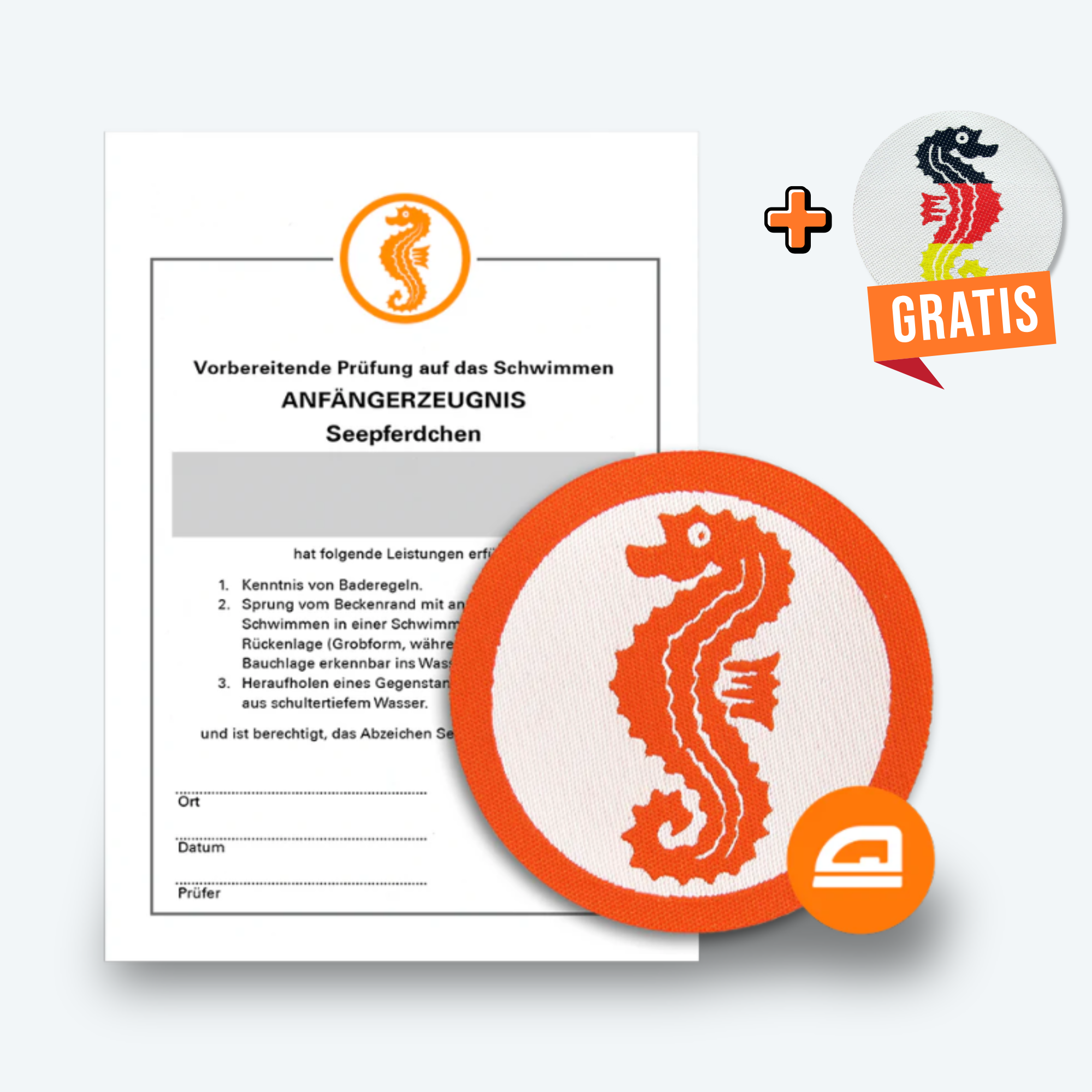
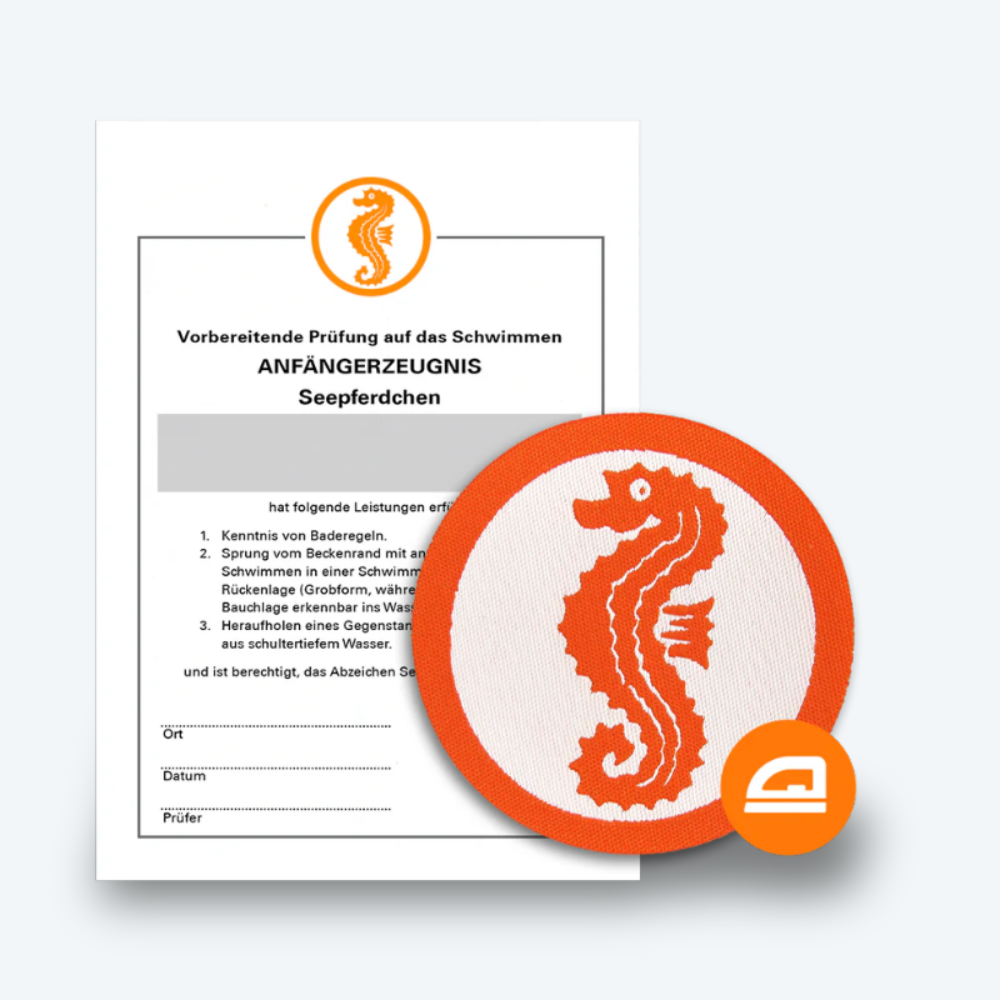
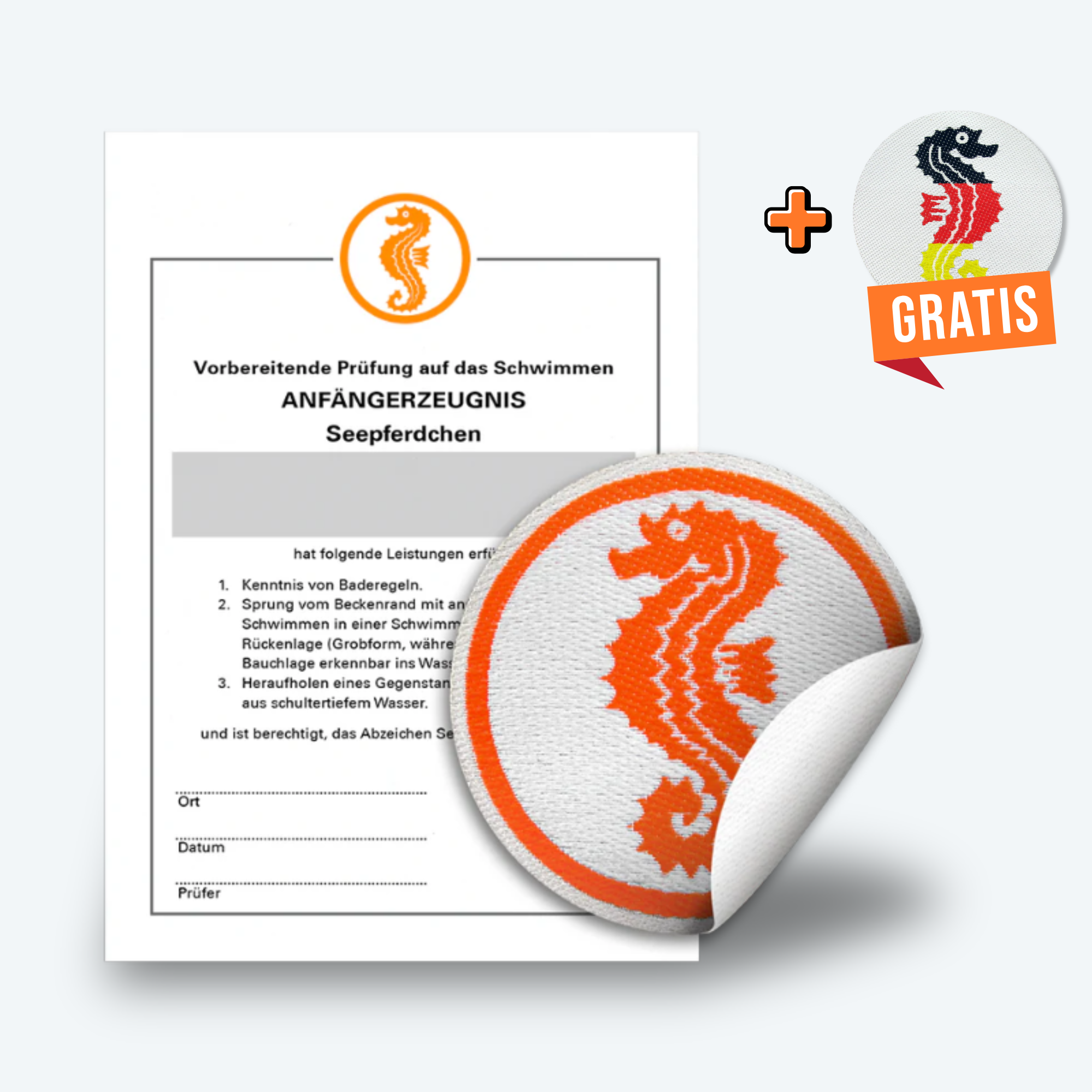
The examination regulations for beginner swimmers include specific requirements for swimming skills. Children must perform various test tasks to earn the coveted seahorse badge.
Requirements in Detail
The test includes swimming on the stomach and back, retrieving objects from shoulder-deep water, and jumping from the edge of the pool. These test performances are important proof of children's swimming abilities.
Different Seahorse Species such as the Short-Snouted Seahorse
There are various species of seahorses, including short-snouted and long-snouted seahorses. Dwarf seahorses also belong to this fascinating genus. Each species has its own characteristics and habitat requirements.
Species Diversity
The different species vary in head length, snout shape, and distribution. Short-snouted seahorses have slightly different characteristics than their long-snouted relatives.
Threats and Protection
Seahorses are threatened by habitat destruction, overfishing, and trade. The destruction of seagrass meadows and coral reefs represents one of the greatest threats.
WWF Seahorse Project
The WWF Seahorse Project aims to protect these unique animals and preserve their habitats. The WWF works with governments and organizations to improve the conservation of seahorses.
Conservation Measures and International Agreements
The Washington Convention on International Trade in Endangered Species (CITES) protects seahorses and regulates trade in them. Additionally, there are national protection measures such as inclusion on the Red List of Threatened Species.
Importance of Research
Research into seahorses and their habitats is important to better understand their needs and threats. This information is essential for effective conservation measures.
Environmental Friendliness and Sustainable Marine Conservation
Seahorses play a significant role in the marine ecosystem, serving as indicators of the health of their habitats. Their preservation is closely linked to the protection of the oceans and the sustainable use of marine resources. The WWF Seahorse Protection and other initiatives specifically aim to minimize threats from overfishing, destruction of seagrass meadows and corals, and the consequences of climate change. Everyone can contribute by preferring environmentally friendly products, reducing plastic consumption, and supporting organizations committed to marine conservation. In this way, we help to preserve seahorse habitats and secure their important role in the ecosystem.
How Our Behavior Affects Seahorse Habitats
Every action we take has an impact on the delicate habitats of seahorses. The destruction of seagrass meadows and coral reefs by human activities such as bottom trawling, careless tourism, or marine pollution leads to seahorses losing their habitats. Climate change, which leads to warming waters and altered ocean currents, also poses a major challenge for the survival of these fascinating animals. By consciously choosing sustainable alternatives and reducing our ecological footprint, we can help ensure that one of the most important marine habitats is preserved.
Education and Awareness
Educating people about the importance of seahorses and the protection of their habitats is a central building block for the long-term conservation of these animals. Educational programs, such as those offered by the WWF, impart knowledge about the biology, the role of seahorses in the ecosystem, and the dangers they face. Through targeted information campaigns and educational materials, people of all ages are sensitized to marine conservation and motivated to actively participate in seahorse conservation.

Seahorses as Ambassadors for Marine Conservation
Seahorses fascinate people worldwide and are therefore excellent ambassadors for marine conservation. Their extraordinary way of life and unique appearance arouse interest and sympathy, making them ideal symbols for environmental education projects. When children and adults learn more about seahorses, awareness of the importance of marine conservation also grows. Thus, seahorses can help ensure that more and more people engage in the conservation of the oceans and their inhabitants.
Seahorses in Germany
In Germany, seahorses are found primarily in the North Sea and increasingly in the Wadden Sea. The German coasts provide habitat for various species of these remarkable animals.
Habitats on German Coasts
With their seagrass meadows and algal growths, German waters offer ideal conditions for seahorses. The protection of these habitats is of great importance for the preservation of populations.
Mythology and Cultural Significance
Seahorses have a long history in mythology and literature. They symbolize strength, patience, and paternal care, as the males carry the young.
Cultural Aspects
In various cultures, seahorses are considered good luck charms. Their unique reproductive method, where the female transfers eggs to the male, makes them special symbols.
Role in Swimming Education
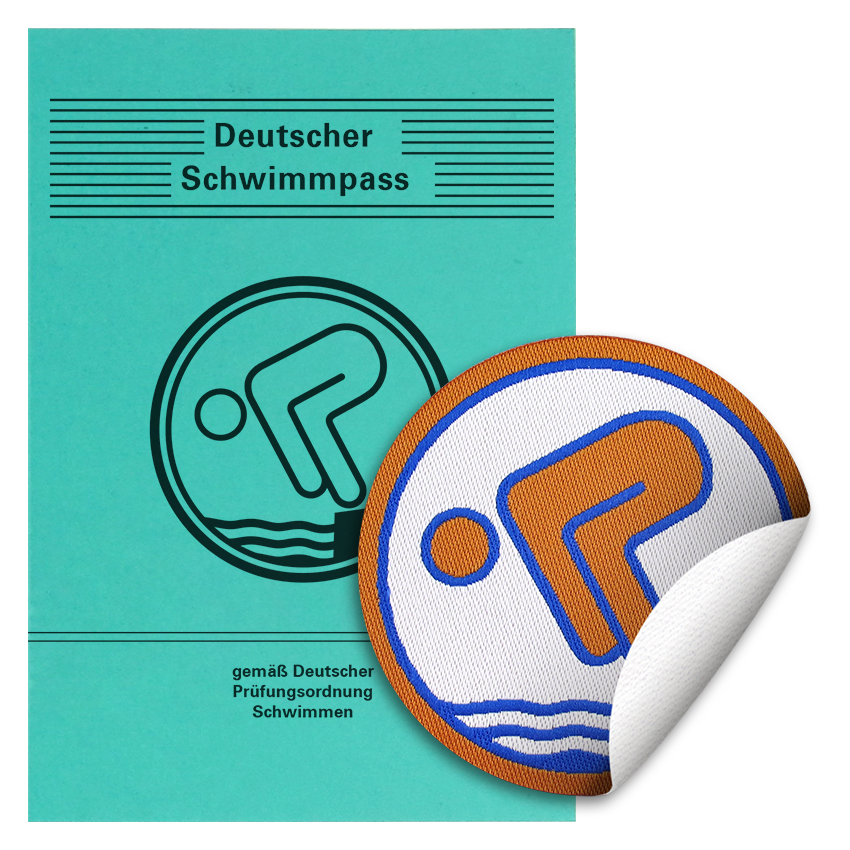
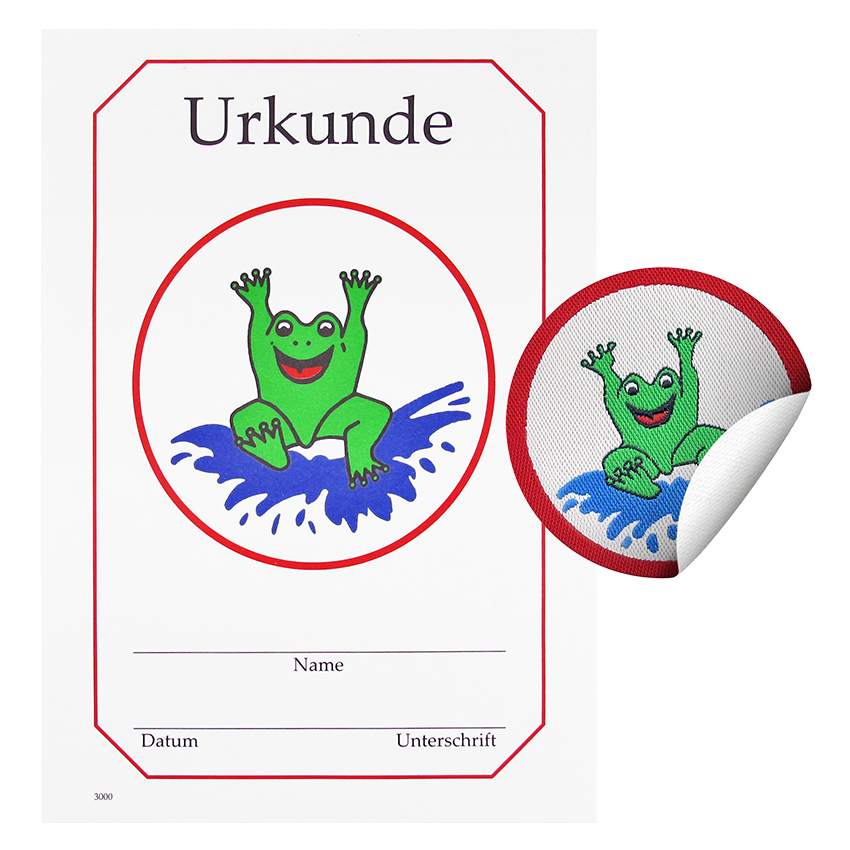
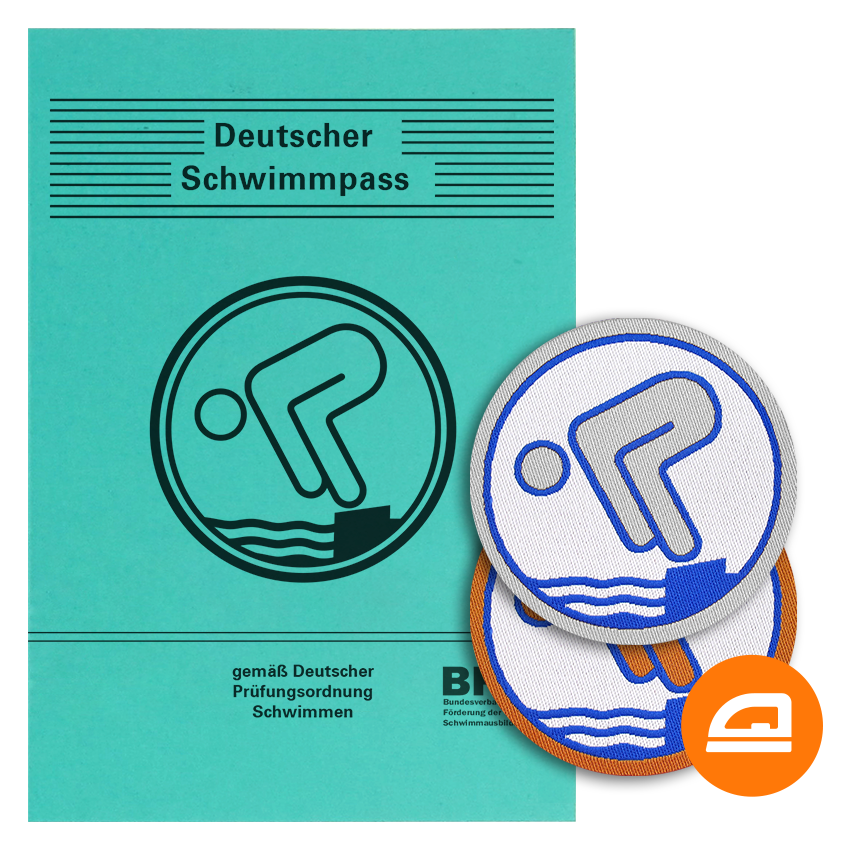
Today, seahorses play an important role in children's swimming education. The seahorse badge motivates young swimmers and is often the first step towards further swimming badges.
Modern Swimming Education
Swimming instructors use children's fascination with these animals to teach them how to swim. The combination of learning and interest in nature makes training with Pimpertz swimming badges particularly effective. Here, we work closely with our partner, the BFS in Bad Nenndorf.
Individual Conservation Measures
Everyone can contribute to seahorse protection by making conscious decisions in their daily lives. Purchasing sustainable products, reducing plastic consumption, and supporting organizations dedicated to marine conservation are important steps. Engagement in local initiatives, such as protecting beaches or participating in clean-up campaigns, also helps to preserve and improve seahorse habitats.
What Each Individual Can Do to Protect Seahorses
There are numerous ways in which each individual can actively contribute to protecting seahorses and their habitats. Collecting litter on beaches helps to prevent plastic and waste from entering the sea, thereby protecting sensitive seagrass meadows and coral reefs. Participating in citizen science projects, where seahorses are counted and their distribution documented, provides valuable data for the protection of these animals. Supporting research projects and consciously avoiding products made from endangered marine species are also important contributions. Every single action, no matter how small, can make a difference and help ensure that seahorses continue to live in our oceans in the future.
Future of Seahorses
The future of seahorses depends on our commitment to protecting their habitats. Through targeted conservation measures and international cooperation, we can preserve these fascinating animals for future generations.
Parallel in swimming: A trainer in the indoor pool observes the new swimming style he developed for the youngest test candidate. Regardless of age or initial water knowledge, children should learn to glide safely on their stomachs. Everyone is assigned a fixed spot in the pool, where the shoulder-deep water is perfect for trying things out.
Importance of Protection
The protection of seahorses is not only important for this species but for entire marine ecosystems. They are indicators of the health of the marine environment.
Conclusion
Seahorses are extraordinary animals that play a special role in both nature and human culture. As a symbol for beginner swimmers, they inspire children to learn to swim, while also serving as important indicators of the health of our oceans. The protection of these fascinating animals and their habitats is a task that concerns us all.
Through the work of organizations like the WWF and the implementation of international conservation agreements, we can help ensure that future generations can also experience the beauty and uniqueness of seahorses. At the same time, they will continue to serve as a symbol of children's first swimming successes and help motivate the next generation of swimming enthusiasts.
A Short Story for This Article
This article shows how research and practice go hand in hand: from the warehouse to the article to the first successful swim attempt of the test candidate – everything is part of a holistic idea that combines fun in the water with valuable nature conservation.
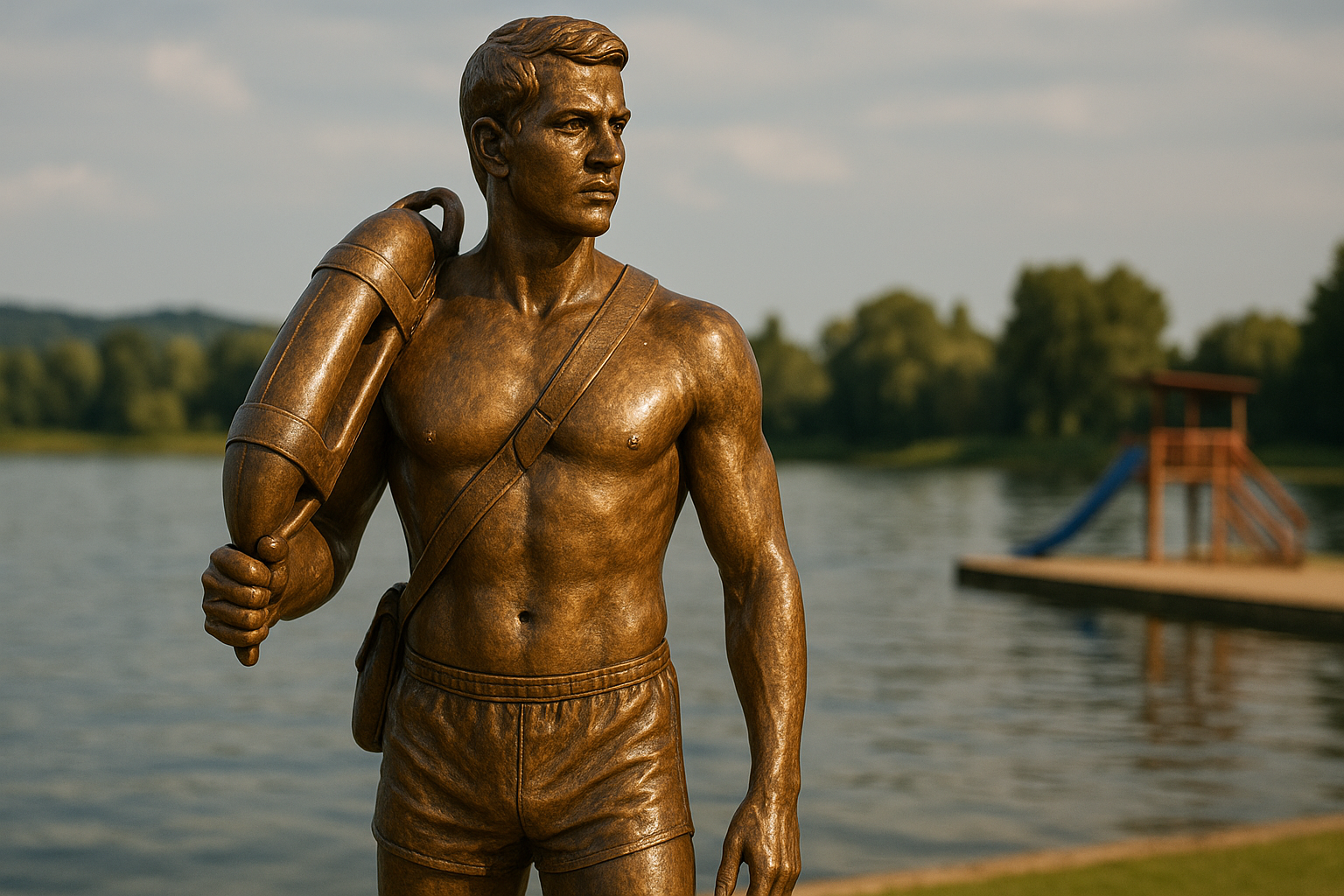
In the institute's exhibition, there is a sculpture depicting the characteristic rough shape of a seahorse. In front of it, visitors discuss the best beaches in Europe. A comparison between local habitats and the Red Sea surprises many with the enormous diversity and adaptation of these animals.
Meanwhile, in a cool, air-conditioned warehouse, there is a hive of activity. Scientists carefully inspect each item before it is processed further. A selection of products that are destined for shopping carts are also stored here. The exact quantity of each sample is recorded and documented by barcode.