
Splashdiving: The Ultimate Guide to the Spectacular Water Sport
1. Introduction: What is Splashdiving and Why is it Important
Splashdiving is a spectacular water sport that excites jumpers of all ages and differs from traditional diving by generating maximum water splashes. In this guide, you will learn what splashdiving is, why it is becoming so popular, and how you can successfully get started yourself.
This comprehensive guide provides you with all the important information: from basic definitions to step-by-step instructions, competition formats, and frequently asked questions. You will learn everything about the right technique, safety aspects, and how to have the most fun with this unique sport.
The sport confirms the search intent of watersports enthusiasts, club members, and anyone looking for an entertaining alternative to classic swimming.
2. Understanding Splashdiving: Basics and Key Terms
2.1 Basic Definitions
Splashdiving is a water sport where jumpers deliberately create the biggest possible splash when entering the water. In contrast to artistic diving, where a clean, splash-free dive is the goal, splashdiving reverses this principle and makes the water surface the spectacular stage.
The most well-known technique is the classic "cannonball," where the jumper enters the water bottom-first. Other synonyms and related terms include cannonball, freestyle jumping, and various tricks, all aimed at creating maximum splashes.
Pro Tip: First understand the "what" – the basic technique of controlled impact – before venturing into the "how" of different jump variations.
2.2 Terminology Context
Splashdiving is closely related to similar sports such as artistic diving, platform diving, and cliff diving, but fundamentally differs in its objective. While these disciplines emphasize elegance and precision, splashdiving focuses on the spectacular effect.
The development shows a clear progression: Cannonball → Splashdiving → Competitive Sport → International Events. This sport has evolved from spontaneous jumps by young people to organized events with teams and clubs.
3. Why Freestyle Splashdiving is Important in Water Sports
Splashdiving is steadily gaining importance as a sport because it democratizes water sports and makes them accessible to all age groups. The club in Sindelfingen reports an annual membership increase of about 15%, which underlines its growing popularity.
This sport offers unique advantages: it combines physical activity with creative expression, allows participation without years of training, and creates a vibrant community of jumpers. Events and shows regularly attract large crowds who want to experience the fun and energy of the competitions.
World champion Rainhard Riede confirms that with the right technique, even higher jumps can be performed without pain, which supports its development into a serious sport.
4. Important Metrics and Comparison Table
|
Jump Discipline |
Typical Height |
Scoring Criteria |
Difficulty Level |
|---|---|---|---|
|
Cannonball |
1-3m |
Splash size, body posture |
Beginner |
|
Freestyle Jump |
3-5m |
Creativity, execution |
Intermediate |
|
Acrobatic Jump |
5-10m |
Technique, landing, splash |
Expert |
|
Competitive Jump |
3-10m |
All criteria combined |
Professional |
Competition Categories:
-
Youth: Jumps up to 3m height
-
Adults: All heights with four jumps per participant
-
Teams: Group scoring with coordinated shows
The scoring system includes points from 1-10 for takeoff, execution, and landing, with the first jump being judged exclusively on splash size.
5. Step-by-Step Guide to Successful Splashdiving
Step 1: Learning the Basics and Preparation
Before attempting your first jump, you should meet these basic requirements:
-
Swimming ability: Ability to swim safely for at least 50m
-
Health check: No back or joint problems
-
Equipment: Swimwear, optional nose or ear protection
-
Location: At least 2m deep water, ideally at a club or swimming pool
Sample Checklist for Safe Training: ✓ Warm-up and stretch core muscles ✓ Check jump area for obstacles ✓ Start with low heights (poolside) ✓ Have a supervisor or experienced jumper present
Step 2: Mastering Jump Techniques
The classic cannonball:
-
Jump from the poolside or a low platform
-
Pull knees to chest during the aerial phase
-
Buttocks as the first point of contact with the water surface
-
Maintain body tension for maximum splash
Freestyle Variations:
-
“The Chair”: Sitting position with extended legs
-
“The Cat”: Supine position with limbs bent
-
“The Plank”: Flat prone position for maximum impact surface
Recommended Training Aids:
-
Jump chart to document progress
-
Video recordings for technique analysis
-
Regular practice sessions with experienced jumpers
Step 3: Measuring and Improving Performance
Understand the scoring criteria for successful jumps:
-
Splash size: Height and distribution of the water
-
Technique: Clean execution of the chosen figure
-
Creativity: Originality in freestyle elements
Progress Benchmarks:
-
Consistent splashes over 2m high for the cannonball
-
Pain-free landing even from higher jumps
-
Development of own tricks and names for new variations
After 3-6 months of training, plan to participate in local events or the annual Splashdiving Cup in Sindelfingen.
6. Avoiding Common Mistakes
Mistake 1: Incorrect body tension upon impact Many beginners land too loosely in the water, leading to painful impacts. Correct body tension is crucial for controlled landings.
Mistake 2: Insufficient safety precautions Jumping into unknown waters or without sufficient water depth carries significant injury risks. Always check the jump area.
Mistake 3: Too quick a transition to high diving boards Jumping from great heights requires perfect technique. Increase the height gradually over weeks and months.
Pro Tip: Systematic training and patience are the keys to success. Even the current world champion started with simple jumps from the poolside before moving on to spectacular heights.
7. Case Study and Success Story of the Splashdiving Cup
Case Study: Sindelfingen Splashdiving Club increased membership from 25 to 40 in two years
Initial situation (Club founded 2016): The club started with a small group of enthusiastic jumpers who organized regular training and initial local events.
Measures implemented (regular competitions since 2017):
-
Monthly training sessions for all age groups
-
Organization of the annual Splashdiving Cup
-
Cooperation with swimming pools for shows and events
-
Systematic youth development for children and teenagers
Final results (World Record attempt 2024): The club plans an official world record attempt and has established itself as a leading institution for splashdiving in Germany.
|
Year |
Members |
Events |
Media Reports |
|---|---|---|---|
|
2016 |
25 |
2 |
1 |
|
2018 |
32 |
4 |
5 |
|
2024 |
40+ |
8+ |
12+ |
8. Frequently Asked Questions about Splashdiving
Q1: What equipment do I need for splashdiving? A1: Swimwear and optional nose or ear protection are sufficient for getting started. Professional jumpers sometimes use special swim shorts for better body tension.
Q2: At what age can one start splashdiving? A2: Children from 8 years old can make their first jumps from the poolside under supervision. Teenagers from 12 years old can also jump from higher platforms if they have adequate swimming skills.
Q3: How dangerous is splashdiving? A3: With proper technique and suitable jumping locations, the risk of injury is very low. Gradual increase in height and professional guidance are important.
Q4: Where do splashdiving competitions take place? A4: Main events are the Splashdiving Cup in Sindelfingen and regional championships. Many clubs also organize their own events and shows for their members.
9. Conclusion: Key Takeaways
Splashdiving combines sport, fun, and community in a unique water sport accessible to all ages. Key takeaways are:
-
Technique before spectacle: Safe fundamentals are more important than daring jumps
-
Value community: Clubs and teams offer optimal learning environments and regular events
-
Gradual development: Moving from the poolside to the diving tower takes time and training
-
Foster creativity: Freestyle elements and personal tricks are a special appeal
-
Safety first: Information about suitable jumping spots and proper preparation is essential
Contact a local club for a trial training session and earn the Lele Pahu badge, attend the next competition as a spectator, or find out about upcoming events in your region. The growing splashdiving community in Germany welcomes every new jumper who is willing to try something new and have a lot of fun in the water.
The sport is developing rapidly and is a great contribution to water sports – become part of this spectacular movement and experience for yourself why splashdiving is much more than just a big cannonball.
10. Motivating Success Story: The Journey from Pimpertz to the Lele Pahu Diving Badge
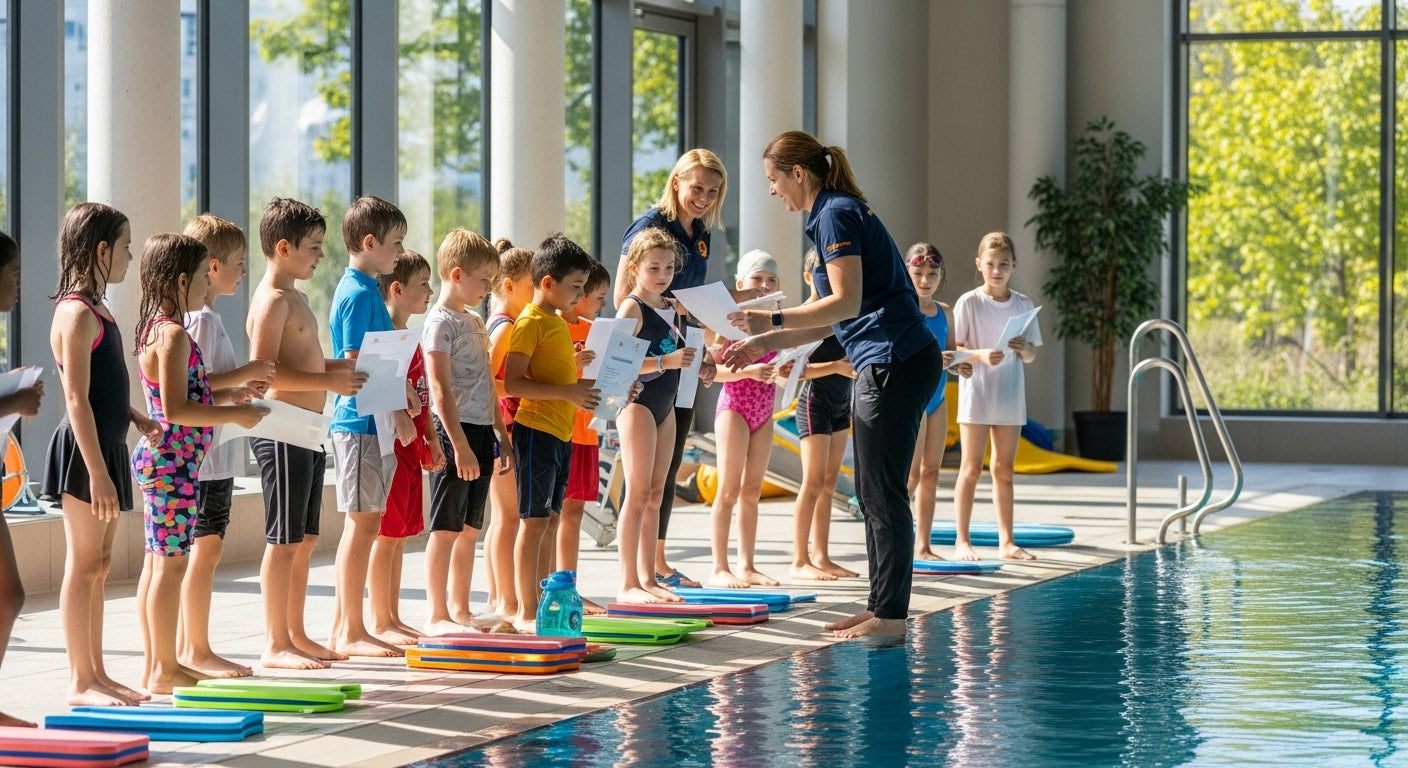
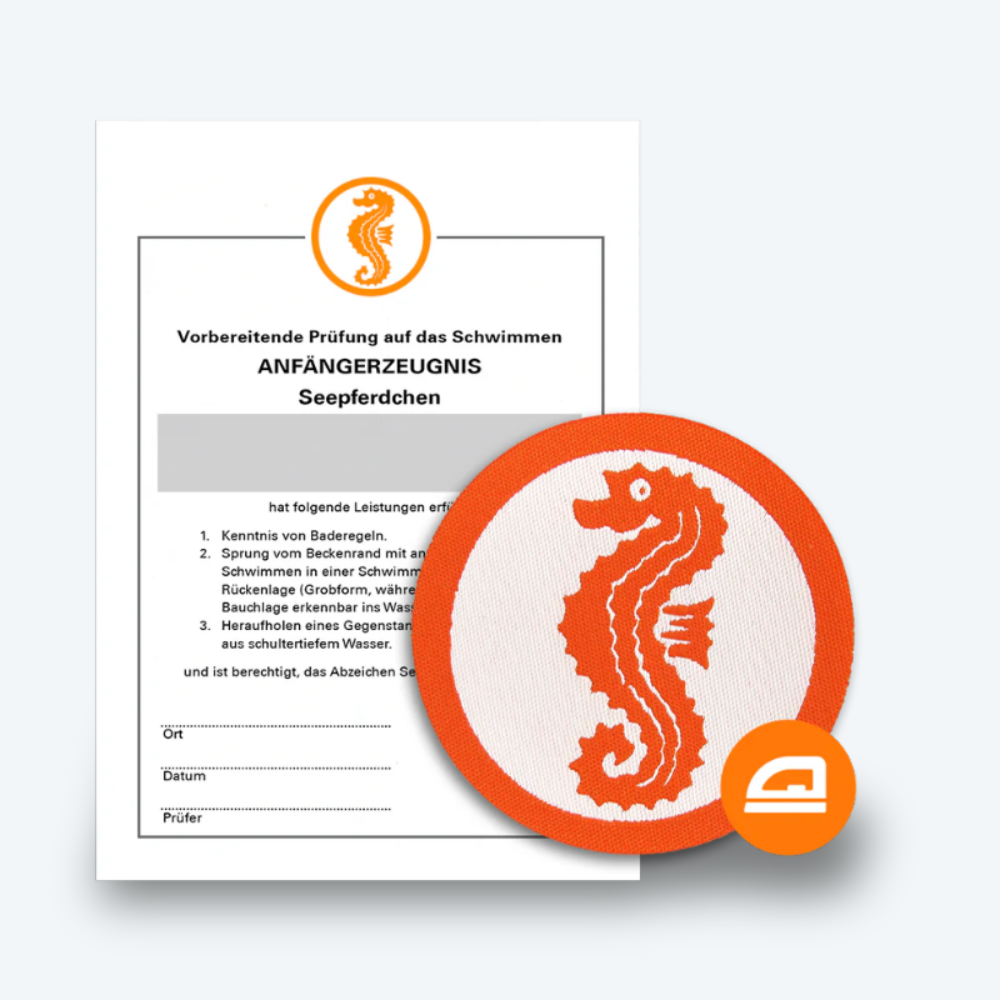
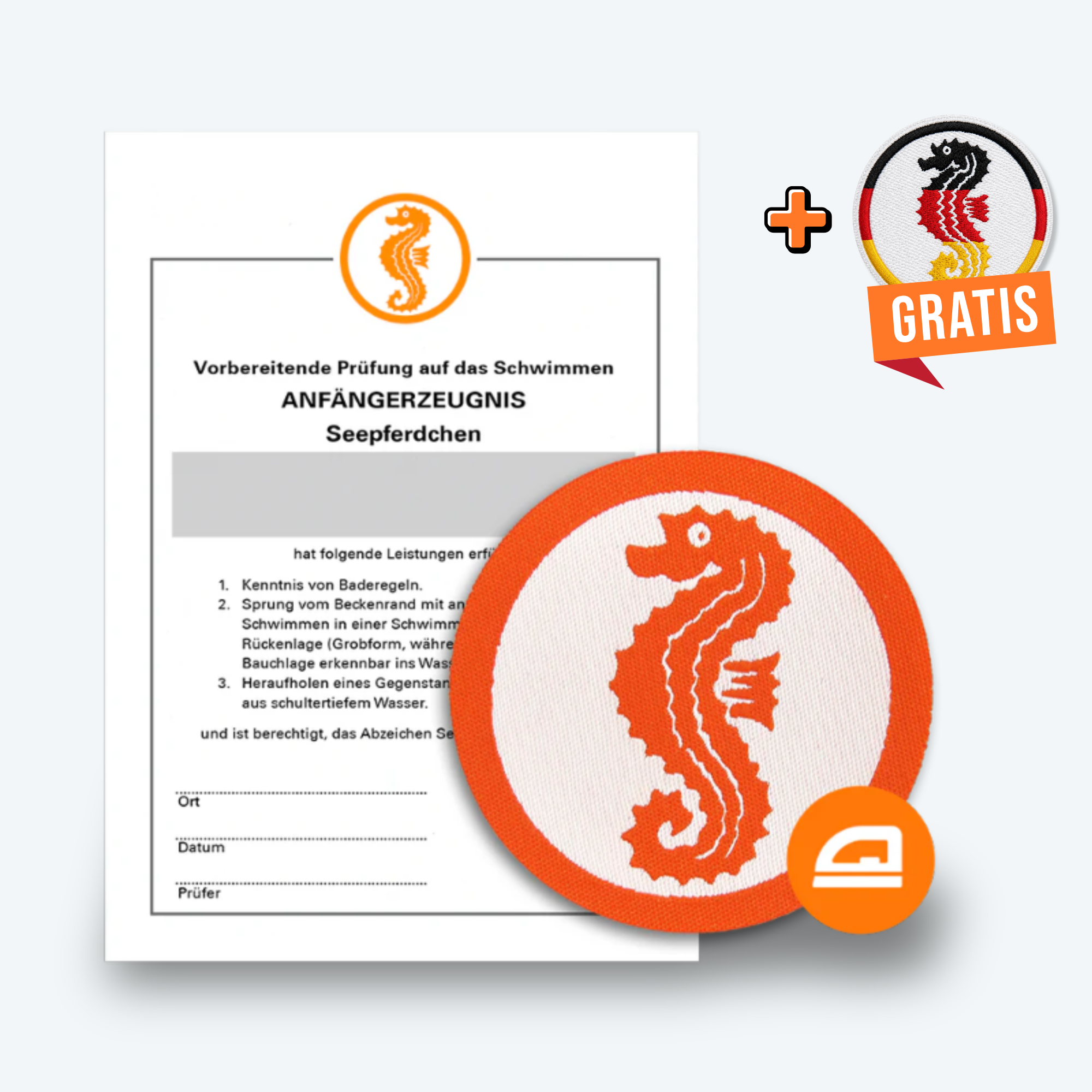
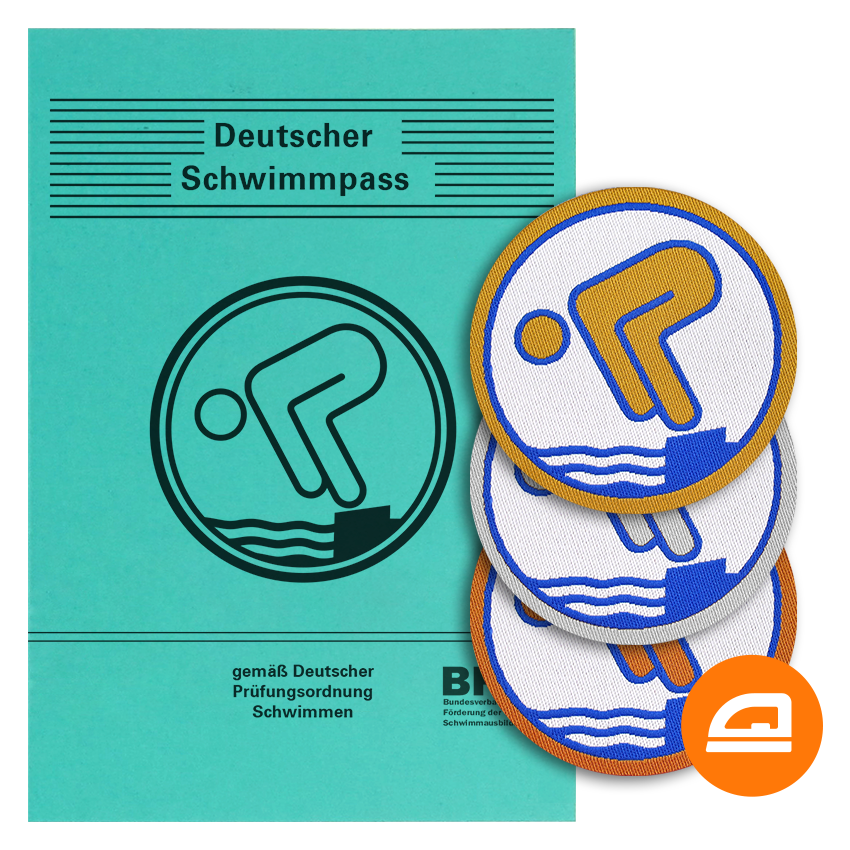
Imagine a sunny Saturday afternoon at the swimming pool in Nagold, and a 10-year-old boy named Tim is nervously standing at the edge of the pool. Tim has always been afraid of water, but his parents told him about splashdiving – this wild sport that goes from simple cannonballs to breathtaking splashes. Inspired by the brand Pimpertz, which has been offering swimming badges like the Seepferdchen (seahorse) and the German swimming badge for 38 years, Tim decided to take his first leap. Pimpertz, the pioneers with high-quality, iron-on badges made from recycled polyester, provided Tim's family with the appropriate starter set – including a motivational certificate that celebrates every achievement.
At first, it was just a timid cannonball from the 1-meter board, but Tim quickly learned the basics: pull knees up, tense buttocks, and land with a loud splash. His coach at the local club, who works closely with Pimpertz, explained the historical connection to "Lele Pahu" – the Polynesian term for the drumming entry into the water that creates maximum splashes. This tradition, which inspired competitions as early as the 18th century, motivated Tim to dive deeper.
After weeks of training – with video recordings and jump charts from Pimpertz – Tim took the next step: the Lele Pahu Bronze Diving Badge. The badge, a high-quality woven symbol for brave jumpers that can be easily ironed or stuck on, was awarded after a test from the 3-meter tower. The moment the judge called out "Lele Pahu Bronze – passed!" and the splash rose like a fountain was unforgettable. Tim not only received the badge but also the official Pimpertz certificate, which attested to his swimming competence and creativity. For all those who want to take the next step after the bronze badge, there is the Lele Pahu Silver Sticker Badge in the Kinderleicht® (child's play) version.
Today, two years later, Tim proudly wears the Lele Pahu Silver Badge and is preparing for Gold. He is part of the Splashdiving Cup in Sindelfingen and inspires his friends to start with Pimpertz badges. Tim's story shows: Splashdiving and the Lele Pahu Diving Badge from Pimpertz turn fears into pure joy. Anyone can do it – with a little courage, the right brand, and a big splash. Will you be next?
Facts about Splashdiving
Splashdiving includes all jumps into a swimming pool where you touch the water with your buttocks first.
The origin of splashdiving dates back to 18th-century Hawaii.
When jumping from a 10-meter platform, a diver performing a cannonball can be rapidly decelerated.
The popularity of the cannonball is due to its attention-grabbing and astonishing effects.
In splashdiving, there are no specific instructions on how best to learn the sport.
Splashdiving is comparable to street art, as it is less regulated.
The German Life Saving Society (DLRG) recommends never jumping into unknown waters.
The Splashdiving Cup 2025 will take place from June 27 to 29, 2025, at the Sindelfingen outdoor pool.
In 2024, the Splashdiving Cup took place from June 14 to 16 at the Sindelfingen outdoor pool.
The Splashdiving Cup 2022 took place on June 11 and 12, 2022, at the Sindelfingen outdoor pool.
The Sindelfingen outdoor pool offers ideal conditions for splashdiving training.
The 3rd Splashdiving Cup took place from June 9 to 11, 2023, in Sindelfingen.
Registration for the Splashdiving Cup 2025 is possible from May 1.
The cannonball distributes the jumper's impulse over a large surface, displacing a lot of water.
The cannonball distributes the jumper's impulse over a large surface, displacing a lot of water.
The cannonball is advantageous for the ratio of pain intensity to immersion depth.
The beauty of the jumps and the height and width of the fountain are judged in splashdiving competitions.
The perfection of the cannonball heavily depends on the jumper's body tension.
There are a total of 13 different forms of jumps in splashdiving, including the cannonball.
When jumping from a 10-meter platform, a diver performing a cannonball is completely decelerated in only about 1.5 meters.
The Splashdiving PAF TV e.V. was founded on October 5, 2022.
In winter, members train at the indoor pool of the Sindelfingen Bathing Center.
The club has 5 trainers available to its members.
Members of Splashdiving PAF TV e.V. regularly train at Ilmbad Pfaffenhofen.
The clubs jointly organize splashdiving events, such as the Summer Splashdown.
The club was founded on June 6, 2016, and currently has 40 members.
Splashdiving PAF TV e.V. has hosted numerous events and shows since 2022.