
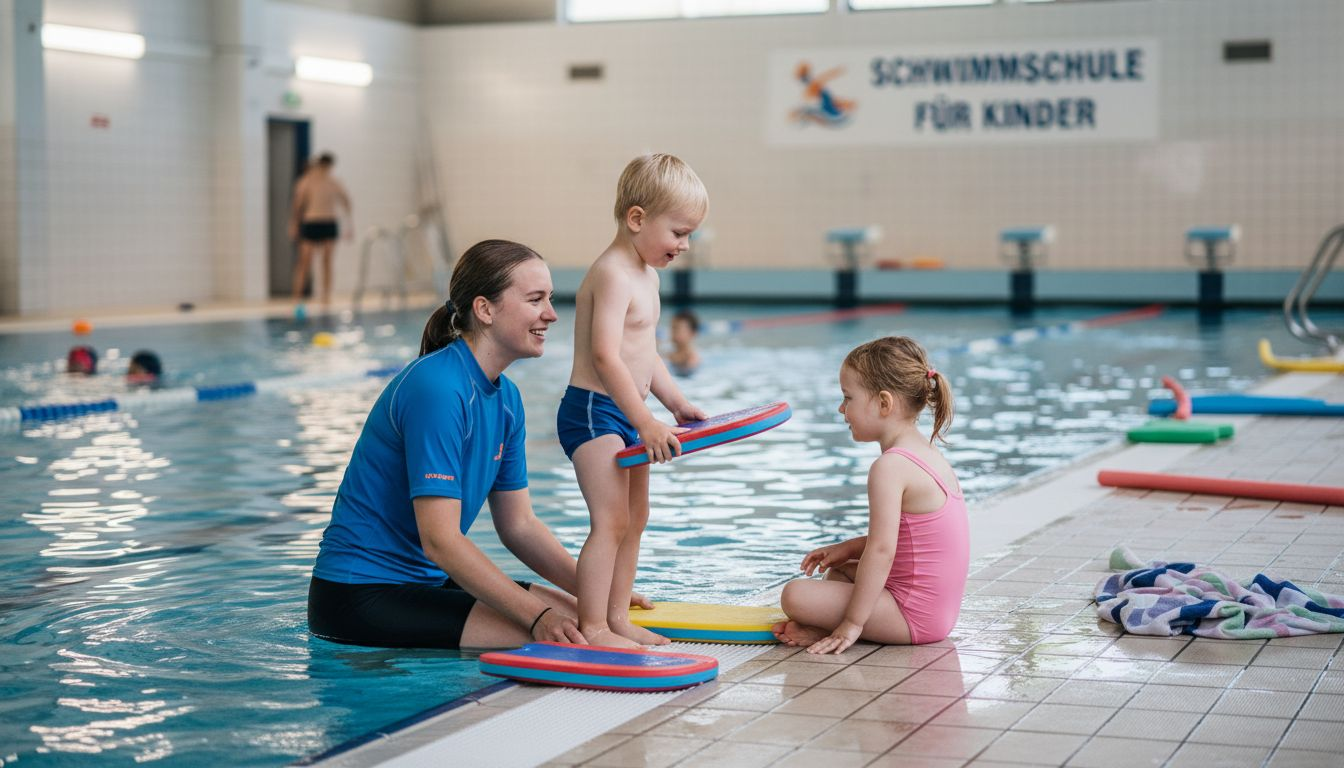
7 Tips to Help Preschoolers Improve Their Swimming
Introducing preschool children to swimming safely and without fear is a real challenge for many parents. Often, there is a lack of clear methods and child-friendly approaches to properly guide the first steps in the water. At the same time, you want your child to quickly develop joy and self-confidence in swimming.
Practical tips and proven techniques will help you bring structure and safety to your child's learning process in a playful way. You will learn how motivating interim goals, targeted exercises, and small successes can make all the difference.
Look forward to concrete examples and easily implementable ideas that will not only teach preschoolers how to swim but also enable real progress. This way, every training session becomes an exciting experience where fun and development go hand in hand.
Table of Contents
- 1. Set Clear Goals: Motivating Interim Goals for Children
- 2. Make Water Familiarization Playful
- 3. Explain Child-Friendly Swimming Techniques Step by Step
- 4. Repetition and Routine: Practice Makes Perfect
- 5. Fear-Free and Safe: Create a Trusting Atmosphere
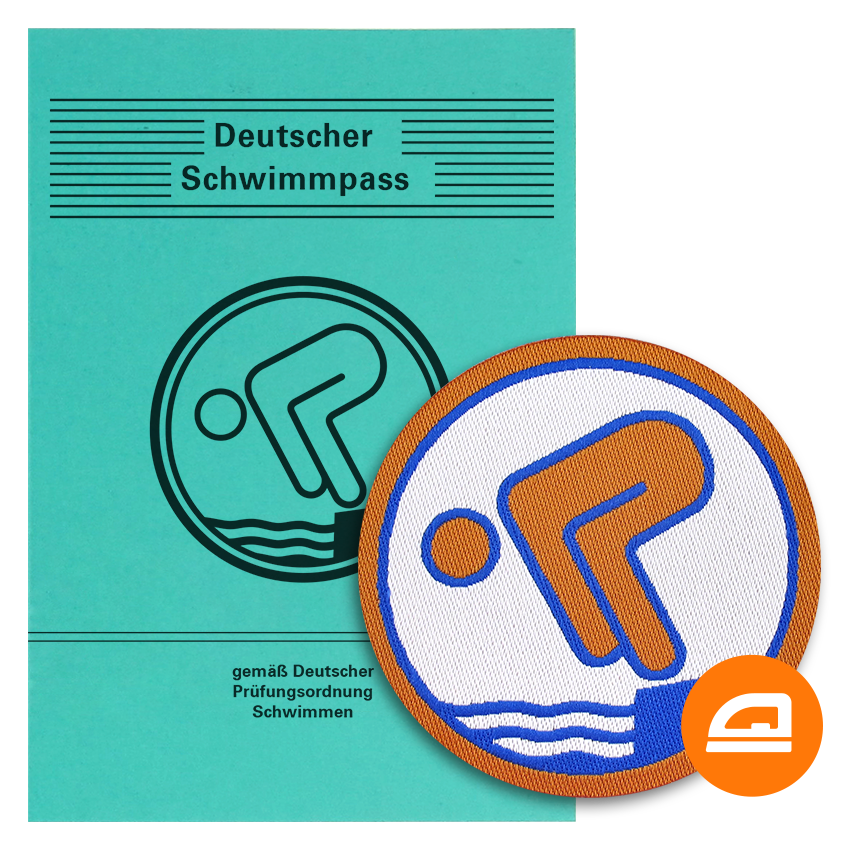
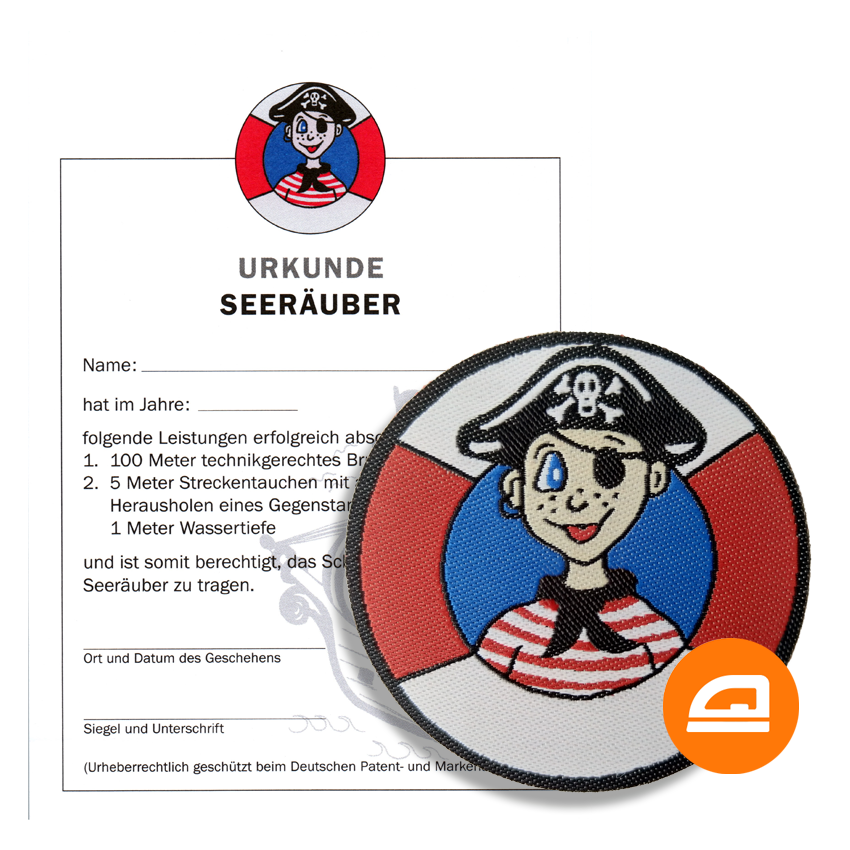
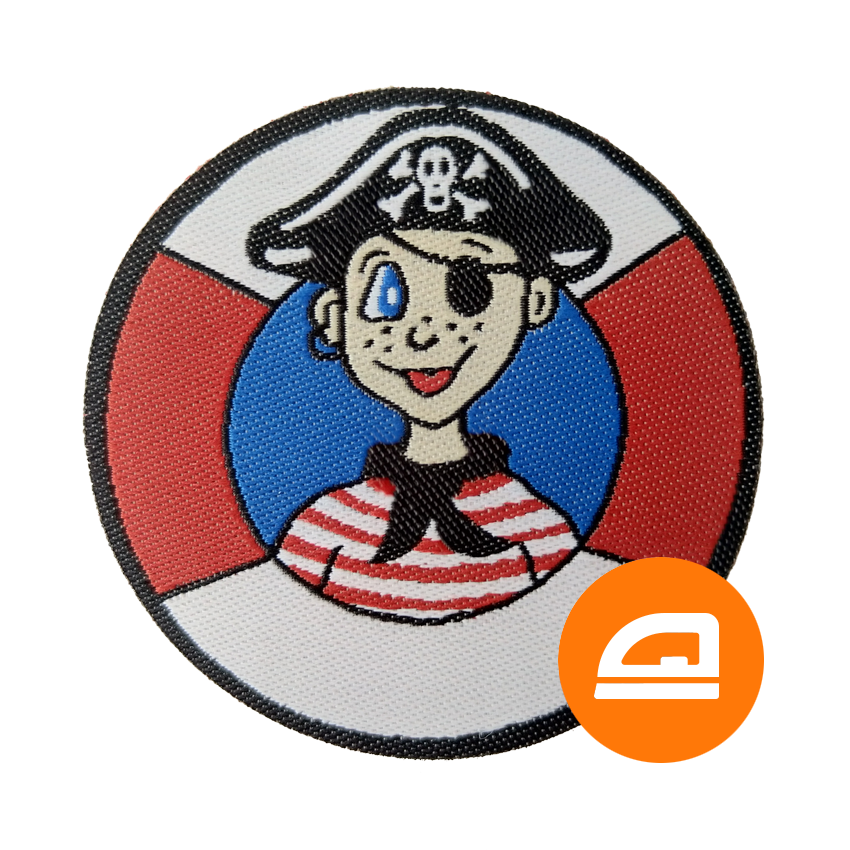
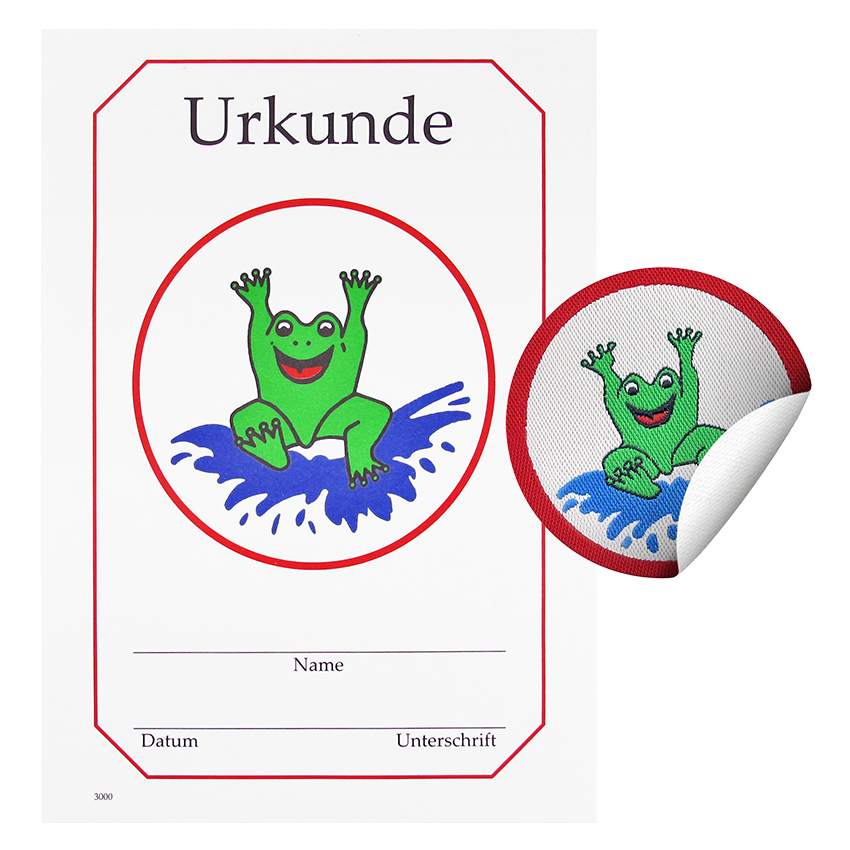
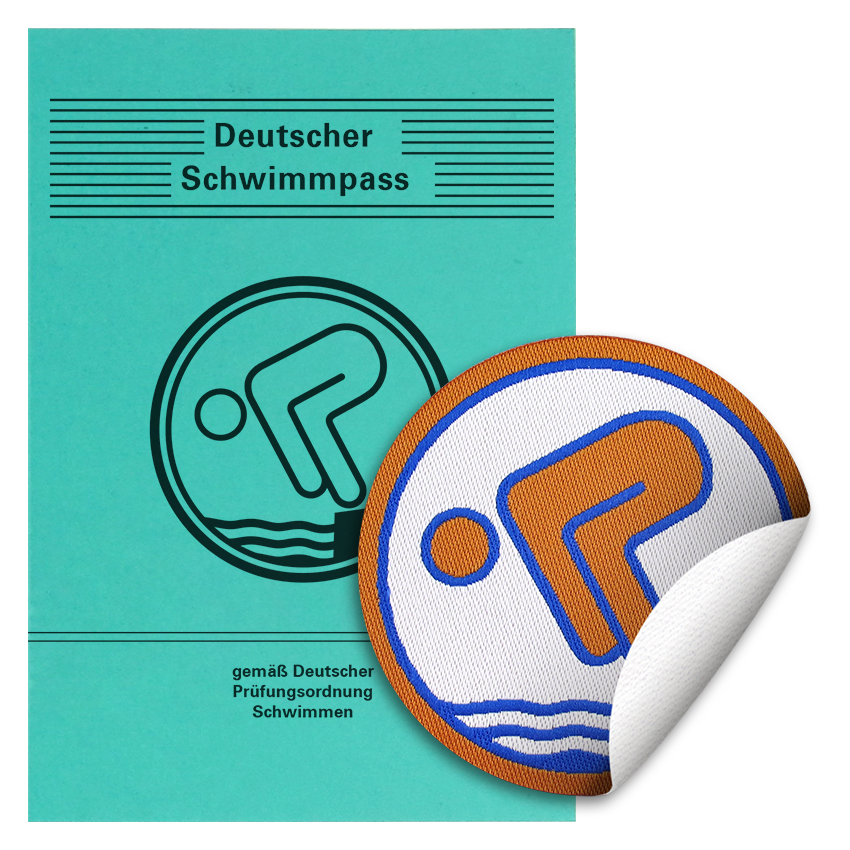
- 6. Use Praise, Certificates, and Badges as Motivation
- 7. Optimize Professional Swimming Lessons and Equipment
Quick Summary
| Key Insights | Explanation |
|---|---|
| 1. Set Clear Goals | Define achievable interim goals to boost your child's self-confidence. |
| 2. Playful Water Familiarization | Incorporate games to overcome fear of water and develop enjoyment. |
| 3. Correct Swimming Techniques | Explain swimming movements step-by-step and playfully to avoid overwhelming. |
| 4. Regular Practice | Schedule fixed practice times for sustainable learning success and positive progress. |
| 5. Create a Positive Learning Environment | Foster trust through praise and positive feedback to reduce fear. |
1. Set Clear Goals: Motivating Interim Goals for Children
Progress in learning to swim requires clear and achievable interim goals that motivate and inspire preschoolers. The right goals can strengthen your child's self-confidence and sustainably increase their enthusiasm for swimming.
When setting goals, it is important to consider age-specific and individual developmental stages. Motivation through swimming badges plays a crucial role here. Children need visible successes to continuously develop joy in learning.
For example, small interim goals such as submerging, jumping into the water, or swimming a short distance without aids can be motivating milestones. These goals should be realistic and adapted to the child's individual abilities.
The German Water Sports Associations emphasize that systematic progress in swimming lessons is crucial for developing safe water skills. Document your child's progress and celebrate every success together.
Pro-Tip: Keep a colorful progress diary with stickers or badges to continuously increase your child's motivation and make successes visible.
2. Make Water Familiarization Playful
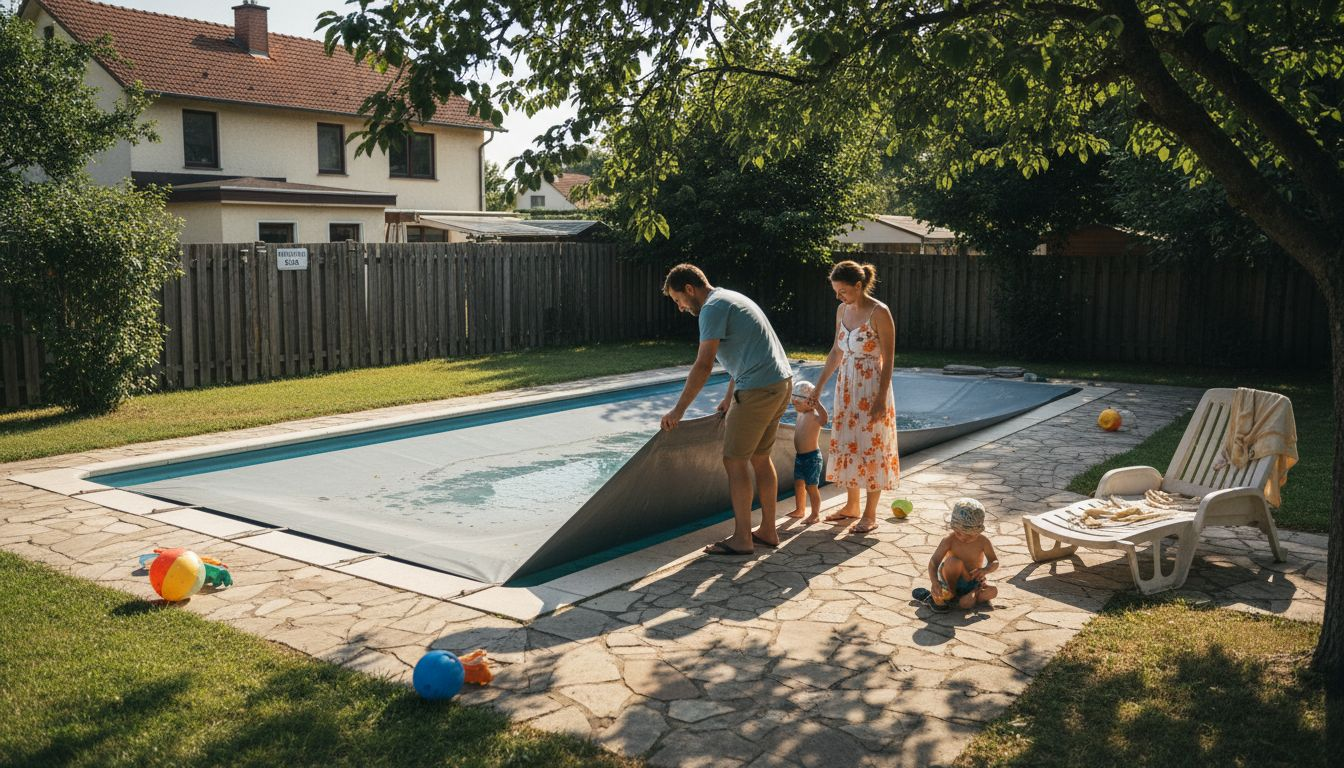
Water familiarization is a crucial step for preschoolers to develop trust and enjoyment in the water. Playful approaches can help children overcome their natural fear of water and build a positive relationship with swimming.
Playful water training is about teaching movements like paddling and blowing bubbles in a child-friendly and entertaining way. It is important that children do not develop fear and perceive water as a place of fun.
Parents can support water familiarization through various games. For example, they can imitate water animals together with their child or search for objects underwater. Such activities make learning to swim interesting and playfully promote body coordination.
The most important goals are getting acquainted with the water and building self-confidence. Every child has their own pace and should not be pressured.
Pro-Tip: Start with short water games in shallow water and gradually increase the complexity and duration of activities.
3. Explain Child-Friendly Swimming Techniques Step by Step
Swimming techniques for preschoolers require a patient and playful approach. Children learn best through small, successive movements and a positive learning atmosphere.
First, it is important to teach the basic swimming movements separately. Start with the arm stroke and leg kick individually and practice these movements first on land or in very shallow water.
Breaststroke is usually the first technique to be systematically introduced. Children should learn how to coordinate their arms and legs while developing fun and enjoyment. It is important not to over-challenge them and to adapt the learning pace individually.
Demonstrate the movements yourself and encourage your child to playfully imitate them. Use comparisons from the animal world or let children imitate water animals.
Pro-Tip: Use colorful swimming aids and make each practice session a small adventure.
4. Repetition and Routine: Practice Makes Perfect
Repetition is the key to success in teaching preschoolers to swim. Neuroscience shows that regular practice strengthens neural connections and automates movement sequences.
The saying “Practice makes perfect” emphasizes the importance of continuous training. For preschoolers, this means short but regular swimming sessions that are fun and show visible progress.
Parents should develop a structured practice routine. This can mean scheduling a fixed swimming time every Saturday or attending weekly swimming lessons. Consistency and a positive atmosphere are key.
Repetitions should be varied to keep motivation high. Playful elements such as water games or small challenges can make training sessions interesting.
Pro-Tip: Keep a progress diary with stickers or small rewards to boost your child's motivation.
5. Fear-Free and Safe: Create a Trusting Atmosphere
Overcoming water fears is a crucial step in teaching preschoolers to swim. A trusting and patient approach can help children overcome their natural uncertainty.
Parents play a central role in creating a safe learning environment. It is important not to pressure the child and to respect their individual boundaries. Every child has their own pace and needs time to get used to the water.
Positive feedback and frequent praise are crucial. Focus on small steps forward and celebrate them together. Avoid criticism or impatience. Speak encouragingly and show understanding for your child's feelings.
Playful elements can build trust. Use water games, diving exercises, and light movement games to create a positive relationship with water.
Pro-Tip: Stay calm and relaxed yourself while swimming so your child can feel and adopt your positive attitude.
6. Use Praise, Certificates, and Badges as Motivation
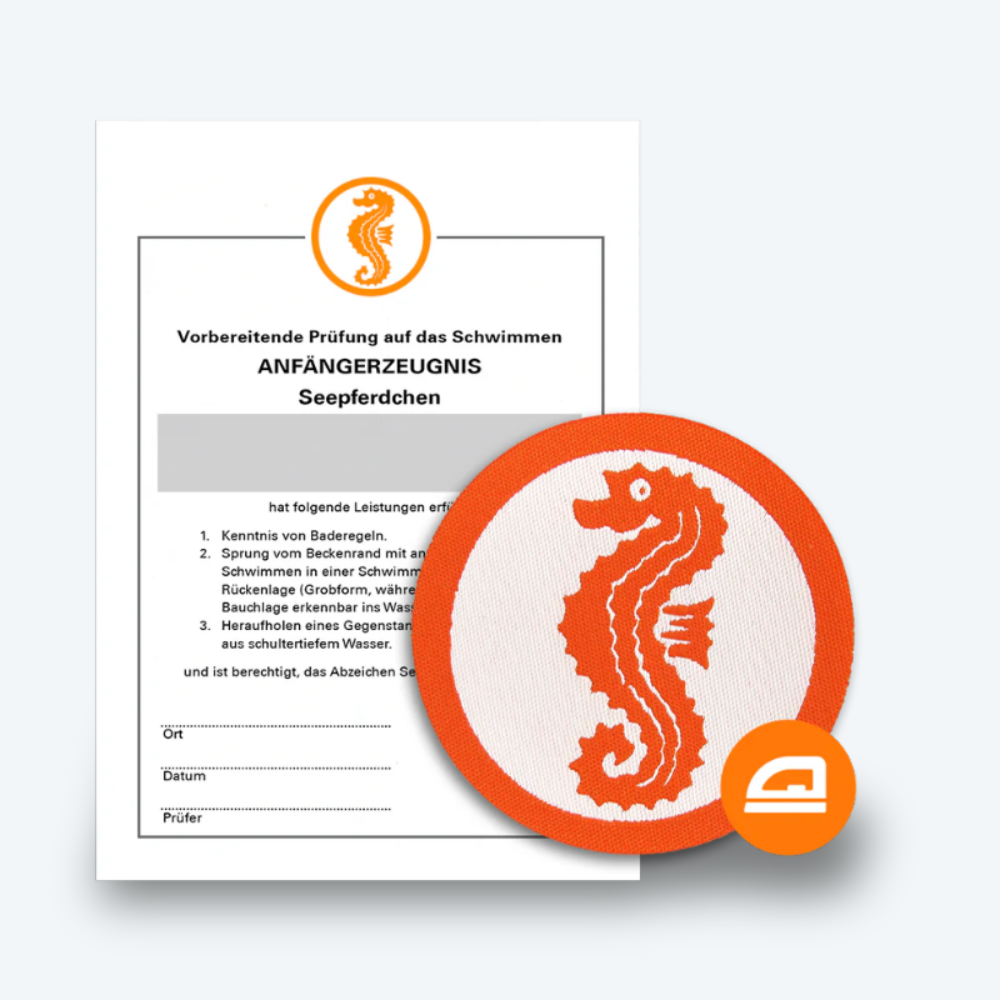
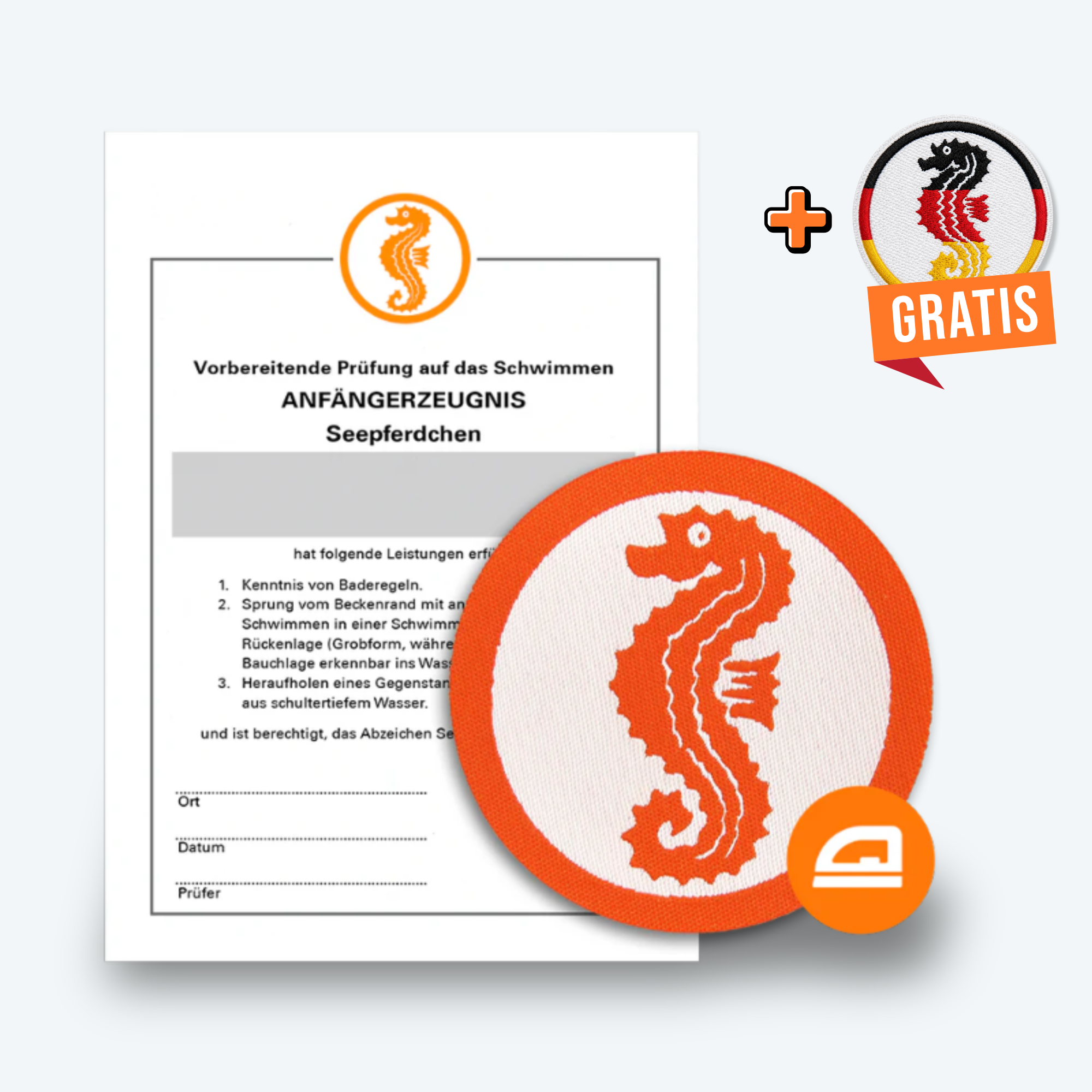
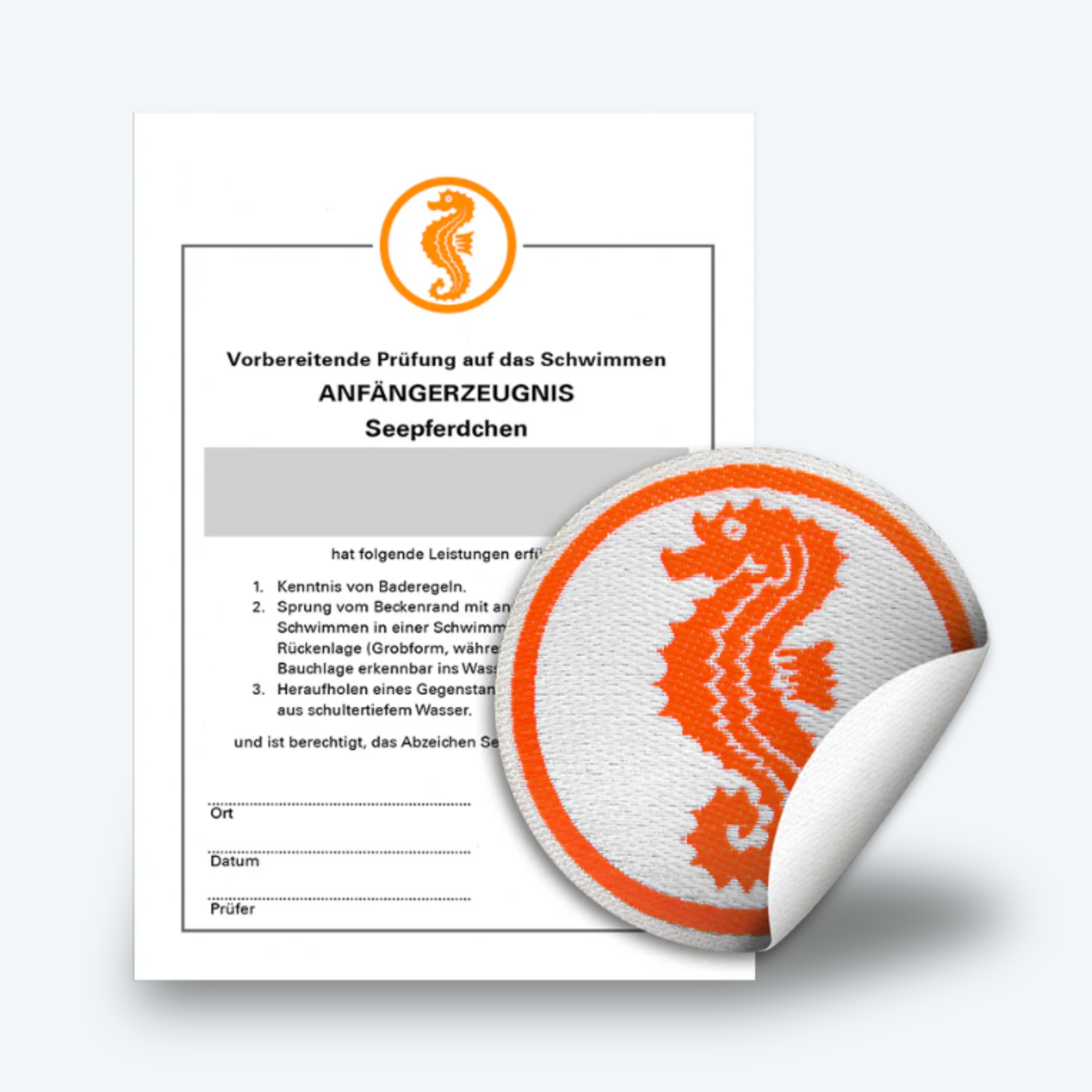
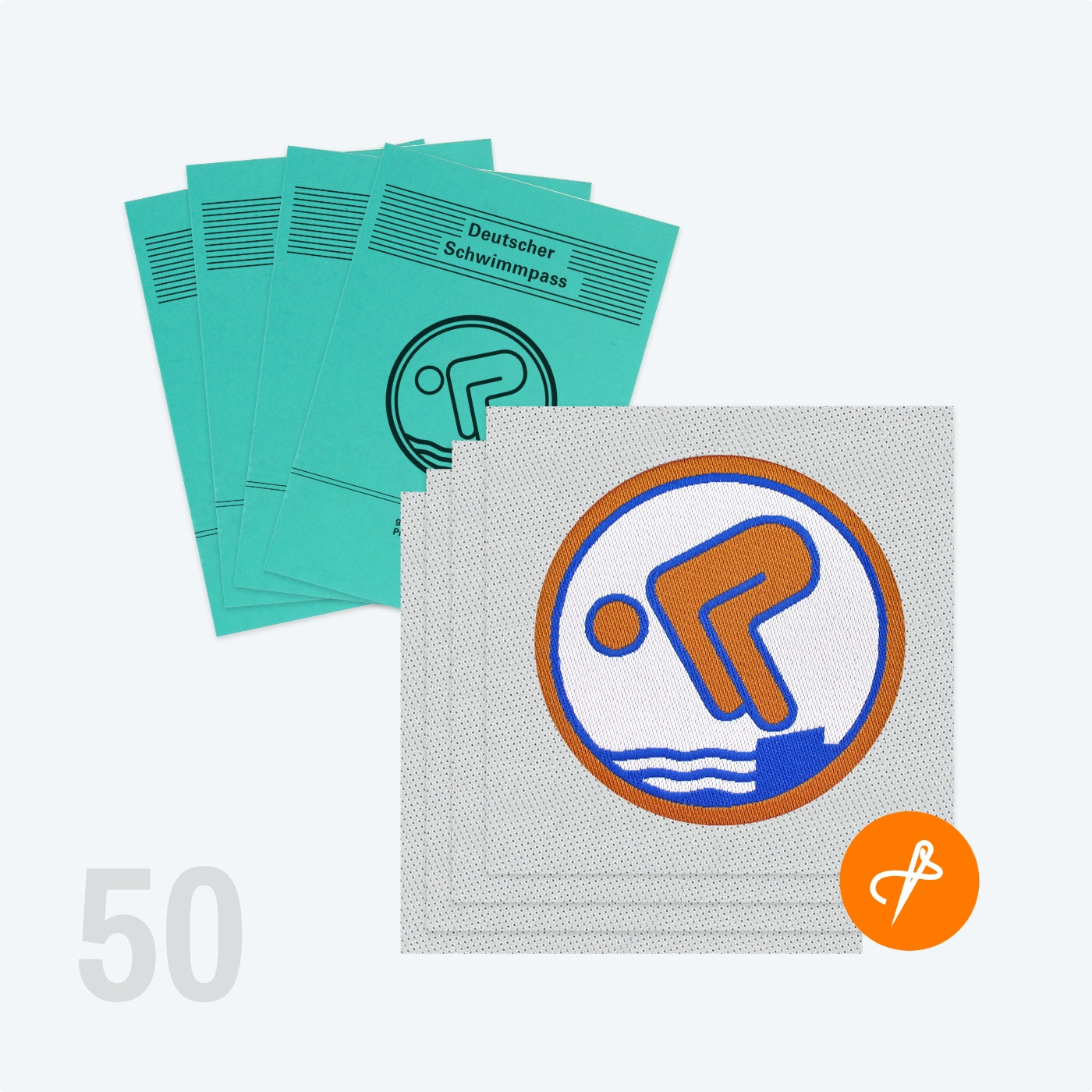
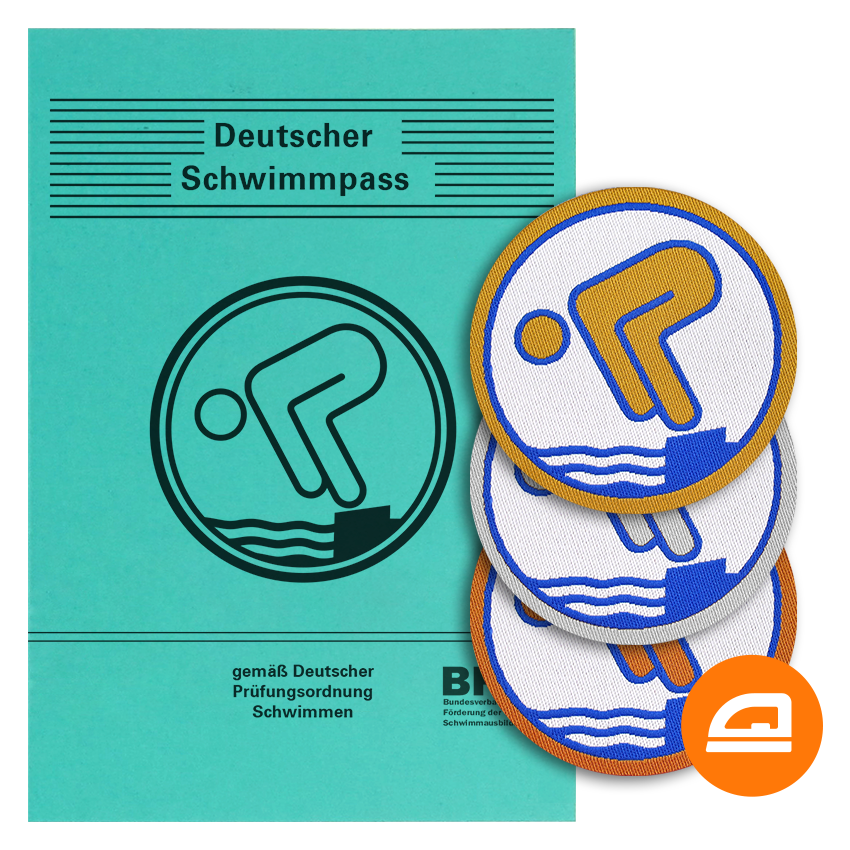
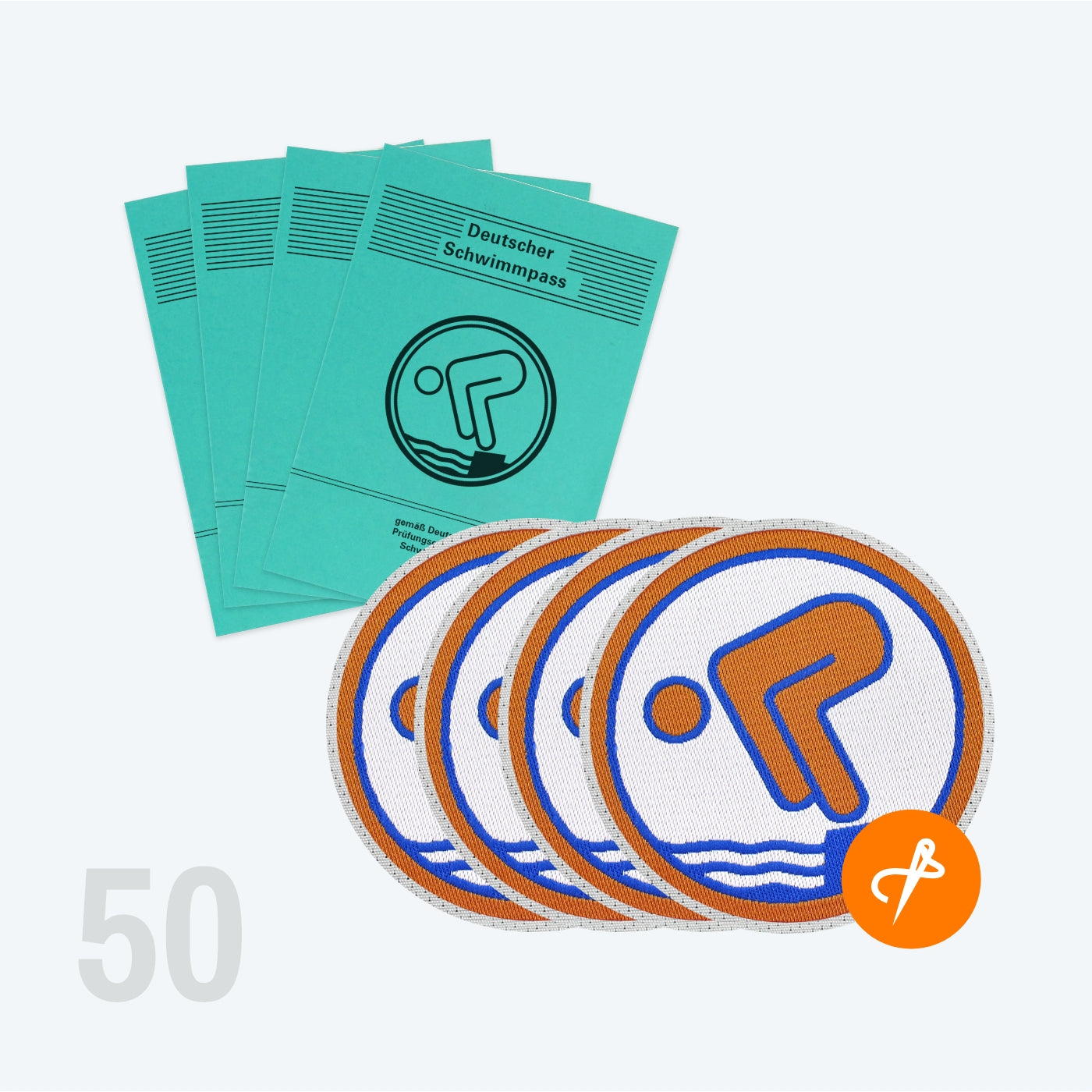
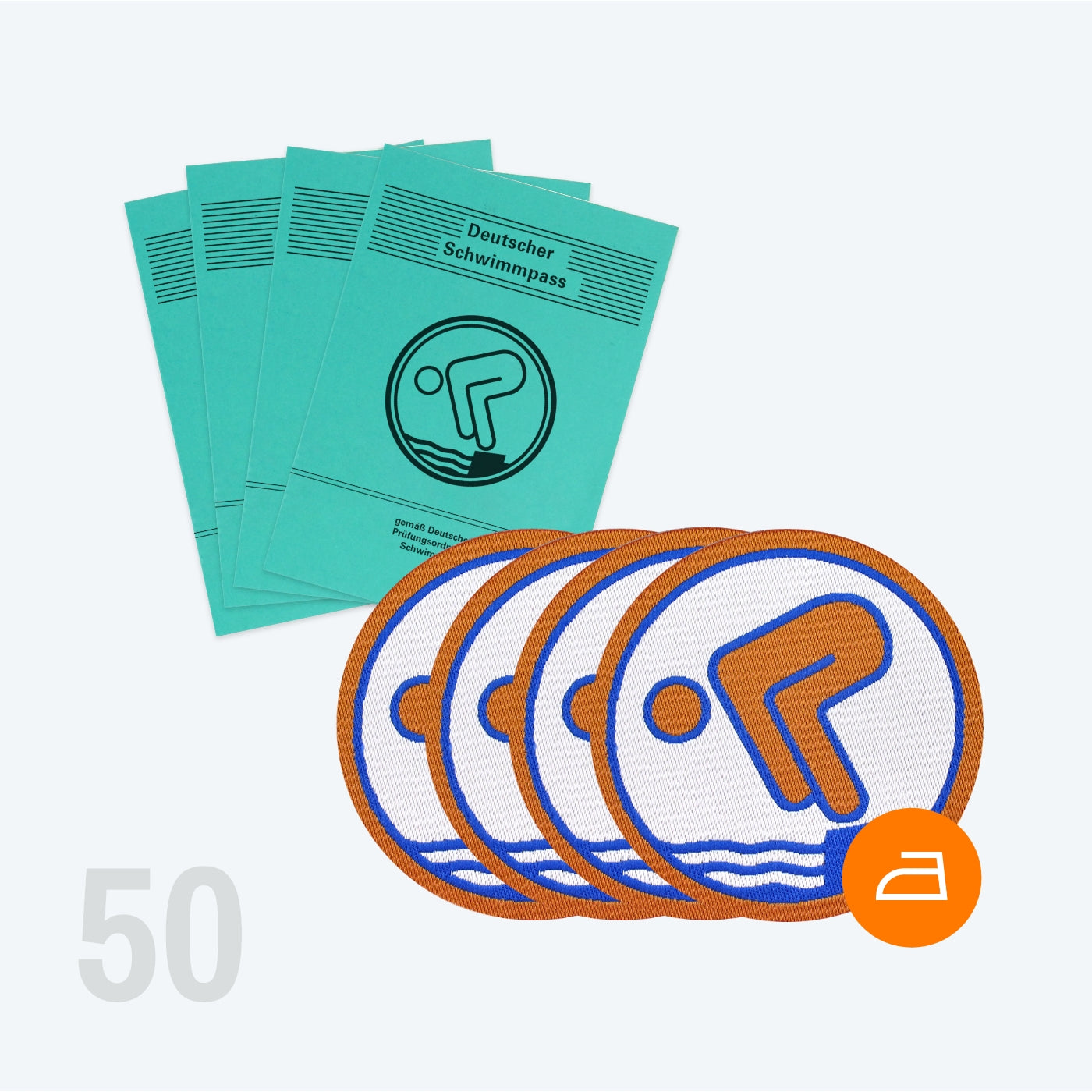
Swimming badges like the Seepferdchen are more than just small awards. They are powerful motivational tools that convey recognition and pride to children for their progress.
Awarding motivation through badges can enormously strengthen preschoolers' self-confidence. Each badge symbolizes an achieved milestone and motivates them to continue.
Parents and swimming instructors should acknowledge progress individually and personally. Heartfelt praise immediately after a successful exercise or a small ceremony at the badge award can work wonders.
Document your child's development with a progress album. Collect and display badges and certificates visibly at home. This creates motivation and memories.
Pro-Tip: Turn the badge award into a small family celebration with a photo and recognition of the individual achievement.
7. Optimize Professional Swimming Lessons and Equipment
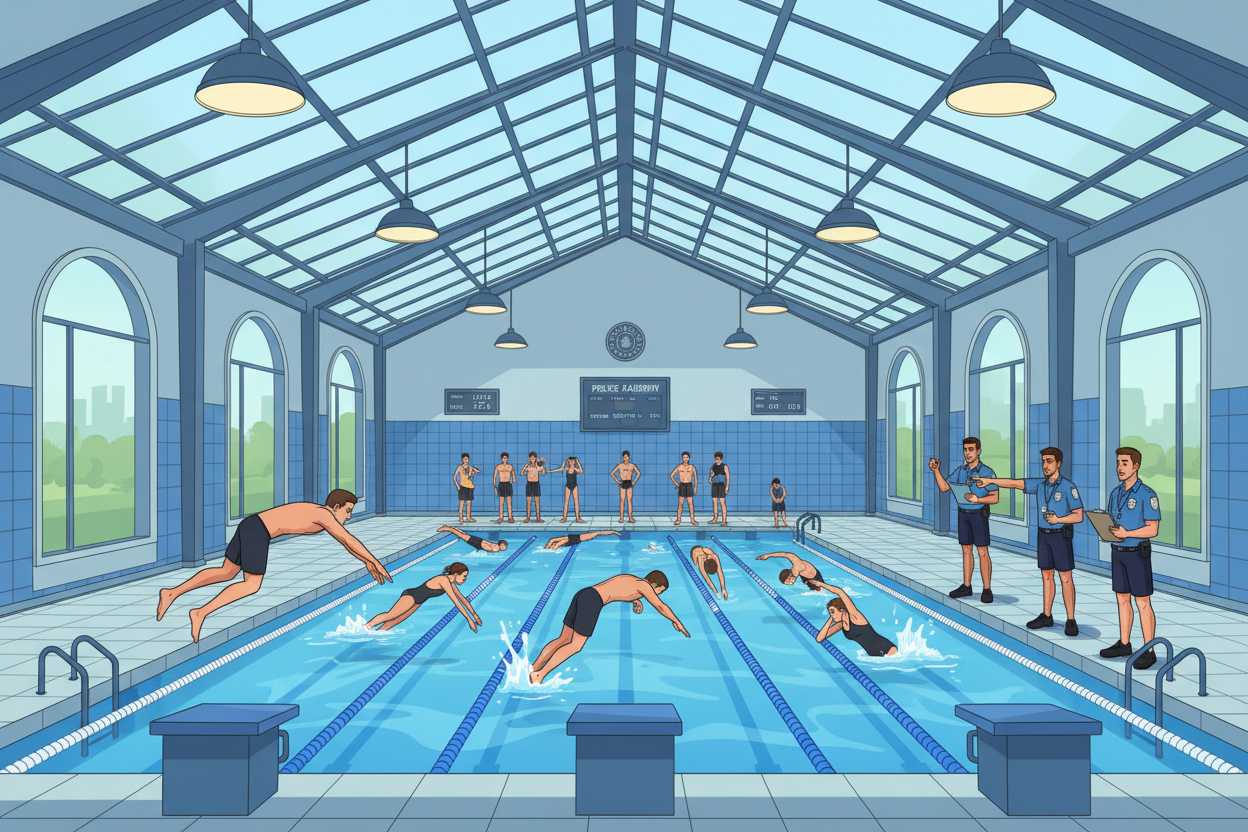
Professional swimming lessons are the key to safe and effective swimming education for preschoolers. Qualified instructors can specifically teach techniques and individually address the needs of each child.
Equipment such as swimming aids and learning materials should be used systematically and age-appropriately. Modern swimming aids not only provide physical support but also motivate children through playful learning concepts.
When choosing swimming courses, look for certified instructors with experience working with preschoolers. Small group sizes and child-friendly teaching methods are important.
The combination of professional instruction and useful equipment creates an optimal learning environment. Swimming aids should consider the child's developmental stage and promote fun and safety equally.
Pro-Tip: Before starting a course, attend a trial lesson and observe how the instructor interacts with children.
The following table summarizes the main points and strategies of the article on "Learning to Swim for Preschoolers" and highlights the most important approaches and benefits.
| Strategy | Implementation | Benefits |
|---|---|---|
| Set clear goals | Set interim goals such as submerging or swimming short distances | Increased motivation and self-confidence |
| Playful water familiarization | Integrate water games and movement exercises | Overcoming fears and promoting fun in the water |
| Child-friendly swimming techniques | Learn movements individually and systematically first | Promotion of technique development in a motivating way |
| Regular practice | Establish practice routines with varied training sessions | Improvement through continuous repetition |
| Creating a trusting atmosphere | Give positive feedback and show patience | Building trust and promoting independence |
| Using praise and badges | Document progress with certificates and badges | Increased motivation and recognition of achievements |
| Incorporating professional instruction | Select experienced trainers with suitable methods | Systematic teaching of swimming skills |
For a Successful Start in the World of Swimming: Pimpertz Accompanies Your Child
Learning to swim at preschool age is an exciting challenge. Clear interim goals, playful water familiarization, and earning swimming badges are crucial success factors. This is exactly where Pimpertz comes in: With over 38 years of experience as an official partner of the DLRG and BFS, we offer you not only a large selection of original certified swimming badges in child-friendly designs, but also practical accessories such as collector's albums and personalized sets that sustainably increase your child's motivation.
Trust in our expertise and quality to support your child's swimming education with visible successes and free, lightning-fast delivery. Start now and ensure all involved have a very special sense of achievement. Discover our comprehensive range at Pimpertz and promote the joy of swimming and pride in each individual badge. That's why it's worth acting now: every goal achieved grows with recognition and motivates the little swimmers anew every day.
Find out more today about swimming badges and certificates, as well as our attractive accessory and gift sets, and take the next step for your child's safe and confident swimming education!
Frequently Asked Questions
How can I set clear goals for my preschooler in swimming?
Set realistic and achievable interim goals, such as submerging or swimming a short distance without aids. Regularly review progress and document it to increase motivation.
What playful methods help with water familiarization?
Use games like imitating water animals or searching for objects underwater to build your child's confidence in the water. Start with simple activities in shallow water and gradually increase complexity.
How often should my child practice swimming to make progress?
Plan short, but regular swimming sessions, for example every Saturday. Consistency ensures that your child becomes more confident in the water and progress becomes visible faster.
What can I do to overcome my child's fear of water?
Create a trusting and relaxed learning environment where your child feels comfortable. Avoid pressure and focus on positive feedback to gradually reduce insecurity.
What swimming techniques should I teach my preschooler first?
Start with basic movements like the arm stroke and leg kick individually. Practice these movements first in shallow water to avoid overwhelming and to promote the joy of learning.
How can I boost my child's motivation through badges and praise?
Award small recognitions like swimming badges after your child reaches certain milestones. Document achievements in a progress diary and celebrate every success together.