
Pool Cover Safety – How to Protect Your Family
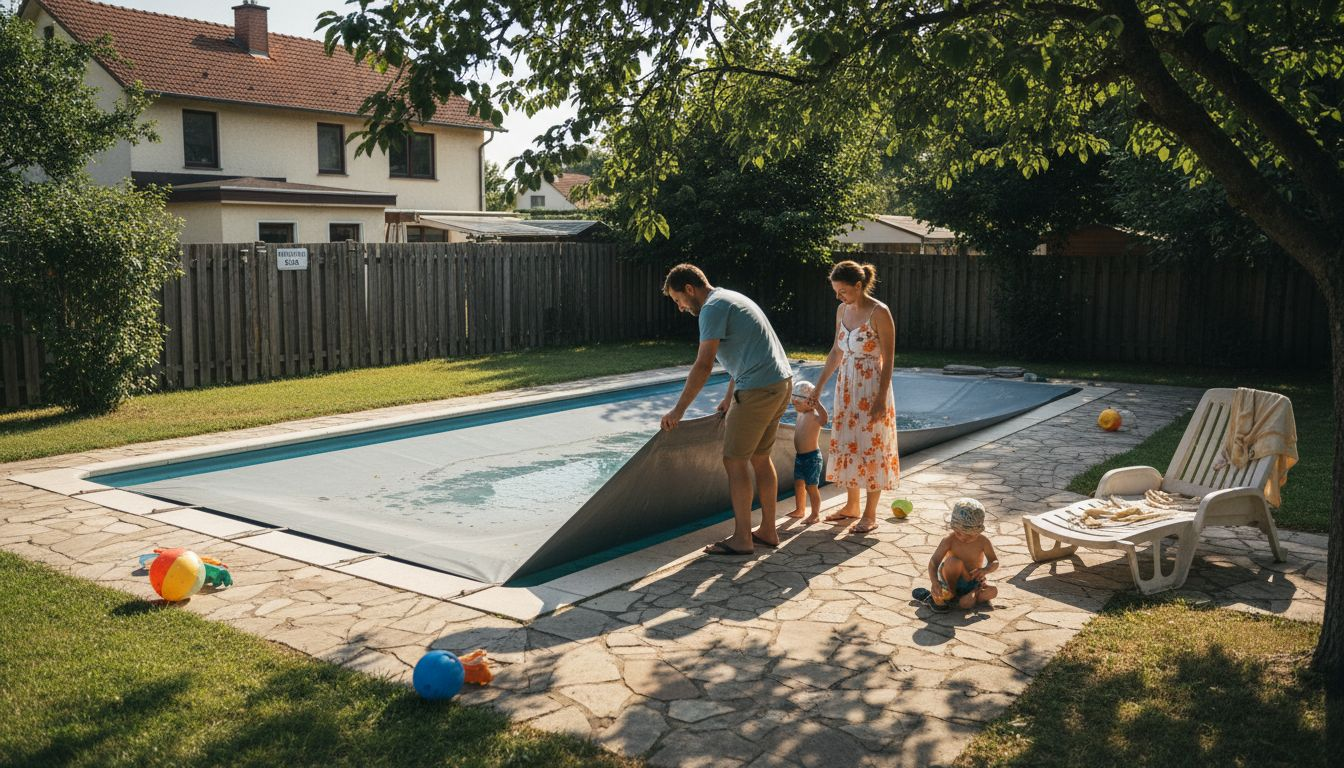
Every family garden with a pool brings joy, but with small children, safety becomes the top priority. Parents know that curious preschoolers quickly seek any adventure, even where water beckons. A stable pool cover not only protects against dirt but also creates an additional safety barrier and significantly reduces the risk of accidents in your own garden. Find out what options are available and how modern covers make everyday life with children safer and more relaxed.
Table of Contents
- What does pool cover safety mean?
- Different types of safety covers
- Functionality and features of modern covers
- Legal requirements for pools in Germany
- Risks, typical mistakes and effective protective measures
Key Takeaways
| Point | Details |
|---|---|
| Pool covers increase safety | They prevent unintentional falls and reduce the risk of accidents for children and pets. |
| Choosing the right cover | Consider the shape, size, and individual safety requirements to find the suitable safety cover. |
| Observe legal requirements | Familiarize yourself with the specific building regulations in your federal state to avoid legal problems. |
| Risk management is crucial | Combine structural safety measures with active supervision to ensure safety at the pool. |
What does pool cover safety mean?
Pool covers are a crucial safety measure for families with children and pets. They offer far more than just protection against dirt - they can save lives. A professional safety cover for pools prevents children from accidentally falling in and dramatically reduces the risk of accidents in the garden area.
Modern pool covers are made of robust, tested materials that fulfill various safety functions. They not only prevent accidental entry into the pool area but also protect against algae formation and reduce cleaning efforts. A high-quality cover is an important investment in the safety of your family and the quality of your pool water.
It is important to understand that a pool cover by no means replaces parental supervision, but complements it. It creates an additional safety barrier and gives parents more peace of mind. Modern systems have various safety standards, such as load-bearing tests and special locking mechanisms that prevent accidental opening.
Pro tip: Invest in a professionally tested pool cover and have it installed by a specialist to ensure maximum safety.
Different types of safety covers
Pool covers vary in design and functionality, with each type fulfilling specific safety requirements. Modern safety covers include various systems such as slatted covers, telescopic enclosures, and permanently installed safety nets, each offering different protective functions.
Among the most common safety covers are tarp systems, made from tear-resistant PVC material. These can be used as a winter cover or a year-round safety solution. Particularly robust are safety bar covers, which have a high load-bearing capacity and are specially designed to prevent accidental entry by children or pets.
When choosing a suitable pool cover, several factors must be considered: the pool shape, size, season, and individual safety requirements play a decisive role. Rectangular pools, for example, have different cover systems than round pools, and the material quality varies depending on the purpose and climate.
Pro tip: Get individual advice from a specialist on the right safety covers for your specific pool type.
Below you will find a comparison of the most common pool safety covers and their special features:
| Cover type | Main advantage | Ideal area of use | Safety feature |
|---|---|---|---|
| Slatted cover | Automatic operation | Year-round, modern pools | Load-bearing structure |
| Telescopic enclosure | Weather protection | Seasonal use, large pools | Lockable segments |
| Safety bar cover | High load capacity | Families with children/pets | Reinforced bar construction |
| PVC tarpaulin | Cost-effective | Winter cover, small pools | Tear-resistant material |
Functionality and features of modern covers
Modern pool covers are highly developed safety and energy management systems with complex functions. High-quality pool covers offer much more than just a protective function - they optimize the entire pool area through intelligent technologies.
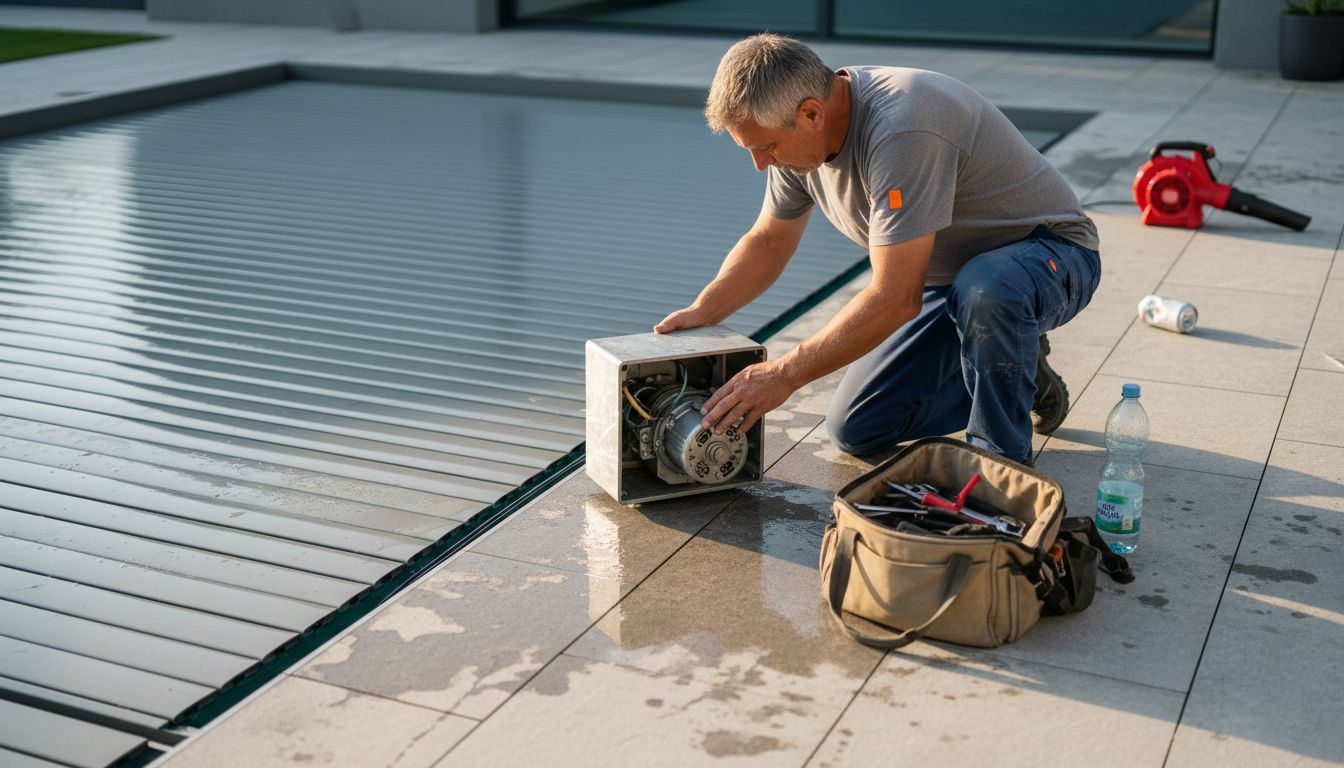
Key functions include protection against dirt, reduction of water evaporation, and heat retention. Safety covers are designed to support the weight of people, providing an additional safety mechanism. By minimizing water loss, pool owners can save up to 70 percent of heating energy, which is both ecologically and economically sensible.
Another crucial aspect is extending the pool's lifespan. Modern covers effectively prevent algae formation, reduce chemical consumption, and protect the pool surface from environmental influences. Many systems now feature automatic operating mechanisms that can be controlled at the touch of a button or even via smartphone.
Pro tip: When purchasing, look for covers with TÜV-certified safety certification for maximum protection.
Legal requirements for pools in Germany
The legal framework for pool installations in Germany is complex and varies by federal state. In principle, different regulations apply to outdoor and indoor pools, with size, volume, and construction type being decisive factors.
In most federal states, pools with a volume of up to 100 cubic meters are permitted without a formal building permit. However, compliance with distance regulations to neighboring properties, building boundaries, and local development plans is crucial. Pools with a depth of over 1.5 meters or permanently installed structures generally require official approval.
For pool owners, this means that they should definitely consult the responsible building authority before installation. Special attention must be paid to indoor pools, enclosures, and pools directly connected to the residential building. These almost always require a detailed building permit and must comply with strict structural engineering requirements.
Pro tip: Inform yourself early on at the local building authority about the specific regulations in your region to avoid legal complications.
Risks, typical mistakes and effective protective measures
Pool safety requires a comprehensive understanding of potential hazards and proactive protection strategies. Pool safety begins with the realization that accidents usually result from preventable mistakes.
The most common risks include unsupervised child access, lack of fall protection, and inadequate floor coverings. Important protective measures include self-closing fences with child-proof latches, non-slip pool surrounds, and stable safety covers. Additionally, rescue equipment such as lifebuoys and rescue poles should be clearly visible and easily accessible.
Consistent supervision remains essential despite technical safety precautions. Parents should never lose sight of children at the pool, even if protective devices are installed. The combination of structural safety measures, technical aids, and active supervision effectively minimizes accident risks.
Pro tip: Perform regular safety checks and instruct children early on in pool-related rules of conduct.
The following table summarizes central pool safety risks and effective countermeasures in a structured manner:
| Risk | Typical mistake | Recommended preventive measure |
|---|---|---|
| Unsupervised access | No fence or lock | Child-safe fence system |
| Accident due to slipping | Slippery floor covering | Non-slip pool surround |
| Missing rescue equipment | No equipment on site | Lifebuoys/poles visible |
| Incorrect rules of conduct | Children uninformed | Regular safety training |
Protect Your Family with the Right Motivation and Suitable Swimming Badges
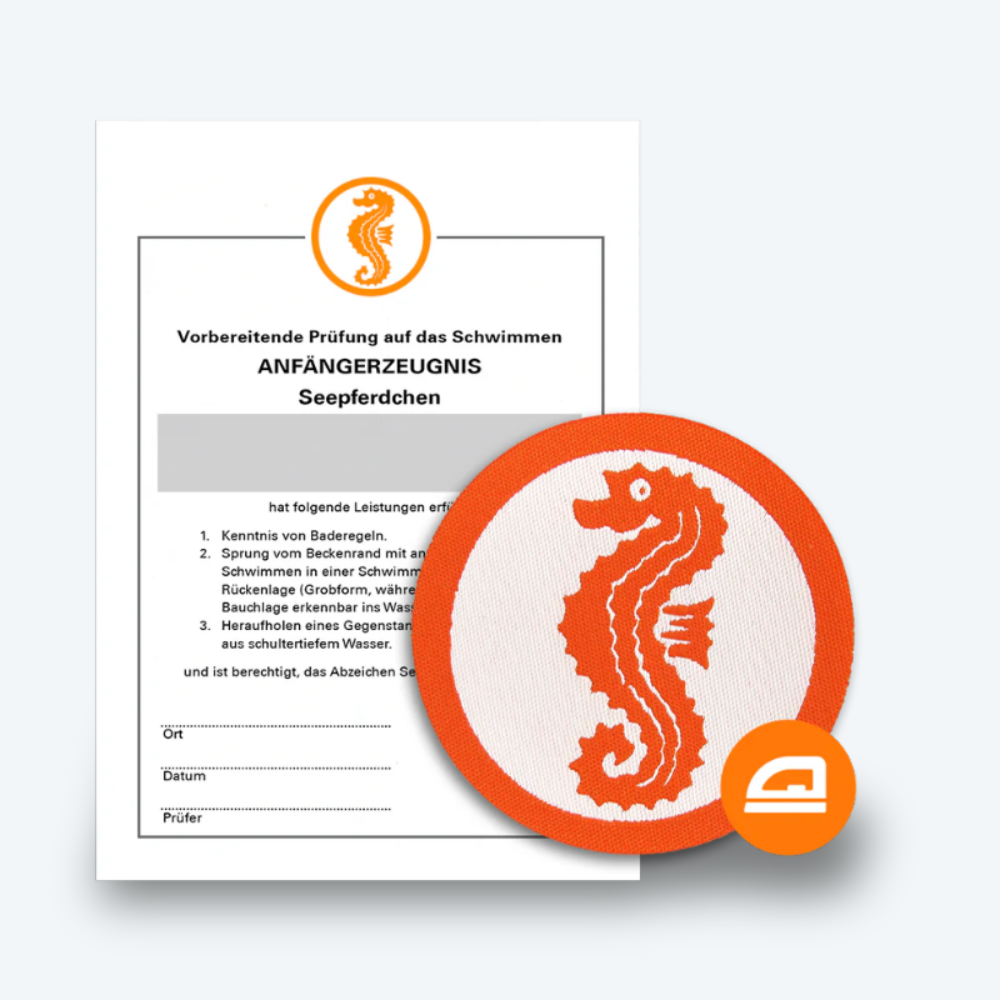
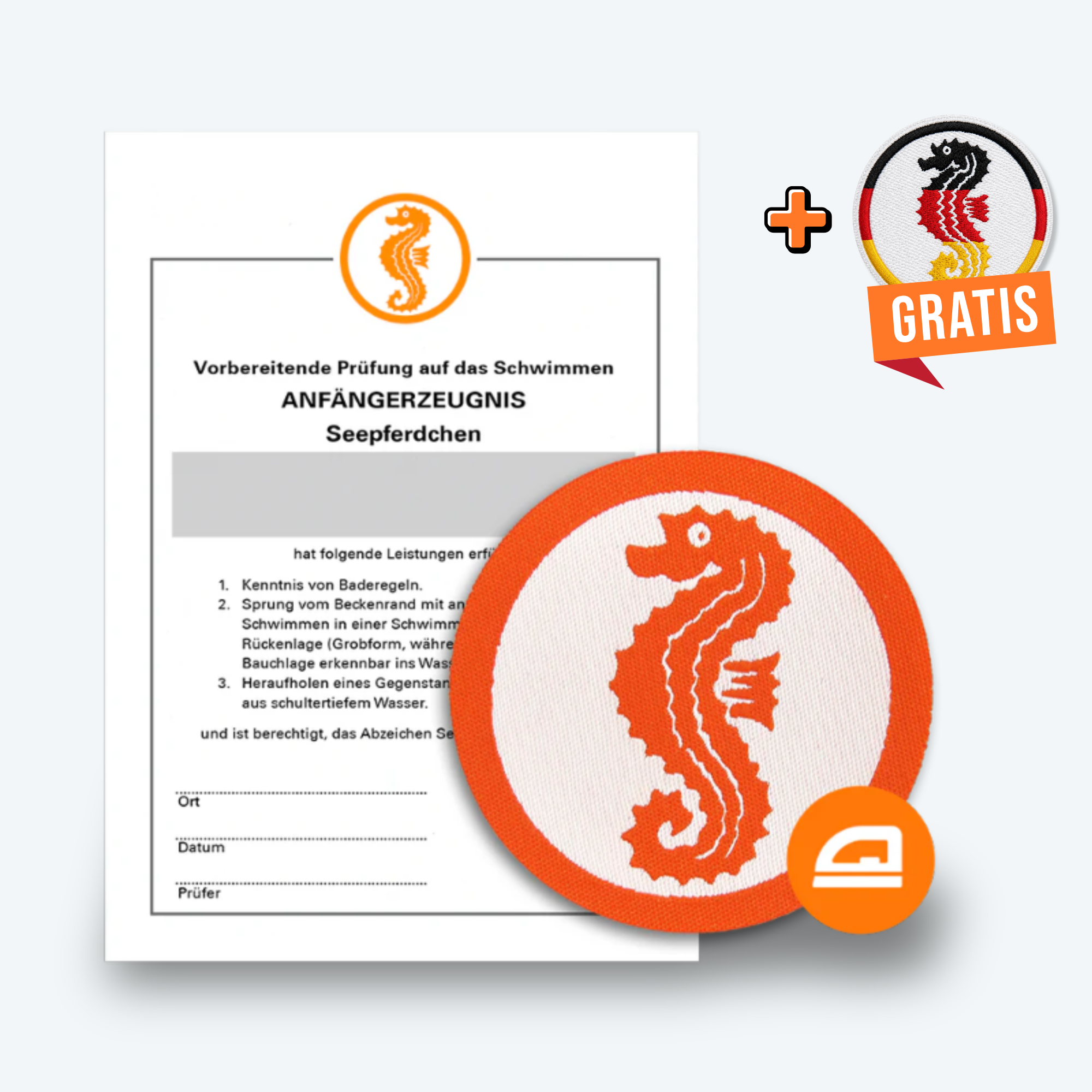
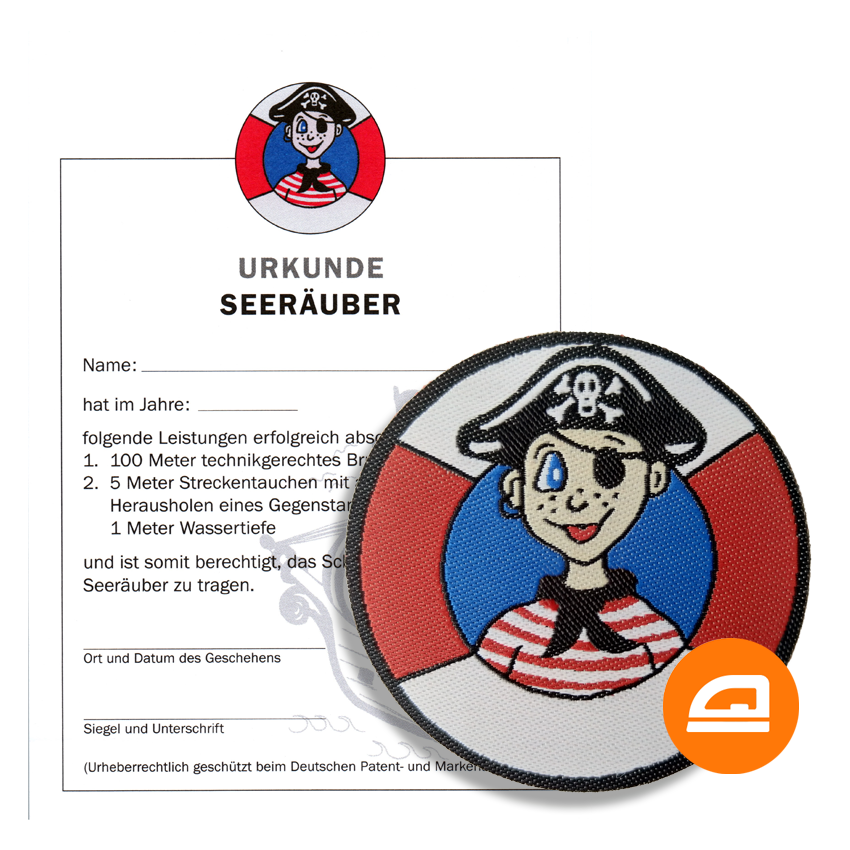
Pool safety is a top priority for every family with children. In addition to sturdy safety covers, targeted swimming skills are important to effectively prevent accidents. Pimpertz supports you with a diverse range of child-friendly swimming badges, such as the Stella Starfish Swimming Badges & Certificates. These playfully build confidence in the water and motivate your child to regularly practice swimming, thereby becoming safer around the pool.
Take the opportunity to comprehensively protect and strengthen your family. Visit pimpertz.de now and discover not only swimming badges but also practical accessories and personalized badge kits that make every swimming lesson a success. Start today and improve your children's water competence with high-quality certificates and badges – because safety begins with knowledge and skill.
Frequently Asked Questions
What is a safety cover for pools?
A safety cover for pools is a special cover designed to prevent unauthorized access to the pool and ensure the safety of children and pets.
What types of safety covers are there?
There are various types of safety covers, including slatted covers, telescopic enclosures, and safety bar covers, each offering different advantages and applications.
How do pool covers reduce cleaning effort?
Pool covers prevent dirt and leaves from entering the pool, which reduces the need for cleaning and improves water quality.
What are the legal requirements for pools in Germany?
Legal requirements vary by federal state, but pools with a volume of up to 100 cubic meters generally do not require a building permit, while larger pools or fixed structures often require approval.