


Issuing Swimming Certificates: A Guide for Swimming Schools
Every swimming test concludes with a special moment. For many children and parents, receiving the certificate is the highlight that rewards all efforts. Surprisingly, according to the German Swimming Federation, the certificate is only recognized retrospectively if the name, date of birth, and examination date are documented without error. However, what many overlook is that it's precisely the thorough preparation and a personal presentation that transform a simple piece of paper into a true memento.
Table of Contents
- Step 1: Preparing the necessary information for the certificate
- Step 2: Choosing the appropriate design for the swimming certificate
- Step 3: Filling out the certificate with participant data
- Step 4: Printing and cutting the certificates for presentation
- Step 5: Checking the certificates for accuracy and completeness
- Step 6: Presenting the certificates to the swimmers
Quick Overview
| Key Points | Explanation |
|---|---|
| 1. Careful data collection is crucial | To avoid errors, all swimming data should be precisely recorded and organized. |
| 2. Use standardized templates | Consistent data collection through templates facilitates certificate documentation. |
| 3. Ensure correct and legible entries | Use permanent ink and carefully check all details to avoid misunderstandings. |
| 4. Choose high-quality printing materials | For a professional certificate, sturdy paper and good print quality are essential. |
| 5. Prepare for a ceremonial presentation | Design the ceremony with dignity to appropriately honor the swimmers' achievements. |
Step 1: Preparing the necessary information for the certificate
The preparation of a swimming badge certificate begins with the careful collection and organization of all necessary information. This first step is crucial for professional and error-free documentation of the swimming achievement.
What information is essential for the certificate? The basics include the swimmer's full name, date of birth, date of examination, and the name of the swim school or examiner. These details form the foundation of every certificate and must be recorded with the utmost care.
First, you should develop a structured process for information gathering. It's best to use a standardized form or a digital recording system that documents all relevant data clearly and without errors. According to the German Swimming Federation, correct documentation is not just a formality but important proof of the swimming performance achieved.
Pay special attention to the spelling of names and the accuracy of dates. A small typo can lead to unnecessary complications later. A double-check of all information, ideally by two different people, is recommended.
For swim schools and clubs, using a standardized data collection template is beneficial. This can include the following elements:
- Full name of the swimmer
- Date of birth
- Examination date
- Swimming style and performance level
- Name of the examiner
- Signature field
Additionally, at this stage, you should decide which specific details should appear on the certificate. Some swim schools, for example, add extra information like distances swum or special performance characteristics.
Thorough preparation in this first step lays the groundwork for professional and error-free certificate issuance. Thoughtful information gathering saves time later and avoids potential corrections or re-issues.
Step 2: Choosing the appropriate design for the swimming certificate
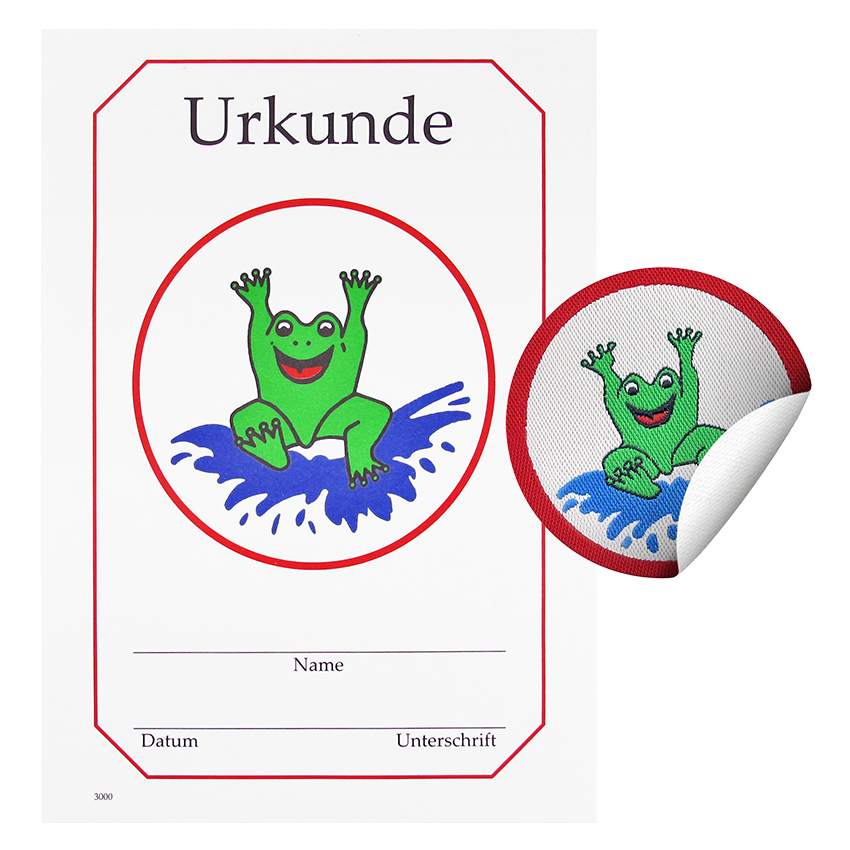
Choosing the right design for a swimming certificate is more than just an aesthetic decision. It is an important moment of recognition and motivation for every swimmer. A well-designed certificate can honor the swimmer's achievement and pride, while also appearing professional and inviting.
What elements make for an outstanding certificate design? The foundation is a clear, uncluttered structure that presents all important information. Use a design that provides space for the full name, examination date, achieved swimming level, and the name of the swim school. According to the German Swimming Federation, the design should not only be informative but also inspiring.
Colors play a crucial role in the emotional impact of the certificate. Choose a color palette that looks youthful and motivating. Blue and turquoise tones evoke water and can create a direct connection to swimming. For children, vibrant, friendly colors that convey joy and pride are recommended.
For creative inspiration, you can learn more about child-friendly swimming lessons in our guide. The design should consider the age group – a design for children is significantly different from one for adults.
Typography is another critical aspect. Choose a clear, easy-to-read font. Sans-serif fonts appear modern and professional. Ensure sufficient font size and contrast to guarantee readability.
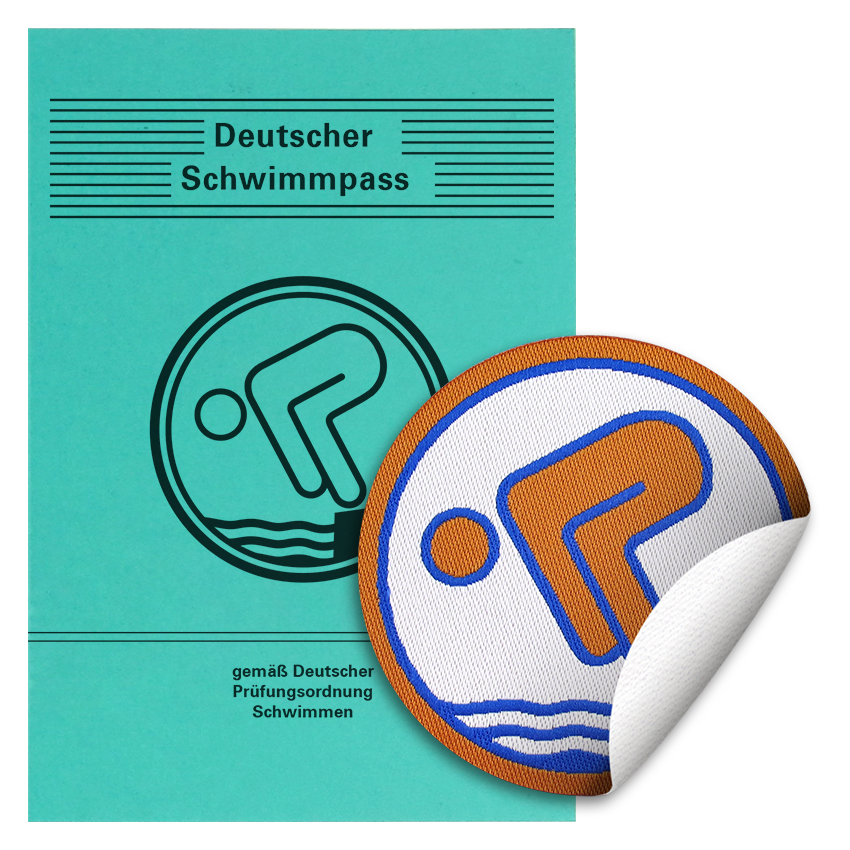
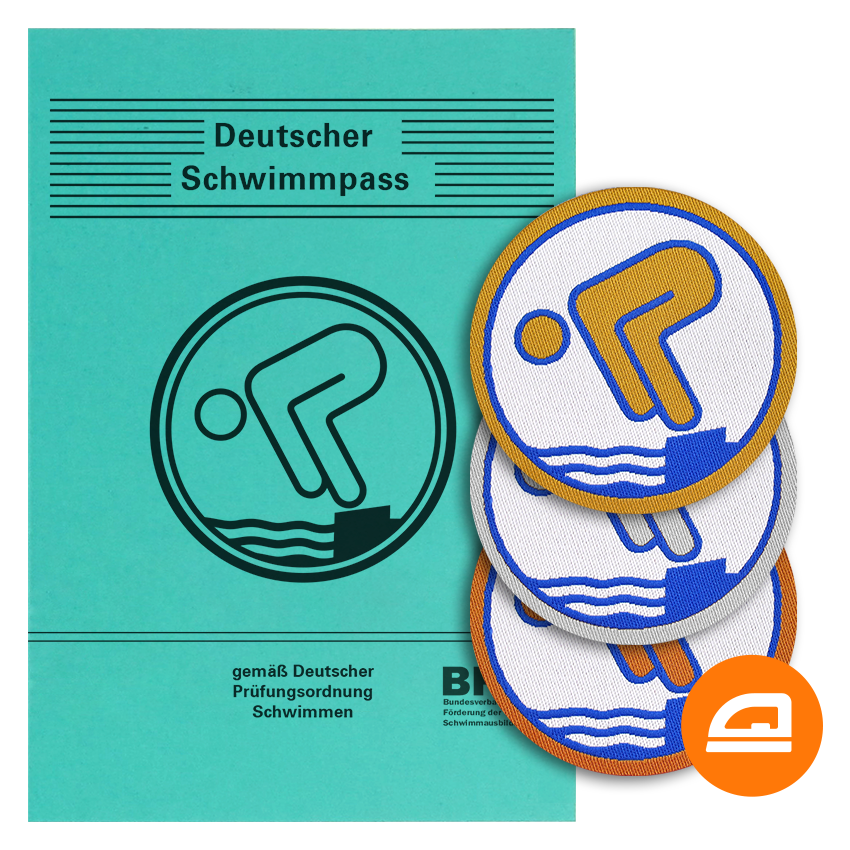
Complementary graphic elements can brighten up the design. Swimming-specific symbols such as swimmers, waves, or swimming badges add a personal touch. However, these elements should be used sparingly so as not to overwhelm the certificate.
Also, consider print quality. A design that looks brilliant on screen may appear differently when printed. Test different variations and print samples to find the optimal version.
The final decision should always focus on honoring the achievement. A certificate is more than just a document – it is a lasting reminder of an important milestone in swimming.
Step 3: Filling out the certificate with participant data
Filling out the swimming certificate is a sensitive process that requires precision and care. Each entry not only documents an achievement but also represents the swimmer's personal success.
What information must be entered correctly? Start with the basic data: swimmer's full name, date of birth, examination date, and the name of the swim school. According to the German Swimming Federation, this information is crucial for the validity of the certificate.
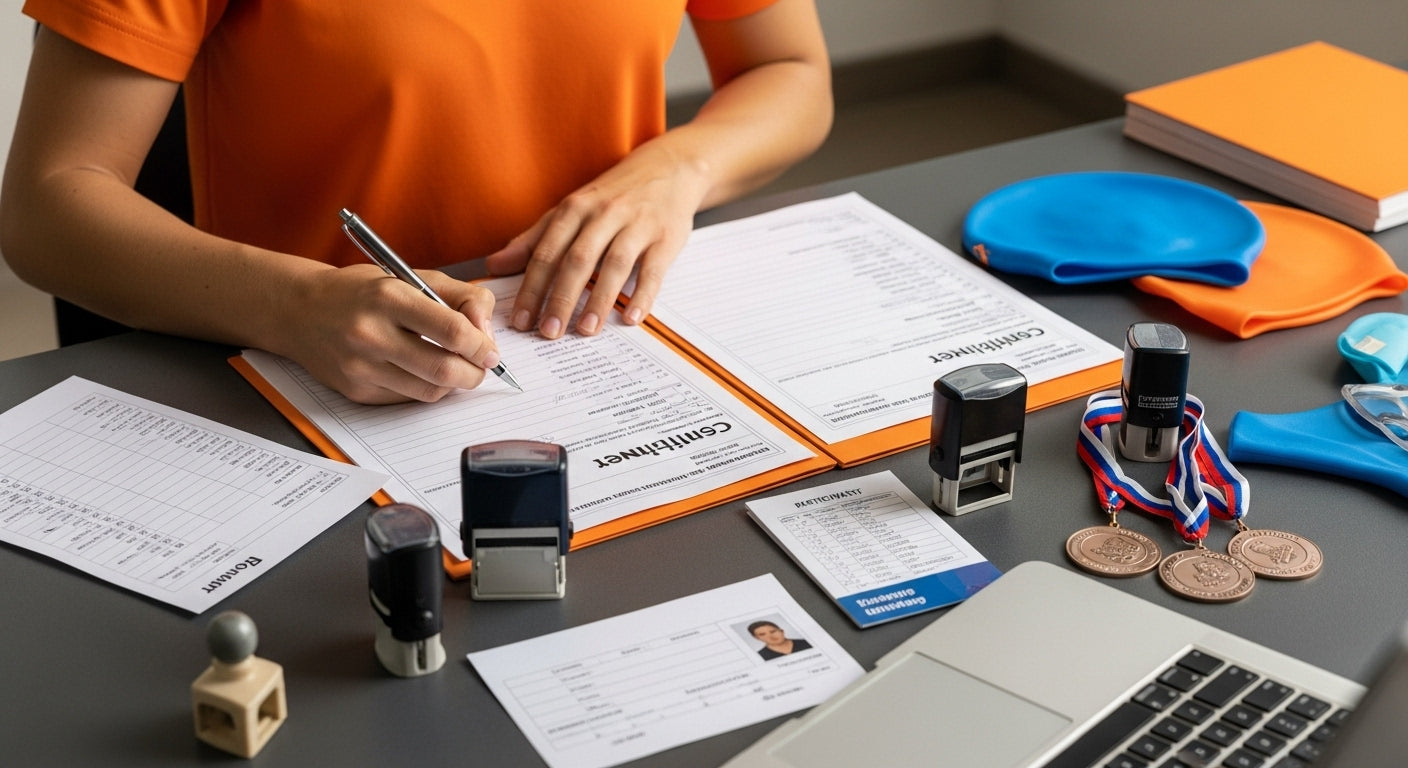
It is best to use a black or blue ballpoint pen with permanent ink to prevent smudging or later alterations. Write legibly and clearly. Pay particular attention to the correct spelling of the name – an error can be difficult to correct later.
With our guide to swimming lessons for children, you can ensure that all age-specific considerations are taken into account. When dealing with children, it is important to work particularly carefully and, if necessary, involve parents in checking the data.
In addition to personal data, the certificate should also contain specific information about the swimming achievement. Document the completed swimming level, distances covered, and special performance characteristics. These details make the certificate a valuable record of individual progress.
An important recommendation is to use a draft sheet. First, outline all entries to avoid errors. Check each piece of information twice before making the final entry. An additional check by a colleague can uncover typos or inaccuracies.
Additional elements you should consider:
- Stamp of the swim school
- Signature of the responsible trainer
- Date of certificate issuance
- Special remarks on particular achievements
Also, consider the legal aspects of data collection. Ensure you have the consent of the parents or swimmer for the documentation and storage of personal data.
The last step is careful review. Put the certificate aside and then check it again with fresh eyes after a short break. An error-free certificate is the best recognition for the swimming achievement.
Step 4: Printing and cutting the certificates for presentation
Printing and cutting the swimming certificates are crucial steps that underscore the professional character and appreciation of the achievement. A careful process makes the difference between an ordinary and an extraordinary certificate.
Which printing techniques guarantee an optimal result? Choose a high-quality printer that ensures color quality and detail fidelity. Laser printers are particularly well-suited for sharp fonts and precise graphics. According to the German Swimming Federation, the print quality should meet professional standards.
Paper plays a decisive role. Use high-quality, stiff card stock of at least 200 grams per square meter. This gives the certificate stability and a valuable feel. Choose a slightly cream-colored or white paper that is not too glossy and looks elegant.
With our guide to swimming lessons for children, you can ensure that your certificates are child-friendly and appealingly designed. First, print test copies to check for color deviations, positioning, and readability.
Cutting requires precision. Use a professional paper cutter or a cutting machine with a guide rail to achieve straight and clean edges. Measure twice, cut once – accuracy is key here.
Additional finishing can make the certificate even more special:
- Transparent protective films
- Gold or silver embossing
- Edge decorations in watercolors
Pay attention to some important technical details during the printing process. Make sure your printer can handle the correct paper size. Standard DIN formats such as A4 or A5 are usually ideal for certificates.
One last pro tip: Let the printed certificates dry briefly before cutting them. This prevents smudges and guarantees a flawless final result. The effort you put into this step will definitely be appreciated by swimmers and their families.
Step 5: Checking the certificates for accuracy and completeness
Checking the certificates is the final quality assurance step before the ceremonial presentation. A careful control process prevents errors and guarantees the professionalism of your swim school.
Which aspects must be precisely checked? Start with a systematic review of all personal data. Compare each entry with the original records. According to the German Swimming Federation, absolute precision is crucial for the credibility of the certificate.
Create a checklist that covers all essential elements. Names, birth dates, examination dates, and achieved swimming levels must match exactly. Pay particular attention to the spelling of names – a small typo can cause great inconvenience.
With our guide to swimming lessons for children, you can ensure that age-specific considerations are taken into account. Check whether all age-related requirements are met.
The review process should include several control stages. Have at least two different people independently check the certificates. Four eyes see more than two and minimize the risk of oversight errors.
Key elements to check:
- Completeness of all personal data
- Correctness of the swimming level
- Legibility and print quality
- Presence of all required signatures
- Correct stamps and annotations
Also, pay attention to the overall visual design. Are colors and design consistent? Are there print smudges or irregularities? Even small visual errors can negatively affect the overall impression.
A digital backup of the certificate data is also advisable. Scan the finished certificates and save the files in a secure, structured archive. This serves as proof and allows for quick re-issuance if necessary.
Finally, a final overall inspection is recommended. Spread all certificates on a large table and view them at a glance. This last step can reveal unexpected discrepancies that were overlooked during individual checks.
The following checklist will help you verify all important criteria before the ceremonial presentation of the swimming certificates:
| Control Point | Details to Check | Recommended Reviewer |
|---|---|---|
| Personal data complete | Name, date of birth, examination date | First reviewer |
| Correct swimming level | Achieved swimming performance, distances | Second reviewer |
| Legibility and print | No smudges, clear font, correct cut | First reviewer |
| Signatures and stamps | Trainer signature, official swim school stamp | Second reviewer |
| Design and colors consistent | Consistency with certificate layout, no color variations | First reviewer |
| Digital archiving | Scanned and stored in archive | Responsible person |
| Final visual check | Overall appearance and final error check | Team leader |
The careful review is more than just a formality. It is an appreciation for the swimmers and a quality promise from your swim school.
Step 6: Presenting the certificates to the swimmers
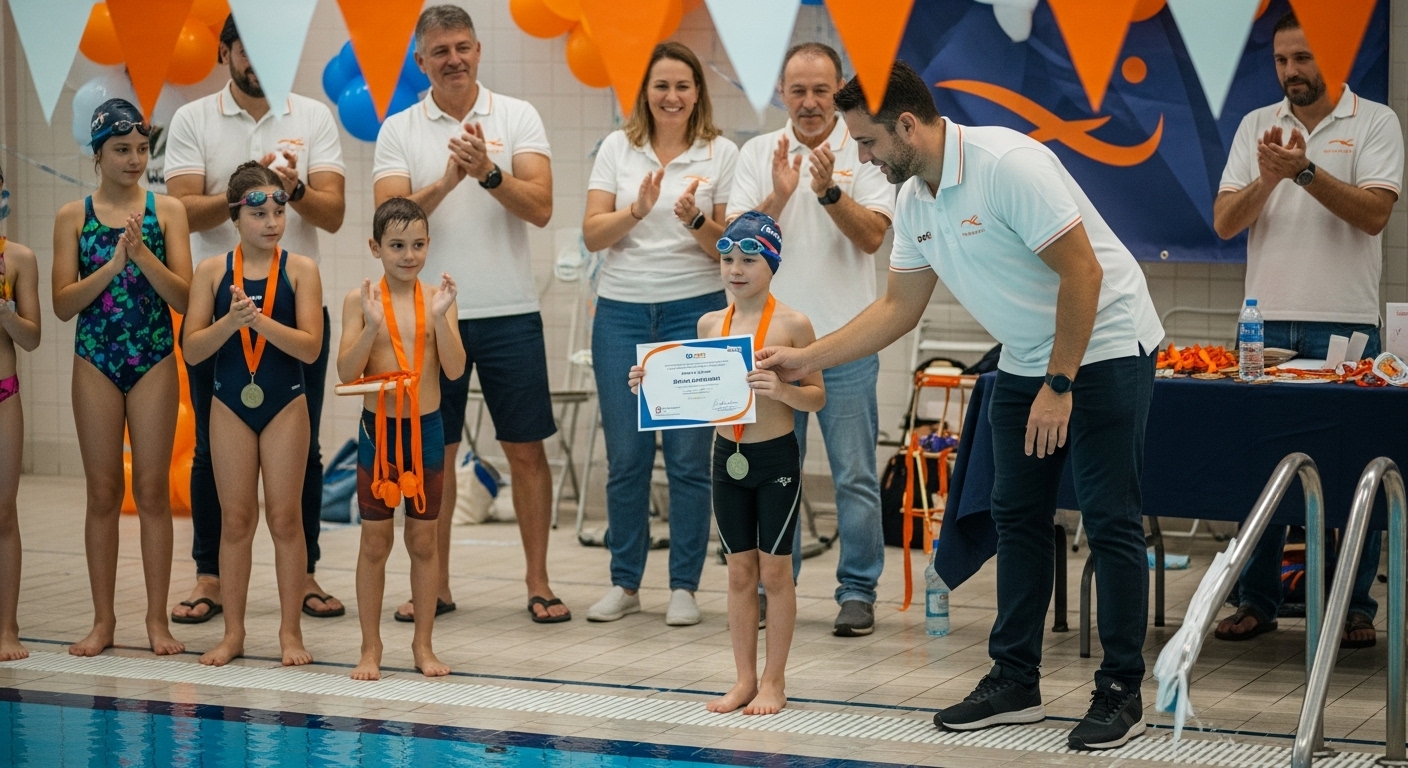
The moment of certificate presentation is more than a simple handover – it is an emotional highlight that combines pride, recognition, and motivation. A dignified ceremony can sustainably honor the swimmers' achievements and strengthen their enthusiasm for the sport.
How do you make a certificate presentation meaningful? Preparation is key. Create a celebratory atmosphere that honors the individual achievements of the swimmers. According to the German Swimming Federation, the ceremony should focus on personal successes.
Plan the event carefully. A short program with a welcome, individual acknowledgments, and a presentation ceremony creates a dignified setting. Consider the age group – the design for children differs significantly from that for teenagers or adults.
With our guide to elementary school swimming badges, you can make the ceremony age-appropriate. Make sure to honor each swimmer individually and highlight their specific progress.
The order of certificate presentation should be well thought out. Consider calling swimmers by achievement levels or alphabetically. Everyone should have the opportunity to enjoy their moment in the spotlight.
Important aspects of certificate presentation:
- Personal address to each swimmer
- Photo documentation of the handover
- Small additional surprises
- Applause and recognition from attendees
Prepare a short, inspiring speech. Emphasize not only technical swimming skills but also values such as perseverance, teamwork, and personal development. This makes the certificate more than just a document – it becomes a symbol of achievement.
For children, the ceremony can be particularly exciting. Encourage parents and family members to attend. A photo with the certificate, perhaps even in swimwear, creates lasting memories.
Finally, it is advisable to conduct a small reflection round. Let the swimmers briefly talk about their experiences and goals. This not only strengthens the community spirit but also motivates future participants.
Issuing Swimming Certificates Stress-Free and Professionally – Pimpertz Makes it Possible
You know the challenges of issuing swimming certificates: accurate data collection, an appealing design, error-free printing, and the personal appreciation of each individual swimmer. Especially when it comes to motivating and ensuring the safety of children, you want to leave nothing to chance. Faulty or inappropriate certificates cost valuable time and diminish the recognition of swimming students.
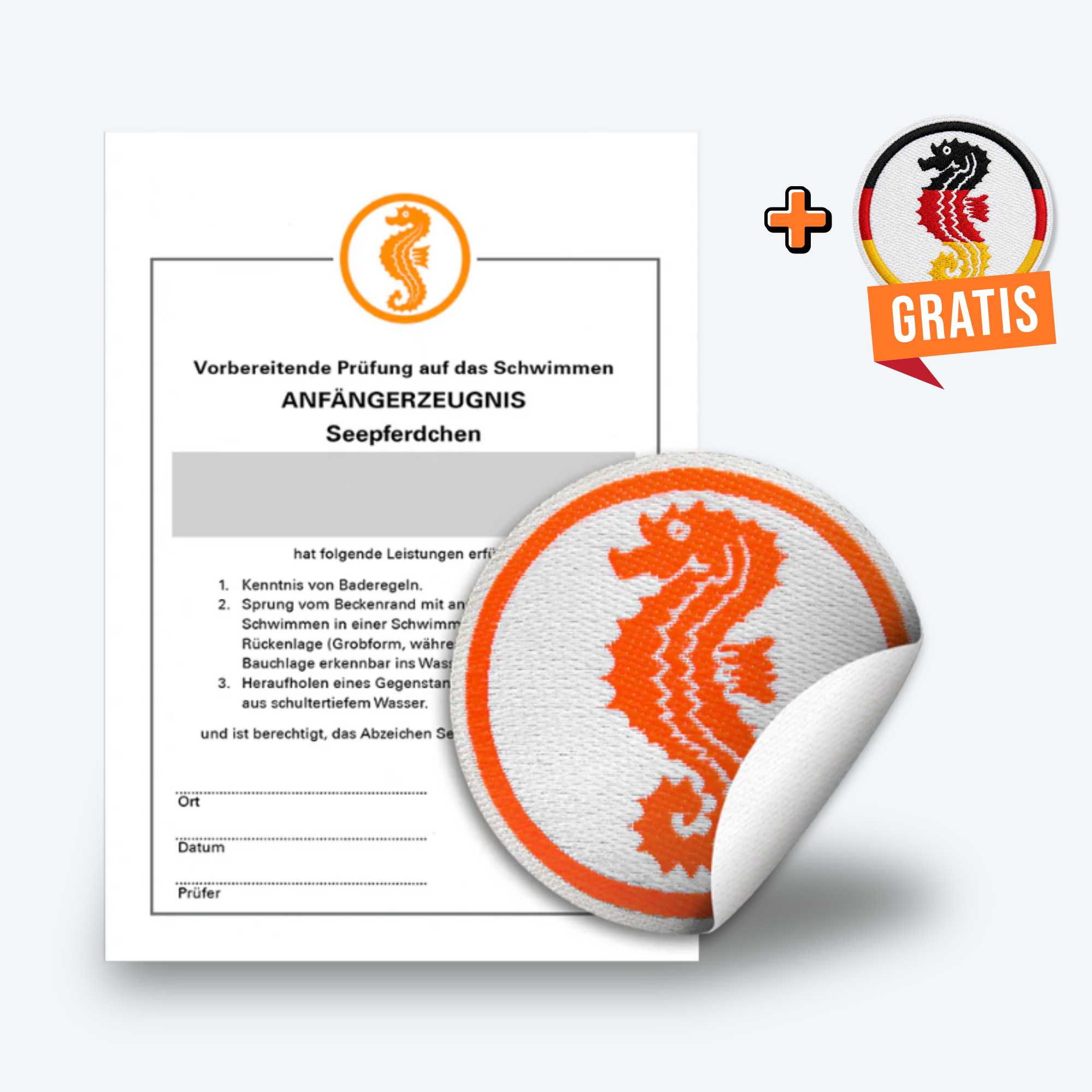
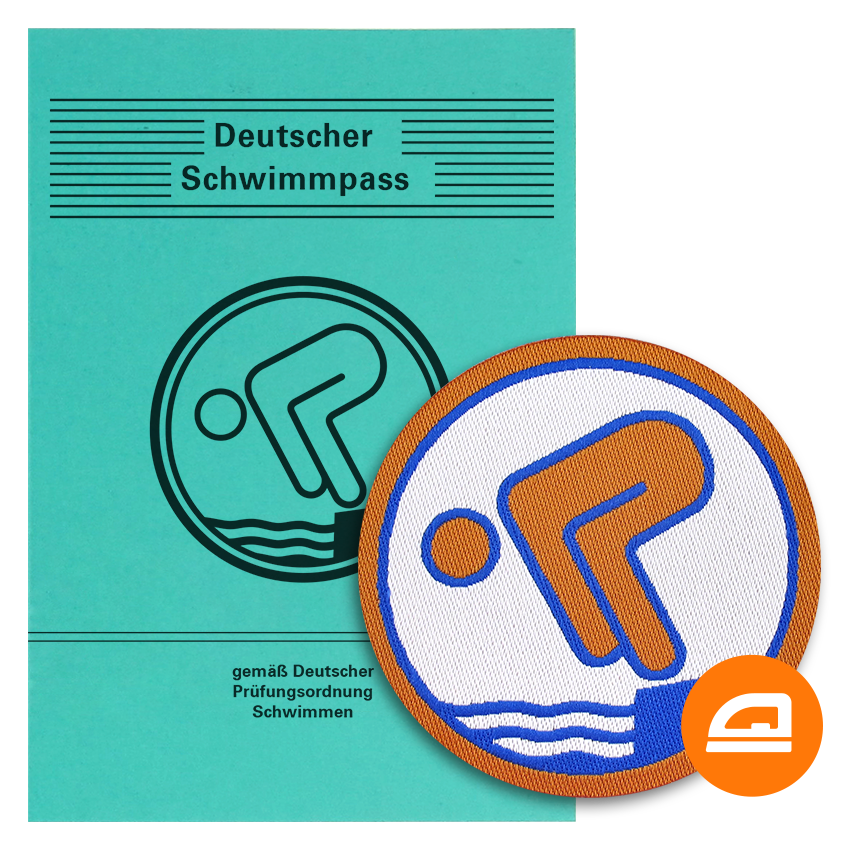
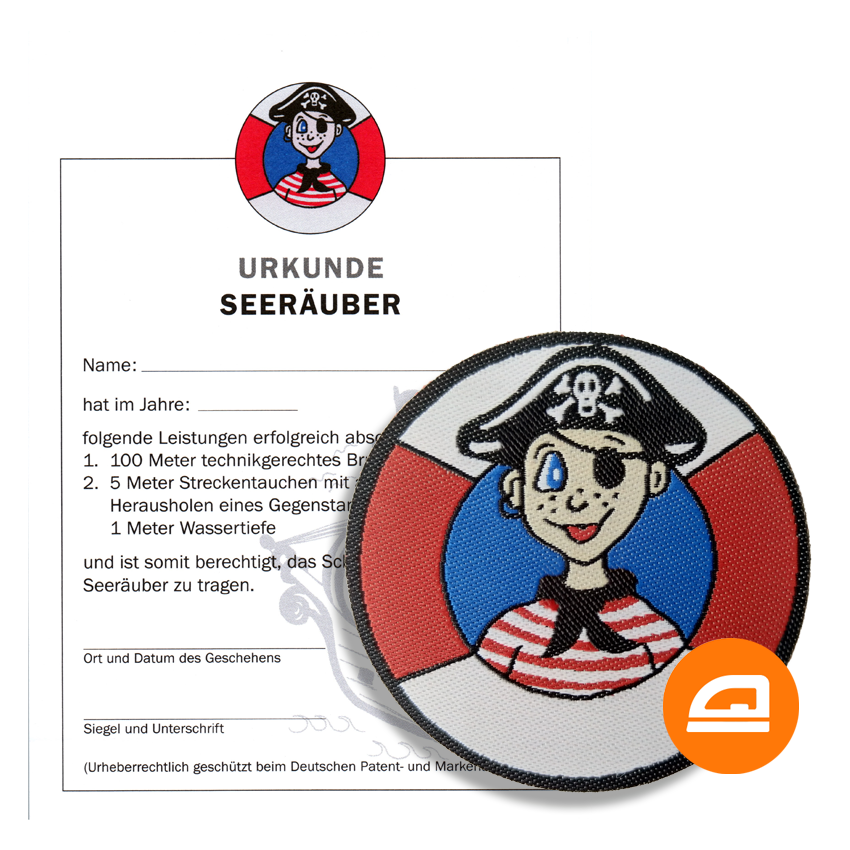
With Pimpertz as an experienced partner, you save research and detours. Discover our colorful Starfish Stella swimming badges & certificates as well as the popular Pirat Pimpi® swimming badges & certificates – all certified according to official requirements and delivered lightning-fast. Benefit from over 38 years of expertise and customized solutions. Go to pimpertz.de now and experience how you can create certificates with true sentimental value. Secure professional swimming badges and accessories for your next course round today.
Frequently Asked Questions
How do I properly prepare the information for a swimming certificate?
To collect the information for a swimming certificate, you should gather the swimmer's full name, date of birth, date of examination, and the name of the swim school or examiner. Use a standardized form or digital system for documentation.
What should be considered when designing a swimming certificate?
A good certificate design should have clear structures and contain all important information. Color choice and typography are crucial: use vibrant, youthful colors and easy-to-read fonts to create an appealing certificate.
What steps are important when filling out the certificate?
When filling out the certificate, all information, such as name, date of birth, and achieved swimming level, must be entered correctly. Use a ballpoint pen with permanent ink and have the information checked by a second person.
How can I make the certificate presentation special?
Make the certificate presentation ceremonial by giving a short speech and individually honoring each swimmer. A group photo and personal words strengthen the emotional value of the moment.