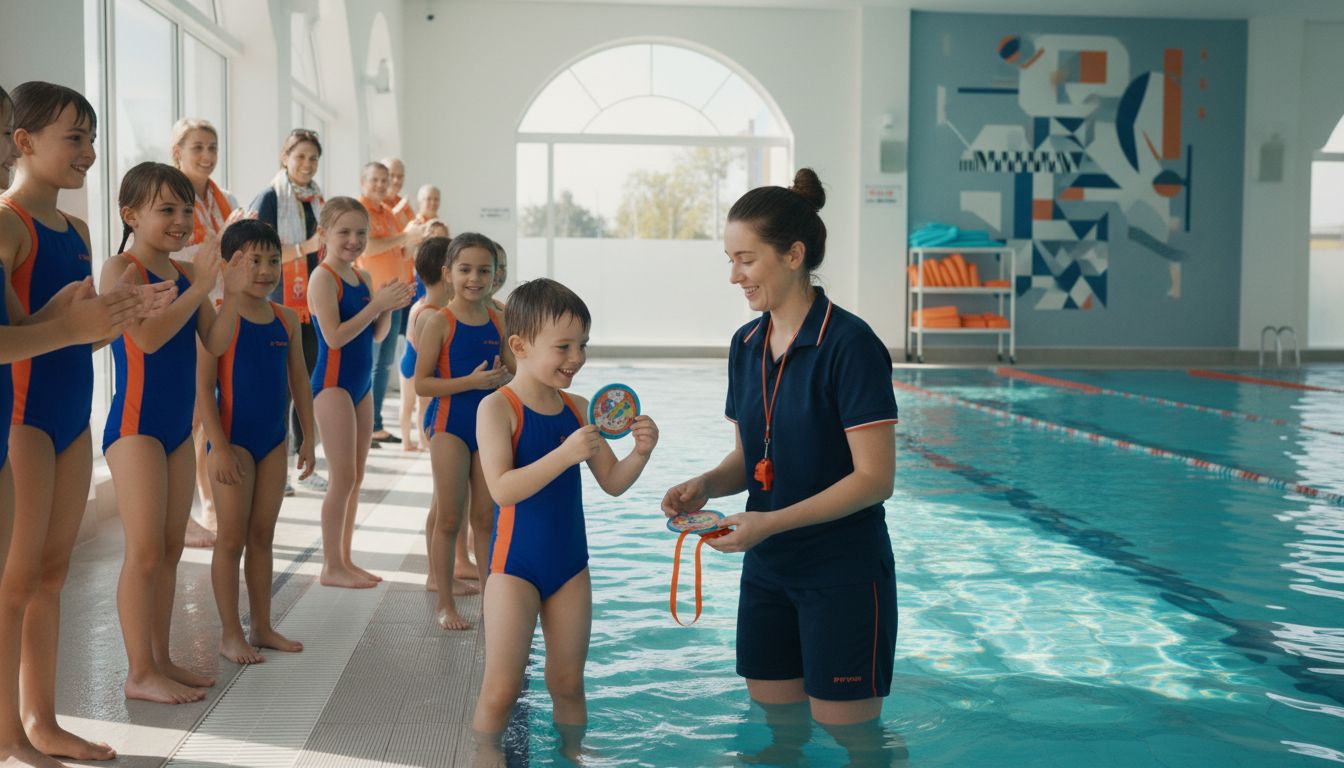

Around 60 percent of all primary school children in Germany cannot swim safely by the end of fourth grade. This figure is alarming, as water safety saves lives and protects against serious accidents. Learning to swim early builds confidence, develops vital motor skills, and increases self-esteem. Discover the long-term benefits that early swim training offers for your child's development, health, and social interaction.
Table of Contents
- Increased water safety at an early age
- Better motor development through swimming training
- Strengthens self-confidence and independence
- Early prevention of fear of water
- Promoting team spirit and social skills in clubs
- Improved health and endurance of children
- Easier acquisition of swimming badges and certificates
Quick Summary
| Key Findings | Explanation |
|---|---|
| 1. Early swimming saves lives | Children who learn to swim early develop important water competencies and reduce the risk of drowning accidents. |
| 2. Swimming promotes motor skills | Through swimming, children playfully and comprehensively improve coordination, balance, and body control. |
| 3. Building self-confidence through swimming | Mastering swimming techniques significantly strengthens children's self-confidence and independence. |
| 4. Overcoming fear of water early | Playful water familiarization helps to reduce fears and build a positive relationship with water. |
| 5. Noticeable health benefits | Regular swimming strengthens the immune system, improves endurance, and promotes children's physical development. |
1. Increased water safety at an early age
Learning to swim is more than just a sport. It's about vital safety competence for children. The earlier children learn to move safely in the water, the better they can handle potential danger situations.
The first years of life are crucial for developing water safety. Young children do not yet have a natural fear of water and can quickly learn basic swimming techniques. This early phase is ideal for building water confidence and training reflexive safety movements.
In a swimming course for three-year-olds, children not only learn to swim but also develop important survival skills. They recognize dangers, know how to orient themselves in the water, and can apply basic rescue grips.
For parents, early swimming lessons mean reassuring safety. Risks such as drowning accidents are drastically reduced. Children develop a natural understanding of water dynamics and learn to react thoughtfully.
Practical safety benefits:
- Reduced drowning risks
- Quick hazard awareness
- Controlled movements in the water
- Strengthening self-confidence
The goal is not high-performance swimming, but lifelong water competence. Every swimming course is an investment in your child's safety and development.
2. Better motor development through swimming training
Swimming is a unique sport that holistically and playfully supports children's motor development. Unlike land activities, swimming trains the whole body in a near-weightless environment and promotes complex movement sequences.
Water resistance training activates and strengthens muscle groups that often remain underdeveloped in other sports. Children learn coordination, balance, and body control in a way that no other sport offers. Every swimming movement is a workout for motor skills and concentration.
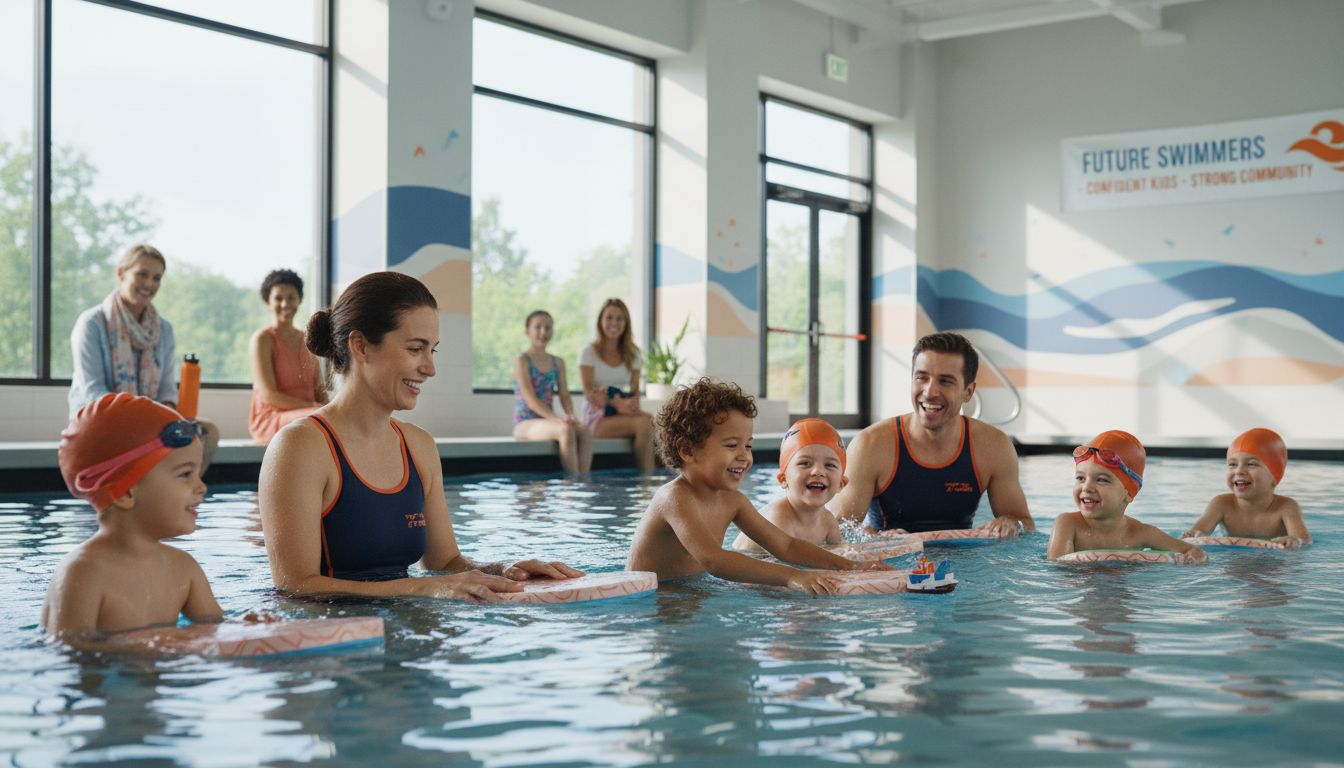
In a swimming course from 3 years of age, fundamental motor skills such as arm stroke, leg kick, and breathing are playfully developed. This early training not only helps children with swimming but also improves their overall physical development.
Motor benefits of swimming:
- Improved body coordination
- Strengthening of arm and leg muscles
- Development of sense of balance
- Promotion of spatial orientation
Swimming is more than just a sport. It's a holistic movement education that helps children better understand and control their bodies.
3. Strengthens self-confidence and independence
Swimming is more than just a sport. It is a powerful path to personal development, helping children overcome limits and build trust in their own abilities. Every mastered swimming movement is a step towards greater independence.
In a swimming course for four-year-olds, children not only learn technical skills but also develop mental strength. The feeling of mastering a challenging movement or learning a new swimming technique gives them an incredible sense of accomplishment.
The aquatic world offers a unique learning space. Here, children must act independently, make decisions, and develop trust in their abilities. Unlike other sports, swimming is a very individual challenge where each child makes their own personal progress.
Positive effects on self-confidence:
- Overcoming fears
- Development of initiative
- Increase in self-confidence
- Promotion of independence
Swimming teaches children more than just a sport. It is a school of life that playfully conveys self-confidence, courage, and independence.
4. Early prevention of fear of water
Fear of water can be a lifelong obstacle and early swimming lessons are the key to playfully and sustainably reducing such fears. Children who come into positive contact with water early on develop a natural relationship with this element.
In water familiarization for toddlers, children learn to experience water as a familiar and safe medium. Professional swimming instructors create a fear-free atmosphere where children playfully build trust and learn basic water movements.
The prevention of water fear begins with a gentle and loving introduction. Playful exercises, positive reinforcement, and patient guidance help children overcome their natural insecurities. Every small success strengthens their self-confidence.
Strategies for fear prevention:
- Playful water exploration
- Positive emotional support
- Gradual trust-building
- Respecting individual learning pace
The goal is to turn a possible fear of water into a lifelong joy of water. Early swimming lessons are the key to success.
5. Promoting team spirit and social skills in clubs
Swimming in a club is more than just a sporting activity – it's a school for interpersonal relationships. Children playfully learn important social skills that extend far beyond the pool edge.
In a swimming course for five-year-olds, children experience community values such as respect, cohesion, and mutual support. Coaches and group activities help them make friends and develop teamwork skills.
The club's swimming section becomes a social learning platform. Here, children learn to communicate, pay attention to each other, and master challenges together. Every training session is an opportunity for social growth.
Social skills through club sports:
- Development of communication skills
- Learning fairness and respect
- Building friendships
- Strengthening community spirit
Swimming in a club creates more than just sporting success. It shapes characters and prepares children for a socially competent life.
6. Improved health and endurance of children
Swimming is a bullseye for children's health. This sport not only trains muscles but also strengthens the entire organism in a unique way. According to studies, regular swimming training significantly improves children's physical fitness and endurance.
In a swimming course from 4 years of age, children learn a sport that comprehensively challenges their bodies. Resistance training in the water strengthens the cardiovascular system, improves lung function, and builds muscle groups that often remain untrained in other sports.
Health benefits of early swimming:
- Strengthening the immune system
- Improving cardiovascular health
- Building muscle mass and strength
- Increasing flexibility
Swimming is more than just a sport. It is an investment in your children's long-term health and physical development.
7. Easier acquisition of swimming badges and certificates
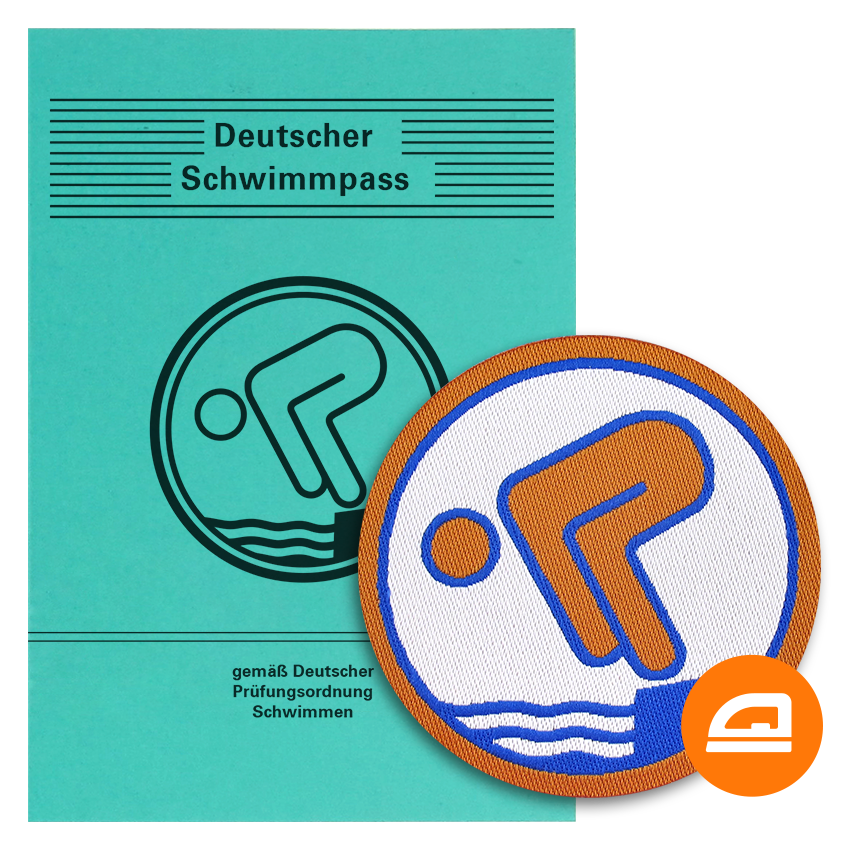
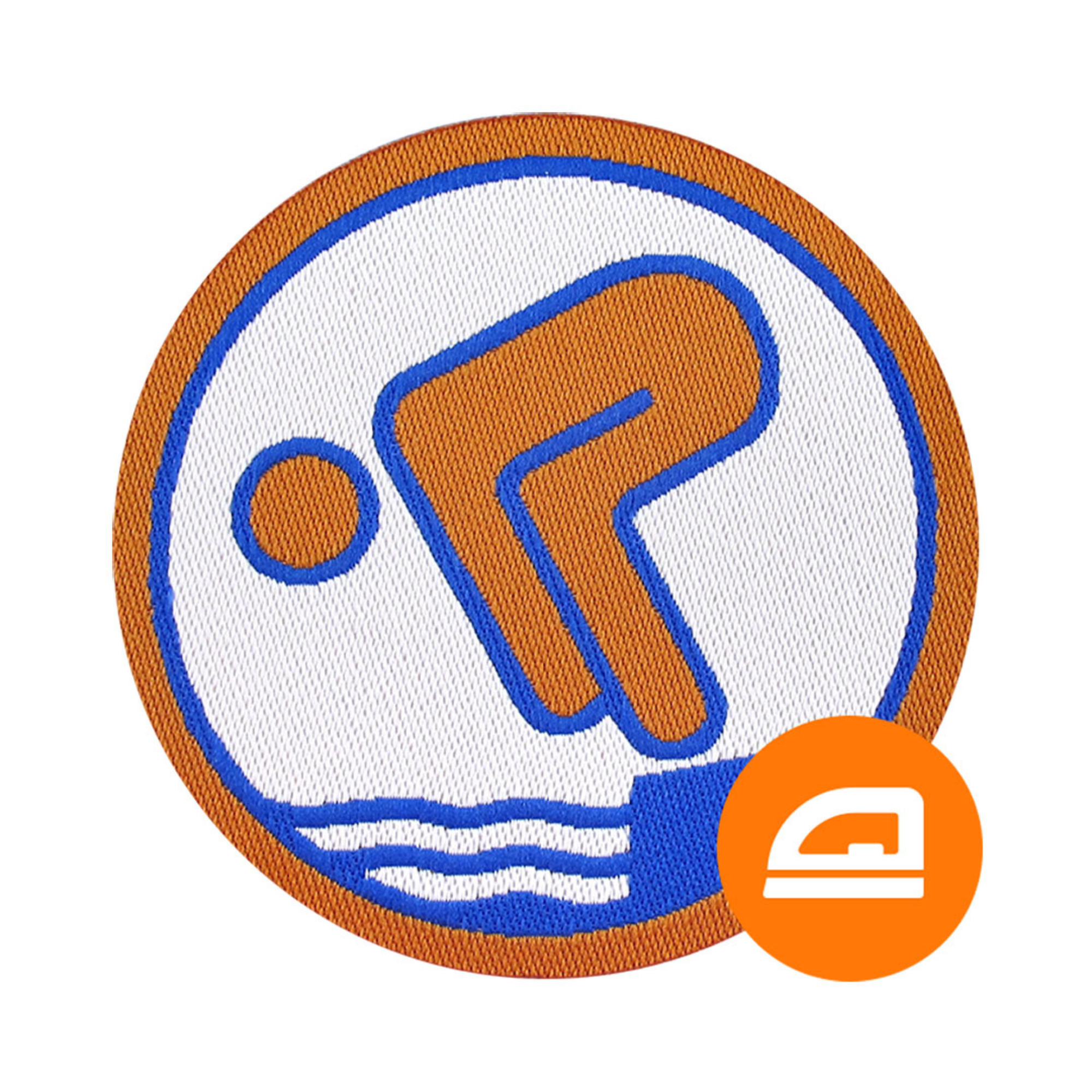
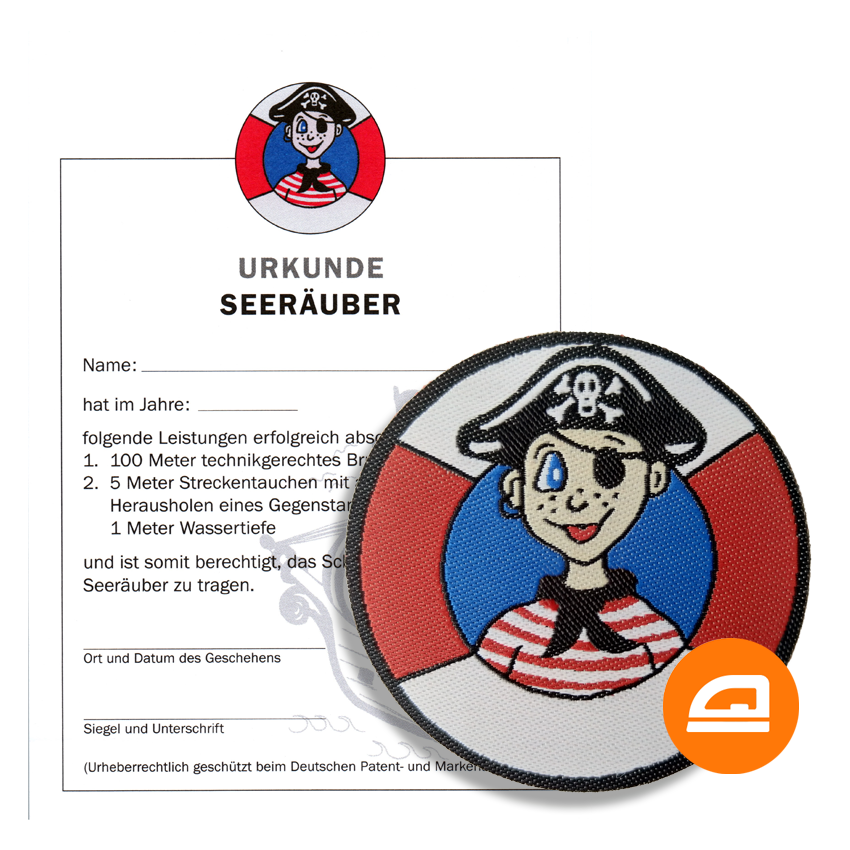
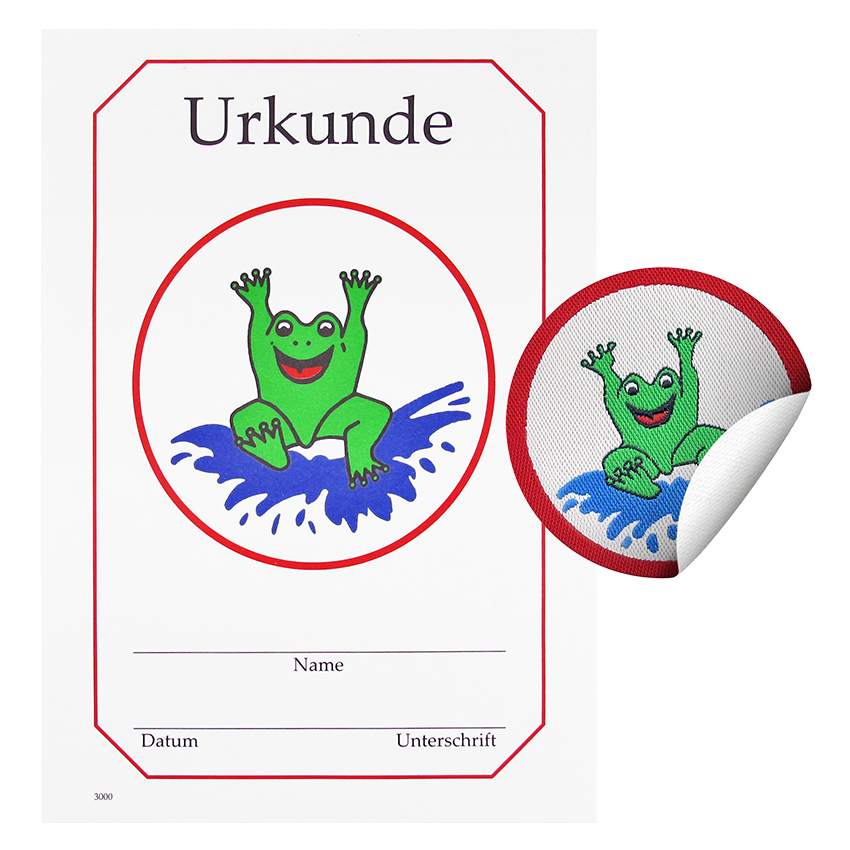
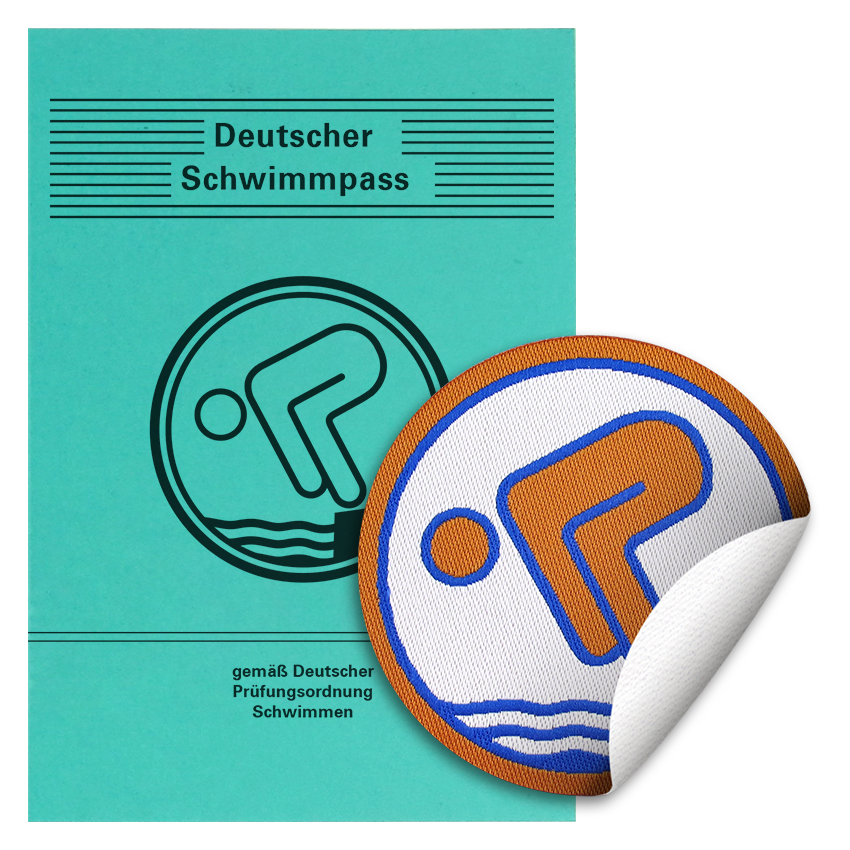
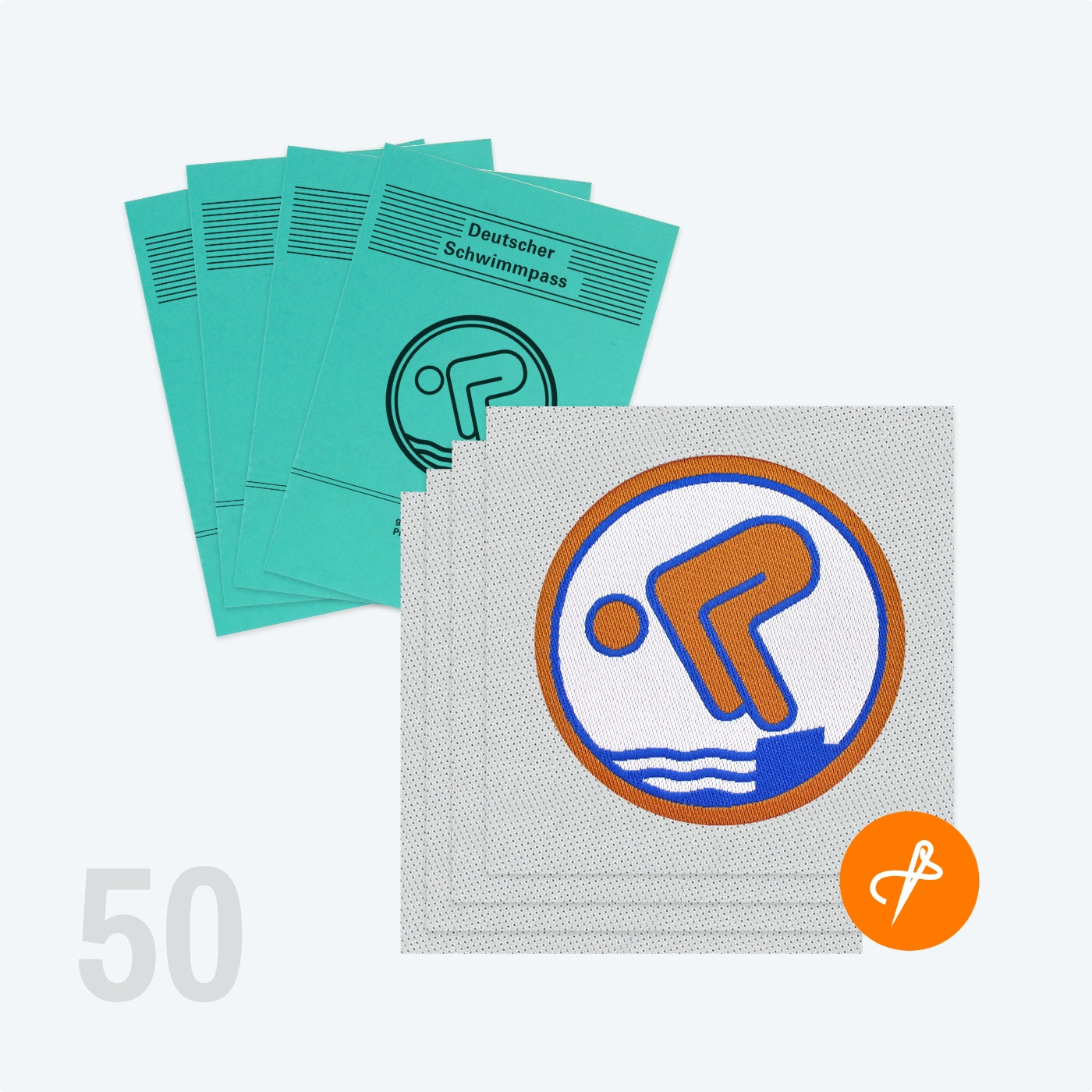
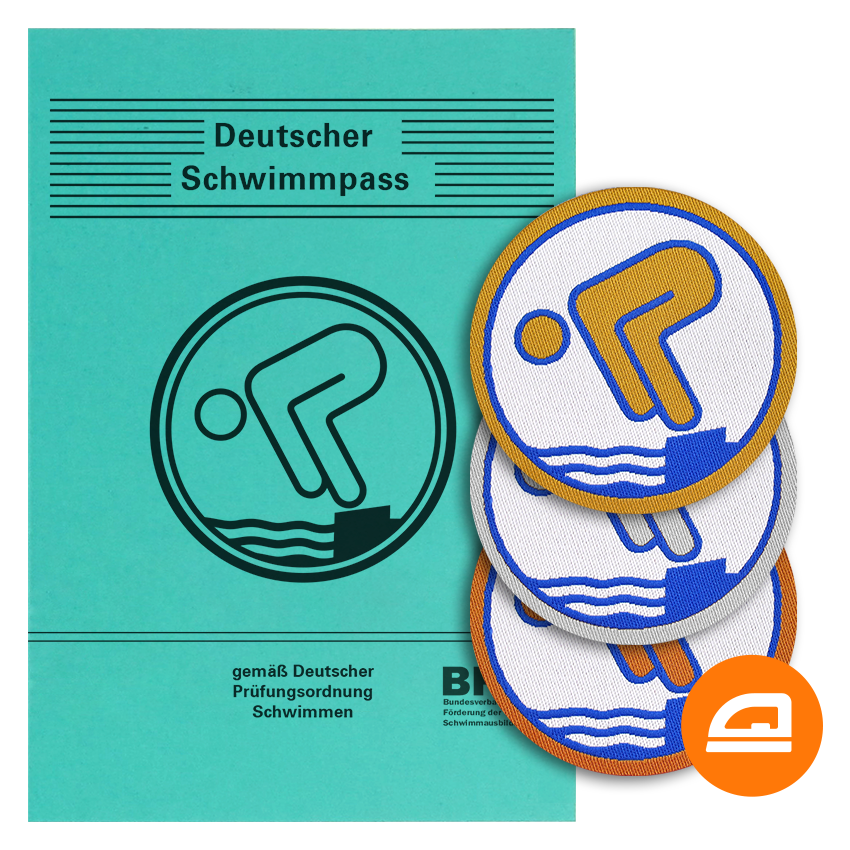
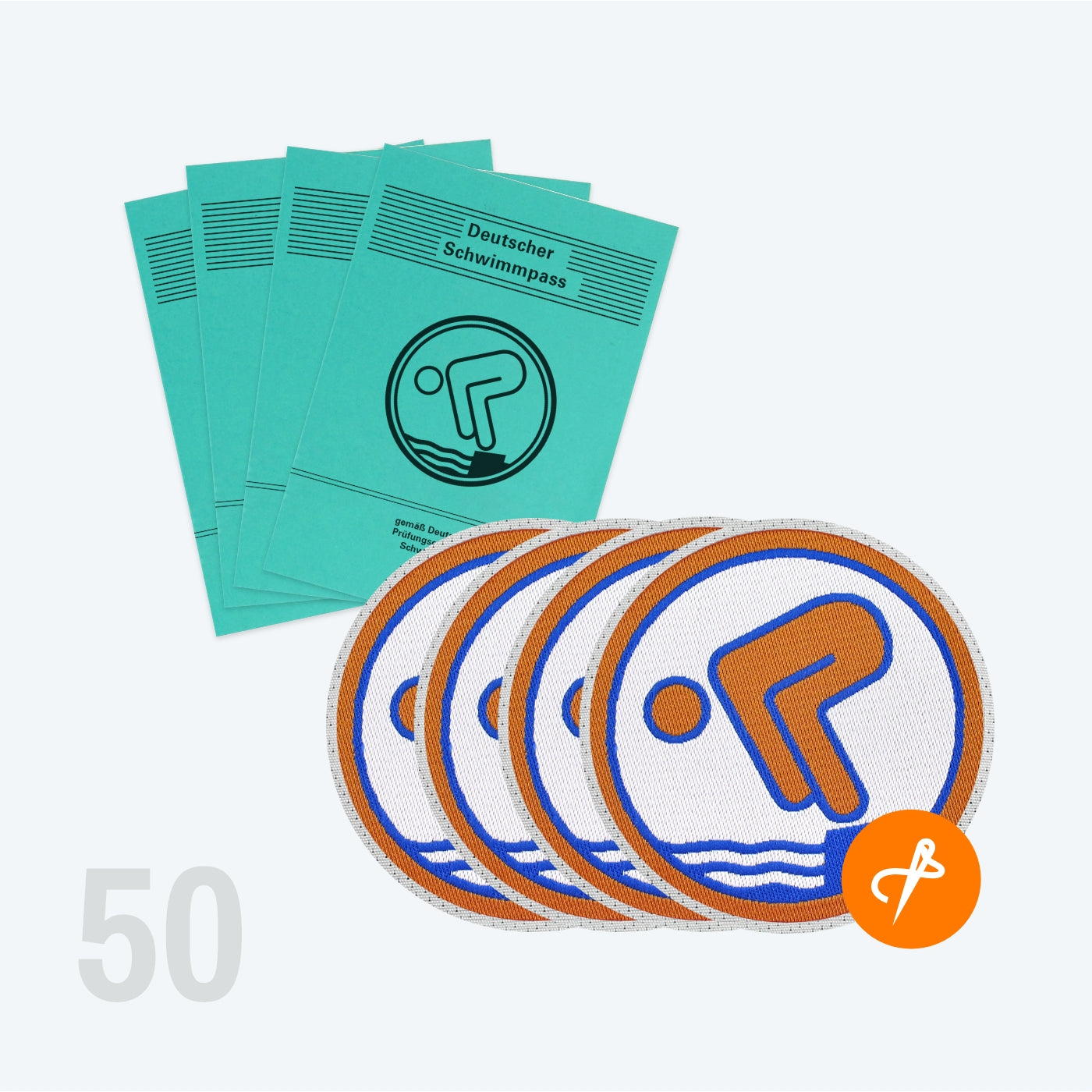
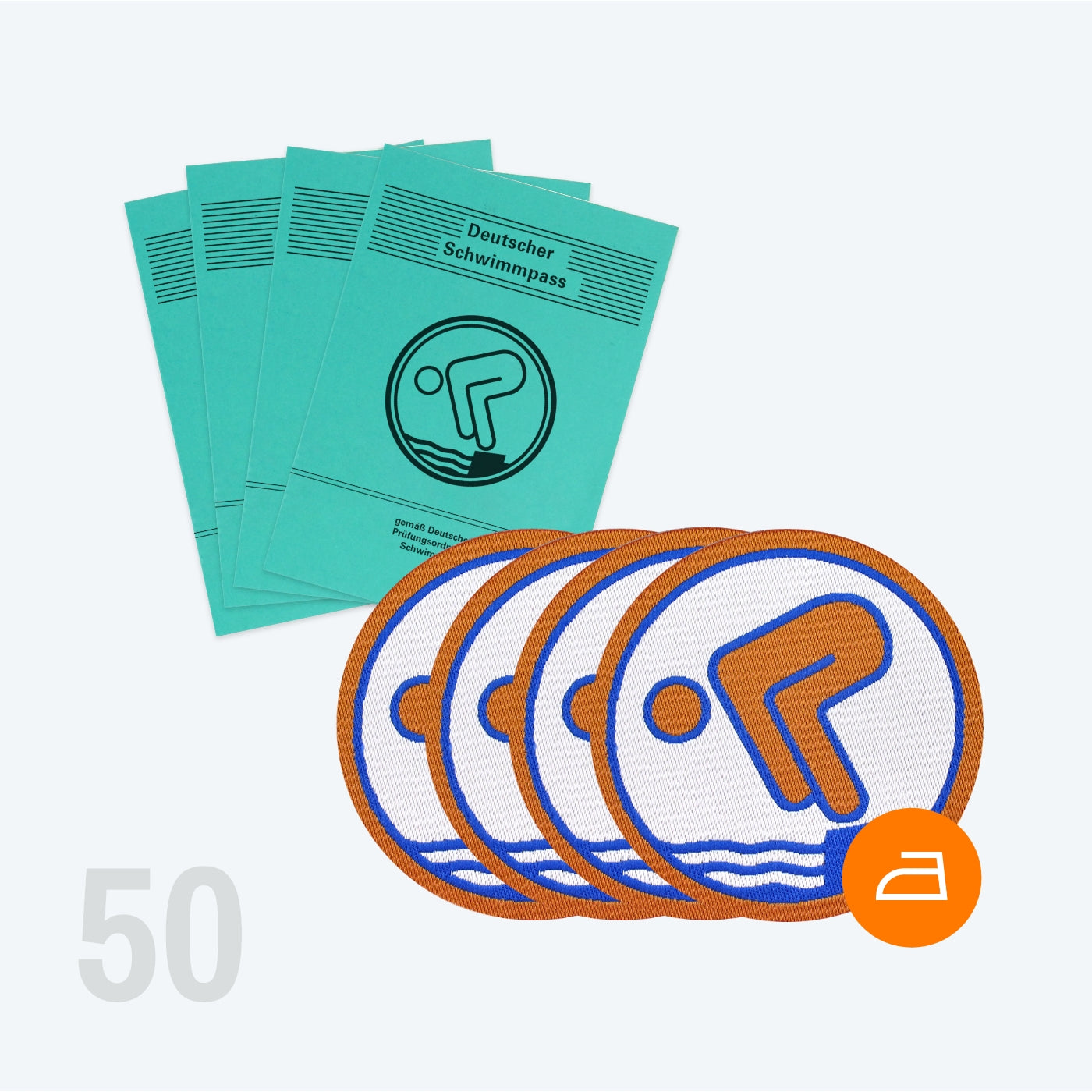
Swimming badges are more than just decorative awards – they are official proof of swimming skills and safety competence. Early swimming lessons make it easier for children to obtain these important documents.
The advantages of official swimming badges are manifold. Children who start swimming early gain experience and confidence faster. This directly impacts their ability to meet examination requirements.
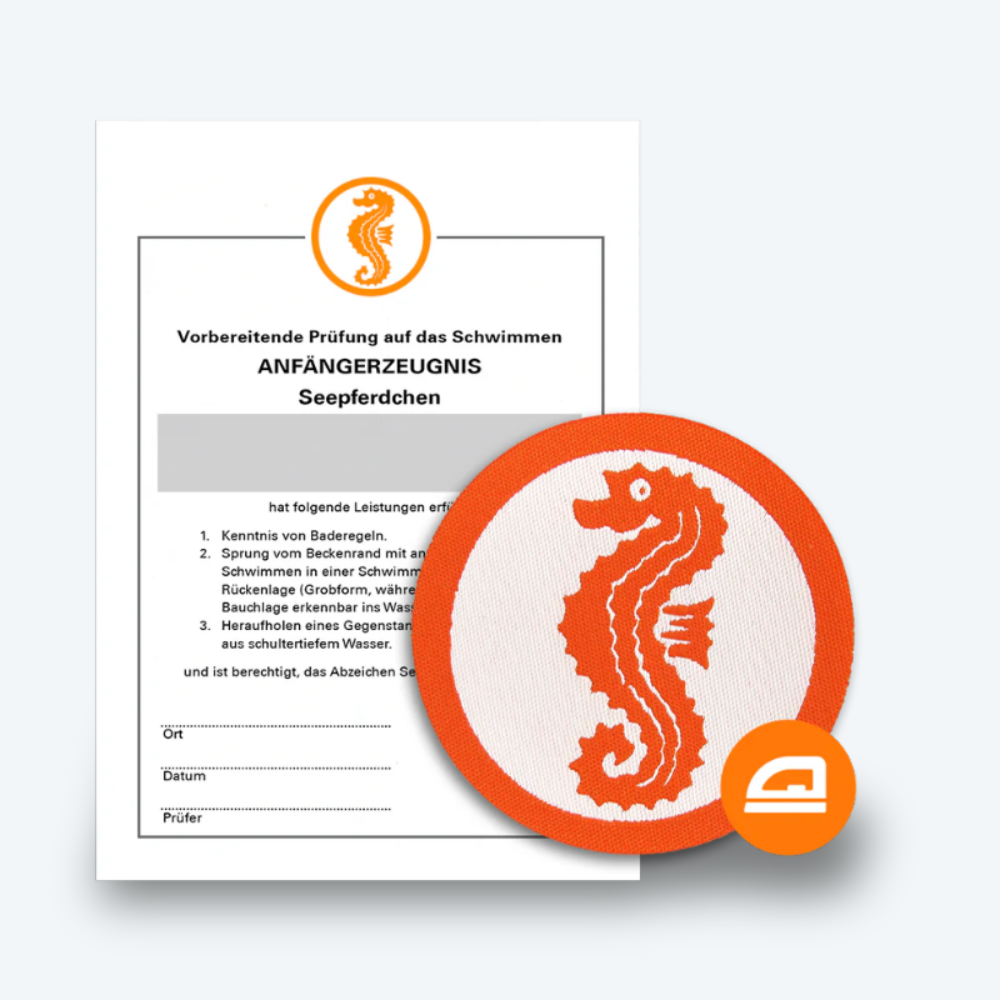
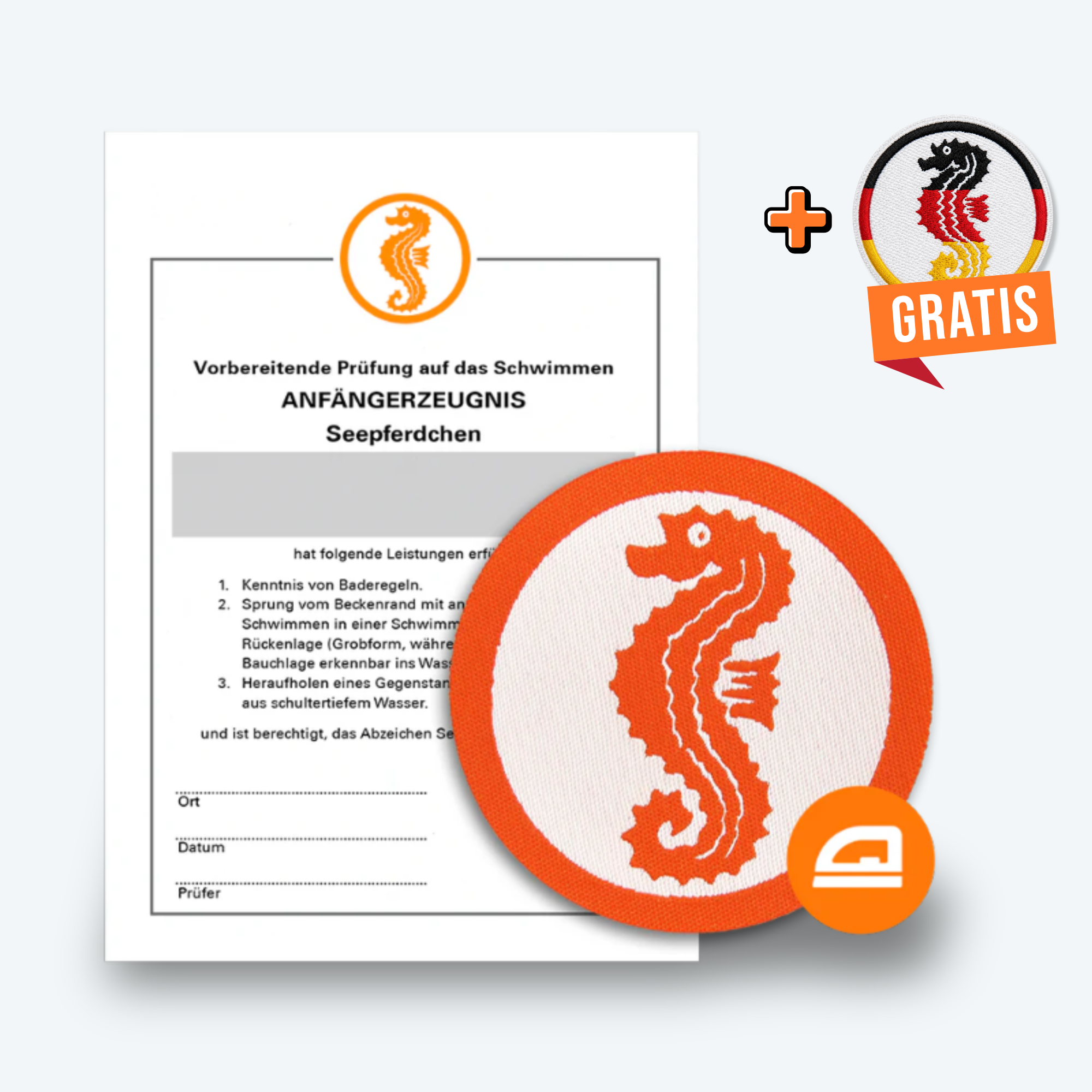
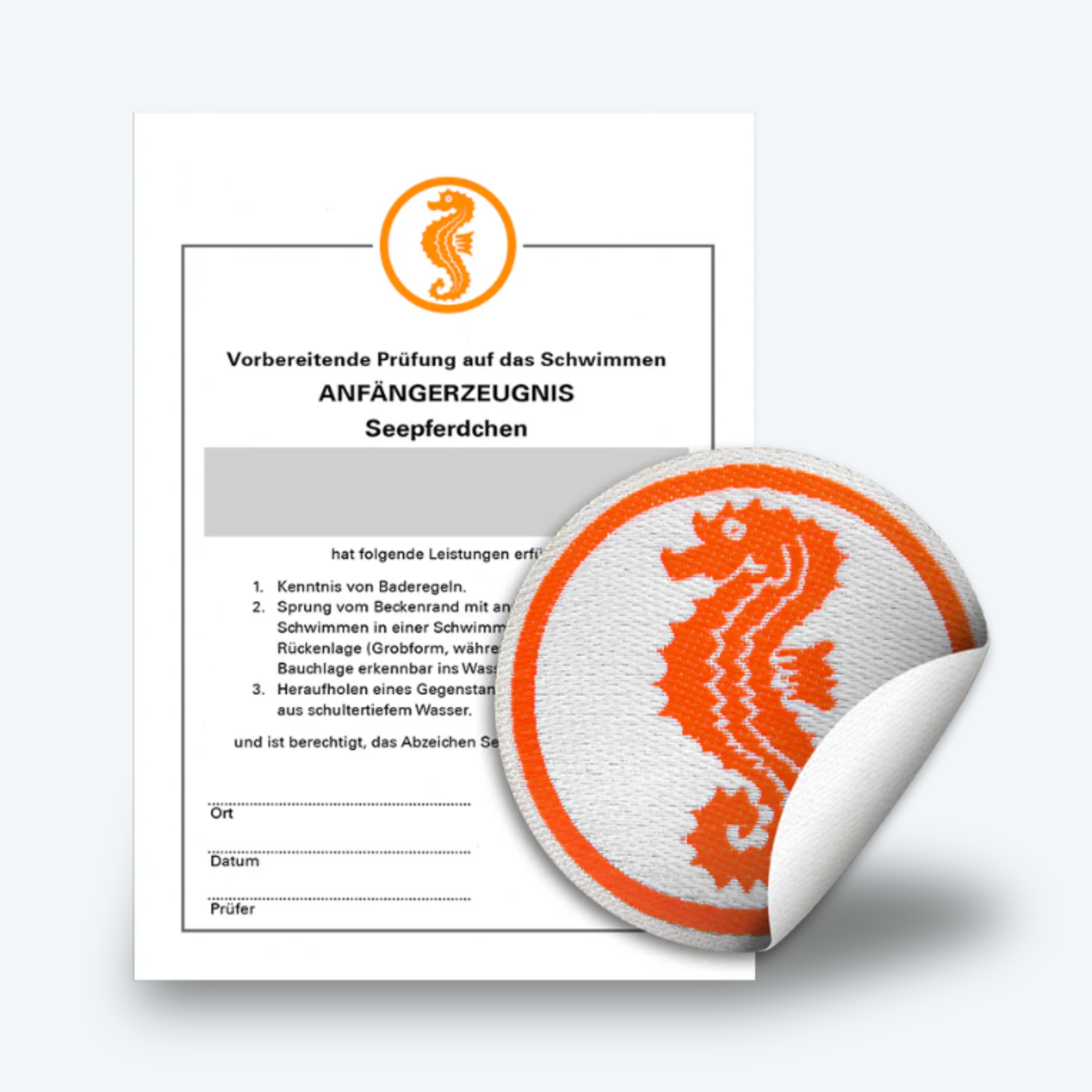
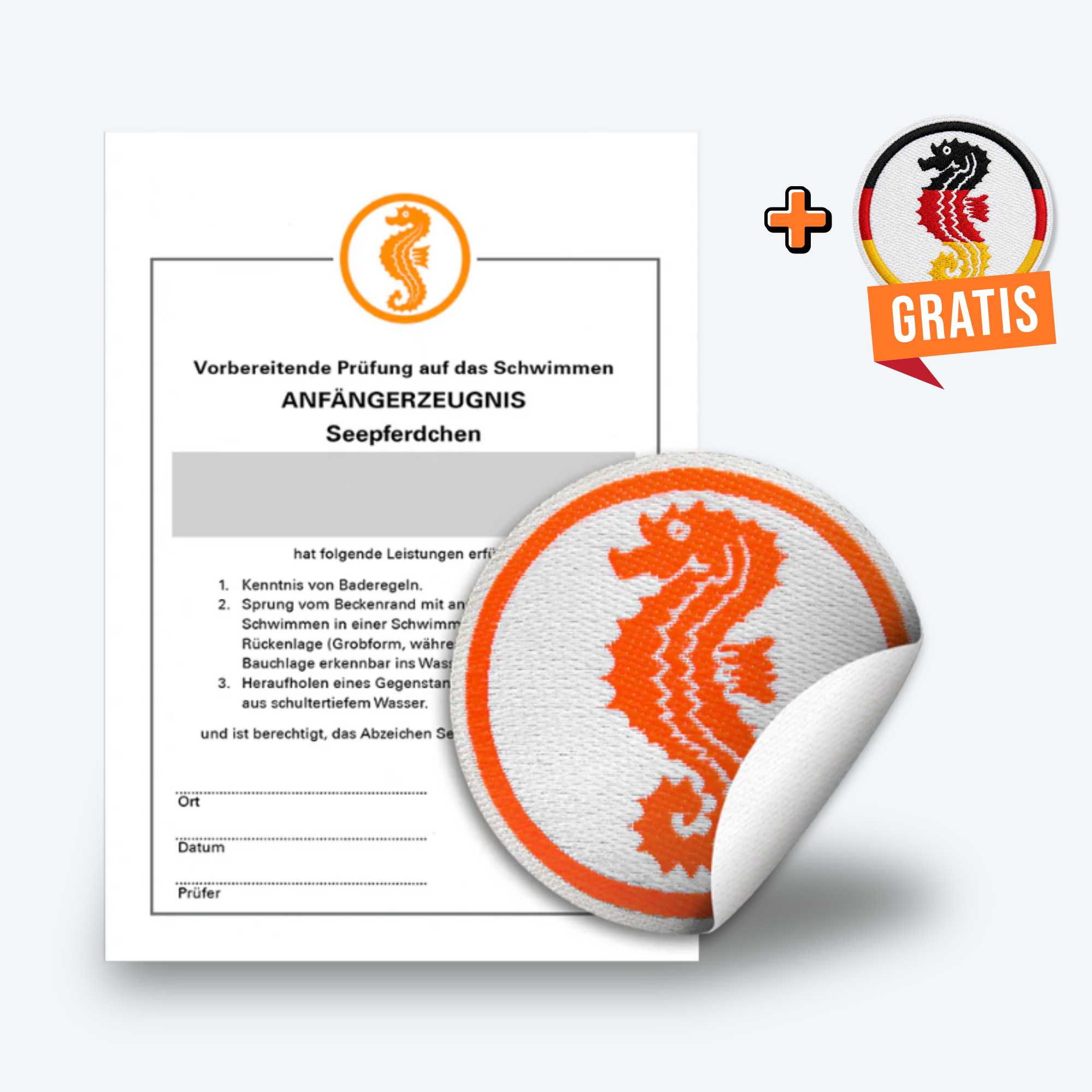
From the Seepferdchen (seahorse badge) to the German Swimming Badge Bronze, early swimming courses offer optimal conditions. Each badge is a milestone in development. Trainers can specifically work towards the requirements and playfully prepare children.
Advantages of early swimming badges:
- Faster learning of examination techniques
- Increased motivation through success experiences
- Building self-confidence
- Early documentation of swimming skills
The investment in early swimming lessons pays off. It paves the way for swimming badges and at the same time promotes the children's personal development.
The following is a summary of the main points and benefits of learning to swim in early childhood from the article.
| Topic | Description | Key Benefits |
|---|---|---|
| Water safety | Early learning of swimming techniques increases children's safety in the water. | Reduced drowning risks, increased hazard awareness |
| Motor development | Full-body training in the water strengthens muscles and improves coordination. | Better body coordination, muscle strengthening |
| Self-confidence | Overcoming challenges in the water promotes trust and independence. | Increased self-confidence, promotion of initiative |
| Fear prevention | Early contact with water helps reduce fears and build trust. | Positive relationship with water, less fear of water |
| Team spirit in the club | Community activities promote social skills and cooperation. | Development of communication skills, building friendships |
| Health and endurance | Swimming strengthens the immune system and improves physical fitness. | Better cardiovascular health, higher flexibility |
| Swimming badges | Early swimming allows easy acquisition of swimming badges. | Increased motivation, documentation of swimming skills |
Learn to swim early and stay safely successful
Early swimming lessons create indispensable safety for children and strengthen their self-confidence, which serves their protection and promotes sustainable development. Do you want to put the benefits from our article into practice right away and are you looking for high-quality swimming badges and child-friendly accessories to celebrate and document the children's motivation and success?
At Pimpertz, you will find not only officially recognized swimming badges and certificates, but also lovingly designed collection albums and gift sets that playfully support the transition from the first swimming courses to your club activities. Our personalized bundle offers make awarding swimmers a special experience. Benefit from over 38 years of experience as an official partner of the DLRG and the BFS and ensure that children can wear their swimming badges with pride and joy.
Discover now at Pimpertz the ideal combination of quality and motivation for swimming courses from 3 years and lead children safely and confidently into the water. Order today and give children the gift of lifelong water safety and success experiences.
Find out more here about Swimming Badges & Certificates and make learning to swim an unforgettable success
Frequently Asked Questions
How can I best prepare my child for swimming?
To optimally prepare your child for swimming, you should introduce them to water early on. Use playful water familiarization exercises to promote confidence and safety in the water.
When should I start swimming lessons with my child?
Ideally, you should start learning to swim at the age of three. Early instruction builds important safety competencies and helps prevent fear of water.
What motor benefits does swimming offer for children?
Swimming promotes the overall motor development of children, as it improves coordination, balance, and body control. Take a swimming course from three years of age to playfully achieve these benefits.
What are the psychological benefits of early swimming?
Early swimming strengthens children's self-confidence and independence, as they overcome their own limits and develop trust in their abilities. Take your child to swimming lessons regularly to promote these positive effects.
How does swimming promote children's social skills?
Swimming in a club teaches children important social skills such as teamwork, fairness, and respect. Enroll your child in a swimming club to give them the opportunity to build social relationships and develop team spirit.
What health benefits does swimming have for children?
Swimming improves physical fitness, strengthens the cardiovascular system, and promotes the overall health of children. Start with regular swimming training sessions to promote your child's long-term health.
Recommendation
- How much does a swimming course cost? Understanding for parents and providers
- 7 Important Swimming Learning Tips for Parents and Trainers
- 7 Swimming Accessory Recommendations for Parents and Trainers
- Swimming Course 3 Years: Children learning to swim safely
- 7 Learning Games for Toddlers to Promote Development – Edory AI – Educational Children's Stories
- 7 Advantages of Digital Children's Books for the Development of Children – Edory AI – Educational Children's Stories