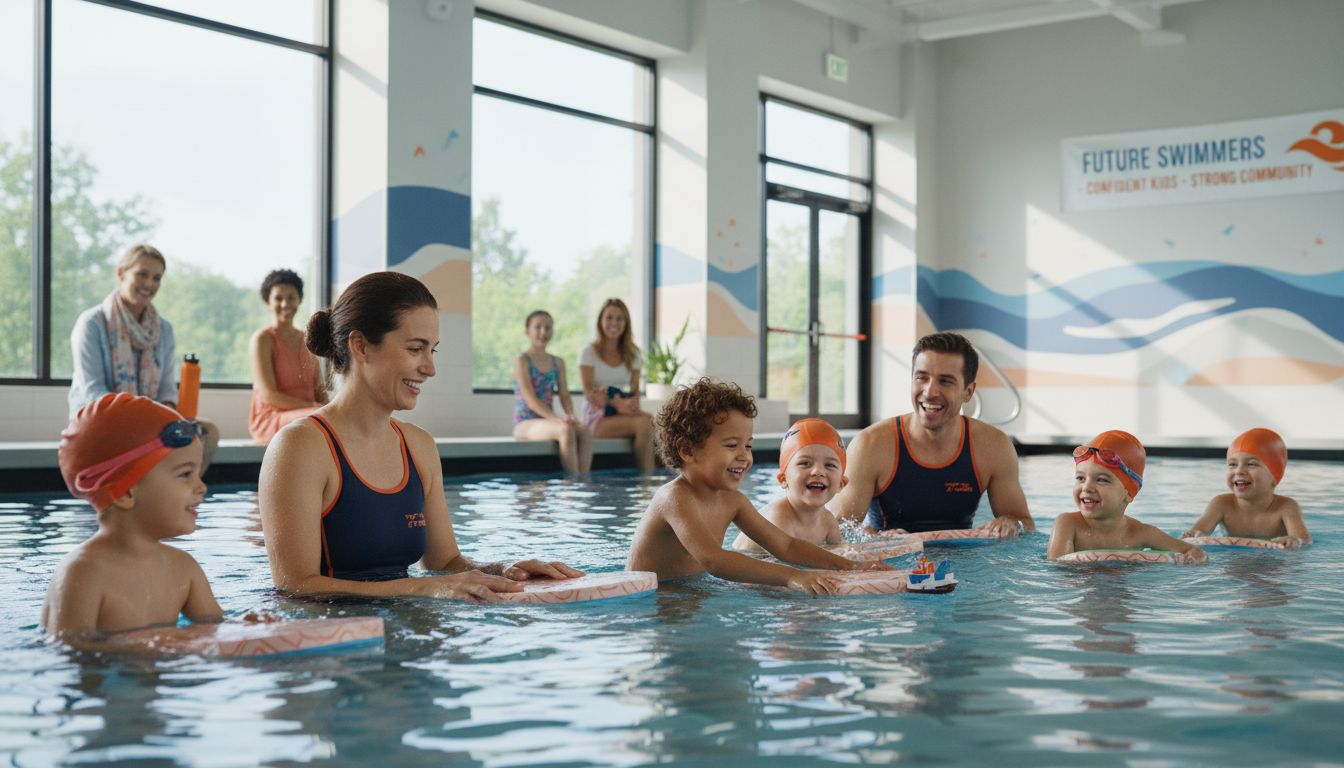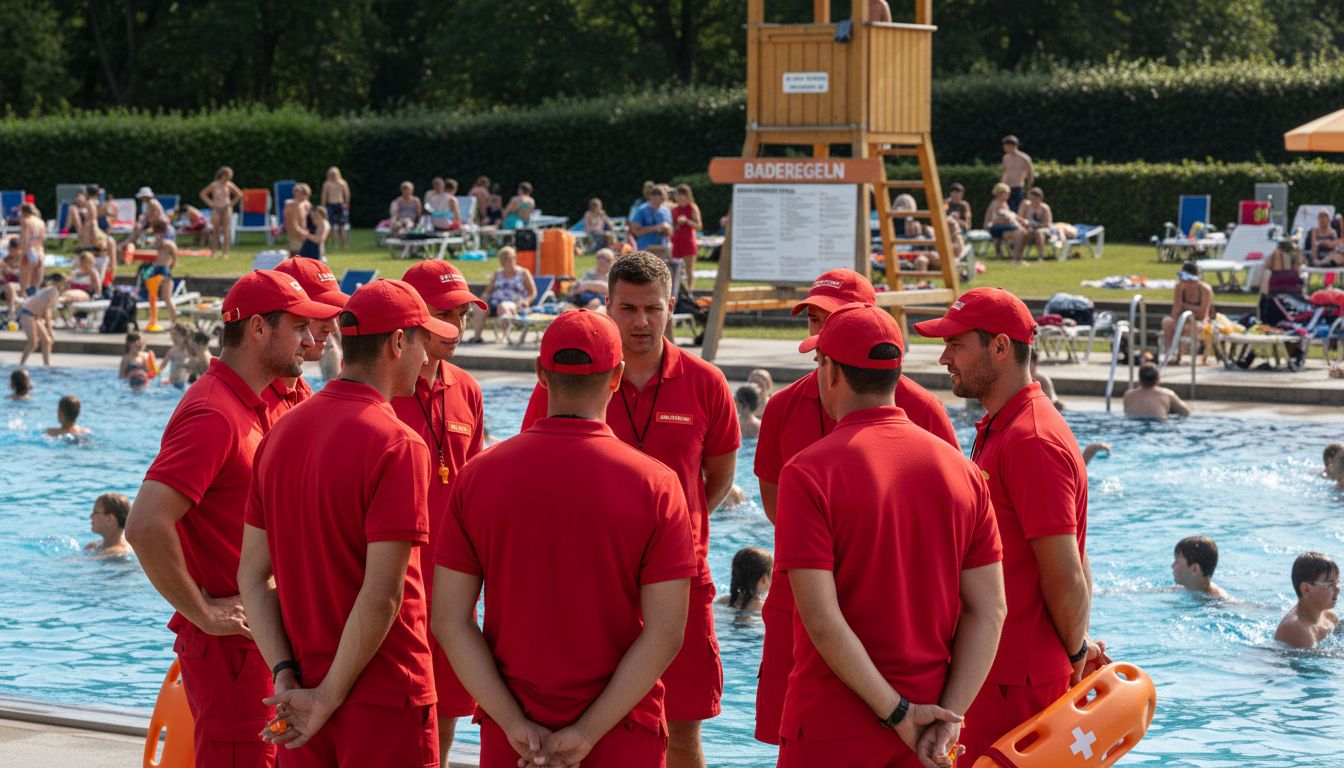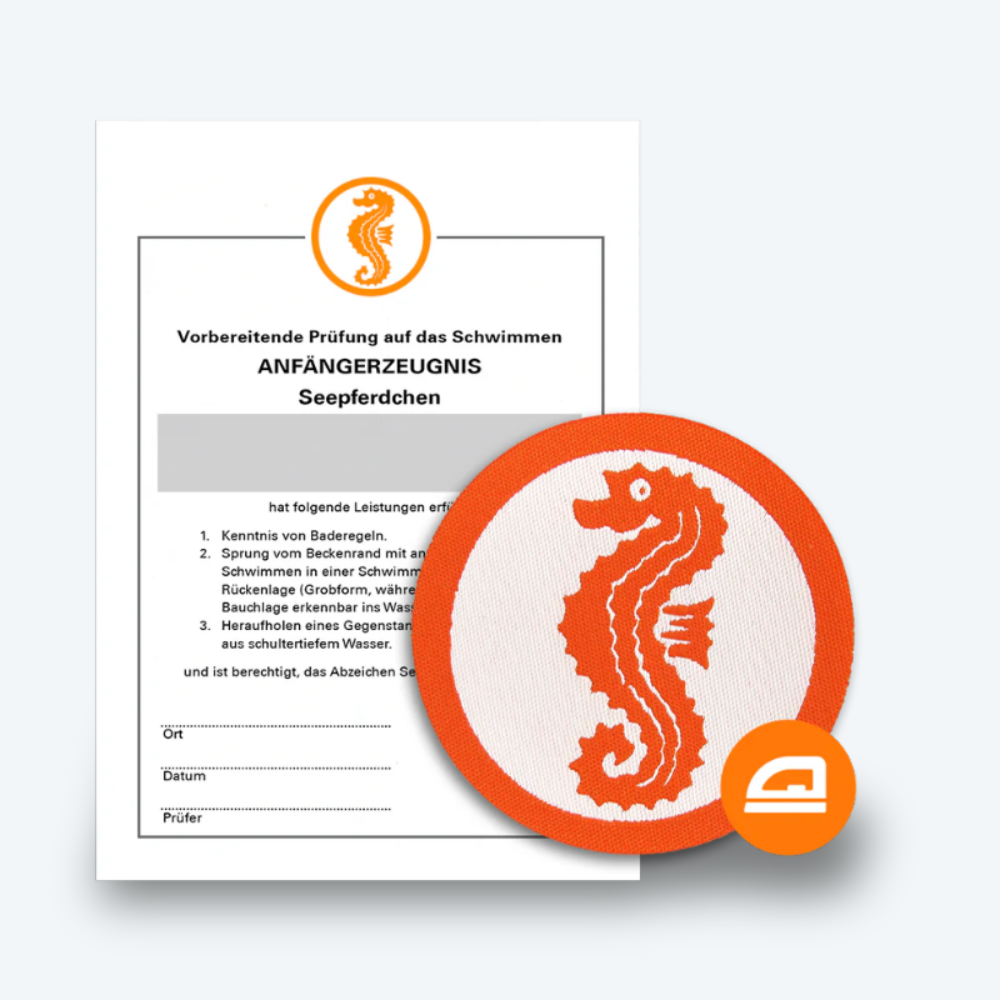
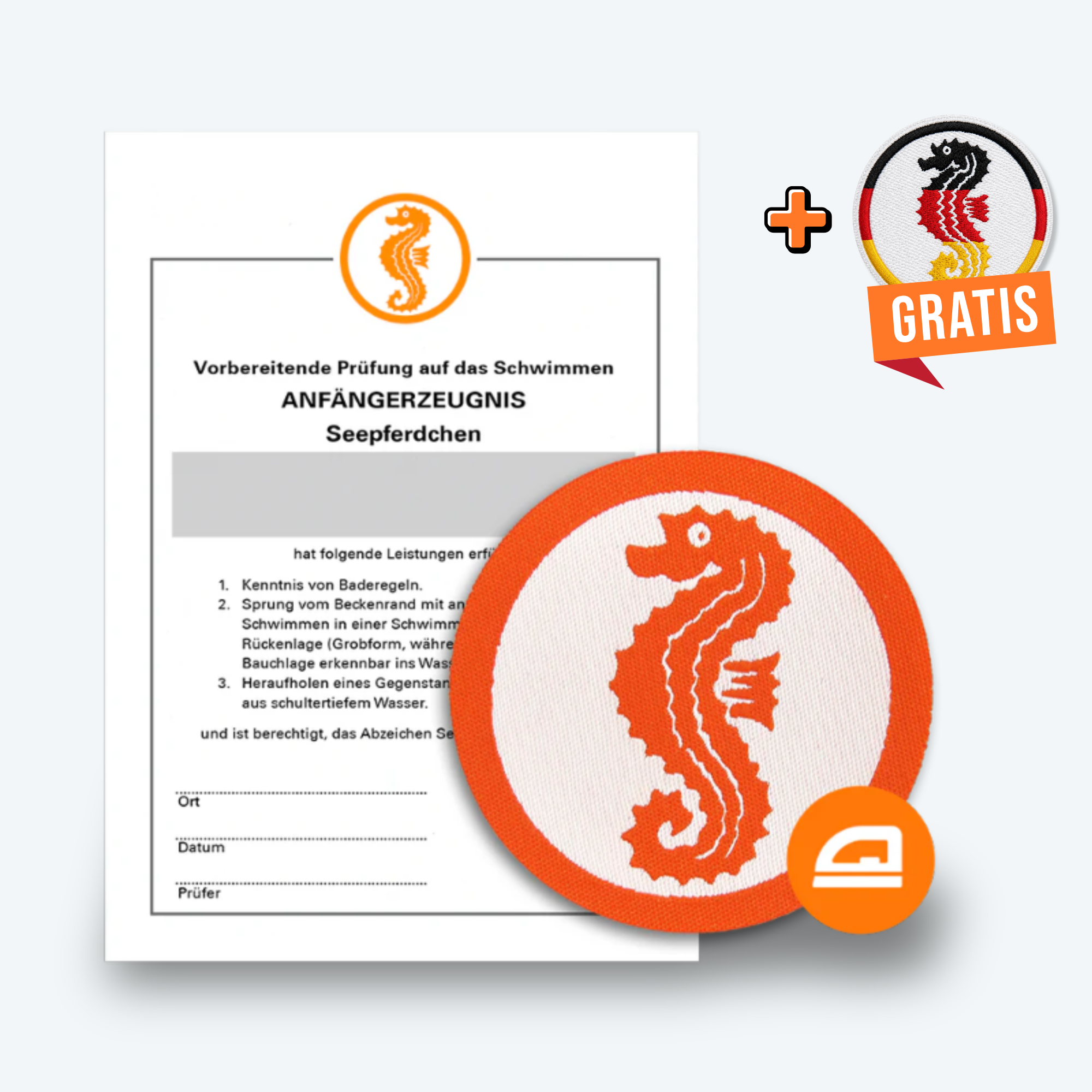
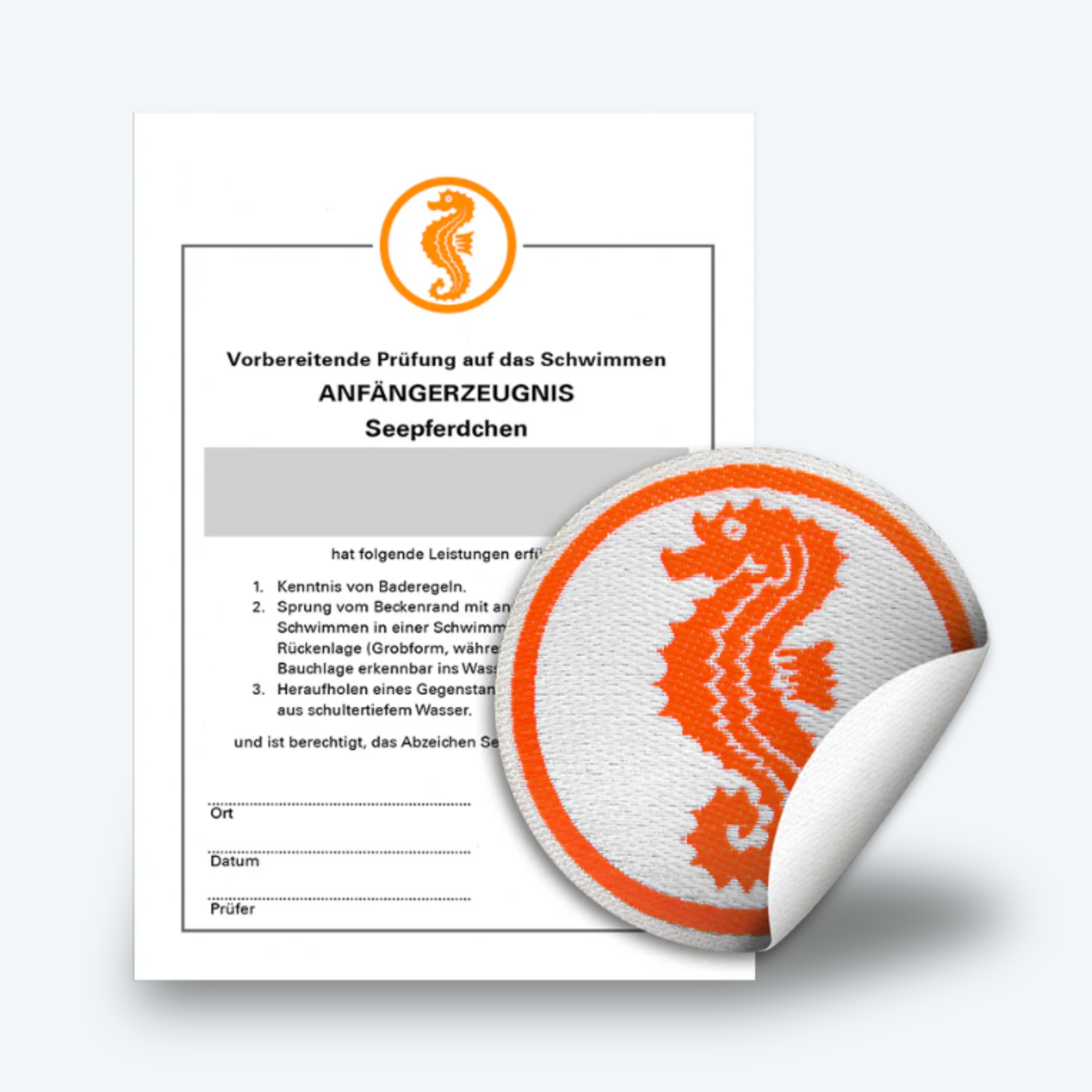
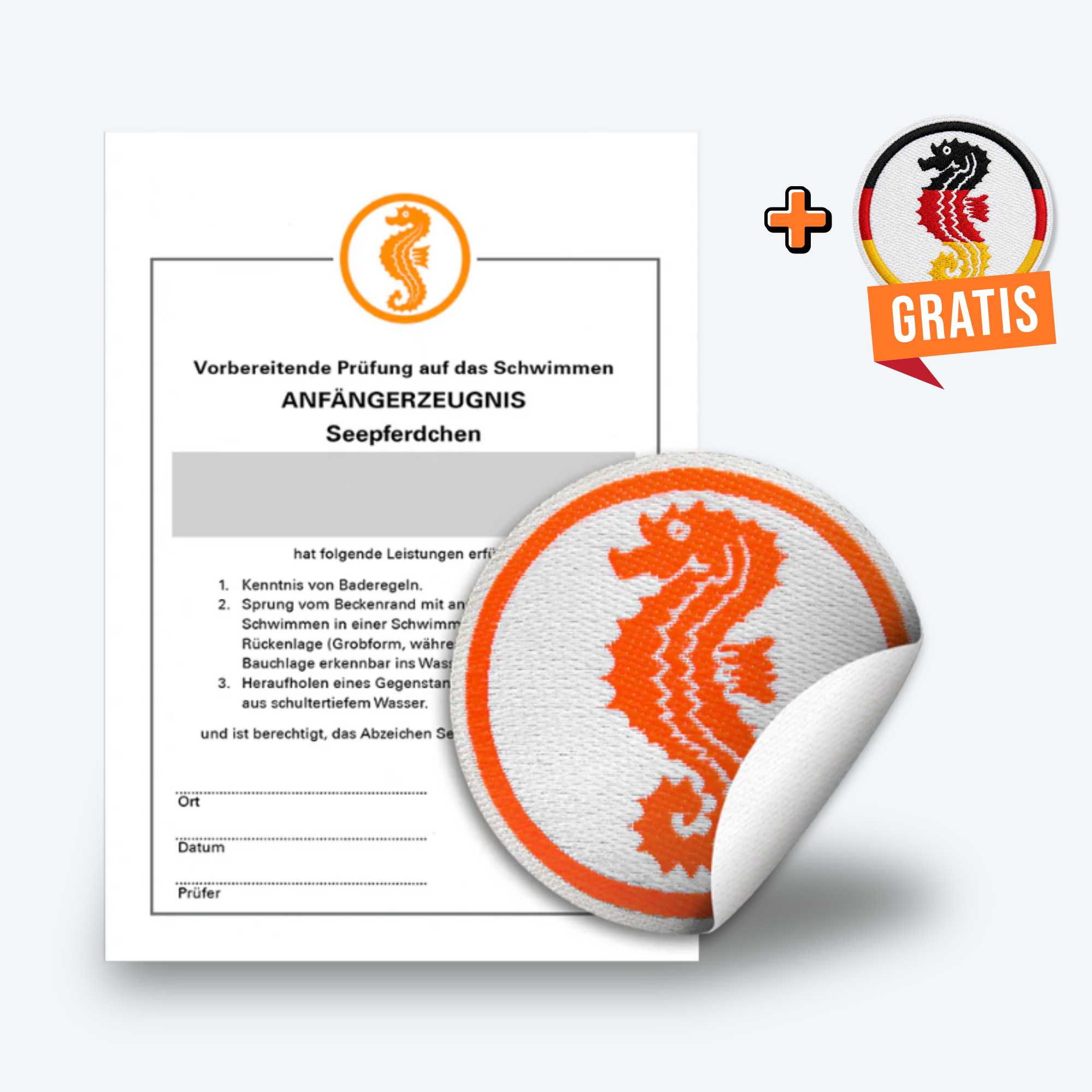
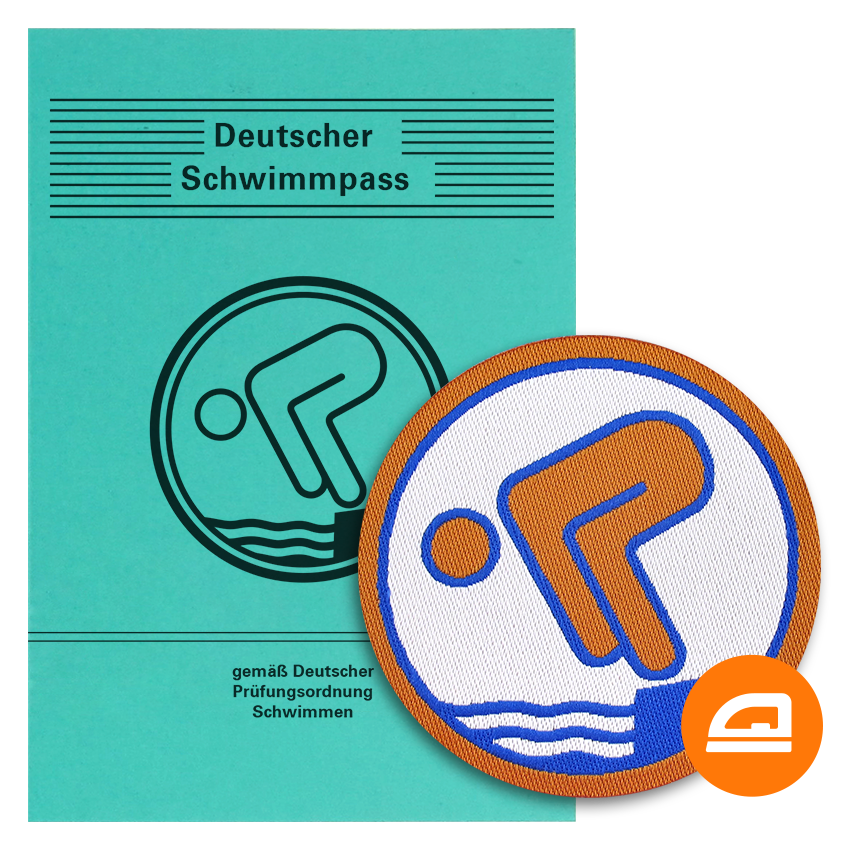

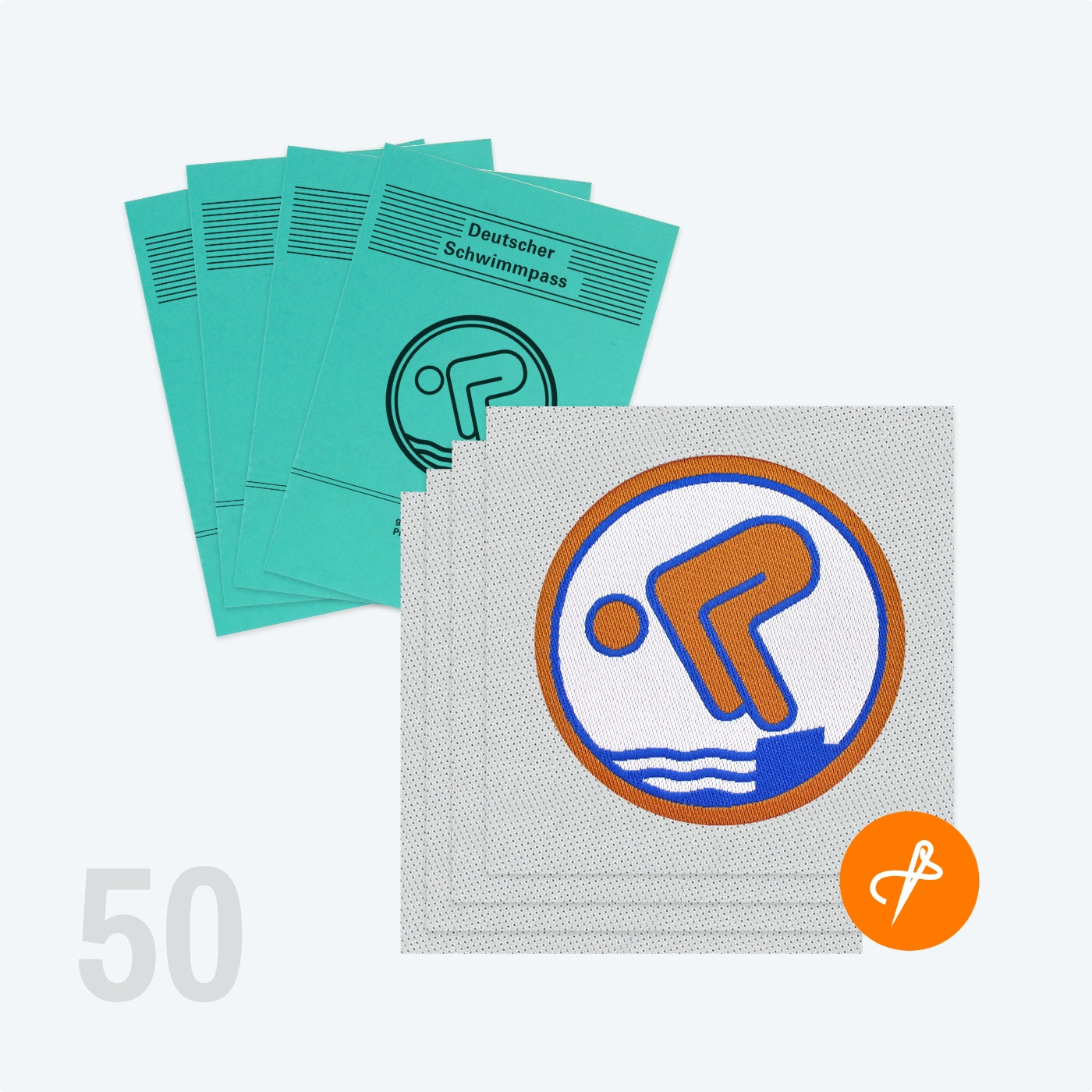
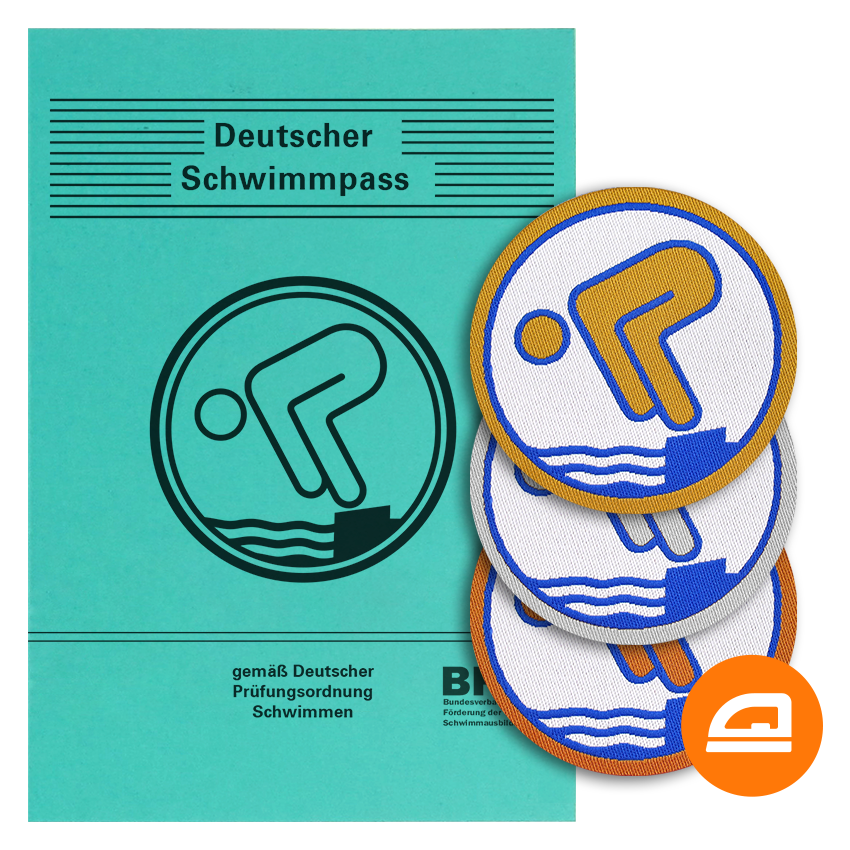
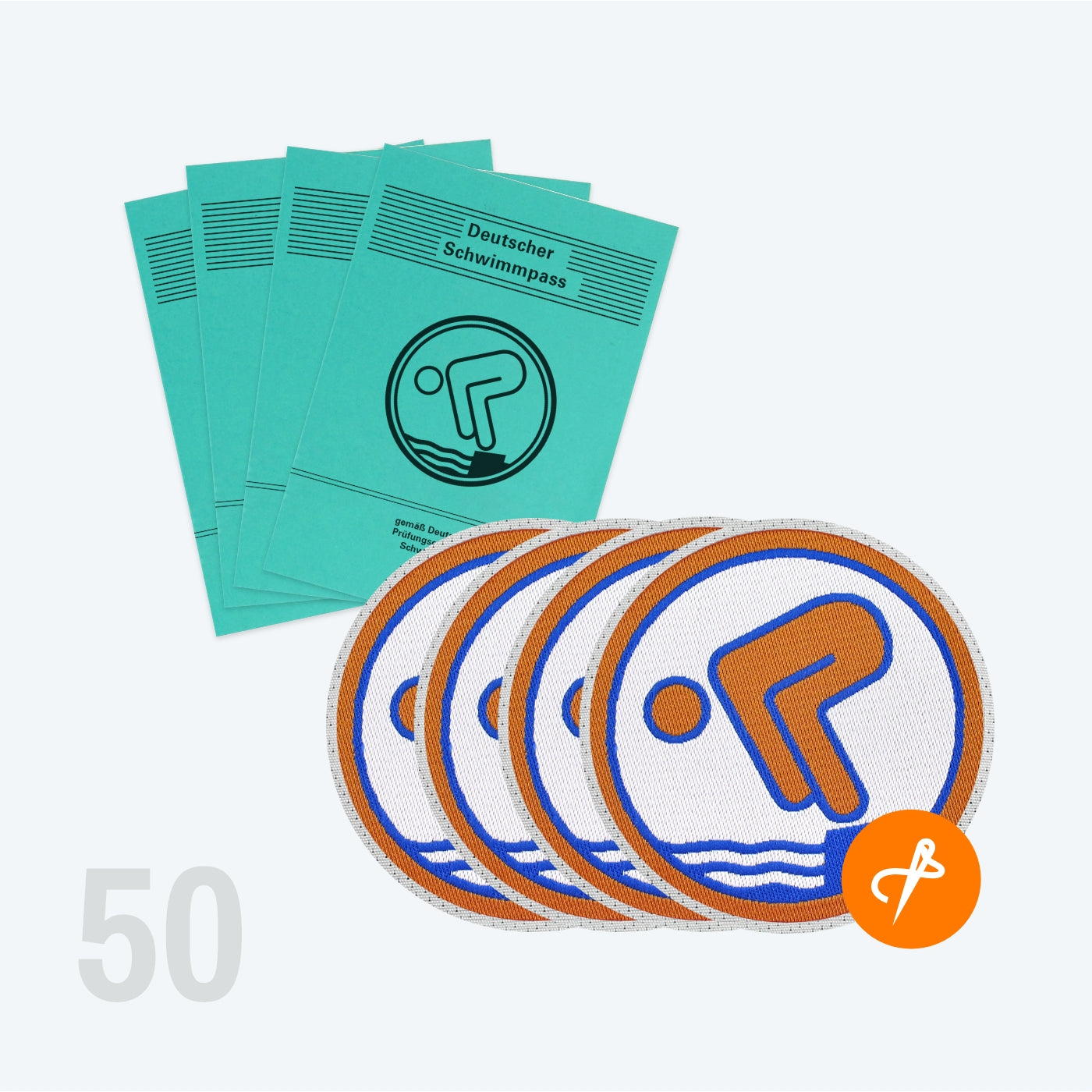
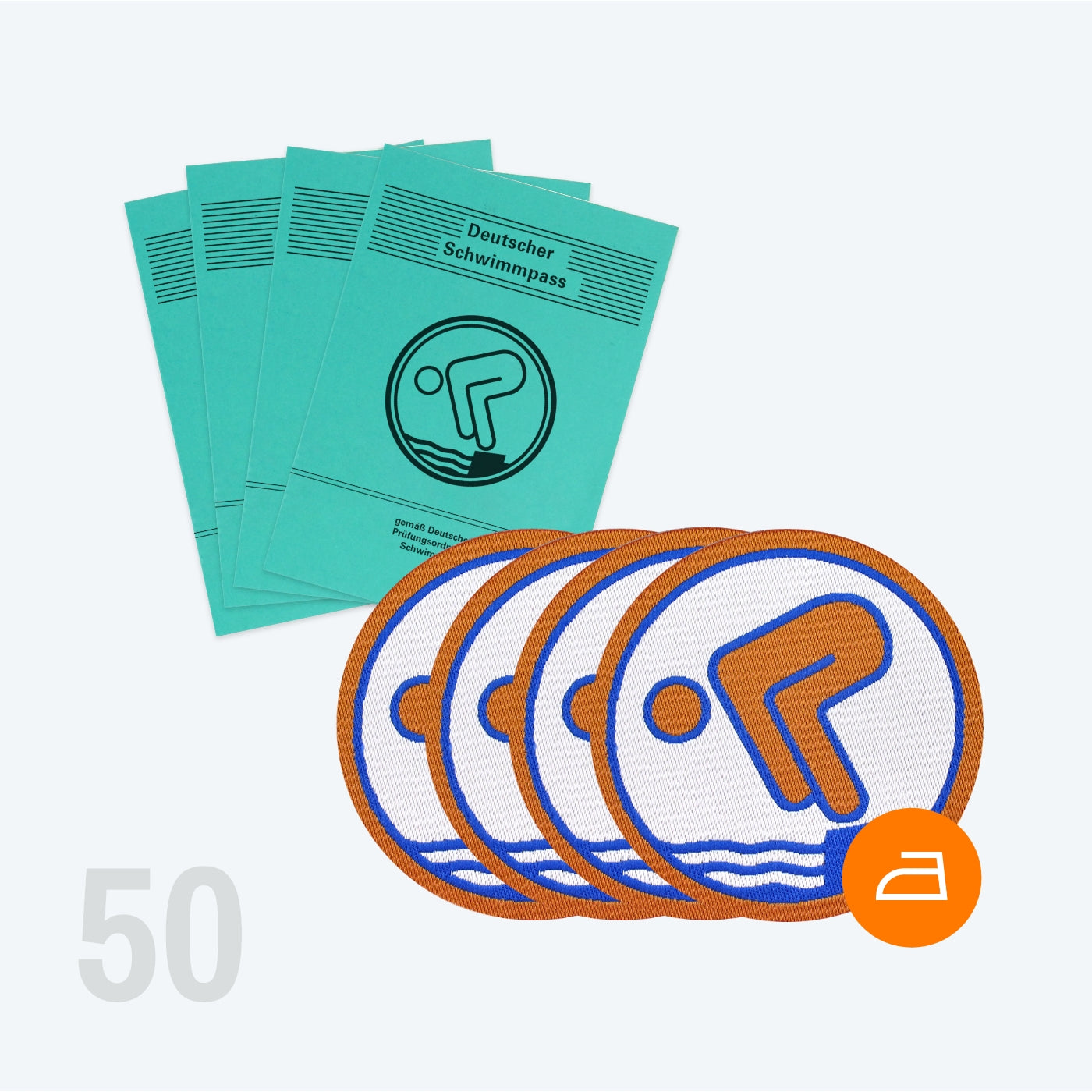
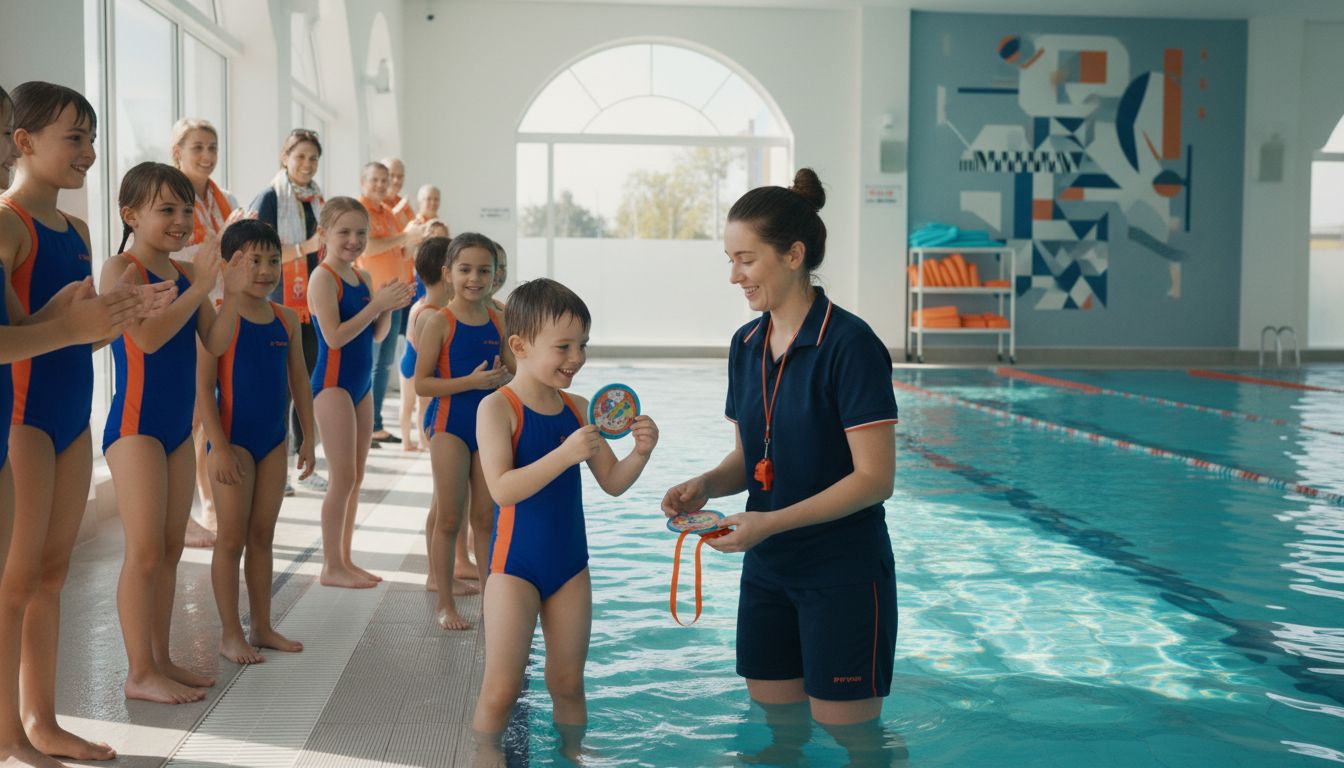
Around 60 percent of primary school children in Germany cannot swim safely. This shows how important targeted swimming projects are in schools. Those who define swimming badges as learning goals and cleverly combine motivation with individual support lay the foundation for greater safety and enjoyment of water. Here, teachers and parents will find practical approaches to sustainably strengthen swimming competence and enable every child to experience genuine success.
Table of Contents
- Project Planning: Defining Swimming Badges as a Goal
- Leveraging Motivation Through Collector's Albums and Certificates
- Establishing Cooperation with Local Swimming Clubs
- Organizing Swimming Badge Competitions in Schools
- Involving Parents and Teachers in the Project
- Setting Individual Swimming Goals for Students
- Designing a Closing Event with the Presentation of Swimming Badges
Quick Overview
| Key Findings | Explanation |
|---|---|
| 1. Define Clear Swimming Goals | Age-appropriate and curriculum-compliant badges promote targeted learning processes and student motivation. |
| 2. Utilize Certificates and Collector's Albums | Visible successes through certificates strengthen children's self-confidence and the learning atmosphere. |
| 3. Establish Cooperation with Swimming Clubs | Strategic partnerships improve swimming competence and provide safety through professional training. |
| 4. Organize Competitions for Motivation | Swimming badge competitions foster team spirit and offer an exciting opportunity for performance enhancement. |
| 5. Actively Involve Parents | Parental involvement supports the communication culture and increases children's learning effectiveness in swimming training. |
1. Project Planning: Defining Swimming Badges as a Goal
The strategic planning of swimming badges as a clear educational goal is crucial for the success of any school project. It's not just about earning a badge, but about designing a comprehensive learning process.
In project planning, schools should first identify specific swimming badges that are age-appropriate and curriculum-compliant. According to the brochure Schwimmen gut und sicher (Swimming Well and Safely) by the Ministry of School and Education in North Rhine-Westphalia, a structured approach is essential.
Effective project planning involves several important steps:
- Precisely define grade level and age group
- Assess students' current swimming abilities
- Set a realistic timeframe for the project
- Establish specific swimming badges as learning goals
- Select appropriate training methods
The project Mit Sicherheit am Wasser (Safety in Water) by the DRK's water rescue service emphasizes that swimming badges are more than just a certificate. They document vital safety knowledge in dealing with water.
The central goal is to increase student motivation through transparent and achievable badge goals. Clear project planning provides orientation and gives every participant the chance for success and recognition of their individual swimming development.
2. Leveraging Motivation Through Collector's Albums and Certificates
Swimming badges and certificates are more than just paper; they are powerful motivational tools for children and young people in swimming lessons. They not only document successes but also inspire further learning achievements.
According to the brochure Schwimmen gut und sicher (Swimming Well and Safely) by the Ministry of School and Education in North Rhine-Westphalia, certificates play a central role in students' performance motivation.
Targeted use of collector's albums and certificates can achieve the following positive effects:
- Strengthening self-confidence through visible learning successes
- Creating a positive learning atmosphere
- Visualizing individual development progress
- Fostering ambition and learning motivation
The project Mit Sicherheit am Wasser (Safety in Water) by the DRK's water rescue service emphasizes that certificates serve as emotional rewards and motivate children to further efforts.
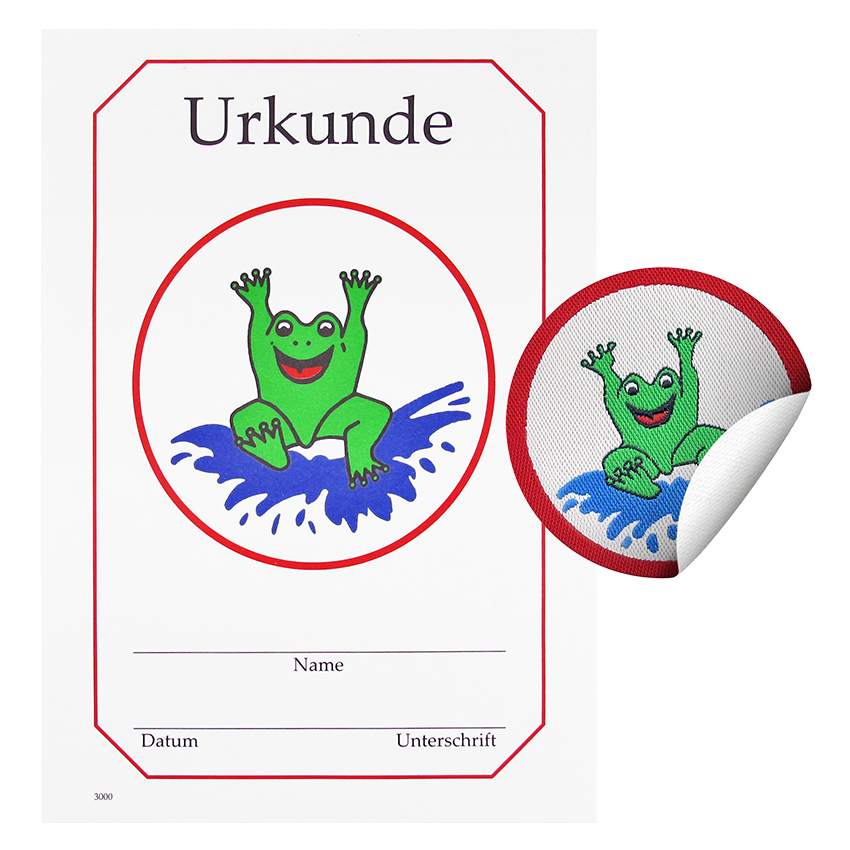
Individualized design of certificates and collector's albums is important. The more personal and appealing they are designed, the higher the students' motivation. A colorful collector's album or a certificate with the child's name can work wonders and boost the eagerness to learn.
3. Establishing Cooperation with Local Swimming Clubs
Collaboration with local swimming clubs offers schools a unique opportunity to optimize swimming training and open up professional perspectives for students. A strategic partnership can significantly improve swimming competence and safety.
According to the project Mit Sicherheit am Wasser (Safety in Water) by the DRK's water rescue service, cooperation between schools and clubs can be crucial for swimming education.
When starting a collaboration, the following aspects should be considered:
- Define common goals
- Exchange training resources
- Mutual observation by trainers
- Organize joint swimming events
- Utilize the expertise of club trainers
The brochure Schwimmen gut und sicher (Swimming Well and Safely) by the Ministry of School and Education emphasizes that such cooperations not only have professional advantages but also increase student motivation.
A successful partnership requires openness, communication, and joint efforts. The clubs bring professional training methods, while the schools provide structured learning environments. This creates a win-win situation for all involved.
4. Organizing Swimming Badge Competitions in Schools
Swimming badge competitions are an excellent way to motivate students and playfully improve their swimming skills. They offer an exciting platform for performance comparison and personal development.
According to the brochure Schwimmen gut und sicher (Swimming Well and Safely) by the Ministry of School and Education, such competitions can significantly increase students' learning motivation and team spirit.
When organizing a swimming badge competition, the following aspects should be considered:
- Define clear and fair competition rules
- Introduce different performance categories
- Prepare motivating prizes and awards
- Carefully plan safety aspects
- Promote team spirit and fairness
The project Mit Sicherheit am Wasser (Safety in Water) by the DRK's water rescue service emphasizes that such competitions not only develop athletic abilities but also impart important safety aspects in dealing with water.
A positive and supportive atmosphere is important. The competitions should be designed so that every student experiences success and develops a love for swimming, regardless of their individual performance level.
5. Involving Parents and Teachers in the Project
Collaboration among parents, teachers, and swimming instructors is crucial for the success of swimming badge projects. A holistic approach promotes not only swimming competence but also children's water safety.
According to the project Mit Sicherheit am Wasser (Safety in Water) by the DRK's water rescue service, joint efforts can significantly increase learning effects.
The following strategies are recommended for successful involvement:
- Organize regular information events
- Involve parents as helpers and observers
- Transparent communication about progress
- Offer workshops on water safety
- Conduct joint reflection meetings
The brochure Schwimmen gut und sicher (Swimming Well and Safely) by the Ministry of School and Education emphasizes that open communication is the key to success.
A supportive atmosphere is important, in which all participants see themselves as part of a joint educational process. Only through trusting cooperation can children optimally develop their swimming skills and gain confidence in the water.
6. Setting Individual Swimming Goals for Students
Every student has a unique learning curve and individual swimming abilities. Setting personalized swimming goals can significantly increase motivation and learning success.
According to the brochure Schwimmen gut und sicher (Swimming Well and Safely) by the Ministry of School and Education, tailored learning goals are the key to success.
When defining goals, the following aspects should be considered:
- Accurately assess individual performance level
- Set realistic but challenging goals
- Regularly document progress
- Develop goals together with the student
- Allow flexible adjustment of goals
The project Mit Sicherheit am Wasser (Safety in Water) by the DRK's water rescue service emphasizes that individual goal-setting promotes self-efficacy and enjoyment of swimming.
A successful approach means not only measurable progress but, above all, strengthening self-confidence. Every small success motivates and brings students a step closer to their ultimate goal.
7. Designing a Closing Event with the Presentation of Swimming Badges
A well-designed closing event can recognize students' achievements and progress and strengthen their motivation for future swimming successes. It's about more than just presenting a badge.
The brochure Schwimmen gut und sicher (Swimming Well and Safely) by the Ministry of School and Education emphasizes the emotional significance of such award ceremonies.
When planning the closing event, the following aspects should be considered:
- Create a festive atmosphere
- Invite parents and family members
- Recognize individual achievements
- Prepare small surprises or additional awards
- Organize photographic documentation
The project Mit Sicherheit am Wasser (Safety in Water) by the DRK's water rescue service emphasizes that such events are more than just a formal ceremony.
A successful closing event creates memories for life and motivates children to continuously improve their swimming skills. The pride and recognition become an unforgettable experience.
Below is a comprehensive table summarizing the main strategies and approaches for promoting swimming in schools from the article.
| Topic | Description | Key Considerations |
|---|---|---|
| Project Planning | Identify specific swimming badges, assess abilities, set a timeframe | Orients and motivates students through clear goals |
| Motivation through Certificates | Utilize certificates and collector's albums | Increases self-confidence and learning atmosphere |
| Cooperation with Swimming Clubs | Define common goals and resources, organize events | Improves competence and safety |
| Swimming Competitions | Competition rules and prize awards | Fosters team spirit and fairness |
| Involvement of Parents and Teachers | Information events, transparent communication | Improves results through collaboration |
| Individual Swimming Goals | Assessment and adjustment based on performance level | Promotes self-efficacy and joy of swimming |
| Closing Event | Ceremonial presentation of badges, invite families | Recognition and motivation for the future |
Inspire School Projects and Enhance Safety with Swimming Badges
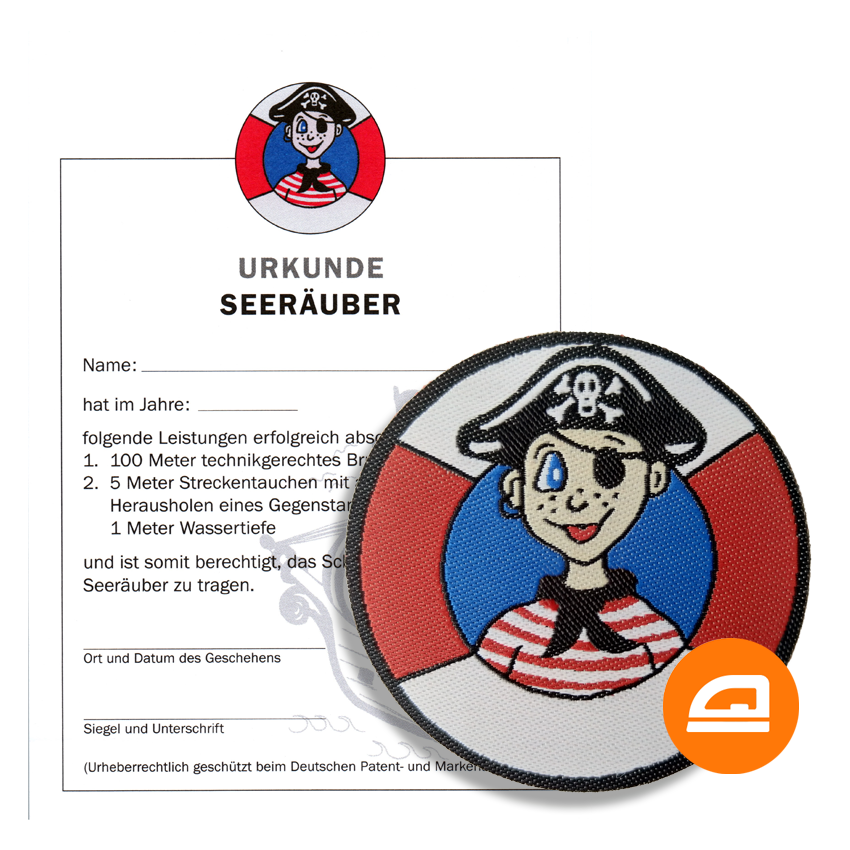
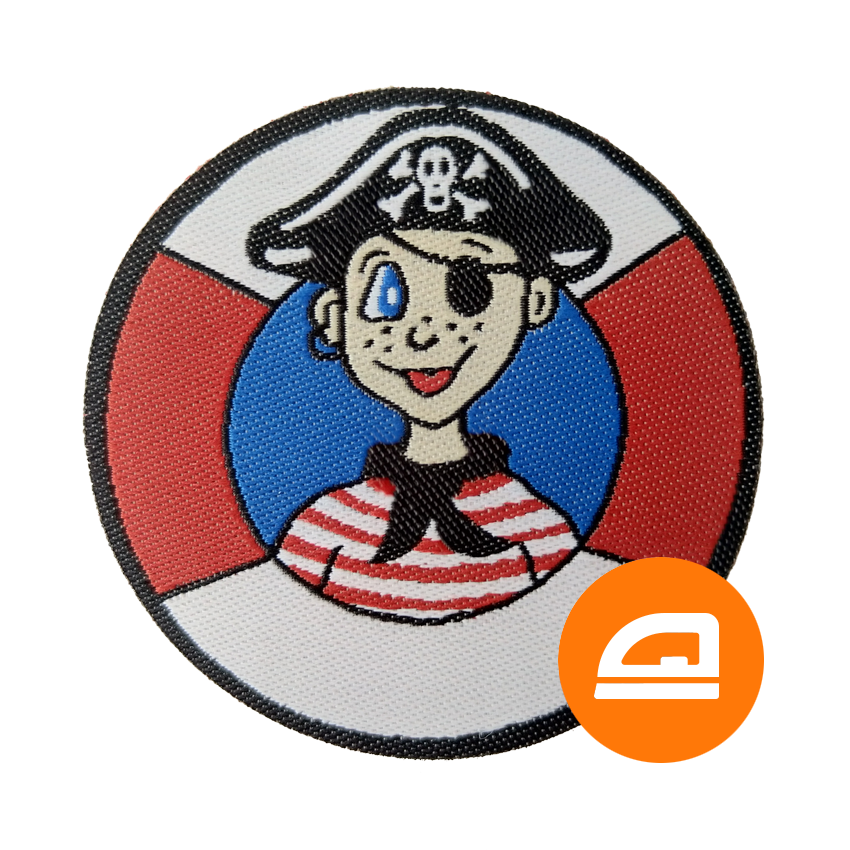
The goal of your school project is to teach children and young people not only swimming techniques but, above all, water safety through swimming badges, while also fostering their motivation. Clear learning goals such as individual swimming badges, appealing certificates, and an exciting closing event play a central role here. This is precisely where Pimpertz, with over 38 years of experience, comes in, offering a large selection of child-friendly and official swimming badges and certificates, such as from our popular Pirat Pimpi® Swimming Badges & Certificates collection.
Boost your students' joy of learning with high-quality collector's albums and personalized certificates. Take advantage of our extensive bundle offers and benefit from lightning-fast shipping to ensure your projects run smoothly. Experience how genuine recognition and individual swimming goals help children become safer and more confident in the water. Discover our complete range now at pimpertz.de and order the right swimming badges for your school project today.
Frequently Asked Questions
How can I motivate students to earn swimming badges?
A good method to motivate students is to use certificates and collector's albums. Design individual certificates and present them ceremonially to strengthen students' self-confidence and make their experiences visible.
What steps are necessary to plan a swimming badge project?
Start by precisely defining the grade levels and age groups that will participate. Then assess students' current swimming abilities and set realistic timeframes and specific badge goals.
What can cooperation with local swimming clubs look like?
Define common goals with the swimming club and work on exchanging training resources. Organize regular joint events to enhance students' swimming abilities through professional guidance.
What should be considered in a swimming badge competition?
Define clear and fair competition rules and introduce different performance categories. Make sure to carefully plan safety aspects and promote team spirit through supportive measures.
How do I involve parents and teachers in the swimming project?
Organize regular information events to inform parents about progress. Actively involve them by engaging them as helpers or observers during swimming activities, and conduct workshops on water safety.
How do I design a closing event for the presentation of swimming badges?
Create a festive setting for the presentation and invite parents and family members. Acknowledge students' individual achievements and consider small surprises to make the event special.
Recommendation
- 7 Creative Swimming Badges as Gift Ideas for Children
- 7 Effective Teaching Methods for Swimming Schools to Enhance Learning Success
- 7 Creative Gift Ideas for Swimmers: Inspiration for Every Occasion
- 7 Clever Gifts for Swimming Tests for Children and Groups
- Playful Learning: Creative Activities for Children 2025 – Edory AI – Educational Children's Stories
- Learning Through Games: Creative Methods for Playful Teaching – Edory AI – Educational Children's Stories