


What Swimming Badges Are There? An Overview for Parents & Clubs
Swimming badges are much more than a colorful fabric patch on a swimsuit. Many think the Seahorse badge is the goal and then that's it. But hardly anyone knows that in Germany over five different swimming badges are officially awarded, starting with the Seahorse up to the Gold Lifeguard certificate. These badges literally open up new worlds in the water for children and young people – and what lies behind them surprises even many parents and clubs.
Table of Contents
- Overview of All Swimming Badges in Germany
- Requirements and Examination Content of the Badges
- Tips for Parents and Swimming Instructors for Badge Preparation
- Important Notes for Clubs and Swimming Schools
Quick Summary
| Takeaway | Explanation |
|---|---|
| Swimming badges promote safety | Swimming badges document skills and improve children's water safety. |
| Seahorse is the entry point | The Seahorse badge is the first step in swimming education for children aged 5 and up. |
| Trainer qualifications are crucial | A professional environment and qualified trainers are essential for successful swimming education. |
| Preparation requires continuous training | Continuous and structured training is essential for success in obtaining swimming badges. |
| Utilize additional preparation tools | Good equipment as well as physical and psychological support help children with the badge examination. |
Overview of All Swimming Badges in Germany
Swimming badges play a crucial role in swimming education and water safety for children and young people. They not only document acquired swimming skills but also motivate young swimmers to continuously improve. In Germany, there is a standardized system of swimming badges, developed by various associations such as the German Life Saving Association (DLRG) and the German Swimming Federation (DSV).
The Most Important Swimming Badges for Children
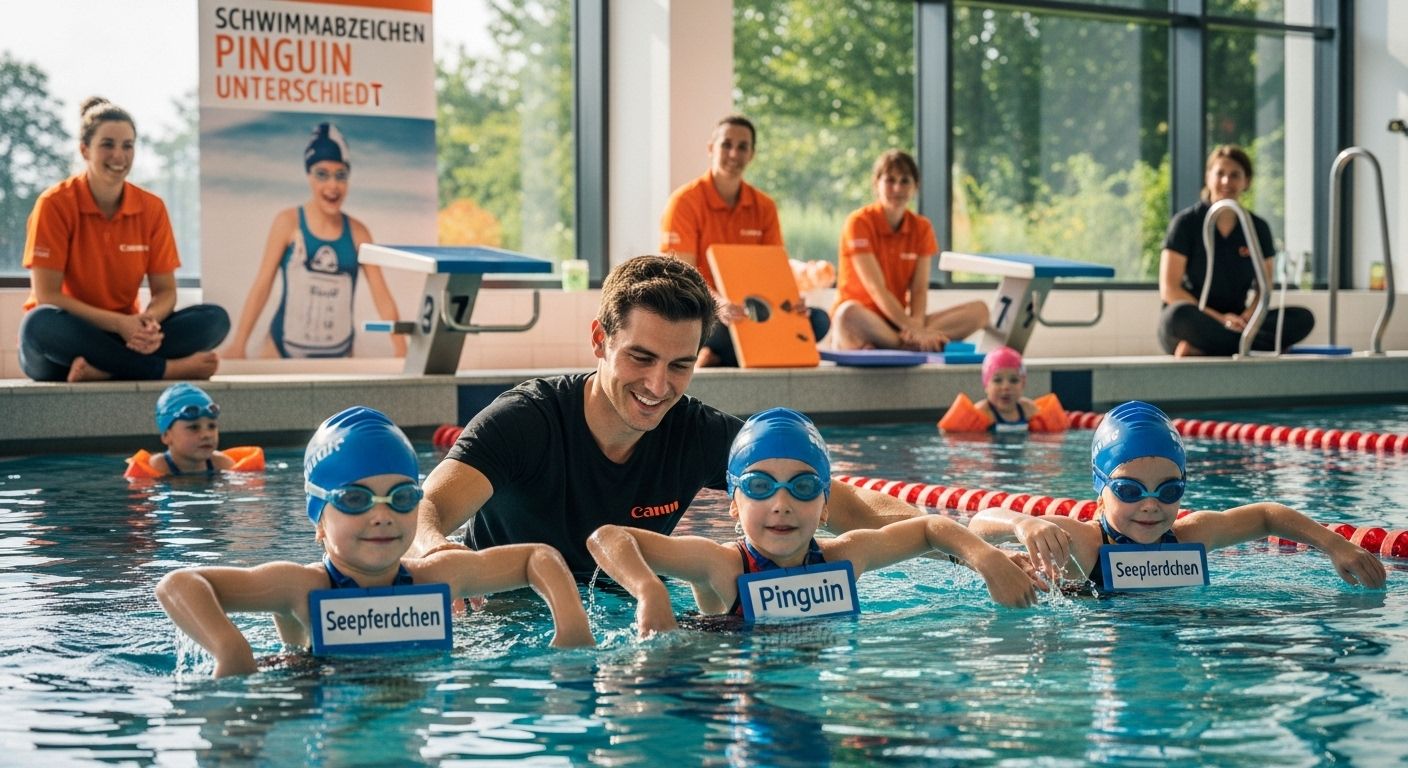
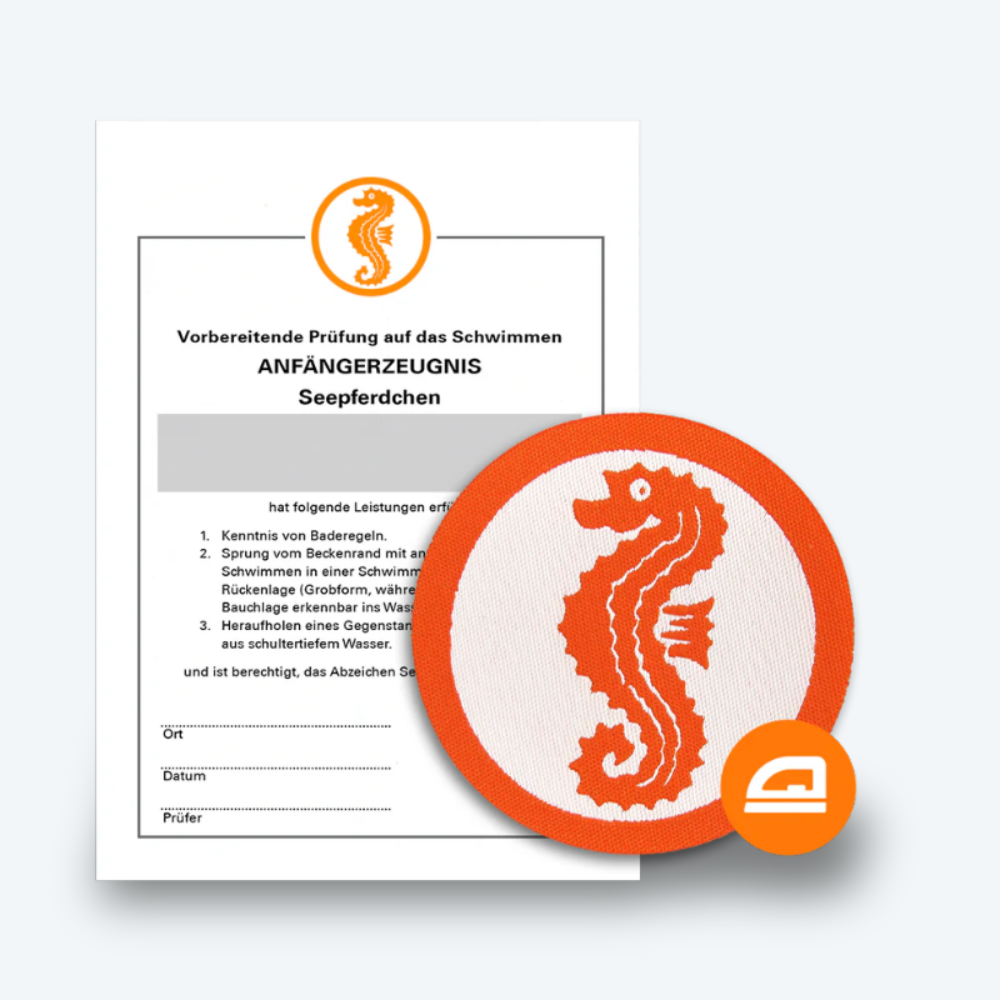
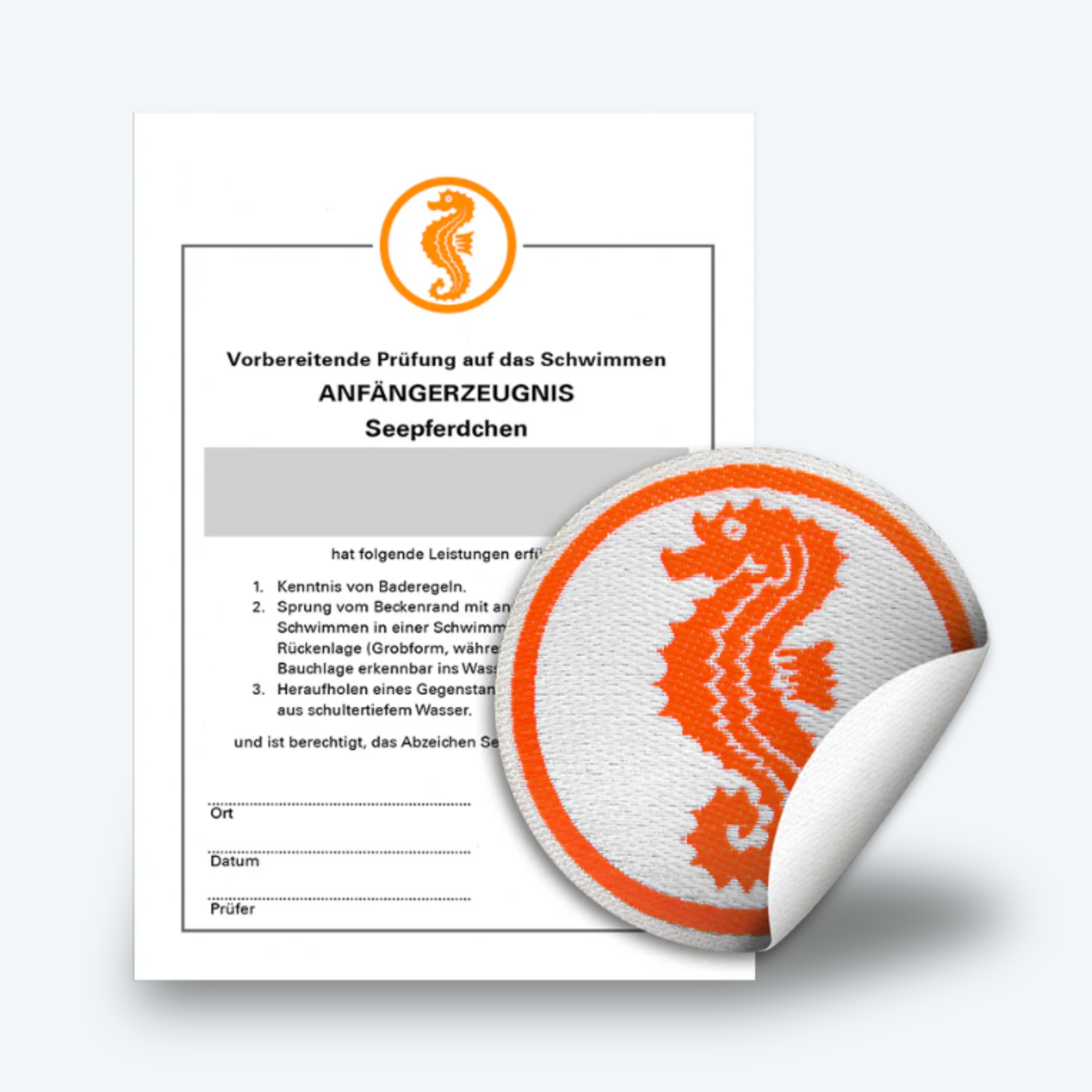
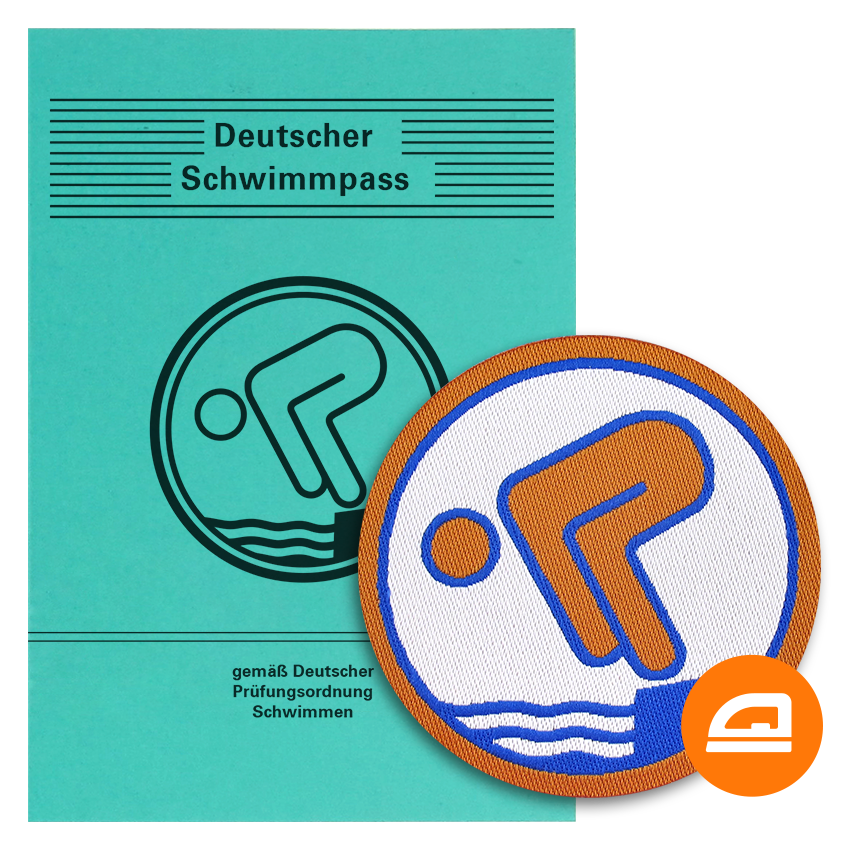
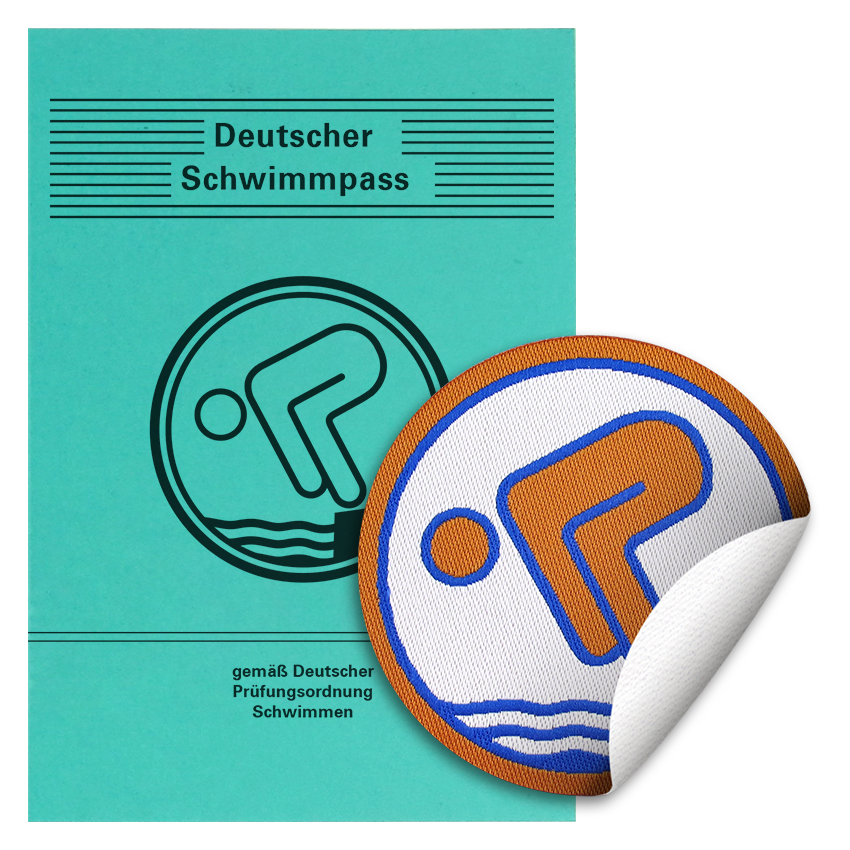
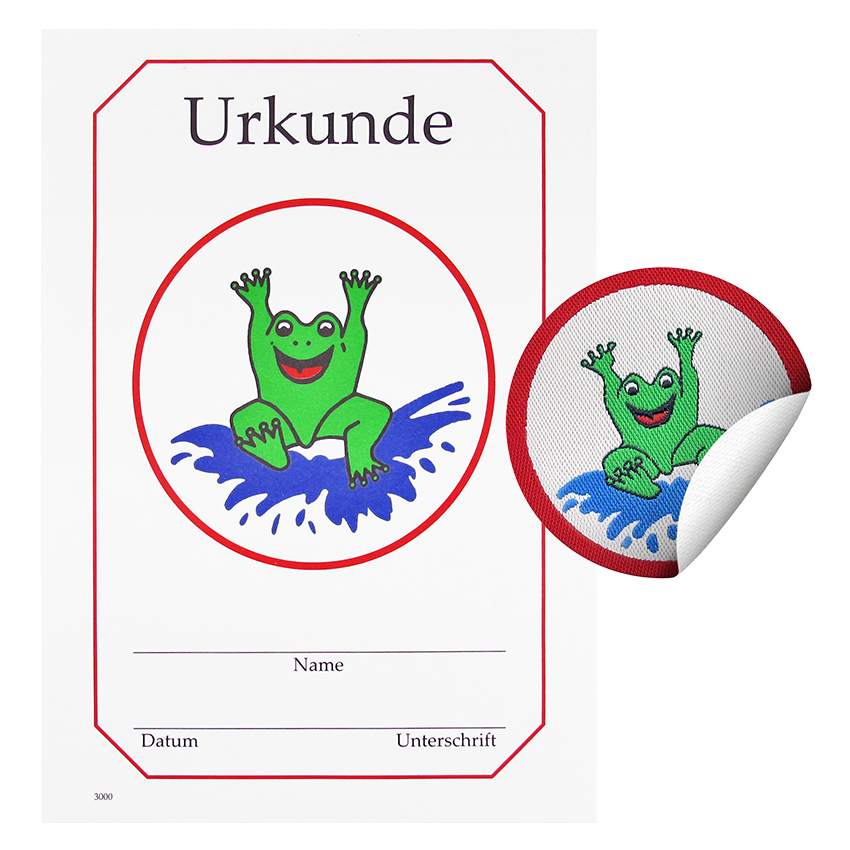
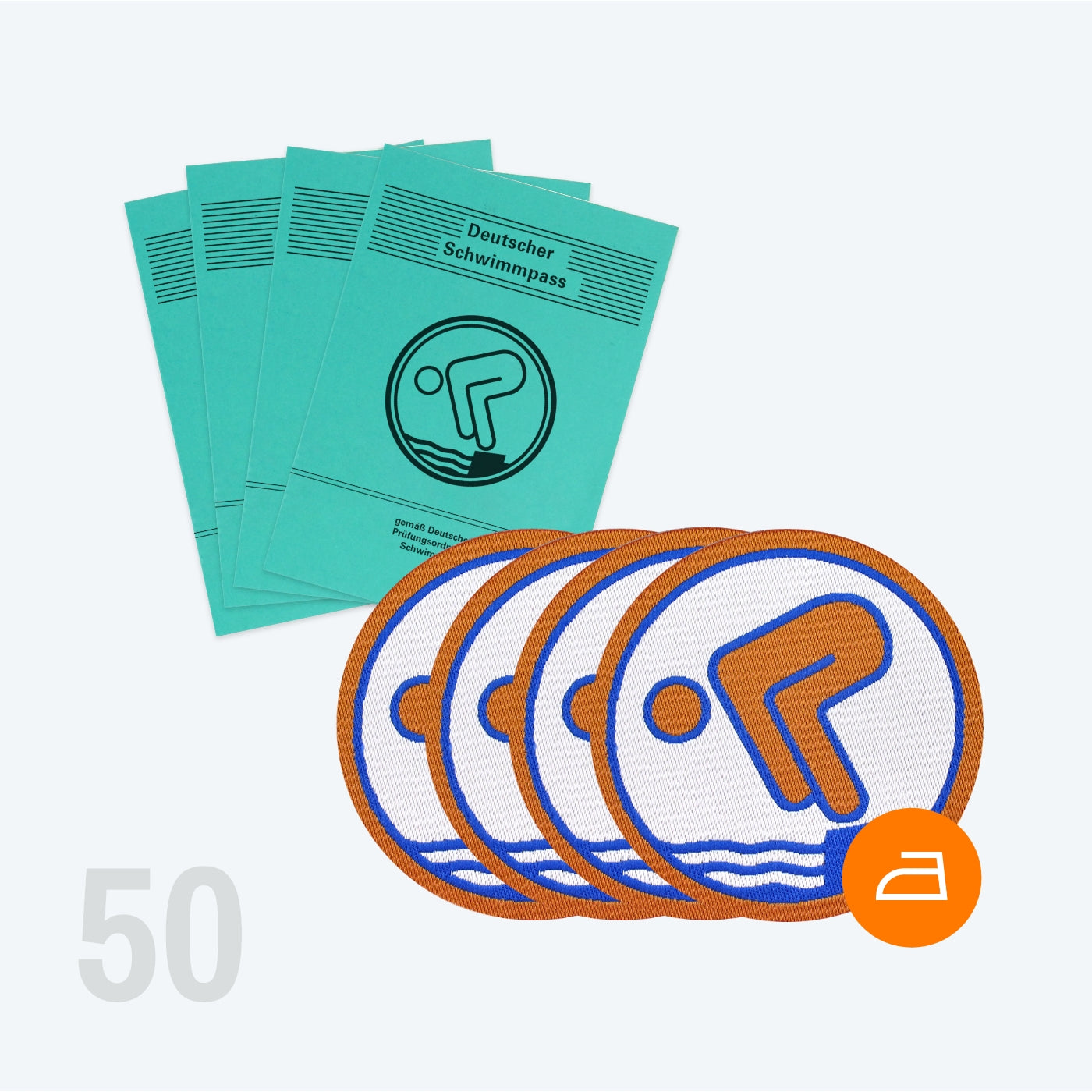
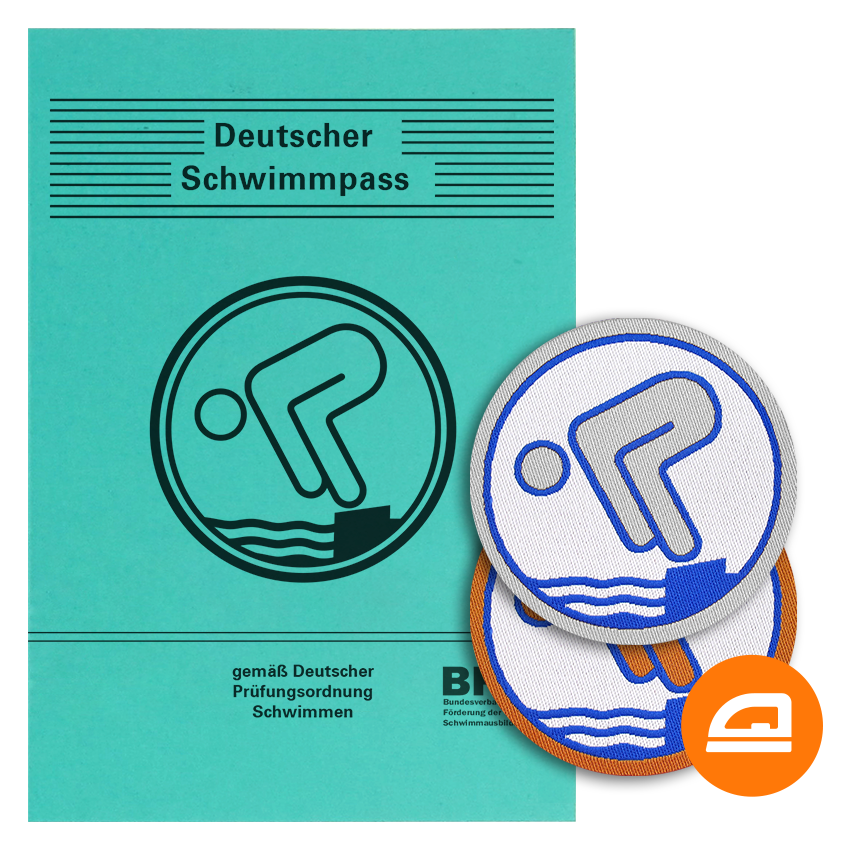
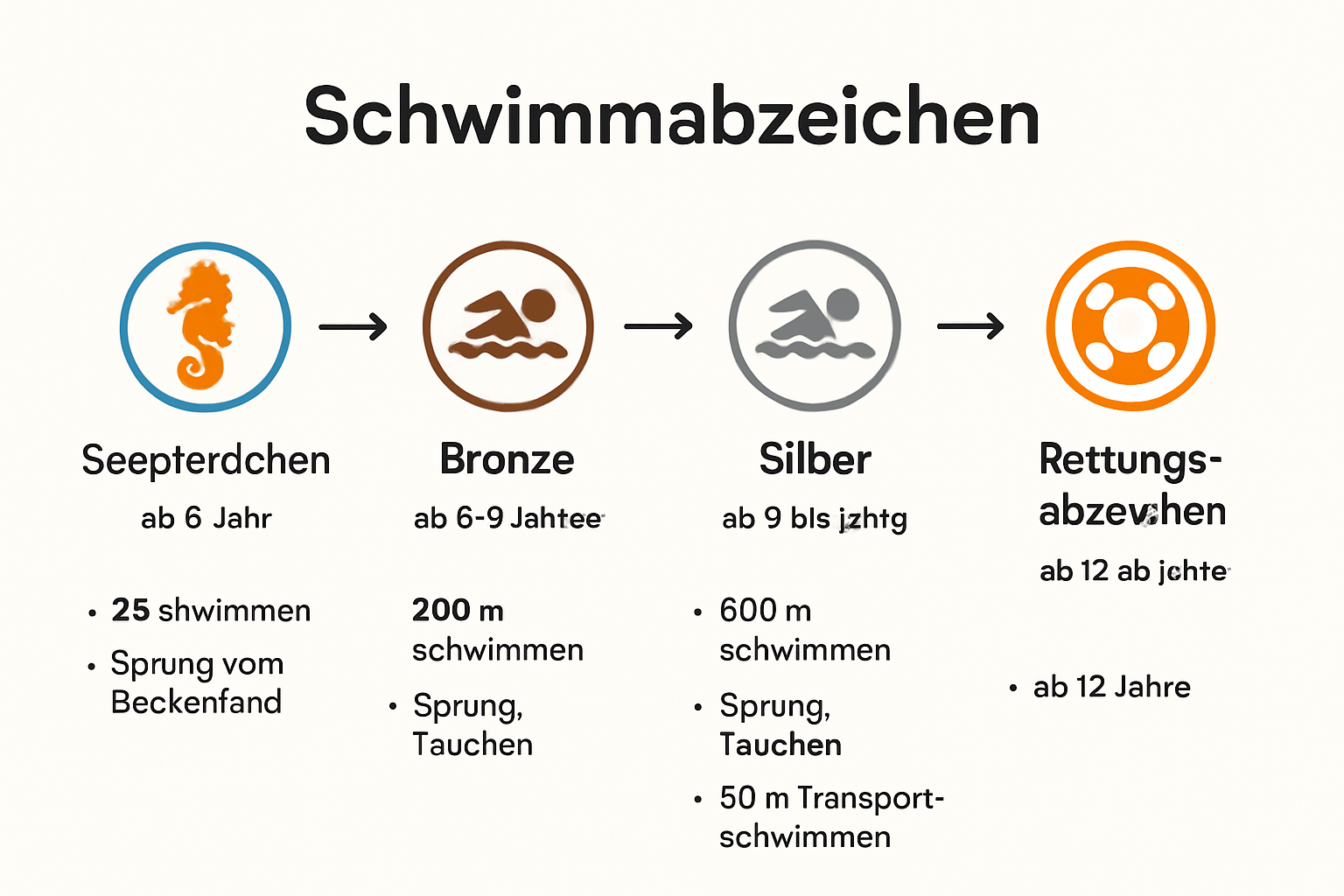
The path of swimming education typically begins with the popular Seepferdchen (Seahorse). This badge is intended for children aged around 5 years and marks the first important step in swimming lessons. The Seahorse is followed by other badges that teach increasingly complex swimming techniques and safety knowledge.
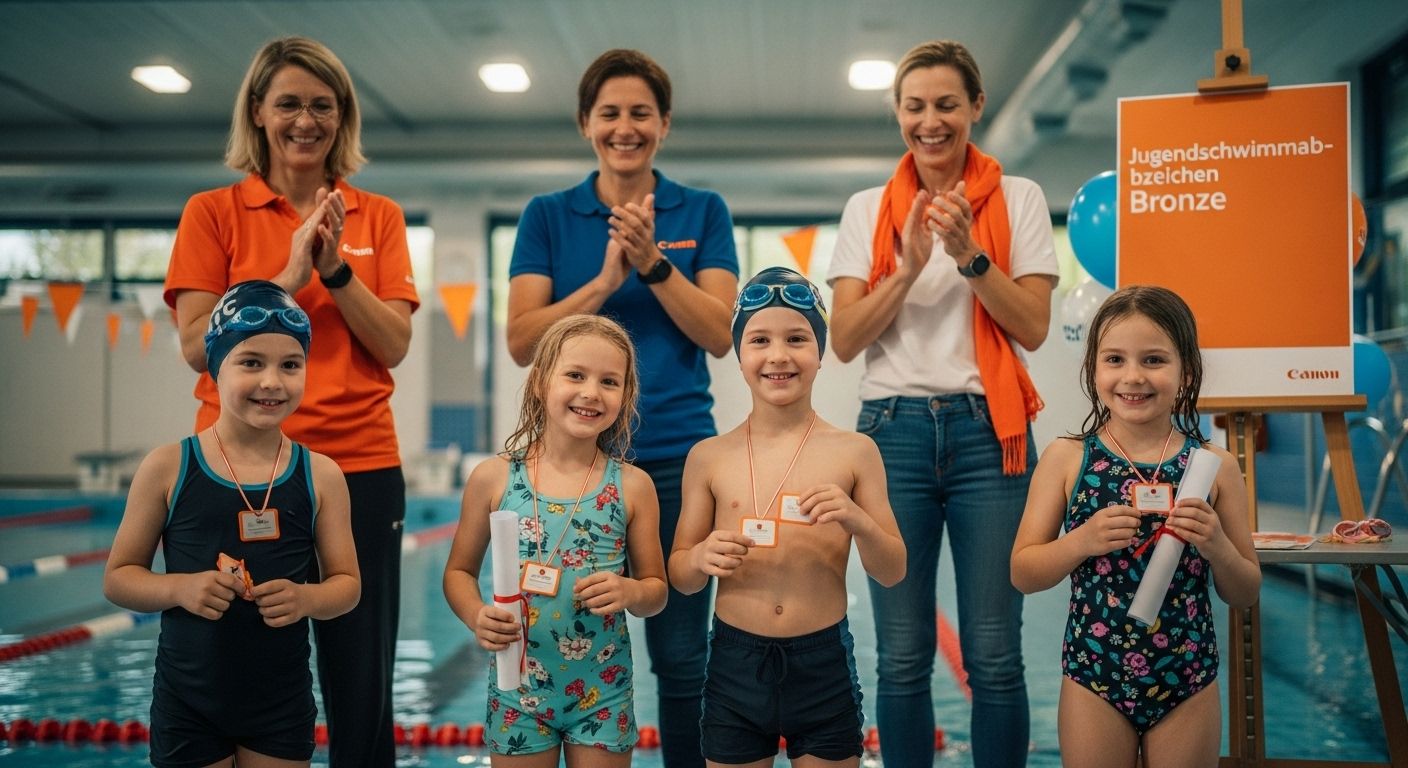
The Youth Swimming Badge Bronze represents an important intermediate stage. Here, children and young people learn not only advanced swimming techniques but also fundamental safety aspects in and around water. According to the Federal Ministry for Digital and Transport, these badges are crucial for the water safety of children and young people.
Advanced Swimming Badges and Lifesaving
With increasing age and ability, swimmers can acquire further badges. The Youth Swimming Badge Silver and Gold represent higher levels of competence. These badges require not only excellent swimming techniques but also endurance and safety knowledge.
For particularly committed swimmers, there are lifesaving badges. As shown by the city of Kerpen in a job advertisement, municipalities are looking for lifeguards with a valid Silver lifesaving badge, which underlines the practical importance of this qualification.
The various swimming badges are more than just documents. They are motivational incentives that encourage children and young people to improve their swimming skills while learning important safety aspects in dealing with water. Parents and swimming clubs play a crucial role in supporting and guiding children in acquiring these badges.
Requirements and Examination Content of the Badges
Swimming badges are more than just decorative awards. They represent a structured learning process where children and young people systematically acquire swimming skills and water safety knowledge. Each badge has specific requirements and examination content that progressively challenge and develop swimmers.
Basic Examination Requirements
For the first swimming badges, such as the Seepferdchen (Seahorse), children must demonstrate basic abilities. These include swimming independently for about 15 meters, jumping into the water, and mastering simple swimming techniques. Swimming clubs and pools emphasize safe and controlled movement in the water.
For the Youth Swimming Badge Bronze, the requirements increase. Swimmers must now cover longer distances, master various swimming techniques, and understand the basics of water rescue. According to the German Swimming Federation, this includes, for example, safe swimming of various techniques such as crawl, backstroke, and breaststroke.
Safety and Rescue Techniques
With progressive badges like Silver and Gold, the examination content becomes more demanding. In addition to technically perfect swimming techniques, participants must now also demonstrate rescue skills. This specifically means: jumps from various heights, swimming with clothes on, diving, and basic first aid knowledge.
Similar to the Boy Scouts of America in their Swimming Merit Badge, German swimming associations also place great importance on comprehensive water safety. The examinations test not only physical performance but also an understanding of safety protocols and behavior in and around water.
The examinations are conducted by qualified swimming instructors who individually assess each participant. They pay attention not only to technical skills but also to mental safety and water competence. The goal is to enable children and young people to move safely and confidently in various water situations.
Each swimming badge is thus an important milestone in the development of young swimmers. It documents acquired skills, motivates further learning, and contributes significantly to water safety.
Tips for Parents and Swimming Instructors for Badge Preparation
Preparing for swimming badges requires systematic support from parents and professional swimming instructors. A successful approach combines playful learning, continuous training, and psychological motivation.
Psychological Preparation and Motivation
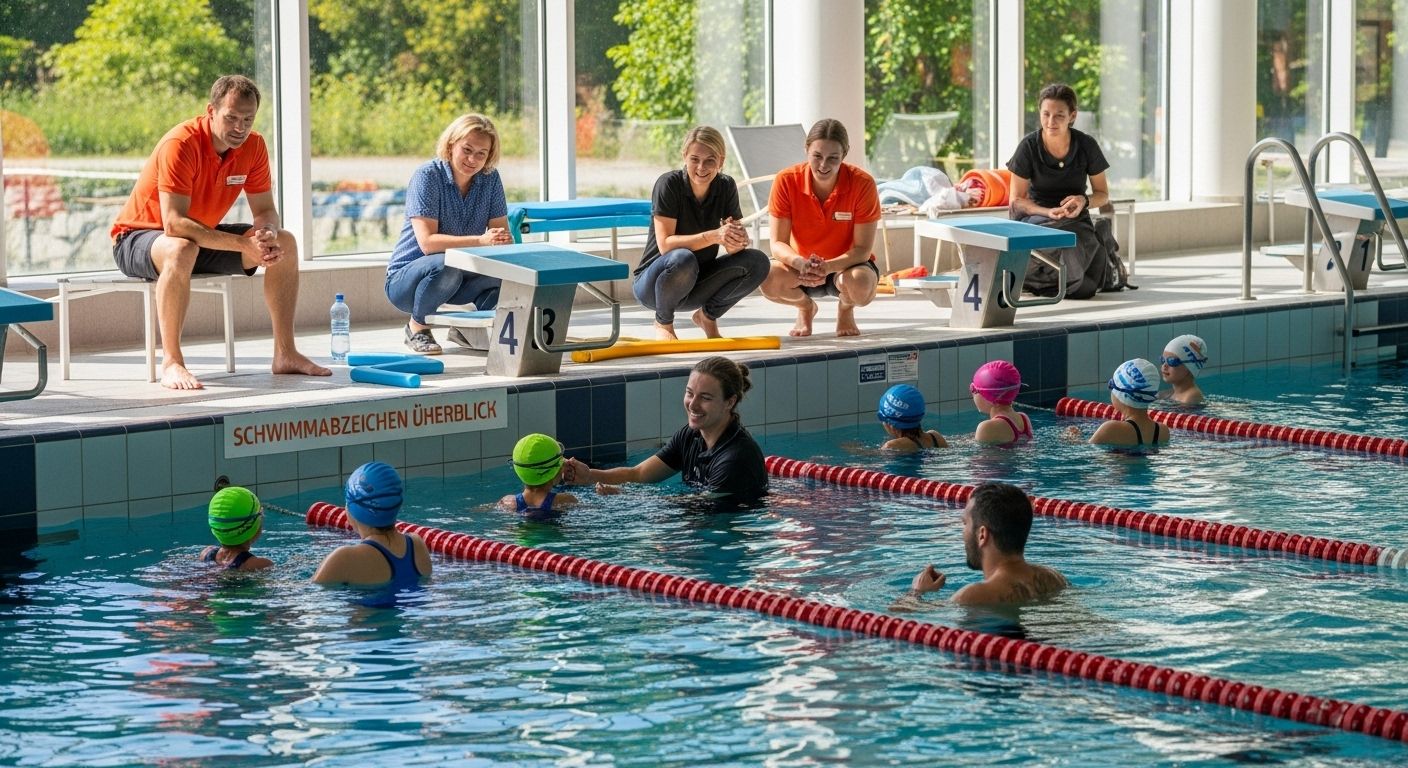
The first step in preparing for swimming badges lies in mental support. Children need encouragement and positive feedback to develop confidence in their swimming abilities. Swimming clubs recommend not putting children under pressure but rather appreciating their individual progress.
According to CDC recommendations, it is important to introduce children to new challenges step by step. Parents should set realistic goals and prioritize the joy of swimming. Positive reinforcement and small successes motivate children more than strict performance expectations.
Practical Training Strategies
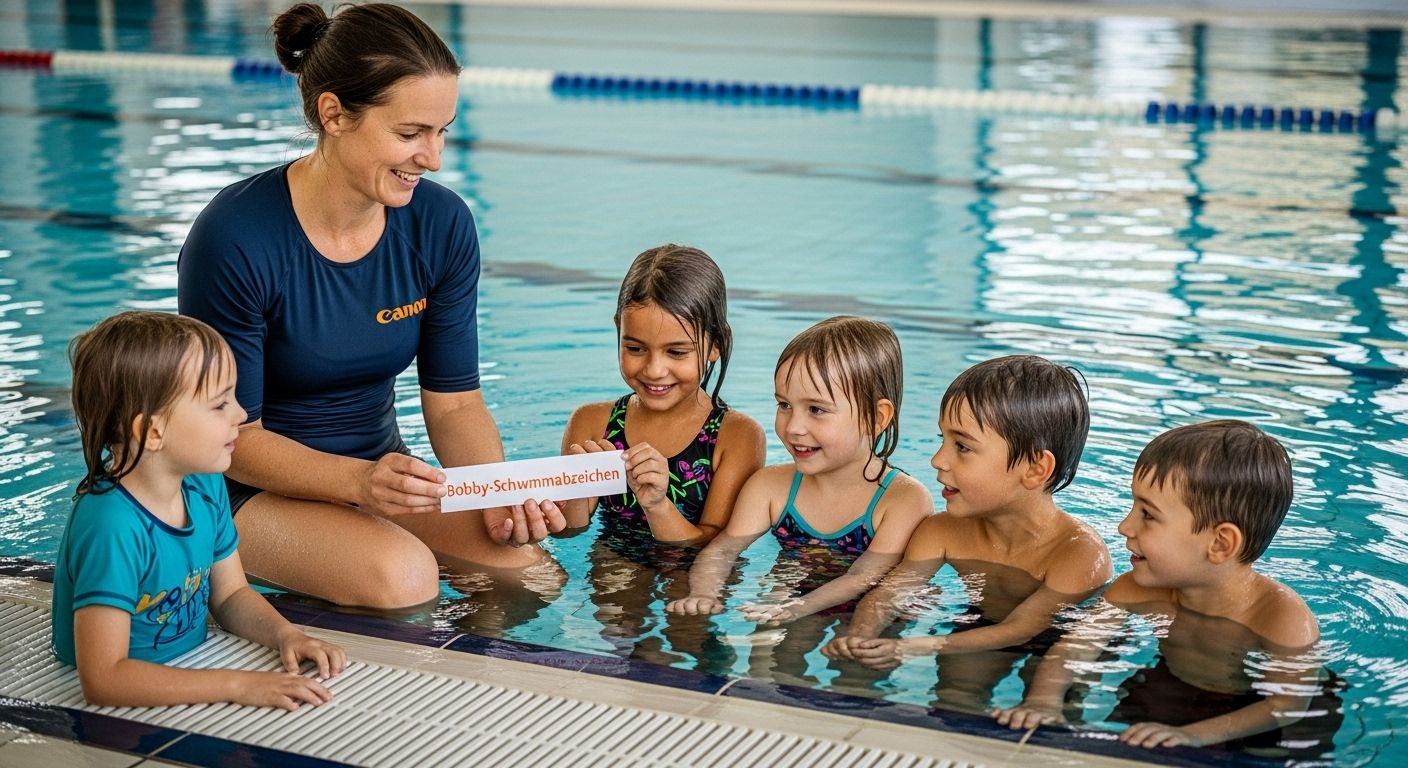
A structured training concept is crucial for success. Swimming instructors should address each child's individual abilities. This means varying exercises, gradually improving techniques, and incorporating playful elements.
Important training aspects include:
- Perfecting basic techniques: Regular practice of swimming techniques
- Building endurance: Continuous increase in swimming distances
- Deepening safety knowledge: Mastery of rescue techniques and water behavior
Equipment and Additional Training
The right equipment plays a significant role in preparation. Well-fitting swimwear, appropriate swimming goggles, and possibly swimming aids support training. Parents should choose the right equipment together with swimming instructors.
Additional training outside the pool can complement preparation. Coordination exercises, strength training, and flexibility training help develop the physical abilities necessary for swimming badges.
The key to success lies in patience, continuity, and the joy of swimming. Parents and swimming instructors should jointly develop an individual training plan that considers each child's strengths and challenges. This makes preparing for swimming badges a positive and motivating experience.
Important Notes for Clubs and Swimming Schools
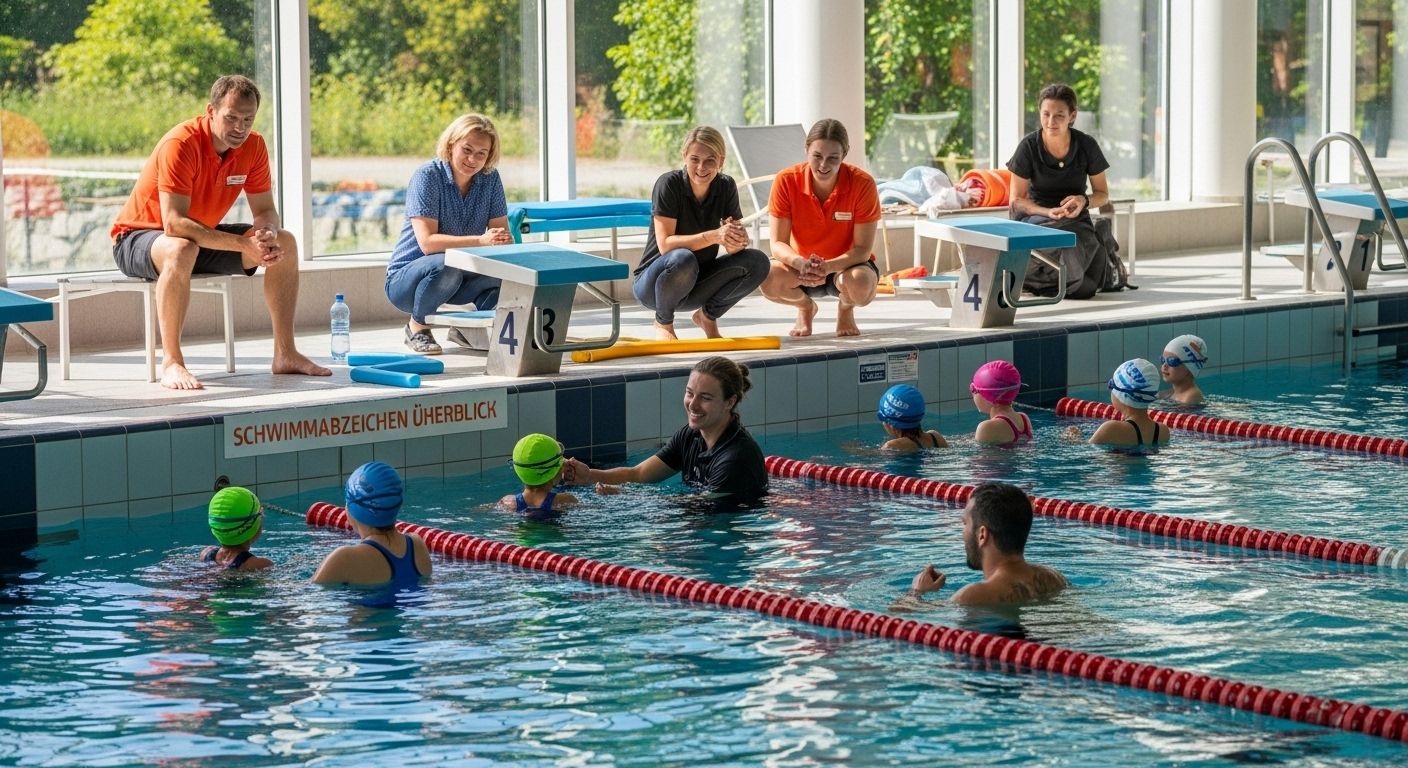
Swimming clubs and swimming schools play a central role in the education and promotion of swimming skills. They are not only places of learning but also important institutions for water safety and athletic development.
Organizational Foundations
Professional organization is the key to the success of a swimming school. Swimming badges must be taught systematically and structured. Clubs should develop clear training concepts that take into account different age groups and performance levels.
The qualification of trainers is crucial. Regular further training, up-to-date safety training, and pedagogical courses guarantee high-quality education. Certifications by recognized associations such as the German Life Saving Association (DLRG) or the German Swimming Federation (DSV) are recommended.
Infrastructure and Safety Standards
Modern swimming schools must meet the highest safety standards. These include:
- Sufficient supervision: Trained personnel with lifeguard qualifications
- Appropriate pool infrastructure: Various water depths and practice areas
- Hygienic conditions: Regular water checks and cleaning standards
Group size plays an important role. Small groups allow for more individual attention and more effective learning. A recommended ratio is a maximum of 8-10 children per trainer.
Digitalization and Communication
Modern swimming schools use digital tools for communication and administration. Online registrations, digital progress documentation, and regular parent information increase transparency and attractiveness.
Additionally, clubs and swimming schools should pursue an active communication strategy. Informative websites, social media presence, and newsletters help attract interested parties and provide comprehensive information to parents.
The success of a swimming school is measured not only by the badges acquired but also by the holistic development of the swimmers. A combination of professional competence, safety awareness, and pedagogical skill forms the basis for successful swimming education.
Here is an overview of the recommended structural and organizational measures for swimming clubs and swimming schools that are particularly important for education and safety.
| Measure | Description |
|---|---|
| Qualified Trainers | Regular further training, certification by associations |
| Small Groups | Maximum 8-10 children per trainer for individual supervision |
| Safety Standards in the Pool | Various water depths, trained rescue personnel |
| Hygiene Standards | Regular water and cleaning checks |
| Digital Documentation | Online registration, digital progress overview |
| Parent Communication | Information events, newsletters, social media |
Frequently Asked Questions
What are the different swimming badges in Germany?
In Germany, there are several swimming badges, starting from the Seahorse up to the lifesaving badges in Silver and Gold, which document specific swimming skills and safety knowledge.
At what age can children get the Seahorse badge?
The Seahorse badge can generally be acquired by children from around 5 years of age. It marks the entry into swimming education.
What requirements must be met for the Youth Swimming Badge Bronze?
For the Youth Swimming Badge Bronze, children must swim 200 meters in a maximum of 15 minutes, perform a jump from 1 meter height, and master basic water rescue knowledge.
Why are swimming badges important for water safety?
Swimming badges promote water safety because they not only document skills but also introduce children and young people to important safety aspects in and around water.
Make Swimming Badges a Highlight – with Pimpertz!
Does your child want to master the Seahorse or a Youth Swimming Badge? Are you running a club and looking for reliable, officially certified swimming badges and certificates? This is precisely where uncertainties arise: Where can I find high-quality badges that motivate and bring long-lasting joy? How can I get children's designs that inspire and also meet all requirements? Many parents, trainers, and clubs encounter these challenges, especially when reliability and fast delivery are needed.
Discover our extensive range of Seestern Stella Swimming Badges & Certificates – perfectly tailored to the requirements of swimming education. From classic individual sets to customizable sets for groups: With Pimpertz, you benefit from over 38 years of experience, officially recognized products, and lightning-fast shipping. Secure the right badges now at pimpertz.de and make the next swimming badge a special experience. Start preparing today for more safety and pride at the poolside.