




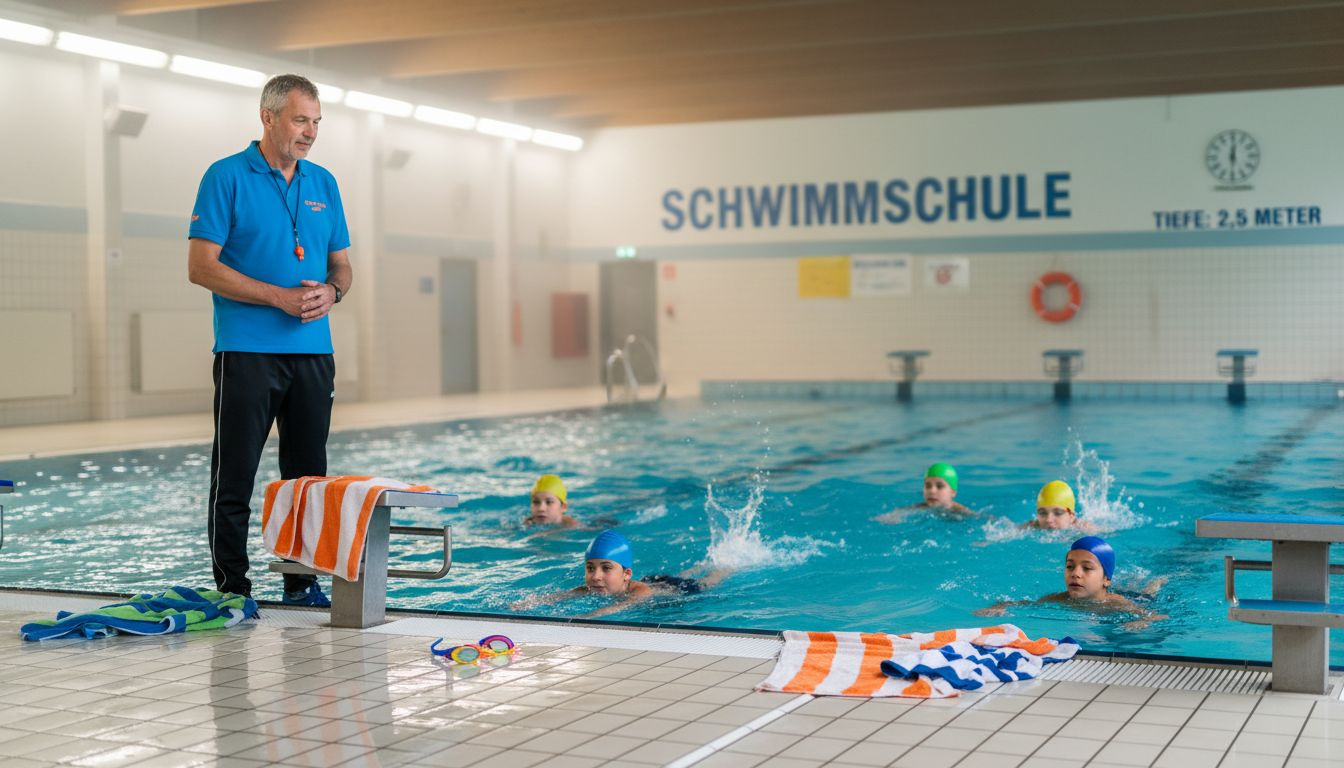
7 Valuable Tips from Swimming Club Experiences
Every year, thousands of parents in Germany look for a swimming club for their preschool child, but over 60 percent feel unsure about their choice. The variety of offers and different training concepts often make the decision difficult. Experience reports from other parents help to avoid typical pitfalls and provide practical advice on what you should really pay attention to. This way, you can find a swimming club faster where your child feels comfortable and learns to swim playfully.
Table of Contents
- First Steps: How Parents Find the Right Swimming Club
- What to Look For: Important Criteria According to Experience Reports
- Supervision and Safety: Recommendations from a Parent's Perspective
- Club Atmosphere: Experiences with Group Climate
- Swimming Instructors: What Parents Say About Quality in Reports
- Badges and Motivation: Significance from Real Experiences
- Service and Communication: How Clubs Score with Parents
Quick Overview
| Key Insight | Explanation |
|---|---|
| 1. Coach qualification is crucial | Pay attention to the coaches' expertise and experience for successful swimming instruction. |
| 2. Utilize trial lessons | Let your child attend free trial lessons to assess the atmosphere. |
| 3. Observe group structure | Choose groups that are age-appropriate and performance-appropriate for optimal learning conditions. |
| 4. Promote communication with parents | Ensure regular and transparent information between the club and parents for trust and satisfaction. |
| 5. Use badges as motivation | Value swimming badges as visible successes that boost self-confidence and enjoyment of swimming. |
1. First Steps: How Parents Find the Right Swimming Club
Finding the right swimming club can be a challenge for parents. The first step involves careful and systematic research that focuses on your child's individual needs.
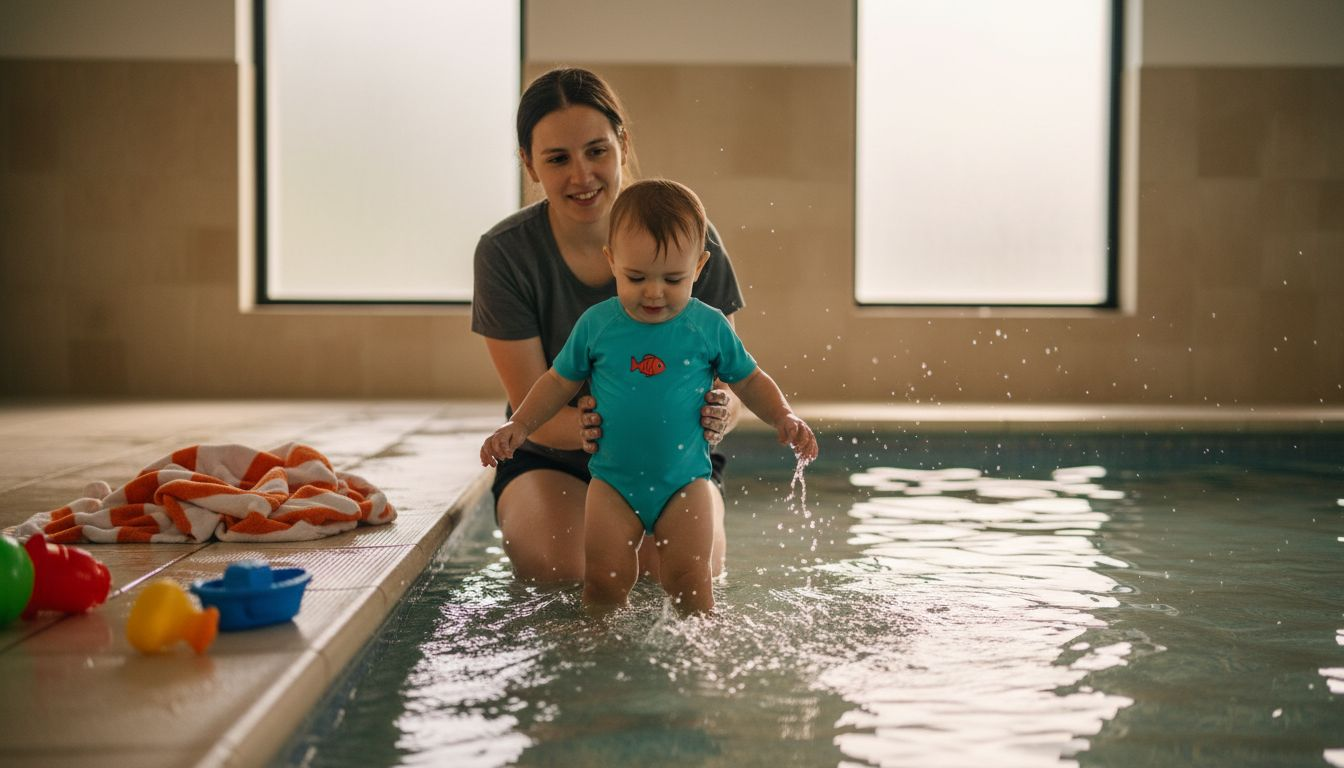
When choosing a swimming club, parents should pay particular attention to the qualifications of the coaches, the age structure of the groups, and the pedagogical concept. Playful water familiarization is key to success.
It is also important to carefully examine the various club offerings. Some clubs focus on recreational sports, others on competitive swimming. Speak directly with the coaches and attend trial lessons to experience the atmosphere and quality of care.
Observe how your child reacts to the environment and the coaches. A positive first experience is crucial for long-term motivation and enjoyment of swimming.
Pro-Tip: Arrange a consultation appointment beforehand and let your child have a free trial lesson to test the chemistry between coach and child.
2. What to Look For: Important Criteria According to Experience Reports
When choosing a swimming club, there are crucial criteria that parents should scrutinize. The right choice can significantly influence your child's swimming success and enjoyment of water sports.
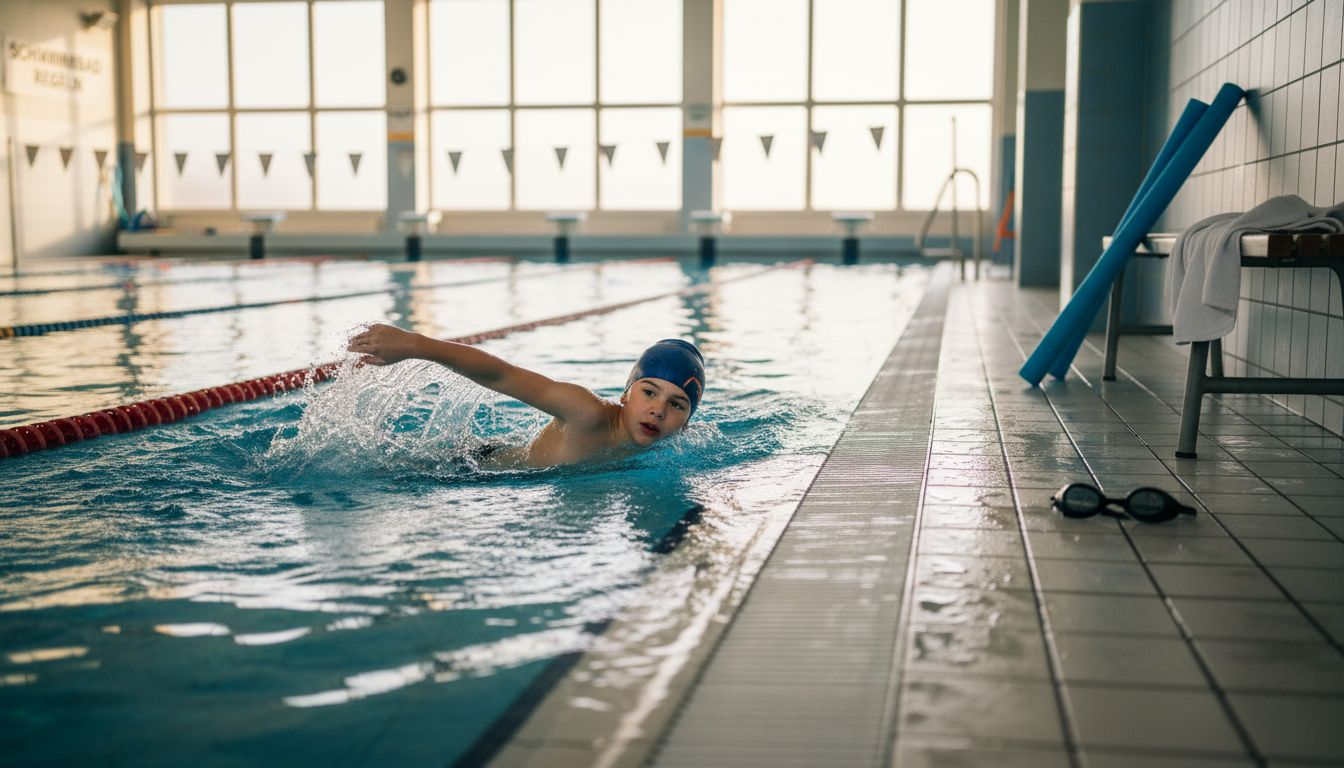
The first central aspect is the quality of supervision. Empathetic coaches and individual support are crucial for learning success. Make sure that the club has an appropriate coach-to-child ratio and that the coaches are both professionally and personally competent.
Two other important aspects are the group structure and the training offerings. There should be groups that are age-appropriate and performance-appropriate. Whether your child is more interested in recreational sports or competitive swimming should also be considered.
Also, pay attention to safety standards and the club philosophy. Clubs like DLRG or Wasserwacht often offer a family-like atmosphere with less pressure to perform.
Pro-Tip: Visit at least two swimming clubs before making a final decision and bring your child to a trial lesson.
3. Supervision and Safety: Recommendations from a Parent's Perspective
Your child's safety in the swimming club is paramount. Professional supervision can make the difference between fear and joy in the water.
Small training groups and qualified pedagogical supervision are particularly important. The fewer children a coach supervises, the more individual and safer the training can be. Make sure that the coaches have appropriate training and experience in dealing with children.
Communication between coaches and parents should be transparent and open. Ask about emergency concepts, first aid training for coaches, and how they deal with children's fears. Good swimming clubs offer playful approaches to water familiarization that combine fun and safety.
Support your child additionally through regular practice and positive motivation. A trusting relationship with the coach can strengthen your child's confidence in the water.
Pro-Tip: Accompany the first training sessions to personally experience the atmosphere and quality of care.
4. Club Atmosphere: Experiences with Group Climate
The group climate in a swimming club can be crucial for your child's motivation and development. A positive and supportive club atmosphere can massively influence the enjoyment of sports and learning success.
Mindfulness and mutual respect should be a given in a good training group. Make sure that coaches resolve conflicts constructively and create an inclusive environment. A valuing interaction means more than athletic performance.
A healthy group climate is characterized by encouragement instead of competitiveness. Coaches should support every swimmer individually and accept differences in performance and development. Children need a sense of achievement and positive reinforcement.
Observe how the children interact with each other in the group. Team spirit is shown not only in the water but also in shared activities and mutual support.
Pro-Tip: Get in touch with other parents in the club and exchange experiences.
5. Swimming Instructors: What Parents Say About Quality in Reports
The quality of the swimming instructor can crucially shape your child's learning success and enjoyment of swimming. Not every coach is automatically a good swimming instructor.
Parents report that highly qualified swimming instructors are characterized by several essential qualities. They spend a lot of time directly in the water, communicate positively and age-appropriately, and have an optimal coach-to-child ratio of a maximum of 6 to 8 children per coach.
Caution is advised with coaches who mainly stand by the poolside or do not recognize individual learning progress. Good swimming instructors adapt their methods to the needs of each individual child and create a trusting learning atmosphere.
Pedagogical competence and the ability to take children's fears seriously are also crucial. A professional coach builds trust and motivates children through praise and playful exercises.
Pro-Tip: Observe a training session beforehand to experience the swimming instructor in action and assess their methods.
6. Badges and Motivation: Significance from Real Experiences
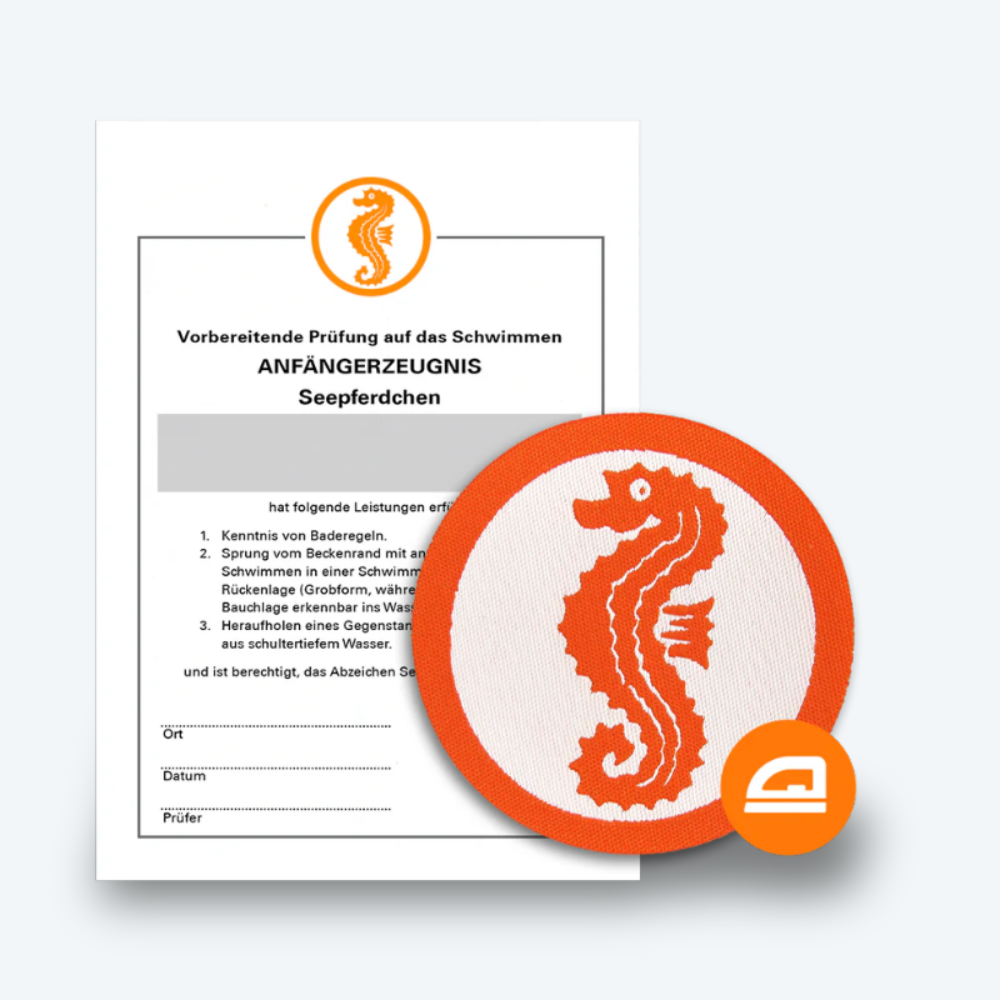
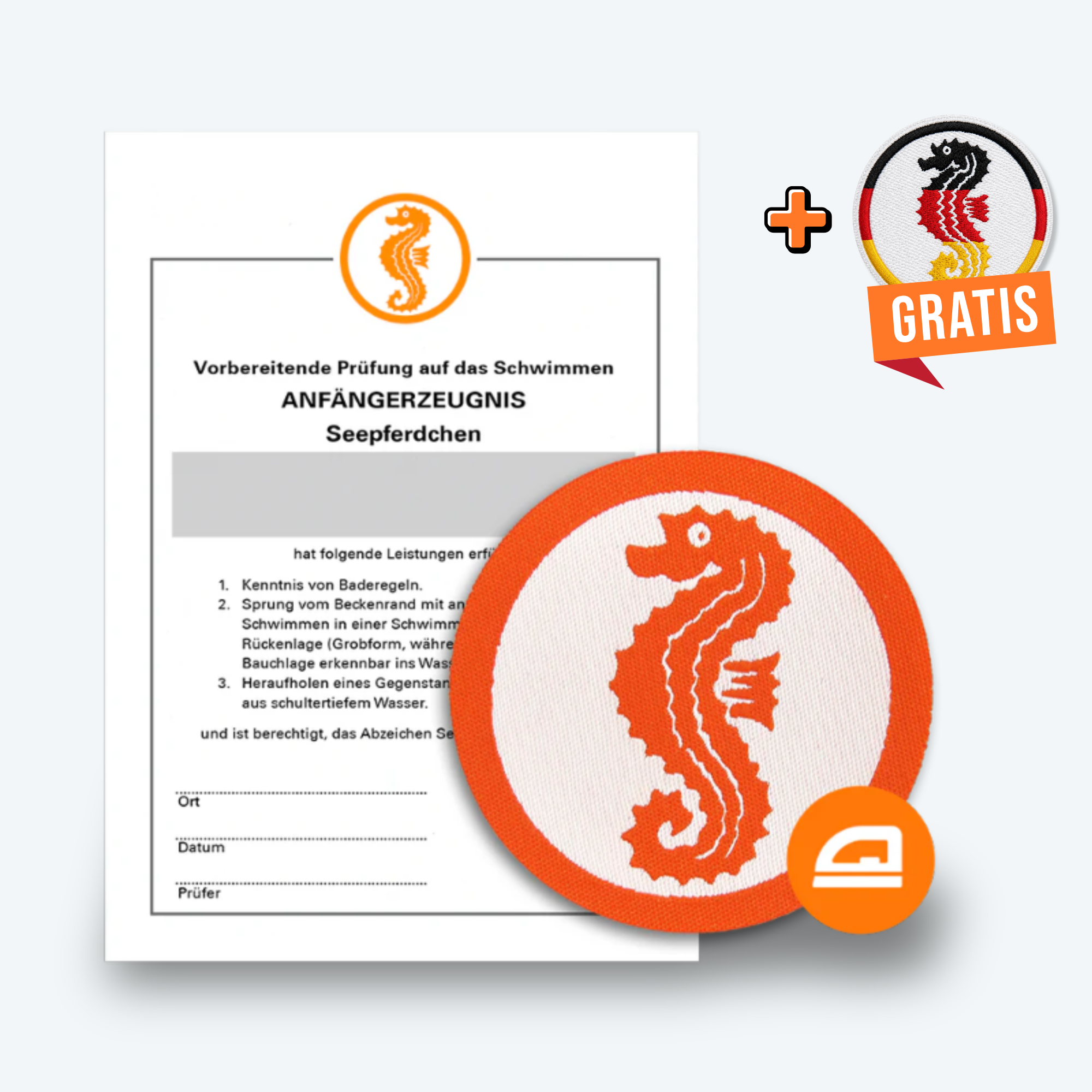
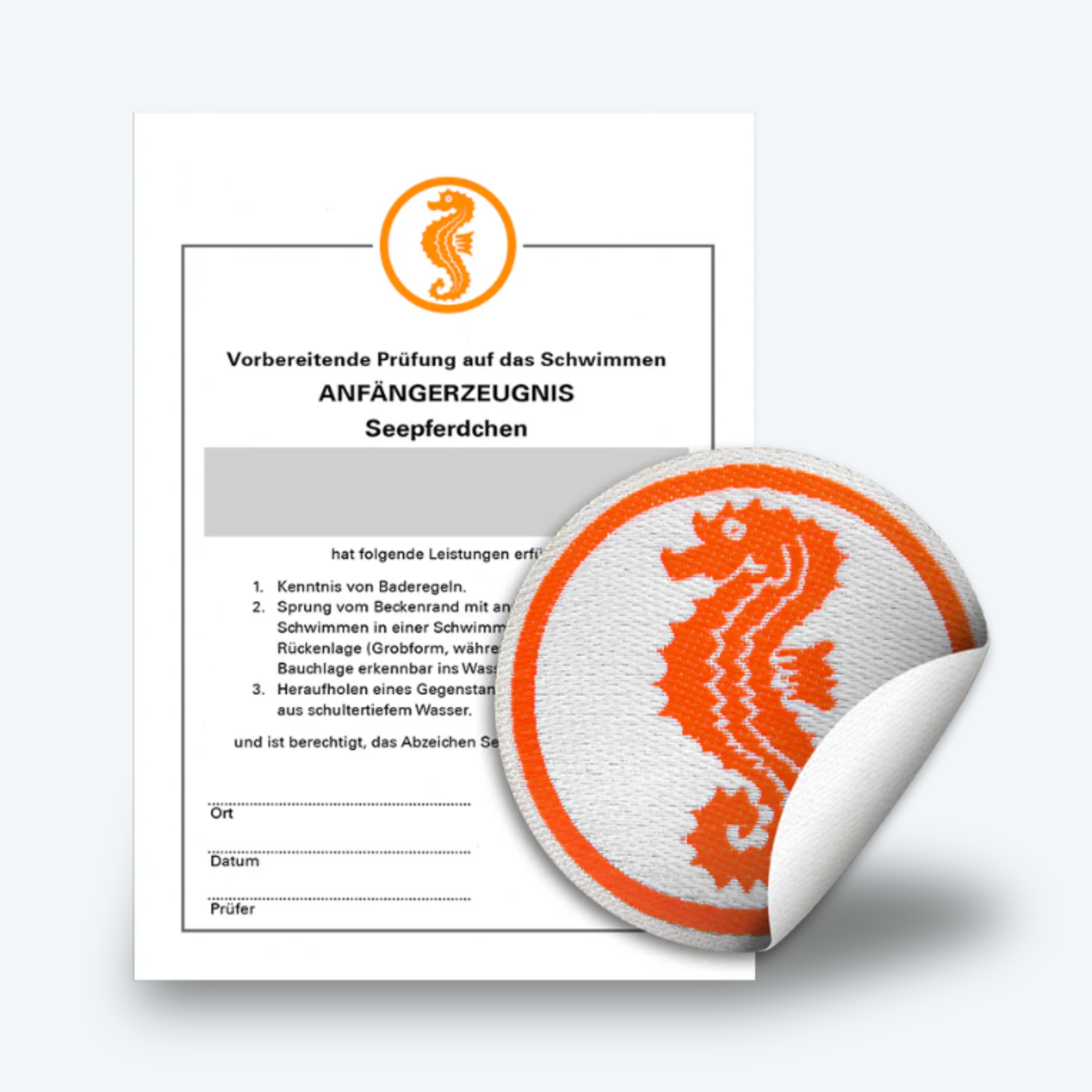
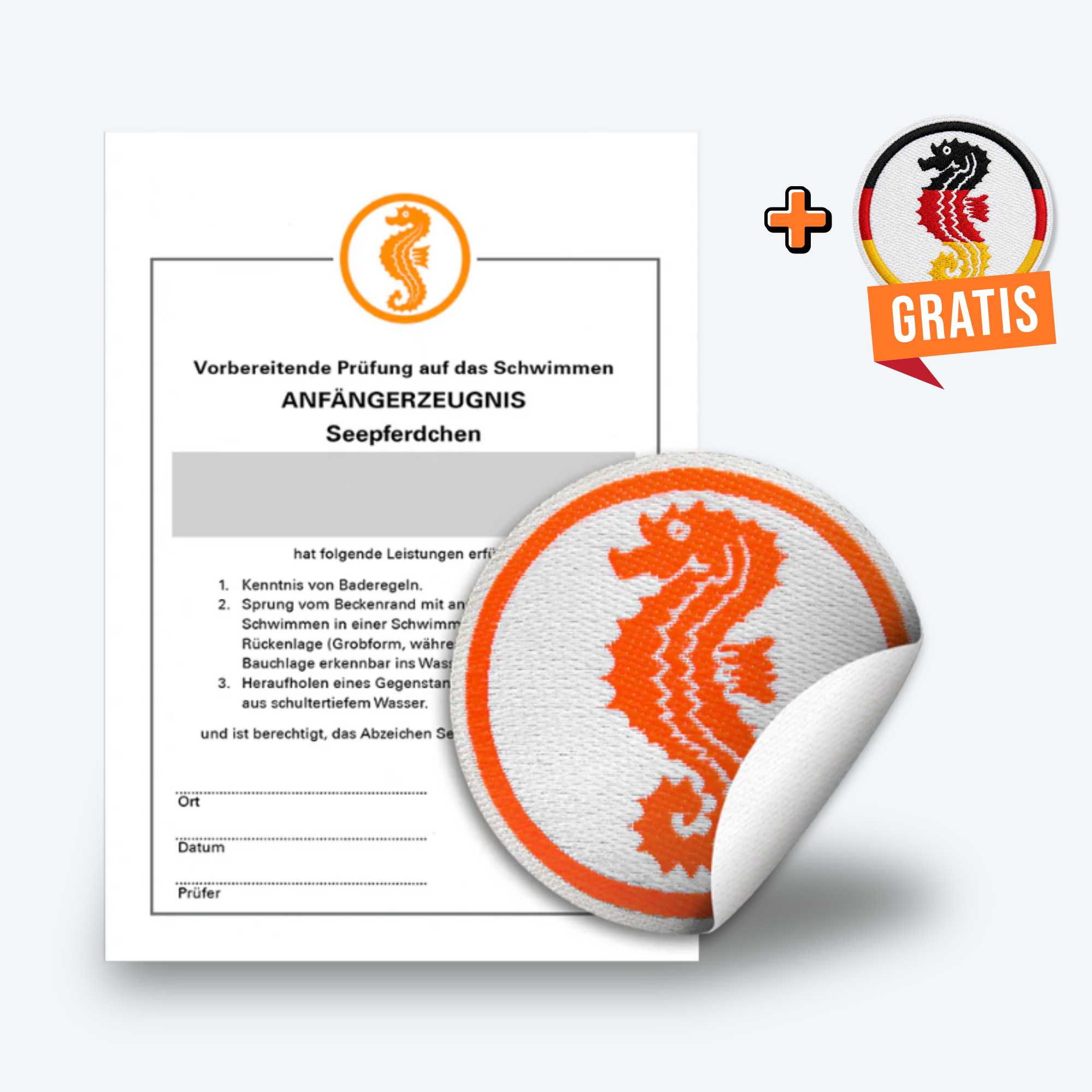
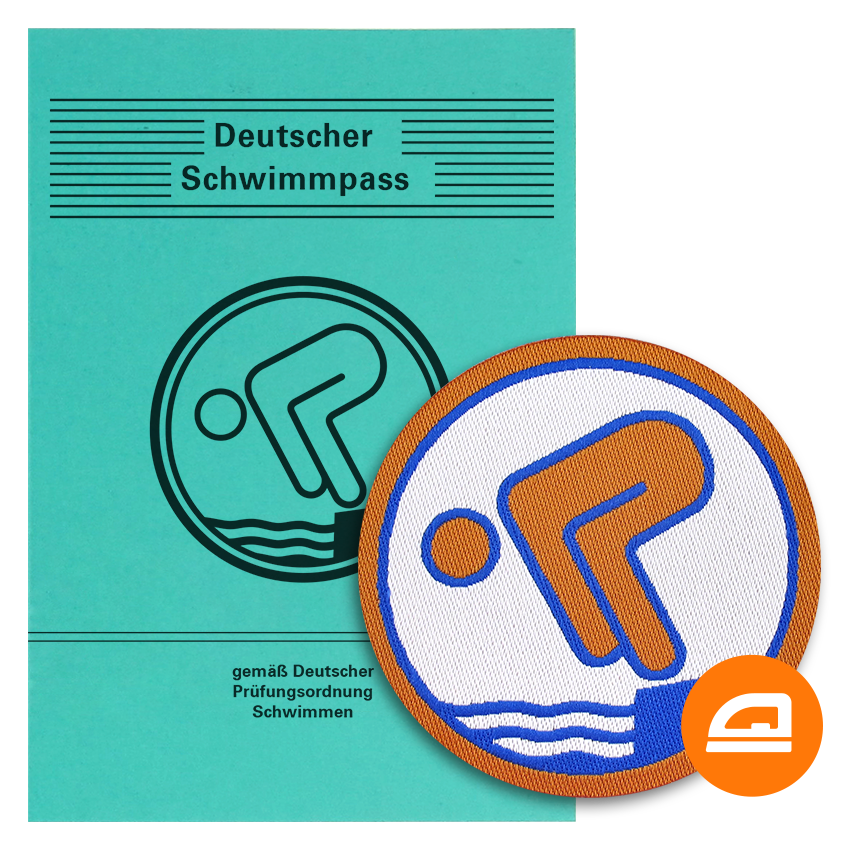
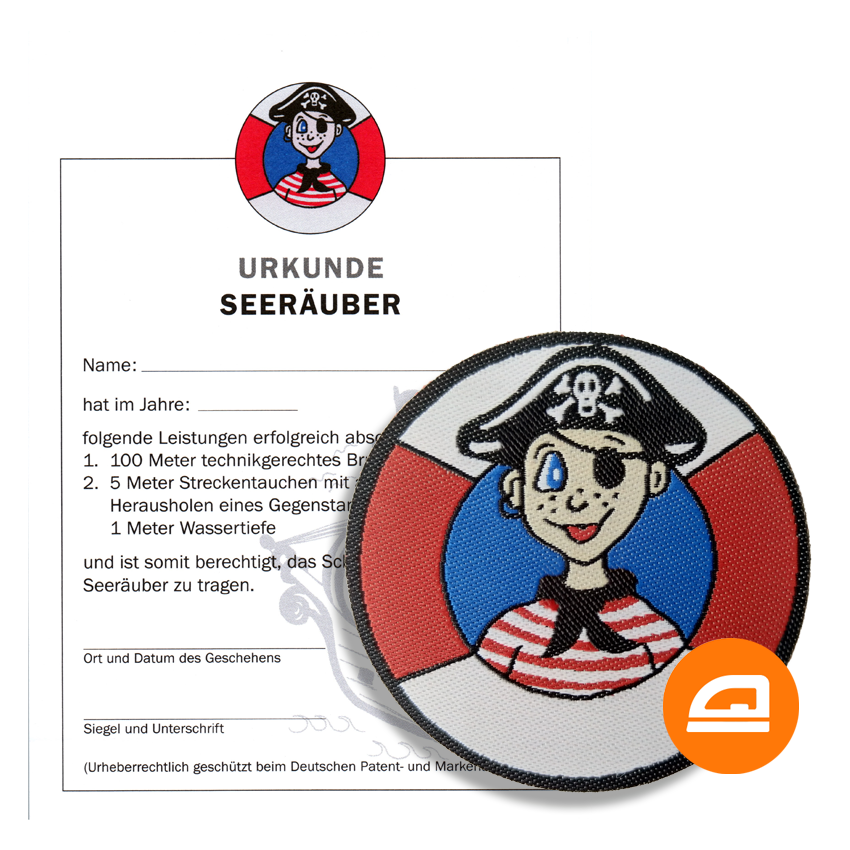
Swimming badges are more than just small fabric patches. They are powerful motivational tools that give children self-confidence and joy in movement in the water.
Psychological significance of the badges: Children need visible successes. Cute swimming badges serve as tangible rewards that document progress and strengthen self-esteem. Each new badge is a milestone that reduces insecurities and increases motivation.
It is important that parents and coaches understand the badges not only as performance indicators but as a culture of recognition. They should appropriately honor the achievement of each badge and appreciate individual progress.
A positive culture of remembrance can inspire children for swimming sports in the long term. Show pride in your child's achievements and create an atmosphere where every progress counts.
Pro-Tip: Create a visible display board at home where swimming badges are presented as your child's success story.
7. Service and Communication: How Clubs Score with Parents
Communication between the swimming club and parents is crucial for trusting and successful cooperation. Professional and transparent exchange can satisfy all involved.
Modern swimming clubs rely on structured communication strategies that intelligently combine various communication channels. WhatsApp groups, emails, regular parent evenings, and individual progress reports ensure transparency and involvement.
The quality of service is reflected in details. Quick responses to inquiries, clear information on training times, progress, and development opportunities are crucial. Parents appreciate clubs that communicate proactively and take feedback seriously.
An open dialogue at eye level builds trust. Show interest in your child's individual needs and development goals.
Pro-Tip: Schedule a personal annual meeting with the coach to discuss your child's development holistically.
This article provides a comprehensive overview of the essential aspects that parents should consider when choosing a suitable swimming club for their children. The following table summarizes the most important points and recommendations compactly.
| Topic | Main Statement |
|---|---|
| Swimming Club Selection | Careful research and consideration of the child's individual needs. |
| Coach Qualification | Look for professionally and pedagogically competent coaches who cater individually to children. |
| Training Groups | Age- and performance-appropriate group divisions promote learning success and motivation. |
| Supervision and Safety | Small groups ensure higher safety and individual support. |
| Club Atmosphere | A supportive environment with positive group dynamics is crucial for children's motivation. |
| Swimming Instructors | Qualified swimming instructors recognize learning progress and create a trusting learning atmosphere. |
| Swimming Badges | Badges serve as motivation and documentation of progress, strengthening children's self-confidence. |
| Communication with Parents | Transparent and structured communication between the club, coaches, and parents is essential for success. |
This overview helps parents find their way and choose the right club for their children.
How to Boost Your Child's Motivation and Safety in the Swimming Club
The experience reports in "7 valuable tips from swimming club experience reports" clearly show how important individual support and visible successes are for children in swimming. Many parents are looking for ways to motivate their child permanently through playful recognition and high-quality care and to reduce fears in the water. Swimming badges play a central role here as positive reinforcements and milestones on the learning path.
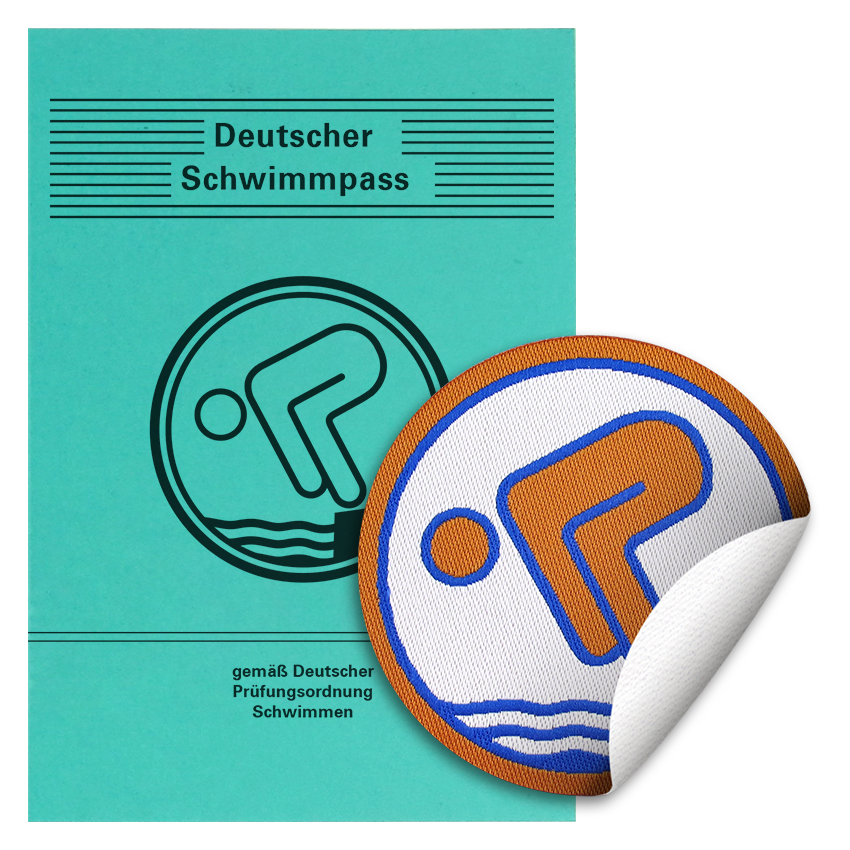
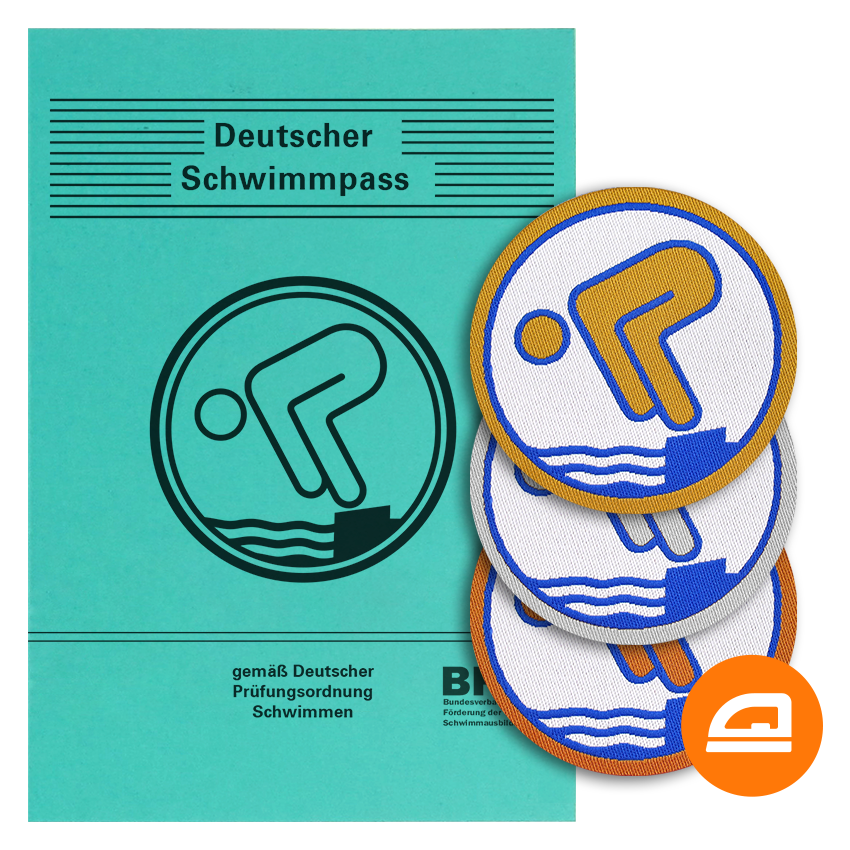
With Pimpertz, you will find an experienced partner of the official DLRG and BFS, offering over 38 years of experience in swimming badges and accessories. Our high-quality swimming badges & certificates impress with child-friendly design and official certification. Specially designed accessories & gift sets help clubs and parents to make motivation visible. Take advantage of our fast delivery times and comprehensive service to make the positive club experience from the article even more sustainable.
Benefit from a proven awards culture and give your child a reason to be proud. Discover now at Pimpertz how easily you can promote swimming enjoyment and safety through handpicked swimming badges. Visit pimpertz.de and start today with individual offers for your child and the swimming club.
Frequently Asked Questions
How do I find the right swimming club for my child?
To find the right swimming club, you should consider your child's individual needs. Research the qualifications of the coaches, the club's offerings, and attend trial lessons to experience the atmosphere.
What criteria are particularly important when choosing a swimming club?
Important criteria include the quality of supervision, group structure, and training offerings. Make sure that coaches are committed and that there is an appropriate coach-to-child ratio to ensure individual support.
How can I ensure my child's safety in the swimming club?
Make sure the swimming club has small training groups and qualified coaches. Ask about safety standards and emergency concepts to increase your child's safety.
What should I know about the atmosphere in the swimming club?
A positive club atmosphere promotes your child's motivation. Look for an environment where mindfulness and respect are highly valued, and observe how children interact with each other.
How do I recognize a good swimming instructor?
A good swimming instructor is characterized by commitment, positive communication, and a small coach-to-child ratio. Attend a training session to assess their teaching methods and interaction with children.
What role do swimming badges play in motivating my child?
Swimming badges serve as tangible achievements that strengthen your child's self-confidence and motivation. Celebrate these successes and create a positive atmosphere by valuing progress.