
Swimming for the Brain – Cognitive Benefits for Children
Many parents wonder how they can specifically support their child's cognitive development. Swimming, in particular, offers a special opportunity here, as studies show that regular swimming training not only promotes movement but also sustainably stimulates children's brains. The combination of coordination challenges and playful learning goals like swimming badges makes swimming a valuable activity for concentration, memory, and self-confidence in early childhood.
Table of Contents
- How Swimming Stimulates the Child's Brain
- Scientific Findings on Brain Performance
- Swimming Styles and Their Cognitive Effects
- Utilizing Swimming Badges as a Learning Incentive
- Tips for Parents: Designing Optimal Swim Training
Key Findings
| Point | Details |
|---|---|
| Swimming promotes brain development | Regular swimming stimulates neural networks and can improve children's memory and concentration. |
| Swimming styles offer cognitive challenges | Different swimming techniques activate different brain regions and promote mental abilities such as coordination and a sense of rhythm. |
| Swimming badges as a motivational tool | Swimming badges help children make progress visible, thereby strengthening motivation and important mental competencies. |
| Structured and playful training | A balanced mix of technical training and playful exercises promotes holistic development and keeps motivation high. |
How Swimming Stimulates the Child's Brain
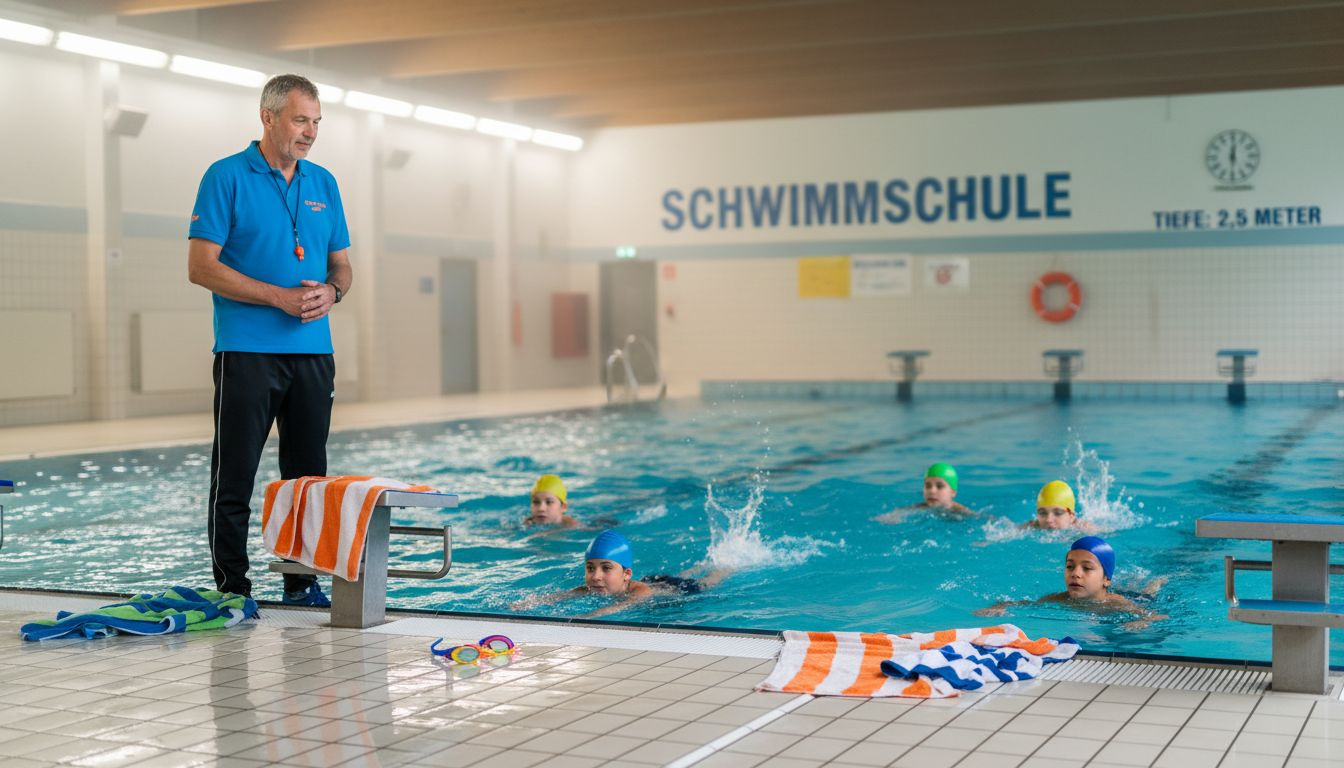
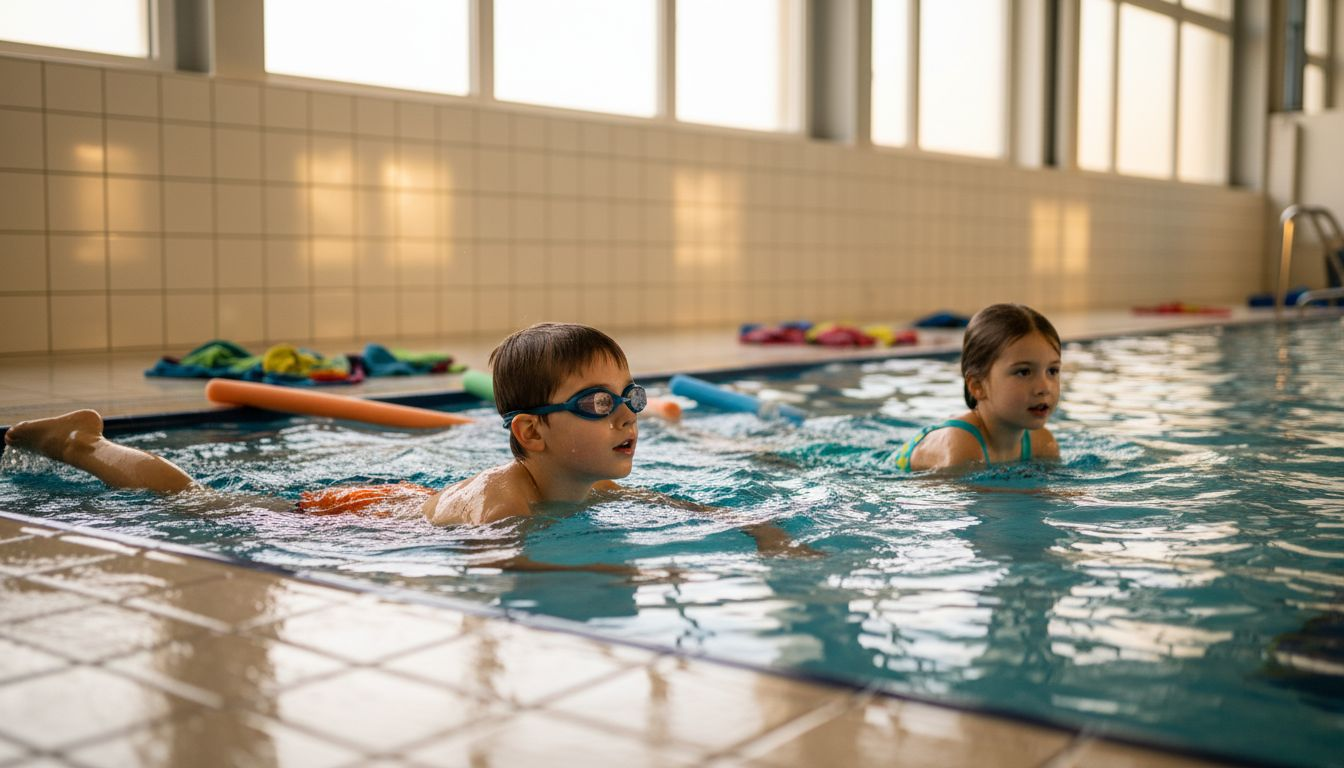
Swimming is much more than just a physical activity – it's a complex neural training for children's brains. Studies confirm the cognitive benefits of swimming, which go far beyond simple movement. This endurance sport challenges children mentally and physically at the same time.
When swimming, children must perform coordinated movements that stimulate the brain on multiple levels. The synchronization of breathing, posture, and swimming movements requires maximum concentration. These complex coordination tasks not only train muscles but also effectively activate neural networks in the child's brain.
The neurological benefits are impressive: Regular swimming promotes the formation of new nerve cells and strengthens synaptic connections. Scientific findings show that such neural changes can sustainably improve children's memory and concentration. Particularly interesting is that swimming, through the combination of physical exertion and mental coordination, stimulates the brain differently than many other sports.
Pro-Tip: Start with short, playful swimming sessions to gently introduce children to this complex sport and foster their natural joy of movement.
Scientific Findings on Brain Performance
Research has revealed impressive connections between swimming and brain development. Neuroscientific studies confirm that swimming is much more than simple physical activity—it's complex training for neural networks.
Particularly significant is the role of the growth factor BDNF (Brain-Derived Neurotrophic Factor), which is demonstrably stimulated by swimming. Neuroscientific research shows that this factor not only promotes new nerve cells but also strengthens existing neural connections. This has direct effects on cognitive abilities such as concentration, memory, and mental flexibility.
The scientific findings are particularly interesting for children: regular swimming can demonstrably improve academic performance in areas such as reading, writing, and mathematics. The combination of oxygen enrichment, complex movement sequences, and mental coordination makes swimming a unique brain training method that goes far beyond classic sports.
Pro-Tip: Integrate swimming as a regular activity into family life to playfully support your child's cognitive development opportunities.
Swimming Styles and Their Cognitive Effects
Swimming styles are not only a physical challenge but also a fascinating workout for the brain. Different swimming techniques stimulate neural networks in various ways and offer unique cognitive challenges for children.
Breaststroke presents complex coordination tasks: the symmetrical movement requires precise synchronization of arms, legs, and breathing. This coordinative performance trains both hemispheres of the brain and promotes the networking of neural structures. Front crawl, on the other hand, demands even more challenging motor synchronization, simultaneously challenging concentration, sense of rhythm, and spatial perception.
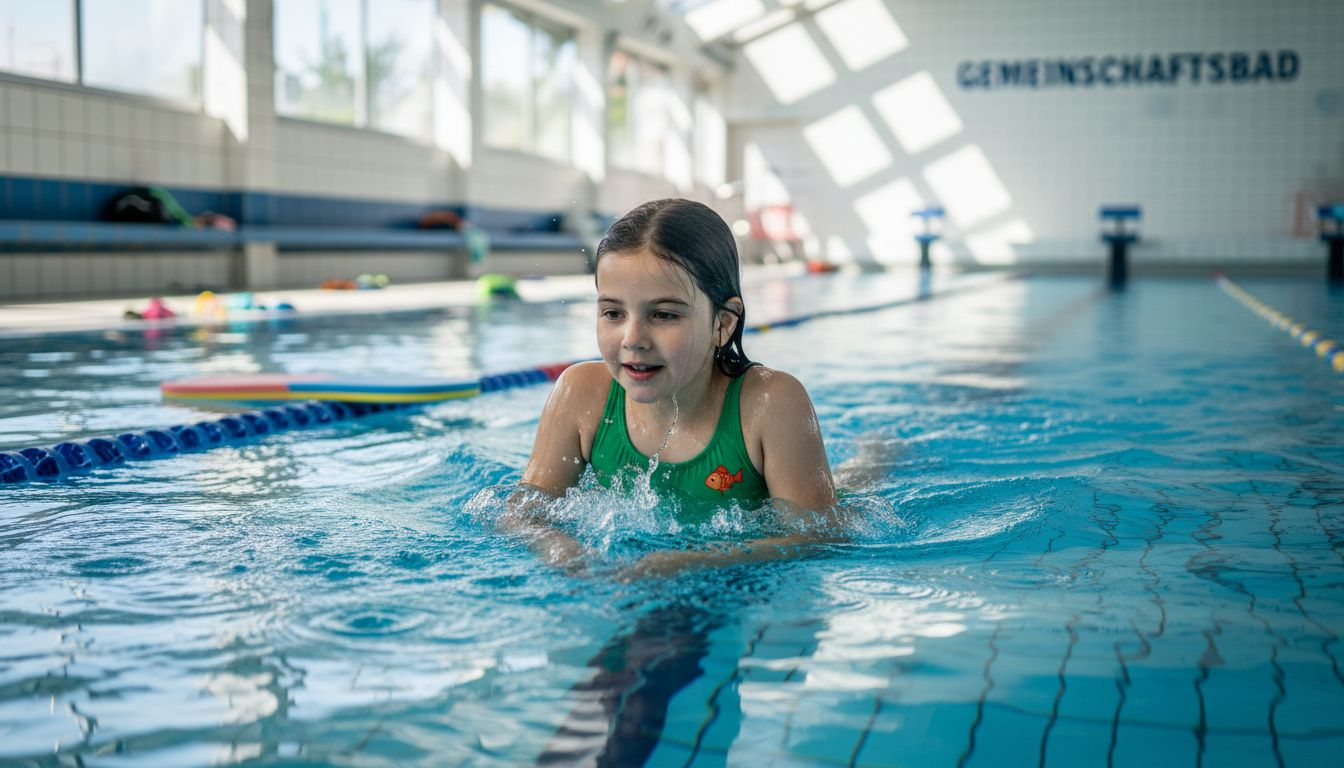
National research shows that backstroke has a special cognitive dimension. Being on your back forces children to precisely control their body tension while coordinating movements. This multi-sensory challenge can sustainably promote neural plasticity and cognitive flexibility.
The following overview shows how different swimming styles promote the brain in their own unique ways:
| Swimming Style | Cognitive Challenge | Brain Regions Activated |
|---|---|---|
| Breaststroke | Symmetrical Coordination | Both Brain Hemispheres, Basal Ganglia |
| Front Crawl | Rhythm, Complex Synchronization | Frontal Lobe, Motor Cortex |
| Backstroke | Multi-sensory Control, Body Tension | Cerebellum, Parietal Cortex |
Pro-Tip: Vary swimming styles during training to holistically support your child's cognitive development and keep brain training exciting.
Utilizing Swimming Badges as a Learning Incentive
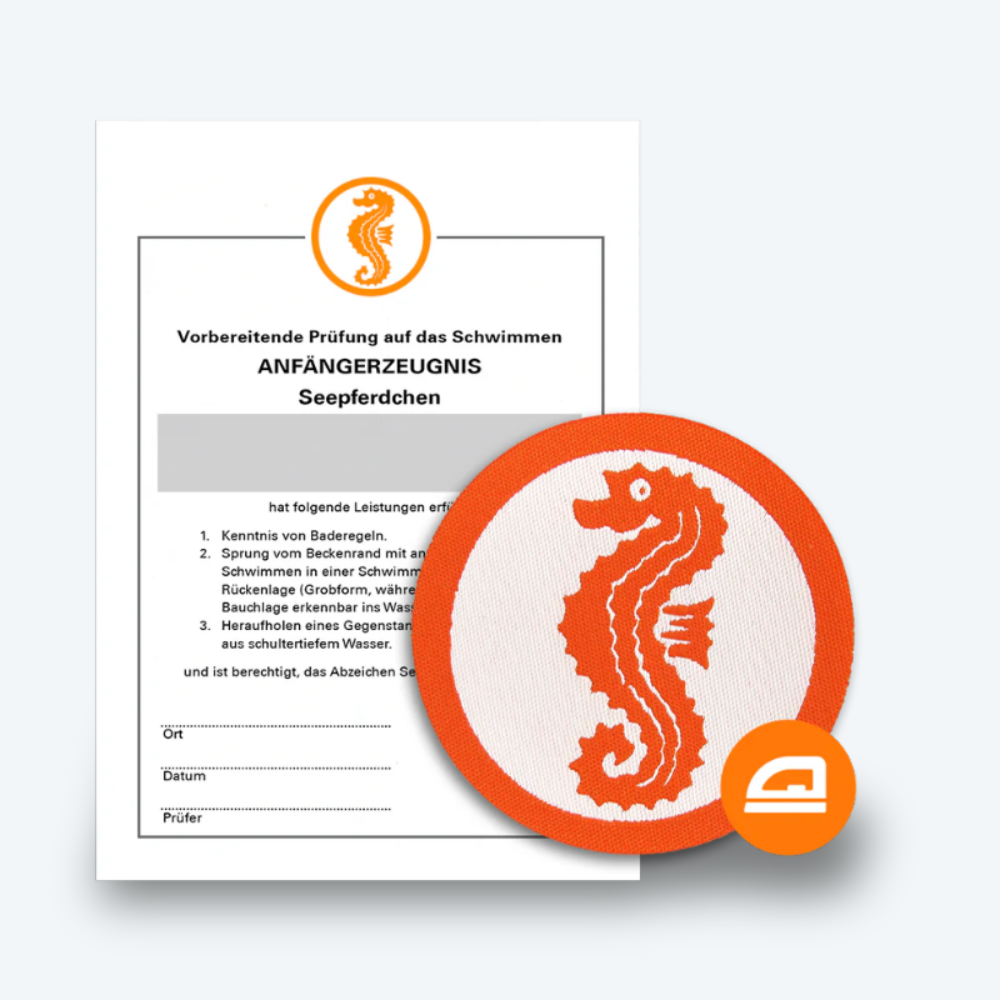
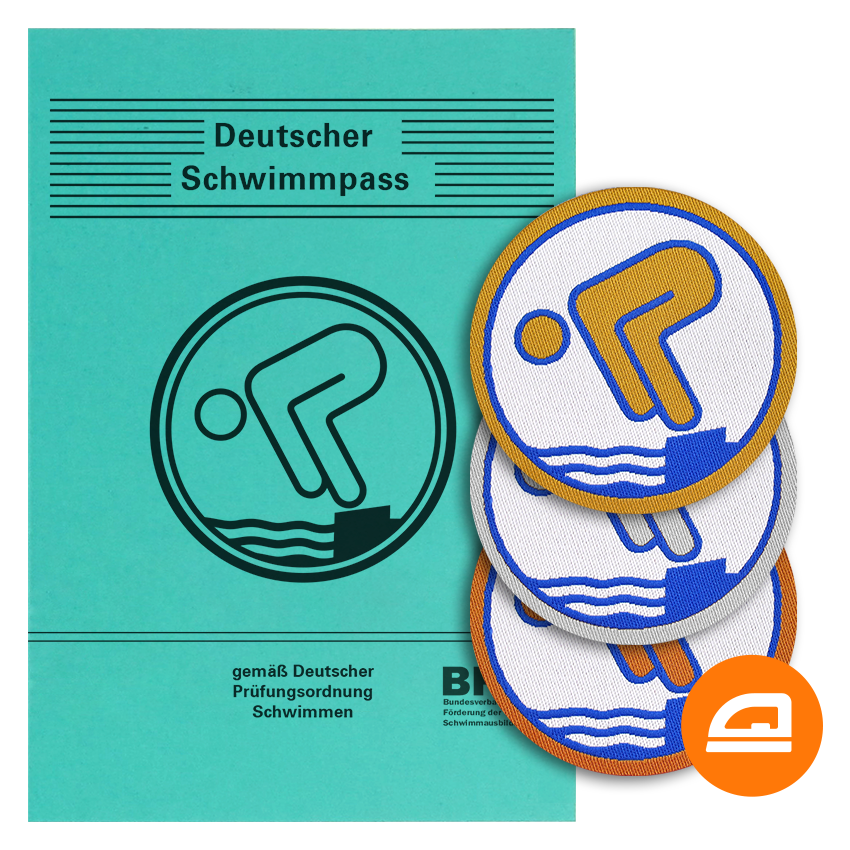
Swimming badges are far more than just decorative awards – they are strategic motivational tools for children. Playful learning motivation through badges can significantly contribute to cognitive and emotional development.
The appeal of swimming badges lies in their structured progression. Each badge represents a clearly defined developmental step that helps children make their progress tangible and measurable. This step-by-step challenge not only fosters swimming skills but also trains important mental competencies such as perseverance, determination, and self-confidence.
The psychological aspect is particularly valuable: the prospect of a new badge motivates children to leave their comfort zone and take on new motor challenges. Each successful completion of a swimming badge strengthens self-esteem and conveys a sense of pride and achievement, which positively impacts overall cognitive development.
The table illustrates how swimming badges support mental development alongside swimming skills:
| Swimming Badge | Mental Competency Promoted | Long-term Developmental Effect |
|---|---|---|
| Seepferdchen (Seahorse) | Determination, Concentration | Motivation for further challenges |
| Bronze | Perseverance, Self-confidence | Strengthening independent learning |
| Silver | Problem-solving, Endurance | Promotion of independence and ambition |
| Gold | Resilience, Pride | Long-term self-efficacy and motivation |
Pro-Tip: Integrate swimming badges as a playful goal in the learning process and celebrate every milestone as an important success.
Tips for Parents: Designing Optimal Swim Training
Professional swim training for children requires a clever balance between fun and targeted developmental support. Parents play a key role in making the training age-appropriate and motivating.
The key lies in a structured yet playful approach. Children need varied exercises that challenge not only physical technique but also cognitive abilities like concentration and coordination. A balanced mix of technical training, coordination exercises, and playful elements keeps motivation high and holistically promotes development.
Cognitive development through swimming requires individual attention. Every child learns differently, so it's important to respond to personal needs and developmental pace. Positive reinforcement, regular feedback, and setting achievable interim goals help build self-confidence and maintain readiness to learn.
Pro-Tip: Document your child's progress with photos or a swimming diary to make developmental steps visible and motivating.
Intensively Supporting Cognitive Development Through Swimming
The article highlights the importance of regular swimming for children's cognitive development. Coordinated movements and swimming badges as learning incentives play a central role. Many parents and coaches face the challenge of combining playful motivation with targeted training to sustainably promote children's mental flexibility and concentration.
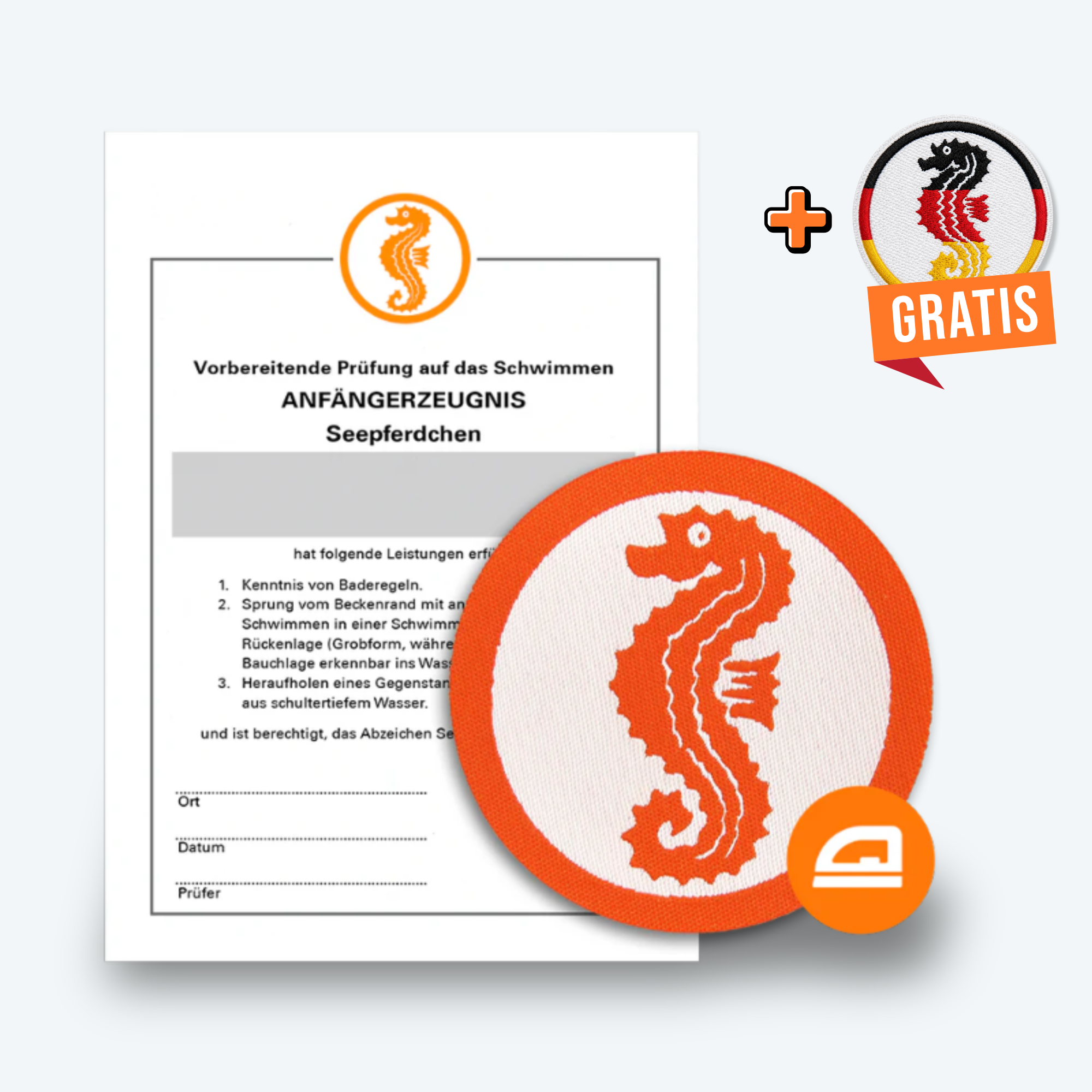
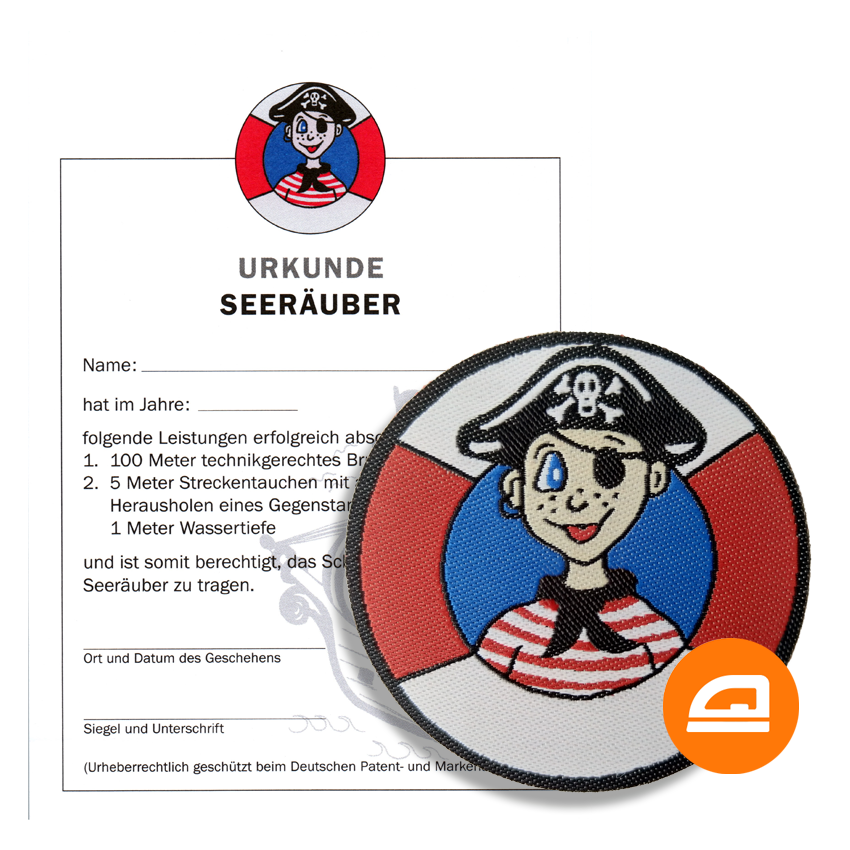
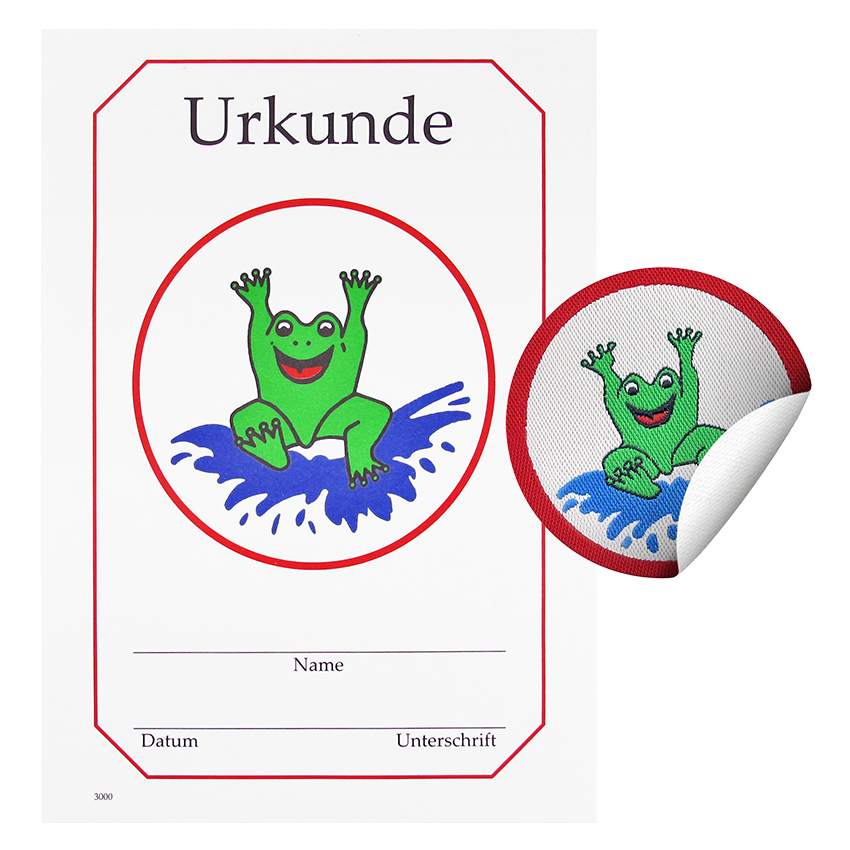
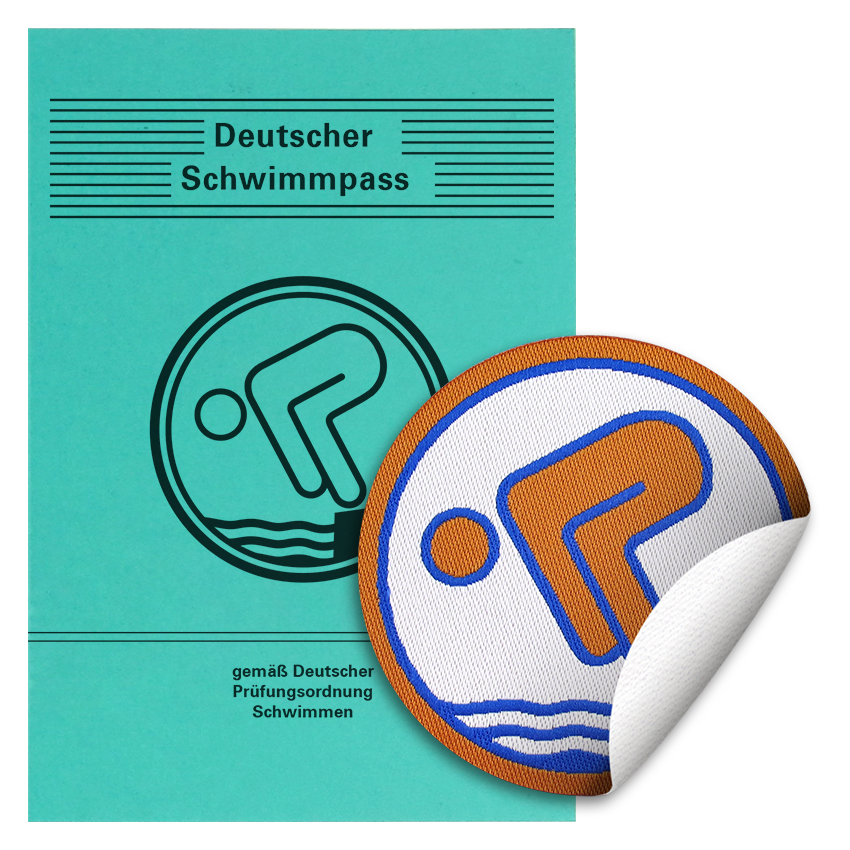
At Pimpertz, for over 38 years, you will find a high-quality range of swimming badges and accessories that optimally support these needs. Our originally certified swimming badges and child-friendly certificates help children increase their joy in swimming with clear successes and specifically train cognitive abilities. Additionally, use our personalized badge kits and practical collector albums for a motivating learning experience.
Discover now how you can combine swimming fun and brain development for your child with our certified range and exclusive offers. Start today with Pimpertz swimming badges & certificates and give your child the best support for successful development.
Frequently Asked Questions
How does swimming promote cognitive development in children?
Swimming stimulates the child's brain through complex movement sequences that promote coordination, concentration, and memory. Regular swimming sessions have been shown to improve cognitive abilities.
Which swimming styles offer the greatest benefits for brain performance?
Each swimming style presents specific cognitive challenges: breaststroke promotes symmetrical coordination, front crawl improves rhythm, and backstroke trains multisensory control, thereby strengthening neural plasticity.
How can parents effectively design their children's swimming activities?
Parents should choose a varied and playful approach that combines technical training with cognitive exercises. Positive reinforcement and achievable goals help foster motivation and self-confidence.
How do swimming badges help with cognitive development?
Swimming badges offer children structured goals that make their progress measurable. They not only promote swimming skills but also mental competencies such as perseverance, self-confidence, and problem-solving abilities.