
Swimming in the Sea: How Healthy Is It for Children?
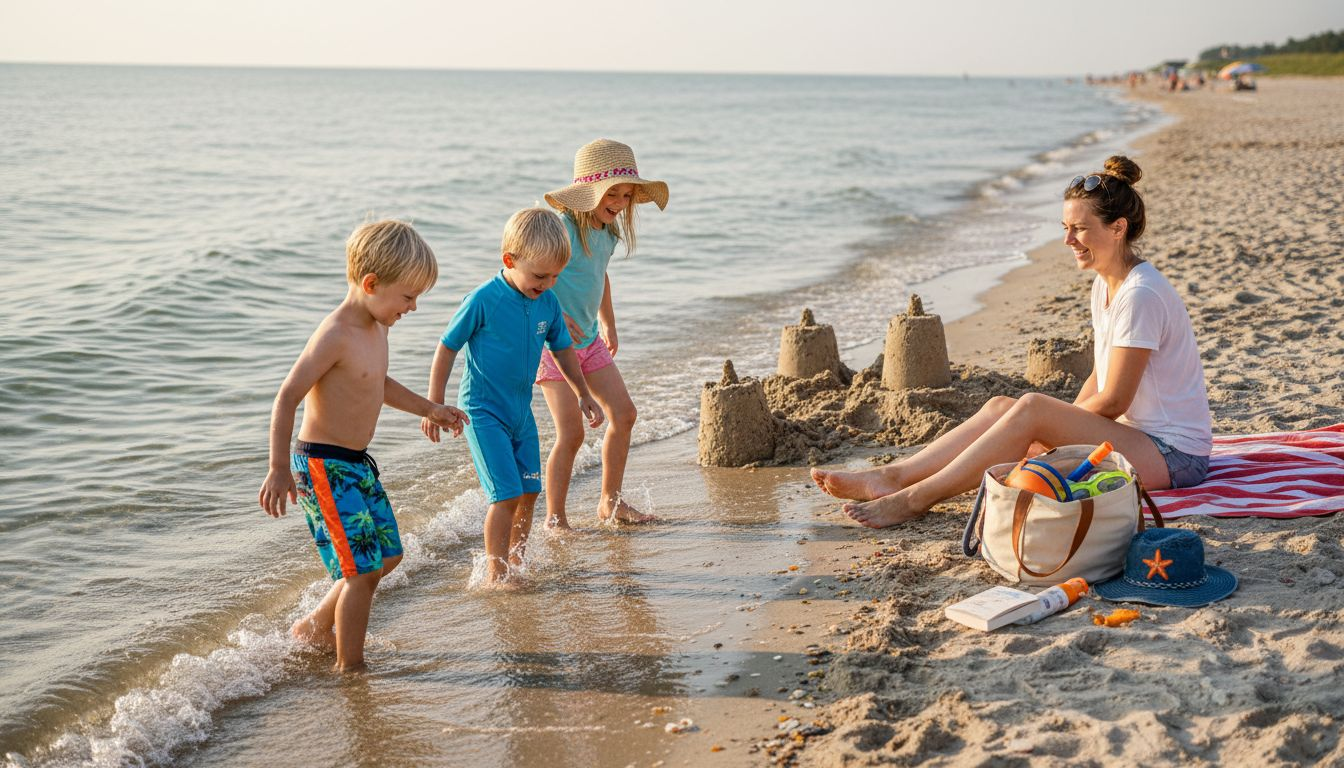
Every family vacation to the North or Baltic Sea often begins with the question of how to make swimming in the sea healthy and exciting for children. The combination of movement in the water, fresh sea air, and contact with saltwater offers many benefits for a child's development. Swimming in the sea strengthens the heart, circulatory system, and immune system, promotes skin health, and provides relaxation through the sound of the waves. Those who understand how beneficial the sea can be will find inspiration and practical tips here to playfully encourage children to swim.
Table of Contents
- What makes swimming in the sea particularly healthy?
- How saltwater strengthens skin and airways
- Focus on heart, circulation, and immune defenses
- Common risks and how parents can avoid them
- Safe habits when children swim in the sea
Key Insights
| Point | Details |
|---|---|
| Health benefits of sea bathing | Swimming in the sea strengthens the immune system, promotes blood circulation, and supports skin regeneration. |
| Positive effects on airways and skin | Saltwater heals skin conditions and has anti-inflammatory effects, while the salty air improves airways. |
| Full-body workout and psychological relaxation | Swimming in the sea offers an effective full-body workout and reduces stress through the calming effect of the waves. |
| Safety measures when bathing with children | Parents should never leave children unsupervised and ensure adequate protection such as sun protection. |
What makes swimming in the sea particularly healthy?
Swimming in the sea is not only a refreshing pleasure but also offers numerous health benefits for children. Swimming in saltwater strengthens the body in many ways and supports child development.
The most important health benefits of sea bathing include:
- Improved blood circulation
- Strengthening of the immune system
- Natural vitamin D production through sunlight
- Skin regeneration through saltwater
- Psychological relaxation through wave movements
Particularly noteworthy is the positive effect on the respiratory tract. The saltwater acts like a natural inhalation and can alleviate respiratory diseases. Additionally, swimming in the sea offers an effective full-body workout that gently and holistically trains muscle groups.
For children, swimming in the sea means not only physical activity but also mental recovery. The calming effect of ocean waves reduces stress and promotes positive psychological development.
For a better overview, here is a summary of the effects of the sea on various health areas in children:
| Effect | Body area | Brief description |
|---|---|---|
| Blood circulation | Cardiovascular | Promotes oxygen supply and performance |
| Immune system | Defenses | Strengthens natural defense cells against infections |
| Skin regeneration | Skin | Supports healing of irritations and eczema |
| Respiratory relief | Airways | Alleviates symptoms of asthma and allergies |
| Psychological relaxation | Psyche | Reduces stress levels and promotes well-being |
Pro-Tip: Make sure to gently accustom your children to the seawater first and always let them swim under supervision.
How saltwater strengthens skin and airways
Seawater is a true miracle cure for children's health, especially for skin and airways. Salty sea air can alleviate respiratory problems and sustainably improve skin health.
The main benefits for skin and airways include:
- Natural healing of skin conditions such as eczema
- Reduction of inflammation
- Improvement of respiratory function
- Strengthening of the immune system
- Promotion of skin circulation
The minerals in seawater play a crucial role in skin regeneration. They support natural healing and can effectively reduce skin irritations. For children with chronic skin problems, regular sea bathing can be a real blessing.
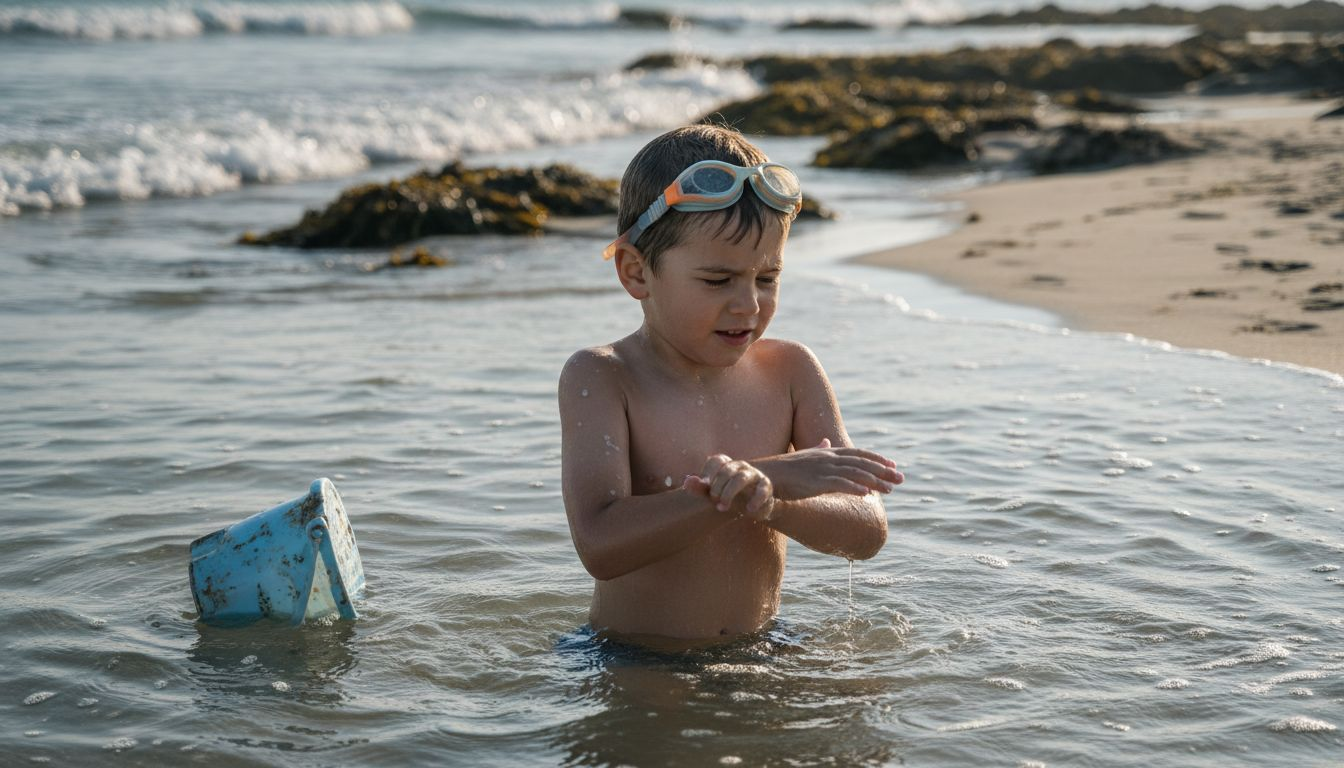
The effect on the airways is particularly impressive. The salt-rich air acts like a natural inhalation and can significantly alleviate symptoms of asthma and allergic rhinitis. Children with respiratory diseases particularly benefit from the healing effects of the sea.
Pro-Tip: Don't let your child stay in the sun for too long and ensure sufficient hydration during sea bathing.
Focus on heart, circulation, and immune defenses
Swimming in the sea is an excellent way to promote children's health holistically. Strengthening the cardiovascular system can positively influence the natural development of young people.
The most important benefits for heart, circulation, and immune system include:
- Improvement of heart muscle performance
- Regulation of blood pressure
- Strengthening of immune defenses
- Optimization of blood circulation
- Promotion of general fitness
The water pressure plays a crucial role in these health benefits. Due to the natural resistance of water, muscles are trained evenly and gently. This leads to improved cardiovascular function without overstraining the joints.
The effect on the immune system is particularly impressive. Regular swimming in the sea stimulates the production of defense cells and helps the child's body fight infections more effectively. The combination of exercise, fresh air, and minerals strengthens the natural protective mechanisms.
Pro-Tip: Ensure age-appropriate swimming duration and do not let your child stay in the water for too long to avoid fatigue.
Common risks and how parents can avoid them
Sea bathing with children requires special attention and precautions. Child swimming safety is the key to a relaxed and healthy beach experience.
The most important risks and prevention strategies include:
- Avoid unsupervised swimming
- Observe currents and waves
- Use protective equipment such as life jackets
- Don't forget sun protection
- Plan enough water and rest breaks
Especially important is the supervision of children in the sea. Parents should always stay within calling distance and realistically assess their child's swimming abilities. Bathing shoes can also prevent injuries from corals or sea urchins.
Additionally, parents should educate their children about important rules of conduct. This includes not drinking seawater and leaving the water immediately at the first signs of exhaustion or discomfort. After swimming, it is advisable to rinse the children with fresh water to remove salt residues.
Prevention and safety during bathing are crucial – this overview shows common risks and suitable protective measures:
| Risk | Recommended Measure | Additional Benefit |
|---|---|---|
| Strong currents | Only swim in designated areas | Significantly reduces accident risk |
| Sunburn | Apply waterproof sunscreen regularly | Protects against skin damage and overheating |
| Injuries from marine life | Wear swimming shoes | Prevents cuts or punctures |
| Fatigue | Regular breaks in the shade | Lowers the risk of exhaustion |
| Unsupervised swimming | Always stay within sight | Enables immediate help in emergencies |
Pro-Tip: Before visiting the beach, have short safety talks with your children and practice behaviors for emergency situations.
Safe habits when children swim in the sea
Sea bathing with children requires careful preparation and constant attention. Water familiarization for children forms the basis for a safe and relaxed beach experience.
The most important safe habits include:
- Never leave children unsupervised
- Realistically assess swimming abilities
- Use age-appropriate swimming equipment
- Consistently apply sun protection
- Take regular water breaks
- Set clear rules of conduct
Age-appropriate preparation plays a crucial role. Parents should gradually accustom their children to the seawater and teach them basic safety rules. This means showing children how to recognize currents, what to do in case of exhaustion, and which areas of the beach are safe.
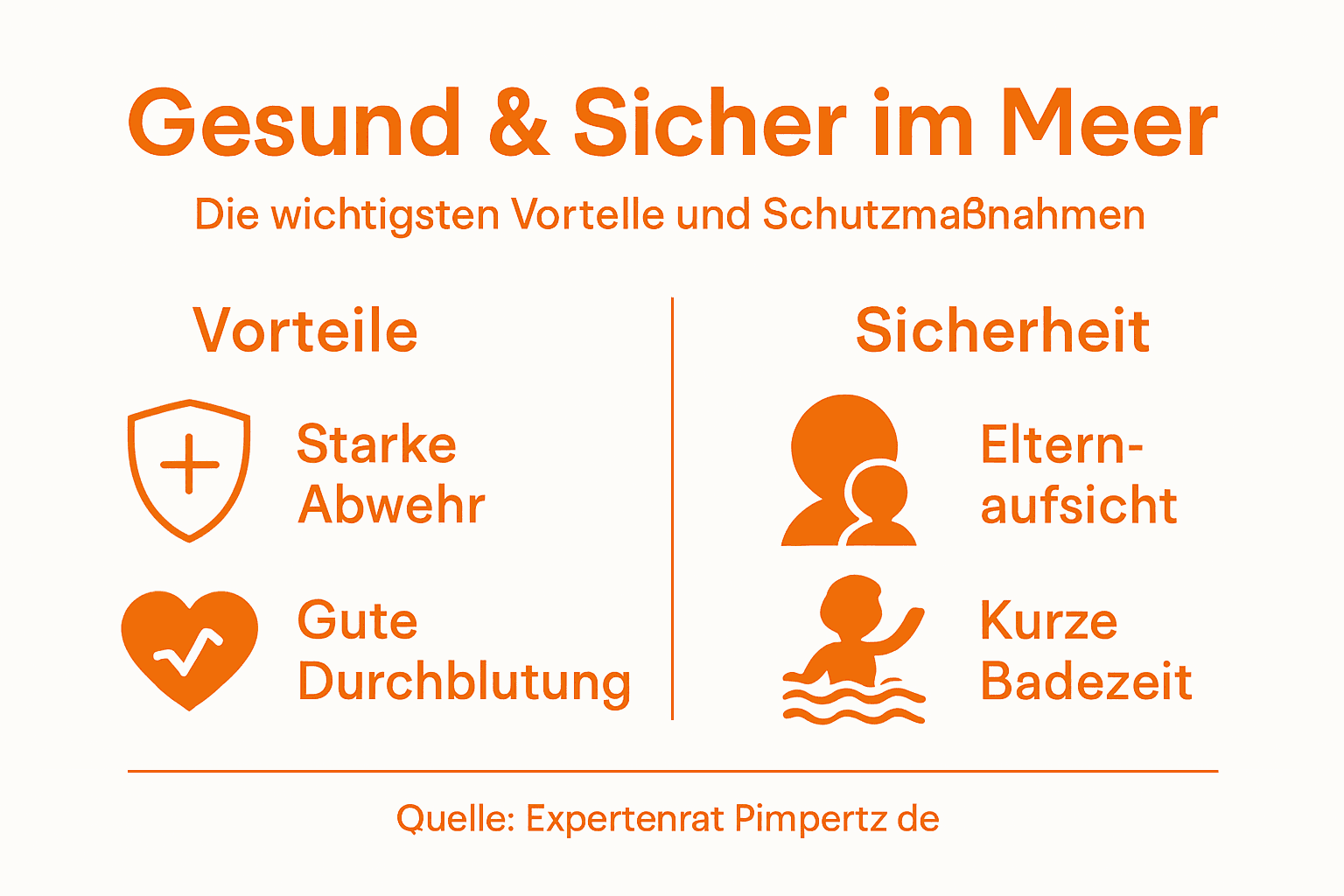
A proactive safety approach is particularly important. Before starting the beach visit, parents should have short safety discussions with their children and practice basic behaviors. Life jackets, swimming shoes, and close supervision can provide additional safety.
Pro-Tip: Practice emergency situations playfully with your children so they know how to react correctly in an emergency.
Safe and Healthy Swimming with Pimpertz – For Fun and Protection at the Sea
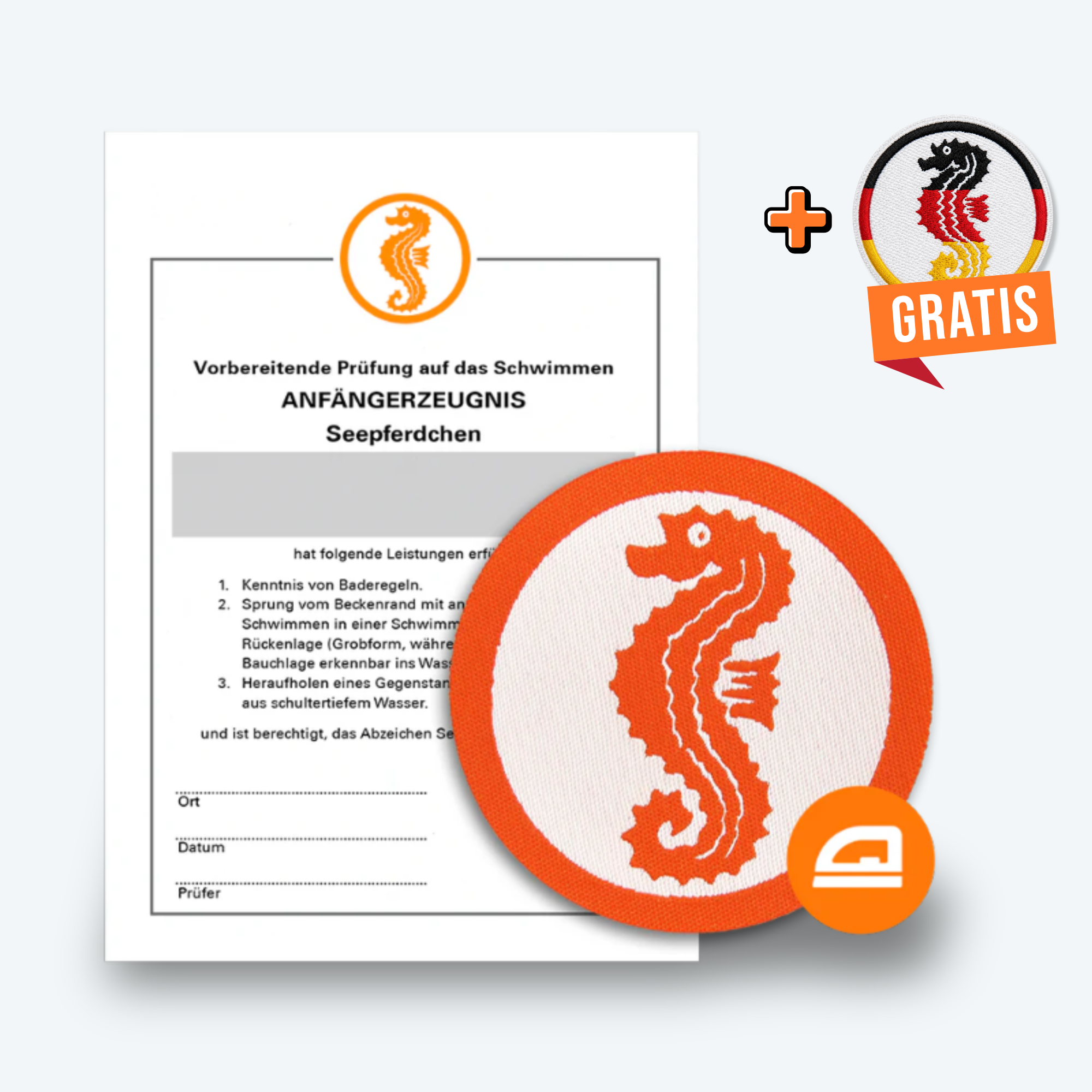
Swimming in the sea offers children valuable health benefits such as strengthening the immune system and promoting respiratory health. At the same time, it requires responsible handling of safety and preparation. This is where Pimpertz, with over 38 years of experience, supports parents and swimming instructors in safe water familiarization and achieving important swimming badges.
Discover a wide selection of swimming badges, certificates, and suitable accessories at pimpertz.de, with which children playfully learn to be confident and self-assured in the water. Our official partnerships and certified quality guarantee durable products that can be proudly collected and presented.
Give your child the decisive advantage in healthy sea bathing with child-friendly motivation through our badges. Start the journey to more safety and well-being now – visit Pimpertz and get high-quality swimming equipment that brings fun and protection. This way, health is combined with safety on the way to safe swimming in the sea.
Frequently Asked Questions
What are the health benefits of swimming in the sea for children?
Swimming in the sea improves blood circulation, strengthens the immune system, promotes natural vitamin D production, and contributes to skin regeneration. It also offers psychological relaxation and helps with respiratory diseases.
How does saltwater affect children's skin and airways?
Saltwater has a healing effect on the skin, supports the healing of skin conditions, and alleviates respiratory problems. The salty air acts like a natural inhalation and can reduce symptoms of asthma and allergies.
What safety precautions should parents take when their children swim in the sea?
Parents should never leave their children unsupervised, pay attention to currents, use protective equipment such as life jackets, and take regular breaks. Regular sun protection is also important to prevent sunburn.
How can I accustom my child to seawater?
It is advisable to gradually accustom children to seawater. Start with short stays in the water and explain safety rules. Practicing behaviors in emergency situations can also be helpful.
Recommendation
- Swimming in the Sea – How it Healthily Strengthens Children
- Swimming Course 3 Years: Children Learn to Swim Safely
- Swimming in the Lake – How it Benefits Children
- How Much Does a Swimming Course Cost? Understanding for Parents and Providers
- Natural care after tattooing: Protection and better healing