

Best Practices for Swimming Badges: Ensuring Quality 2026
Awarding swim badges is far more than just a ceremonial act. It represents a crucial milestone in swimming education and profoundly influences children's motivation and safety awareness. Parents, swimming instructors, and clubs face the challenge of choosing the right practices to ensure quality and fairness. This article shows you the most important criteria, methods, and decision-making aids so that you can award swim badges professionally and motivationally.
Table of Contents
- Key Insights into Best Practices for Swim Badges
- Criteria for the Optimal Awarding of Swim Badges
- Best Practices in Implementation and Assessment
- Comparison of Organizations and Events for Swim Badges 2026
- Practical Decision Aids and Recommendations for Clubs and Parents
- Swim Badges for Children: Buy Online Now and Award Motivatingly
- FAQ on Best Practices for Swim Badges
Key Insights into Best Practices for Swim Badges
| Point | Details |
|---|---|
| Quality Criteria | Safety, practicality, and motivational value are central benchmarks for successful awarding. |
| Inclusive Approaches | Adaptations for children with disabilities increase success rates by up to 91 percent. |
| Qualification | Webinars and structured events support instructors in maintaining consistent assessment standards. |
| Organizations | DSV, DOSB, and DLRG offer various programs with different recognitions. |
| Practical Tips | Praise, visible awards, and regular training sustainably increase motivation. |
Criteria for the Optimal Awarding of Swim Badges
The quality of swim badge awarding depends on clearly defined criteria. Safety is paramount. Children must reliably master the required swimming skills before receiving a badge. Practicality means that the examination conditions simulate realistic situations, such as swimming in everyday clothes or diving for objects. The motivational value should not be underestimated: visible awards strengthen self-confidence and promote enjoyment of swimming.
Professional qualification is another key to success. Qualification modules and webinars support quality assurance in swim badge awarding and ensure that instructors assess according to uniform standards. These trainings not only convey technical knowledge but also pedagogical competencies in dealing with different age groups. Standardized events such as nationwide badge days also promote uniform assessment practices and create comparability.
Inclusion should be a central priority in the awarding of swim badges. Children with different physical or cognitive conditions need adapted criteria that take into account their individual abilities. Transparent communication with parents about the requirements and the examination process builds trust and reduces uncertainties. Detailed information on the individual swim badges and their requirements helps families prepare optimally.
Pro-Tip: Create a checklist with all examination criteria for your swimming course and share it with parents early on. This way, children can practice specifically and know exactly what is expected of them.
The most important quality criteria at a glance:
- Safety through reliable verification of swimming abilities
- Practical examination conditions for realistic requirements
- Motivational value through visible recognition
- Standardized assessment by trained instructors
- Inclusive approaches for children with special needs
- Transparent communication with parents and participants
Best Practices in Implementation and Assessment
The practical implementation of swim badge awarding requires well-thought-out methods and clear structures. Adaptations for children with disabilities are not only possible but also extremely successful. Studies show a success rate of 91 percent in inclusive swim badge programs for Bronze and Silver. This impressive rate proves that individualized approaches work and enable all children to access swimming awards.
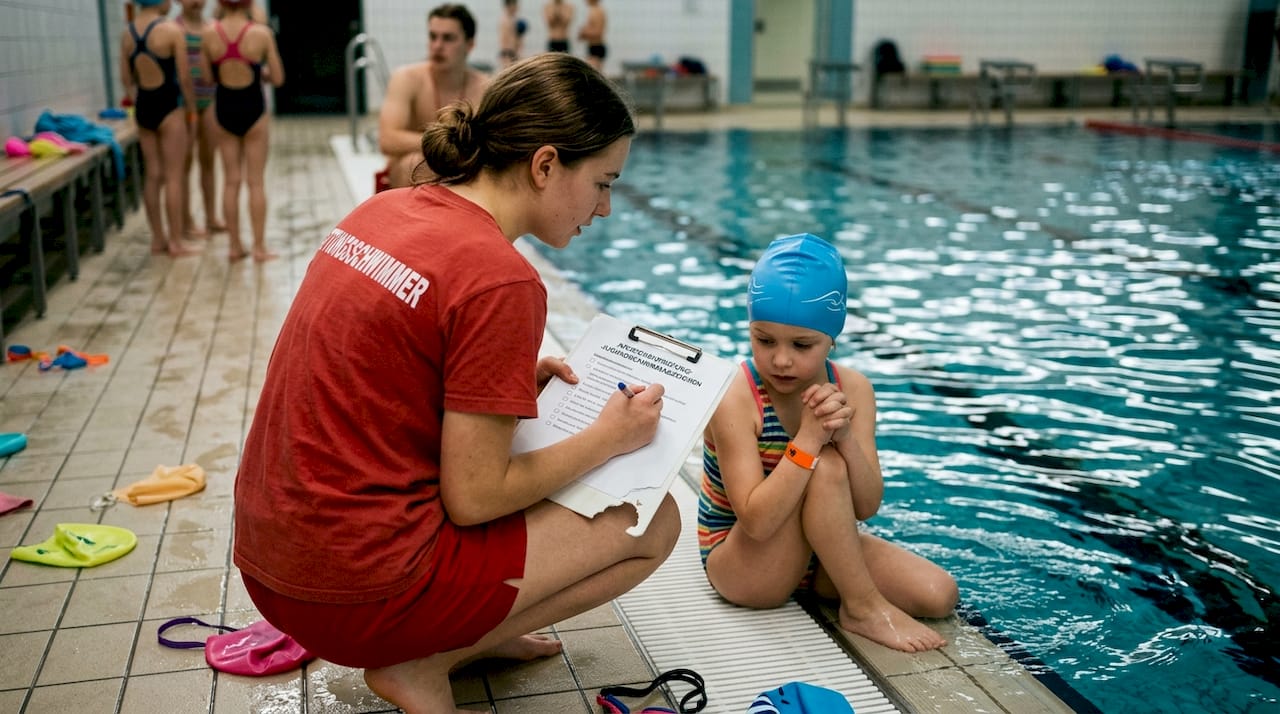
A structured examination process creates clarity for all involved. Start with a brief explanation of the tasks, demonstrate individual elements if necessary, and give children enough time to prepare. During the examination, document each step and apply objective assessment criteria. Afterwards, constructive feedback is provided, highlighting both strengths and potential for improvement.
Motivation arises from immediate, positive feedback. Praise specific achievements and present awards in a celebratory setting. Visible badges that children can proudly wear on their swimwear further reinforce success. Learn more about inclusive approaches in swimming that promote diversity and cater to all children.
Pro-Tip: Take photos of the swim badge presentation and share them with parents. These visual memories reinforce children's pride and motivate them for further challenges.
Steps for professional examination implementation:
- Preparation: Check all materials and inform parents about the procedure and timing.
- Explanation: Describe tasks clearly and age-appropriately, answer questions.
- Demonstration: Show the correct procedure for complex exercises.
- Implementation: Observe carefully and document achievements objectively.
- Feedback: Provide constructive feedback and acknowledge efforts.
- Awarding: Present badges ceremoniously and encourage further goals.
Important assessment aspects:
- Apply objective criteria, do not assess based on personal preference
- Consider individual progress, especially in inclusive groups
- Safety takes precedence over speed
- Use positive reinforcement, even for partial achievements
- Offer opportunities for repetition without stigmatization
Comparison of Organizations and Events for Swim Badges 2026
In Germany, several organizations offer swim badges and conduct qualification programs. The German Swimming Federation (DSV), the German Olympic Sports Confederation (DOSB), and the German Life Saving Association (DLRG) have each developed their own programs. DSV and DOSB, as well as DLRG, offer similar structures, with DOSB being recognized as an officially accredited provider that sets nationwide uniform standards.
Nationwide badge days have established themselves as an effective tool for motivation. These events create a festive atmosphere in which children can present their achievements and receive recognition. Clubs benefit from the increased attention and can attract new members. Participation in such events also promotes exchange among instructors and the dissemination of proven methods.
| Organization | Advantages | Special Features | Target Group | | — | — | — | | DOSB | Official recognition, nationwide standards | Qualification modules, webinars | Clubs, schools, professional instructors | | DSV | Sport-oriented programs, competitive swimming | Competition relevance, technical excellence | Performance-oriented swimmers | | DLRG | Focus on water safety, lifeguard training | Lifesaving competencies | Broad and safety-oriented | | Regional Associations | Local adaptations, direct support | Individualized support | Local clubs and initiatives |
Qualification modules and webinars offer flexible learning opportunities for instructors. They can continue their education independently of time and stay up-to-date with the latest methodologies. These digital offerings complement in-person training and enable continuous knowledge exchange. Learn more about swim badges for schools and how institutional programs can be structured.
When choosing the appropriate organization, you should consider the following factors:
- Official recognition of badges for school or official purposes
- Availability of qualification offers in your region
- Costs for materials, training, and memberships
- Focus on recreational or competitive sports
- Support for inclusive programs
Pro-Tip: Combine the strengths of different organizations. Use DOSB qualifications for official recognition and supplement with DLRG programs for water safety.
Practical Decision Aids and Recommendations for Clubs and Parents
Choosing the right practices for awarding swim badges begins with considering individual needs. Every child brings different prerequisites, whether in terms of age, physical abilities, or learning pace. Child-oriented approaches adapt the requirements to this diversity without lowering quality standards. Flexible timeframes and alternative examination formats enable more children to succeed.
Official qualification programs are an investment that pays off in the long run. Qualification webinars and badge days stimulate both motivation and quality in swimming. Instructors who regularly attend training courses stay up-to-date methodologically and can immediately implement new pedagogical approaches. This continuous development is reflected in better learning outcomes and higher satisfaction.
The combination of verbal praise and visible awards creates a strong motivational effect. Children experience immediate recognition for their efforts and develop intrinsic motivation for further challenges. Certificates and badges become valuable souvenirs that document the path from Seahorse to Gold and bring long-term joy.
Active promotion of inclusion and diversity should be anchored in every swimming program. This means not only structural accessibility but also methodological flexibility and sensitivity in dealing with different needs. Training on inclusive teaching methods empowers instructors to cater to all children and create a supportive learning environment.
Regular team training and exchange with other instructors promote quality development. Use networks, conferences, and online forums to share experiences and learn from the best practices of others. This collegial dialogue enriches your work and brings fresh impetus to your programs.
Pro-Tip: Create an annual program with fixed dates for qualifications, badge days, and team meetings. This structure ensures continuity and prevents important development measures from getting lost in everyday life.
Recommended measures for optimal awarding practice:
- Develop individual learning plans for children with special needs
- Plan at least two qualification measures per year for instructors
- Present visible awards immediately after successful examination
- Establish inclusive methods as a standard, not as an exception
- Use team feedback rounds to continuously improve processes
- Actively involve parents through information evenings and transparent communication
Swim Badges for Children: Buy Online Now and Award Motivatingly
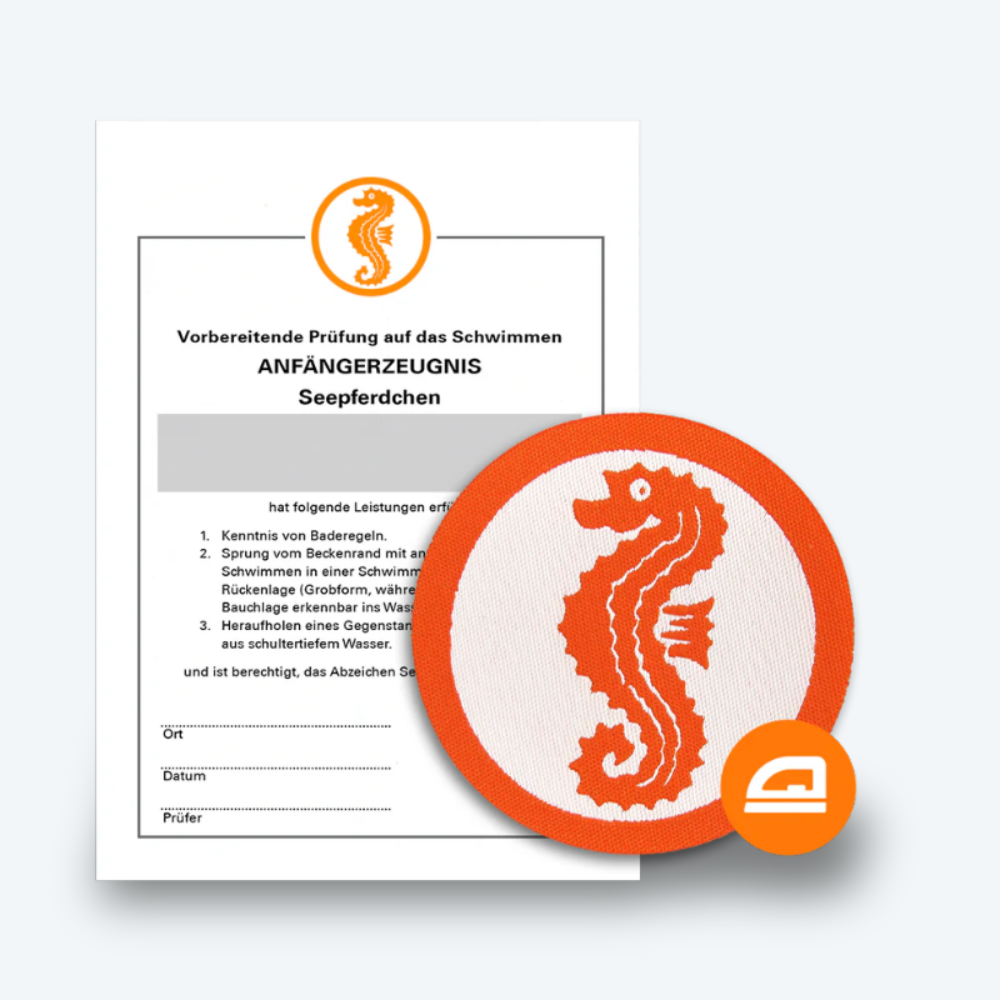
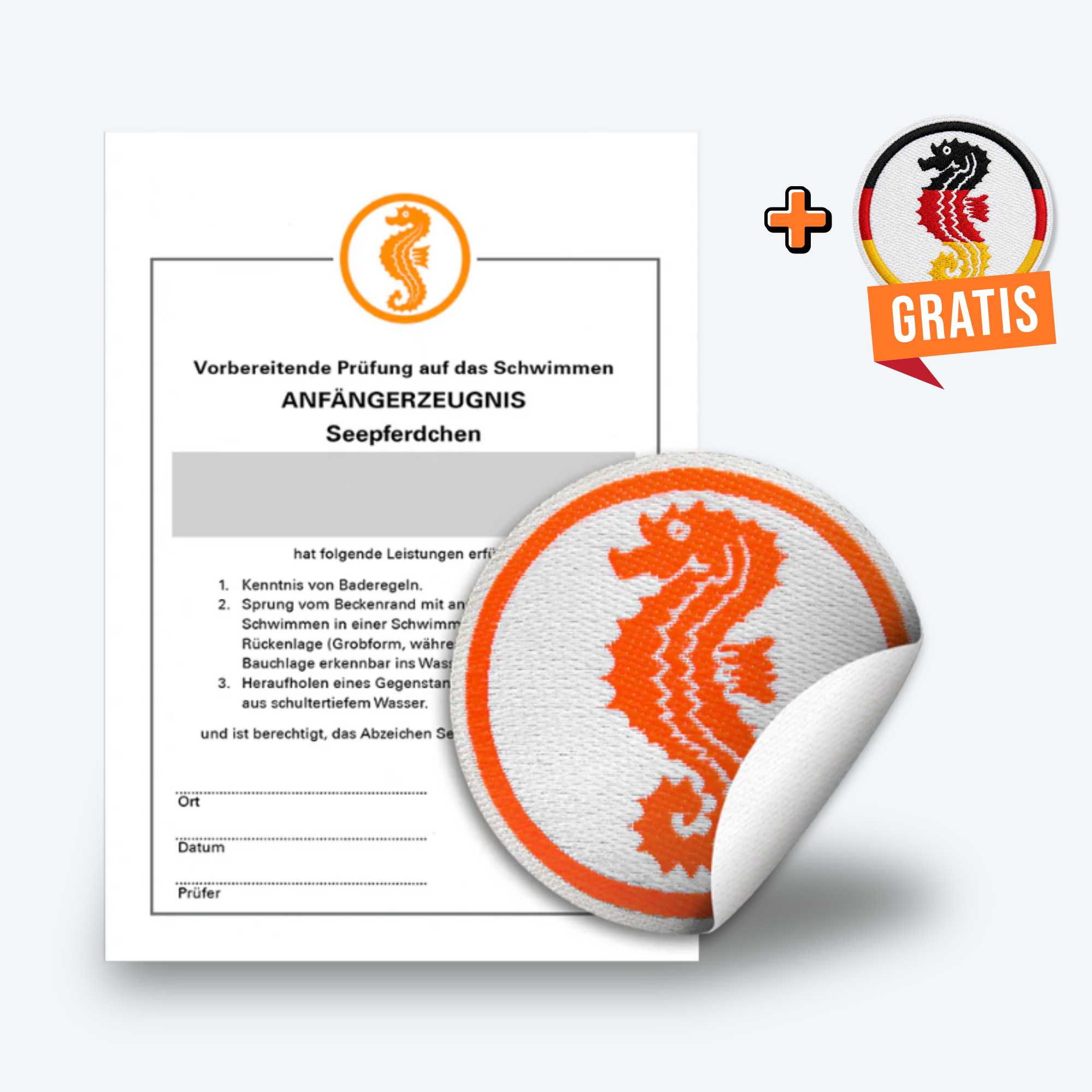
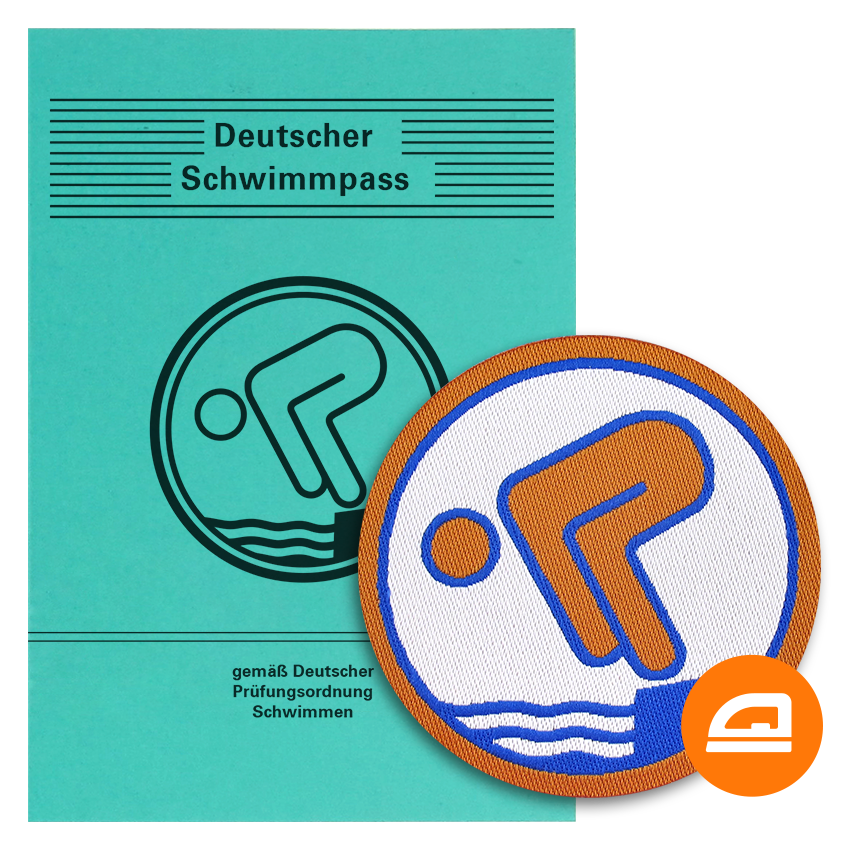
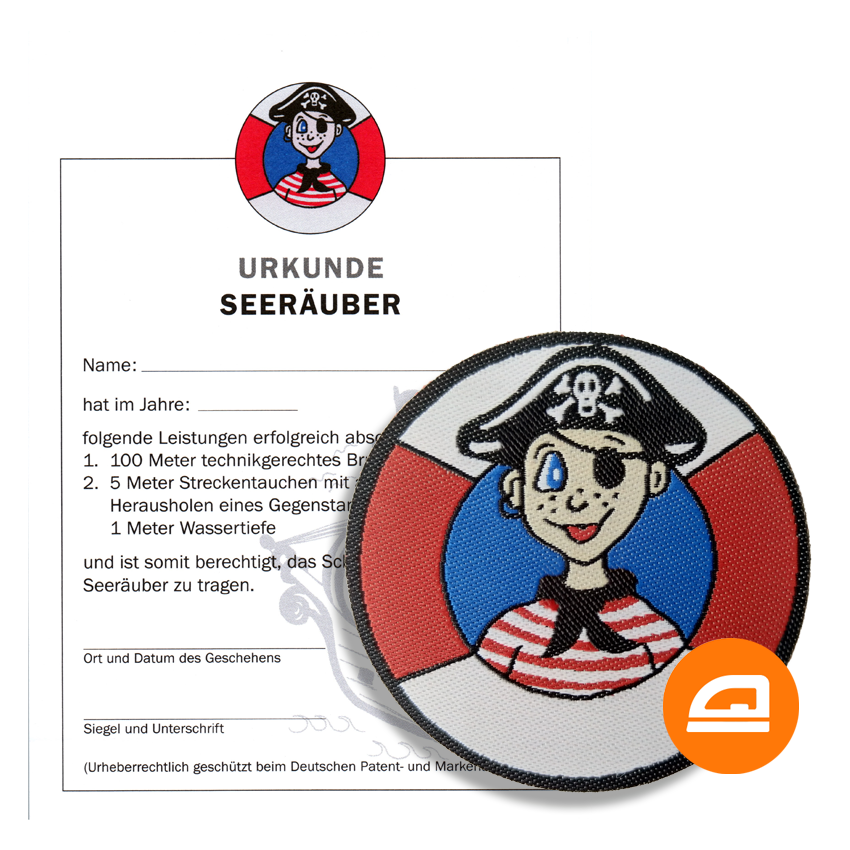
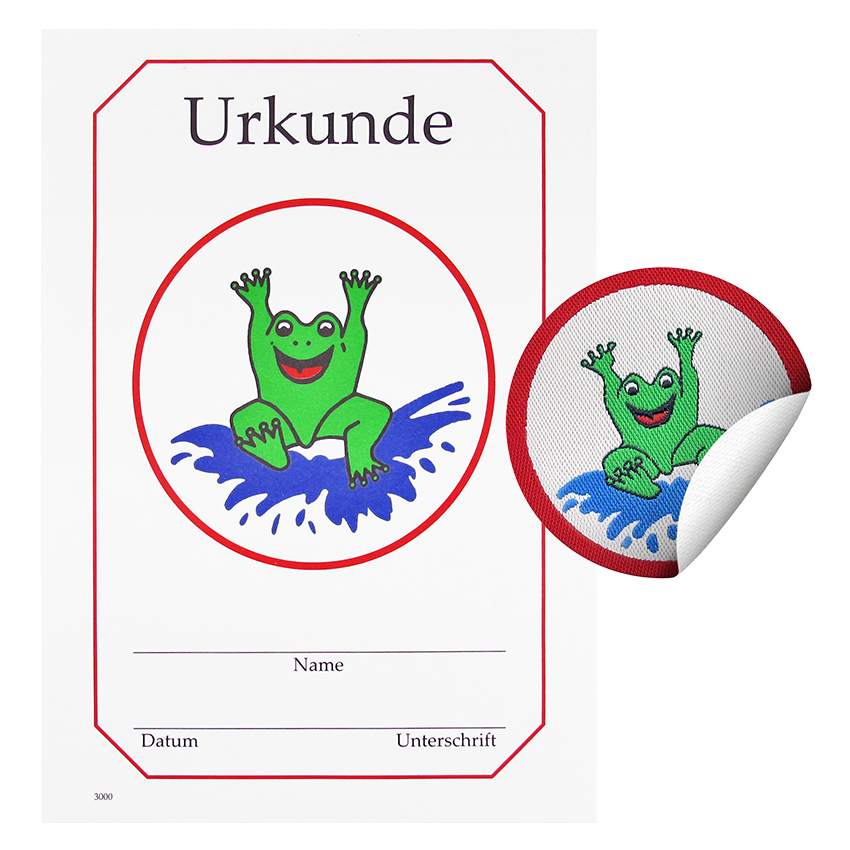
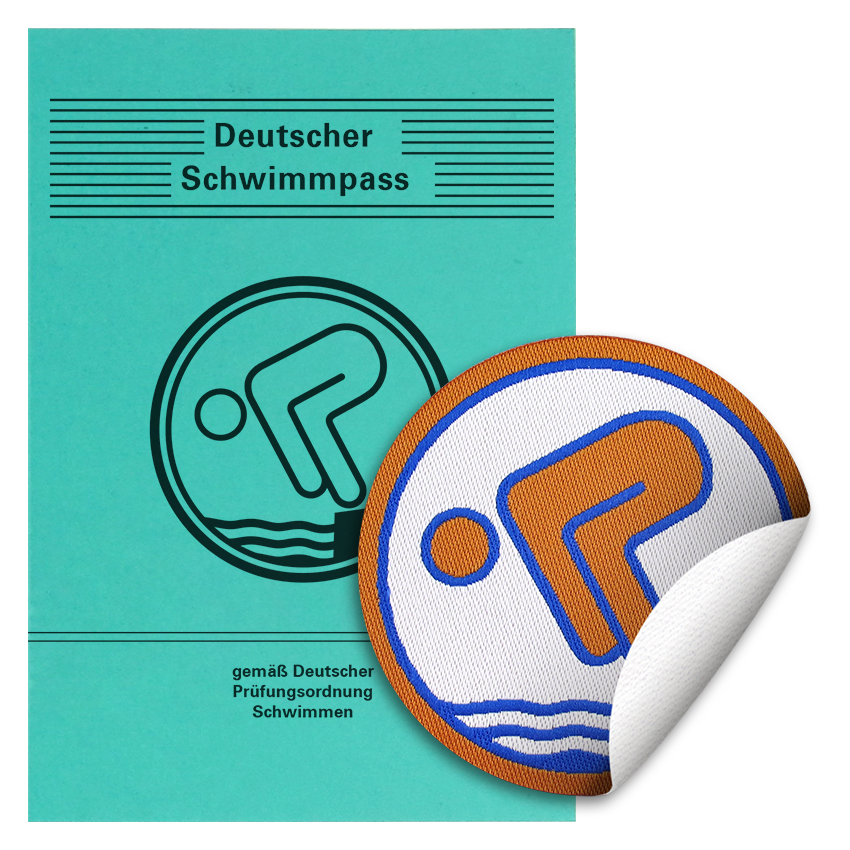
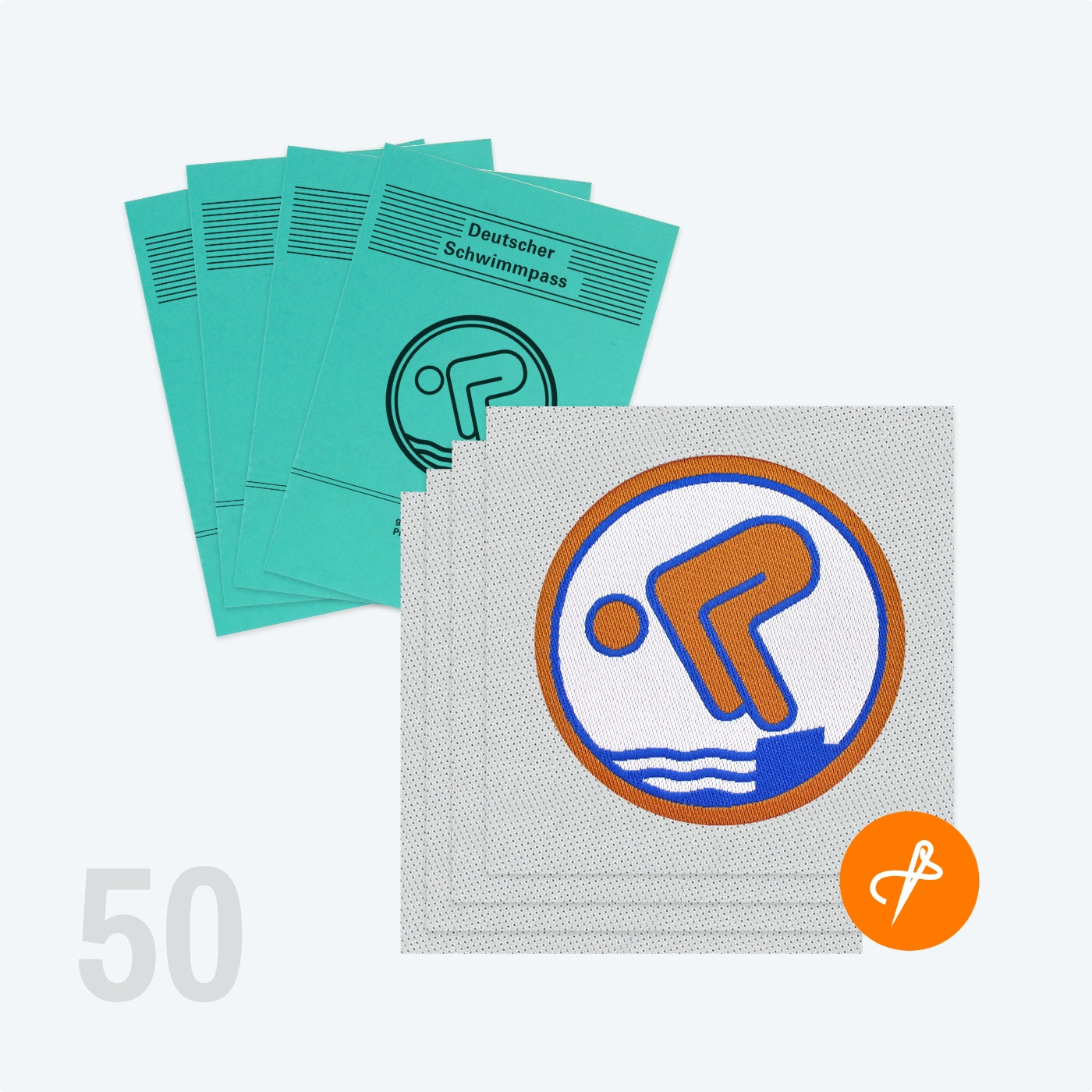
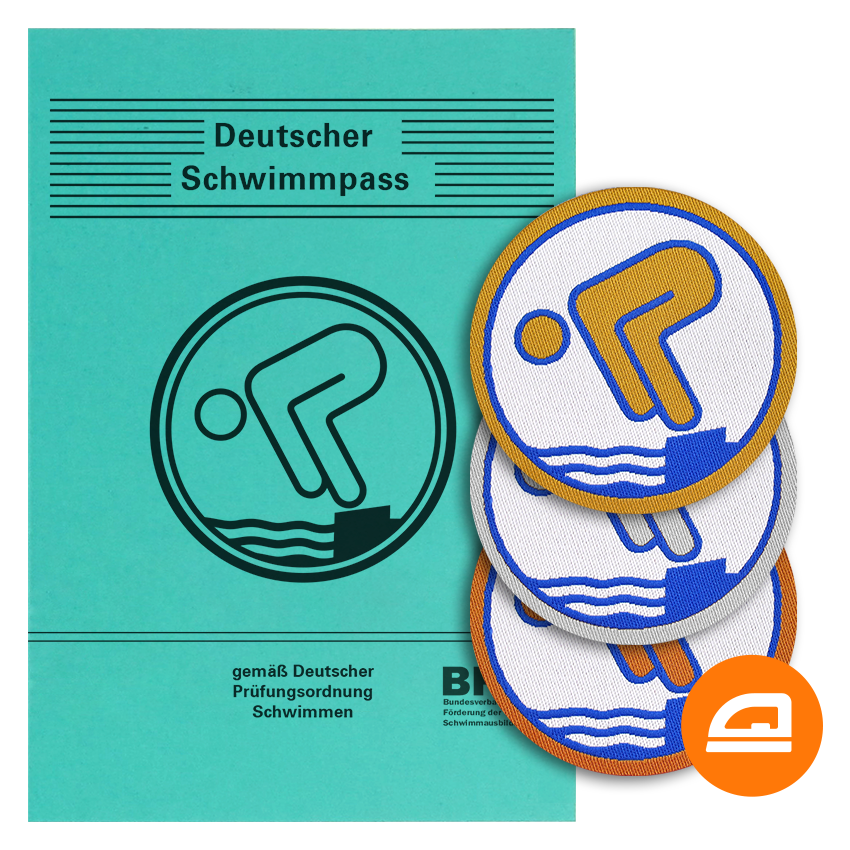
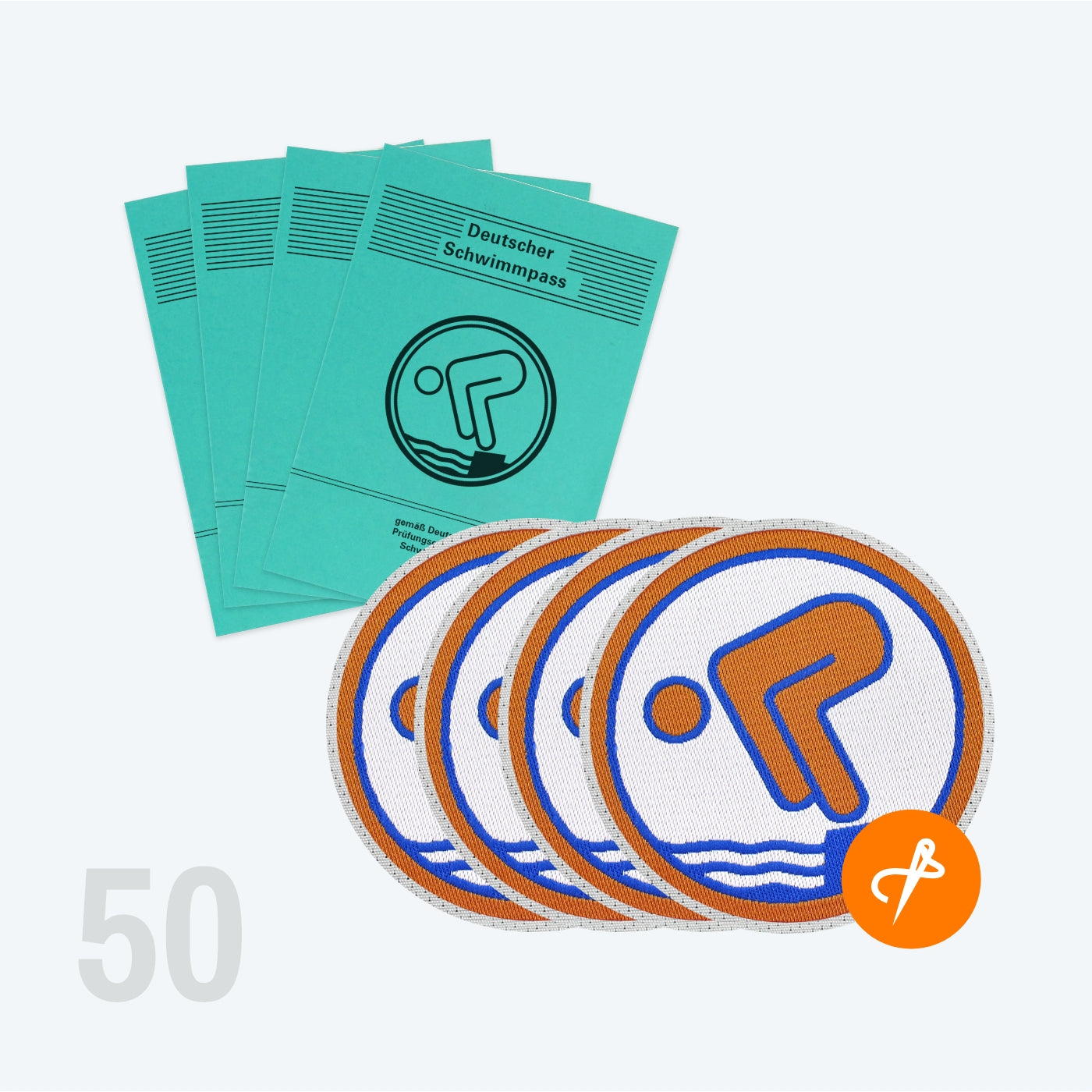
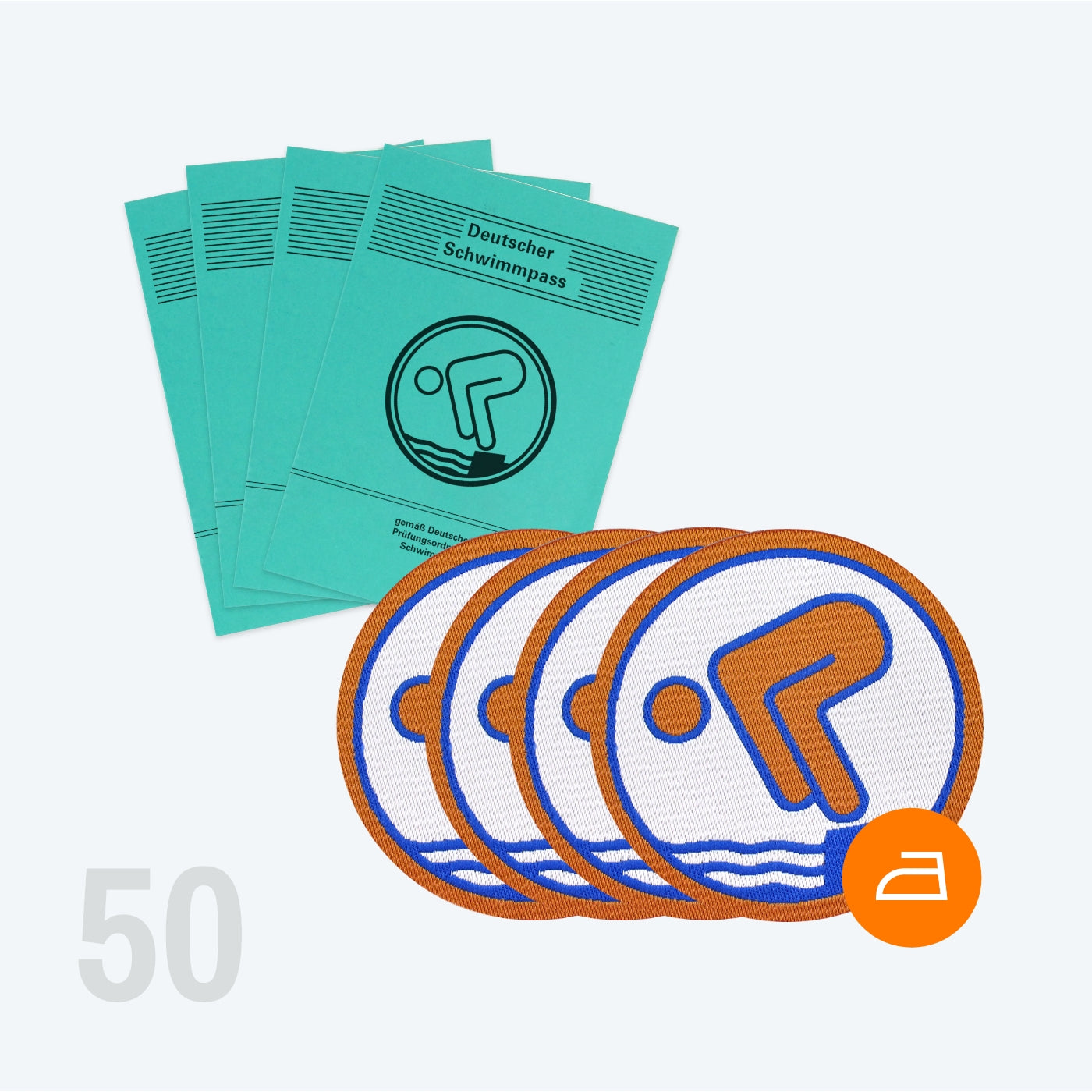
The best practices described in the article only become fully effective with high-quality materials. At Pimpertz, you will find swim badges of first-class quality that children will proudly wear and that honor their achievements. Our range includes all common badges from Seahorse to the Youth Swim Badges Bronze, Silver, and Gold, each with matching certificates and swim passes.
As an official partner of the DLRG and BFS, we guarantee officially recognized awards that are valid nationwide. Swimming instructors, clubs, and parents appreciate our fast delivery, attractive sets, and the option for personalization. Order today and support the motivation of your swimming students with visible, high-quality awards that perfectly complement best practices in awarding.
FAQ on Best Practices for Swim Badges
What criteria are crucial for successful swim badge awarding?
Safety, practicality, and motivational value form the three pillars of successful awarding. Children must reliably master the required skills, examination conditions should reflect realistic situations, and awards must be visible and valuable. Transparent communication with parents and standardized assessments by trained instructors further ensure quality.
How are children with disabilities considered for swim badges?
Inclusive programs adapt examination criteria to individual abilities without lowering safety standards. Success rates of 91 percent in inclusive swim badge programs show that this approach works. Instructors need special training in inclusive methods to cater to all children. More on this topic can be found under Inclusion in Swimming.
Which organization is recommended for qualification?
The DOSB is recognized as an officially accredited provider with nationwide uniform standards and comprehensive qualification modules. DSV programs are suitable for performance-oriented swimmers, while DLRG offerings focus on water safety. Many clubs combine different approaches to benefit from their respective strengths. Choose based on your target group and regional circumstances.
How do I sustainably motivate children for further swim badges?
Combine immediate verbal praise with visible awards that children can proudly display. Document progress with certificates and swim passes that visualize the learning journey. Celebrate successes in a festive setting and encourage new goals. Individual recognition and positive reinforcement create intrinsic motivation that lasts for years.
What events are there for swim badges in 2026?
Nationwide badge days offer festive settings for awarding swim badges and promote exchange between clubs. Regional associations also organize local events tailored to specific needs. Qualification webinars take place year-round and enable flexible further training for instructors. Inquire with your regional swimming association about current dates and participation opportunities.